Embarkation Day Blunders That Ruin the Start Of Every Cruise
You’ve been planning this cruise for months. The excitement builds as embarkation day arrives, and you picture yourself stepping aboard to begin the perfect vacation.
But somewhere between leaving your house and finding your stateroom, things start going sideways. Small mistakes compound into major headaches, and suddenly that dreamy cruise departure feels more like a stress test.
The truth is, embarkation day has its own rhythm and unwritten rules. Miss them, and you’ll spend the first precious hours of your vacation dealing with problems that were completely avoidable.
These blunders happen to seasoned cruisers and first-timers alike, but knowing what they are puts you ahead of the game.
Arriving too early at the port
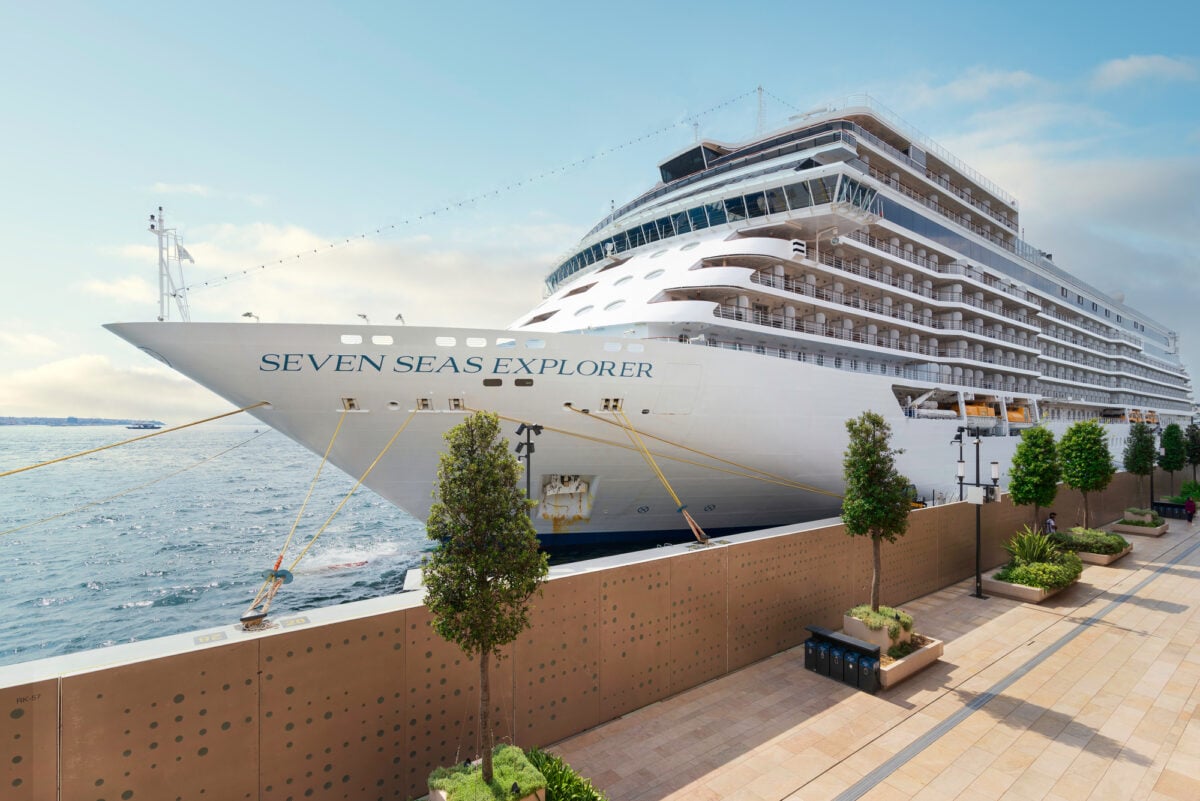
Cruise lines post check-in times for a reason. Showing up at 7 AM when your designated time is noon doesn’t make you clever—it makes you part of a crowd standing around with nowhere to go.
The terminal isn’t designed to handle thousands of people arriving whenever they feel like it. Security, check-in desks, and boarding processes run on a schedule.
Jump ahead of that schedule and you’re stuck waiting in lines that don’t even officially exist yet.
Forgetting required documents
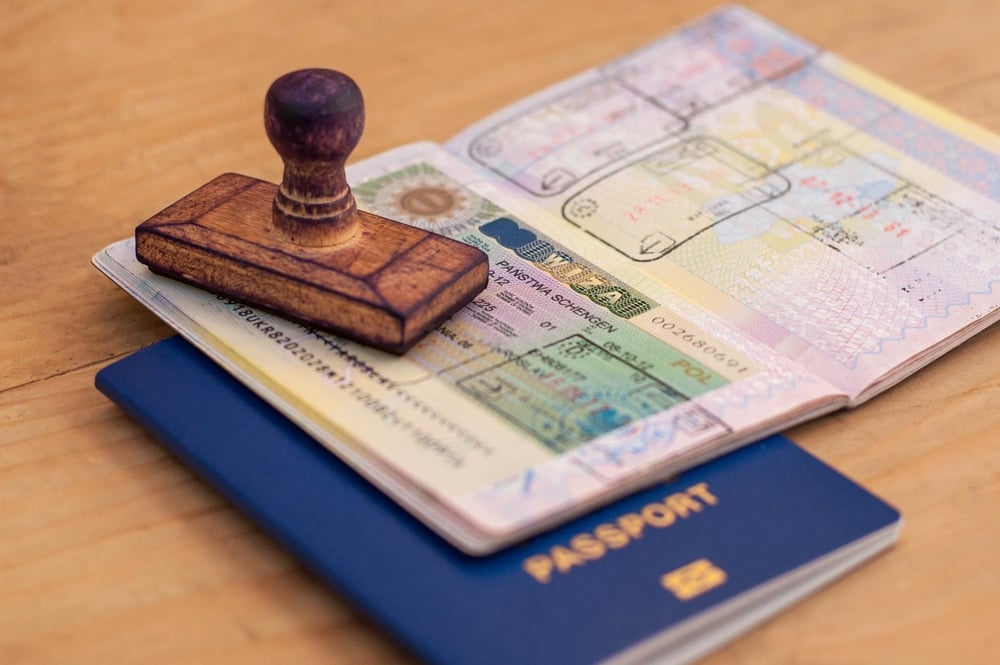
Your cruise ticket isn’t enough. Passport, birth certificate, driver’s license—whatever documents you need depend on your specific itinerary, and the requirements are stricter than most people expect.
The worst part isn’t just missing your cruise. It’s standing at the check-in desk while other passengers flow past you, realizing that months of planning just evaporated because you assumed a photo of your passport on your phone would work.
It doesn’t.
Overpacking your carry-on
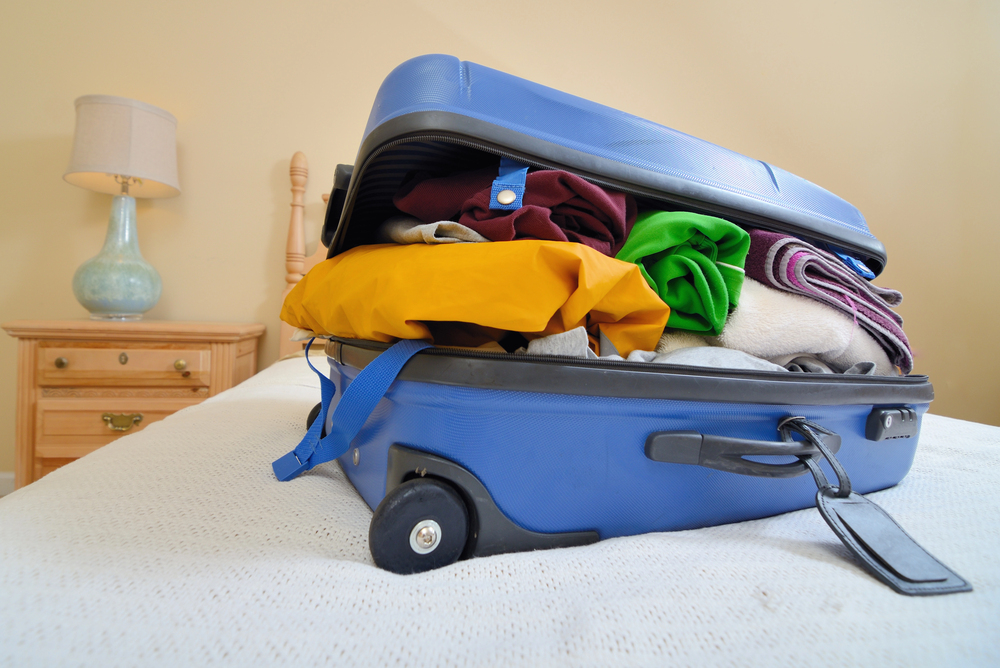
That massive carry-on bag might work for flights, but cruise embarkation is different (and the people hauling luggage through narrow ship corridors will remind you of this in ways both subtle and not-so-subtle). You’re going to be walking more than you think, often uphill, sometimes in heat, frequently while navigating crowds that move like molasses with sudden bursts of impatience.
And your stateroom—assuming it’s ready when you board, which it might not be—could be anywhere on a ship that stretches longer than three football fields. So that bag you packed like you’re moving apartments for a week becomes an anchor you’re dragging through what feels like a small floating city, except this city has stairs everywhere and elevators that stop on every floor because everyone else had the same brilliant idea to pack like they’re never coming home.
The smart move is packing light for embarkation day. One change of clothes, medications, and whatever you need for the first few hours aboard.
Not downloading the cruise app
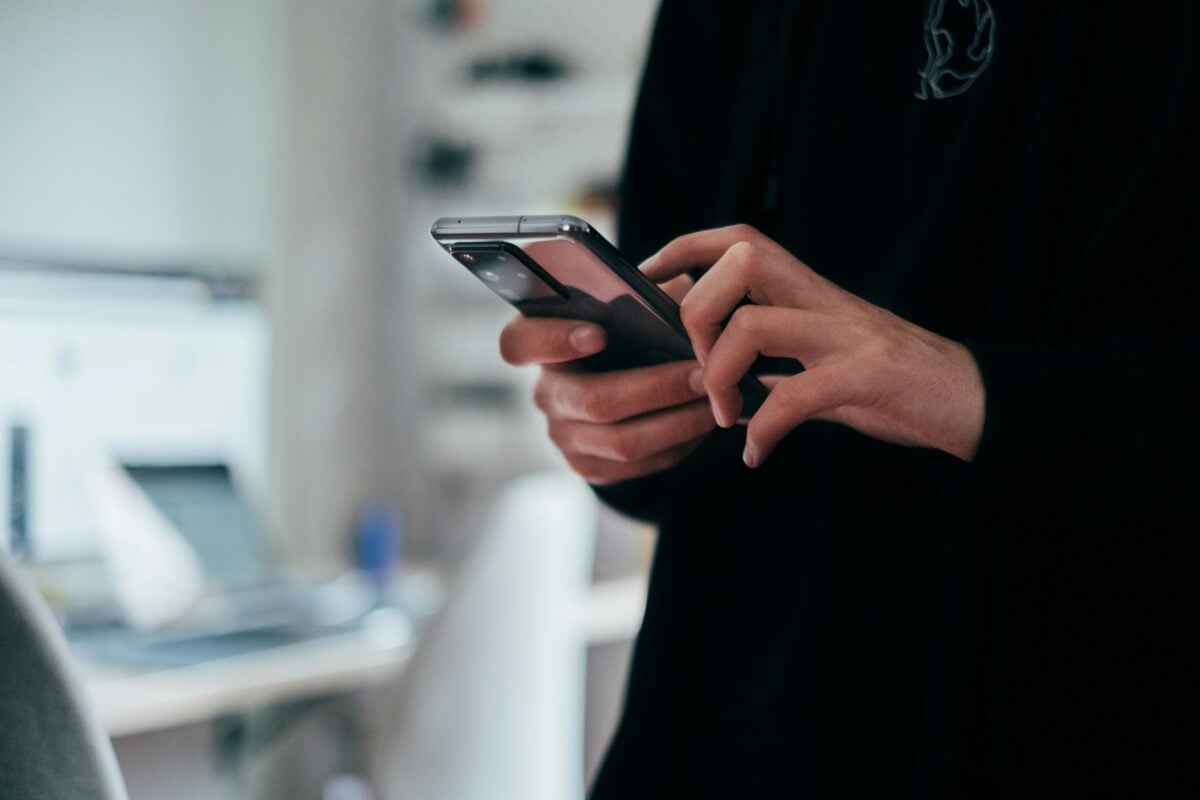
Modern cruise ships run on apps. Deck plans, daily schedules, restaurant menus, messaging other passengers—it all happens through the ship’s app, and downloading it on embarkation day means fighting the ship’s Wi-Fi along with everyone else trying to do the same thing.
Download it at home. Set up your account. Familiarize yourself with how it works.
The ship’s internet is notoriously slow and expensive, and you don’t want to spend your first afternoon aboard trying to figure out basic navigation.
Booking late dining without alternatives
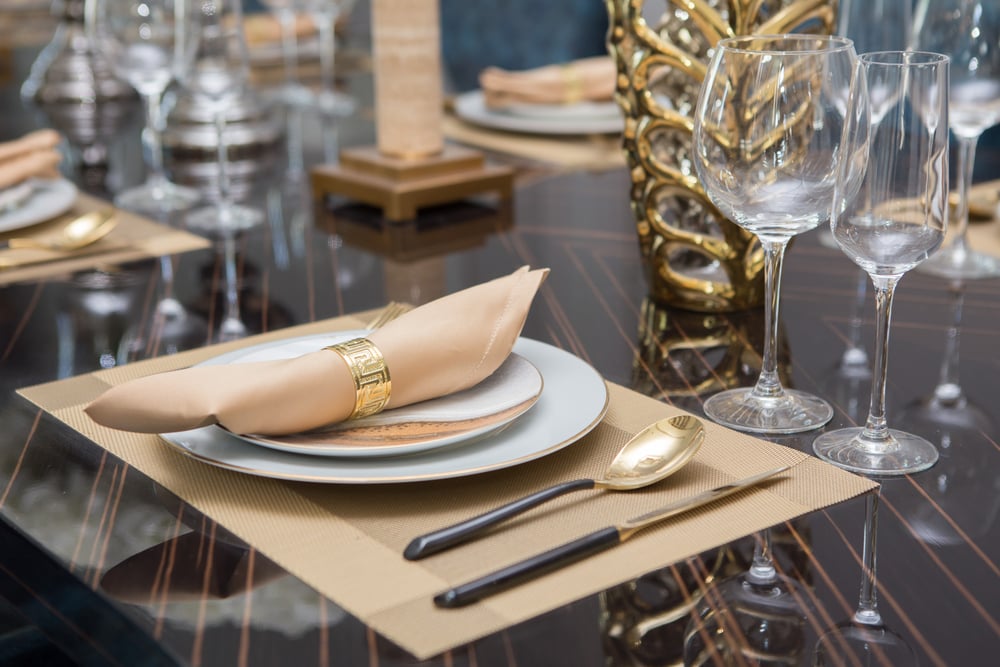
Like watching someone tend a garden that refuses to bloom the way they pictured it, cruise dining reservations have their own stubborn logic that rarely bends to last-minute wishes. The specialty restaurants everyone talks about fill up long before embarkation day, and the prime dining times vanish faster than complimentary appetizers at a cruise line event.
People arrive expecting to snag that sunset dinner reservation or the chef’s table experience they saw in the brochures. Instead, they discover that spontaneity and cruise dining operate on different wavelengths.
The availability that remains tends toward the margins—early seatings when most people want to linger by the pool, or late slots when exhaustion from a day of ports makes fine dining feel more like a chore than a treat.
Wearing inappropriate footwear

Cruise ships are floating cities with metal decks, and those Instagram photos don’t show you the reality of walking miles on hard surfaces. Flip-flops might look vacation-ready, but they’re not designed for the amount of walking embarkation day requires.
You’ll be standing in lines, walking long distances, and navigating stairs with luggage. Comfortable, supportive shoes aren’t glamorous, but they’re the difference between enjoying your first day and nursing sore feet before dinner.
Ignoring safety drill requirements

The safety drill isn’t optional, no matter how tedious it seems. Cruise lines take this seriously, and passengers who skip it face consequences that range from public embarrassment to being removed from the ship entirely.
Show up when and where you’re supposed to. Listen to the instructions.
Ask questions if something isn’t clear. It’s 15 minutes that could save your life, and treating it like an inconvenience sets the wrong tone for everything else.
Expecting immediate stateroom access
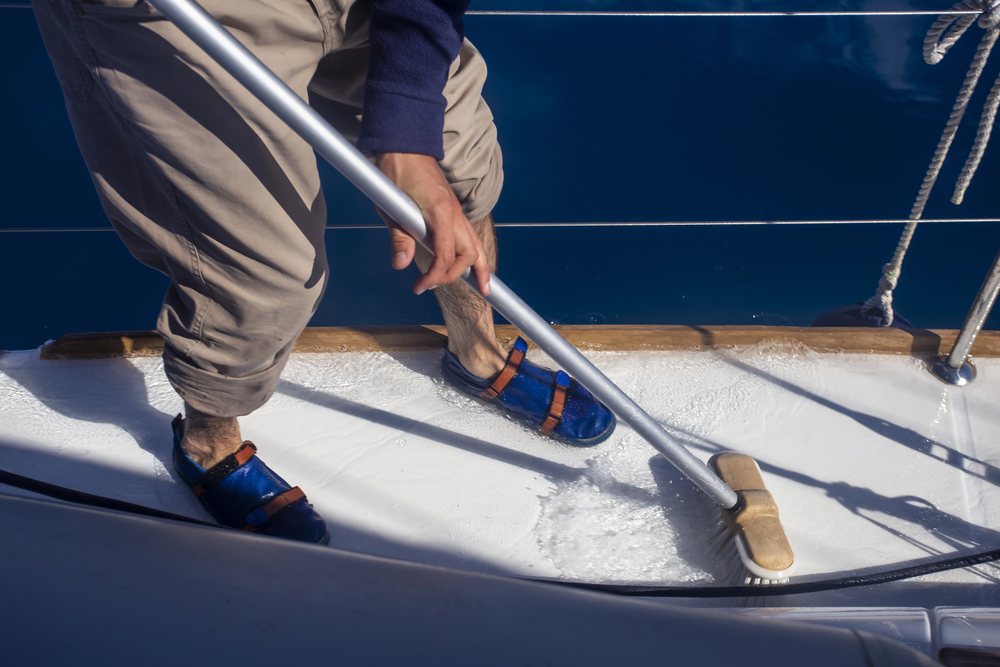
Ship cleaning crews work on tight schedules between sailings (sometimes with less than four hours to completely turn over thousands of rooms), and assuming your stateroom will be ready the moment you board often leads to disappointment that colors the entire first day. Housekeeping staff are dealing with checkout procedures, deep cleaning, restocking, and maintenance issues that can’t be rushed, no matter how eager incoming passengers might be to drop off their luggage and claim their floating home for the week.
And the reality is that some rooms will be ready by noon while others won’t be available until late afternoon, creating a lottery system that has nothing to do with how much you paid or when you boarded. But instead of standing around complaining about it (which helps nobody and changes nothing), smart cruisers treat those first few hours as bonus time to explore the ship, grab lunch, and get oriented without the pressure of unpacking.
The ship has plenty to offer while you wait. Explore, eat, find the important locations, and let the crew do their job.
Not budgeting for onboard expenses

Everything costs money on a cruise ship, and those costs add up faster than most people expect. Specialty coffee, alcoholic drinks, internet access, spa treatments, shore excursions—none of it is included in your base fare.
Set a realistic budget before you board and track your spending. The cashless system makes it easy to overspend without realizing it, and getting that bill at the end of the cruise can be a shock that ruins your post-vacation glow.
Skipping the ship tour
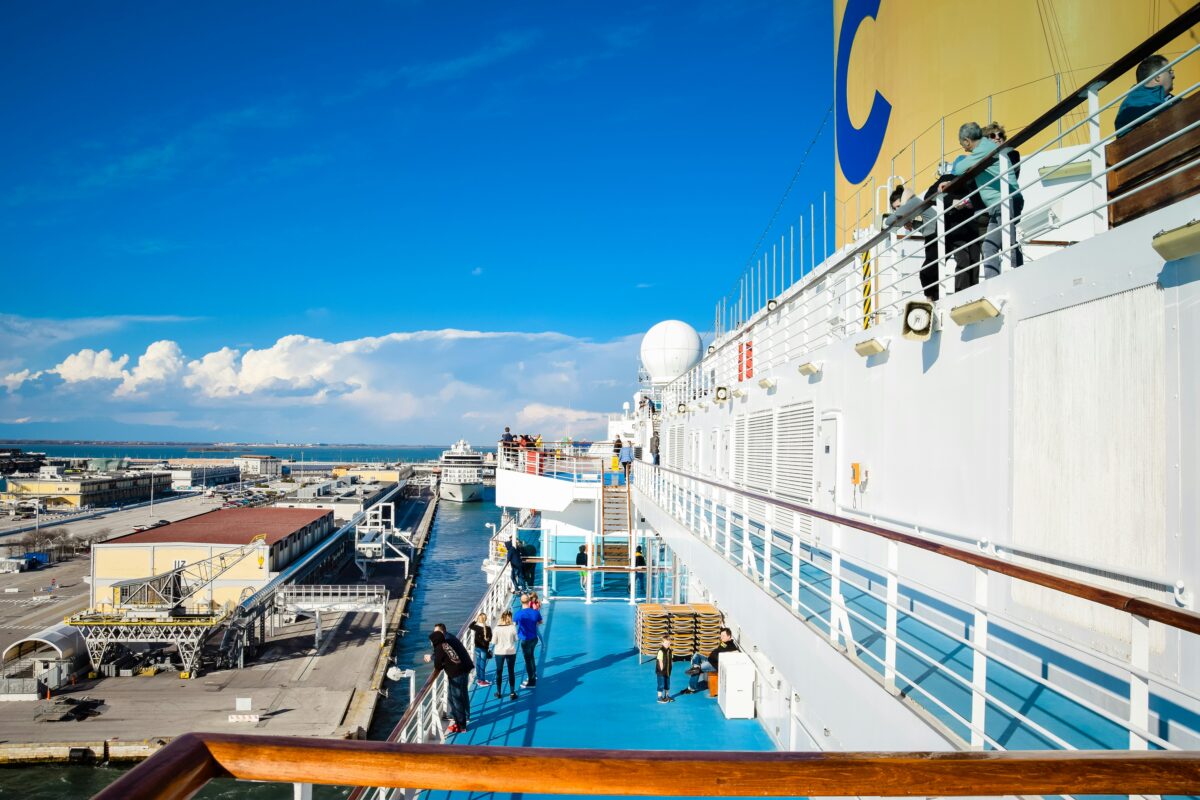
Cruise ships are massive and confusing. Skipping the self-guided tour or orientation session means spending days getting lost and missing opportunities you didn’t know existed.
Take the time to walk around and get your bearings. Find the dining venues, entertainment areas, pool decks, and other amenities.
Knowing where things are located saves time and frustration throughout your entire cruise.
Bringing prohibited items
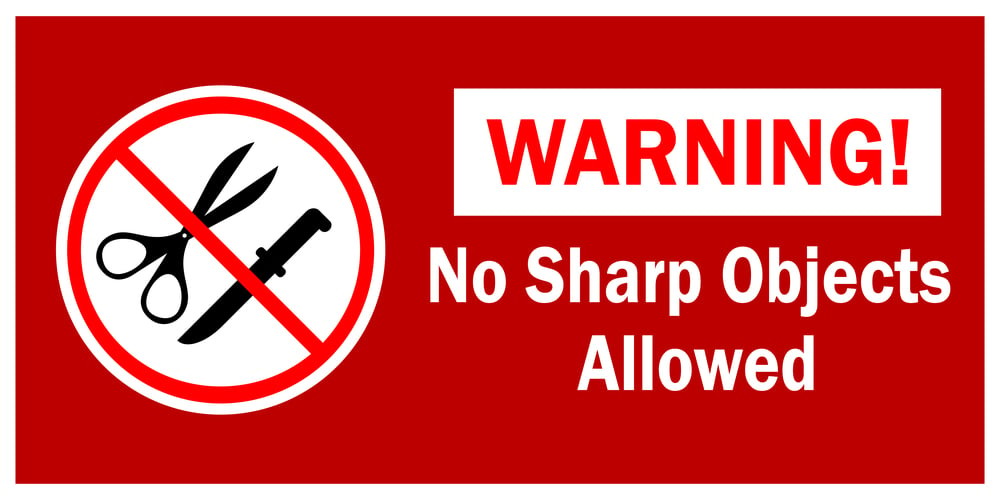
Every cruise line has a list of prohibited items, and security takes these restrictions seriously. Weapons, illegal drugs, and excessive alcohol are obvious no-nos, but the lists include items that surprise many passengers.
Power strips, candles, irons, and surge protectors often make the prohibited list. Research your cruise line’s specific policies before packing, and leave questionable items at home rather than risk having them confiscated.
Not understanding gratuity policies

Cruise ships operate on gratuities, and not understanding how this works creates awkward situations and potential service issues. Most cruise lines automatically charge daily gratuities to your onboard account, covering housekeeping, dining, and other service staff.
You can adjust these amounts up or down based on service quality, but you need to understand the system before you deal with it. Research your cruise line’s gratuity policies and decide in advance how you want to handle tips.
Booking shore excursions last-minute
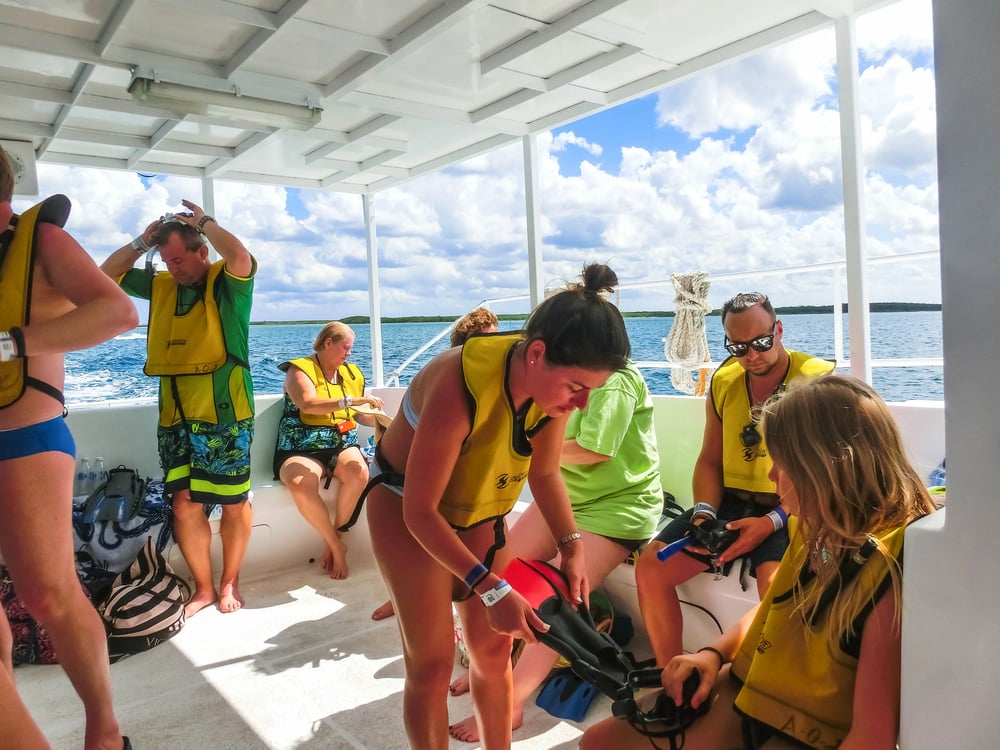
Popular shore excursions sell out long before embarkation day, and waiting until you’re onboard means choosing from whatever’s left. The best tours, cultural experiences, and adventure activities get booked months in advance.
Research your ports and book excursions early if you want specific experiences. Last-minute bookings often mean settling for generic bus tours or overpriced activities that don’t match what you hoped to see.
Setting unrealistic first-day expectations
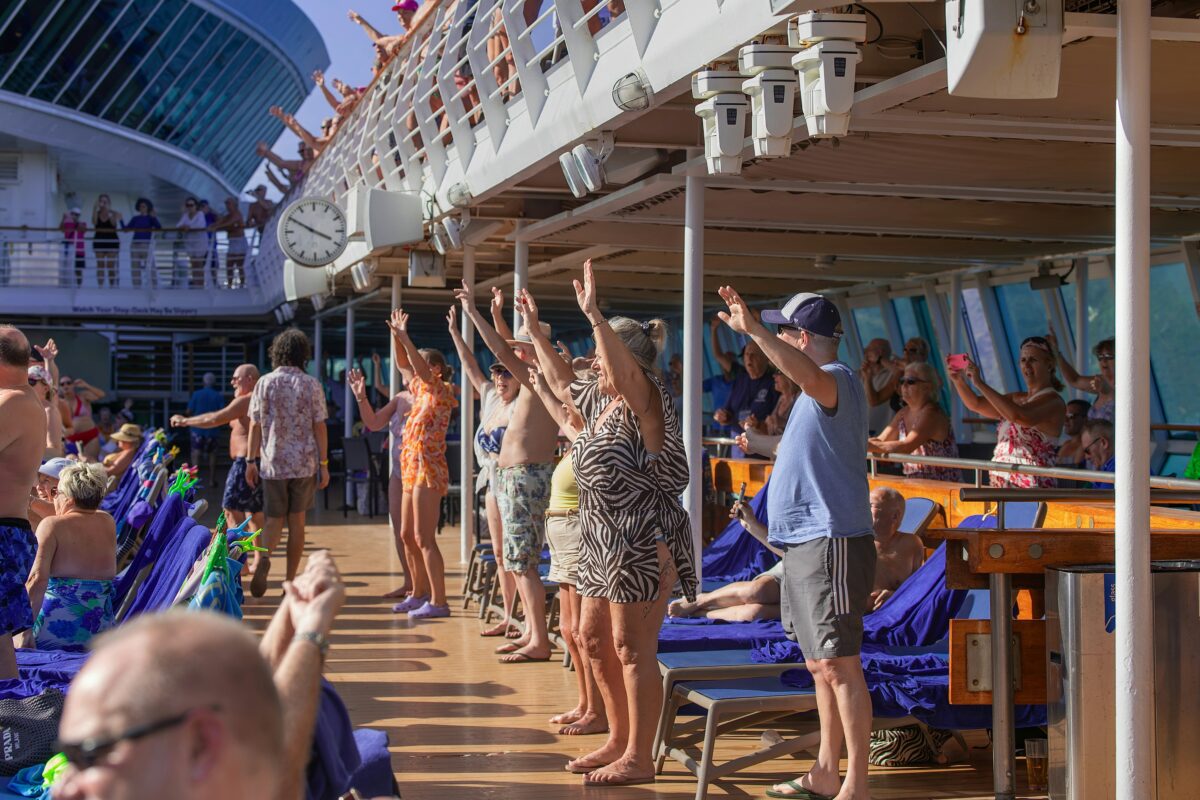
There’s something almost touching about watching passengers on embarkation day, clutching their daily schedules and racing between activities like they’re trying to solve a puzzle against the clock. They arrive with mental itineraries that would challenge a professional cruise director—spa appointment at noon, specialty restaurant lunch at one, pool time at two, art auction at three—not realizing that cruise ships operate on a different temporal frequency where rushing defeats the entire purpose.
The first day especially resists this kind of aggressive scheduling. Half the ship’s amenities might not be fully operational yet. Restaurants could be running limited menus.
Entertainment venues often don’t hit their stride until the second day when everyone settles into the rhythm. And the passengers themselves are still figuring out how to navigate a floating resort that seemed much smaller in the brochures.
The cruise will find its pace whether you fight it or flow with it. Fighting it just means missing what’s actually happening while chasing what you think should be happening.
Not preparing for connectivity issues

Ship internet is expensive, slow, and unreliable. Expecting to stay connected like you do on land leads to frustration and unexpected charges that can easily exceed your daily dining budget.
Download entertainment, inform people you’ll be largely offline, and adjust your expectations. Ship Wi-Fi works for basic communication, but streaming, video calls, and heavy internet use will cost more than you want to pay and work worse than you expect.
Ignoring dress code requirements

Cruise ships have dress codes that vary by venue and time of day. Showing up to dinner in pool attire or trying to enter formal areas in casual clothes creates embarrassing situations that are completely avoidable.
Pack appropriate clothes for different situations and understand when and where specific dress codes apply. The guidelines exist for good reasons, and following them ensures you can access all areas of the ship when you want to.
Not planning for seasickness

Even calm seas can affect people who don’t expect motion sensitivity, and being unprepared for seasickness can ruin multiple days of your cruise. Modern ships have stabilizers, but they’re not magic, and some people are more susceptible than others.
Bring motion sickness remedies and know how to use them. Patches, medications, and natural remedies work differently for different people. Having options available means you can address the problem quickly if it develops.
Overlooking dining time commitments

Traditional dining times are commitments, not suggestions. Booking the early seating means showing up at the assigned time every night, and skipping repeatedly creates problems for both the staff and your tablemates.
Choose dining options that match your actual vacation style rather than what sounds good in theory. Flexible dining might cost more or have longer waits, but it could be worth it if you value spontaneity over routine.
Treating embarkation like a race
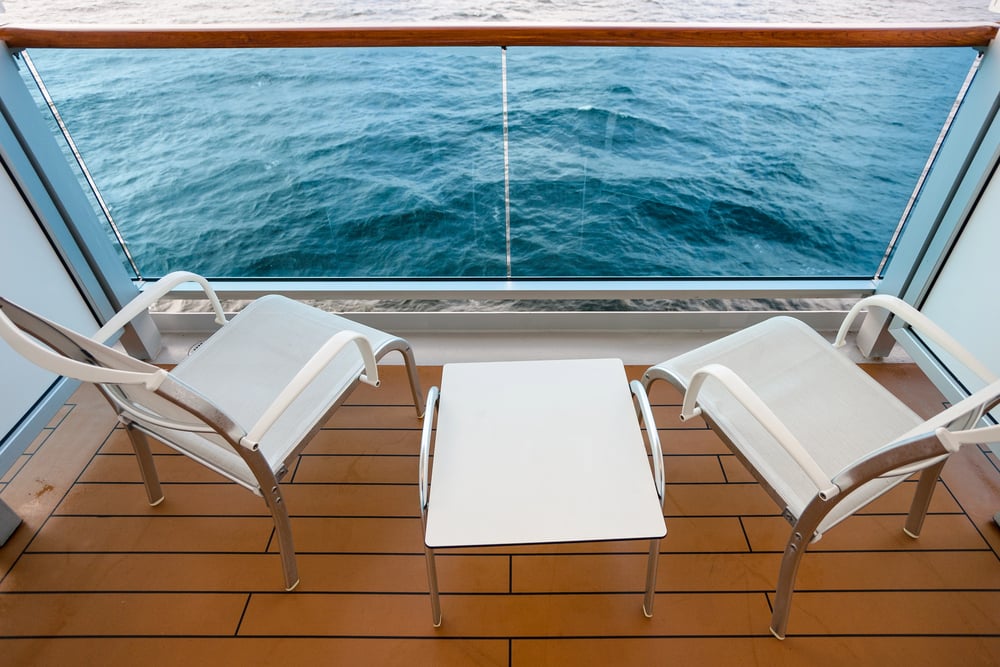
The ship isn’t going anywhere without you once you’re checked in. Racing to be first aboard, grabbing the prime pool chairs immediately, or rushing through every available activity treats the cruise like a competition instead of a vacation.
The best parts of cruising often happen when you slow down and let the experience unfold naturally. Embarkation day sets the tone for everything that follows, and starting with frantic energy usually means maintaining that exhausting pace throughout the entire cruise.
Setting sail on the right note
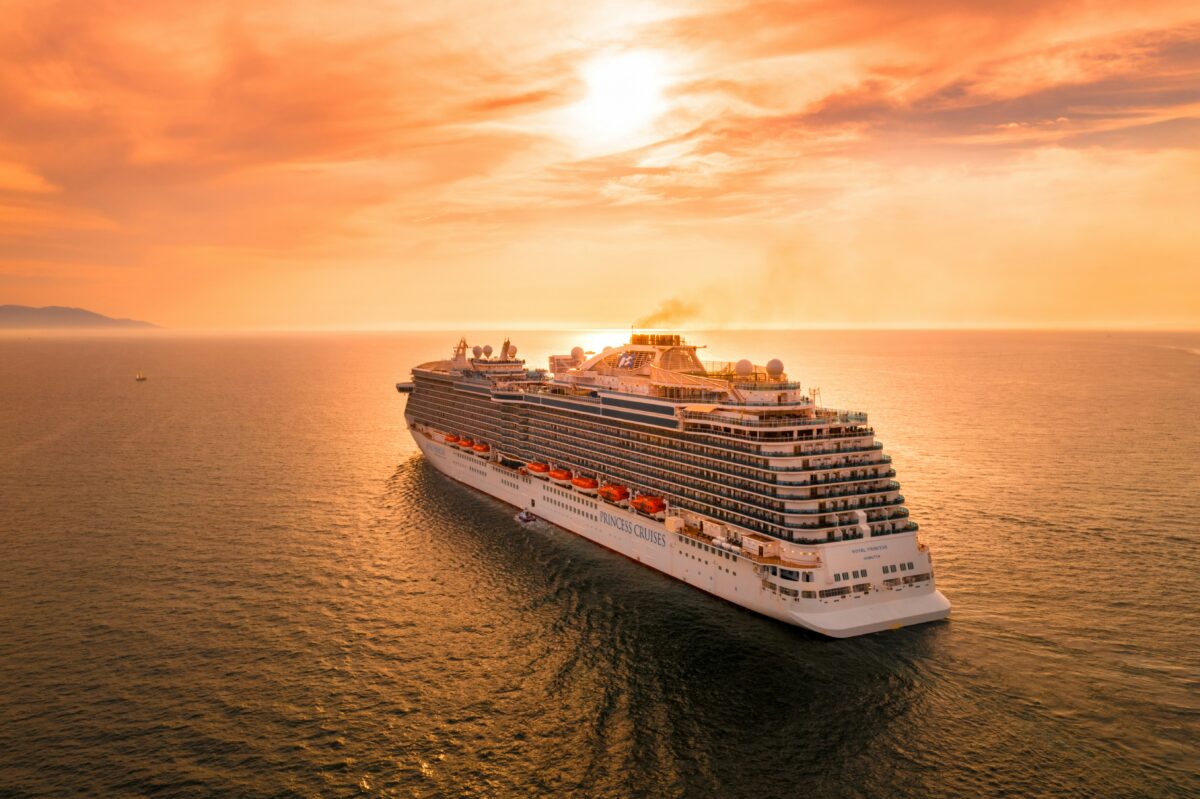
Embarkation day doesn’t have to be perfect to start a great cruise. The passengers who enjoy their vacations most tend to be the ones who prepare for the predictable challenges and roll with the unexpected ones.
They pack smart, arrive informed, and keep their expectations flexible enough to handle whatever quirks their particular ship and sailing might present. That approach turns potential disasters into minor inconveniences and leaves room for the pleasant surprises that make cruises memorable for all the right reasons.
More from Go2Tutors!

- The Romanov Crown Jewels and Their Tragic Fate
- 13 Historical Mysteries That Science Still Can’t Solve
- Famous Hoaxes That Fooled the World for Years
- 15 Child Stars with Tragic Adult Lives
- 16 Famous Jewelry Pieces in History
Like Go2Tutors’s content? Follow us on MSN.