Strange Reasons Why Some Skyscrapers Are Empty
There’s something unsettling about a tall building with no lights on. You pass it at night and every floor is dark, every window blank.
No cleaners, no late workers, no glow from a monitor left on. Just glass and steel, standing there doing nothing.
It happens more often than you’d think, and the reasons behind it are rarely what you’d expect.
Built for a Tenant Who Never Showed Up

Some skyscrapers get constructed around a single anchor tenant — one large company that agrees to take up several floors before a brick is laid. The developer builds the tower around that commitment.
Then the deal falls through. The company gets acquired, changes strategy, or simply walks away.
The building is finished. The lobby is polished.
The elevators work. And nobody comes.
Without that anchor, smaller tenants don’t follow, and the tower sits as a monument to a deal that existed on paper for about eighteen months.
Zoning That Froze in Time
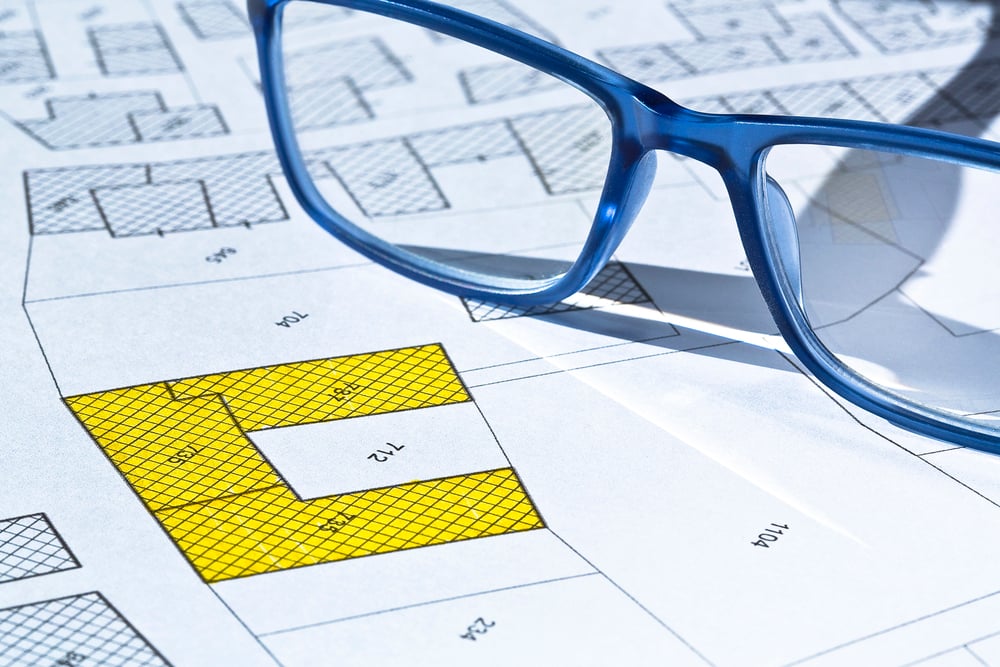
Cities change. Zoning laws often don’t.
Some empty skyscrapers are stuck in a legal grey area where the building is zoned for one purpose but demand has shifted entirely to another. A tower built for commercial office use sits empty while the surrounding neighbourhood fills with residential development and everyone wants apartments.
Converting the building sounds straightforward. It isn’t. Floor plates designed for open-plan offices don’t divide neatly into living spaces.
Plumbing has to be rerouted to every unit. Windows that made sense for a boardroom don’t line up with bedroom walls. The cost of conversion often exceeds the value of doing it, so the building just waits.
The Heirs Can’t Agree

Family ownership gets complicated across generations. A building passes from founder to children to grandchildren, and by the third generation you have a dozen stakeholders with different ideas about what to do with the asset. Some want to sell.
Some want to develop. Some want to hold and collect rent.
Some are in legal disputes with the others. Nothing happens.
The building doesn’t get leased, renovated, or sold because every decision requires consensus that nobody can reach. This plays out repeatedly in cities across the Middle East, Southeast Asia, and parts of Europe, where family-held real estate dynasties stretch back far enough that the original decision-making structure has completely broken down.
Ghost Cities Built on the Wrong Forecast

China built entire cities that never filled up. The projections showed population growth moving in one direction, developers and local governments built ahead of it, and the growth either slowed or redirected somewhere else entirely.
The result was skylines full of completed towers with vacancy rates above ninety percent. This wasn’t unique to China.
Similar oversupply situations developed in parts of Spain, the UAE, and various Southeast Asian markets following construction booms that outpaced actual demand. The buildings are structurally sound.
They’re just in the wrong place, built for a population that decided to live somewhere else.
A Floor Number Nobody Wants

In several East Asian countries, the number four carries associations with death and misfortune because it sounds similar to the word for death in Mandarin, Cantonese, and Japanese. Developers sometimes skip the fourth floor entirely in their numbering, the way Western buildings occasionally skip the thirteenth.
But in some cases, the superstition runs deeper. Buildings with certain combinations of floors or addresses struggle to attract tenants regardless of price.
Offices on specific floors sit empty while identical floors above and below are occupied. It sounds irrational until you consider that no business wants its clients associating their address with bad luck.
The Building as a Bank Account

In some cities, empty towers aren’t a problem — they’re the point. Wealthy individuals and investment funds from countries with unstable currencies buy floors in major city skyscrapers as a way of storing value outside their home economy. The unit sits empty because renting it out isn’t the goal. Owning something tangible in a stable jurisdiction is the goal.
London, New York, Sydney, and Singapore all have buildings with significant vacancy rates driven by this dynamic. The owners are not distressed.
They have no interest in filling the space. The empty floor in a glass tower functions like a safety deposit box, just considerably larger.
Asbestos in the Walls

Older skyscrapers — particularly those built between the 1950s and 1980s — often contain asbestos in their insulation, fireproofing, and tile work. As long as nobody disturbs it, it isn’t necessarily a problem.
But the moment renovation or refurbishment begins, the cost of safe removal can dwarf the original construction budget. Some building owners have done the numbers and concluded that full remediation isn’t worth pursuing.
The building stays as-is, which means it stays empty. Tenants don’t want to occupy a building with known asbestos issues, and the owner can’t afford the process of making it acceptable.
The standoff can last decades.
The Anchor Left and Nobody Noticed Until It Was Too Late
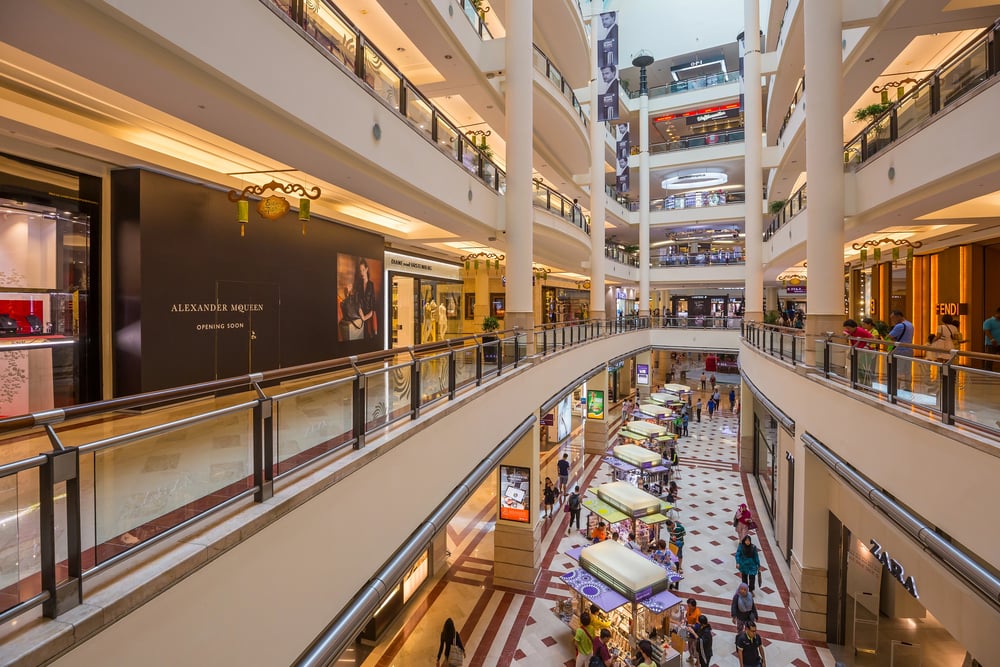
Retail towers and mixed-use developments often rely on a high-traffic anchor — a department store, a major restaurant group, a gym chain — to draw foot traffic that justifies the rents on smaller surrounding units. When that anchor closes, the surrounding tenants follow within months.
The building doesn’t collapse. The shell remains.
But the economic logic that made it function disappears almost overnight. Reletting the anchor space takes years, if it happens at all, because the kind of tenant that can fill that much square footage and generate enough foot traffic is a shrinking category.
Legal Disputes That Outlast Everyone Involved

Some towers sit empty simply because nobody can legally do anything with them. The ownership is contested in court.
A creditor has placed a lien on the asset. A government agency is investigating the original financing.
A construction company is suing over unpaid work. While the case winds through the legal system — which in some jurisdictions takes fifteen or twenty years — the building just stands there. It can’t be sold, leased, demolished, or substantially modified without a court’s approval.
The lawyers are billing. The building is collecting dust.
The Wrong Location, Made Obvious Too Late

Sometimes a skyscraper goes up in a location that seemed viable at the planning stage and reveals its problems only once complete. The surrounding infrastructure didn’t materialise.
The transit connection that was promised got cancelled. The nearby development that would have generated foot traffic stalled.
The building itself might be perfectly well-designed and well-built. The problem is purely local.
Getting to it is inconvenient enough that businesses consistently choose comparable space elsewhere. Price reductions help, but they don’t fully solve an access problem that tenants experience every day.
Political Change Freezes Everything

A tower begins construction under one government and finishes under another with completely different economic policies. Foreign investors who pre-leased floors find their funds frozen or their contracts voided.
Local businesses that signed heads of agreement pull back under the new regulatory environment. This has happened in parts of Africa, Central Asia, and South America where political transitions have been abrupt enough to strand major real estate projects mid-cycle.
The developer may have exited the country. The original financiers may be in legal trouble.
The building stands complete, but the commercial ecosystem that was supposed to surround it never formed.
A Reputation That Stuck

Some buildings become associated with a specific failure or scandal and never fully recover. A tower where a business collapsed spectacularly, where a high-profile legal case played out, or where something genuinely went wrong tends to carry that association for years afterward.
Tenants are not always rational about this. But they do think about brand association and what their address says about them.
A building with a complicated history in the public mind gets passed over in favour of neutral alternatives, even when the price is lower and the space is comparable.
The Renovation That Never Finished

A landlord begins a refurbishment, clears the building of tenants, strips back the interiors — and then runs out of money halfway through. The construction stops.
The building sits in a half-demolished state, not fit for occupation but also not worth the remaining investment required to finish. Banks won’t lend against an incomplete project without significant guarantees.
New investors want to see a clear path to completion before committing. The original owner doesn’t have the capital.
And so the building waits in a state of arrested renovation, scaffolding still up, floor plates exposed, going nowhere.
What Empty Buildings Are Actually Telling You

Empty buildings don’t just mean a property issue. They show what happened elsewhere, like a broken contract, bad numbers, outdated rules, family struggles, or poor government choices.
And the structure simply makes those problems visible in a way a lost report or court document doesn’t. There’s something important to notice here.
Cities look like they’re working well and are planned carefully. The vacant towers spread across them tell a different story, one about decisions based on wrong or missing data, about money flowing faster than logic, and about how hard it is to guess what a city really needs when foundations turn into full floors sixty stories high.
Probably, these gaps reflect broader patterns in how decisions are made under uncertainty. For now, this might be more of an observation than a final answer.
More from Go2Tutors!

- The Romanov Crown Jewels and Their Tragic Fate
- 13 Historical Mysteries That Science Still Can’t Solve
- Famous Hoaxes That Fooled the World for Years
- 15 Child Stars with Tragic Adult Lives
- 16 Famous Jewelry Pieces in History
Like Go2Tutors’s content? Follow us on MSN.



