25 Historical Figures Who Were Written Out of Their Own Story
History is not as objective as it pretends to be. Powerful people have spent centuries erasing inconvenient individuals from records, removing their names from monuments, and airbrushing them from photographs.
Some of the most influential people in history were systematically removed from the narratives they shaped, their achievements reassigned to others or simply forgotten. The following 25 figures were nearly erased entirely, their stories only recovering traces through fragments and careful historical archaeology.
Enheduanna, the World’s First Named Author

Enheduanna lived in ancient Mesopotamia around 2285 BCE as the high priestess of the moon god Nanna in the city of Ur. She wrote over 40 temple hymns, prayers, and poems in the first person, making her the earliest known author to claim authorship of her work by name.
British archaeologists rediscovered copies of her writings in 1927, but it took decades for scholars to credit her as the actual author rather than a copyist. She shaped the literary traditions that would influence Western civilization for millennia, yet her name nearly disappeared into the cuneiform clay she wrote on.
Hatshepsut, Defaced Pharaoh
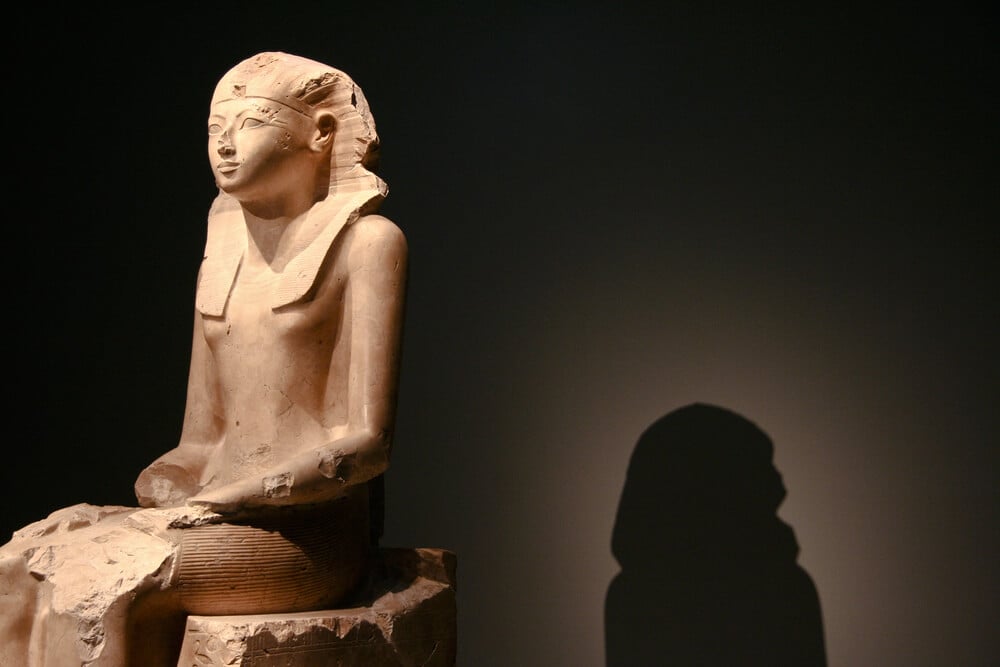
Queen Hatshepsut ruled Egypt around 1479 BCE and was one of the most successful pharaohs in Egyptian history, sending trading expeditions to legendary Punt and overseeing a period of great prosperity. After her death, her stepson Thutmose III systematically destroyed her statues, chiseled her image from temple walls, and erased her name from official records.
Only in the 20th century did archaeologists piece together the fragments to restore her place in history, using a single loose tooth found in a canopic box to identify her mummy.
Lucius Aelius Sejanus, Victim of Damnatio Memoriae
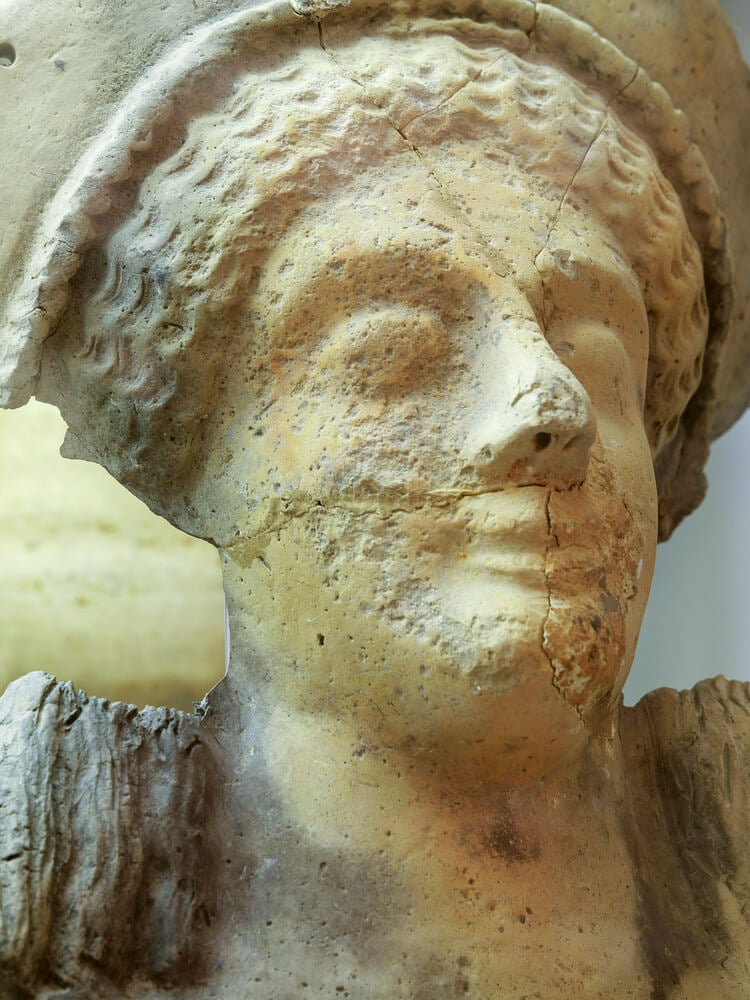
Sejanus was the head of Rome’s Praetorian Guard under Emperor Tiberius and wielded enormous power in the first century CE. When Tiberius turned against him, Sejanus was executed and subjected to damnatio memoriae—the deliberate condemnation of a person’s memory.
His name was chiseled from monuments, his statues were destroyed, and his existence was formally erased from Roman records. Ancient historians had to search through fragments and passing references to reconstruct what little we know about him.
Leon Trotsky, Erased by Stalin
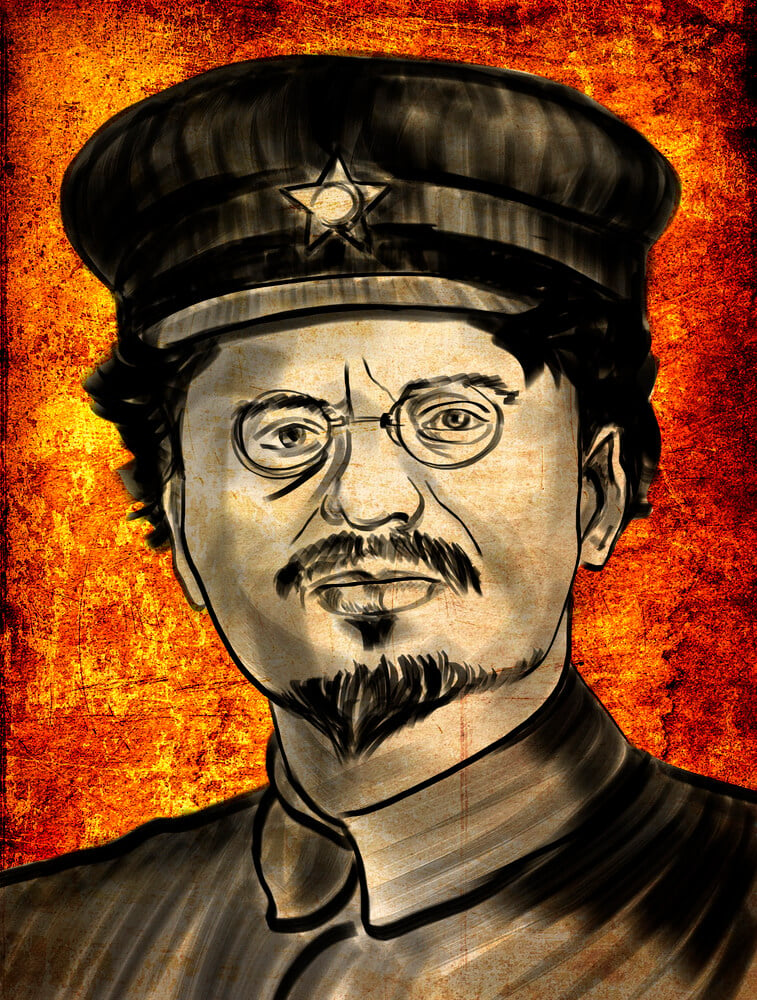
Trotsky stood beside Lenin during the Russian Revolution and was instrumental in founding the Soviet state. After Stalin seized power, Trotsky became public enemy number one.
Stalin’s propaganda machine didn’t just exile him—it literally airbrushed him from photographs, removing his face and figure to make it appear he had never existed. Textbooks were rewritten to remove his name entirely.
Even after Trotsky’s 1940 assassination in Mexico, the Soviet Union continued erasing him from history until the system itself collapsed.
Elizabeth O’Farrell, Erased from the Surrender

Elizabeth O’Farrell was a nurse and Irish republican who risked her life delivering messages during the 1916 Irish Rising. When Padraig Pearse surrendered on behalf of the rebellion, O’Farrell stood beside him at this pivotal moment in Irish history, and a commemorative photograph was taken.
In the published image, only her feet were visible—she had been cropped out of the photograph. O’Farrell’s role in one of Ireland’s most important moments existed only as an absence in the historical record.
Gregory Nelyubov, Soviet Cosmonaut
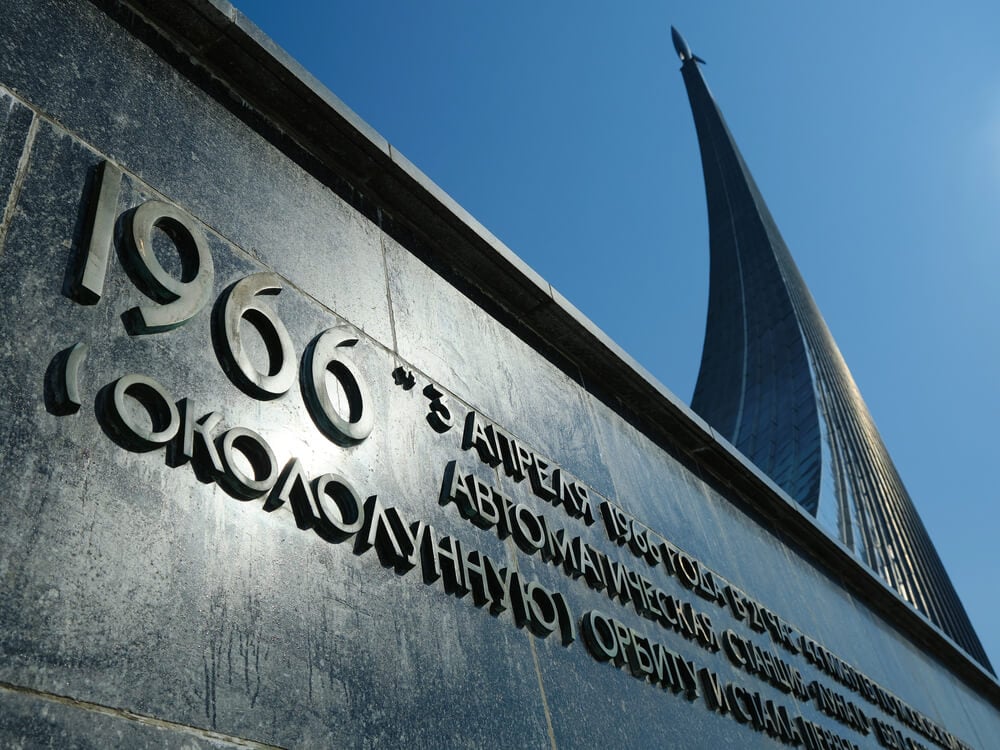
Nelyubov was selected as part of the first group of Soviet cosmonauts and made significant contributions to the early space program. After being dismissed due to alcoholism, the Soviet state erased him entirely from its records.
His name was removed from official documents and photographs of cosmonaut groups were retouched to remove him from the frame. Only decades later, after the Soviet Union’s collapse, did historians recover information about his actual achievements in the space program.
Nikolai Yezhov, Purged from Soviet Records

Yezhov served as the head of Stalin’s secret police during the Great Purge and was responsible for millions of arrests and deaths. After his own arrest and execution in 1940, Stalin took personal revenge on Yezhov’s memory by airbrushing him from photographs—his face was literally painted out of images showing him standing beside Stalin.
Official records were altered, and he became one of the most systematic erasures in Soviet history, the definition of a nonperson in the eyes of the state.
Wang Mang, Rewritten as Usurper

Wang Mang seized the Chinese throne during the Han Dynasty and introduced radical reforms including land redistribution and currency reform. These policies threatened the nobility, who launched widespread rebellions.
After his violent overthrow, official histories labeled him a usurper and erased his achievements from the records. It wasn’t until archaeological discoveries in recent decades that scholars recognized him as a visionary, if ultimately doomed, reformer whose reputation was destroyed by those who opposed his changes.
Masaccio, Overshadowed by His Influence
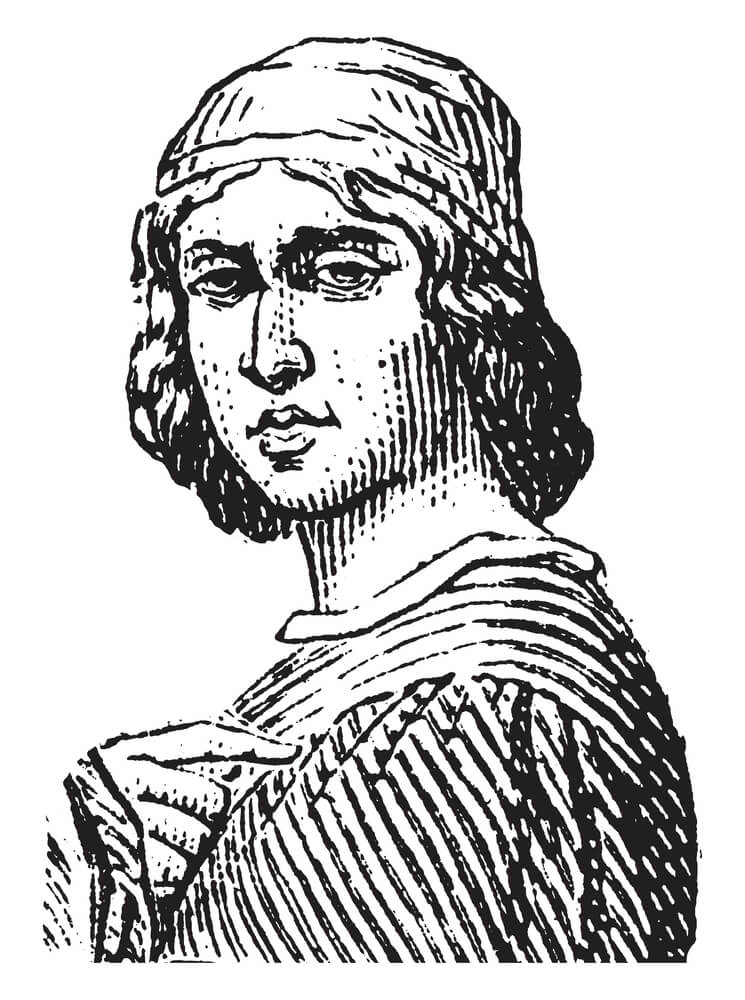
Masaccio was an early 15th-century Florentine painter whose revolutionary techniques in linear perspective, anatomical realism, and the use of light transformed Western art. He died at only 26, and his early death meant his own reputation was quickly overshadowed by the later masters he directly influenced, including Michelangelo.
While art historians now recognize his importance, for centuries Masaccio remained a footnote in the story of the Renaissance masters who built on his innovations.
Sima Qian, Historian Punished Into Obscurity
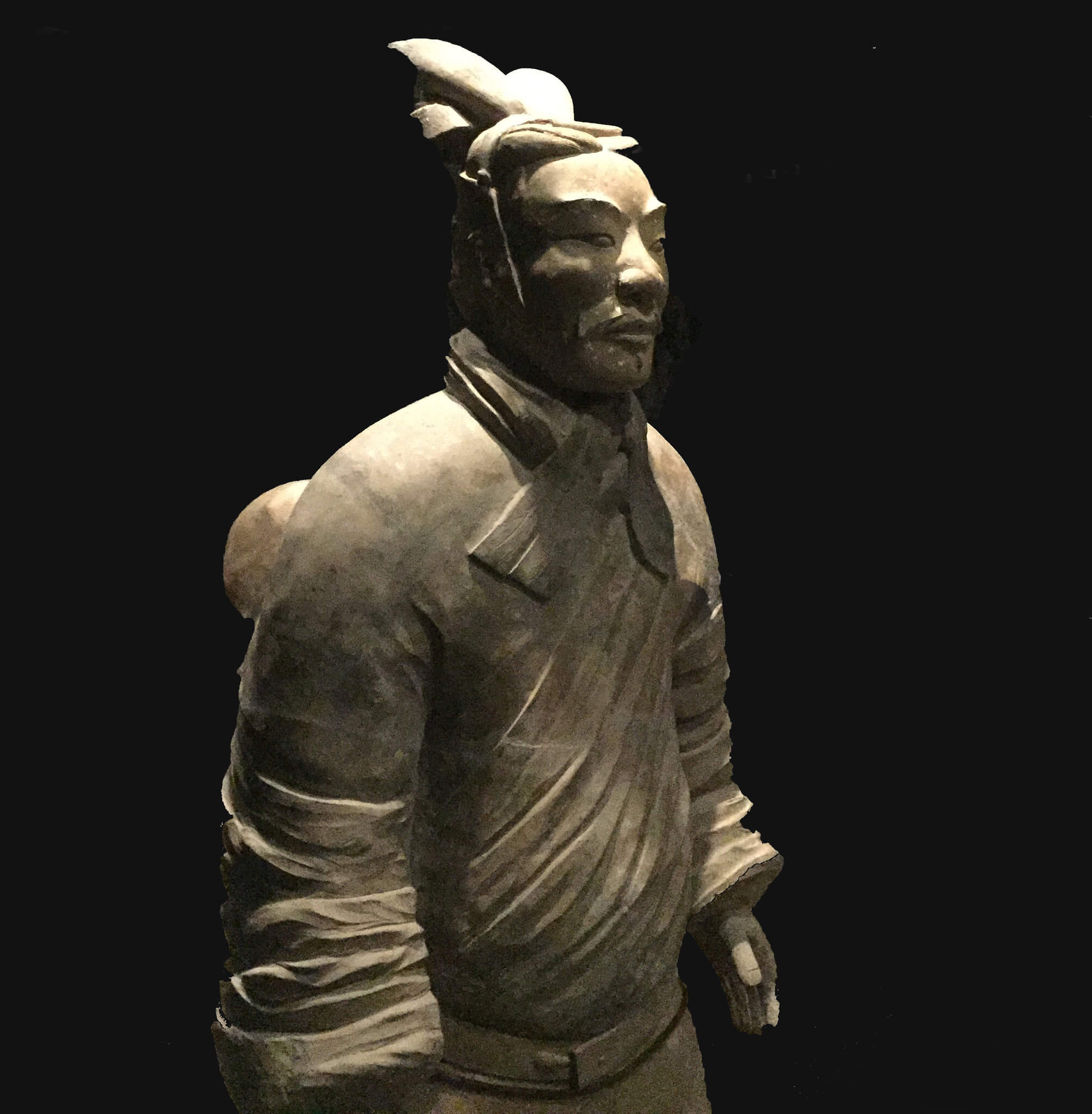
Sima Qian wrote the Records of the Grand Historian around 109 BCE, establishing the fundamental structure of Chinese historical writing that would influence all subsequent historiography. After making a political miscalculation, he was imprisoned and subjected to palace castration (gong xing) — a physical surgical procedure — as punishment.
His personal suffering and the scandal surrounding his punishment meant that later historians minimized his story, focusing on his work rather than his life. Only in modern times has his biography been fully recovered.
Maximan, Roman Emperor Erased
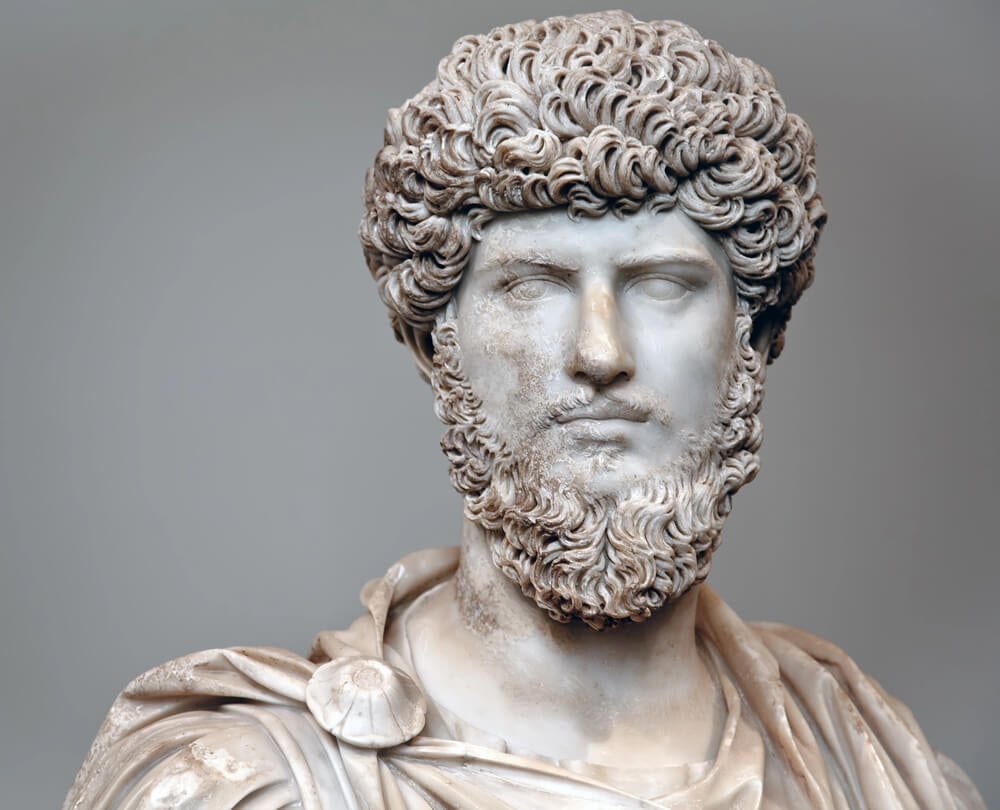
Maximian was a Roman co-emperor in the third century CE. As punishment for his crimes and to erase his memory in favor of Christian authority, later rulers systematically destroyed his portraits, defaced his monuments, and destroyed coins bearing his image.
His name was removed from official lists, and for centuries historians had only fragmented evidence that he had ruled at all.
Philibert Aspairt, Lost in the Catacombs
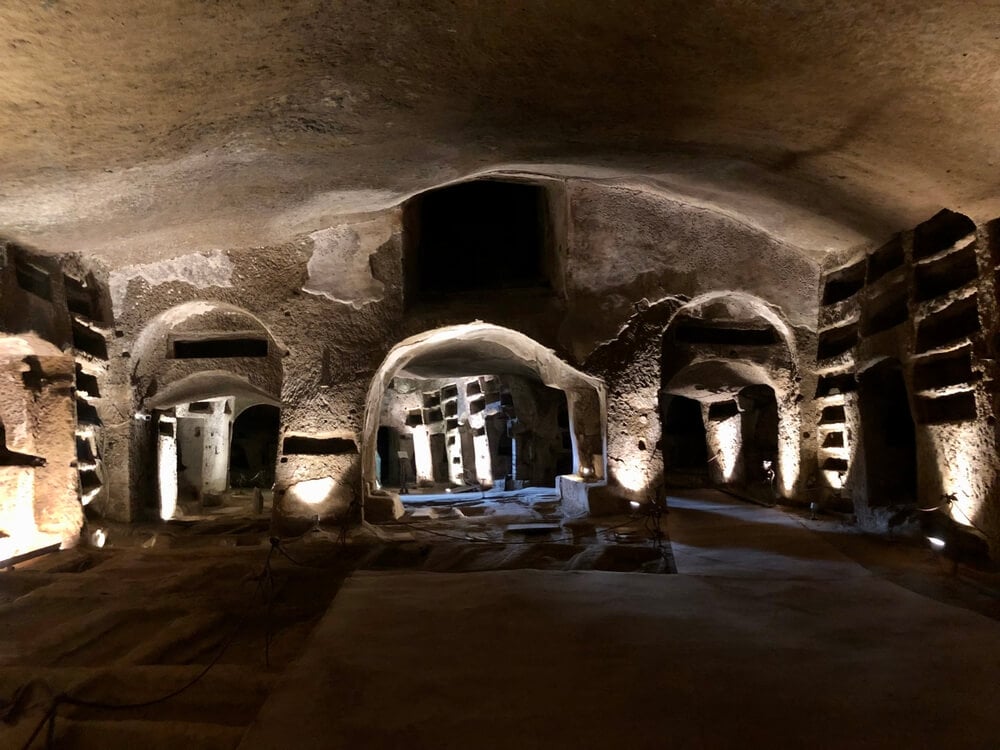
Philibert Aspairt was a Parisian doorkeeper who vanished into the catacombs beneath Paris in 1793. His body was discovered eleven years later in the labyrinth, but his story was whispered among locals rather than officially recorded.
He became a ghost story told informally, with his actual life and death never formally documented. Only through fragmentary oral tradition did any record of him survive into modern historical consciousness.
Ada Lovelace, Diminished by Illness and Death
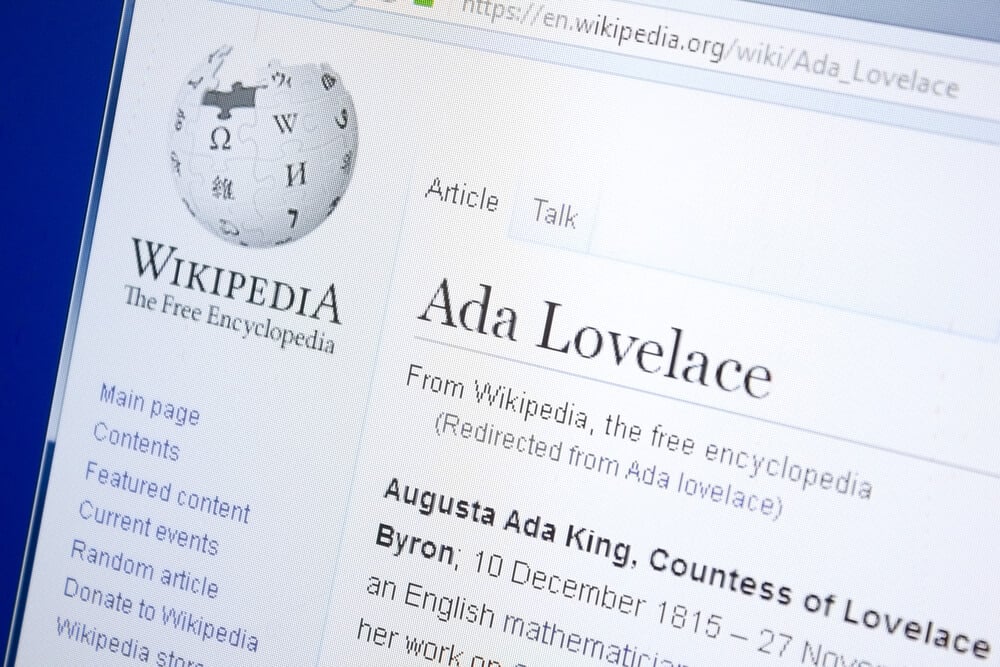
Ada Lovelace made groundbreaking contributions to early computing theory in the 1840s, writing what many consider the first computer algorithm. She died in 1852 at only 36 years old, and her work was quickly forgotten as Victorian society pushed women from scientific discourse.
It took over a century before her contributions were formally recognized and celebrated. Her illness was emphasized more than her brilliance, and the narrative of her life became about tragedy rather than achievement.
Rhazes and Avicenna, Lost in Translation

Rhazes, the Persian physician and chemist, made hundreds of medical discoveries and discoveries and was revered throughout the Islamic world in the ninth century. Avicenna was an equally groundbreaking Persian polymath whose medical texts and philosophical works shaped human thought.
Both were progressively erased from Western medical history as their works were absorbed into European science without attribution. Their individual names faded while their discoveries were attributed to later European physicians.
Hypatia of Alexandria, Erased and Murdered
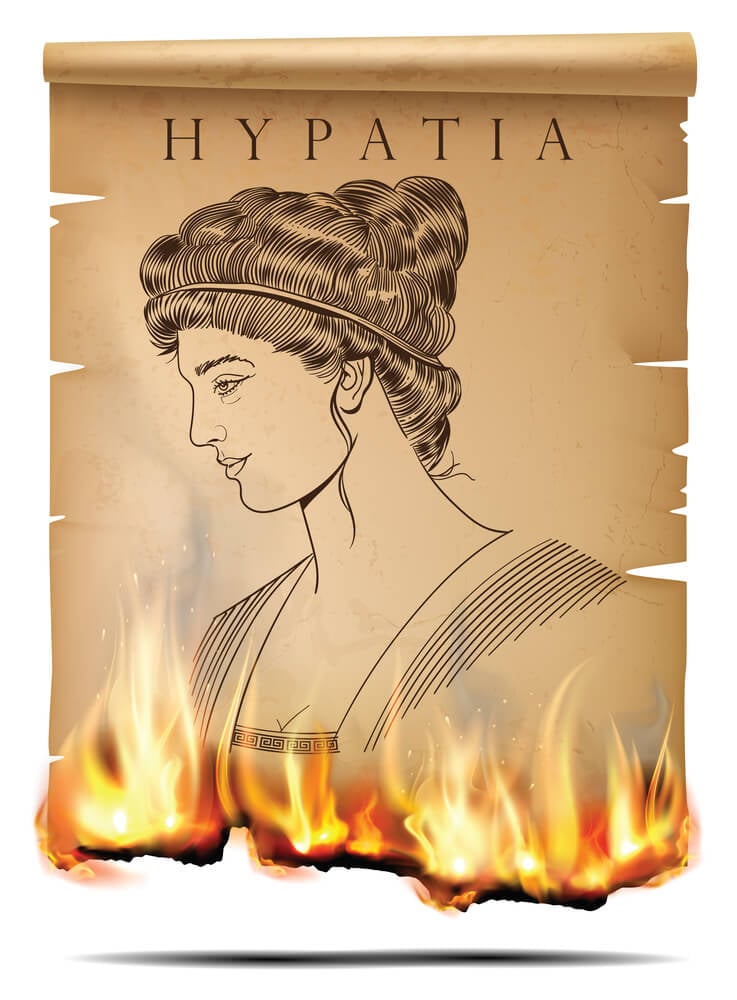
Hypatia was a mathematician, astronomer, and philosopher in fourth-century Alexandria who led a school of Neoplatonism and made important contributions to geometry and astronomy. She was murdered by a Christian mob around 415 CE during a period of religious violence.
Her work was scattered, lost, or deliberately destroyed. Her memory was so thoroughly erased that for centuries historians could barely reconstruct basic facts about her life, and her scientific contributions were entirely forgotten until modern historians recovered fragments of her legacy.
Richard the Lionheart, Rewritten by Rivals
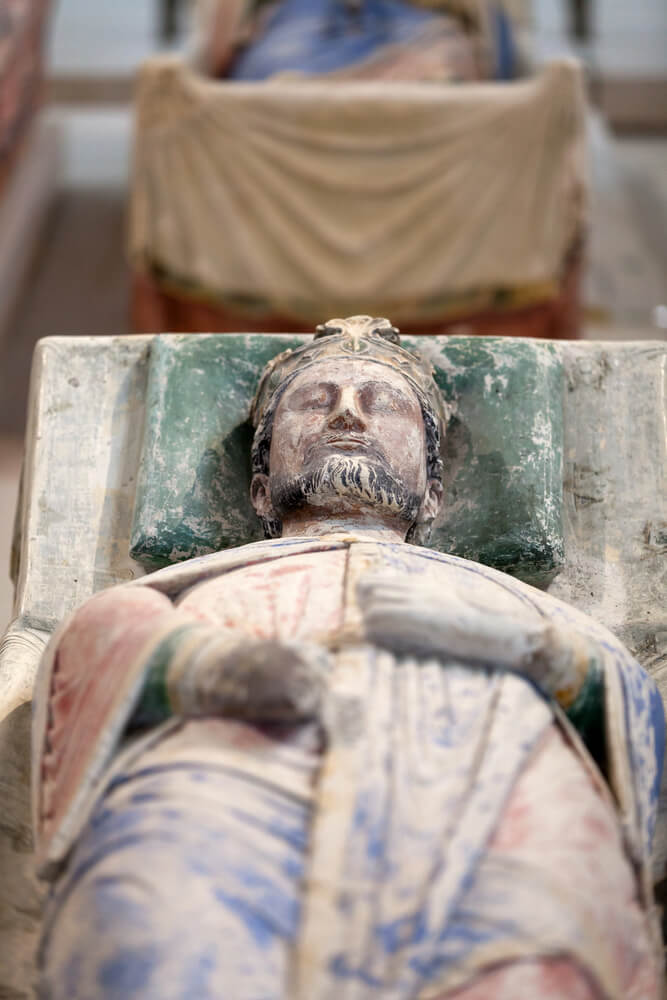
Richard I of England was systematically rewritten by Norman and later English chroniclers who wanted to diminish his achievements. Accounts of his military genius were downplayed or attributed to other commanders.
Stories were invented to undermine his reputation, and his actual letters and records were hidden or destroyed. Modern historians have had to excavate the actual Richard from beneath layers of revision and propaganda applied by subsequent rulers.
Amenhotep IV, God Replaced
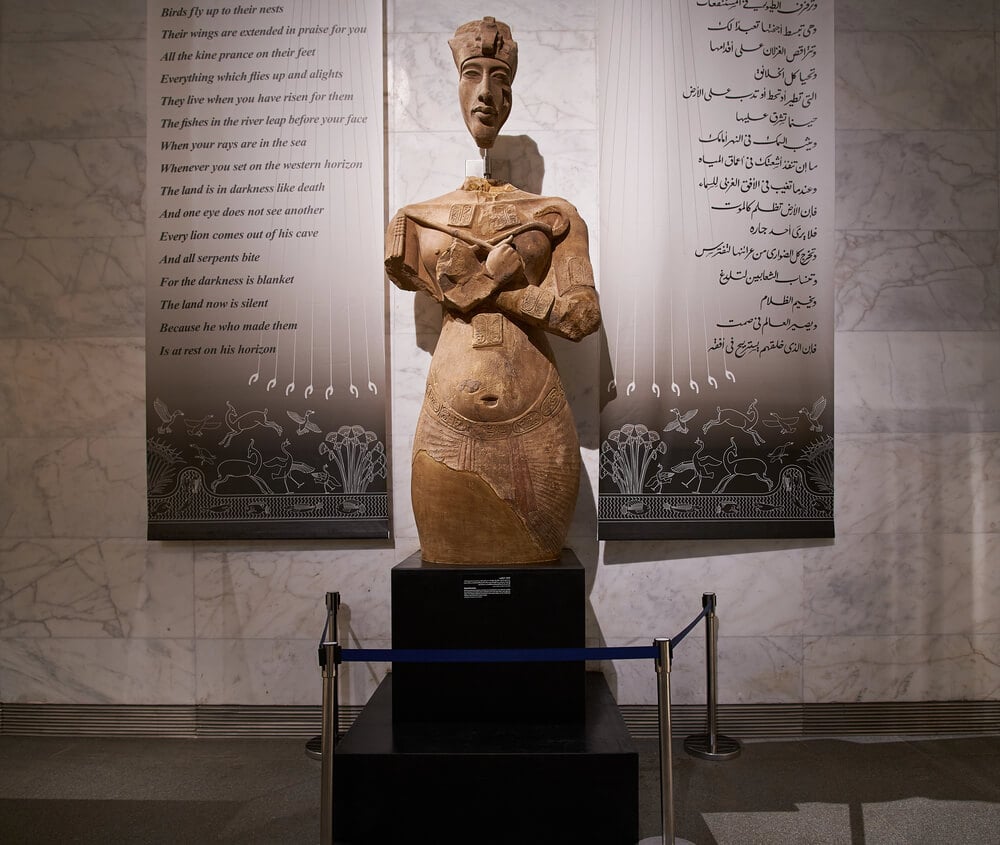
Amenhotep IV, also known as Akhenaten, attempted to revolutionize Egyptian religion by establishing monotheistic worship of the sun god Aten, replacing the traditional polytheistic structure centered on Amun. After his death, his successors erased his legacy by defacing his monuments, removing his name from records, and restoring worship of the traditional gods.
His revolutionary reign was so thoroughly suppressed that Egyptologists initially had to piece together evidence of his existence from fragmentary sources.
Nelly Bly, Pioneer Hidden in Pseudonyms

Nelly Bly pioneered investigative journalism by going undercover in a mental asylum to expose the horrific conditions there, leading to major reforms. However, historical narratives often sidelined her contributions or attributed her work to male colleagues.
Her real name, Elizabeth Jane Cochrane, was rarely used in favor of her pseudonym, which made her seem less substantial. It took conscious historical recovery to restore her as the originator of modern investigative journalism rather than a minor figure.
Thais the Courtesan, Written as Stereotype

Thais was an influential courtesan in ancient Alexandria who wielded considerable political power and patronage. Historical accounts reduced her to a stereotype—a seductress—rather than a woman of agency and intellect.
Her political influence, her role in cultural patronage, and her business acumen disappeared from the record, replaced by romanticized and degrading narratives. Much of what we know about her comes from male writers who were more interested in scandal than substance.
Émile du Châtelet, Overshadowed by Romance

Émile du Châtelet was an 18th-century mathematician and physicist whose work on energy conservation was groundbreaking. Her prominence in the intellectual life of her time was diminished by her affair with Voltaire, and historians focused on the romance while minimizing her scientific contributions.
She was also pregnant with her eighth child when she died, and later narratives emphasized her domestic role rather than her intellect. Her scientific papers were largely forgotten until modern scholars recovered them.
Lise Meitner, Forgotten in the Nobel Prize
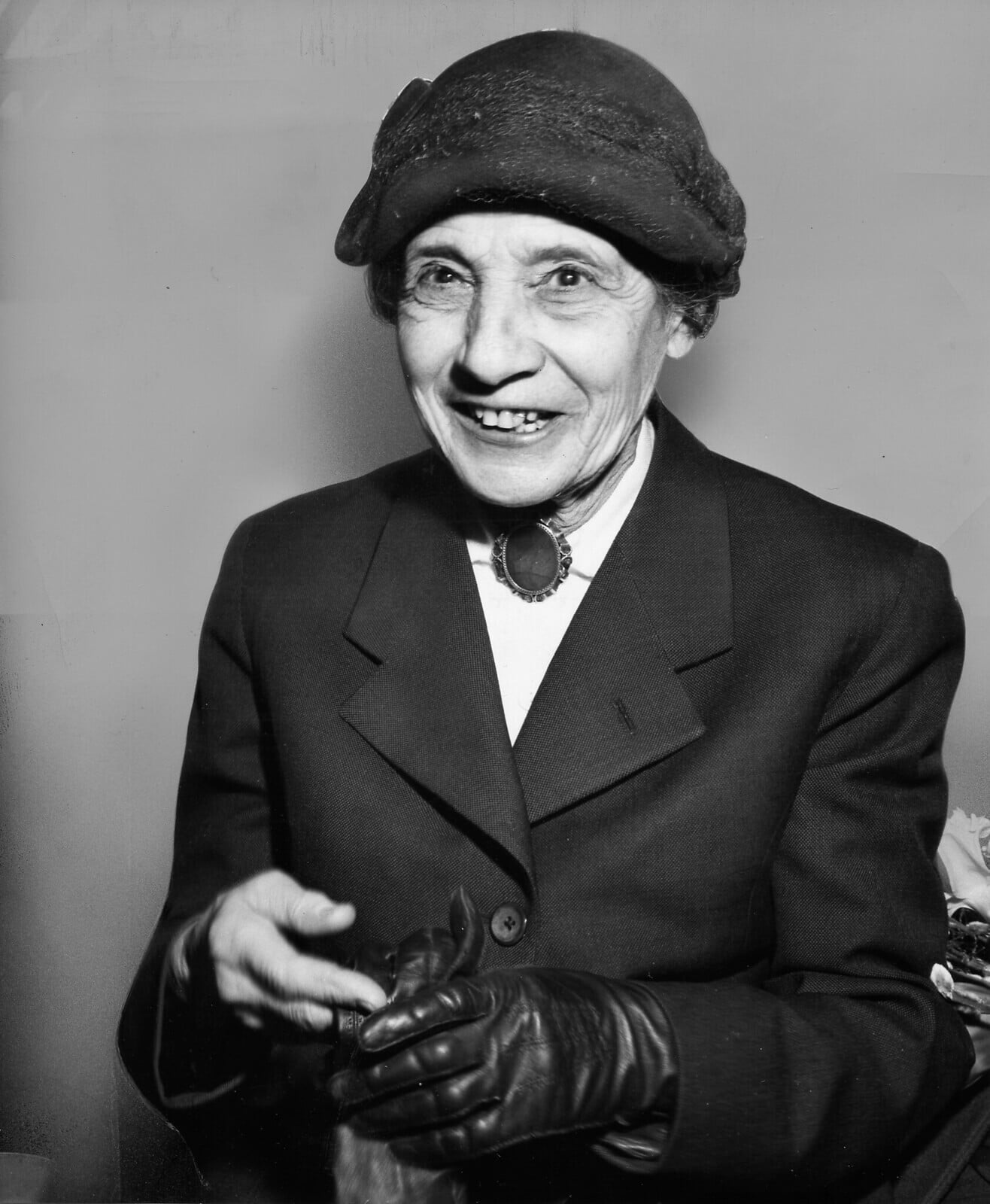
Lise Meitner made essential contributions to the discovery of nuclear fission in the 1930s. When the Nobel Prize in Physics was awarded in 1944 for fission research, Meitner was excluded from the award despite being integral to the discovery.
The prize went to Otto Hahn. Her Jewish heritage and gender worked against her recognition.
For decades, her role was downplayed or entirely omitted from accounts of the fission discovery, and she was left out of the narrative of one of the most important scientific breakthroughs of the 20th century.
William Banting, Diet Pioneer Forgotten

William Banting published a pamphlet in 1863 describing his low-carbohydrate diet, which became enormously influential. However, the diet became known as “the Banting Diet,” which actually credited him while erasing his specific contributions to nutrition science.
Later dietary movements ignored or actively denied his foundational work. The person became a generic label rather than a recognized innovator, and his actual scientific observations were lost in simplification.
The Erasure of Female Rulers Across Dynasties
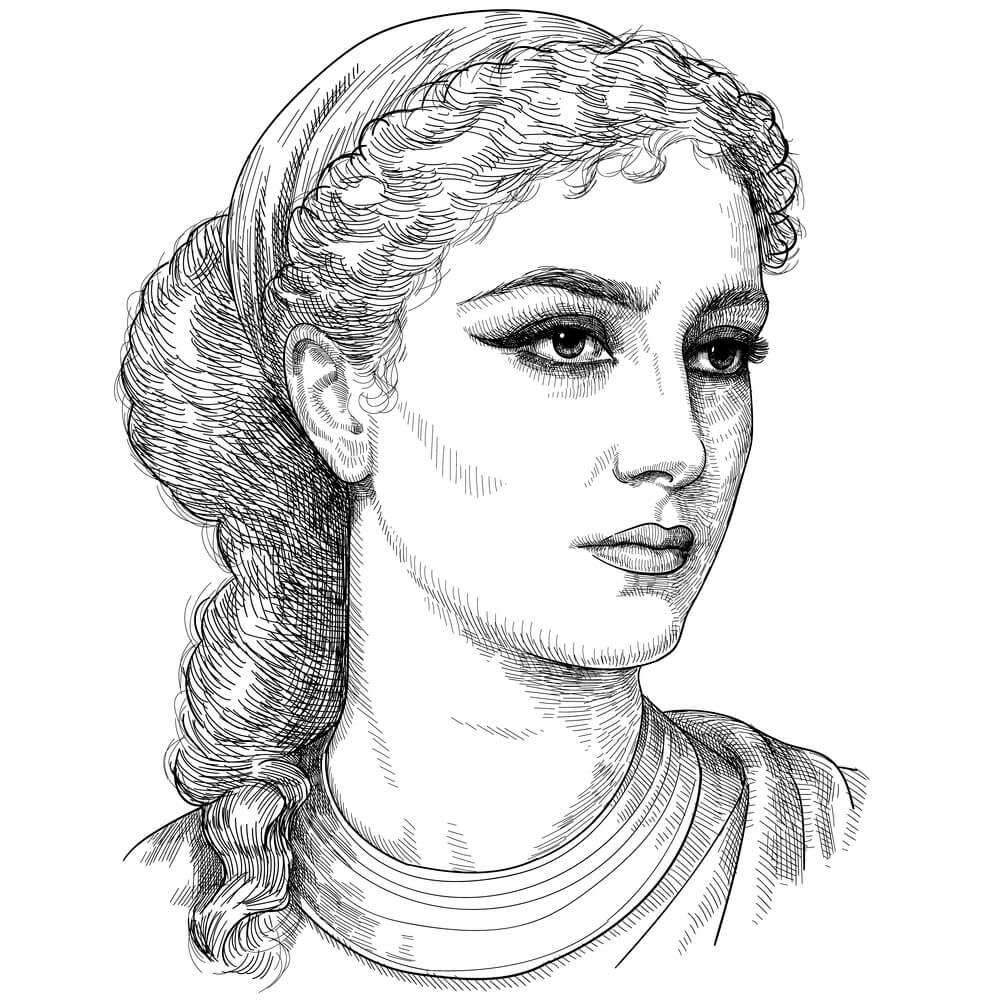
Beyond individual pharaohs like Hatshepsut, historical records across Egypt systematically downplayed or erased female rulers. Cleopatra VII was often portrayed as seductress rather than military strategist and statesman.
Records of female Ptolemaic rulers were rewritten to emphasize their marriages and identity rather than their political decisions. Entire reigns were compressed into footnotes or attributed to male co-rulers who played subsidiary roles.
Political Prisoners and the Disappeared

Throughout modern history, authoritarian regimes have systematically erased the existence of political prisoners, the disappeared, and executed dissidents from all records. Names were removed from documents, photographs were destroyed, and families were forbidden to speak publicly about relatives who had vanished.
In some cases, decades pass before these individuals’ existences are acknowledged at all, and many are never officially recognized as having lived.
The Collective Erasure of Competing Historians
In many periods and places, not individual figures but entire schools of historians have been erased. Their manuscripts were destroyed, their theories were dismissed as heretical, and their names were struck from lists of scholars.
The history of history itself has been repeatedly rewritten to remove inconvenient thinkers whose interpretations contradicted official narratives.
Recovery as Act of Resistance

The recovery of erased historical figures has become an act of historical resistance. Archaeologists, archivists, and historians deliberately search through fragments, cross-references, and surviving copies to piece together lives that others tried to eliminate.
Each recovered name is a small victory against the erasure campaigns of history’s victors, a reminder that what we know as history is only what was allowed to survive.
More from Go2Tutors!

- The Romanov Crown Jewels and Their Tragic Fate
- 13 Historical Mysteries That Science Still Can’t Solve
- Famous Hoaxes That Fooled the World for Years
- 15 Child Stars with Tragic Adult Lives
- 16 Famous Jewelry Pieces in History
Like Go2Tutors’s content? Follow us on MSN.