32 Photos From the Early Space Program the Public Rarely Saw
The space race was conducted simultaneously as a technical achievement and as a propaganda battle. Photographs were carefully curated—some released, others kept classified.
Mission photographs that revealed technical details or potential vulnerabilities stayed locked in vaults. Images that might have complicated the heroic narrative were withheld.
The following 32 categories of photographs represent the hidden visual record of early space exploration that the public rarely saw during the era.
Astronauts in Training Failures
Photographs documenting astronauts failing underwater neutrally buoyancy training were rarely released. These images of trained pilots struggling and making mistakes contradicted the narrative of perfect heroic competence.
Spacecraft Component Failures
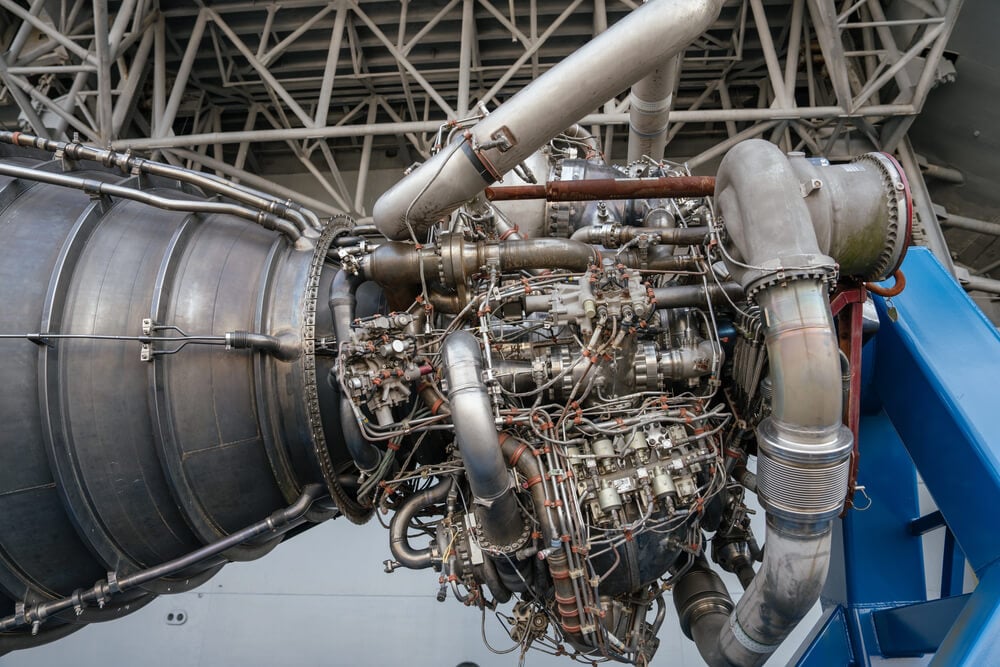
Technical photographs showing damaged or malfunctioning parts before being fixed were classified. These images revealed the frequency of failures and problems that contradicted public confidence in the program.
Medical Stress Tests

Photographs of astronauts undergoing brutal physiological testing—g-force centrifuge training, pressure chambers, extreme temperature exposure—were rarely seen by the public. These images made space exploration seem genuinely dangerous rather than carefully managed.
Launch Pad Fires and Accidents
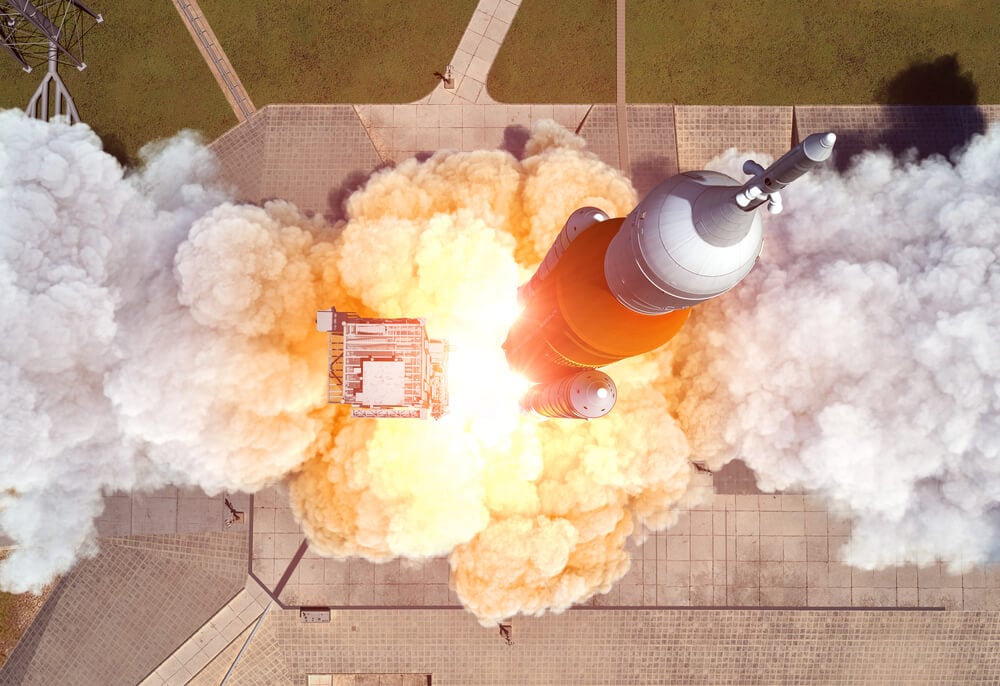
Photographs documenting fires, accidents, and dangerous incidents at launch facilities were suppressed. Even small incidents revealed the dangers that the official narrative minimized.
Astronaut Vomit During Parabolic Flights
Training in zero-gravity involved parabolic flights designed to induce weightlessness. The inevitable vomiting that accompanied this training was documented but rarely released; the images contradicted the heroic image.
Equipment Malfunction During Tests
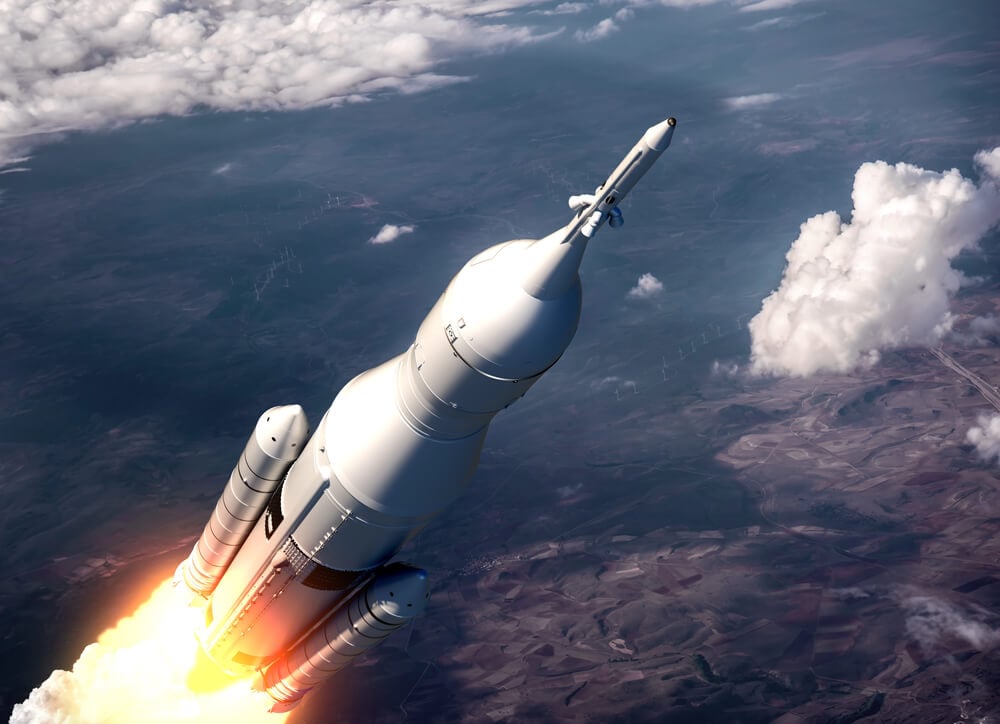
Photographs showing equipment failures during critical tests were classified. These images documented the countless problems that engineers had to solve before successful missions.
Crashed Prototype Spacecraft
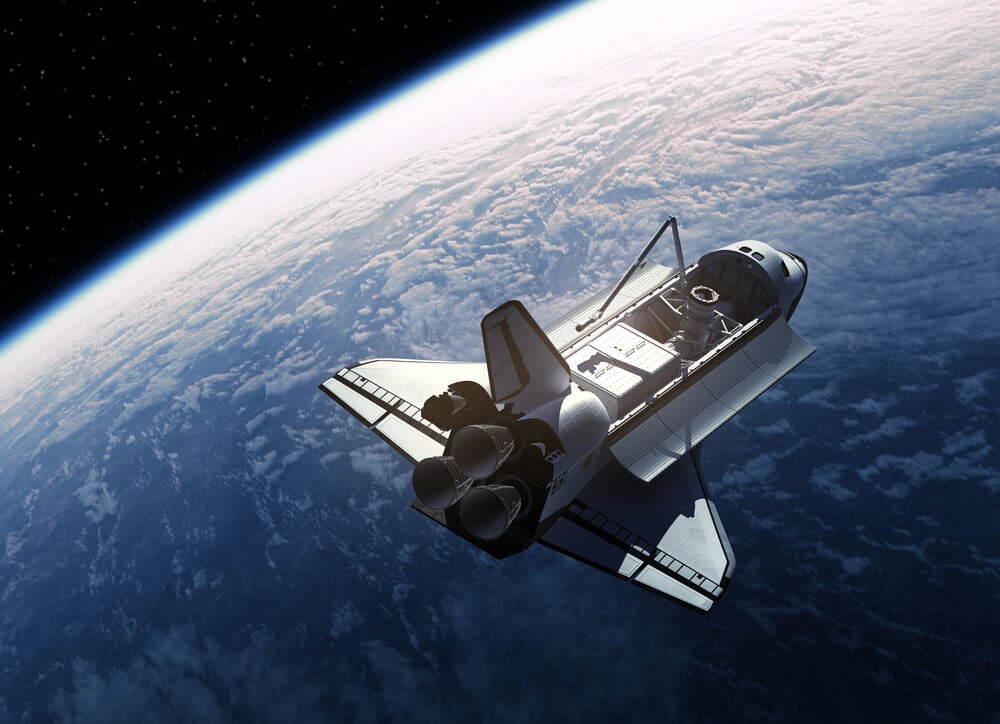
Testing failures resulted in destroyed or severely damaged prototypes. Photographs of these wrecks were not released to the public; the public saw only successful test articles.
Cosmonauts in Training
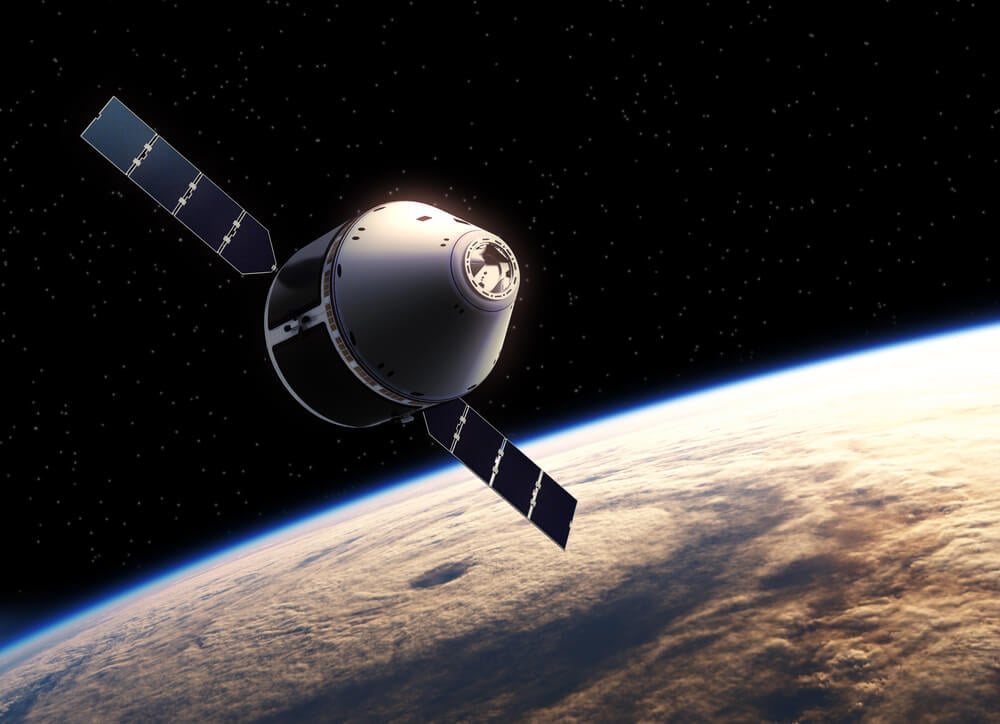
Soviet cosmonaut training photographs were rarely available to Western audiences. The few that were released were often chosen for propaganda value rather than documentary accuracy.
Launch Vehicle Explosions
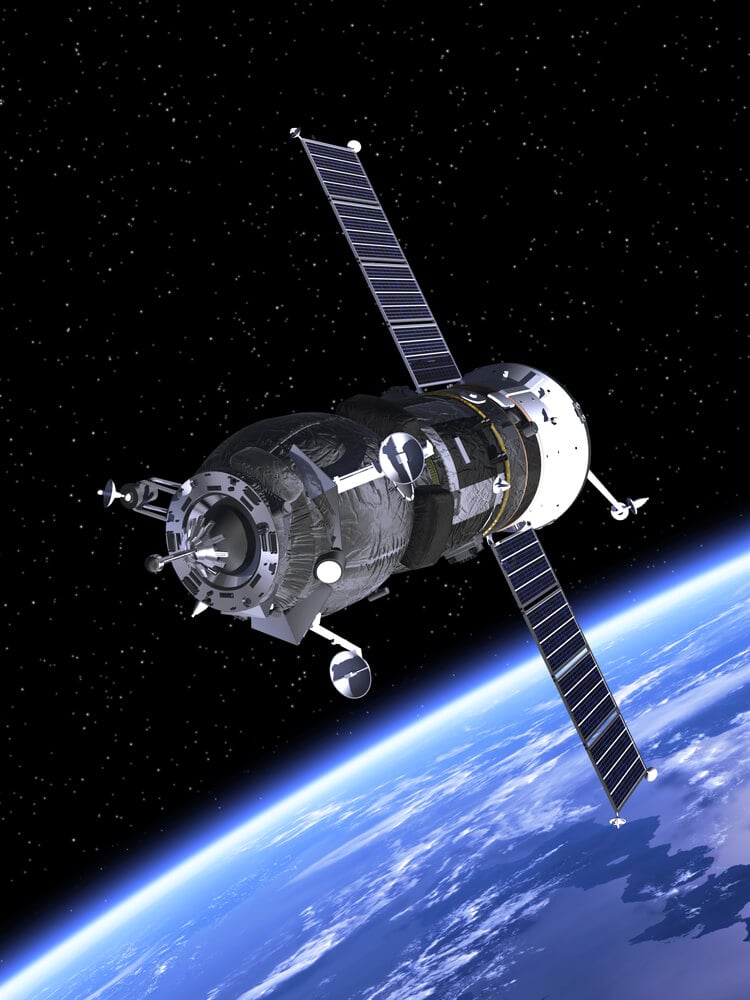
Photographs of rocket explosions during testing phases were classified. These images would have revealed how dangerous rocket development actually was.
Contamination During Assembly
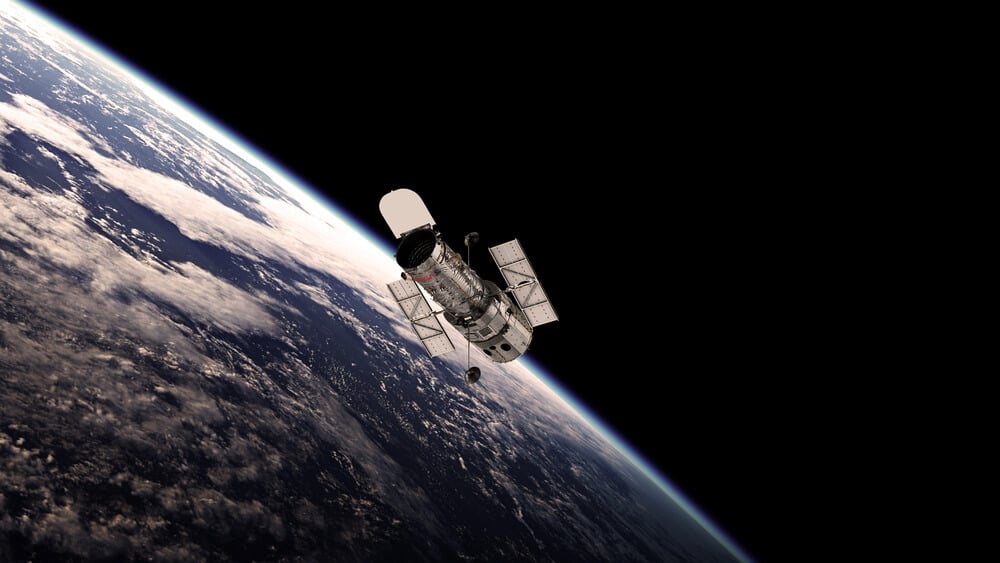
Photographs showing dust, debris, and contamination during spacecraft assembly were suppressed. These images contradicted the narrative of perfect technological control.
Astronaut Injuries During Training
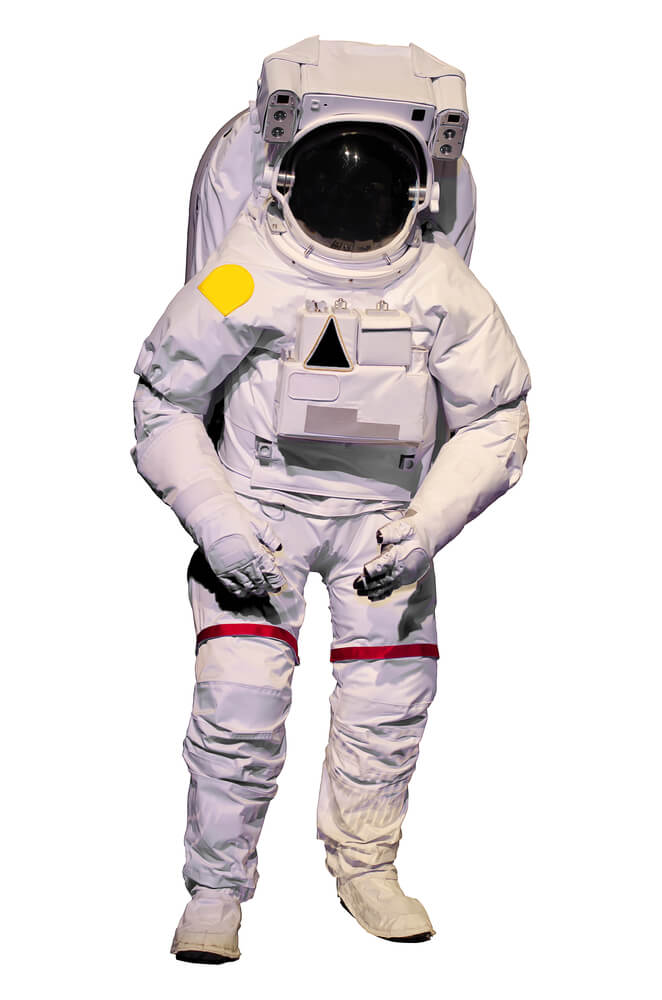
Training accidents resulted in injuries—broken bones, concussions, other injuries. Photographs documenting these injuries were not released; the public image was of perfectly trained pilots with no accidents.
Internal Spacecraft Systems
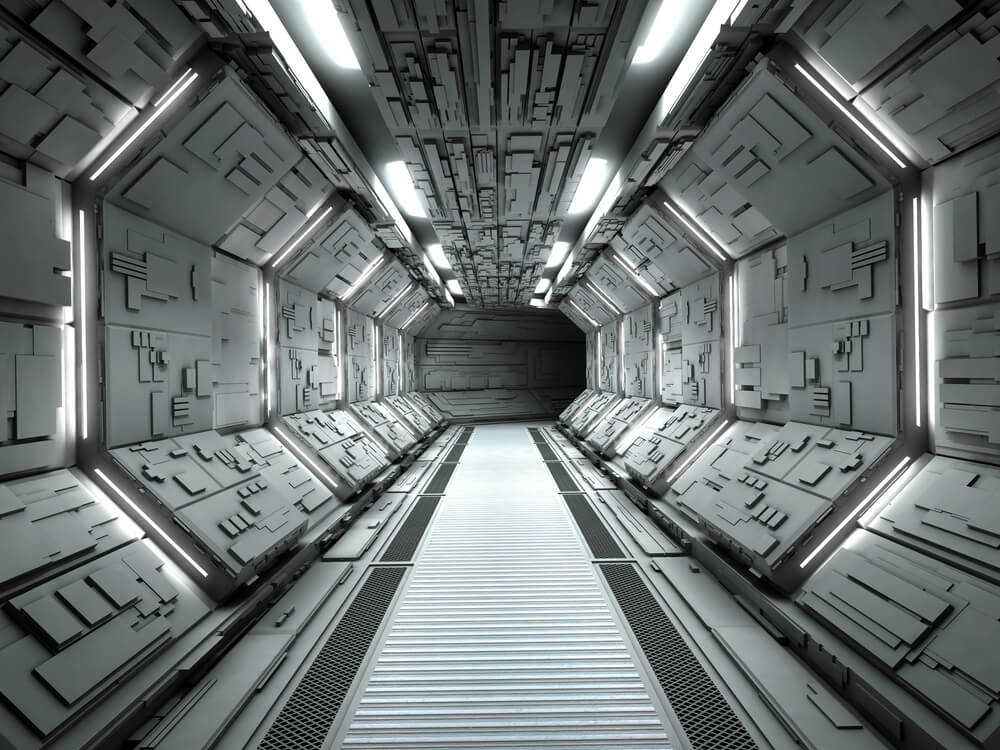
Technical photographs of internal spacecraft systems showed vulnerabilities and complexity that might have revealed problems. These images were classified for security reasons.
Thermal Vacuum Chamber Tests
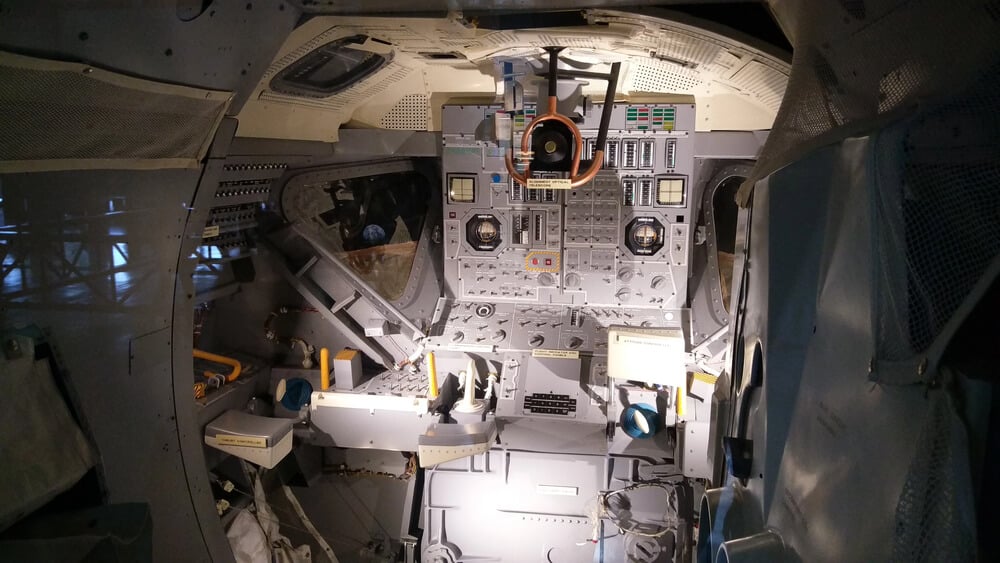
Photographs of spacecraft undergoing extreme thermal testing showed dramatic visible damage and problems. These technical photographs revealed the harsh environment spacecraft had to survive.
Centrifuge Training Reactions
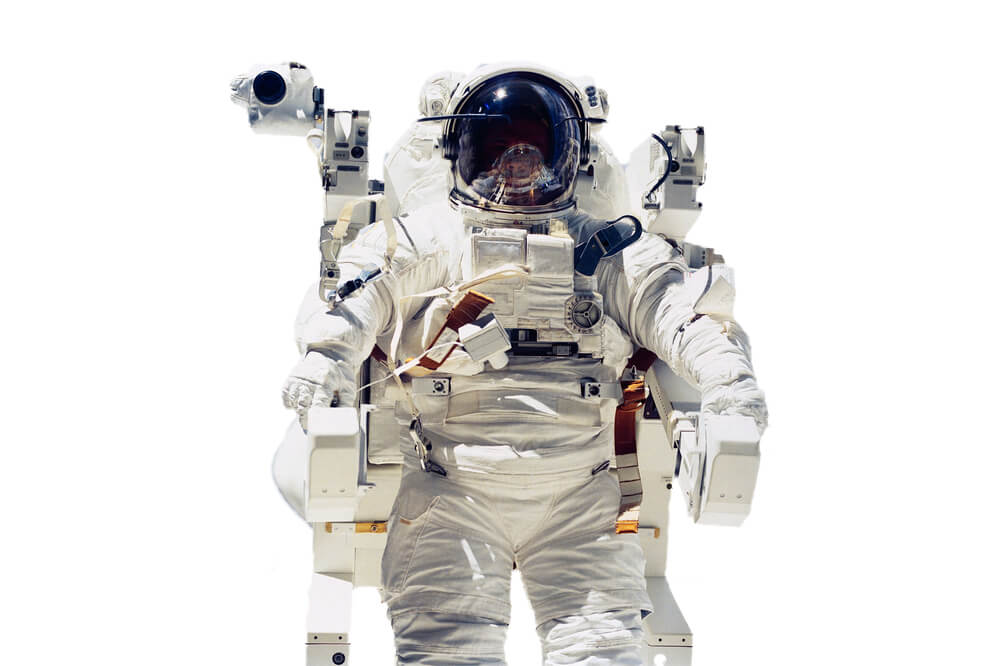
Training in high g-forces produced visible physical stress. Photographs of astronauts undergoing this training showed the genuine physical ordeal being endured.
Suited Operations Underwater
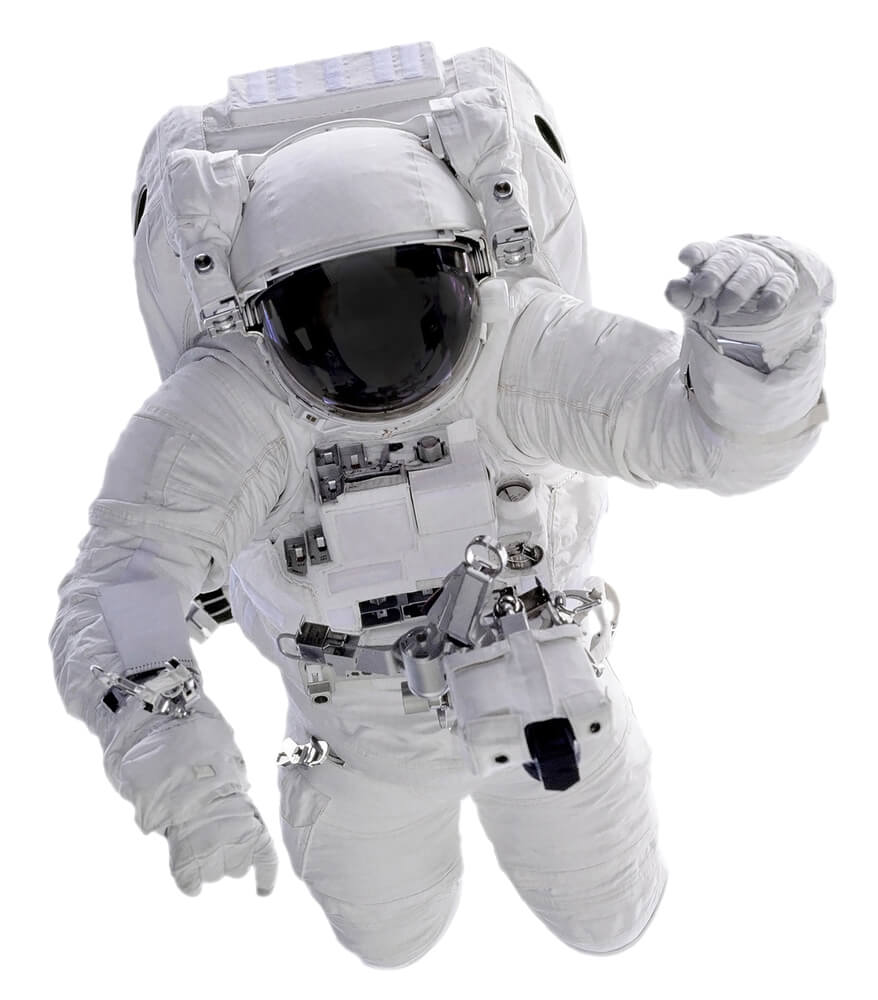
Training underwater for spacewalks produced dramatic photographs, but many of these were classified. They revealed the difficulty of manipulating spacecraft components in simulated weightlessness.
Astronaut Families
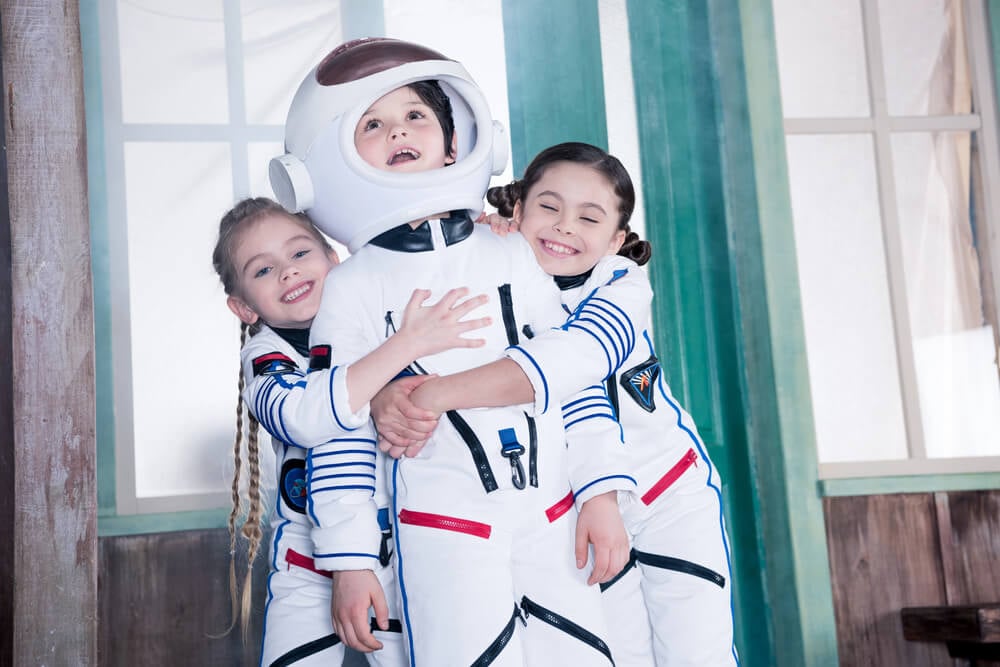
Emotional photographs of astronauts with their families before flights were carefully selected for release. Many candid photographs of family stress and separation were not released.
Launch Delays and Holds
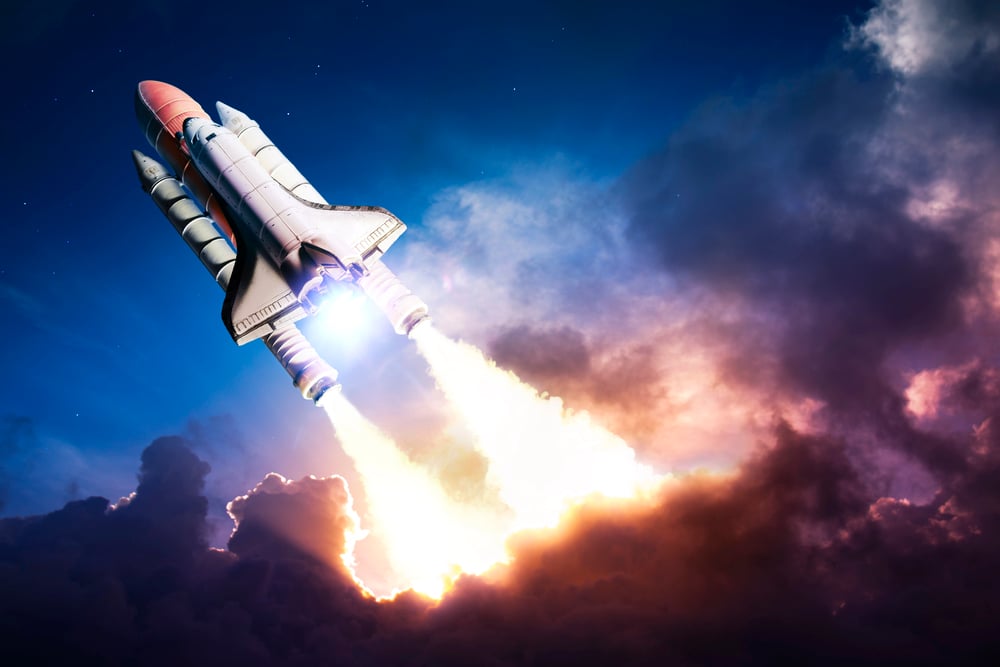
Photographs documenting the tedious, tense periods of launch delays and holds were rarely released. The public saw only the moment of launch.
Explosive Bolts and Separation Systems
Photographs documenting separation systems, explosive bolts, and pyrotechnic devices were classified. These images revealed the violent separation processes necessary to jettison spacecraft components.
Parachute Testing Failures
Some parachute testing resulted in failures and dramatic images. These photographs contradicted narratives of reliable recovery systems.
Astronaut Quarantine
Photographs of astronauts in quarantine after returning from space were limited. The images suggested that returning from space made astronauts potentially dangerous.
Recovery Operations
Photographs of spacecraft recovery operations sometimes revealed damage or problems. Images suggesting rough landings or problematic recoveries were suppressed.
Contingency Planning
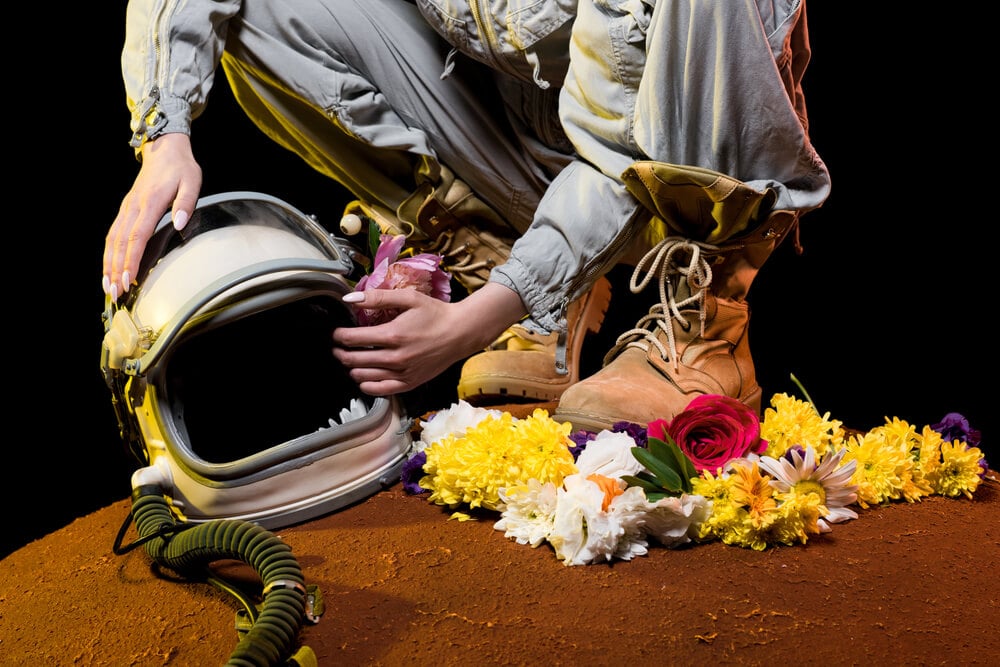
Photographs documenting spacecraft abort procedures and emergency escape systems revealed vulnerabilities that were not shared with the public.
Zero-G Effects on Equipment
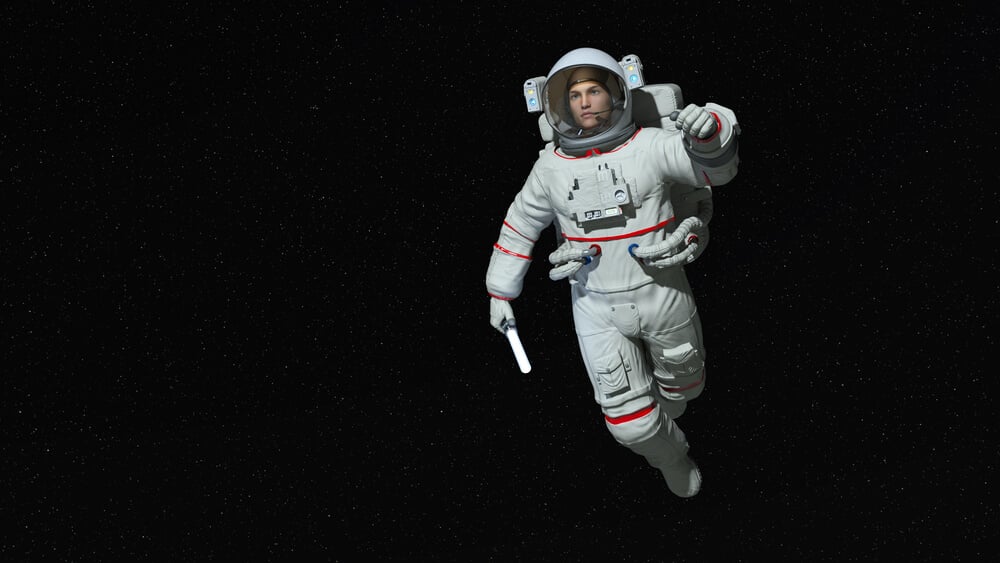
Photographs showing how various equipment behaved in zero gravity sometimes revealed unexpected problems. These technical images documented real difficulties being solved.
Radiation Shielding Tests
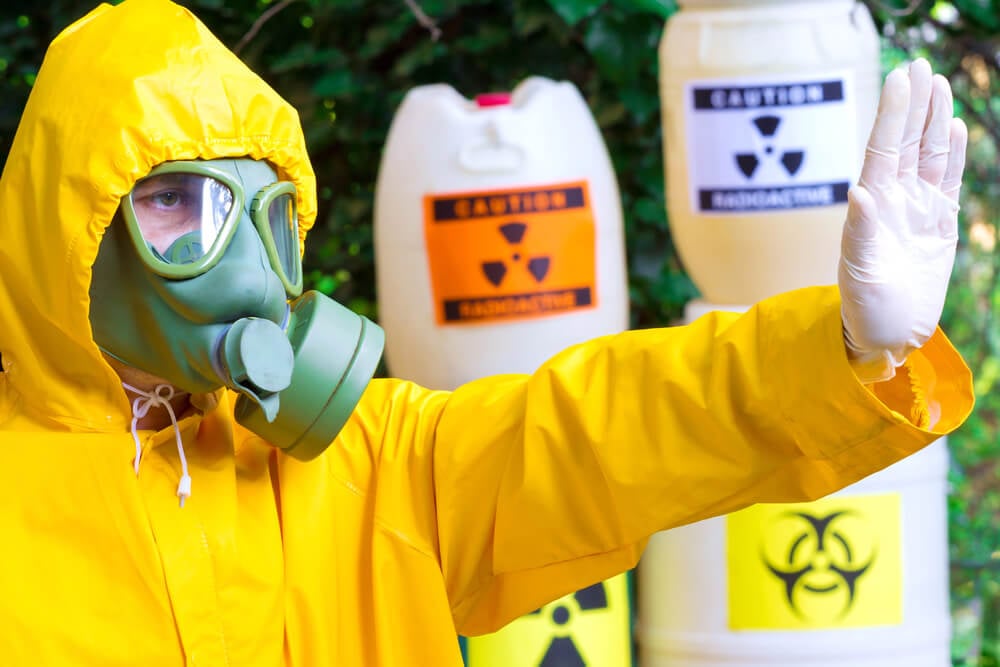
Photographs of radiation testing equipment and the dramatic evidence of radiation exposure were classified. The public had limited understanding of radiation dangers in space.
Vibration and Noise Testing

Photographs documenting the violent vibration and noise during launch were rarely released. Most launch photographs showed only the ascending rocket, not the internal vibration environment.
Thermal Blanket Installation

Photographs showing the tedious, error-prone process of applying thermal blankets to spacecraft were rarely seen. The images suggested the spacecraft was vulnerable to poor installation.
Weight and Balance Testing

Photographs showing spacecraft being carefully balanced and weighed documented the complexity of ensuring proper center of gravity. These technical images were not usually released.
Material Failure Testing

Photographs showing materials tested to failure—burning, melting, cracking—revealed the violent environments spacecraft materials had to survive.
Suit Testing in Vacuum Chambers
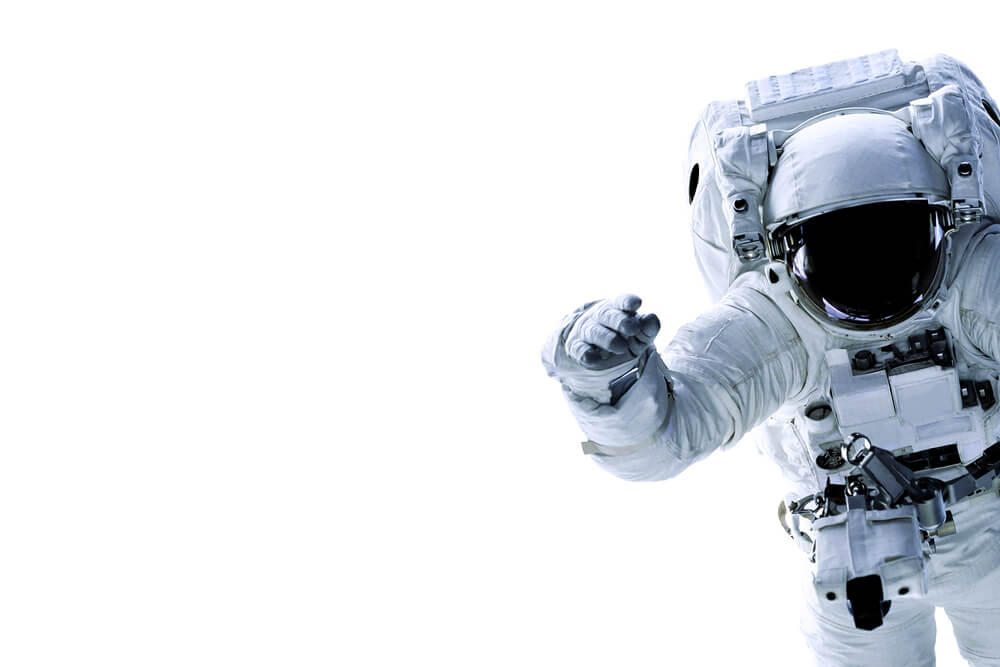
Photographs of spacesuits being tested in vacuum chambers sometimes showed problems or dramatic failures. These images were often suppressed.
Unmanned Probe Telemetry
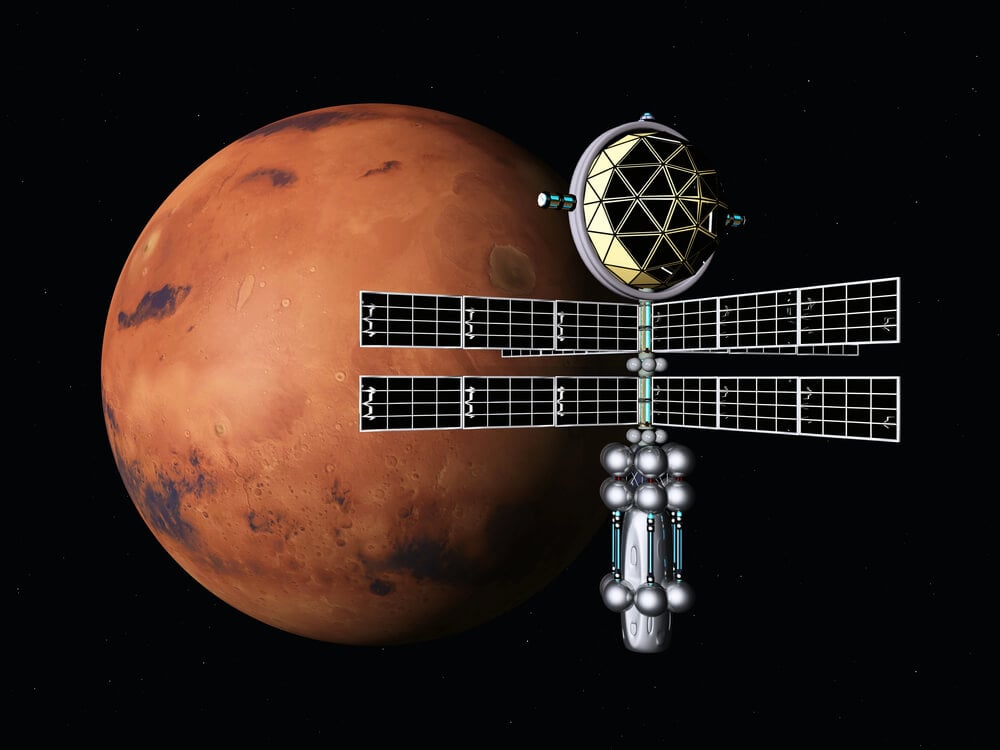
Photographs from early unmanned probes transmitted weak signals and revealed the difficulty of space communication. These images showed technical limitations being overcome.
Launch Vehicle Testing in Wind Tunnels
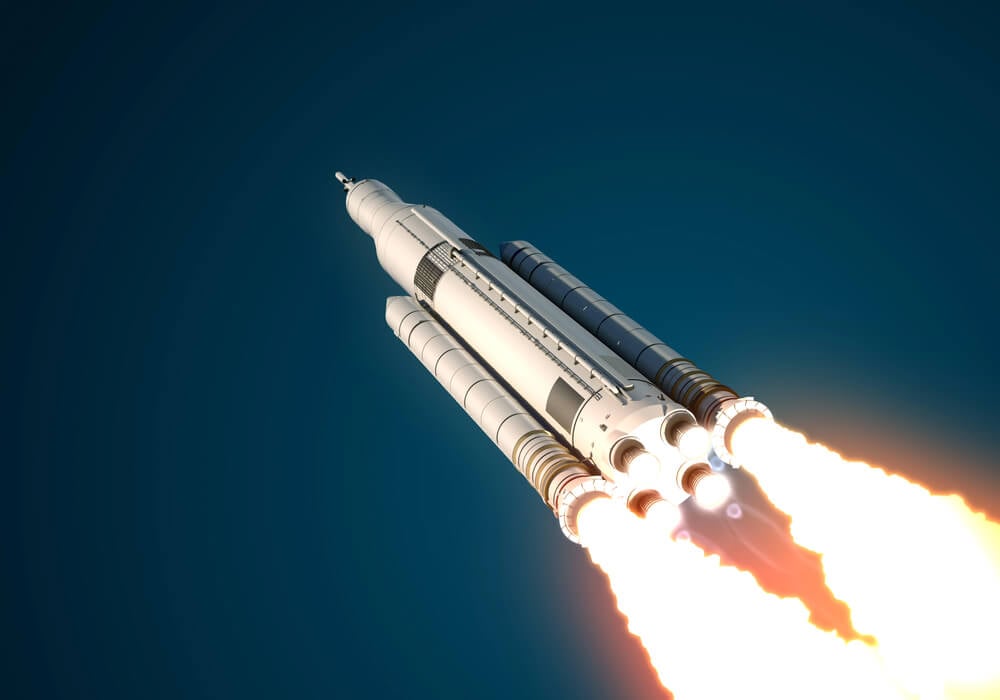
Photographs of rocket models undergoing wind tunnel testing revealed designs and aerodynamic solutions that might have been strategically important.
Medical Monitoring During Tests

Photographs showing the extensive medical monitoring required for astronaut training and flights revealed the genuine physiological stress involved.
The Unseen Record
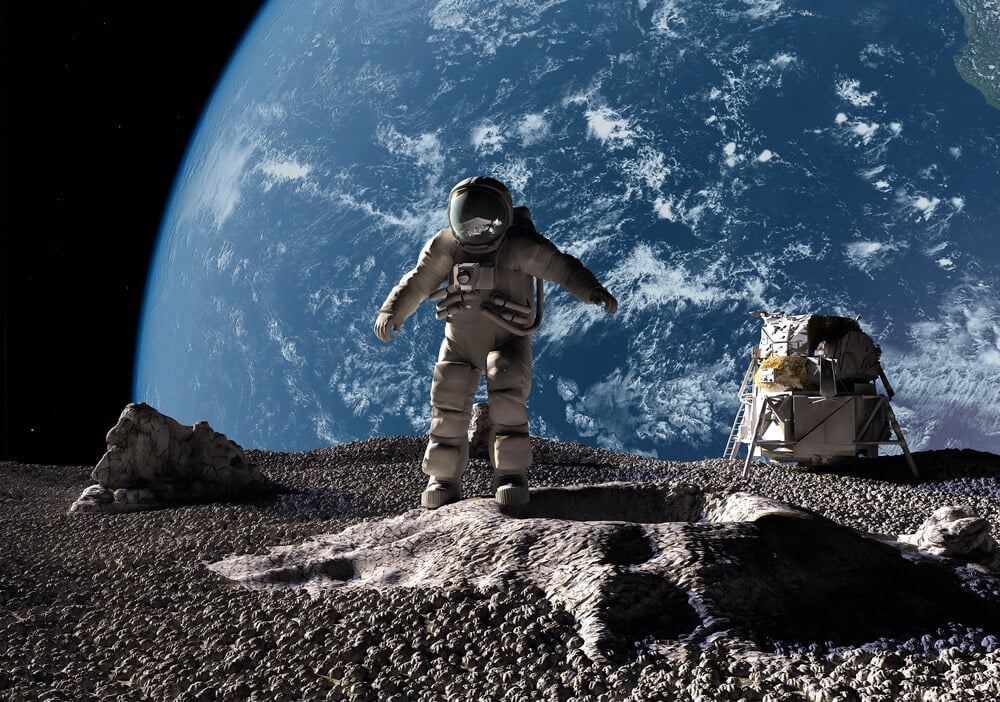
These 32 categories of suppressed photographs represent the hidden visual record of space exploration. The program we remember was carefully curated to show success.
The actual program involved countless failures, dangerous conditions, and problems being solved through trial and error. The photographs that were released showed only the moments when everything worked.
More from Go2Tutors!

- The Romanov Crown Jewels and Their Tragic Fate
- 13 Historical Mysteries That Science Still Can’t Solve
- Famous Hoaxes That Fooled the World for Years
- 15 Child Stars with Tragic Adult Lives
- 16 Famous Jewelry Pieces in History
Like Go2Tutors’s content? Follow us on MSN.