16 Mysterious Underwater Ruins Baffling Scuba Divers
The ocean keeps its secrets close. Every dive carries the possibility of stumbling across something that shouldn’t be there — stone structures where fish should rule, carved blocks sitting impossibly deep, entire complexes that predate our understanding of who built what and when.
These discoveries don’t fit neatly into textbooks or timelines, leaving divers floating above mysteries that have been waiting centuries for someone to notice them.
Yonaguni Monument
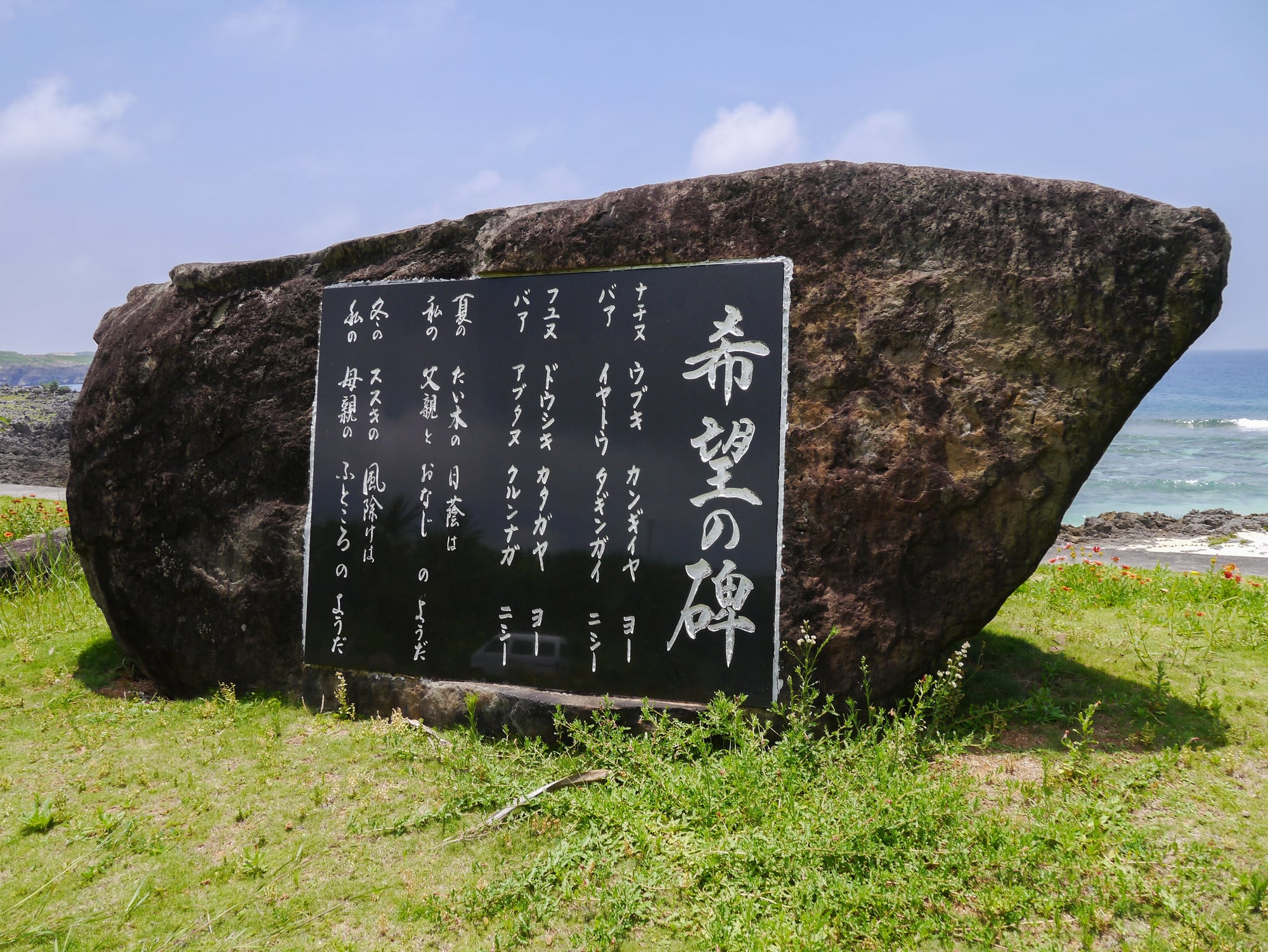
The geometric precision cuts through sixty feet of Japanese water like an argument that won’t quit. Terraces, steps, and right angles carved from bedrock don’t form naturally, yet here they sit off the coast of Yonaguni Island, defying simple explanations.
Bimini Road
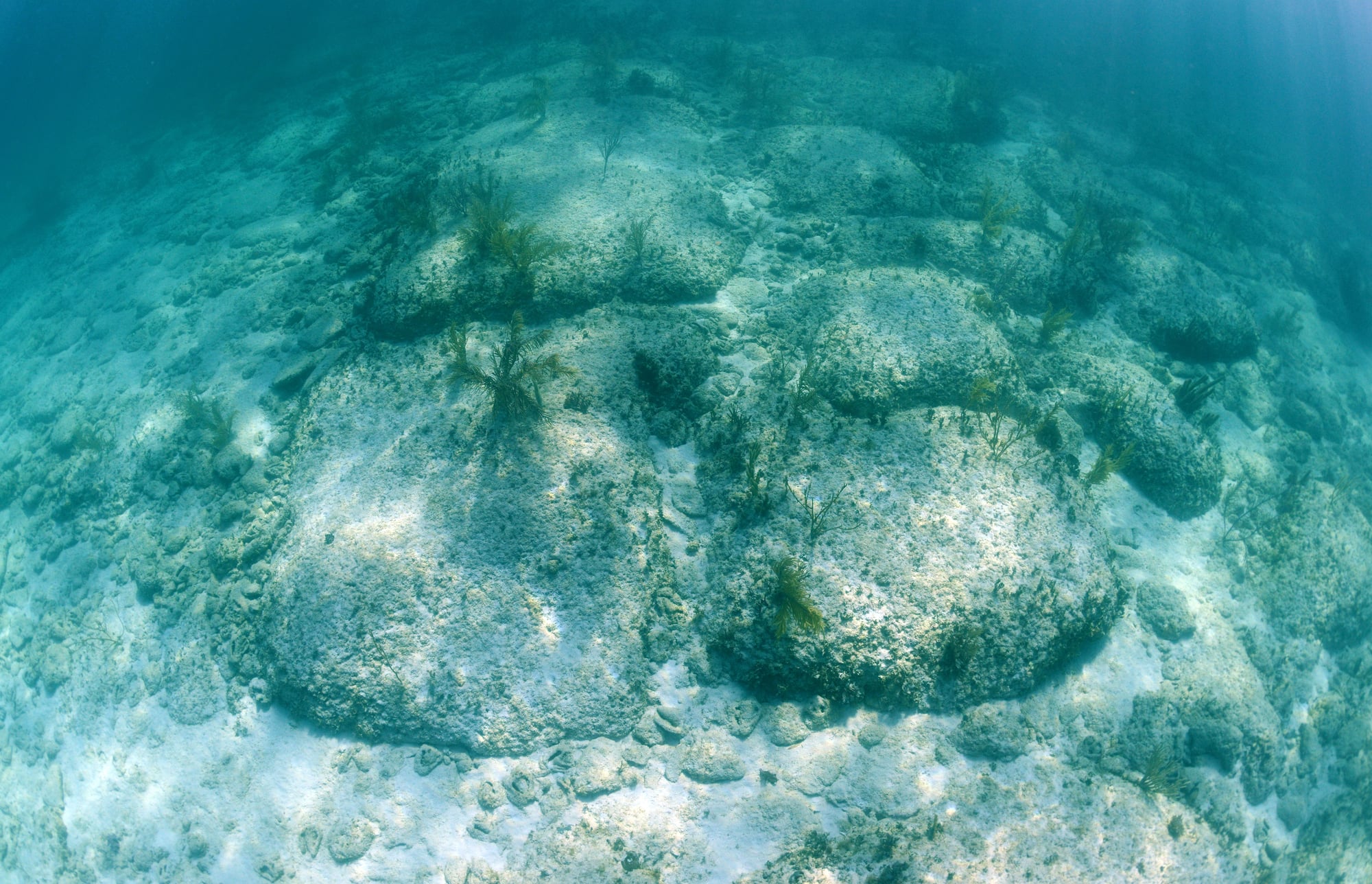
So these limestone blocks decided to arrange themselves in perfectly straight lines beneath Bahamian waters — or so the official explanation goes. And yet the edges align with an accuracy that makes geologists uncomfortable, stretching nearly half a mile in formations that seem far too intentional for natural processes to explain.
Dwarka
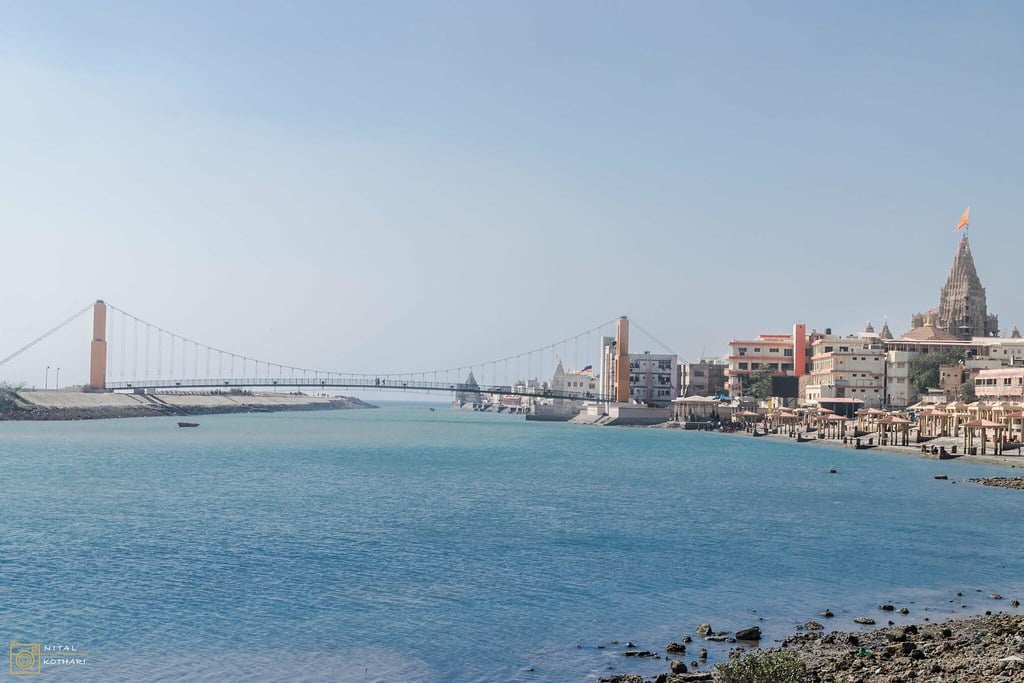
Beneath the waters off Gujarat, India, lies what appears to be the drowned remains of Krishna’s legendary city, which shouldn’t exist according to most archaeological timelines. The discovery feels like watching myth become tangible — ancient texts describing a magnificent city suddenly vindicated by sonar readings and underwater walls that stretch further than anyone expected.
Stone anchors, pottery fragments, and structural foundations rest where devotees always claimed they would be found. But the carbon dating keeps pushing the timeline back further than comfortable explanations allow, creating one of those archaeological situations where the evidence refuses to cooperate with established chronology.
Atlit Yam
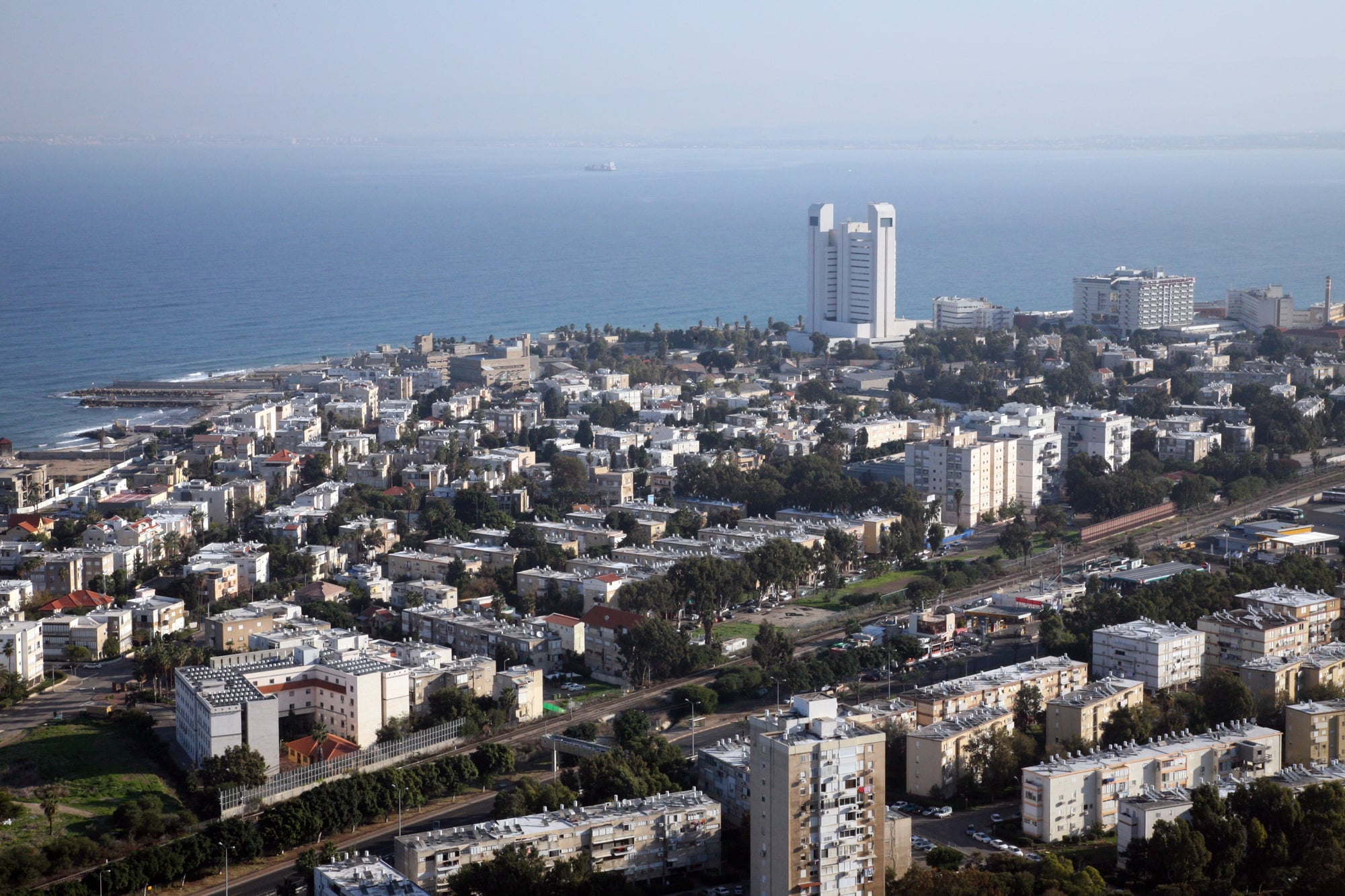
This Neolithic village refuses to stay buried. Stone circles and human skeletons rest where Mediterranean waters claimed them 9,000 years ago.
The preservation borders on miraculous. Wells still hold ancient water. Fireplaces contain ash from the last meals ever cooked here.
Port Royal
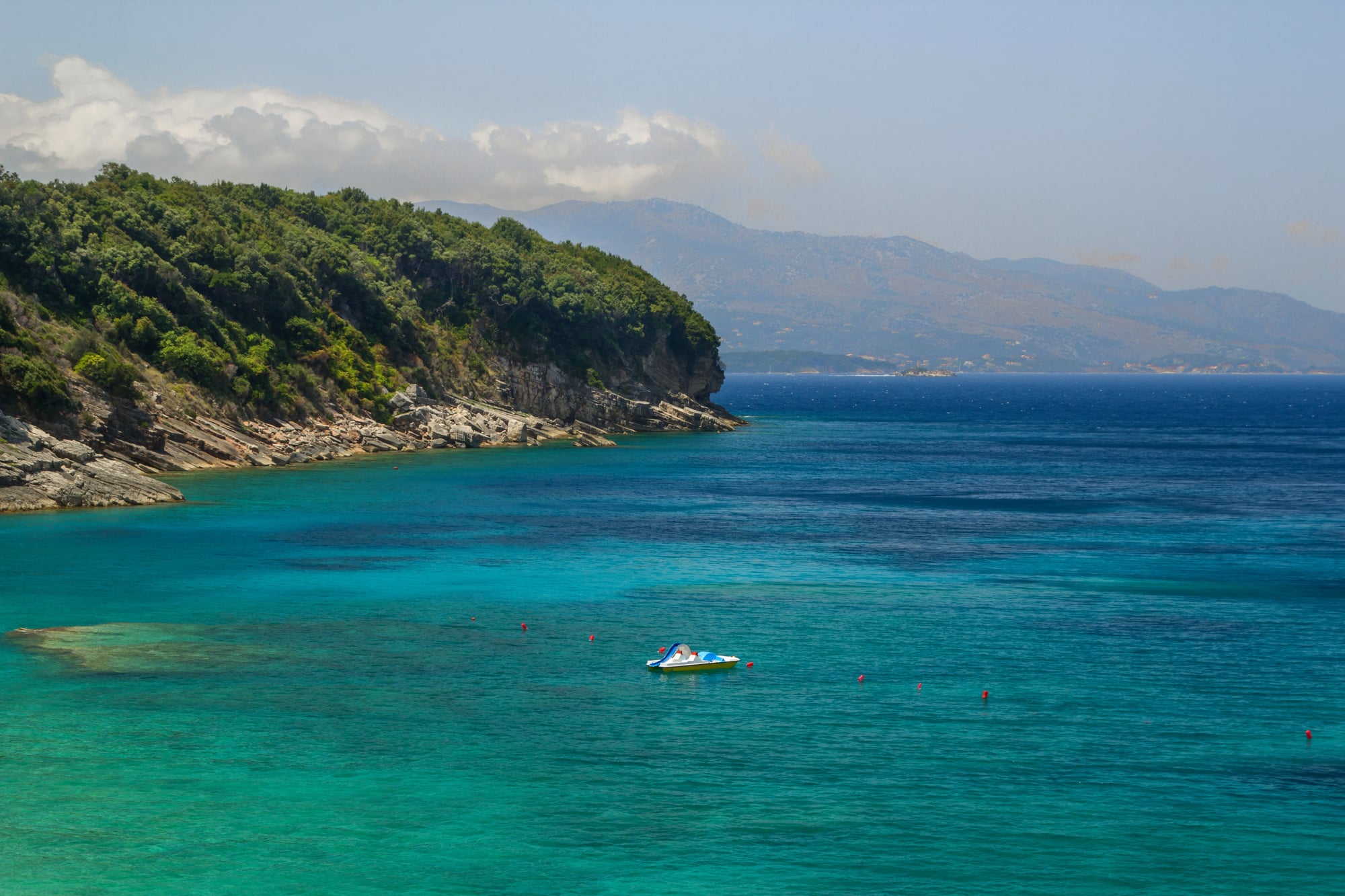
Pirates chose their headquarters poorly. The 1692 earthquake dropped most of Port Royal straight into Kingston Harbor, where it remains the most complete underwater city in the Western Hemisphere.
Pewter plates still hold food. Pocket watches stopped at the exact moment the ocean claimed them.
The preservation rivals Pompeii, except everything sits forty feet underwater off the coast of Jamaica.
Pavlopetri
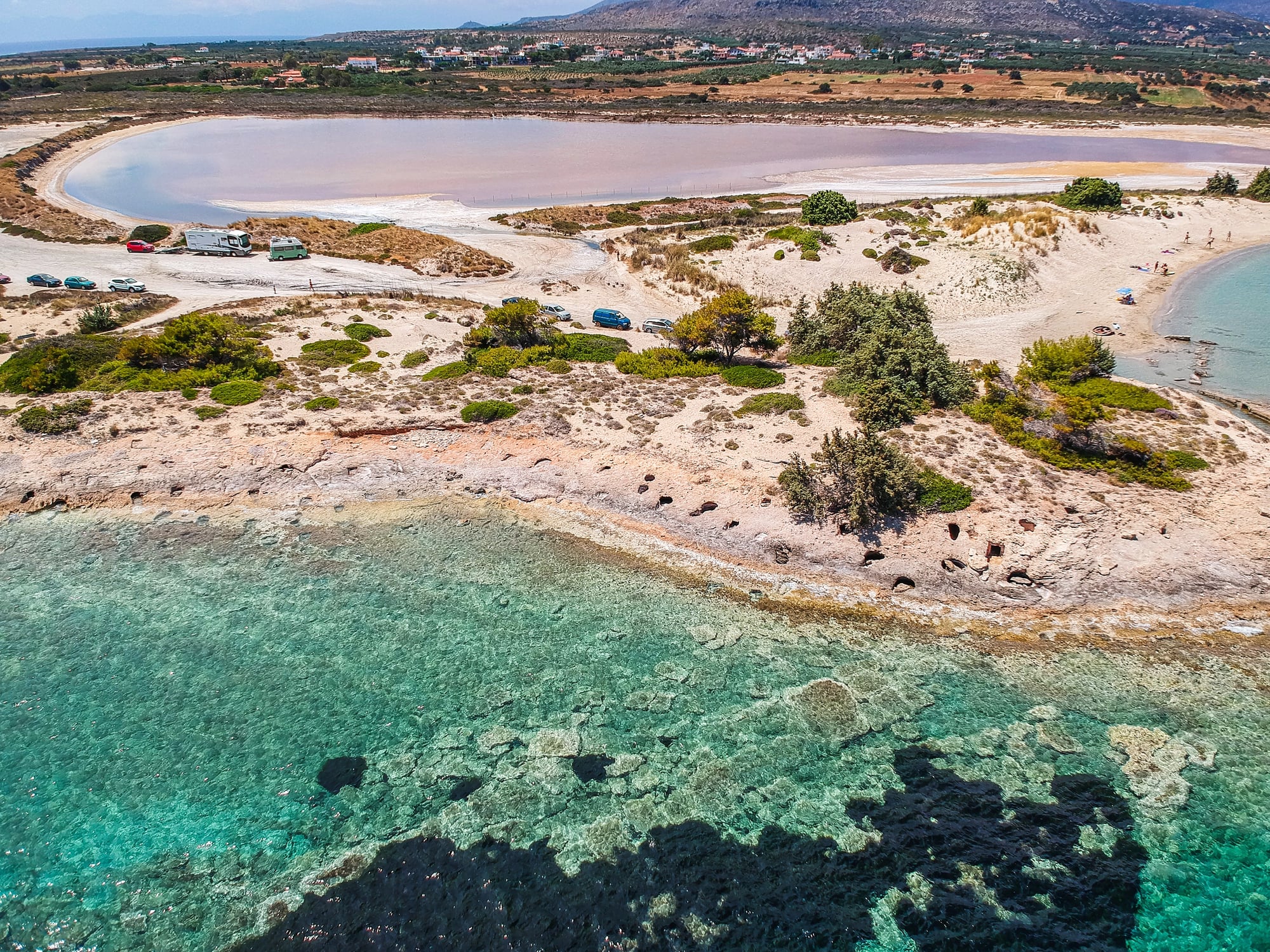
Pavlopetri represents the world’s oldest known submerged city, and walking through its streets (or rather, swimming through them) feels like moving through a blueprint that predates most of human urban planning. Courtyards open onto thoroughfares that were ancient when Homer was composing his epics, yet the city’s layout follows principles of urban design that wouldn’t seem out of place in a modern planning textbook.
The Bronze Age residents apparently understood traffic flow and residential zoning in ways that suggest sophisticated civic thinking. So much for the assumption that urban planning was invented recently — these underwater streets have been proving that wrong for over 5,000 years, laid out with a logic that becomes more impressive the longer divers spend mapping its neighborhoods.
Heracleion
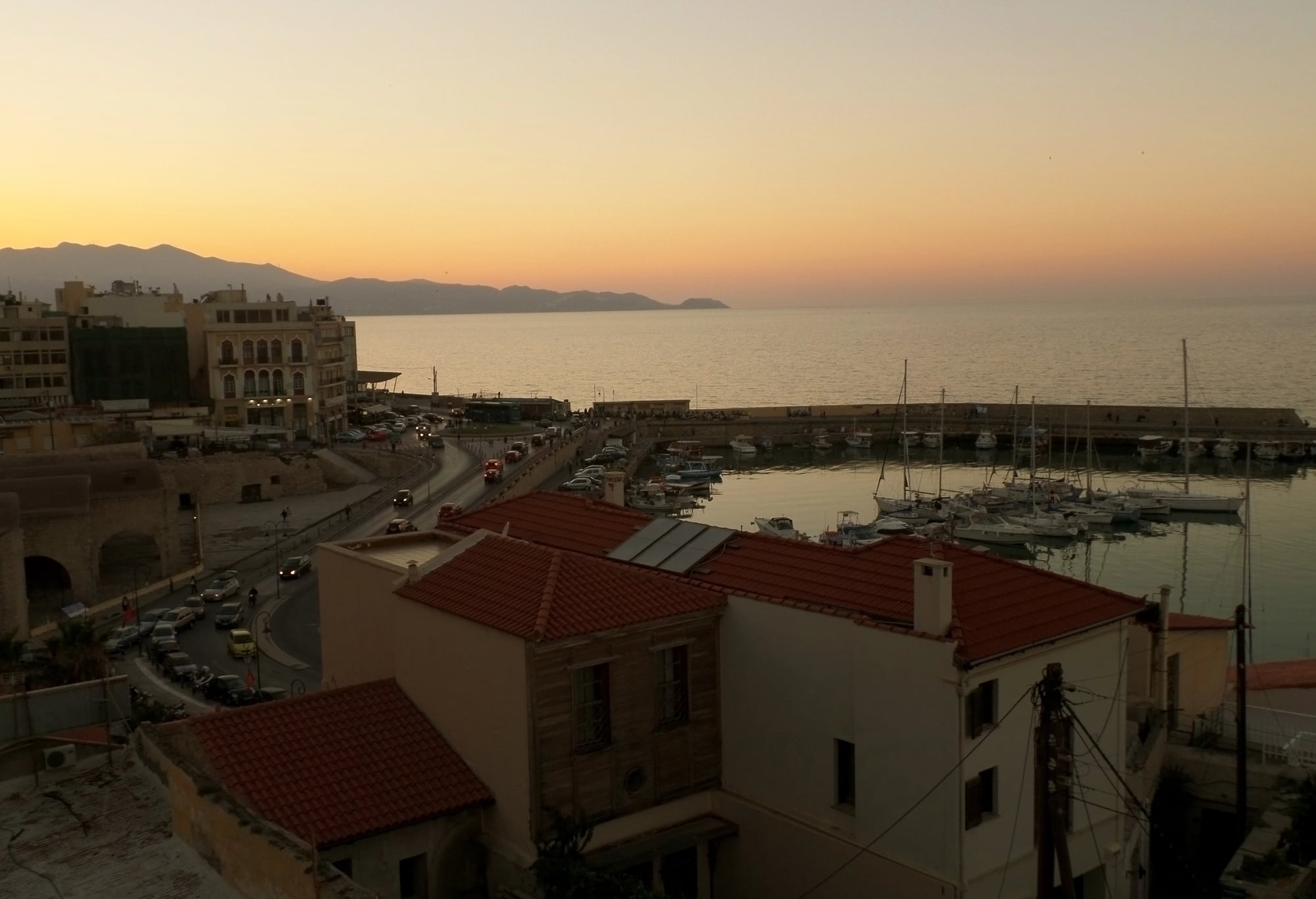
Egyptian priests recorded Heracleion’s existence in temple inscriptions, but historians dismissed these as mythological references until the Mediterranean decided to give up one of its best-kept secrets. The city emerges from silt and time like something from a fever dream — colossal statues of pharaohs lying where they fell, temple foundations still holding their sacred geometry, and harbor infrastructure that reveals just how sophisticated ancient maritime engineering had become.
Gold coins scattered across the seafloor tell stories of international commerce that happened when most of the world supposedly lived in isolation. The irony cuts deep: a city that ancient historians documented meticulously had been written off as fantasy by modern scholars who apparently forgot that sometimes the old writers knew what they were talking about.
Lake Titicaca Ruins
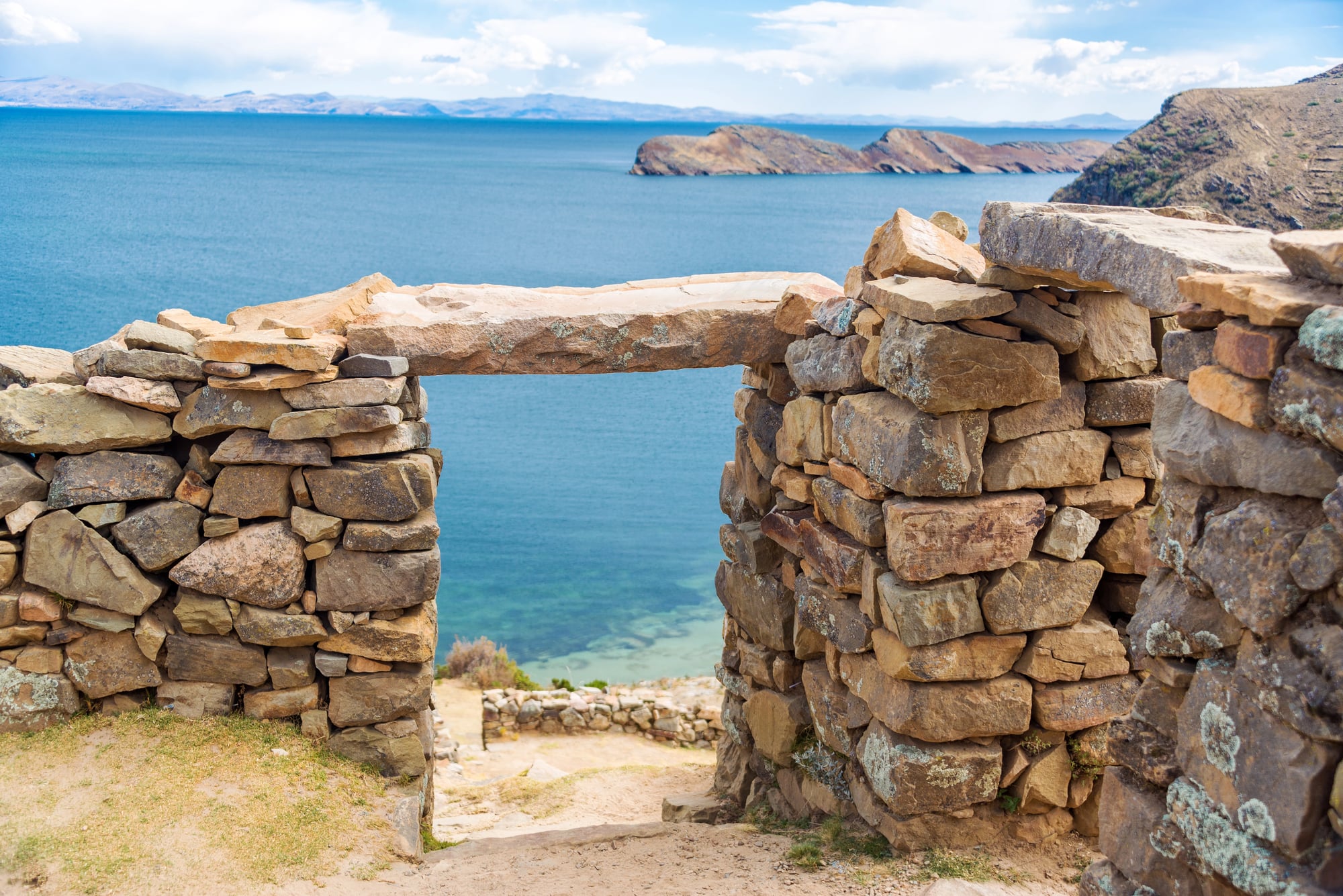
Stone platforms shouldn’t exist 100 feet below the surface of the world’s highest navigable lake. The engineering makes no sense for underwater construction, yet here these structures rest, suggesting either remarkable ambition or a significant change in water levels that nobody recorded.
Nan Madol
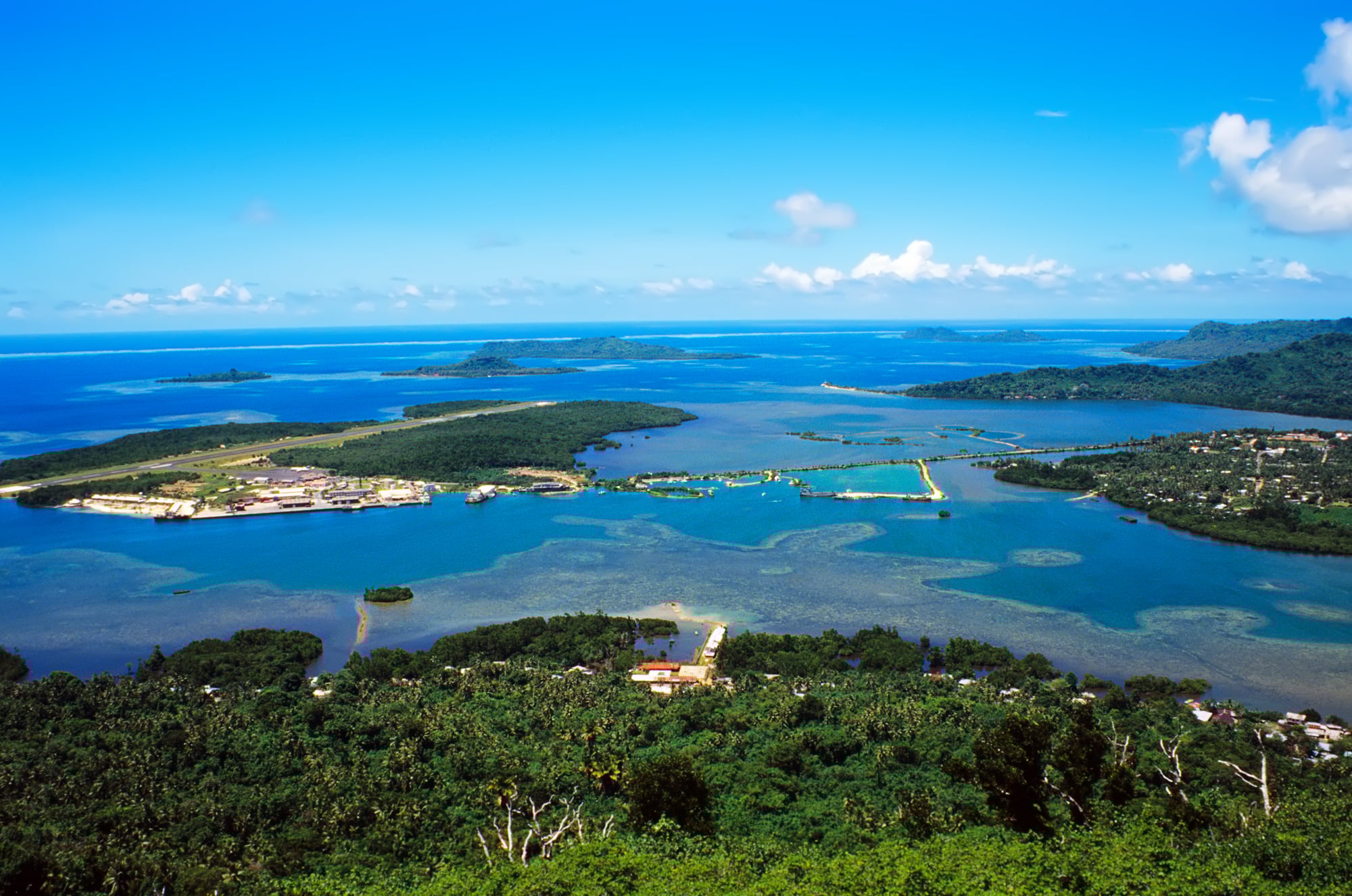
Basalt logs stacked like ancient Lincoln Logs form artificial islands in Micronesian waters, but the construction methods remain completely unknown. Moving these multi-ton stones across water without modern equipment requires techniques that apparently died with their builders.
To be fair, calling this place the “Venice of the Pacific” understates the engineering challenge. Venice was built where water was shallow and transport was possible. Nan Madol was built where it should have been impossible.
Cleopatra’s Palace

Alexandria’s royal quarter slipped beneath the Mediterranean following a series of earthquakes and tsunamis, taking Cleopatra’s palace complex down with it. Now divers swim through chambers where the last pharaoh of Egypt once held court, navigating between fallen columns and scattered artifacts that bring ancient luxury into sharp underwater focus.
The palace grounds read like a treasure map made real — sphinx statues lying in sand, granite columns still bearing hieroglyphic inscriptions, and jewelry scattered where it was dropped during the final evacuations. What makes the site particularly haunting is how much of the royal architecture remains recognizable: you can still identify throne rooms, ceremonial halls, and private quarters in layouts that match ancient descriptions of pharaonic grandeur.
Baiae
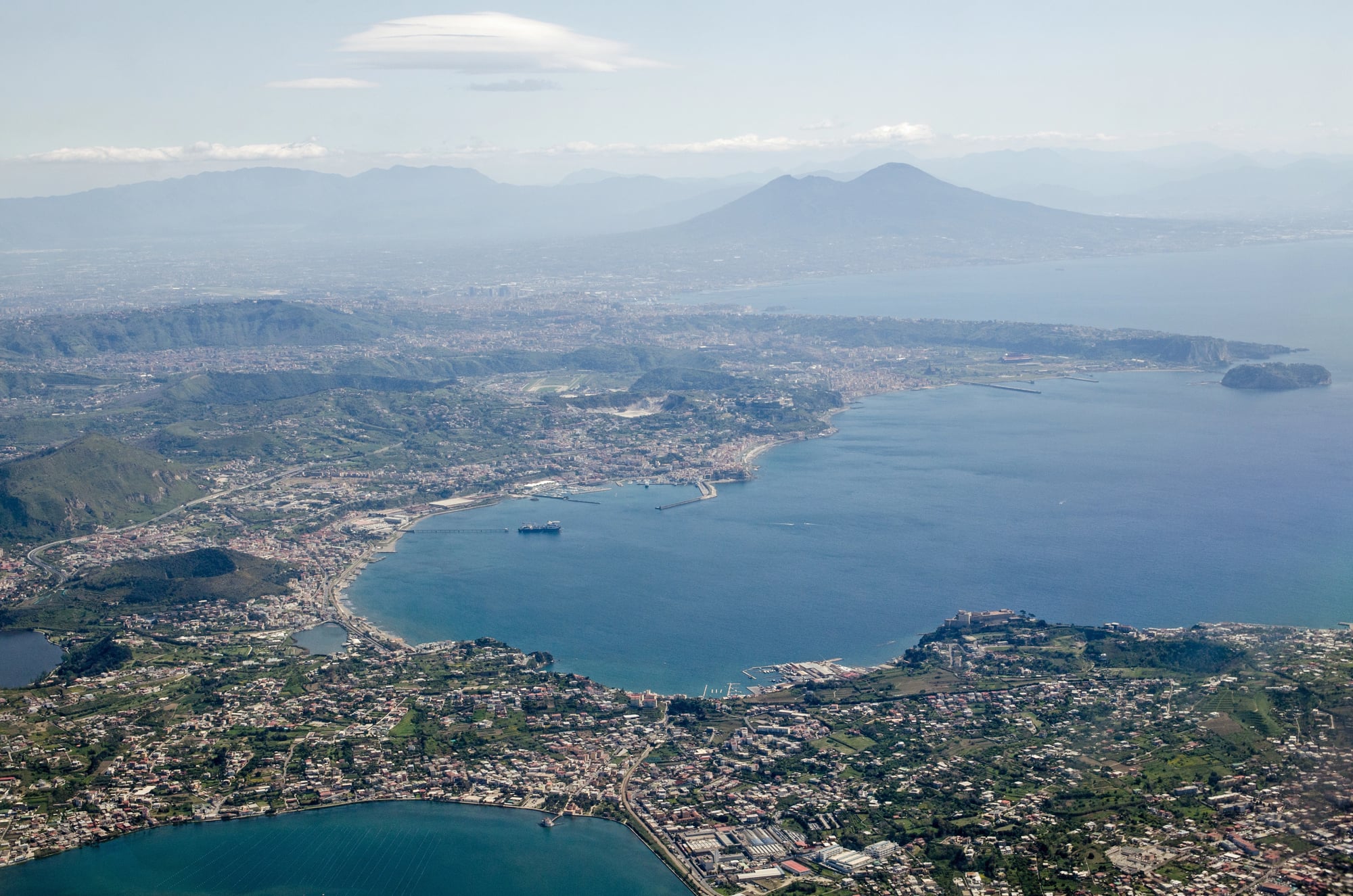
Roman aristocrats built their vacation homes poorly — right on top of volcanic activity that eventually dropped the entire resort town below the Bay of Naples. Baiae was the Las Vegas of the Roman Empire, where senators and emperors came to party away from the watchful eyes of Rome.
Now their mosaic floors serve as artificial reefs. Villa courtyards provide shelter for Mediterranean fish.
Swimming pools designed for Roman excess now host entirely different forms of aquatic life.
The preservation astonishes anyone familiar with how thoroughly most Roman sites have been picked over by centuries of treasure hunters and tourists.
Mu
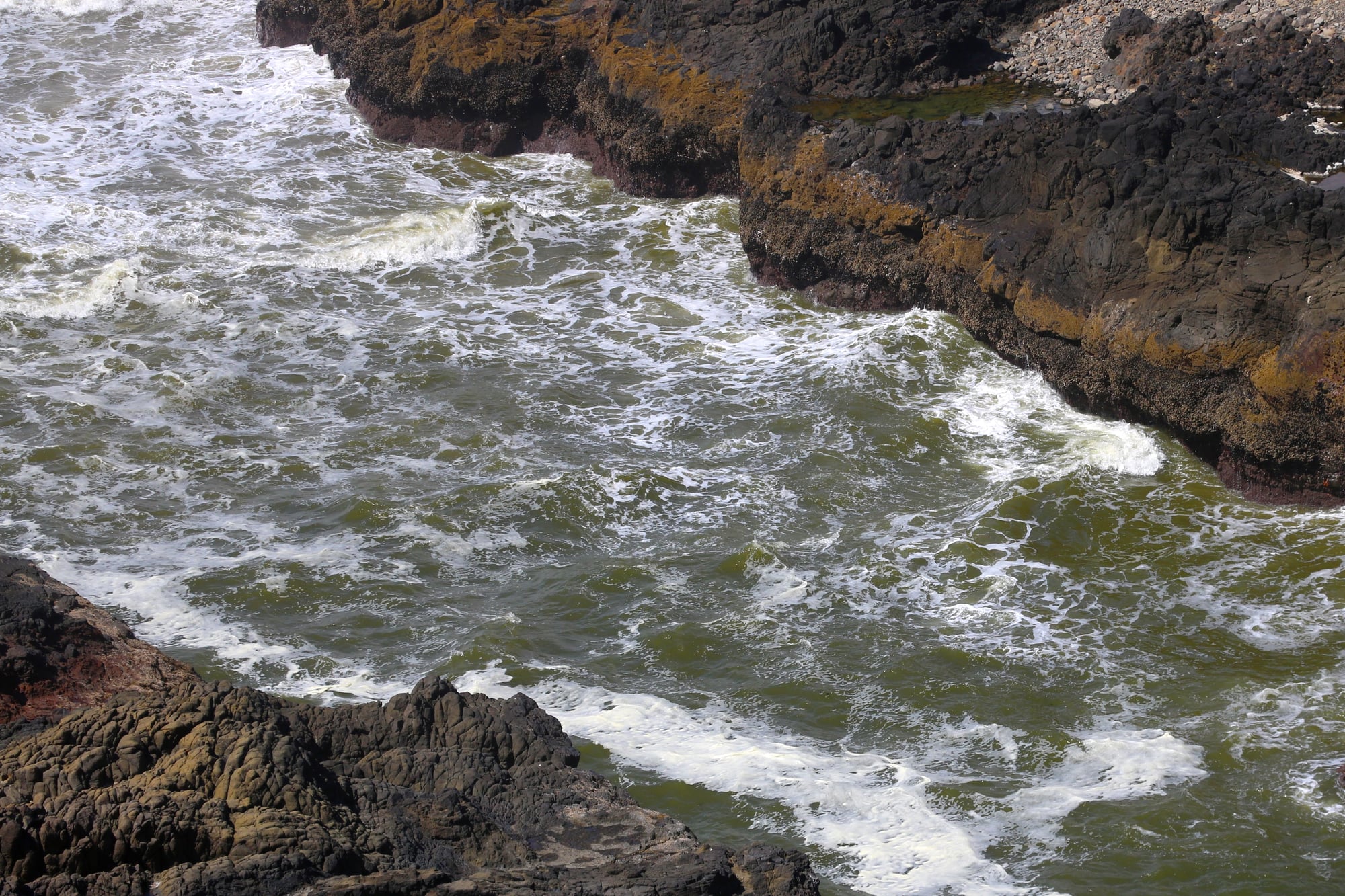
The legendary lost continent of Mu remains pure mythology with no archaeological evidence. While various natural rock formations and submerged geological features exist throughout the Pacific, none have been credibly associated with a lost civilization called Mu.
These formations result from natural geological processes rather than human construction.
Whether these underwater ruins represent the actual remains of Mu or simply indicate that Pacific Island cultures achieved far more sophisticated engineering capabilities than mainstream archaeology acknowledges, the structures raise uncomfortable questions about how much we actually understand about pre-Columbian seafaring and construction techniques.
The stones themselves offer few answers — they’re simply there, massive and inexplicable, challenging assumptions about who built what and when in the Pacific basin.
Baltic Sea Anomaly
Sonar readings from the Baltic Sea floor show something that looks suspiciously like a crashed spacecraft but consists entirely of stone and metal that predates human flight by millennia. The object measures nearly 200 feet across and sits at the end of what appears to be a skid mark stretching across the ocean floor.
Yarmuta
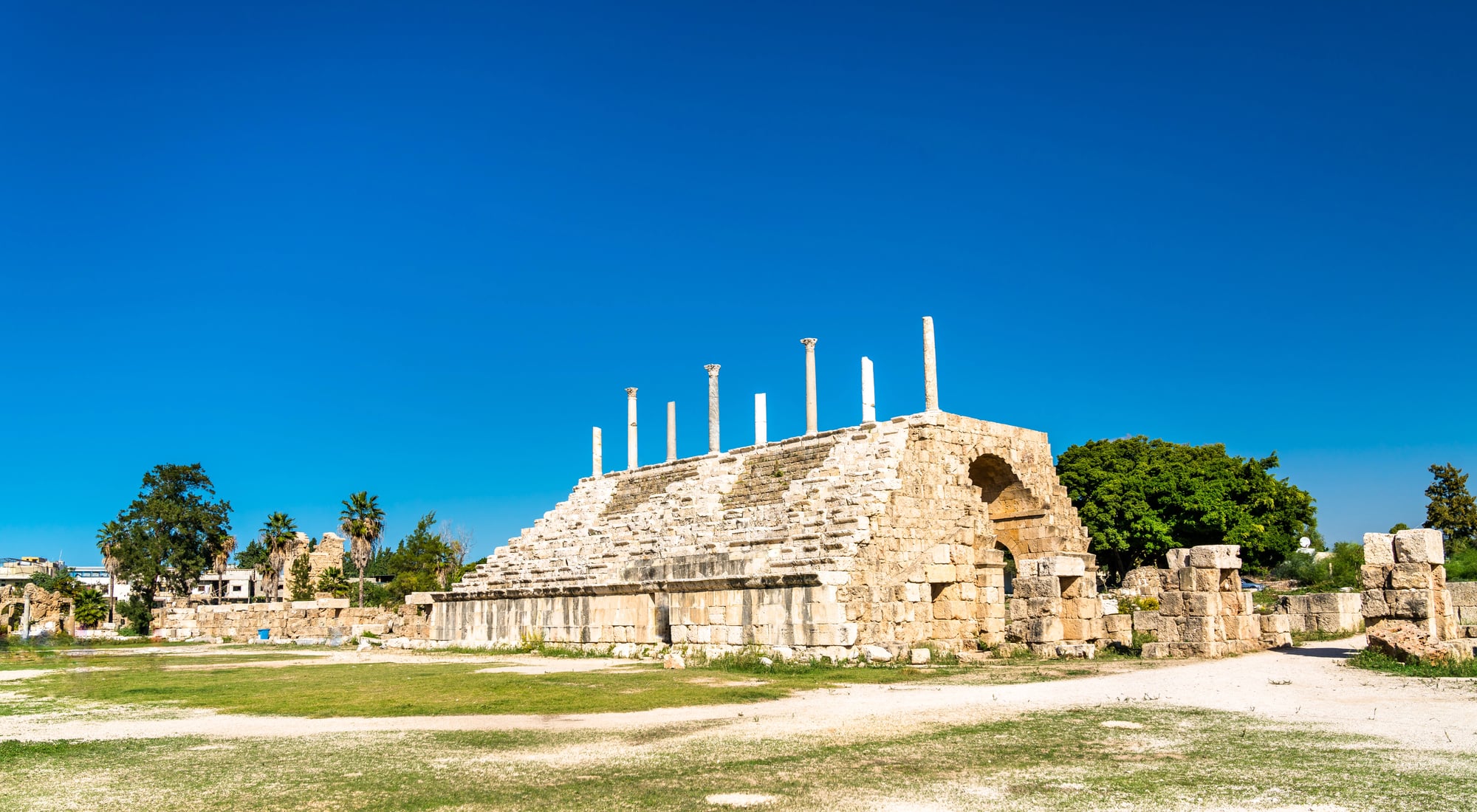
Ground-penetrating sonar reveals that most of Yarmuta remains buried under decades of sediment accumulation, meaning what divers can currently explore represents only the uppermost levels of what was clearly a multi-story urban center. The architectural styles don’t match any known Phoenician or Roman construction techniques, adding another layer of mystery to a discovery that already challenges regional historical timelines.
And the stonework shows precision that would have required tools and techniques that supposedly didn’t exist in this part of the Mediterranean during the time periods suggested by preliminary carbon dating.
Zakynthos
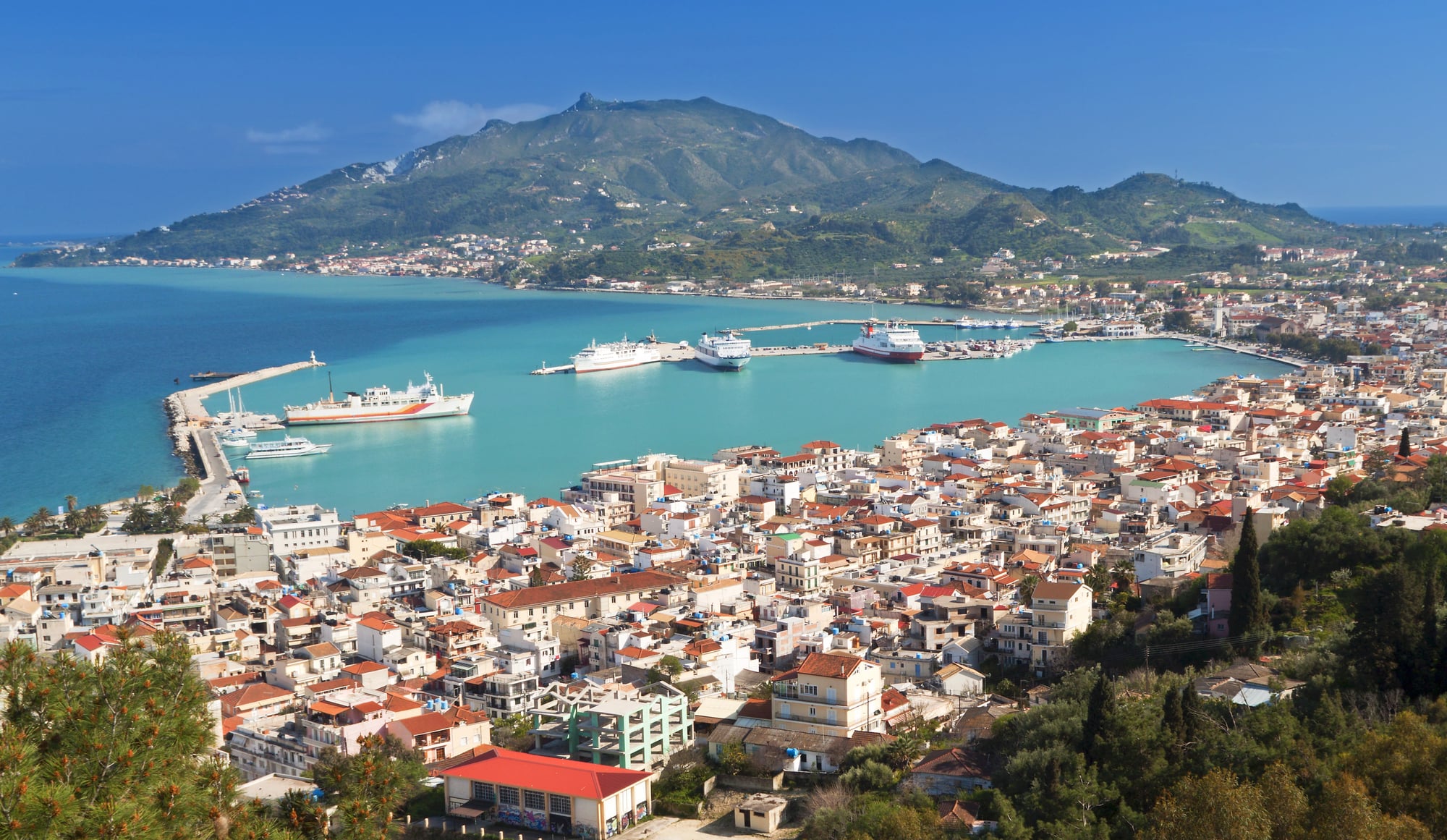
Greek waters recently revealed what appears to be an ancient city complete with paved courtyards and circular plazas, except geologists insist the formations result from natural mineral processes rather than human construction. The problem with this explanation becomes apparent the moment divers examine the site closely.
The “natural” processes somehow produced perfectly straight edges, uniform spacing, and architectural patterns that follow Greek design principles. Nature typically doesn’t create right angles or maintain consistent measurements across large areas, yet Zakynthos displays both with remarkable regularity.
Gulf Of Cambay

Sonar mapping in the Gulf of Cambay revealed city-like structures spread across nine kilometers of ocean floor, complete with what appear to be boulevards, residential areas, and large institutional buildings. Carbon dating of artifacts recovered from the site suggests human habitation that predates the oldest known Indian civilizations by several thousand years.
The acoustic imaging shows urban planning on a scale that rivals modern cities — organized street grids, designated districts, and infrastructure that suggests a population far larger than archaeological timelines typically allow for the region and time period. But perhaps most intriguingly, the site sits exactly where ancient Sanskrit texts describe a great city that was swallowed by the ocean, creating one of those rare situations where legend, archaeology, and hard scientific evidence seem to be having the same conversation for once.
When The Ocean Reveals Its Archive
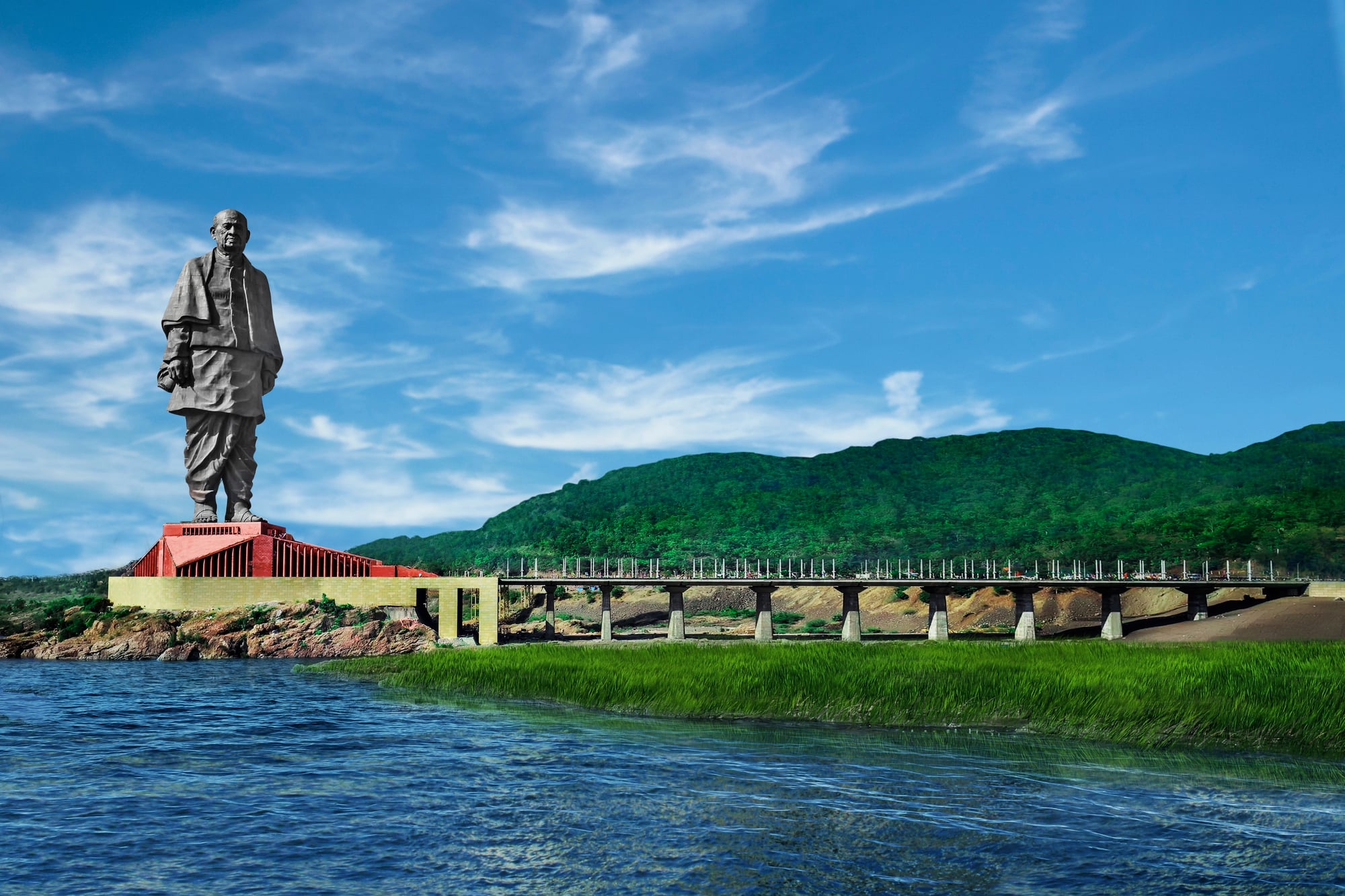
These underwater ruins represent more than just archaeological curiosities — they’re evidence of how much human history remains literally beneath the surface, waiting for the right combination of technology, curiosity, and favorable conditions to bring it back into the light. Each discovery forces adjustments to timelines that seemed settled and raises new questions about civilizations that achieved far more than we credited them with achieving.
The ocean, it turns out, has been keeping meticulous records all along.
More from Go2Tutors!

- The Romanov Crown Jewels and Their Tragic Fate
- 13 Historical Mysteries That Science Still Can’t Solve
- Famous Hoaxes That Fooled the World for Years
- 15 Child Stars with Tragic Adult Lives
- 16 Famous Jewelry Pieces in History
Like Go2Tutors’s content? Follow us on MSN.



