The Most Dangerous Places on Earth
Have you ever pondered what it’s like to be on the brink of the most hostile environments on the planet? There are places on Earth that can actually be fatal to adventurers.
These are fifteen of the most hazardous locations on Earth, where Mother Nature doesn’t follow our normal guidelines.
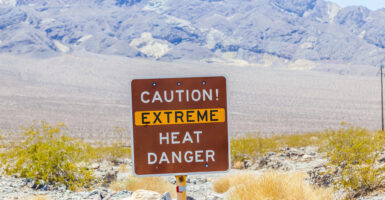
Death Valley, California

Death Valley holds a disputed world record for air temperature at 134°F (56.7°C) from 1913, though many scientists question this reading—the more accepted modern record is 129.9°F (54.4°C) from 2020. Ground temperatures can occasionally exceed 200°F (93.9°C), creating conditions so extreme that stepping on exposed rock without proper footwear can cause serious burns.
The combination of this brutal heat, limited water sources, and vast distances between any form of help creates a perfect storm of danger for unprepared visitors, where dehydration can set in faster than most people realize.
Mount Washington, New Hampshire
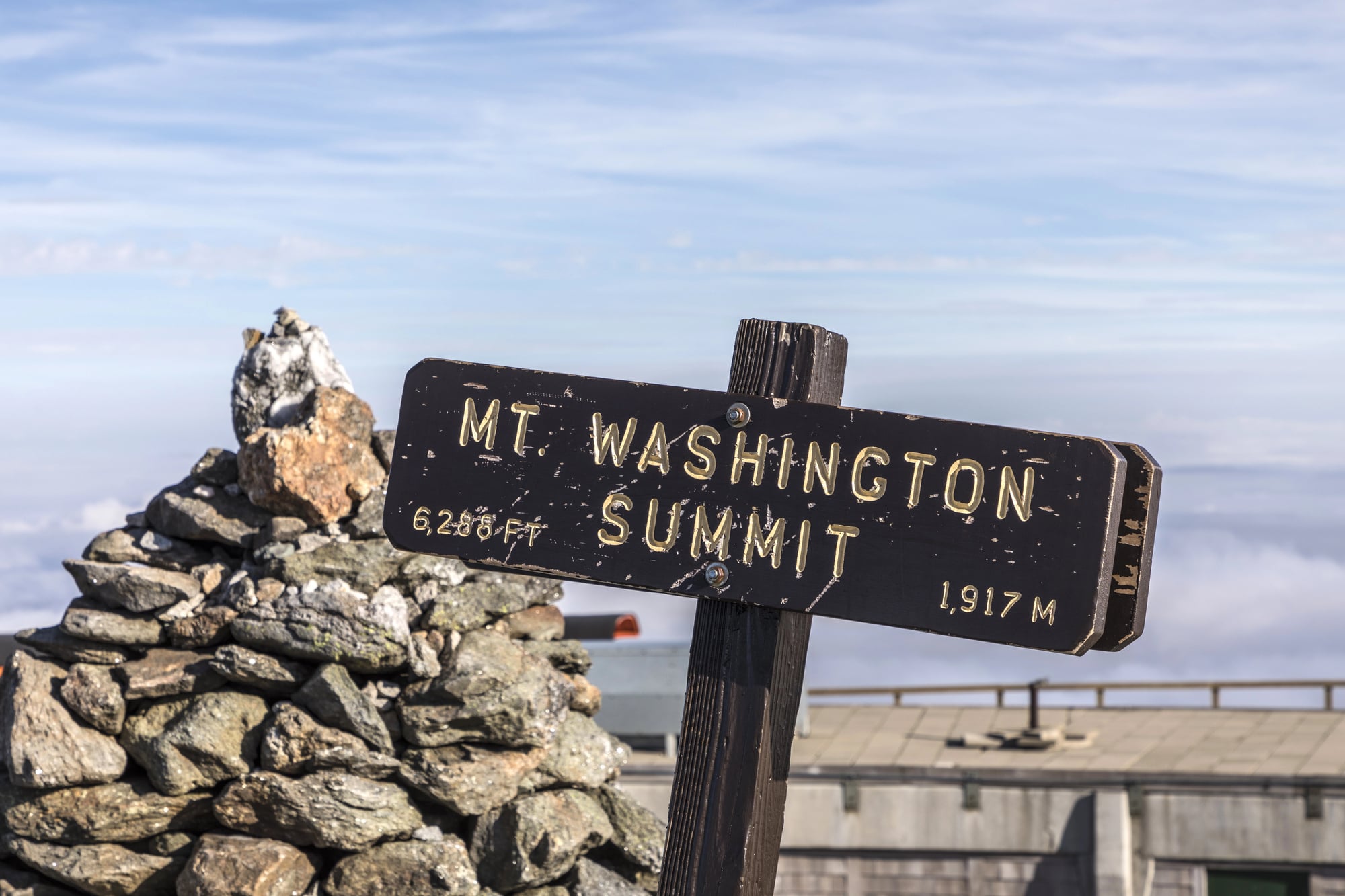
Mount Washington has historically held impressive weather records, including wind speeds that reached 231 mph in 1934, though this is no longer the global record (Barrow Island, Australia recorded 253 mph in 1996). What makes this mountain uniquely dangerous is its position at the intersection of three major storm tracks, creating a natural weather laboratory where conditions can change from pleasant hiking weather to life-threatening storms in minutes.
More than 150 people have lost their lives on this mountain, often caught off guard by weather that seems impossible for the northeastern United States.
The Sahara Desert
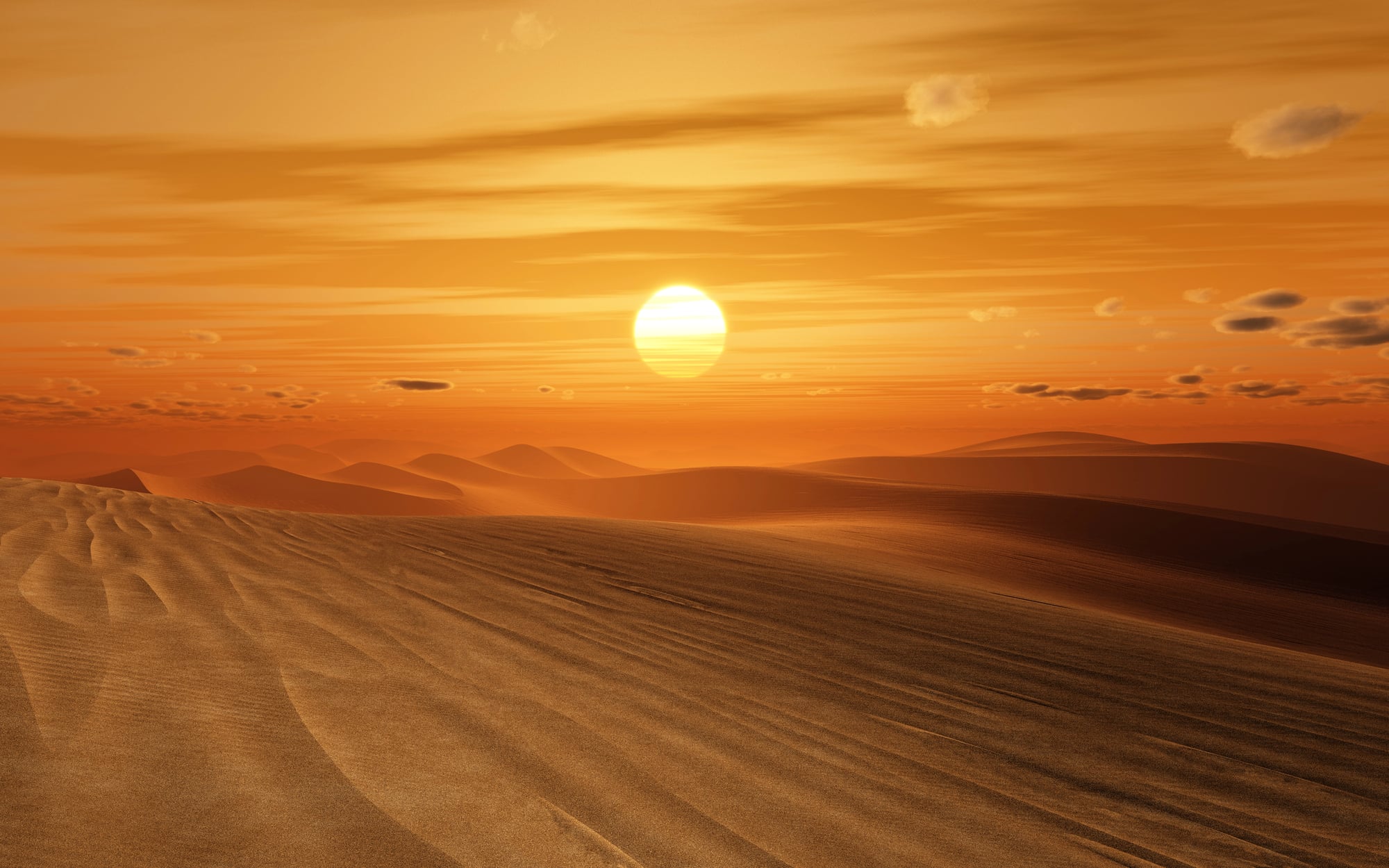
The world’s largest hot desert spans an area roughly the size of the entire United States, with temperatures that can exceed 122°F (50°C) during the day and drop below freezing at night. Navigation becomes nearly impossible during sandstorms that can last for days, burying landmarks and creating zero visibility conditions while sand particles strip paint from vehicles and can cause serious respiratory problems.
The sheer vastness means that a wrong turn or mechanical failure can leave travelers hundreds of miles from help, with water supplies running out long before rescue arrives.
Antarctica’s Interior

This isn’t just cold—it’s a completely alien environment where average winter temperatures drop to around -76°F (-60°C), and the record low hit -128.6°F (-89.2°C) at Vostok Station in 1983. The combination of extreme cold, high altitude, dry air, and powerful katabatic winds creates conditions that can kill through hypothermia, altitude sickness, or dehydration faster than most people realize.
Even summer temperatures rarely rise above freezing, and the psychological challenge of months without sunlight during winter adds another layer of danger for anyone attempting to survive there.
The Danakil Depression, Ethiopia

Sitting 410 feet below sea level in one of the hottest places on Earth, the Danakil Depression features active volcanoes, salt flats, sulfur springs, and air temperatures that can reach 125°F (51°C). The air itself becomes toxic in many areas due to volcanic gases, particularly hydrogen sulfide and chlorine, which can cause serious respiratory damage or death with prolonged exposure.
The landscape constantly shifts due to ongoing volcanic activity, meaning that safe routes can become deadly overnight when new lava flows or toxic gas vents open up.
Kamchatka Peninsula, Russia

This remote volcanic peninsula contains more than 160 volcanoes, 29 of which are active, creating a landscape where the ground can literally explode beneath your feet without warning. Brown bears roam freely in some of the highest concentrations anywhere on Earth, while volcanic activity creates unpredictable geysers, boiling mud pools, and toxic gas emissions that can be lethal to humans.
The isolation means that help can be days or weeks away, and the harsh weather can ground rescue aircraft for extended periods.
The Atacama Desert, Chile
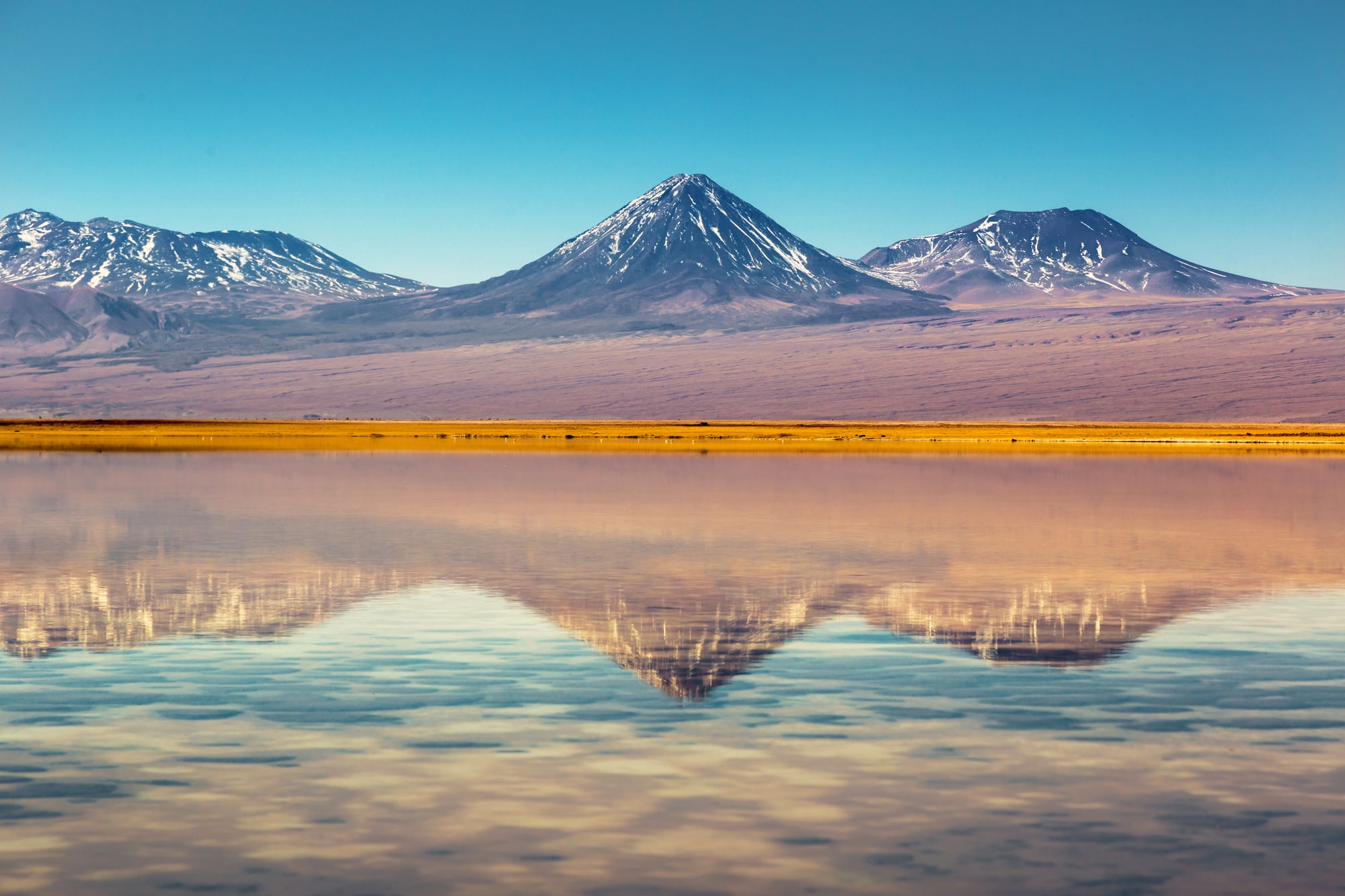
Considered the driest non-polar desert on Earth, the Atacama features areas that have gone decades without measurable rainfall, though the common claim of “no rain for 400 years” is actually a myth. While trace precipitation and fog do occasionally occur, the combination of extreme dryness, high altitude, intense UV radiation, and dramatic temperature swings between day and night creates conditions that can cause severe dehydration and dangerous sunburn within hours.
The landscape is so barren and Mars-like that scientists use it to test equipment for space missions, and getting lost here means facing an environment with virtually no reliable water sources.
Lake Natron, Tanzania
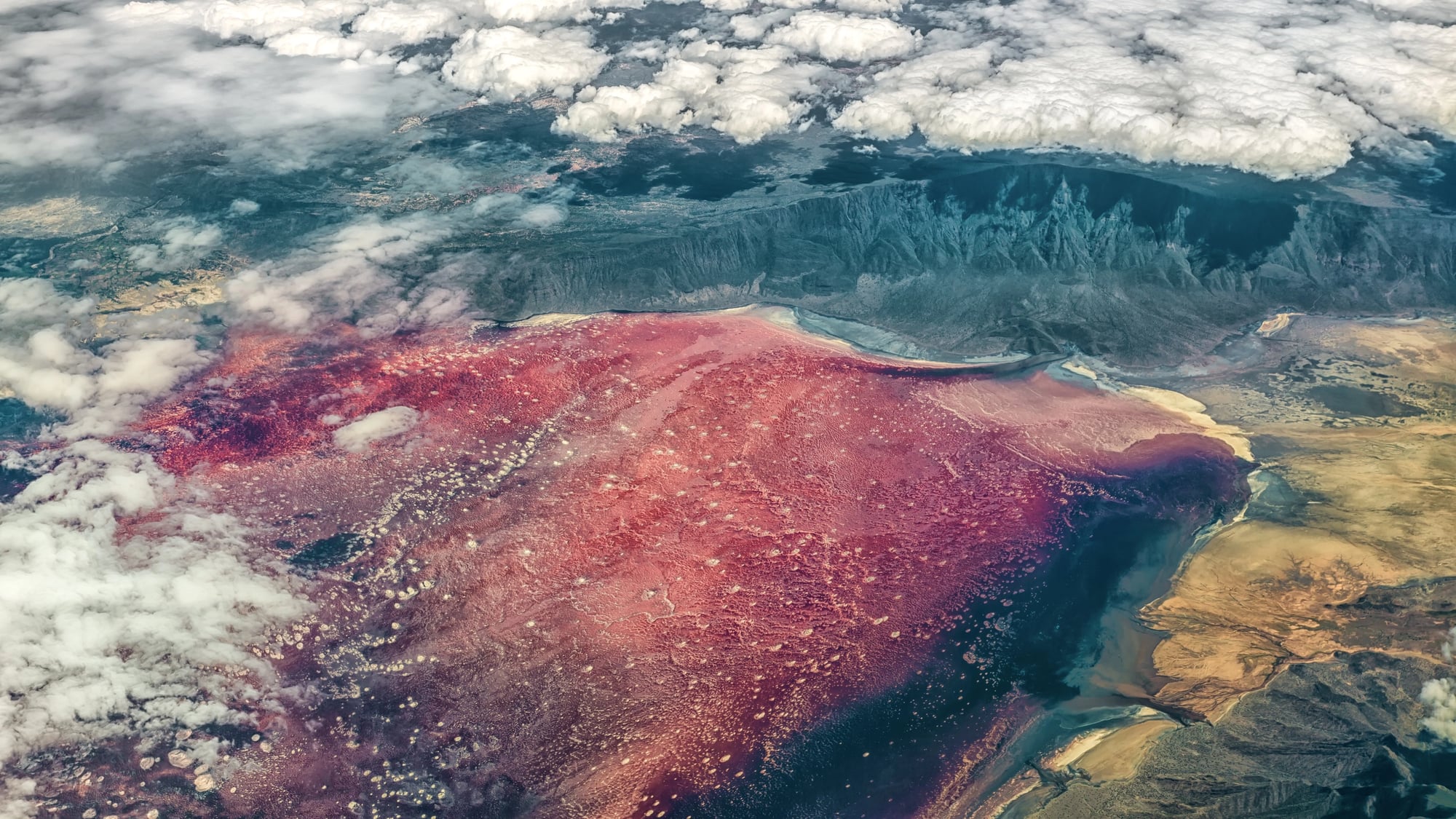
This salt lake maintains temperatures up to 140°F (60°C) and has a pH level between 9 and 10.5, making it nearly as alkaline as ammonia and capable of causing severe chemical burns to skin and eyes on contact. The high sodium carbonate content creates mineral deposits that can preserve dead animals that fall into the lake, though the dramatic “instant mummification” stories are often exaggerated.
Even the air around the lake can cause respiratory irritation, and the remote location means medical help is hours away from this desolate landscape.
The Karakum Desert, Turkmenistan

Home to the famous ‘Door to the Underworld,’ a natural gas crater that caught fire sometime around 1971 (the exact ignition story varies), this desert presents dangers from both extreme heat and toxic gas emissions. The burning crater reaches temperatures over 1,800°F (982°C), while methane and other dangerous gases create air quality conditions that can cause serious health problems with prolonged exposure.
The surrounding desert features extreme temperature variations, limited water sources, and vast expanses where navigation errors can prove fatal.
Finding Perspective in Extreme Places
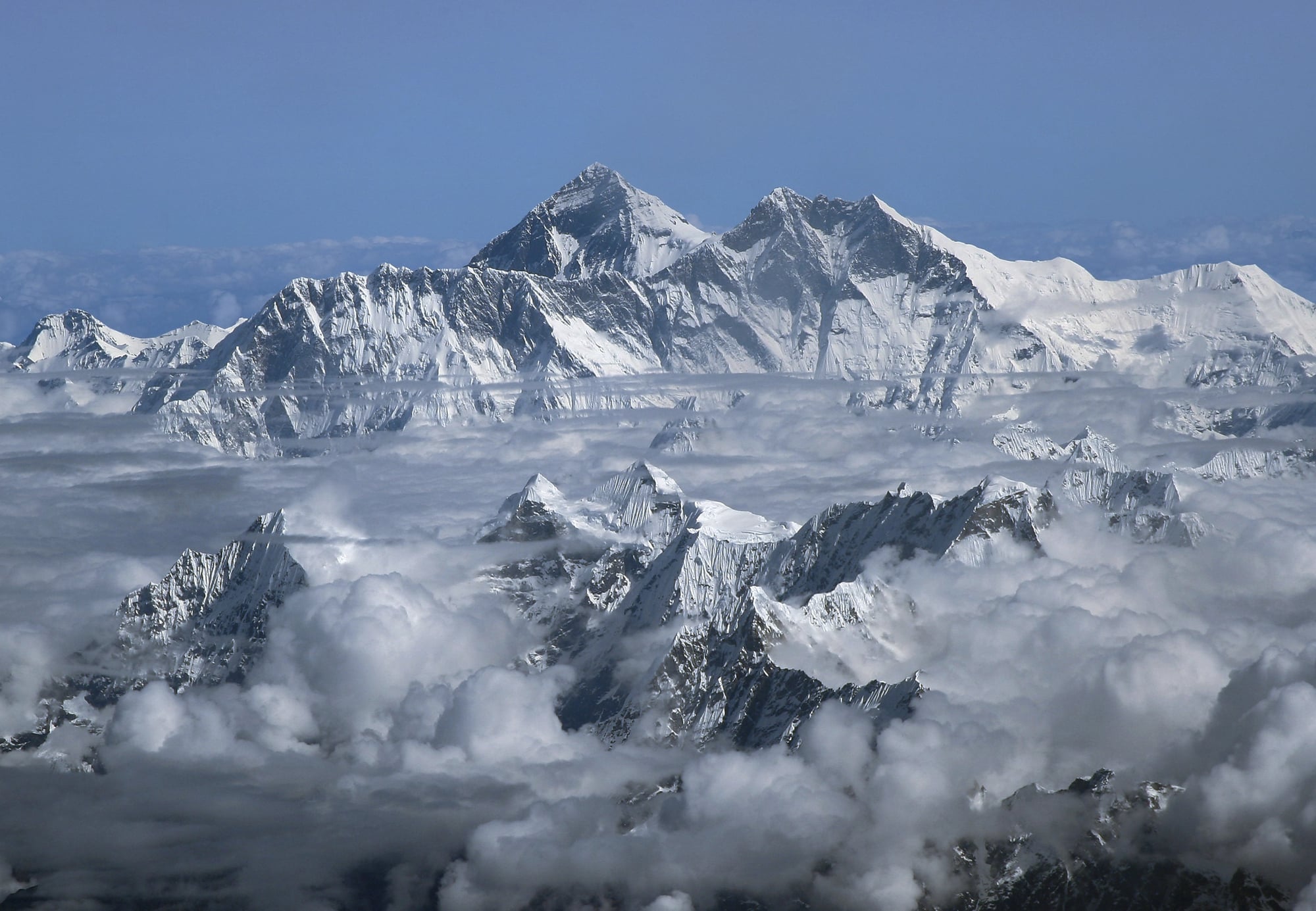
These locations serve as a reminder that there are still environments on Earth where human preparation is limited. The difficulties you face on a daily basis may seem insurmountable, but they pale in comparison to traversing environments where the ground may erupt or the air may be poisonous.
We can better appreciate the amazing diversity of our planet and the comparatively safe places that most of us call home when we have a better understanding of these extreme environments.
More from Go2Tutors!

- The Romanov Crown Jewels and Their Tragic Fate
- 13 Historical Mysteries That Science Still Can’t Solve
- Famous Hoaxes That Fooled the World for Years
- 15 Child Stars with Tragic Adult Lives
- 16 Famous Jewelry Pieces in History
Like Go2Tutors’s content? Follow us on MSN.