33 Flea Market Tools Dealers Grab First
Dealers show up before dawn to flea markets for one reason: tools. A single box of quality hand tools can mean the difference between a profitable day and going home empty-handed.
Collectors and contractors know that vintage tools often outperform modern equivalents—better balance, sharper edges, steel that holds an edge longer. What dealers hunt for isn’t random; it follows patterns built on decades of resale experience.
The right tool finds a buyer fast. Condition matters more than newness, and patina tells a story that adds value rather than subtracting it.
Stanley Sweetheart Chisels
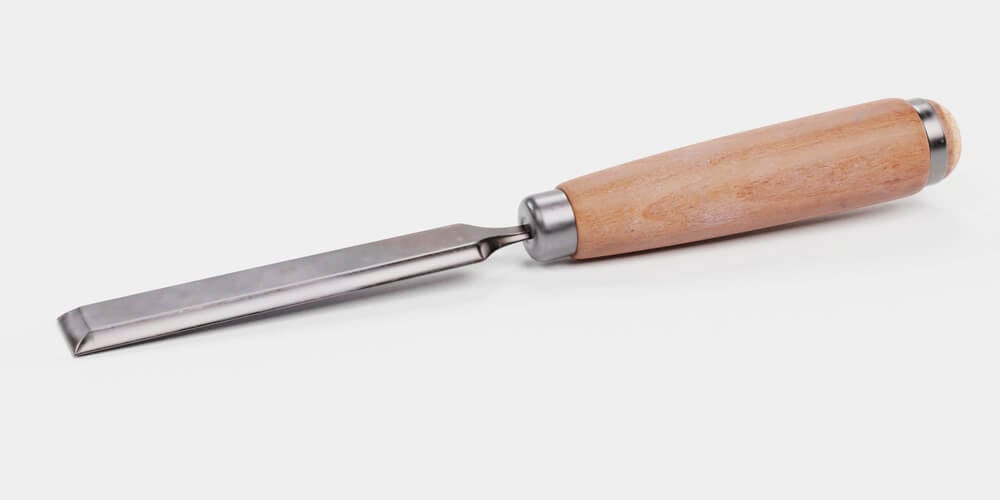
Sweetheart-era Stanley chisels, made between 1920 and 1935, command premium prices among woodworkers who refuse modern alternatives. The cast-iron bodies and tool steel blades hold an edge longer than contemporary chisels, and dealers know a set in working condition moves within hours.
A single chisel in good shape sells for $15 to $40; a complete set of six fetches $150 to $300.
Wrenches From the 1940s
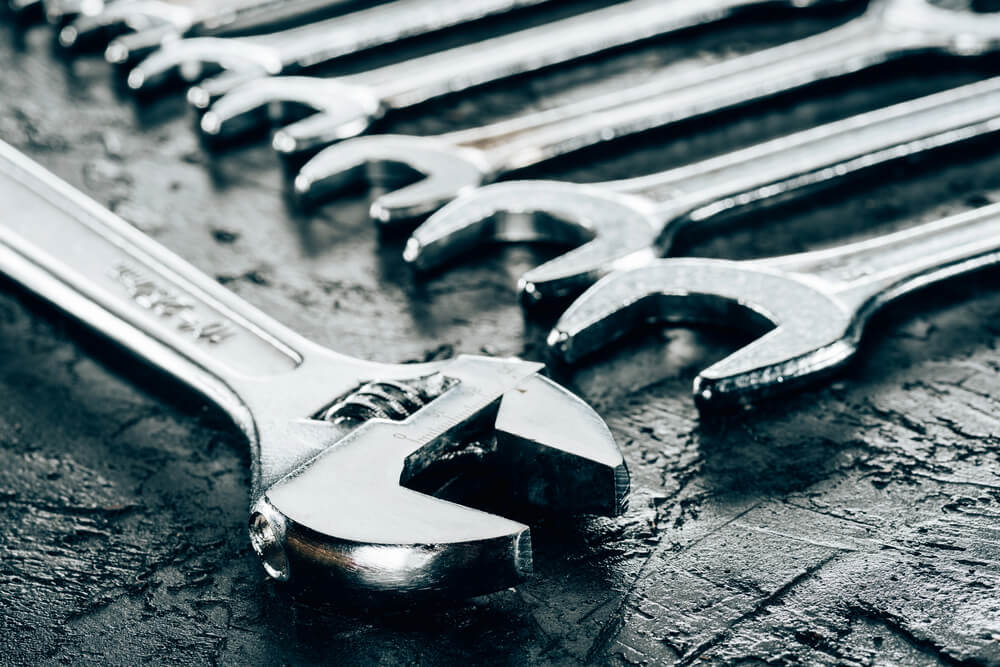
Drop-forged wrenches made during World War II and immediately after have a following that surprises newcomers to the tool market. Dealers prize them for their heft, precise machining, and the fact that they never slip the way modern stamped wrenches do.
Look for names like Proto, Snap-On, or Williams—single wrenches sell for $5 to $15, and complete sets go for $40 to $100.
Vintage Hand Planes
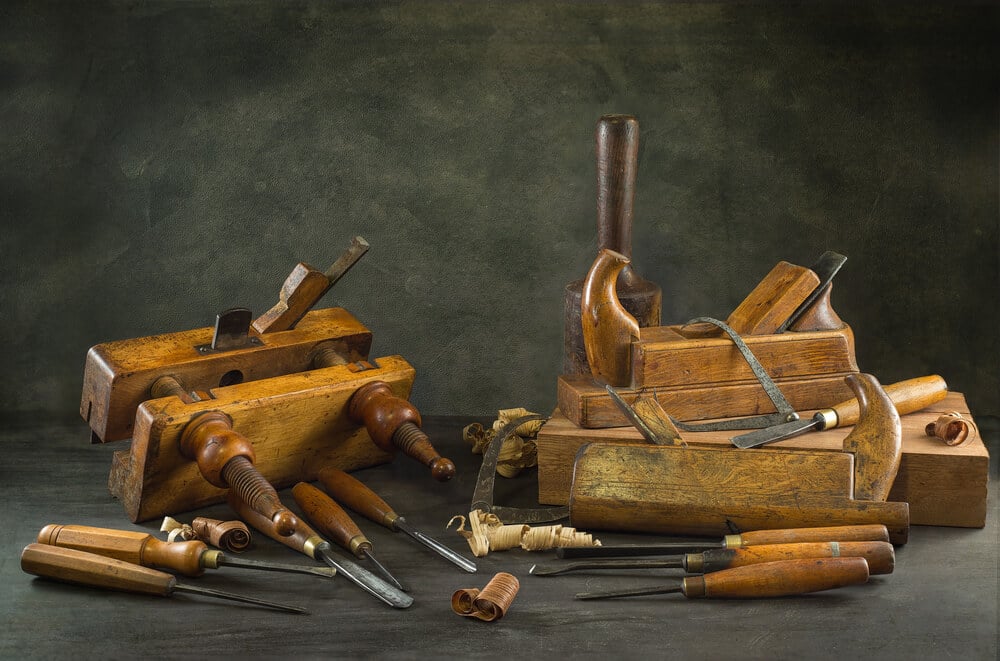
A Bailey #4 or #5 plane in original condition becomes a trophy for hand-tool enthusiasts. These planes flatten boards without electricity, and collectors pay $60 to $200 depending on model and condition.
Dealers grab them immediately because the waiting list for quality used planes is always long.
Transitional Planes
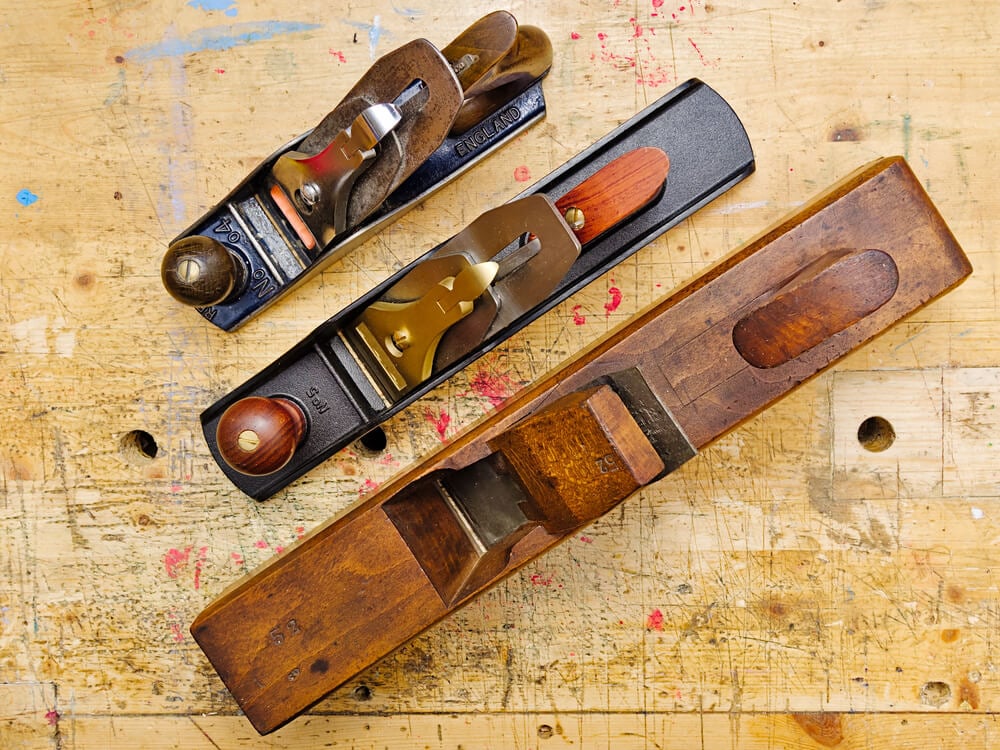
Rarer than all-metal planes, transitional models with wood bases and metal soles represent a design shift from the 1800s. These sell for $80 to $300 and appeal to collectors who display them as much as use them.
A dealer who finds one knows it won’t sit in inventory.
Disston Handsaws
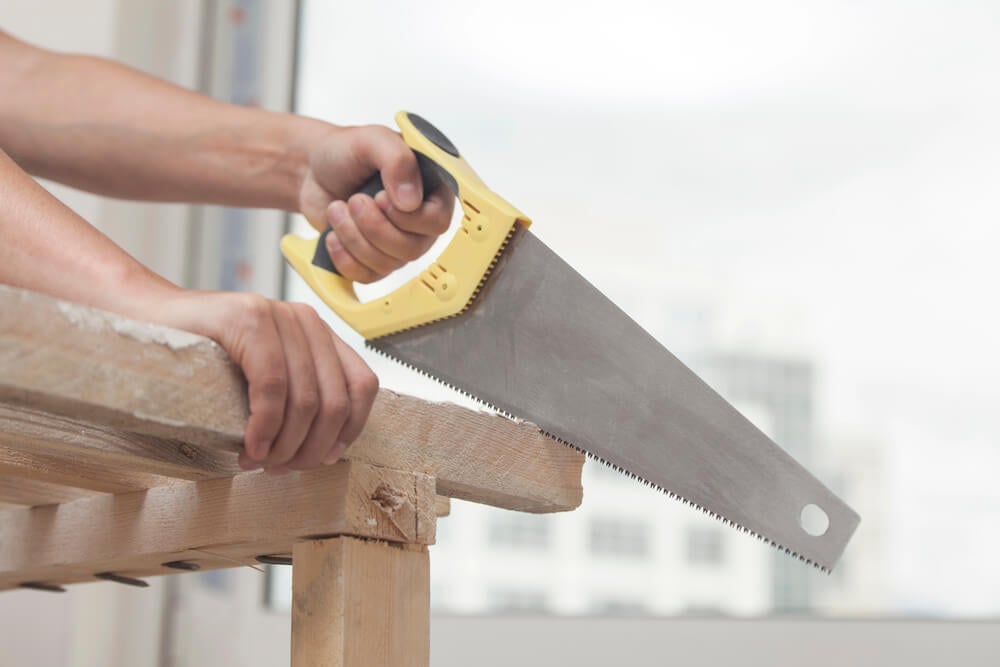
Handsaws made by Henry Disston and Sons between 1850 and 1920 represent the gold standard of saw manufacture. The saw steel cuts smoother than modern saws, and dealers recognize the Disston name as an automatic value marker.
A Disston in original condition sells for $30 to $150.
Nail Pullers and Pry Bars
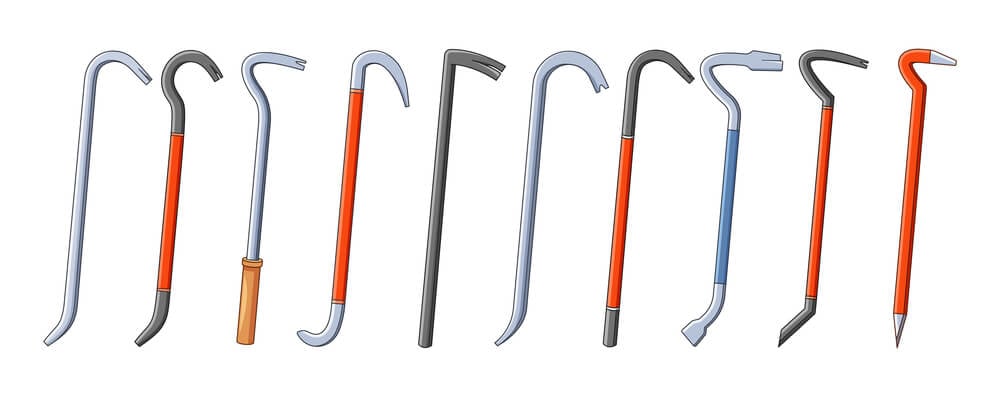
Vintage pry bars and nail pullers, especially those with wooden handles and wrought-iron heads, appeal to both restoration contractors and decorative collectors. Dealers know these move fast because they’re both functional and visually striking.
Single tools sell for $8 to $25.
Adjustable Wrenches Made Before 1980
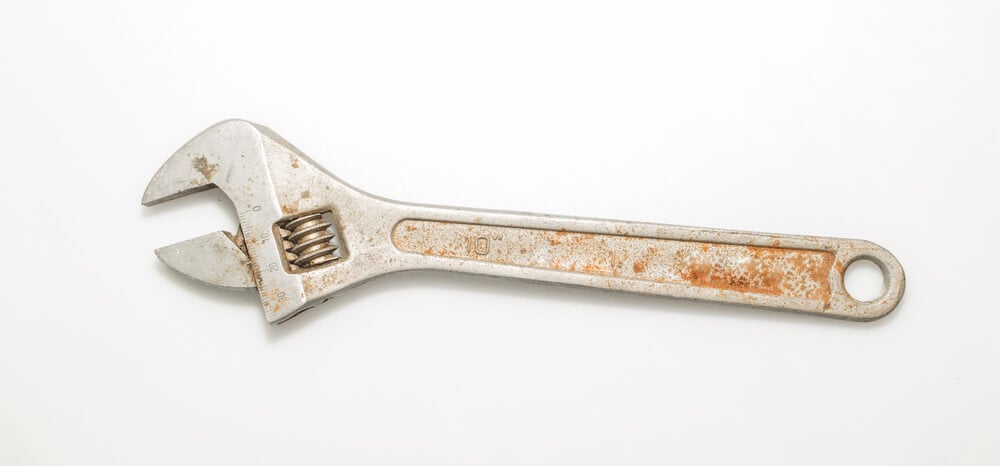
Older adjustable wrenches—particularly those made by Crescent, Proto, or Williams—work more smoothly than modern versions because the screw mechanism was built with tighter tolerances. Dealers grab every one they find.
A quality vintage adjustable wrench sells for $6 to $20.
Screwdrivers With Wooden Handles
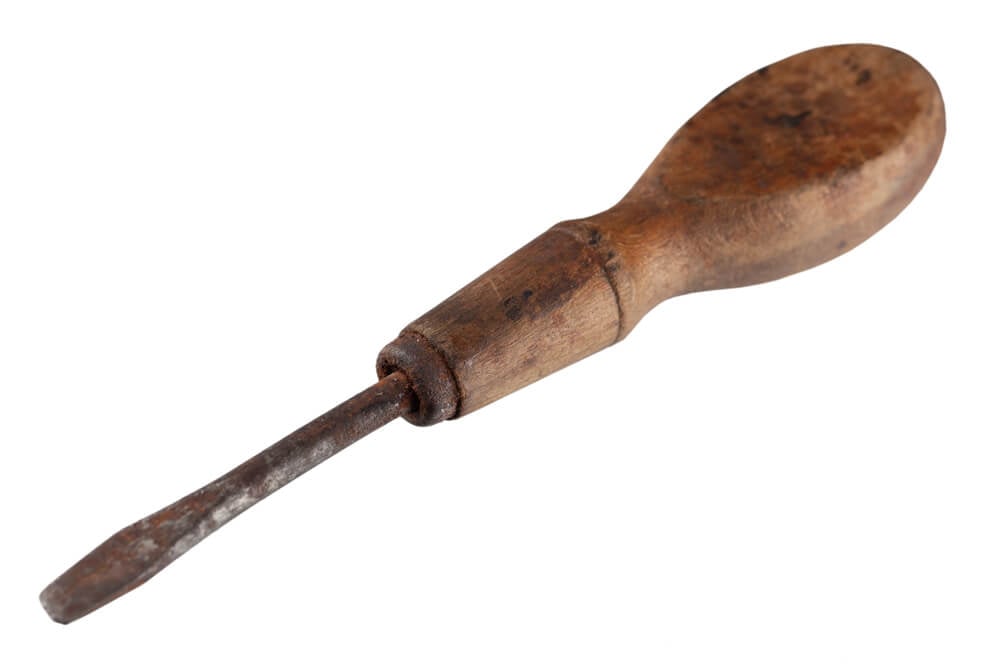
Hand-forged screwdrivers with wood handles, especially those from tool manufacturers like Mayhew or Vaughan, attract contractors and collectors equally. The wood feels better in the hand, and the forging process created tips that grip without slipping.
Single tools sell for $4 to $15.
Coping Saws From the Mid-1900s
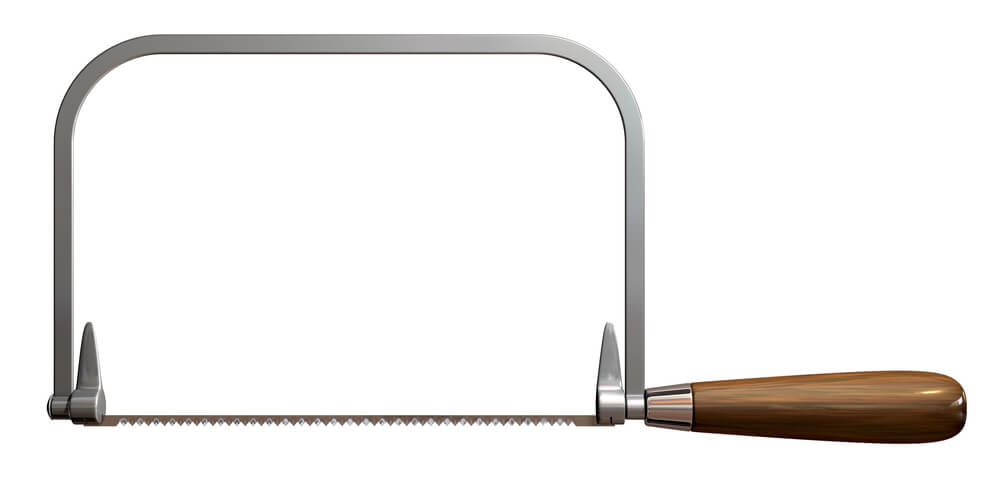
Vintage coping saws with cast-iron frames cut curves in wood without the modern plastic feel. Dealers recognize that woodworkers who use hand tools exclusively will pay $20 to $60 for a solid vintage coping saw.
Supply is limited, demand consistent.
Levels With Brass Hardware
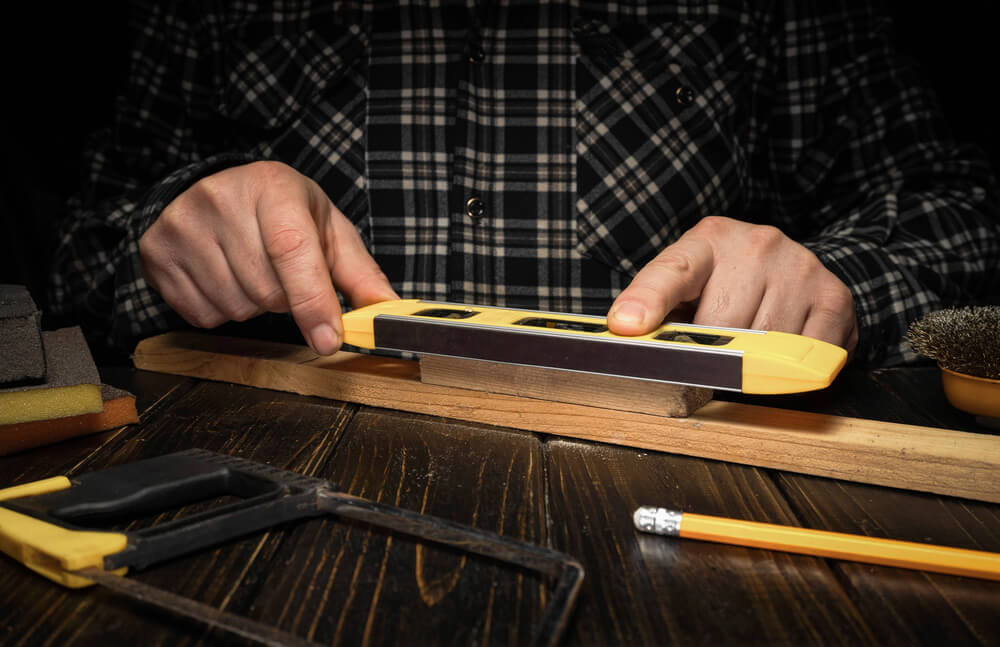
Cast-iron levels with brass trim and original wood edges represent craftsmanship that modern plastic levels can’t match. Dealers know that contractors who work on historic restorations specifically request vintage levels.
These sell for $15 to $40.
Pipe Wrenches From the 1950s
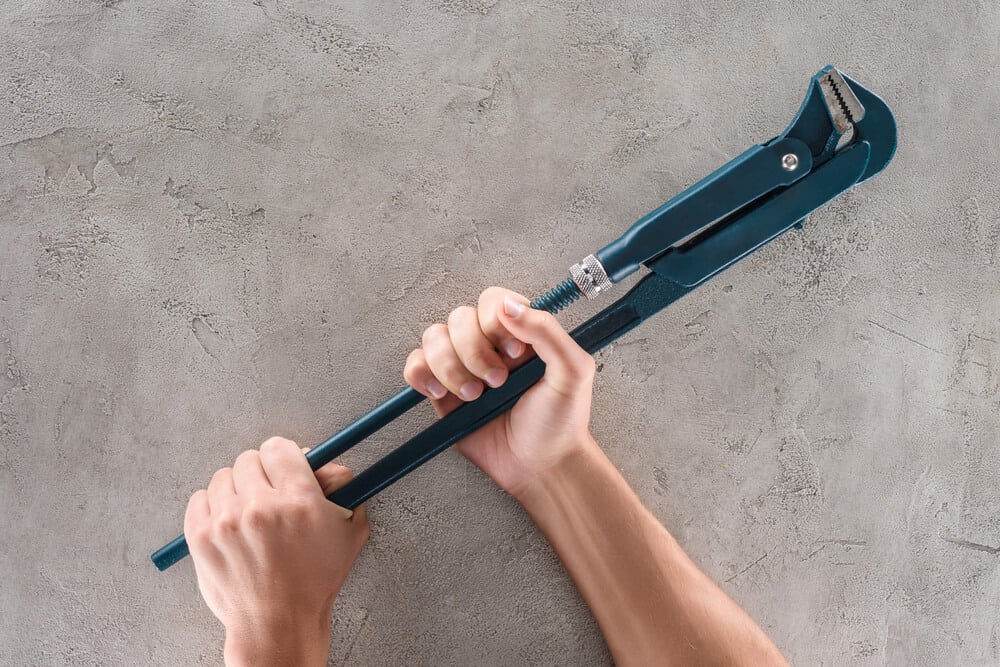
Heavy-duty Stillson or Ridgid pipe wrenches from the mid-20th century work more smoothly than modern versions, and plumbers actively hunt them. A quality vintage pipe wrench in any size sells for $12 to $35.
Clamps and Vises
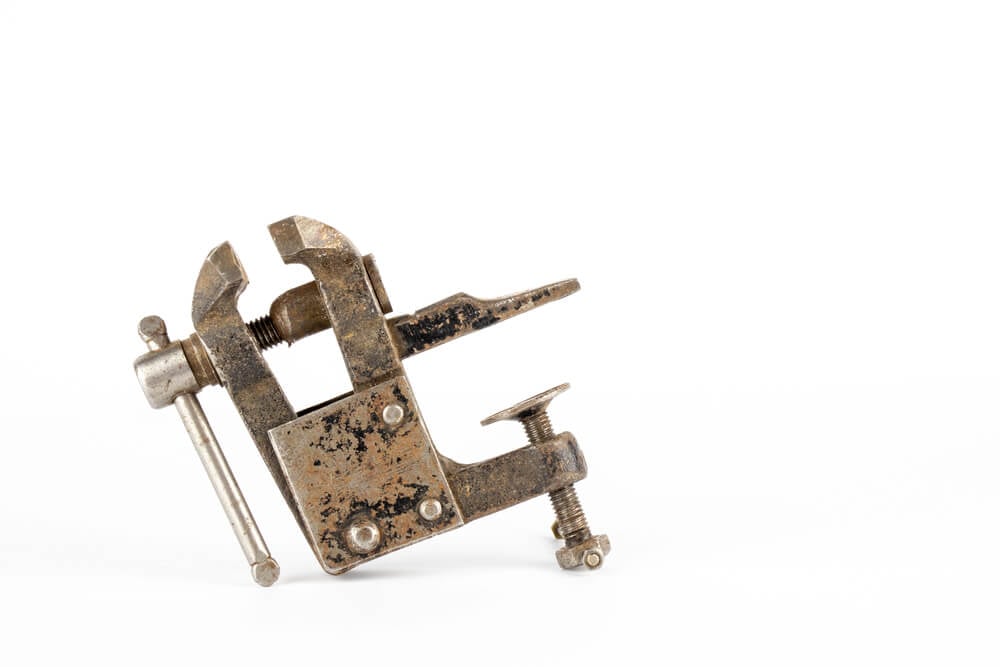
Vintage C-clamps and machinist vises, particularly those made by companies like Wilton or Record, represent precision that modern low-cost versions abandoned. Dealers grab them immediately for resale to contractors and hobbyists.
Individual clamps sell for $5 to $20; quality vises for $30 to $80.
Augers and Bits
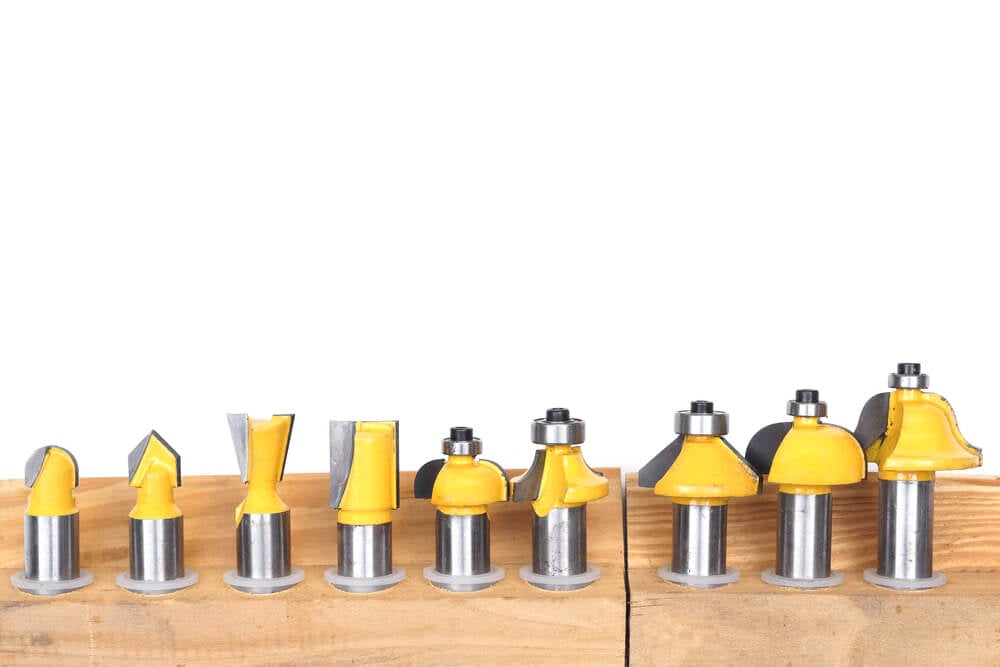
Twist augers and spiral bits made before 1980, especially those in complete sets with the original cases, attract both collectors and active woodworkers. The steel composition cuts differently—cleaner, sharper—than modern equivalents.
A complete set sells for $40 to $120.
Utility Knives With Metal Bodies
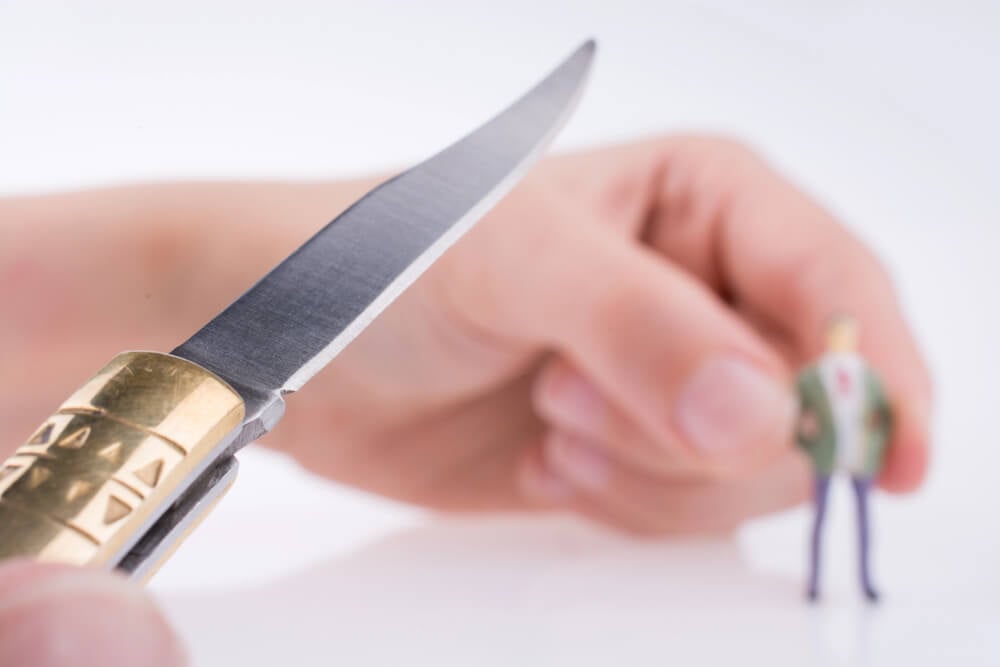
Vintage Stanley utility knives with metal bodies and replaceable blades represent design efficiency that hasn’t improved in 60 years. Dealers buy them for $2 to $8 because they disappear fast to contractors who hate plastic-bodied alternatives.
Needle-Nose Pliers
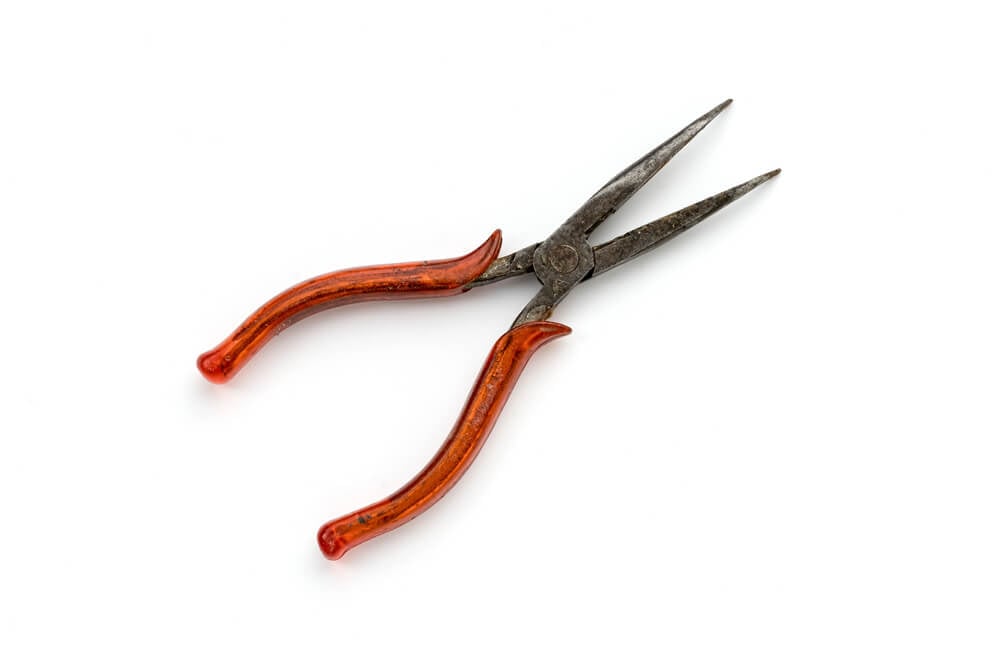
Drop-forged needle-nose pliers from the 1930s through 1960s, particularly those by Snap-On or Proto, hold their shape and jaw alignment through decades of work. These sell for $5 to $18 and are always in demand.
Socket Sets With the Original Cases
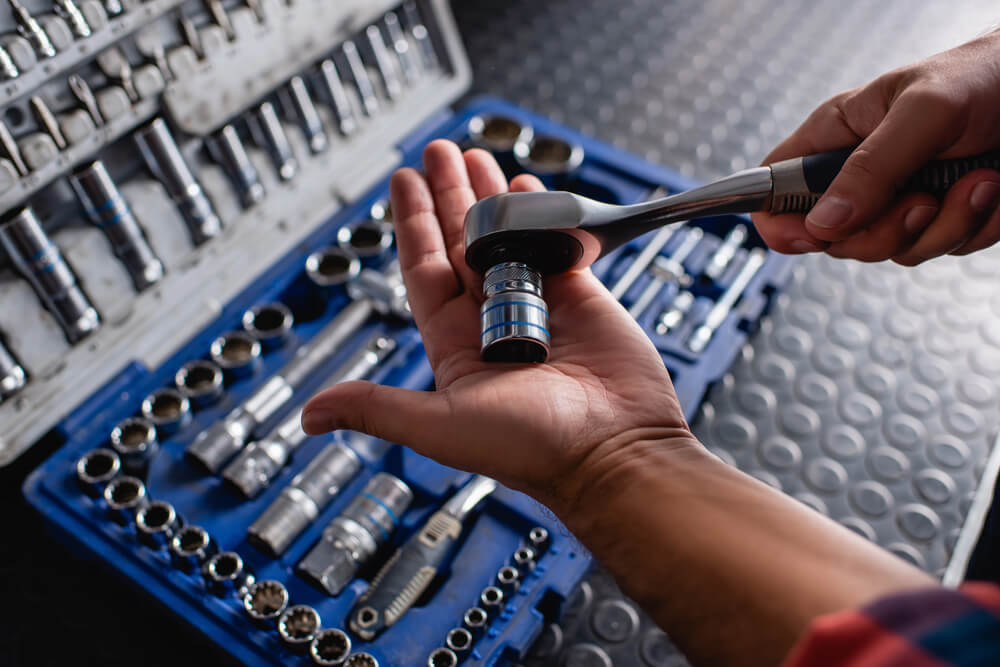
Complete vintage socket sets—especially those in original wooden or metal cases from manufacturers like Williams or Snap-On—attract collectors and mechanics. A complete set in original condition sells for $40 to $150.
Chisels From Sheffield
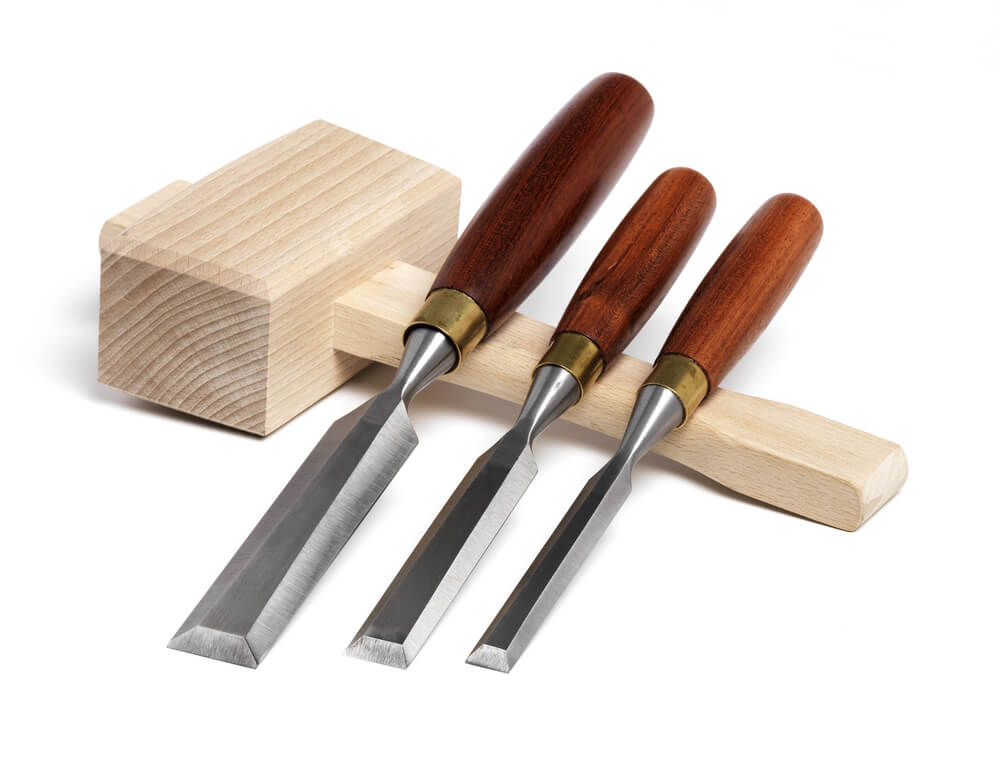
British-made chisels from Sheffield steel factories represent an entire class of tool that dealers prioritize. Names like Marples, Sorby, or Norris command respect, and a single chisel sells for $15 to $50.
Full sets vanish within hours.
Marking Gauges and Mortise Gauges
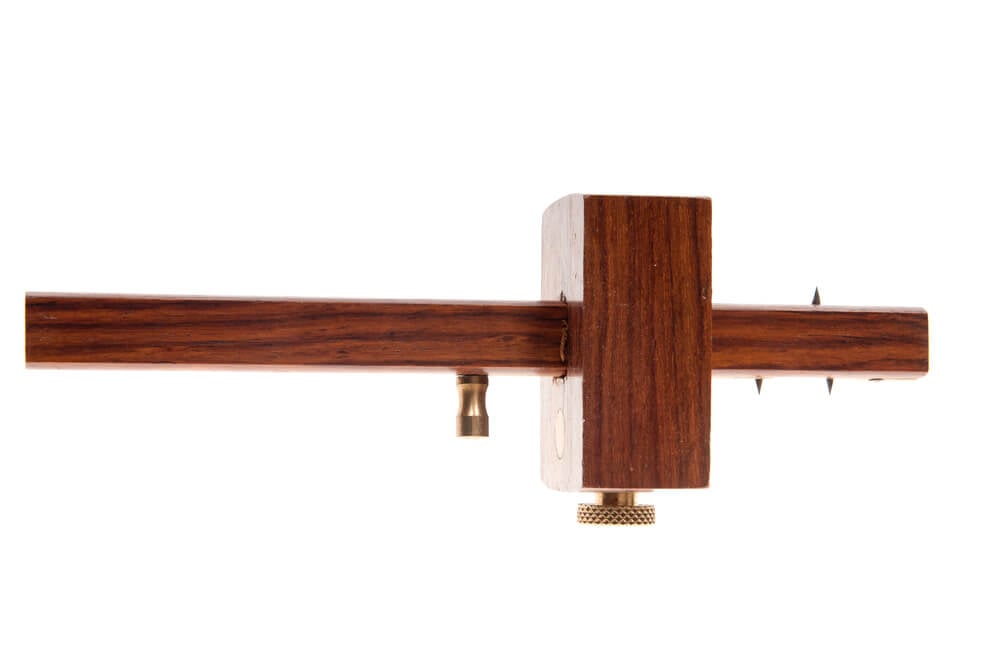
Wooden-bodied marking gauges with brass or steel components appeal to woodworkers restoring hand-tool collections. A quality vintage marking gauge sells for $8 to $25.
Dealers know they’re buying inventory that won’t need repricing.
Surforms and Block Planes

Vintage Surforms—the metal shaving tools that look like miniature cheese graters—and block planes in good condition sell to woodworkers tired of plastic alternatives. These move for $12 to $40 each.
Ballpeen Hammers
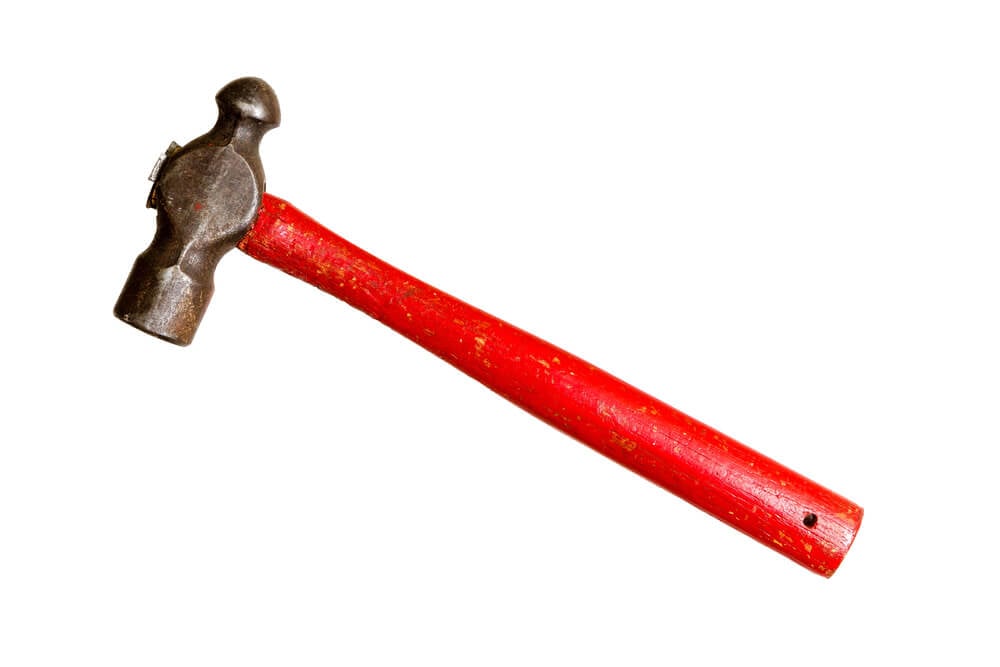
Vintage ballpeen hammers with drop-forged heads and hickory handles attract metalworkers, jewelers, and restoration crews. A quality hammer in working condition sells for $8 to $20.
Dealers grab any they find because the demand is constant.
Scratch Awls and Scribe Tools
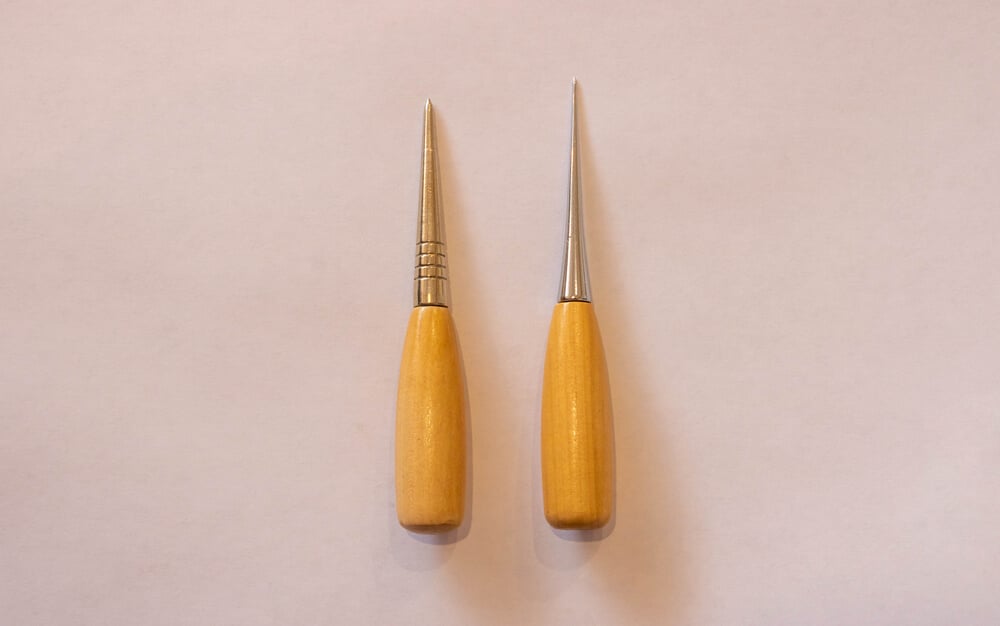
Vintage steel scratch awls and scribe tools, particularly those with wooden handles, appeal to machinists and precision workers. These sell for $3 to $12 and are purchased in volume by professionals restoring hand-tool workshops.
Taps and Dies
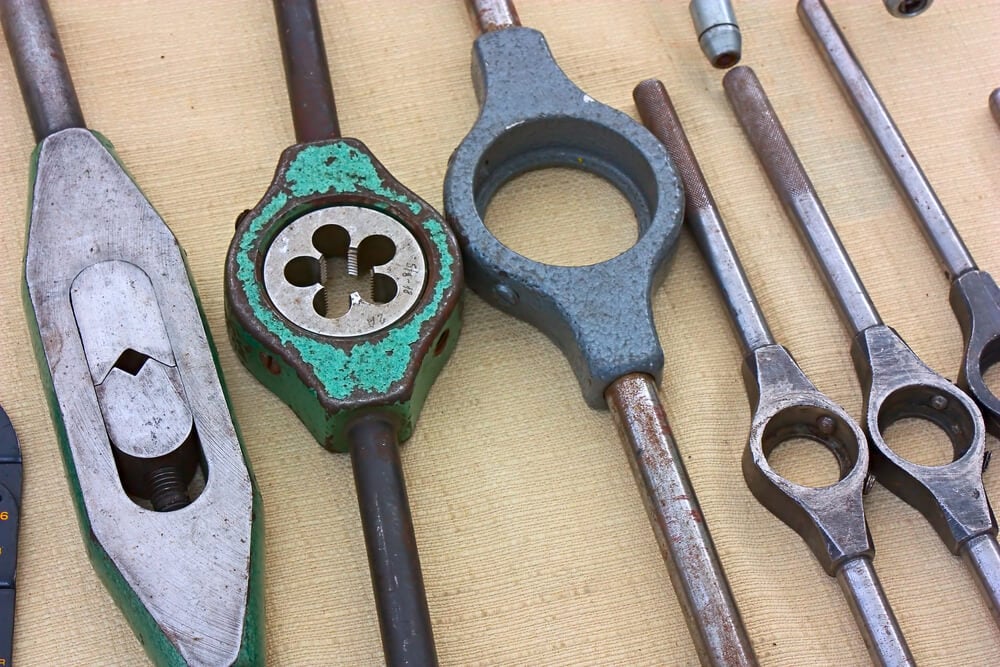
Vintage tap and die sets in original cases, particularly those in metric or specialty sizes, attract machinists and tool collectors. A complete set sells for $30 to $100.
Dealers know these are purchased by serious hobbyists who don’t want to spend modern prices.
Ratcheting Screwdrivers
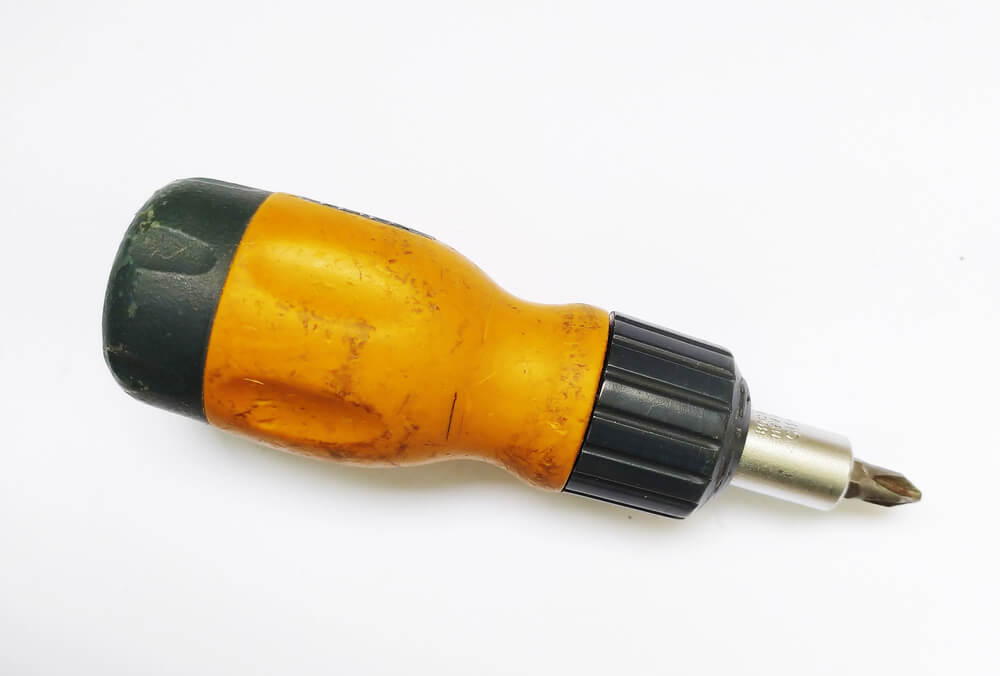
Vintage ratcheting screwdrivers—particularly the spring-loaded models that automatically return the handle—sell to contractors who never upgraded. A quality vintage ratcheting screwdriver sells for $6 to $15.
Squares and Angle Finders
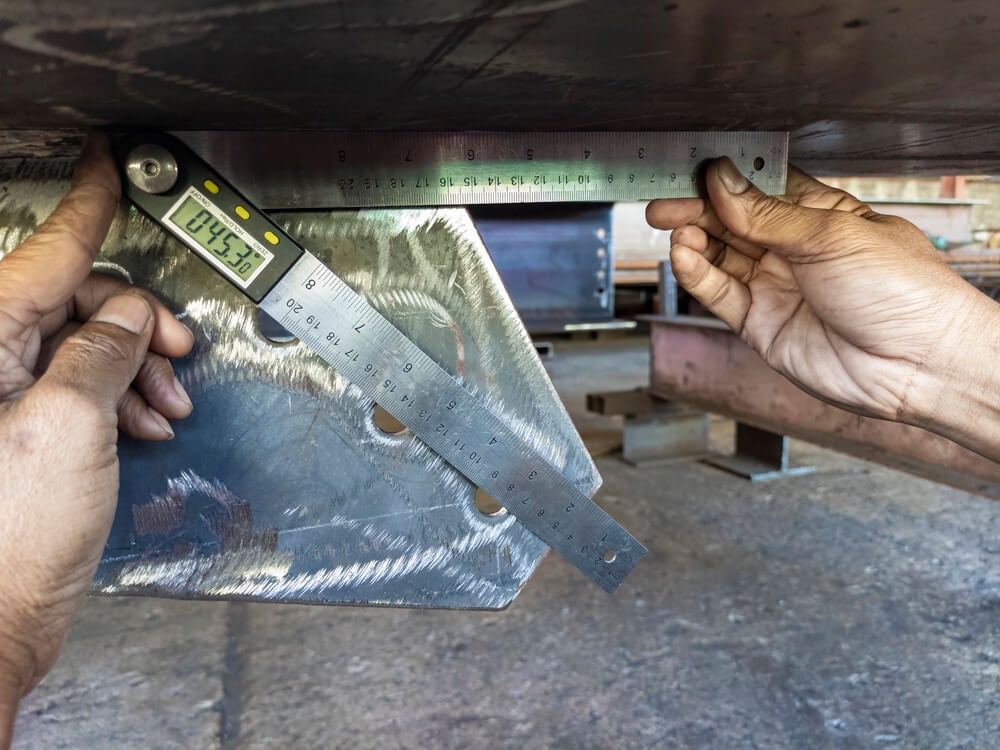
Cast-iron squares and vintage angle finders with wooden or metal components appeal to carpenters and woodworkers. These sell for $10 to $35 and move quickly to professionals who recognize superior design.
Hacksaw Frames
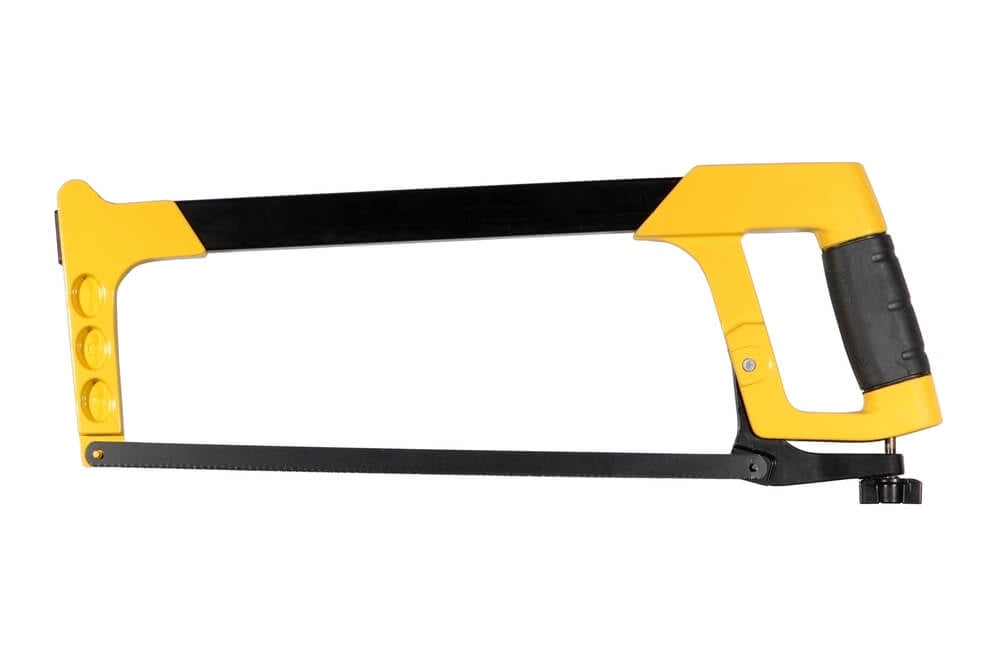
Vintage hacksaw frames made from cast iron rather than aluminum, particularly those with adjustable tension systems, attract contractors and restoration workers. A quality frame sells for $8 to $20.
Tool Rolls and Canvas Bags
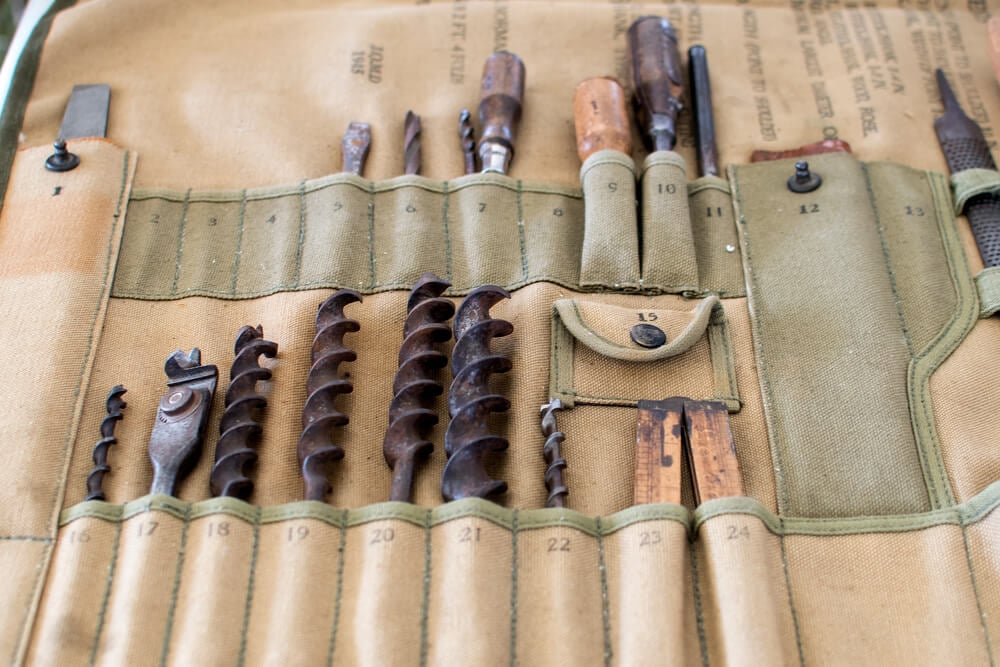
Vintage canvas tool bags and leather-trimmed rolls, especially those with original dividers and organizational features, sell to both collectors and working professionals. These move for $15 to $60 depending on size and condition.
Vintage Drill Bits in Sets
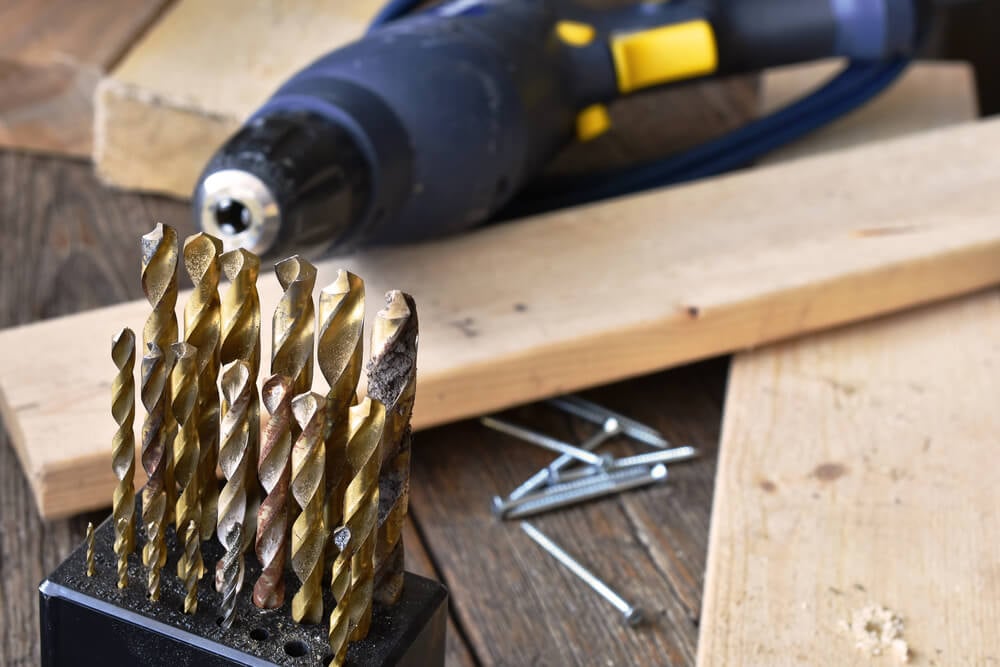
Complete sets of twist drills in original metal or wooden cases, particularly those from manufacturers like Morse Taper, appeal to machinists and serious hobbyists. A complete set sells for $25 to $80.
Adjustable Spanners
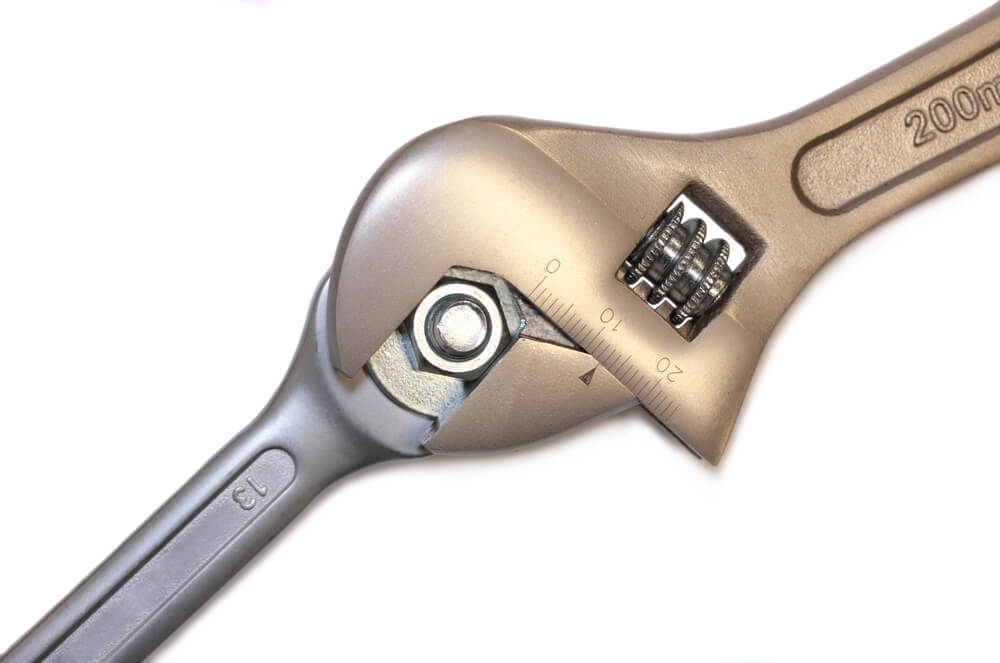
British-style adjustable spanners made from drop-forged steel represent a tool design that outlasted modern alternatives. Dealers grab these for $5 to $15 each because contractors and mechanics specifically seek them out.
Nail Sets and Punches
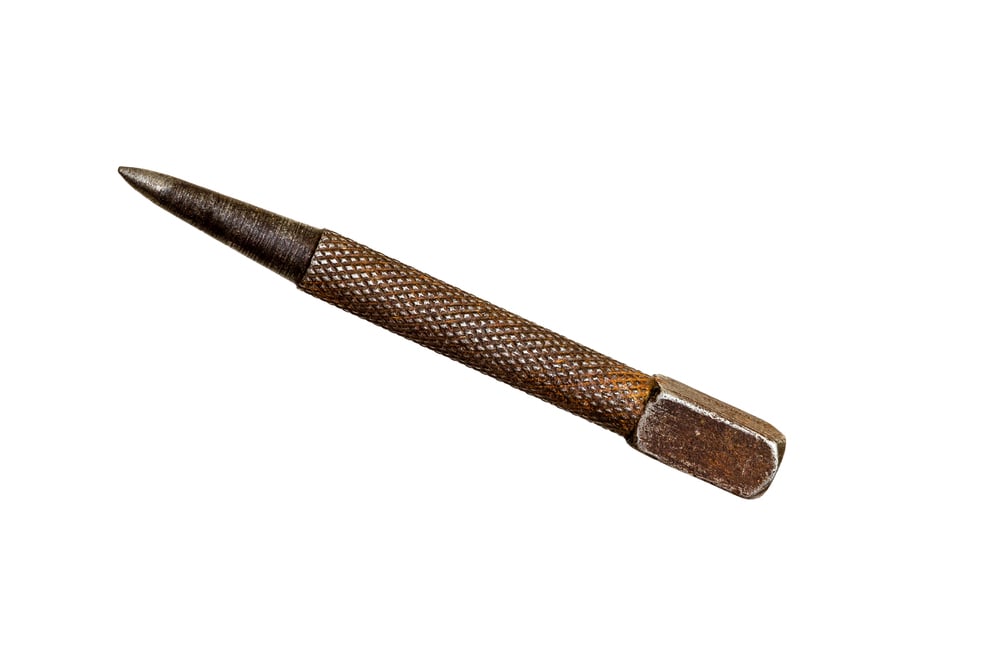
Drop-forged nail sets and center punches, particularly those with original wooden handles, sell to framing carpenters and metalworkers. These move for $2 to $8 each but are bought in quantity by professionals.
Putty Knives and Scrapers
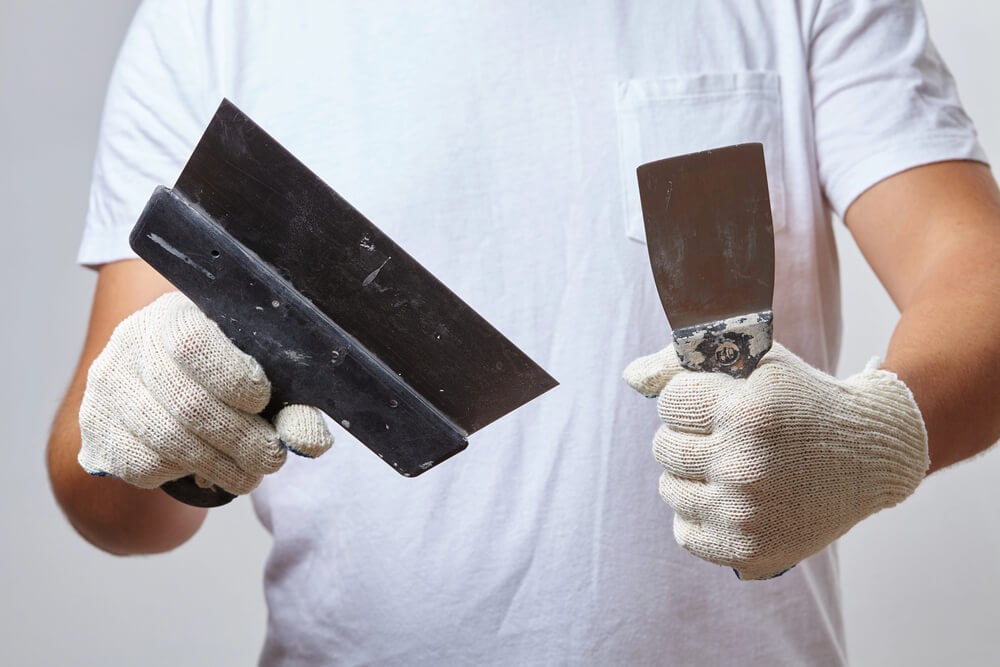
Vintage putty knives and paint scrapers with metal blades and wooden or metal handles appeal to renovation contractors who prefer the feel of older tools. These sell for $3 to $12 and move quickly.
Vintage Measuring Tapes
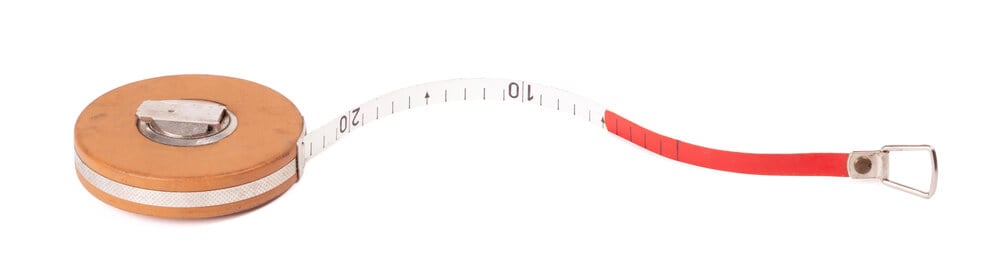
Cloth and steel measuring tapes from the 1930s through 1960s, particularly those made by Stanley or Lufkin, attract carpenters and restoration workers. A tape in good working condition sells for $8 to $25.
Center Punches
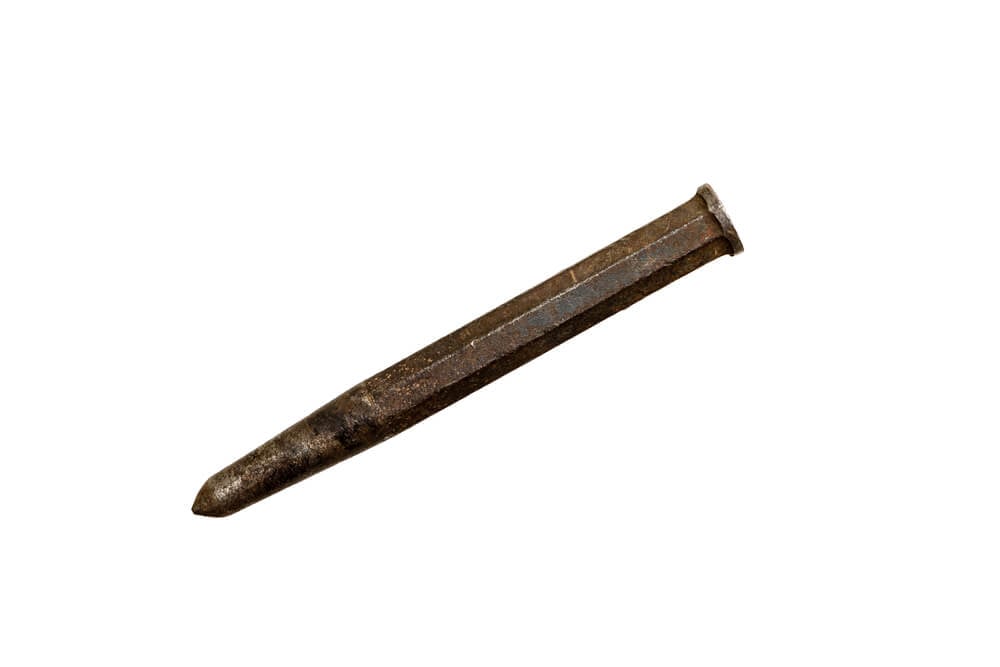
Drop-forged center punches with spring-loaded mechanisms, particularly those in original condition, sell to machinists and tool collectors. These fetch $4 to $15 each.
Carbide Burrs and Rotary Tools
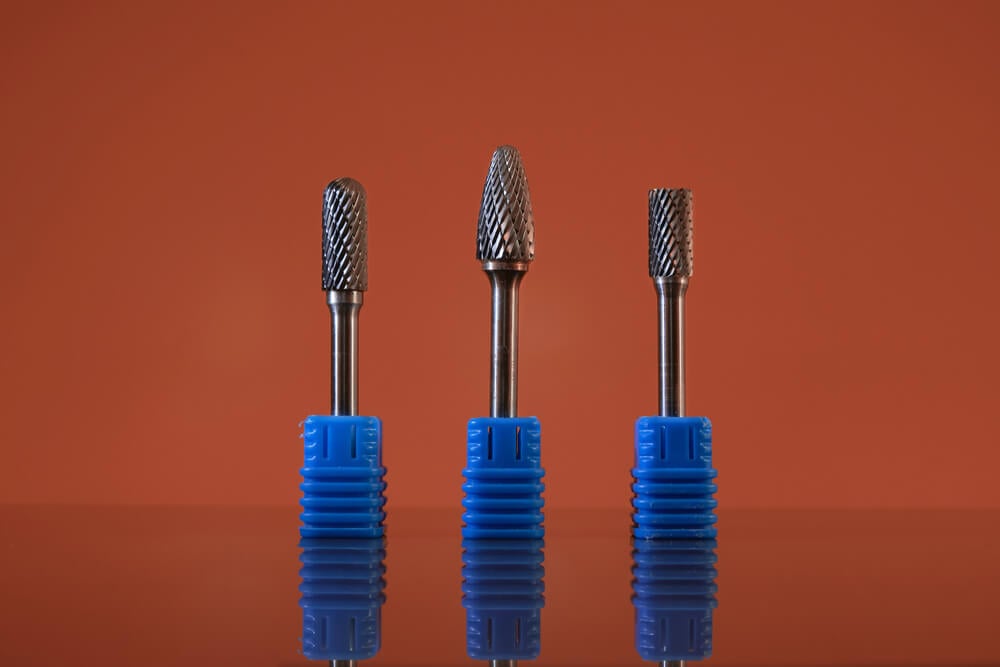
Vintage sets of carbide burrs, particularly those for use in hand or power drills, appeal to jewelers and metalworkers. A complete set sells for $15 to $50.
Dealers know demand from jewelry makers is steady.
The Hunt Never Stops
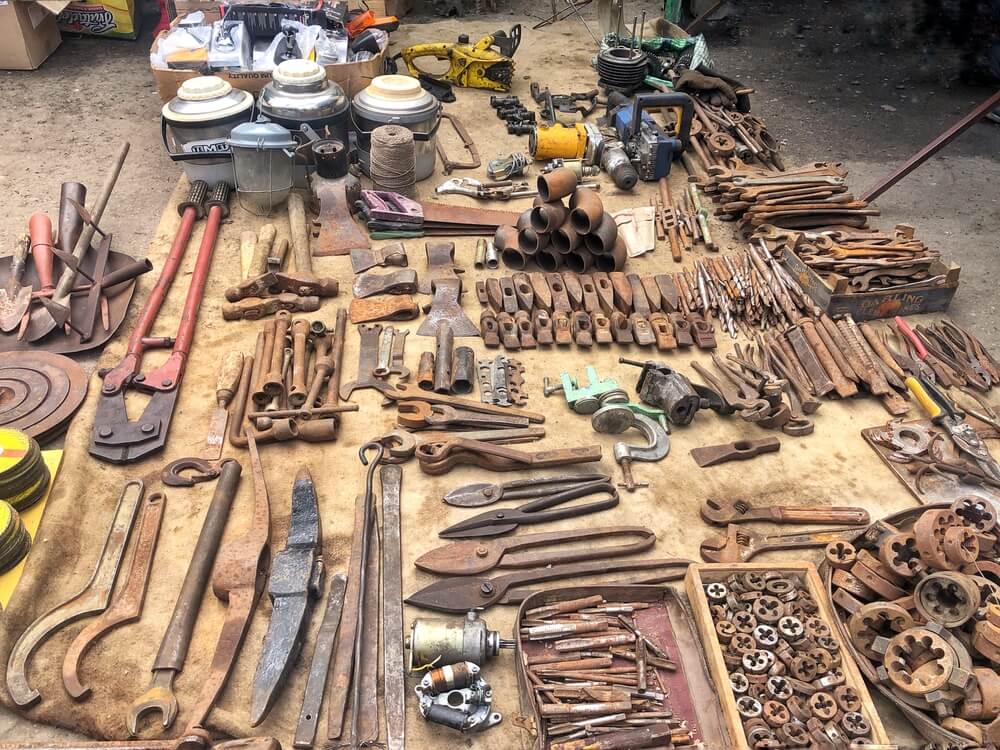
Dealers arrive early because good tools disappear before the market officially opens. A single trip through the tool section of a flea market reveals which dealers understand value: they’re holding the items everyone else overlooks.
The best tools don’t need marketing—they sell themselves through quality, design, and the simple truth that older craftsmanship outperforms modern shortcuts.
More from Go2Tutors!

- The Romanov Crown Jewels and Their Tragic Fate
- 13 Historical Mysteries That Science Still Can’t Solve
- Famous Hoaxes That Fooled the World for Years
- 15 Child Stars with Tragic Adult Lives
- 16 Famous Jewelry Pieces in History
Like Go2Tutors’s content? Follow us on MSN.



