25 Historic Buildings Torn Down and Regretted
Sometimes a city destroys its own past in the name of progress. Developers flatten centuries-old buildings to erect shopping centers.
Governments demolish neighborhoods to build highways. Cultural institutions tear down architectural heritage for parking lots.
Decades later, when the parking lots are empty and the shopping centers are abandoned, people look back and realize what they destroyed. These 25 buildings were demolished when they were still valuable, still standing, still beautiful.
Their loss is permanent.
Pennsylvania Station—New York City, 1963
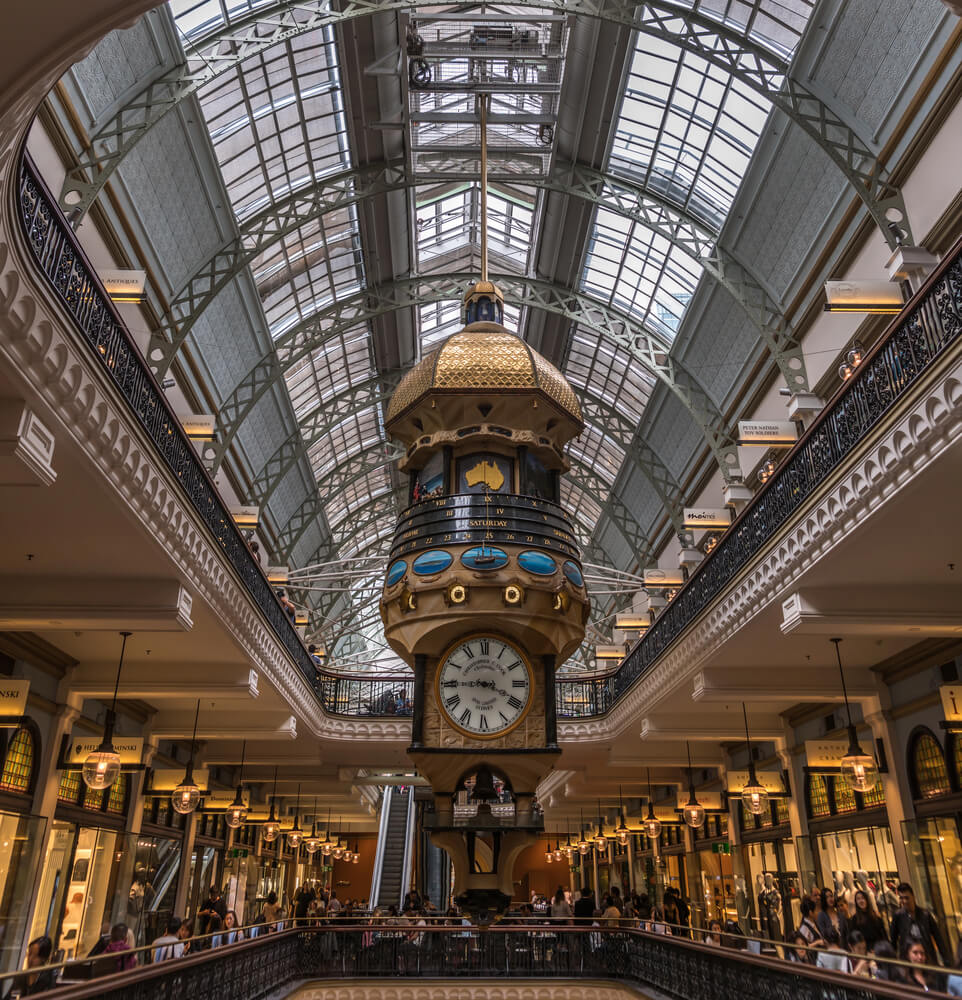
The building was a masterpiece of Beaux-Arts architecture, completed in 1910 with soaring ceilings and marble floors. The railroad abandoned it in 1962, deeming it economically obsolete.
Developers demolished it to build an office building and a concrete box that would become Madison Square Garden. The destruction of Penn Station sparked the creation of the historic preservation movement in America.
People looked at the rubble and realized something irreplaceable was gone forever.
The Woolworth Building’s Original Annex—New York City, 1974
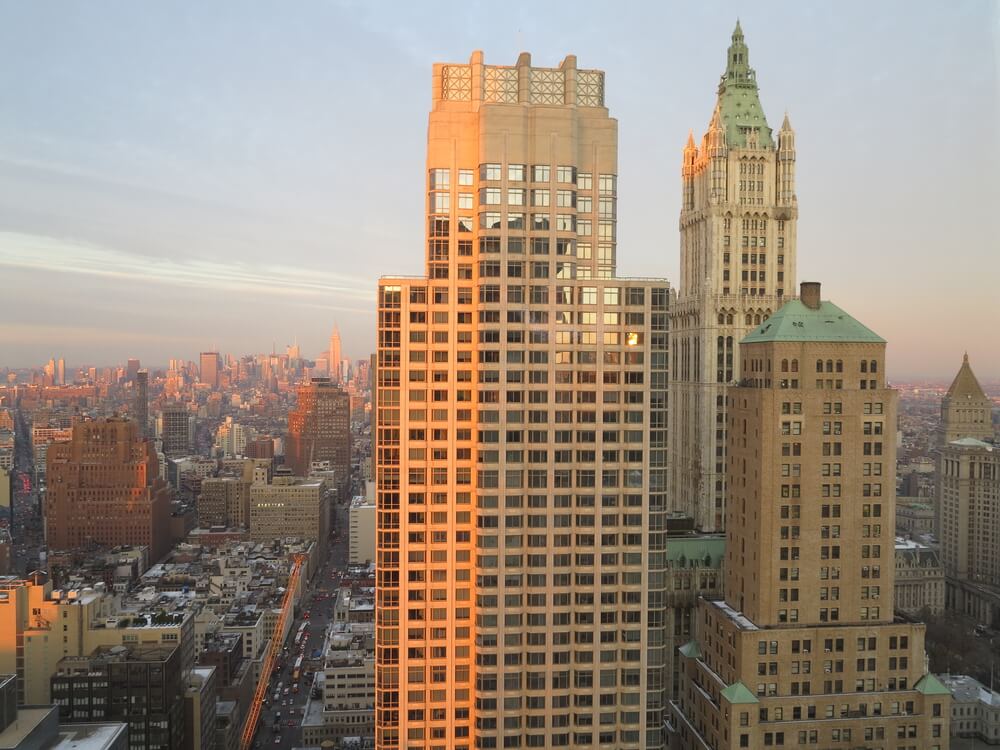
Part of the original Woolworth Building complex was demolished to make room for a plaza that became a gathering place for vagrants. The demolished section was architecturally significant.
Preservationists tried to stop the demolition and failed. The loss haunted them for decades.
Grand Central Terminal’s Exterior—Nearly Lost, 1960s
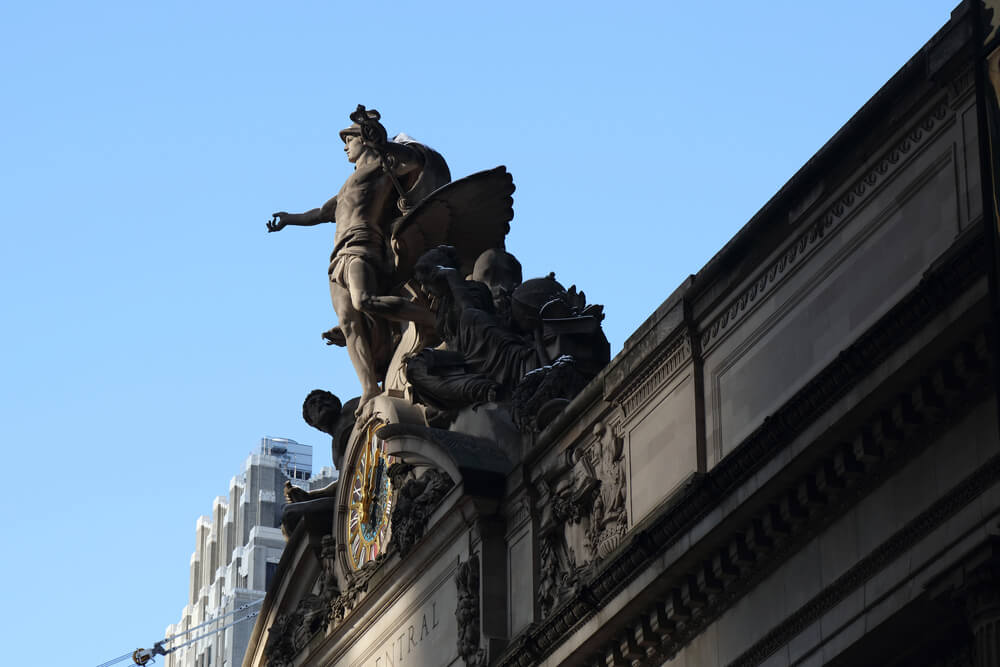
Grand Central Terminal came close to demolition in the 1960s. The building was deemed economically obsolete.
Developers wanted to replace it with an office building. A preservation battle ensued.
The terminal was saved but only after serious threat. The city realized that some structures, once lost, couldn’t be replaced.
Tower Hotel, London—Demolished for City Hall, 2008
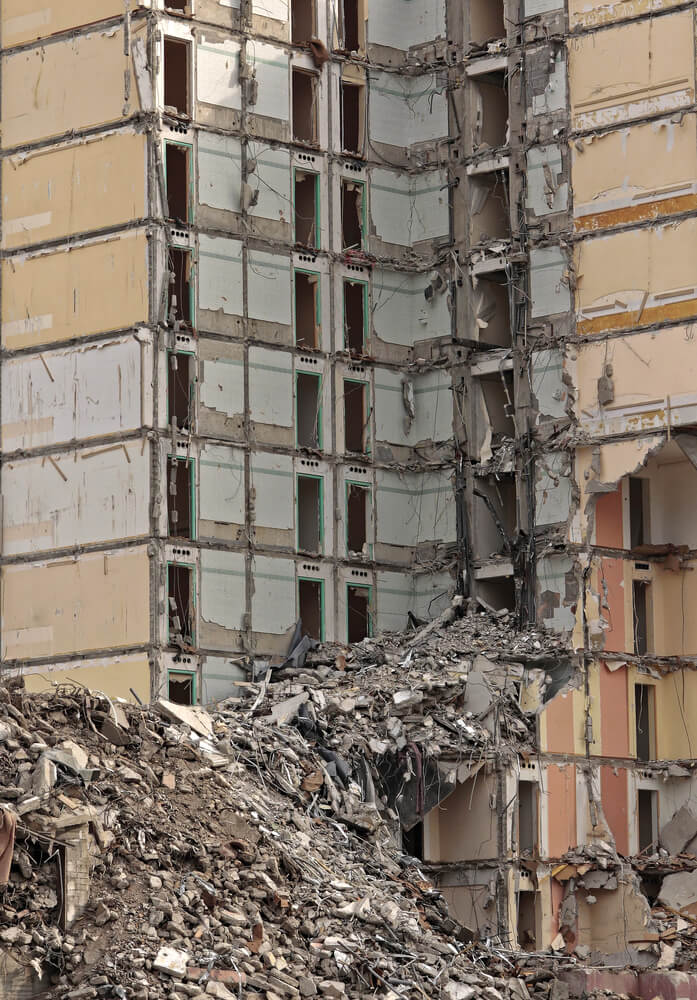
The historic Victorian building was demolished to make way for Norman Foster’s City Hall. The new building became architecturally significant in its own right, but the old building’s loss was lamented.
Sometimes progress requires destruction of what came before.
The Palais De Beaux-Arts Destruction—Paris, Decades of Loss

Multiple Beaux-Arts structures in Paris have been demolished over decades to make room for modern construction. Each loss was controversial.
Parisians have become more protective of their architectural heritage as each destruction proves irreplaceable what was lost.
Shanghai’s Colonial Architecture—Ongoing Demolition
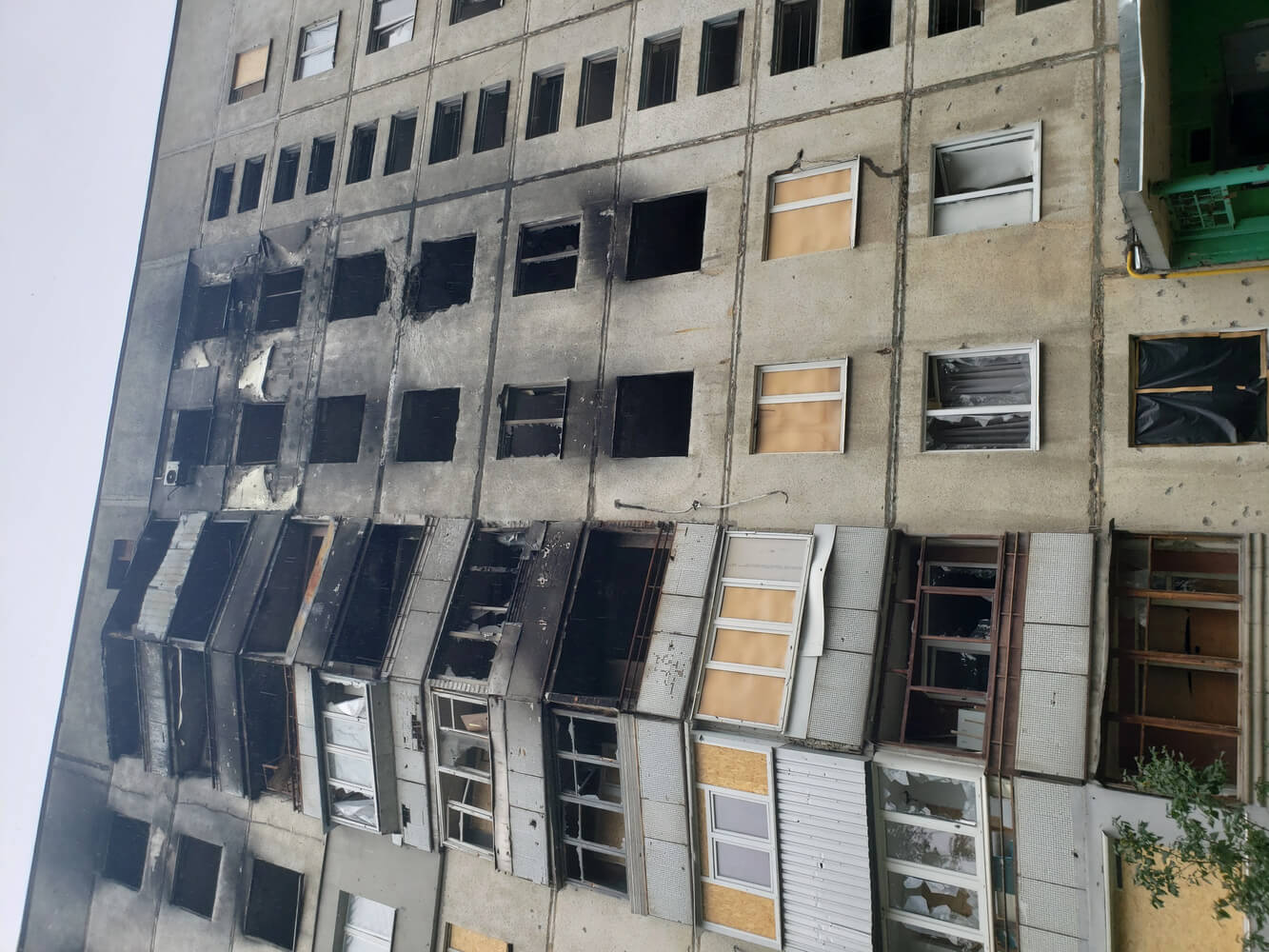
Shanghai’s French Concession buildings are being demolished at an accelerating rate, replaced by high-rises. The destruction of colonial-era architecture is permanent.
Chinese preservation efforts have slowed but not stopped the loss. Each demolition removes evidence of Shanghai’s colonial history.
Berlin’s Palast Der Republik—Demolished 2006-2008
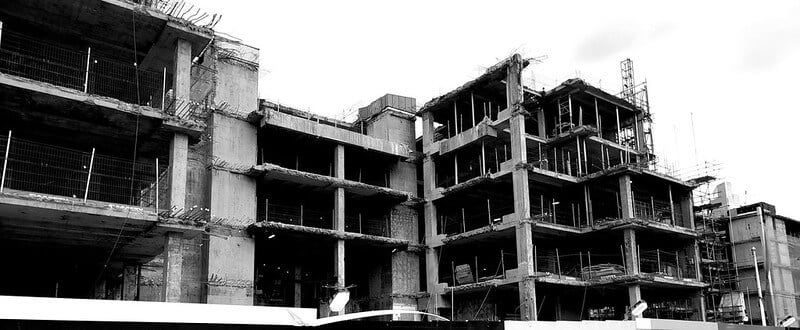
The East German parliament building, despite its controversial association with the communist regime, was an architectural landmark. It was demolished to make room for a reconstruction of a Prussian palace.
The loss was debated extensively. Some felt the communist building should be preserved as history; others wanted it erased entirely.
Denver’s Union Station—Nearly Lost, 1960s-1980s
The magnificent Romanesque Revival station was slated for demolition when a preservation effort saved it. The station was restored and became a centerpiece of downtown Denver.
Had the preservation movement failed, the city would have lost one of its most important buildings.
New York City’s Guaranty Building—Nearly Lost, 1970s
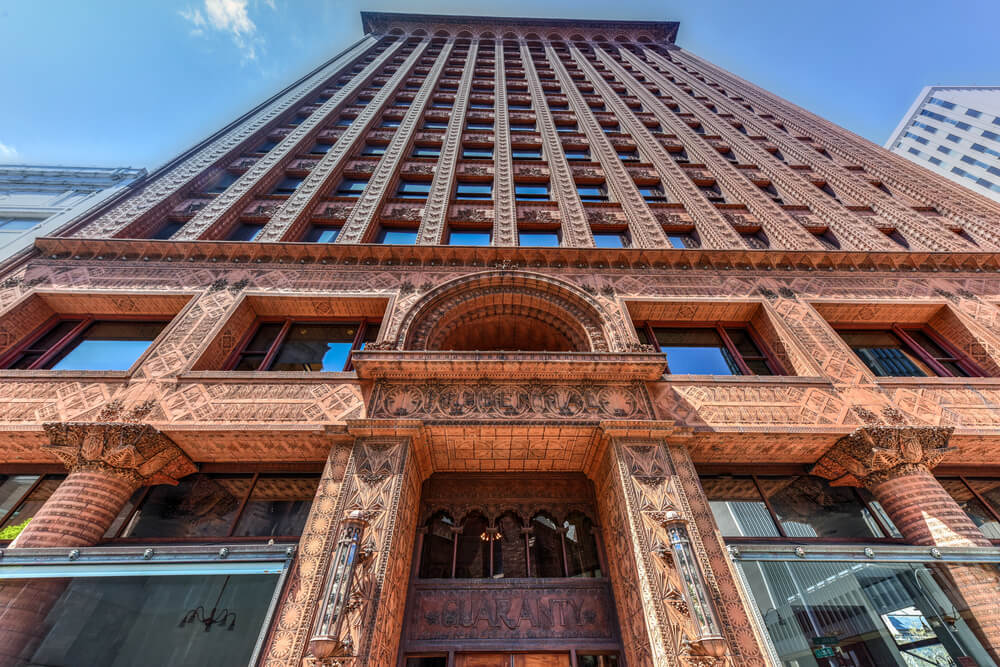
The landmark Louis Sullivan building in Buffalo came close to demolition when the preservation movement intervened. The building is now celebrated as an architectural masterpiece.
Its near-destruction galvanized preservation efforts nationwide.
San Francisco’s Valencia Street Historic District—Gradual Loss

Over decades, San Francisco demolished or heavily renovated historic structures on Valencia Street. The district’s character changed fundamentally.
Preservationists documented what was lost, and the documentation became evidence of cultural erasure.
New Orleans’ Storyville District—Demolished 1938-1940s
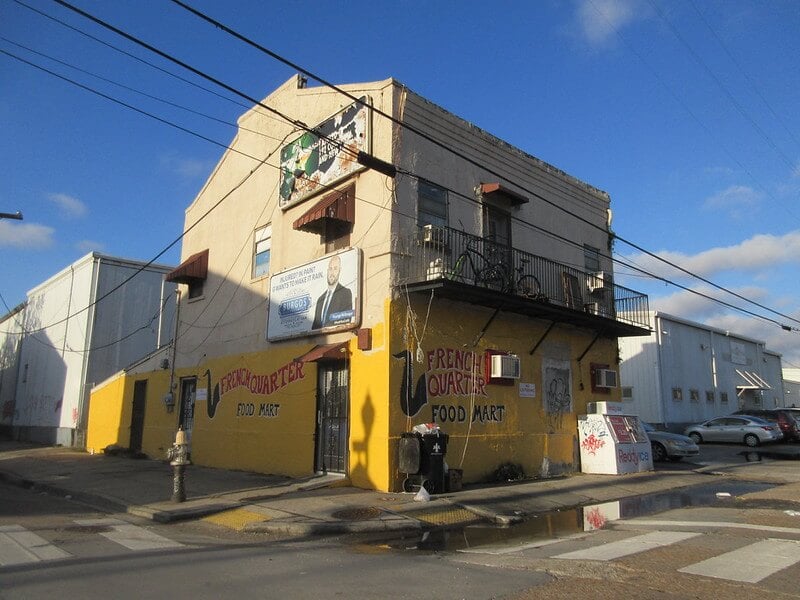
The historic neighborhood where jazz was born was demolished for a naval base expansion. The loss destroyed the physical home of jazz culture.
Musicians and historians have worked to preserve the memory of what was destroyed. The district’s demolition is considered a tragedy of cultural loss.
Atlanta’s Inman Park Historic District—Nearly Lost, 1970s-1980s
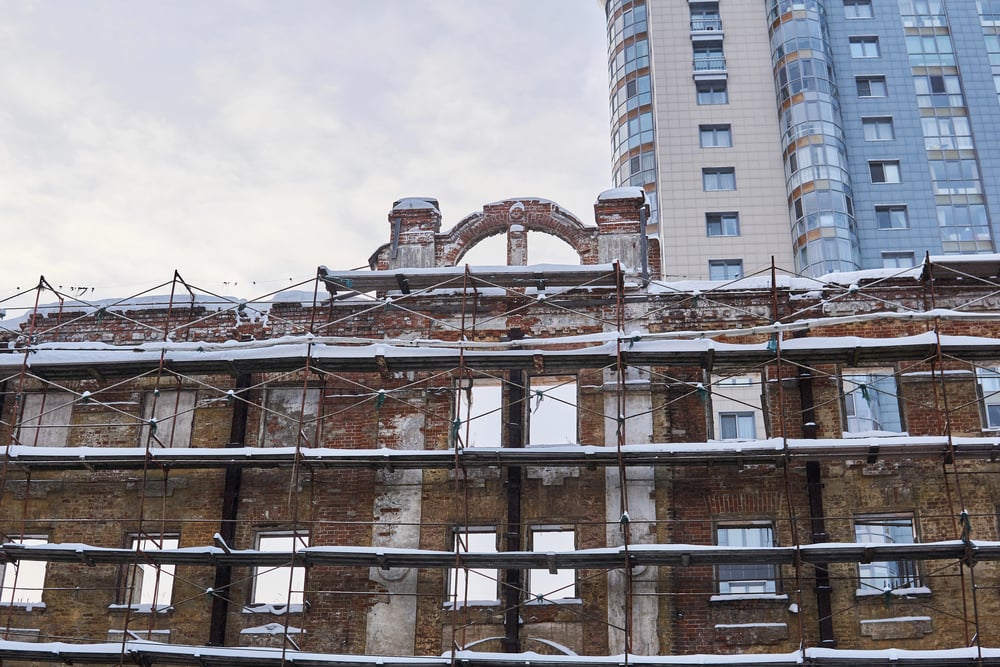
Historic Victorian mansions in Atlanta faced demolition for urban renewal. A preservation movement saved many buildings.
The threatened demolition galvanized Atlanta’s preservation ethic. Without the preservationists’ efforts, the district would have disappeared entirely.
Prague’s Jewish Quarter—Cleared 1890s-1900s

Prague’s medieval Jewish Quarter was demolished to make room for modern development. Only a few buildings were saved, and much architectural and cultural heritage was lost.
The destruction erased centuries of settlement patterns and cultural memory.
Vienna’s Medieval City Walls—Demolished 1857
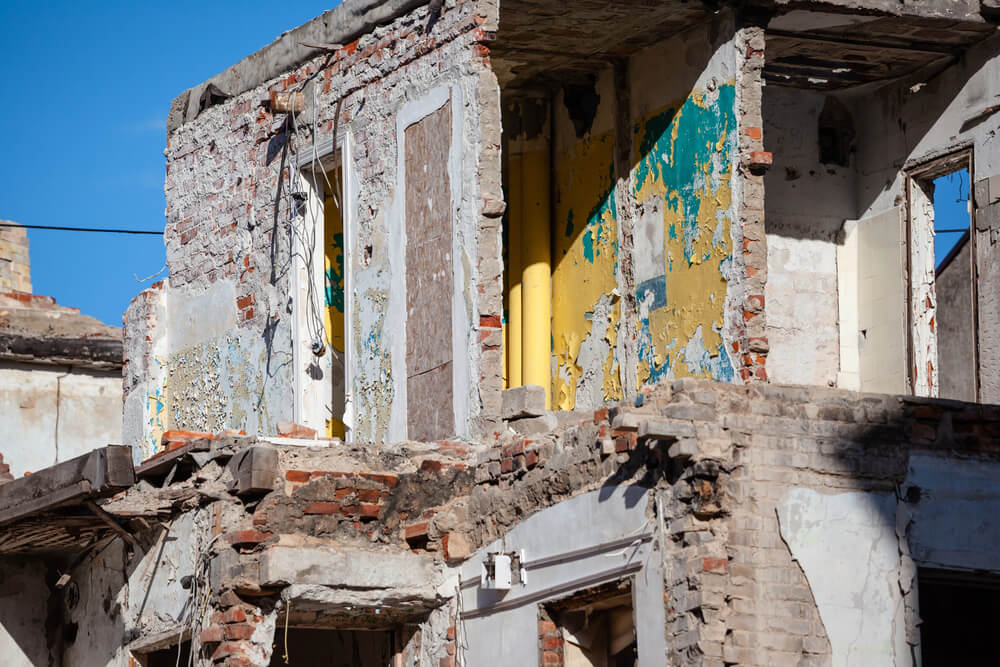
The medieval fortifications surrounding Vienna were demolished to create the Ringstrasse, a magnificent boulevard. While the Ringstrasse became an architectural triumph, the loss of the medieval walls was permanent.
Some Viennese regretted the erasure of the medieval past.
London’s Temple of Mithras—Reburied 2017 After Discovery
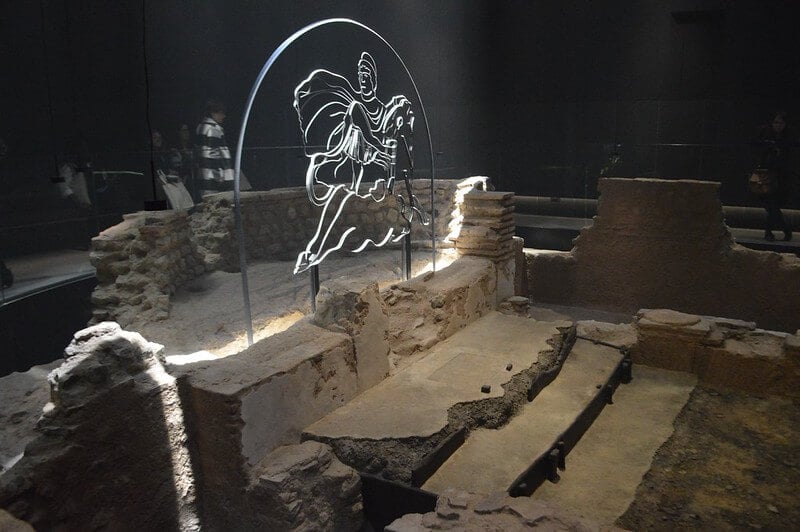
The Roman temple was excavated and displayed in the 1950s but remained essentially ignored for decades. The building around it became iconic.
When the decision was made to redevelop the site, the temple was carefully relocated and reburied, partially preserving it. The loss of accessibility frustrated archaeologists who felt the site’s importance had been minimized.
New York City’s Eiffel Tower Replica—Demolished 1890s
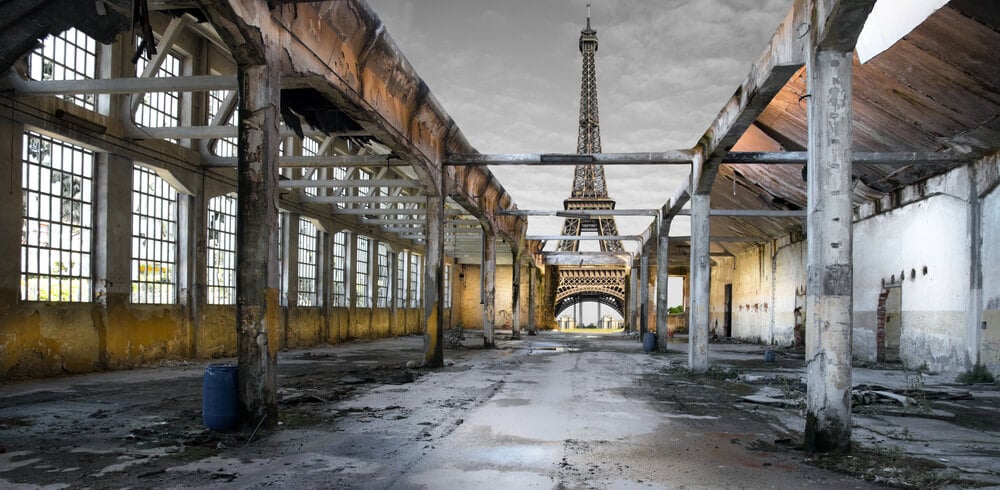
New York built a replica of the Eiffel Tower in the 1880s that stood for about a decade before being demolished. The loss of this early American tower is lamented by architectural historians who see it as an important piece of American architectural history.
Boston’s West End District—Demolished 1958-1965
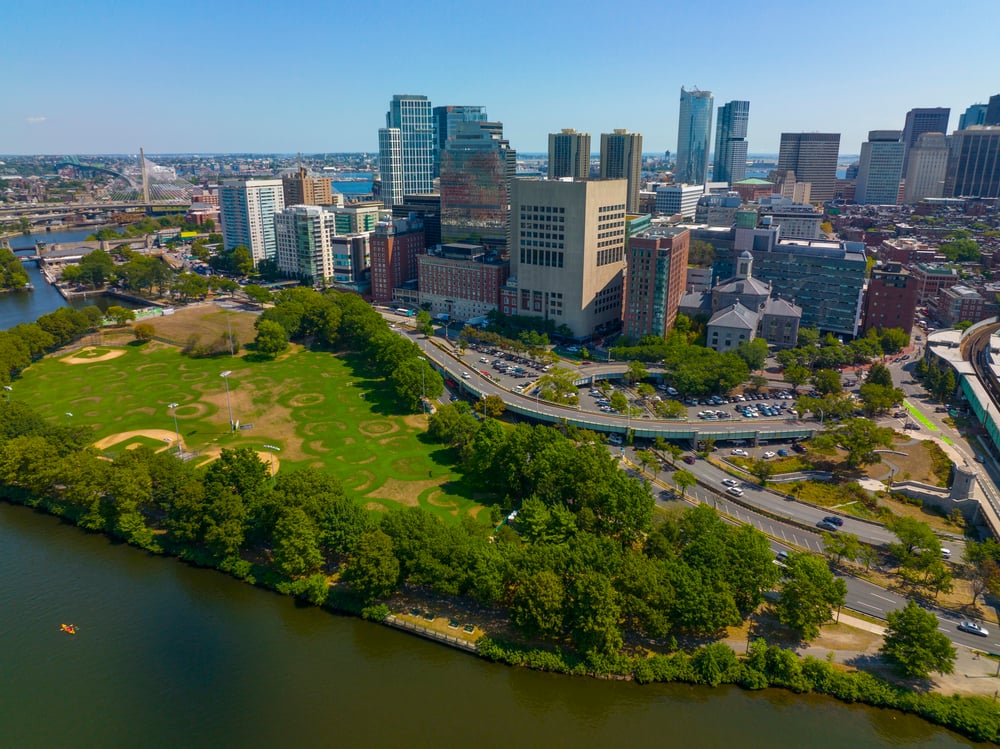
A historic immigrant neighborhood was demolished for urban renewal, destroying neighborhoods dating to the 18th century. The loss displaced thousands and destroyed a community that had survived for over 200 years.
The demolition is now considered a cautionary tale of urban renewal’s destructive potential.
Philadelphia’s Independence Hall Area—Saved From Demolition, But Threatened
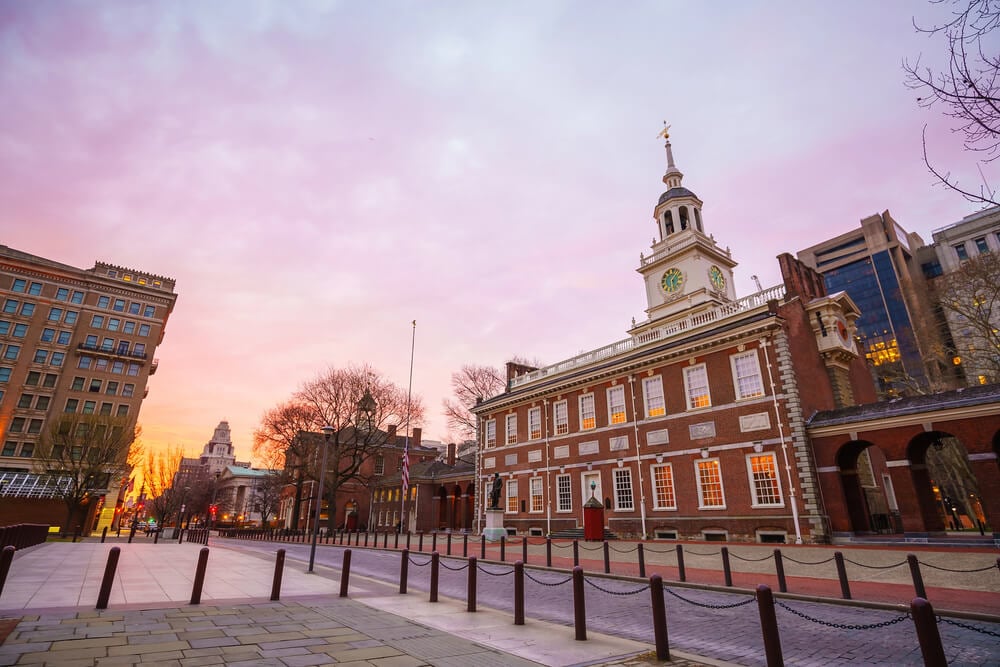
Independence Hall came close to being surrounded by high-rises in the 1960s. A preservation effort saved the historic area.
The threatened demolition sparked broader preservation consciousness in Philadelphia. The close call demonstrated how easily history could be erased.
Cairo’s Medieval Islamic District—Gradual Loss
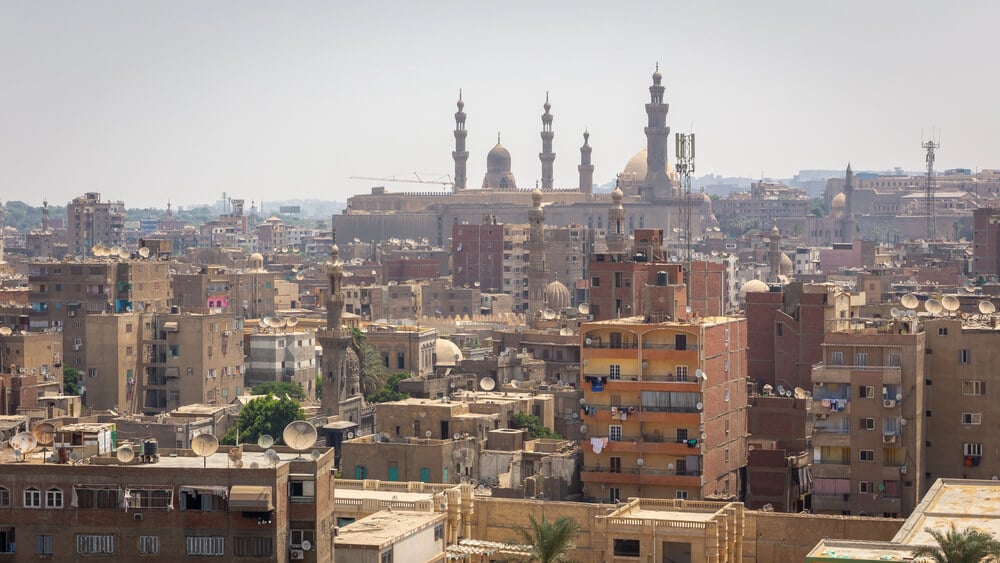
Historic Cairo’s medieval neighborhoods, some dating to the 10th century, have been demolished or heavily altered over decades. The loss of traditional architecture and urban patterns is considered a major tragedy.
Much of medieval Cairo exists now only in photographs and historical records.
Kyoto’s Geisha District—Threatened and Partially Lost

Historic geisha districts in Kyoto have been demolished or radically altered despite their cultural importance. Preservation efforts have saved some areas, but significant loss has occurred.
The destruction threatens to erase a crucial part of Japanese cultural heritage.
Istanbul’s Galata District—Gradual Demolition
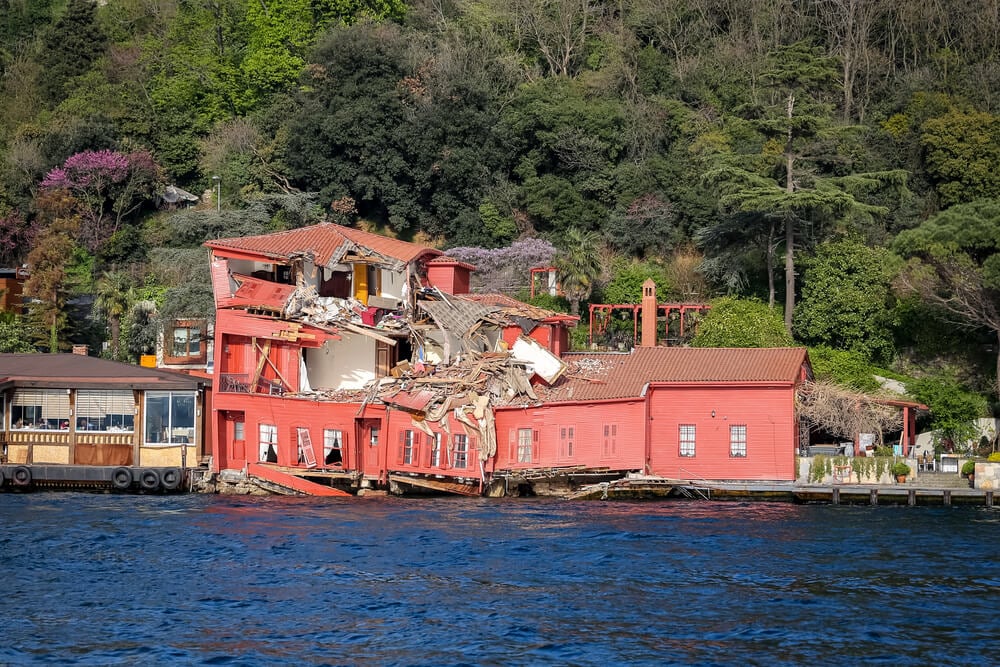
Historic Ottoman neighborhoods in Istanbul have been demolished for modern development. The loss of 19th-century architecture is permanent.
Preservationists have fought to save what remains, but much has already been erased.
Moscow’s Constructivist Buildings—Soviet Era Losses
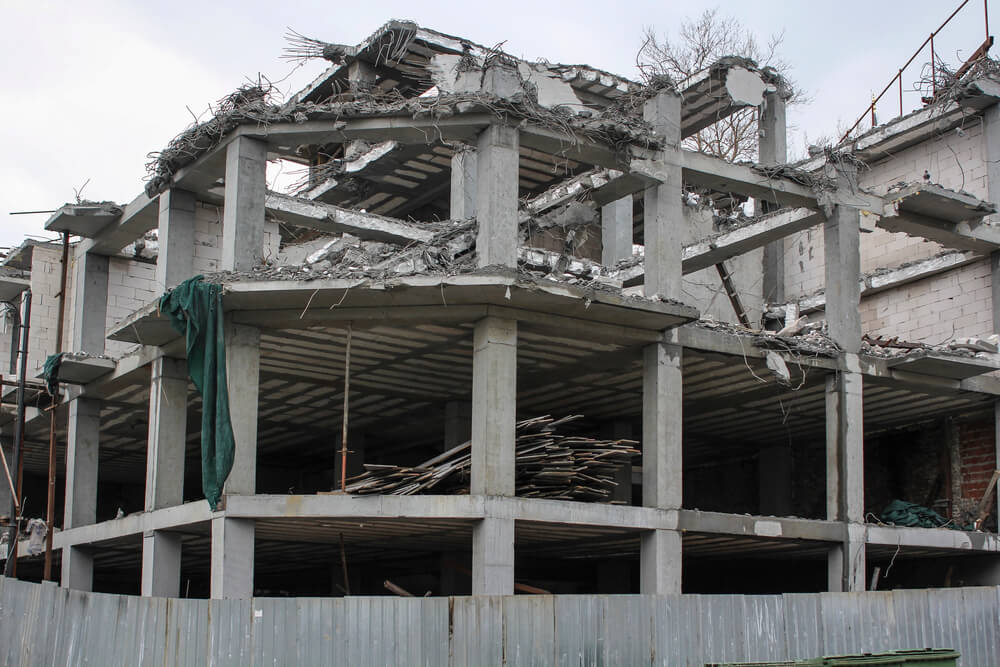
Significant Soviet Constructivist buildings have been demolished or heavily altered in post-Soviet Russia. Some were deliberately destroyed to erase communist symbolism.
The loss of important architectural examples from the 1920s-1930s is considered culturally significant.
Mexico City’s Colonial Architecture—Ongoing Loss
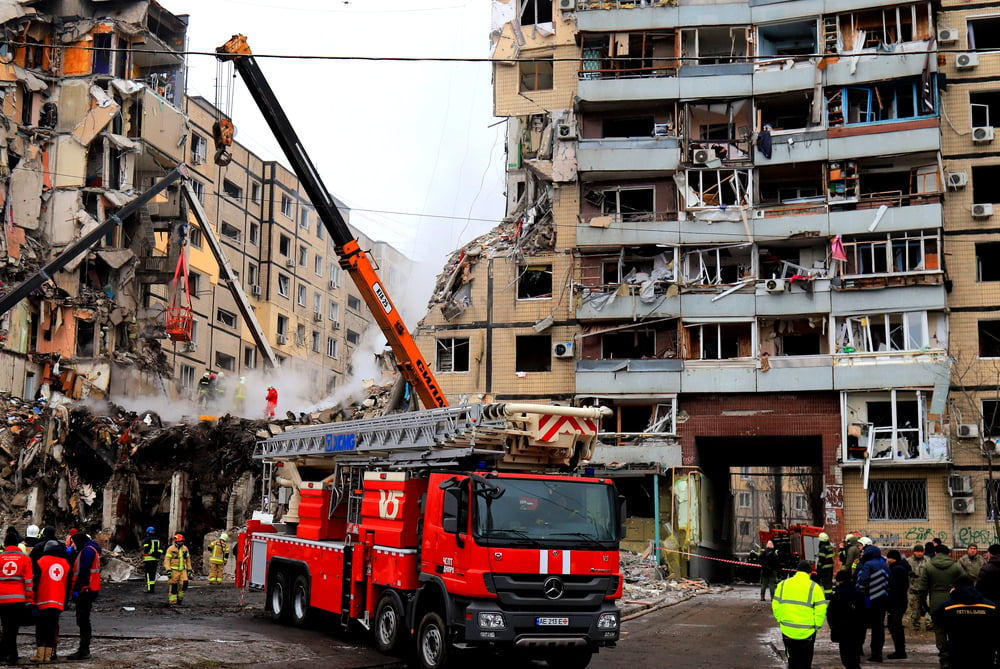
Historic colonial neighborhoods in Mexico City have been demolished for modern development. The loss of structures dating to the Spanish colonial period is permanent.
Preservation efforts have slowed but not stopped the destruction.
Bangkok’s Teakwood Houses—Demolished for Development
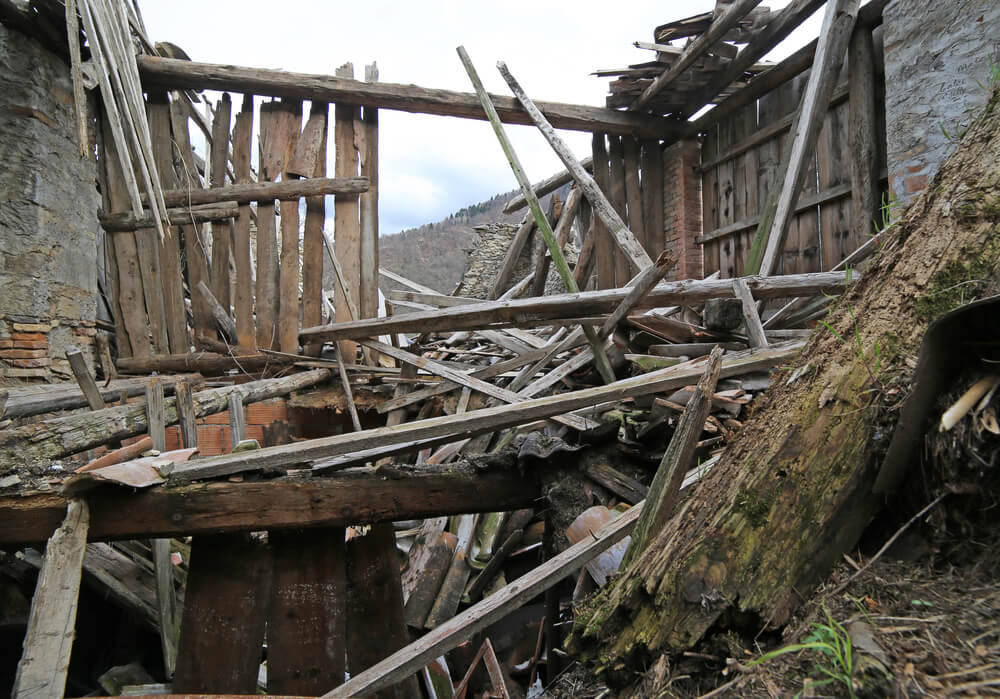
Historic Thai teakwood houses, some dating to the 19th century, have been demolished as Bangkok modernizes. The loss of traditional architecture is considered a major tragedy.
Few examples of historic Bangkok remain.
Tokyo’s Traditional Neighborhoods—Erased for Reconstruction
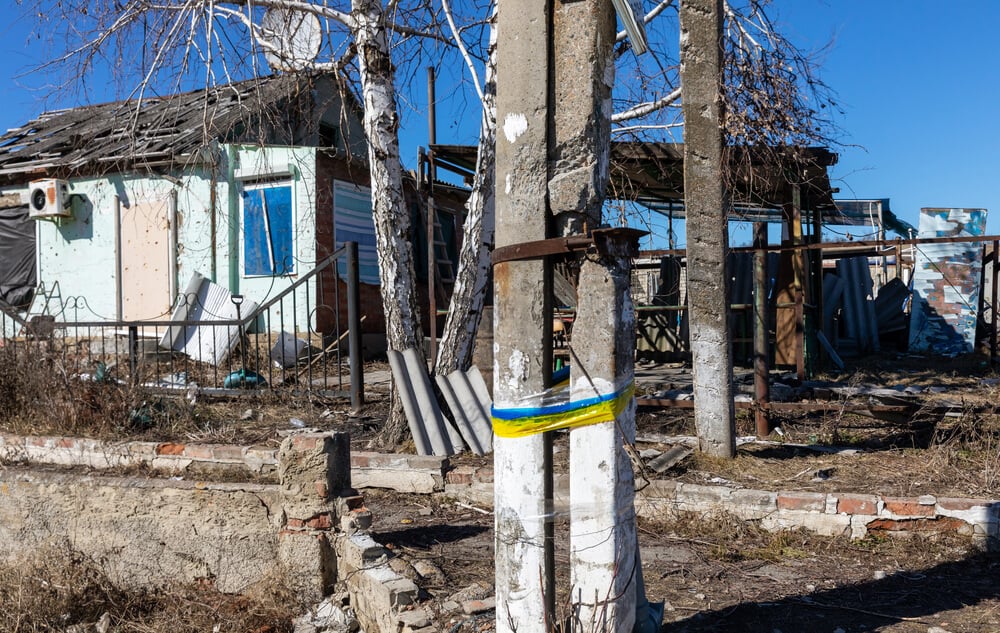
Tokyo’s traditional wooden neighborhoods were largely destroyed during World War II bombing and subsequent rebuilding. Limited historic areas remain.
The loss of pre-war Tokyo is permanent, existing only in photographs and historical records.
When Progress Leaves Only Regret
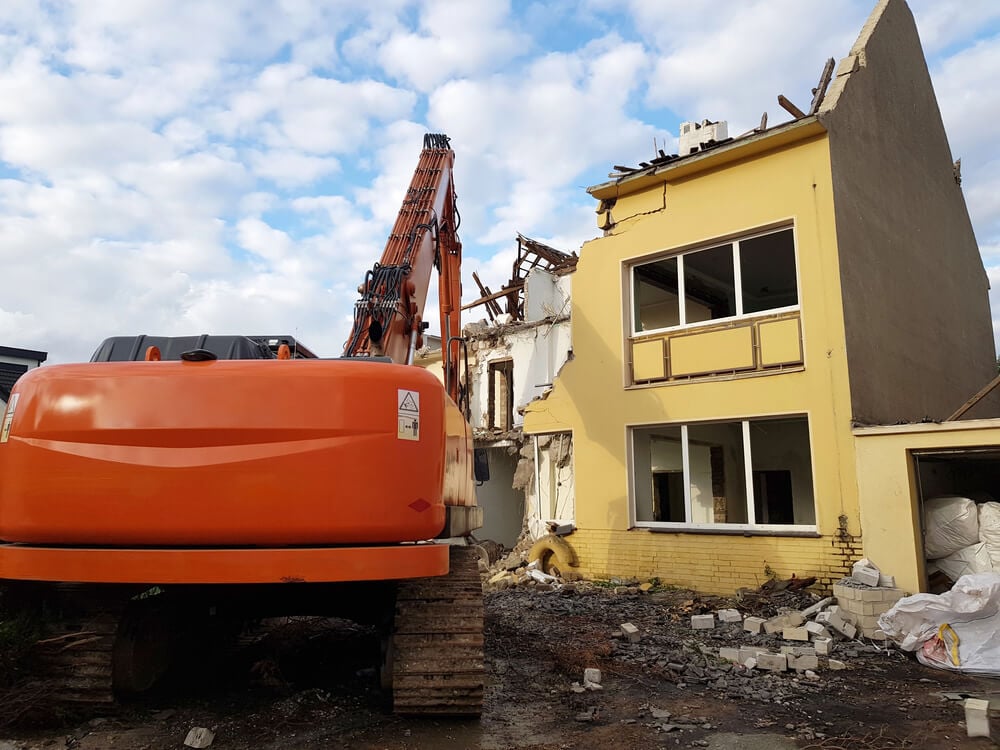
Each demolition is defended as necessary, progressive, economically rational. Each destruction is later lamented.
The pattern repeats across cities: a building deemed obsolete is demolished, and decades later, people wish it could be restored. The lesson appears never to be learned.
Cities continue destroying their historic cores in the name of renewal, only to regret the loss when it’s too late. Some cities have learned to preserve; others are still making the same mistakes.
More from Go2Tutors!

- The Romanov Crown Jewels and Their Tragic Fate
- 13 Historical Mysteries That Science Still Can’t Solve
- Famous Hoaxes That Fooled the World for Years
- 15 Child Stars with Tragic Adult Lives
- 16 Famous Jewelry Pieces in History
Like Go2Tutors’s content? Follow us on MSN.