26 Everyday Objects Designed for a Different Purpose
The objects that fill our homes and pockets often arrived through circuitous routes from their original intended uses. Manufacturers, designers, and everyday people repurposed existing items in ways the original creators never imagined; these everyday essentials prove that the best use of an object isn’t always the one it was designed for.
Baking Soda
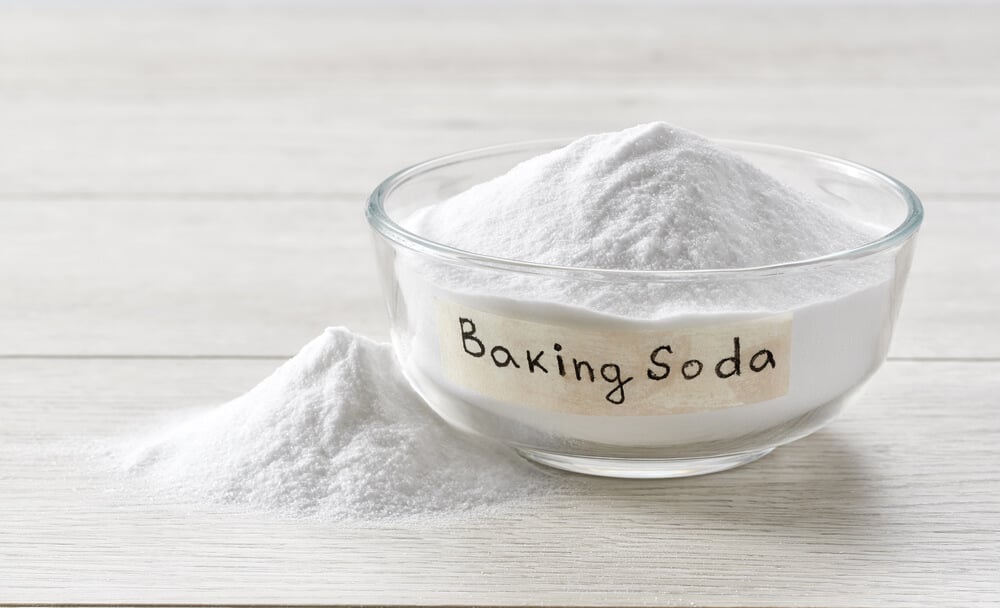
Sodium bicarbonate was originally mined and extracted primarily for industrial chemical manufacturing and textile processing, not for household cleaning or cooking. In the late 1800s, manufacturers noticed consumers buying their chemical product for domestic use and repackaged it accordingly.
The industrial byproduct became a kitchen staple that replaced dozens of specialized cleaning products.
Aluminium Foil
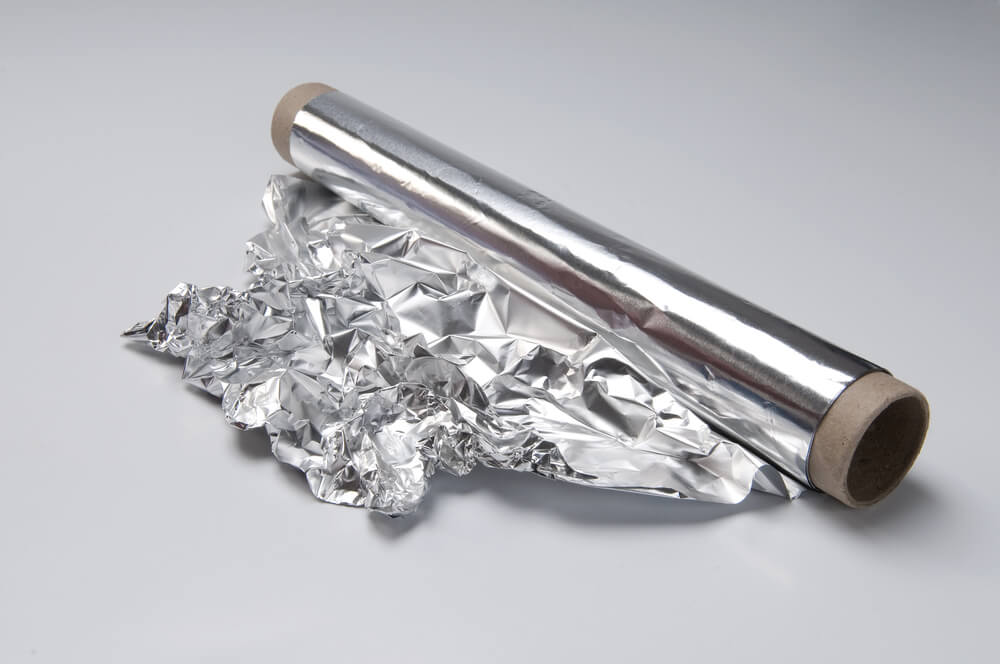
Reynolds Metals Company developed aluminium foil in the 1940s as a protective barrier for butter and margarine during shipping and storage. Home consumers began repurposing it for general food wrapping, roasting, and kitchen use far more frequently than the original industrial packaging purpose.
The industrial wrapper became the most versatile cooking and storage tool in modern kitchens.
Packing Peanuts
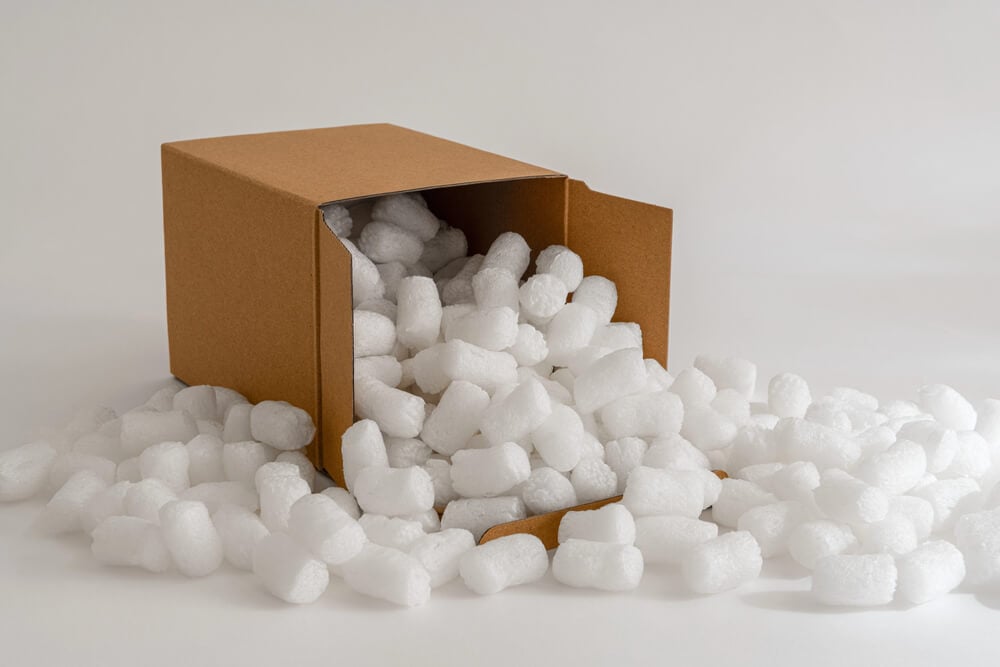
Loose-fill foam was designed as an architectural insulation material for walls and commercial buildings, not as protective shipping cushioning. Shipping companies discovered that recycled foam scraps provided excellent fragile item protection and began collecting and repurposing industrial insulation waste.
The building material evolved into an environmental challenge that few consumers realize came from construction use first.
Zip Ties
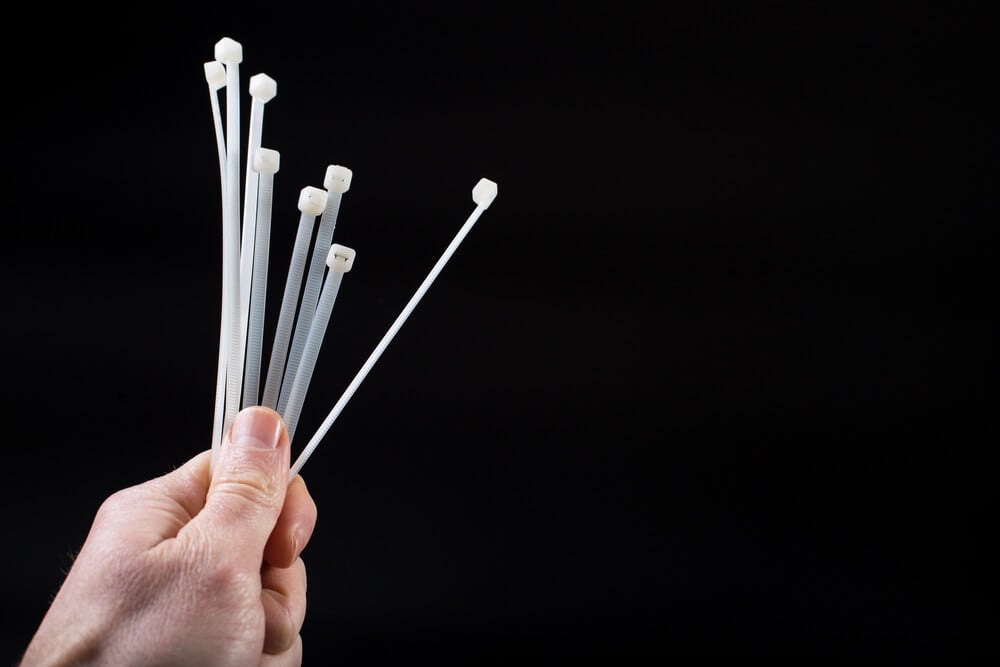
Plastic cable ties were invented by Thomas & Betts in 1958 specifically for bundling electrical wires and industrial cable management, not general-purpose fastening. Manufacturers found that consumers bought the product for countless other applications—securing cords, bundling items, temporary repairs—far outpacing industrial demand.
The electrical cable organizer became the most versatile fastener outside of duct tape.
Rubber Bands
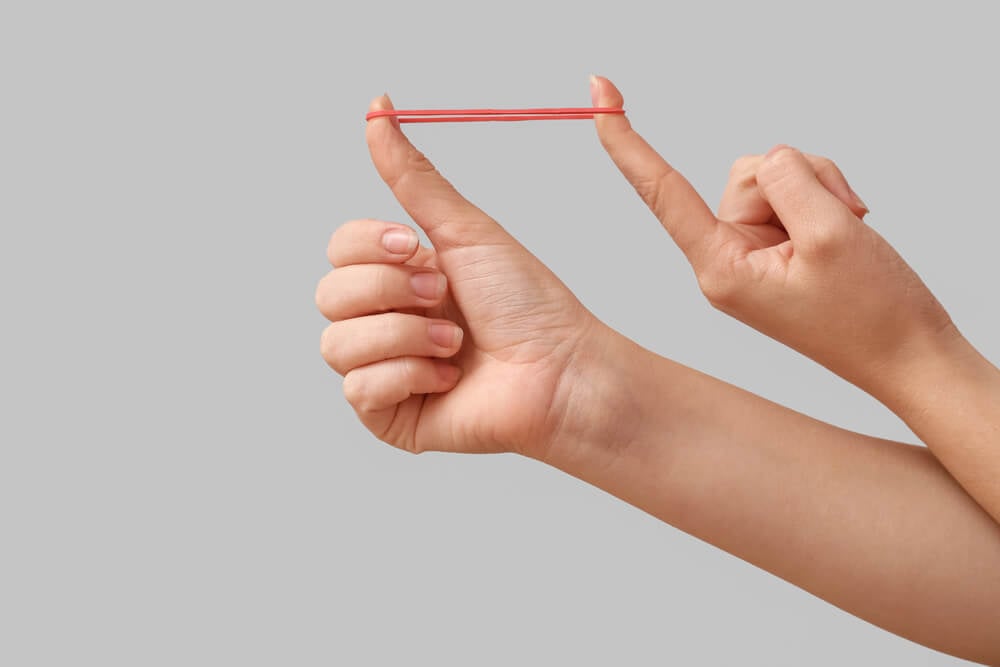
Manufactured rubber bands were originally designed exclusively for holding rolled currency bundles and securing stacks of papers in office and banking environments. Once rubber band production scaled up, general consumers adopted them for everything from holding hair and bundling vegetables to securing appliance doors.
The banking necessity became the kitchen junk drawer staple.
Packing Tape
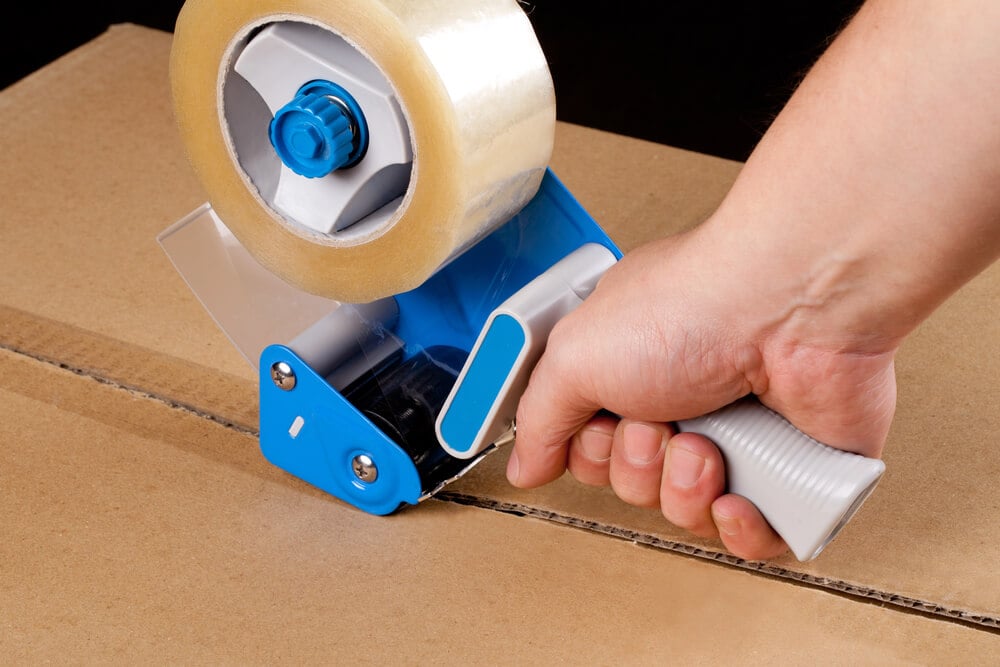
The clear adhesive tape was developed in 1958 by engineers attempting to improve electrical insulation tape for industrial wiring and equipment, not for sealing cardboard boxes. The strong, transparent formula proved far more practical for shipping boxes, and manufacturers retargeted the product toward logistics and moving companies.
The electrical insulation experiment became the shipping industry standard.
Twist Ties
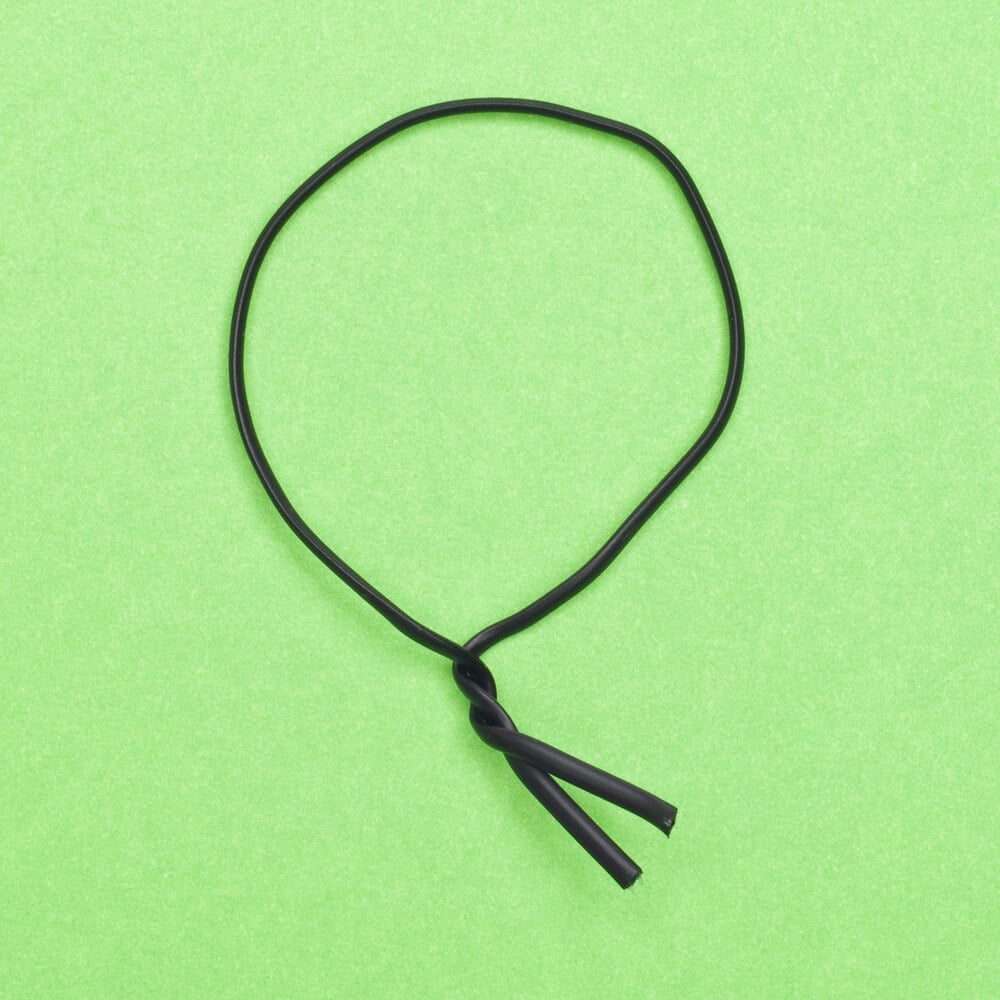
Wire-wrapped paper fasteners originated as industrial and commercial packaging closures for bread bags, meat packages, and grocery items. Consumers began repurposing them for every imaginable household task—bundling cords, garden plant support, organized storage—far beyond food package sealing.
The produce aisle fixture became an essential utility item in drawers everywhere.
Clothespins
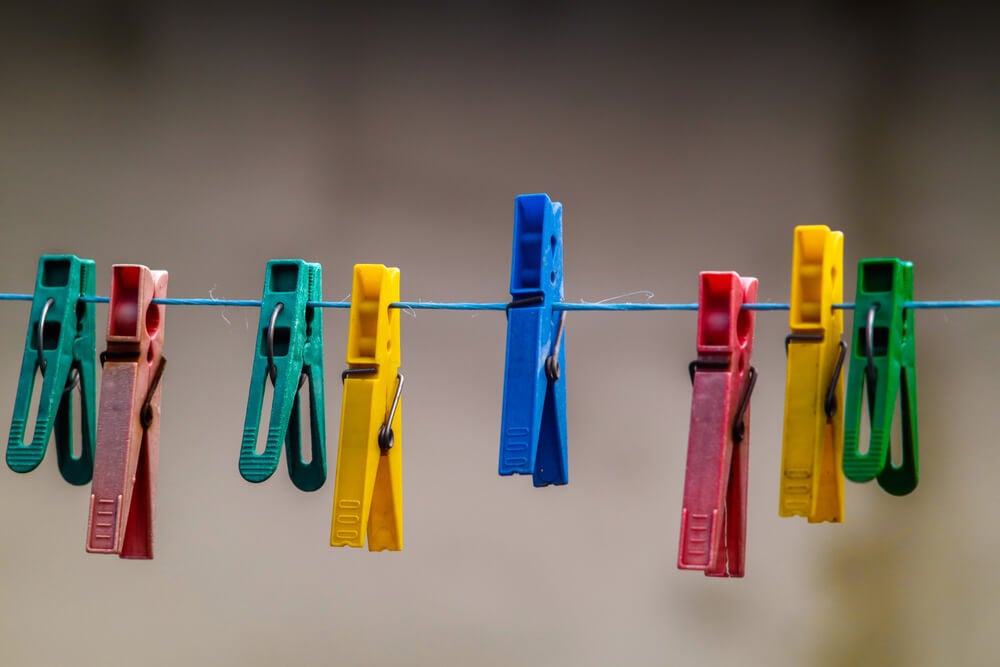
Wooden clothespins were invented in the 1850s as a fast, secure way to hang wet laundry on outdoor lines without damaging fabric with rope or knots. Once clotheslines became less essential in the age of electric dryers, consumers adapted clothespins for craft projects, organizing cables, holding chip bags, and temporary fixing.
The laundry necessity evolved into a multi-purpose household organizer.
Straws

Modern plastic straws were invented in the 1950s as a beverage industry innovation to make drinking from cups faster and more convenient in commercial settings. The convenience product migrated to home use for every type of drink and eventually became a craft tool and children’s toy.
The commercial convenience item became so ubiquitous that few remember its commercial origins.
Toothpicks
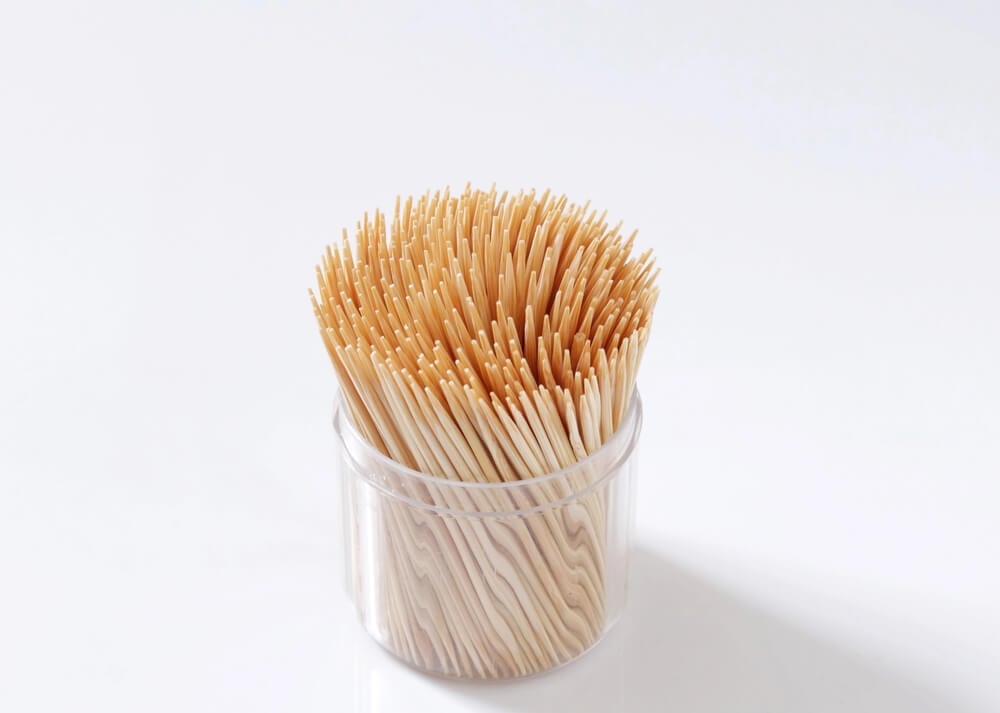
Wooden toothpicks were originally manufactured by Japanese craftspeople as an industrial product for food industry use, particularly in butchering and meat preparation. When European companies began mass-producing toothpicks in the 1800s, they marketed them for dental use and dinner table conversation, transforming an industrial tool into a social necessity.
The food handling instrument became an etiquette essential.
Paper Bags
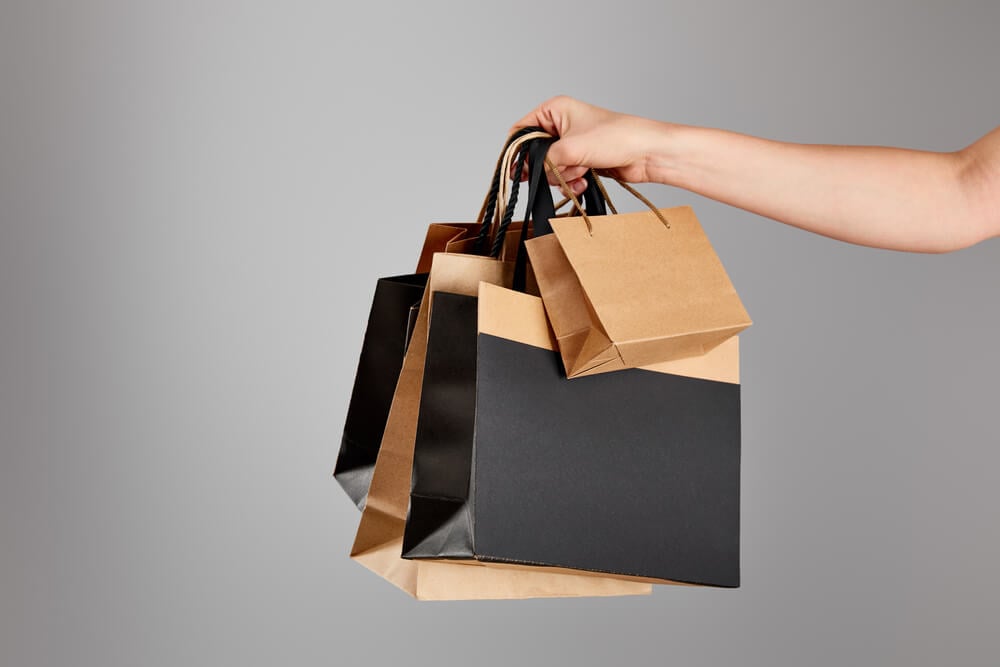
Brown kraft paper bags were developed in the late 1800s as shipping containers for industrial goods, grain, and commercial products. Retailers adopted them for customer purchases because they were cheaper than wicker baskets or wooden crates, and the industrial shipping container became the foundation of modern retail.
The cargo container transformed into the symbol of commerce.
Spray Bottles

Spray pump technology was developed in the early 1900s for industrial pesticide application and agricultural chemical distribution, not household cleaning. When companies began selling cleaning solutions to consumers, they adapted the agricultural spray mechanism for kitchens and bathrooms.
The farm equipment nozzle became the cleaning product standard.
Safety Pins
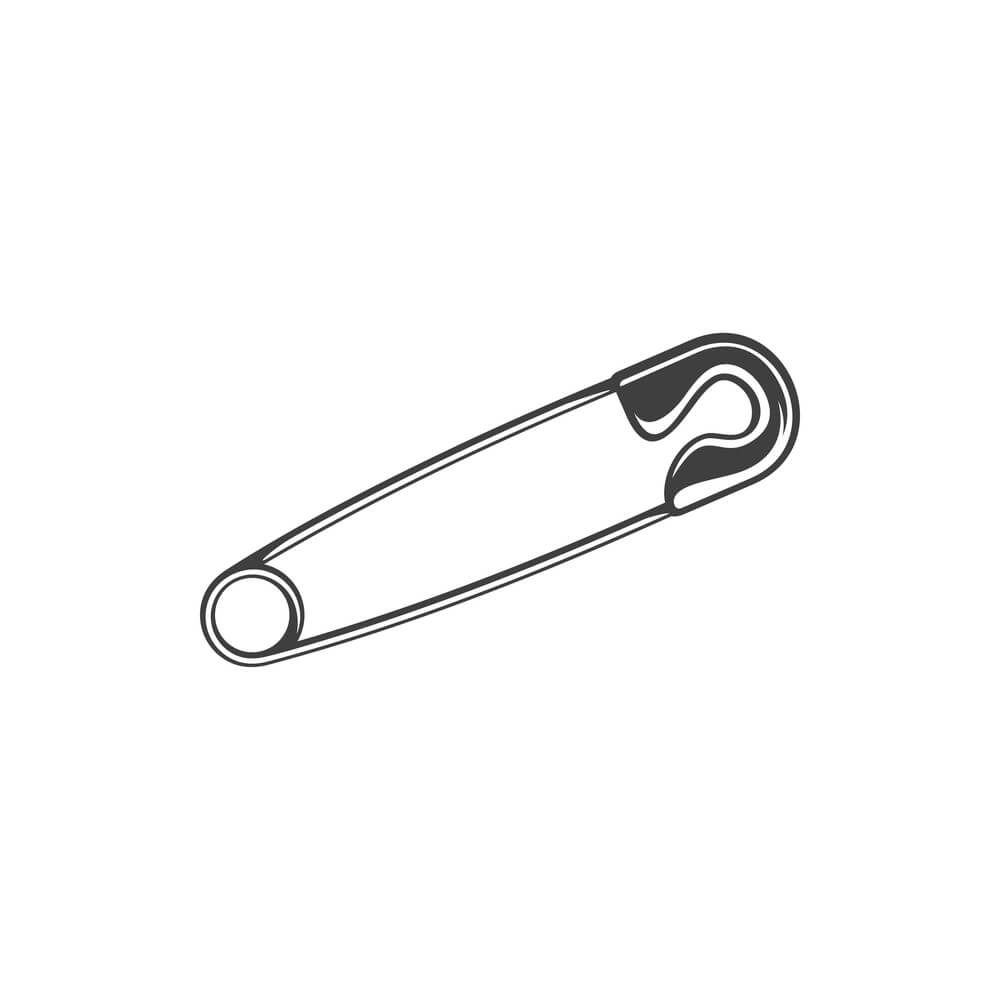
Safety pins were originally invented by Walter Hunt in 1849 specifically for fastening diapers on babies, designed to prevent accidental poking or skin damage. Modern consumers use safety pins for fashion, securing torn clothing, emergency fastening, and countless other purposes far beyond infant care.
The baby diaper fastener became a wardrobe and emergency kit staple.
Batteries
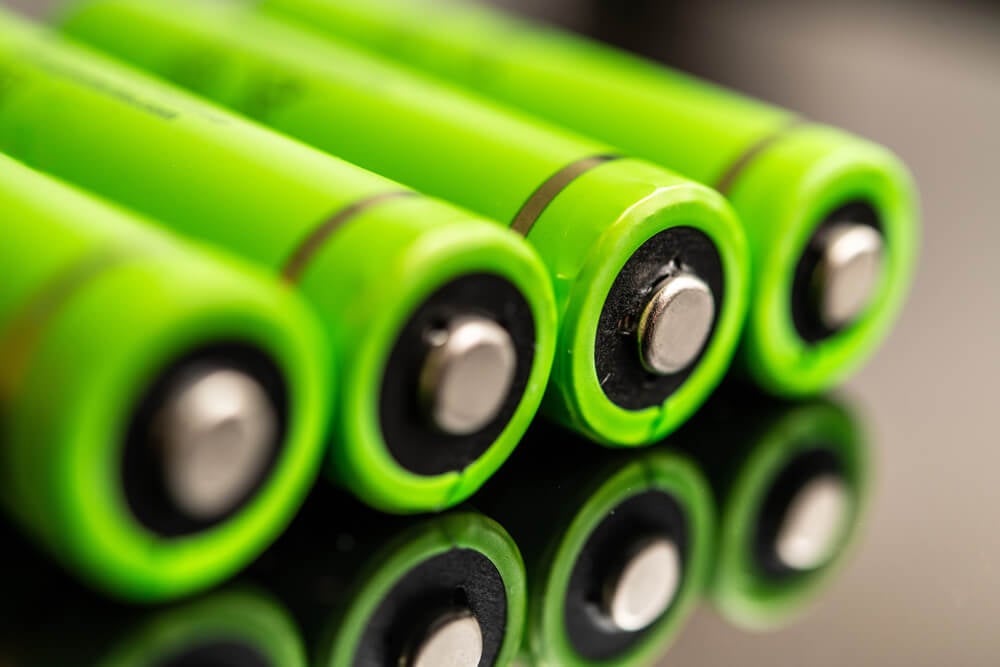
Commercial batteries were originally manufactured for military applications—powering flashlights, signals, and field equipment during wartime. Once militaries adopted them, battery manufacturers rapidly scaled production and shifted toward consumer electronics, eventually creating the consumer battery market.
The military necessity became consumer electronics fuel.
Velcro Straps
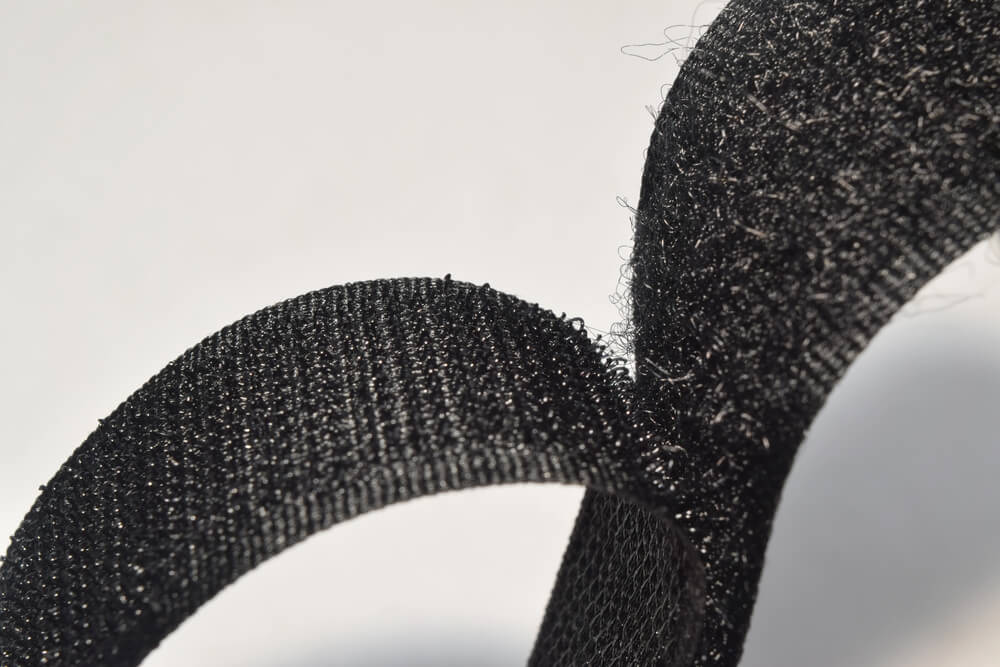
While Velcro itself was adapted from nature, manufacturers created Velcro straps specifically for military equipment, tactical gear, and industrial fastening applications. Consumer product companies later adopted Velcro straps for shoes, bags, watches, and sports equipment, recognizing superior performance compared to traditional fasteners.
The military uniform technology became the everyday fastening solution.
Plastic Wrap
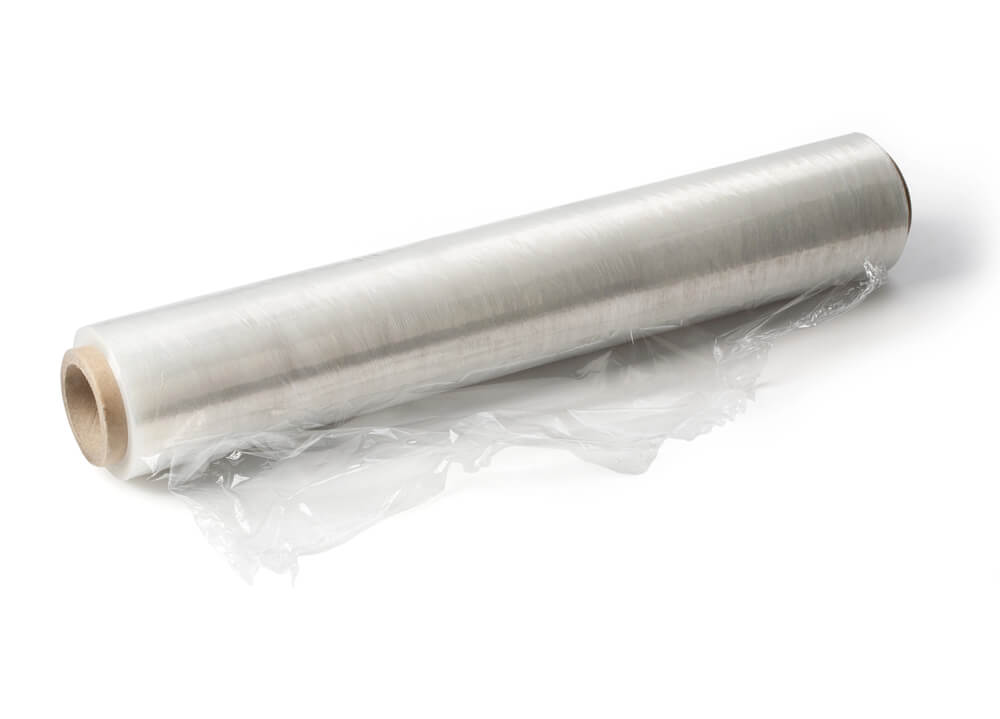
Plastic wrap was developed by Dow Chemical in 1953 for industrial food packaging and meat processing, not household food storage. Homemakers gradually adopted the industrial food wrap for kitchen use, and manufacturers marketed it to consumers as an essential kitchen tool.
The industrial packaging solution became the household storage standard.
Wire Shelving
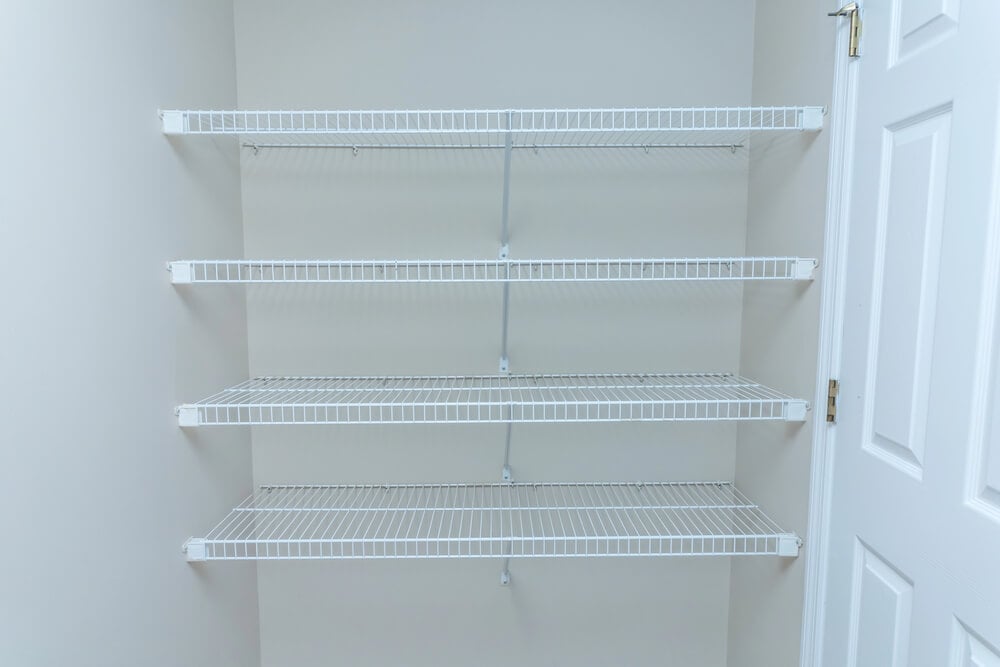
Metal wire shelving originated in industrial warehouses and manufacturing facilities for heavy-duty storage of equipment and goods. Homeowners adapted the durable, space-efficient design for closets, garages, and kitchen pantries, and manufacturers began producing smaller versions for residential use.
The warehouse infrastructure became the bedroom closet fixture.
Velcro Dots
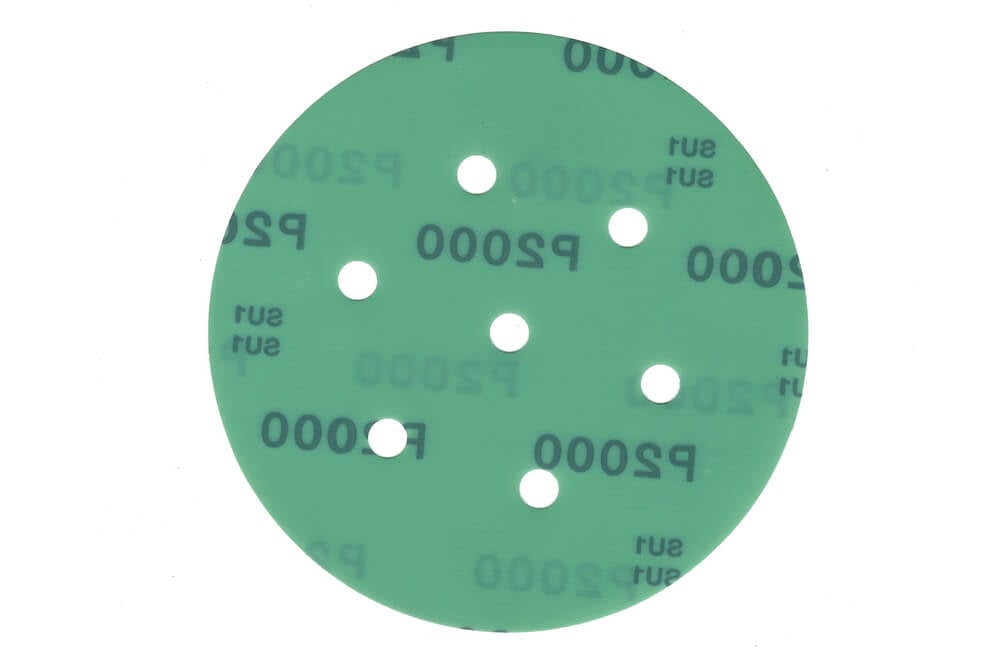
Adhesive Velcro dots were developed for industrial equipment assembly and temporary fastening in manufacturing facilities. DIY enthusiasts and home organizers discovered them for hanging pictures, securing cords, organizing spaces without damage—applications the manufacturers hadn’t considered.
The factory equipment fastener became the wall-friendly organizer.
Rubber Grommets
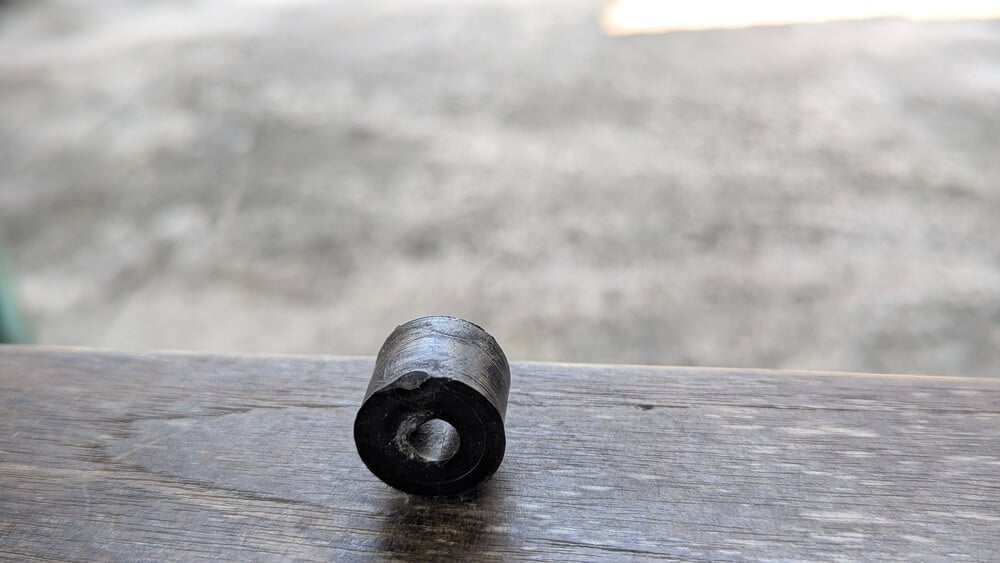
Rubber grommets were manufactured for industrial machinery to protect cables and wires from sharp edges, not for residential use. Crafters and organizers adapted them for desk organization, cable management, and organizing cords in workspaces.
The machinery protection device became the office cable manager.
Command Strips
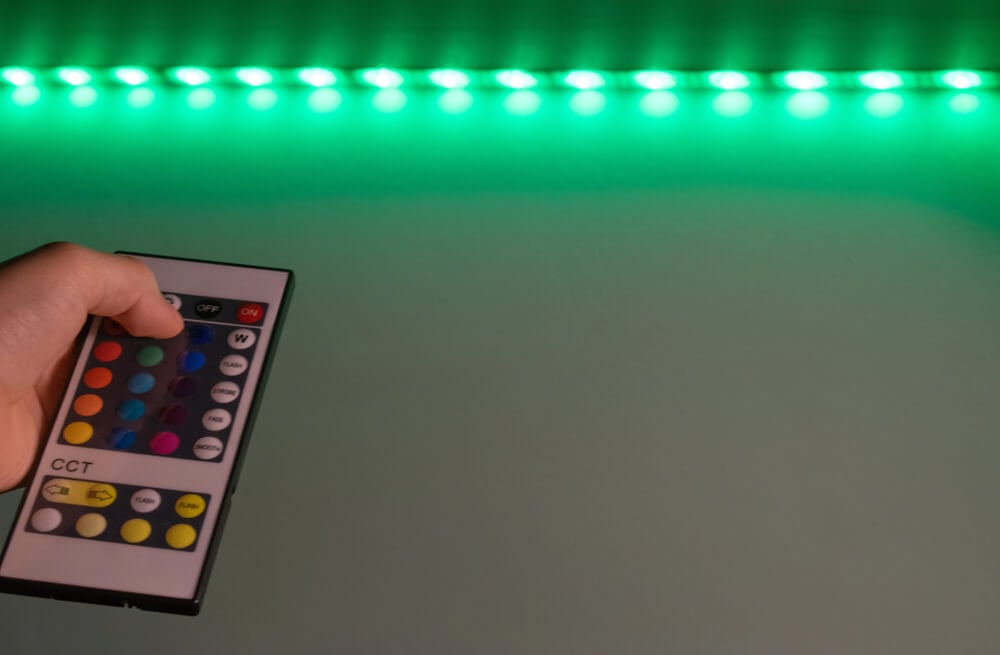
Command strips were developed by 3M in 2002 as an alternative to wall anchors for mounting in commercial office spaces without permanent damage. Renters and homeowners embraced the strips for hanging art, shelves, and décor, recognizing their superior holding power and wall safety.
The commercial office mounting solution became the renter’s favorite tool.
Storage Bins
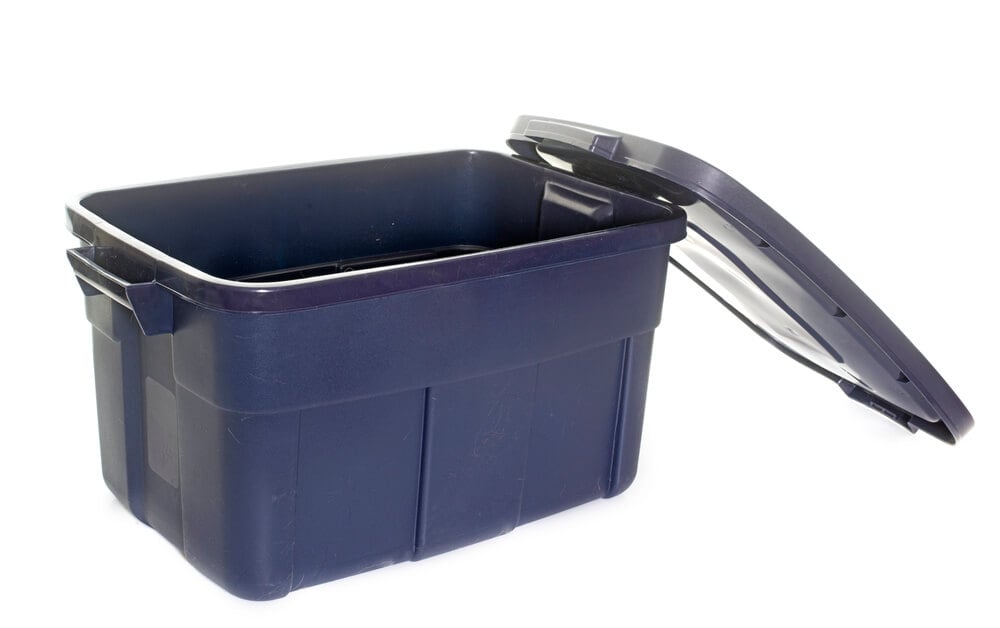
Clear plastic storage bins were originally manufactured for industrial parts organization, tool storage, and warehouse inventory management. Home organizers recognized their stackability and transparency for closet organization, garage storage, and basement management.
The industrial inventory solution became the home storage essential.
Extension Cords
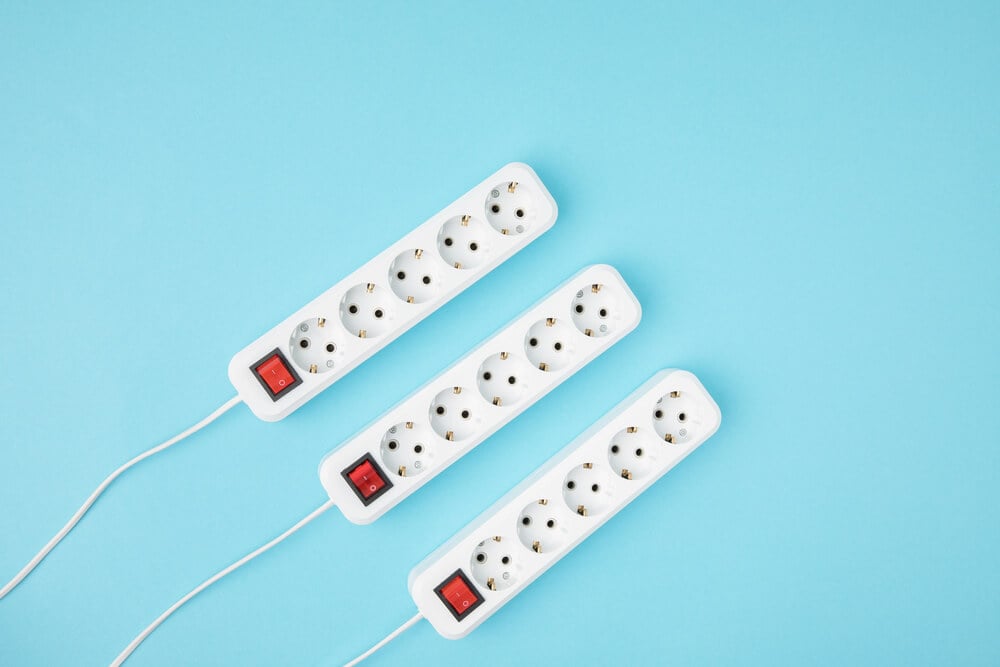
Electric extension cords were developed for temporary job site power distribution and industrial equipment operation, not household use. Homeowners repurposed them for reaching distant outlets, powering workshop tools, and extending electrical access throughout homes.
The construction site necessity became the household extension standard.
Paint Stirrers
Wooden paint stirrers were manufactured as free promotional items by paint companies to encourage purchases but became essential tools for mixing, scraping, and general household tasks. Consumers discovered their utility for everything from drying vegetables to organizing drawers to garden stakes.
The paint company giveaway became the multipurpose household tool.
Caulk Guns
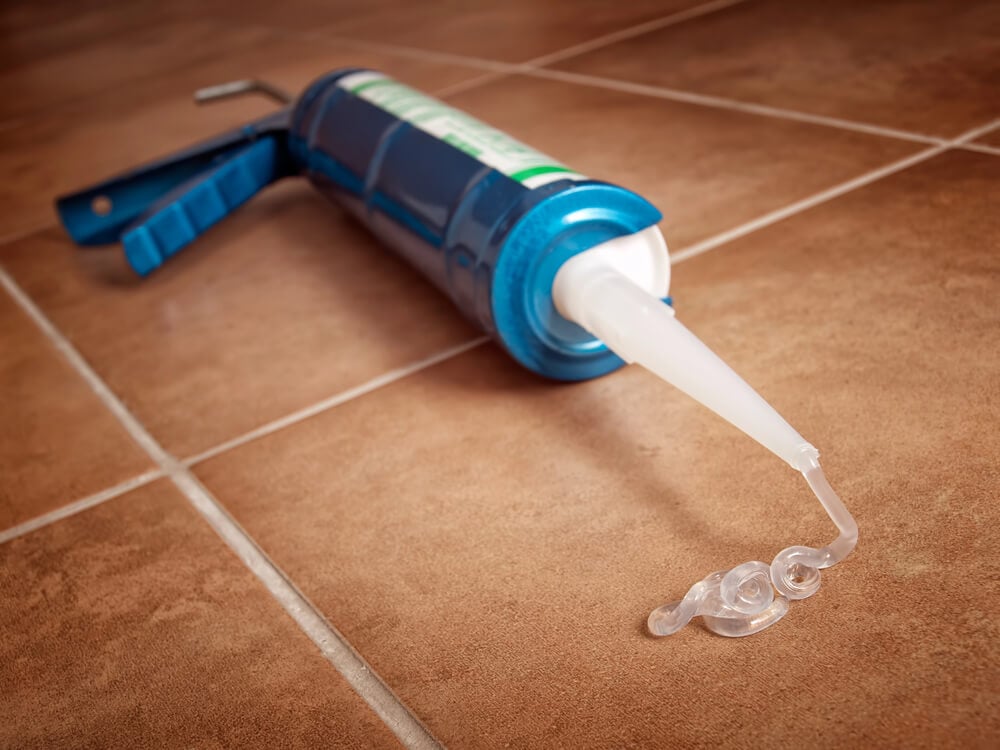
Caulk guns were invented for professional home improvement contractors to apply sealant and weatherproofing materials, not for consumer DIY use. When home improvement stores began selling caulk guns to individual shoppers, they enabled generations of homeowners to complete repairs independently.
The contractor tool became the empowering DIY essential.
Foam Insulation Boards

Rigid foam insulation boards were developed for commercial and industrial building insulation applications in construction. Artists, crafters, and diorama builders discovered their lightweight, carve-ability properties and adopted them for projects far beyond insulation.
The construction material became the maker’s essential supply.
Binder Clips
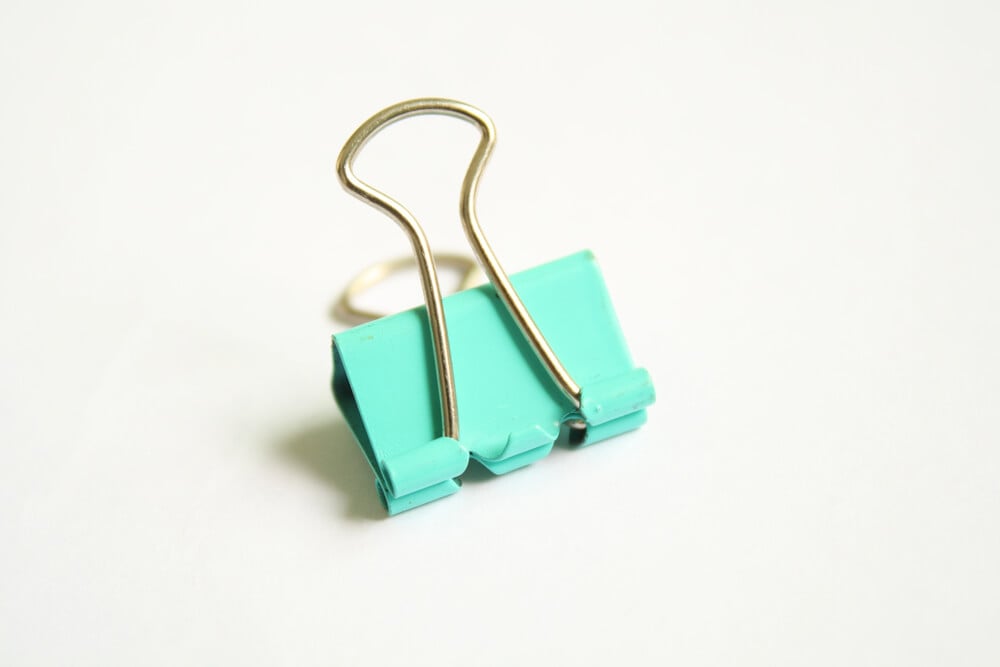
Metal binder clips were designed in the 1950s for office use bundling papers and holding documents together, not for general-purpose fastening. Now found in homes and garages holding everything from chip bags to cords to temporary storage, the office accessory became ubiquitous.
The document organizer became the universal clip.
Purpose Finds Its Own Course
These everyday objects demonstrate how user innovation surpasses designer intention at a remarkable scale. What was manufactured for specific industrial or commercial purposes often finds its truest home in consumer hands, adapted and repurposed far beyond original specifications; this pattern suggests that the most valuable products are those flexible enough to solve problems their creators never anticipated.
More from Go2Tutors!

- The Romanov Crown Jewels and Their Tragic Fate
- 13 Historical Mysteries That Science Still Can’t Solve
- Famous Hoaxes That Fooled the World for Years
- 15 Child Stars with Tragic Adult Lives
- 16 Famous Jewelry Pieces in History
Like Go2Tutors’s content? Follow us on MSN.