26 Fast Food Menu Items Retired Long Ago
There’s a melancholy that comes with scrolling through old menus and realizing entire categories of food have vanished from the fast food landscape. What once promised innovation and nostalgic indulgence has been replaced by efficiency and standardization.
These discontinued items represent the ambition of chains that tried to expand beyond their core identity—some succeeding brilliantly in memory, others failing spectacularly in execution.
Cini Minis by Burger King
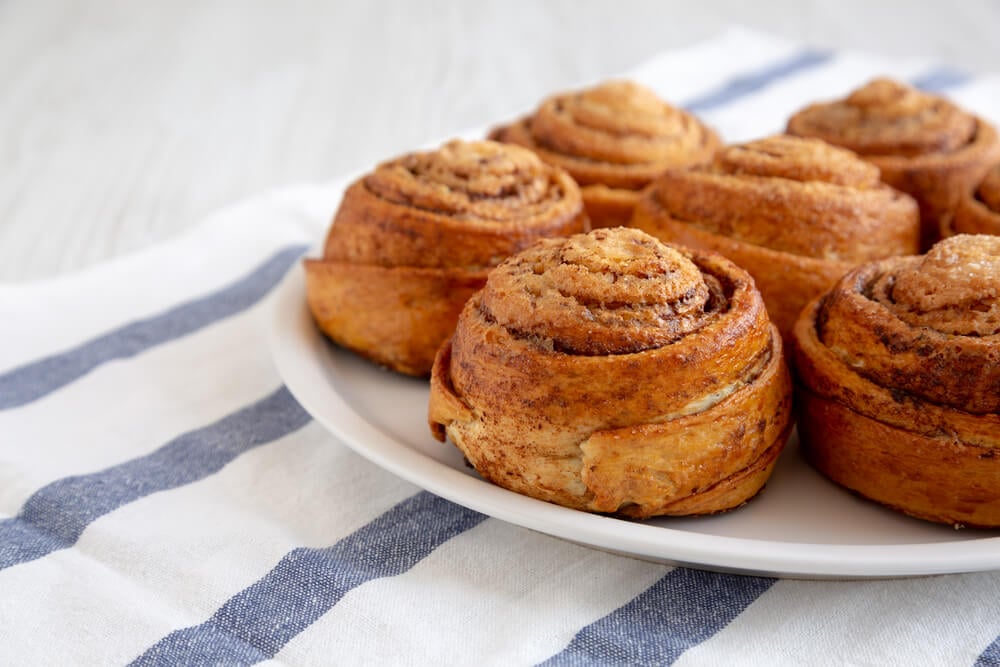
Introduced in the late 1990s, these miniature cinnamon rolls became iconic among 90s kids for their warm gooey centers and sticky icing coating. The King discontinued them in 2016, and despite passionate social media campaigns and occasional limited-time revivals, they’ve never returned permanently to most locations.
The simplicity of their appeal—small, sweet, convenient—somehow makes their absence more tragic than more complex failures.
Onion Nuggets at McDonald’s
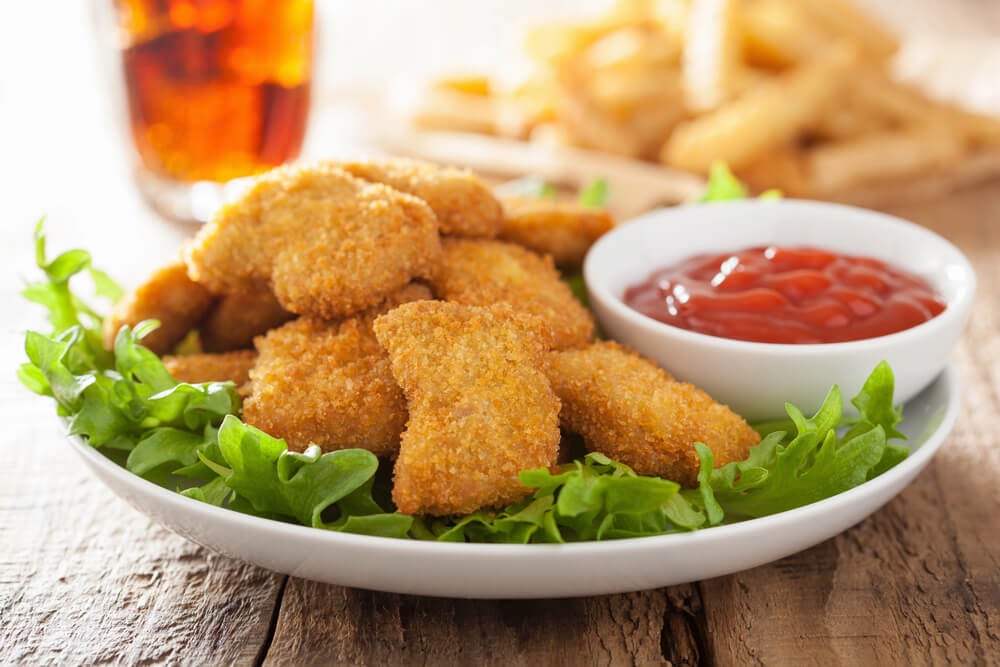
From 1975 to 1984, McDonald’s offered these golf-orb-sized rings of breaded onion that appealed to vegetarians in an era when fast food catered almost exclusively to beef eaters. Once the chain launched its iconic Chicken McNuggets, onion nuggets seemed redundant and were quietly shelved.
Their texture was supposedly superior to traditional onion rings, but superior novelty couldn’t compete with the cultural dominance of chicken.
McPizza by McDonald’s
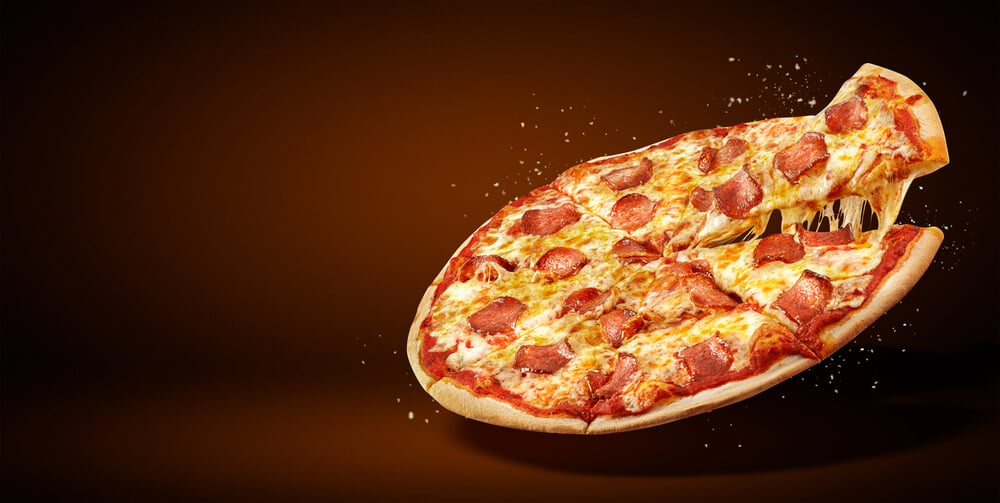
The 1980s saw McDonald’s install special ovens across thousands of locations to serve this dual-dough creation with traditional pizza toppings, representing the chain’s most ambitious gamble on category expansion. Each pizza took eleven minutes to cook—an eternity in fast food culture—creating operational bottlenecks that violated McDonald’s core principle of speed.
Only two rebellious franchise locations in Orlando and Pomeroy, Ohio continue to serve it today.
Wendy’s Stuffed Pitas
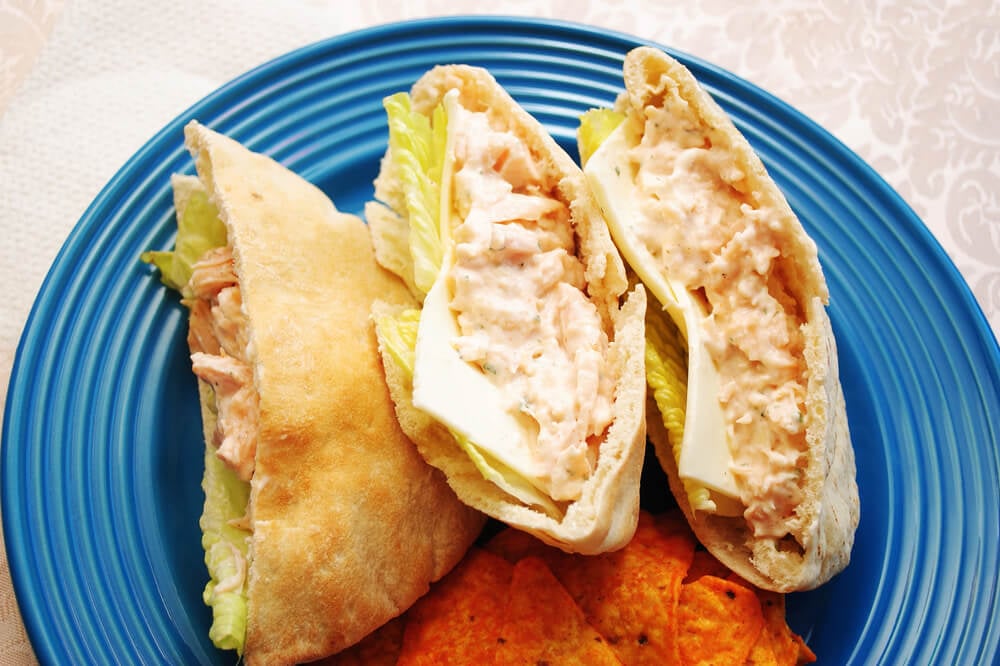
These healthier-conscious handheld pockets arrived as the chain’s answer to customers seeking alternatives to heavy burgers, filled with ingredients like grilled chicken and fresh vegetables wrapped in soft pita bread. The concept felt revolutionary for fast food, but the infrastructure required to properly assemble them clashed with the traditional kitchen setup built for speed and consistency.
They lasted long enough to build a devoted following that never quite recovered.
Wendy’s SuperBar
Launched in the late 1980s as an all-you-can-eat buffet concept, this three-station spread included the Garden Spot salad bar, Mexican Fiesta section, and Pasta Pasta with rotating hot dishes under heat lamps. For roughly $2.99, families could satisfy multiple appetites in one stop, making it an unprecedented value proposition for casual dining.
The labor-intensive operation—constant restocking, temperature management, and waste prevention—forced Wendy’s to gradually phase it out by 1998.
Wendy’s Frescata Line
Introduced in 2006 to directly challenge Subway’s expansion, these cold artisan-style sandwiches featured combinations like roasted turkey with Swiss and Black Forest ham with carefully curated toppings. The problem was philosophical rather than culinary: the concept required a kitchen approach completely incompatible with grills and fryers designed for hot food production.
Wendy’s couldn’t simultaneously be a burger chain and a sandwich shop.
McDonald’s Angus Third Pounder
This premium burger line launched in 2009 during the height of fast-food chains attempting to compete with casual restaurants, featuring a third-pound Angus patty topped with sautéed mushrooms, Swiss cheese, crispy onions, and garlic cream sauce on a toasted bakery-style bun. The effort represented genuine ambition and quality ingredients that elevated the fast food experience.
Remarkably, it failed not from poor quality but from customer resistance to premium pricing in a recession-era market.
The Arch Deluxe by McDonald’s
McDonald’s spent $150 million marketing this presumptuous burger aimed at sophisticated adult palates, featuring a quarter-pound patty with Dijonnaise sauce, peppered bacon, lettuce, tomato, and onions on a sesame seed bun. Critics at the time debated whether the failure stemmed from poor execution or misaligned timing, but the consensus remained: McDonald’s customers came for affordable simplicity, not aspirational sophistication.
It stands as one of the fast food industry’s most expensive miscalculations.
Mexican Pizza by Taco Bell
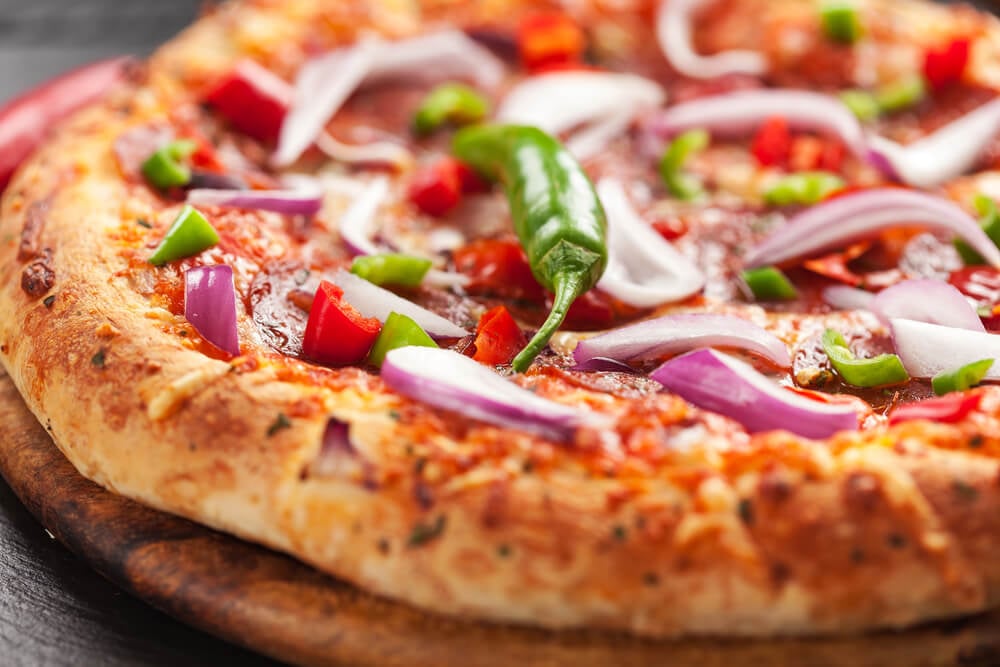
This dual-tortilla creation layered with beans, beef, tomatoes, and cheese remained on Taco Bell’s menu for 35 years before the chain discontinued it in 2023, citing packaging waste and environmental concerns. The decision shocked longtime customers who considered it a menu anchor, prompting social media petitions for its return.
Unlike trendy items with built-in expiration dates, Mexican Pizza had achieved sacred status through decades of reliability.
McSpaghetti by McDonald’s
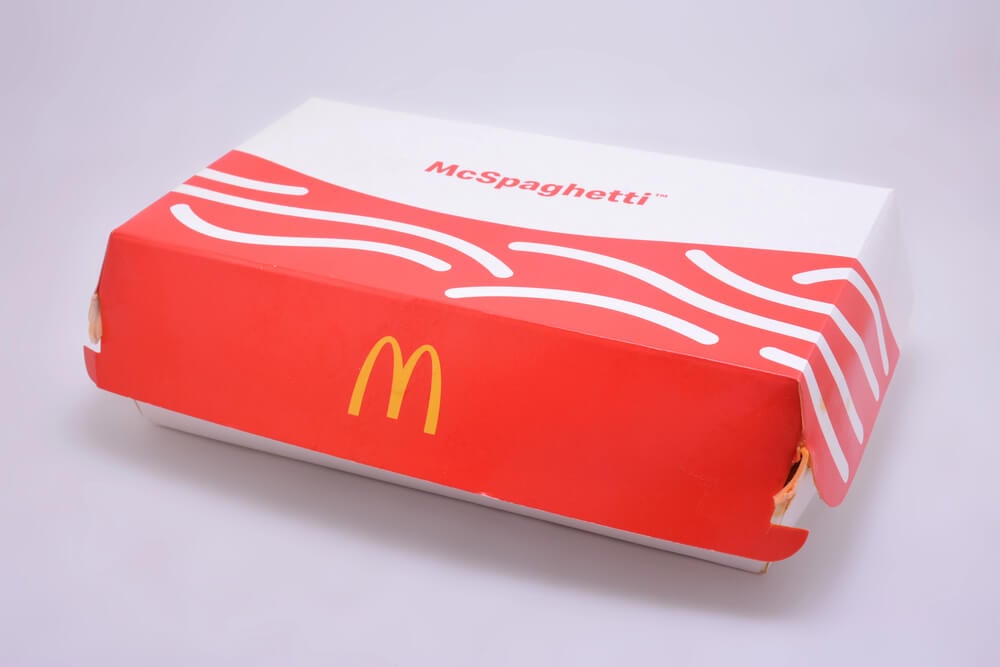
Served in a fast food container rather than a bowl, this surprising 1970s menu experiment featured pasta topped with marinara sauce, meatballs, and cheese that violated everything McDonald’s stood for regarding operational simplicity. Though phased out in most US locations by the 1990s, the item found a surprising second life in international markets—most notably the Philippines, where it remains on menus today.
The pasta experiment proved that McDonald’s could adapt cuisine globally even when the American public rejected innovation.
Cheesy Tots by Burger King
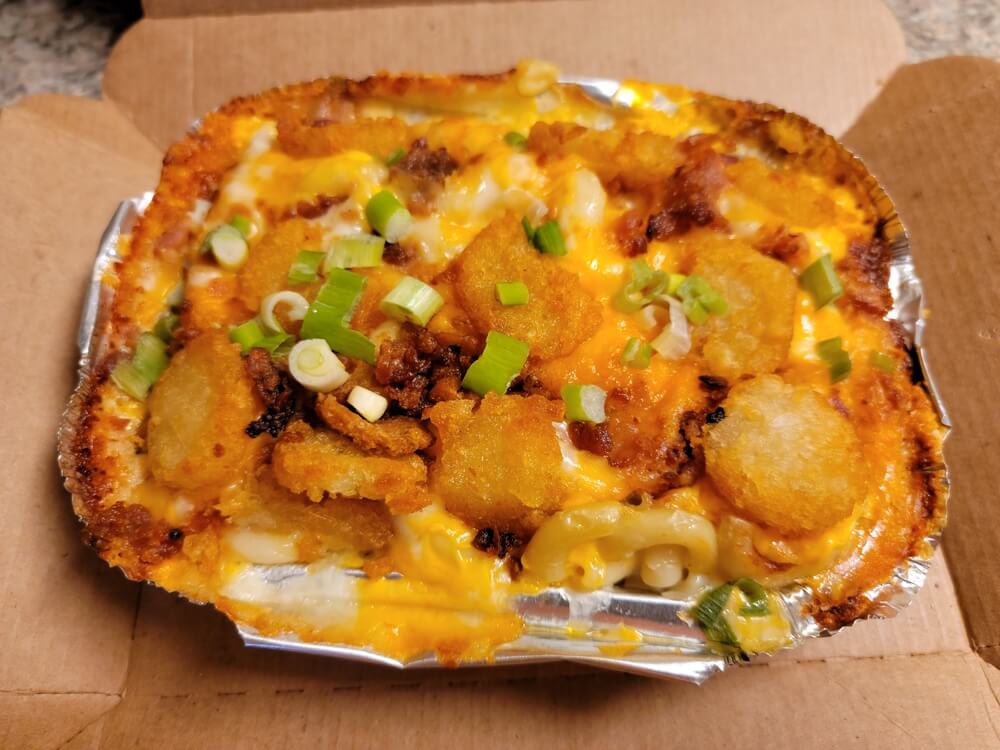
Molten cheese encased in crispy potato cylinders became beloved over their five-year tenure, eventually spawning a passionate Facebook campaign titled “Bring Back the Cheesy Tots from Burger King.” The social media pressure forced multiple revivals, most notably a holiday resurrection in December 2023, proving that nostalgic foods retain power even years after discontinuation.
Their absence was apparently more notable than their presence ever was.
Double Down by KFC
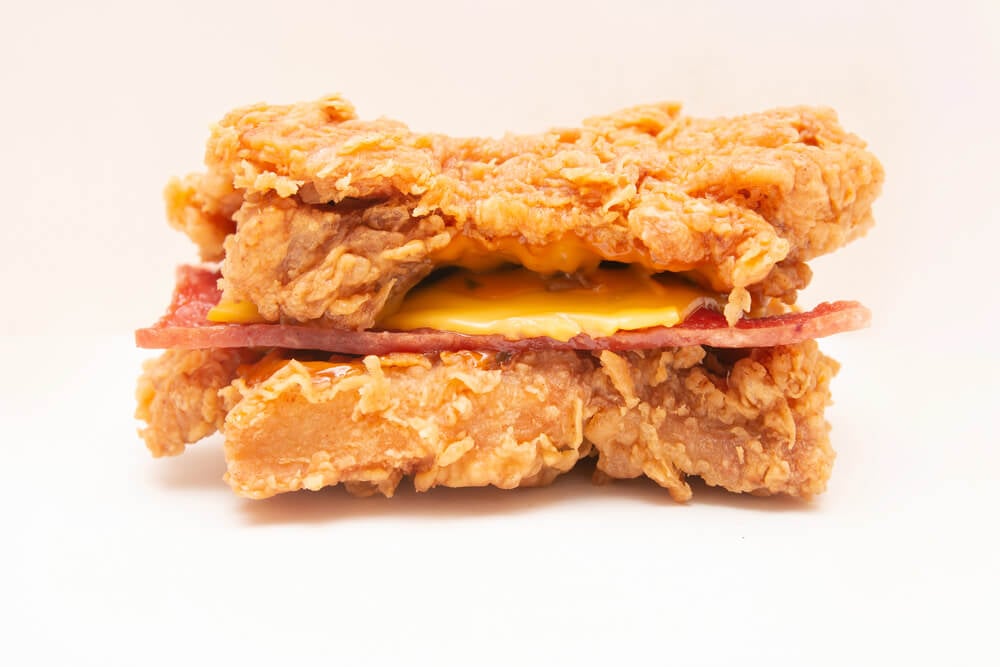
This 2010 creation took the concept of protein maximization to its logical extreme by replacing bread entirely with two fried chicken fillets cradling bacon, cheese, and sauce in between. The philosophical audacity—a sandwich without bread—made it memorable despite mixed reviews about execution and palatability.
It represented the era when fast food chains competed on shock value and novelty rather than refinement.
Wendy’s Coffee Toffee Twisted Frosty

This 2009 variation on the classic Frosty was essentially a mocha-flavored milkshake loaded with sticky toffee pieces that competed with the chain’s standard frozen offerings. The chain also offered mix-in options like M&Ms and Oreo pieces, creating a dessert-within-a-dessert concept that appealed to indulgent customers.
Its disappearance went largely unnoticed compared to other discontinued items, suggesting that limited-time experimentation had already conditioned consumers to expect impermanence.
McDonald’s Cheddar Melt
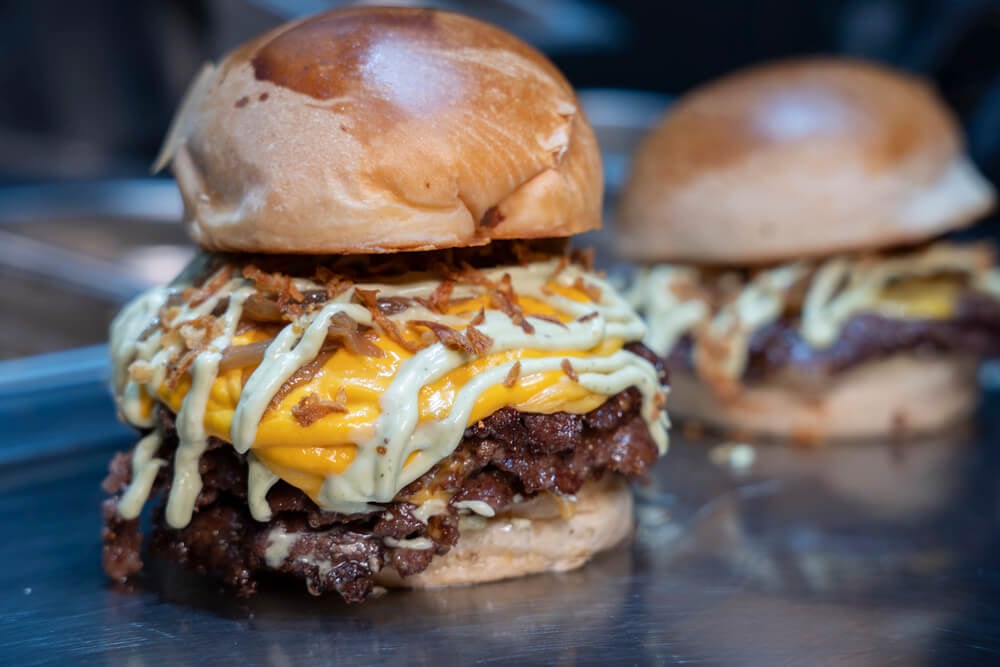
This 1980s burger was about as simple as a fast food creation could be: a beef patty with cheddar cheese sauce and grilled onions on a basic bun, representing the opposite end of the innovation spectrum from premium attempts. Its failure suggests that fast food customers don’t actually reward chains for removing ingredients or simplifying concepts; they reward consistency and value.
Basic doesn’t always win.
Taco Bell’s Enchirito
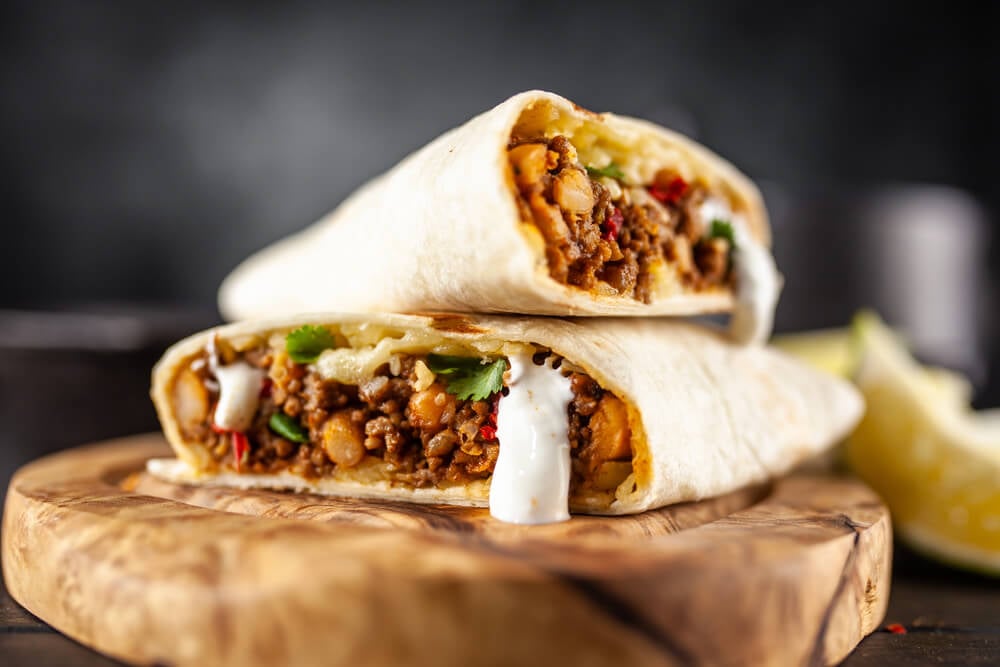
This hybrid creation combined taco seasoning with a hamburger bun foundation in an attempt to introduce Mexican flavors to Americans unfamiliar with Mexican cuisine, featuring seasoned ground beef, diced onions, lettuce, and mild sauce. Its redundancy grew obvious as Taco Bell itself expanded its core Mexican offerings, eventually rendering the bridge item unnecessary.
Sometimes products fail simply because they become irrelevant to their own brand evolution.
Burger King’s Back Porch Griller

This early 2000s creation represented Burger King’s failed attempt to achieve premium positioning during an identity crisis years, tied into the “Men in Black II” promotional campaign with $80 million in marketing support. The early 2000s were rough for Burger King, which had changed hands multiple times and desperately sought market relevance through upscale experimentation.
The film tie-in couldn’t salvage a burger that never clearly explained why customers should care.
McDonald’s Big Tasty
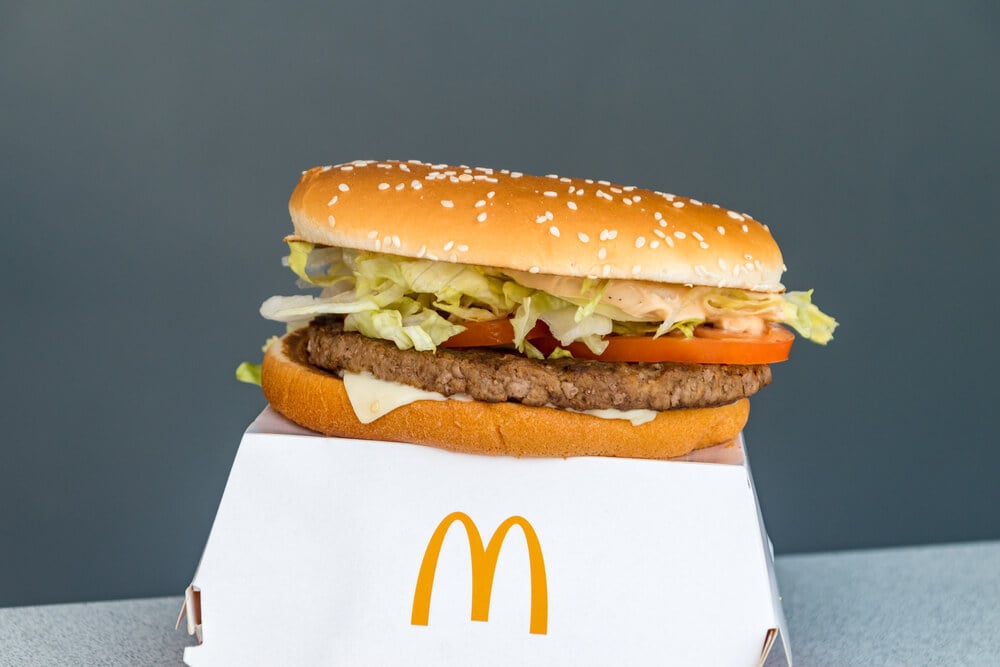
This premium burger concept attempted to offer something between basic menu items and the failed Arch Deluxe, featuring multiple toppings and premium positioning. Though it achieved moderate success in international markets, American McDonald’s locations never fully embraced the item, proving that the American fast food customer remained resistant to premiumization regardless of execution quality.
The lesson wasn’t about the burger; it was about customer expectations.
Wendy’s Bacon and Blue Burger
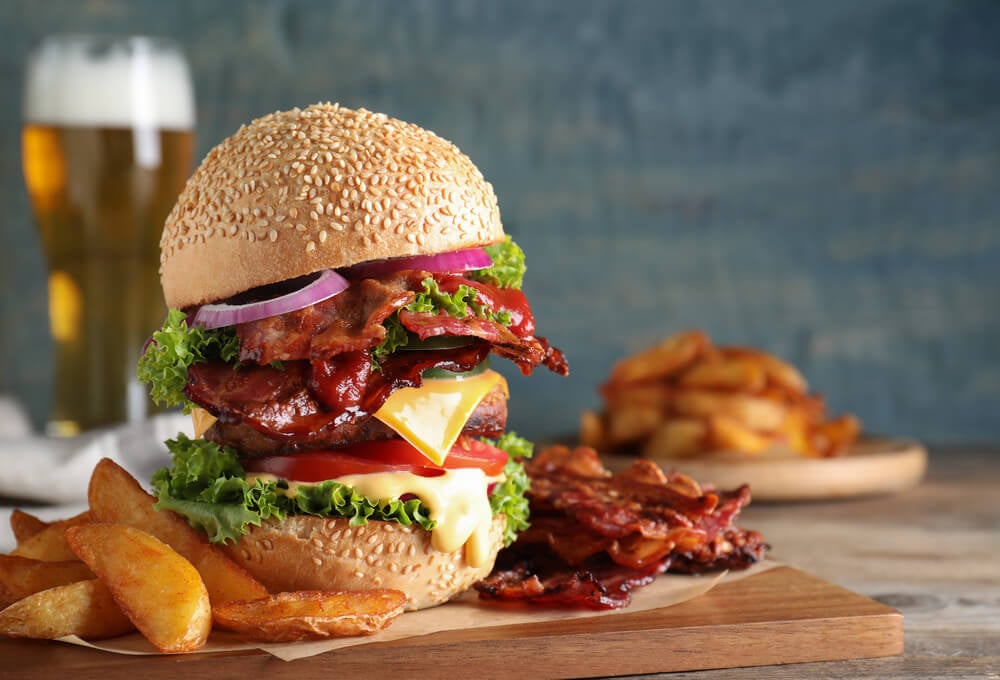
Introduced in 2010, this burger paired applewood smoked bacon with blue cheese alongside standard toppings like tomato and onions, representing a creative attempt at sophistication within the fast food context. Blue cheese at a burger chain felt philosophically out of step with the brand identity, and consumers rejected it despite celebration from food critics who appreciated the creativity.
Sometimes the right idea arrives at the wrong restaurant.
KFC’s Fried Chicken Littles
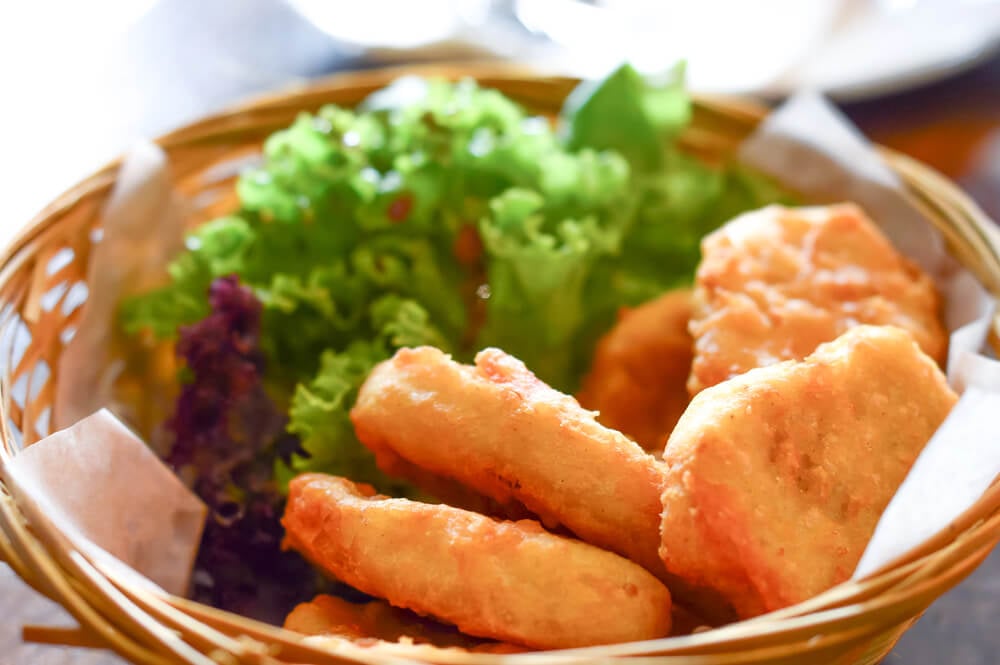
These bite-sized fried chicken pieces arrived during the chicken wing craze and offered convenience alongside familiar flavors, eventually phased out as boneless wings and tenders became more popular. The product represented a logical extension of KFC’s core offering, yet it disappeared as menu consolidation forced harder choices about which products justified shelf space.
Good products sometimes fail not from poor quality but from portfolio overcrowding.
Burger King’s Ch’King Sandwich
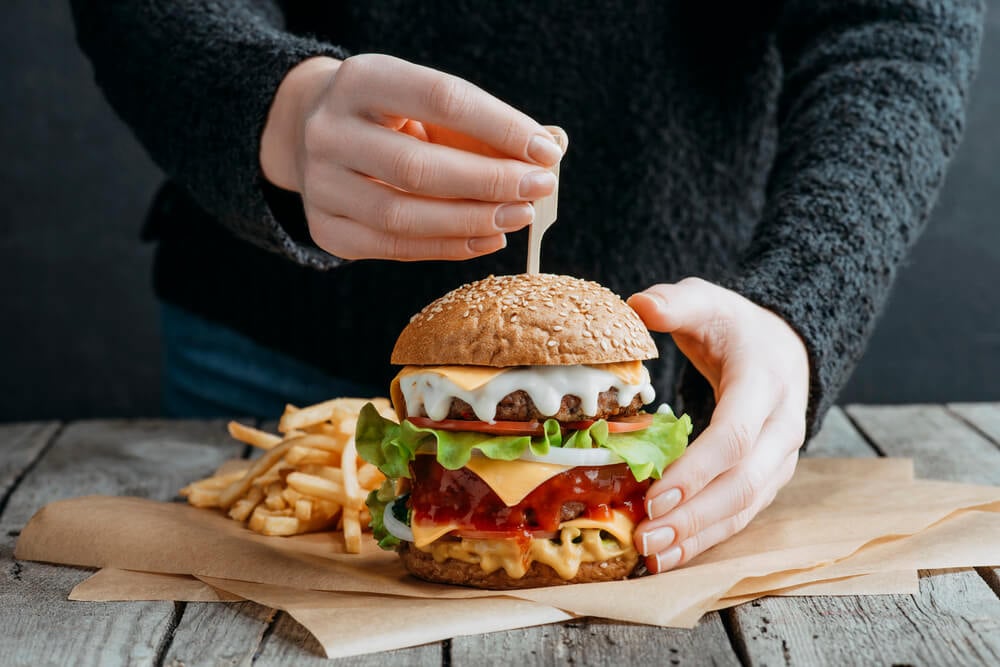
Launched with considerable fanfare, this hand-breaded chicken sandwich featured mustard, bacon, mayonnaise, and savory sauce before being removed in summer 2022 after just 15 months. The company’s president acknowledged it was “a great product that was difficult or challenging for teams to execute on,” with operational bottlenecks creating consistency issues.
Even well-intentioned products fail when they exceed the execution capacity of franchise networks.
McDonald’s Szechuan Sauce
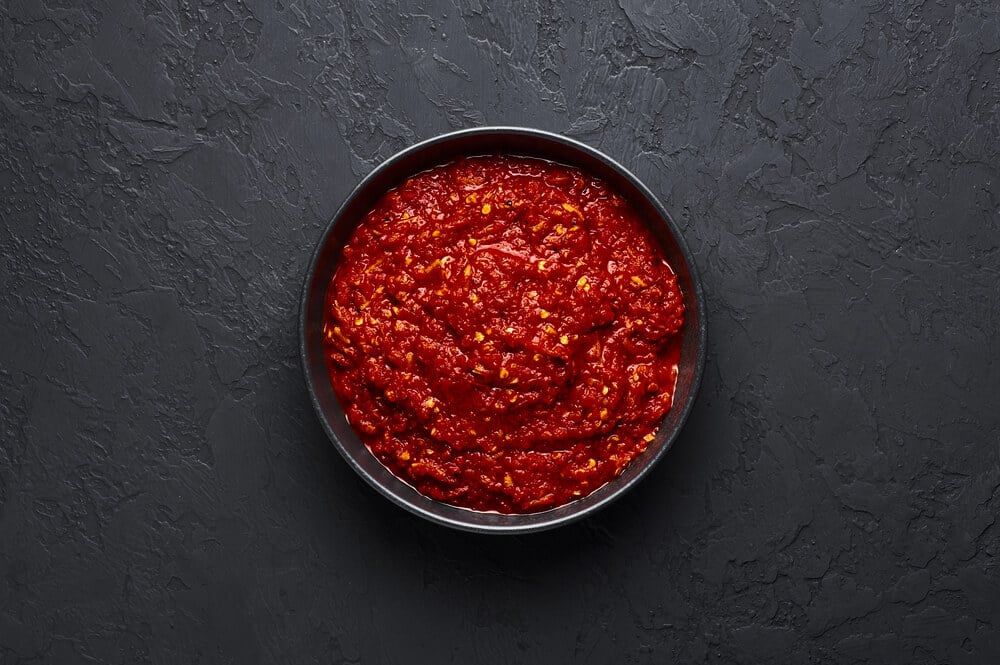
This 2017 disappearance sparked a petition with 45,000 signatures from devoted fans demanding its return, eventually leading to a limited-time 2022 reappearance that lasted only briefly. The fervent nostalgia demonstrated that sauces and condiments carry surprising emotional weight despite being accompaniments rather than main items.
Its return proved temporary, confirming that limited-time scarcity is now the standard business model.
Wendy’s Hot Honey Sauce
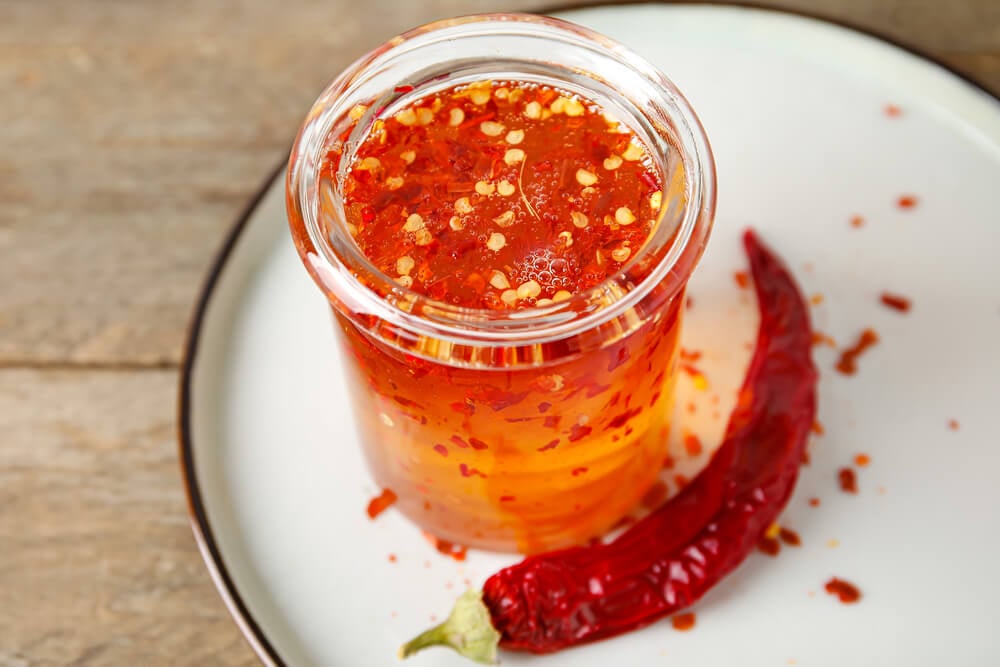
First appearing in February 2024, speculation about its discontinuation emerged within the same year as the chain made strategic sauce decisions based on usage data rather than customer affection. The surprise wasn’t the sauce’s quality but how quickly chain-wide decisions eliminate items that never achieved mainstream visibility.
Some products disappear before enough customers even know they existed.
Taco Bell’s Double Decker Taco
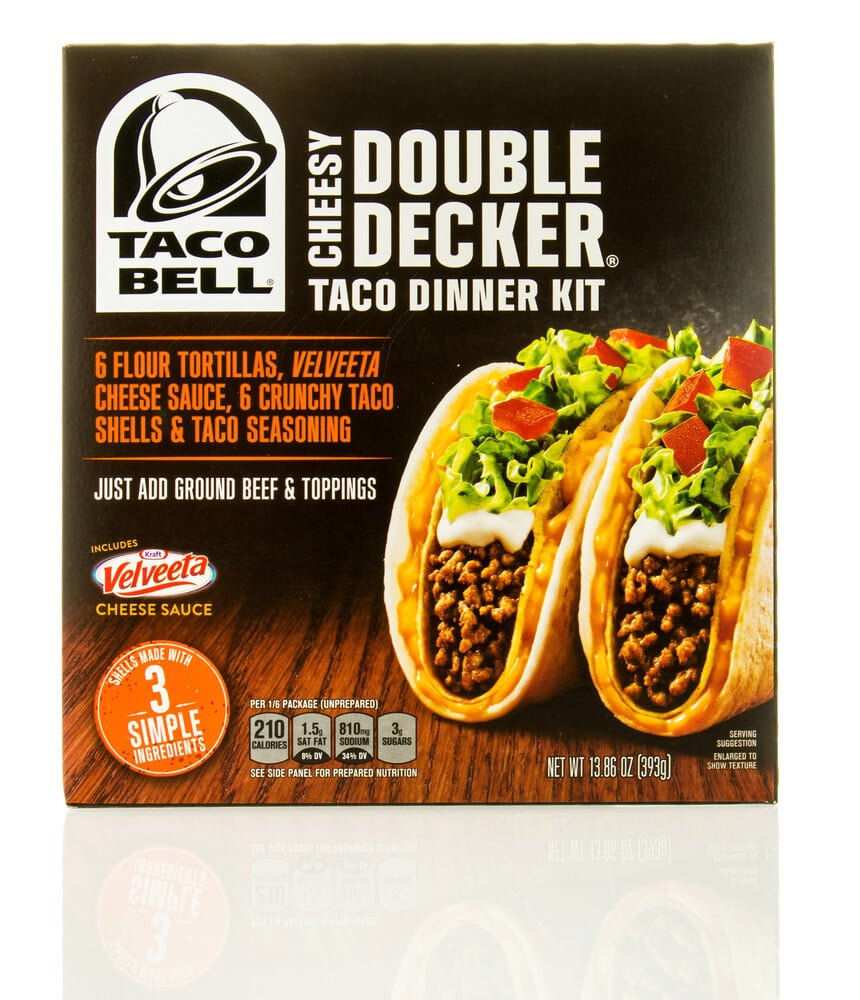
This tortilla shell wrapped around another taco created a satisfying structural novelty that appealed to customers seeking something more substantial and architecturally ambitious. Its occasional returns suggest that some discontinued products never truly die; they merely shift into limited-time rotation status, resurrecting whenever sales need quick boosts.
Nostalgia is now a reliable revenue lever for struggling quarters.
McDonald’s Lobster Roll
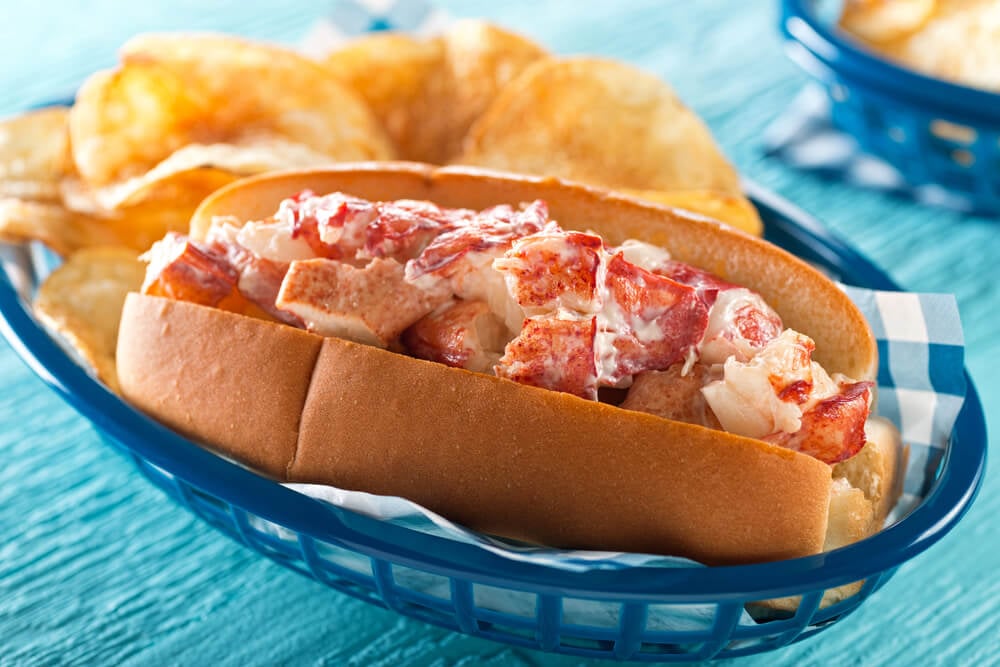
A New England-exclusive experiment in upscale seafood, this item briefly appeared in select Massachusetts and Maine locations as McDonald’s tested premium regional expansion. The fundamental mismatch—lobster at McDonald’s—created cognitive dissonance that prevented adoption even in markets where the ingredient was culturally relevant.
Sometimes the boldest experiments fail because they violate brand coherence too severely.
Wendy’s Loaded Nacho Cheeseburger
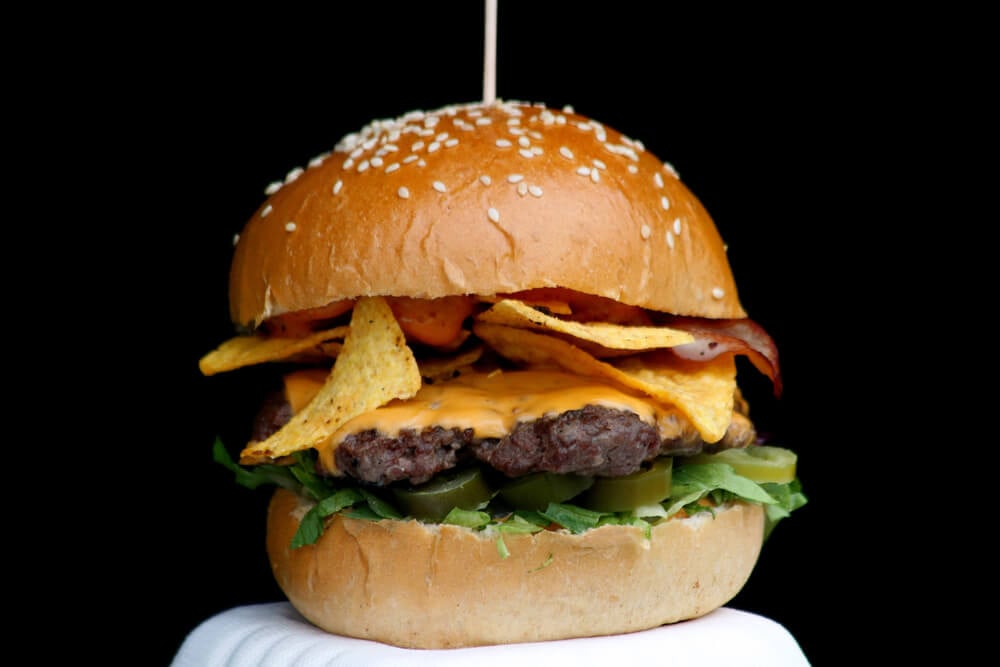
This burger lasted only about six months on menus, combining poblano queso, spicy chipotle sauce, and corn tortilla chips alongside tomato, lettuce, and American cheese in an architecturally unstable combination. The conceptual overload—attempting to merge Mexican and American fast food traditions in a single burger—created a product that couldn’t make a coherent argument for its existence.
Sometimes the most innovative ideas fail because nobody actually wanted them.
McDonald’s McPlant Sandwich
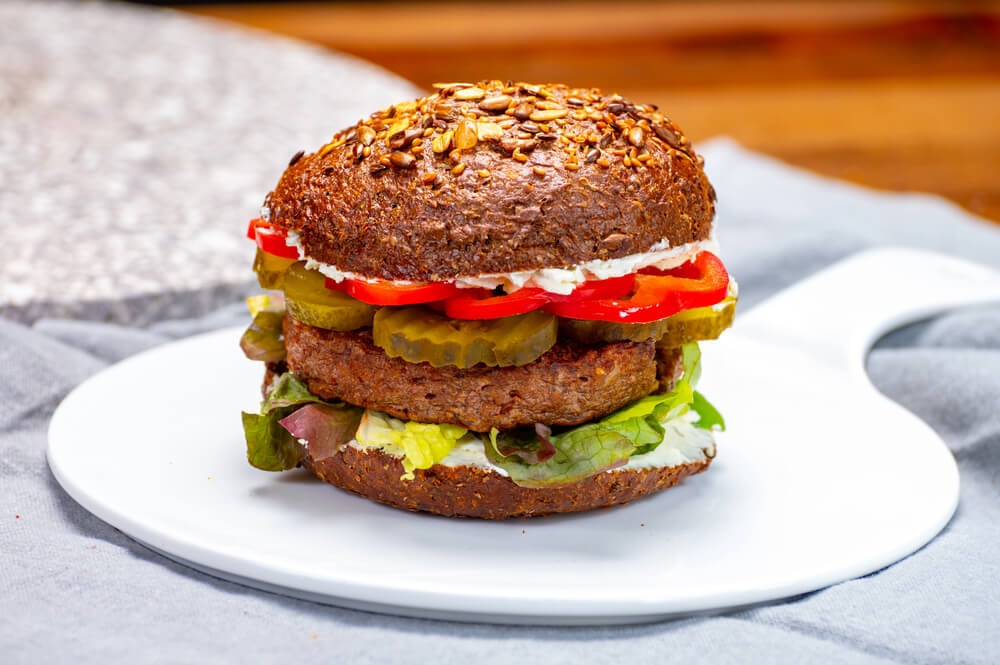
This plant-based burger was introduced as McDonald’s answer to the growing market for sustainable meat alternatives, featuring an Impossible Foods patty on a sesame seed bun. Despite massive marketing investment and restaurant staff training, it failed to achieve sales targets after the company spent $150 million on the initiative.
The failure revealed that consumers visiting fast food chains weren’t yet ready to abandon meat-based options, regardless of sustainability arguments.
When Nostalgia Becomes Scarcity
The pattern connecting these items reveals something essential about fast food culture: chains constantly experiment with expansion, and the market consistently rejects products that violate their core identity or exceed operational capacity. The difference between yesterday’s failures and today’s limited-time offerings is merely marketing framing; both disappear because they don’t fit sustainable business models.
What makes us mourn these foods isn’t their quality but the roads not taken—a simpler era when restaurants attempted permanent innovation rather than permanent rotation.
More from Go2Tutors!

- The Romanov Crown Jewels and Their Tragic Fate
- 13 Historical Mysteries That Science Still Can’t Solve
- Famous Hoaxes That Fooled the World for Years
- 15 Child Stars with Tragic Adult Lives
- 16 Famous Jewelry Pieces in History
Like Go2Tutors’s content? Follow us on MSN.



