23 Wildlife Species Saved by Last-Minute Conservation Efforts
Some species stared extinction directly in the face—they were counted in double or even single digits—and survived only because dedicated people refused to accept their disappearance. These 23 species represent the razor’s edge between extinction and survival, where a few committed conservationists made the difference between a species and a ghost.
The Arabian Oryx
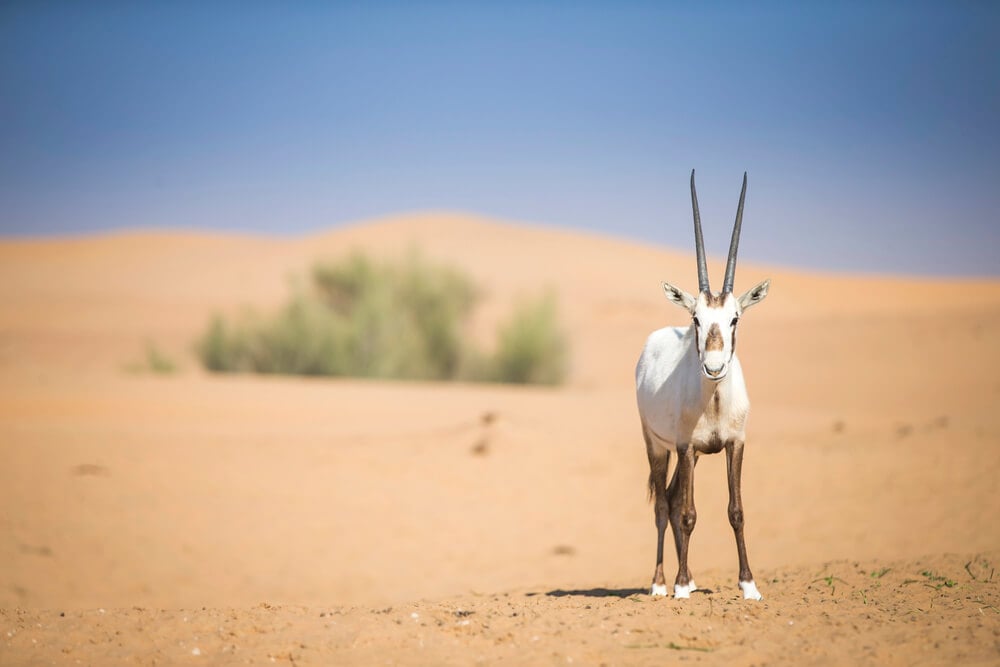
The Arabian oryx was hunted to extinction in the wild by 1972, with fewer than 10 individuals surviving in zoos and private collections. “Operation Oryx,” an international captive breeding program, reintroduced the species to protected reserves across the Arabian Peninsula, and roughly 1,000 now live in the wild.
The California Condor
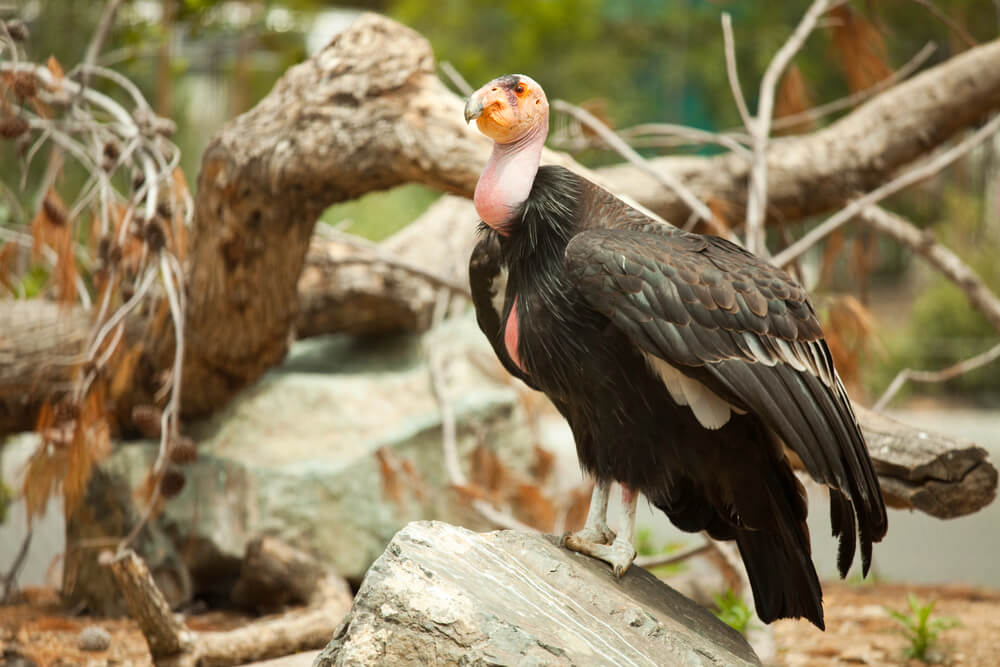
With only 27 birds remaining in 1987, the entire remaining population was captured for a last-ditch captive breeding program. Today, over 500 California condors exist, with about half living in the wild—making it one of the most dramatic comebacks in conservation history.
The Arabian Gazelle
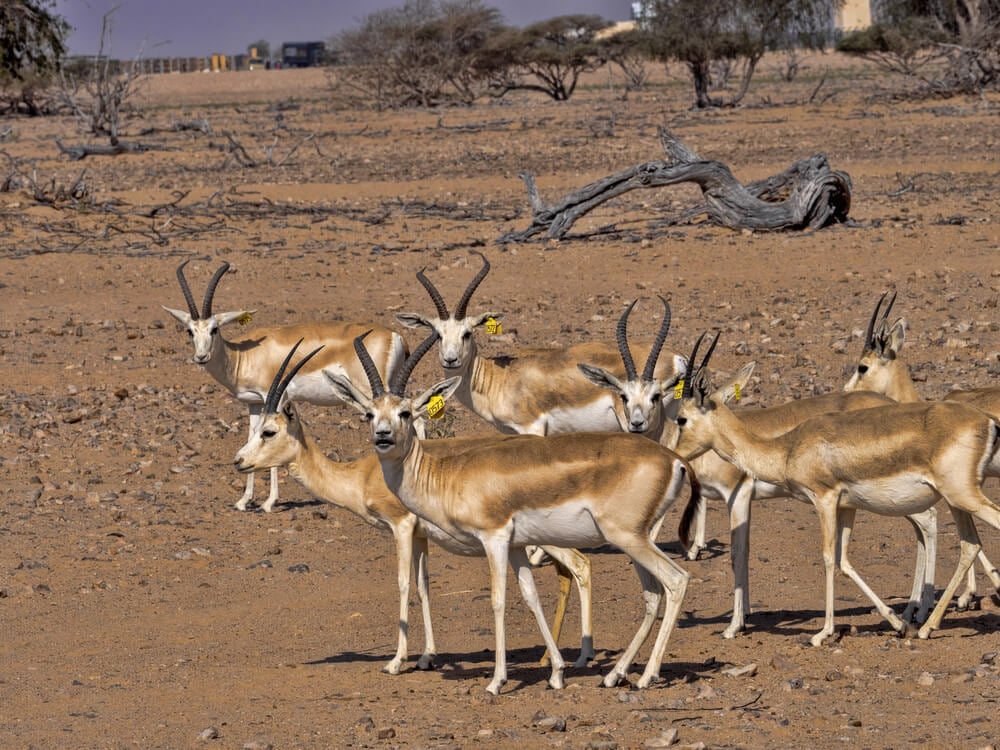
Hunted to near-extinction for sport, the Arabian gazelle population dropped below 100 individuals by the 1970s. Intensive protection and reintroduction efforts have rebuilt the population to roughly 1,000 animals across protected reserves.
The Black-Footed Ferret
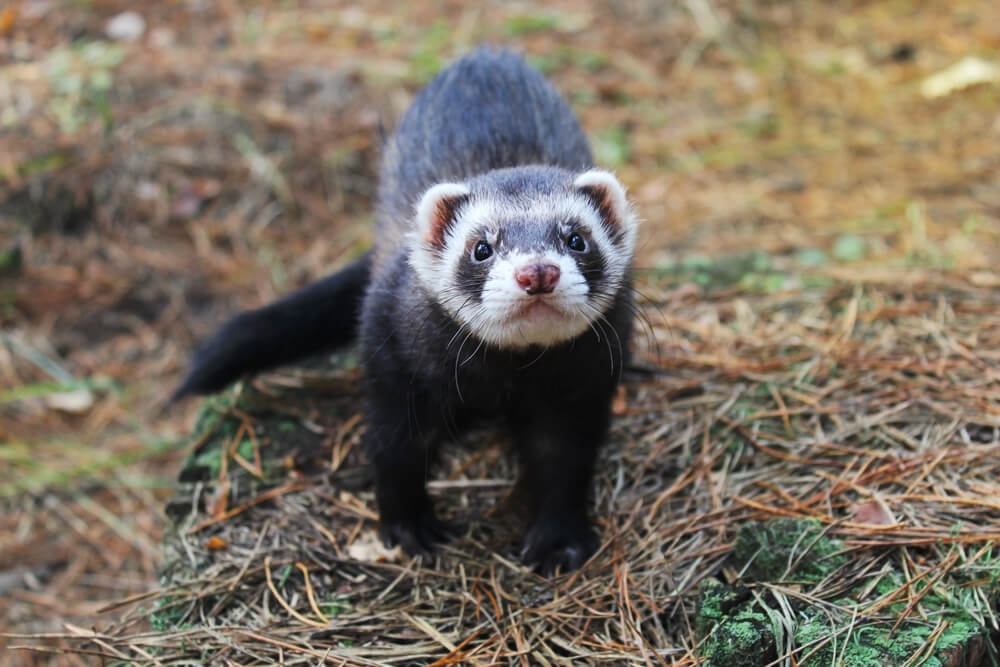
Black-footed ferrets were thought to be completely extinct until a small population of 18 individuals was discovered in Wyoming in 1981. Captive breeding has since rebuilt the population, though fewer than 400 remain in the wild.
The Mauritius Kestrel
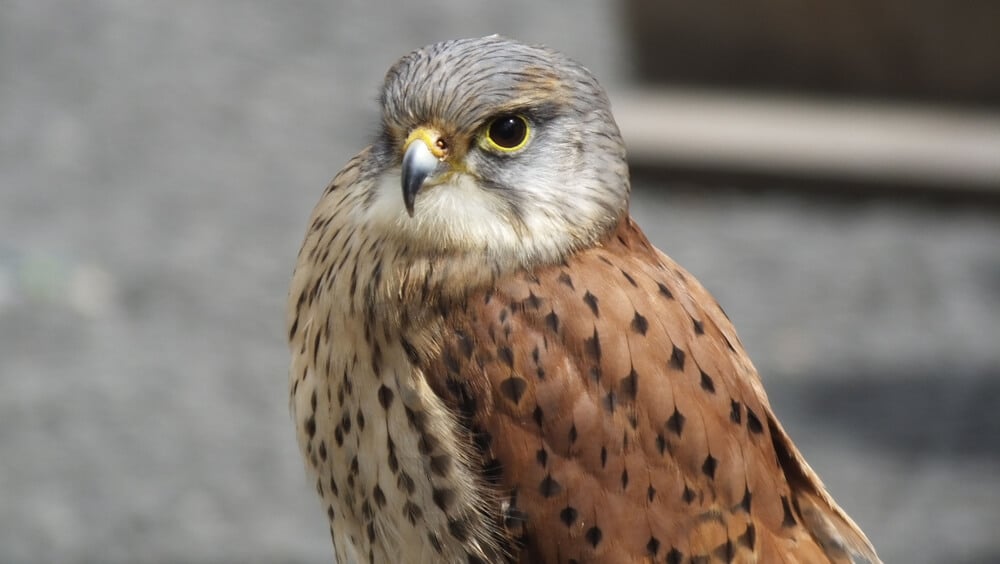
This small falcon was down to just four individuals in 1974, the smallest population ever recorded for a bird species. Through intensive captive breeding and nest protection, the population rebounded to around 300-400 birds.
The Arabian Tahr
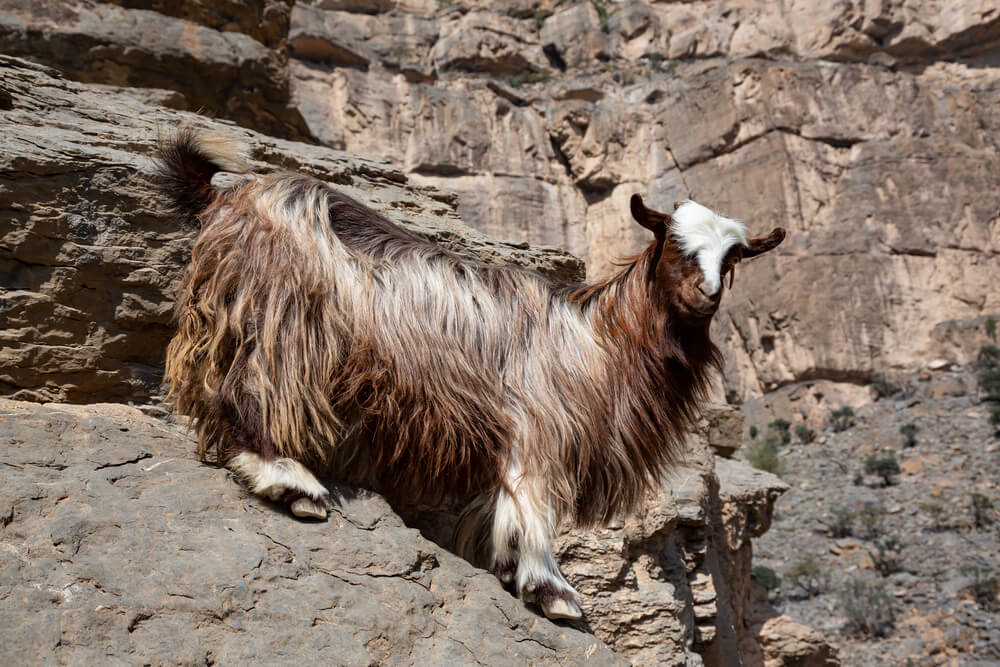
A wild goat species native to Oman, the Arabian tahr was hunted so intensively that only about 400 individuals remained by the 1990s. Protection and breeding programs have increased the population to roughly 2,000 animals.
The Père David’s Deer
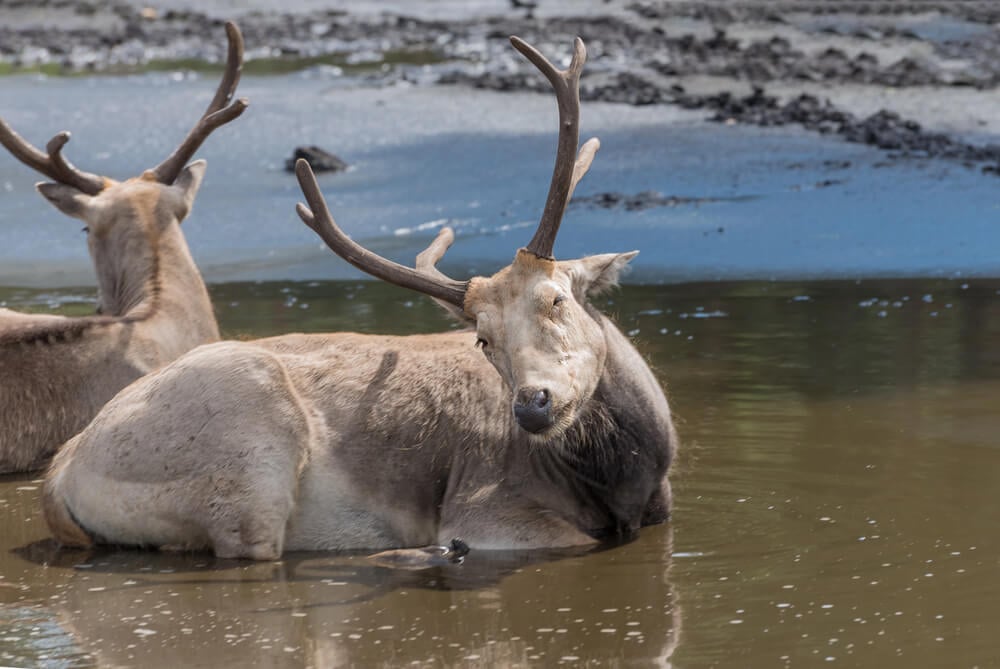
This deer species was extinct in the wild by 1900, surviving only in a Chinese imperial hunting park. When that park was destroyed during revolution, European zoos became the sole repository of the species until reintroduction programs restored it to Chinese wetlands.
The Red Wolf
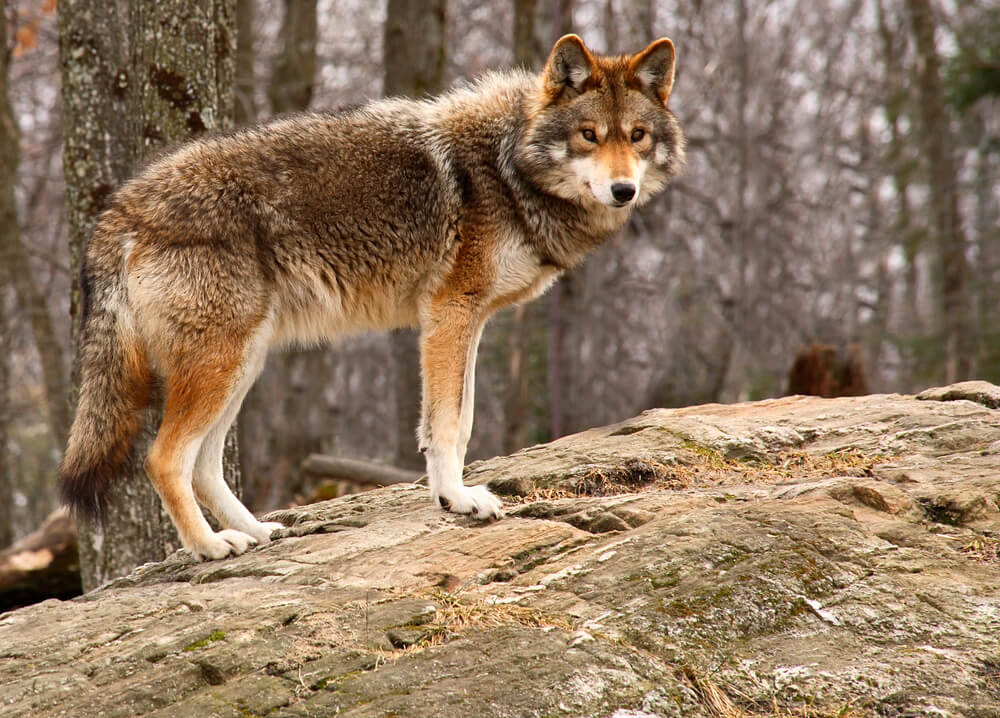
Red wolves were hunted to near-extinction, with only 14 individuals remaining in the wild by 1980. The U.S. Fish and Wildlife Service captured the remaining wolves for breeding, and roughly 300 now live in protected reintroduction areas.
The Mountain Gorilla
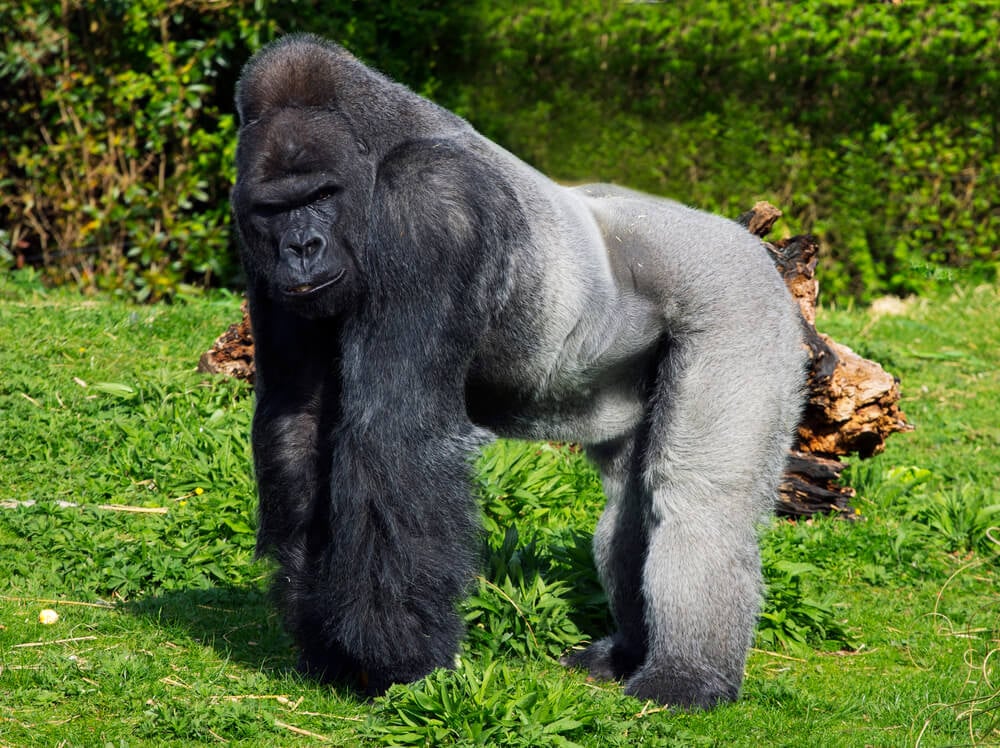
Mountain gorillas faced extinction from poaching and habitat loss, with the population dropping to roughly 250 individuals by the 1980s. Anti-poaching efforts and habitat protection in Rwanda, Uganda, and the Democratic Republic of Congo have increased the population to over 1,000.
The Indian Rhinoceros
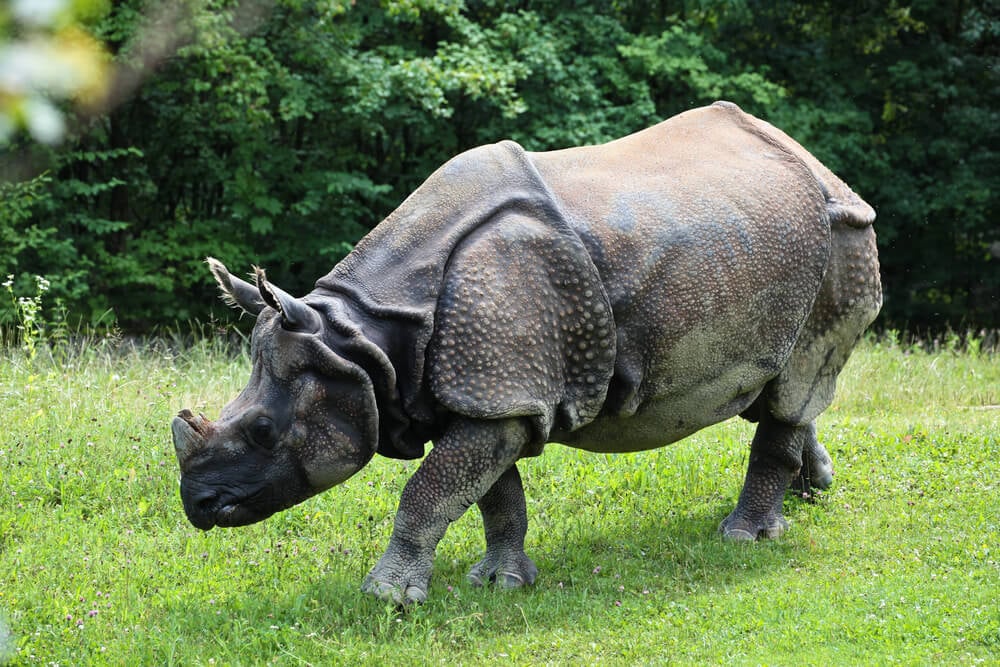
Relentless poaching reduced the Indian rhino population to fewer than 50 individuals by 1900. Protection of Kaziranga National Park and strict anti-poaching measures have increased the population to over 3,500, though poaching remains an ongoing threat.
The Arabian Leopard
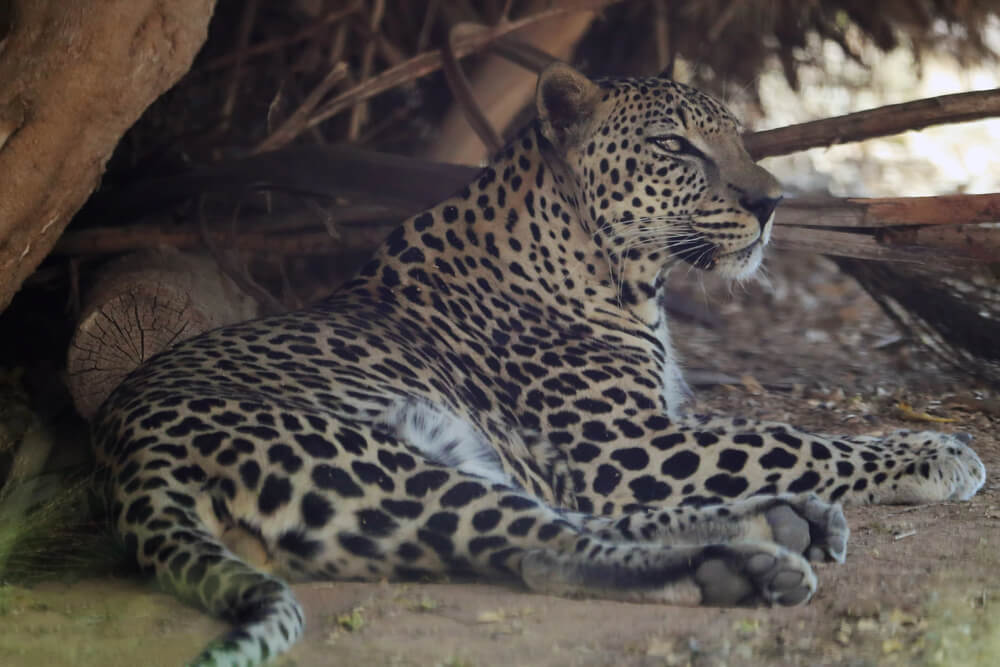
The Arabian leopard population was nearly wiped out across the Arabian Peninsula, with fewer than 50 individuals estimated to remain. A Saudi Arabian breeding program and habitat protection efforts have stabilized the population at around 200-250 animals.
The Hainan Dolphin
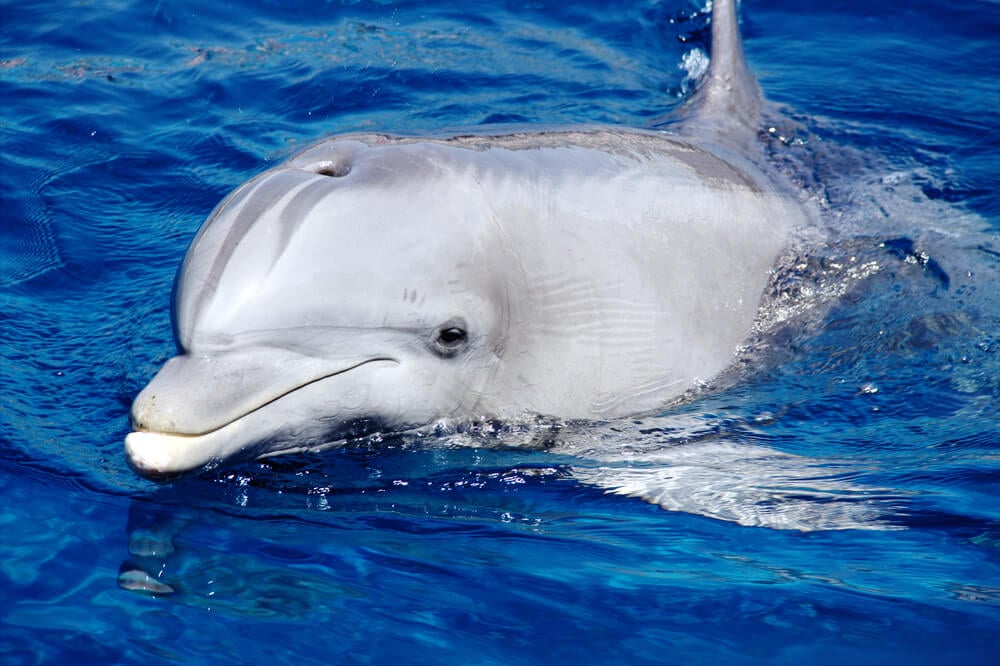
This critically endangered dolphin species, found only in waters off Hainan Island, China, is down to fewer than 100 individuals. Last-minute marine reserve designations are the only hope for preventing its extinction within the next decade.
The European Mink
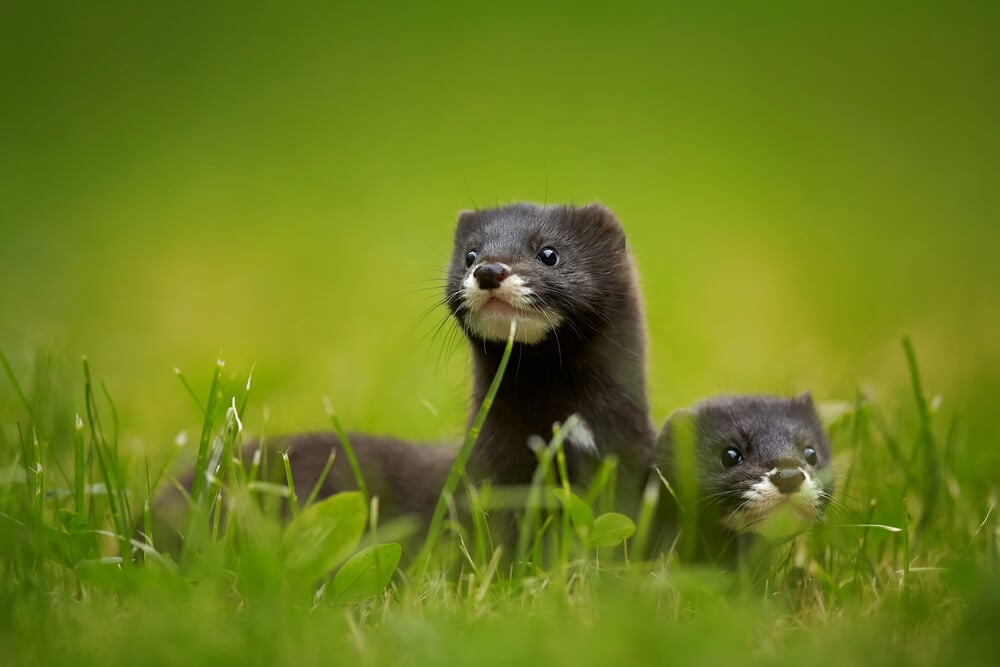
The European mink was hunted to near-extinction for its fur, with populations collapsing across most of its range. Captive breeding programs and habitat restoration in Russia and Eastern Europe have established small wild populations, though the species remains critically endangered.
The Arabian Horse
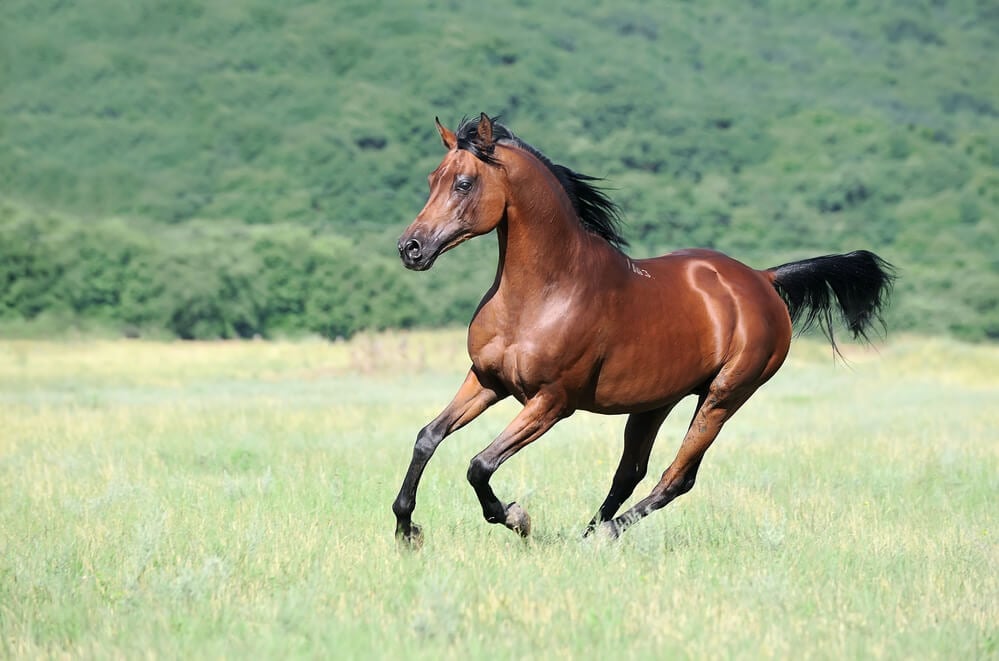
Though not wild, the Arabian horse was preserved from complete destruction during Bedouin conflicts by a handful of dedicated breeders who maintained pure bloodlines. Modern Arabian horses trace back to these handful of survivors.
The Mauritius Pink Pigeon
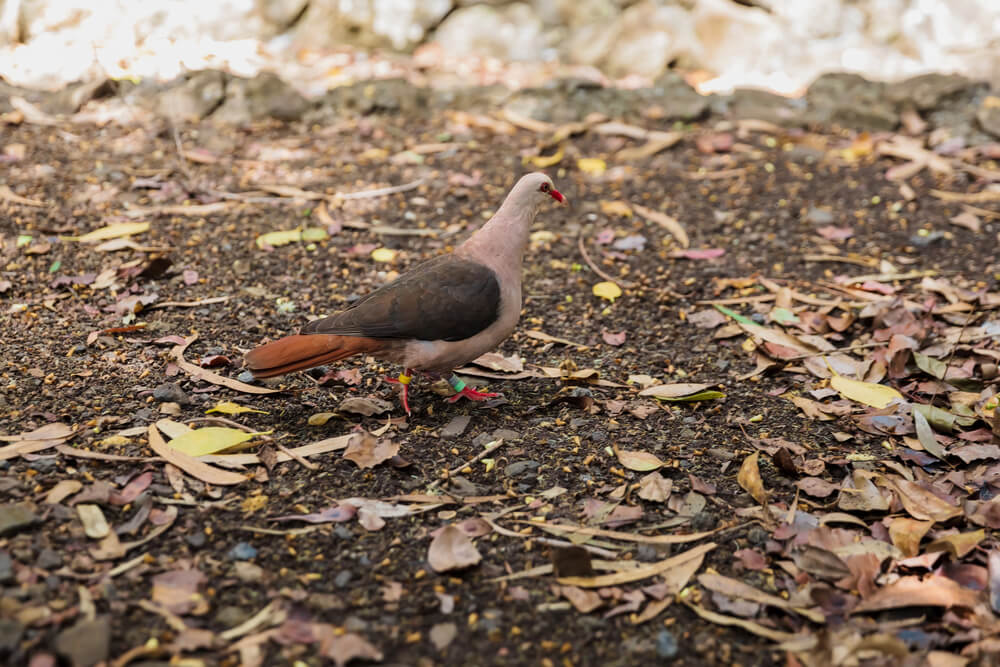
Down to just four individuals in a zoo in 1974, this pigeon species was brought back through captive breeding to roughly 400 birds in the wild. It remains one of the world’s rarest birds.
The Southern White Rhinoceros
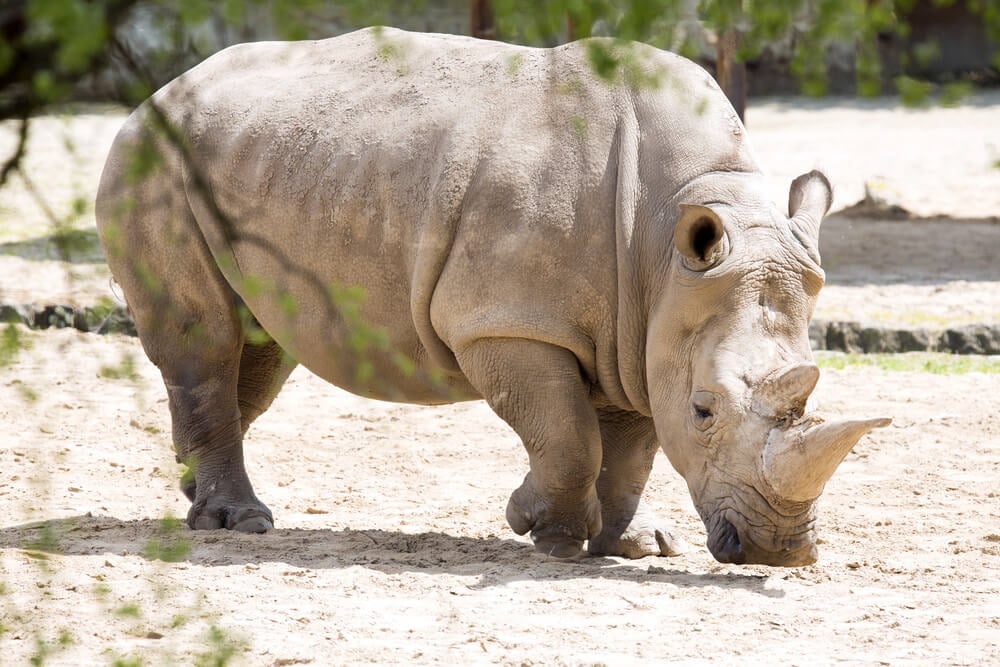
The southern white rhino population was hunted to just a few hundred by the 1890s but was protected strictly enough to rebound to nearly 20,000 by 2015. Poaching in recent years has devastated the population again, but early conservation efforts proved the species could recover.
The Bactrian Camel
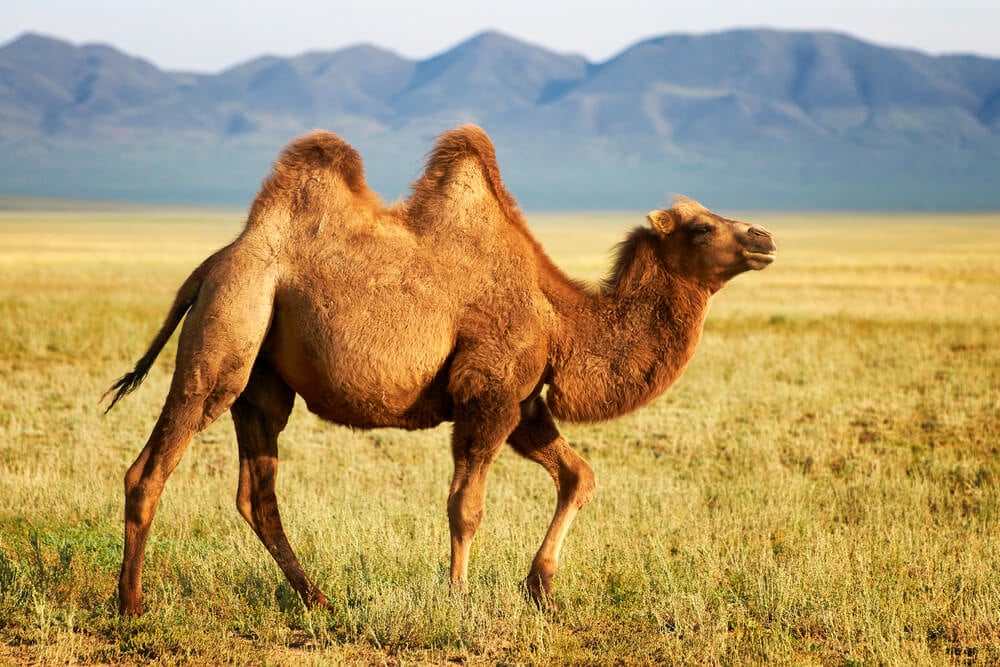
Wild Bactrian camels were hunted to fewer than 1,000 individuals across remote deserts of Mongolia and China. Protection of their habitat in the Gobi Desert has stabilized the population at around 1,400 animals.
The Orinoco Crocodile
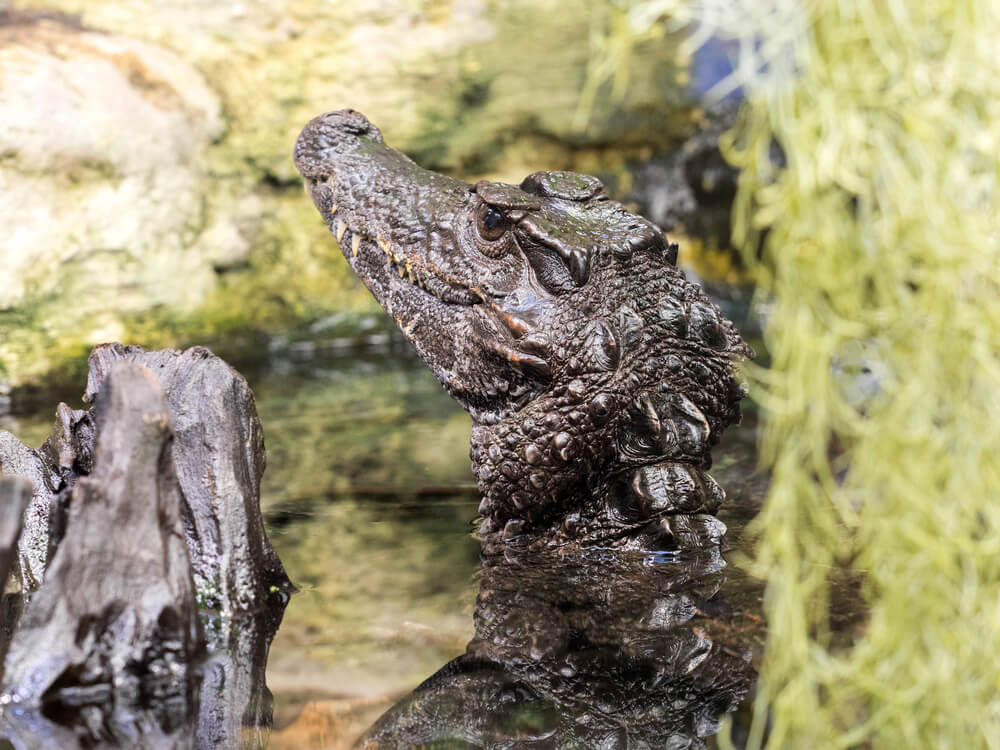
This South American crocodile was hunted almost to extinction for its hide, dropping to fewer than 100 individuals by the 1970s. Breeding programs and legal protection have increased the population to roughly 1,500 wild animals.
The Philippine Eagle
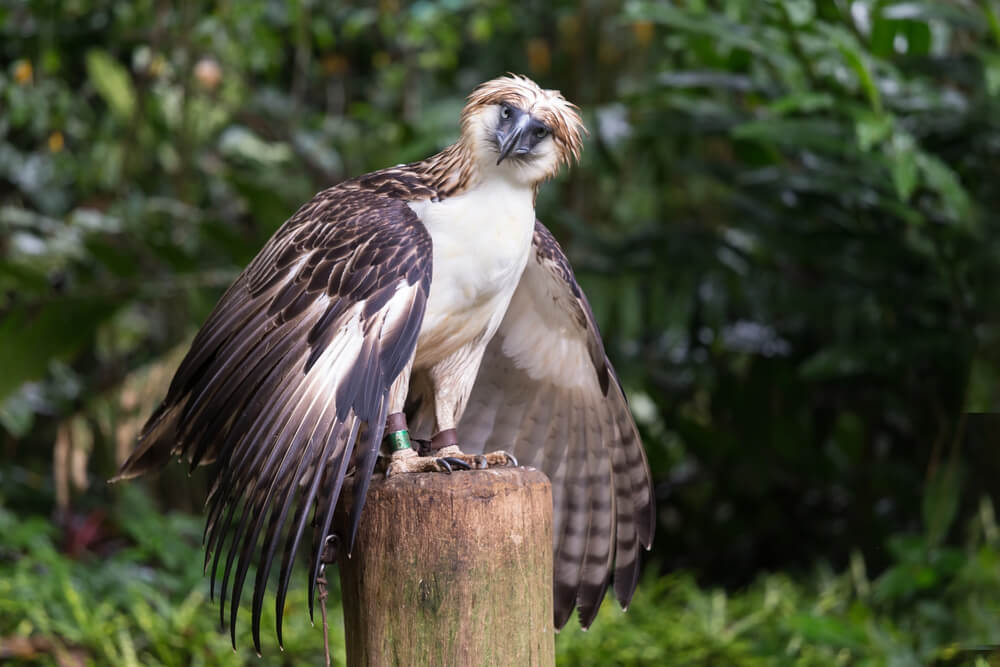
With only a few hundred individuals remaining due to deforestation and hunting, the Philippine eagle is the national bird of the Philippines and protected with severe penalties for poaching. The population remains precarious at around 400-650 birds.
The Kilim Frog

This Malaysian frog species was thought to be extinct until rediscovered in 2012 after 34 years of no sightings. Habitat protection efforts are underway to prevent its extinction again.
The Kakapo
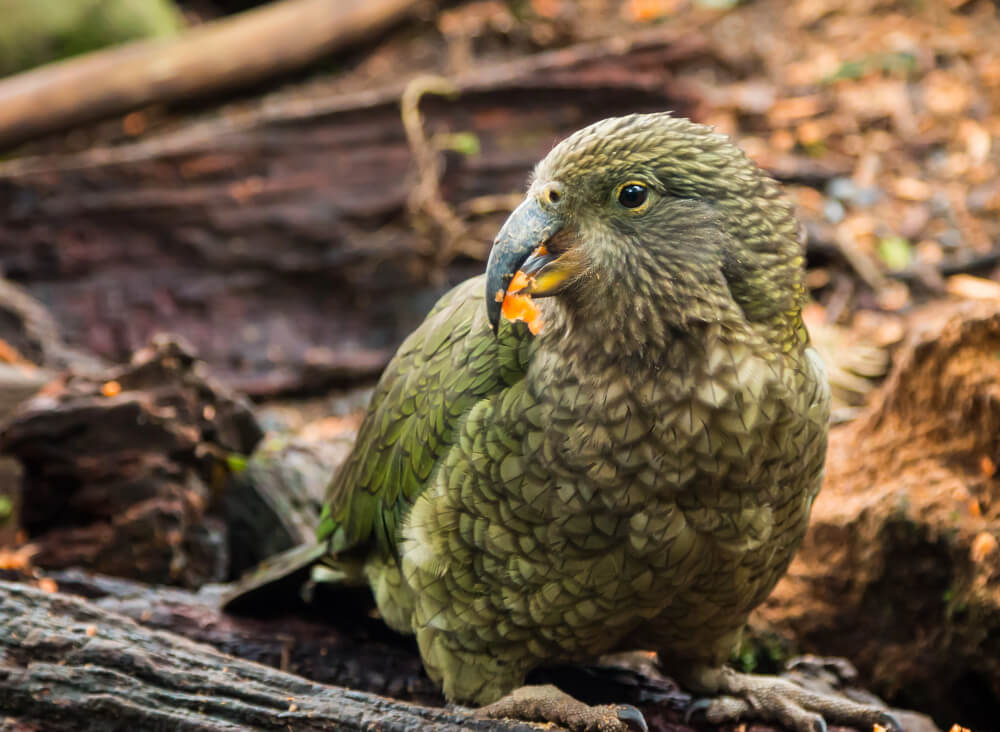
A flightless New Zealand parrot, the kakapo was down to 50 individuals by 1995. Intensive captive breeding and predator control on protected islands has increased the population to roughly 250 birds, but it remains one of the world’s rarest birds.
The Amur Leopard
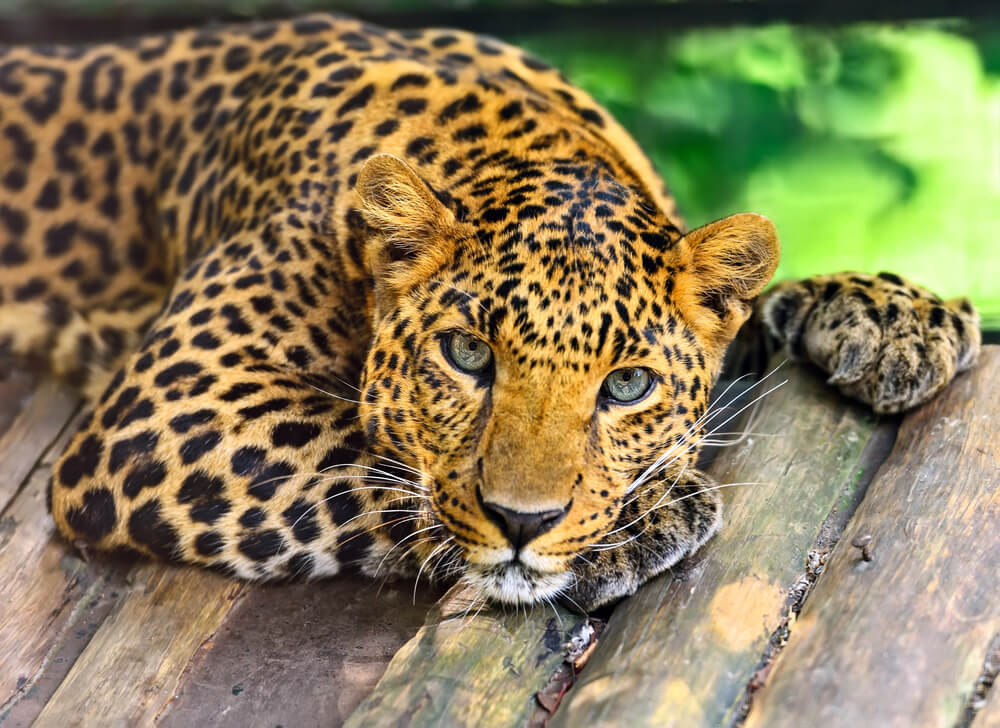
This critically endangered Far Eastern leopard subspecies was down to fewer than 30 individuals in the wild by the 1970s. Captive breeding programs in Russia and zoos worldwide have increased the population to roughly 90-110 individuals, with a small but growing wild population.
The Black Rhinoceros
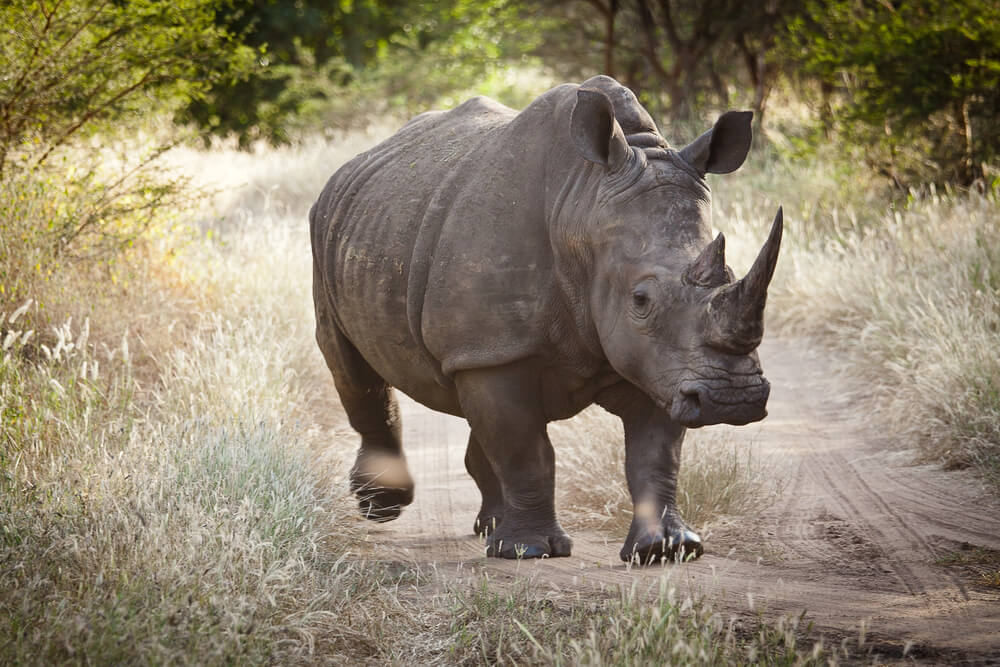
Poaching reduced black rhinos from 65,000 in 1970 to just 2,300 by 1993. Intensive protection efforts have stabilized the population at around 5,000 individuals, though poaching remains a constant threat.
The Razor’s Edge Never Dulls
These 23 species represent more than successful examples of species recovery. They represent proof that extinction is not inevitable once a species falls to critical numbers.
They demonstrate that dedication, investment, and political will can reverse what seemed irreversible. Yet they also stand as warnings: every recovery success required enormous effort and expense.
For every species saved at the last moment, countless others disappeared before anyone cared enough to intervene. The species that survived did so not because they were more valuable or more worthy, but because someone—a scientist, a conservationist, a government official—refused to accept their loss.
More from Go2Tutors!

- The Romanov Crown Jewels and Their Tragic Fate
- 13 Historical Mysteries That Science Still Can’t Solve
- Famous Hoaxes That Fooled the World for Years
- 15 Child Stars with Tragic Adult Lives
- 16 Famous Jewelry Pieces in History
Like Go2Tutors’s content? Follow us on MSN.



