Classic Commercials From the 80s We Love
There was something different about TV commercials in the 80s. They didn’t just sell things — they got stuck in your head, showed up in your conversations, and somehow became part of the decade itself.
You didn’t need to be in the market for a burger or a personal computer to remember exactly how those ads made you feel. Decades later, people who grew up watching them can still recite the slogans word for word.
Here’s a look at some of the best ones.
“Where’s The Beef?” — Wendy’s (1984)
At 81, Clara Peller suddenly appeared everywhere commercials played. A quick look at another chain’s burger led her to lift the top bun – then came the rough question about missing meat.
That phrase spread faster than anyone expected. During the 1984 Democratic race, Walter Mondale tossed it right back at Gary Hart.
Even leaders started echoing slogans made for lunch deals.
Apple’s 1984 Macintosh Launch
Once shown just nationally, during Super Bowl XVIII, this spot sparked endless chatter back then. A solitary woman races forward, filmed by Ridley Scott, smashing a massive screen where a controlling voice drones on – IBM stood behind that image, along with rigid tech norms.
The Macintosh arrived as disruption itself. Little detail emerged about how the machine worked, which missed nothing.
Choosing a gadget suddenly carried weight, like pushing back against the grain.
Joe Isuzu – Isuzu 1986–1990

Joe Isuzu, brought to life by David Leisure, grinned like he meant every wild word. A character hawking Isuzus with jaw-dropping boasts – ninety-four miles per gallon, he’d say, eyes wide.
Right beneath him, words flashed: He is lying. That little line undercut his whole act, instantly.
Most ads back then played things straight, never admitting tricks. But here? The brand laughed at its own pitchman.
Selling cars by mocking how they were sold – that twist caught people off guard. And somehow, it clicked.
Not because it shouted benefits, but because it winked instead.
This Is Your Brain On Drugs

A single egg hits the hot surface. Sizzling fills the silence.
A calm voice speaks. It compares the egg to a mind touched by substances.
Then comes the line – short, sharp. No explanation follows.
Just that image burned into memory. Heat changes everything.
Strange as it sounds, sticking around in jokes counts as winning some kind of cultural staying power. That ad might not have stopped every user – debates still pop up – yet somehow it burned its way deep into how America remembers things.
A weird victory, maybe, though definitely a lasting one.
Mikey Likes It — Life Cereal
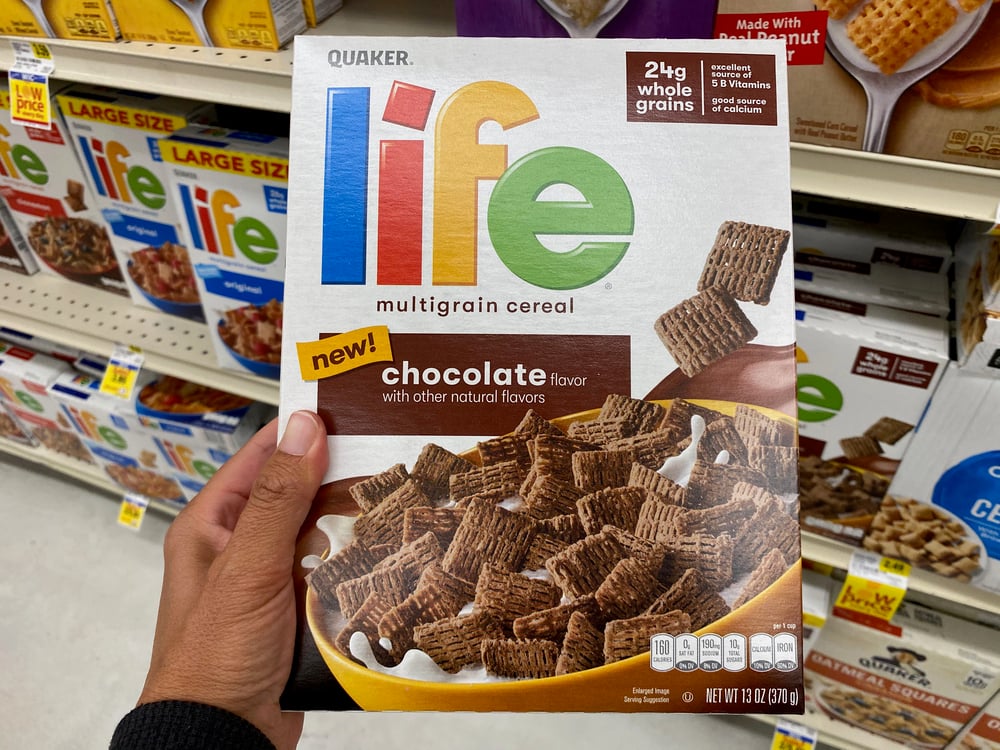
Technically this ad originated in the early 70s, but it ran steadily through the 80s and that’s when most people encountered it. Two brothers debate whether to try a new cereal, then decide to let their little brother Mikey taste it first, since he hates everything.
When Mikey eats it enthusiastically, they can’t believe it. The whole ad turns on a kid’s genuine reaction, which is exactly why it felt real.
John Gilchrist, the boy who played Mikey, spent years of his adult life correcting a persistent urban legend about what supposedly happened to him, which is its own kind of fame.
The California Raisins (1986)
The California Raisin Advisory Board needed to make dried grapes seem interesting. Their solution was to animate raisins as R&B musicians, have them perform “I Heard It Through the Grapevine,” and let the claymation do the rest.
It worked so well that the California Raisins became a franchise — there were plush toys, Saturday morning specials, and a video game. A marketing campaign for an agricultural commodity turned into a pop culture phenomenon.
That doesn’t happen often.
Pepsi And Michael Jackson (1984)
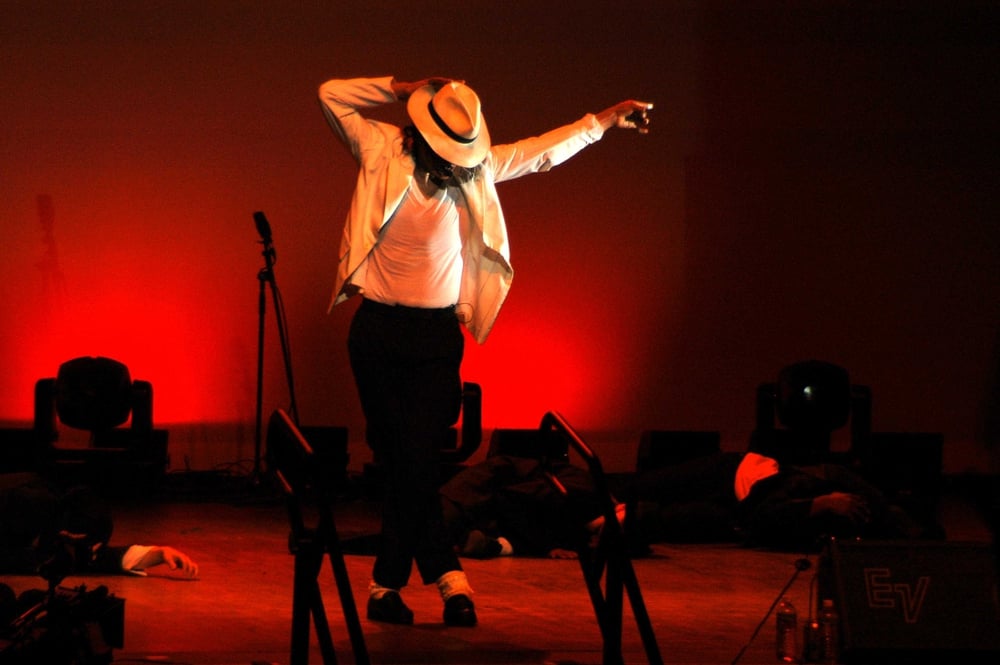
The Pepsi commercials Michael Jackson filmed in 1984 were treated less like ads and more like events. When the first spot aired, people gathered to watch it together.
The campaign coincided with the peak of Thriller’s cultural dominance, so having Jackson lip-sync to a modified version of “Billie Jean” felt genuinely exciting in a way that’s hard to replicate now. The behind-the-scenes story, where his hair caught fire during filming, also became part of the commercial’s permanent history.
Spuds MacKenzie — Bud Light (1987)

Spuds was a bull terrier in sunglasses who partied with beautiful women and made Bud Light look like the coolest thing in the room. He was introduced during Super Bowl XXI and became so popular that Anheuser-Busch couldn’t keep up with merchandise demand.
The character eventually drew criticism for appealing to kids, which contributed to his retirement. But during his brief run, Spuds MacKenzie was genuinely everywhere, which says something about how powerful a good mascot could be in the pre-internet era.
Bartles & Jaymes Wine Coolers (1985–1991)

Frank Bartles and Ed Jaymes were two fictional old men who sat on a porch and pitched wine coolers with complete deadpan sincerity. Every commercial ended with Frank thanking viewers for their support.
They were played by actual actors but felt completely real — slow-talking, unhurried, and utterly unbothered by the pressure to be interesting. The campaign ran for years and helped make wine coolers a defining drink of the decade.
“I’ve Fallen And I Can’t Get Up” — LifeCall (1989)
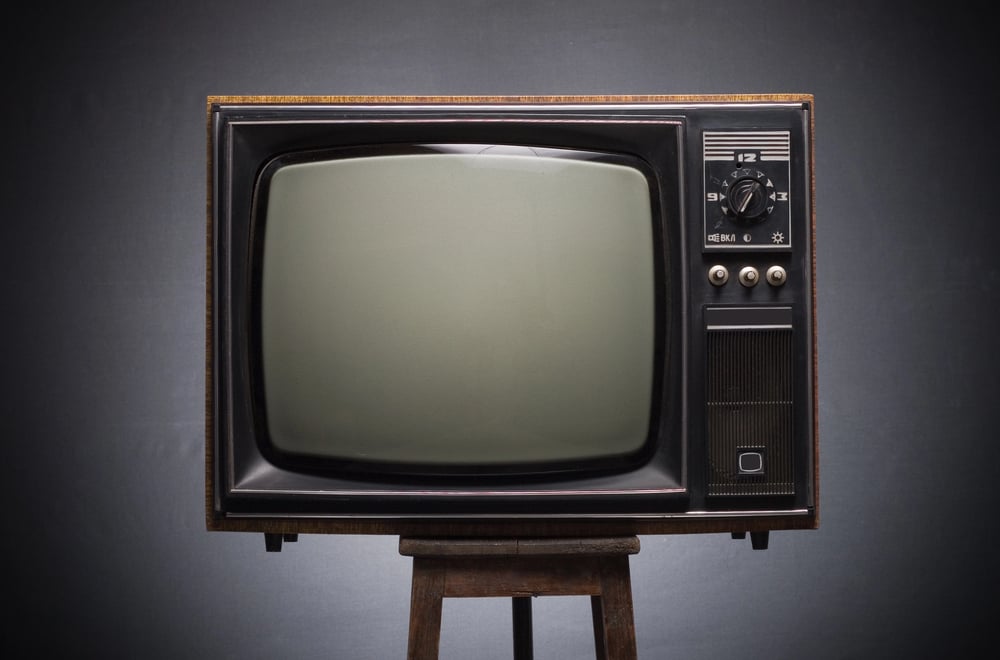
A shaky start turned oddly famous. An older lady tumbles inside her house, hits a signal device, aid arrives quickly.
Plain facts, meant well, showing how something actually works when someone is stuck. Yet one phrase – “I’ve fallen and I can’t get up” – caught attention far beyond its intent.
Late eighties through early nineties, it echoed everywhere, twisted for laughs. Unkind? Maybe.
The system functioned exactly as promised. Still, the words slipped loose from context, repeated without care.
Over time, the company stopped resisting. They let the fame run its course, shaping their presence around the noise.
McDonald’s Mac Tonight 1986
Midnight glows behind a curved moon, tipping his hat low. He strums keys on a polished piano while humming that maybe tonight should belong to you.
Smooth notes drift through air thick with neon haze – this figure once slipped into McDonald’s ads when streets grew quiet. Jazz curled around each word he sang, soft yet sharp like a well-pressed suit.
Years passed. Then screens flickered anew with clips dug from old tapes.
Laughter rose online, memes reviving what time nearly forgot. Odd fate for someone paid to sell burgers under streetlights – but right somehow, outliving scripts and soundstages.
“I Want My MTV” (1981–Throughout The 80s)
Even if not selling anything outside itself, this still fits. Stars stared straight at viewers, shouting about needing MTV.
Those moments became short breaks between songs, repeated again and again through the years. Names like Mick Jagger, Pete Townshend, Sting, Pat Benatar – each one joined in.
It stuck because tuning in felt less like watching TV, more like being part of a crowd. TV didn’t just play in the background.
It pulsed through a crowd who craved MTV like oxygen.
Energizer Bunny (1988)
A strange little scene unfolded when a rosy-colored rabbit appeared out of nowhere, thumping a bass drum during someone else’s ad. It didn’t ask permission – just barged in, then marched forward without pause.
On and on it went, never slowing, never speaking. What made it funny wasn’t the costume or music – it was how it twisted the rules of ads by mocking their own form.
Over years of back-and-forth between two battery brands, people got tangled trying to recall who started what. Despite the mix-up, only one hopped into public memory – the Energizer version, now stuck in our minds as the endless walker.
Mean Joe Greene Coke Ad 1979

Something broadcast just before the decade flipped ended up shaping ads that came after. Through a dim hallway walks football player Mean Joe Greene, looking sore.
From nowhere appears a small fan holding out a soda. He takes it, sips slow, stays quiet like he’s thinking hard.
Then without warning, off comes his jersey flying toward the kid along with two words: “Hey kid – catch.” Short scene.
Big feeling. Still works even now.
Got trophies later. Copied by others too many times to count.
Proof sometimes less really is more when selling something.
The Jingles That Never Left

Long after their time on TV, those 80s jingles refuse to leave our minds. Take “Gimme a break…” – once heard, never fully gone.
Then there’s the Oscar Mayer tune about bologna, silly yet unforgettable. Or how about being stuck on Band-Aid because it’s stuck on you?
Not merely sticky tunes – these were built like mental traps. Writers treated melody like science back then.
And honestly, who wouldn’t recall them even now?
People still bring up 80s ads like they do the films or songs from back then – there’s a cause. Some stood out because they acted like characters.
Others worked by sharing tiny tales. A few landed simply by delivering a timely punchline, sparking a flicker of delight.
Since those days, selling things on screen looks nothing like it did. Yet the longing for those half-minute clips stays strong – and shows how a clear thought, built right, lasts longer than most expect.
More from Go2Tutors!

- The Romanov Crown Jewels and Their Tragic Fate
- 13 Historical Mysteries That Science Still Can’t Solve
- Famous Hoaxes That Fooled the World for Years
- 15 Child Stars with Tragic Adult Lives
- 16 Famous Jewelry Pieces in History
Like Go2Tutors’s content? Follow us on MSN.