30 Old Trades That Disappeared Within a Generation
The industrial revolution and mechanization didn’t just change how goods were made—they erased entire professions from existence. Some trades vanished within twenty years, replaced by machines or rendered obsolete by technology.
The people who practiced these crafts had no time to retrain; they simply found themselves unemployable as their skills became worthless overnight.
Lamplighter
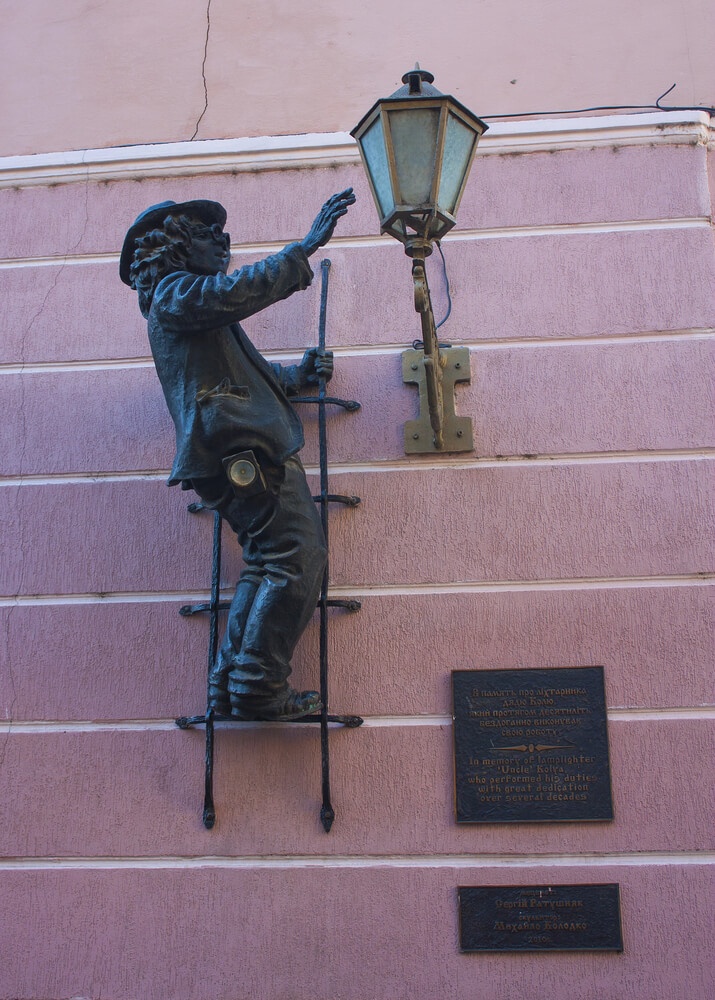
Until the late 1800s, every street in major cities required a lamplighter to arrive at dusk, light gas lamps with a long pole, and extinguish them at dawn. Electric streetlights replaced the role almost entirely by 1920.
The last professional lamplighter in London worked into the 1950s, but the job had effectively vanished by the 1930s—a trade that had existed for centuries simply switched off.
Switchboard Operator (Human)
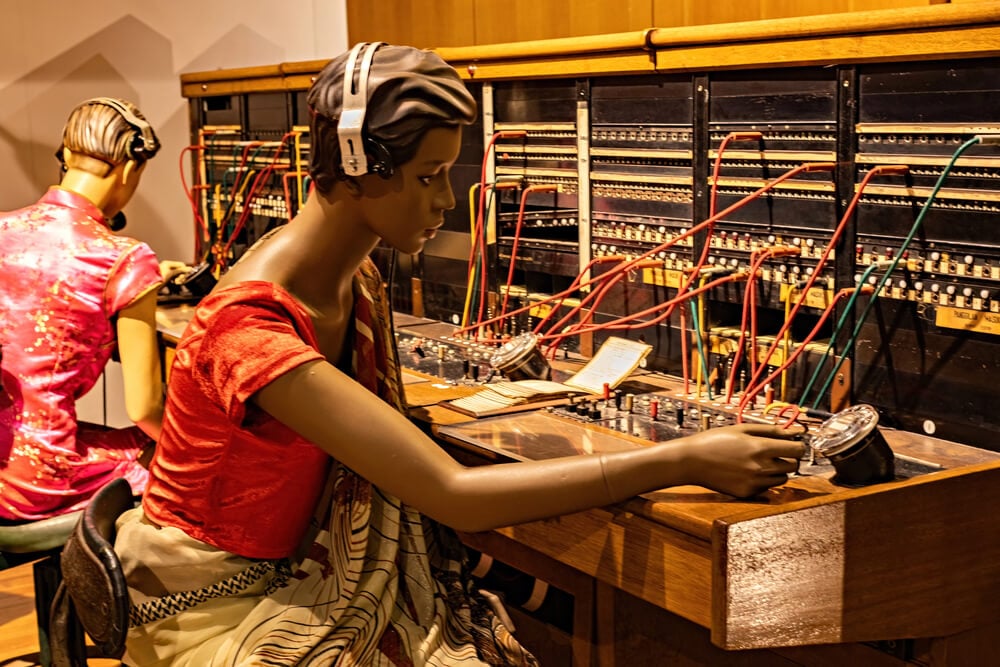
In the 1960s and 1970s, thousands of people, predominantly women, worked manually connecting telephone calls by inserting plugs into switchboards. Automated switching technology rendered the job obsolete by the early 1980s.
An entire workforce of young women trained for a job that lasted only 10-15 years before automation made them unnecessary.
Ice Harvester
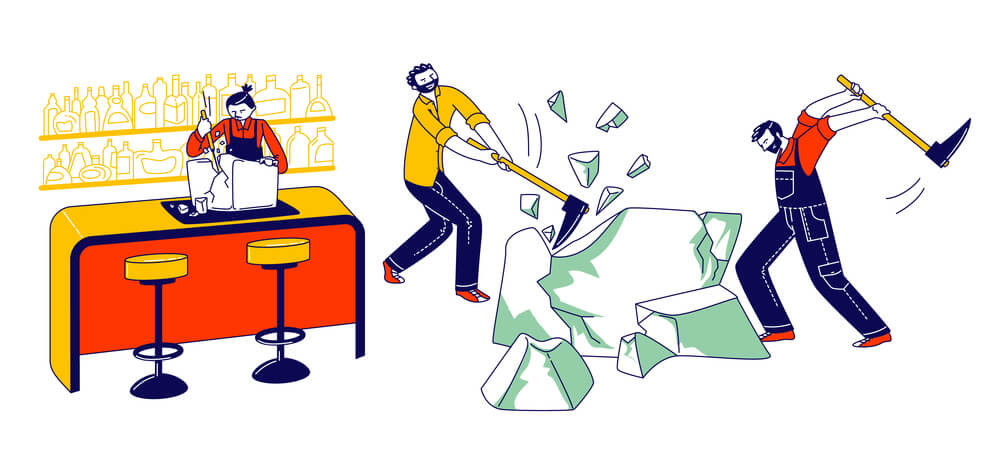
Before mechanical refrigeration, ice harvesters cut blocks of frozen lake ice in winter, stored them in sawdust, and delivered them to homes for iceboxes. The technology became irrelevant by the 1940s as affordable electric refrigerators spread across America.
Thousands of ice harvesters went from essential workers to unemployed within a single decade.
Knocker-Upper

In industrial Britain, “knocker-uppers” were employed specifically to wake factory workers before alarm clocks became commonplace. They would bang on clients’ windows with sticks at 4-5 AM.
The job vanished by the 1920s-1930s as cheap alarm clocks became standard. A profession whose entire purpose was waking people simply ceased to exist.
Gas Lamp Lighter (Town Version)

Distinct from street lamplighters, some towns employed workers to light gas lamps in homes and businesses. Electric lighting eliminated this role entirely in most places by 1930.
The transition was so rapid that few people remember the profession.
Elevator Operator

From the 1880s through the 1970s, elevators required attendants to operate them, collect fares, and manage passenger flow. Automatic doors and push-button controls made the role obsolete by the early 1980s.
Thousands of workers, many of them Black men in American cities, lost jobs that had provided stable middle-class income as elevator technology advanced overnight.
Telegraph Operator
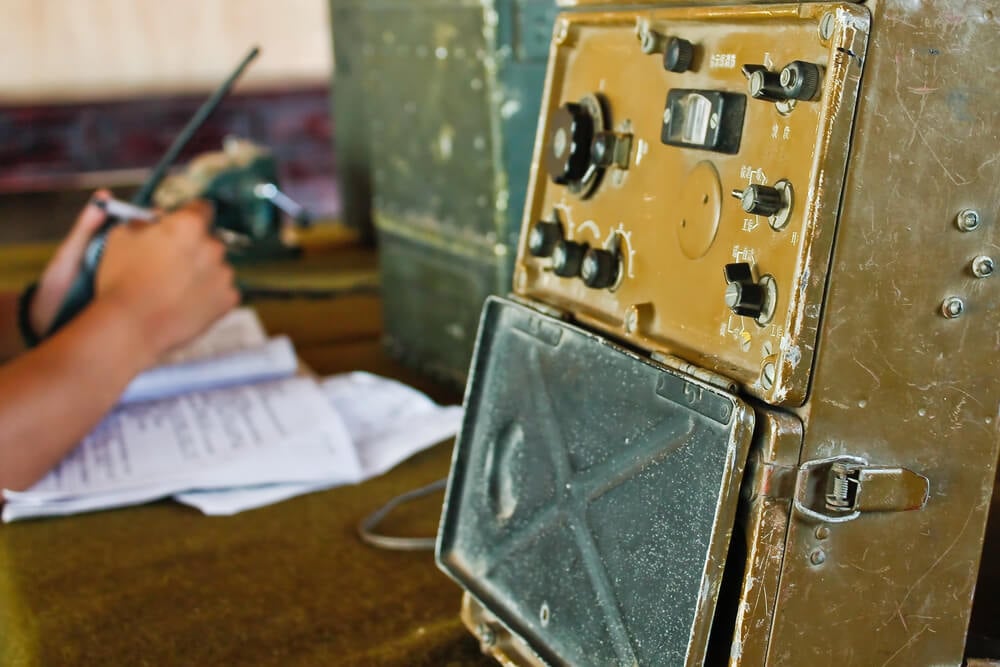
Telegraph operators transmitted messages over wires from offices across the world. The technology dominated until the 1960s, when telephone and later fax machines replaced it.
By 1970, the profession had nearly disappeared entirely, leaving thousands of skilled operators without a skill anyone needed.
Stenotypist (Shorthand Typist)

Court stenographers and business stenotypists used shorthand to record words far faster than normal typing. Digital recording technology and later voice recognition software made the skill obsolete between the 1980s-2000s.
An entire profession based on a specific skill set simply evaporated.
Milkman

Urban milkmen delivered fresh milk to doorsteps daily in glass bottles. Refrigeration technology, suburban sprawl, and the rise of supermarkets made the job obsolete by the 1980s-1990s.
What had been one of the most common occupations in the mid-20th century effectively ended within a generation.
Fuller

Fullers cleaned and thickened cloth by stamping and processing it in water—a textile trade that had existed since medieval times. Industrial fulling mills powered by water wheels made the hand-trade obsolete by the mid-1800s.
The profession disappeared so completely that few people today even know the word.
Chimney Sweep

Child chimney sweeps were eventually phased out by the 1870s-1890s as regulations tightened, but the profession itself—which had existed for centuries—became impossible to sustain. By 1900, the trade had largely disappeared in developed nations, though the profession’s terrible history of child labor overshadows any nostalgia.
Town Crier

Before newspapers existed widely, town criers rang bells and announced news to the public. Newspapers and later mass media made the role obsolete in most places by the mid-1800s.
The profession survived longest in ceremonial form in a few British towns, but as a genuine livelihood, it had largely disappeared by 1850.
Night Soil Collector

Before modern sewage systems, workers manually collected human waste from privies and outhouses for disposal or use as fertilizer. Municipal sewers and indoor plumbing made the job obsolete in cities by the early 1900s.
The profession vanished rapidly once infrastructure was installed.
Gas Fitter (Domestic)

Gas fitters installed and maintained gas lines for lighting and heating in homes. Once electric lighting and heating became standard, the specialized knowledge became less valuable.
The profession transformed gradually but the original “gas fitter for lighting” role was largely obsolete by 1950.
Car Knocker (Scrapyard Worker Before Automation)

Before industrial crushing machines and magnets, car knockers manually dismantled wrecked automobiles with sledgehammers and hand tools to salvage parts. Industrial demolition equipment made the job obsolete by the 1960s-1970s.
It was dangerous, unskilled, and quickly replaced by machinery.
Typesetter (Hand Compositor)
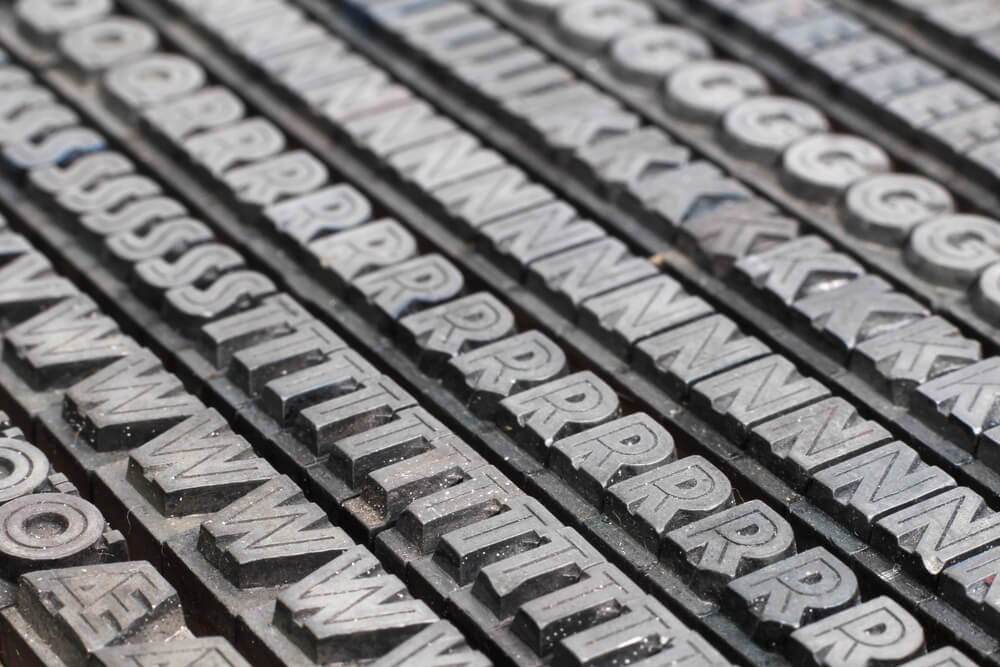
Before Linotype machines and later digital typesetting, hand typesetters manually arranged lead type piece-by-piece to create pages for printing. Computerized typesetting eliminated the profession almost entirely by the 1990s.
A skill that required years of apprenticeship became worthless in a decade.
Telegraph Boy

Young boys and teens were employed to deliver telegraph messages across cities on foot or bicycle. Telephone lines and automated delivery systems made the job obsolete by the 1960s-1970s.
Thousands of boys who started in this entry-level job found no career path once the profession ended.
Candle Maker

Candlemakers rendered animal fat and rolled candles for lighting and use in homes. Gas and electric lighting made the profession obsolete by the early 1900s.
What had been a staple craft for centuries disappeared within a generation of electrification.
File Maker (Hand)

Skilled file makers hand-forged metal files with precise teeth patterns. Industrial manufacturing and stamped steel files made the craft obsolete by the mid-1800s.
The profession disappeared so rapidly that few knew handmade files had ever existed.
Messenger (Office)

Office messengers, often young boys and men, ran documents between offices and businesses on foot or bicycle. Pneumatic tube systems and later fax machines eliminated the need by the 1980s-1990s.
The job required no specialized training but provided entry-level work that suddenly vanished.
Switchboard Repairman (Analog Phone Systems)

These technicians maintained the vast mechanical switching systems that routed phone calls. Digital switches and later computerized systems made their specialized knowledge obsolete by the 1990s-2000s.
They had no natural path to retrain into the new systems.
Linotype Operator
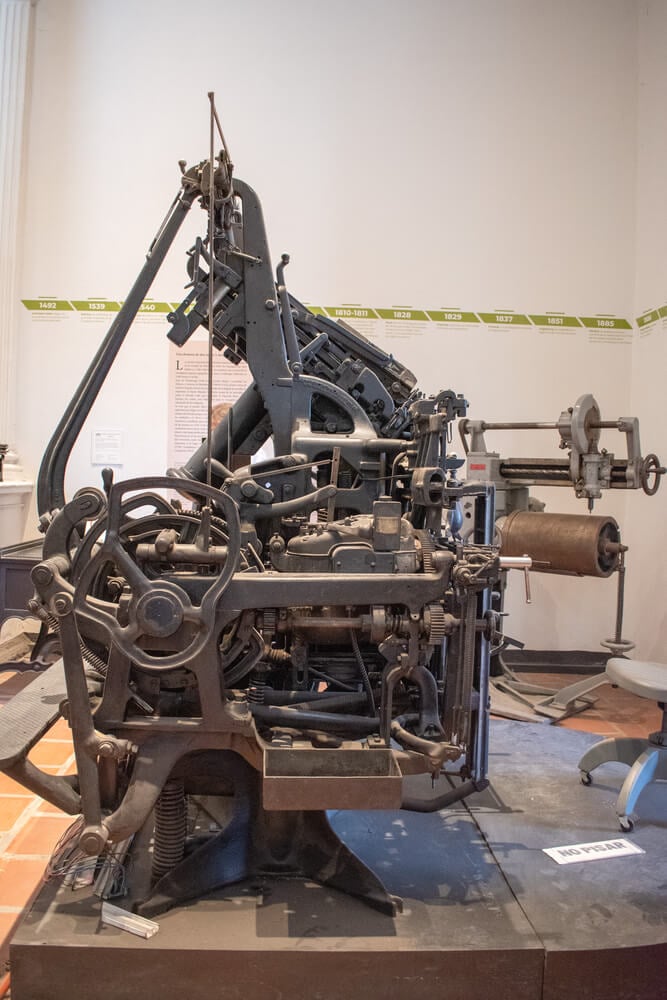
Linotype operators ran machines that cast entire lines of type in hot lead for newspaper and book printing. Digital typesetting made the job completely obsolete by the 1980s-1990s.
Skilled workers who operated complex machines found their expertise valueless almost overnight.
Lamplighter’s Assistant

Assistants to street lamplighters performed maintenance and repair work on gas lamps. Electric streetlights eliminated this role as completely as it eliminated the head lamplighter’s job by the 1930s.
Oxyacetylene Welder (Specialized)
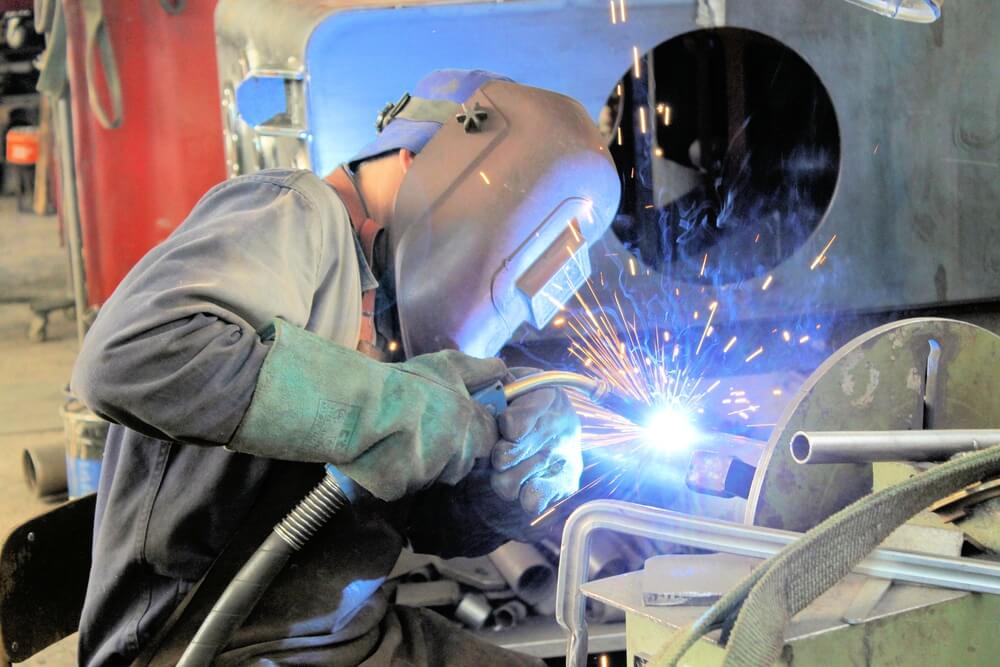
Early welders who specialized in oxyacetylene torch work found their skills partially obsoleted by electric arc welding and later MIG welding. Some transitioned, but many older welders from the 1950s-1960s found their narrow specialty worthless by the 1980s.
Scorekeeper (Sports Stadiums)

Before electronic scoreboards, men manually updated baseball scores and game information on large chalkboards or mechanical boards. Electronic displays eliminated the role by the 1970s-1980s.
It was one of few stadium jobs that could be completely automated.
Film Projectionist
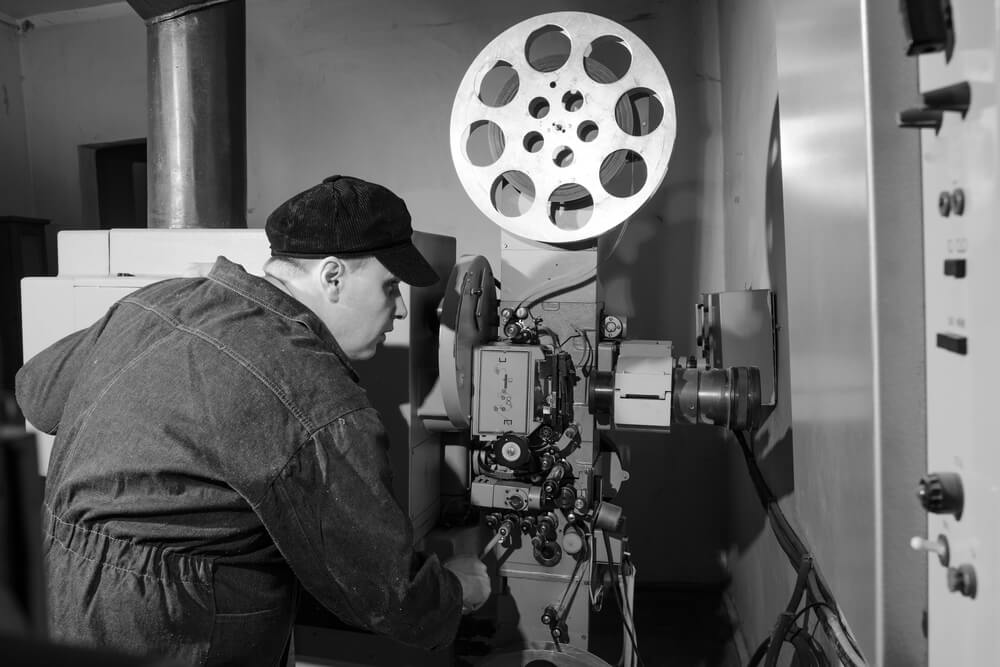
Movie theater projectionists threaded 35mm film, managed reel changes, and handled equipment. Digital cinema systems eliminated the need for projectionists by the 2010s.
What had been a skilled trade for 100 years effectively ended within a decade.
Telephone Repair Technician (Rotary Systems)
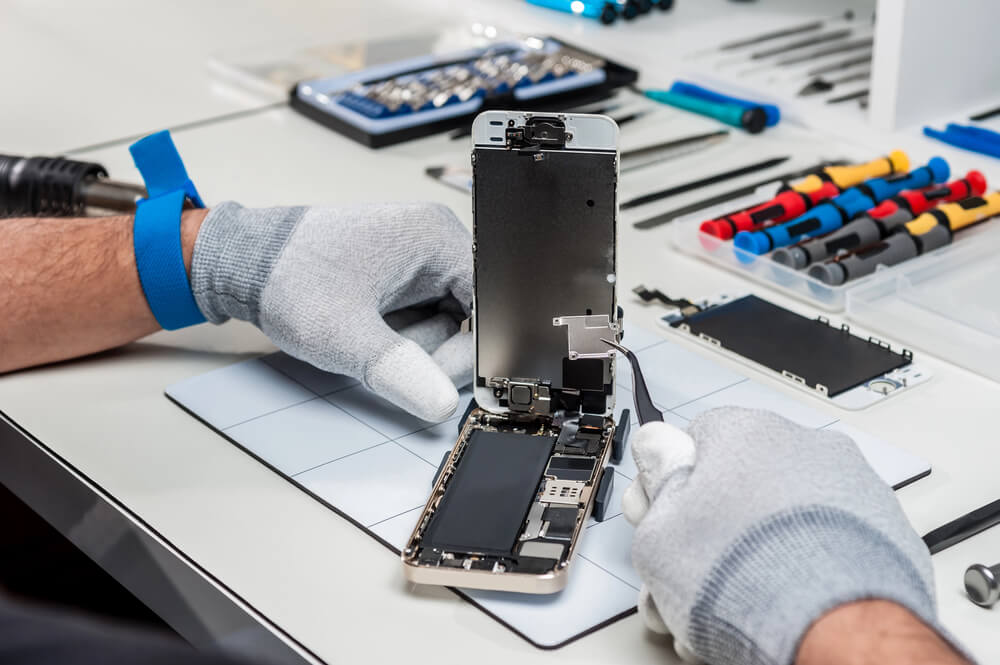
Technicians who specialized in repairing rotary dial phones found their expertise nearly worthless once touch-tone and digital phones became standard by the 1970s-1980s. The technology changed so rapidly that retraining was difficult for older workers.
Switchboard Designer

Specialized electrical engineers designed complex telephone switchboard systems. Digital switching technology made their specific expertise obsolete by the 1990s.
They had to retrain or adapt, but the profession as originally constituted disappeared.
Comb Maker (Bone/Horn)

Craftspeople who carved combs from bone, horn, and ivory were displaced by plastic manufacturing by the 1930s-1950s. The skill, which required years of apprenticeship, became worthless as injection molding took over.
Piano Tuner (Transition Crisis)

While piano tuners still exist today, the profession collapsed between the 1960s-1980s as electric keyboards and synthesizers reduced demand for acoustic pianos. Thousands of piano tuners trained for a profession that was rapidly disappearing—an entire generation faced unemployment before digital instruments replaced pianos entirely in many contexts.
When Skills Become Useless Overnight

Progress and automation destroyed these professions not through gradual decline but through sudden technological obsolescence. The people who practiced these trades had no way to predict the end; they woke up one day to find their expertise worthless.
Unlike craftspeople who could retrain into related fields, many of these workers had skills so specific to their vanished technology that adaptation was impossible. These lost professions are reminders that in the modern era, stability in any single craft is an illusion.
More from Go2Tutors!

- The Romanov Crown Jewels and Their Tragic Fate
- 13 Historical Mysteries That Science Still Can’t Solve
- Famous Hoaxes That Fooled the World for Years
- 15 Child Stars with Tragic Adult Lives
- 16 Famous Jewelry Pieces in History
Like Go2Tutors’s content? Follow us on MSN.