28 Historic Photos Later Proven to Be Staged
Photography was supposed to document truth, yet some of the most famous historical images were carefully staged recreations. Photographers positioned subjects, arranged scenes, and sometimes outright faked moments supposedly captured from life.
Many such images passed as authentic for decades or longer before historians noticed the inconsistencies that revealed the deception.
The Afghan Girl, Steve McCurry (Questionable Reconstruction)
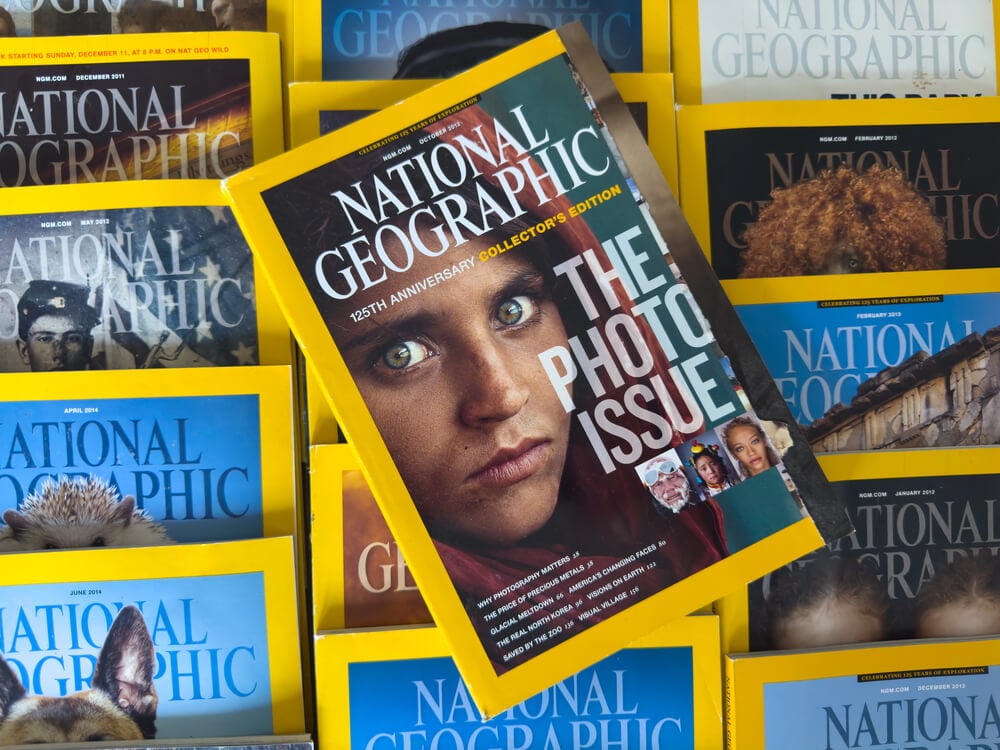
National Geographic’s 1984 photograph of “Sharbat Gula” became the magazine’s most iconic image. Investigation later revealed questions about staging—though McCurry’s work was genuine documentation, the specific moment was reconstructed after initial encounters.
The debate around whether the image was “true” or “posed” continues among photojournalists decades later.
Robert Capa’s “Falling Soldier”
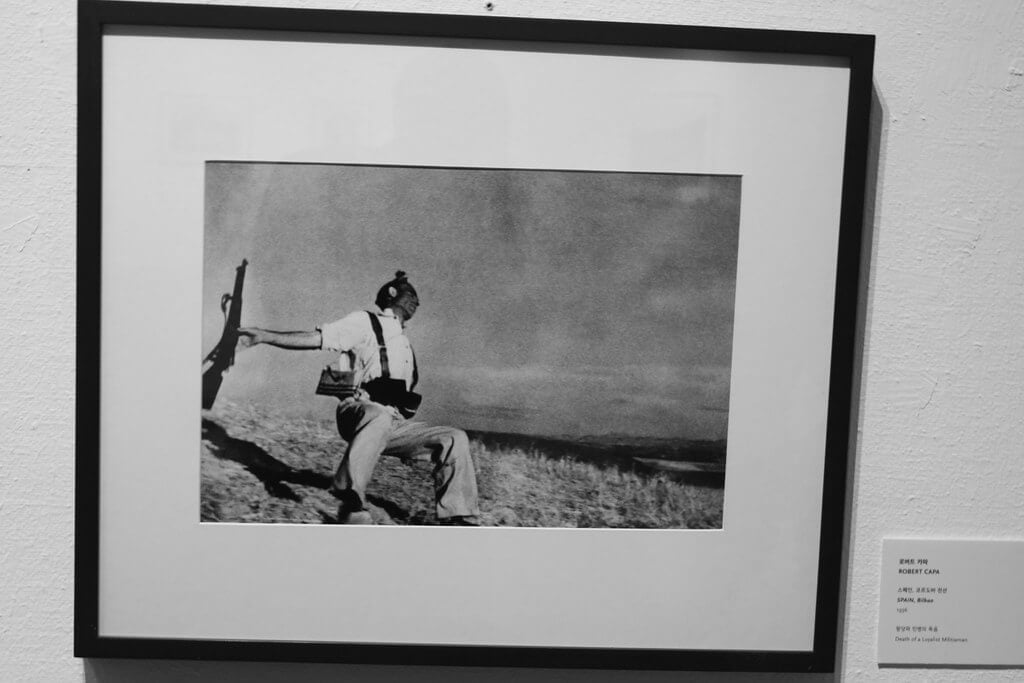
This powerful 1936 image of a Spanish Civil War soldier supposedly at the moment of death was long believed to be a genuine war photograph. Research by scholars suggested Capa staged elements of the scene or that the photo was taken in different circumstances than originally claimed.
The debate about its authenticity remains contentious, but evidence points to at least partial staging.
Busacca’s “Execution of Maximilian” Recreation
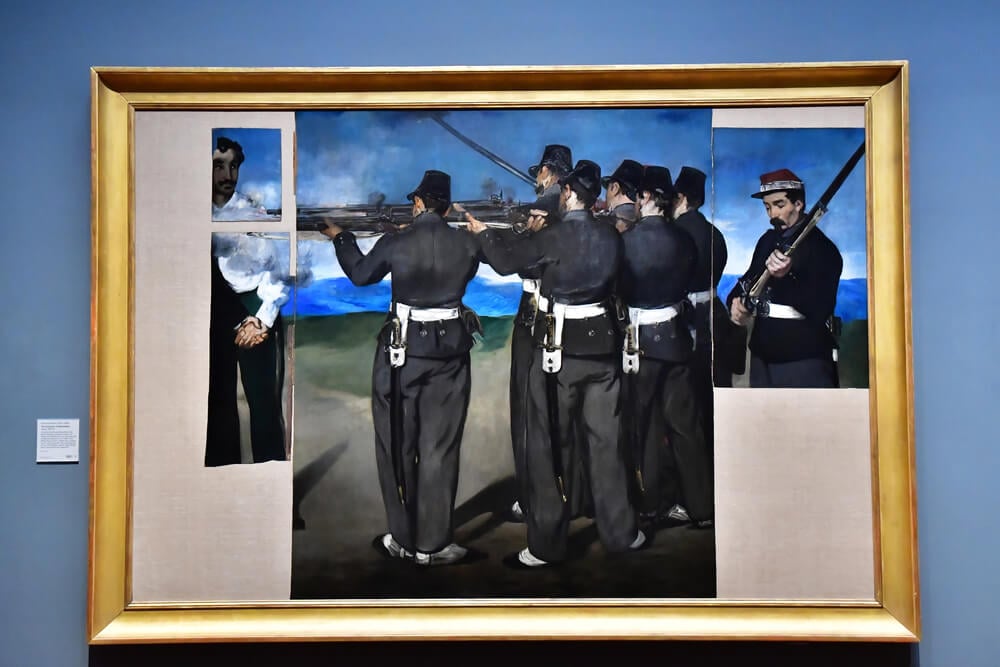
This famous photograph was actually a reconstruction taken years after the actual execution it depicted. It was not an eyewitness documentation but a historical reenactment made to look like a news photo, yet it circulated as an authentic moment for many years.
Civil War Photography by Mathew Brady
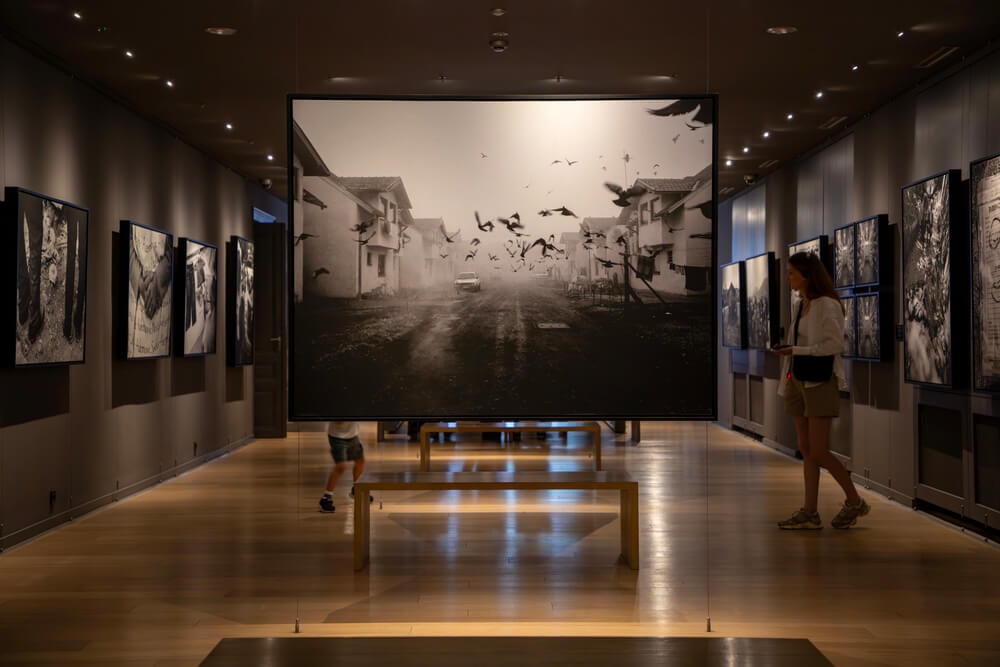
Many of Brady’s most dramatic Civil War photographs were rearranged and staged after the fact. Soldiers were repositioned, and some scenes were photographed after battles ended to create more dramatic compositions.
Brady was not always transparent that his images were reconstructions.
The Wright Brothers’ First Flight Images
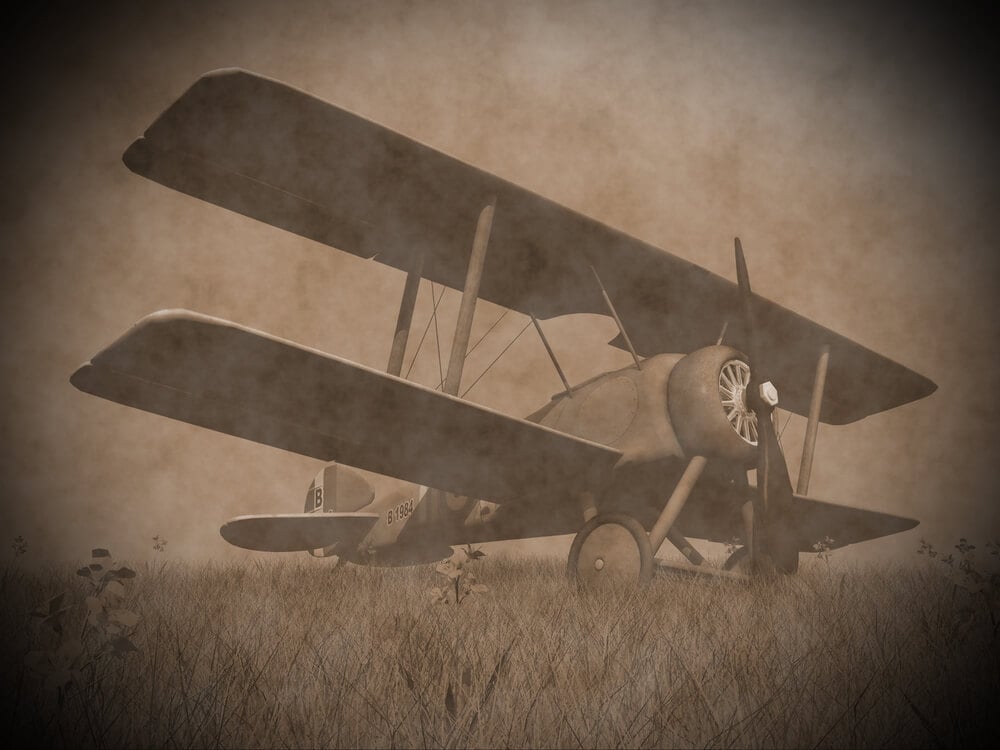
The most famous photograph of the 1903 Wright Flyer taking off at Kitty Hawk shows the aircraft in flight, but examination has revealed it may have been the only successful powered flight that day that was both flown and photographed. However, promotional images were later created with models and rearrangements to better show the aircraft.
Mussolini and the Photo
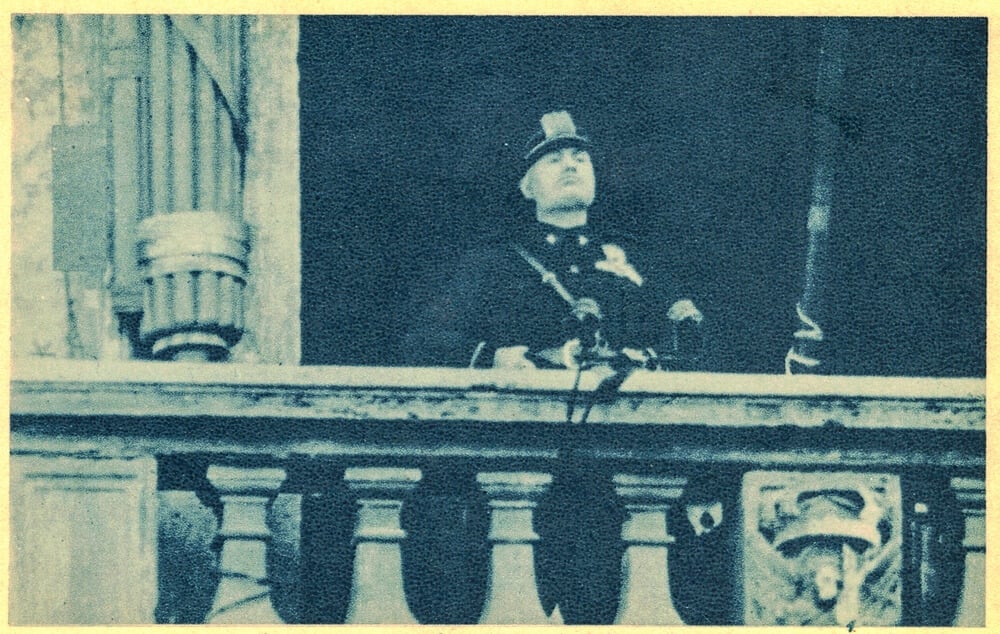
Several photographs of Mussolini were retouched, with officials airbrushed out or background elements altered. What appeared to be candid moments were in fact carefully constructed propaganda images.
IWW Protest Photography
Some iconic photographs of Industrial Workers of the World protests and labor actions from the 1910s-1920s were reconstructions. Photographers would ask demonstrators to repeat actions or gather in specific formations to create more dynamic images than the original event provided.
Migrant Mother, Dorothea Lange
While Lange’s photograph of a migrant worker and her children is considered documentary truth, questions have emerged about how much she directed the scene, moved props, or asked her subjects to reposition themselves. It remains authentic documentation but may have been more posed than initially claimed.
The Baby in the Cabbage Patch

Early 20th-century “baby photography” often claimed to show infants born in cabbage patches as a joking reference to how children were told babies originated. These were entirely staged scenes with dolls or very young babies positioned among artificial vegetables.
Spanish Flu Burial Mass Graves
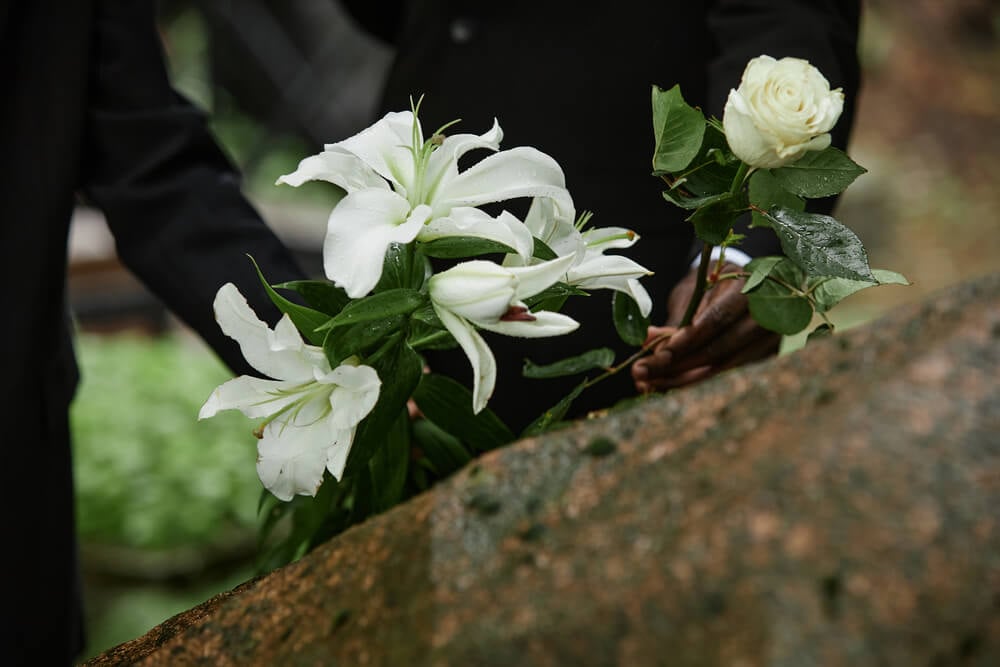
Some of the most disturbing photographs supposedly showing mass graves during the 1918 flu pandemic were recreations taken for propaganda or documentary purposes. Bodies were rearranged or scenes were restaged to create more dramatic images.
Suffragette Protest Photographs
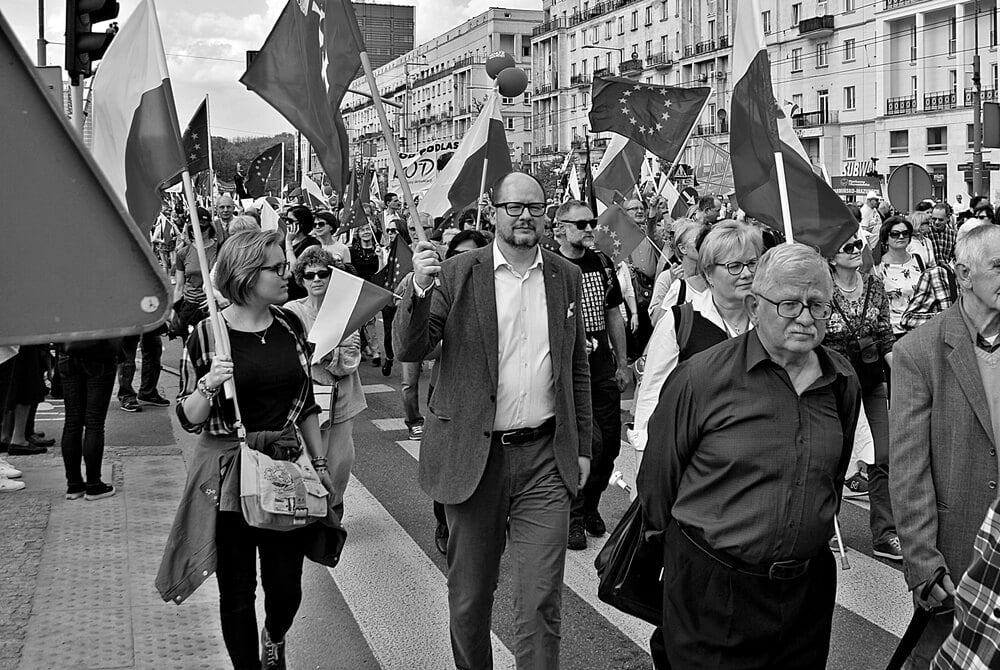
Many photographs of suffragette demonstrations in Britain and America were reconstructed after the fact or participants were asked to hold poses for the camera. News photographers would restage moments or ask crowds to repeat actions for better photographic angles.
Polar Exploration Photography
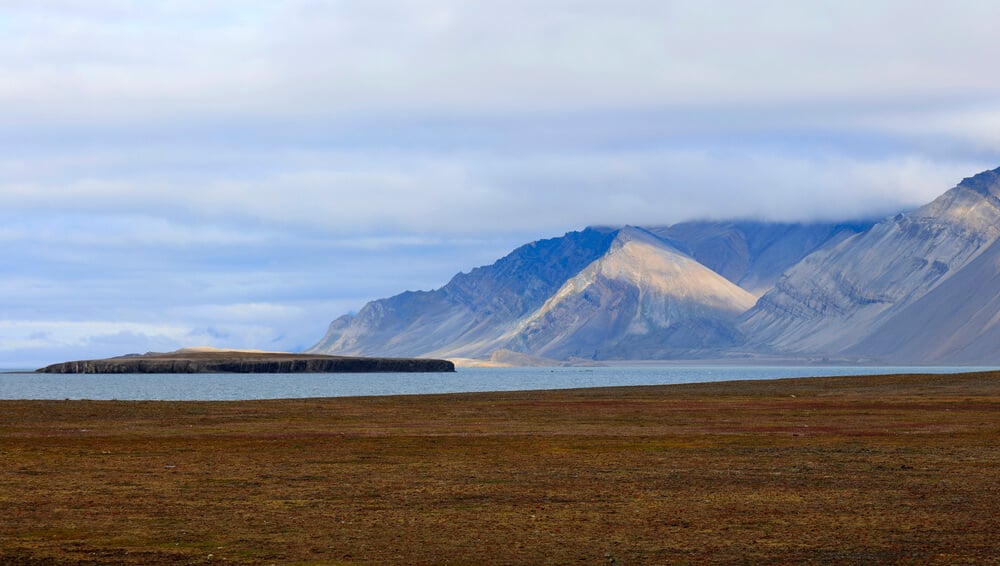
Photographs from early polar expeditions, including some attributed to Shackleton’s Endurance expedition, contained staged elements. Photographers would recreate moments or arrange props to show their equipment and progress more dramatically.
Hindenburg Disaster
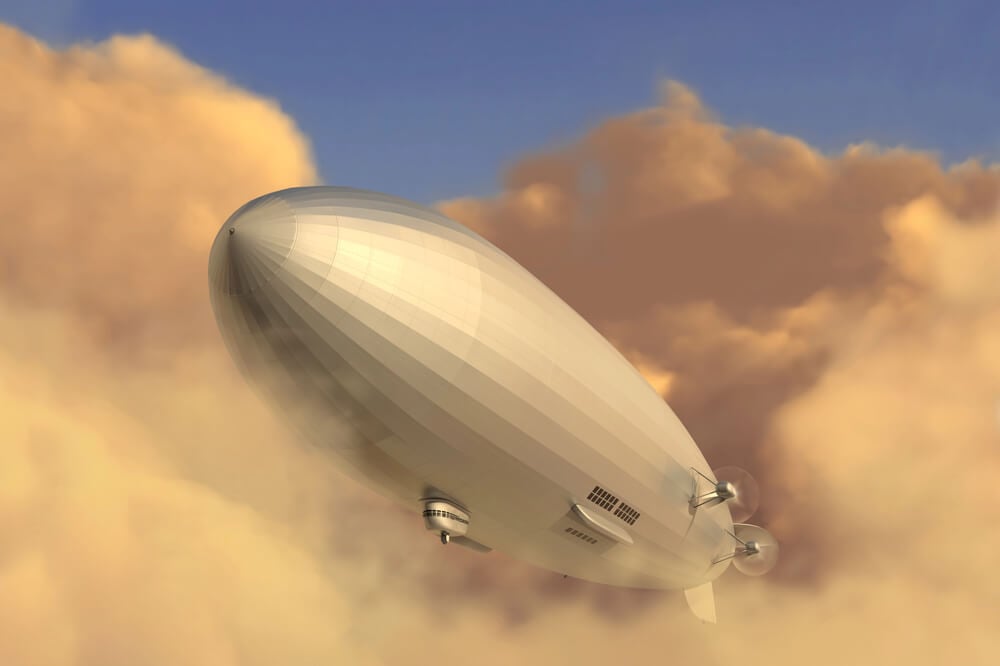
While the Hindenburg did burn in 1937, some of the most famous photographs of the disaster showed it at moments that were not the worst of the explosion but were selected for dramatic composition. Some images were later discovered to be from ground fires or at angles that made the disaster appear worse than the specific moments captured.
Execution Photographs from Various Regimes
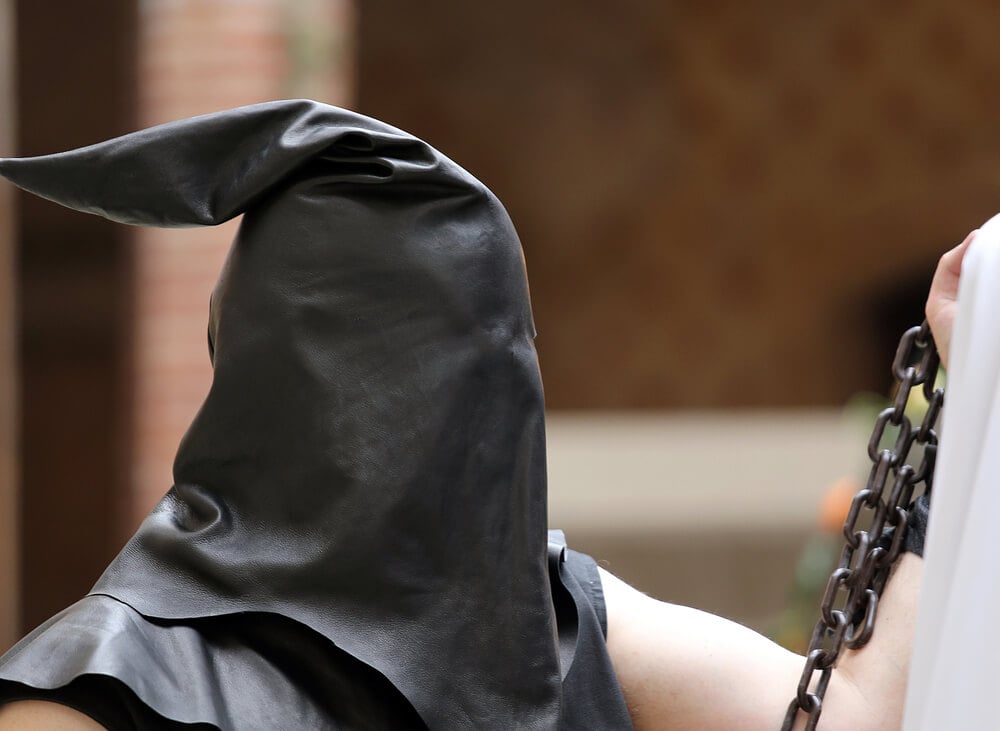
Nazi regime photographers staged some execution images or took multiple shots to select the most dramatic moment. Soviet propaganda also recreated execution scenes for documentary purposes, presenting them as eyewitness documentation.
The Iwo Jima Flag-Raising
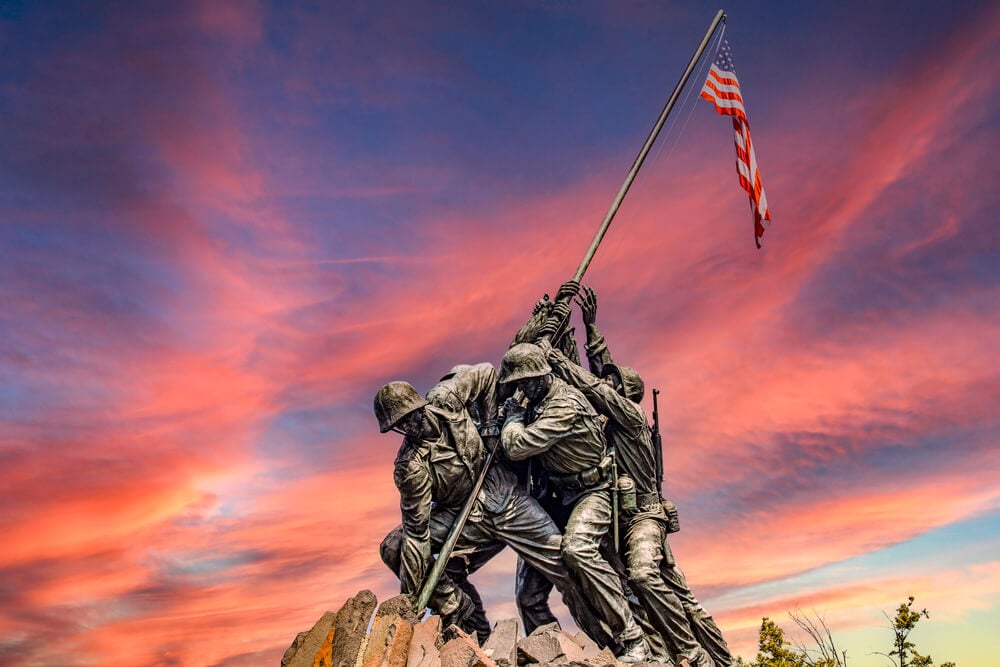
The most famous photograph of the American flag raised over Mount Suribachi in 1945 was actually a recreation. The first flag-raising was smaller and undramatic, so the Marines were asked to stage a larger, more photogenic replacement for the camera.
The second flag-raising became one of the most iconic war images ever made.
Kent State Shooting Photographs
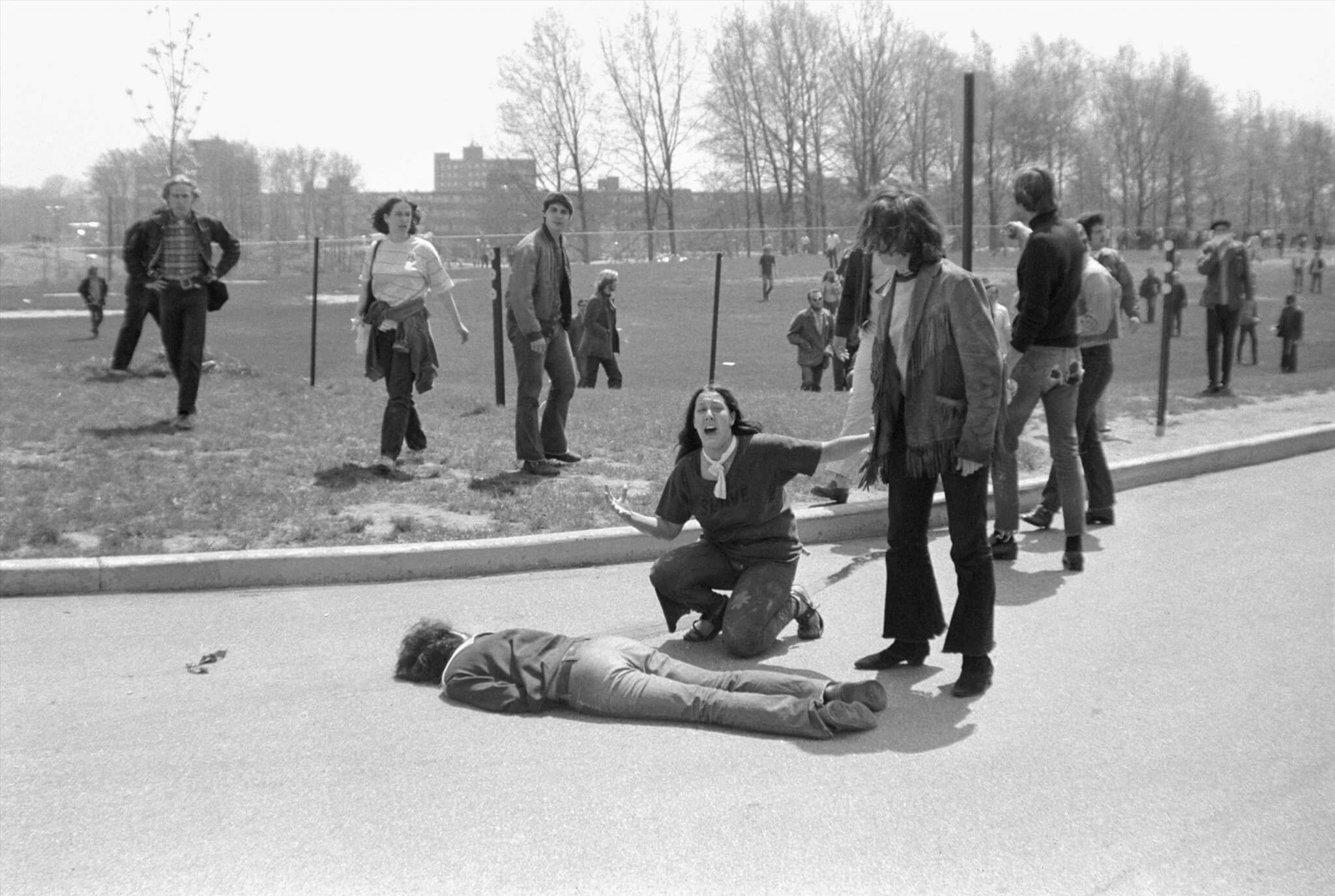
Some photographs from the 1970 Kent State shooting were recreations or were taken in the moments immediately after the actual shooting, not during the incident itself. News photographers repositioned bodies or asked students to recreate their positions for better documentation.
Vietnam Napalm Girl Photograph
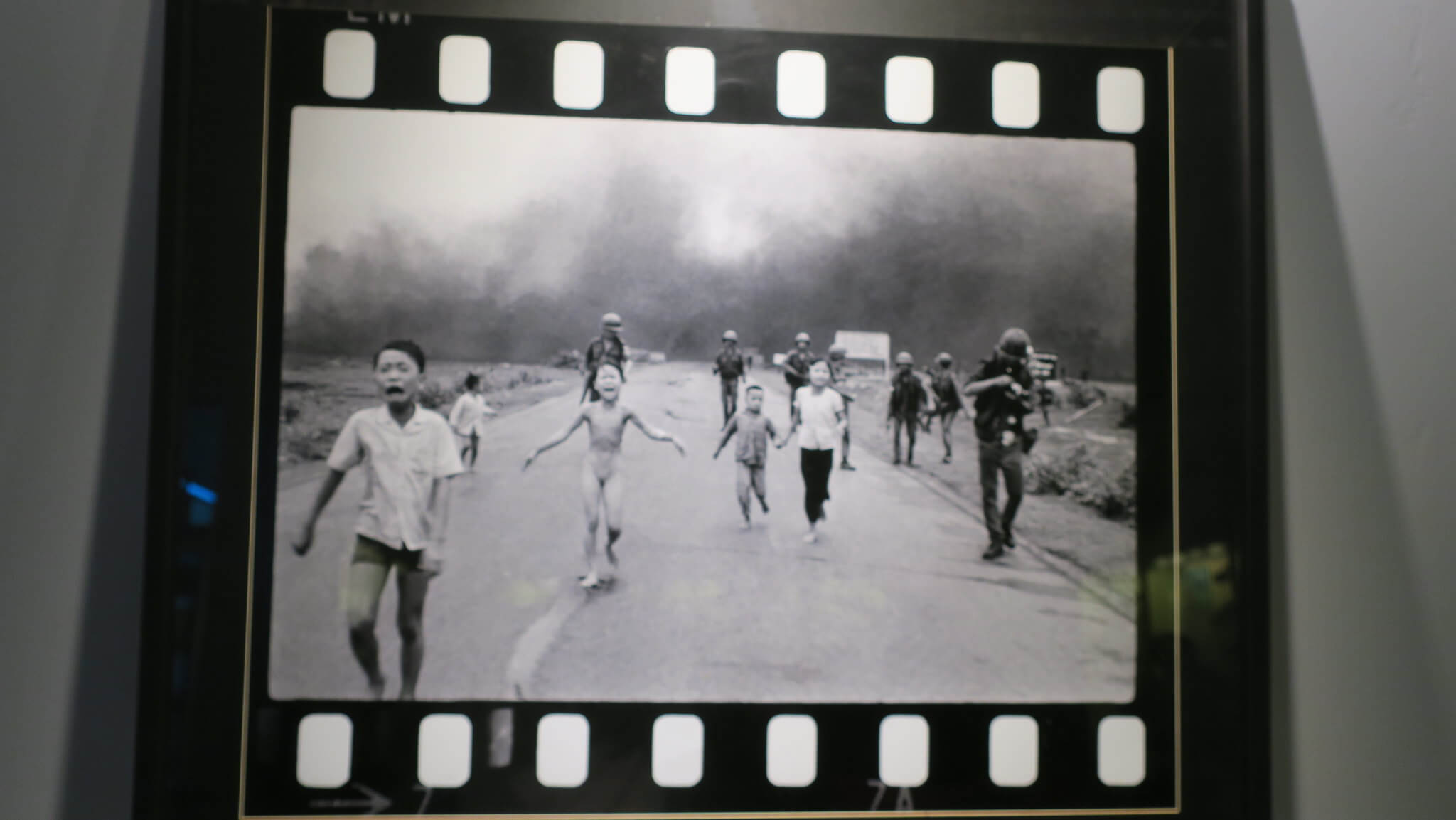
While Nick Ut’s photograph of the napalmed girl fleeing the village captured a genuine moment, subsequent investigation revealed questions about the exact chronology and whether elements were rearranged. The photograph remained authentic documentation but may have been less spontaneous than presented.
The Raising of the Soviet Flag Over Berlin
Soviet propaganda photographs showing the flag-raising over the Reichstag building were restaged multiple times for different camera angles and better composition. What was presented as documentary was in fact a reconstructed reenactment.
American Civil Rights Sit-Ins
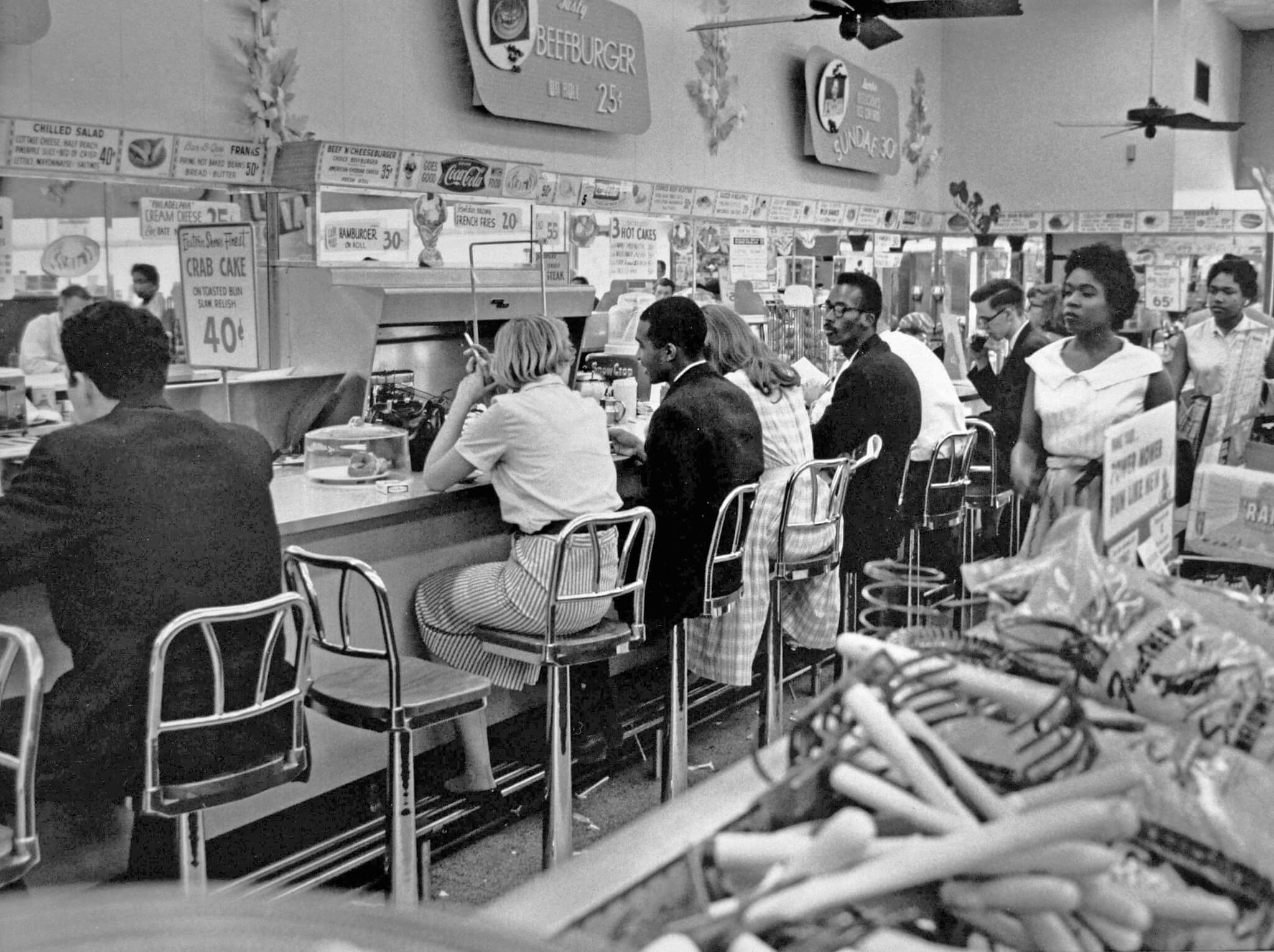
Photographs of sit-in demonstrations during the Civil Rights movement were sometimes restaged or photographed from angles chosen specifically for propaganda value. While documenting real events, some images were arranged for maximum dramatic effect.
Holocaust Liberation Photographs
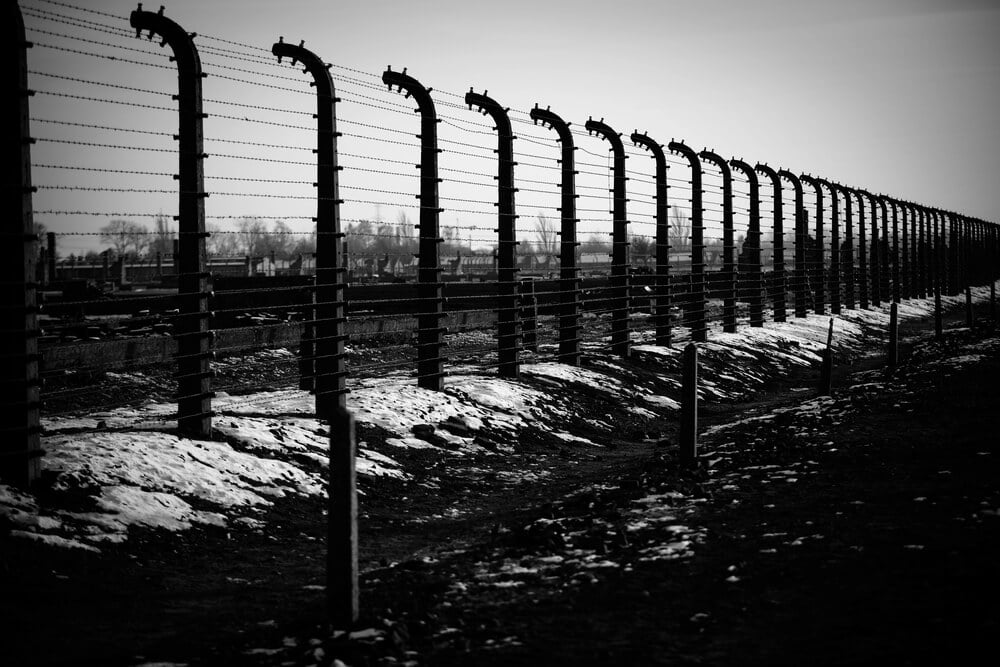
Some of the most powerful photographs from the liberation of concentration camps were taken under conditions that allowed for repositioning and staging. While documenting real horror, some images were arranged to better convey that horror to audiences.
The Falling Man (9/11)
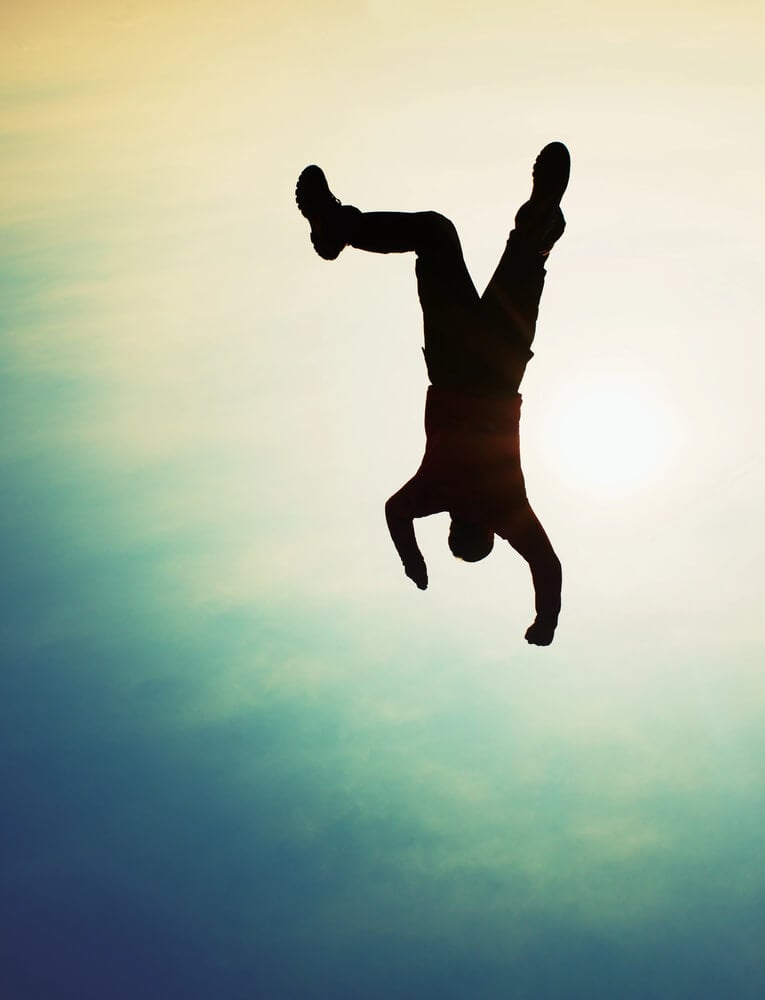
While this photograph captured a real moment, the immediate context and exact circumstances of how it was taken (whether the person was jumping or falling) were debated and in some ways staged by the photographer’s selection and positioning.
Depression-Era Farm Security Administration Photos
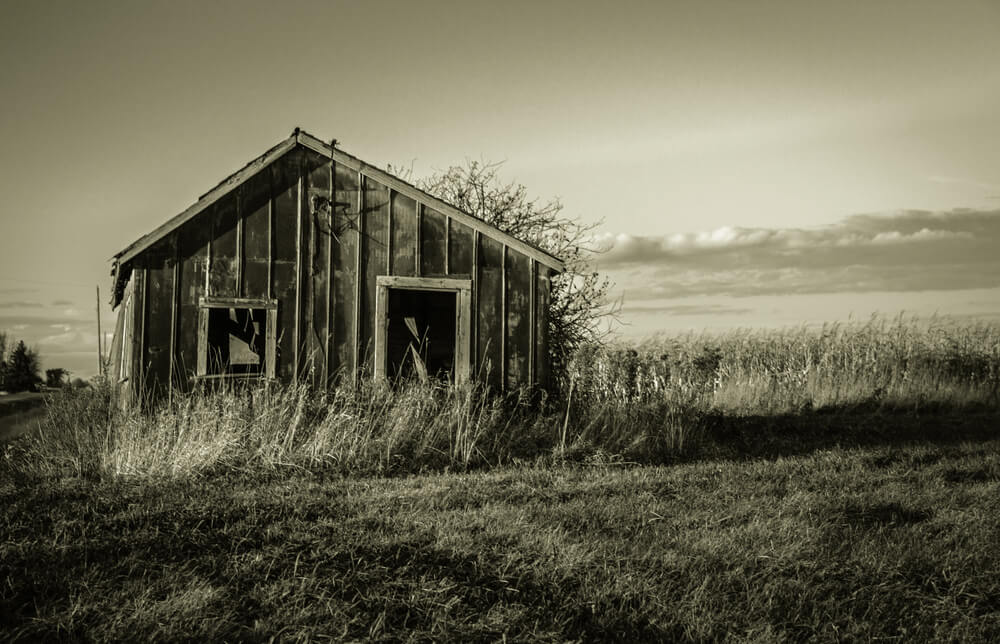
While documenting real poverty, FSA photographers sometimes rearranged scenes, asked subjects to reposition themselves, or moved objects to create more powerful compositions. These were documentary but not entirely spontaneous.
Victorian Spiritualist Photographs
Double-exposure spiritualist photographs from the 1800s-early 1900s were outright fakes designed to show “ghosts” and spirits. They were presented as genuine supernatural documentation but were in fact trick photography techniques.
The Loch Ness Monster Photograph (Surgeon’s Photo)
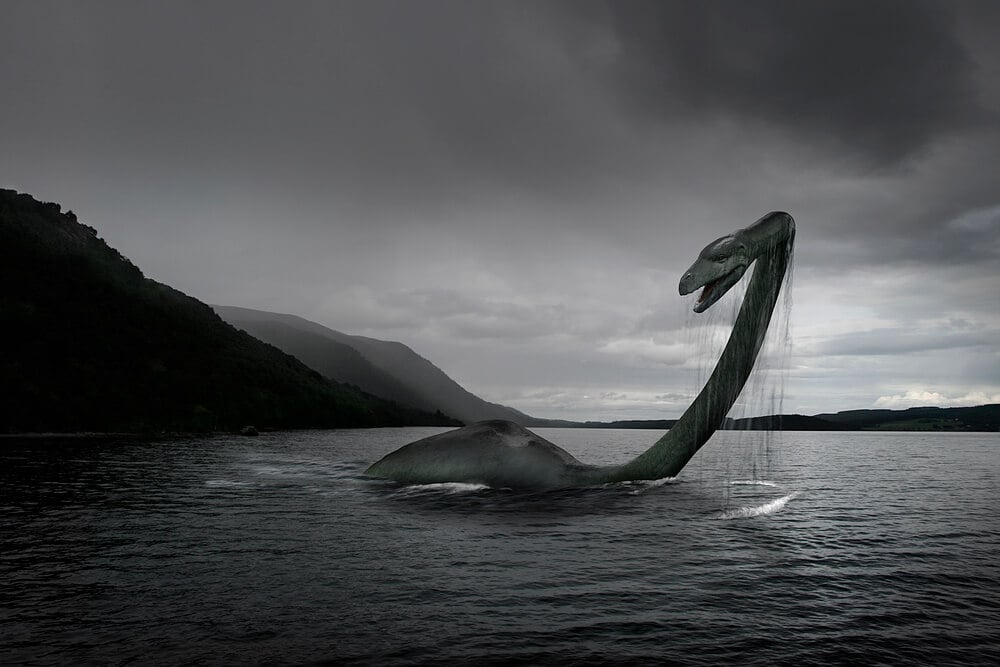
The most famous 1934 photograph supposedly showing a long neck and head of the Loch Ness Monster was revealed decades later to be a toy submarine with a wooden head attachment. It was a complete fabrication that fooled scientists and the public for 60 years.
Princess Diana’s Last Paparazzi Photographs
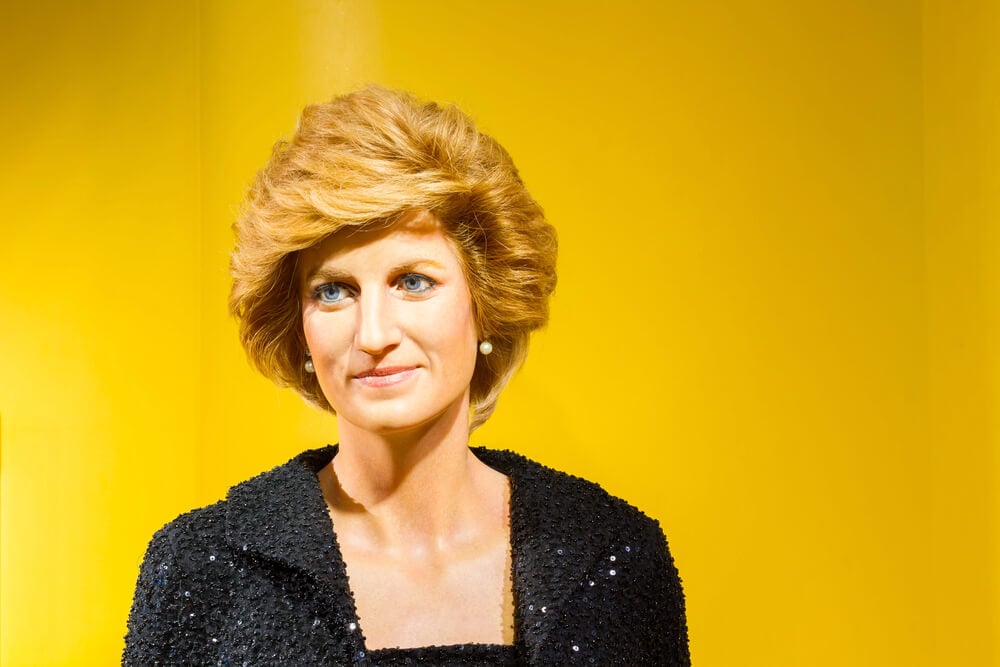
Some of the final photographs of Princess Diana taken in the hours before her death were staged recreations taken by paparazzi who asked her to pose. These were presented as candid documentation but were actually posed.
Early Fashion Photography by Edward Weston
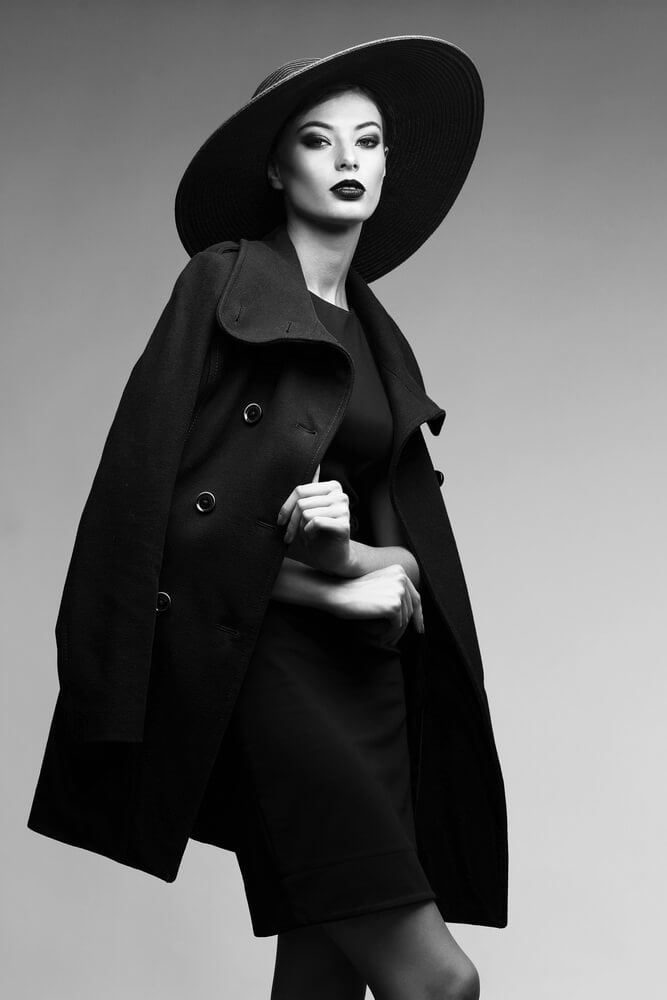
Some of Weston’s most celebrated fashion photographs were elaborate setups and arrangements, yet they were presented as candid moments. The staging was subtle enough that for decades they seemed like documentary rather than arranged composition.
The Migrant Camp Photography Controversy
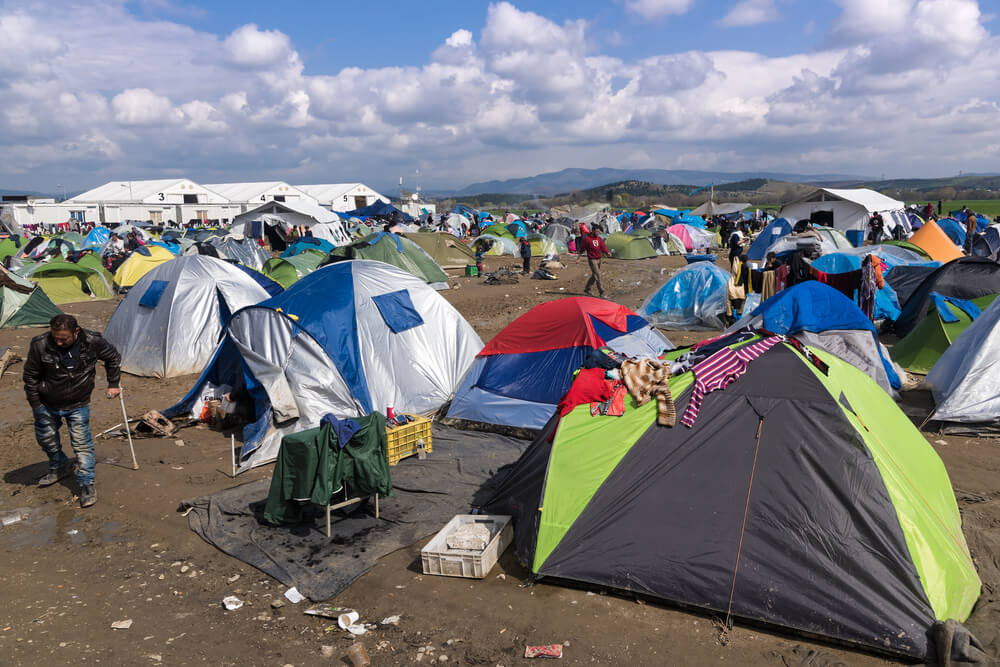
Later investigation of depression-era migrant camp photography revealed that some images had been staged with props moved or subjects positioned specifically for camera effect, presenting constructed scenes as documentary truth.
Space Program Photographs (NASA)
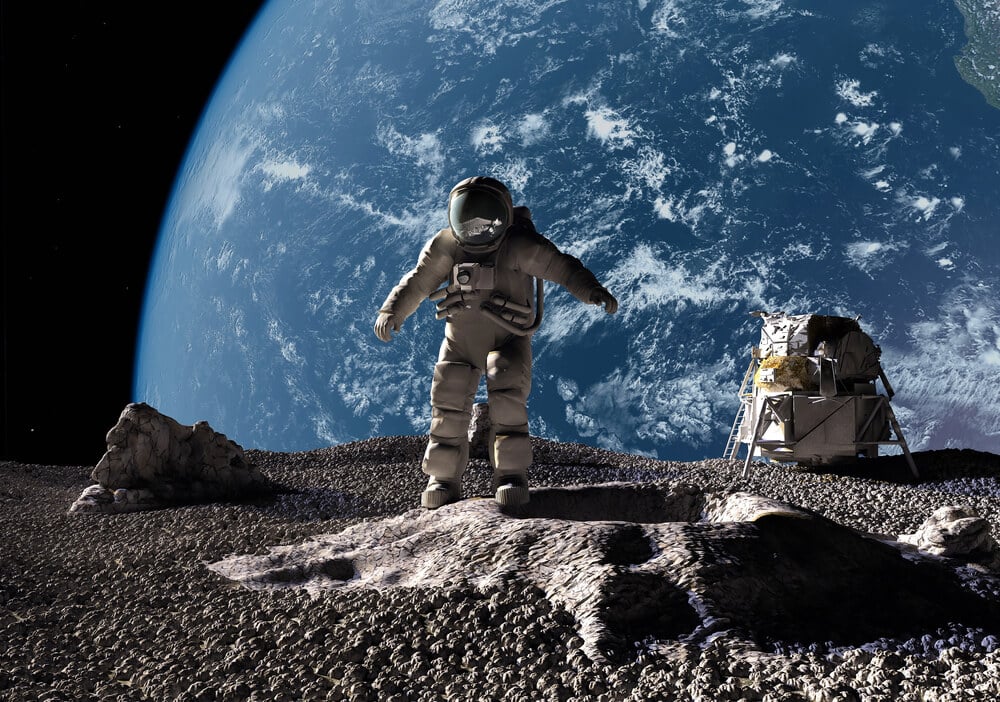
Some NASA photographs from the moon landings and early space missions were reconstructions or training photographs that were misidentified as actual mission photography. While space exploration was real, some of the most famous images were not from the missions they claimed to document.
The Camera Lies Too
These staged photographs prove that the camera’s supposed objectivity was always illusory. Photographers are artists and propagandists first, documentarians second.
They choose angles, moments, and compositions—or actively reconstruct scenes—to tell stories they believe matter. History was shaped not just by events but by the photographs that claimed to document them, often without acknowledging their manipulations.
Understanding which images were staged or reconstructed is now essential to understanding what actually happened.
More from Go2Tutors!

- The Romanov Crown Jewels and Their Tragic Fate
- 13 Historical Mysteries That Science Still Can’t Solve
- Famous Hoaxes That Fooled the World for Years
- 15 Child Stars with Tragic Adult Lives
- 16 Famous Jewelry Pieces in History
Like Go2Tutors’s content? Follow us on MSN.