Fake Celebrity Historical Encounters Fully Made Up
Sometimes the internet presents us with stories so perfectly crafted, so delightfully absurd, that we almost want them to be true. The realm of completely fabricated celebrity historical encounters has become its own peculiar art form—part creative writing exercise, part wishful thinking, and entirely entertaining.
These imaginary meetings between famous figures from different eras capture something deeper than mere fiction: they reveal what we wish history had been like, who we think should have met, and how we imagine our heroes might have behaved when the cameras weren’t rolling.
Einstein and Marilyn Monroe at a Diner
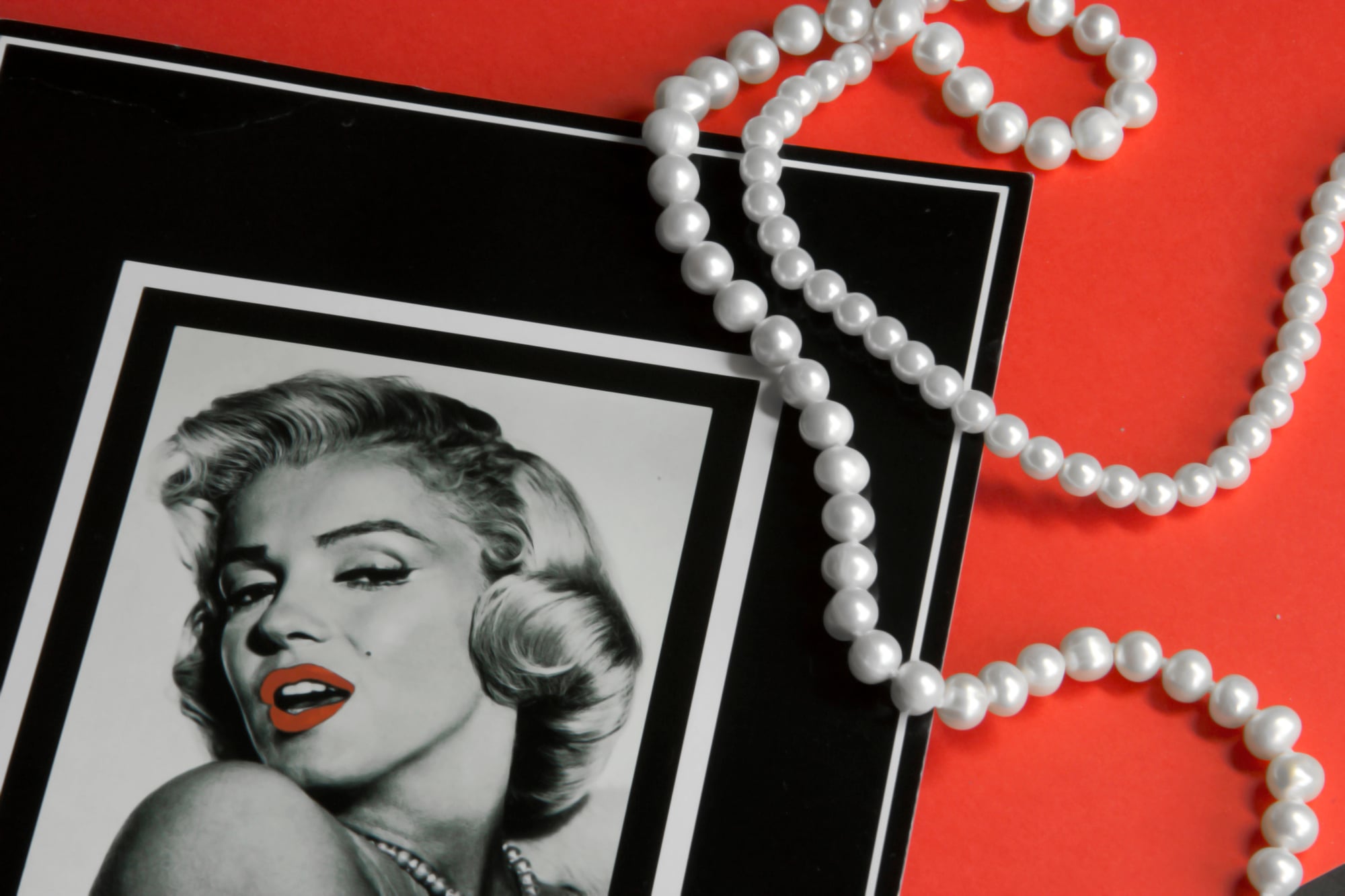
The story goes that Albert Einstein was sitting alone at a roadside diner in 1955, scribbling equations on napkins. Marilyn Monroe supposedly walked in, recognized him immediately, and slid into his booth. She ordered apple pie and asked him to explain relativity using the sugar dispenser and salt shaker as props.
Einstein allegedly spent two hours moving condiments around the table while Monroe asked surprisingly insightful questions about time dilation. The encounter supposedly ended with Monroe writing her phone number on one of his equation-covered napkins, which he kept but never used. The diner owner claimed to have the napkin framed behind the register until the place burned down in 1987.
This particular fabrication has spawned countless variations, each more elaborate than the last. Some versions have Monroe correcting Einstein’s math. Others include James Dean pulling up on his motorcycle halfway through the conversation.
Mark Twain Teaching Elvis Guitar
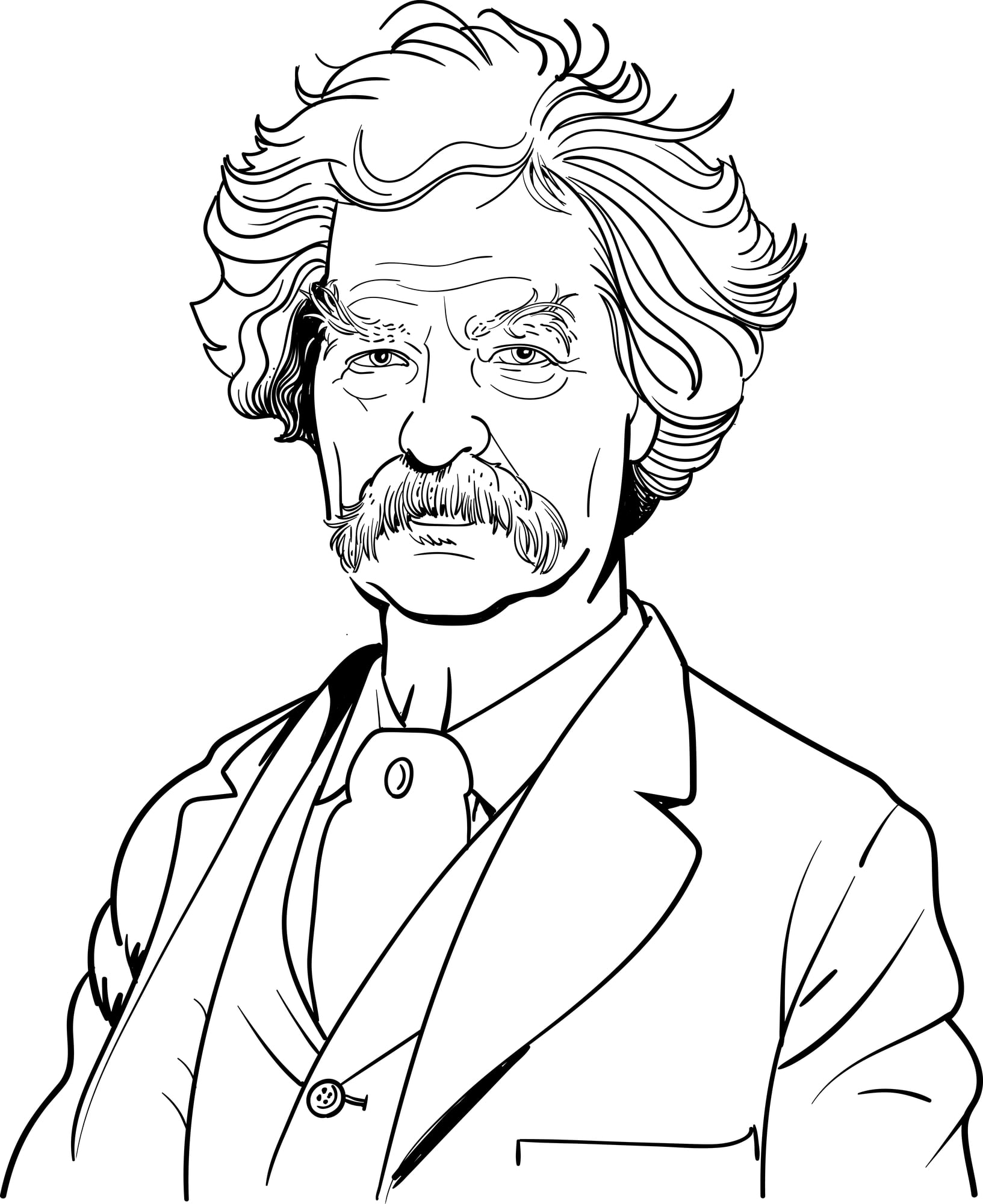
According to this elaborate fiction, a young Elvis Presley somehow encountered the spirit of Mark Twain in 1954 while recording at Sun Studio in Memphis. Twain’s ghost allegedly materialized during a late-night session and offered to teach Elvis some “real American music”—specifically, riverboat songs from the Mississippi Delta.
The imaginary encounter describes Twain (still spectral) picking up a guitar and showing Elvis finger positions while regaling him with stories about steamboat musicians and dock workers. Elvis supposedly learned three songs that night, which later influenced his development of the hip-swiveling style that made him famous. The ghost of Mark Twain allegedly approved of the hip movements, calling them “authentically American in their complete disregard for propriety.”
The story concludes with Twain vanishing at sunrise, but not before predicting that Elvis would become “more famous than presidents” and warning him to “stay away from fried peanut butter sandwiches.” The detail about the sandwiches is what makes people almost believe it.
Virginia Woolf and Jimi Hendrix in a London Bookshop
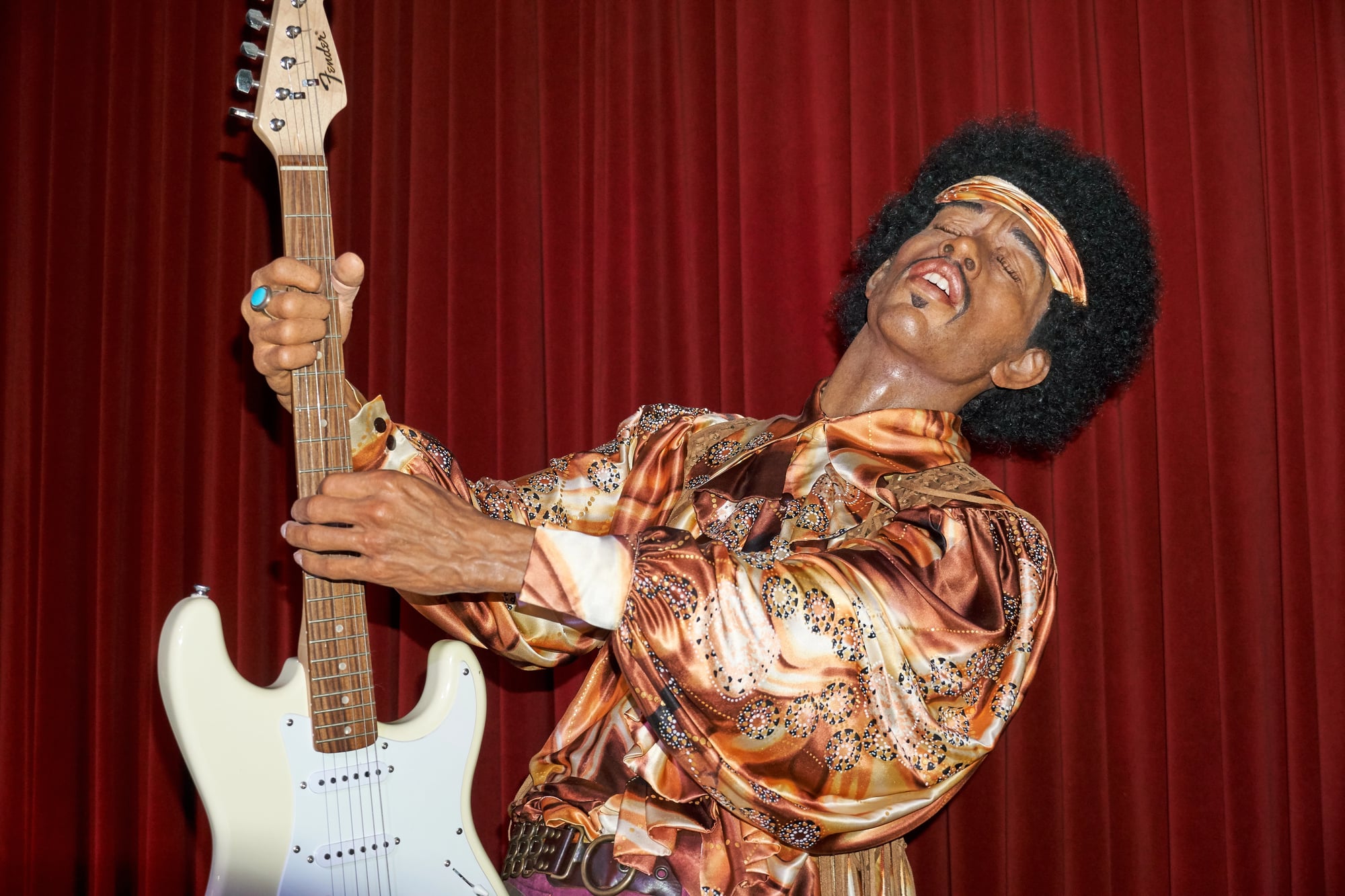
This fabrication takes place in an alternate 1967 where Virginia Woolf never died and instead lived as a reclusive writer in Bloomsbury. Woolf, now in her eighties, is browsing poetry sections in a small London bookshop when Jimi Hendrix walks in looking for books about English literature.
Woolf approaches the young American musician, and they end up discussing the relationship between written language and musical improvisation. Hendrix tells her that guitar solos are just “stream of consciousness with strings,” and Woolf responds that her novels are “guitar solos trapped in sentences.”
They spend three hours in the shop’s back room, with Hendrix playing quiet acoustic versions of songs that wouldn’t be written for another decade while Woolf reads passages from a manuscript she’ll never publish. They exchange addresses and promise to write, and those letters are later “lost in a house fire” in the 1970s.
Oscar Wilde Giving Fashion Advice to David Bowie
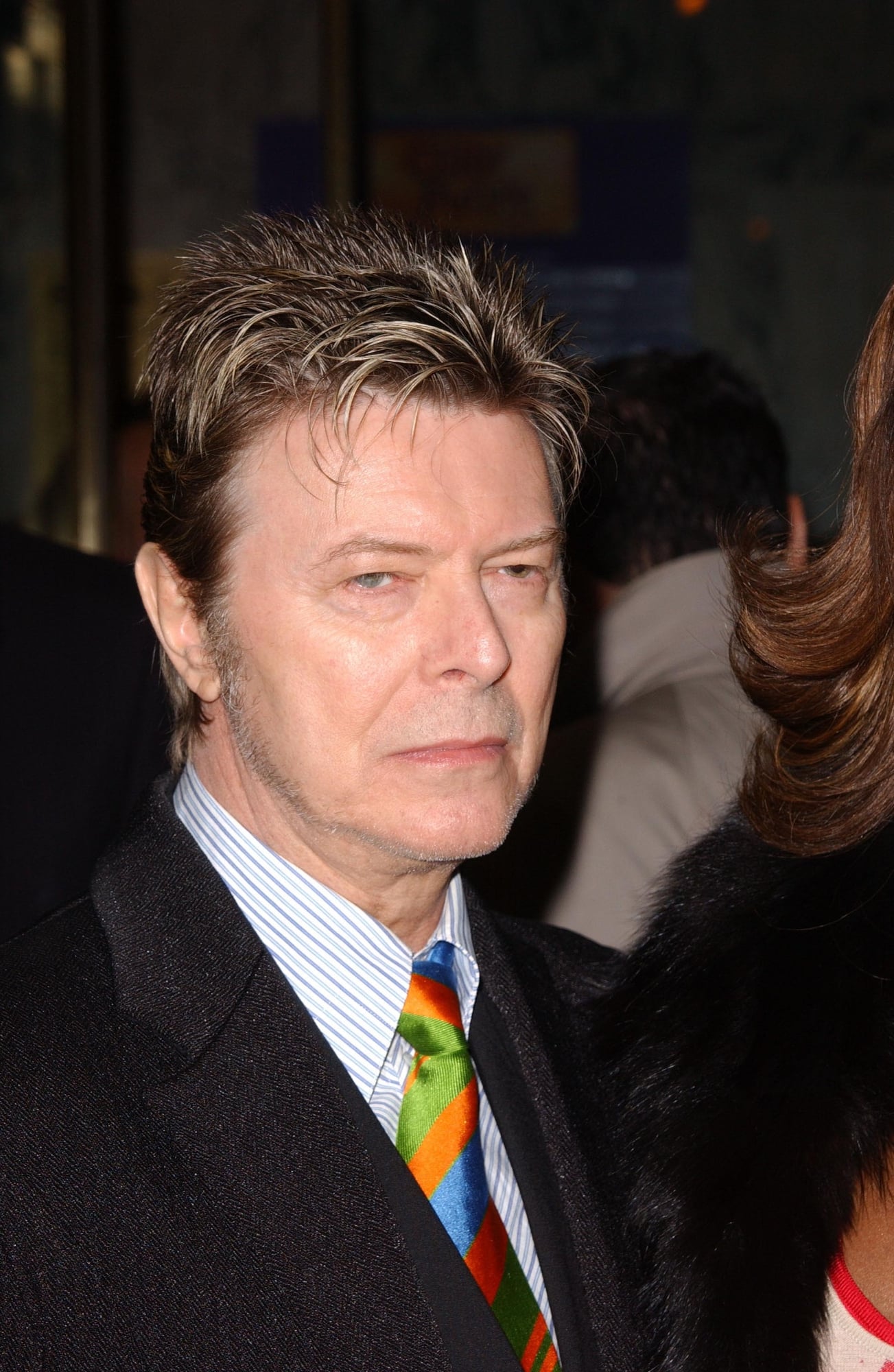
Oscar Wilde died in 1900. David Bowie was born in 1947. The fabricated encounter ignores this detail completely.
The story places them in a London tailor shop in 1972, with Wilde mysteriously alive at 118 years old while Bowie is being fitted for Ziggy Stardust. Wilde critiques the design and declares that true style whispers rather than shouts.
Wilde then redesigns the Ziggy concept, adding symbolic elements like the lightning bolt and refined color choices. He calls Bowie “the only person in this century who understands that being yourself is the most radical act possible.”
Shakespeare Collaborating with Bob Dylan
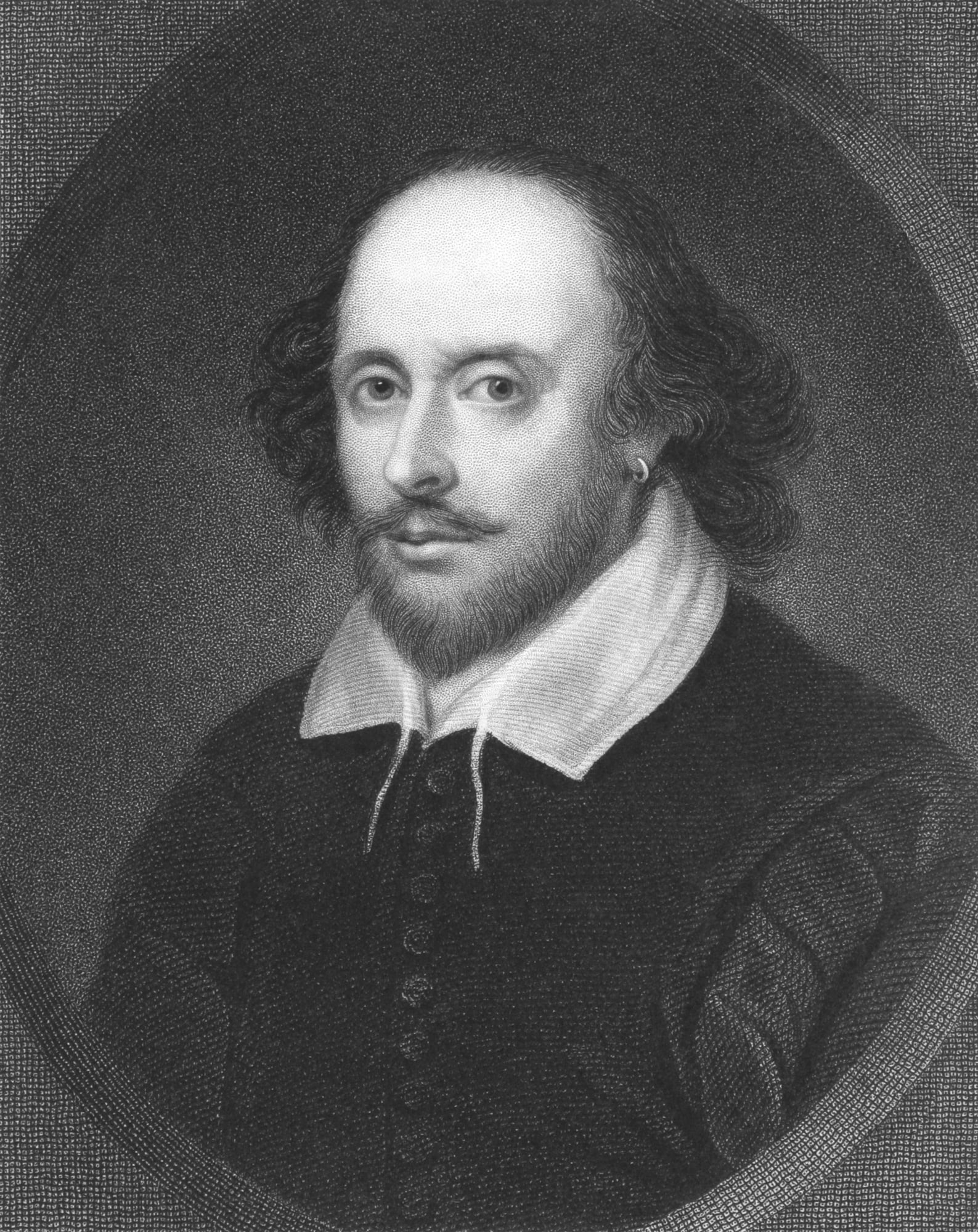
William Shakespeare somehow survives until 1965 and encounters Bob Dylan in a Greenwich Village coffee shop. Shakespeare is initially annoyed by Dylan’s voice but becomes fascinated by the wordplay and rhythm.
They spend the night rewriting “Like a Rolling Stone,” blending classical structure with compressed lyrical storytelling. The collaboration is lost when Dylan’s manager accidentally throws away the napkins they wrote on.
Shakespeare repeatedly tries to convince Dylan to write a song about Hamlet, while Dylan insists it would be a terrible folk song title.
Jane Austen Editing Hemingway’s Manuscripts
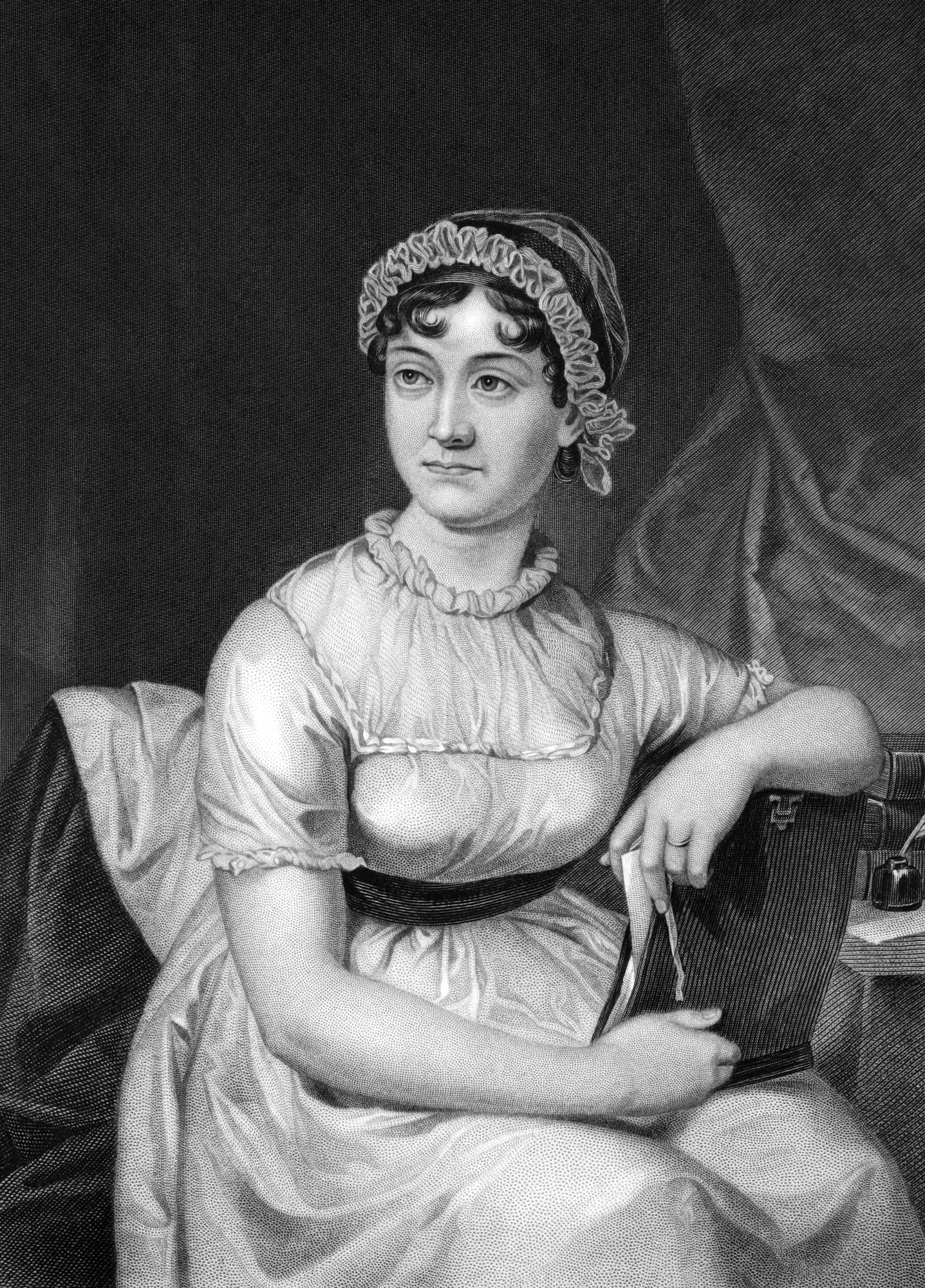
Jane Austen survives to the age of 150 and meets Ernest Hemingway in a Paris café in 1925. She reads his work and critiques his male characters as emotionally shallow.
Austen rewrites passages, adding psychological depth and emotional complexity. Hemingway gradually realizes she understands human nature more deeply than he does.
She advises him to stop proving strength and start writing honestly. He never publicly credits her influence because it would damage his masculine image.
Tesla Explaining Electricity to Benjamin Franklin
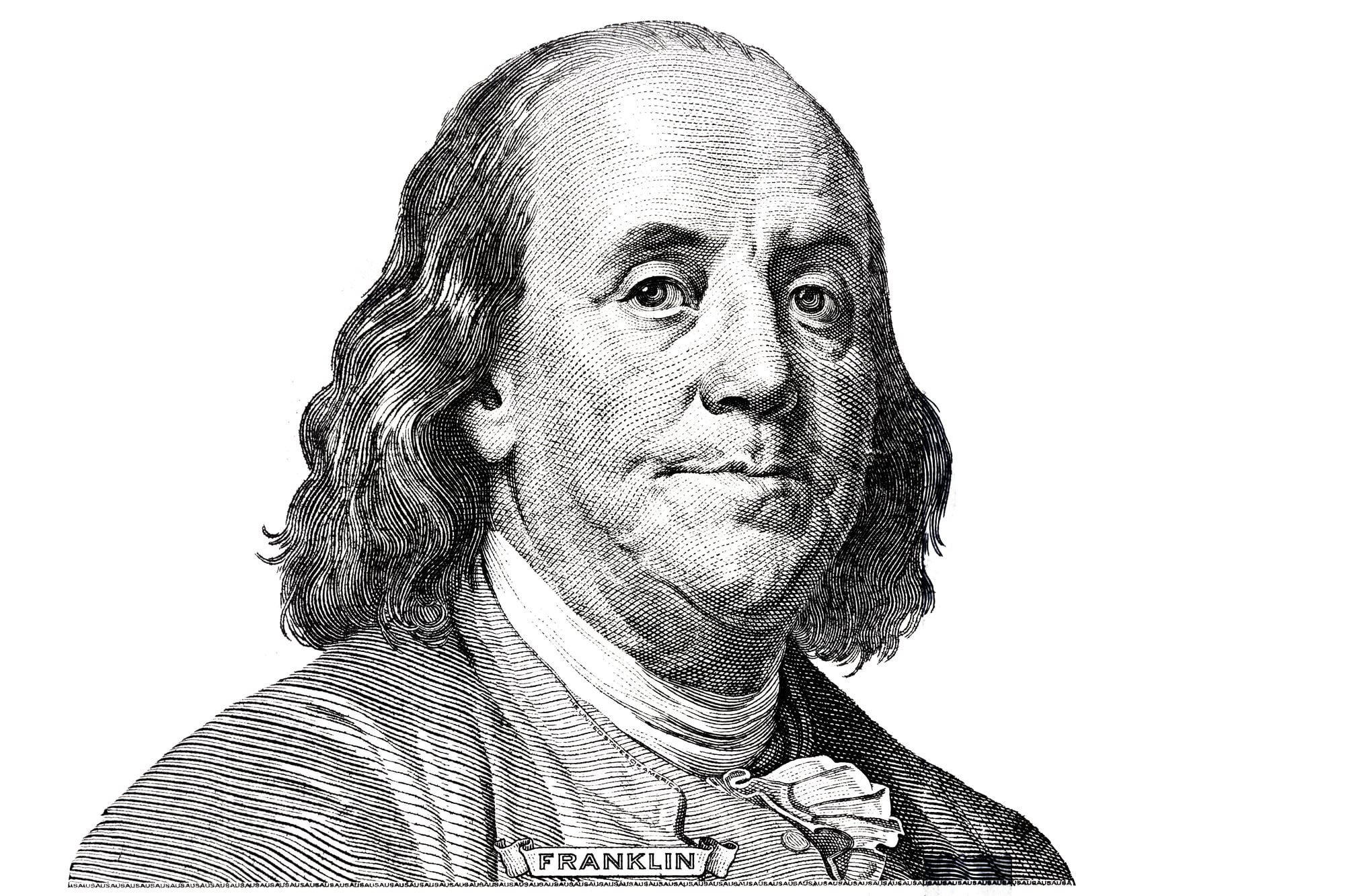
Benjamin Franklin’s spirit appears in Nikola Tesla’s laboratory during an electrical experiment. Franklin is fascinated by modern scientific advancements beyond his kite experiments.
Tesla explains alternating current and wireless transmission while Franklin asks questions that sharpen Tesla’s thinking. Franklin helps him resolve technical problems he had struggled with for months.
Franklin predicts instant global communication long before it becomes reality. He vanishes at dawn after inspiring Tesla’s most productive period.
Frida Kahlo Teaching Andy Warhol to Paint
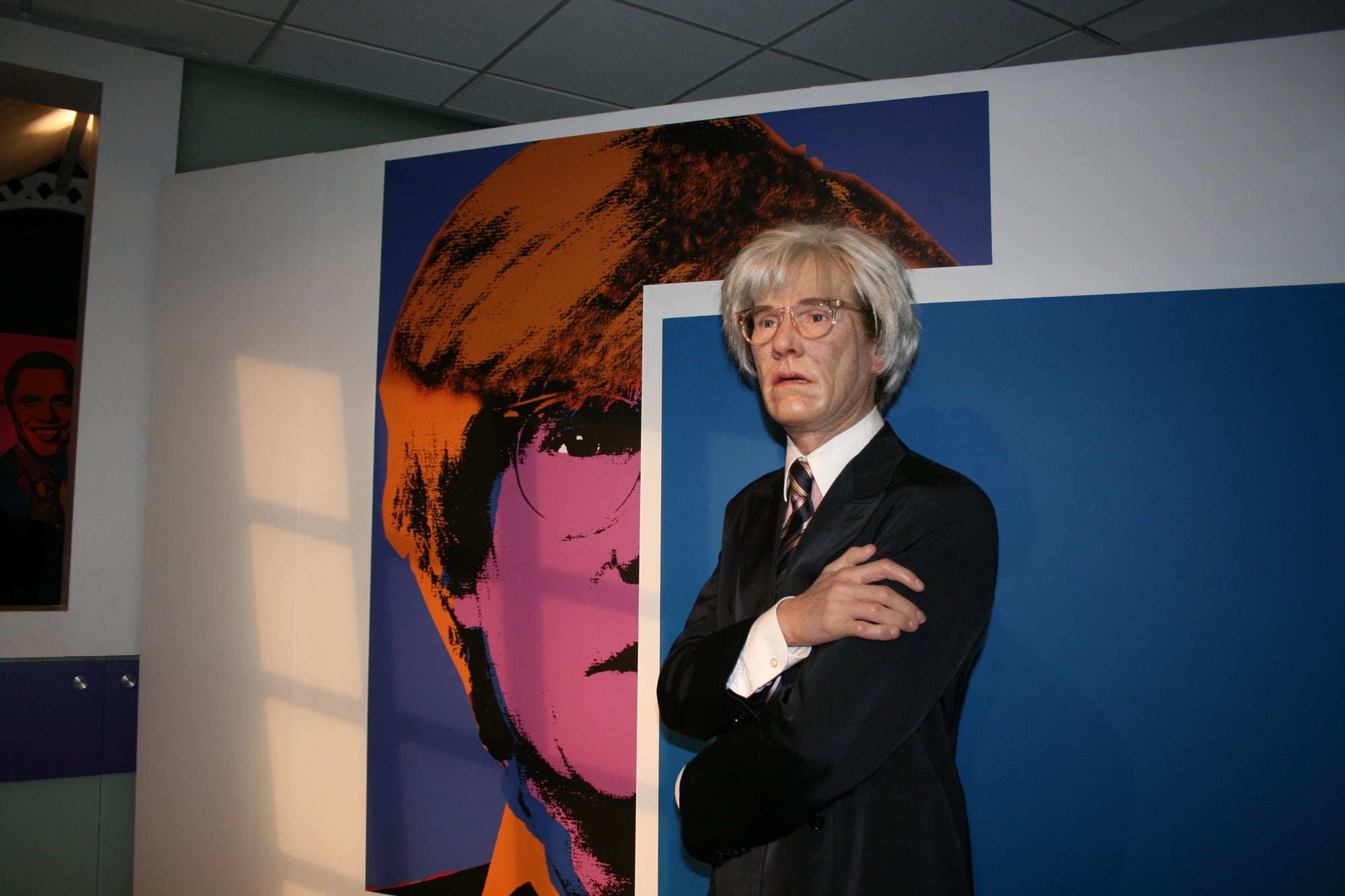
Frida Kahlo meets Andy Warhol in New York while recovering from surgery. She critiques his early work as emotionally empty but technically skilled.
Kahlo teaches him to paint from personal pain and emotional truth. Warhol begins opening up about his insecurities during their sessions.
Her influence leads to his concept of repetition as emotional processing rather than pure commercial commentary. She tells him to paint what scares him until it no longer does.
Winston Churchill Debating Politics with John Lennon
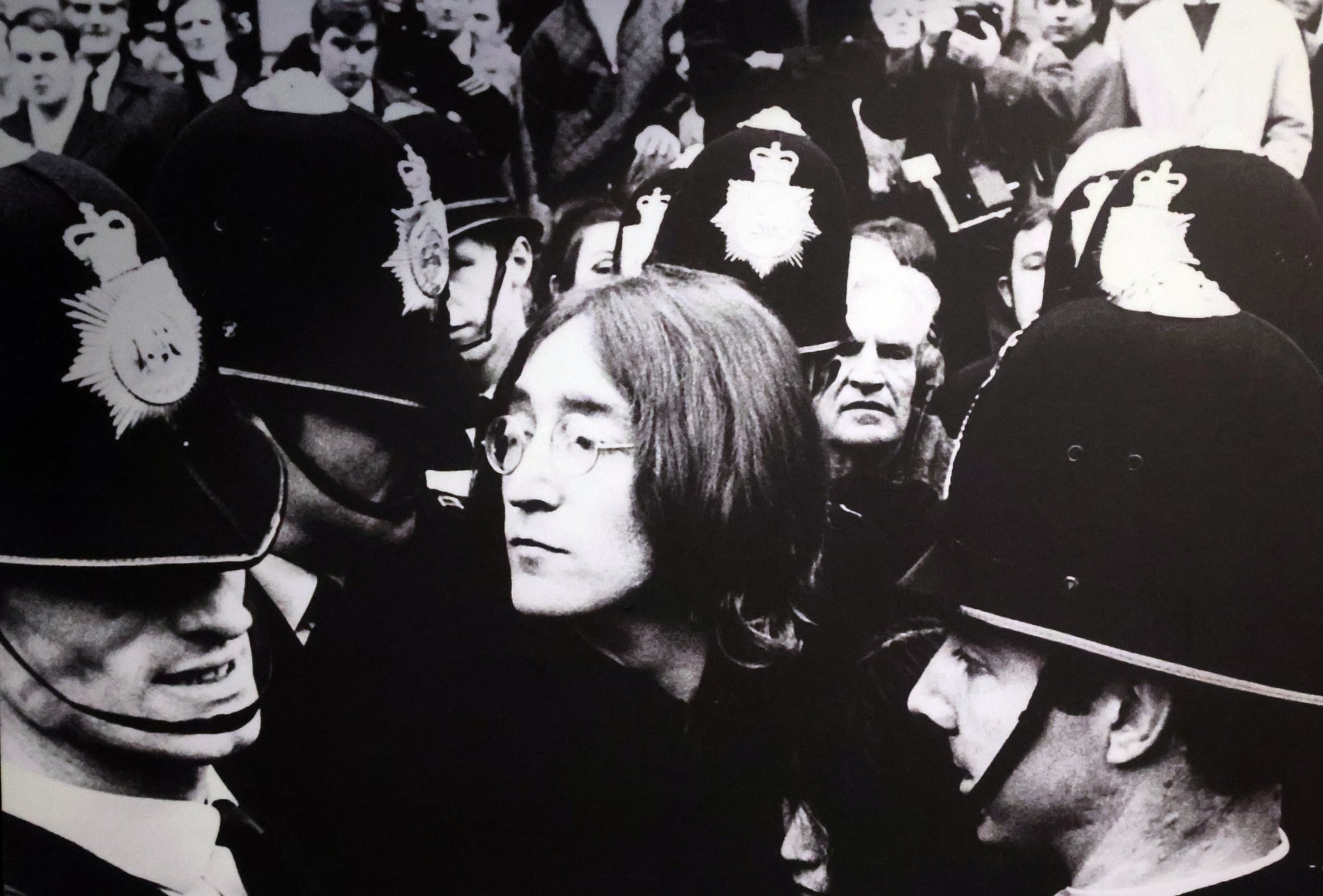
Winston Churchill’s spirit appears in the Abbey Road studios during a Beatles recording session in 1969. He debates John Lennon about war and pacifism.
Churchill challenges Lennon’s views while Lennon defends nonviolence. Their discussion influences the tone of several songs on the album.
Churchill criticizes “Come Together” as political nonsense disguised as poetry. He later observes the rooftop concert with silent approval of their rebelliousness.
Leonardo da Vinci Designing Costumes for Prince
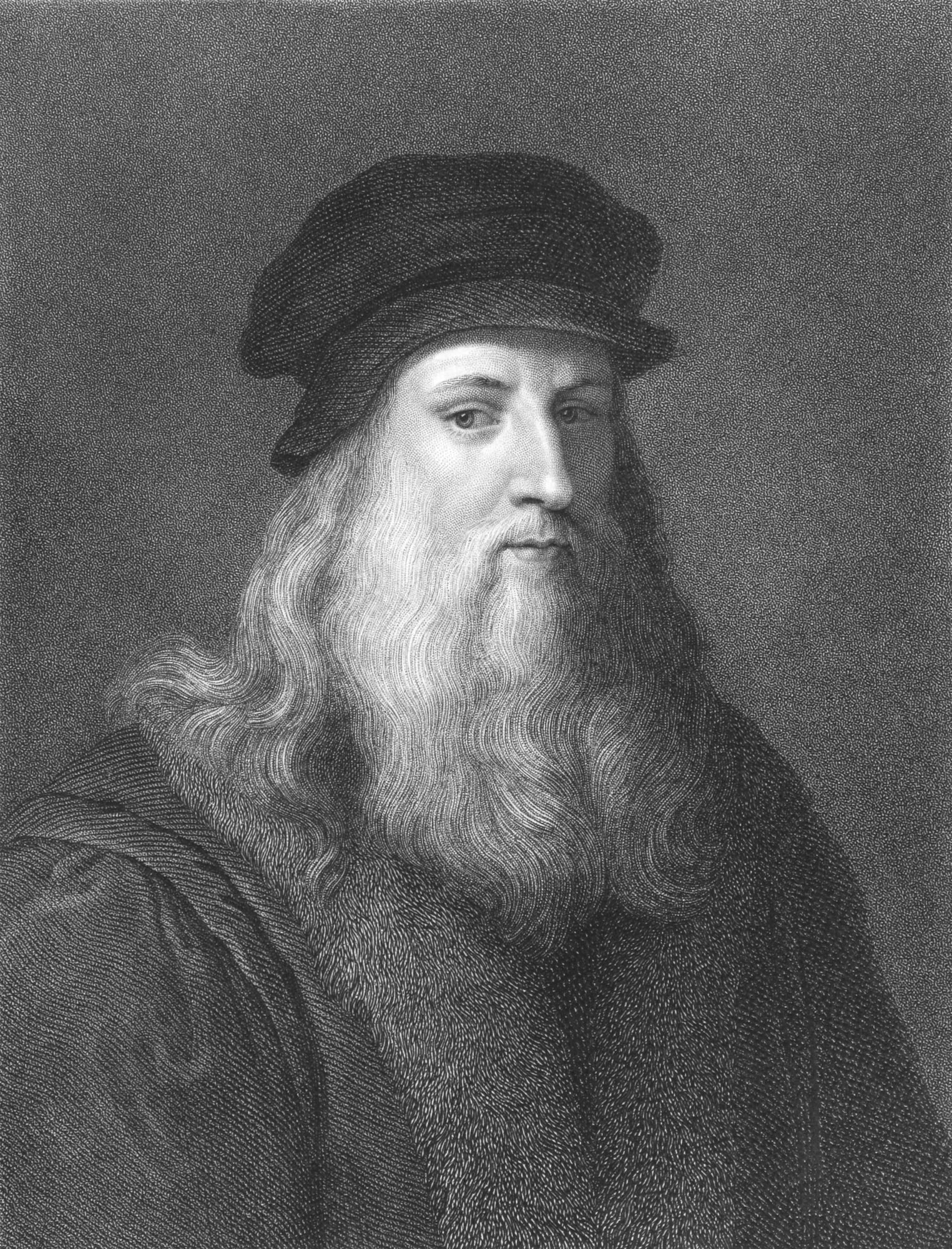
Leonardo da Vinci survives to 1984 and meets Prince backstage before a concert. He critiques Prince’s stage costumes as lacking engineering precision.
Da Vinci redesigns the wardrobe using principles of physics and anatomy. The costumes enhance movement and visual impact on stage.
Prince incorporates da Vinci’s ideas into his performances and music videos. Their collaboration peaks with the choreography of “Purple Rain.”
Marie Curie Discussing Science with Carl Sagan

Marie Curie’s spirit visits Carl Sagan at Cornell University in the 1970s. She observes his fascination with the cosmos and scientific storytelling.
Curie teaches that the simplest truths are often the most profound. Sagan applies this idea in communicating science emotionally.
Her fascination with space reinforces his vision of cosmic interconnectedness. She is amazed by how far science has progressed since her lifetime.
Edgar Allan Poe Inspiring Stephen King Horror Stories
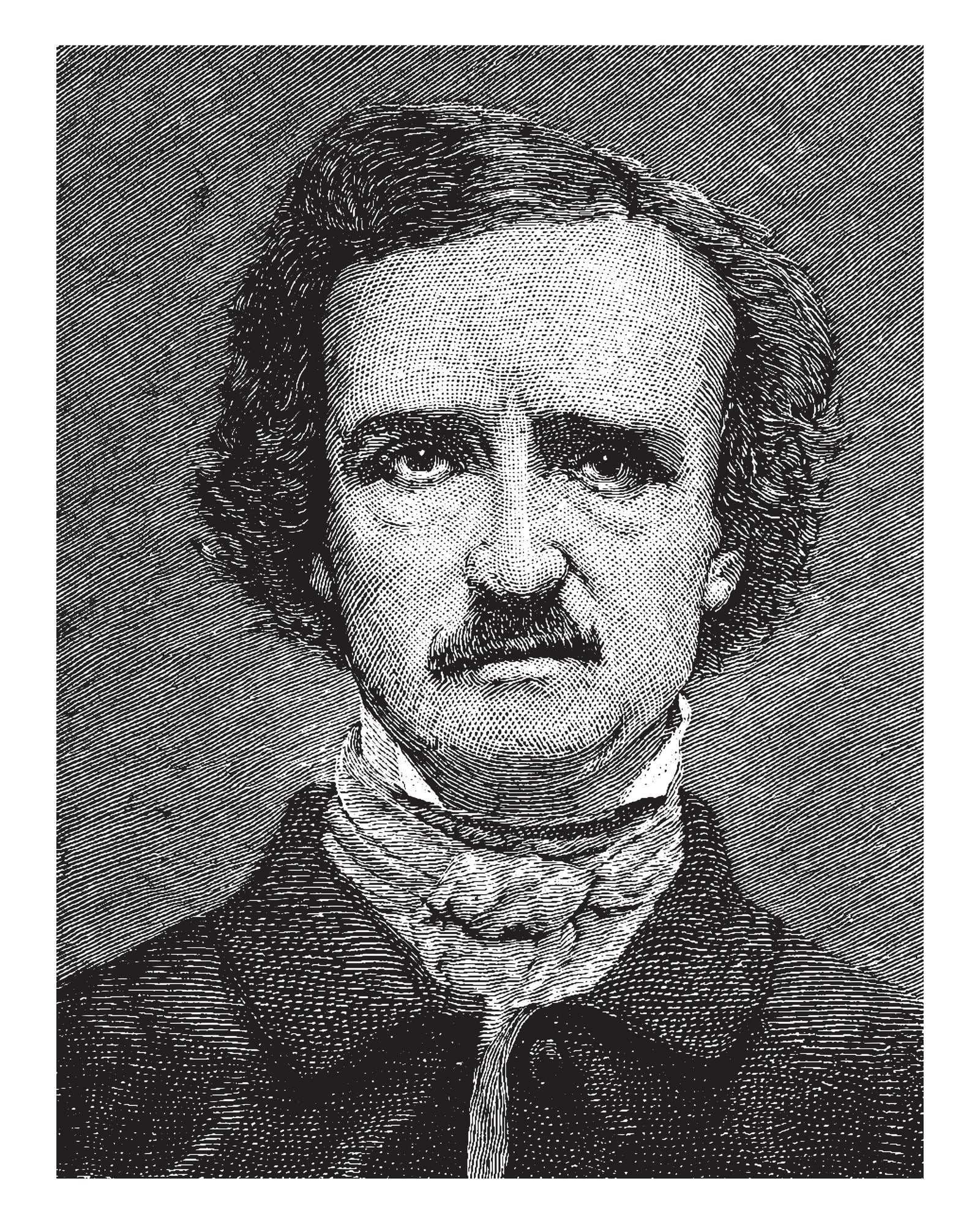
Edgar Allan Poe’s ghost appears in a Salem cemetery in 1975 to Stephen King. Poe critiques his early work as effective but psychologically shallow.
Poe teaches techniques for psychological horror and unreliable narration. King learns that fear comes from within the reader as much as the story.
The encounter shapes King’s approach to horror writing permanently. Poe leaves him with the idea that the scariest monsters are internal.
When Reality Feels Less Interesting Than Fiction
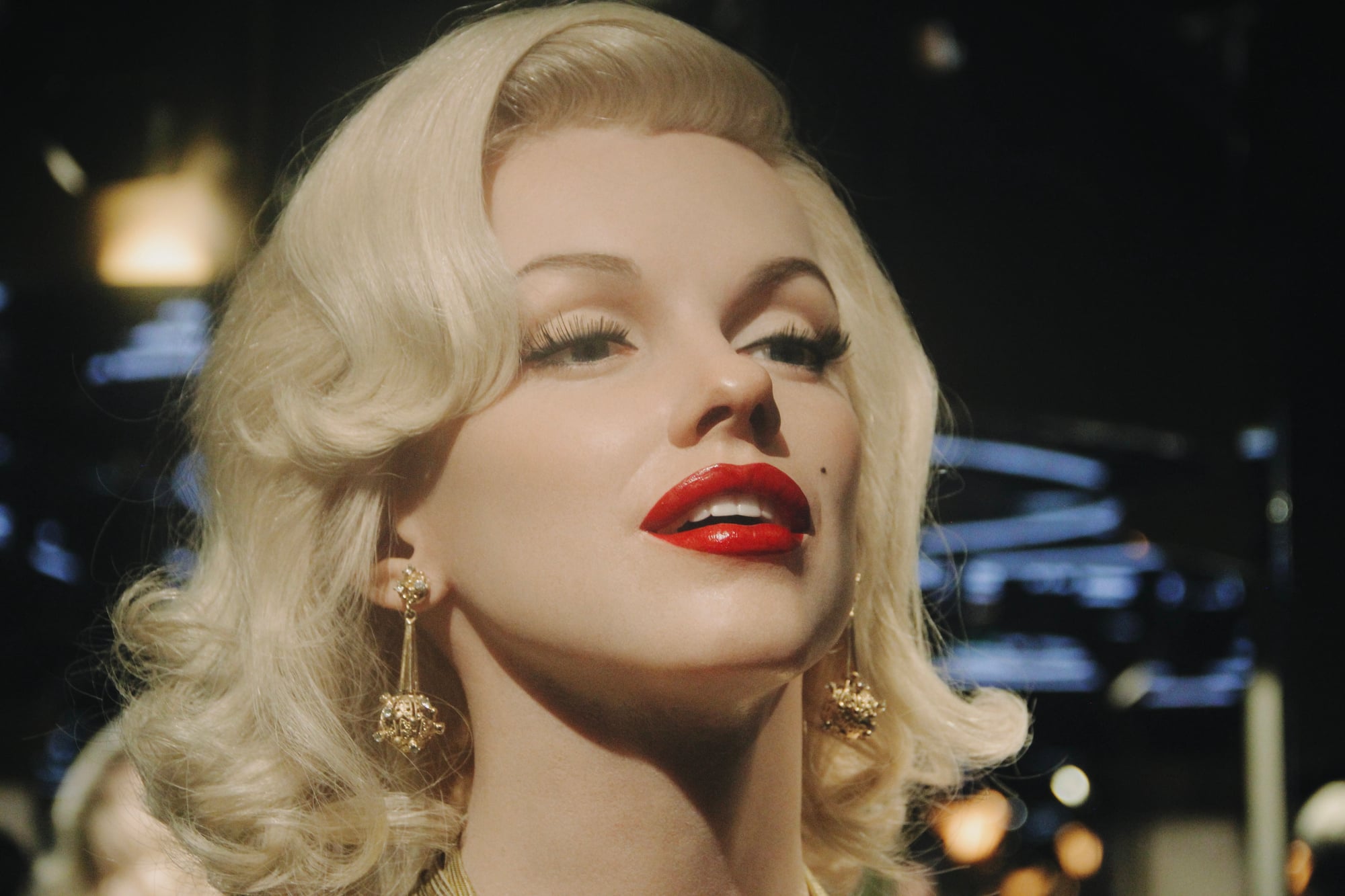
These fabricated encounters persist because they imagine meaningful connections across time and circumstance. They reflect the belief that creative minds would naturally find each other.
Real history is constrained by time and geography in ways fiction ignores. Yet these stories reveal a desire for deeper intellectual and artistic connection across boundaries.
More from Go2Tutors!

- The Romanov Crown Jewels and Their Tragic Fate
- 13 Historical Mysteries That Science Still Can’t Solve
- Famous Hoaxes That Fooled the World for Years
- 15 Child Stars with Tragic Adult Lives
- 16 Famous Jewelry Pieces in History
Like Go2Tutors’s content? Follow us on MSN.