28 Ancient Structures Still Not Fully Explained
Archaeological mysteries persist despite centuries of investigation. Certain ancient structures defy easy categorization—their purpose remains contested, their construction methods obscure, or their astronomical alignments suggest knowledge beyond what their builders supposedly possessed.
These monuments endure as testament to human ambition and engineering capability that modern archaeologists still struggle to fully understand. Each structure represents a puzzle where pieces are missing, interpretations conflict, and definitive answers remain elusive.
Stonehenge
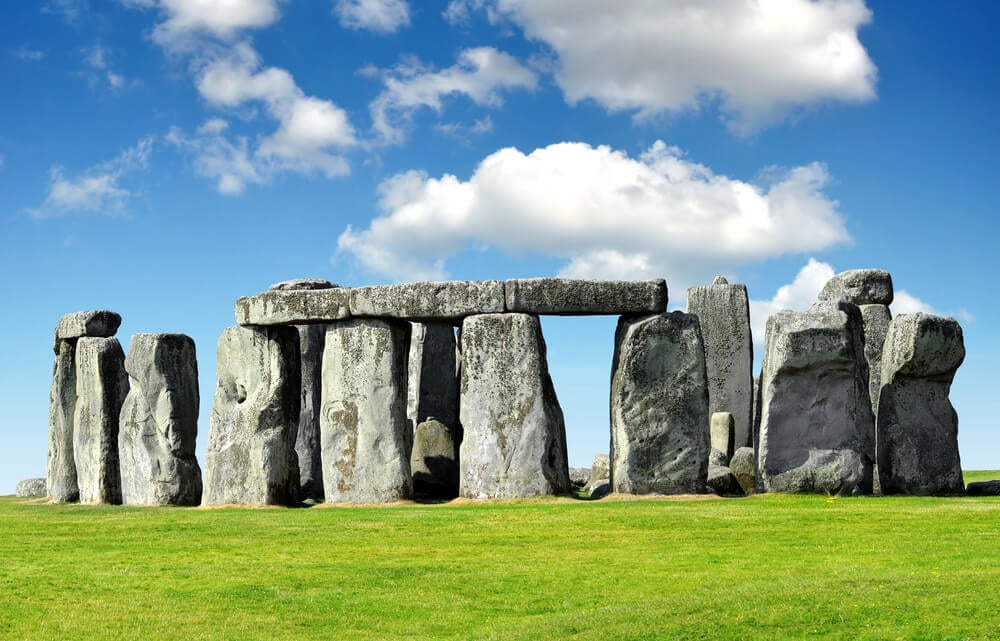
Built between 3000 and 1500 BCE on Salisbury Plain in England, Stonehenge’s exact purpose remains debated—astronomical observatory, healing temple, burial site, or ceremonial gathering place—though its precise solar and lunar alignments suggest advanced astronomical knowledge among its Neolithic builders.
The Great Pyramids of Giza

Despite extensive research, questions persist about the exact construction methods, internal purposes of various chambers, and whether the pyramids served functions beyond burial. The precision of their alignment and internal mathematical relationships continue to puzzle modern engineers.
Nazca Lines
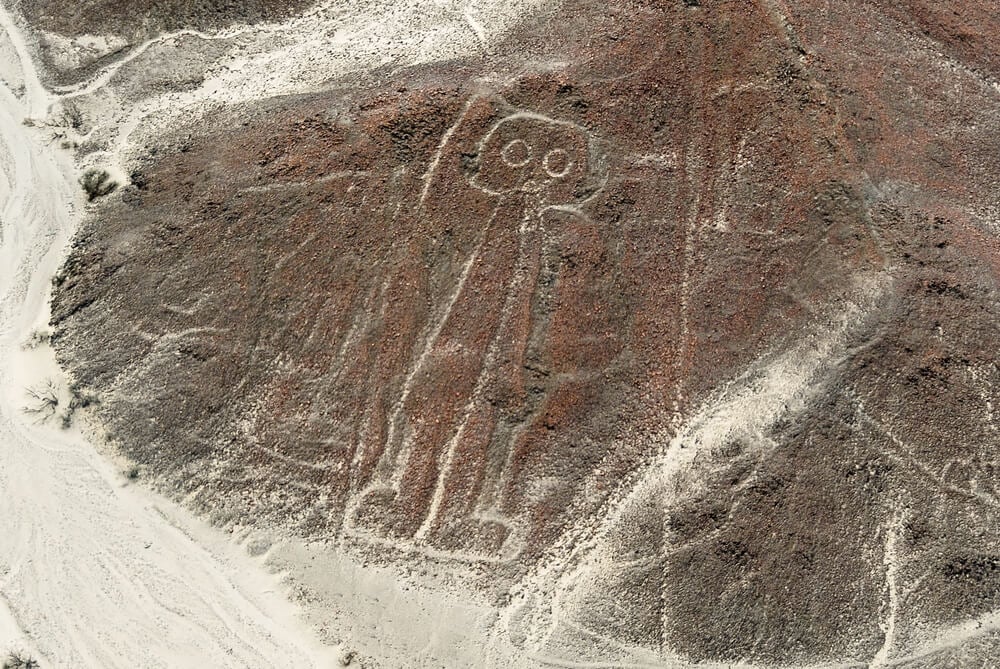
Massive geoglyphs etched into the Peruvian desert depicting animals and geometric shapes visible only from above perplex researchers who cannot definitively explain why the Nazca culture invested such effort in creating images they themselves could never fully see.
Easter Island Moai

Enormous stone heads scattered across Easter Island, their construction and transportation methods remain partially mysterious despite archaeological research. The resource investment in creating them continues to perplex researchers studying a collapsed civilization.
The Sphinx of Giza
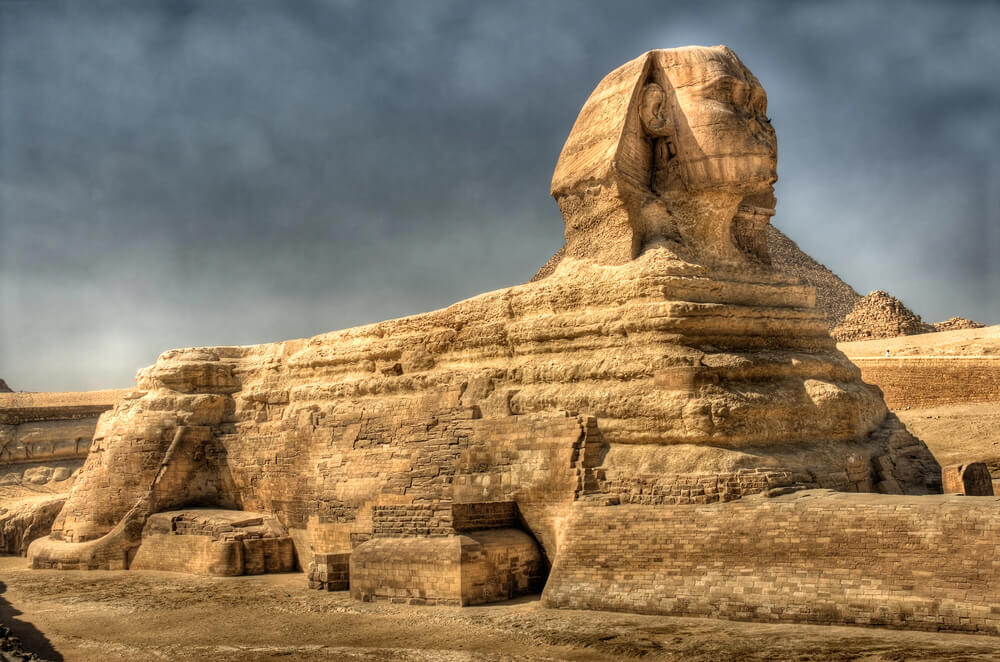
Dating and purpose remain contested, with weathering patterns and internal structural questions suggesting either earlier construction than Khafre’s reign or purposes beyond the commonly accepted guardian role.
Angkor Wat

This sprawling temple complex in Cambodia represents such engineering sophistication that its construction methods remain only partially understood, particularly regarding water management systems that sustained it.
Machu Picchu
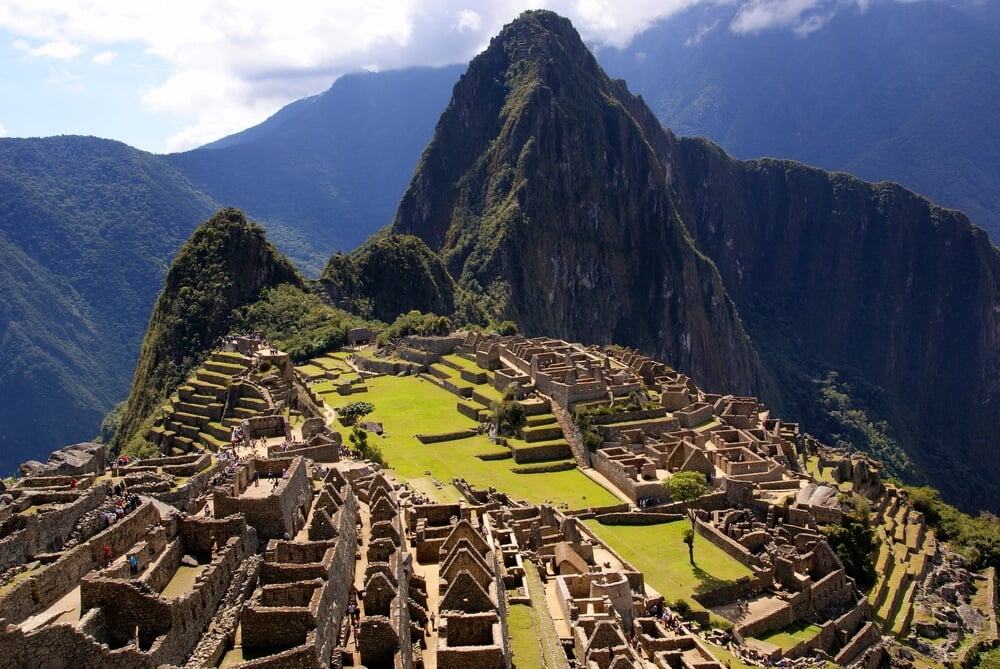
The Incan citadel’s exact purpose remains debated—royal estate, religious site, astronomical observation post, or combination—while its construction and maintenance by mountain dwellers puzzles modern engineers studying its engineering.
Baalbek Terrace
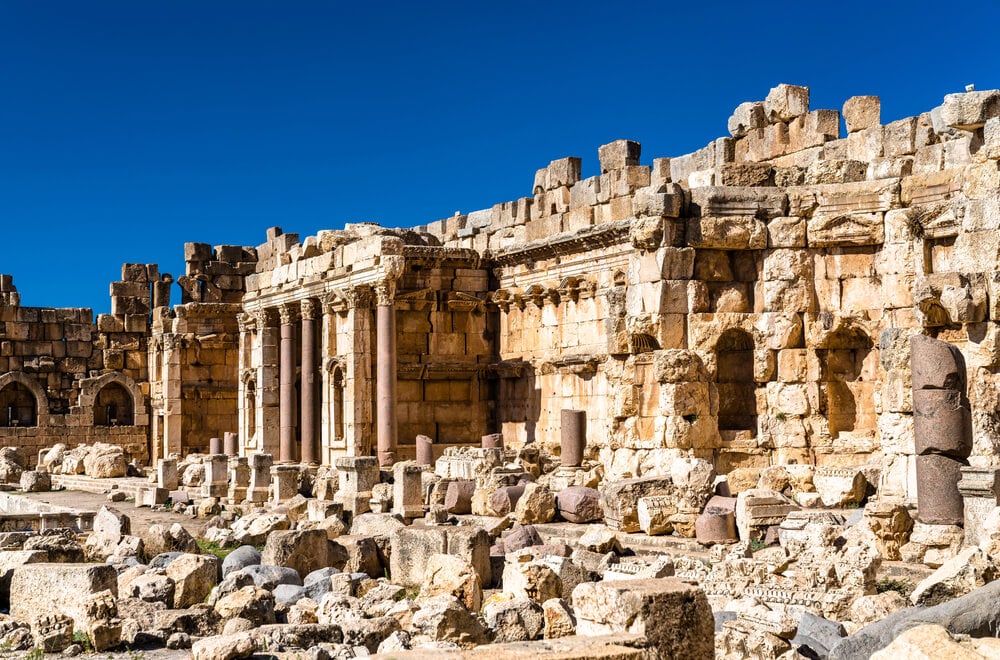
Massive stone blocks weighing up to 800 tons precisely fitted without mortar in Lebanon perplex modern engineers who cannot definitively explain how ancient builders quarried, transported, and positioned them.
The Coral Castle
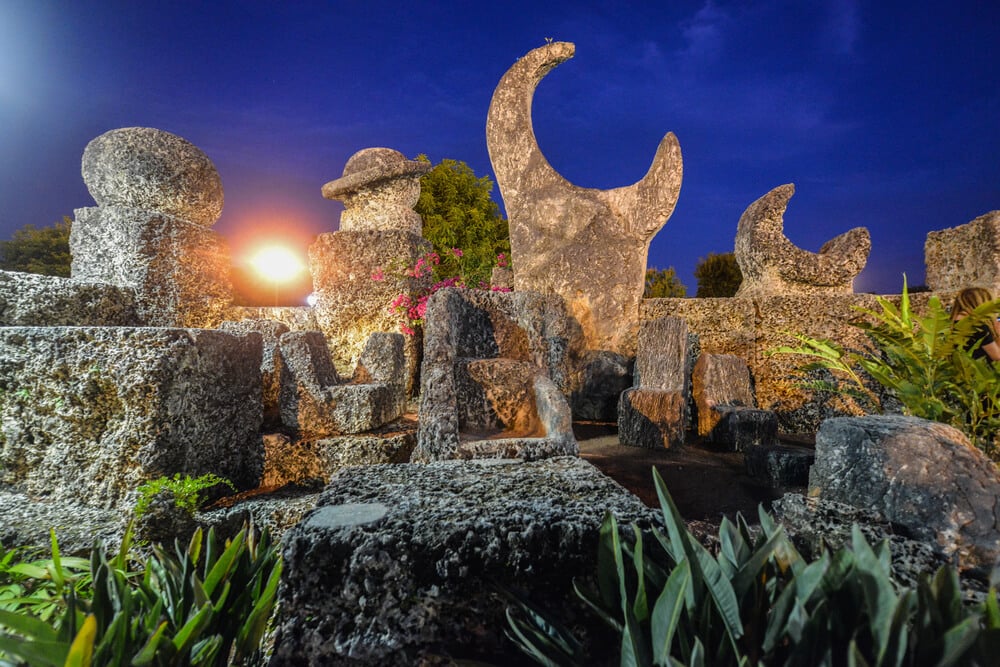
A 20th-century American monument built by one man using blocks weighing multiple tons, its construction method remained a mystery until the builder’s death, revealing unconventional techniques modern engineers find difficult to replicate.
Puma Punku
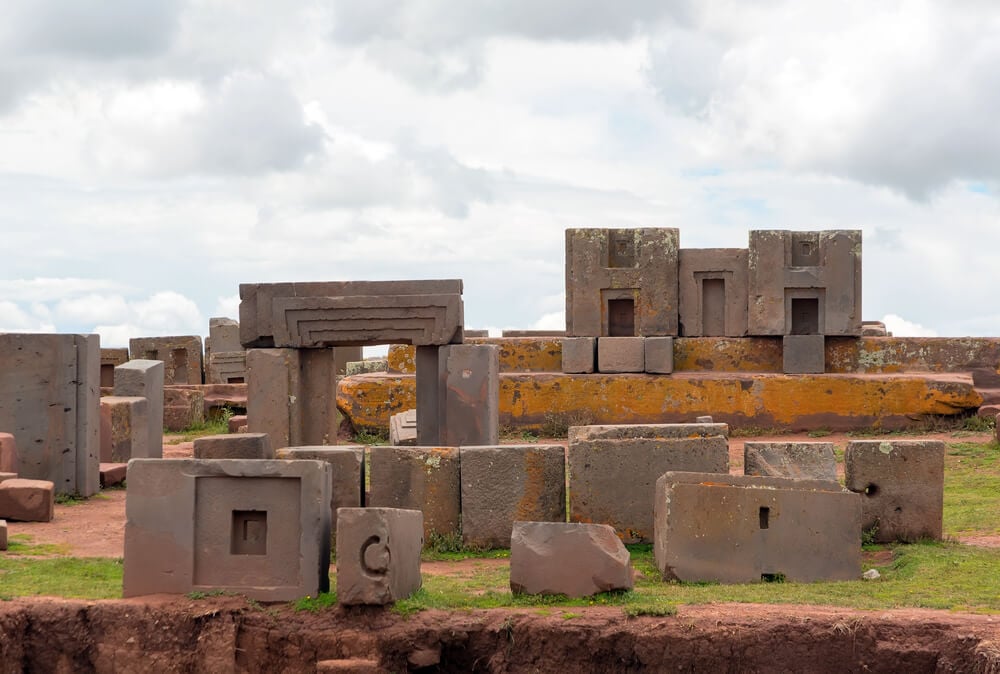
Peruvian ruins containing precisely cut stone blocks fitted with mechanical precision puzzle archaeologists who cannot definitively explain the construction techniques used for such accuracy.
Teotihuacan
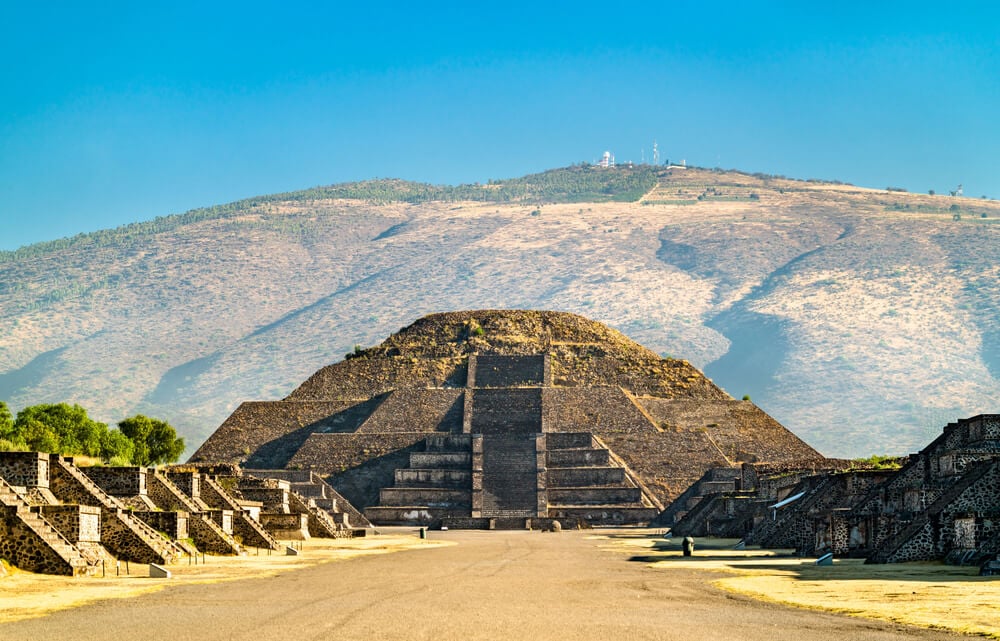
This pre-Aztec Mexican city exhibits mathematical and astronomical alignments so precise that researchers debate whether they represent intentional design or coincidence, though the alignment probability suggests deliberate planning.
The Antelope House

A Navajo structure whose construction purpose and astronomical alignments remain partially mysterious despite recent research suggesting sophisticated astronomical observation capabilities.
Carnac Stones
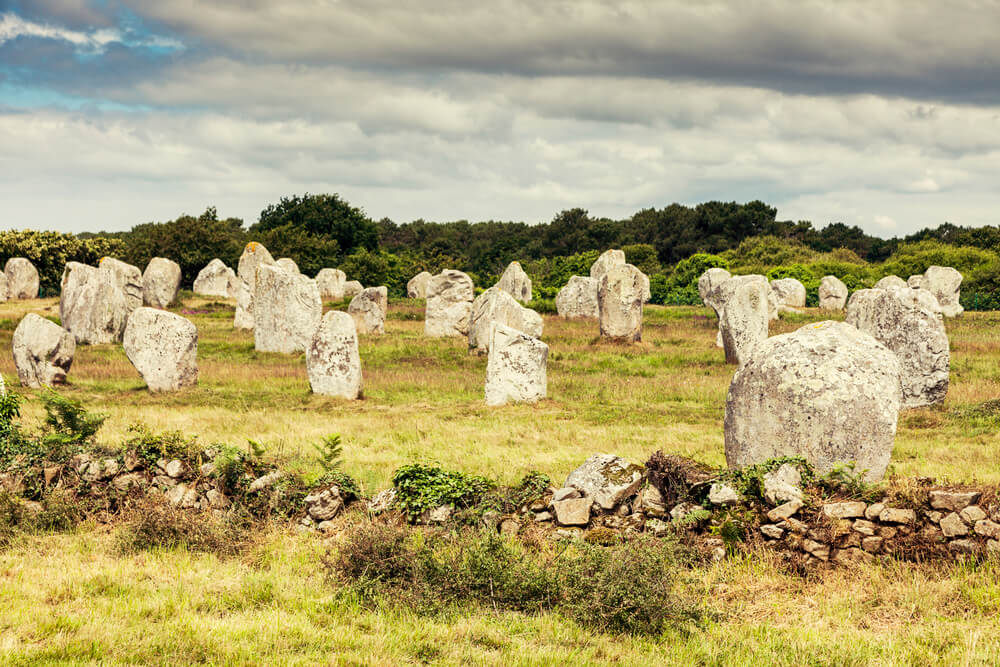
Thousands of standing stones arranged in precise rows across Brittany, France, whose purpose remains unknown despite theories ranging from ceremonial to astronomical to defensive.
Silbury Hill
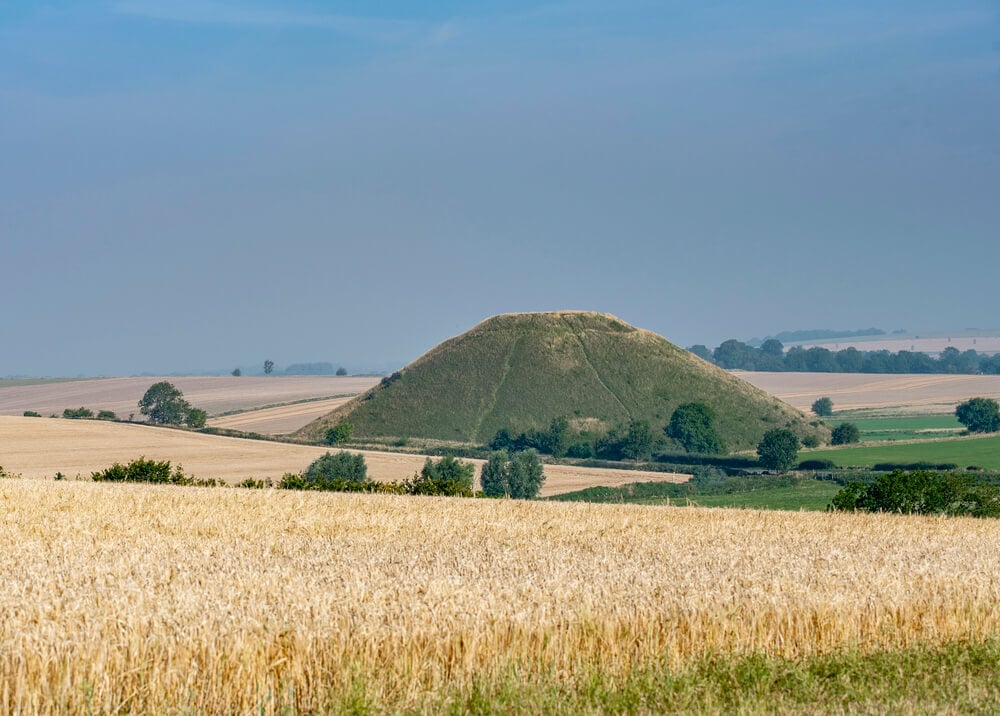
A man-made chalk mound in England of mysterious purpose, containing evidence of deliberate construction techniques but no clear indication of its ceremonial or functional purpose.
The Longyou Caves
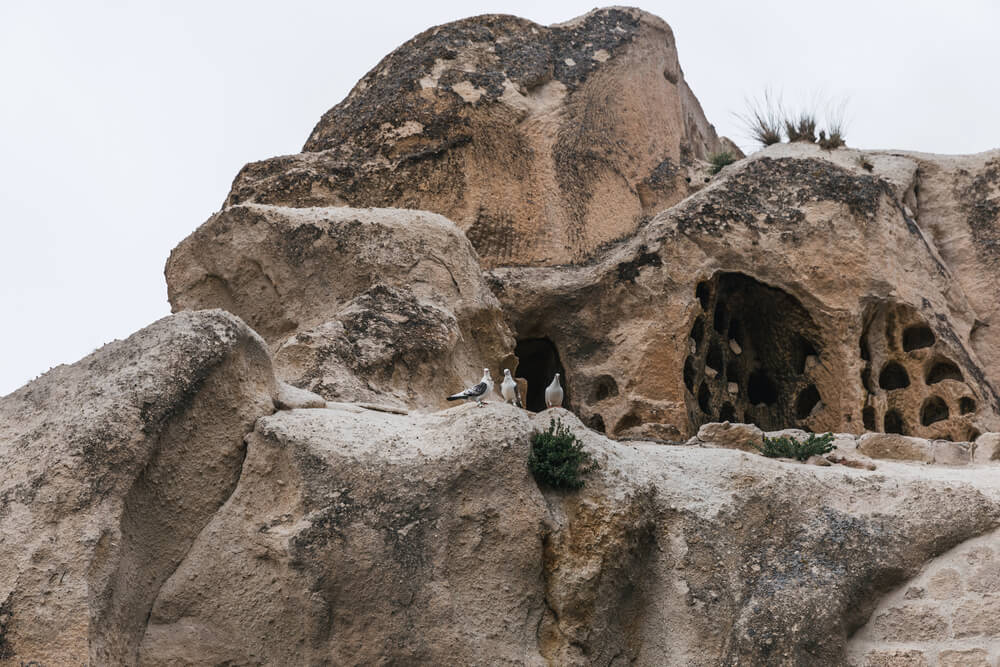
Recently discovered Chinese caverns containing hundreds of caves carved into bedrock with remarkable precision and technical sophistication, their purpose and construction methods remain mysterious.
Newgrange
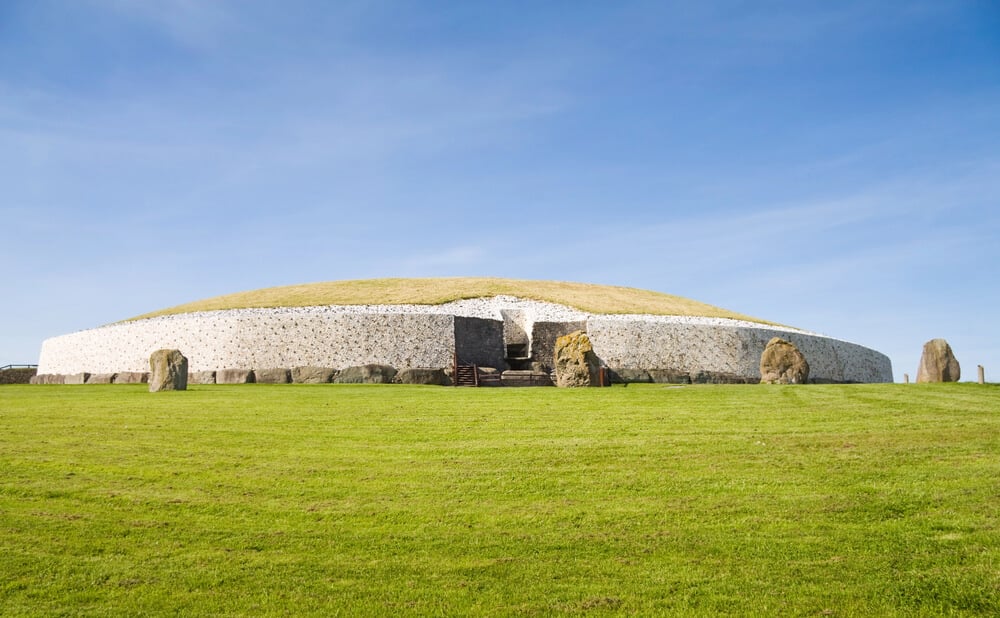
An Irish passage tomb with interior architectural features so precisely aligned to the winter solstice sunrise that researchers debate whether this represents sophisticated astronomical knowledge or remarkable coincidence.
Chichen Itza
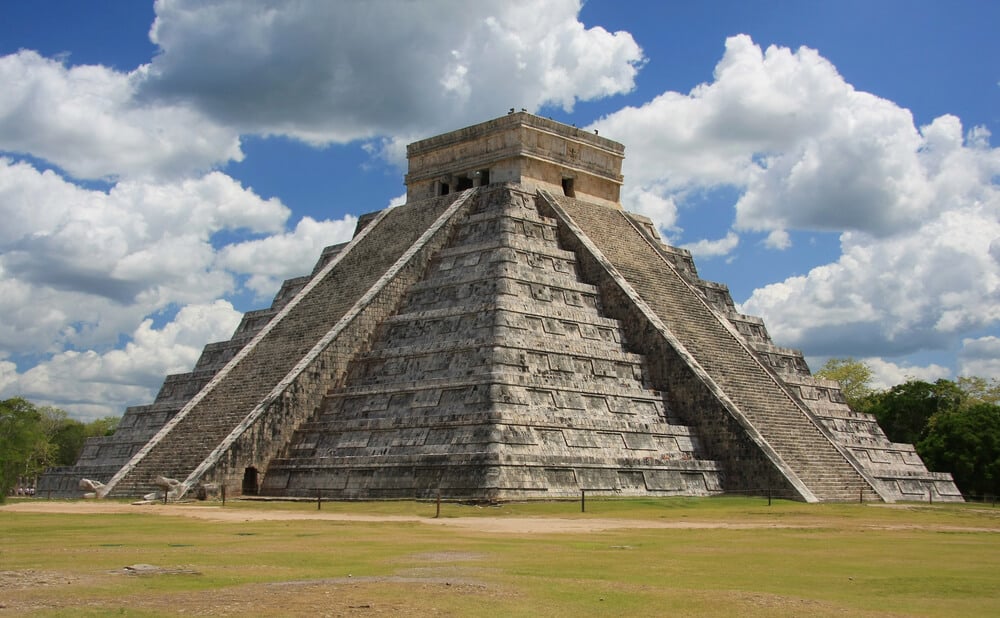
This Mayan complex exhibits such precise astronomical alignments in multiple structures that researchers question whether it represents intentional design or the Mayans possessed mathematical capabilities previously underestimated.
Mesa Verde
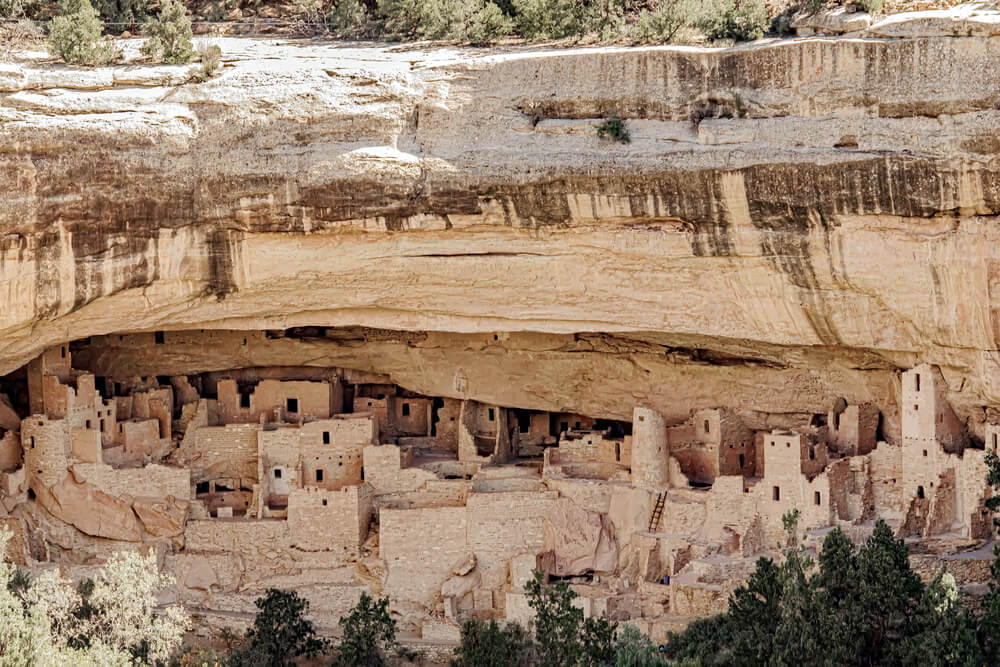
Anasazi cliff dwellings demonstrate construction techniques and architectural sophistication whose purposes remain partially debated among researchers studying the civilization.
Cahokia Mounds
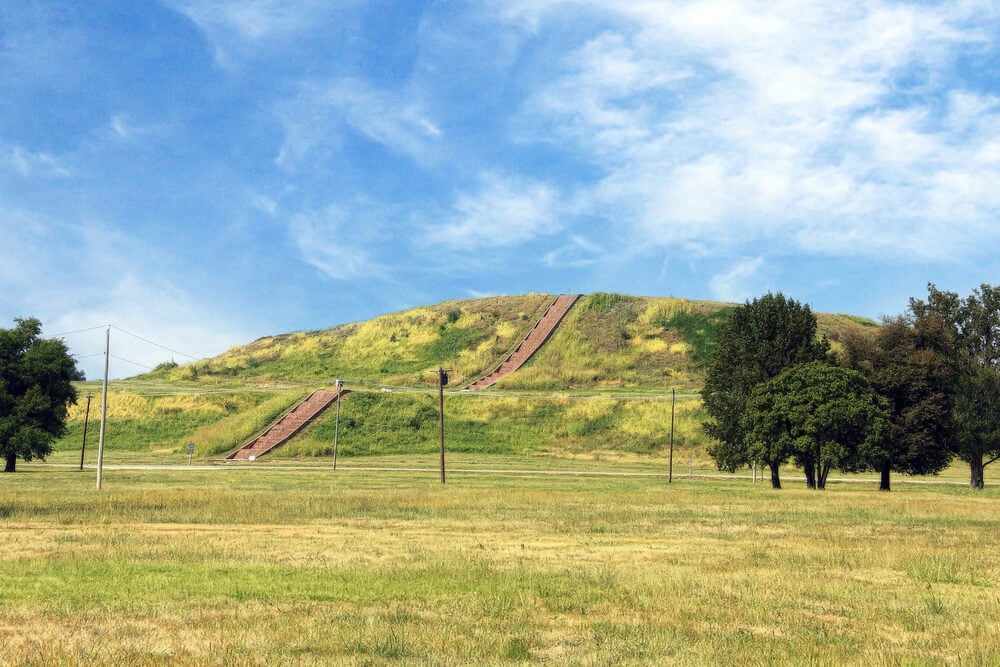
A pre-Columbian American settlement contained a massive earthen mound complex whose exact purposes remain disputed despite ongoing archaeological research.
The Rujm El-Hiri
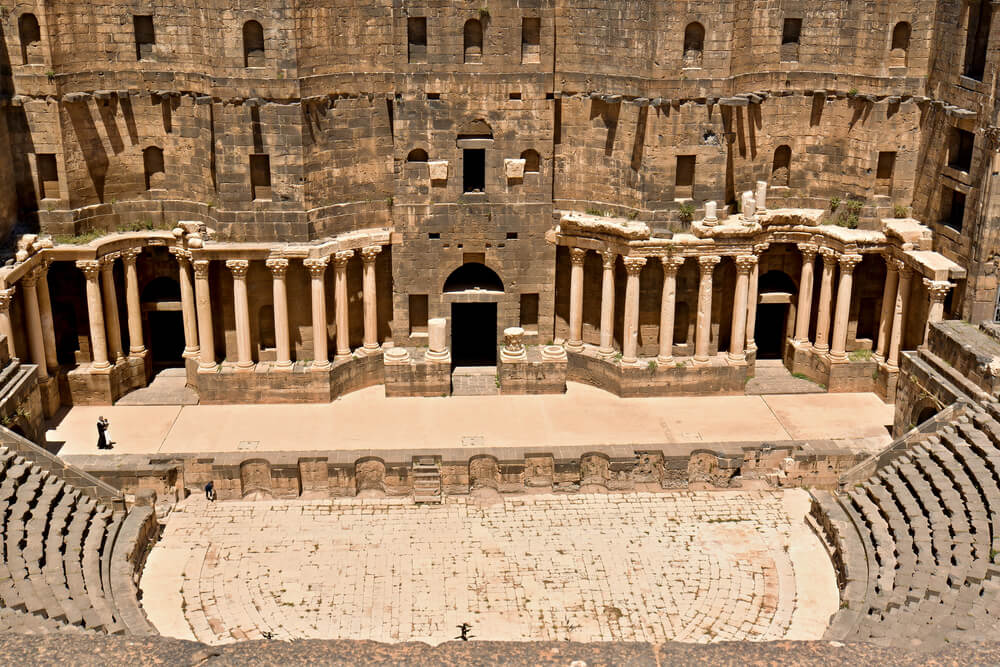
A mysterious stone structure in Syria consisting of concentric circles totaling about 150,000 tons of stone, whose purpose remains unknown despite theories ranging from astronomical observatory to defensive fortification.
Skara Brae

A Neolithic Scottish settlement reveals such sophisticated domestic architecture and community planning that researchers debate how much credit to give to prehistoric inhabitants for deliberate sophisticated design.
The Heiau Temples

Hawaiian temple structures demonstrate such precise architectural alignment with astronomical phenomena that researchers question whether they represent intentional observation capabilities.
Tiwanaku
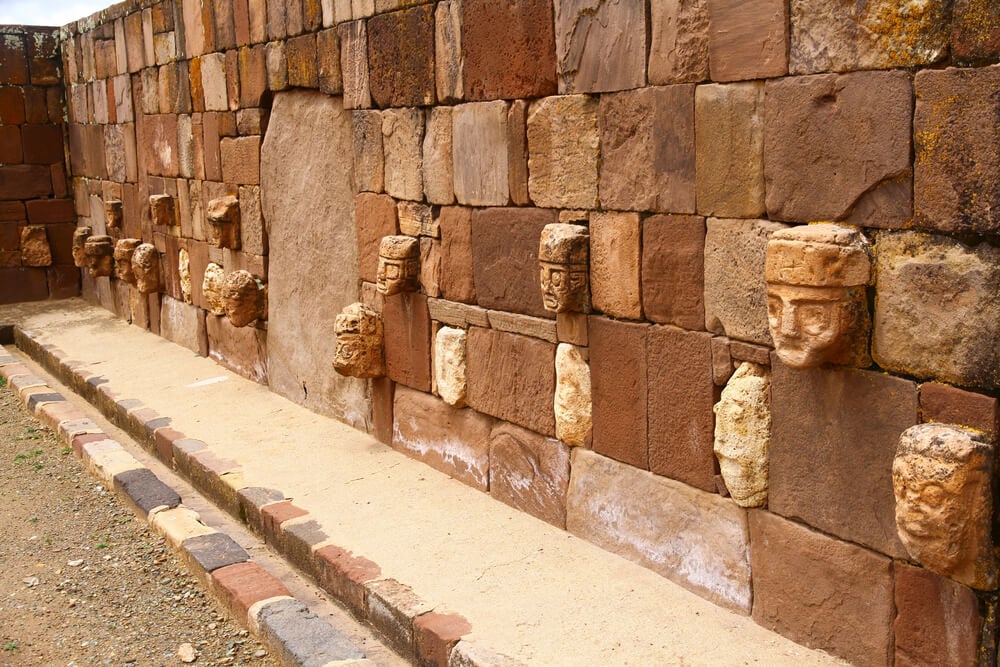
Bolivian ruins contain architectural features and astronomical alignments so precise that researchers debate whether they indicate sophisticated mathematical and astronomical knowledge.
The Dolmens of Europe
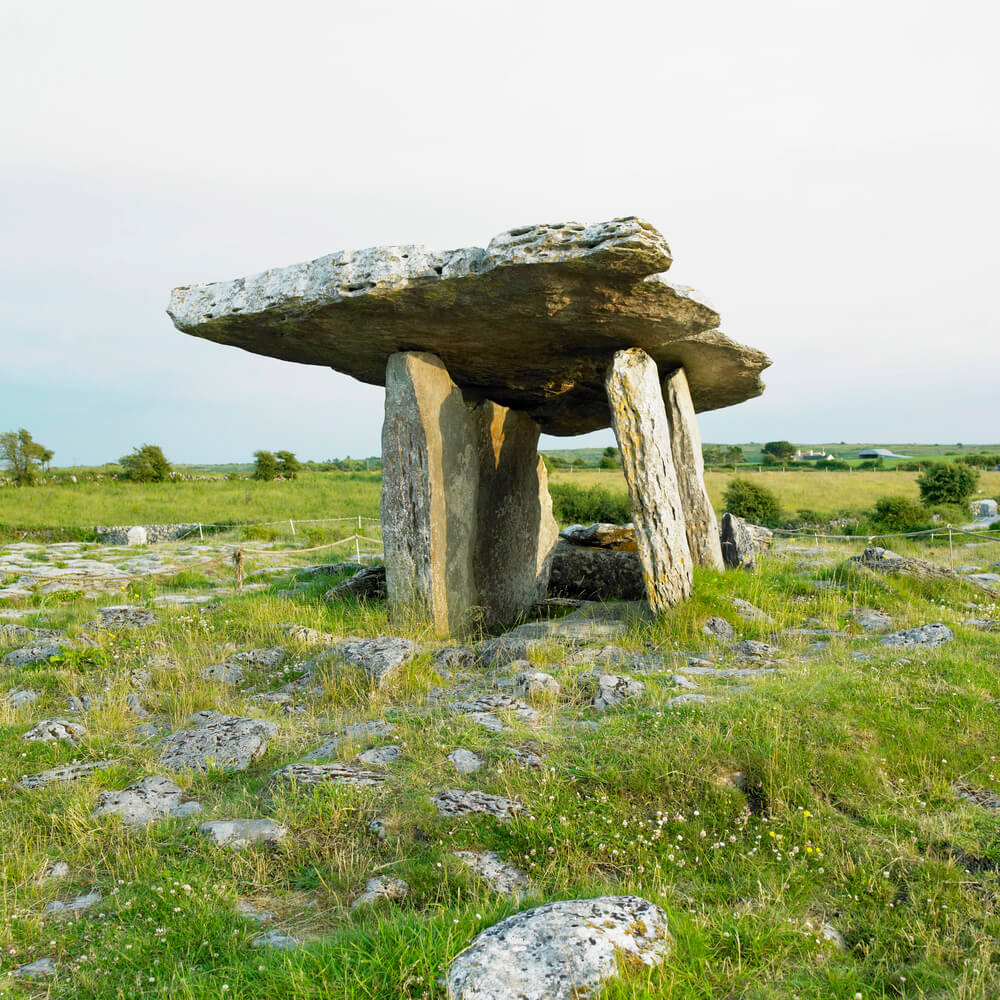
Megalithic burial structures distributed across Europe suggest coordinated culture or simultaneous development across distinct populations, a pattern researchers struggle to explain.
Callanish Stones

Scottish standing stones arranged in patterns suggesting astronomical alignments, though their exact purpose remains debated among researchers studying prehistoric Scotland.
The City of Sigiriya

A Sri Lankan rock fortress built atop a massive stone monolith demonstrates engineering sophistication whose construction methods perplex modern researchers studying ancient Asia.
Tenochtitlan’s Engineering

Aztec engineering for their island capital, including sophisticated water management and architectural design, represented capabilities only partially understood through archaeological remains.
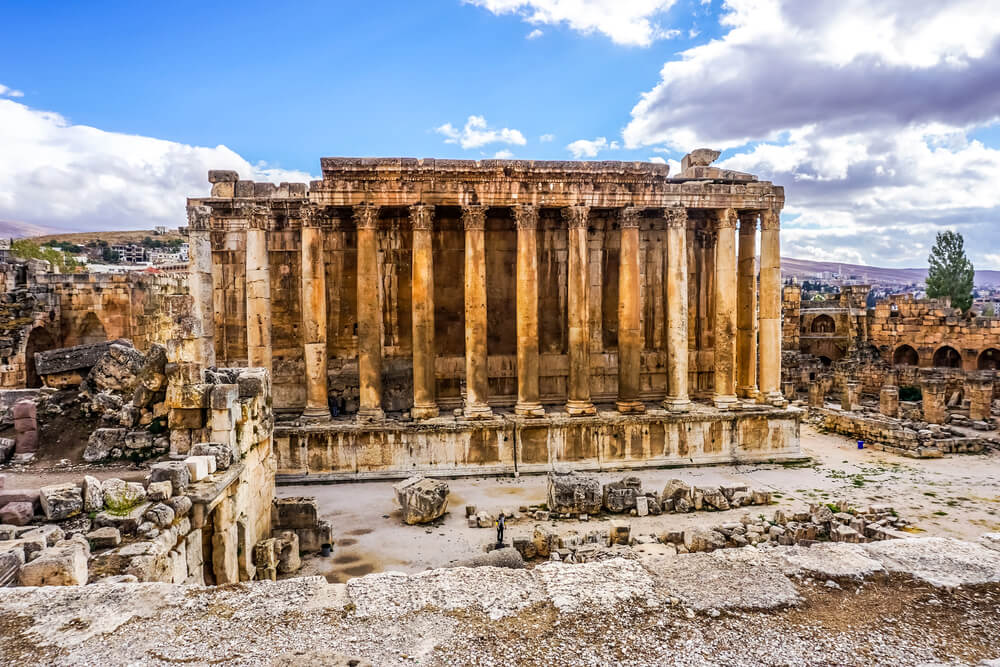
The Temple of Jupiter Baalbek

Roman precision in construction at this Lebanon site demonstrates such technical sophistication that historians debate whether it represents peak Roman engineering or incorporates earlier construction techniques.
When Monuments Exceed Understanding
These twenty-eight structures represent not solved history but humbling recognition that ancient peoples possessed capabilities, astronomical knowledge, and engineering sophistication we still struggle to fully comprehend. Each monument stands as testament to human ambition and engineering prowess that challenges modern assumptions about technological progress.
The structures we cannot fully explain force us to reconsider whether our definitions of “primitive” accurately describe pre-industrial societies. They remind us that ancient builders possessed not just the will but the capability to create enduring monuments whose construction methods remain partially mysterious millennia later.
More from Go2Tutors!

- The Romanov Crown Jewels and Their Tragic Fate
- 13 Historical Mysteries That Science Still Can’t Solve
- Famous Hoaxes That Fooled the World for Years
- 15 Child Stars with Tragic Adult Lives
- 16 Famous Jewelry Pieces in History
Like Go2Tutors’s content? Follow us on MSN.