25 Photographs of Cities Before They Were Rebuilt
Before the wrecking orb or the urban planner’s pen redefined city skylines, photographers captured streets that no longer exist. These images document entire neighborhoods in their final form, treasured by historians and locals alike as proof of what stood before the transformation.
Berlin During the Interwar Period
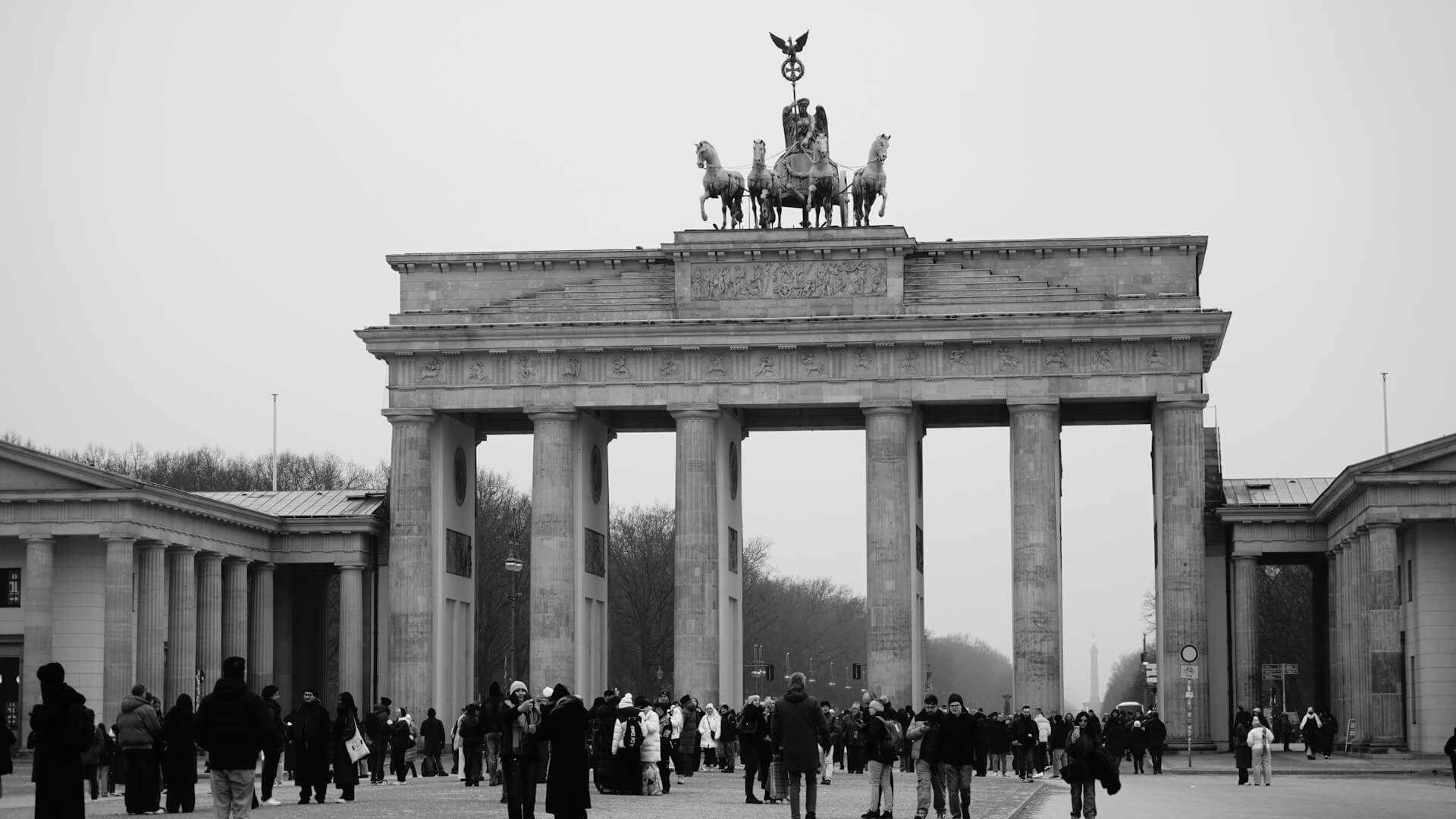
Photographs from the 1920s show Berlin’s explosion of Weimar design and street life before World War II ravaged entire districts. The Kurfürstendamm boulevard appears lined with art deco storefronts and crowded with pedestrian traffic that vanished within a decade.
These images survived in archives and private collections while the city itself did not.
Manhattan’s Lower East Side, 1890–1920
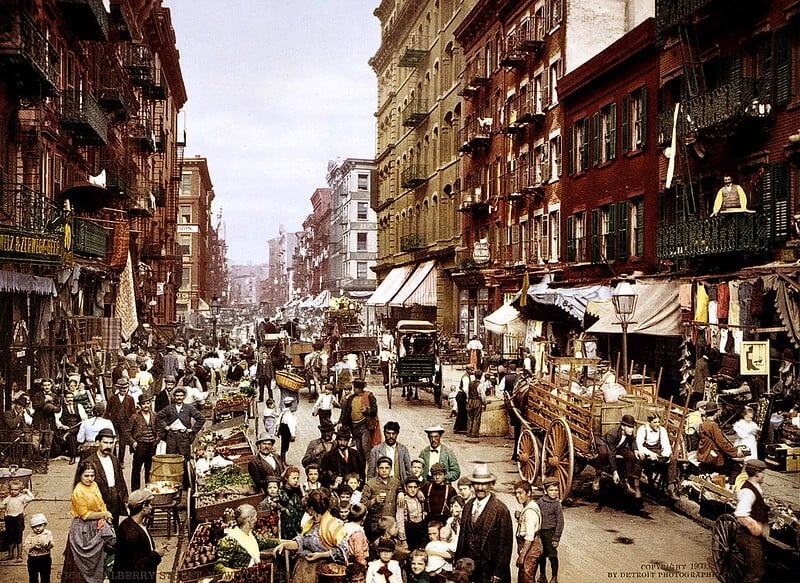
Jacob Riis and other documentary photographers captured tenement life and street commerce on the Lower East Side before urban renewal erased the neighborhood’s character entirely. His images of pushcart vendors, clotheslines strung between buildings, and narrow alleys became the only record many people had of life there.
The photographs showed poverty unflinchingly, which is precisely why they mattered.
Vienna’s Jewish Quarter Before 1938
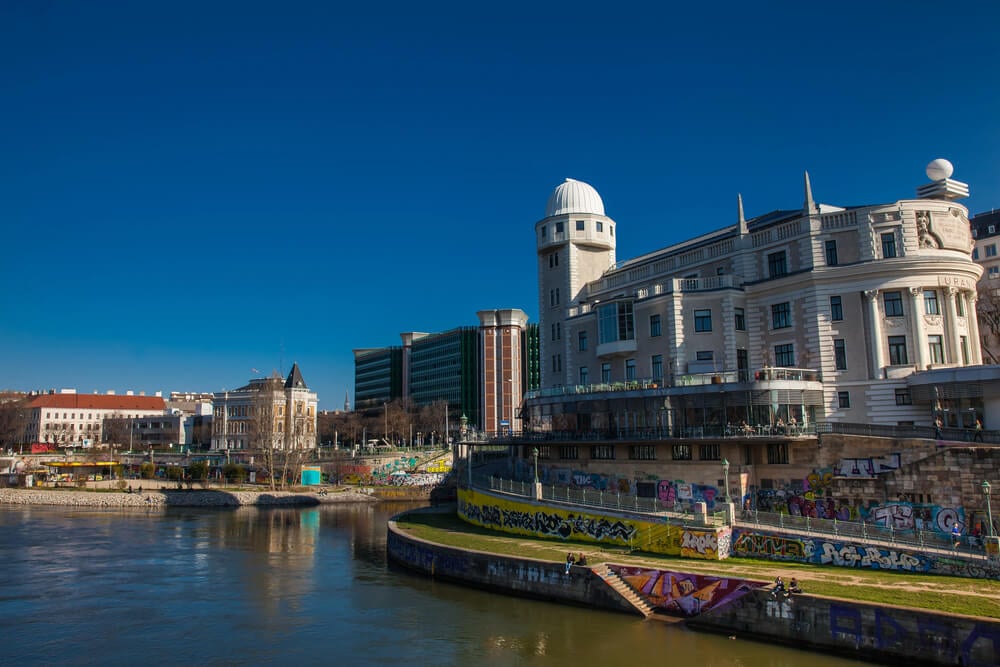
Color and black-and-white photographs from the 1930s document Vienna’s Leopoldstadt district, its storefronts, synagogues, and street corners before the Holocaust and postwar reconstruction erased it. Many images were taken by residents who understood they were documenting something that might not survive.
Most of the photographers did not survive either.
London’s East End Docklands, 1930s–1950s
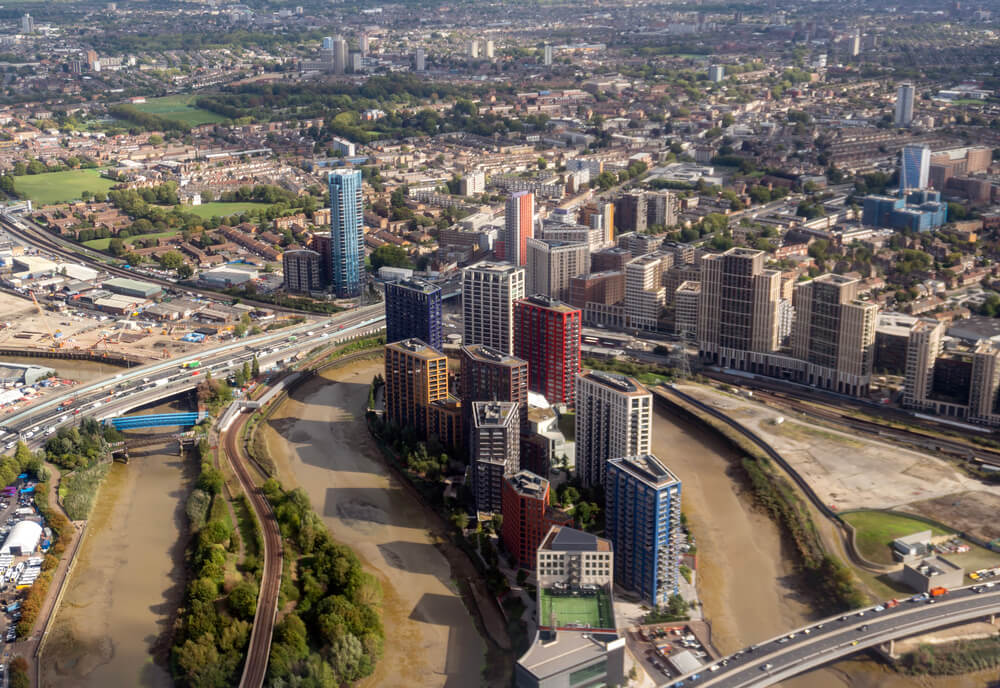
Photographs show the dense warehouse networks, narrow streets, and working-class housing of the docks before the Blitz flattened entire blocks and postwar redevelopment reshaped the riverfront beyond recognition. The images capture the texture of daily life—longshoremen, corner shops, pub signs—that no longer exists.
Some photographs were taken just months before bombing rendered the originals irrelevant.
St. Petersburg Before Soviet Urban Planning
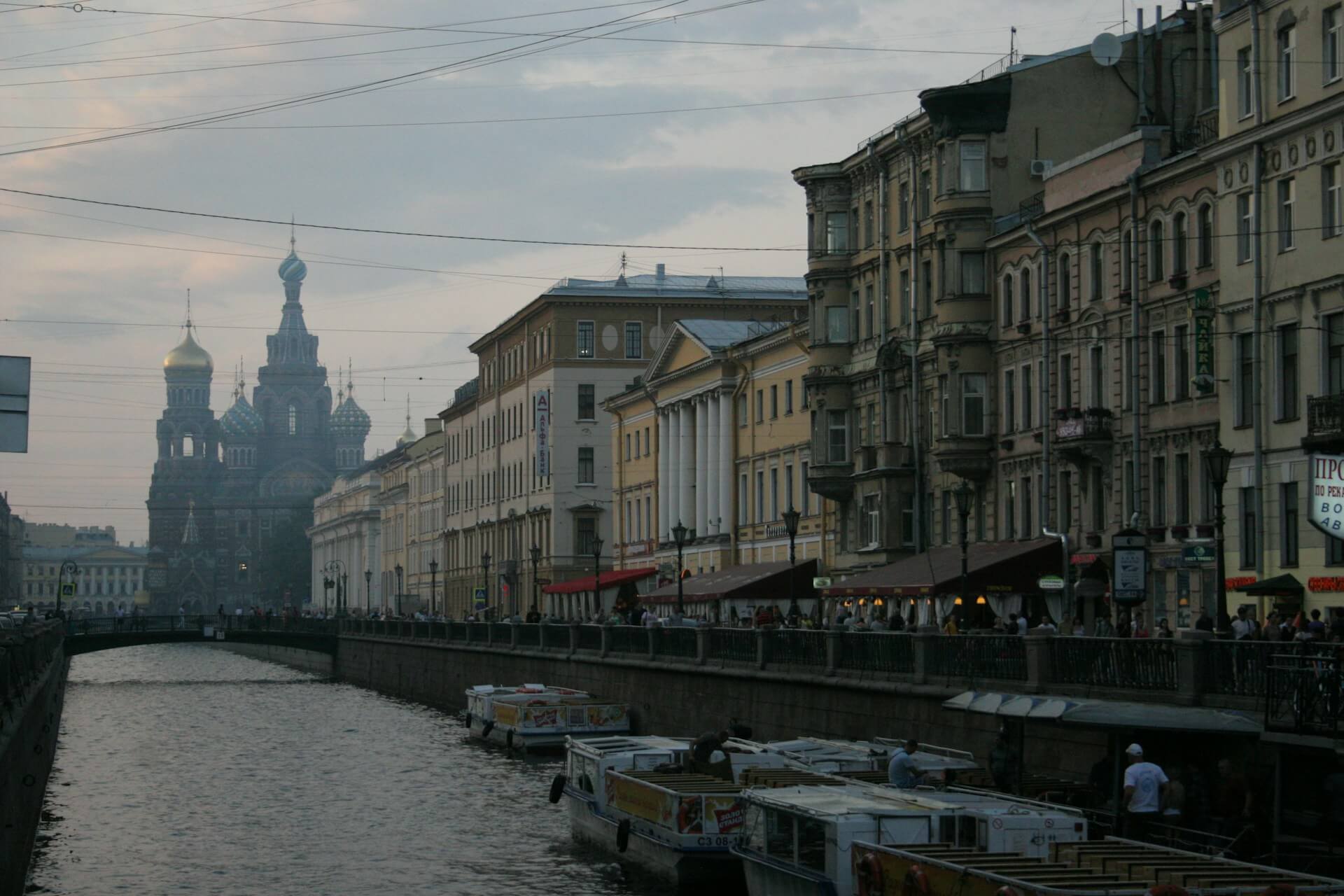
Early twentieth-century photographs show St. Petersburg’s imperial architecture and street layout before Stalin’s reconstruction campaigns and later Soviet-era demolition erased whole sections of the pre-revolution city. Aristocratic palaces, merchant quarters, and Nevsky Prospect in its original form appear frozen in these images.
Many were taken by the Lumière brothers and their contemporaries.
Barcelona’s Gothic Quarter Before Sanitization
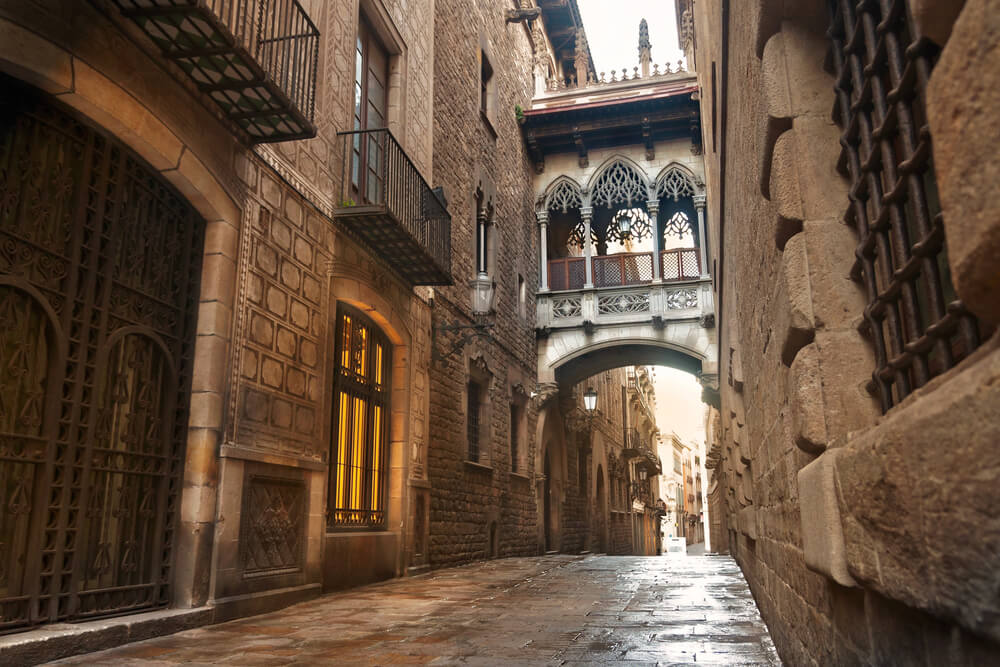
Photographs from the late 1800s and early 1900s document Barcelona’s Gothic Quarter as a labyrinthine tangle of medieval streets, shops, and residential life before city authorities straightened and widened the alleys in the name of modernity and public health. The narrow, crooked passages and building density visible in these images disappeared within a generation.
Urban planners saw congestion; photographers saw a three-hundred-year-old ecosystem.
Detroit’s Commercial Core, 1920s–1950s
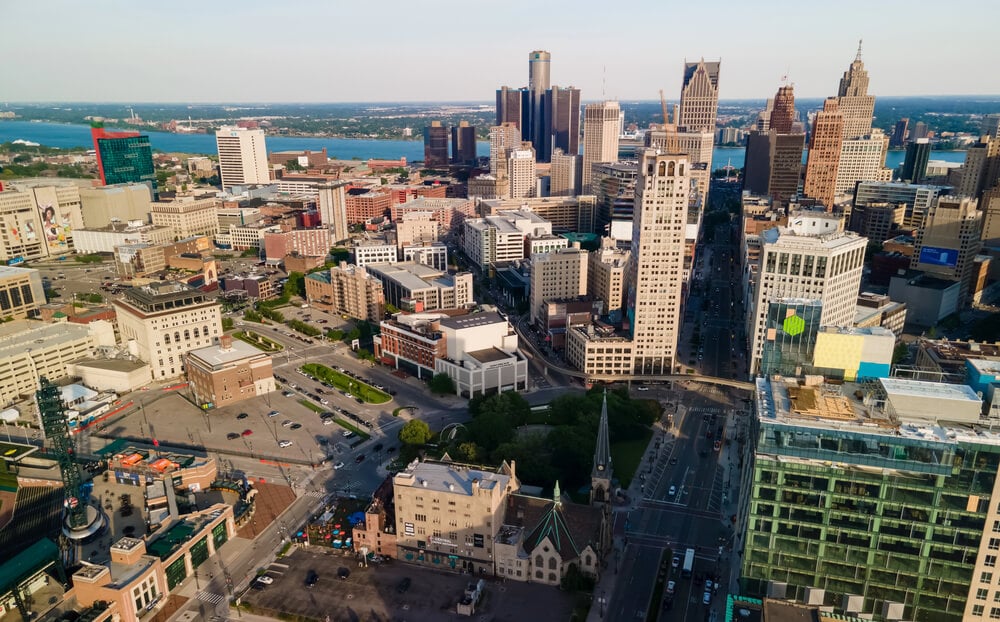
Photographs capture Detroit at its economic height, when the downtown district rivaled any American city in architectural ambition and street-level density. Art deco buildings, crowded sidewalks, and thriving commercial corridors fill these images from before the suburban exodus and urban disinvestment that would follow.
Many of the buildings in these photographs no longer stand.
Shanghai’s Colonial Concessions Before 1949
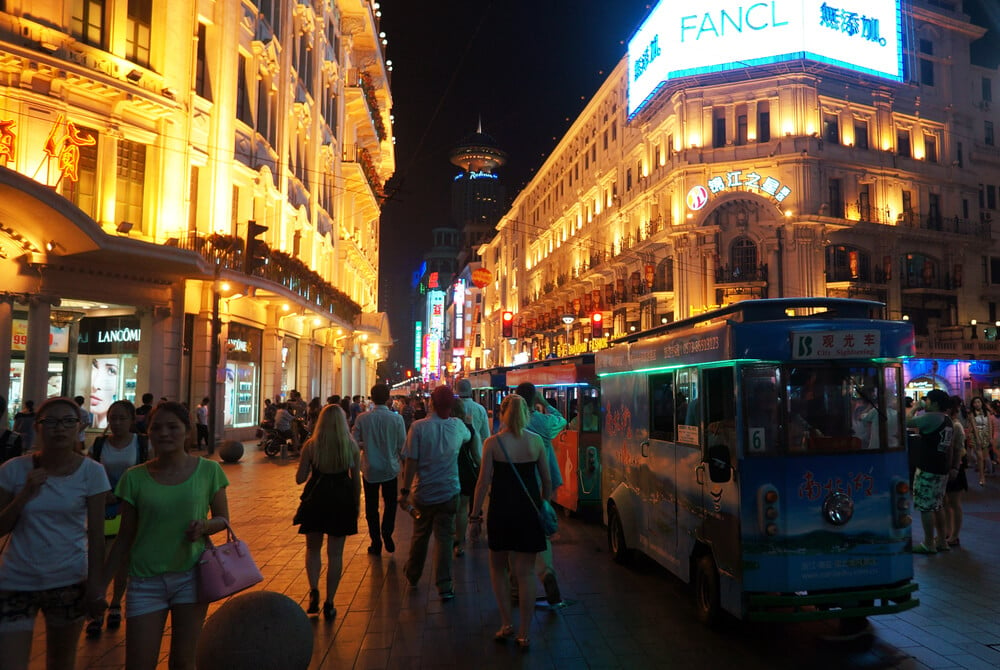
Photographs of the International Settlement and French Concession show the banking houses, department stores, and villa districts that defined Shanghai’s status as a treaty port before the communist takeover and Cultural Revolution transformed the city entirely. These images document a layer of the city’s history that urban redevelopment and newer construction have nearly erased.
They are more valuable now than when they were taken.
Prague’s Medieval Streets Before World War II
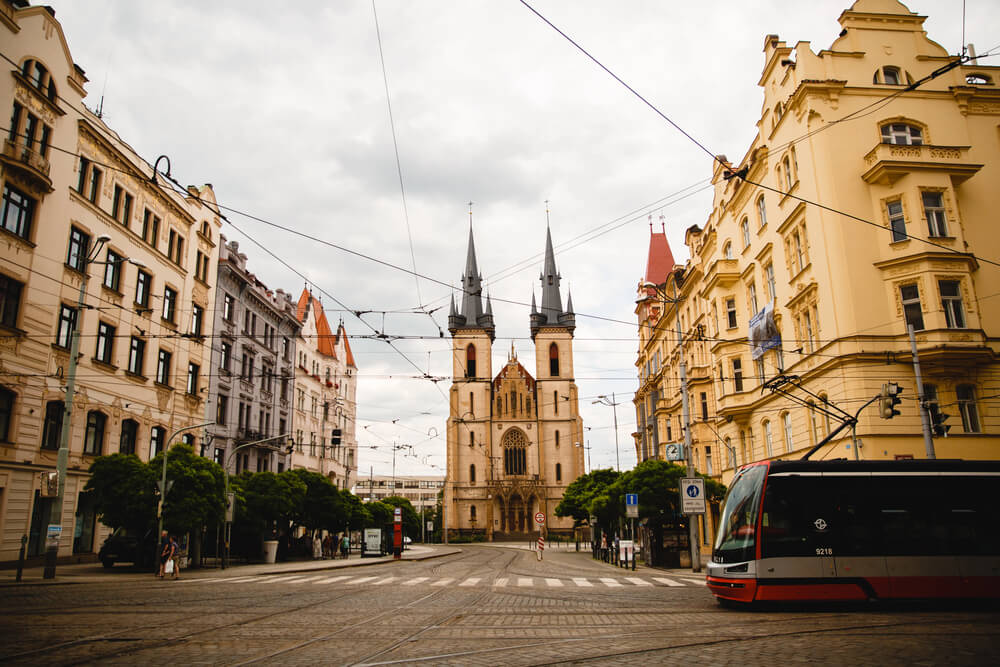
Photographs from the 1930s show Prague’s Old Town with its narrow medieval streets, synagogues, and marketplace before Nazi occupation, the Holocaust, and postwar communist redevelopment reshaped the city’s physical and cultural geography. The images are frequently used now to reconstruct the city’s pre-war layout for historical contexts.
Many were taken by photographers fleeing or who later fled.
Dublin’s Georgian Terraces Before Rapid Development
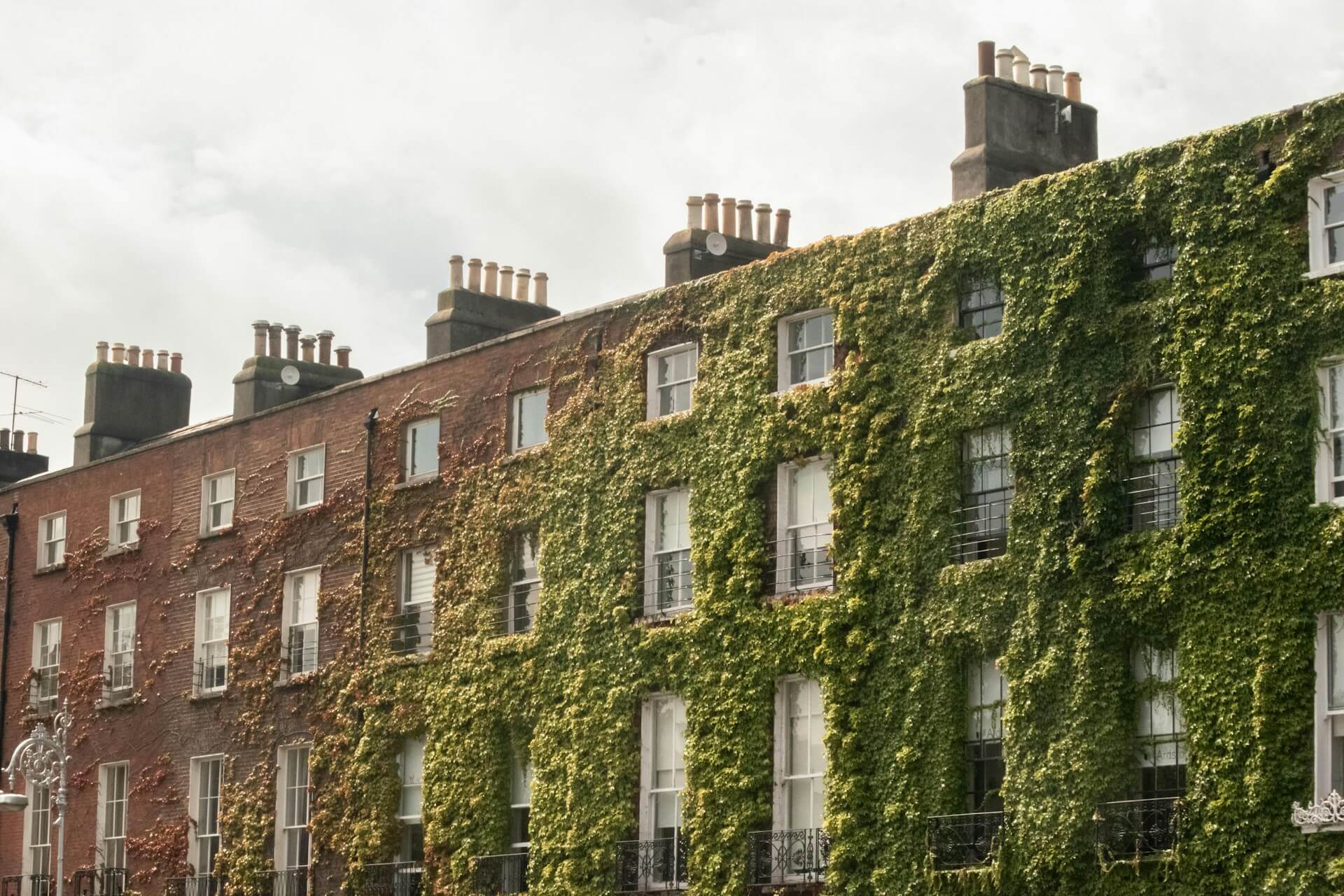
Photographs of Dublin’s most elegant neighborhoods, built as orderly rows of Georgian townhouses from the 1700s, capture the architecture before Victorian alterations, the Irish Civil War’s damage, and later twentieth-century demolition erased entire streets of these houses. The photographs became essential to the conservation movement that finally halted the destruction.
Some streets visible in these images are now parking lots.
Cairo’s Khedivial Cairo Before Sprawl
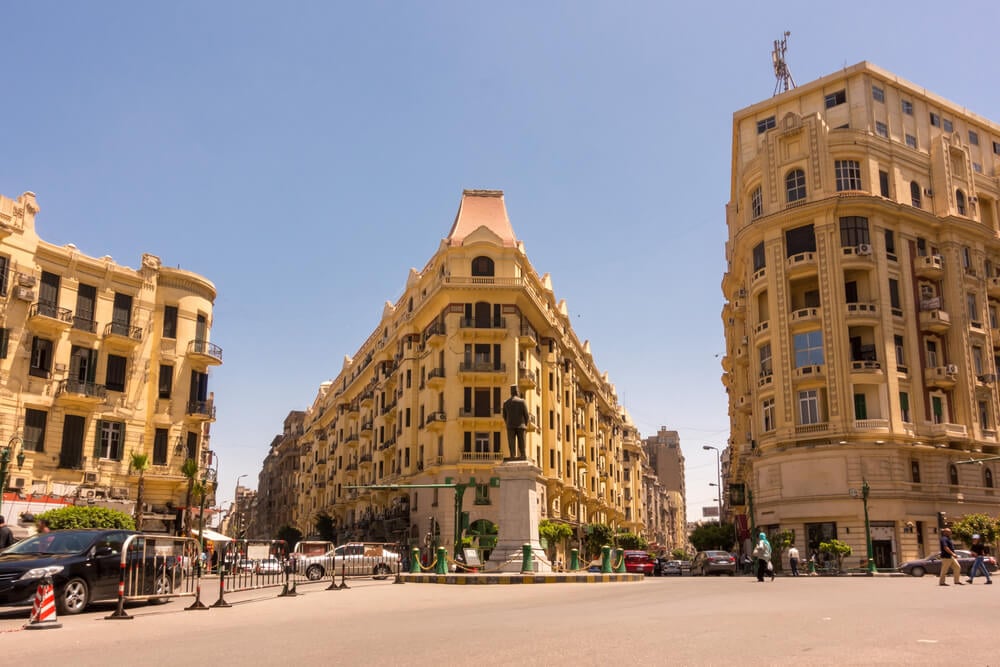
Late-nineteenth and early-twentieth-century photographs document the elegant villas, tree-lined boulevards, and planned neighborhoods of Khedivial Cairo before rapid urbanization, overpopulation, and haphazard construction sprawled outward and erased the spatial logic. Italian and French architects designed these neighborhoods as showpieces; photographs preserve them as they were meant to be seen.
The photographs now serve as urban planning arguments for restoration.
Istanbul’s Commercial Quarters Before Modern Highways
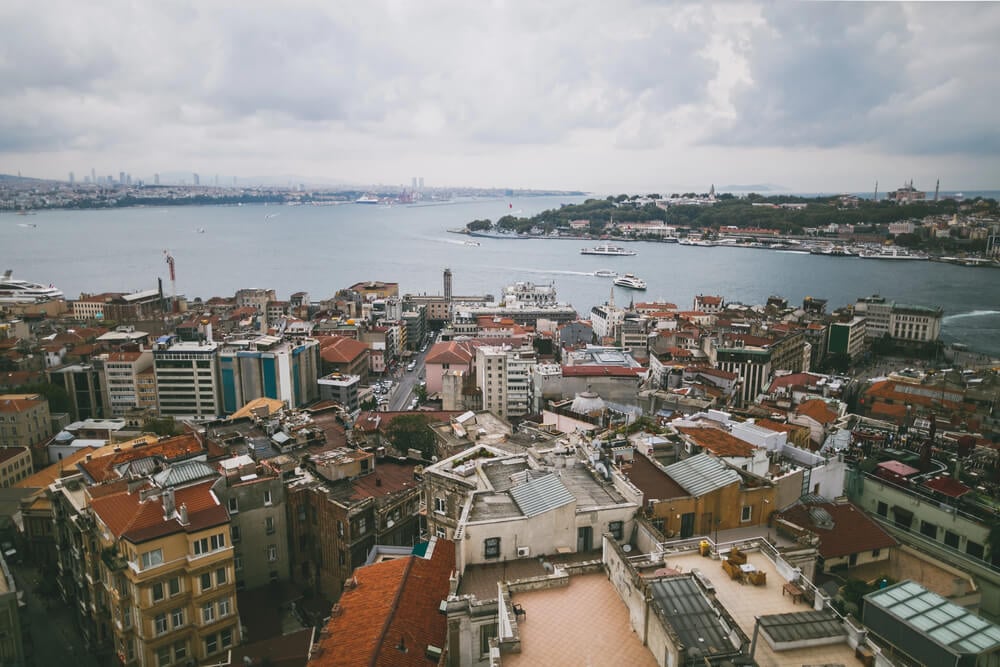
Photographs show the densely packed bazaars, caravanserais, and street-level commerce of Istanbul’s traditional neighborhoods before mid-twentieth-century highway construction and urban renewal stripped away the older street layout. The images document the texture of bazaar life—storefronts, pedestrian traffic, the relationship between street and building—that makes no sense in photographs taken fifty years later.
Turkish photographers were particularly prolific in documenting this transition.
Paris’s Working-Class Neighborhoods Before Haussmannization Spread
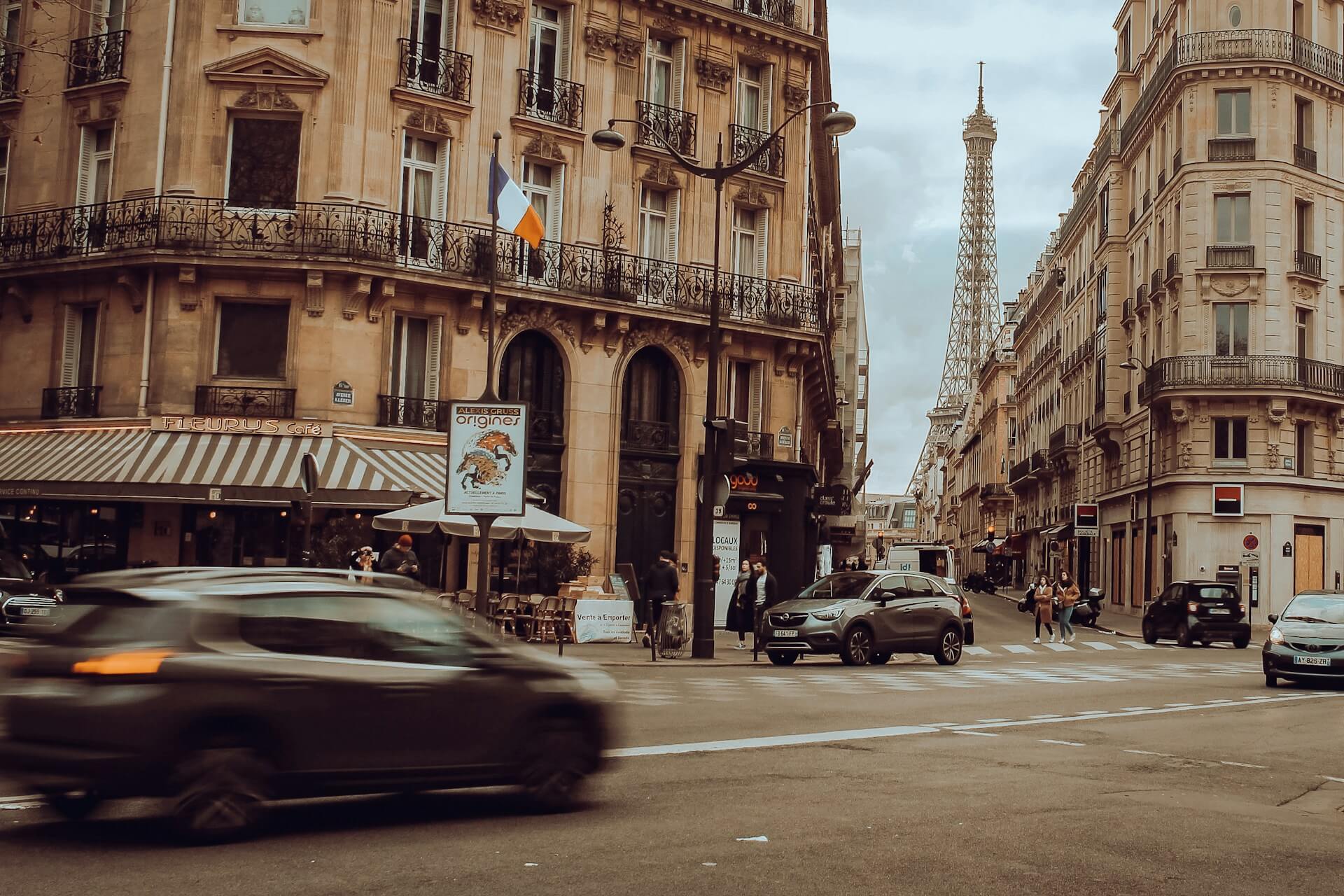
Although Haussmann’s reconstruction of Paris was largely complete by the 1890s, photographs still captured the remaining older neighborhoods and side streets before demolition and modernization erased them entirely. These images document the Paris that predated the elegant, geometric city tourists recognize.
The photographs are now used to argue whether Haussmann’s project succeeded or whether something irreplaceable was lost.
Warsaw’s Jewish Ghetto Before 1943
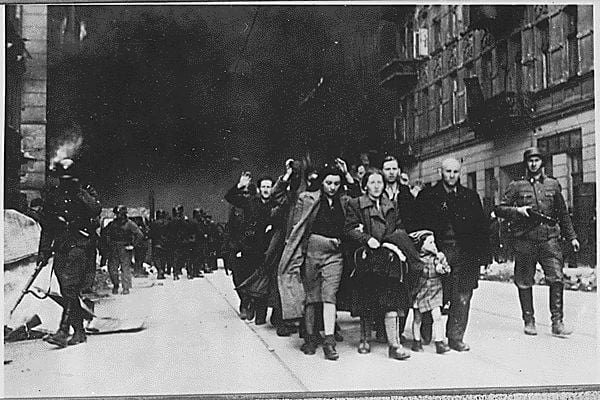
Photographs taken by Nazi photographers and Jewish resistance members document Warsaw’s ghetto streets, shops, and residential buildings before the 1943 uprising and systematic destruction reduced the district to rubble. These photographs, particularly those by Emanuel Ringelblum’s Oneg Shabbat archive and by the Nazi propaganda photographer Jürgen Stroop, are now the most direct visual record of a vanished community.
The photographs are studied as both documentation and as records of the photographers’ choices about what to frame.
Amsterdam’s Pre-War Housing Stock Before Redevelopment
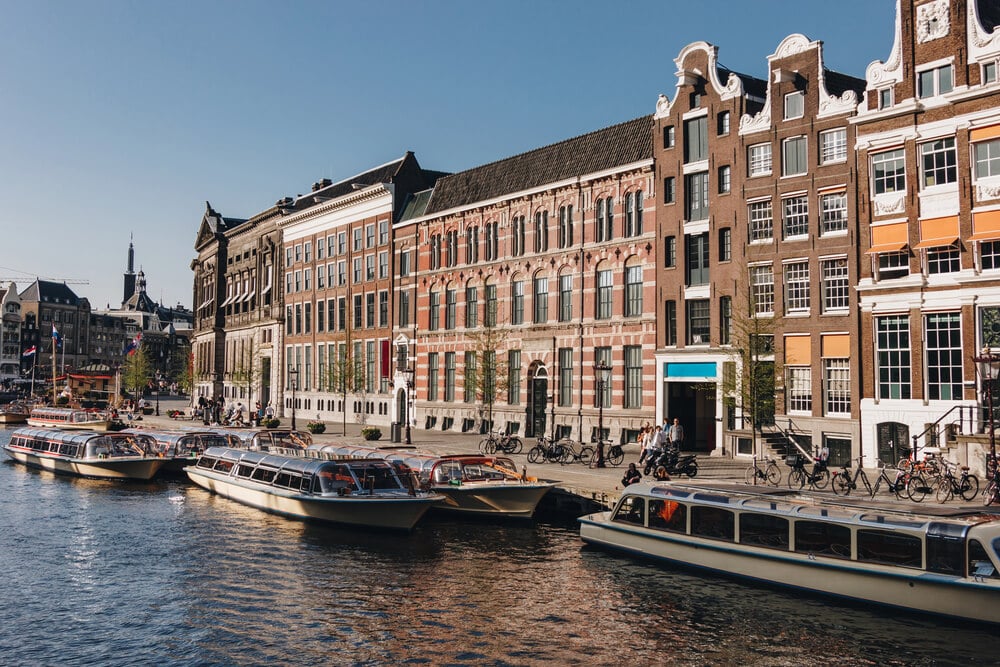
Photographs from the 1930s show Amsterdam’s working-class neighborhoods, the dense row houses and narrow streets that characterized the city before postwar urban renewal and gentrification reshaped entire districts into car-oriented space. The photographs show the street-level density and human scale of the old city.
Amsterdam’s preservation movement has since reversed some of this redevelopment.
Tokyo’s Pre-War Downtown Before Firebombing and Reconstruction
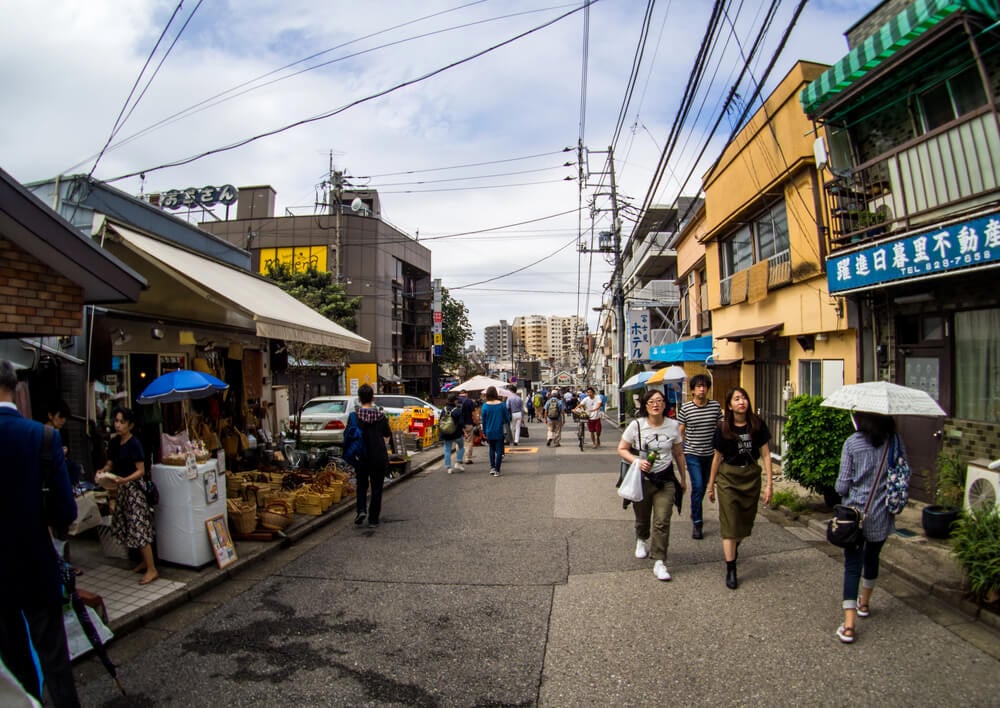
Photographs of Tokyo’s Ginza district and surrounding commercial areas from the 1920s and 1930s show art deco storefronts, rickshaws, and street vendors before American firebombing in 1945 destroyed most of the city and postwar Japanese urban planning rebuilt it in a fundamentally different form. These photographs are among the most studied urban images in Japanese archives.
They show a Tokyo that literally no longer exists.
Boston’s Central Business District Before Urban Renewal
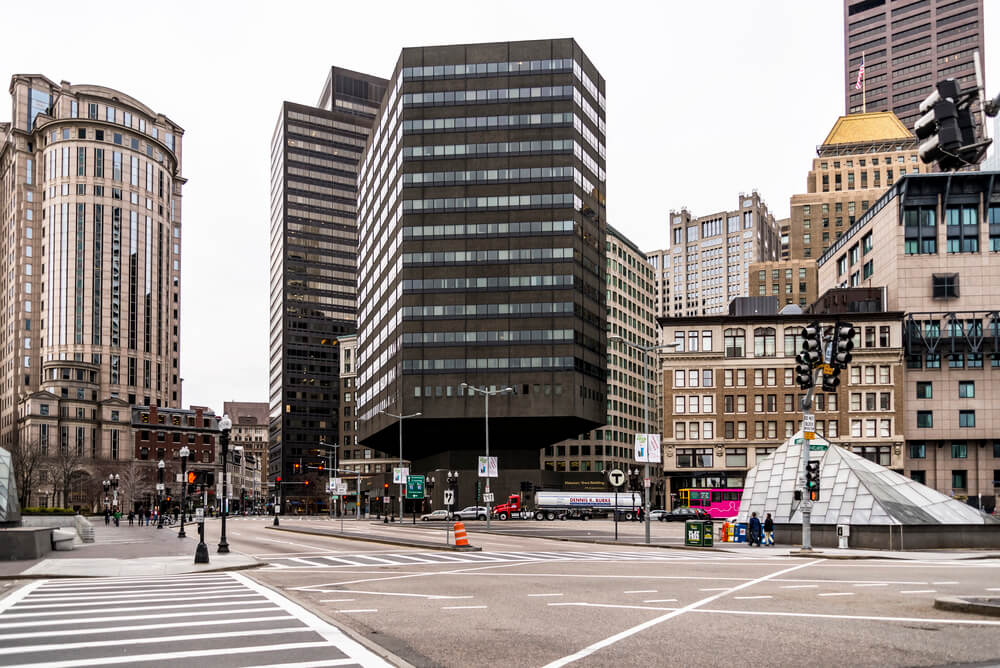
Photographs document Boston’s downtown in the 1950s—the old theaters, street-level shops, and pedestrian neighborhoods—before the city’s aggressive Urban Renewal program demolished entire blocks to build the Government Center and modern office parks. The photographs were taken just before the bulldozers arrived.
They are now used by preservationists as evidence of what was lost.
Rome’s Working-Class Neighborhoods Before Gentrification
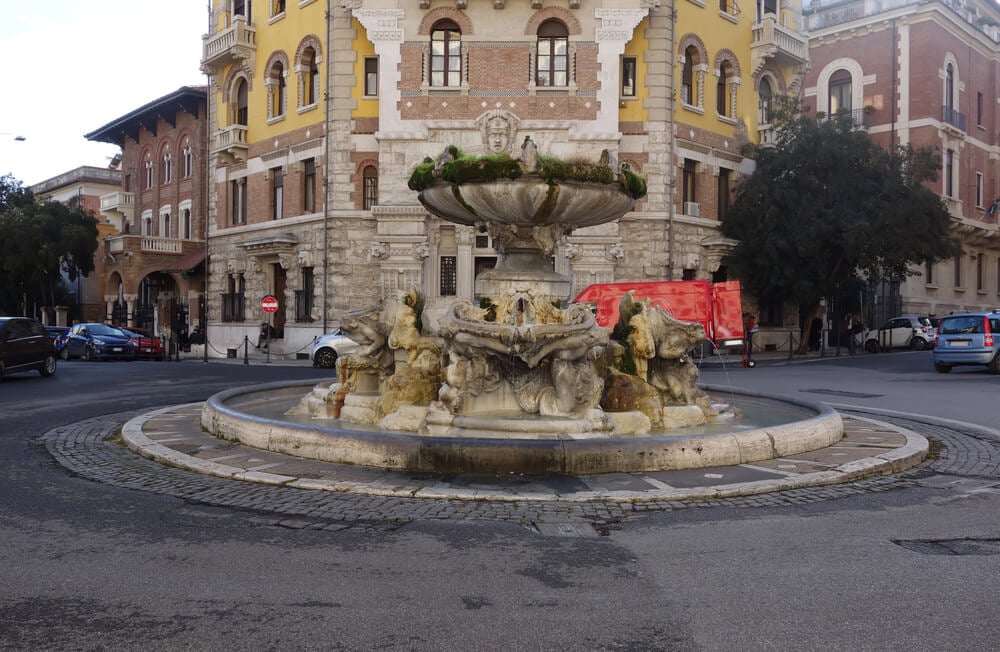
Photographs from the early twentieth century document Rome’s working-class rioni, the traditional neighborhoods surrounding the historic center, before postwar development and modern gentrification transformed them into wealthy residential districts. These images show the street vendors, corner taverns, and communal life that defined these neighborhoods.
Italian neo-realist filmmakers drew heavily on these photographs for visual reference.
New York’s Hell’s Kitchen Before Gentrification
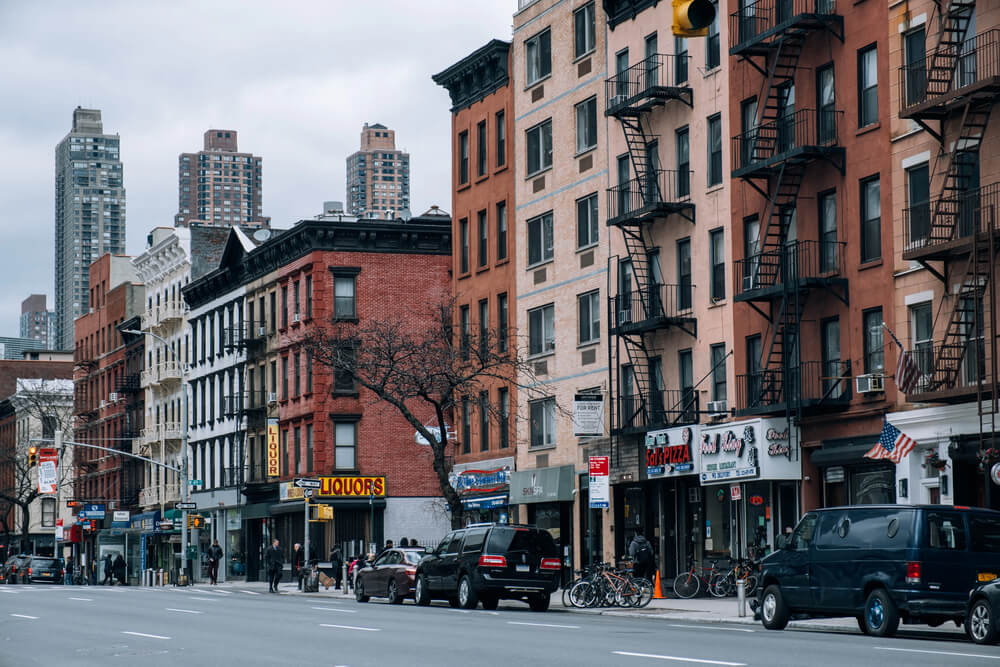
Photographs from the 1960s and 1970s document Hell’s Kitchen’s cramped tenements, street-level manufacturing, and working-class commercial life before gentrification replaced it with luxury apartments and chain restaurants. The photographs capture the texture of street life—the relationships between pedestrians and storefronts, the building density, the informal economy—that photographs taken today cannot show.
They are used now to argue about what the city lost.
Amsterdam’s Canal-Side Architecture Before Modernization
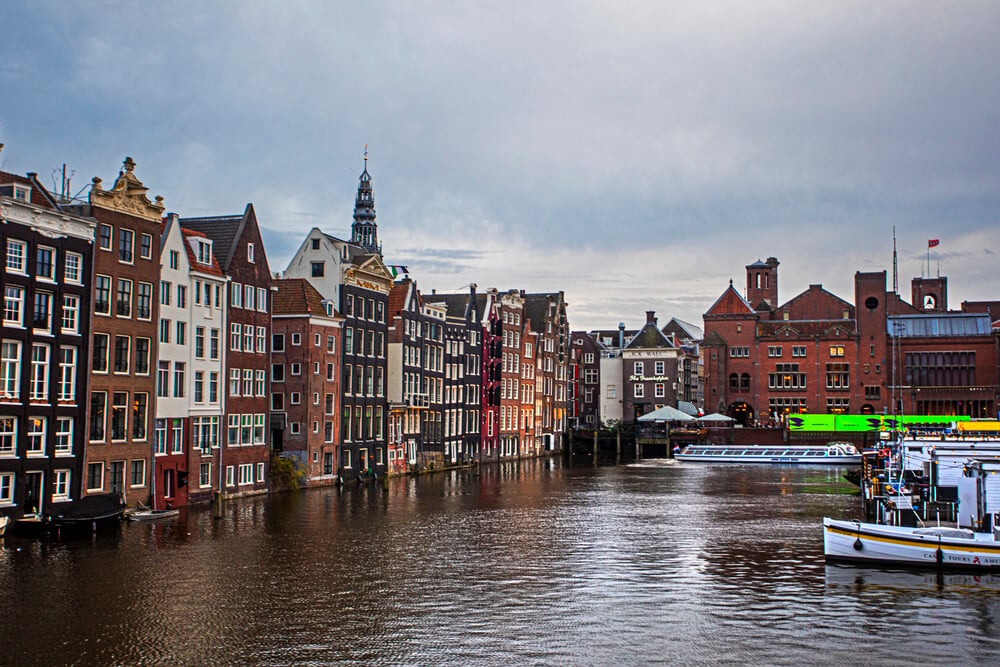
Seventeenth-century Amsterdam canal houses appear in photographs from the 1800s and early 1900s showing the original facades, shopfronts, and street-level commerce before twentieth-century renovation efforts and car-oriented redevelopment altered them. Some photographs show buildings with soot accumulation and original wood trim that no longer exists.
The photographs have become central to Amsterdam’s restoration guidelines.
Berlin’s Kreuzberg Before Gentrification
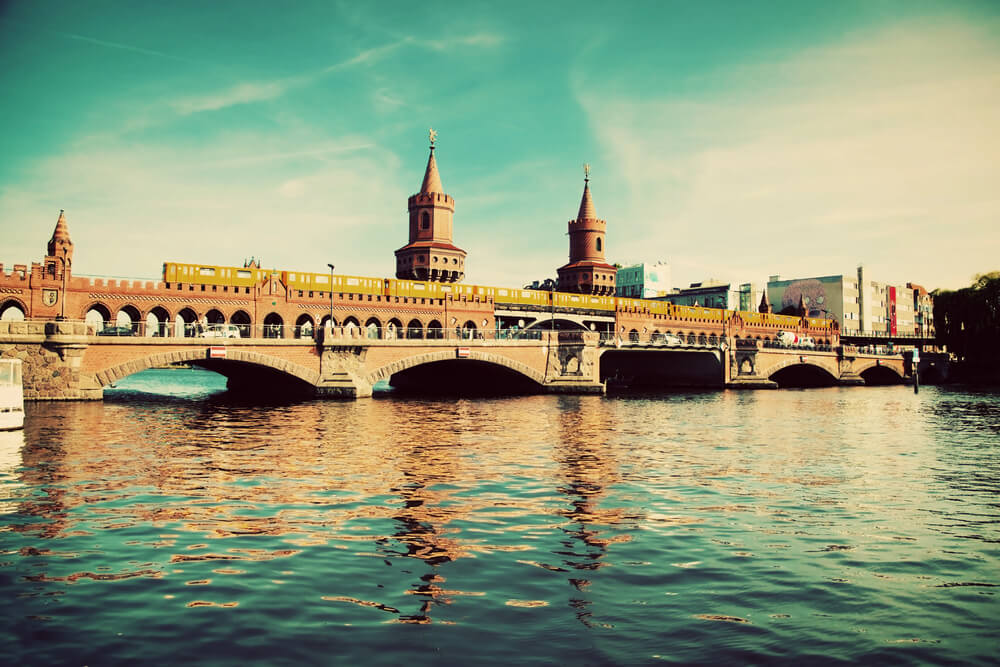
Photographs from the 1970s and 1980s document Kreuzberg’s squatter communities, punk culture, and immigrant neighborhoods before the fall of the Wall and gentrification transformed them into expensive residential districts. These images capture a layer of Berlin’s history—the counter-culture and working-class resistance—that urban development erased.
German photographers were obsessive about documenting this moment.
Montreal’s Downtown Before Tower Construction
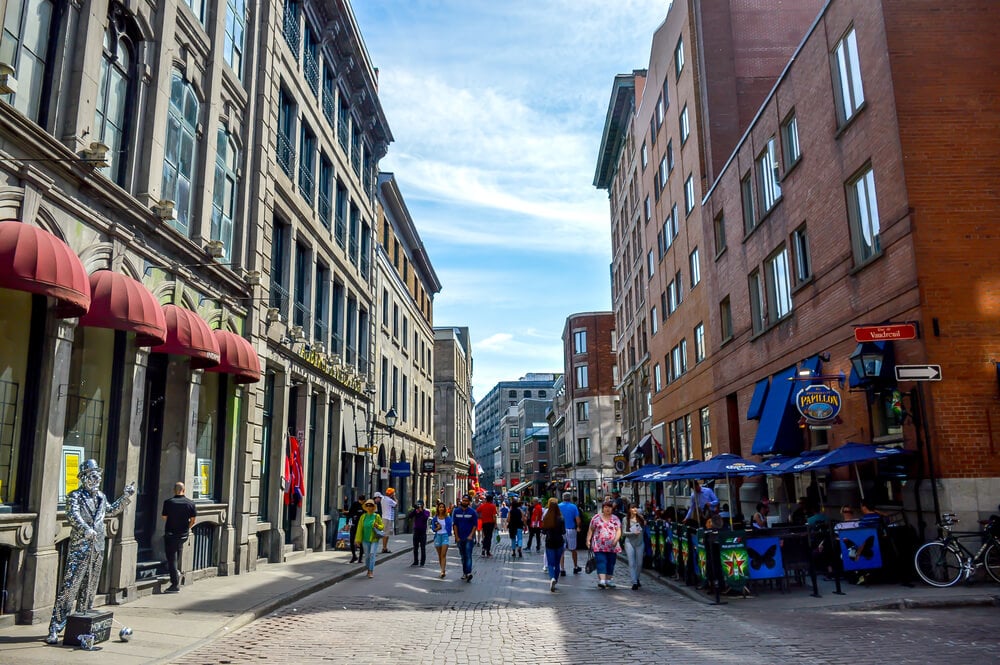
Photographs of Montreal’s downtown in the 1960s show the human-scaled commercial streets and lower-rise blocks before the building boom that erected the office towers and shopping malls visible today. The photographs show a Montreal that pedestrians once navigated at street level.
The images are used by urban designers now to argue for street-level retail returns.
Mexico City’s Historic Center Before Recent Reconstruction
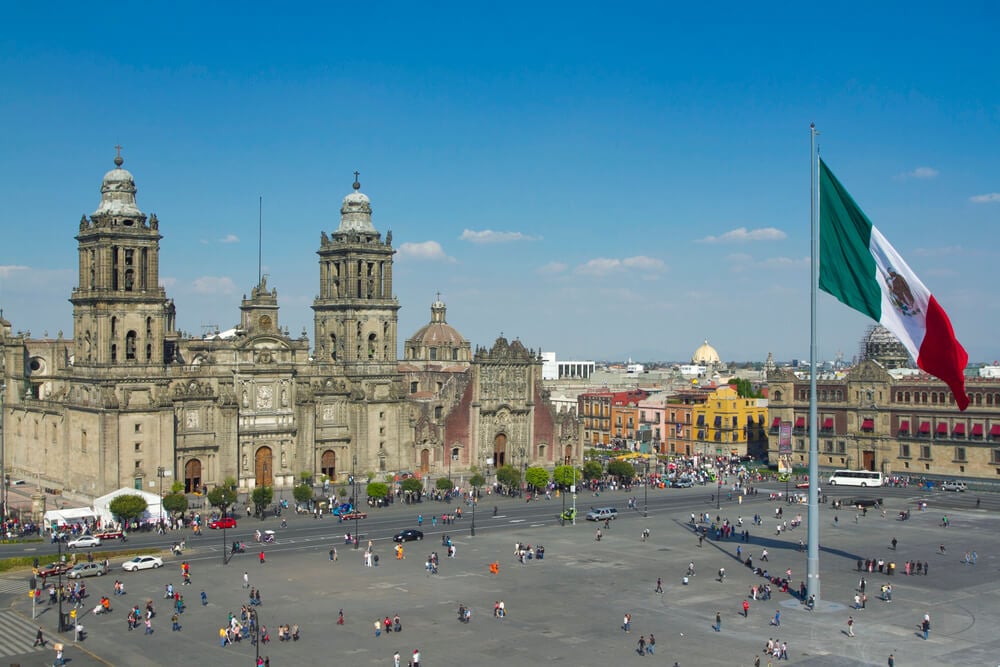
Nineteenth and early-twentieth-century photographs document Mexico City’s colonial core before repeated earthquakes, urban renewal projects, and modern construction transformed the urban fabric. The photographs show building facades, street layouts, and plaza arrangements that no longer match the current cityscape.
They are essential references for archaeologists and architectural historians studying the city’s layers.
Glasgow’s Tenement Districts Before Demolition
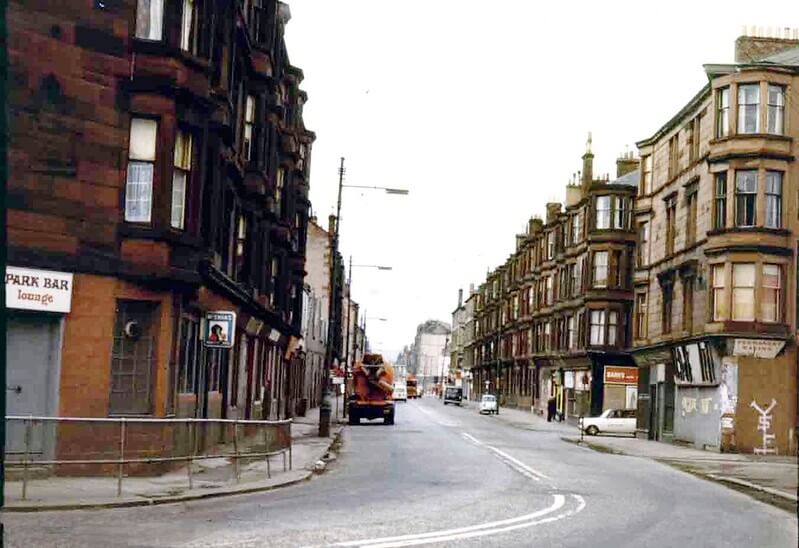
Photographs from the 1960s and 1970s document Glasgow’s densely packed working-class tenements before the city’s slum-clearance program demolished most of them, displacing residents to suburban housing estates. These photographs were taken as the neighborhoods were being erased.
They are now used as evidence in debates about whether demolition was necessary or whether the tenements could have been rehabilitated.
Sydney’s Inner-City Neighborhoods Before Gentrification
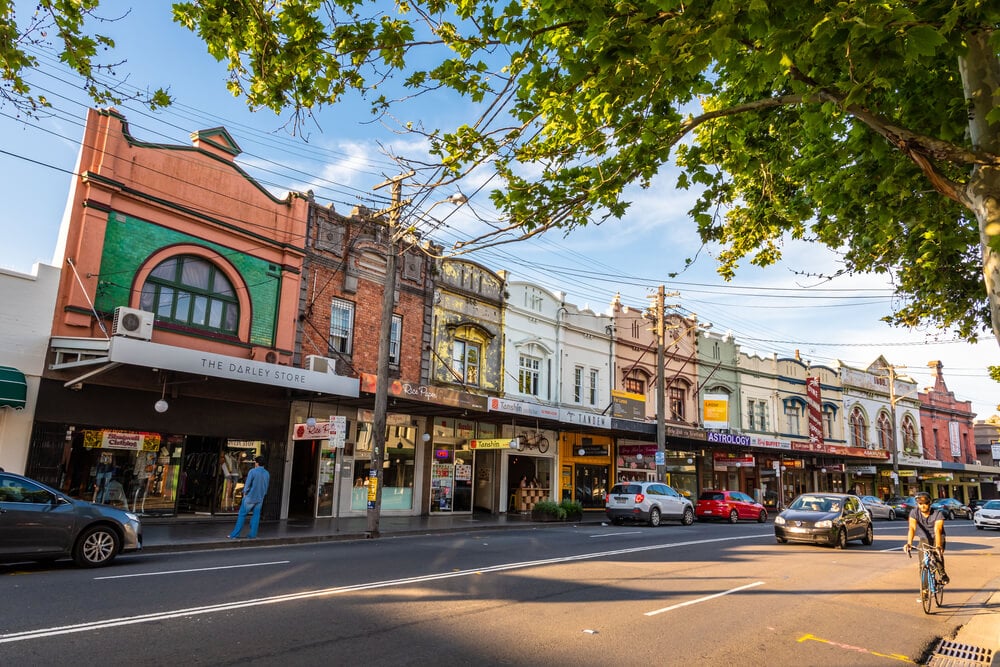
Photographs from the 1960s and 1970s document Sydney’s working-class inner-city areas—the terraces, warehouses, and street-level manufacturing—before redevelopment transformed them into expensive residential and entertainment districts. The photographs capture the texture of these neighborhoods before they became unaffordable.
They are referenced frequently in current preservation debates.
When the Photograph Becomes the Place
Photographs of vanished cities occupy an odd middle ground between documentation and elegy. They are evidence that something stood exactly as shown, yet they are also frozen moments that cannot capture the full texture of lived urban space.
Over time, people often treat the photograph as truer than memory—more real, somehow, than the experience of someone who actually walked those streets. The photograph becomes the city people remember, replacing the messy reality with a composed frame.
The value of these photographs grows as the cities they show grow more distant. A photograph of Berlin in 1930 meant something different to viewers in 1950 than it does now.
The same image became more tragic as it became clearer what was coming. Photographs of cities before they were rebuilt are not just documentation; they are arguments about loss and about what gets preserved when societies choose to remake themselves.
More from Go2Tutors!

- The Romanov Crown Jewels and Their Tragic Fate
- 13 Historical Mysteries That Science Still Can’t Solve
- Famous Hoaxes That Fooled the World for Years
- 15 Child Stars with Tragic Adult Lives
- 16 Famous Jewelry Pieces in History
Like Go2Tutors’s content? Follow us on MSN.