24 Sports Cards Families Kept That Hold Value
Sports trading cards from the 1950s through 1980s, especially cards depicting Hall of Fame players or card numbers marked as scarce by collectors, can bring substantial value to those who stored them safely decades ago. Unlike modern cards printed in enormous quantities, vintage issues have genuine scarcity, making condition, player significance, and card number the primary value drivers.
A single first-year rookie issue can bring more than the price of a used car.
Mickey Mantle 1952 Topps
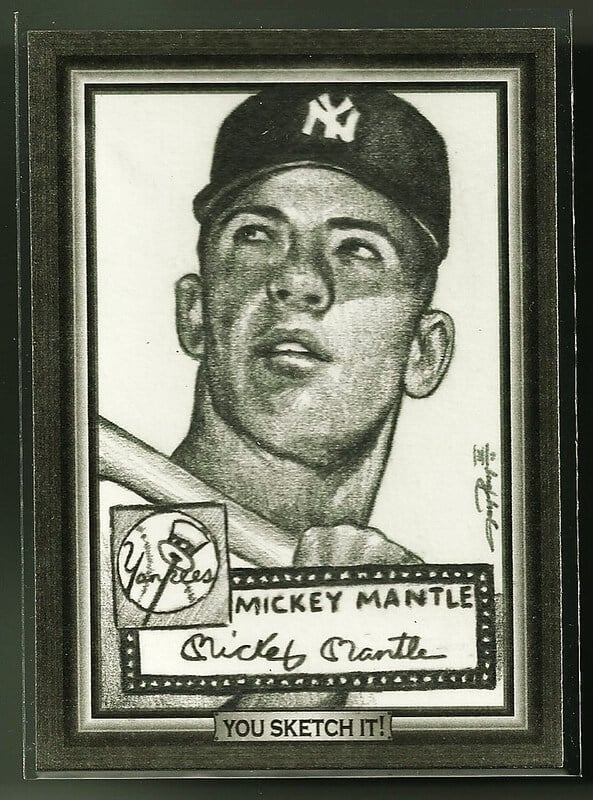
The 1952 Topps Mickey Mantle card remains the benchmark collectible in the sports card market, with high-grade copies bringing five or six figures. Even low-grade, well-read copies in poor to fair condition still bring four figures due to the card’s legendary status and scarcity.
This card is the sports equivalent of Action Comics #1 in the broader collectibles market.
Ted Williams 1954 Topps
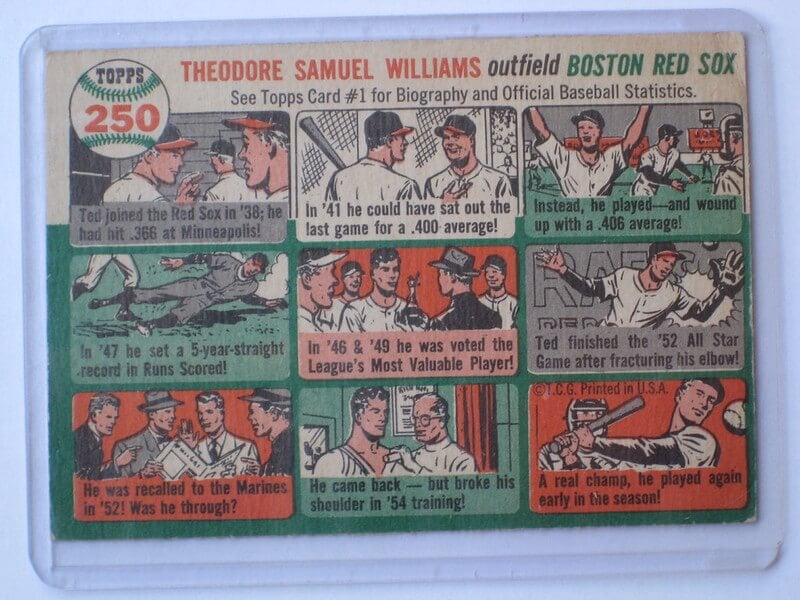
The 1954 Topps Ted Williams card captures one of baseball’s most iconic figures in sharp photography and clean design, commanding strong prices among collectors. A near-mint copy brings five figures, while fine to very fine examples bring three to four figures.
The card’s relative scarcity compared to common cards from the same set drives consistent demand.
Joe DiMaggio 1951 Bowman
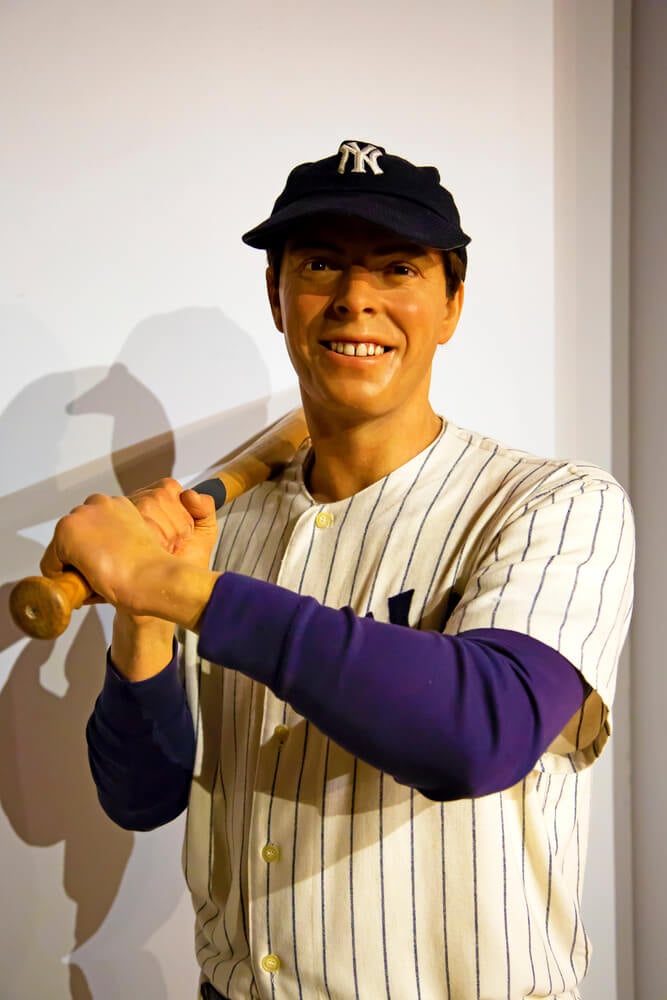
Joe DiMaggio’s 1951 Bowman card, featuring the Yankee Clipper in sharp focus, commands substantial prices among vintage card collectors. High-grade copies bring four to five figures, while very fine examples bring three to four figures.
The card’s superior photography compared to contemporaneous Topps issues appeals to serious collectors.
Jackie Robinson 1949 Leaf
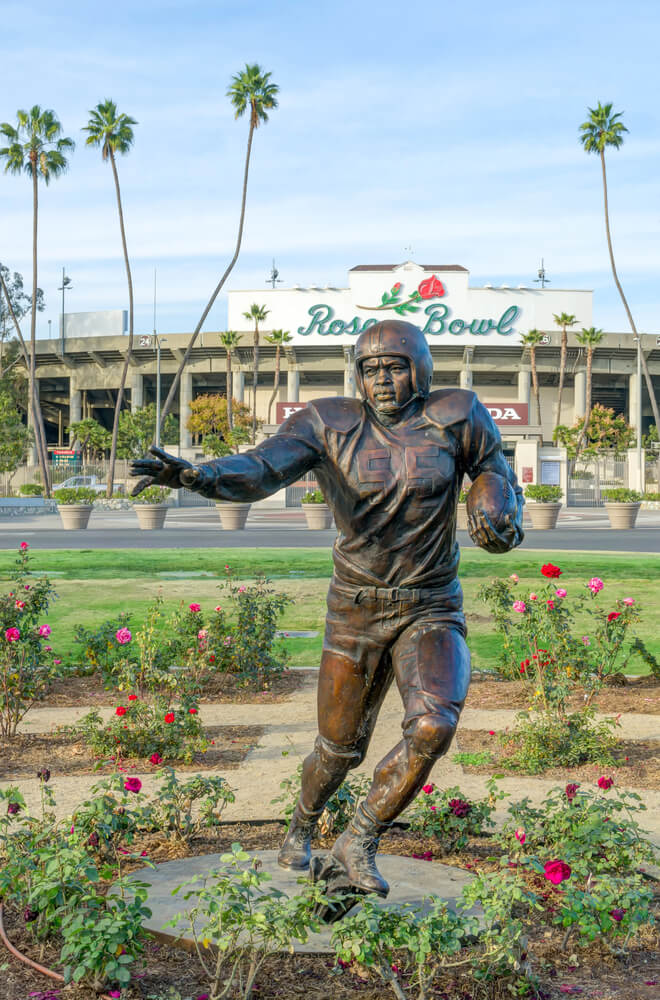
Jackie Robinson’s 1949 Leaf card represents both significant sports history and the earliest mass-produced trading card image of a player who broke baseball’s color line. High-grade copies bring five figures, while very fine to fine examples bring three to four figures.
The historical weight beyond card collecting drives premium pricing.
Babe Ruth 1933 Goudey
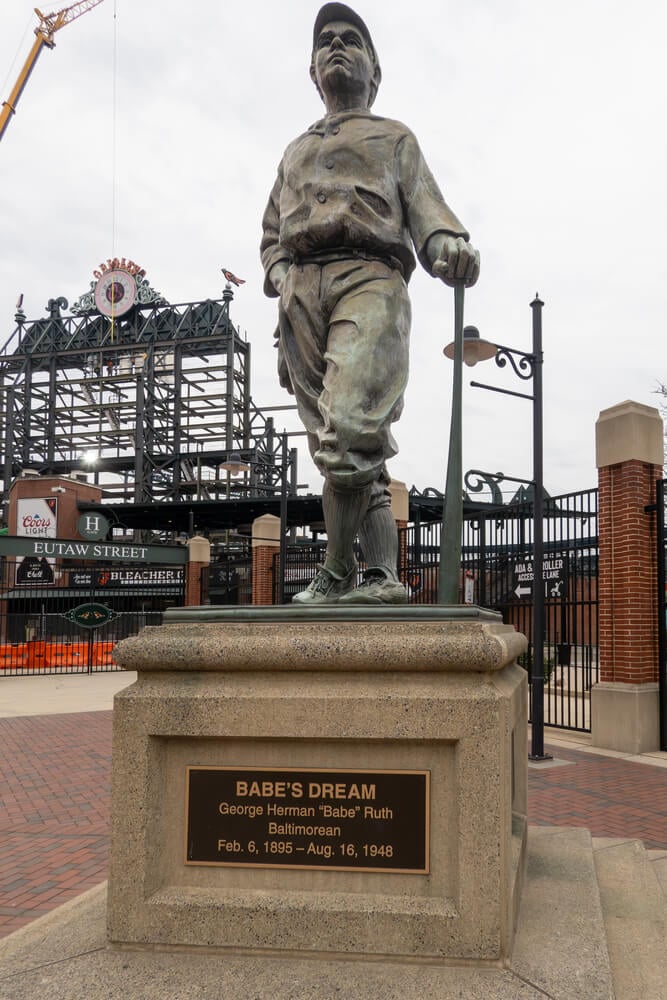
The 1933 Goudey Babe Ruth card, depicting the Bambino in his twilight playing years, is among the most historically significant cards produced during the pre-modern era. High-grade copies bring four to five figures, while fine to very fine examples bring three to four figures.
The card’s era, scarcity, and subject combine to create substantial value.
Hank Aaron 1954 Topps
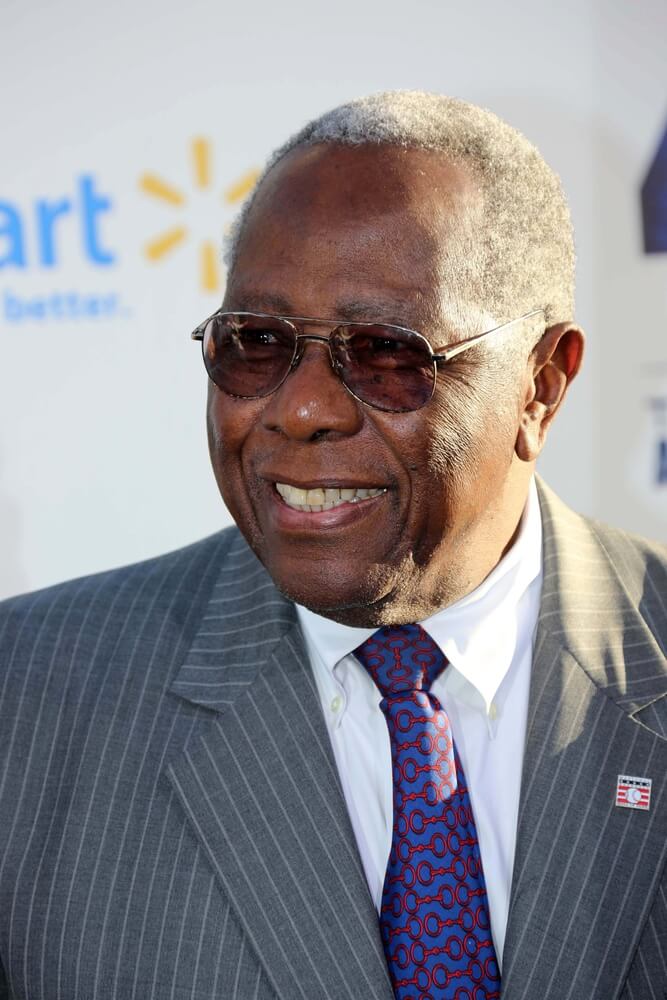
The 1954 Topps Hank Aaron rookie card features the young outfielder before breaking baseball’s home run record, making it a cornerstone vintage card. High-grade copies bring four to five figures, while very fine examples bring two to three figures.
The card remains actively collected due to Aaron’s record-breaking and Hall of Fame career.
Stan Musial 1951 Bowman
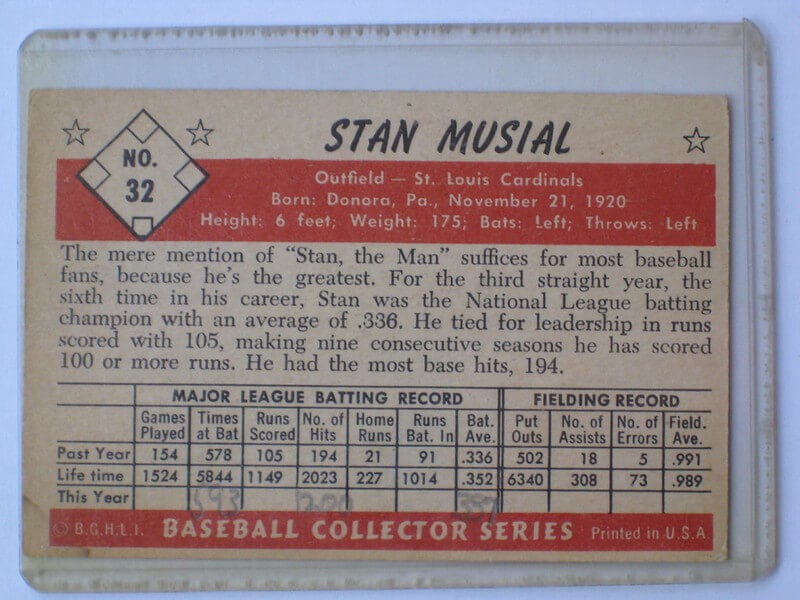
Stan Musial’s 1951 Bowman rookie card, capturing the Stan the Man at the beginning of an exceptional career, commands strong collector demand. Fine to very fine copies bring two to three figures, while near-mint examples bring three to four figures.
The card’s relative availability compared to Mantle or DiMaggio makes it more accessible to collectors.
Willie Mays 1951 Bowman
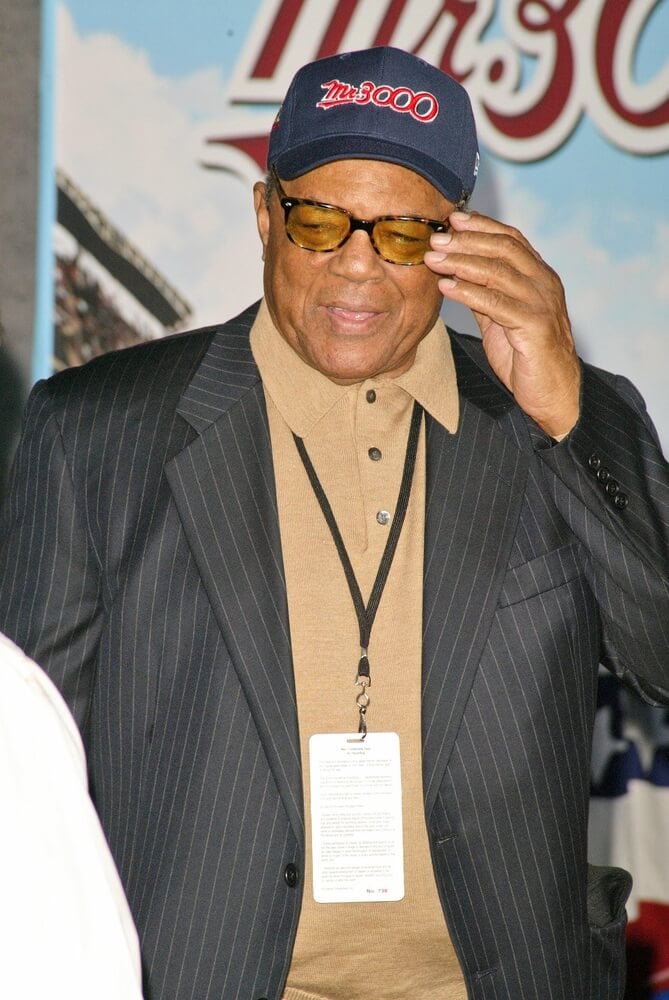
Willie Mays’ 1951 Bowman rookie card, showing the young center fielder who would become one of the game’s all-time greats, remains highly sought. Fine to very fine examples bring two to three figures, while near-mint copies bring three to four figures.
The combination of early career and Hall of Fame prominence drives consistent demand.
Ty Cobb 1909 T206

Ty Cobb’s 1909 T206 card, produced in the cig card era before modern mass production, remains exceptionally valuable due to scarcity and historical significance. Even low-grade copies bring four figures, while fine to very fine examples bring five or six figures.
The card’s age and the notorious print run limitations create artificial scarcity.
Walter Johnson 1909 T206
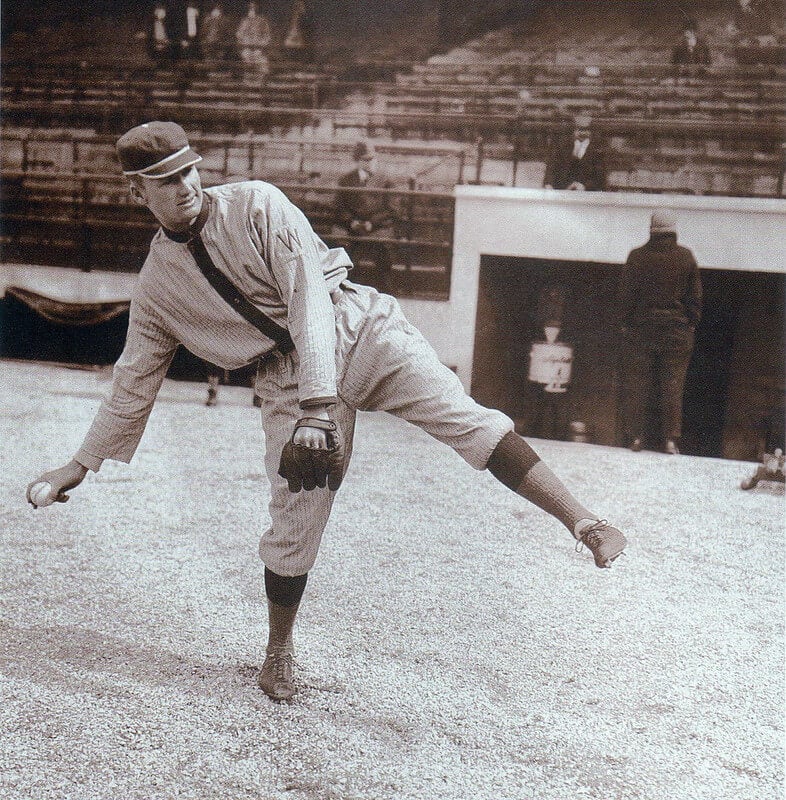
Walter Johnson’s 1909 T206 card, depicting one of baseball’s greatest pitchers in the cig card era, commands prices reflecting both rarity and historical weight. Fine copies bring four figures, while very fine to near-mint examples bring four to five figures.
The card’s era and the pitcher’s Hall of Fame status combine for substantial value.
Cy Young 1909 T206
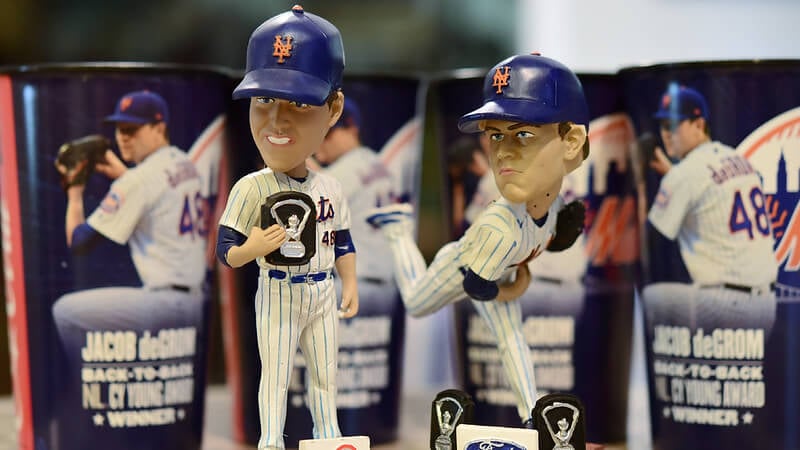
Cy Young’s 1909 T206 card, showing the legendary pitcher whose name adorns the award for pitching excellence, carries significant historical weight. Fine copies bring three to four figures, while very fine examples bring four figures.
The card’s combination of age, rarity, and subject creates multiple value drivers.
Roger Maris 1957 Topps Rookie

Roger Maris’s 1957 Topps rookie card, preceding his record-breaking 1961 season, remains highly sought by collectors. Fine to very fine copies bring three to four figures, while near-mint examples can reach four figures.
The card’s connection to one of baseball’s most debated records drives premium prices.
Ted Williams 1939 Play

Ted Williams’ 1939 Play rookie card represents one of the rarest and most significant vintage baseball cards produced. Fine copies bring four to five figures, while very fine examples can exceed five figures.
The combination of extreme scarcity, player significance, and card quality makes this exceptionally valuable.
Barry Bonds 1986 Leaf Rookie

Barry Bonds’ 1986 Leaf rookie card, published before his transition to the San Francisco Giants and record-breaking career, has seen significant price appreciation. Mint copies bring three to four figures, while near-mint examples bring two to three figures.
The card’s connection to baseball’s most controversial record holder affects demand.
Ken Griffey Jr. 1989 Upper Deck Rookie
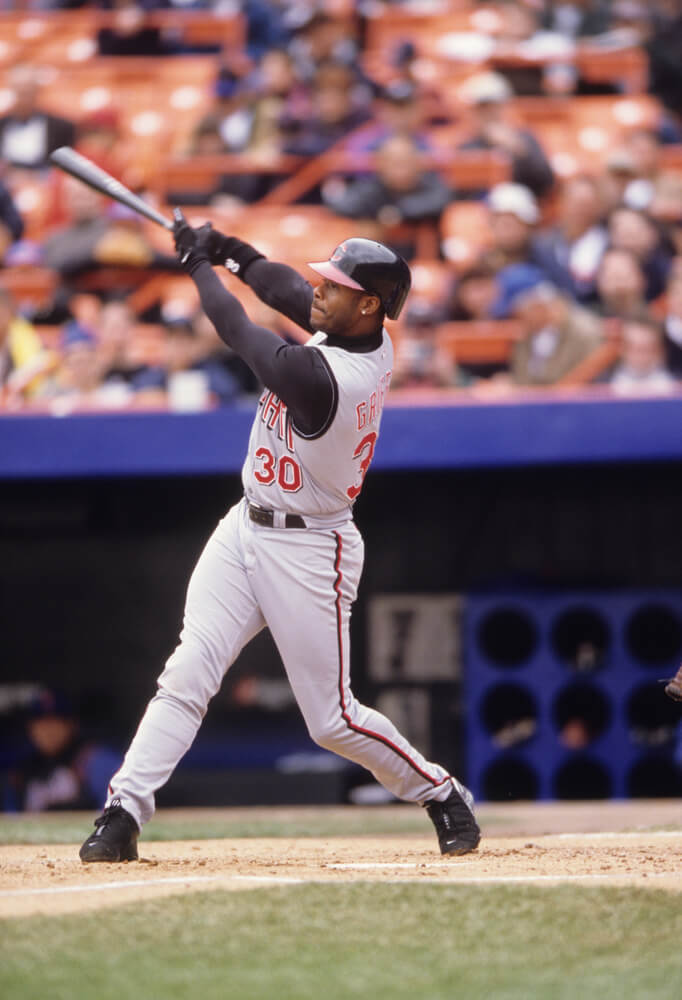
Ken Griffey Jr.’s 1989 Upper Deck rookie card, showing the young outfielder before his Hall of Fame career, remains one of the most recognized modern era cards. High-grade copies bring two to three figures, while near-mint examples can reach three to four figures.
The card’s popularity in the modern collecting market ensures consistent demand.
Joe Jackson 1911 T206
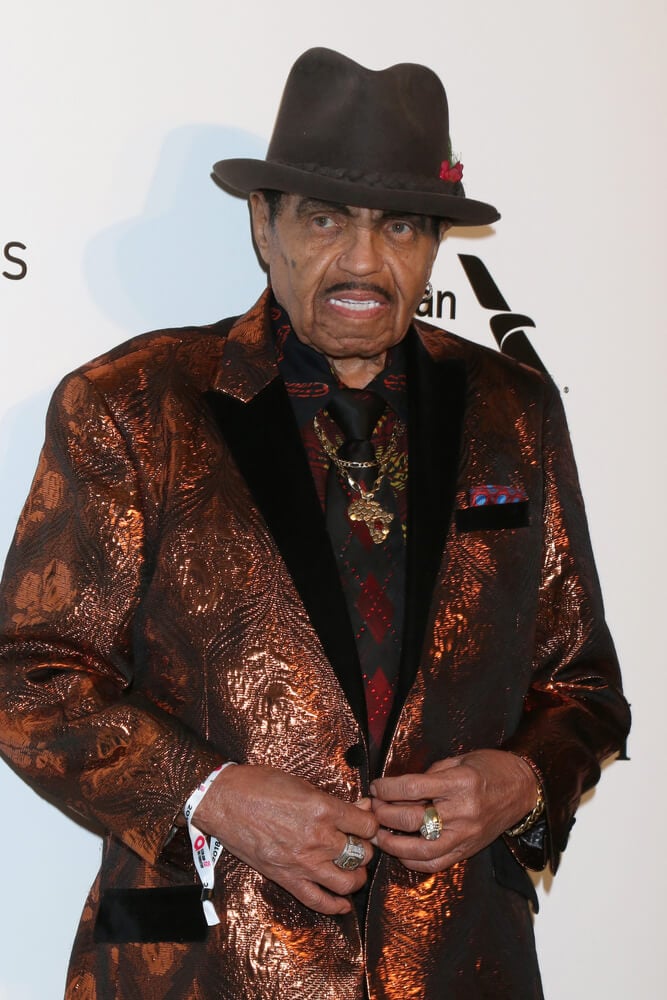
Shoeless Joe Jackson’s 1911 T206 card, showing the legendary hitter before the Black Sox scandal, carries historical weight beyond baseball statistics. Fine copies bring four figures, while very fine examples bring four to five figures.
The card’s connection to one of baseball’s most infamous moments drives collector interest.
Christy Mathewson 1909 T206
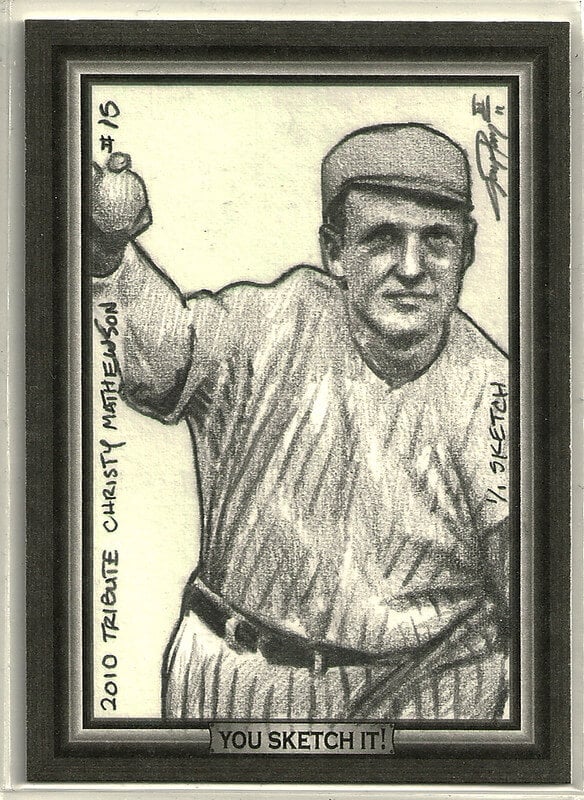
Christy Mathewson’s 1909 T206 card, depicting the dominant pitcher in the dead-orb era, commands substantial prices among cig card collectors. Fine copies bring three to four figures, while very fine examples bring four figures.
The card’s age and the pitcher’s legendary status combine for significant value.
Babe Ruth 1914 Cracker Jack

The 1914 Cracker Jack Babe Ruth card, produced during Ruth’s early Red Sox years, remains exceptionally valuable due to extreme scarcity. Even low-grade copies bring four figures, while fine to very fine examples bring five figures.
The combination of age, rarity, and subject creates multiple value drivers.
Honus Wagner 1909 T206
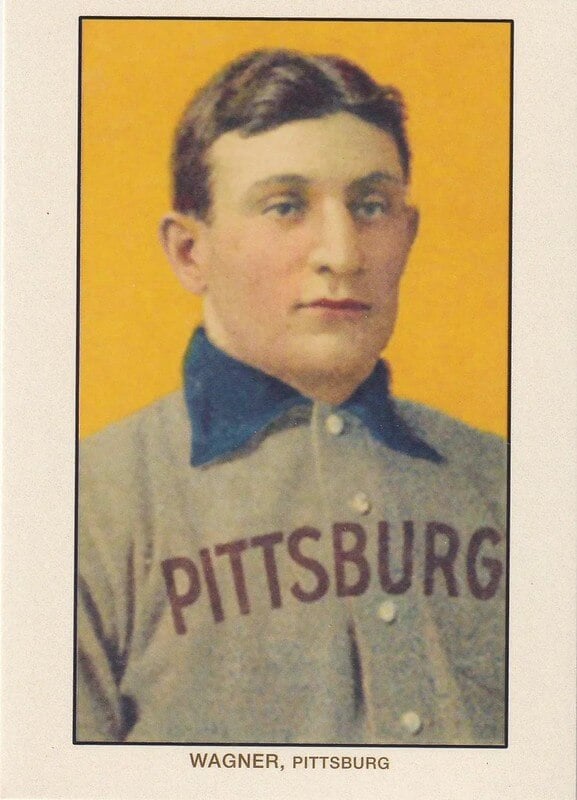
Honus Wagner’s 1909 T206 card, one of the rarest and most expensive cards ever produced, remains the pinnacle of baseball card collecting. Even heavily damaged copies bring five figures, while fine to very fine examples bring six figures or more.
The card’s legendary status in the hobby ensures exceptional demand.
Lou Gehrig 1927 Exhibit
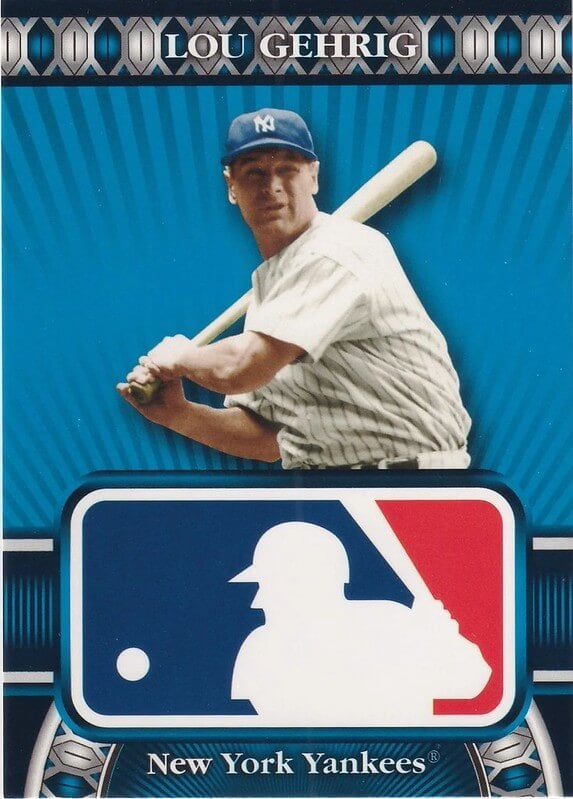
Lou Gehrig’s 1927 Exhibit card, from a small-run printing during the peak of Gehrig’s early career, remains highly sought by vintage collectors. Fine copies bring three to four figures, while very fine examples bring four figures.
The card’s rarity and the Iron Horse’s significance make this consistently valuable.
Paul Waner 1933 Goudey
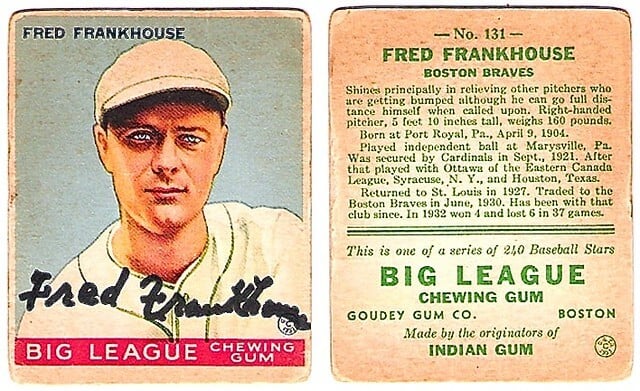
Paul Waner’s 1933 Goudey card captures the future Hall of Famer in sharp photography characteristic of Goudey’s superior printing quality. Fine to very fine copies bring two to three figures, while near-mint examples can reach three to four figures.
The card’s relative scarcity compared to common issues from the set drives steady demand.
Joe DiMaggio 1948 Leaf
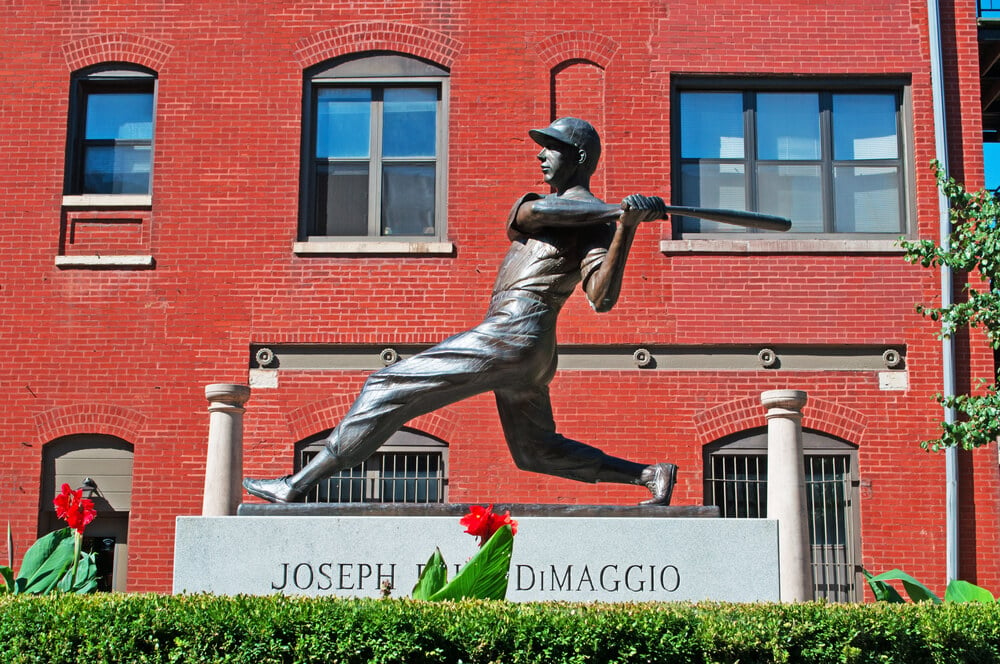
Joe DiMaggio’s 1948 Leaf card shows the Yankee Clipper during his later Yankees years, making it historically significant. Fine to very fine copies bring two to three figures, while near-mint examples can reach three to four figures.
The card’s connection to one of baseball’s greatest achievements drives collector interest.
Rogers Hornsby 1928 Exhibits
Rogers Hornsby’s 1928 Exhibits card, depicting the Rajah during one of his record-setting seasons, attracts serious vintage collectors. Fine copies bring two to three figures, while very fine examples can reach three figures.
The small print run of Exhibit cards creates artificial scarcity that supports pricing.
Cy Young 1914 Cracker Jack
Cy Young’s 1914 Cracker Jack card, among the most significant era cards, commands high prices due to both subject and rarity. Fine copies bring three to four figures, while very fine examples bring four figures.
The legendary pitcher’s status ensures consistent demand among serious collectors.
When the Cardboard Becomes Currency
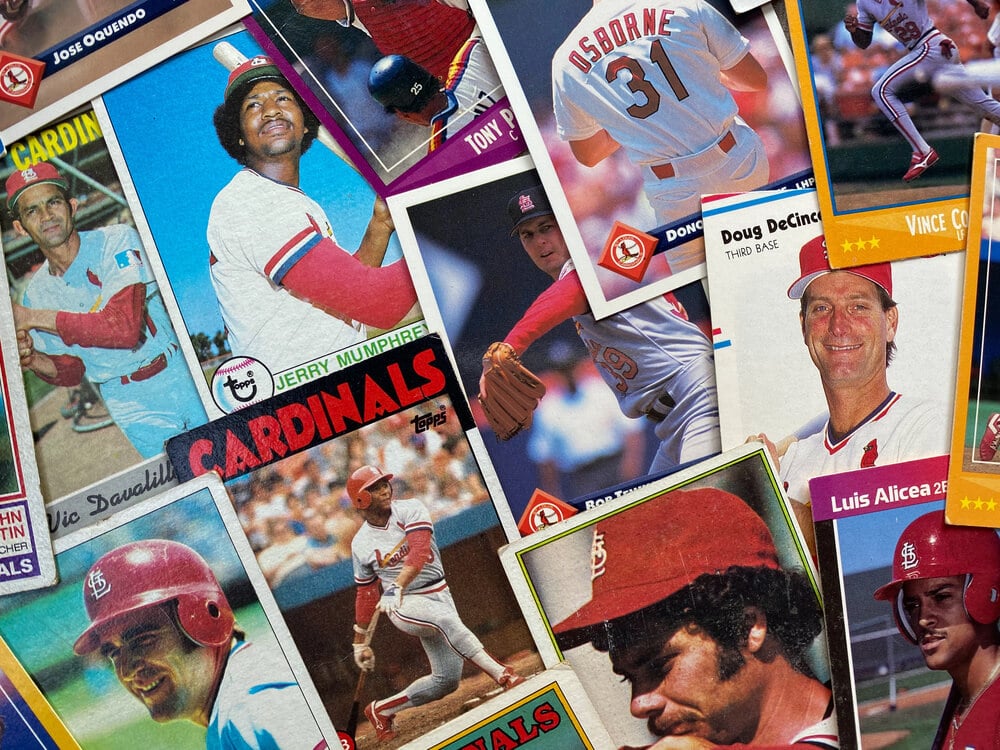
The sports card market has matured from childhood hobby to serious investment category, with grading services and price guides establishing transparent valuation systems. A single box of cards stored in attic conditions can contain value ranging from hundreds to hundreds of thousands of dollars depending on what slips inside.
Condition is paramount, as bent corners, creases, or discoloration can reduce value by half or more at the higher price points. Professional appraisal by a certified grading service is essential before selling anything more valuable than common cards.
More from Go2Tutors!

- The Romanov Crown Jewels and Their Tragic Fate
- 13 Historical Mysteries That Science Still Can’t Solve
- Famous Hoaxes That Fooled the World for Years
- 15 Child Stars with Tragic Adult Lives
- 16 Famous Jewelry Pieces in History
Like Go2Tutors’s content? Follow us on MSN.