Biggest Theme Park Expansions of the 90s
The 1990s marked a golden era for theme parks across the globe. Competition heated up between major players, pushing each company to build bigger, faster, and more elaborate attractions.
Parks doubled down on immersive theming, cutting-edge coasters, and entire new lands that transported guests to different worlds. What started as simple amusement parks in previous decades transformed into sprawling entertainment destinations that rivaled small cities in complexity.
Here is a list of 16 major theme park expansions that defined the 90s and shaped the industry for decades to come.
Disney’s Animal Kingdom

Disney opened its fourth Florida park in 1998, spreading across 500 acres to become the largest Disney theme park in the world. The park centered around conservation and animal welfare, featuring live animals alongside traditional attractions.
Its iconic Tree of Life became an instant landmark, while Kilimanjaro Safaris offered guests a chance to see African wildlife roaming across vast savannas.
Universal’s Islands of Adventure

Universal pulled out all the stops when it launched Islands of Adventure in 1999, creating distinct islands with different themes connected by a central lagoon. The park featured groundbreaking rides like The Amazing Adventures of Spider-Man, which combined 3D technology with physical effects in ways that hadn’t been done before.
Marvel Super Hero Island brought comic book characters to life in a highly detailed environment that set new standards for themed areas.
Like Go2Tutors’s content? Follow us on MSN.
Disney-MGM Studios’ Sunset Boulevard

The Florida studio park expanded significantly in 1994 with the addition of Sunset Boulevard, anchored by The Twilight Zone Tower of Terror. This 13-story drop tower became one of Disney’s most popular thrill rides, using elaborate storytelling and special effects to create an unforgettable experience.
The street itself recreated 1940s Hollywood with meticulous attention to period details.
Disneyland’s New Tomorrowland
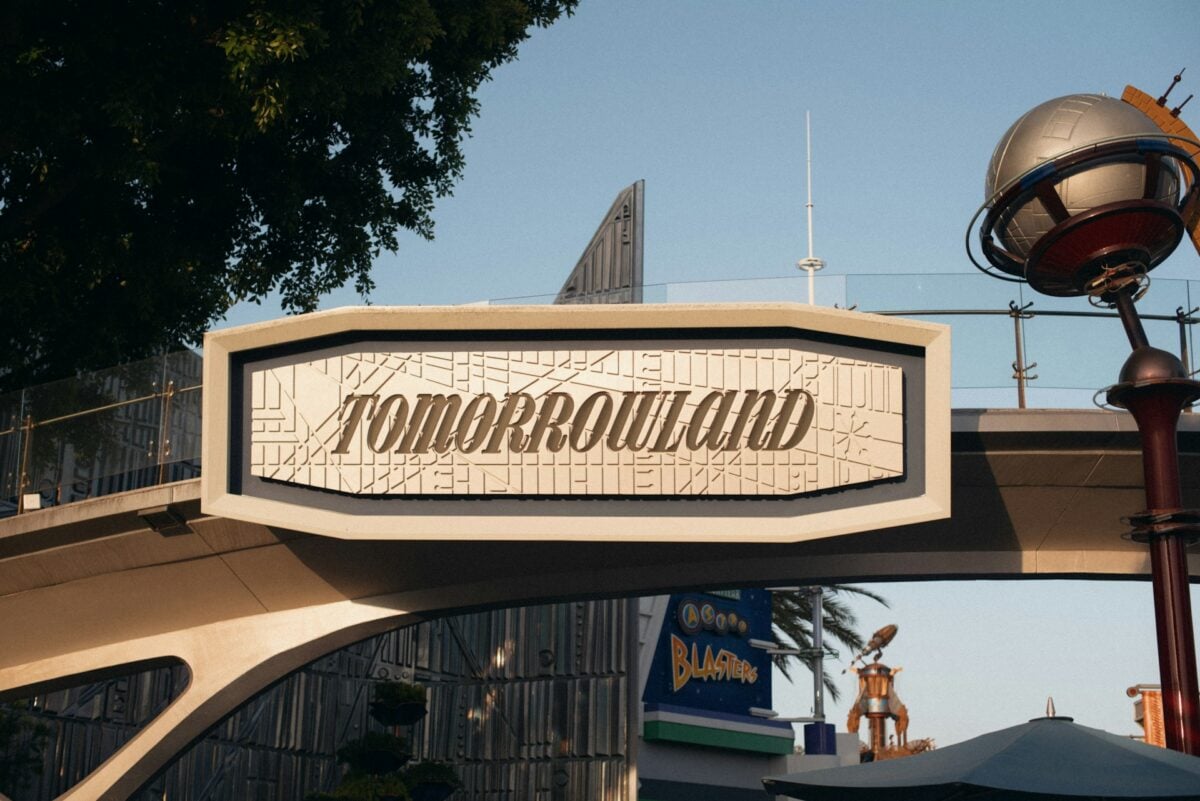
Disneyland completely reimagined its futuristic land in 1998, scrapping the dated white and blue aesthetic for a retro-futuristic bronze and gold design inspired by Jules Verne and classic sci-fi. The overhaul cost around $100 million and transformed everything from the color scheme to the plantings.
New attractions and updated versions of classics gave the land a cohesive vision that felt both nostalgic and forward-thinking.
Cedar Point’s Raptor

Cedar Point installed Raptor in 1994, an inverted coaster from Bolliger & Mabillard that stretched nearly 3,800 feet and flipped riders upside down six times. Unlike earlier inverted coasters that stayed compact, Raptor sprawled across a large footprint with dramatic curves and loops.
The ride became an instant classic and cemented Cedar Point’s reputation as a destination for coaster enthusiasts.
Like Go2Tutors’s content? Follow us on MSN.
Busch Gardens Tampa’s Egypt Area

Busch Gardens Tampa added Montu in 1996, an intense inverted coaster themed around an ancient Egyptian falcon god. The ride dove underground multiple times and reached speeds over 60 miles per hour through seven inversions.
The entire Egypt section received enhanced theming to match, with hieroglyphics, desert landscapes, and architectural details that transported guests to North Africa.
Six Flags’ Batman: The Ride Installations

Starting in 1992 at Six Flags Great America, Batman: The Ride revolutionized the industry as the first inverted coaster where riders’ legs dangled freely below the track. Six Flags rolled out versions of this compact, intense ride to multiple parks throughout the decade.
Each installation featured dark, moody theming inspired by Gotham City, with twisted steel tracks painted black cutting through fog and industrial scenery.
Rock ‘n’ Roller Coaster

Disney-MGM Studios added this high-speed indoor coaster in 1999, featuring a launch that went from zero to 60 miles per hour in under three seconds. The Aerosmith-themed ride took guests through neon-lit Los Angeles freeways with synchronized music pumping through speakers in each vehicle.
It marked Disney’s first coaster with inversions, signaling the company’s willingness to embrace more thrilling attractions.
Like Go2Tutors’s content? Follow us on MSN.
PortAventura Park Spain

This massive European theme park opened in 1995 near Barcelona, featuring six themed areas representing different world cultures. Universal Studios partnered on the project initially, bringing Hollywood expertise to the Mediterranean coast.
The park launched with major attractions like Dragon Khan, an eight-inversion coaster that became Europe’s tallest and fastest when it debuted.
Cedar Point’s Mantis
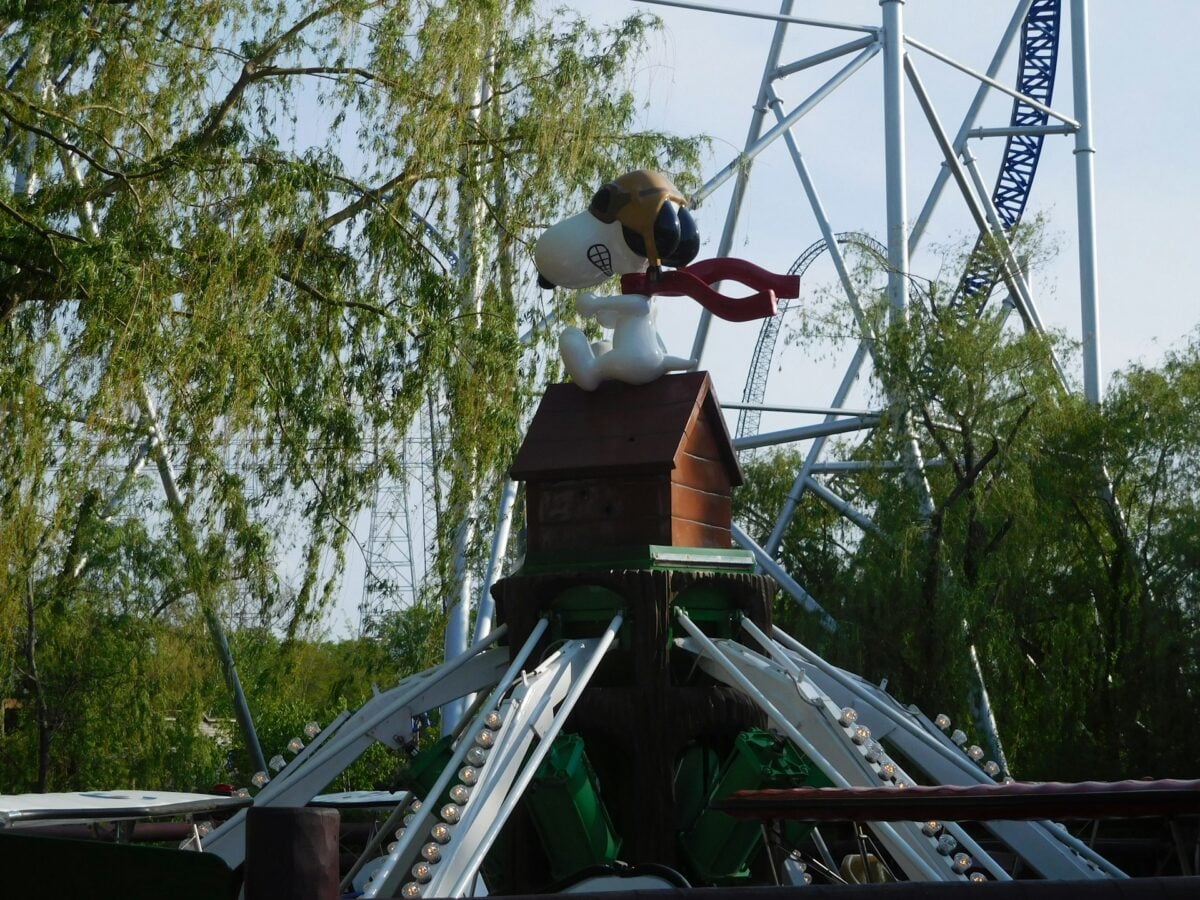
Cedar Point added this stand-up coaster in 1996 (originally announced as Banshee before a name change), featuring a 145-foot-tall first drop and four inversions. Stand-up coasters were trendy during the 90s, though they eventually fell out of favor with both parks and riders.
Mantis operated in this configuration for nearly two decades before being converted to a floorless coaster.
Mean Streak at Cedar Point
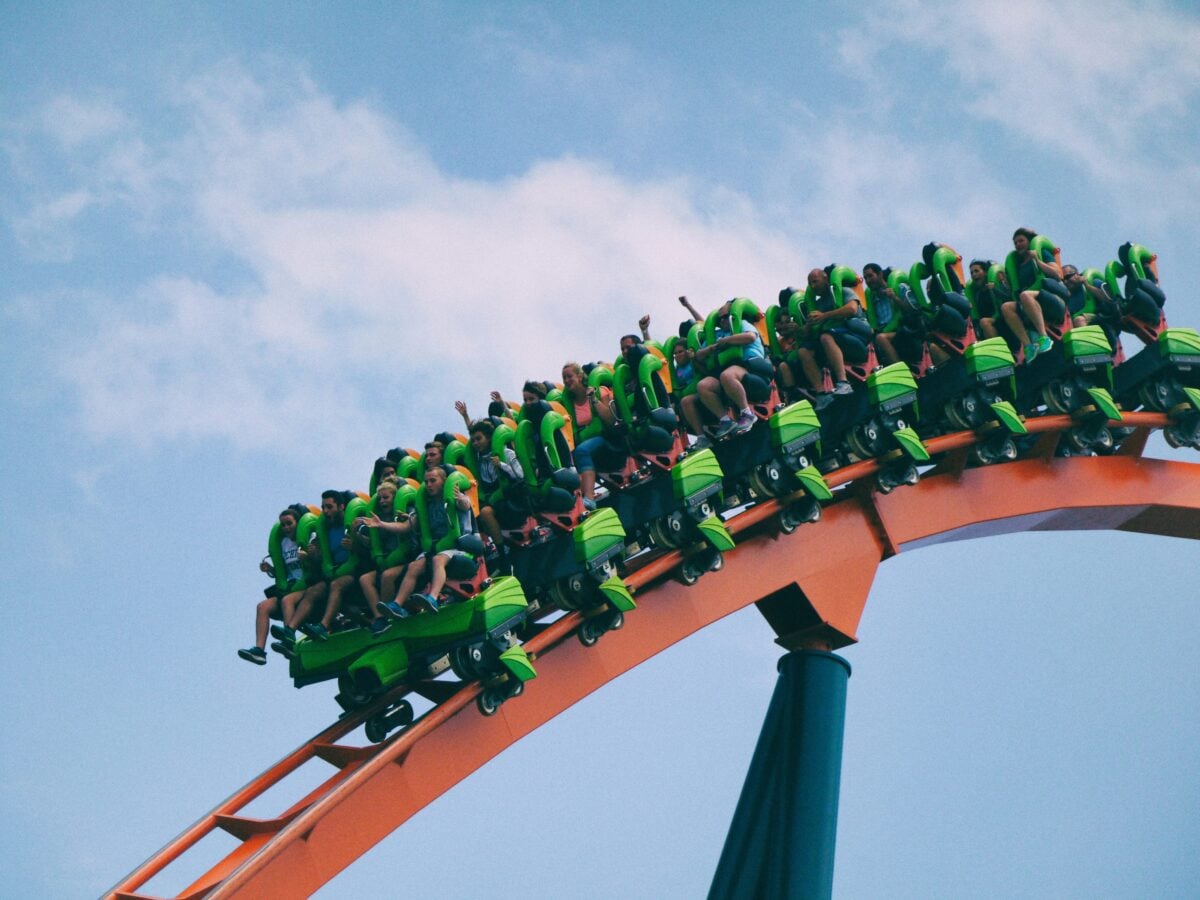
This massive wooden coaster opened in 1991, claiming records as the world’s tallest and fastest wooden coaster with a 161-foot lift hill. The ride stretched over 5,400 feet of track, making it one of the longest wooden coasters ever built.
While it initially drew huge crowds, its rough ride eventually led to its closure and conversion into Steel Vengeance years later.
Like Go2Tutors’s content? Follow us on MSN.
Test Track at Epcot

Replacing the beloved World of Motion pavilion, Test Track opened in 1999 as the longest and fastest ride at any Disney park. Guests designed virtual vehicles before taking them through simulated crash tests, brake tests, and environmental challenges, culminating in a high-speed outdoor loop around the building.
The ride combined education about automotive testing with genuine thrills, though its complicated systems led to frequent breakdowns in early years.
Busch Gardens Tampa’s Kumba

This massive sit-down looping coaster debuted in 1993, featuring one of the world’s largest vertical loops at 108 feet tall. Kumba (meaning ‘roar’ in Congolese) stretched across 3,978 feet of steel track painted bright turquoise, standing out dramatically against Tampa’s blue skies.
The smooth, intense ride helped establish B&M as the premier manufacturer of modern steel coasters.
Disaster Transport Enclosure

Cedar Point enclosed its existing Avalanche Run bobsled coaster in 1990, transforming it into Disaster Transport with an elaborate indoor space-themed queue and environment. The renovation aimed to protect the problematic outdoor bobsled track from weather while adding theatrical elements.
Though the theming deteriorated over time, it represented an early attempt at creating immersive indoor coaster experiences.
Like Go2Tutors’s content? Follow us on MSN.
Ellen’s Energy Adventure

Epcot updated its Universe of Energy pavilion in 1996 with Ellen’s Energy Adventure, starring Ellen DeGeneres and Bill Nye the Science Guy. The ride system remained the same—massive traveling theater cars that moved through different show scenes—but the content shifted to a more humorous, accessible approach.
This represented Disney’s broader 90s strategy of adding celebrities and comedy to educational attractions.
Journey Into Your Imagination

Epcot controversially replaced the original Journey Into Imagination in 1999 with this shorter, less elaborate version. The new ride eliminated most scenes with the beloved Dreamfinder character and reduced Figment to a minor role, disappointing longtime fans.
While intended as a cost-effective update, the negative reception forced Disney to revise the attraction again just a few years later.
The Decade That Changed Everything

The expansions of the 90s didn’t just add rides—they fundamentally shifted what guests expected from theme parks. Competition drove innovation, leading to technological breakthroughs in ride systems, special effects, and immersive theming that are still being built upon today.
Parks learned that bigger isn’t always better, though that lesson sometimes came after expensive mistakes. The seeds planted during this decade grew into the modern theme park industry, where storytelling and spectacle go hand in hand with thrills.
More from Go2Tutors!

- 16 Historical Figures Who Were Nothing Like You Think
- 12 Things Sold in the 80s That Are Now Illegal
- 15 VHS Tapes That Could Be Worth Thousands
- 17 Historical “What Ifs” That Would Have Changed Everything
- 18 TV Shows That Vanished Without a Finale
Like Go2Tutors’s content? Follow us on MSN.



