30 Household Inventions Created by Accident
Many of the objects sitting in homes right now began as accidents. An inventor spilled something, broke something, or combined things incorrectly, and instead of throwing away the mistake, recognized it as useful.
These are the household objects that came into existence by accident and stayed because they worked.
Corn Flakes Cereal
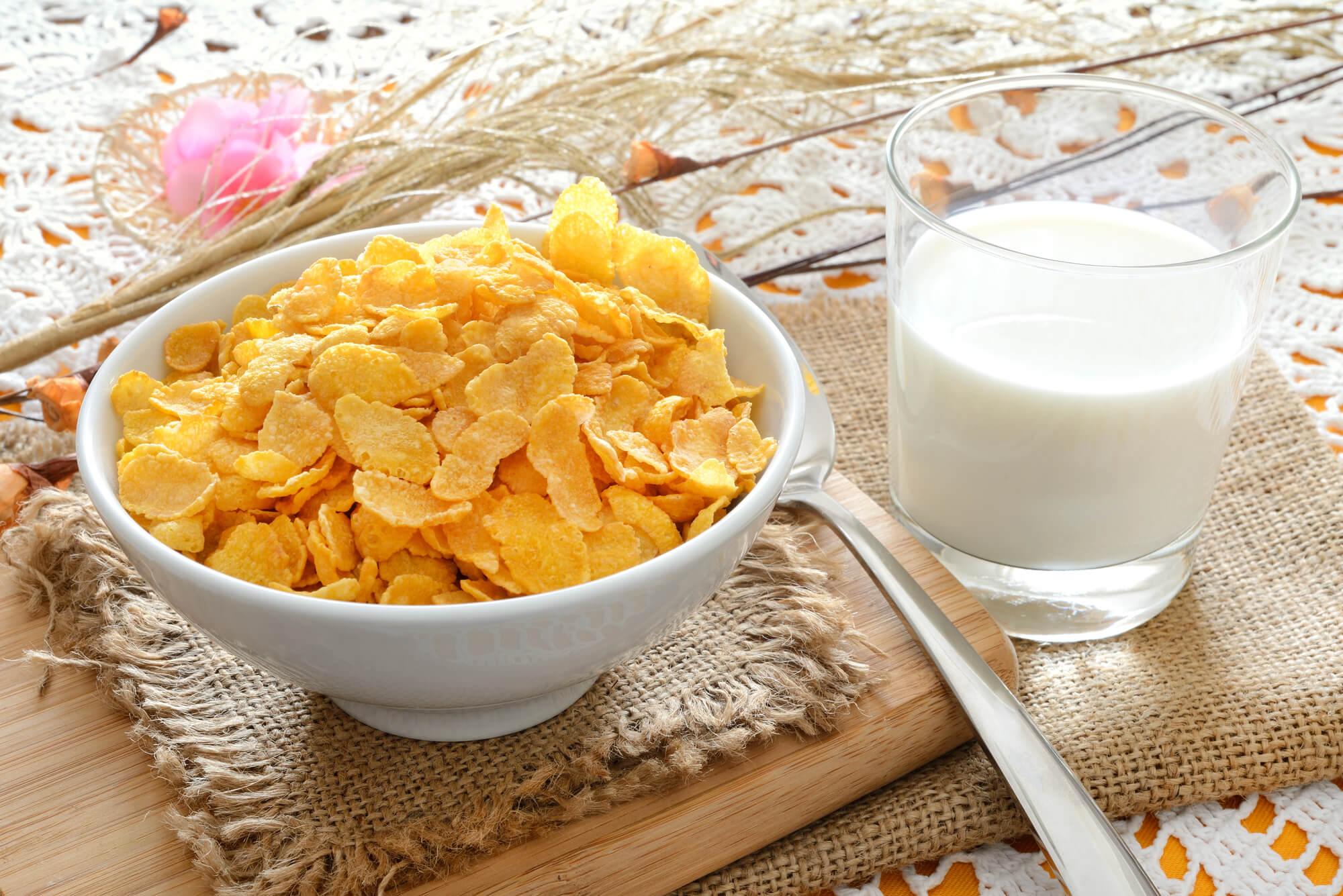
John and Will Kellogg accidentally left cooked wheat sitting out overnight and discovered the next morning that it had flaked into thin, crispy pieces. Instead of discarding the spoiled batch, they realized the flakes were more appetizing than the intended product, leading to the creation of corn flakes cereal.
The accidental spoilage created the breakfast cereal industry. Kellogg’s became a global brand from a failed cooking attempt.
Play-Doh from Wallpaper Cleaner
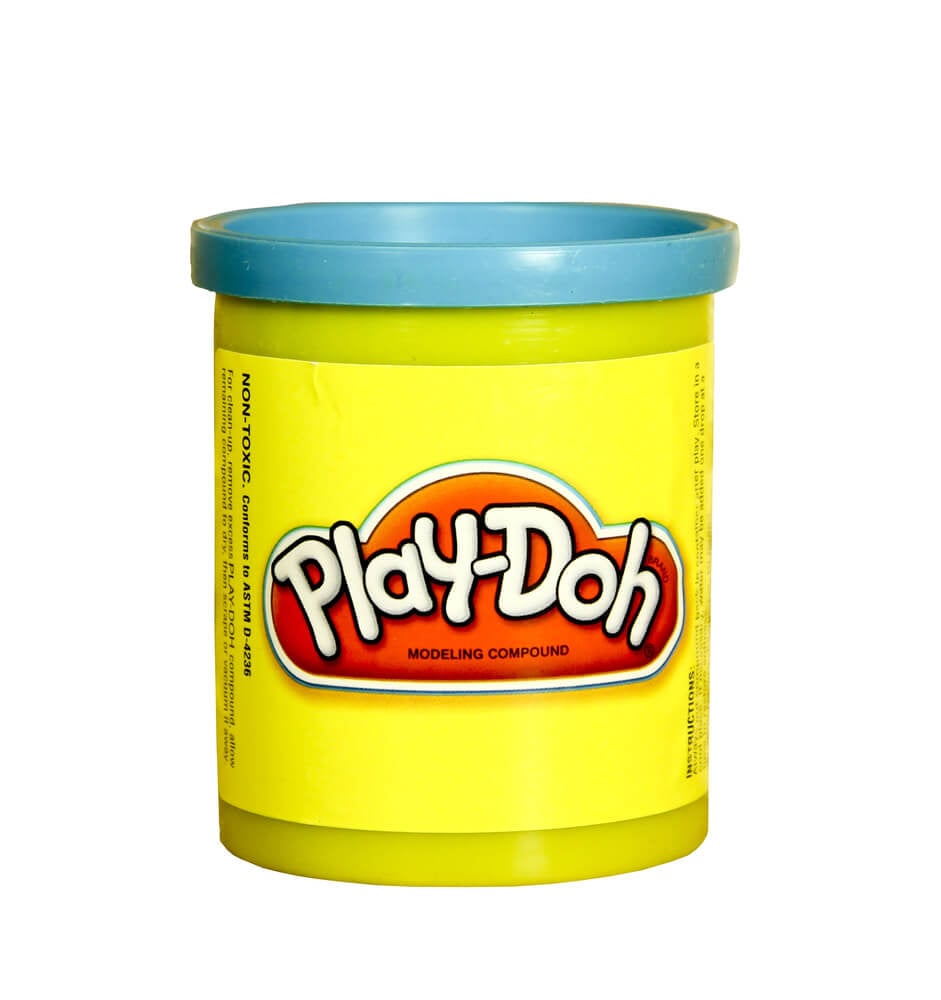
Play-Doh was originally developed as a putty for cleaning coal dust from wallpaper, a household cleaning product that failed because modern wallpaper no longer required it. A school teacher realized the putty had properties that made it perfect for children to mold and play with, leading to its repurposing as a toy.
The failed cleaner became one of the world’s most recognizable toys. Modeling compound emerged from failed wallpaper maintenance.
Ivory Soap from Soap Whipping Accident
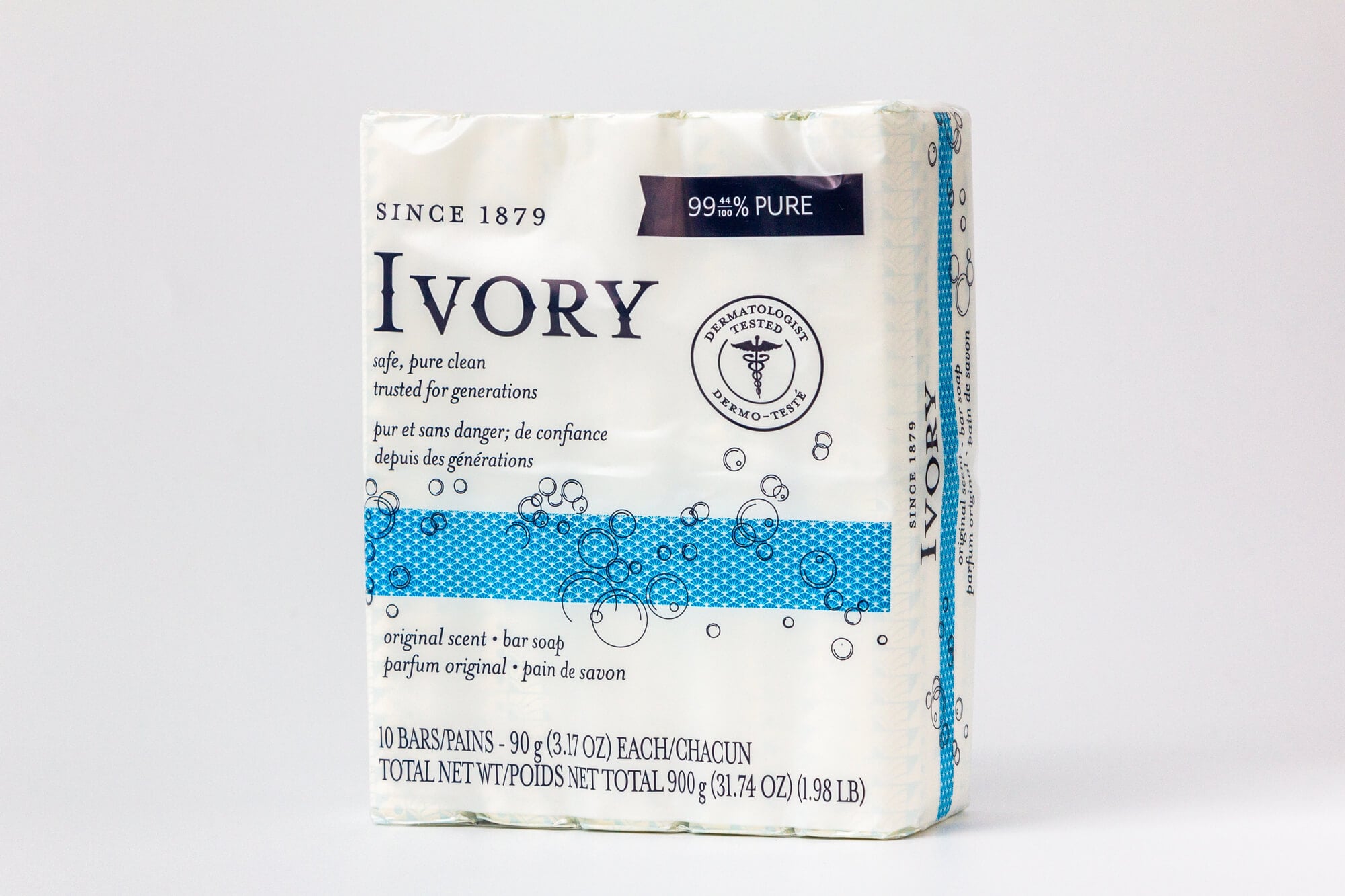
Ivory soap’s creation came from an accident when a worker at Procter and Gamble left a soap batch running overnight in a mixing machine, accidentally whipping air into the batch and creating a lighter, fluffier product that floated. Instead of discarding the batch, the company realized floating soap was novel and useful, leading to Ivory soap’s development.
The accidental aeration created a best-selling product. Floating soap emerged from a mixing accident.
Rubber Ducks from Failed Prototype
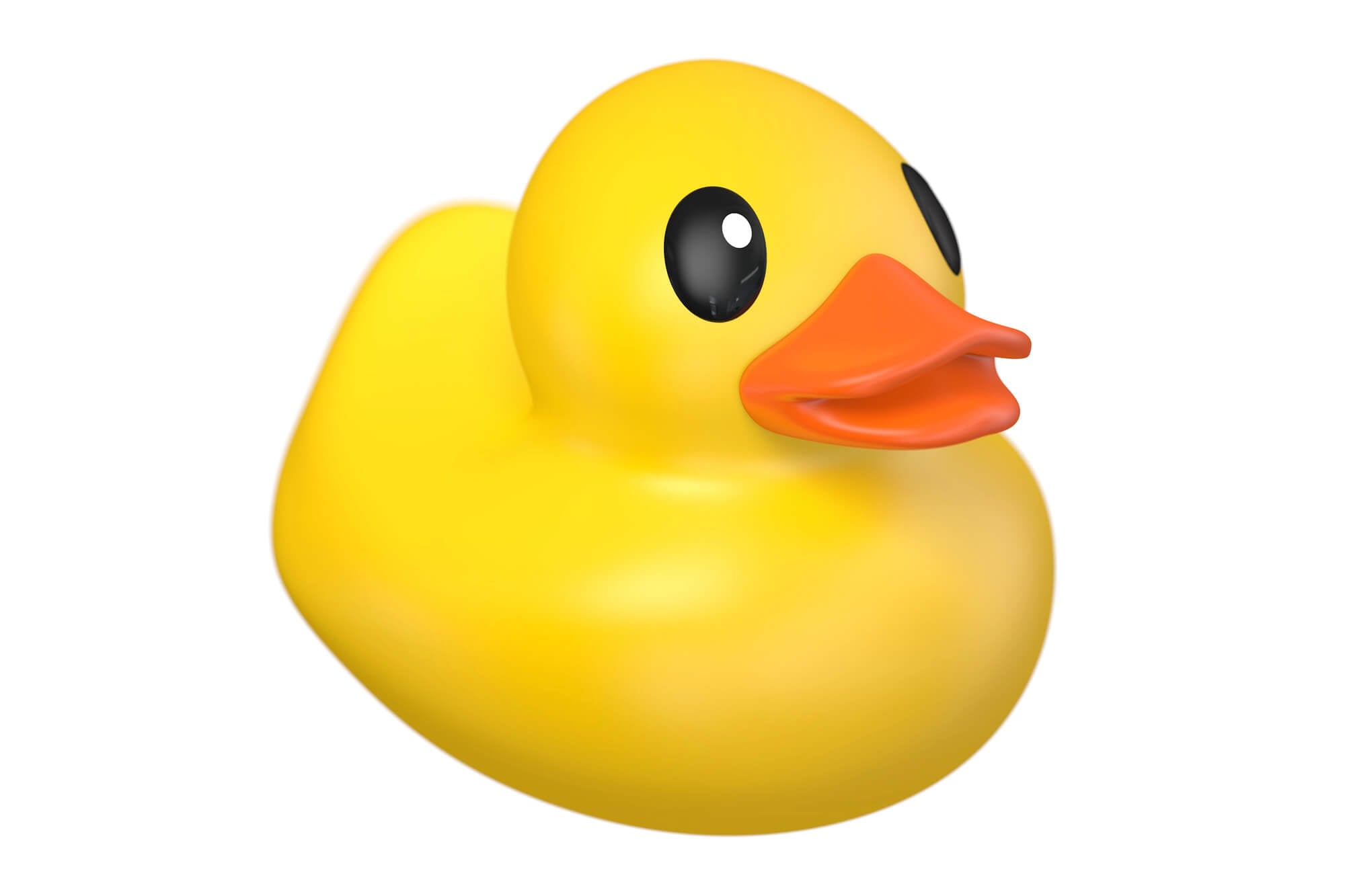
The rubber ducky became an accidental byproduct when a toy manufacturer was developing rubber toys and a batch of yellow rubber ducks with squeakers was produced by mistake, deviating from the intended design. Someone recognized the whimsical potential of the accidental ducks, and they were marketed as toys.
The bathtub toy became iconic from production error. Rubber ducky culture emerged from manufacturing accident.
Velcro from Burr Observation
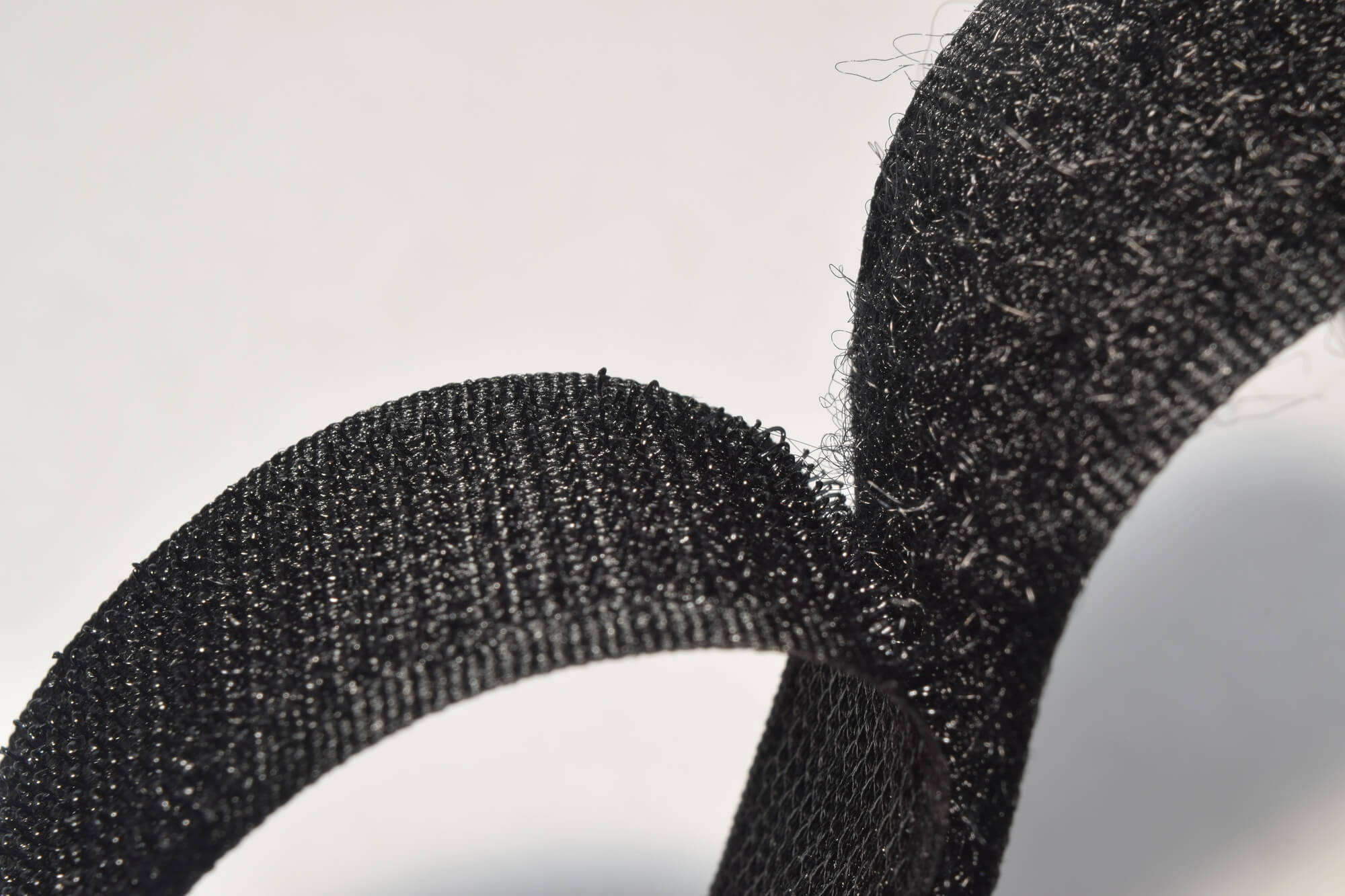
George de Mestral noticed burrs clinging to his dog’s fur and clothing after a hunting trip and investigated the mechanical structure under a microscope, discovering the hook-like structures that caught on loops in fabric. While not quite an accident in conception, the invention came from accidental observation rather than intentional problem-solving.
Velcro emerged from paying attention to natural accident. The fastener came from a hunting trip problem.
Bubble Wrap from Failed Wallpaper
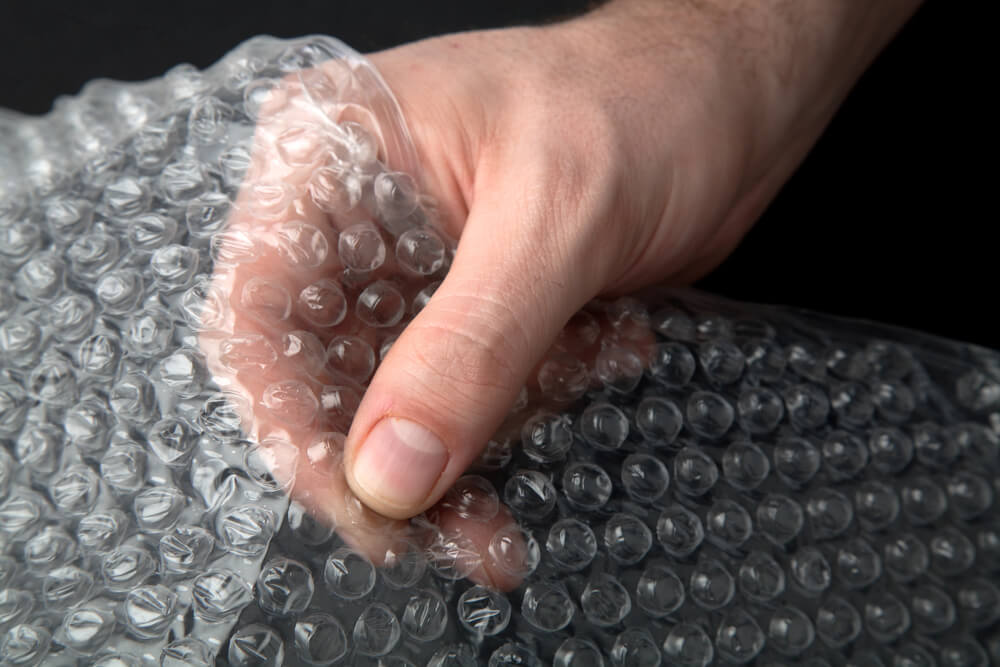
Bubble wrap was created when inventors Marc Chavannes and Al Fielding accidentally created bubbles while attempting to develop a three-dimensional plastic wallpaper, a failed wallpaper product that turned out to be perfect for packaging. The accidental bubbles in the wallpaper became recognized as superior protective packaging material.
Protective packaging emerged from failed wallpaper research.
Sticky Notes from Hymnal Bookmarks

Art Fry, a 3M employee, wanted a bookmark that wouldn’t fall out of his hymnal and realized the company’s weak adhesive (developed as a failed strong adhesive) was perfect for the application, leading to the development of Post-It Notes. The failed adhesive proved ideal for removable bookmarks.
Sticky notes came from a singing problem and failed glue research.
Chewing Gum from Failed Rubber Substitute

John Curtis accidentally created the first commercial chewing gum in 1848 when he was attempting to develop a synthetic rubber substitute and found the product had gummy, chewable properties unsuitable for rubber but perfect for gum. The failed rubber research created the chewing gum industry.
Gum emerged from failed rubber development.
Potato Chips from Complaint
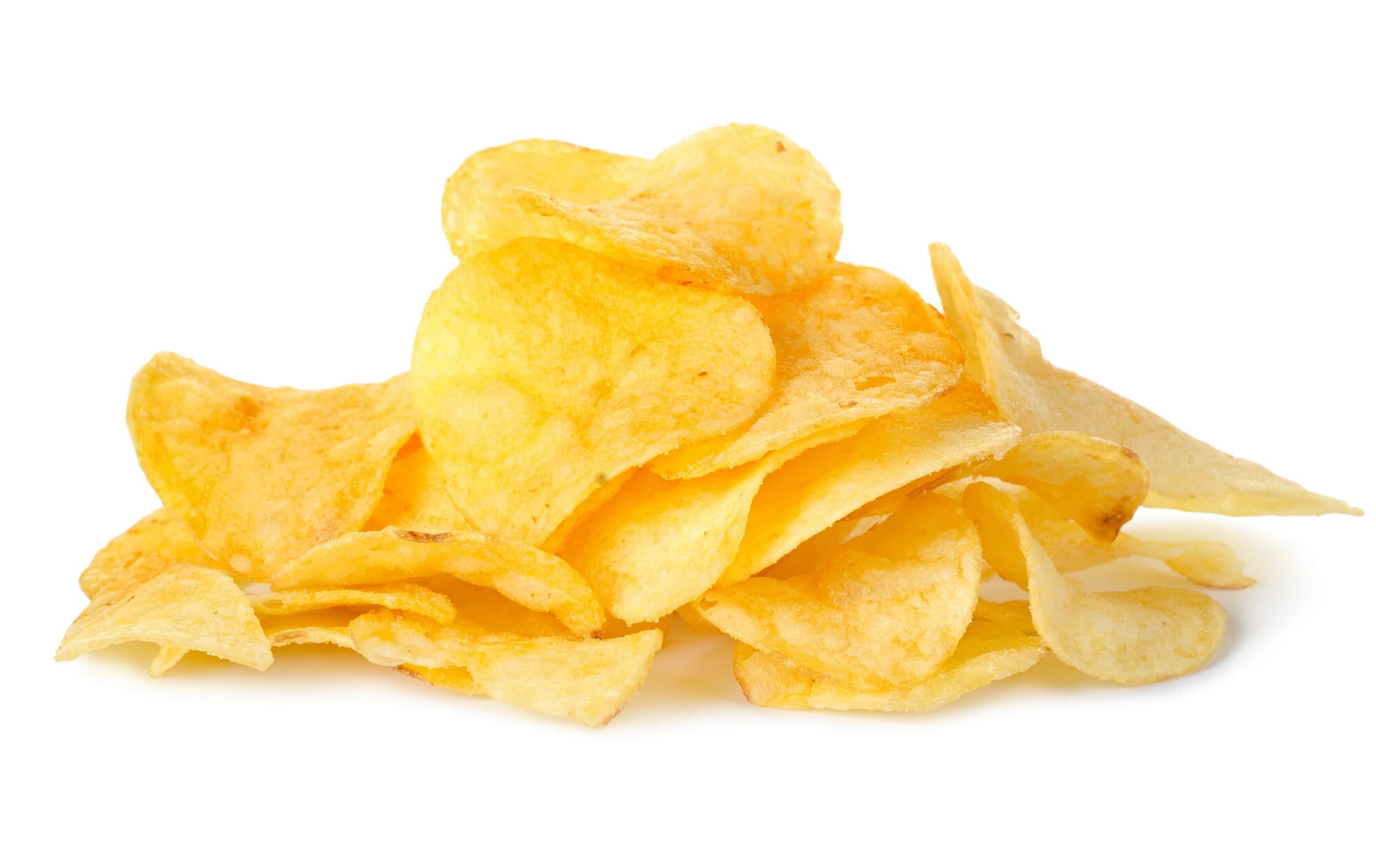
George Crum, a chef at a restaurant in Saratoga Springs, created the first potato chips in 1853 when a customer complained that fried potatoes were too thick and soggy, asking for thinner, crispier fries. Instead of dismissing the complaint, Crum sliced potatoes paper-thin, fried them extra crispy, and created an entirely new snack.
The complaint led to innovation. Potato chips came from customer dissatisfaction.
Worcestershire Sauce from Failed Experiment
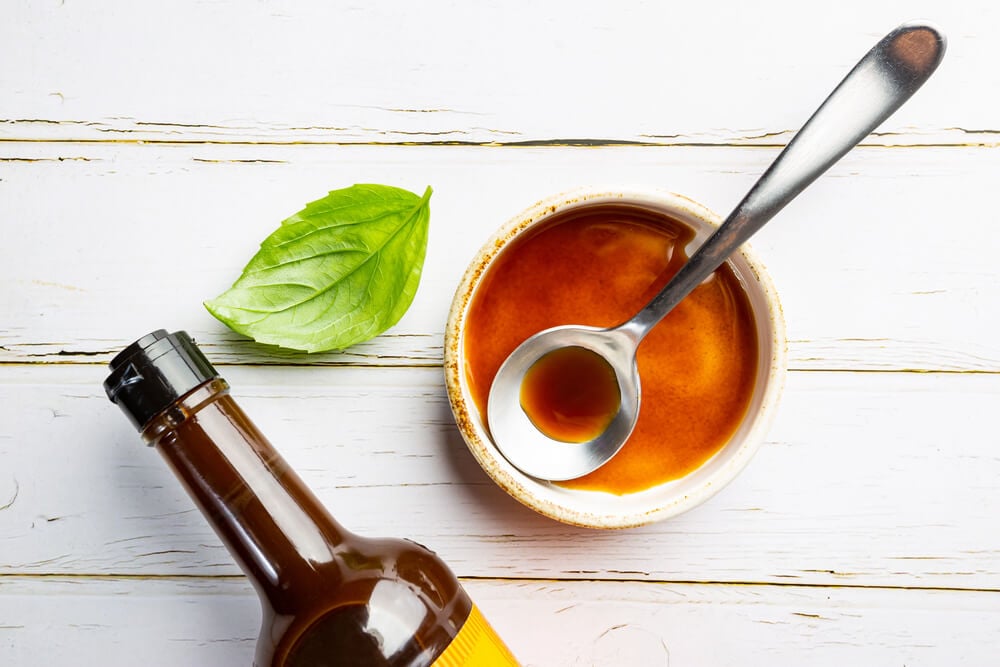
John Lea and William Perrins at a Leicester pharmacy were attempting to create a specific medicinal formula when the result was an unpleasant tasting brew that they set aside in a barrel to age. When they rediscovered the forgotten barrel years later, the aged liquid had transformed into the flavorful Worcestershire sauce still used today.
Accidental aging created a condiment. The sauce came from a failed pharmacy experiment.
Popsicles from Forgotten Soda
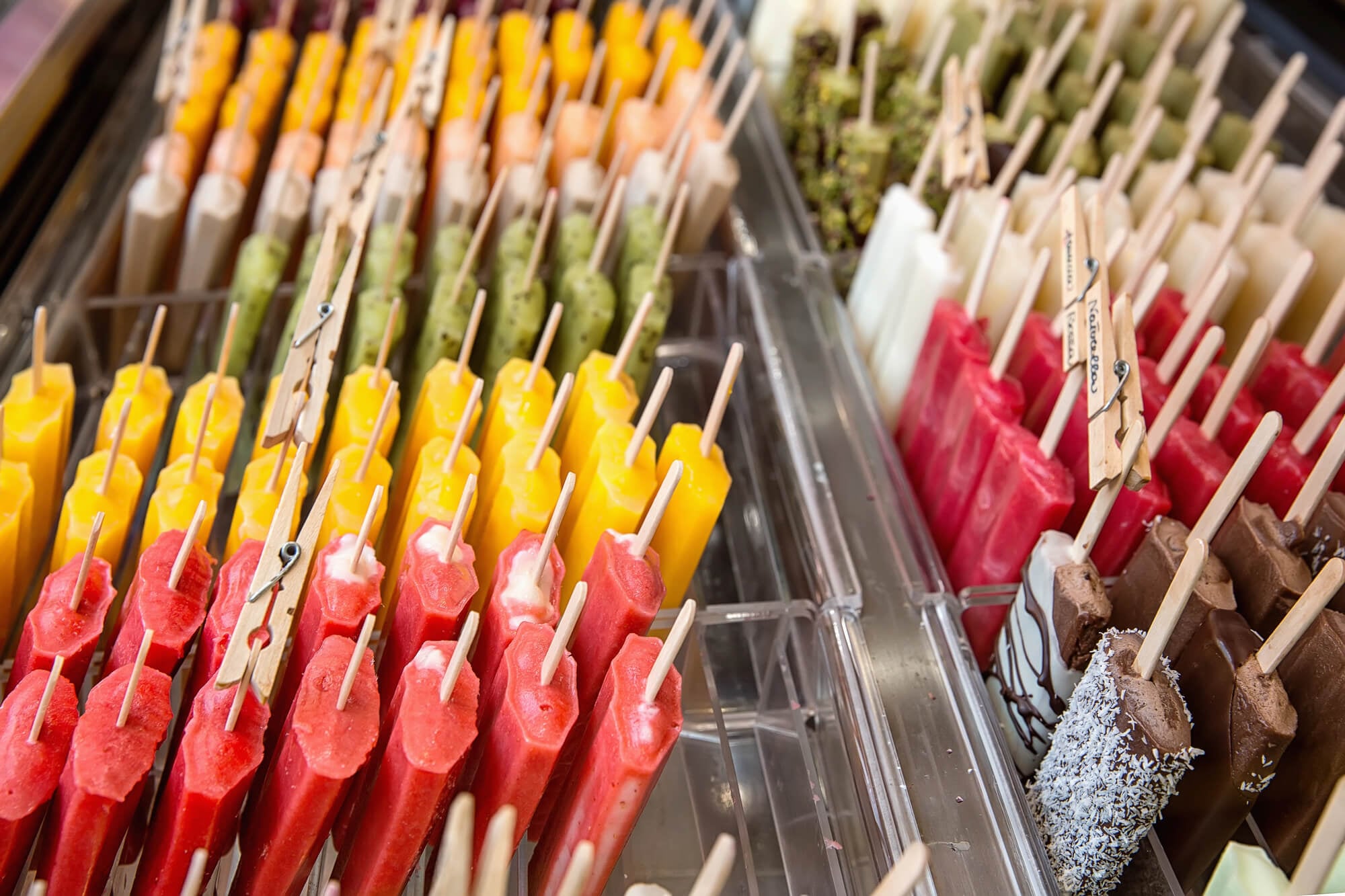
In 1905, Frank Epperson accidentally left a glass of soda with a wooden stirring stick on his porch in freezing weather overnight, discovering the next morning that the soda had frozen around the stick. Instead of discarding it, he realized the accidental creation was a novel and delicious treat, leading to the commercialization of popsicles.
The forgotten drink became an iconic summer treat. Epsicles (later Popsicles) came from a winter accident.
Chocolate Chip Cookies from Improvisation
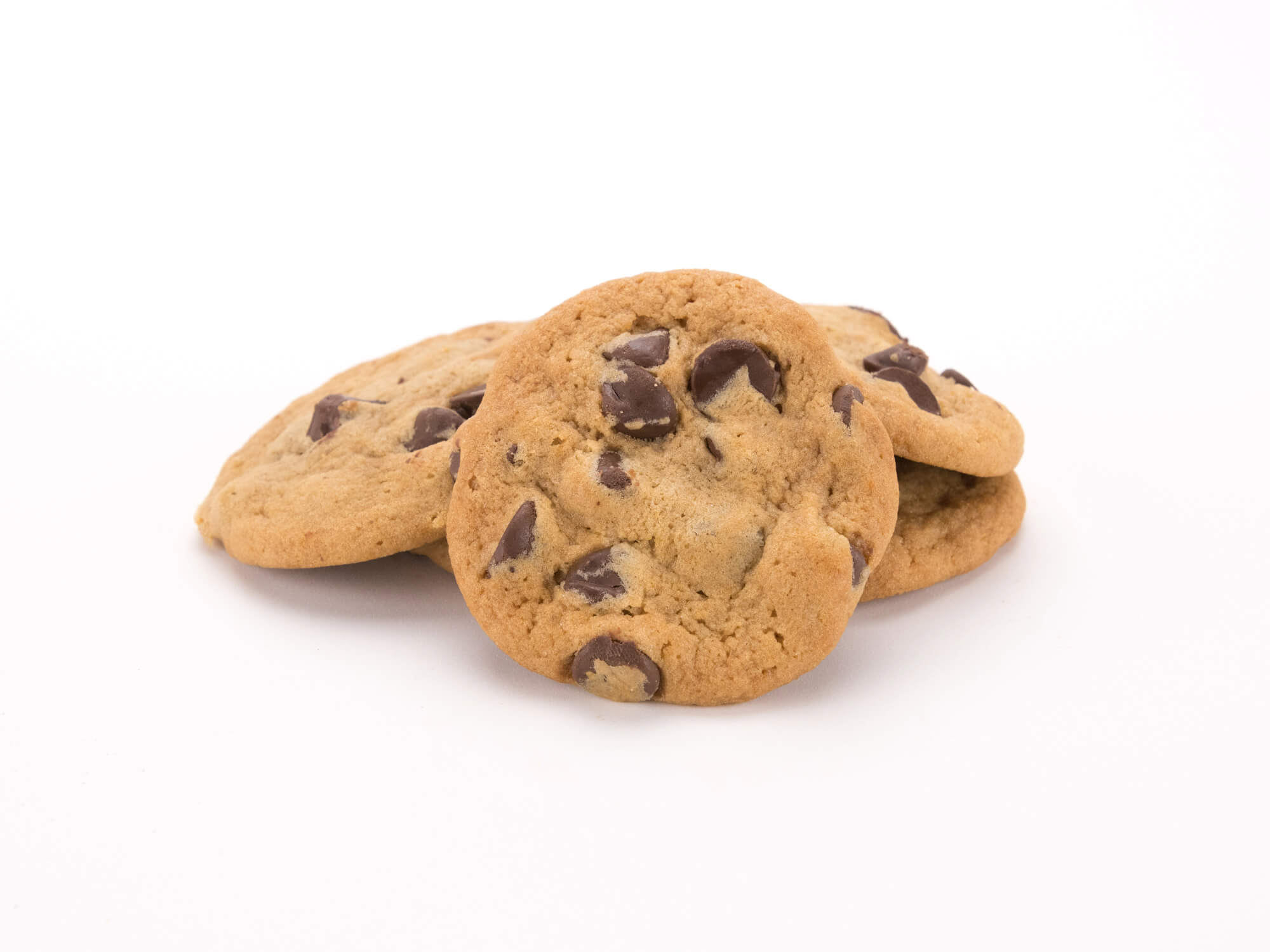
Ruth Graves Wakefield, running an inn during the Great Depression, chopped up a bar of Nestlé semi-sweet chocolate and added it to butter cookie dough, expecting the chocolate to melt and create chocolate cookies. Instead, the chocolate pieces held their shape, creating the first chocolate chip cookies.
The failed chocolate dissolution created a beloved dessert. Chocolate chip cookies came from cooking mistake.
Coca-Cola from Medicine Attempt
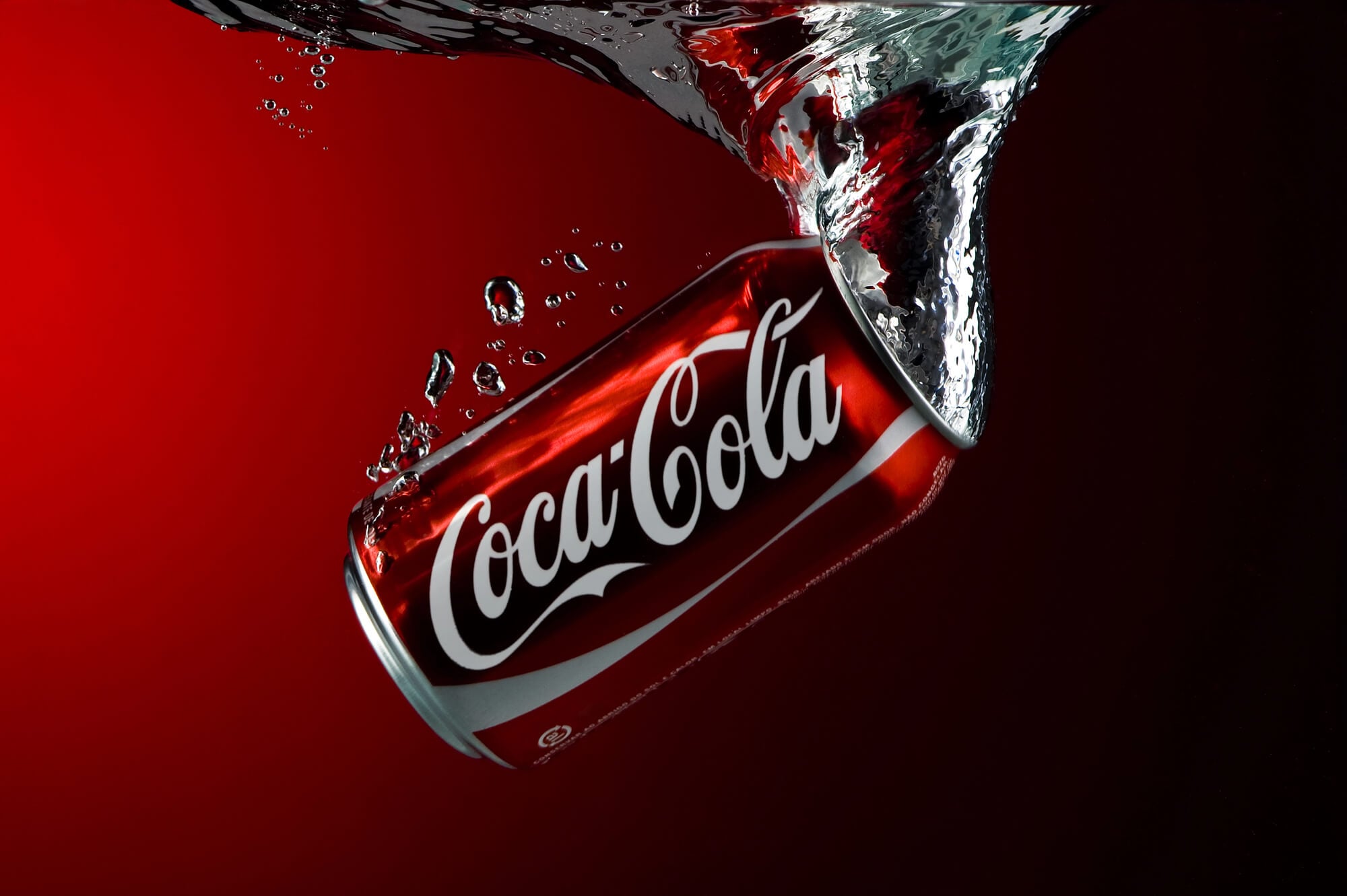
John Pemberton, an Atlanta pharmacist, was attempting to create a medicinal tonic when he combined syrup with carbonated water by accident, creating a drink that was refreshing but not medicinal. Instead of discarding the result, he marketed it as a beverage, creating one of the world’s most recognizable brands.
The failed medicine became a beverage industry. Coca-Cola emerged from pharmaceutical failure.
Breakfast Oatmeal from Spoilage
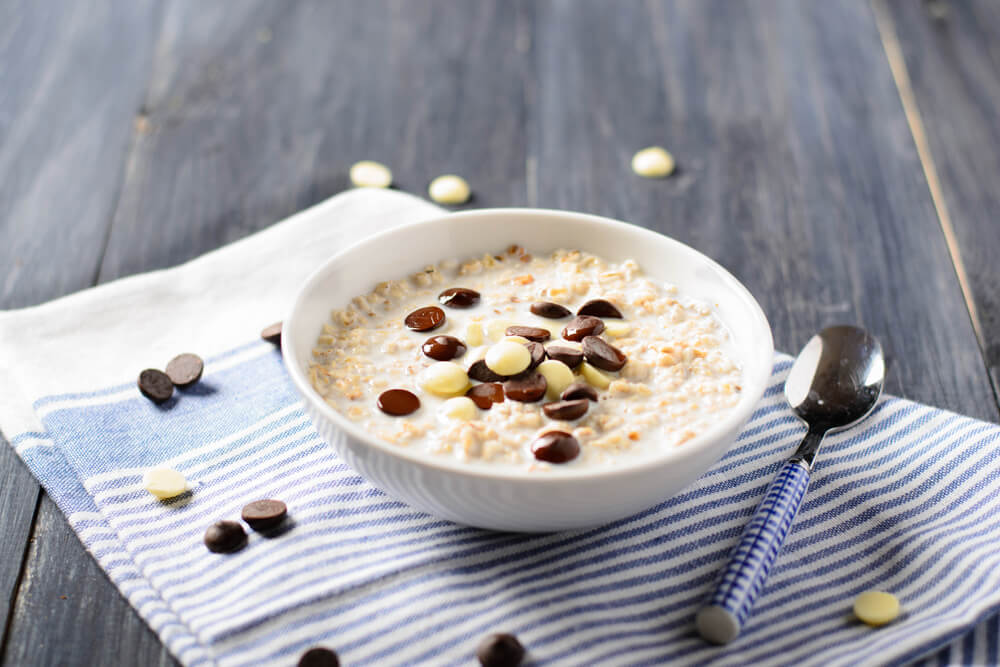
Quaker Oats began when a miller spilled a batch of oats that had been damaged by weather and water and noticed that the dampened oats cooked into an appealing, creamy porridge. Instead of discarding the spoiled batch, he realized the accident had created a desirable food product, leading to the development of rolled oats.
Spoilage created a breakfast category. Quaker Oats came from accident.
Cheese from Milk Accident
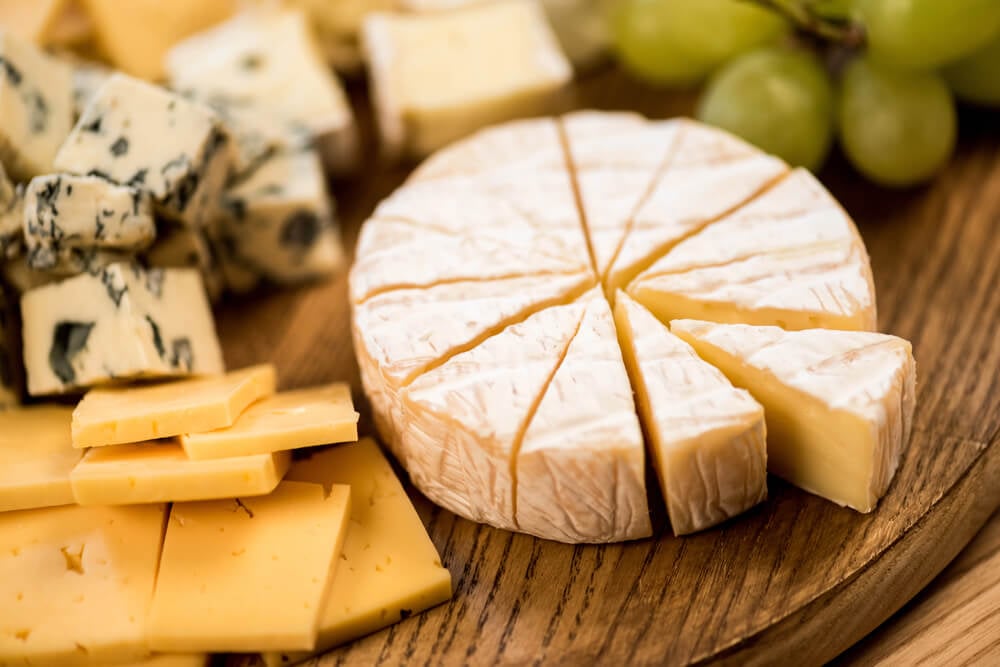
According to legend, cheese was discovered when milk was accidentally kept in a container lined with animal rennet or salt, causing the milk to separate into curds and whey. The accidental curdling created a food that has been cultivated for thousands of years.
Cheese may have come from accidental spoilage. The accident transformed milk preservation.
Bread from Fermentation Accident
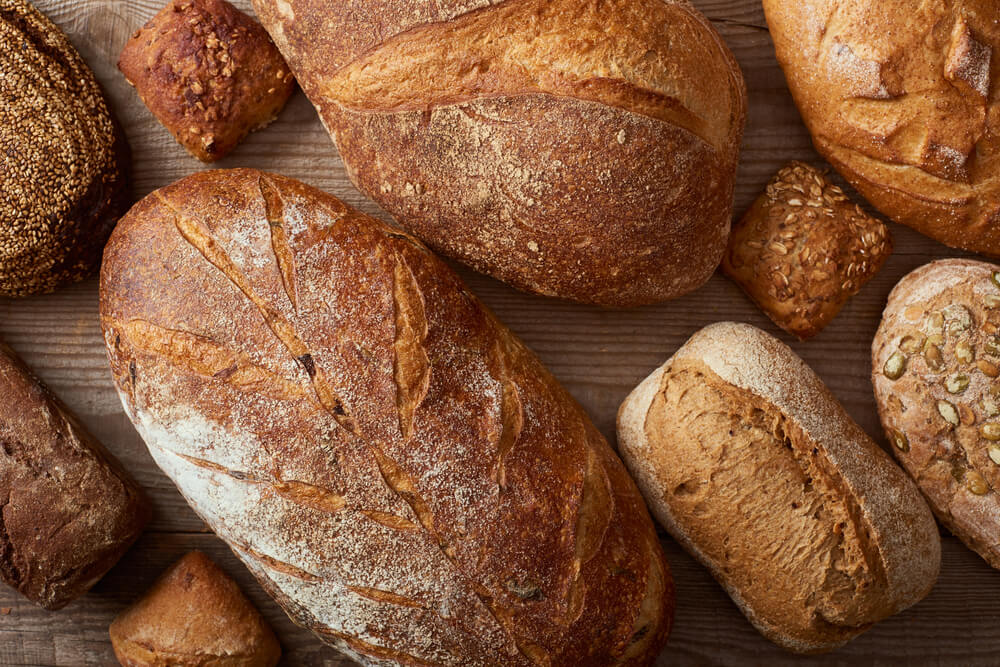
Yeast fermentation in bread may have been discovered accidentally when a batch of dough was left unattended and wild yeast began fermenting the mixture, causing it to rise and creating bread more palatable than unleavened varieties. Accidental fermentation transformed bread-making.
Leavened bread emerged from forgotten dough.
Wine from Spoiled Grape Juice
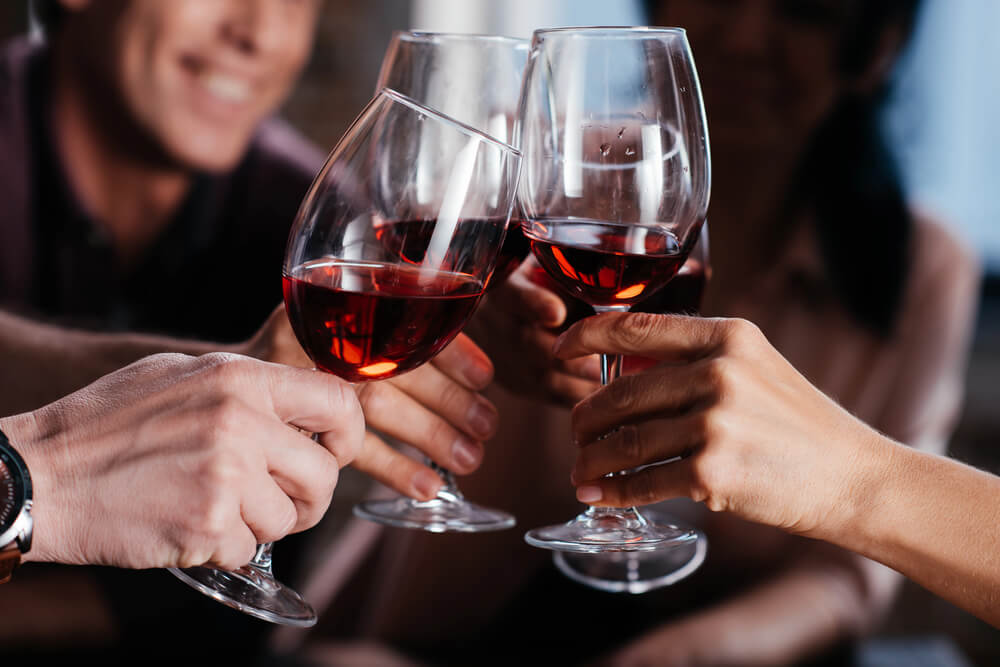
Wine’s creation is traditionally attributed to accidental fermentation of grape juice during storage, when wild yeast converted the sugars into alcohol, creating a beverage that had better preservation properties and psychoactive effects. Fermented grape juice became civilization-defining.
Wine came from spoiled juice.
Yogurt from Spoiled Milk
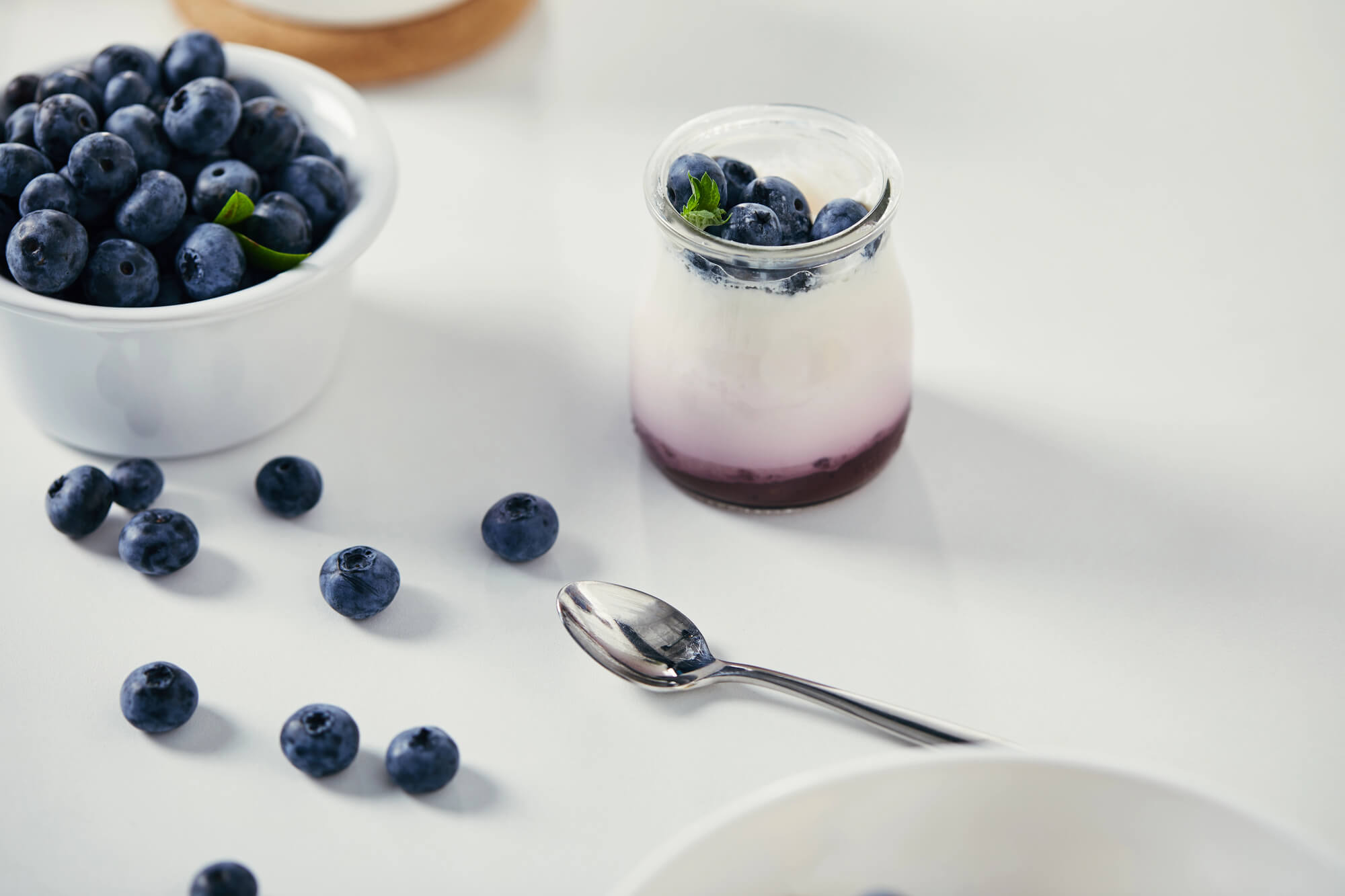
Yogurt emerged when milk was left in warm conditions and naturally occurring bacteria fermented the lactose into lactic acid, creating a sour, creamy product with better shelf life than fresh milk. Natural fermentation created a preserved dairy product.
Yogurt came from accidental bacterial growth.
Gingerbread from Spice Accident
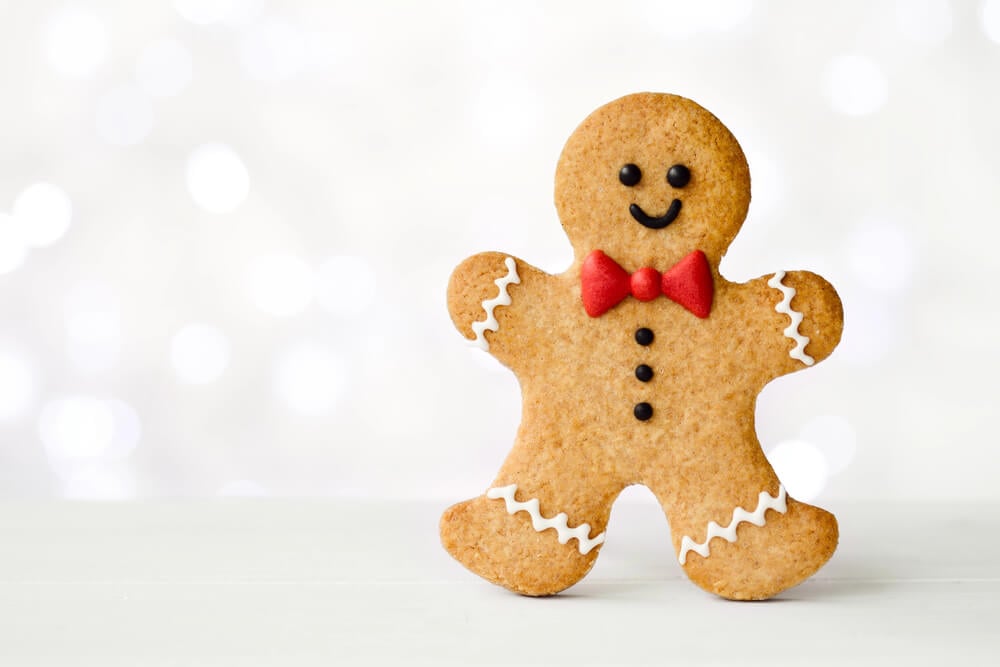
Gingerbread’s origin is disputed, but one account credits a cook who accidentally spilled spices into cake batter, creating a flavored cake that became beloved. Whether the origin is accidental or intentional, gingerbread represents happy accident in cooking.
Spiced cake emerged from spill or intentional innovation.
Brownies from Forgot-to-Add-Ingredient
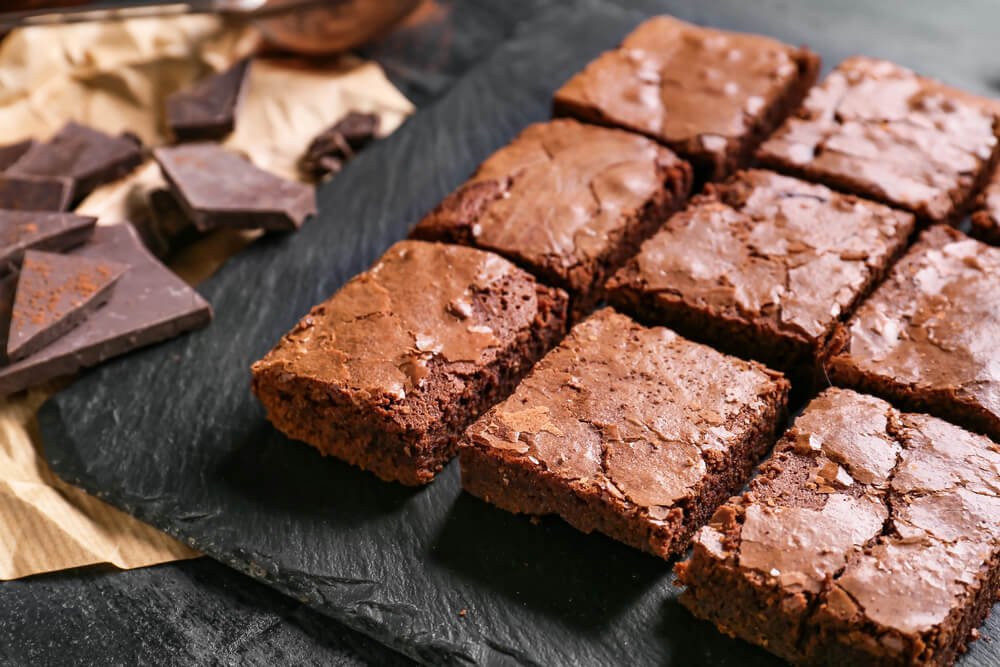
Brownies were allegedly created in the 1800s when a baker forgot to add flour to a chocolate cake batter, creating a dense, fudgy cake that was loved rather than discarded. The forgotten ingredient created a new dessert category.
Brownies came from recipe failure.
Pretzels from Dough Leftovers
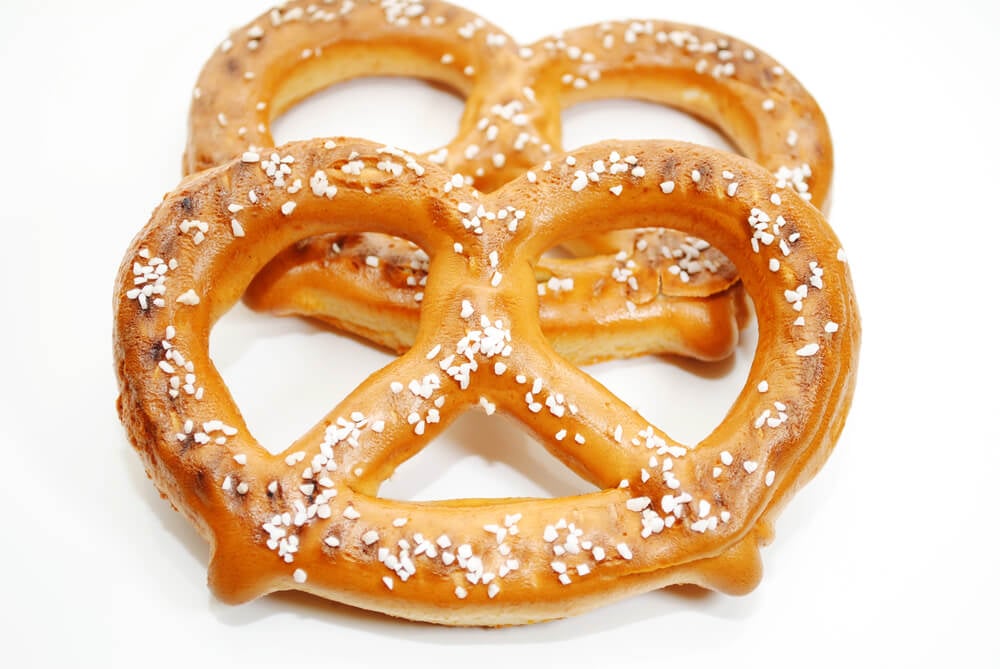
Pretzels may have originated when a baker in the Middle Ages used leftover dough strips and twisted them into shapes, accidentally creating a distinctive form that became a snack tradition. Creative use of scraps created food tradition.
Pretzels came from leftover dough.
Tortillas from Improvisation
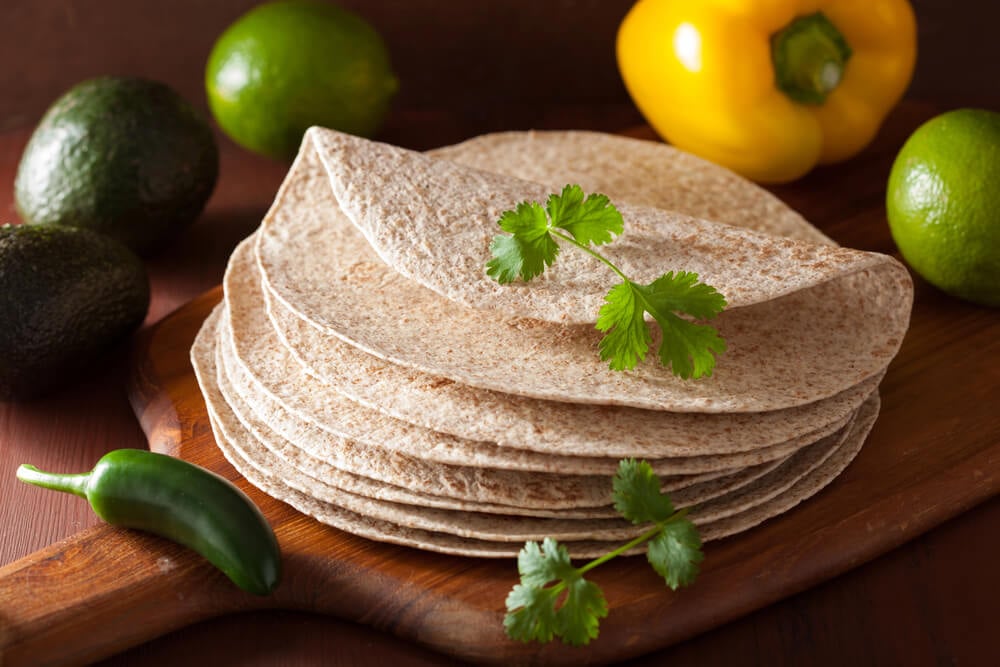
Corn tortillas were created when indigenous peoples of Mesoamerica worked with available maize and created flatbread through grinding and cooking, a technique that may have emerged from cooking with limited equipment. Necessity and accident created a bread tradition.
Tortillas came from working with available materials.
Sandwiches from Gaming
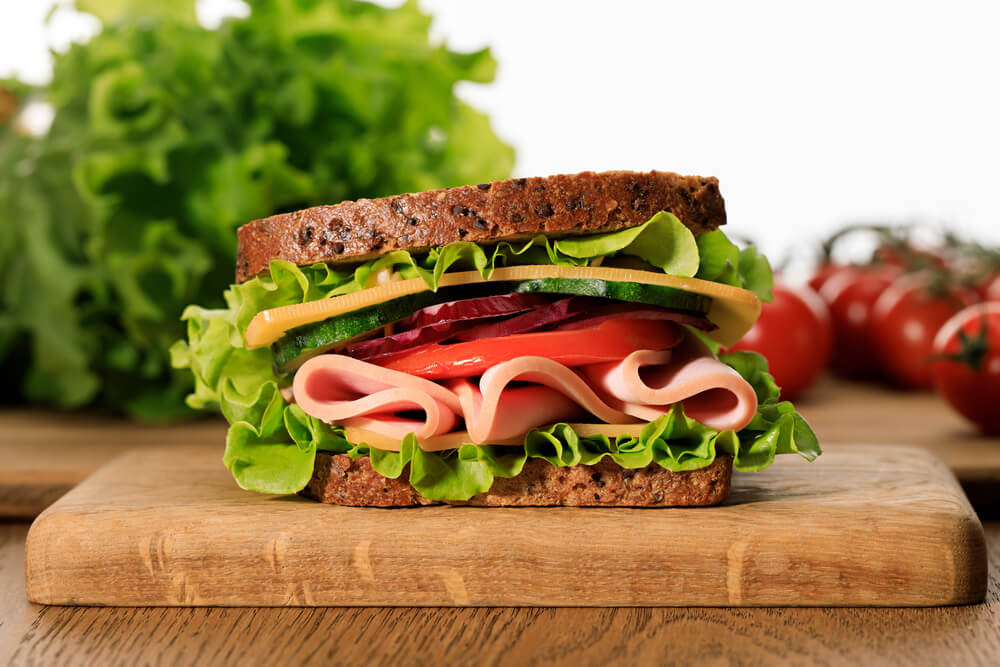
The Earl of Sandwich, wanting to eat without leaving a card game, allegedly ordered meat between bread slices in the 1700s, creating the sandwich through impatience rather than accident. While not a pure accident, the sandwich emerged from a casual request rather than deliberate invention.
The sandwich came from gambling convenience.
Pastry from Broken Butter Accident
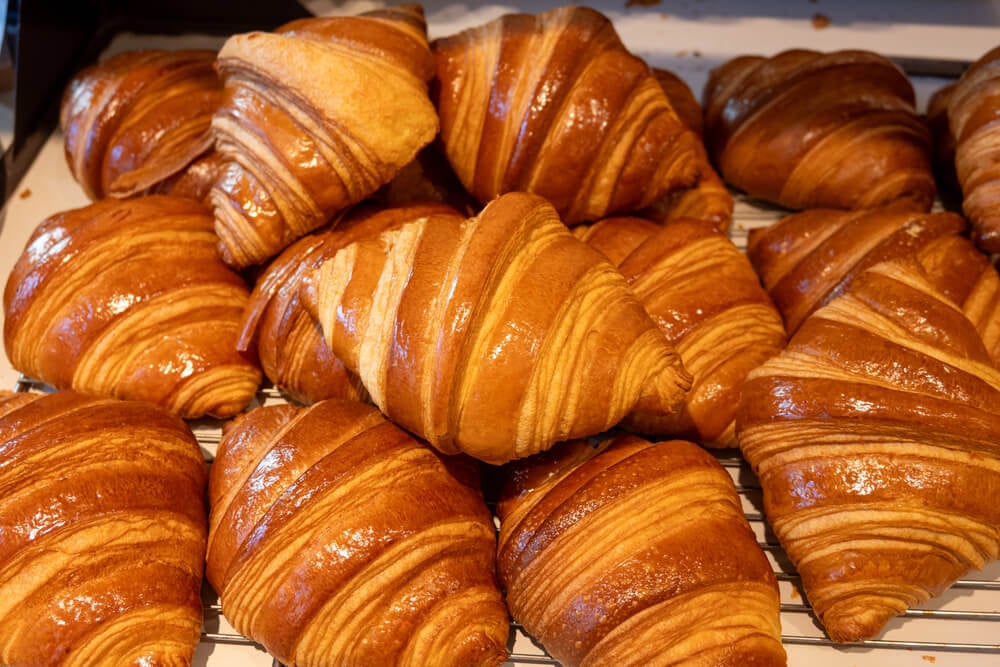
Laminated pastry (croissants and similar doughs) is said to have emerged when a baker accidentally left butter scraps in dough and discovered the layers created a flaky texture. The accidental butter distribution created pastry categories.
Flaky pastry came from butter accident.
Rice Crackers from Stale Rice
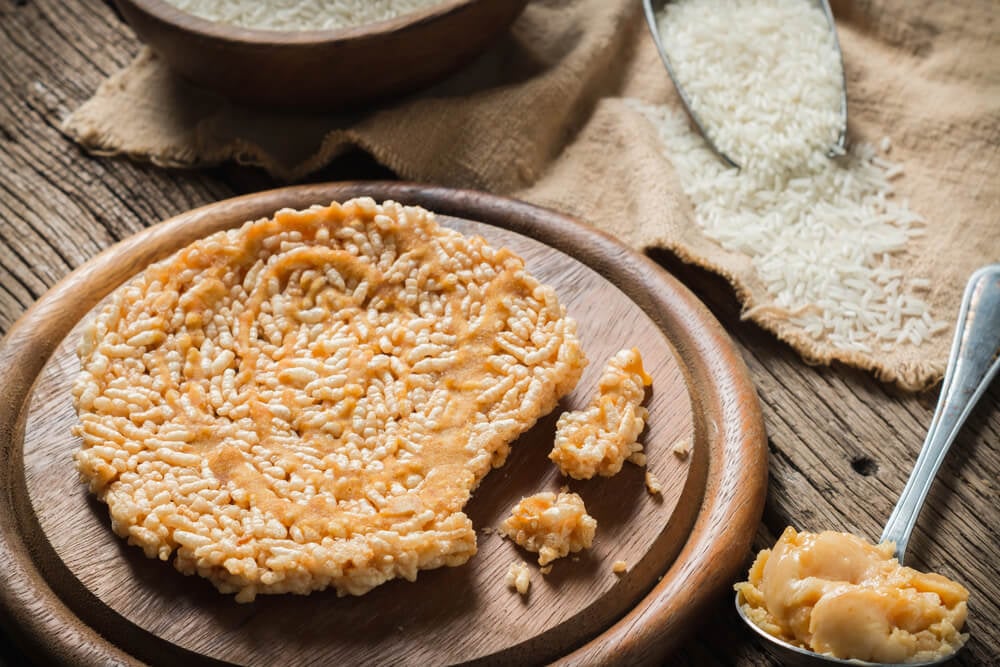
Rice crackers are said to have originated in Japan when stale rice was dried and baked to extend its usefulness, accidentally creating a crispy snack. Spoilage prevention created a snack.
Crackers came from saving stale rice.
Instant Noodles from Desperate Innovation
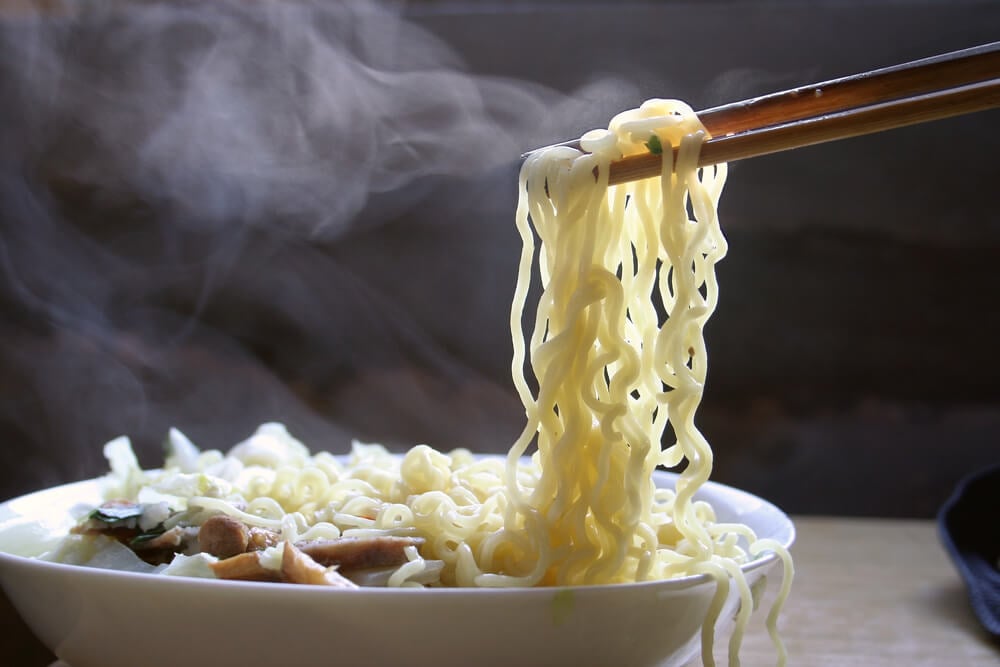
Momofuku Ando, a Taiwanese-Japanese inventor, was attempting to create a quick, convenient noodle dish and discovered that deep-frying noodles removed moisture while maintaining structure and flavor, creating instant noodles. The innovation solved a problem rather than being a pure accident, but the deep-frying method was discovered through experimentation.
Instant noodles came from problem-solving.
Ice Cream from Freezing Accident
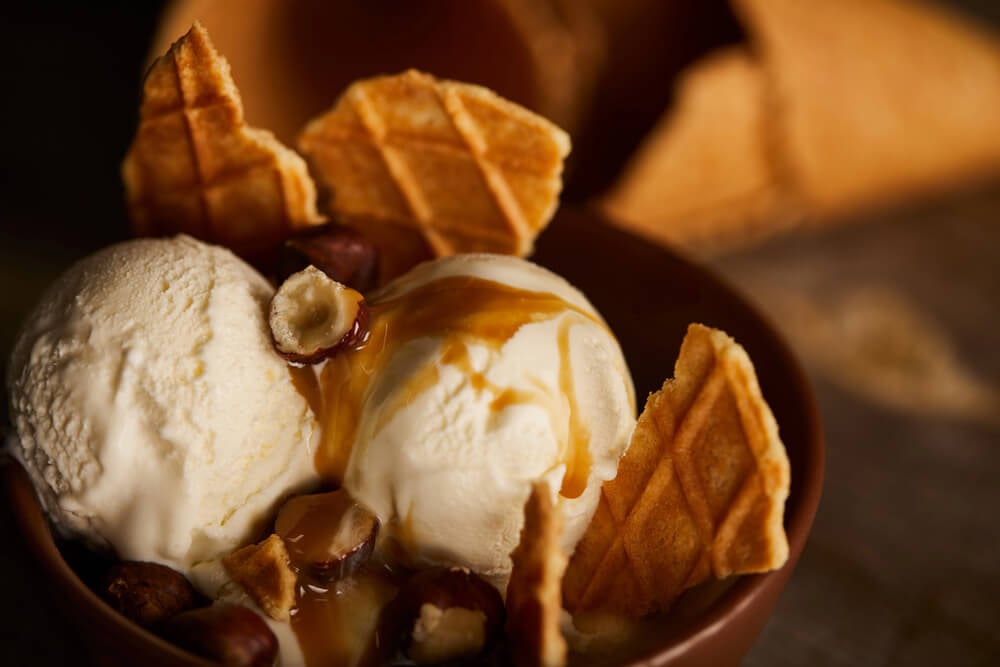
Ice cream’s origins are attributed to accidental or intentional freezing of custard mixtures using ice and salt, a cooling technique that created a dessert that became popular. Whether intentional or accidental, the freezing method transformed custard into ice cream.
Frozen dessert came from cooling experimentation.
Marshmallows from Root Sap Accident
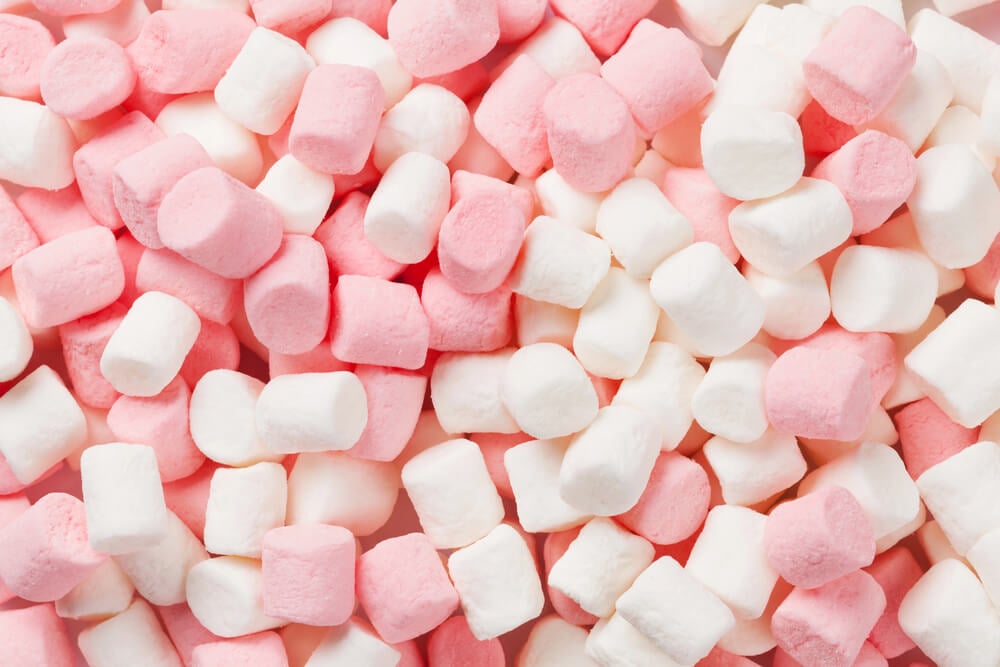
Marshmallows originally used the sap from the marshmallow plant root, whipped to create a fluffy confection, an accidental or discovered property of the plant. Modern marshmallows use gelatin instead, a formula discovered through cooking innovation.
Fluffy confection came from plant properties.
Candy from Crystallized Syrup
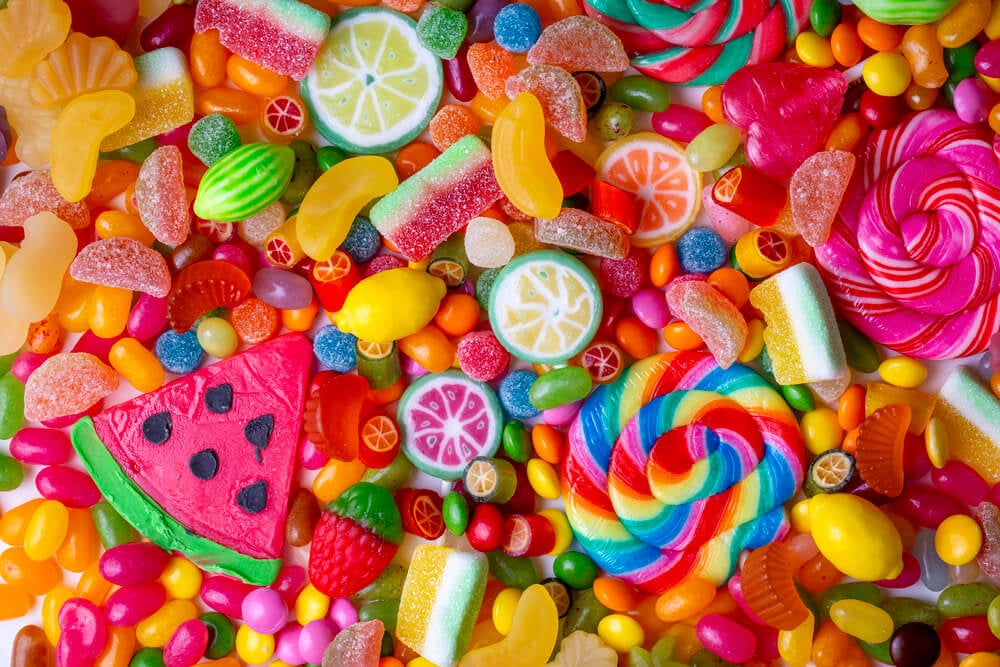
Rock candy and similar crystallized sweets are said to have originated when syrup was left to crystallize accidentally or was intentionally crystallized, creating hard candy. Crystallization created sweet treats.
Candy came from syrup experimentation.
Toast from Burning Bread
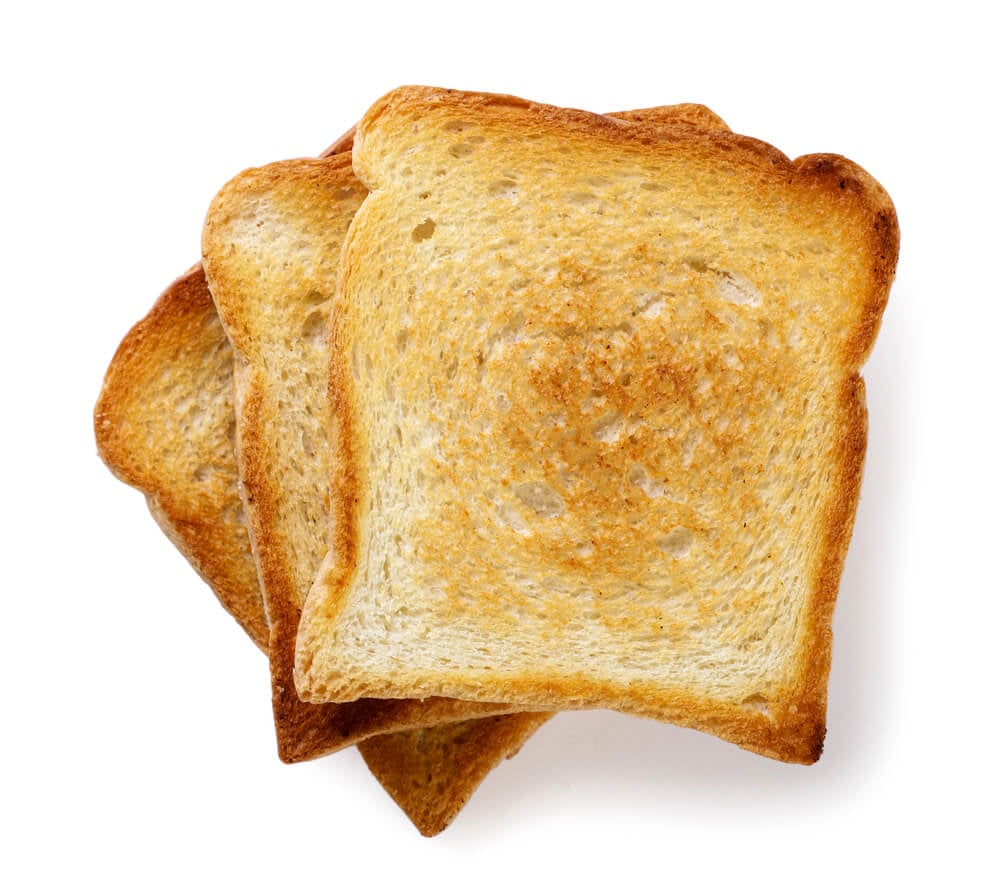
Toast is the oldest accidental food on this list, created when someone burned bread and discovered that the charred exterior was sometimes palatable, a cooking accident that transformed the way people treated spoiled or stale bread. Burning created preservation method.
Toast came from cooking accident.
When Accident Becomes Tradition
The household objects and foods on this list share a pattern: someone made a mistake, recognized the result as useful or delicious, and preserved it. Not all mistakes create value, but enough of them do that kitchen experiments and production accidents remain a source of innovation.
Home cooking and manufacturing remain places where accidents happen, and the best accidents are the ones someone thinks to preserve. The most useful household inventions often emerge from the smallest accidents, from spills and forgotten batches and burning.
Every kitchen has accidents; most are discarded. The ones that changed the world were noticed by someone who recognized unexpected value in failure.
More from Go2Tutors!

- The Romanov Crown Jewels and Their Tragic Fate
- 13 Historical Mysteries That Science Still Can’t Solve
- Famous Hoaxes That Fooled the World for Years
- 15 Child Stars with Tragic Adult Lives
- 16 Famous Jewelry Pieces in History
Like Go2Tutors’s content? Follow us on MSN.