27 Snacks From School Lunch Trays Nobody Sells Anymore
Cafeteria food has never had much of a reputation for quality, but certain items from decades past still get remembered with genuine fondness. Most disappeared for reasons that had nothing to do with taste, pushed out by nutrition rules, supply changes, or shifting budgets that reshaped what schools were allowed to serve.
Salisbury Steak With Gravy Packets
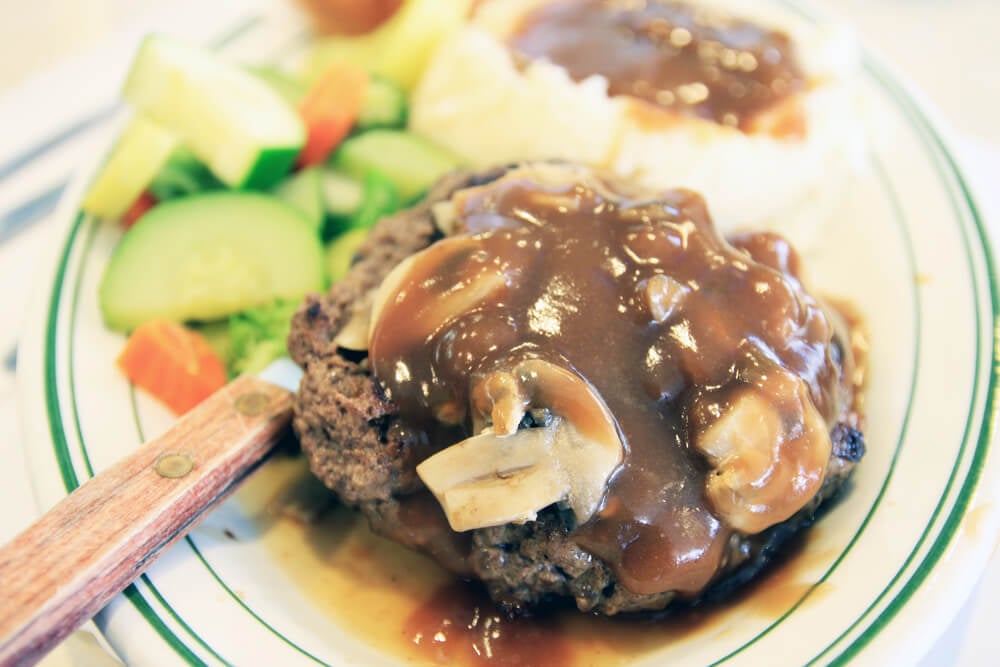
A pressed patty of seasoned ground beef served under a ladle of brown gravy, Salisbury steak was a fixture of hot lunch lines from the 1970s through the 1990s, often paired with instant mashed potatoes from the same steam table. Rising beef costs and shifting nutrition standards pushed most districts toward cheaper, leaner protein options by the 2000s.
Rectangle Pizza
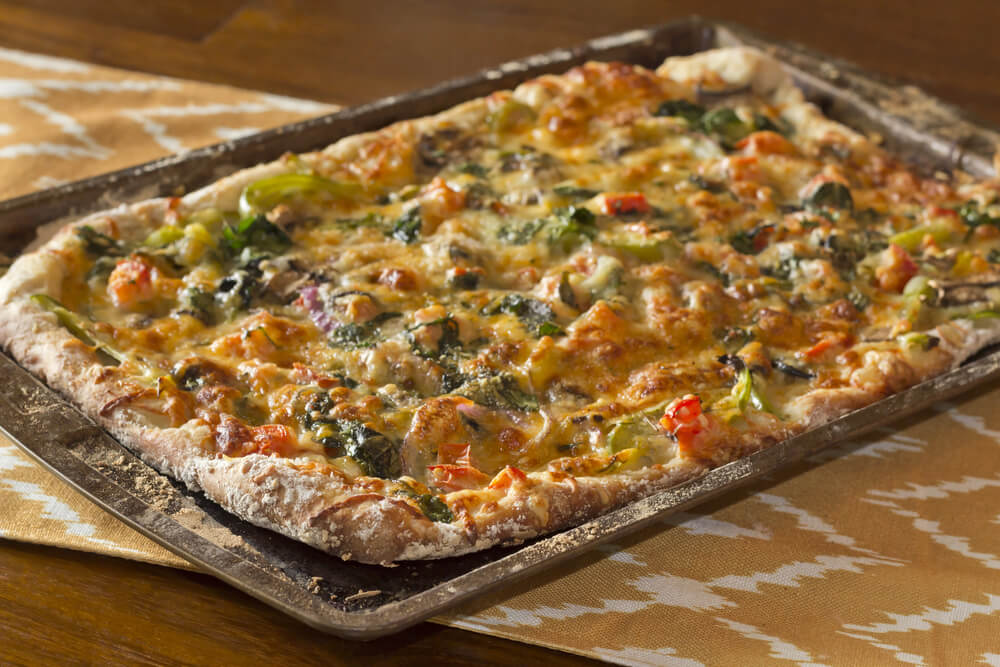
Cafeteria pizza cut into uniform rectangles rather than triangular slices became such a specific shared memory that entire online communities have formed around trying to recreate the exact commercial crust recipe used in schools. The rectangular cut was mostly a matter of efficient tray-line portioning, but the flavor and texture of the commodity cheese blend used at the time is difficult to source today.
Chocolate Milk in Small Cartons
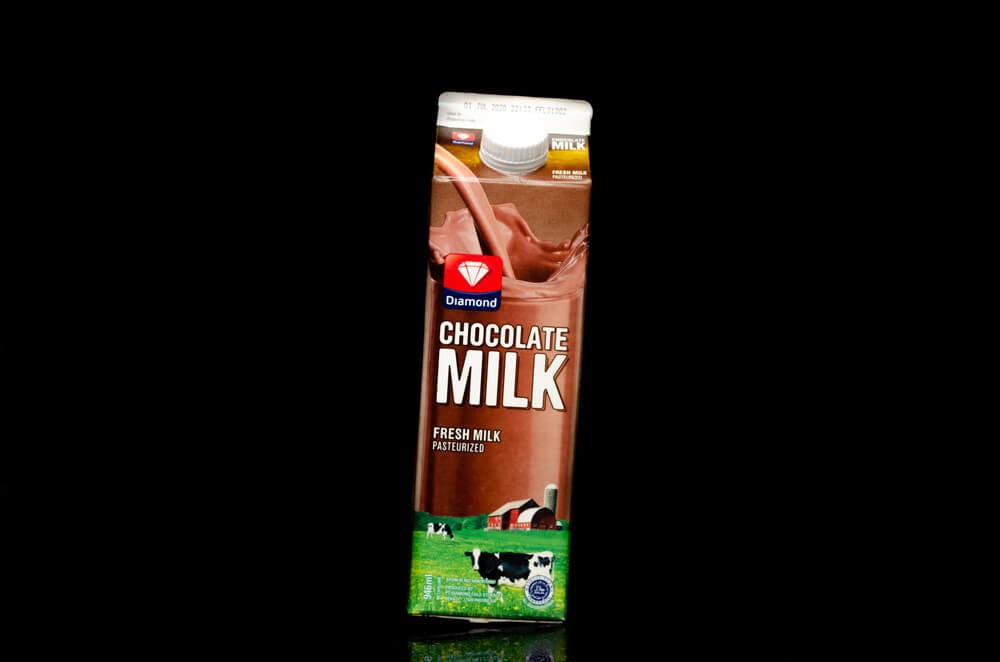
Small waxed-cardboard cartons of chocolate milk were a near-universal cafeteria staple for decades before a wave of nutrition reforms in the early 2010s pushed many districts to remove flavored milk over sugar content concerns. Some districts have since reintroduced lower-sugar versions, but the classic high-sugar formula most people remember has largely disappeared.
Peanut Butter and Jelly Squares Wrapped in Plastic
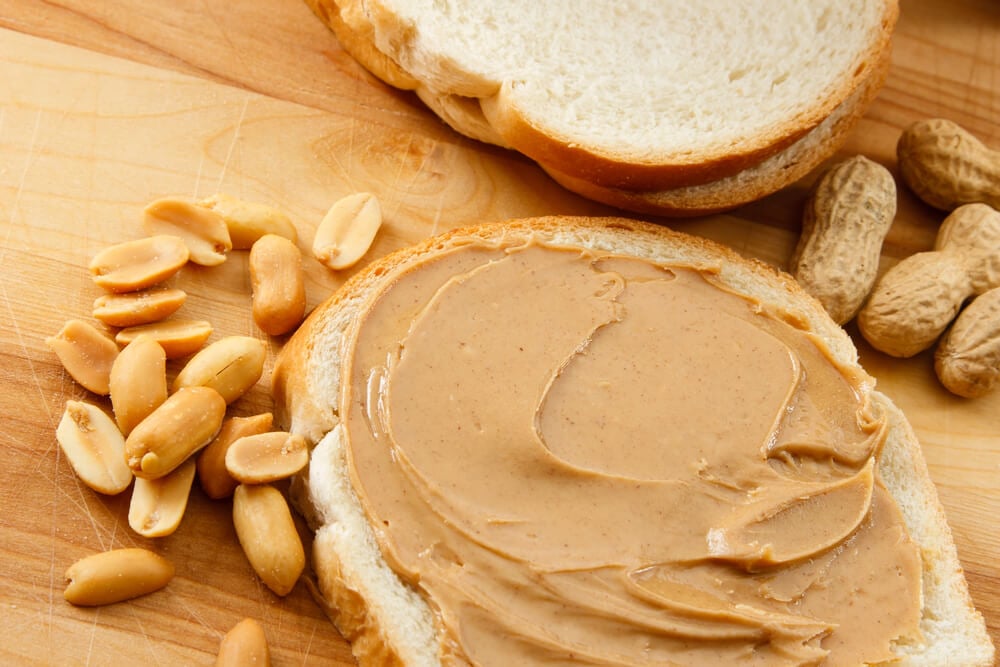
Individually wrapped, crustless peanut butter and jelly sandwich squares, sold under names like Uncrustables, became a common cold-lunch option through the 1990s and 2000s before nut allergy policies led many districts to restrict or eliminate peanut products from cafeteria offerings entirely.
Astronaut Ice Cream

Freeze-dried ice cream sold in foil pouches, marketed with a loose connection to NASA space food research, showed up in some school vending machines and a la carte lines through the 1980s and 1990s as a novelty treat. Supply chain costs and the item’s low nutritional value eventually pushed it out of standard cafeteria offerings, though it still exists as a specialty museum gift shop item.
Ice Cream Cups With Wooden Spoons

Small paper cups of vanilla or chocolate ice cream, sold with a flat wooden spoon, were a common dessert option in cafeterias for decades before flash-frozen novelty items and stricter sugar limits pushed the format out. The specific wooden spoon design has become such a nostalgic detail that reproduction versions occasionally circulate as novelty items.
Cinnamon Toast Squares
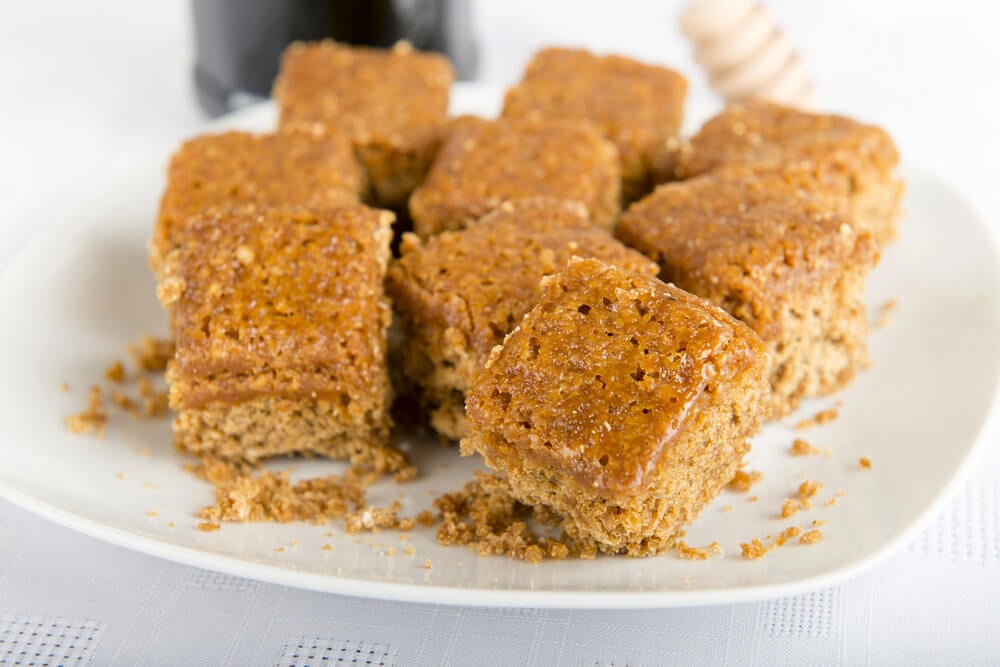
Thick slices of white bread coated in butter and cinnamon sugar, then broiled until the topping caramelized slightly, showed up as a breakfast or dessert item in many districts through the 1980s and 1990s. Standardized nutrition guidelines eventually classified the item as too high in added sugar relative to its bread-based serving size, pushing it off most modern menus.
Chicken Nuggets Shaped Like Cartoon Characters
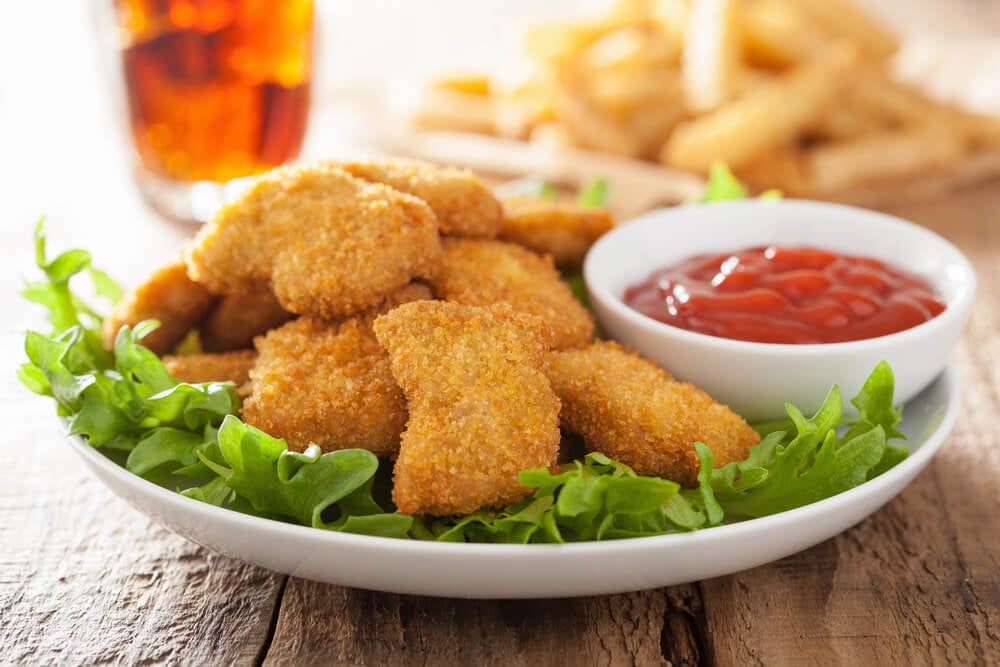
Novelty-shaped chicken nuggets, some molded into dinosaur or cartoon shapes by third-party food manufacturers, were a common cafeteria item through the 1990s and early 2000s, marketed specifically to appeal to younger elementary students. Standardized federal nutrition contracts eventually shifted districts toward plain, uniformly shaped nuggets that were cheaper to source in bulk.
Fruit Roll-Ups From the Snack Cart
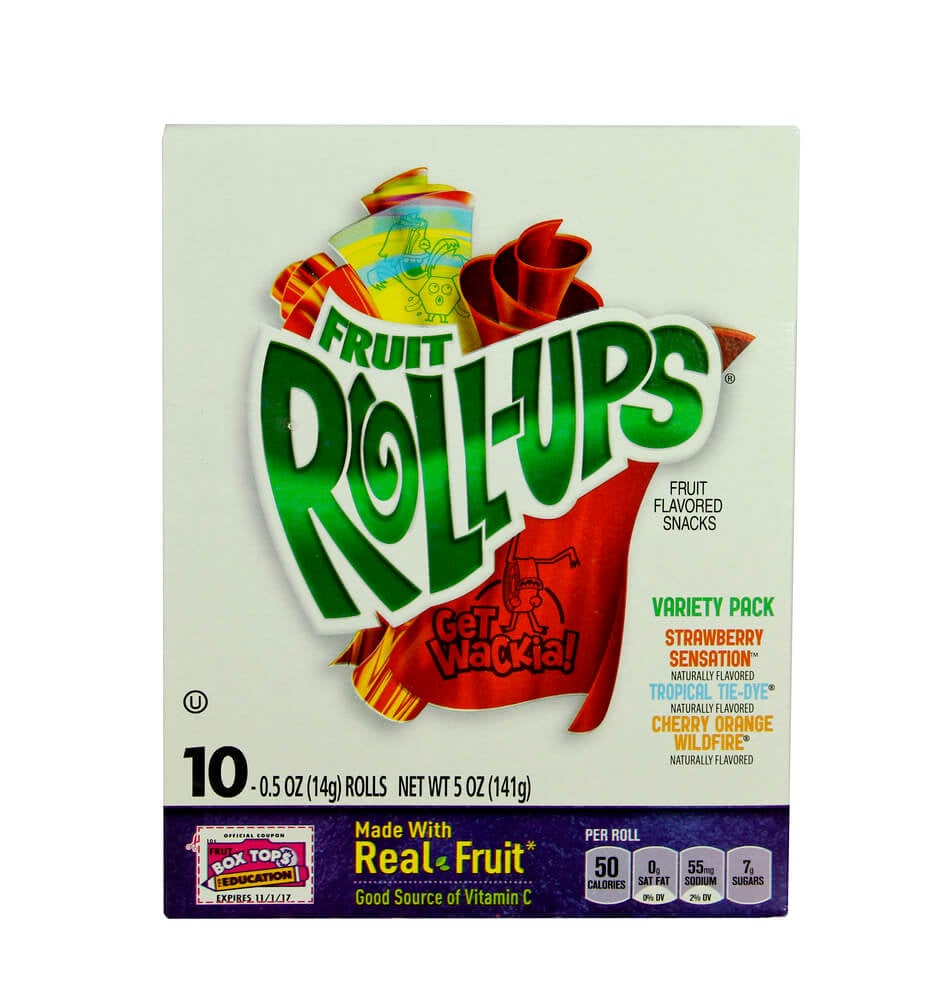
Individually wrapped fruit snack rolls sold through school snack carts and vending machines were common through the 1990s before many districts removed a la carte sugary snacks entirely under federal Smart Snacks nutrition standards enacted in 2014. Some schools still sell approved fruit snack products, but the specific high-sugar rolled format mostly disappeared from cafeteria settings.
Milk in Glass Bottles

Before cardboard cartons became standard, many schools in the mid-twentieth century served milk in small glass bottles delivered directly by local dairies, a system that largely disappeared by the 1960s and 1970s as paper and plastic packaging became cheaper and easier to transport in bulk. Districts that still remember the glass bottle era describe it as a distinctly regional, dairy-dependent supply chain that no longer exists at that scale.
Hot Dogs on Steamed Buns
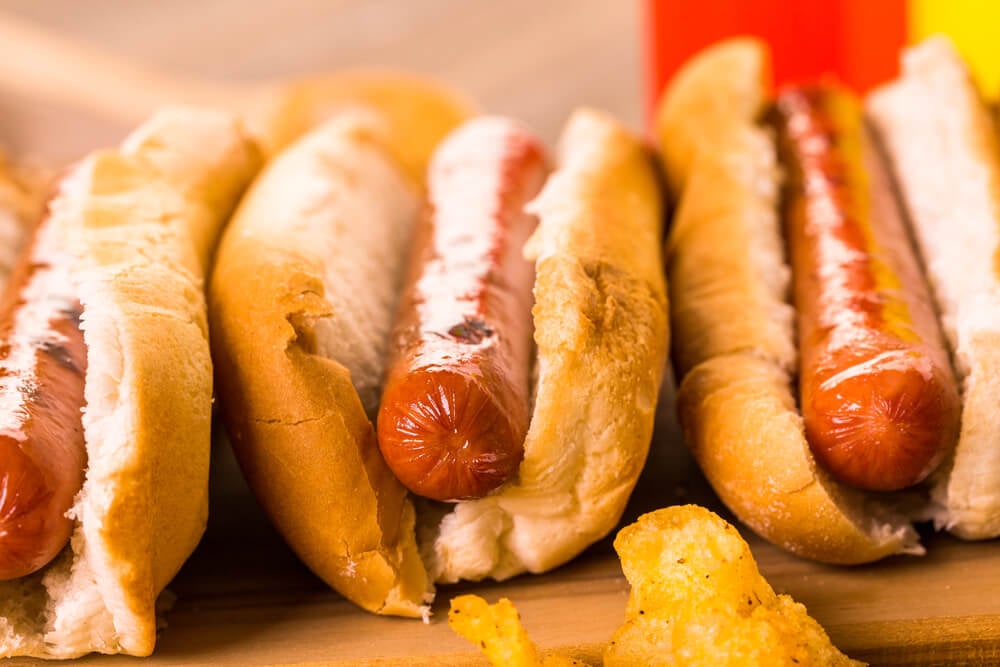
A steam-table hot dog served on a soft, steamed bun was a near-universal cafeteria option for decades, often paired with canned baked beans or tater tots. Processed meat guidelines introduced through federal nutrition standards in the 2010s pushed many districts to reduce how often the item appeared on rotating menus, and some removed it from regular rotation entirely.
Jell-O Cups With Fruit Suspended Inside
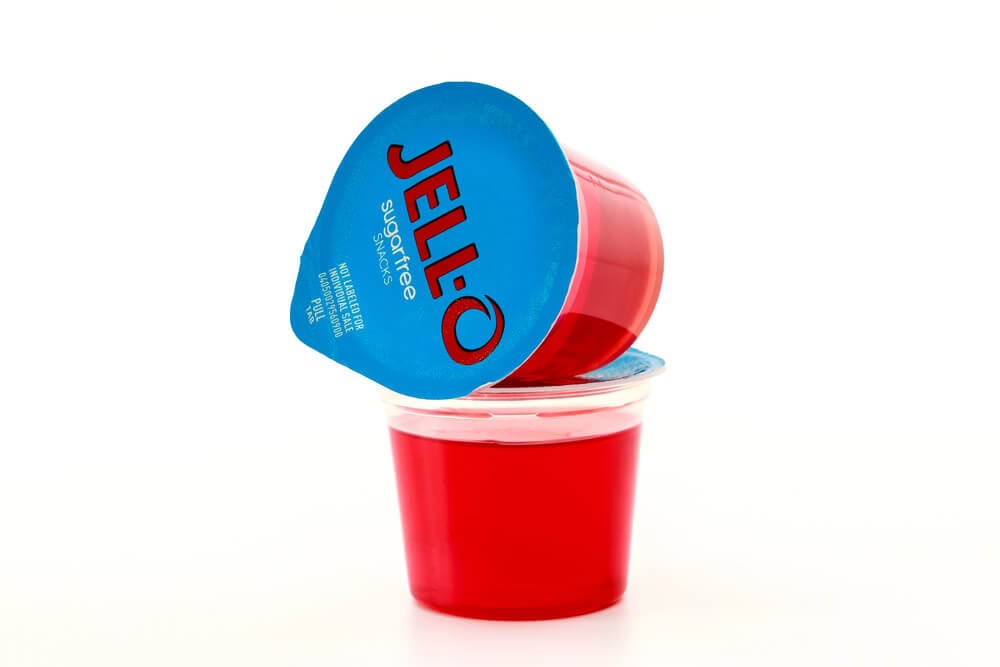
Small cups of gelatin dessert, often with canned fruit cocktail pieces suspended inside, were a standard cafeteria dessert option through the 1970s, 1980s, and 1990s. Sugar content limits under newer nutrition standards pushed most districts to drop the item or replace it with lower-sugar gelatin alternatives that never quite matched the original recipe.
Tuna Salad on White Bread Triangles
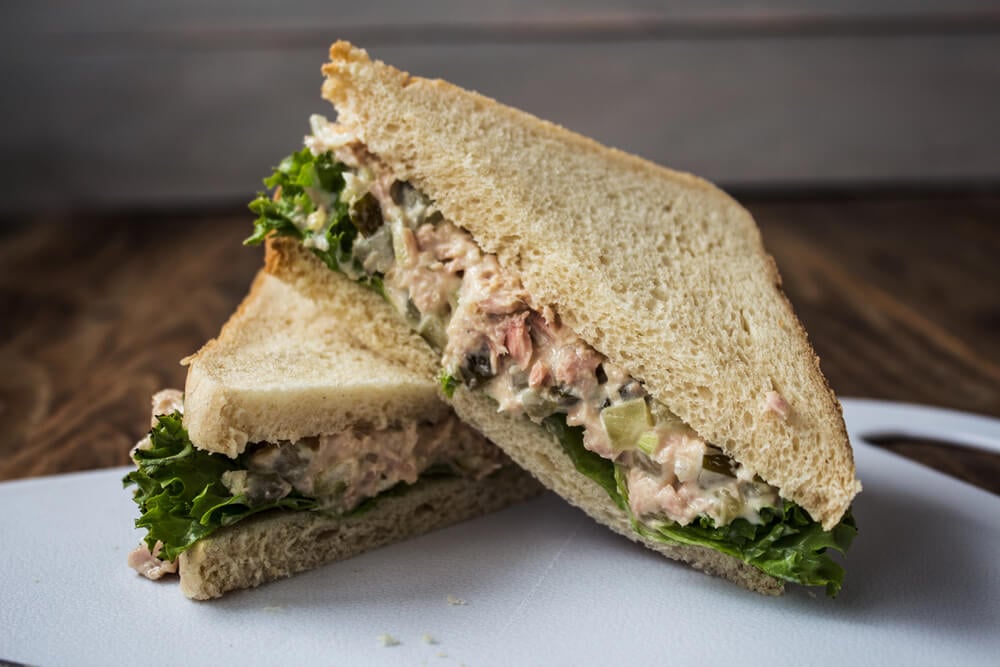
A scoop of tuna salad served on white bread cut into triangles, sometimes with the crusts removed, was a common cold-lunch offering for decades before shifting toward more standardized, individually packaged sandwich formats became easier for large-scale food service contractors to manage.
Canned Fruit Cocktail Cups

Individual cups of syrup-packed fruit cocktail, featuring the same mix of peaches, pears, grapes, and a single maraschino cherry in nearly every can, were a near-universal side dish for decades before fresh fruit mandates under updated federal nutrition guidelines pushed many districts toward entire-fruit options with less added sugar.
Salisbury-Style Turkey Roll With Gravy
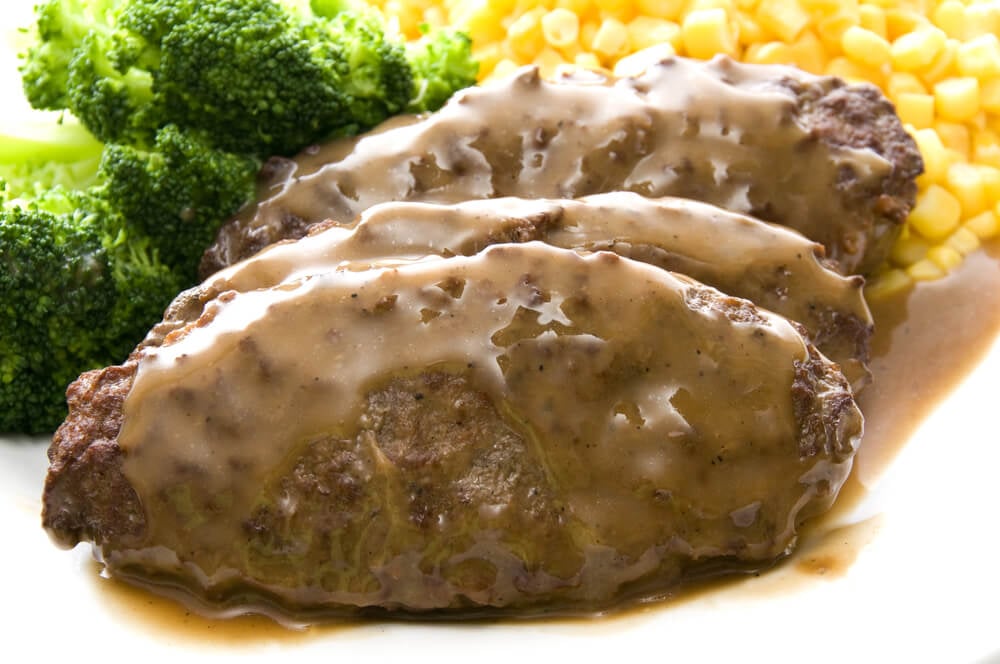
A processed turkey roll product, sliced and served under gravy in a format nearly identical to Salisbury steak, was common in districts trying to offer a lower-cost alternative to beef through the 1980s and 1990s. Processed meat sourcing changes and evolving nutrition rules pushed most districts away from the product by the 2000s.
Chocolate Chip Cookies the Size of a Hand
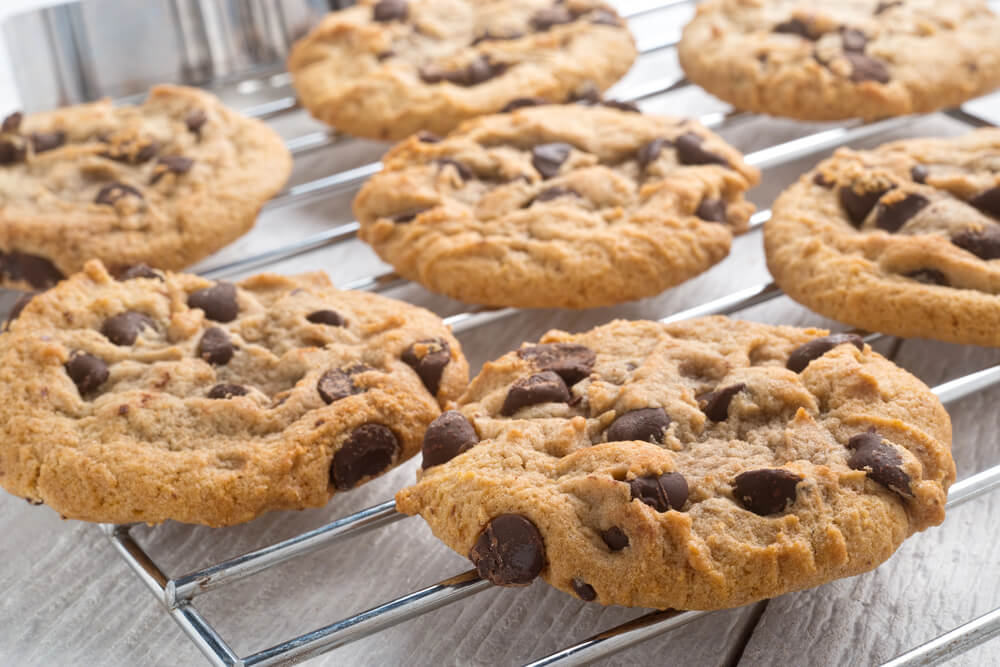
Large, soft-baked chocolate chip cookies sold individually through cafeteria a la carte lines were a common treat through the 1990s and early 2000s before federal Smart Snacks rules in 2014 restricted the sugar, fat, and calorie content of items sold outside the standard reimbursable meal.
Grilled Cheese Triangles With Tomato Soup
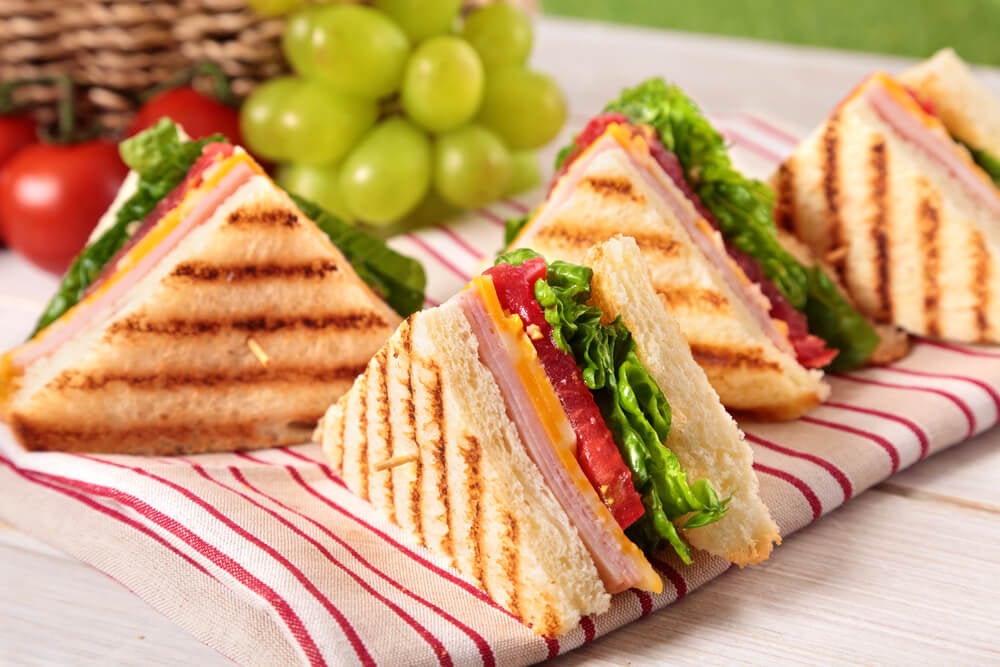
Grilled cheese sandwiches, cut diagonally and paired with a cup of tomato soup, were a common cold-weather cafeteria pairing for decades, often served on the specific soft white bread used almost exclusively by school food service distributors. Rising dairy costs and evolving grain-quality requirements gradually pushed many districts toward different bread and cheese formulations that changed the dish’s classic texture.
Butter Cookies From Bulk Institutional Tins
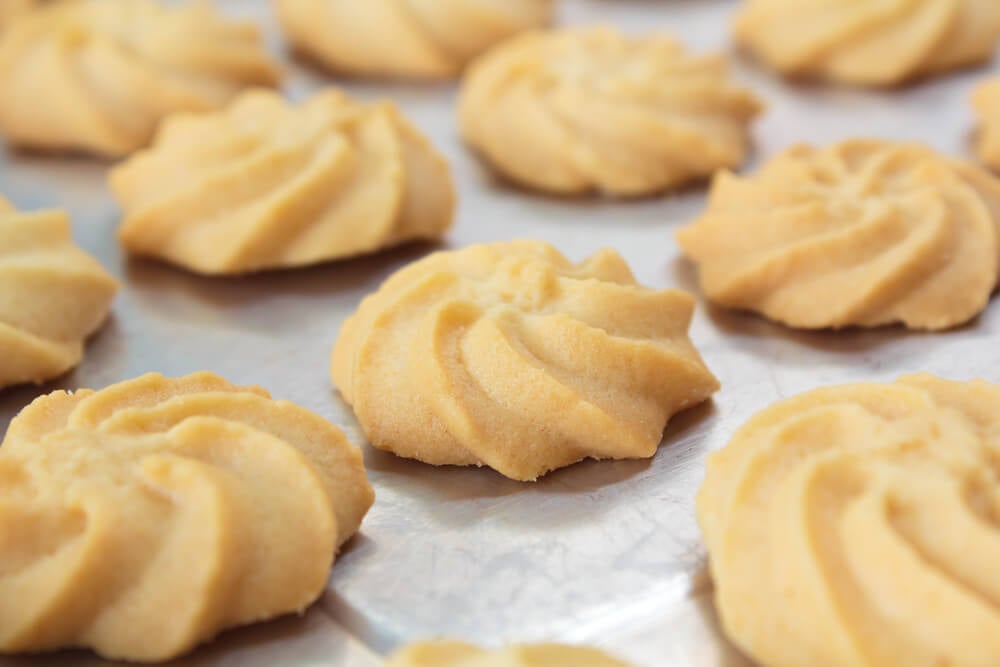
Simple, dense butter cookies sourced from large institutional food service tins were a common dessert filler in many districts through the 1970s and 1980s, valued mainly for their low cost and long shelf stability. Newer grain-quality and reduced-sugar requirements effectively phased the specific institutional recipe out of most modern cafeteria contracts.
Cheese Sticks Wrapped in Cellophane

Individually wrapped mozzarella cheese sticks sold as a protein side or snack item were common through the 1990s and 2000s before packaging and sourcing shifted toward string cheese formats from different suppliers, changing the specific texture and size many students remember.
Pudding Cups With Foil Lids
Chocolate and vanilla pudding cups sealed with a peel-back foil lid were a dessert staple for decades, prized largely for how satisfying the foil was to peel off in one piece. Sugar content limits under newer federal nutrition guidelines pushed many districts toward smaller portion sizes or reduced-sugar formulations that changed the product’s original consistency.
Canned Green Beans With Bacon Bits
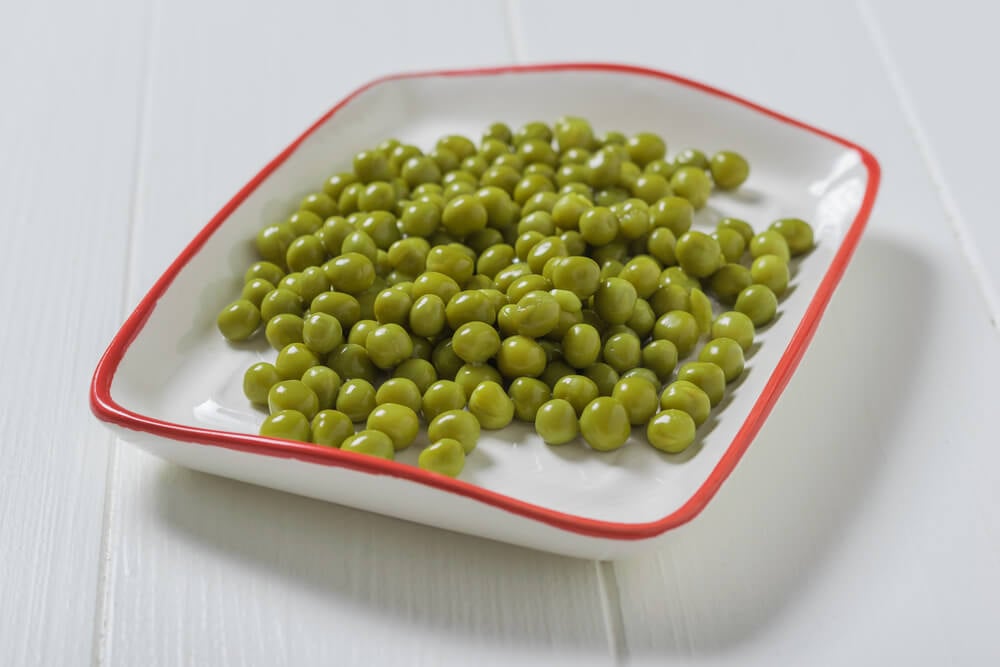
A side dish of canned green beans, often seasoned with imitation bacon bits from a shaker container, was a standard vegetable option in many cafeterias for decades before fresh and frozen vegetable mandates under updated nutrition standards pushed canned vegetables toward a smaller share of the weekly menu.
Cornbread Squares With Honey Packets
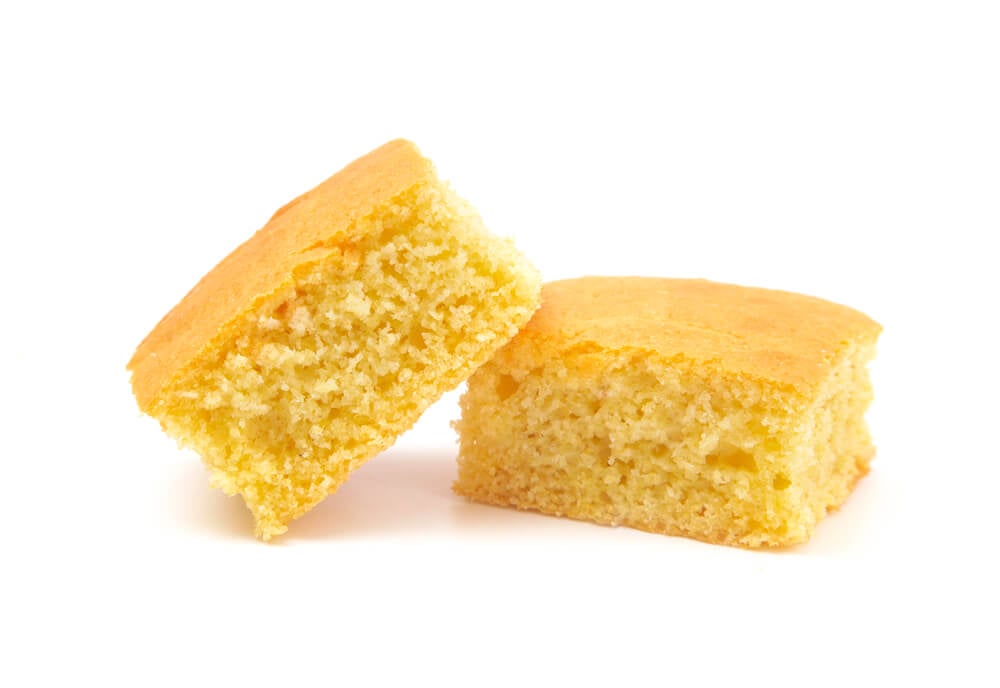
Cornbread squares served with small honey packets on the side were a common bread option in many Southern and Midwestern districts through the 1980s and 1990s. Added sugar limits under newer guidelines pushed many districts to reformulate cornbread recipes or drop the honey packet pairing entirely.
Sloppy Joes on Steamed Buns
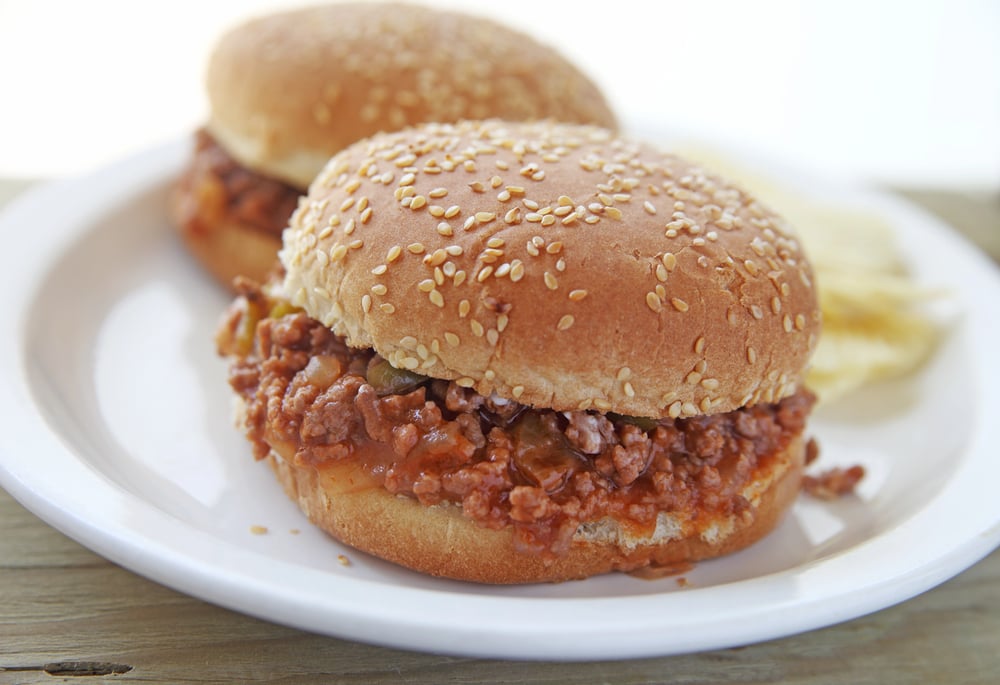
A ground beef mixture in tomato-based sauce, served open-faced or as a sandwich on a soft steamed bun, was one of the most common hot lunch items for decades across nearly every region of the country. Processed meat sourcing rules and portion-size limits under updated nutrition standards changed the recipe many districts use today, altering the flavor longtime students remember.
Apple Slices in Individual Bags With Caramel Dip
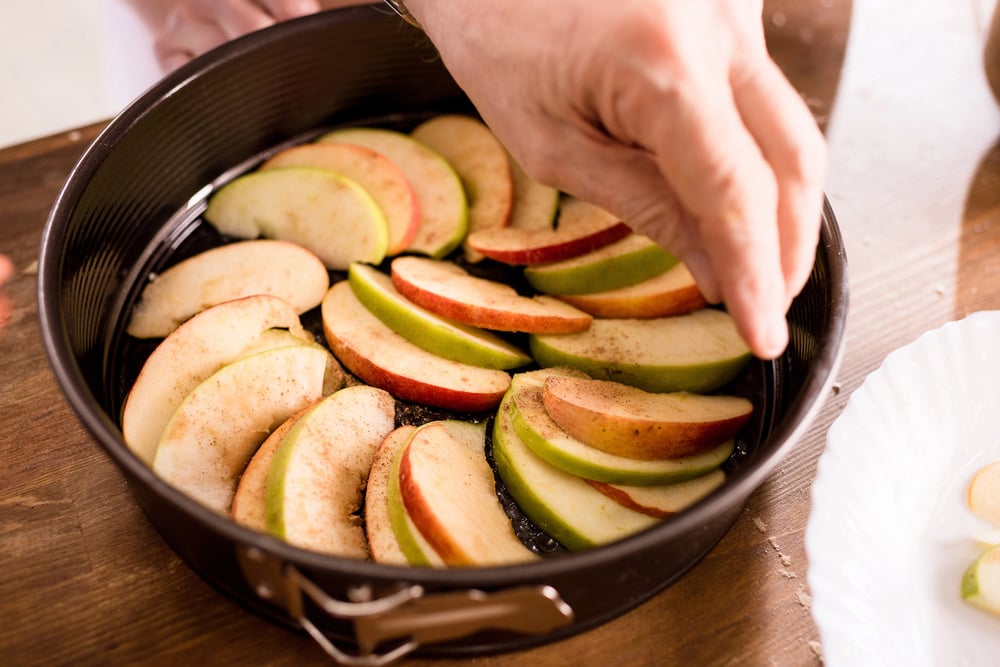
Pre-portioned apple slices sold with a small cup of caramel dipping sauce became a common a la carte snack option through the 1990s and 2000s before sugar limits on packaged snack items reduced how often the caramel pairing appeared on approved vendor lists.
Rice Krispie Treats Wrapped for Sale
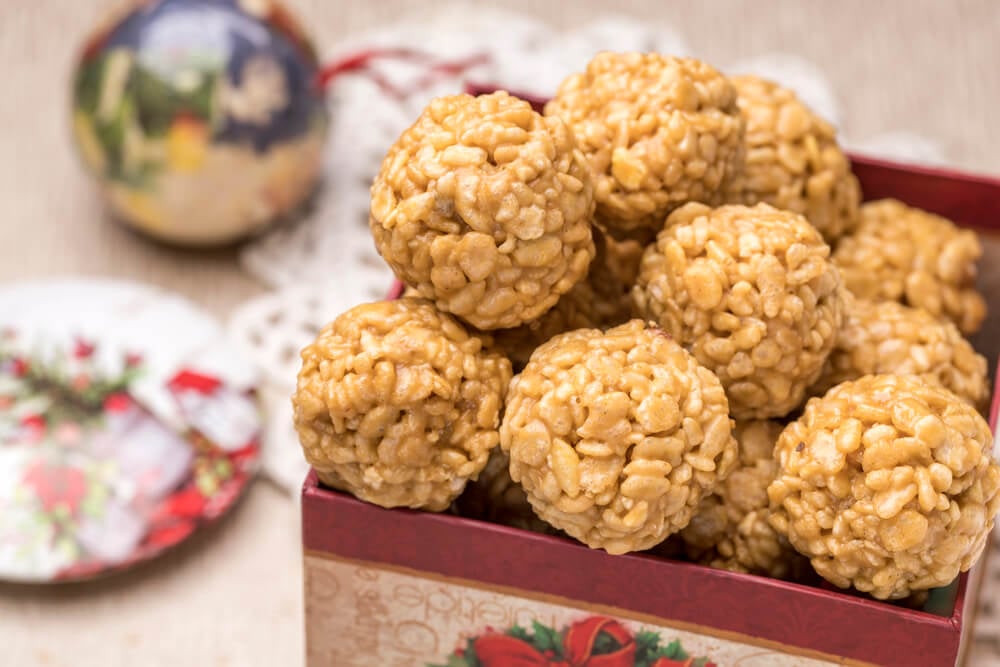
Individually wrapped rice cereal treats sold through vending machines and snack lines were common through the 1990s and early 2000s before federal Smart Snacks nutrition standards restricted the sugar and fat content of items sold outside the main reimbursable meal, pushing many districts to drop the product entirely.
Orange Drink From a Powdered Mix

A bright orange, vitamin-fortified powdered drink mix, reconstituted in large batches and served from insulated dispensers, was a common beverage option in many districts for decades before added-sugar limits and a push toward real fruit juice or plain milk phased the product out of most cafeteria settings.
Graham Crackers in Waxed Paper Sleeves
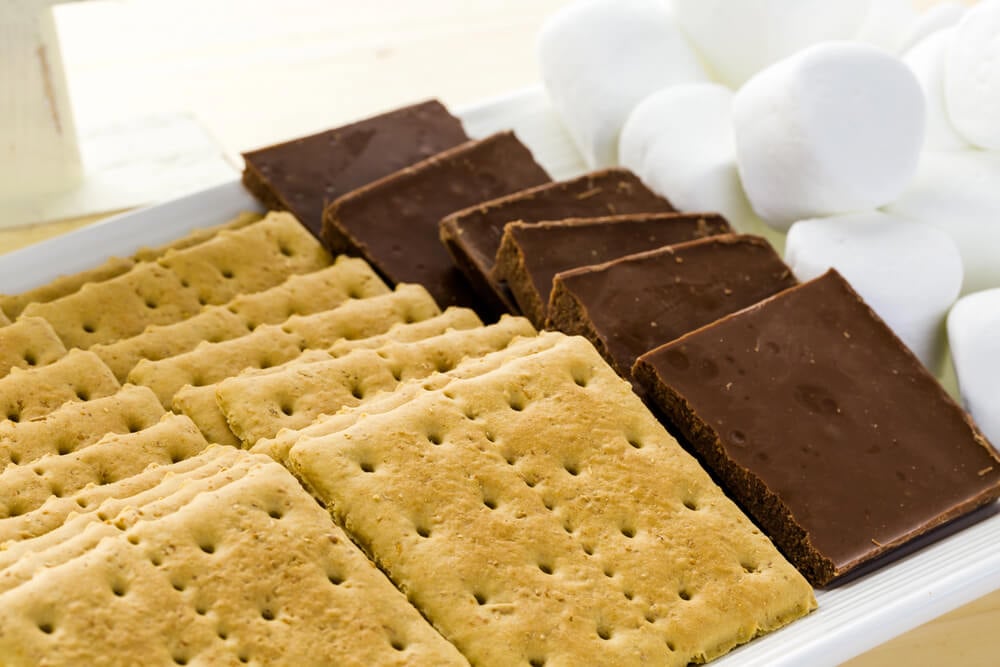
Plain graham crackers, sold in pairs inside a simple waxed paper sleeve, were a near-universal snack-time staple in elementary cafeterias for decades, often paired with a small carton of milk during a scheduled break separate from lunch. Many districts phased out the dedicated snack-time period itself by the 2000s as school schedules tightened, taking the specific cracker-and-milk pairing along with it.
The Tray Remembers What the Menu Forgot
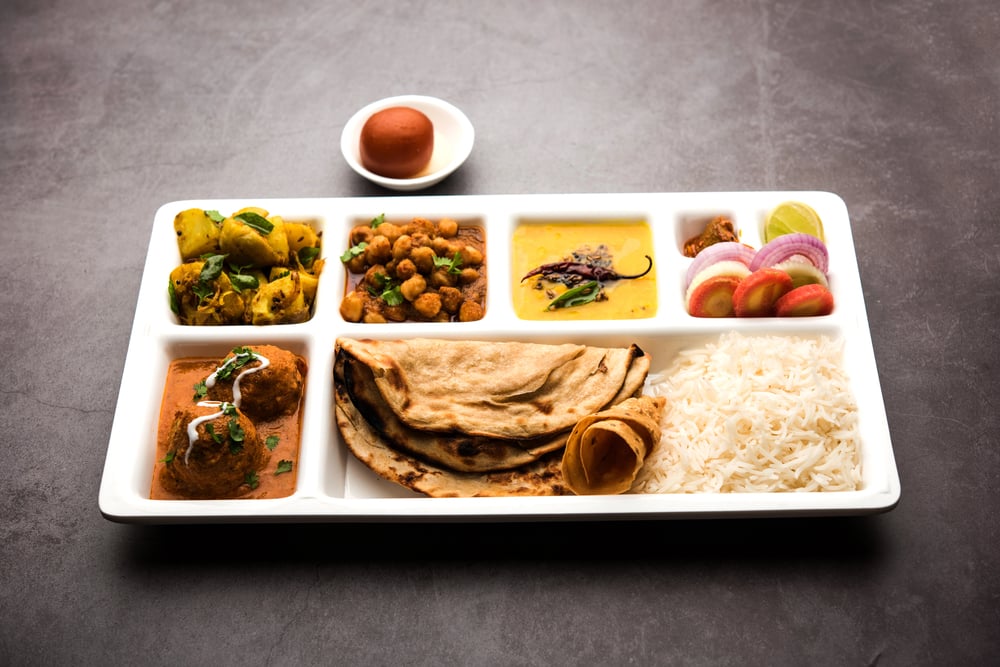
None of these items were ever fine dining, and few of them would pass today’s nutrition standards without a significant reformulation. What has kept them memorable seems to have less to do with flavor and more to do with repetition, the specific comfort of eating the same tray in the same room alongside the same people, week after week for years.
Cafeteria food rarely gets credit for shaping anyone’s palate, and it probably shouldn’t. What it clearly did shape, judging by how often these specific items still come up decades later, is memory.
More from Go2Tutors!

- The Romanov Crown Jewels and Their Tragic Fate
- 13 Historical Mysteries That Science Still Can’t Solve
- Famous Hoaxes That Fooled the World for Years
- 15 Child Stars with Tragic Adult Lives
- 16 Famous Jewelry Pieces in History
Like Go2Tutors’s content? Follow us on MSN.