Historical Punishments for Speaking Out Against Those in Power
Throughout history, those who dared challenge authority often faced consequences that make modern cancel culture look like a gentle suggestion. The powerful have always known that words can topple kingdoms, spark revolutions, and expose uncomfortable truths.
So they developed increasingly creative ways to silence dissent. These punishments weren’t just about stopping one person from speaking.
They were theatrical displays designed to make everyone else think twice before opening their mouths. The message was clear: step out of line, and this could be you.
Public Flogging
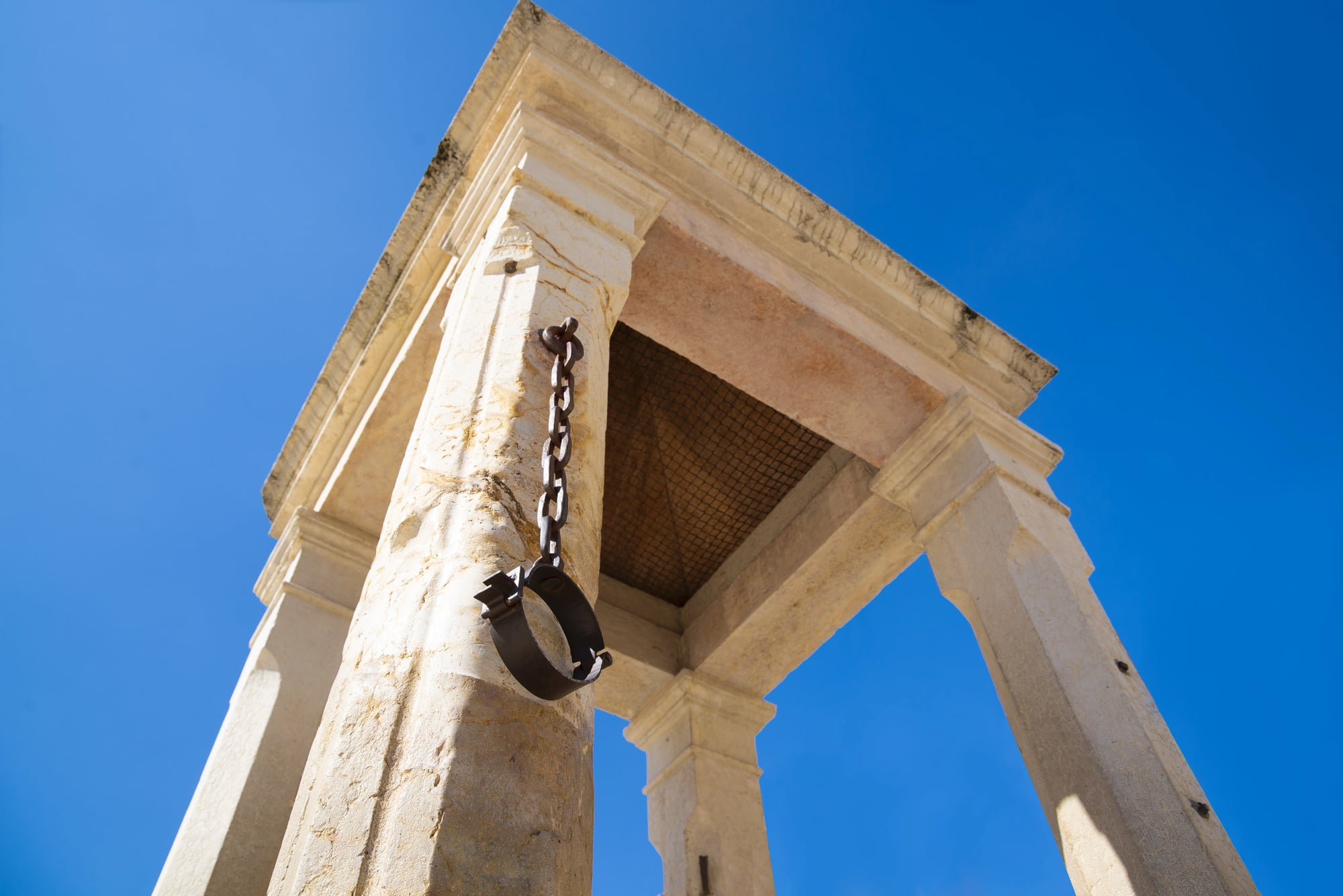
The whip cut through more than skin—it carved fear into the minds of anyone watching (and everyone was watching, because that was the point). Public flogging turned dissent into a spectacle where the crowd became both audience and jury.
So when someone criticized the king’s latest tax or questioned a magistrate’s decision, their back would pay the price in front of the entire town square.
Pillory and Stocks

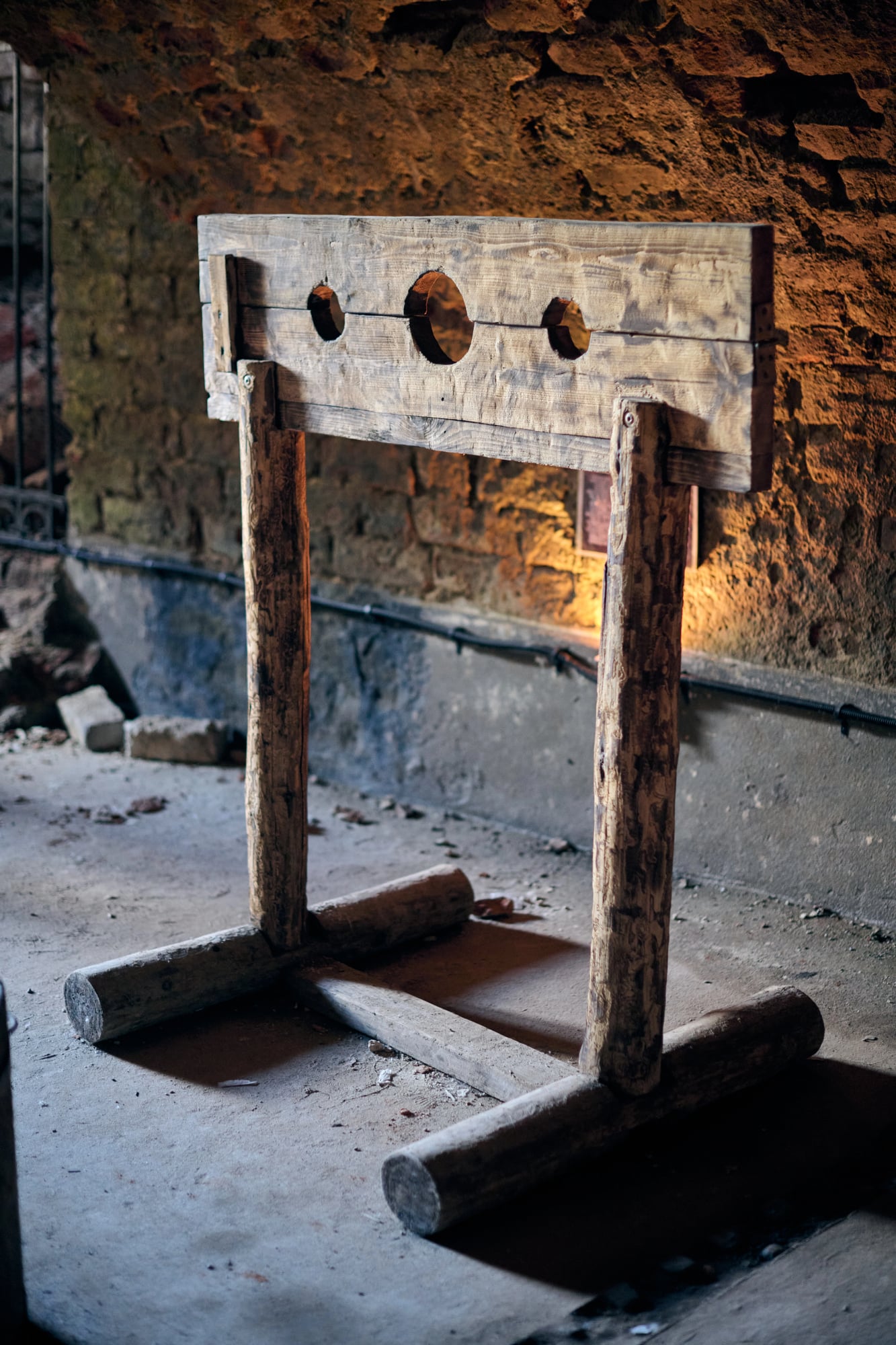
Standing locked in wooden restraints while your neighbors threw rotten vegetables at your head wasn’t just uncomfortable. It was social kill.
The pillory elevated humiliation to an art form, transforming respected citizens into objects of ridicule for hours or even days, depending on how badly they’d irritated those in charge.
Tongue Removal

Cutting out tongues represents the most literal approach to silencing critics. No metaphor needed here—remove the instrument of speech, remove the problem.
This punishment appeared across cultures and centuries, from ancient Rome to medieval Europe, whenever rulers decided that certain words simply couldn’t be allowed to exist anymore.
The logic was brutally simple (if you were the type of person who enjoyed brutal simplicity): those who used their tongues against authority didn’t deserve to keep them. And the sight of someone trying to speak without a tongue served as a permanent reminder to others about the price of careless words.
But here’s what makes this particularly cruel: it didn’t just silence the victim—it turned them into a walking advertisement for royal power every time they attempted to communicate. So the punishment kept working long after the initial crime, which probably felt quite efficient to whoever ordered it.
Branding
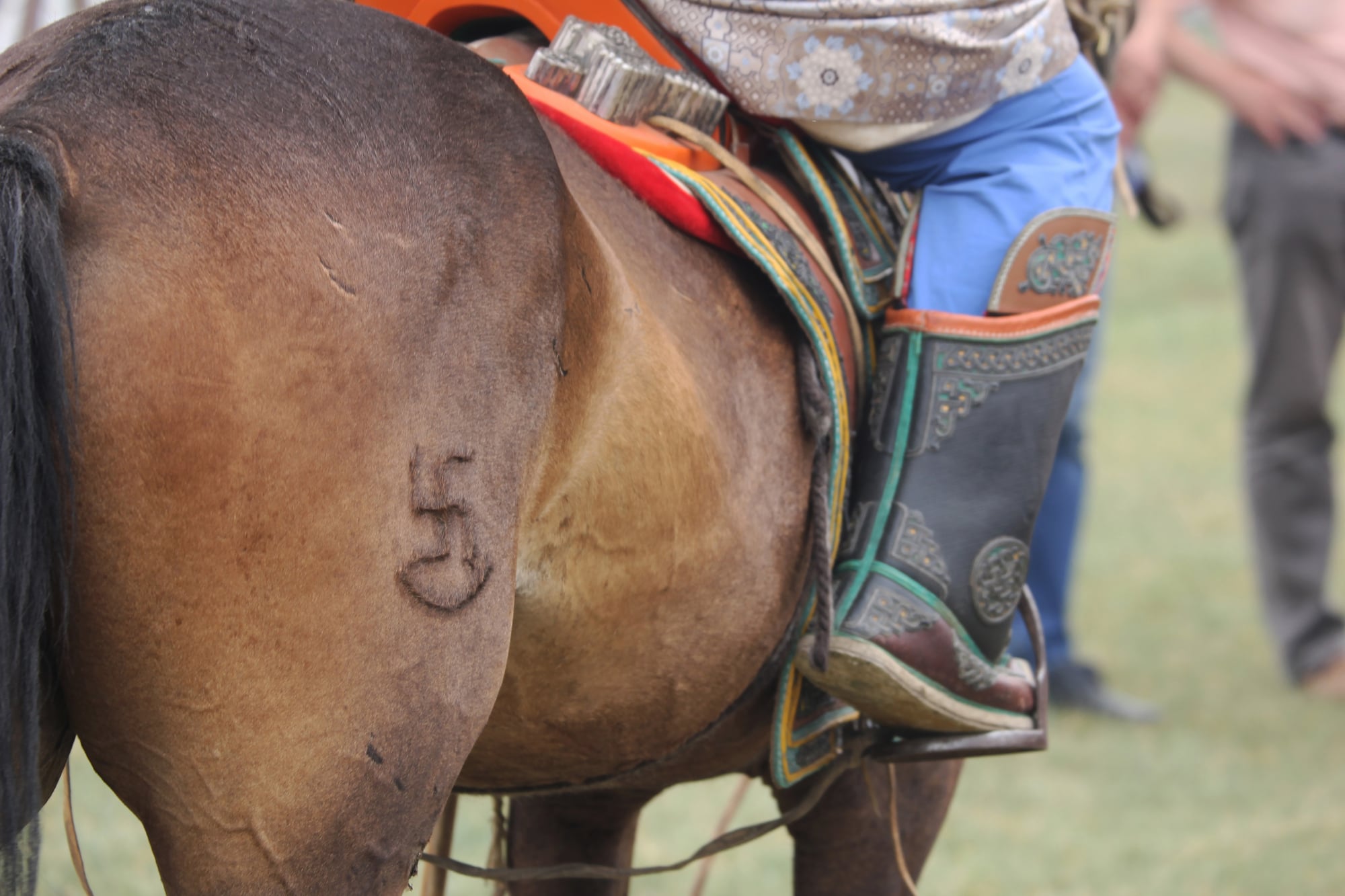
Hot iron against skin creates a scar that never fades, which turns out to be exactly what authorities wanted when dealing with troublemakers who wouldn’t stay quiet. Branding marked dissidents as permanently as it marked cattle, ensuring that their crime followed them wherever they went.
The letter burned into their forehead or cheek told everyone they met exactly what kind of person they were dealing with.
And unlike other punishments that ended when the pain stopped, branding created a lifetime sentence. Every conversation, every job interview, every attempt at a normal life came with an explanation that most people weren’t interested in hearing.
Ear Cropping

Losing an ear changes how sound reaches you—a fitting punishment, authorities believed, for those who listened to the wrong ideas and shared them with others. Ear cropping served as both physical mutilation and symbolic gesture, suggesting that people who couldn’t hear properly (meaning: couldn’t follow orders) didn’t deserve complete hearing.
Drawing and Quartering

When authorities really wanted to make a point about the consequences of treason or sedition, they turned to drawing and quartering. This punishment involved dragging the condemned behind horses, then methodically dismembering them while still alive, before finally displaying the body parts in different locations around the city.
The process was designed to be as public and horrifying as possible.
The English used this method particularly enthusiastically for political crimes, understanding that watching someone being literally torn apart tends to discourage similar behavior in observers (shocking insight, that). And the final step—displaying pieces of the body in various prominent locations—meant the lesson kept being taught long after the execution ended.
But perhaps most importantly, it sent a message that certain kinds of dissent weren’t just criminal or wrong: they were so dangerous that the perpetrator needed to be eliminated piece by piece, as if their very existence posed an ongoing threat even after death.
Defenestration

Throwing political opponents out of windows sounds almost casual compared to more elaborate execution methods, but it carries its own particular psychological weight. Defenestration combines the finality of murder with an element of theatrical surprise—one moment you’re in a room arguing politics, the next you’re falling toward the street below.
Prague’s famous defenestrations turned window-throwing into a legitimate political tactic, though the practice appeared in various forms throughout Europe whenever rulers grew tired of listening to criticism.
Scold’s Bridle
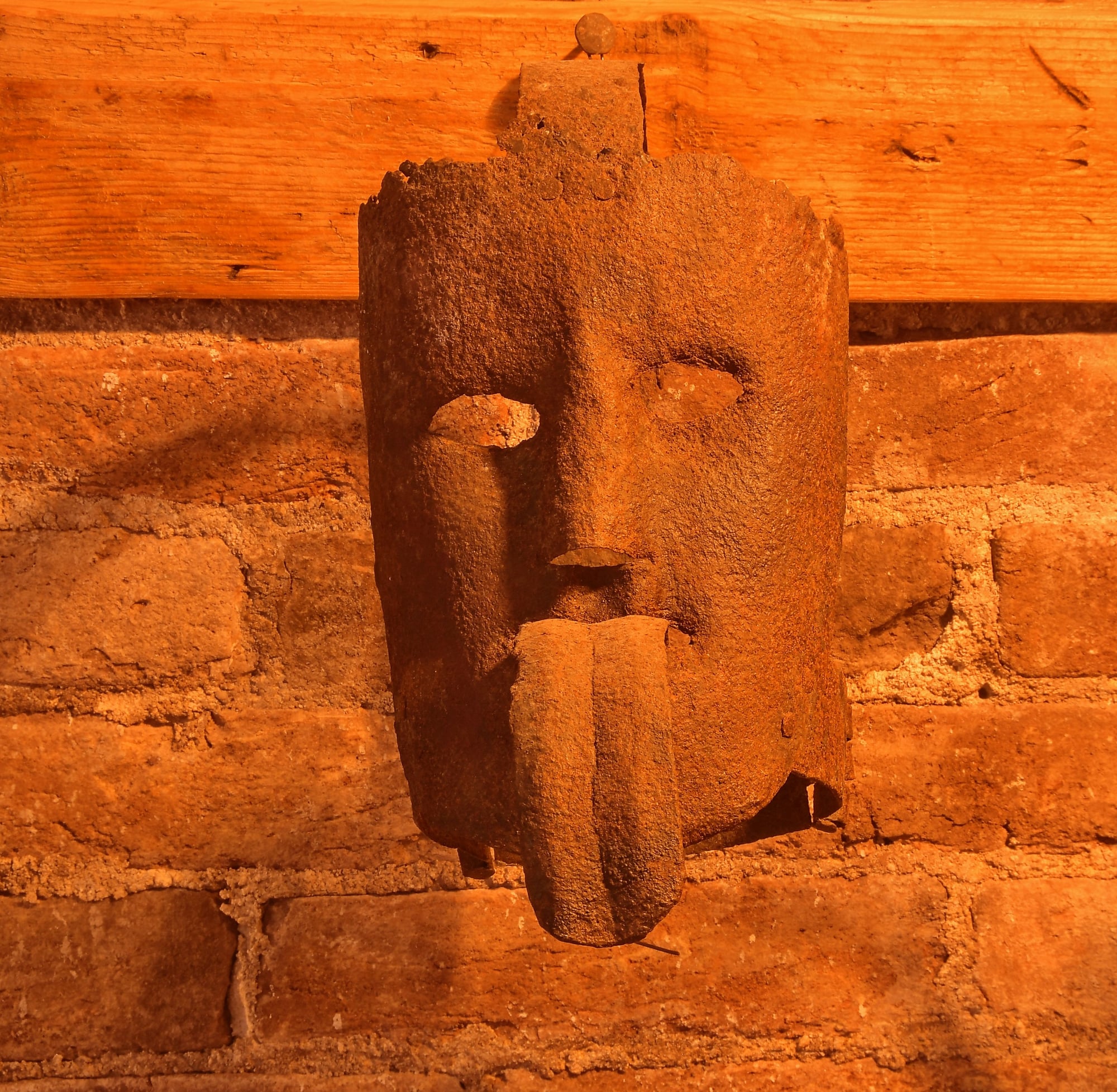
The scold’s bridle turned the simple act of speaking into a painful experience reserved specifically for women who talked too much—or more accurately, who said things that men in power didn’t want to hear. This metal cage locked around the head and inserted a piece into the mouth that pressed down on the tongue, making speech impossible and often causing injury with any attempt.
What makes this punishment particularly revealing is how explicitly it targeted women’s voices in public discourse.
Book Burning

When ideas prove more dangerous than the people who hold them, burning books becomes the punishment of choice for nervous authorities. From ancient Chinese emperors to Nazi Germany, rulers have discovered that destroying written words can feel almost as satisfying as eliminating their authors—and sometimes proves more practical.
The theatrical nature of book burning serves multiple purposes: it eliminates dangerous ideas, intimidates anyone who might be harboring similar thoughts, and creates a public ritual where the community participates in the destruction.
Gagging Orders and Muzzling

Sometimes the punishment for speaking out was simply being prevented from speaking again. Physical gags, legal restrictions, and court orders that prohibited certain kinds of speech all served to silence critics without the mess and expense of more dramatic punishments.
These approaches had the advantage of being reversible—if the critic learned their lesson, they could eventually regain their voice.
Forced Public Recantation

Making someone publicly renounce their own beliefs and apologize for holding them might be the most psychologically sophisticated punishment on this list. Rather than simply silencing the critic, forced recantation turned them into an advocate for the very authority they had opposed.
Galileo’s famous recantation of his astronomical theories represents perhaps the most well-known example of this technique.
The genius of forced recantation lies in how it corrupts the dissenter’s own voice, transforming them from critic to spokesperson.
Property Confiscation and Economic Ruin

Destroying someone’s livelihood often proves more effective than destroying their body. When critics found their property seized, their businesses shuttered, and their economic prospects eliminated, they faced a choice: continue speaking out and watch their families starve, or find something else to talk about.
This punishment had the added benefit of enriching the very authorities being criticized, creating a financial incentive for finding fault with wealthy dissenters.
Economic punishment also extended beyond the immediate target—family members, business associates, and anyone connected to the critic could find themselves swept up in the financial destruction.
Social Ostracism and Shunning

Being ignored can hurt worse than being attacked, particularly for people whose influence depends on their ability to communicate with others. Social ostracism turned entire communities into instruments of punishment, with everyone from shopkeepers to family members required to treat the offender as if they didn’t exist.
The Amish practice of shunning represents one of the more systematic approaches to this punishment, though versions appeared in societies throughout history.
The psychological pressure of complete social isolation often proved more effective than physical torture in changing behavior.
Imprisonment in Isolation

Solitary confinement transforms punishment into a battle between the prisoner’s mind and the silence surrounding them. Political dissidents locked away from human contact often found their resolve weakening as days turned to years with nothing but their own thoughts for company.
The Tower of London, the Bastille, and countless other fortified prisons became synonymous with this particular form of suffering.
What made isolation especially effective against political critics was how it prevented them from building support or continuing their work while also avoiding the public attention that might come with more dramatic punishments.
Forced Labor and Chain Gangs

Hard labor broke bodies and spirits simultaneously, turning political punishment into economic productivity for the state. Critics of the government could find themselves building roads, working in mines, or constructing the very buildings that would house future dissidents.
The combination of physical exhaustion and symbolic humiliation—being forced to strengthen the system you had opposed—created a particularly demoralizing experience.
Chain gangs added the element of public display, ensuring that anyone who saw the prisoners understood what happened to people who challenged authority.
Religious Excommunication

In societies where spiritual and political authority overlapped, being cut off from religious community could mean losing access to everything from salvation to basic social services. Excommunication transformed dissent into heresy, allowing rulers to claim divine authority for their punishments while isolating critics from one of the most important support networks in their lives.
The psychological impact of believing you had been permanently separated from God often proved more devastating than any physical punishment could achieve.
Public Humiliation Rituals
Creative public shaming turned punishment into community entertainment, with elaborate rituals designed to maximize embarrassment while minimizing actual physical harm. Critics might be forced to wear signs announcing their crimes, parade through town in ridiculous costumes, or perform humiliating acts in front of crowds.
These punishments relied on social pressure rather than violence, though the psychological damage could last for years.
The effectiveness of public humiliation depended on the tight-knit nature of historical communities, where reputation meant everything and anonymity was impossible.
Forced Relocation and Cultural Destruction

Moving entire populations away from their traditional lands served both as punishment for collective dissent and as a method for destroying cultural identity that might support future resistance. When groups of people developed inconvenient ideas about self-governance or cultural autonomy, forced relocation could eliminate the problem by scattering the population and breaking up the social structures that sustained their beliefs.
This approach proved particularly popular with expanding empires dealing with stubborn local populations who insisted on maintaining their own customs and ideas about political authority.
The Weight of Silence

Looking back at these punishments reveals something uncomfortable about human nature: the lengths people will go to control what others say and think. Each method represents someone’s careful consideration of how to most effectively silence dissent, whether through pain, humiliation, isolation, or fear.
But perhaps what’s most striking is how many of these approaches survived in various forms long after their historical contexts disappeared. The techniques evolved, became more sophisticated, sometimes more subtle—but the fundamental impulse to silence criticism remains as strong as ever.
The tools change; the target stays the same.
More from Go2Tutors!

- The Romanov Crown Jewels and Their Tragic Fate
- 13 Historical Mysteries That Science Still Can’t Solve
- Famous Hoaxes That Fooled the World for Years
- 15 Child Stars with Tragic Adult Lives
- 16 Famous Jewelry Pieces in History
Like Go2Tutors’s content? Follow us on MSN.



