25 September Events From History That Changed the World
Some months accumulate turning points by coincidence, and September has an unusually large share of them. War endings, scientific breakthroughs, and political ruptures keep landing in the same thirty-day window, often reshaping decades of what followed.
Germany’s Invasion of Poland Ignited a Global War
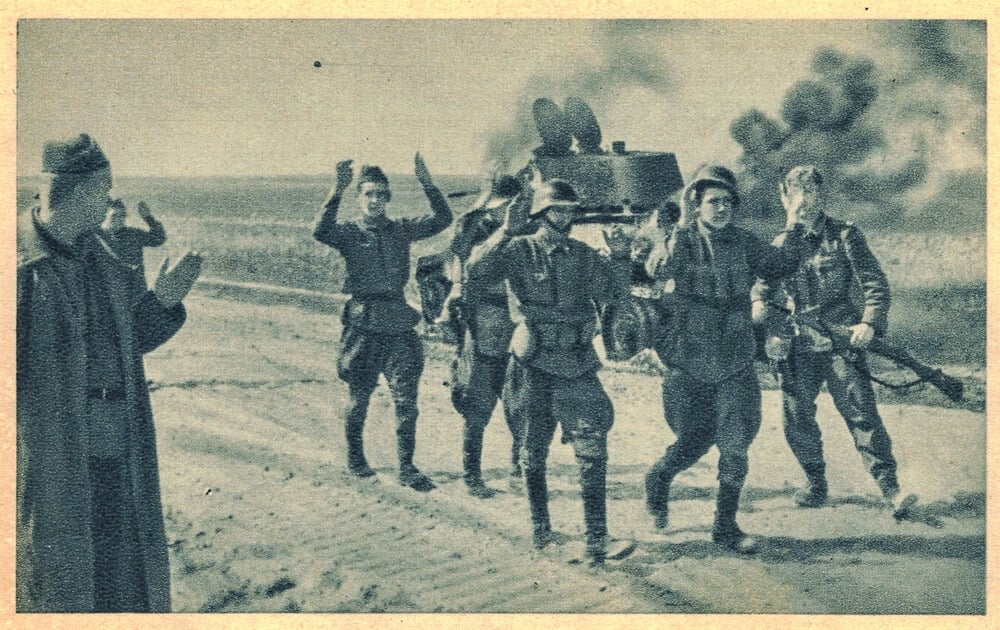
German forces crossed into Poland on September 1, 1939, an act that triggered Britain and France’s declarations of war within two days and set the machinery of the Second World War in Europe fully into motion. Historians treat this date as the formal opening of the European theater, even though fighting in Asia had already been underway for years.
Japan’s Formal Surrender Ended the Second World War

Japanese officials signed the instrument of surrender aboard the USS Missouri in Tokyo Bay on September 2, 1945, closing out a conflict that had killed tens of millions of people worldwide. The ceremony, presided over by General Douglas MacArthur, lasted less than half an hour and is the date most historians recognize as the war’s true conclusion.
The Treaty of Paris Secured American Independence
Representatives of Great Britain and the United States signed the Treaty of Paris on September 3, 1783, formally ending the Revolutionary War and recognizing American independence. The agreement also set the new nation’s western boundary at the Mississippi River, more than doubling the territory the former colonies had directly controlled.
The US Constitution Was Signed Into Existence
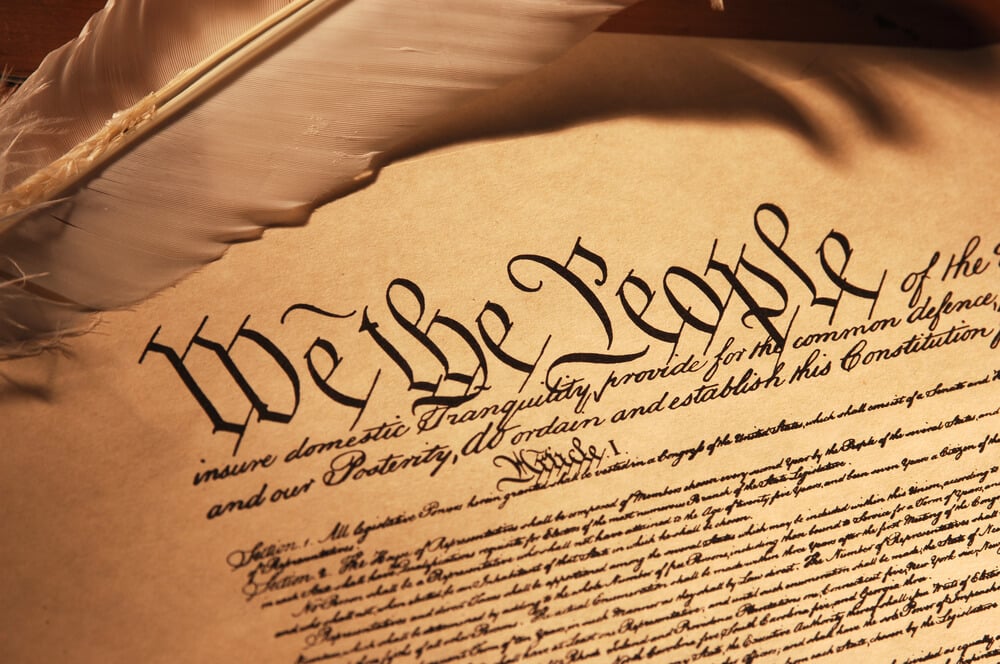
Delegates at the Constitutional Convention in Philadelphia signed the finished Constitution on September 17, 1787, after nearly four months of closed-door negotiation over how the new federal government would be structured. The document has been amended twenty-seven times since, but its original September framework still governs the basic architecture of American government.
The Bloodiest Single Day in American Military History
The Battle of Antietam, fought near Sharpsburg, Maryland, on September 17, 1862, produced roughly twenty-three thousand casualties in a single day of combat during the Civil War. The Union’s narrow strategic victory gave President Lincoln the political opening he needed to issue the preliminary Emancipation Proclamation just five days later.
The Preliminary Emancipation Proclamation Set Freedom in Motion
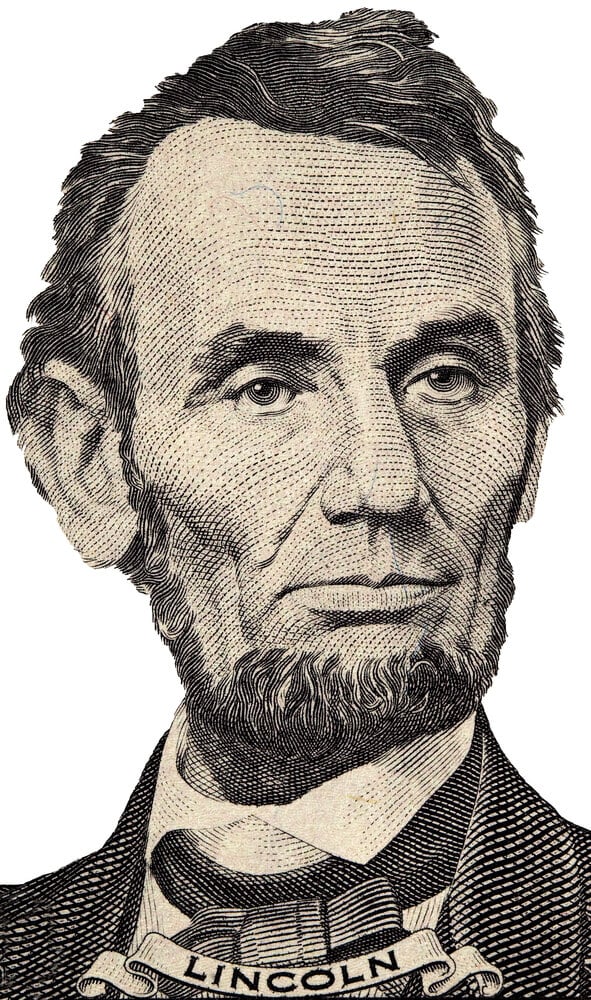
Lincoln issued the preliminary Emancipation Proclamation on September 22, 1862, warning that enslaved people in any Confederate state still in rebellion by January 1 would be declared free. The announcement reframed the Civil War internationally as a fight over slavery, making it politically difficult for Britain or France to intervene on the Confederacy’s behalf.
The Battle of Britain Reached Its Decisive Day
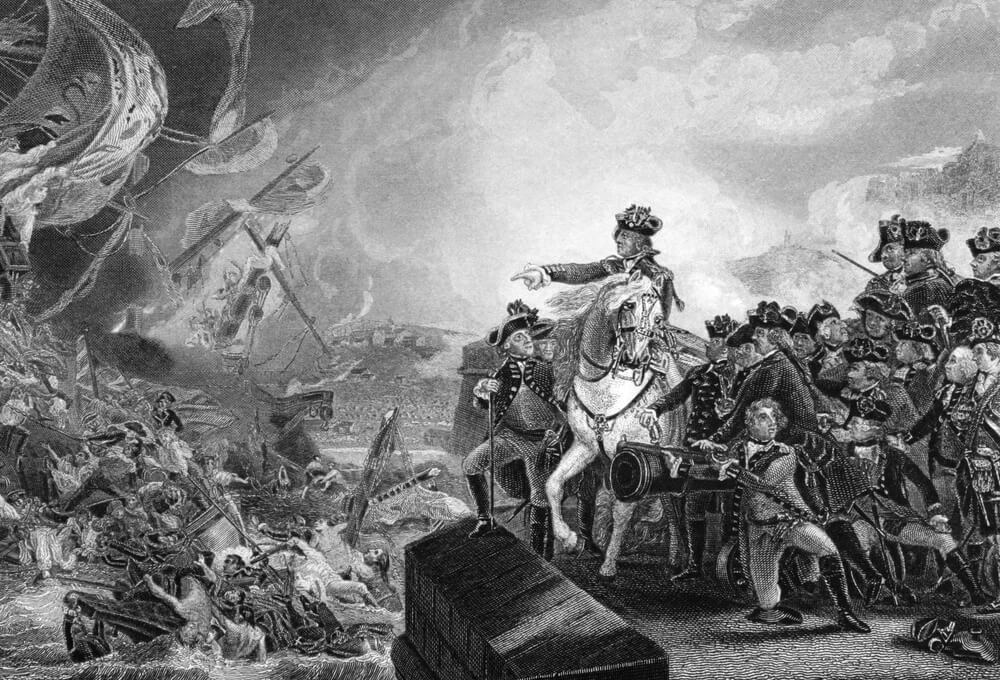
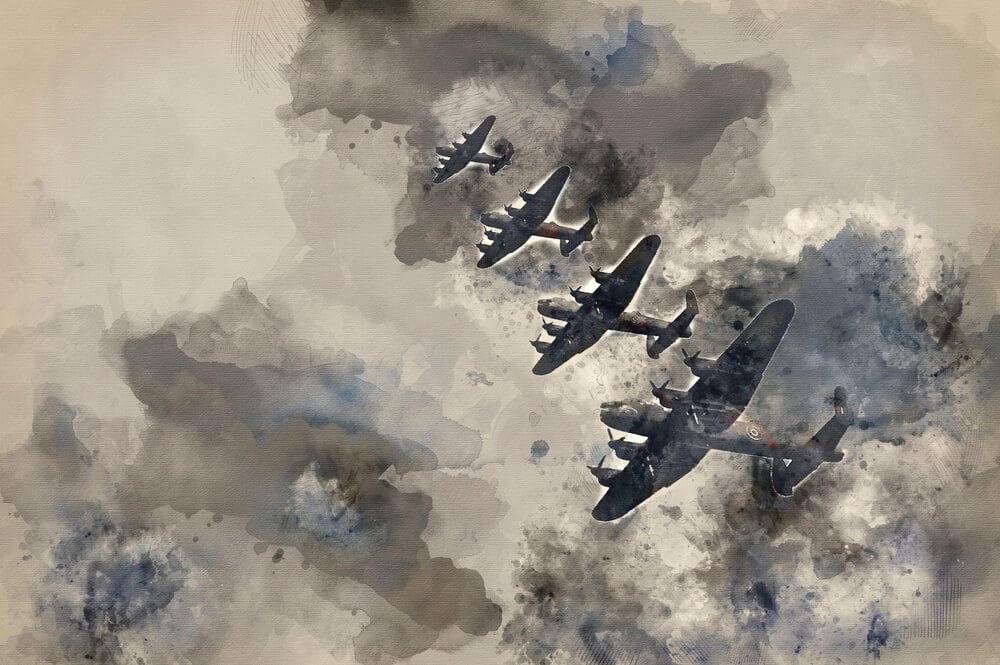
September 15, 1940, marked the day the Royal Air Force inflicted such heavy losses on the German Luftwaffe that Hitler indefinitely postponed his planned invasion of Britain. The date is still commemorated annually in the United Kingdom as Battle of Britain Day, marking the moment air superiority tipped decisively toward the defenders.
The Munich Agreement Traded Territory for a Promise of Peace
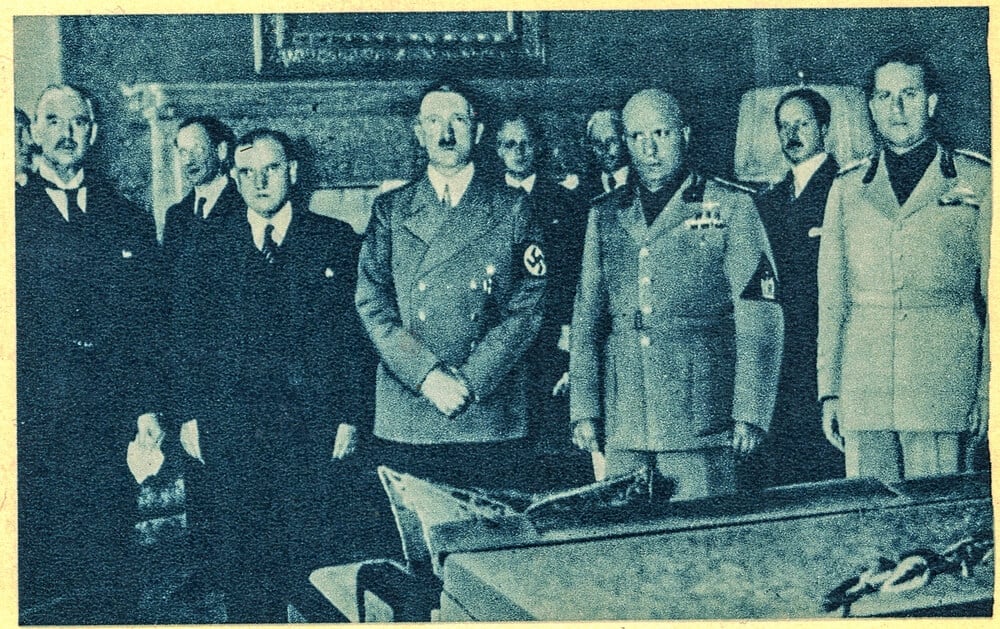
British, French, German, and Italian leaders signed the Munich Agreement on September 30, 1938, allowing Germany to annex the Sudetenland region of Czechoslovakia in exchange for a pledge of no further territorial demands. The agreement collapsed within a year, and the phrase associated with it became shorthand for the danger of appeasing aggression.
Judiciary Act Built the Federal Court System From Scratch

Congress passed the Judiciary Act on September 24, 1789, establishing the structure of federal courts, including the size and jurisdiction of the Supreme Court, that still underpins the American legal system. The law also created the position of Attorney General, giving the young federal government its first formal legal officer.
The Bill of Rights Was Sent to the States for Ratification
Congress transmitted twelve proposed constitutional amendments to the states on September 25, 1789, ten of which were ratified and became the Bill of Rights. The amendments addressed fears that the new federal government could otherwise trample the individual liberties many states had insisted on protecting before agreeing to the Constitution.
Alexander Fleming’s Accidental Discovery Changed Medicine Forever
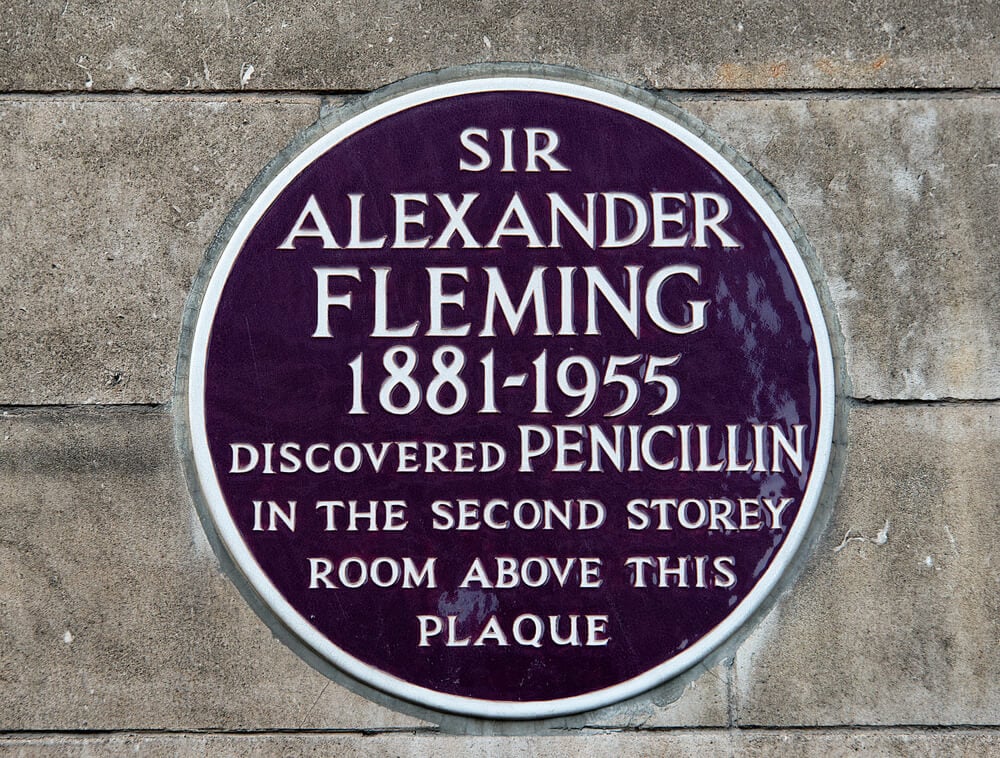
Fleming noticed in September 1928 that a mold contaminating one of his bacterial culture plates appeared to be killing the surrounding bacteria, an observation that eventually led to the development of penicillin. The discovery took over a decade to become a usable drug, but it opened the antibiotic era that has since saved an estimated hundreds of millions of lives.
Neptune’s Discovery Proved a New Kind of Science

Astronomer Johann Galle located Neptune on September 23, 1846, within roughly a degree of the position mathematician Urbain Le Verrier had calculated based on gravitational anomalies in Uranus’s orbit. It remains the only planet found through prediction rather than direct search, a milestone that boosted confidence in Newtonian physics at a critical moment.
Camp David Accords Reset the Middle East
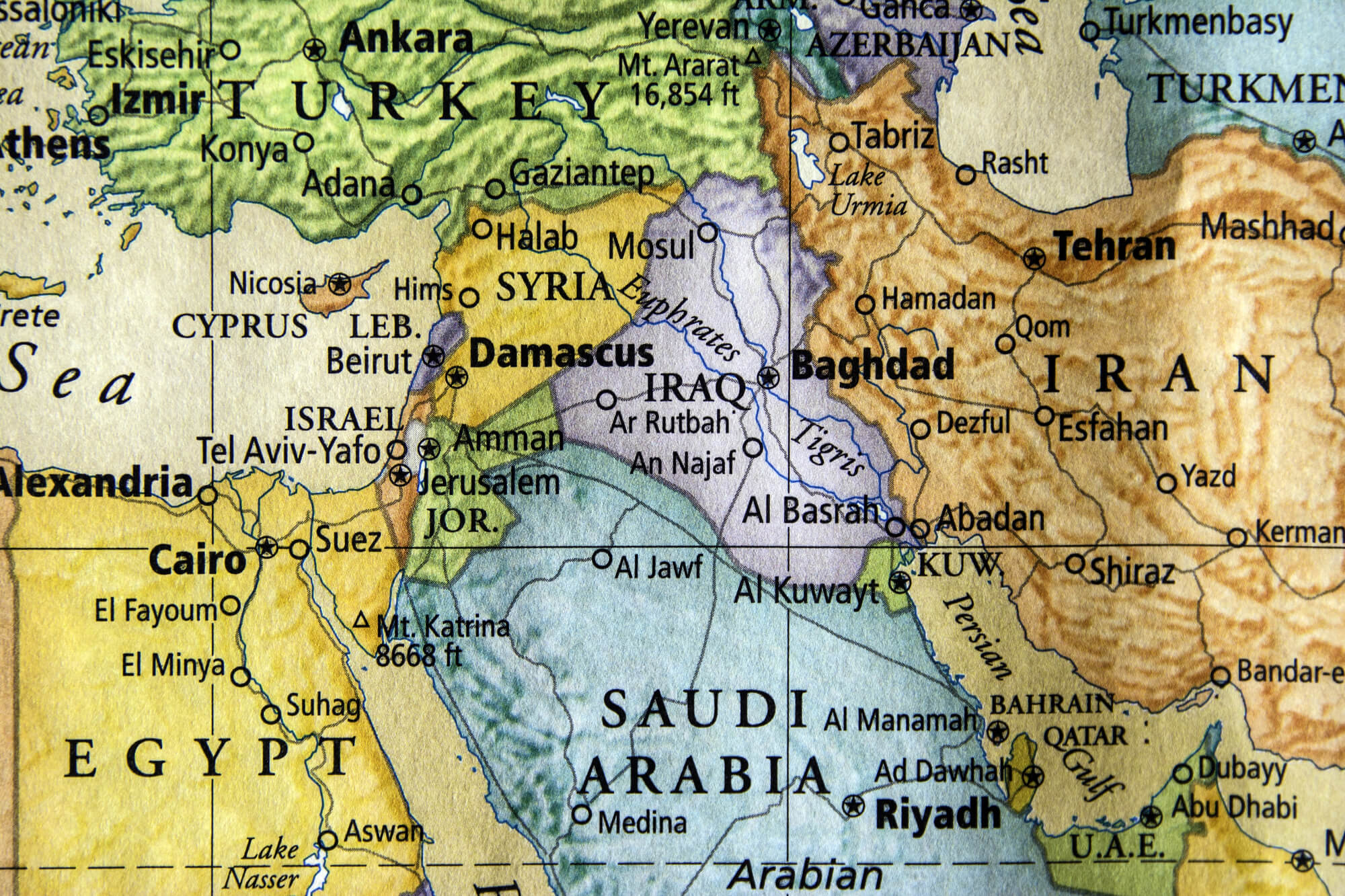
President Jimmy Carter brokered thirteen days of secluded negotiation that produced the Camp David Accords, signed on September 17, 1978, by Israeli Prime Minister Menachem Begin and Egyptian President Anwar Sadat. The framework led directly to the first peace treaty between Israel and an Arab nation the following year, a diplomatic breakthrough that reshaped regional alliances for decades.
The September 11 Attacks Redrew Global Security Policy
Coordinated attacks on the World Trade Center and the Pentagon on September 11, 2001, killed nearly three thousand people and triggered sweeping changes to air travel, intelligence gathering, and American foreign policy that are still visible today. The attacks led directly to the war in Afghanistan and the creation of the Department of Homeland Security.
The Nuremberg Laws Formalized State Persecution

Nazi Germany enacted the Nuremberg Laws on September 15, 1935, stripping Jewish citizens of German citizenship and criminalizing marriage or relationships between Jews and other Germans. The laws provided the legal scaffolding for escalating persecution that culminated in the Holocaust less than a decade later.
The First Televised Presidential Debate Changed Political Campaigning

John F. Kennedy and Richard Nixon met for the first televised presidential debate on September 26, 1960, watched by an estimated seventy million Americans. Polling afterward suggested viewers who watched on television favored Kennedy while radio listeners leaned toward Nixon, a split widely credited with permanently changing how candidates prepared for public appearances.
The Galveston Hurricane Forced a Rethink of Coastal Defense

A hurricane struck Galveston, Texas, on September 8, 1900, killing an estimated six thousand to twelve thousand people in what remains the deadliest natural disaster in American history. The catastrophe led directly to the construction of the seventeen-foot Galveston Seawall and a citywide grade-raising project that reshaped American coastal engineering standards.
The Continental Congress Renamed a Fledgling Nation
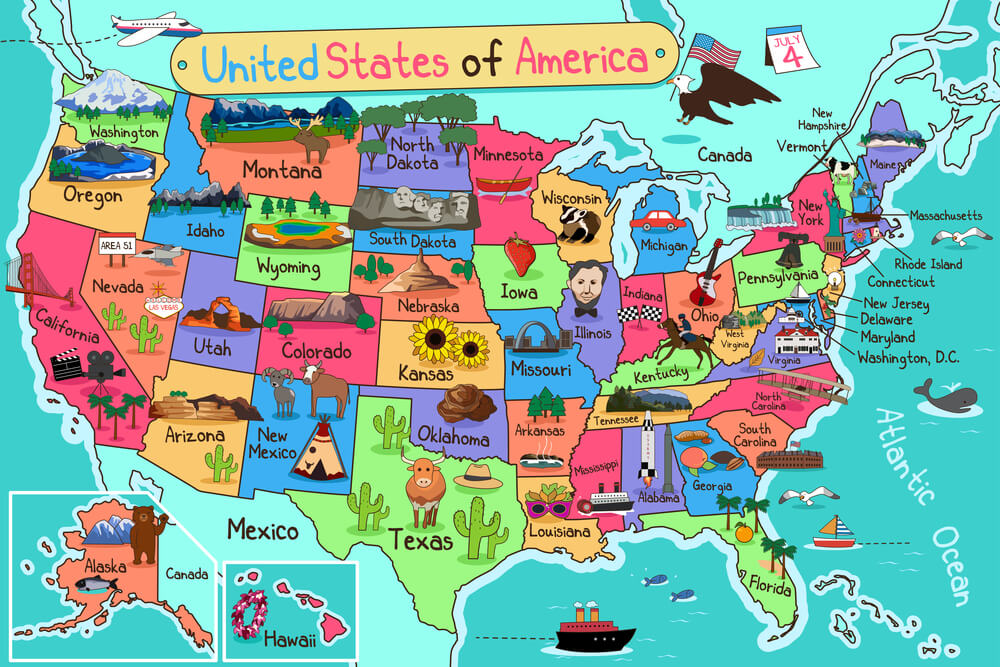
Delegates formally adopted the name “United States” in place of “United Colonies” on September 9, 1776, weeks after the Declaration of Independence had already been signed. The change signaled a shift from a temporary rebellion to a claim of permanent, unified nationhood among the former colonies.
The Star-Spangled Banner Was Written Overnight
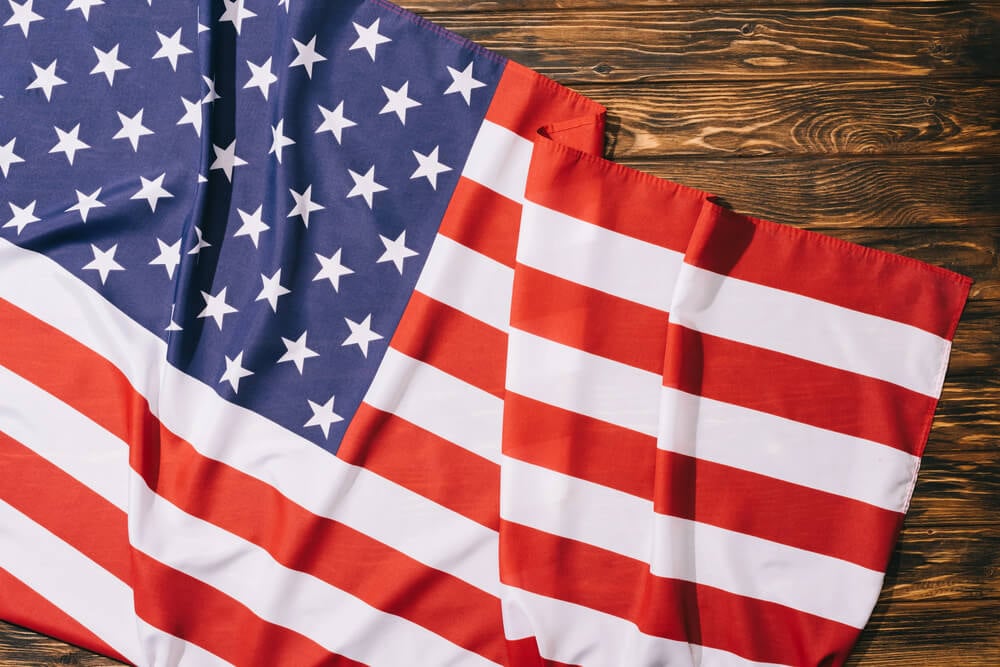
Francis Scott Key composed the poem that became the national anthem after watching the overnight bombardment of Fort McHenry near Baltimore on September 13 and 14, 1814. Congress did not officially designate “The Star-Spangled Banner” as the national anthem until 1931, more than a century after Key wrote it.
The US Air Force Became Its Own Branch

The National Security Act split the Air Force off from the Army Air Forces on September 18, 1947, creating an independent military branch for the first time. The reorganization also established the Department of Defense and the Central Intelligence Agency in the same sweeping piece of legislation.
The Mayflower Departed on Its Historic Crossing
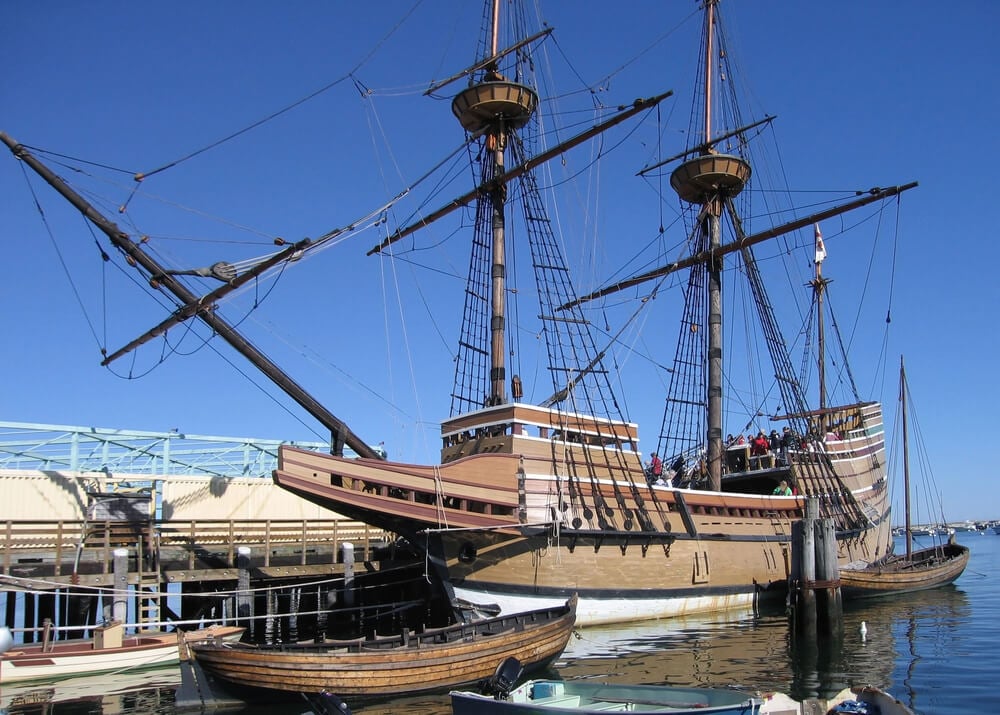
The Mayflower set sail from Plymouth, England, on September 16, 1620, carrying passengers who would become known as the Pilgrims toward what became one of the founding settlements of colonial America. The sixty-six-day crossing became a foundational story in American cultural memory, commemorated centuries later far beyond its original scale.
McKinley’s Assassination Reshaped the Presidency
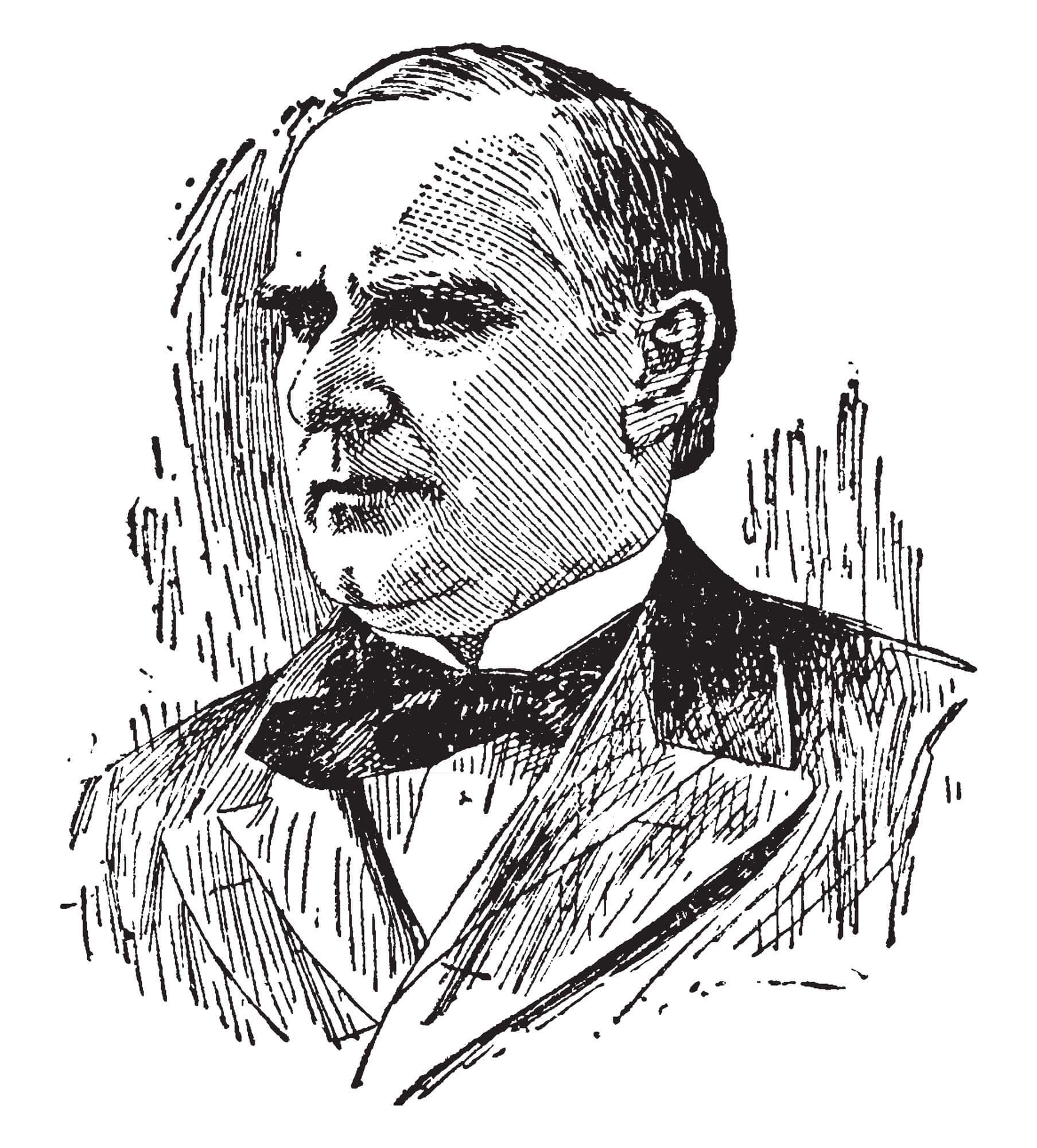
President William McKinley was shot at the Pan-American Exposition in Buffalo on September 6, 1901, and died eight days later, elevating Vice President Theodore Roosevelt to the presidency. Roosevelt’s activist approach to the office, including trust-busting and conservation policy, reset expectations for what a president could do domestically.
The Marshall Plan’s Predecessor Framework Took Shape
Following the Second World War, a September 1947 conference in Paris finalized the structure that European nations would use to coordinate American reconstruction aid, laying groundwork for the Marshall Plan’s formal launch the following year. The cooperative framework built during those September negotiations became a model for later European economic integration.
The Berlin Airlift’s Planning Accelerated Through a September Crisis

By September 1948, the Soviet blockade of West Berlin had pushed Allied planners into a full-scale sustained airlift operation, delivering food and fuel to the isolated city by air for months. The operation demonstrated Western resolve early in the Cold War and directly shaped the alliance structure that became NATO the following year.
The World Wide Web’s Precursor Software Reached the Public

CERN researcher Tim Berners-Lee released the first web server and browser software to the public in a limited form in the second half of 1991, with key protocol documentation circulated in the fall months that let outside developers begin building on it. The rapid spread of that early framework in the years that followed reshaped global communication, commerce, and information access on a scale few of its earliest users anticipated.
The Weight of a Single Month

No other month on the calendar seems to gather quite this concentration of pivot points, from wars beginning and ending to laws that still govern how nations operate. The pattern likely says less about September itself than about how legislative and military calendars have historically clustered around the end of summer.
Still, the accumulation is hard to dismiss as coincidence once it is laid out in full. Whatever the underlying reason, September has repeatedly been the month when centuries-long stories reached their hinge point.
More from Go2Tutors!

- The Romanov Crown Jewels and Their Tragic Fate
- 13 Historical Mysteries That Science Still Can’t Solve
- Famous Hoaxes That Fooled the World for Years
- 15 Child Stars with Tragic Adult Lives
- 16 Famous Jewelry Pieces in History
Like Go2Tutors’s content? Follow us on MSN.



