29 Historical Figures Who Changed Their Names to Begin Again
A name change can be a career decision, a political statement, or an attempt to leave a former life behind entirely. The following people are remembered today by names their parents never gave them, and in almost every case, the switch marked a genuine break from whoever they had been before.
Malcolm X
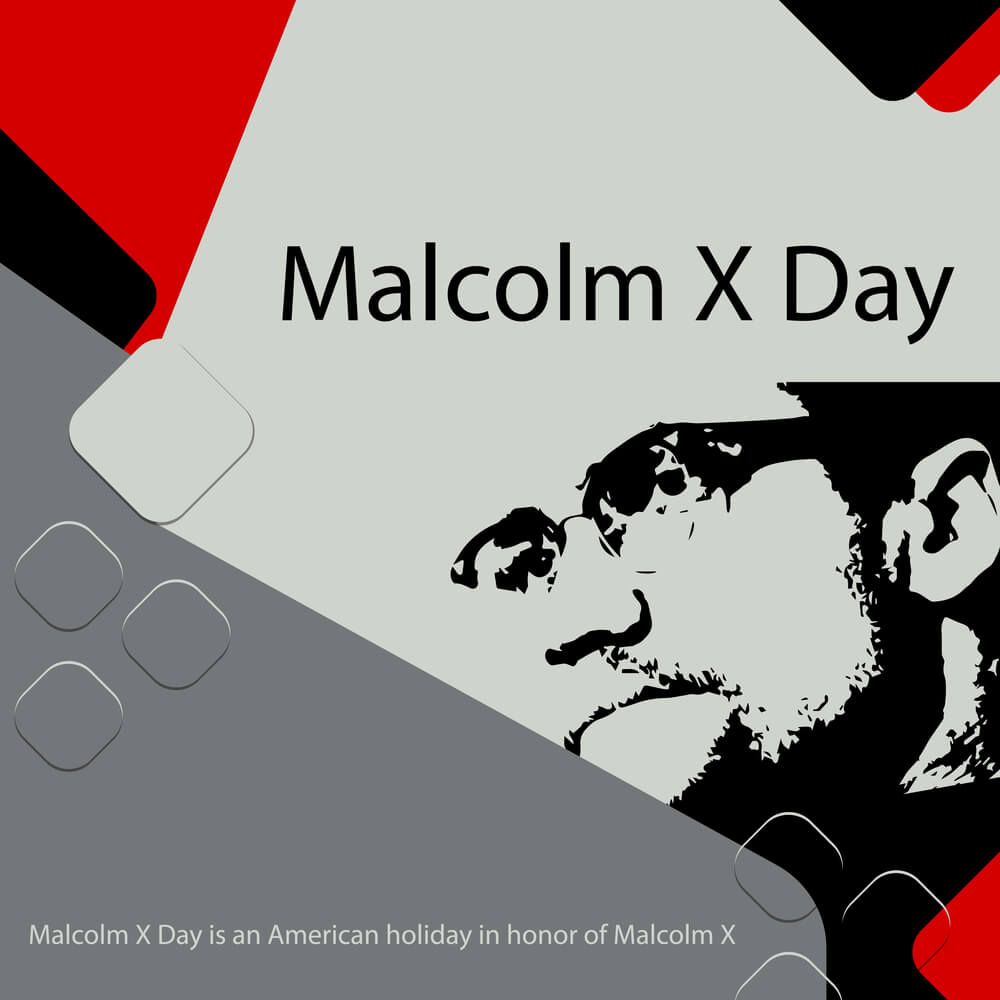
Born Malcolm Little, he discarded his surname as a rejection of the name assigned to his family by slaveholders, using an X to represent the lost African identity that name had erased. He later adopted the name El-Hajj Malik El-Shabazz after his pilgrimage to Mecca, marking a further transformation in his final year.
Muhammad Ali
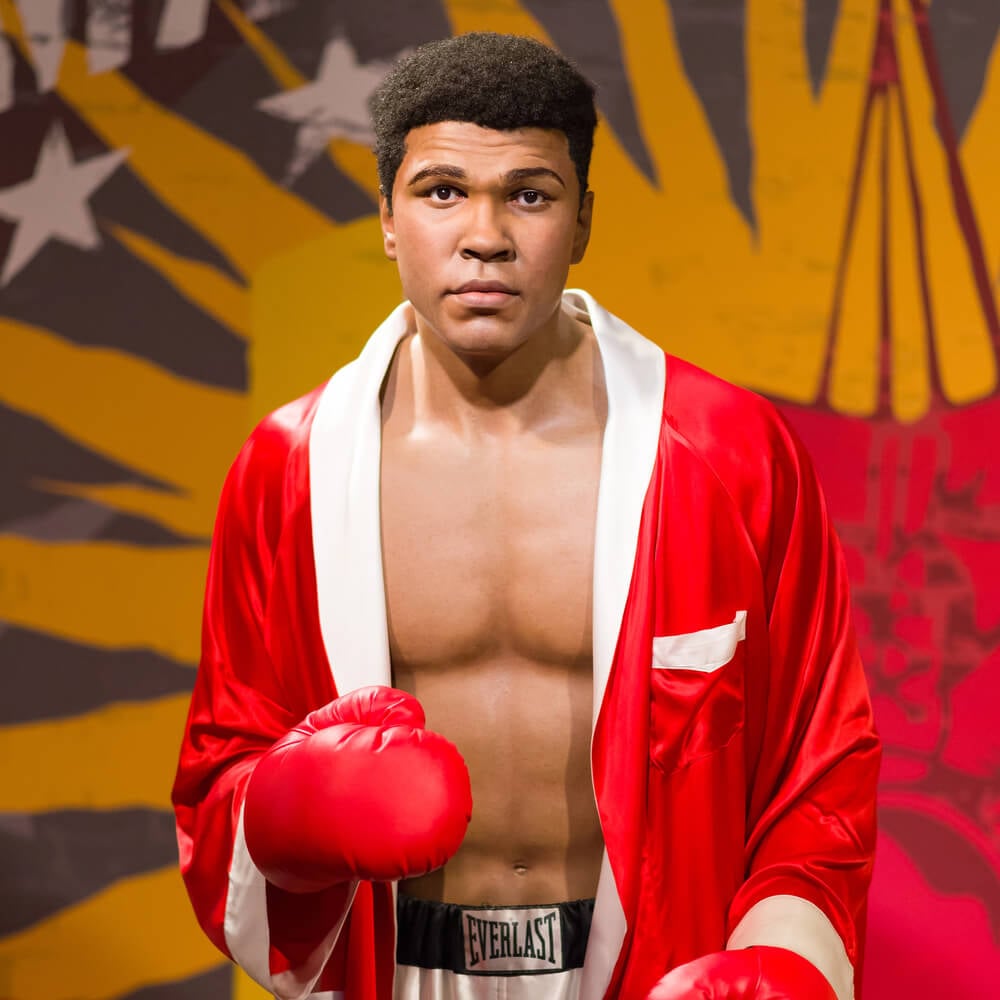
Born Cassius Clay, the boxer changed his name in 1964 after joining the Nation of Islam, explaining that Clay was a name imposed on his family by a slaveholder and no longer reflected who he was. The change was controversial at the time but is now inseparable from how he is remembered.
Cary Grant
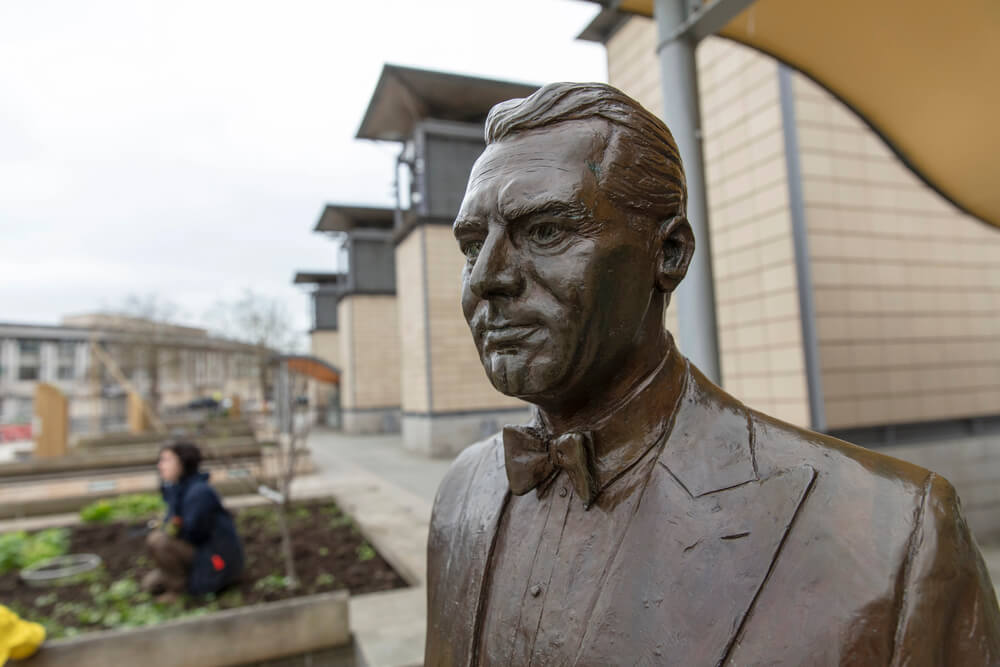
Born Archibald Leach in Bristol, England, he adopted his more famous name after signing with Paramount Pictures in the early 1930s, part of a broader effort to construct a smoother, more polished screen persona. He later said he had spent years trying to actually become the man audiences believed him to be.
Marilyn Monroe
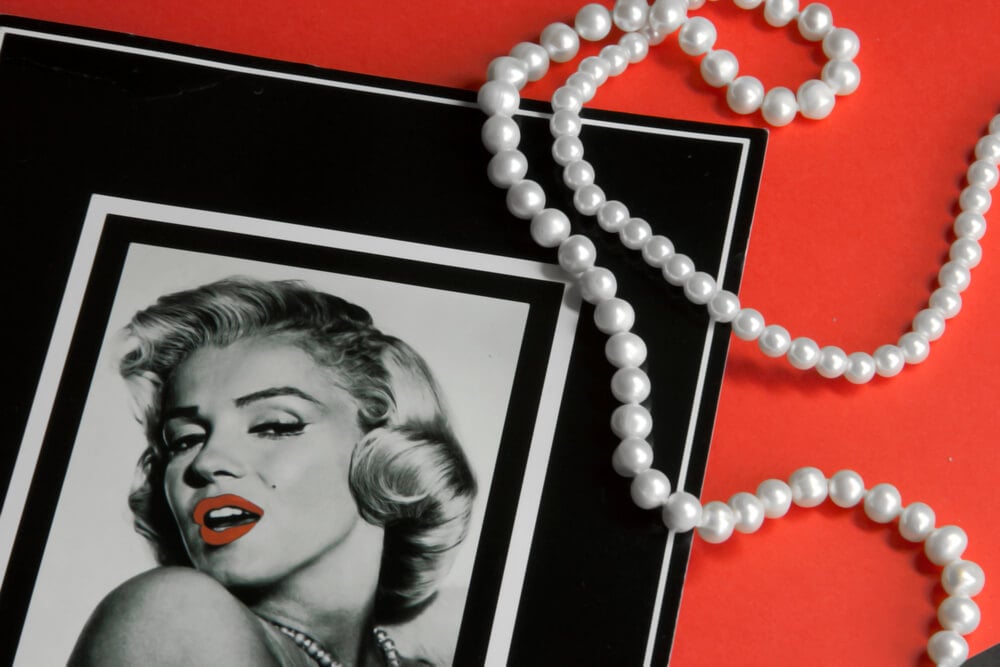
Born Norma Jeane Mortenson, she was renamed by a studio executive in 1946 as part of a standard practice of remaking young contract actresses into more marketable stars. She legally adopted the new name years later, by which point it had already eclipsed the one she was born with.
John Wayne
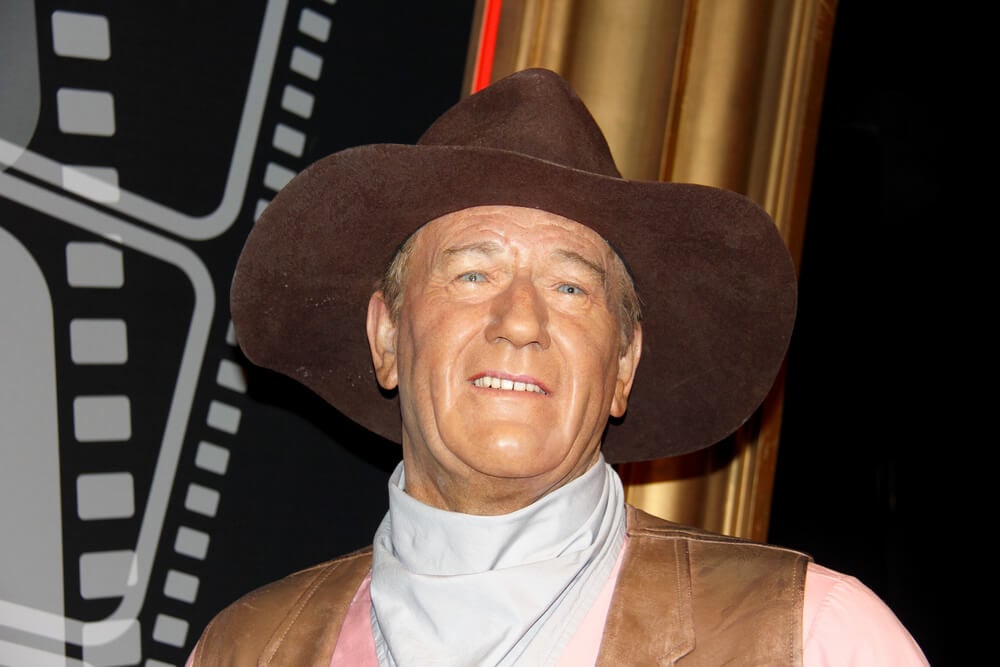
Born Marion Morrison, the actor was given the name Duke early in his career, first as a nickname tied to his childhood dog, and later adopted the fully invented screen name John Wayne at a studio’s suggestion. He used the new identity for the rest of his career while close friends continued to call him Duke.
Bob Dylan
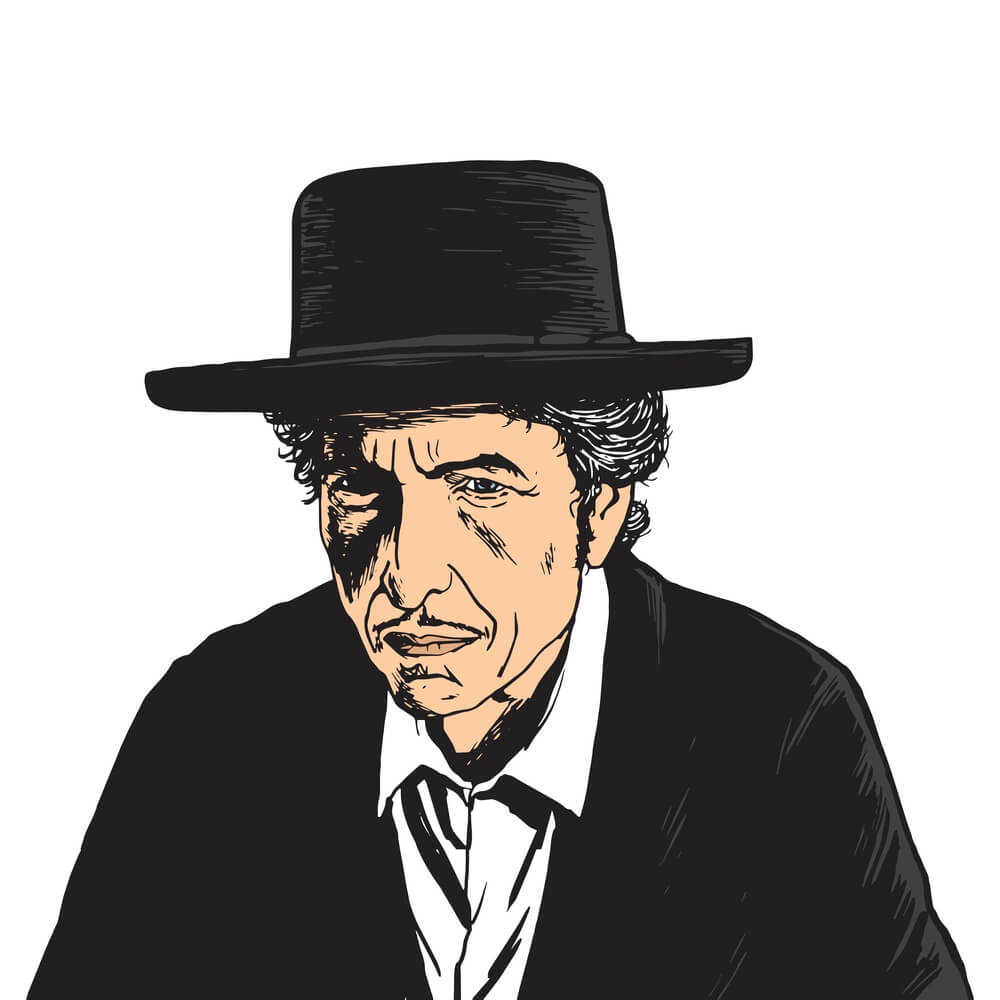
Born Robert Zimmerman in Minnesota, he adopted his stage name in the late 1950s, reportedly drawing inspiration from the poet Dylan Thomas, before moving to New York to pursue a music career. He legally changed his name to Bob Dylan in 1962.
George Orwell
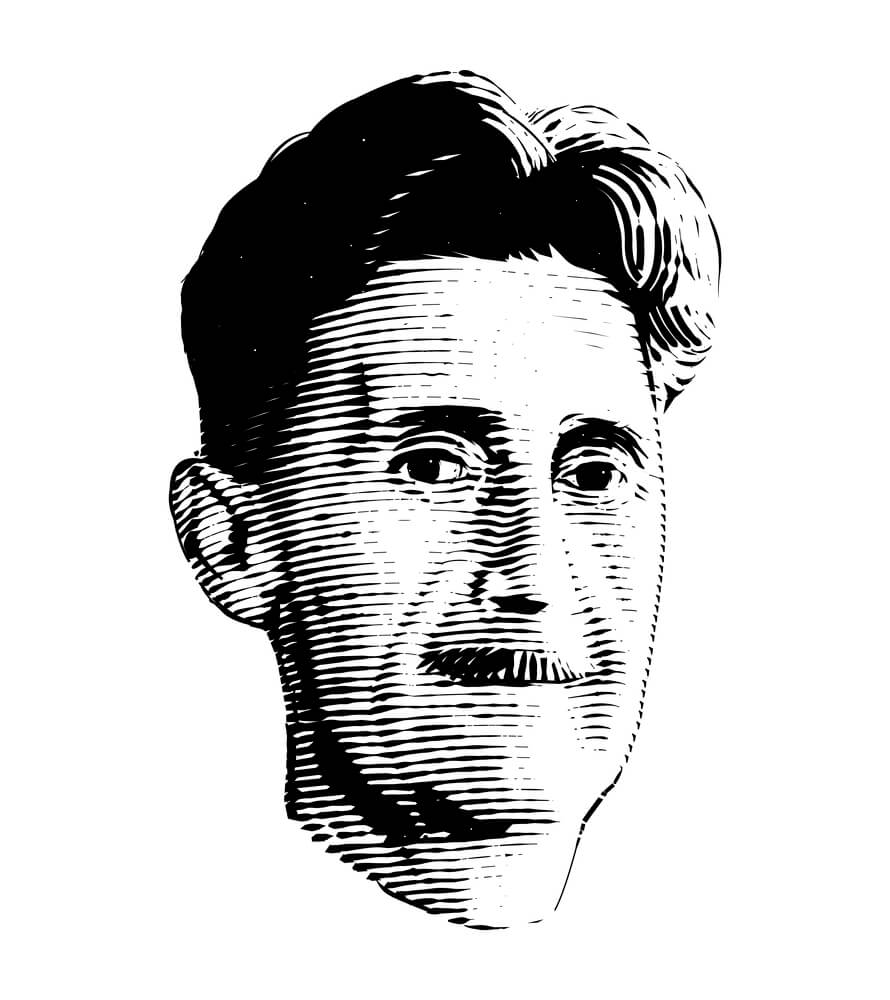
Born Eric Arthur Blair, the writer adopted his pen name for the 1933 publication of his first book, reportedly to spare his family any embarrassment over his account of living in poverty. He continued using his birth name in private life even as his pen name became one of the most recognized in modern literature.
Mark Twain
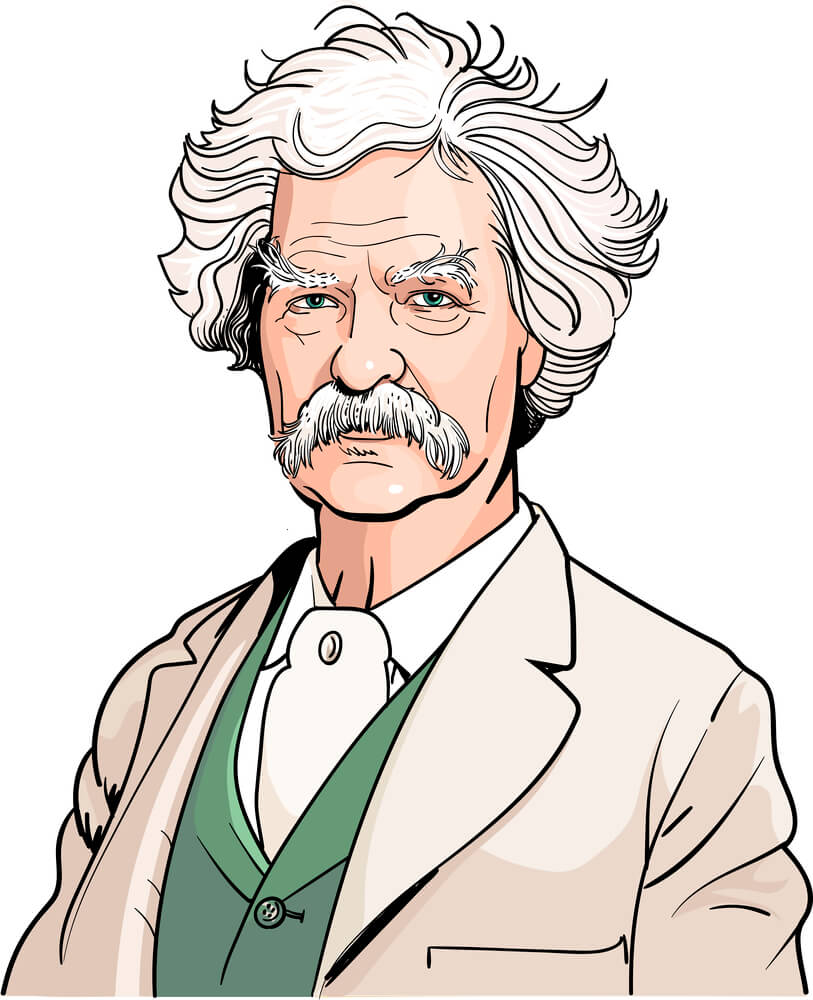
Born Samuel Langhorne Clemens, the writer adopted his pen name from a riverboat term meaning two fathoms of water depth, a phrase drawn from his years working on Mississippi steamboats. The name became so closely tied to his public identity that he used it for both his fiction and his lecture tours.
Vladimir Lenin
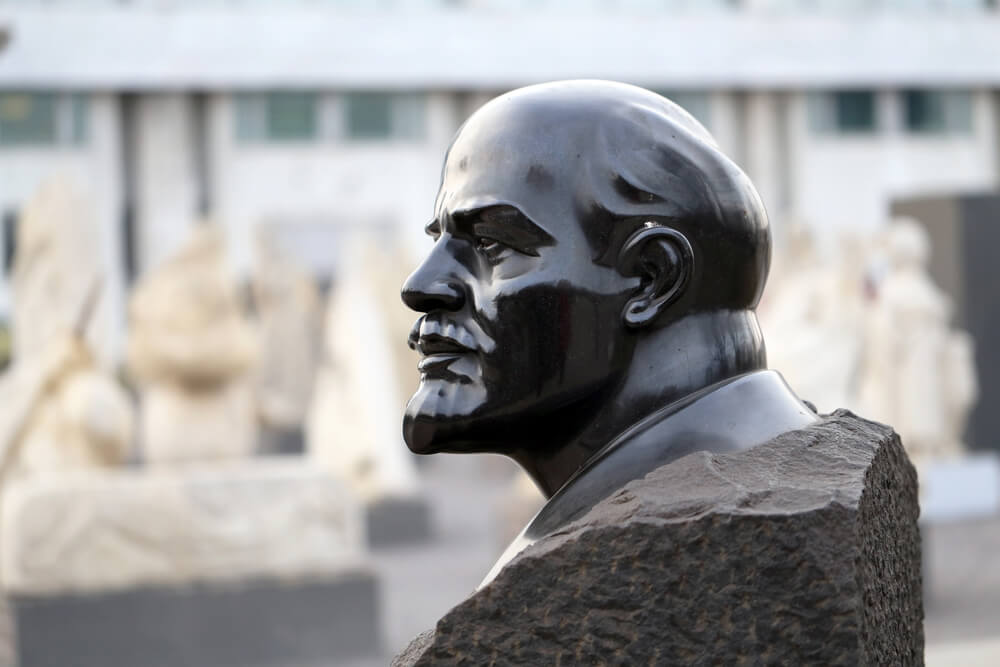
Born Vladimir Ulyanov, the Russian revolutionary adopted the name Lenin as one of several aliases used to evade Tsarist authorities before it became his permanent public identity after 1917. The name’s exact origin remains debated among historians.
Joseph Stalin
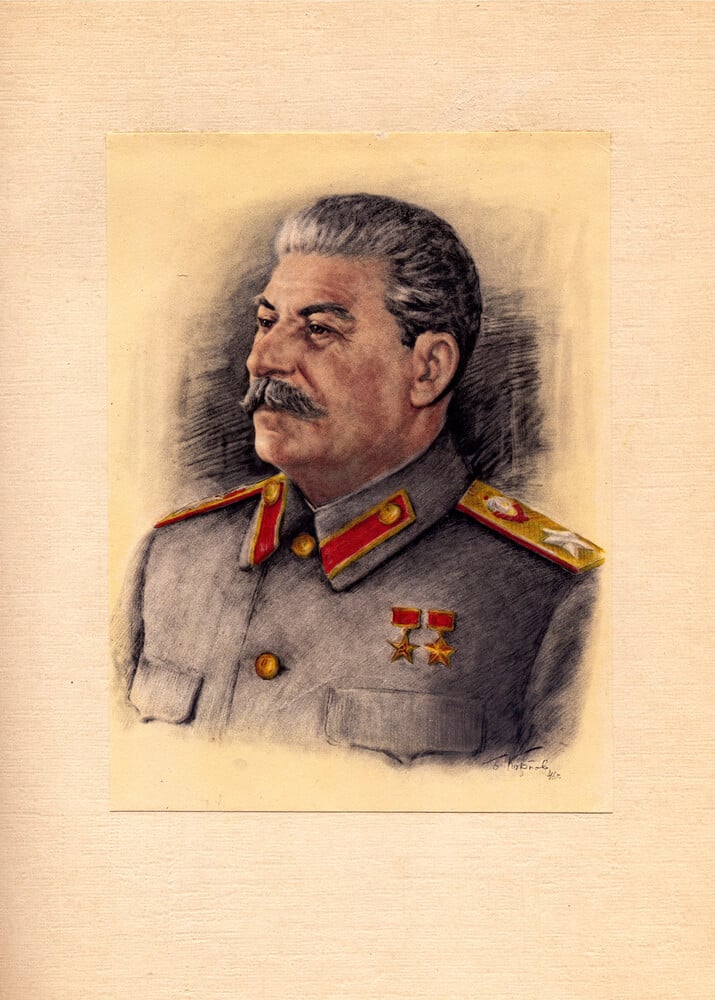
Born Ioseb Jughashvili in Georgia, the Soviet leader adopted the name Stalin, meaning man of steel in Russian, as a revolutionary alias in the early 1900s. He kept the name for the remainder of his life and it became one of the most recognized in twentieth-century history.
Leon Trotsky
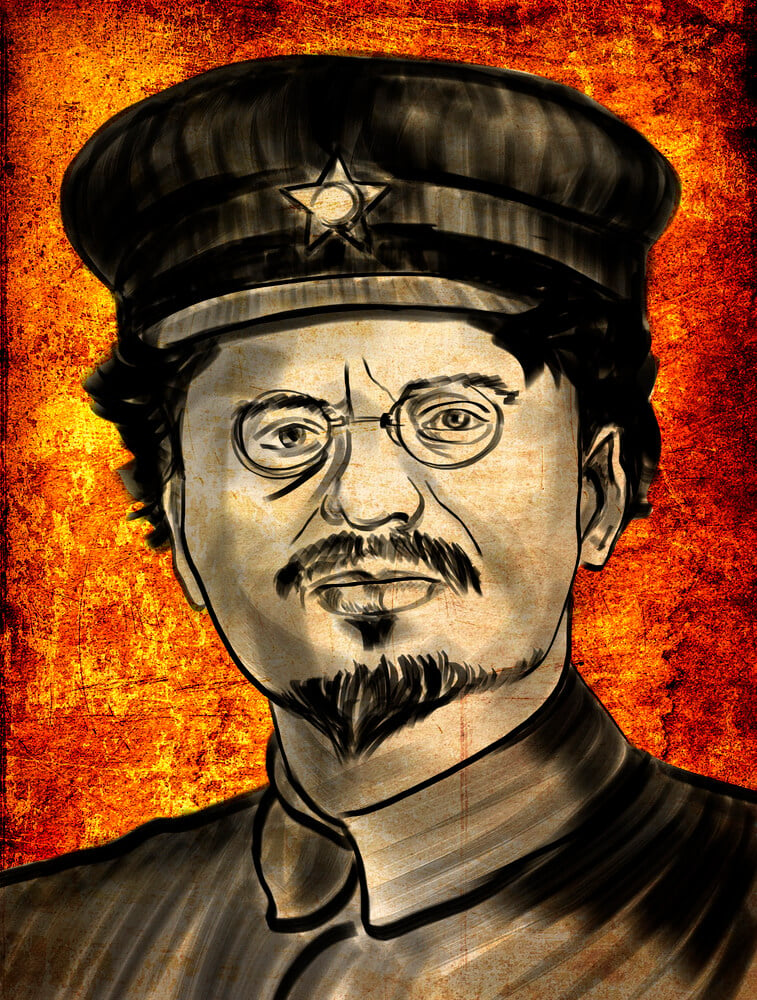
Born Lev Bronstein, the revolutionary took the name Trotsky, reportedly borrowed from a former prison guard’s name found in a forged passport he used to escape Siberian exile. He used the new identity for the rest of his political career.
Golda Meir
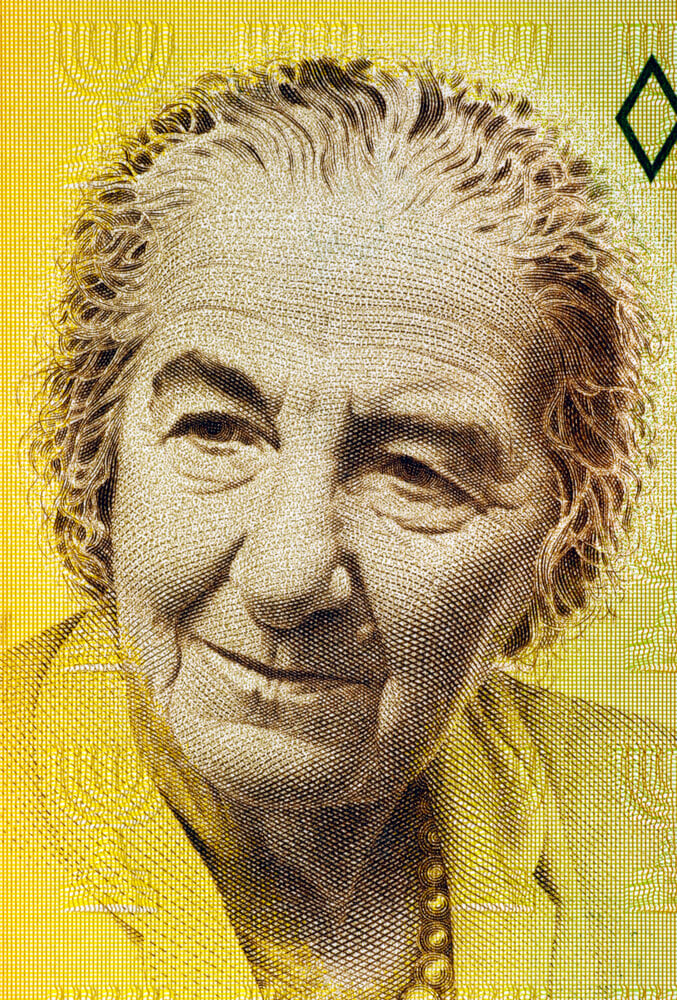
Born Golda Mabovitch, Israel’s future prime minister Hebraized her married surname from Meyerson to Meir in the 1950s, in keeping with a common practice among the country’s founding political generation. The change reflected a broader movement to adopt Hebrew names as part of nation building.
David Ben-Gurion
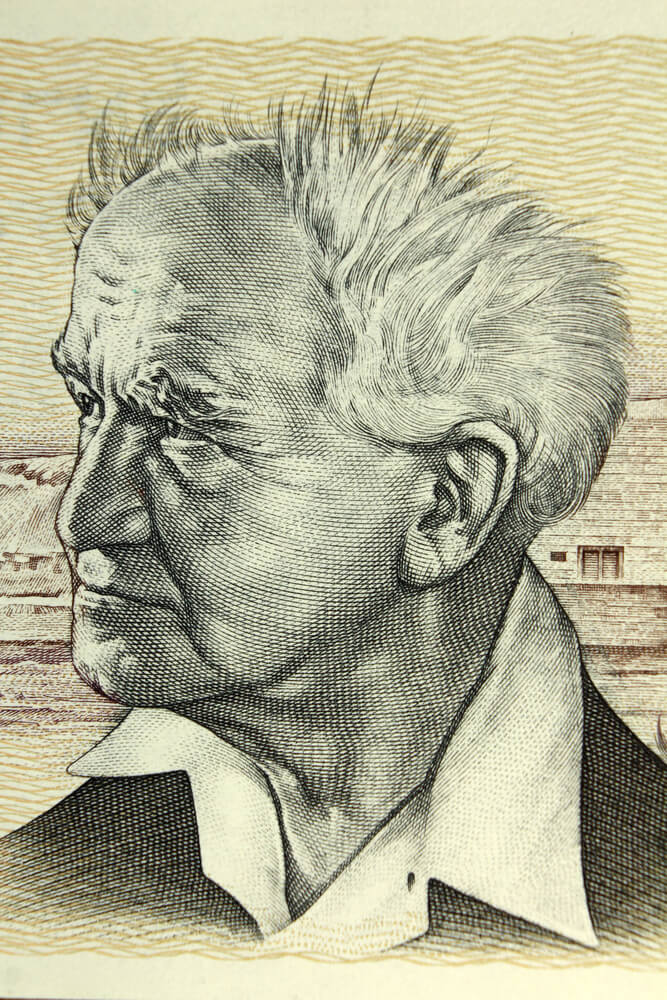
Born David Grün in Poland, Israel’s first prime minister adopted a Hebrew surname after immigrating, drawing the name from a historical Jewish military leader. The change was part of the same wave of name adoption among early Zionist leaders that included Golda Meir.
Ho Chi Minh
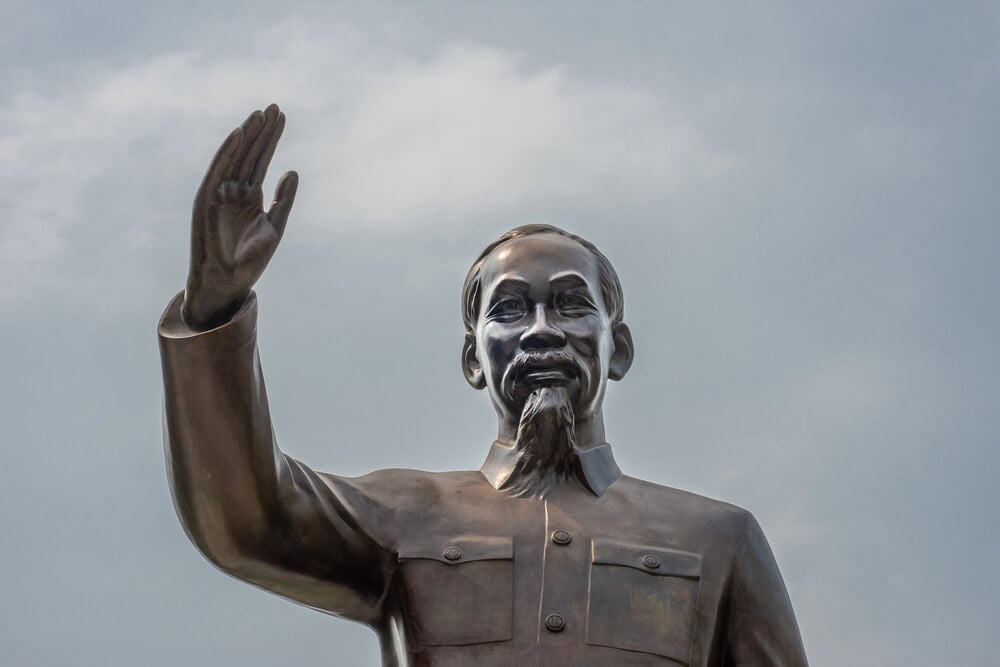
Born Nguyen Sinh Cung, the Vietnamese revolutionary leader used dozens of aliases across his decades of political organizing before settling on the name meaning He Who Enlightens late in his career. Each earlier name corresponded to a different period of exile, disguise, or political phase in his life.
Harry Houdini
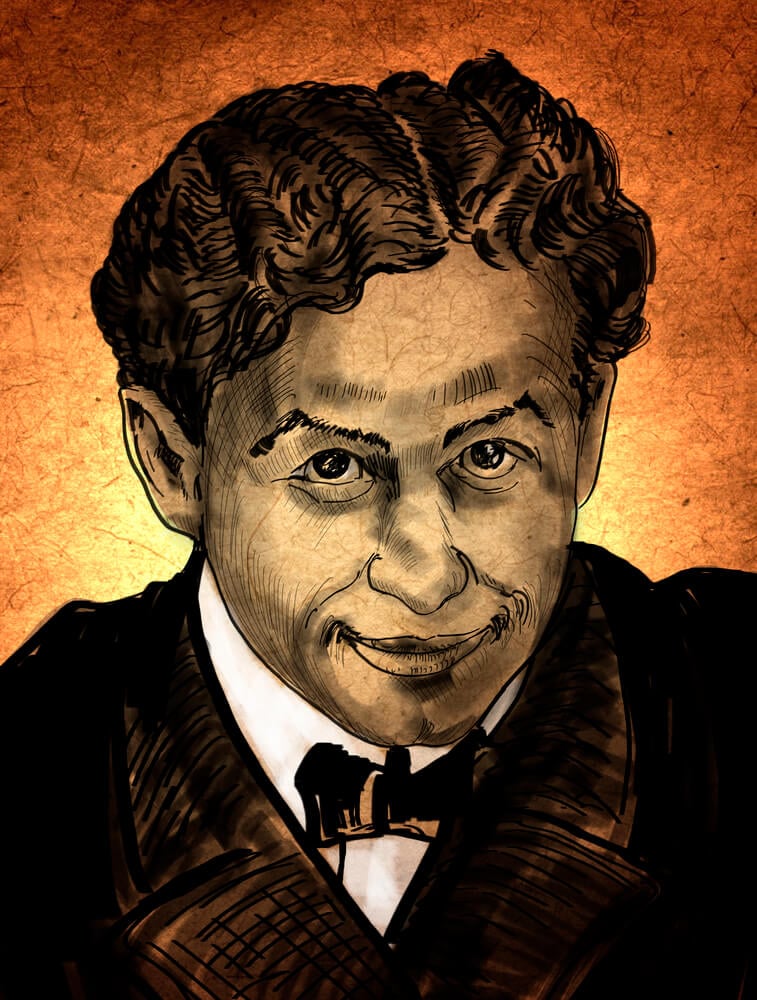
Born Erik Weisz in Hungary, the escape artist adopted his stage name as a tribute to French magician Jean Eugene Robert-Houdin, whom he greatly admired early in his career. He later grew critical of the man he had named himself after, but never changed his own adopted identity.
Elton John
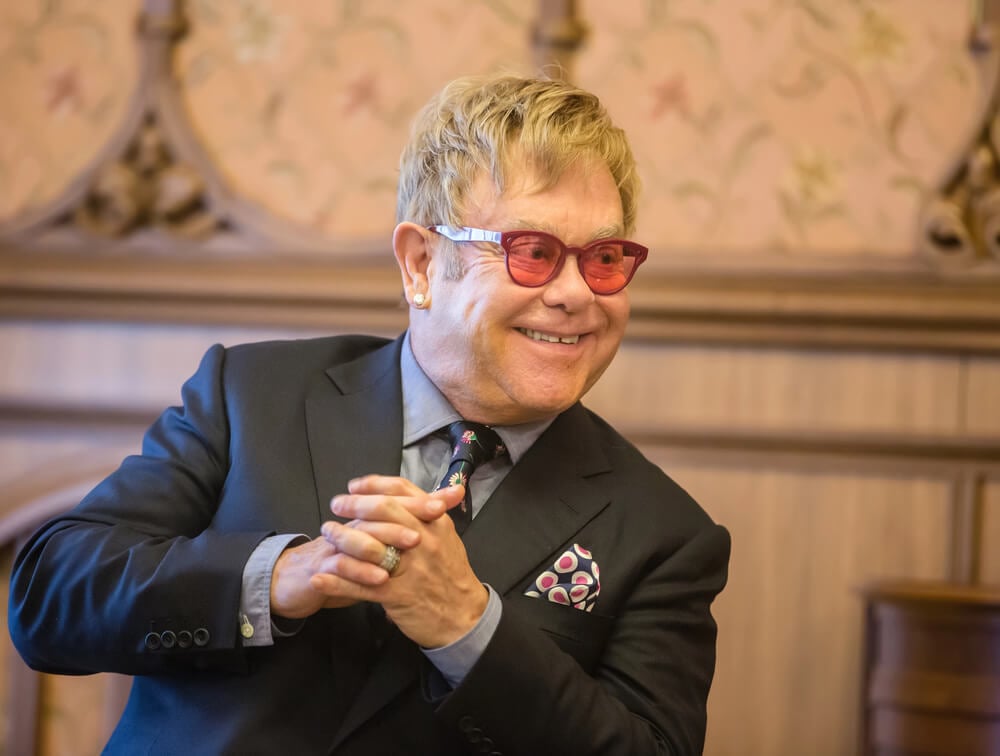
Born Reginald Dwight, the musician legally changed his name in 1972, drawing his new first name from a bandmate and his surname from a fellow musician he admired. He has said the change let him step fully into a performing persona distinct from his earlier life.
Freddie Mercury
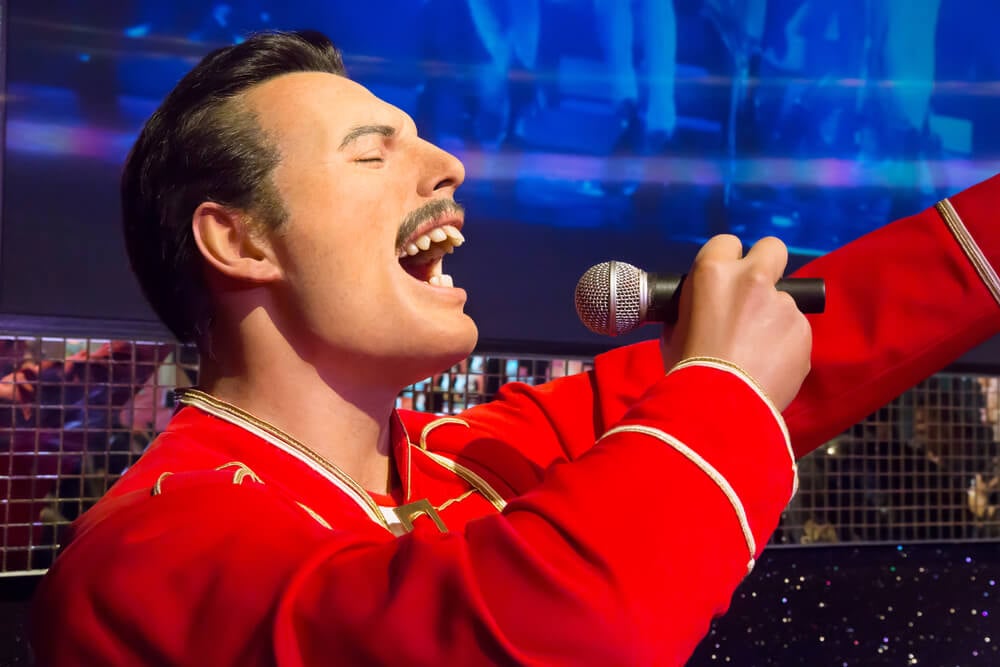
Born Farrokh Bulsara in Zanzibar, the Queen frontman adopted his stage name in the early 1970s as his band’s career began to take shape in London. He legally changed his name years later, by which point the adopted identity had become inseparable from his public career.
Engelbert Humperdinck
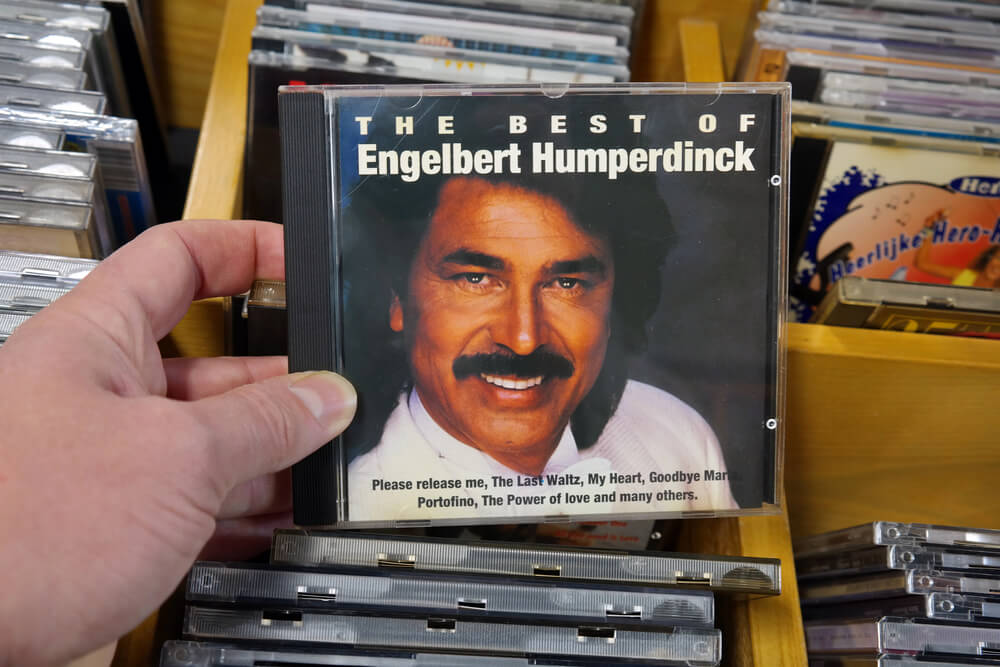
Born Arnold Dorsey, the singer adopted the name of a nineteenth-century German composer at his manager’s suggestion in 1965, a deliberately unusual choice meant to make him memorable. The unlikely name became one of the more recognizable in pop music of the era.
Whoopi Goldberg
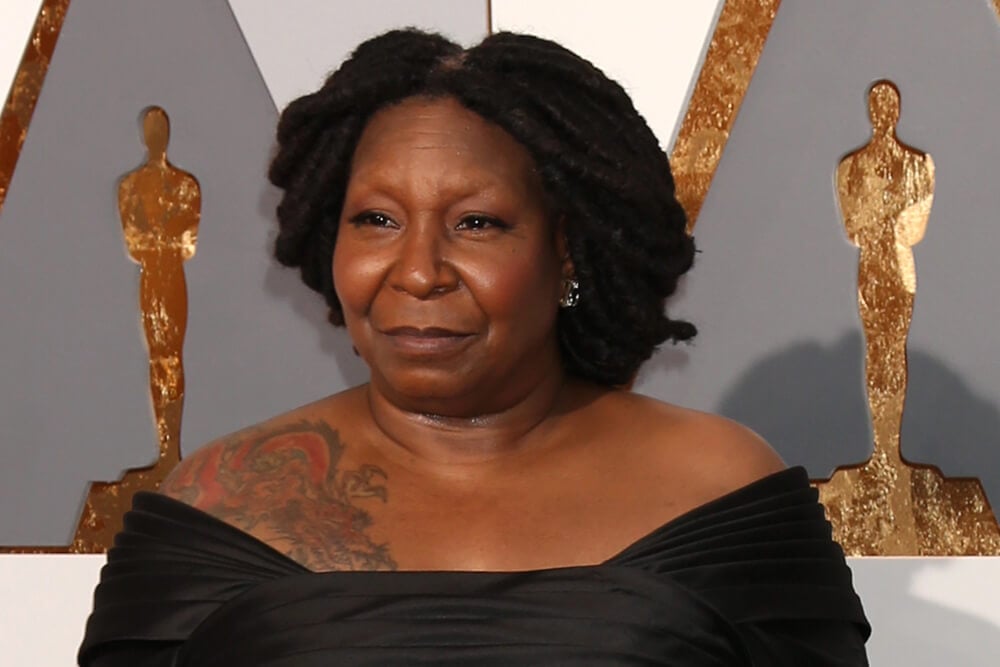
Born Caryn Johnson, the performer adopted her stage name early in her career, drawing the surname from a family connection and the first name from a joke about flatulence made among friends. The invented identity became her permanent public name.
Judy Garland
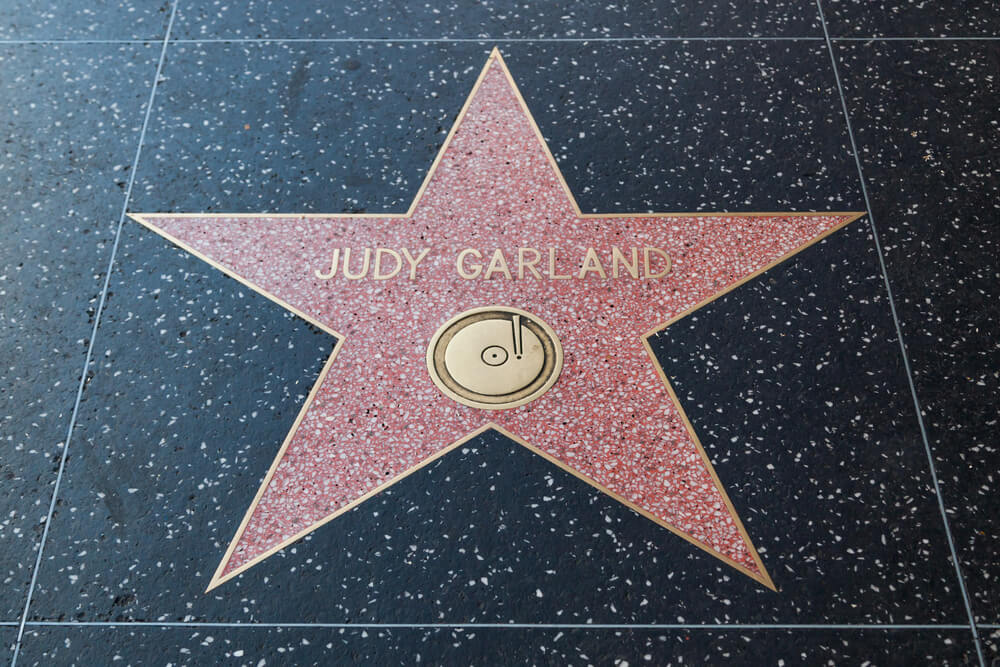
Born Frances Gumm, the performer adopted a new name in the early 1930s as part of a family vaudeville act rebranding, years before her breakout film role. The studio system later reinforced the new identity as her career expanded into film.
Doris Day
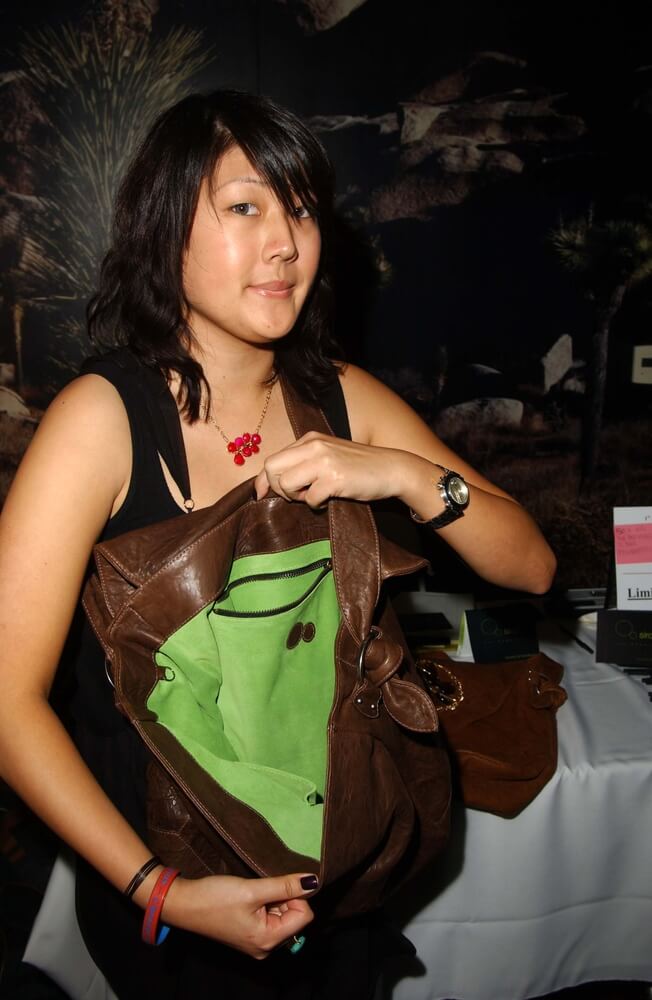
Born Doris Kappelhoff, the actress and singer adopted her stage surname in the early 1940s, taken from a song she had performed as a young band vocalist. The name stuck for the remainder of her decades-long entertainment career.
Winona Ryder
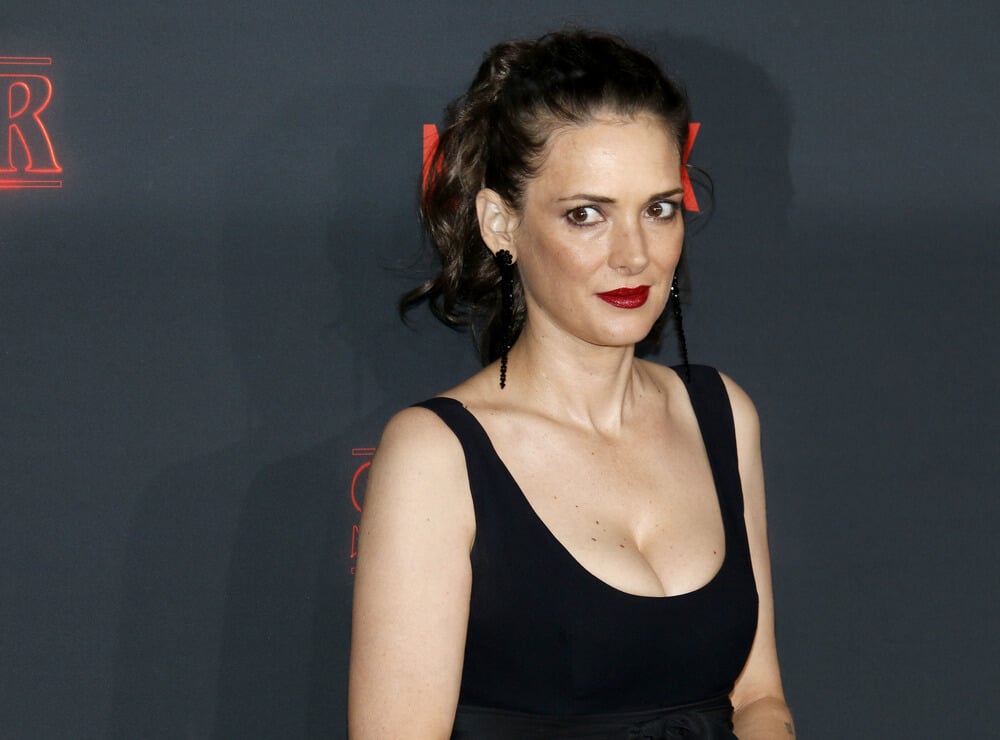
Born Winona Horowitz, the actress adopted her stage surname as a teenager, reportedly inspired by a favorite musician’s surname, before her breakout film roles in the late 1980s. She has continued to use her birth name in some personal and legal contexts.
Jamie Foxx
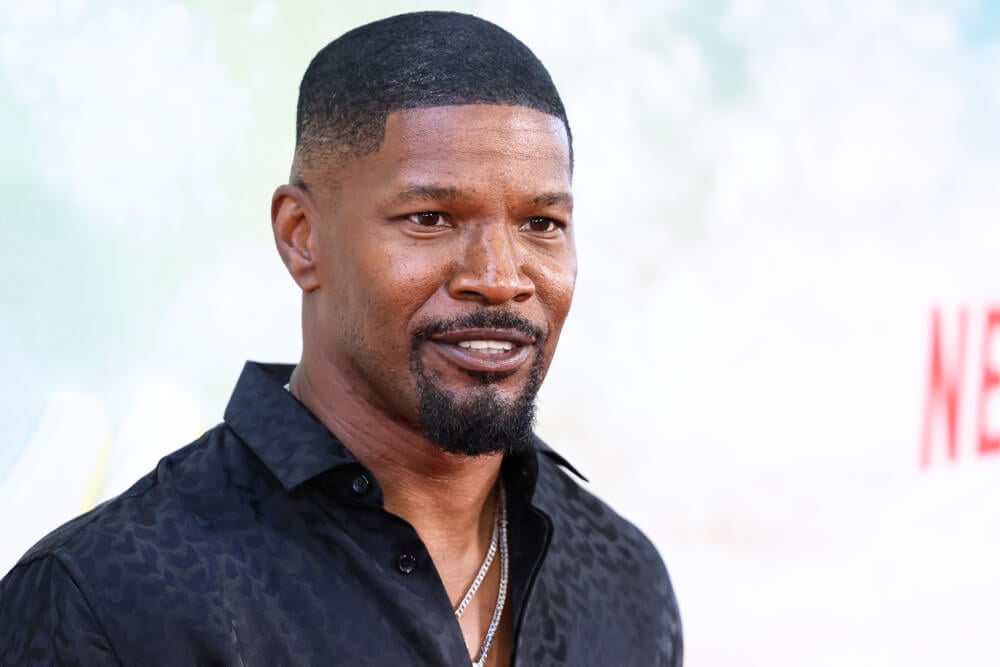
Born Eric Bishop, the entertainer adopted a stage name early in his stand-up comedy career, reportedly choosing a name that would stand out when called at open-microphone shows. He has said the gender-neutral quality of the first name helped him get more stage time early on.
Vin Diesel
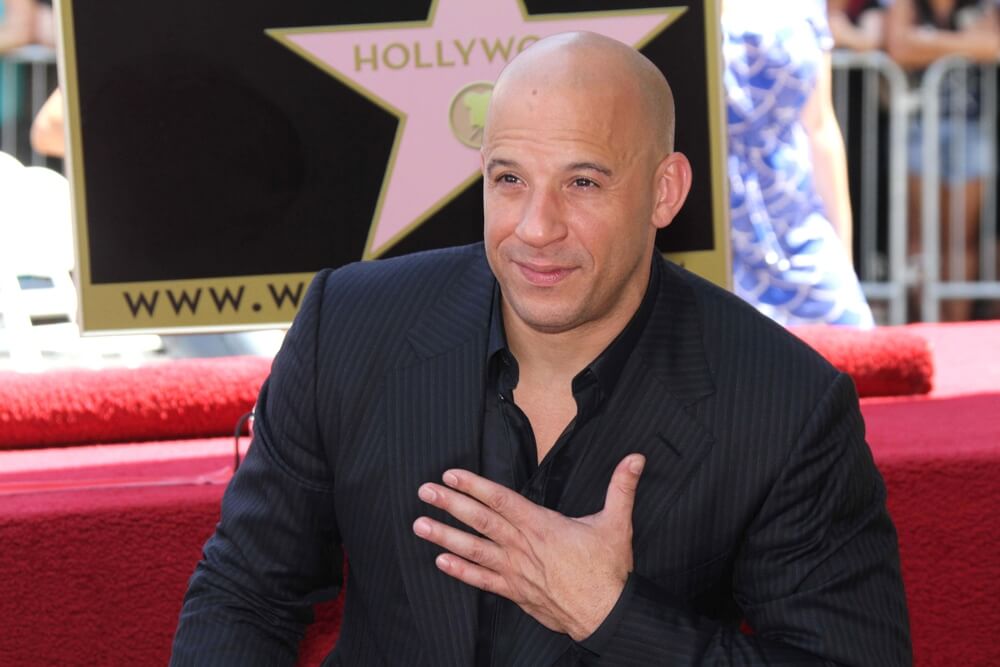
Born Mark Sinclair, the actor adopted his stage name in his youth, drawing the nickname from friends before adopting it fully as he moved into film. He has kept both his birth name and adopted name in circulation depending on the context.
Stevie Wonder
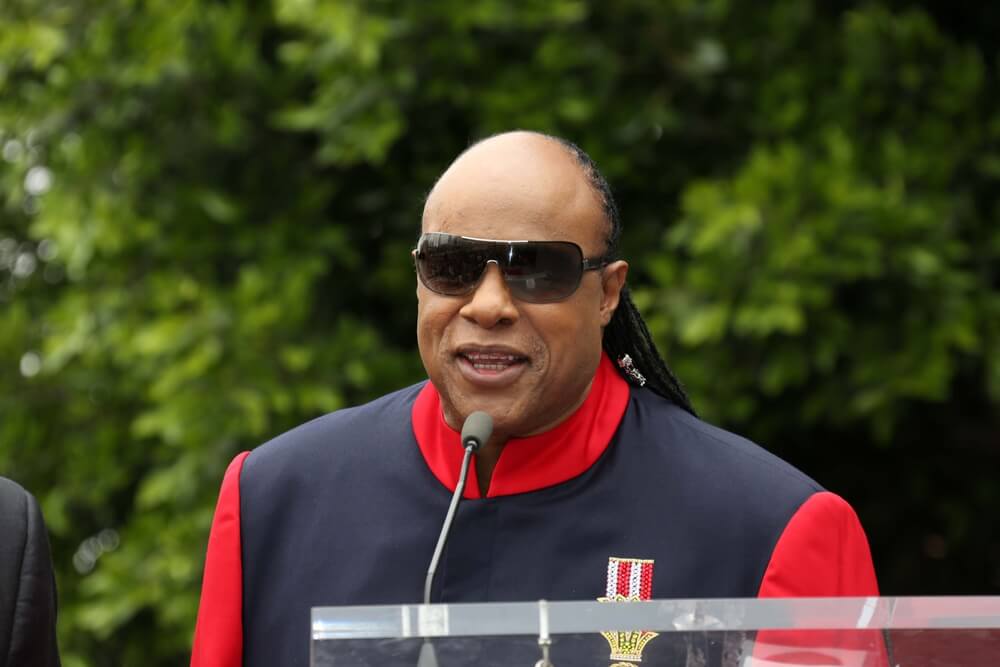
Born Steveland Judkins, later Hardaway, the musician was given his stage name by a record label executive as a child prodigy signing with Motown in the early 1960s. The name emphasized both his youth and his musical gift in a single marketing stroke.
Michael Caine
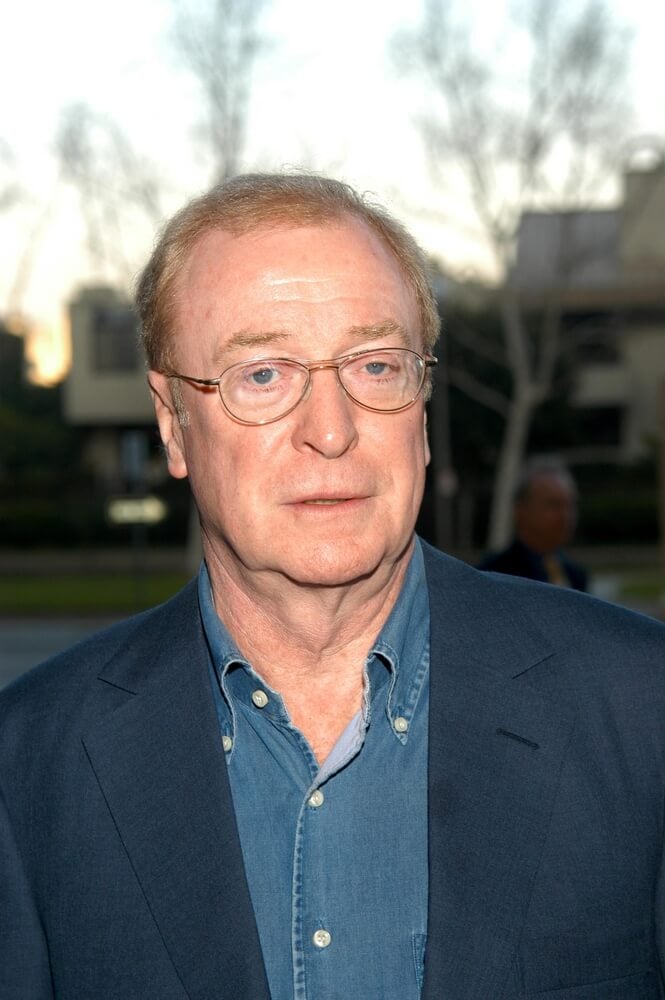
Born Maurice Micklewhite, the actor adopted his stage name in the late 1950s, reportedly choosing the surname after seeing a marquee for a film playing near a London phone booth he was using to call his agent. The story has become one of the most repeated anecdotes in British film history.
Tom Cruise
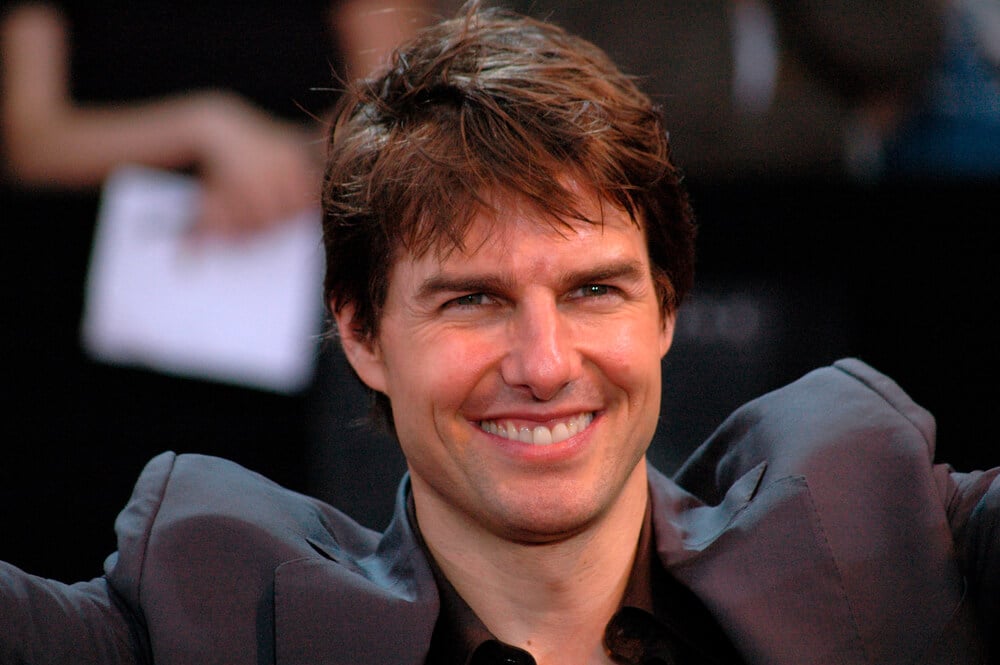
Born Thomas Mapother IV, the actor dropped his family surname professionally as he began his film career in the early 1980s, using his middle name instead. The choice distanced his public identity from three generations of men who shared the same full name before him.
Ben Kingsley
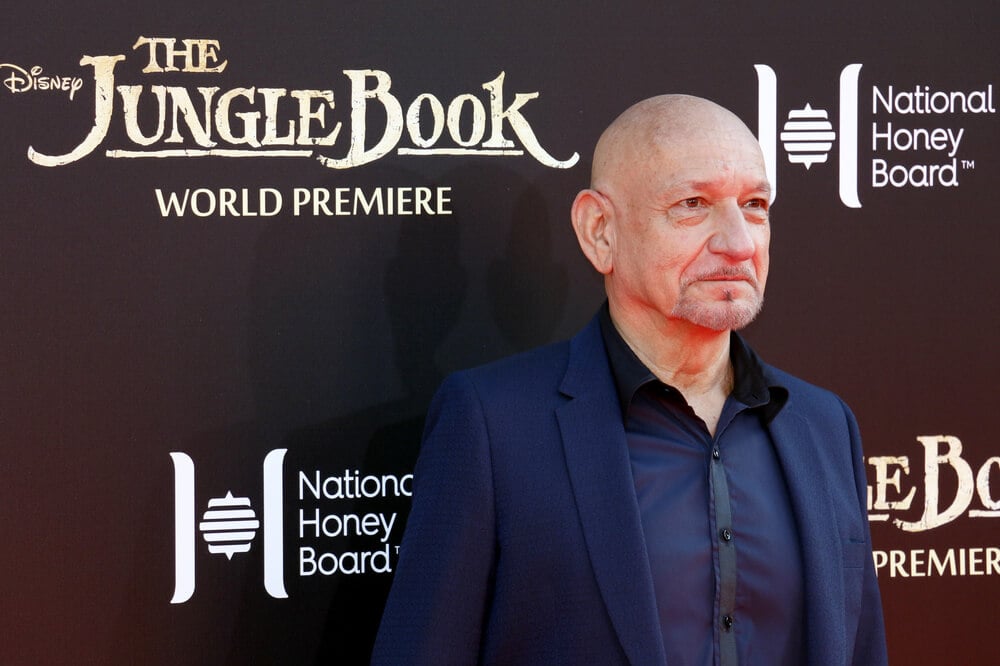
Born Krishna Pandit Bhanji, the actor adopted his stage name early in his career on the advice that it would be easier for casting directors and audiences to remember. He has spoken about maintaining both identities and their respective family and professional meanings throughout his life.
Jon Stewart
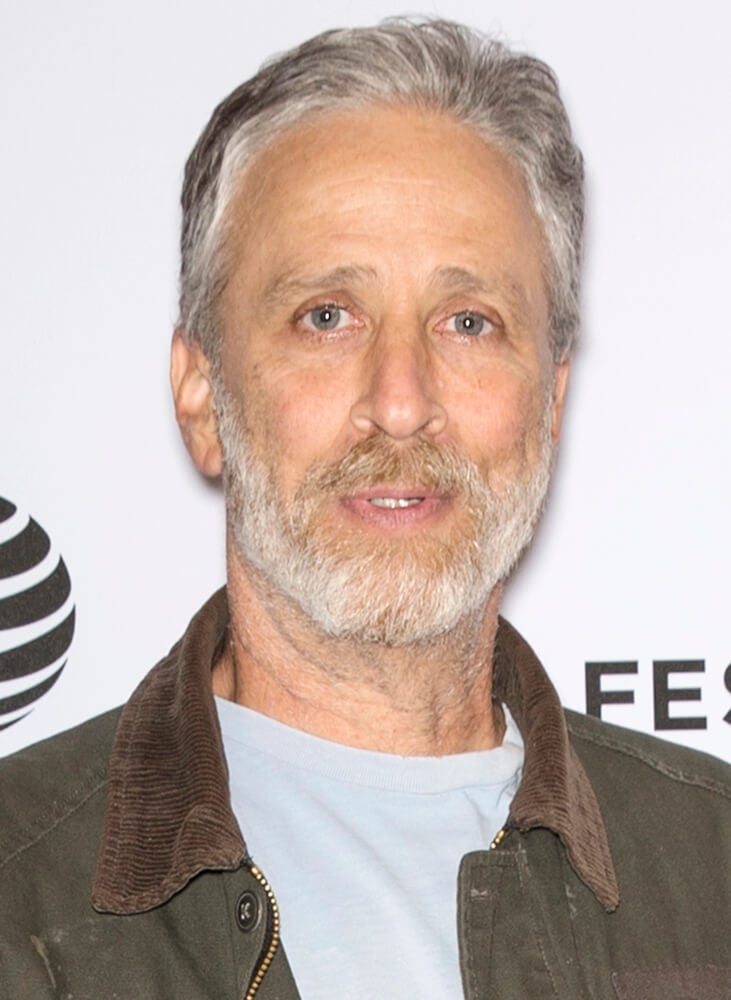
Born Jonathan Stuart Leibowitz, the comedian and television host adopted a shortened stage surname early in his stand-up career. He has said the decision was practical rather than an attempt to obscure his background.
A New Name Is a New Beginning, on Paper
None of these changes were accidents of spelling or simple stage convenience, even when they were framed that way at the time. Each one marked a decision to be known differently than the record of one’s birth suggested, whether the motive was political, professional, or deeply personal.
What is easy to miss is how much a name change actually costs the person making it. It severs a public thread back to family, homeland, or origin, and it asks the world to accept a new version of someone it may have already met.
Every person on this list made that trade anyway, and history mostly remembers the name they chose rather than the one they were given.
More from Go2Tutors!

- The Romanov Crown Jewels and Their Tragic Fate
- 13 Historical Mysteries That Science Still Can’t Solve
- Famous Hoaxes That Fooled the World for Years
- 15 Child Stars with Tragic Adult Lives
- 16 Famous Jewelry Pieces in History
Like Go2Tutors’s content? Follow us on MSN.