30 Engineering Feats Built Faster Than Anyone Expected
Big infrastructure projects have a reputation for running years behind schedule, so the ones that beat the clock stand out precisely because they are the exception. Some succeeded through wartime urgency, some through sheer manpower, and some through construction methods nobody had tried before at that scale.
What they share is a deadline that looked unreasonable on paper and a finished structure that proved it wasn’t.
Empire State Building
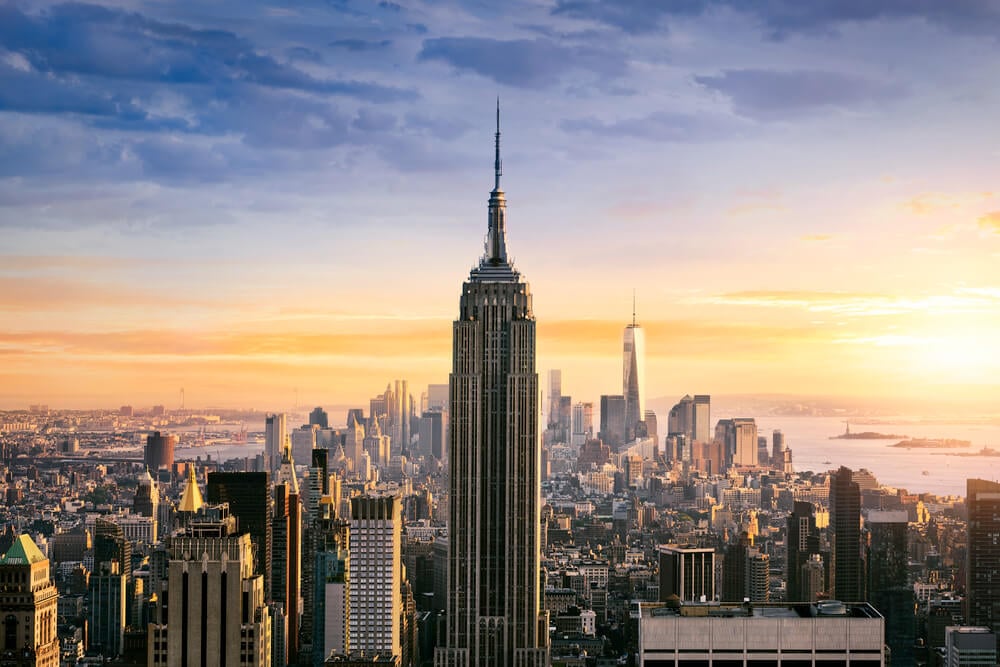
Construction on the Empire State Building began in March 1930 and wrapped in just 410 days, with crews at points assembling four and a half stories of steel frame in a single week. Up to 3,400 workers were on site on the busiest days, moving materials on a miniature internal railway system to keep pace with the frame rising above them.
The building opened in May 1931, ahead of schedule and under budget, and held the title of the world’s tallest building for nearly forty years.
The Pentagon
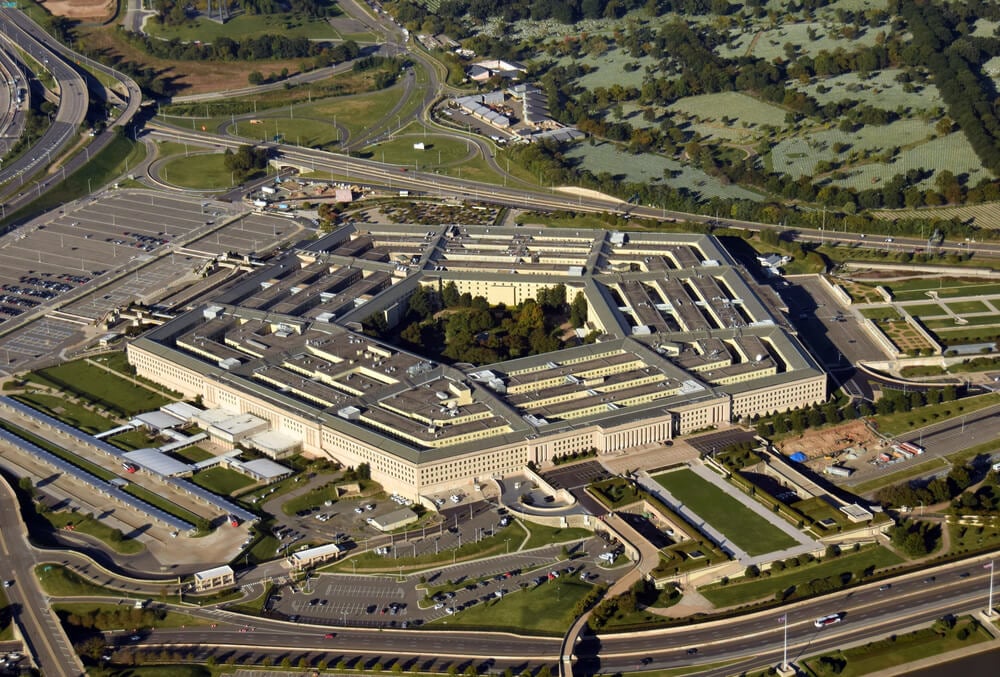
The U.S. War Department needed a massive new headquarters fast as World War II loomed, and construction on the Pentagon began in September 1941 and finished in about sixteen months. The building’s unusual five-sided shape was chosen partly because it allowed construction to proceed efficiently on an irregular plot of land near the Potomac River.
At the time of its completion in early 1943, it was the largest office building in the world by floor area.
Golden Gate Bridge
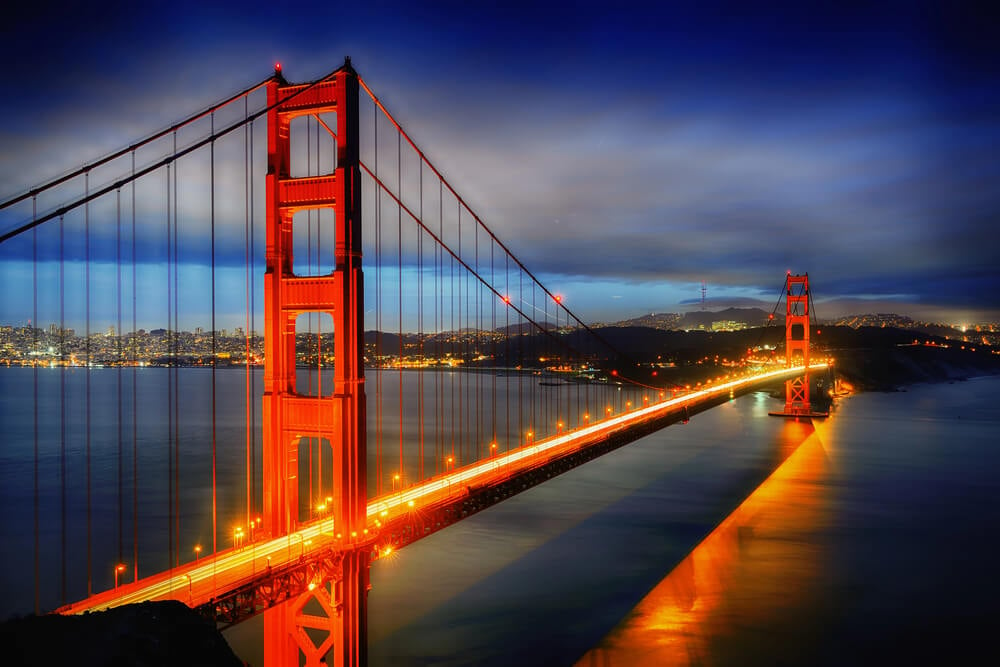
Chief engineer Joseph Strauss led construction of the Golden Gate Bridge starting in January 1933, spanning the mile-wide, current-swept entrance to San Francisco Bay in a little over four years. The project finished under its original budget and ahead of its scheduled opening, a rarity for a suspension bridge of its size and difficulty.
It opened to the public in May 1937 and remained the longest suspension bridge span in the world for nearly three decades.
Hoover Dam
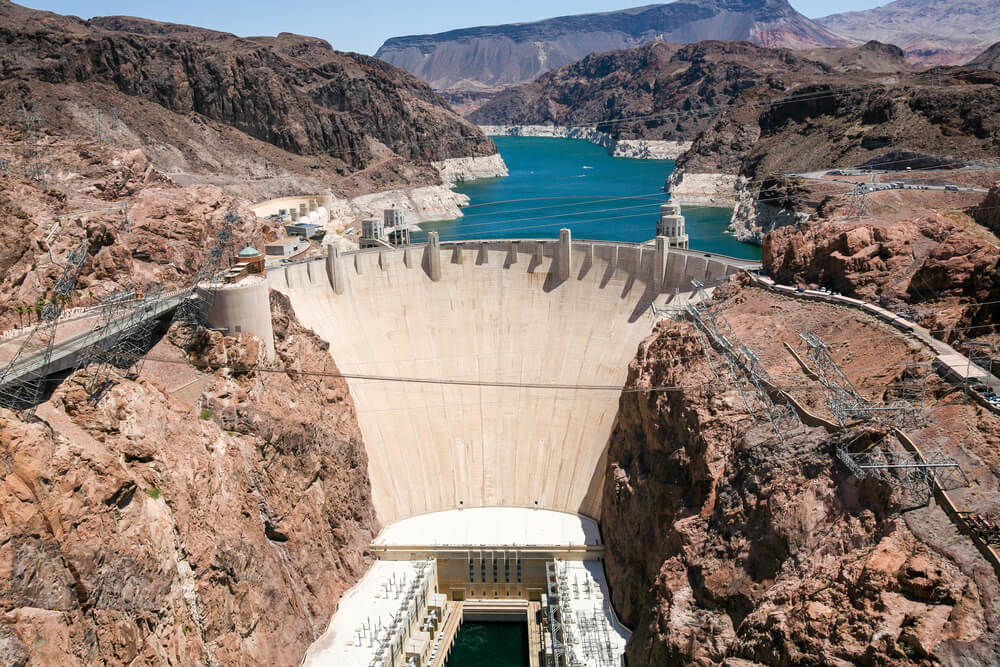
Six construction companies formed a joint venture to build Hoover Dam starting in 1931, working around the clock in the Nevada desert heat to pour concrete for a structure originally scheduled to take about seven years. Engineers cooled the massive concrete pours with an internal network of pipes carrying refrigerated water, preventing the mass from cracking as it cured.
The dam was finished more than two years ahead of its original 1938 target, one of the largest public works projects ever delivered early.
Panama Canal
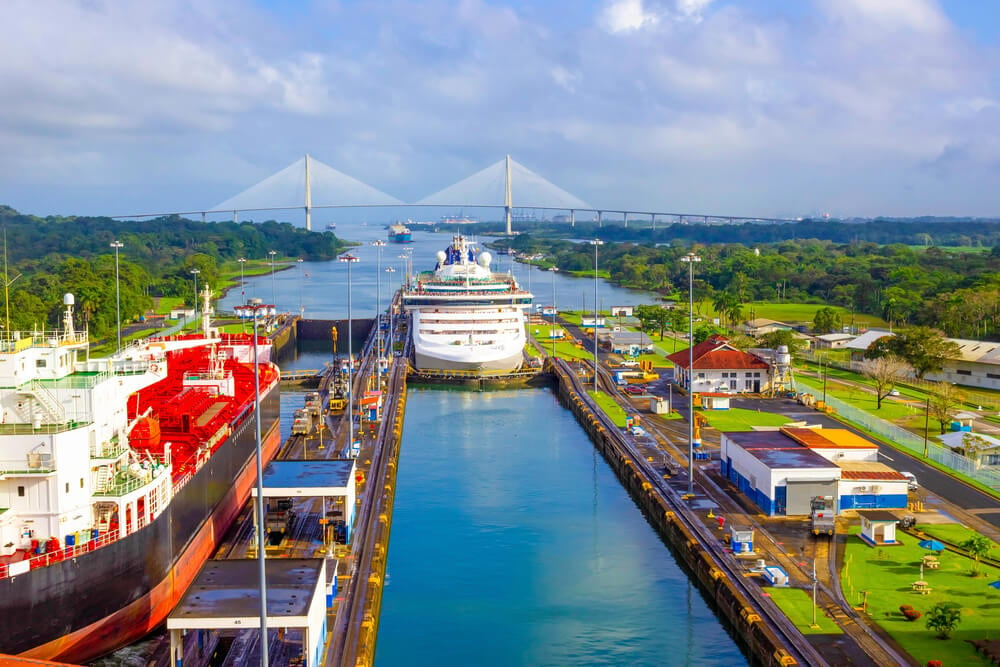
French efforts to build a canal across Panama collapsed in the 1880s after a decade of disease and engineering failures, but the United States took over the project in 1904 under chief engineer John Stevens and later George Goethals. Shifting the design from a sea-level canal to a lock-based system, and investing heavily in mosquito control to curb yellow fever and malaria, let American crews finish what the French effort couldn’t.
The canal opened in 1914, roughly a decade after the U.S. took charge, connecting the Atlantic and Pacific for the first time.
Chrysler Building
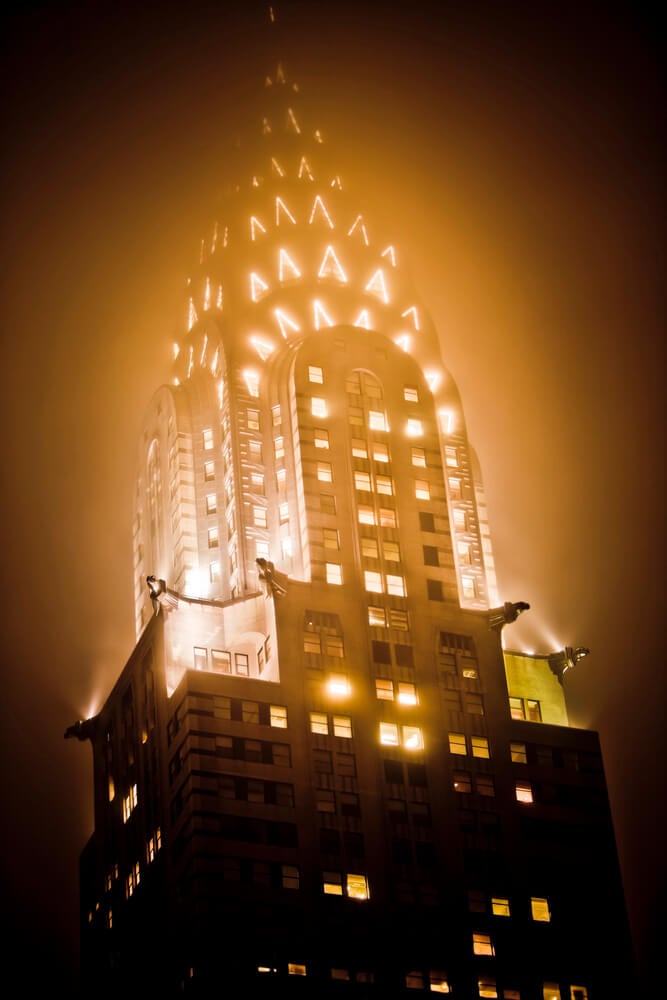
Walter Chrysler’s namesake skyscraper rose in Manhattan in a race against the Bank of Manhattan Trust building for the title of world’s tallest, with construction running from 1928 to 1930, close to a year of actual steel work. Architect William Van Alen secretly assembled the building’s now-famous spire inside the structure and raised it into place in about ninety minutes near the very end of construction, catching rival builders off guard.
The finished spire pushed the Chrysler Building past its competitor and briefly made it the tallest building on Earth.
The Crystal Palace
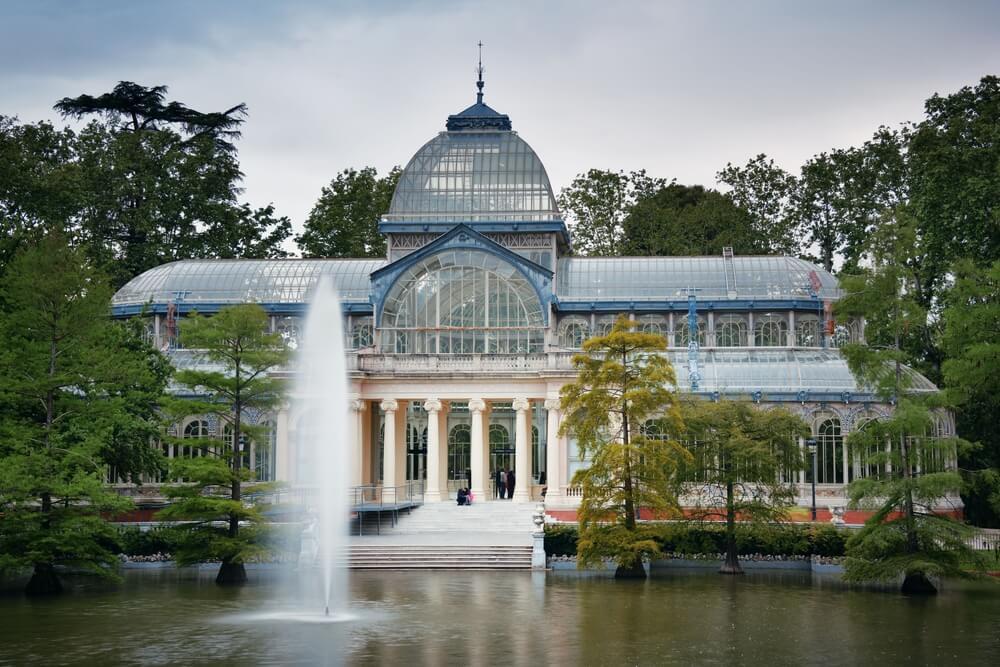
Joseph Paxton designed the Crystal Palace, a cast-iron and glass exhibition hall covering nineteen acres, in a matter of weeks to house London’s Great Exhibition of 1851. The structure went from groundbreaking to completion in about five months, using prefabricated, standardized parts that could be assembled quickly on site, an almost industrial approach to building that was unheard of at the time.
It housed millions of visitors during the exhibition and was later moved and reassembled elsewhere in London.
The SS Robert E. Peary
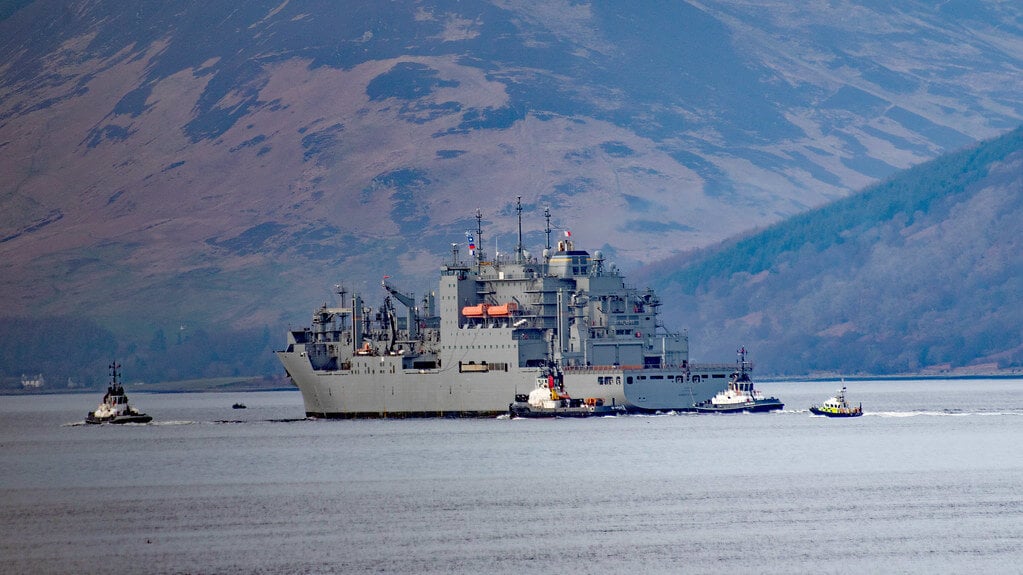
American shipyards raced to build cargo ships during World War II, and the Kaiser Shipyard in California turned the process into a publicity stunt in November 1942 by assembling the Liberty ship SS Robert E. Peary in just four days and fifteen hours from keel-laying to launch. Prefabricated sections were built off-site and welded together on the slipway rather than riveted piece by piece, a method that let American yards eventually launch a new cargo ship roughly every day at peak wartime output.
The Peary itself went on to complete regular Pacific supply runs after its record-setting launch.
The Alaska Highway
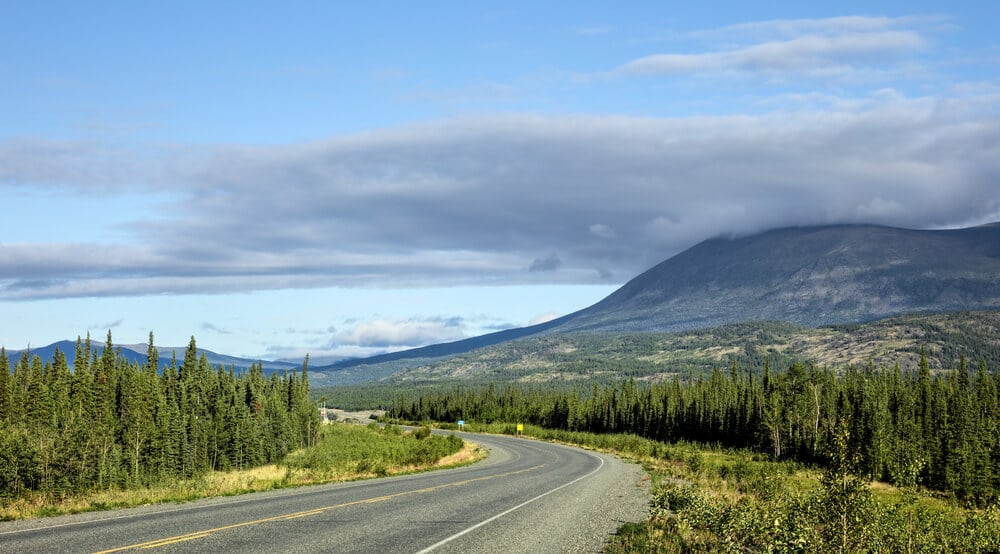
The United States and Canada agreed to build a road connecting the Alaska territory to the rest of North America after the attack on Pearl Harbor raised fears of a Pacific invasion, and army engineers began cutting the route through 1,700 miles of largely unmapped wilderness in March 1942. Crews worked through mosquito swarms, permafrost, and temperatures that swung from summer heat to deep freeze, finishing a passable pioneer road in about eight months.
The highway was later upgraded and paved over subsequent years, but the original wartime push remains one of the fastest large-scale road projects on record.
The Hanford B Reactor
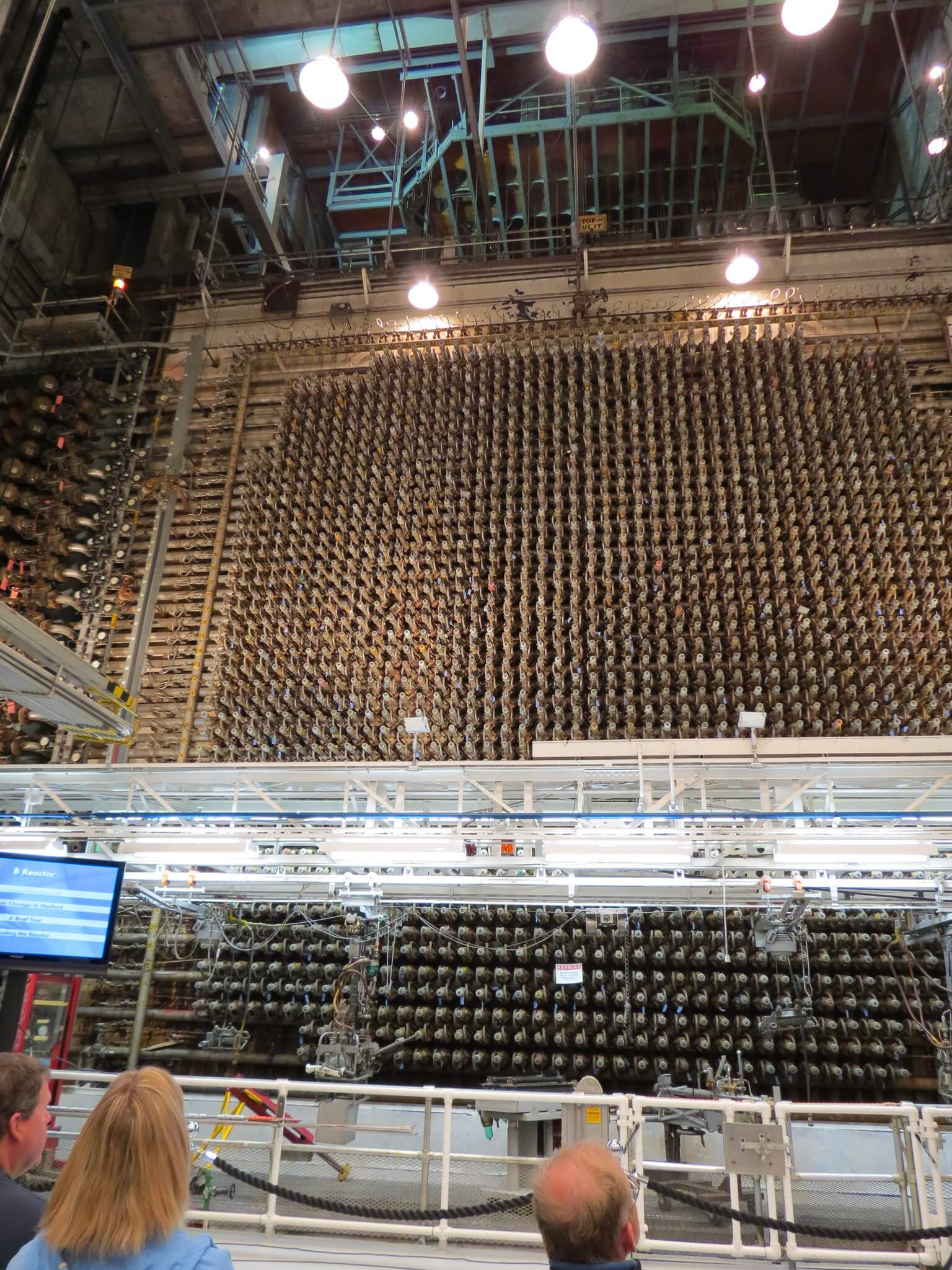
The Manhattan Project needed a full-scale plutonium production reactor fast, and construction on the Hanford B Reactor in Washington state began in 1943 with a workforce that swelled into the tens of thousands. Engineers built the reactor and its surrounding facilities in about eleven months, going from an empty desert site to a functioning nuclear reactor that started up in September 1944.
Plutonium produced there was used in the first nuclear test and in the bomb dropped on Nagasaki less than a year after the reactor first went critical.
Petronas Towers
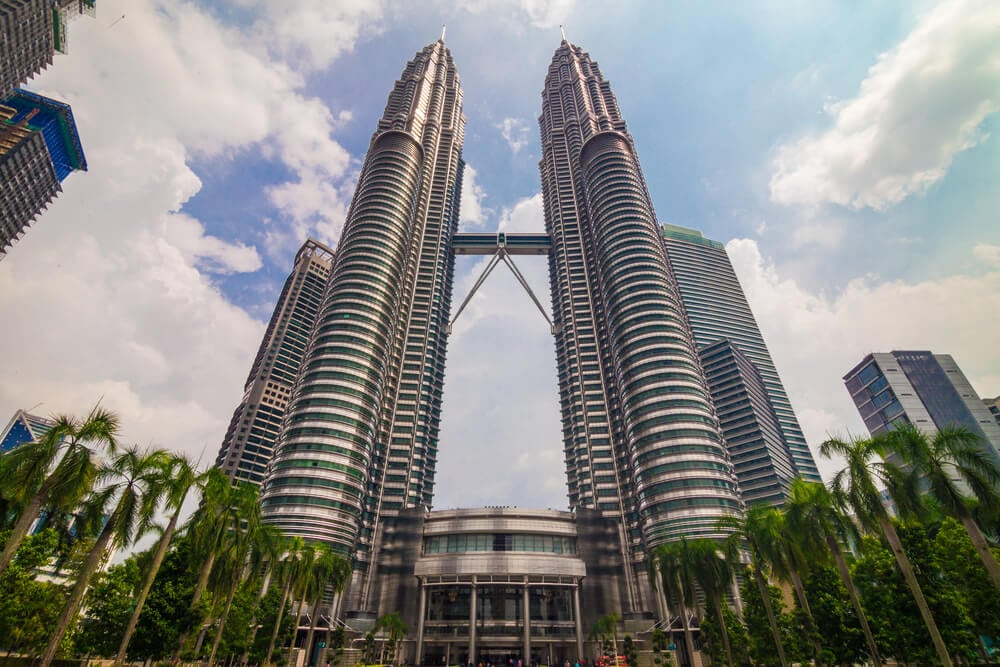
Malaysia set out to build the tallest twin towers in the world in Kuala Lumpur, and construction on the Petronas Towers ran from 1993 to 1998, about six years for a pair of 88-story skyscrapers connected by a skybridge. Different contractors built each tower simultaneously in a competitive arrangement that kept both crews working at a rapid pace to avoid falling behind the other tower.
The towers opened in 1998 and briefly held the title of the world’s tallest buildings, a record they kept until 2004.
George Washington Bridge
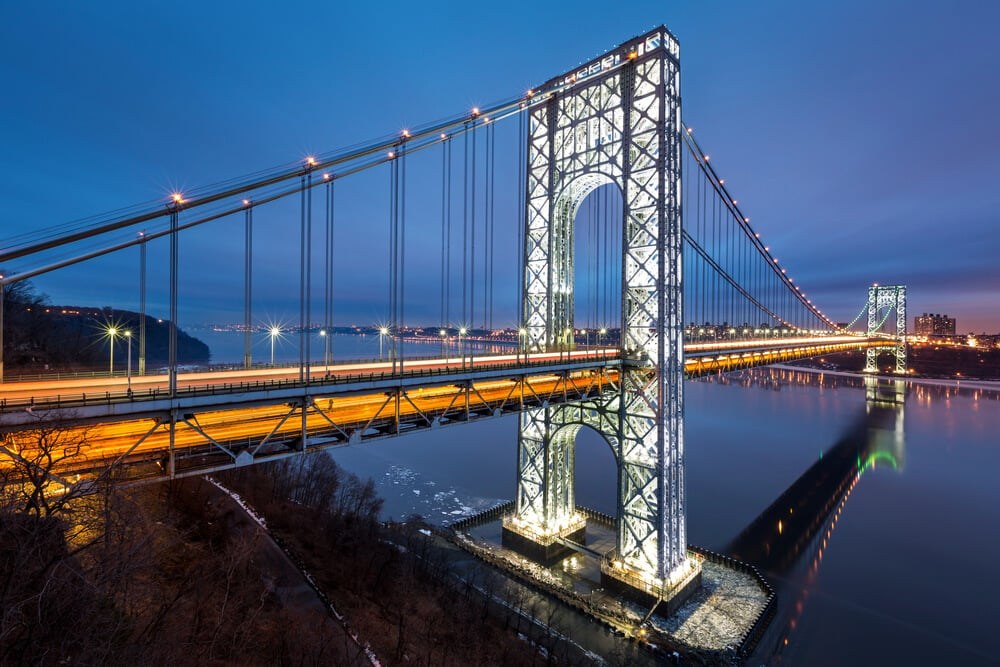
Engineer Othmar Ammann designed the George Washington Bridge to span the Hudson River between New York and New Jersey, and construction ran from 1927 to 1931, about four years for what was, at the time, the longest suspension bridge span ever built. The bridge opened months ahead of its scheduled date and came in well under its original cost estimate.
Its unfinished steel towers, originally meant to be clad in masonry, were left exposed and became an accidental architectural signature rather than a budget compromise anyone noticed at the time.
San Francisco-Oakland Bay Bridge
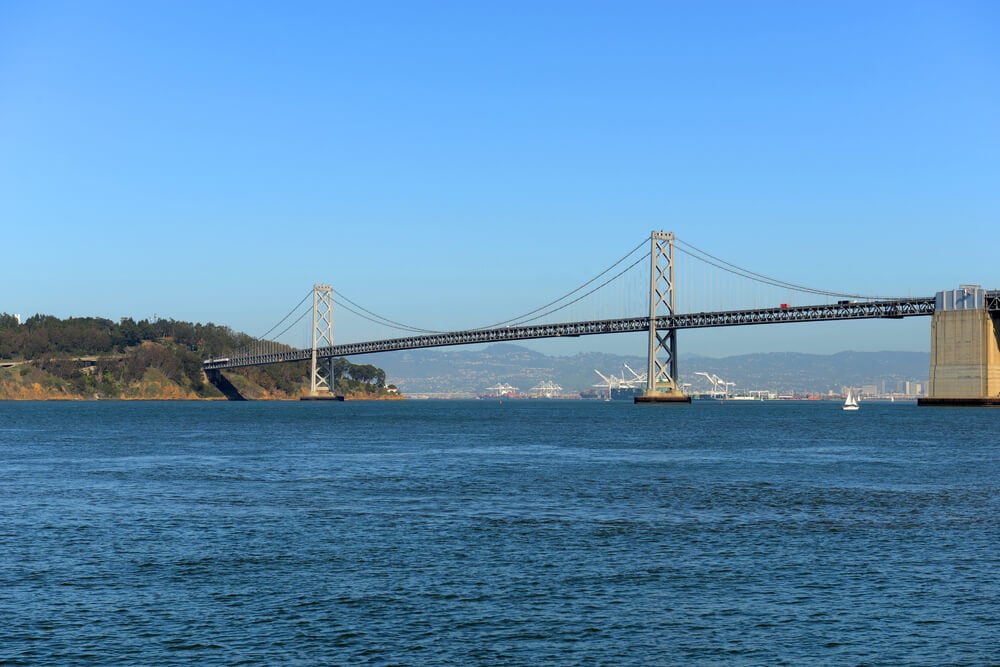
Construction on the original San Francisco-Oakland Bay Bridge began in 1933, the same year as the nearby Golden Gate Bridge, and crews finished the roughly eight-mile crossing, including a tunnel through Yerba Buena Island, in about three and a half years. It opened to traffic in November 1936, months before the Golden Gate Bridge across the bay finished its own span.
At the time, it was the longest bridge in the world and one of the most complex, combining suspension spans, a cantilever section, and a truss bridge in a single crossing.
Willis Tower
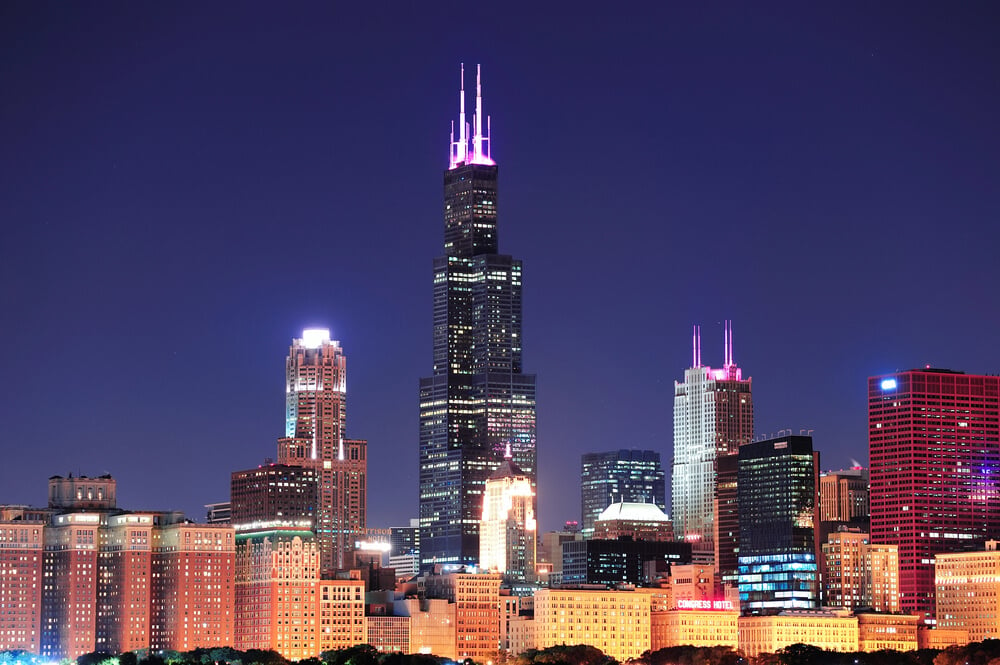
Chicago’s Sears Tower, now known as Willis Tower, used an innovative bundled-tube structural design that let it rise faster and more efficiently than earlier skyscraper methods, with construction running from 1970 to 1973. The building topped out at 108 stories in about three years, becoming the tallest building in the world at the time of its completion.
It held that title for roughly twenty-five years before being surpassed by buildings in Asia and the Middle East.
Burj Khalifa
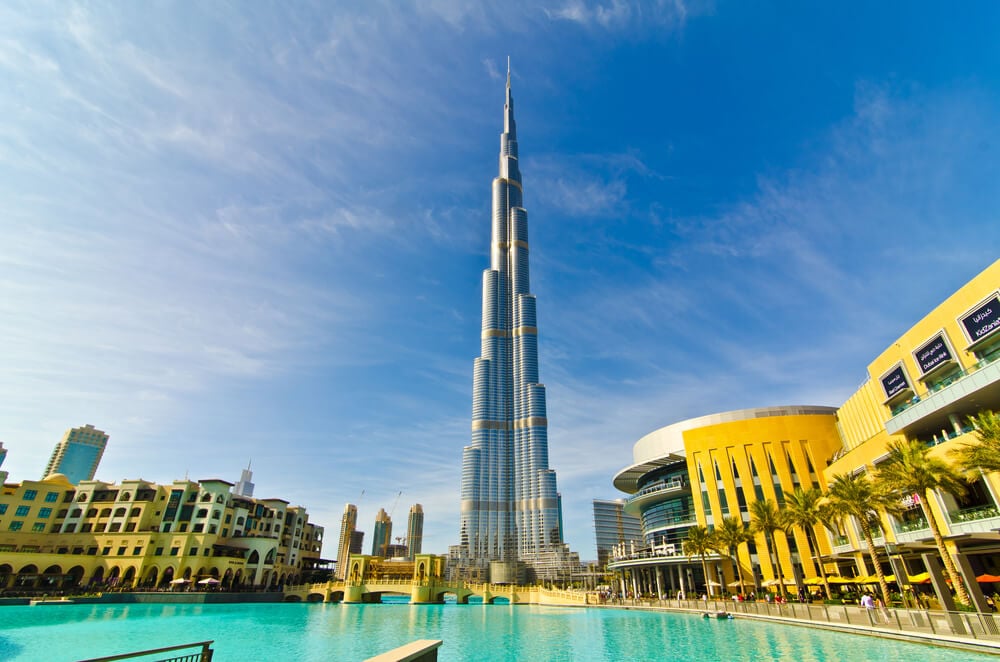
Dubai’s Burj Khalifa rose from foundation to spire in about six years, with construction running from 2004 to 2009, an unusually fast pace for a building that would end up standing more than half a mile tall. Crews used a buttressed core design and continuous concrete pouring cycles, at points completing a floor every three days during the building’s fastest stretch.
It opened in January 2010 as the tallest structure ever built by a wide margin, a record it still holds.
Huoshenshan Hospital

Chinese construction crews built the 1,000-bed Huoshenshan Hospital in Wuhan in about ten days in early 2020, racing to add emergency capacity as COVID-19 cases surged in the city. Thousands of workers operated around the clock using prefabricated modular units trucked in and assembled on site, along with heavy machinery livestreamed to millions of viewers watching the build in real time.
The hospital began accepting patients within days of the first cases being confirmed in the surrounding province.
Mini Sky City
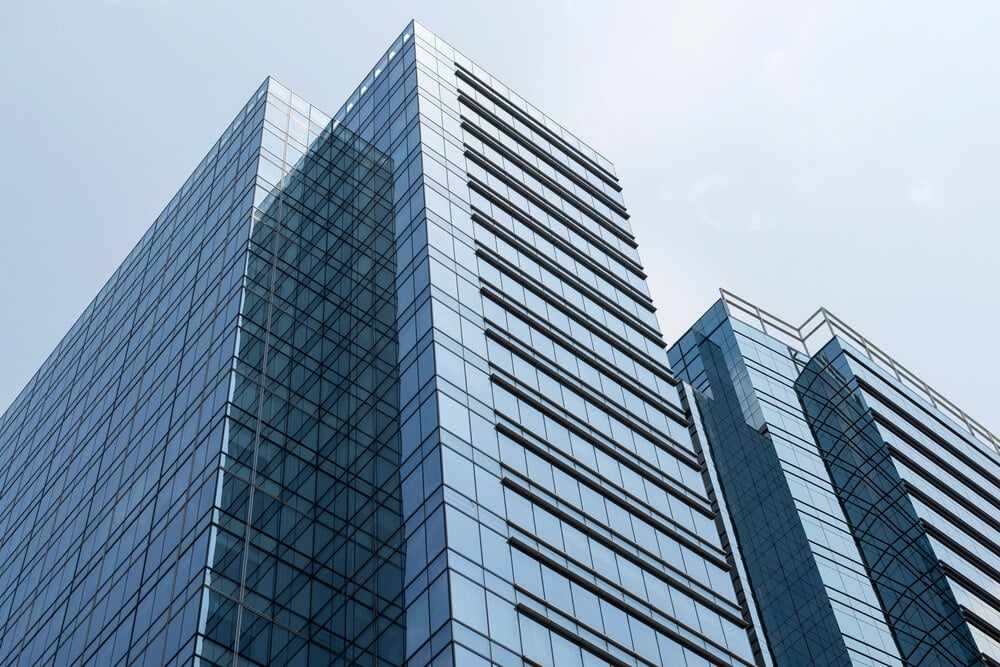
A Chinese construction firm called Broad Sustainable Building assembled a 57-story prefabricated hotel and office tower in Changsha in just nineteen working days in 2015, using modular floor sections manufactured off-site and stacked into place at a rate of roughly three stories a day. The building included full plumbing, wiring, and finished interiors installed largely before each module ever reached the site.
The project drew both admiration for the engineering and skepticism about safety standards achievable at that pace.
Levittown
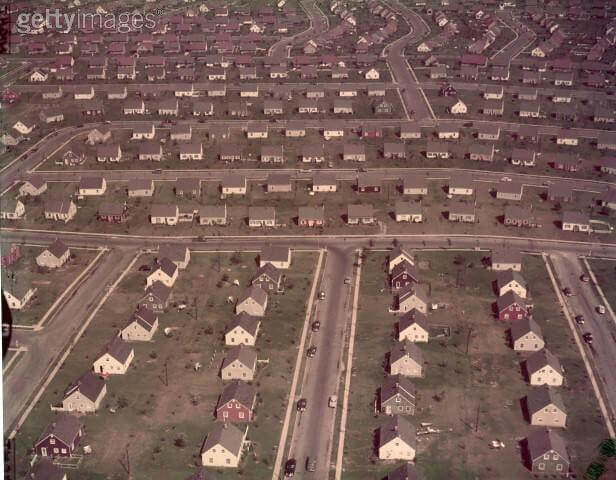
Builder William Levitt adapted assembly-line construction techniques to home building on Long Island starting in 1947, breaking the building process into specialized steps performed by different crews moving from house to house. At peak output, Levitt’s crews were completing roughly thirty houses a day, an output previously unheard of in residential construction.
Levittown grew to more than 17,000 houses within a few years and became the model for postwar suburban development across the country.
Notre-Dame Restoration
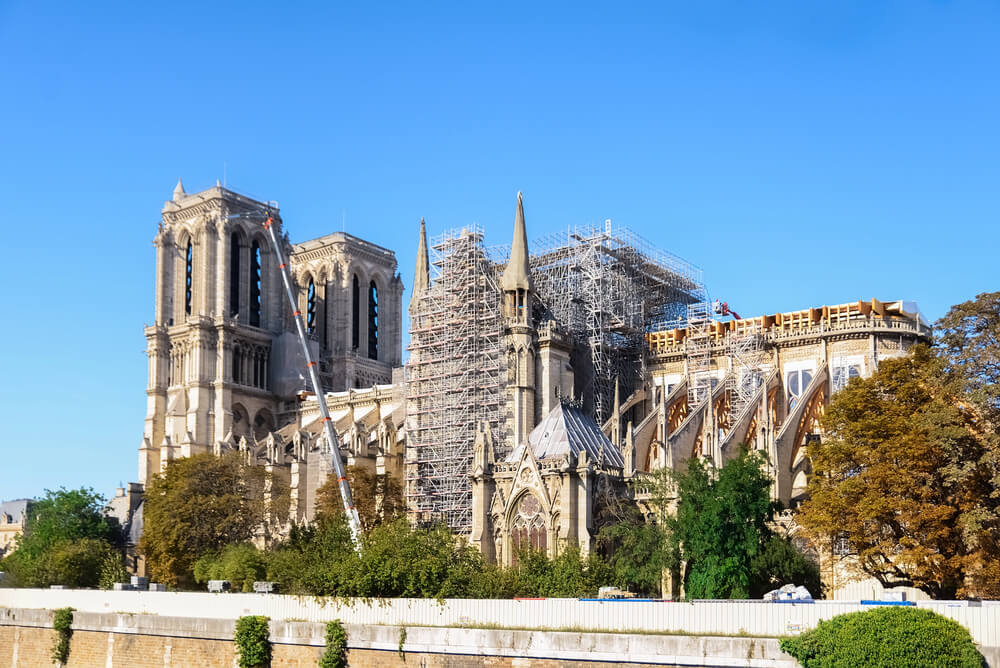
A fire tore through the roof and spire of Notre-Dame de Paris in April 2019, and initial estimates from officials suggested a full restoration could take a decade or longer given the scale of the damage and the need for historically accurate materials and techniques. French President Emmanuel Macron set an ambitious five-year target that many specialists considered unrealistic at the time.
Crews reopened the cathedral to the public in December 2024, hitting the original deadline despite pandemic delays and the complexity of the restoration work involved.
Beijing-Shanghai High-Speed Rail
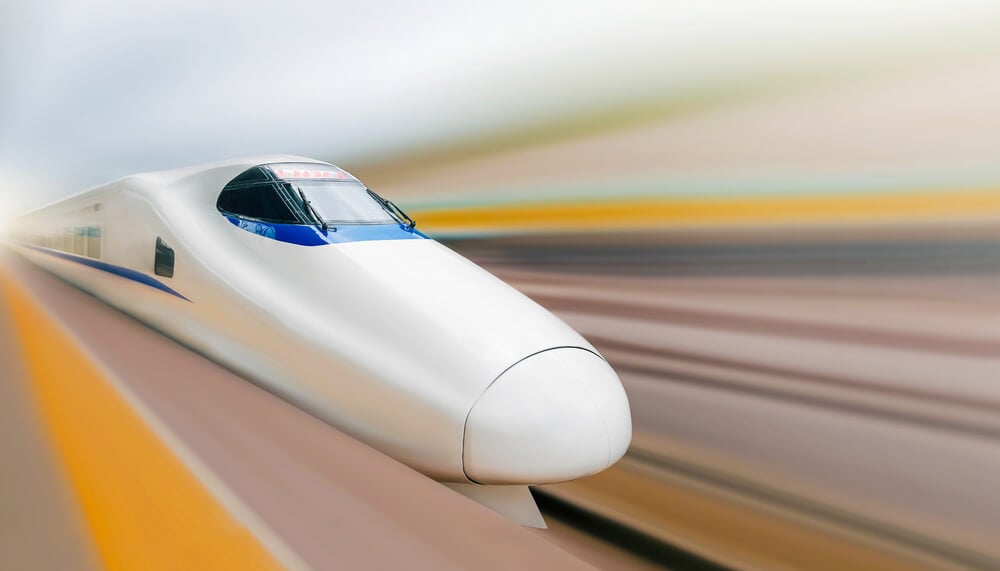
China built its Beijing-Shanghai high-speed rail line, covering roughly 819 miles between the two cities, in about three years, with construction running from 2008 to 2011. The line included hundreds of bridges and tunnels along the route and was designed to carry trains at speeds exceeding 200 miles per hour.
It opened in 2011 as one of the most heavily used high-speed rail corridors in the world.
Kansai International Airport
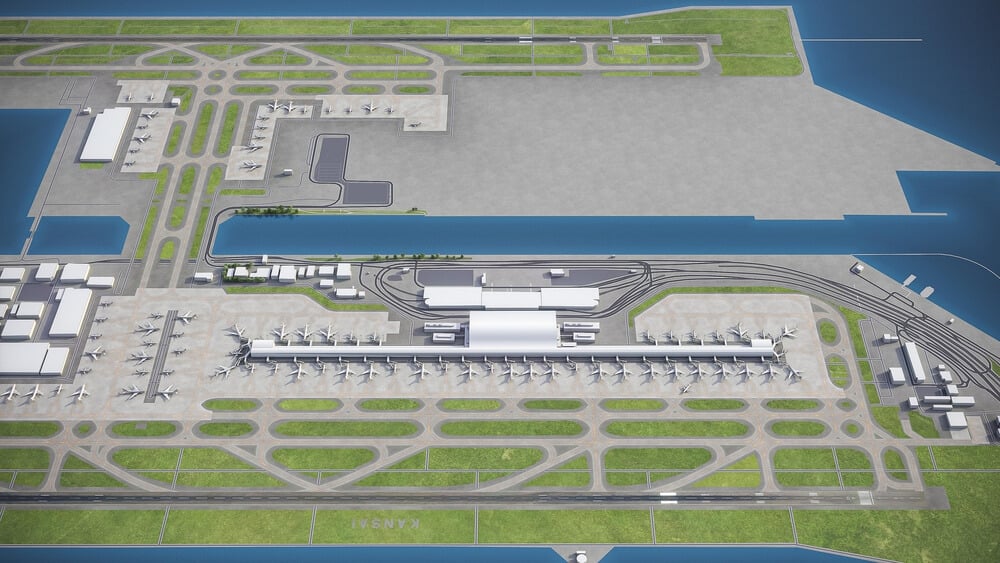
Japan built Kansai International Airport on an entirely artificial island in Osaka Bay, reclaiming the land from open water before any terminal construction could even begin, with the full project running from 1987 to 1994. Engineers had to account for the island gradually sinking under its own weight into the soft seabed, adjusting the structure’s supports throughout construction to compensate.
The airport opened in 1994 as one of the most technically ambitious airport projects ever completed, built in roughly seven years, land reclamation included.
Verrazzano-Narrows Bridge
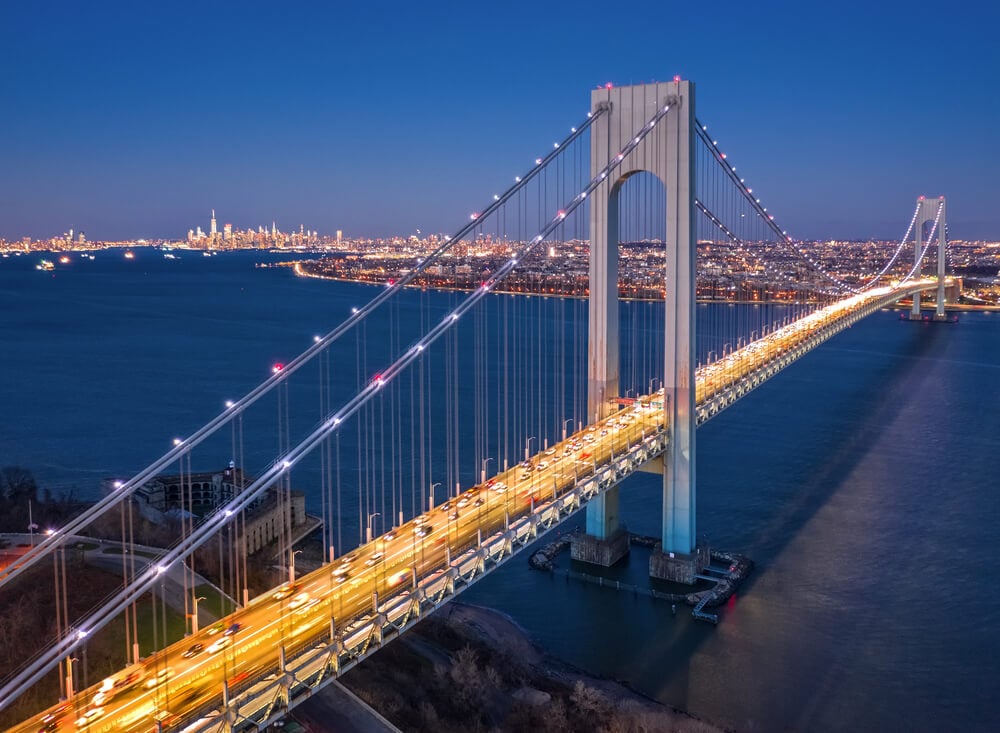
Engineer Othmar Ammann, decades after his work on the George Washington Bridge, designed the Verrazzano-Narrows Bridge connecting Staten Island and Brooklyn, with construction running from 1959 to 1964, about five years for what became the longest suspension bridge span in the world at the time. Engineers had to account for the curvature of the Earth in the placement of the bridge’s two towers, which stand slightly farther apart at the top than at the base.
It opened in November 1964 and held its length record for sixteen years.
Confederation Bridge
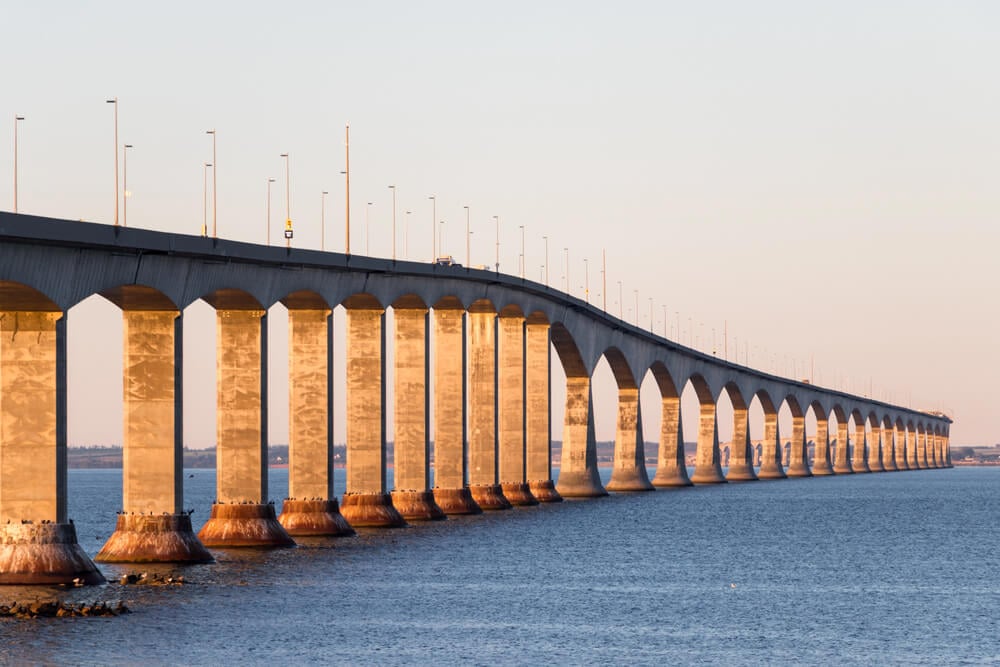
Canada built the Confederation Bridge connecting Prince Edward Island to the mainland across the ice-choked Northumberland Strait, with construction running from 1993 to 1997, about four years for an eight-mile crossing built to withstand seasonal ice floes. Engineers precast the massive concrete piers and spans on land and floated them into position using specialized barges, minimizing the amount of work performed over open water.
The bridge opened in 1997 and remains the longest bridge in the world built over ice-covered water.
Chek Lap Kok Airport
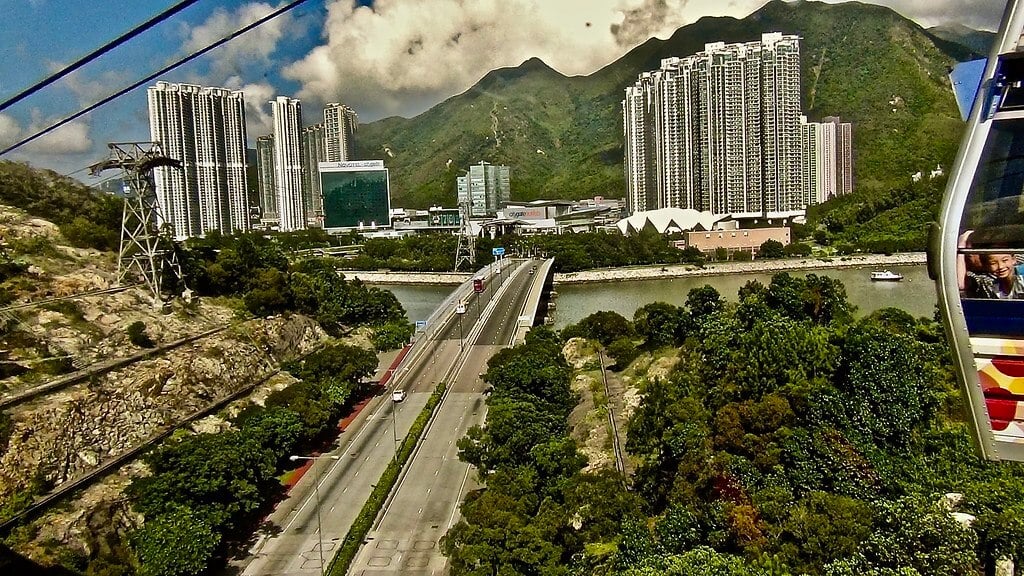
Hong Kong built its new international airport at Chek Lap Kok by leveling two islands and reclaiming surrounding seabed to create a site large enough for the terminal and runways, with the full project running from about 1991 to 1998. The undertaking required moving hundreds of millions of cubic yards of earth and building new highway and rail links to connect the remote site to the city.
The airport opened in 1998, roughly seven years after the reclamation work began, and quickly became one of the busiest cargo hubs in the world.
New Suez Canal Expansion
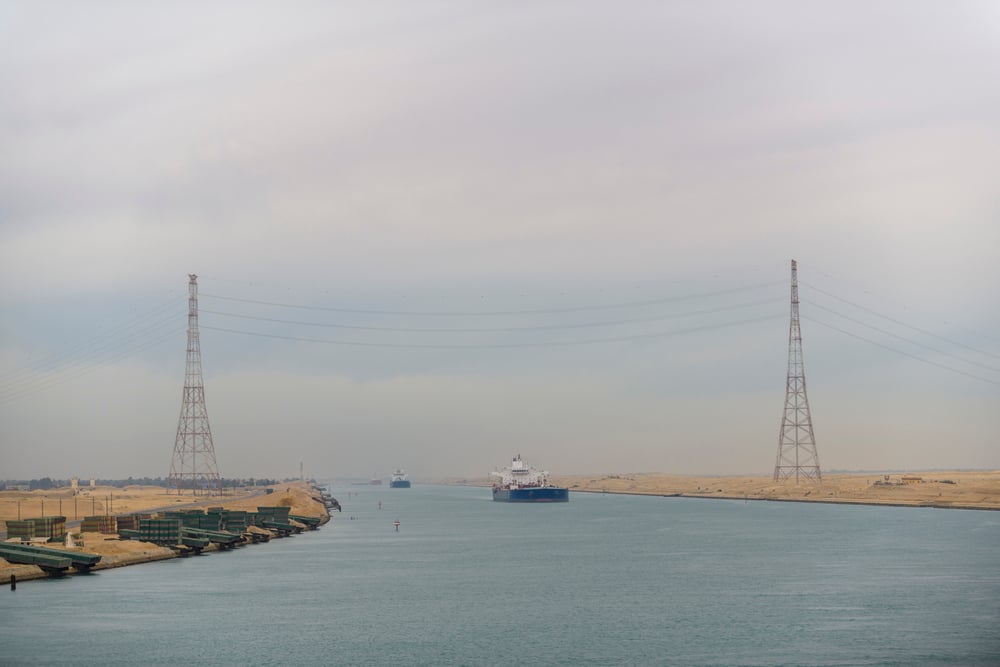
Egypt announced a major expansion of the Suez Canal in 2014, adding a new parallel channel to allow two-way traffic along a stretch of the waterway, and set an aggressive one-year construction target that outside engineers widely doubted was achievable. Dredging crews worked around the clock, deploying a large share of the world’s available dredging fleet to the project simultaneously.
The expanded canal opened in August 2015, on the anniversary the government had originally promised.
Tokyo’s 1964 Olympic Infrastructure
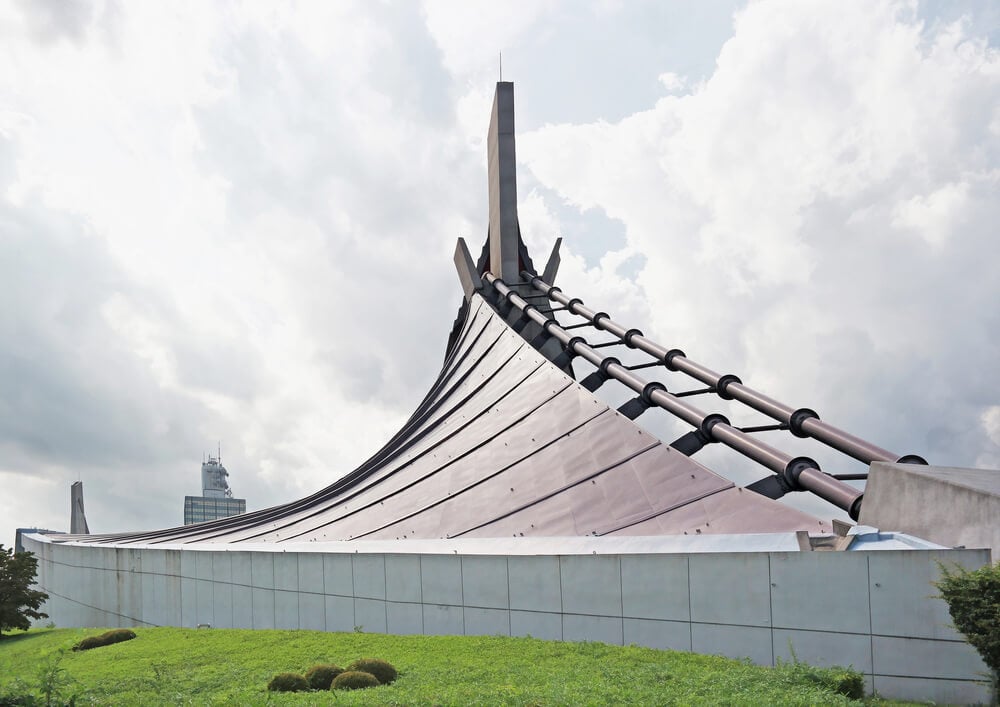
Tokyo rebuilt large parts of its transportation network ahead of the 1964 Summer Olympics, including new expressways and the Tokaido Shinkansen, the world’s first high-speed rail line, completing the bullet train line in about five years despite the enormous engineering challenge of running it through dense, earthquake-prone terrain. Crews also built an elevated monorail connecting central Tokyo to Haneda Airport in under two years to handle Olympic visitor traffic.
Both projects opened just days before the Games began in October 1964, cutting the schedule closer than organizers had hoped.
Apollo’s Launch Complex 39
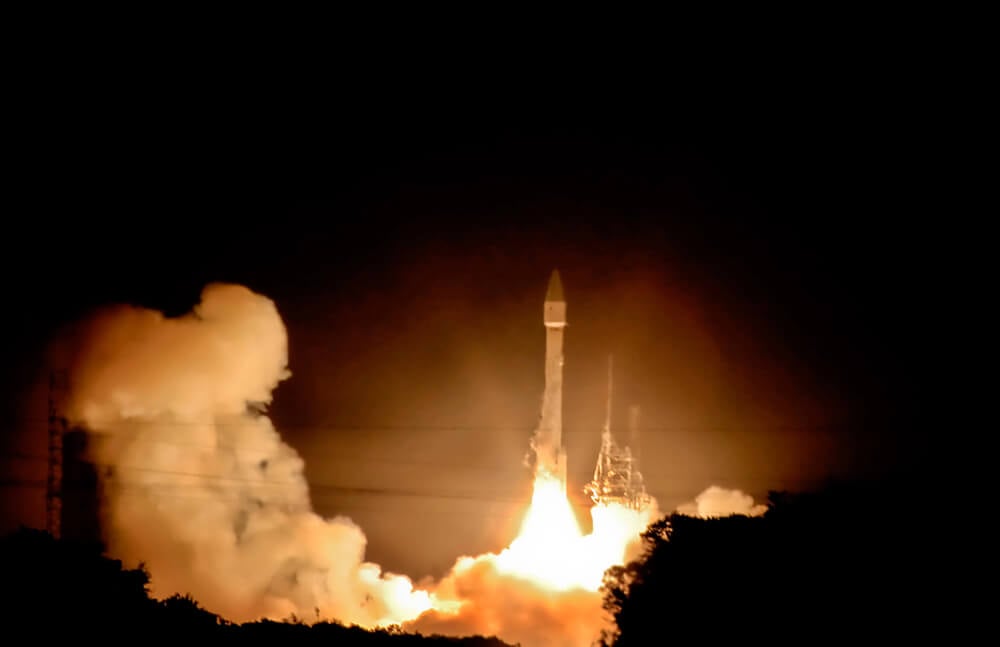
NASA needed a launch facility capable of handling the enormous Saturn V rocket, and construction on Launch Complex 39 at Kennedy Space Center, including the Vehicle Assembly Building, one of the largest buildings in the world by volume, ran from 1963 to 1966, about three years to meet the decade’s end deadline President Kennedy had set for a moon landing. The Vehicle Assembly Building alone stands more than 500 feet tall and was built specifically to allow rockets to be stacked vertically indoors before rolling out to the pad.
The complex supported every Apollo moon launch and, later, decades of Space Shuttle missions.
The Berlin Wall
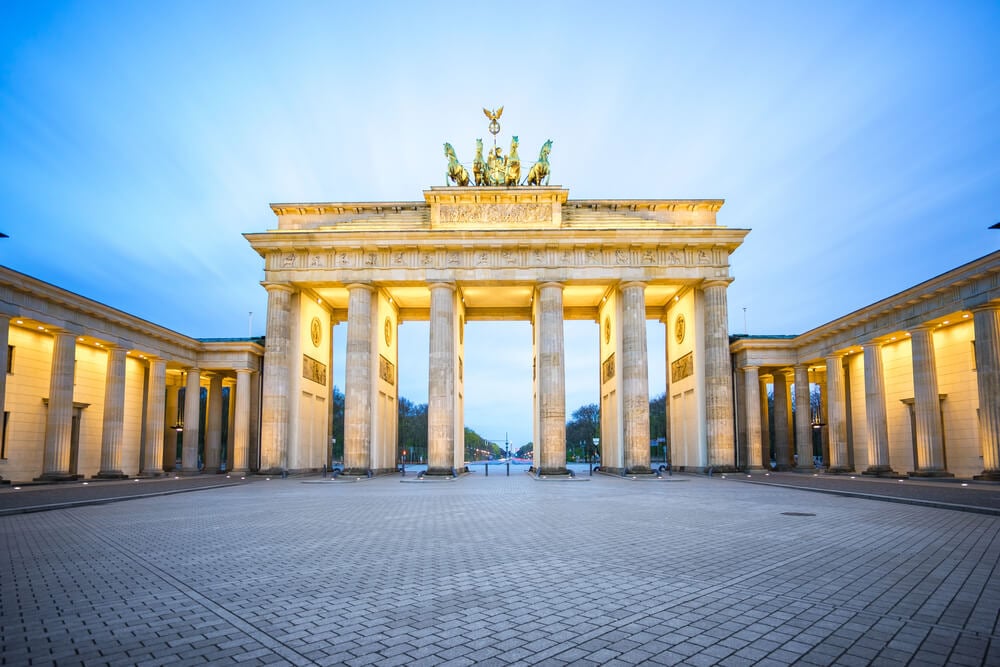
East German authorities began sealing the border between East and West Berlin overnight on August 13, 1961, stringing barbed wire and posting armed guards along the dividing line within hours, catching residents on both sides completely by surprise. Crews replaced the initial barbed-wire barrier with a proper concrete wall over the following days and weeks, but the essential barrier separating the city existed practically overnight.
It stood for twenty-eight years until it was torn down in 1989, remembered as a feat of speed in service of a purpose most of the world condemned.
Beijing Daxing International Airport
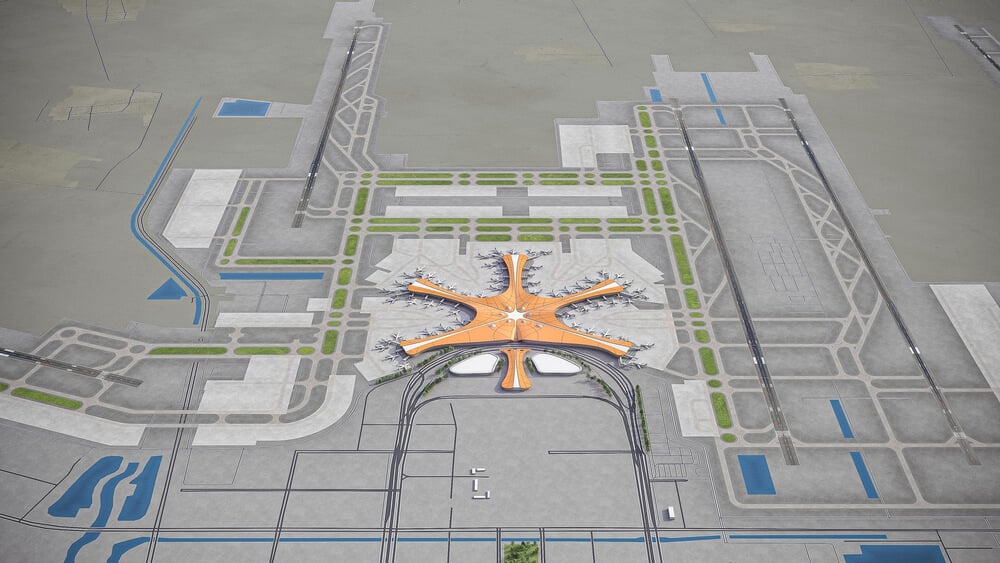
China built Beijing Daxing International Airport, home to one of the largest single airport terminals in the world, in about four and a half years, with major construction running from 2015 to 2019. The star-shaped terminal was designed to let the farthest gate be reached on foot within about eight minutes, a deliberate engineering constraint that shaped the entire building’s layout.
It opened in September 2019, ahead of several comparable mega-airport projects elsewhere that took considerably longer to complete.
Moscow Metro, Line 1
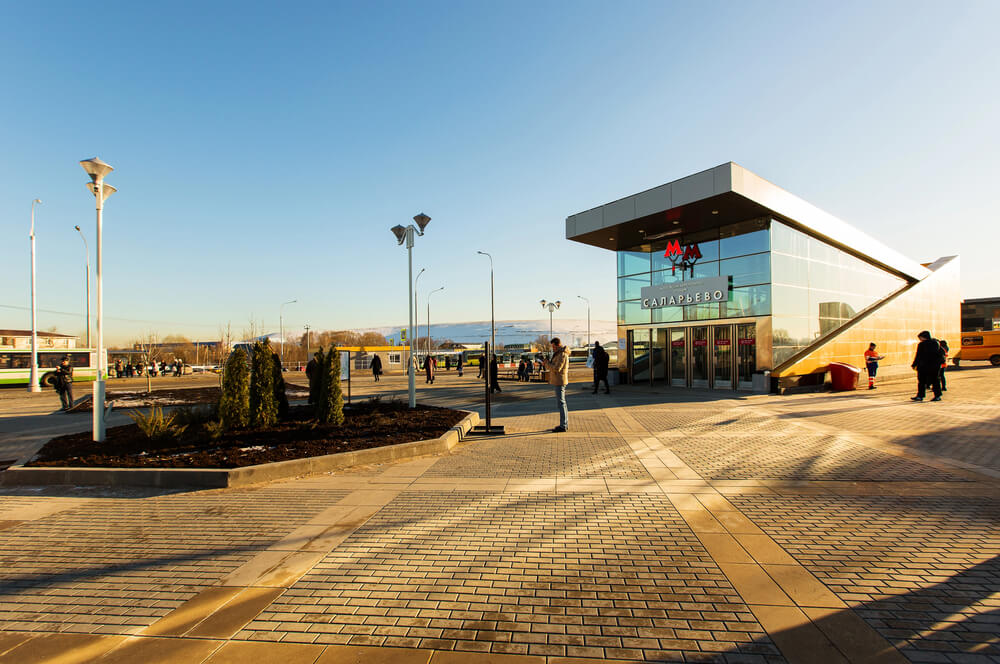
Soviet authorities built the first line of the Moscow Metro, including its ornate, palace-like stations, in about four years, with construction running from 1931 to 1935 under intense political pressure to finish quickly and showcase Soviet engineering capability. Crews dug much of the line through difficult, water-logged ground using techniques adapted from London’s Underground construction decades earlier.
The line opened in May 1935 and became the foundation of a system that is still expanding today, nearly a century later.
Deadlines That Held
Every project on this list had a reason to run late. Wartime shortages, difficult terrain, political pressure, and sheer scale have derailed countless other builds that started with similarly ambitious timelines and never recovered.
What separates these projects isn’t the absence of obstacles; it’s a method, whether prefabrication, round-the-clock shifts, or a design built specifically around speed, that outran the obstacle before it could take hold. The lesson engineers still draw from projects like these has less to do with heroics and more to do with sequencing: work that can happen in parallel, materials that arrive just as they’re needed, and a plan flexible enough to absorb the setbacks that inevitably show up anyway.
Speed, in nearly every case here, was a design decision made before the first shovel ever hit the ground.
More from Go2Tutors!

- The Romanov Crown Jewels and Their Tragic Fate
- 13 Historical Mysteries That Science Still Can’t Solve
- Famous Hoaxes That Fooled the World for Years
- 15 Child Stars with Tragic Adult Lives
- 16 Famous Jewelry Pieces in History
Like Go2Tutors’s content? Follow us on MSN.