20 Strangest Things People Actually Eat
What’s considered delicious in one culture might make stomachs turn in another. Across the globe, culinary traditions have evolved to include some truly unexpected ingredients and dishes that challenge conventional notions of food.
Here is a list of 20 of the most unusual foods that people genuinely enjoy eating around the world.
Hákarl

This Icelandic delicacy consists of fermented shark meat that’s been buried underground for months before being hung to dry. The ammonia smell is so powerful that first-timers often gag before taking a bite.
Even celebrity chef Anthony Bourdain once called it ‘the single worst thing I’ve ever put in my mouth.’
Casu Marzu
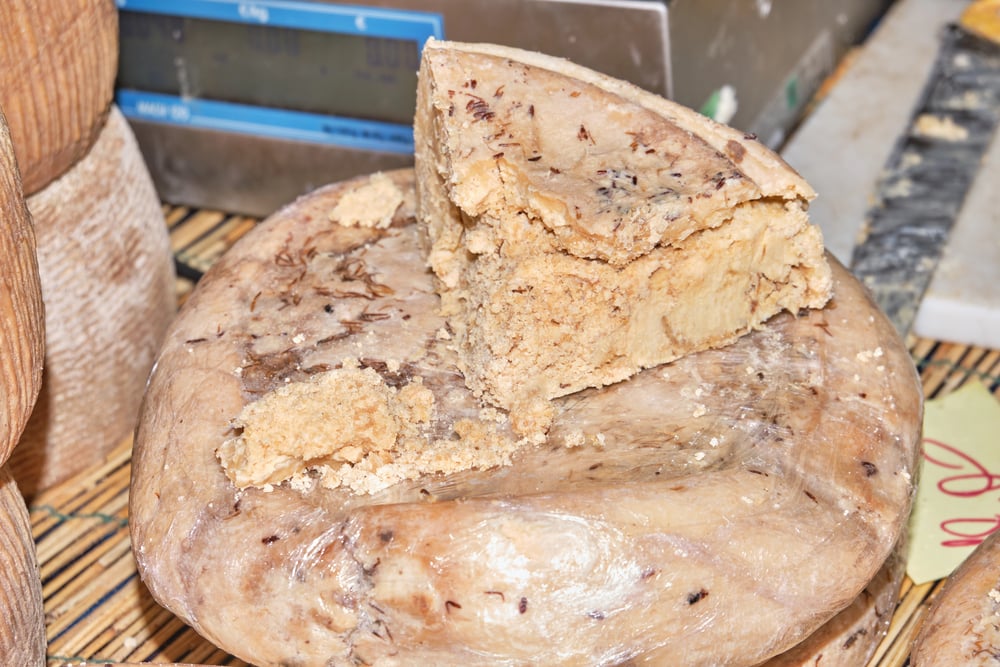
This Sardinian cheese takes fermentation to extreme levels by intentionally containing live insect larvae. The cheese flies lay eggs in the cheese, and their larvae break down fats, creating an extremely soft texture.
Diners must shield their eyes while eating as the larvae can jump up to six inches when disturbed.
Like Go2Tutors’s content? Follow us on MSN.
Balut
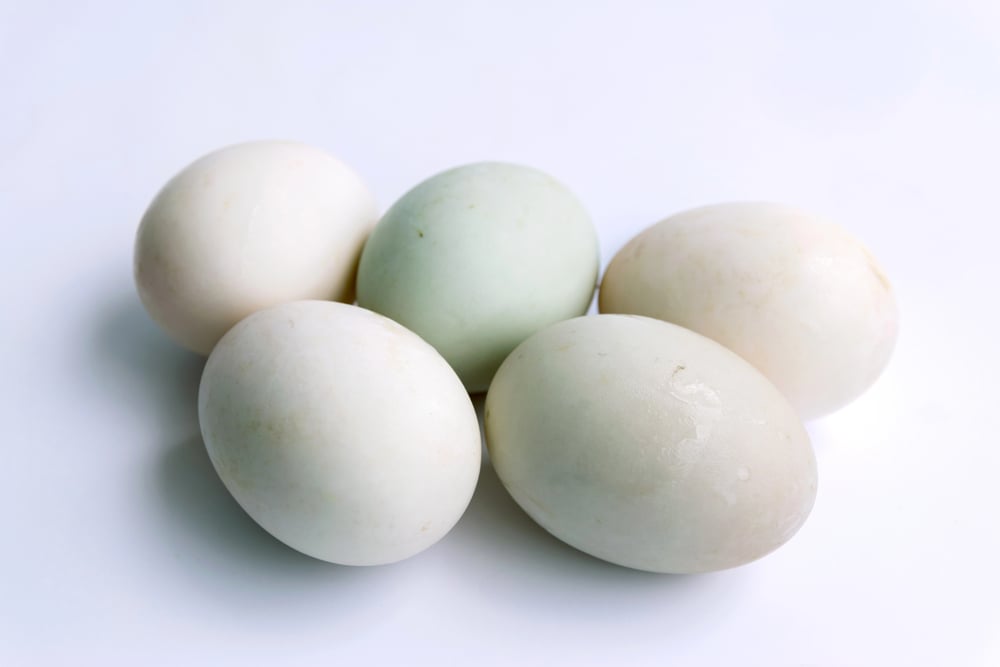
A popular street food in the Philippines, balut is a fertilized duck egg with a partially developed embryo inside. It is boiled and eaten from the shell, offering different textures in one bite—from soup-like liquid to recognizable duck parts with feathers and bones.
Century Eggs
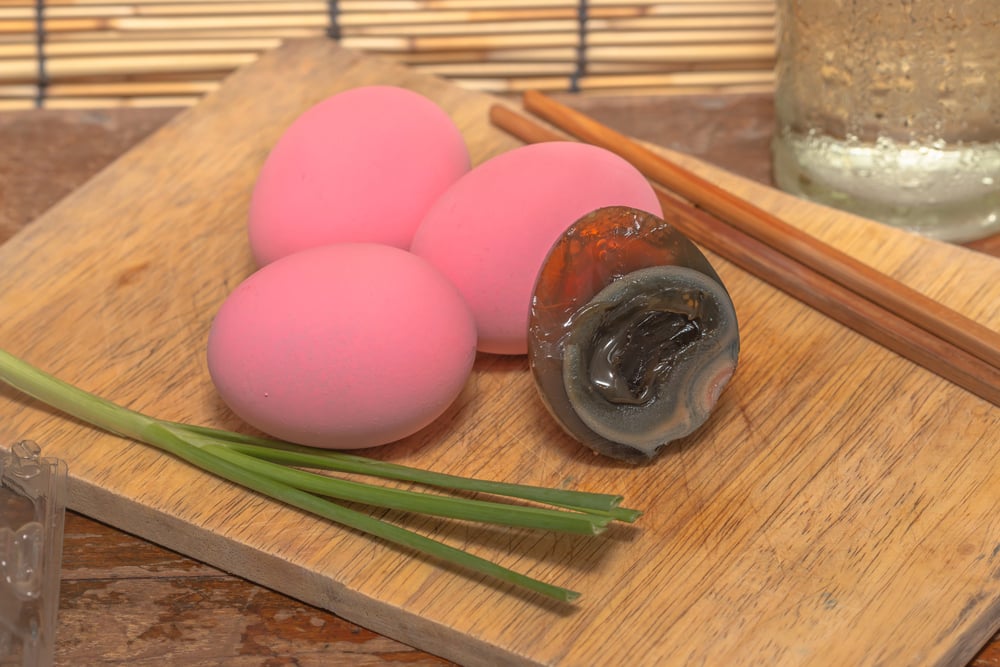
Despite the name, these Chinese eggs aren’t actually preserved for 100 years. They’re soaked in a mixture of clay, ash, salt, and quicklime for several weeks until the yolk turns dark green and the white becomes a translucent brown jelly.
The flavor is rich and complex, often compared to strong cheese.
Fugu
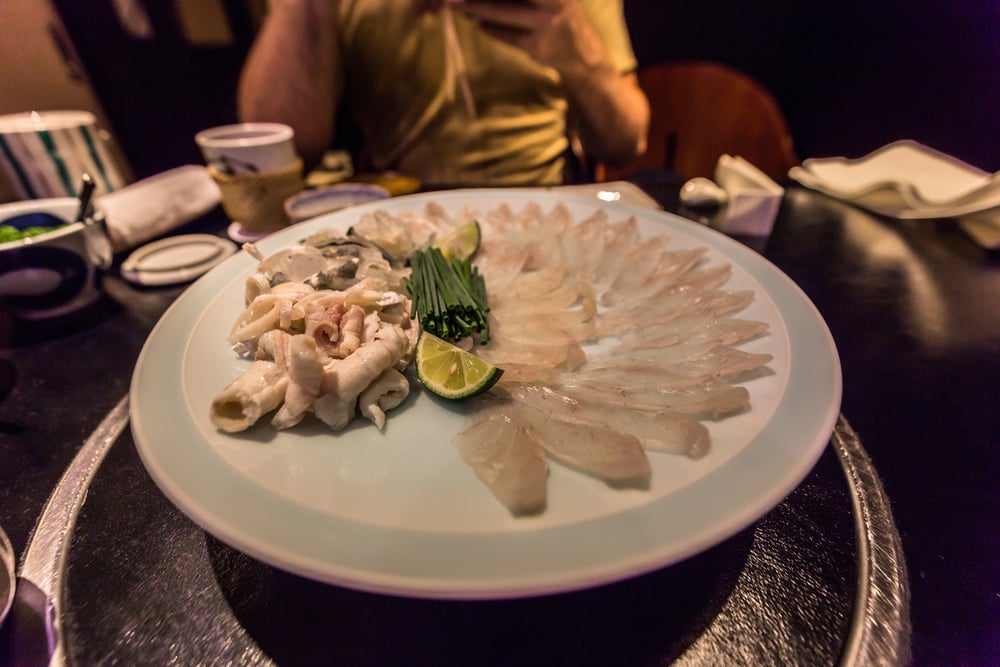
This Japanese pufferfish contains lethal amounts of tetrodotoxin in its organs. Chefs must train for years to earn a license to prepare it safely.
The thrill of dining so close to danger is part of the appeal, though properly prepared fugu tastes mild and slightly chewy.
Like Go2Tutors’s content? Follow us on MSN.
Stinkbugs
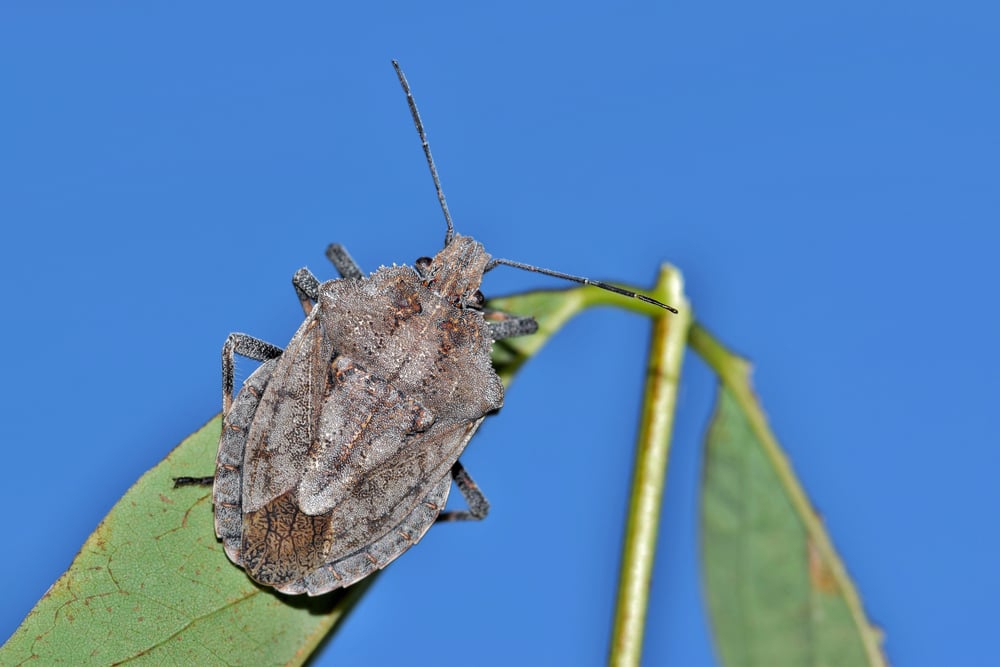
These insects are gathered and burned in the Taxco region of Mexico because of their potent anise-like flavor. They are frequently consumed by the handful as a crunchy snack or ground into salsa. Locals say they can help with stomach problems and sleeplessness.
Surströmming

In the culinary world, pickled herring from Sweden is infamous for having one of the most disagreeable smells. For months, the fish is fermented in barrels, resulting in a can that swells from internal pressure.
Since it has been prohibited in a number of residential buildings, many Swedes open it underwater to reduce the odor.
Escamoles

Often called ‘insect caviar,’ these ant larvae from central Mexico carry a hefty price tag. Harvested from the roots of agave plants, escamoles have a nutty flavor and cottage cheese-like consistency.
They’re typically sautéed with butter and spices or served in tacos.
Like Go2Tutors’s content? Follow us on MSN.
Cod Sperm Sacs
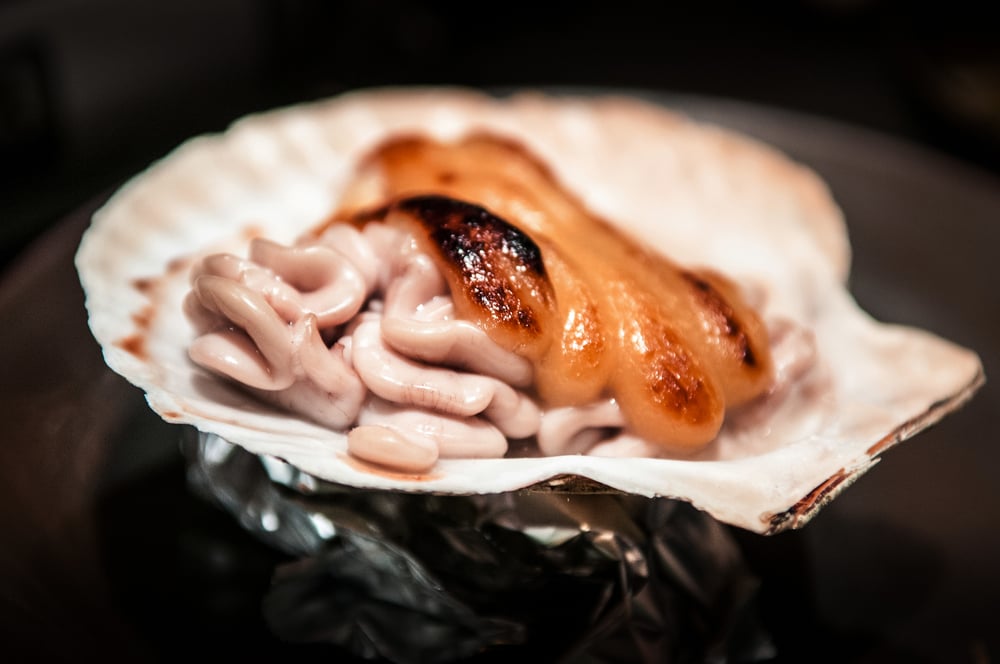
Known as ‘shirako’ in Japan, these male cod reproductive organs resemble small white brains. The creamy, custard-like texture makes them popular in winter dishes.
They’re often served raw with ponzu sauce or lightly fried in tempura batter.
Haggis

Scotland’s national dish combines sheep heart, liver, and lungs minced with onion, oatmeal, suet, and spices, all encased in the animal’s stomach lining and boiled. Modern versions use artificial casings, but the rich, earthy flavor remains the same.
It’s traditionally served with ‘neeps and tatties’ (turnips and potatoes).
Airag

This Mongolian drink is made from fermented mare’s milk and contains a small percentage of alcohol. The thick, yogurt-like beverage has a sour taste and fizzy texture from the fermentation process.
Mongolian nomads consume it daily during the summer months when milk is plentiful.
Like Go2Tutors’s content? Follow us on MSN.
Smalahove
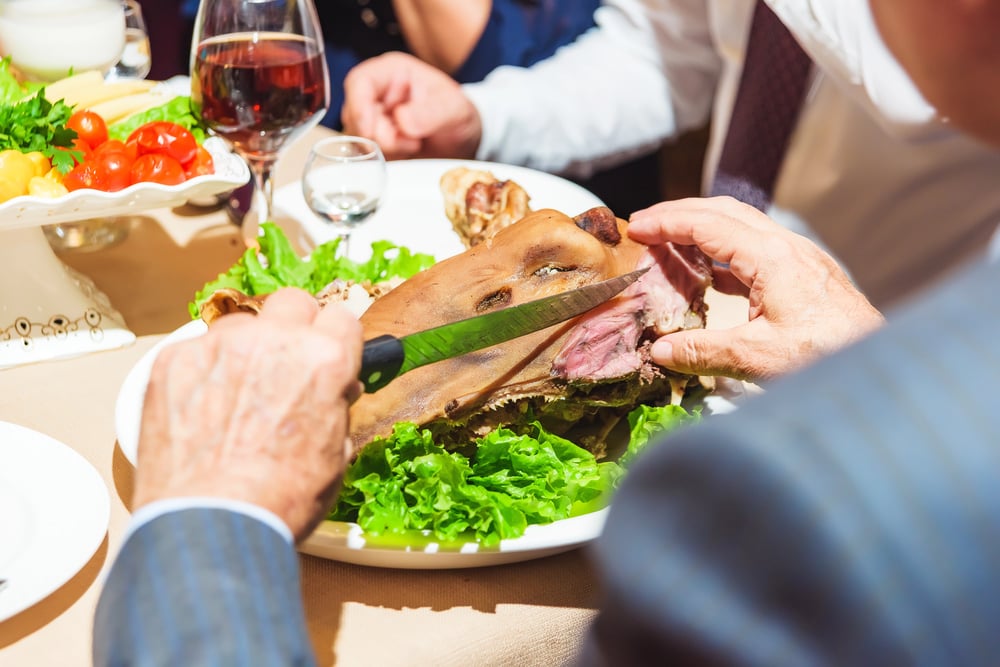
This traditional Norwegian Christmas dish consists of a sheep’s head that’s been torched, boiled, and served with potatoes. Diners typically eat it from front to back, starting with the eyes and tongue, which are considered the best parts.
Huitlacoche
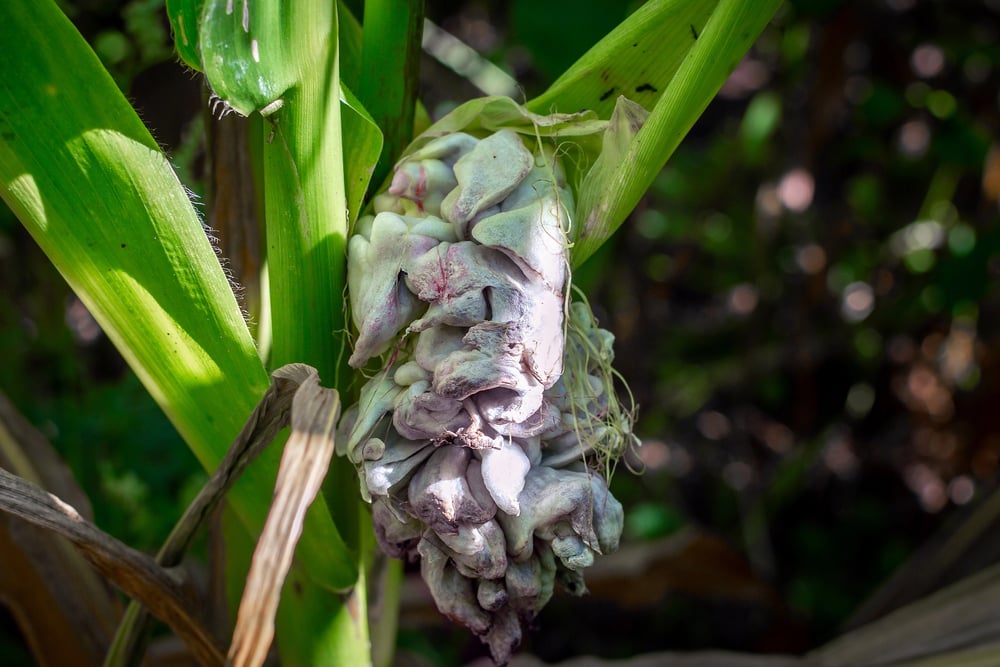
Sometimes called ‘corn smut’ in English, this Mexican delicacy is actually a fungus that grows on corn. While American farmers consider it a disease, Mexican chefs prize its earthy, mushroom-like flavor for use in quesadillas and soups.
It turns a dramatic blue-black color when cooked.
Jellied Eels
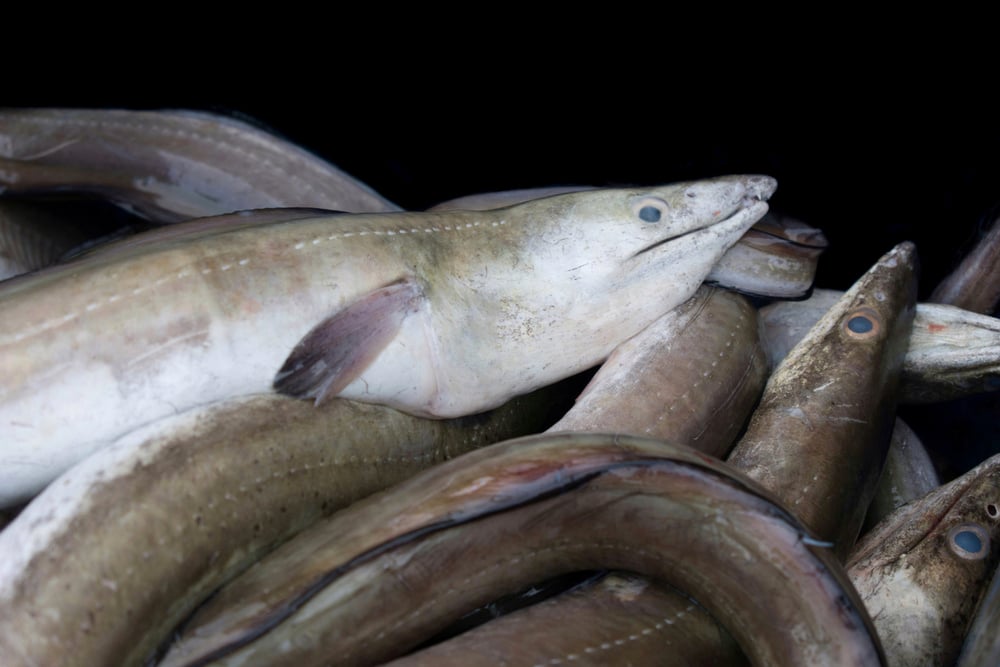
A traditional East London dish dating back to the 18th century, jellied eels are chopped eels boiled in a spiced stock that sets into a jelly when cooled. They’re typically served cold with vinegar and white pepper.
The gelatinous texture and fishy flavor make this an acquired taste even for many Londoners.
Like Go2Tutors’s content? Follow us on MSN.
Palm Grubs
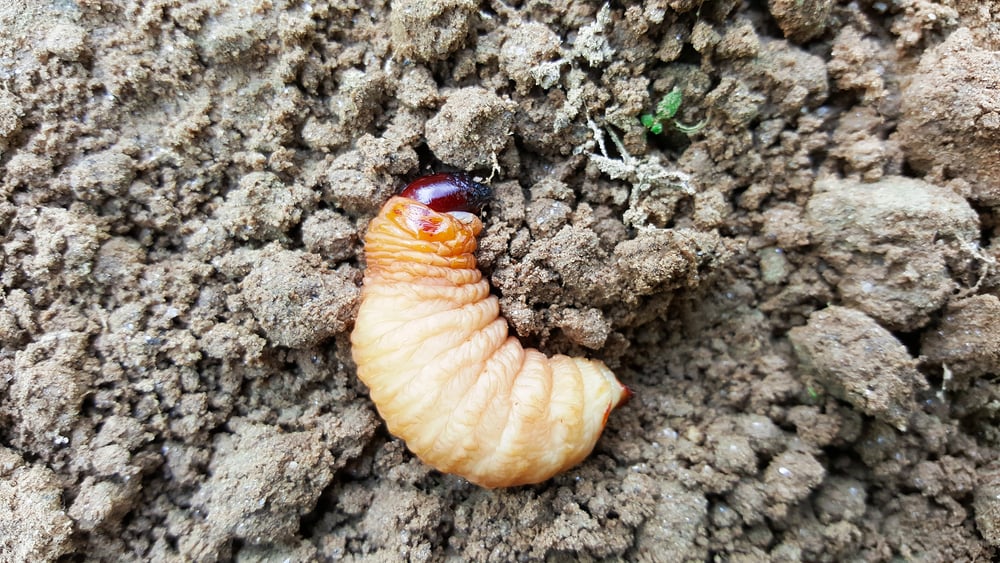
These large, white larvae of the palm weevil are harvested from rotting palm trees throughout the Amazon basin. Indigenous communities eat them raw or roasted over fire.
They have a creamy interior often described as tasting like bacon when cooked.
Blood Tofu
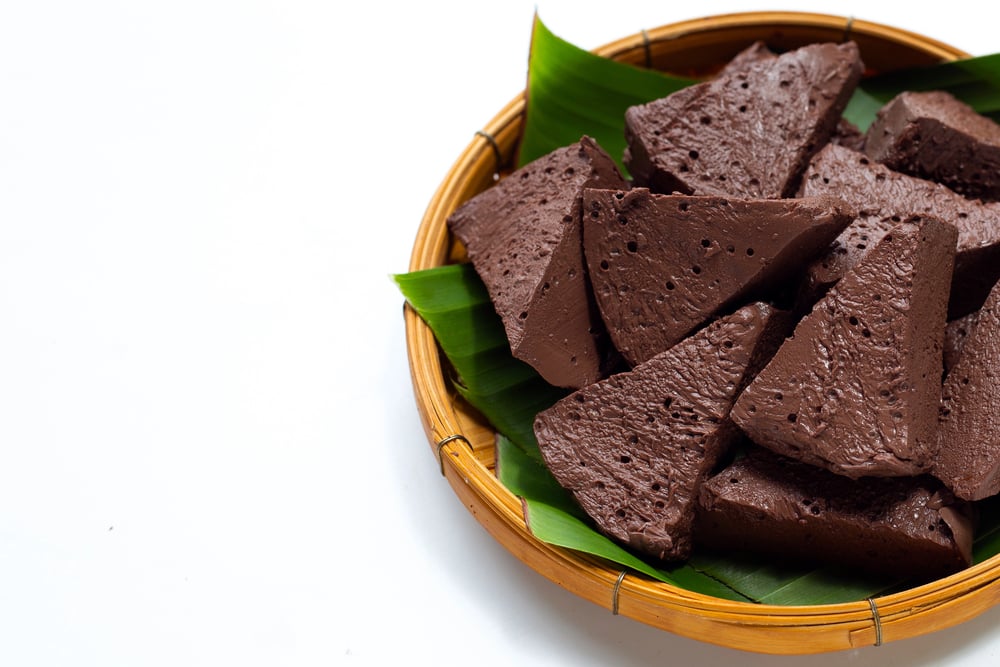
Popular across Asia, particularly in China and Vietnam, this dish solidifies pig or duck blood into blocks resembling tofu. The iron-rich cubes have a silky texture and mild flavor, usually served in hot pot or soup where they absorb surrounding flavors.
Rocky Mountain Oysters
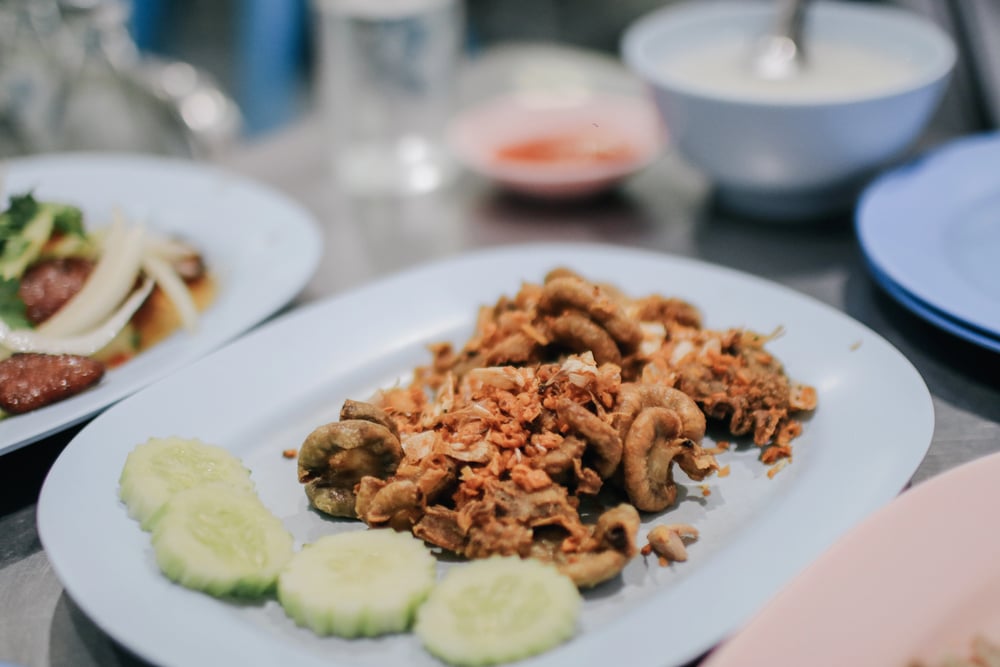
Despite the misleading name, these aren’t seafood but rather a deep-fried organ meat delicacy from bulls. Popular in western American cattle-ranching regions, they’re often served as an appetizer with cocktail sauce.
The texture resembles calamari, with a mild flavor comparable to venison.
Like Go2Tutors’s content? Follow us on MSN.
Mopane Worms

These caterpillars of the emperor moth are a protein-rich staple across southern Africa. Harvested from mopane trees, they’re typically dried in the sun or smoked before being rehydrated and stewed with tomatoes and onions.
They taste similar to dried meat with an earthy undertone.
Durian

While technically just a fruit, durian earns its place on this list for its overwhelming aroma that’s led to bans in hotels and public transportation across Southeast Asia. The spiky exterior hides custard-like flesh with a complex sweet-savory flavor that devotees describe as worth enduring the smell, which has been compared to rotting onions and gym socks.
Bird’s Nest Soup
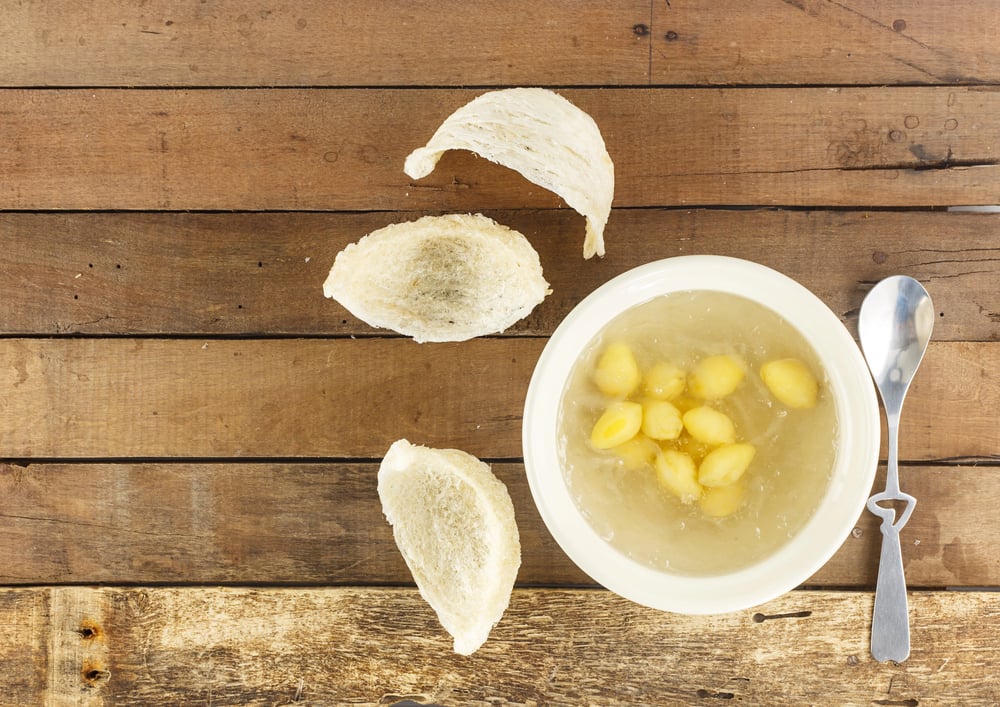
Among the most expensive animal products consumed by humans, these nests are made from the solidified saliva of swiftlets. Harvesters risk their lives collecting them from cave walls in Southeast Asia.
When dissolved in water, they create a gelatinous texture prized in Chinese cuisine for over 400 years.
Like Go2Tutors’s content? Follow us on MSN.
Cultural Delicacies Reflect Human Adaptability

These unusual foods remind us that cuisine is deeply cultural and environmental. What seems unthinkable to one person represents tradition, survival ingenuity, and cultural identity to another.
While these foods might challenge our comfort zones, they showcase humanity’s remarkable ability to transform available resources into sustenance and celebration across diverse environments.
More from Go2Tutors!

- 16 Restaurant Chains That Went Too Fast
- 12 Things Sold in the 80s That Are Now Illegal
- 15 Strange Things People Have Tried to Ban (And Failed)
- 16 Collectibles People Tossed Out Too Soon
- 17 Myths from Your Childhood That Were Actually Based on Real Things
Like Go2Tutors’s content? Follow us on MSN.