27 Historic Buildings Torn Down That Cities Miss
Demolition always makes sense to someone at the time, whether the justification is progress, profit, or simple neglect. Decades later, plenty of these decisions look like civic self-harm, and the buildings that came down are still mourned by the cities that let them go.
New York’s Original Penn Station Became a Rallying Cry for Preservation
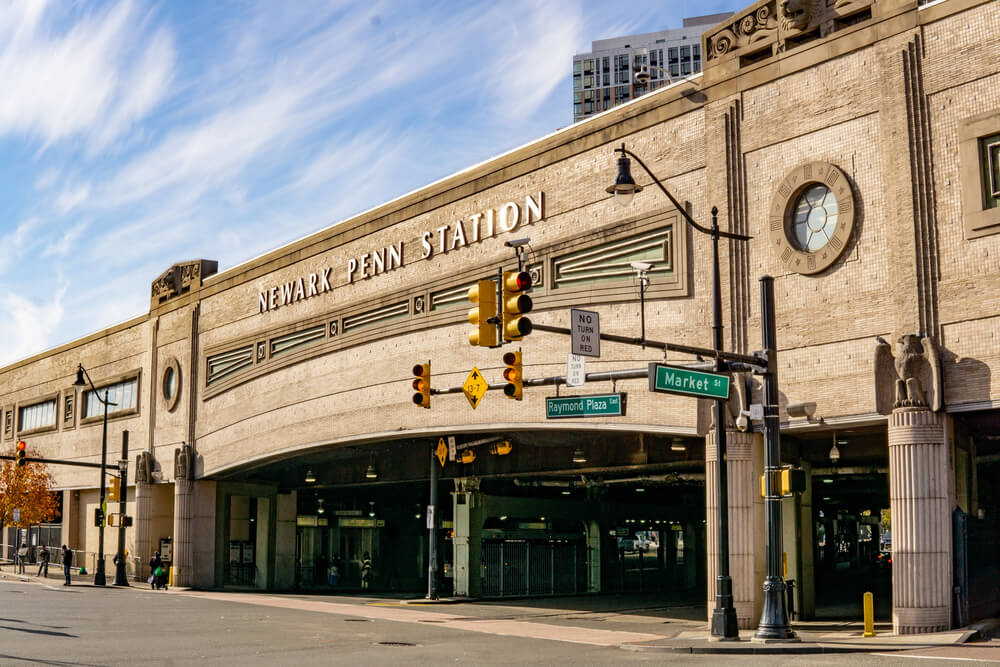
The original Pennsylvania Station in New York, an architectural landmark modeled on Roman bathhouses, was demolished in 1963 to make way for Madison Square Garden and a smaller underground replacement station widely regarded as a downgrade. Public outcry over the demolition directly led to the creation of New York City’s Landmarks Preservation Commission the following year.
The loss is still cited as the definitive cautionary tale in American architectural preservation debates.
Chicago’s Original Federal Building Fell to a Parking Structure
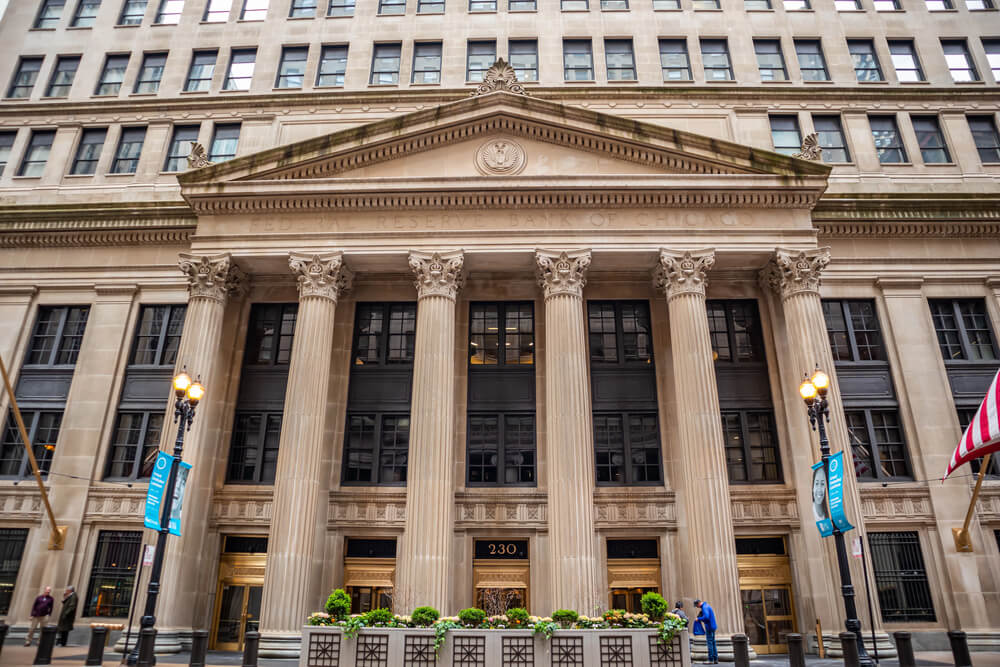
Chicago’s ornate 1905 Federal Building, featuring a massive central dome, was demolished in 1965 despite public objections, replaced eventually by a plainer federal complex that lacked the original structure’s civic grandeur. The demolition occurred during a broader wave of midcentury urban renewal that targeted numerous Gilded Age civic buildings across American cities.
Photographs of the original building’s interior rotunda remain a frequent point of reference in discussions of Chicago’s lost architecture.
The Boston Scollay Square District Was Erased for Government Center
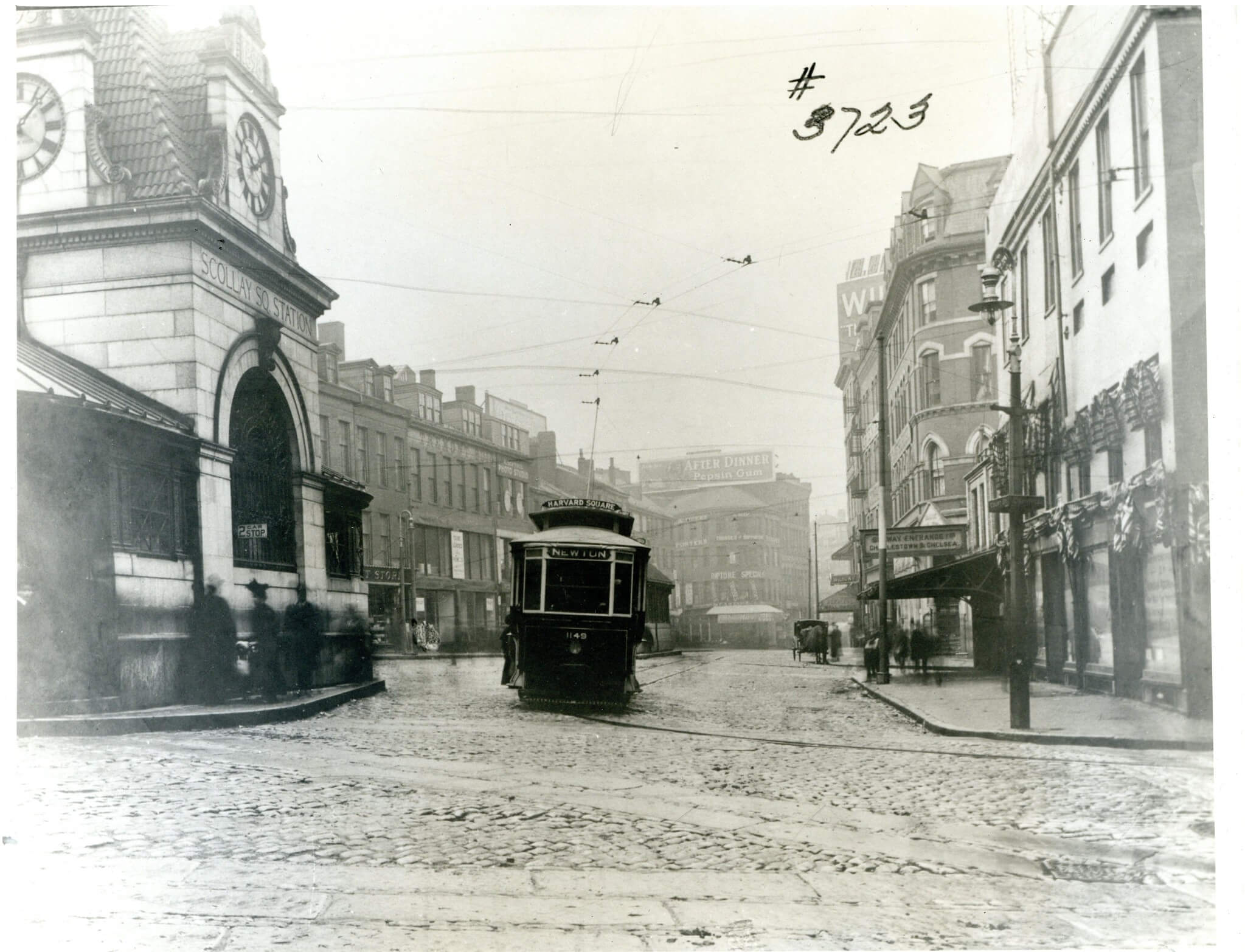
Boston’s Scollay Square, a dense neighborhood of Victorian-era commercial buildings and entertainment venues, was almost entirely demolished in the early 1960s as part of an urban renewal project that replaced it with the modernist Government Center complex. The redevelopment displaced longtime businesses and dramatically altered the character of an area that had functioned as a lively civic hub for over a century.
Many Bostonians still regard the exchange as one of the city’s most regrettable urban renewal decisions.
London’s Euston Arch Was Demolished Despite a Public Campaign
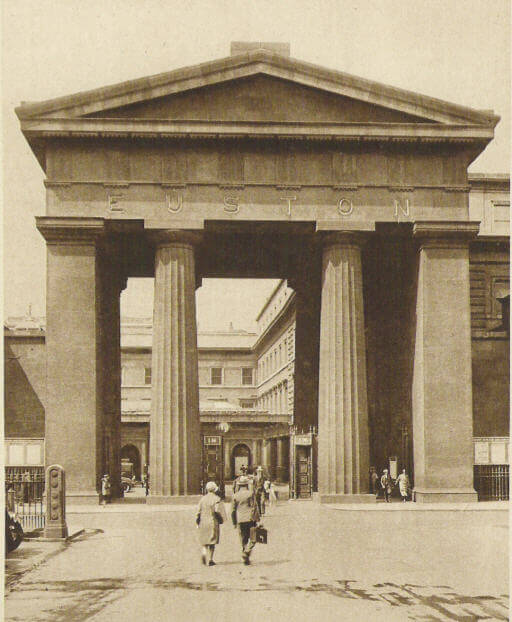
The Euston Arch, a monumental Doric propylaeum built in 1837 at the entrance to London’s Euston railway station, was demolished in 1961 during station redevelopment despite a public campaign that included prominent architectural historians pleading for its preservation. Demolished stones were later found dumped in a river, some of which have since been recovered as part of ongoing efforts to eventually reconstruct the arch.
The demolition remains a frequently cited symbol of postwar Britain’s disregard for Victorian architecture.
The Singer Building in New York Held the World’s Tallest Title Before Its Demolition
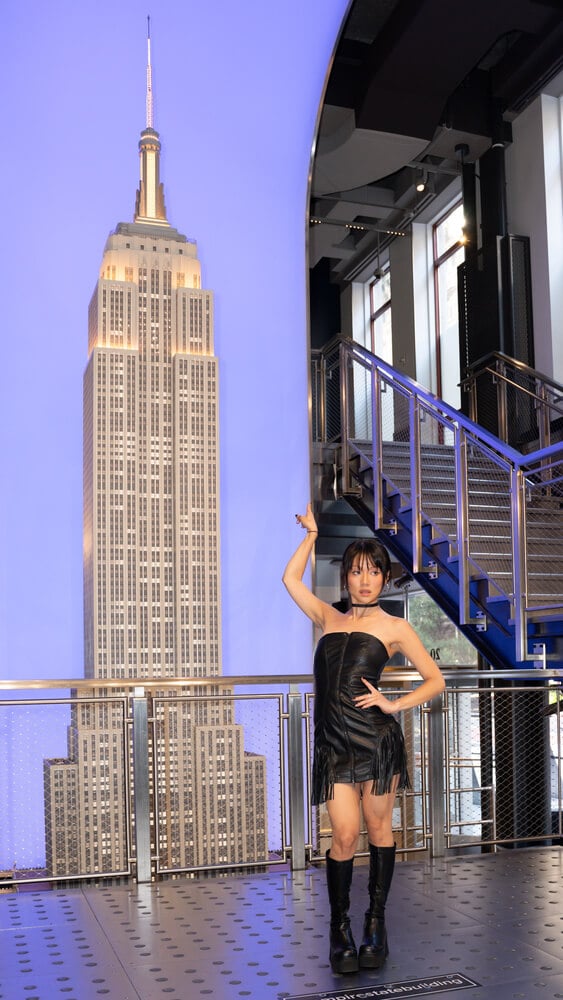
The Singer Building, briefly the world’s tallest building upon its 1908 completion, was demolished in 1968 to make way for a larger office tower, making it at the time the tallest building ever voluntarily demolished. Its ornate Beaux-Arts facade and distinctive tower design were widely admired by architectural critics before the decision to replace it.
The demolition is frequently referenced in discussions of skyscrapers lost to shifting commercial real estate priorities.
Detroit’s Original Statler Hotel Sat Vacant for Decades Before Demolition
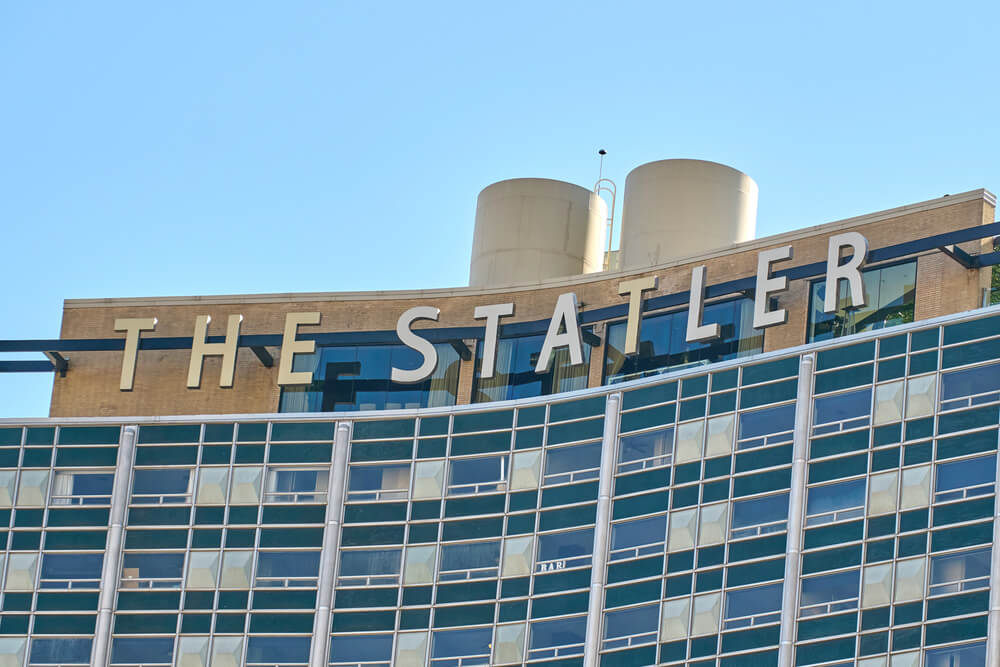
Detroit’s Statler Hotel, once one of the city’s premier hospitality venues hosting prominent guests throughout the twentieth century, closed in the 1970s and sat vacant for decades before its eventual demolition in 2005 as the city struggled to find a viable redevelopment plan. Its extended vacancy became emblematic of broader disinvestment across downtown Detroit during the same period.
Preservationists had pushed for adaptive reuse for years before the city ultimately approved demolition.
Philadelphia’s Original Public Ledger Building Was Lost to Postwar Redevelopment
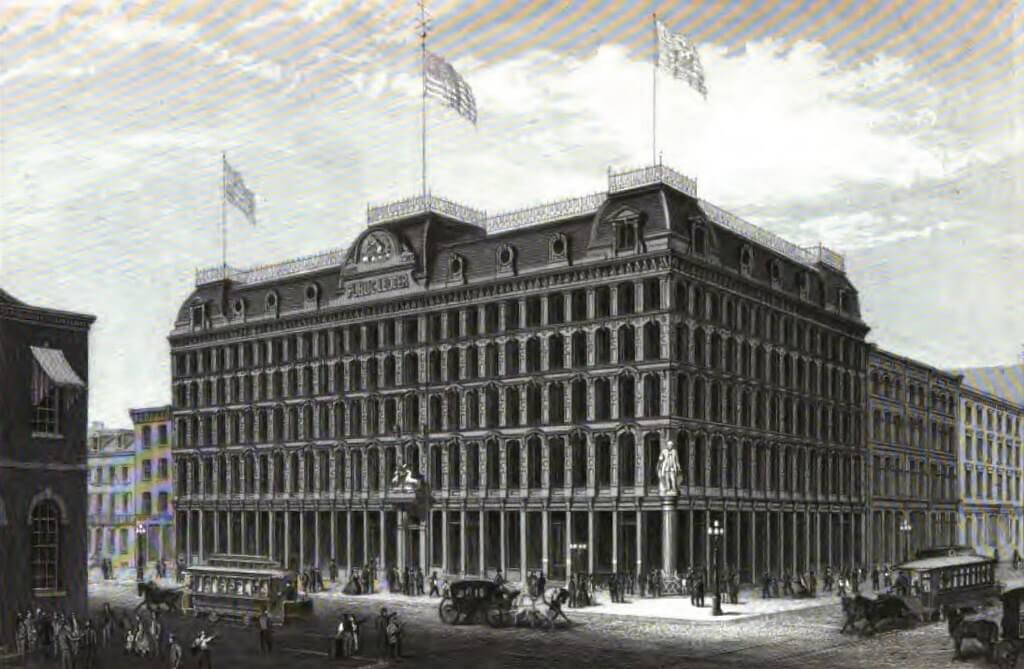
The original Public Ledger Building in Philadelphia, home to one of the city’s most prominent historic newspapers, was demolished during a period of significant downtown redevelopment in the postwar decades, part of a broader pattern that reshaped the city’s historic newspaper row district. Its replacement lacked the architectural detailing that had characterized the surrounding block for generations.
The loss is often grouped with other Philadelphia demolitions from the same aggressive redevelopment period.
The Metropolitan Opera House’s Original Building Was Torn Down After the Company Relocated
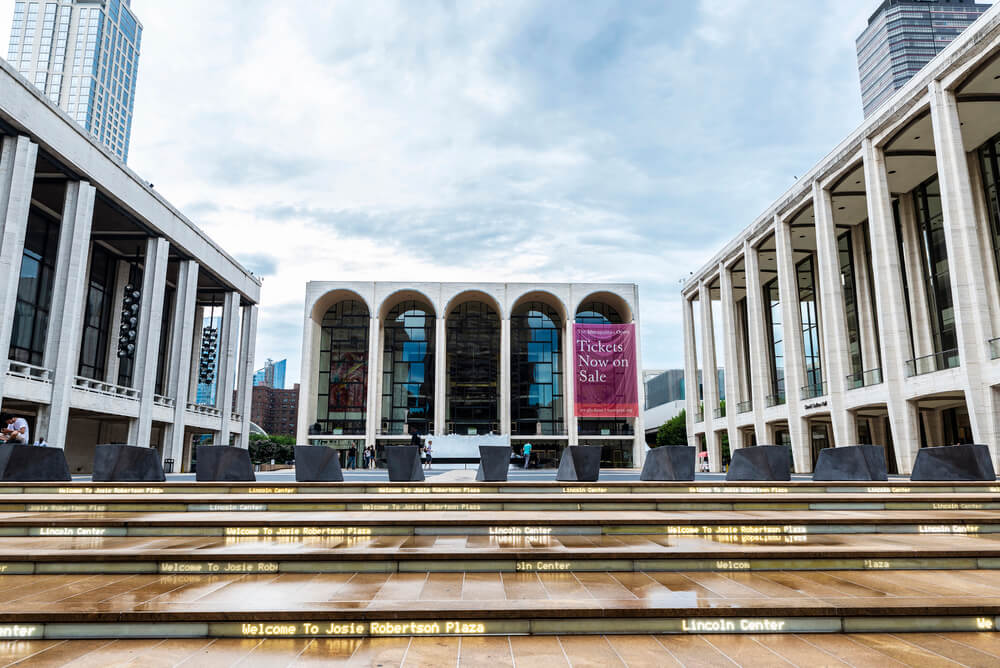
New York’s original Metropolitan Opera House, completed in 1883, was demolished in 1967 after the opera company relocated to the newly built Lincoln Center, despite preservation efforts to save the building for alternative cultural use. Its ornate interior had hosted decades of significant American cultural history before the wrecking crews arrived.
The demolition added to the same era’s broader wave of New York cultural landmark losses that eventually spurred stronger preservation laws.
San Francisco’s Fox Theatre Was Demolished Despite Its Grand Scale
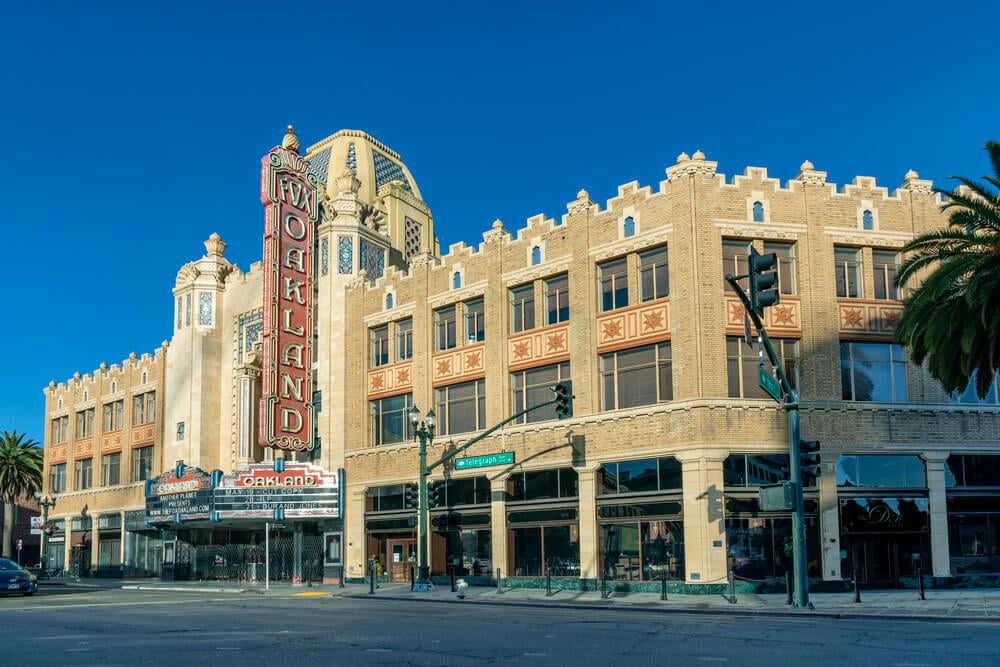
San Francisco’s Fox Theatre, an enormous movie palace that opened in 1929 with a capacity rivaling the largest theaters in the country, was demolished in 1963 after struggling financially in the era of declining downtown movie attendance. Its ornate interior design had been compared favorably to Europe’s grandest opera houses by contemporary critics.
The demolition remains a frequently cited loss among architectural historians studying America’s vanished movie palace era.
Baltimore’s Original City Hall Annex Fell to Modernization Efforts
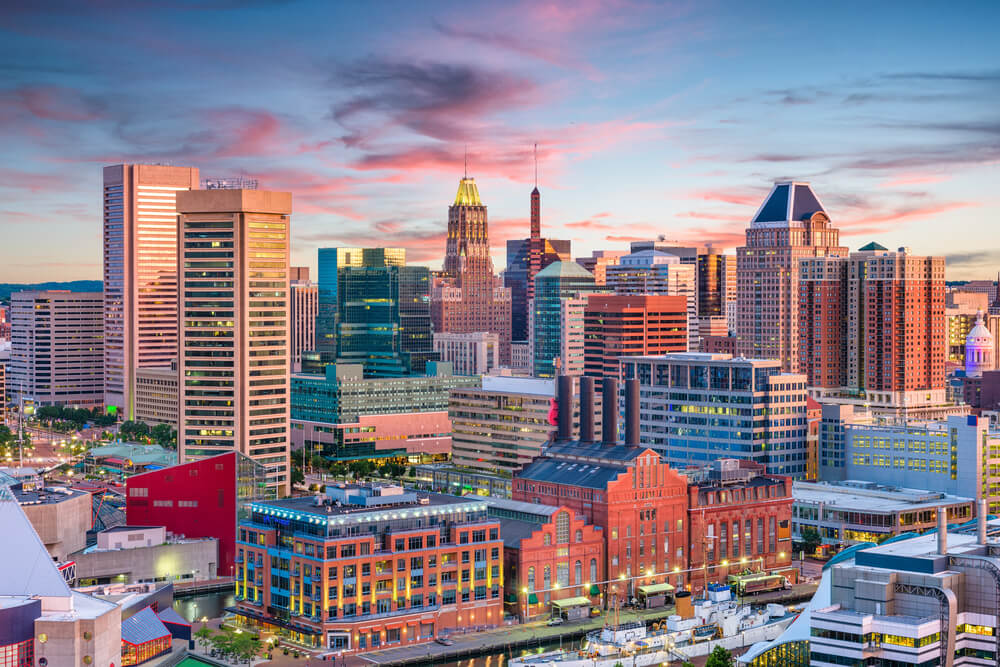
Portions of Baltimore’s historic civic architecture, including significant nineteenth-century government annex buildings, were demolished during a period of aggressive downtown modernization in the mid-twentieth century, replaced by structures that critics considered architecturally undistinguished. The city’s broader pattern of demolishing Victorian-era civic buildings mirrored similar decisions across other major American cities during the same decades.
Preservation advocacy strengthened considerably in Baltimore only after several of these losses had already occurred.
The Richmond Theatre Fire Site Was Never Rebuilt to Its Original Grandeur
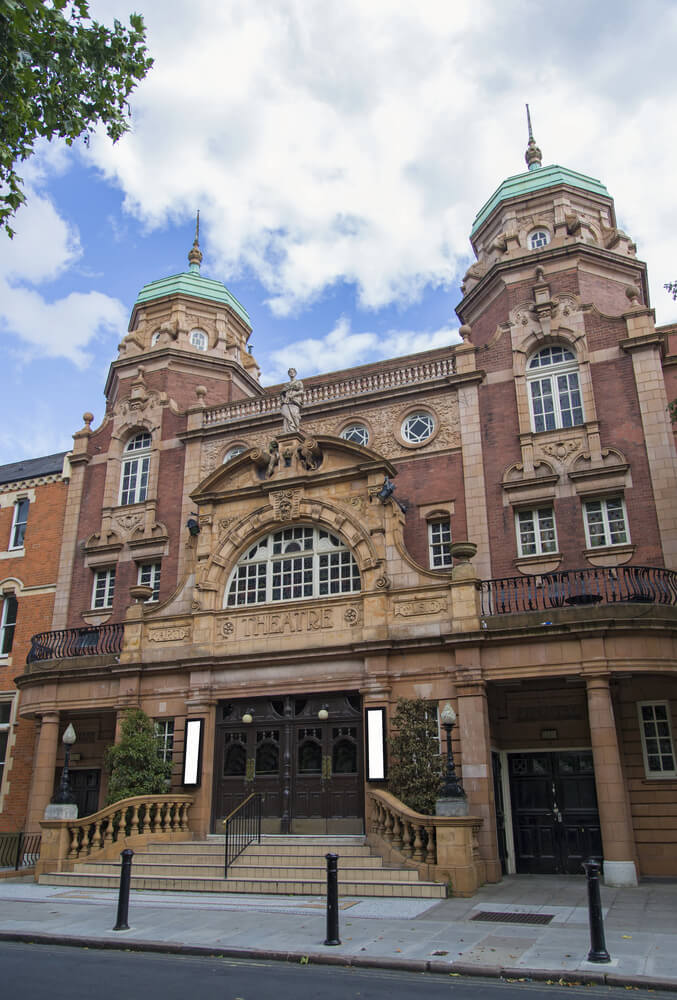
Richmond’s historic theater district lost significant architectural character following a series of demolitions and a devastating early fire that claimed part of the original theater building, with subsequent redevelopment failing to replicate the district’s original architectural cohesion. The area’s transformation reflected broader regional patterns of theater district decline throughout the twentieth century.
Local historical societies have documented the loss extensively as part of efforts to preserve remaining structures nearby.
New York’s Original Waldorf-Astoria Hotel Made Way for the Empire State Building
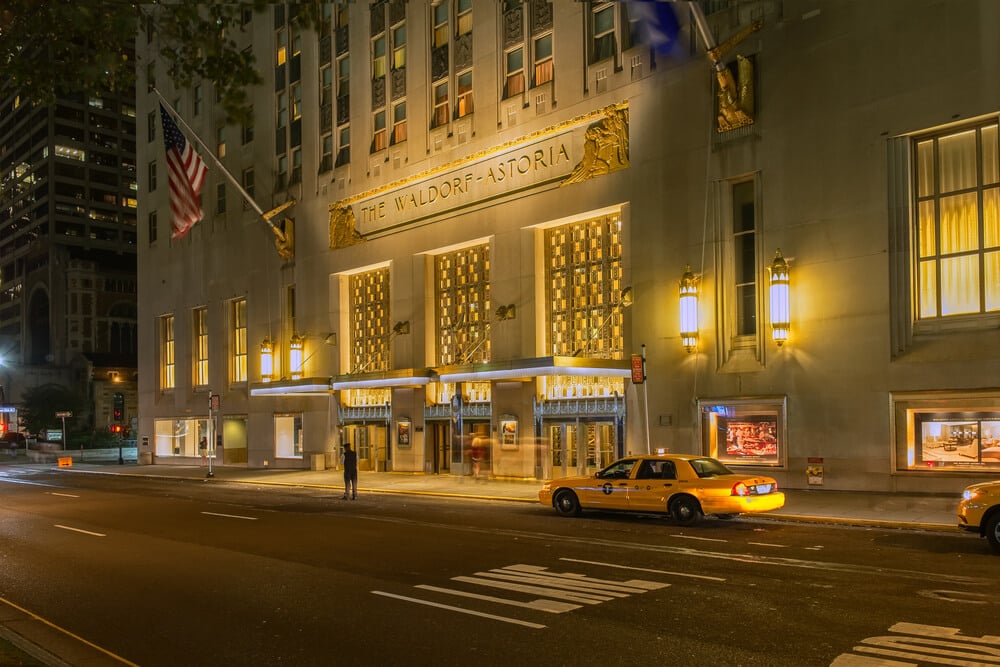
The original Waldorf-Astoria Hotel, located at the current site of the Empire State Building, was demolished in 1929 after the hotel relocated further uptown, ending the run of one of New York’s most socially significant nineteenth-century hospitality venues. Its demolition occurred just before the Great Depression significantly slowed the era’s rapid pace of skyscraper construction.
The exchange of one iconic New York landmark for another remains a frequently cited example of the city’s constant architectural churn.
Pittsburgh’s Original Exposition Hall Was Lost to Riverfront Redevelopment

Pittsburgh’s Exposition Hall, a major late nineteenth-century venue for trade shows and public gatherings along the city’s riverfront, was demolished in the early twentieth century as industrial expansion and later redevelopment reshaped the riverfront’s use. The site’s transformation reflected the broader industrial priorities that dominated Pittsburgh’s urban planning decisions for decades.
Contemporary riverfront redevelopment efforts in the city have occasionally referenced the lost hall as part of the area’s layered history.
Los Angeles’s Original Angels Flight Funicular Station Buildings Were Dismantled for Redevelopment
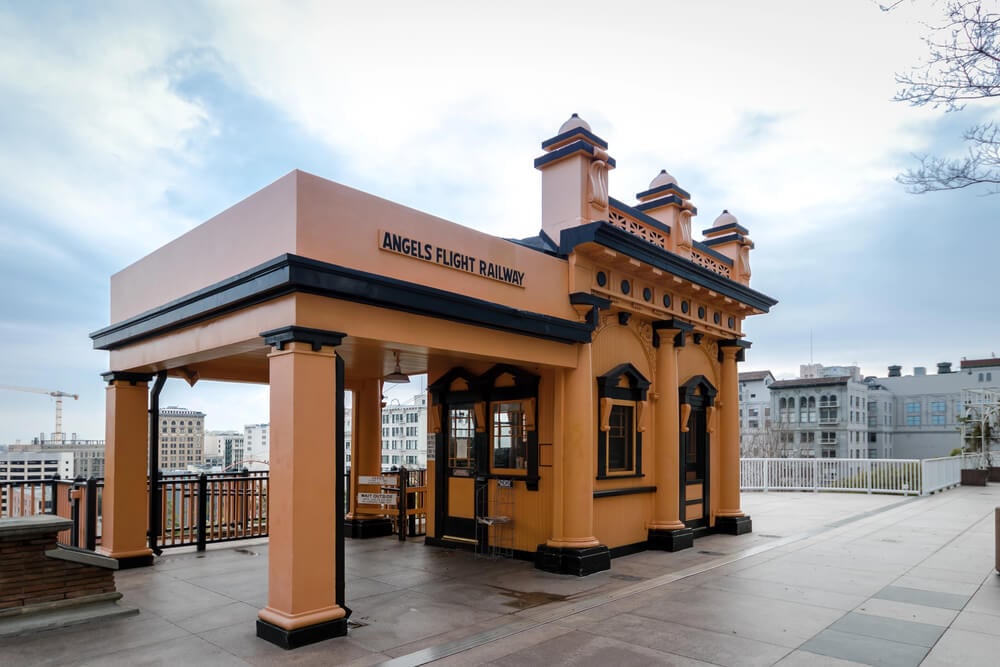
The original station buildings surrounding Los Angeles’s Angels Flight funicular railway were dismantled in 1969 as part of a major downtown redevelopment project, though the funicular cars themselves were placed in storage and eventually reinstalled at a nearby location decades later. The surrounding Bunker Hill neighborhood’s dense collection of Victorian-era buildings was almost entirely cleared during the same redevelopment effort.
The neighborhood’s original architectural character was essentially erased in favor of the modern high-rise district that exists there today.
Cincinnati’s Over-the-Rhine District Lost Significant Historic Housing Stock to Urban Renewal
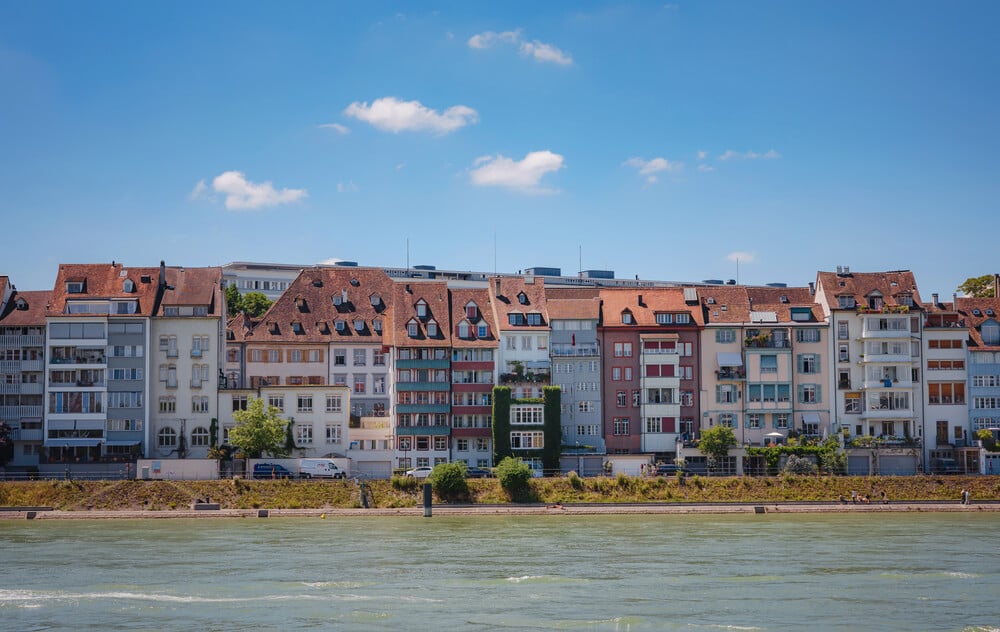
Cincinnati’s Over-the-Rhine neighborhood, once home to one of the largest collections of nineteenth-century Italianate architecture in the country, lost substantial portions of its historic housing stock to mid-twentieth-century urban renewal and later disinvestment-driven demolition. The surviving portions of the district have since become the focus of significant preservation efforts recognizing what remains as an increasingly rare architectural resource.
Preservationists frequently point to the earlier losses as a cautionary example shaping current protection policy in the neighborhood.
St. Louis’s Original Union Station Train Shed Portions Were Altered Beyond Recognition
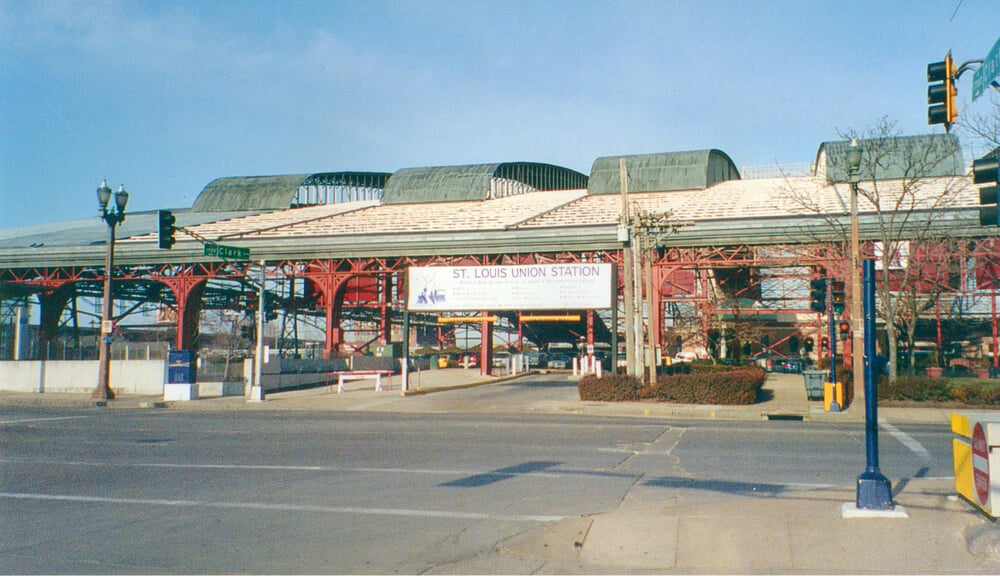
While St. Louis’s Union Station headhouse survived and was later repurposed, significant portions of its original train shed and surrounding rail infrastructure were altered or demolished as rail travel declined through the twentieth century. The station’s active rail function effectively ended in 1978 before its eventual redevelopment into a hotel and entertainment complex.
The transformation preserved the building’s shell while permanently eliminating much of the original working railway infrastructure that had defined its historic function.
Cleveland’s Original Union Depot Was Replaced by Terminal Tower Development
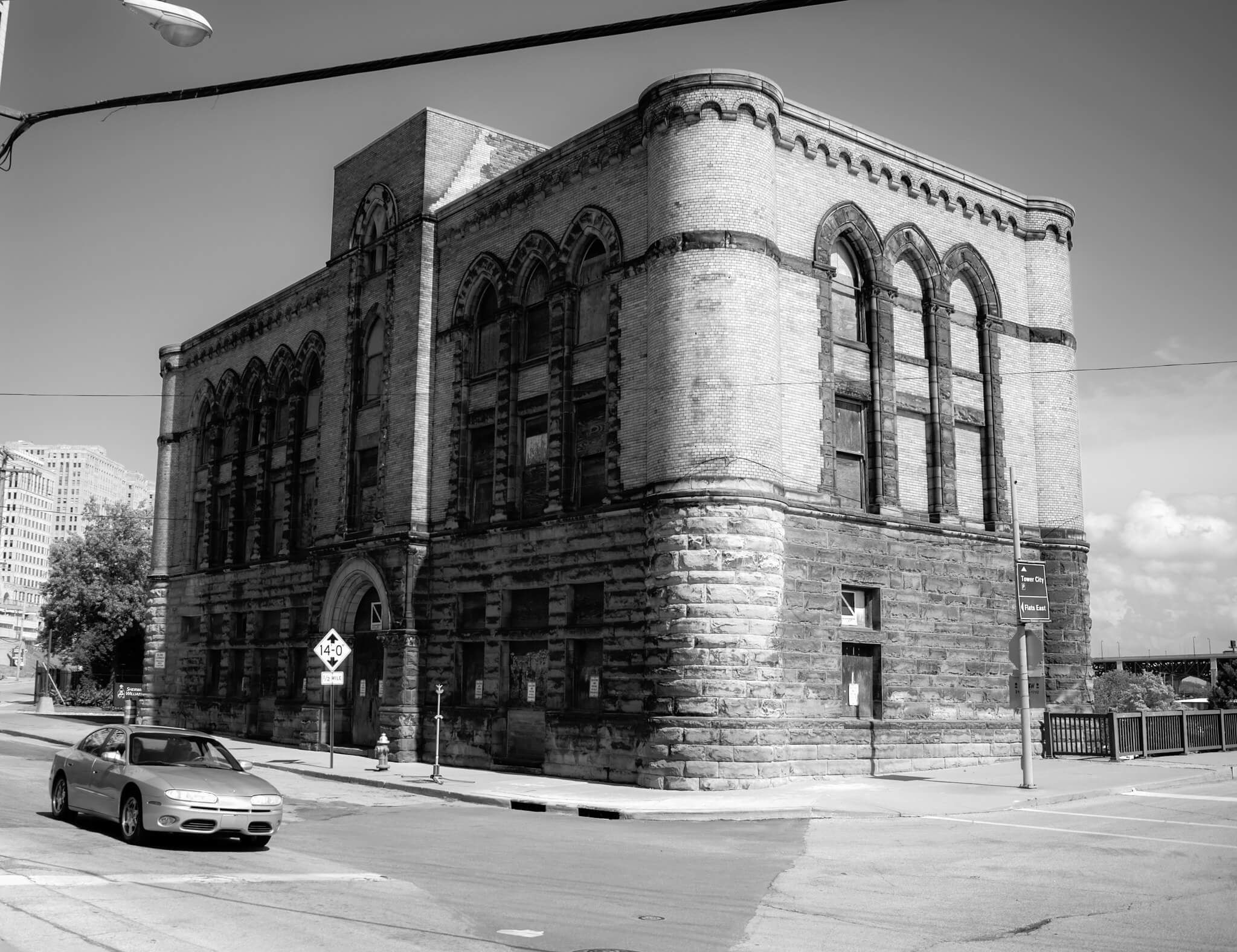
Cleveland’s original Union Depot railway station was demolished in the 1920s to make way for the Terminal Tower development, a major project that reshaped the city’s downtown skyline with what became, briefly, the tallest building outside New York City. The exchange traded one significant piece of railway architecture for another major architectural landmark rather than a purely negative loss.
Cleveland historians still debate whether the tradeoff represented genuine civic improvement or simply a different kind of architectural erasure.
Atlanta’s Terminal Station Was Demolished for a Federal Building
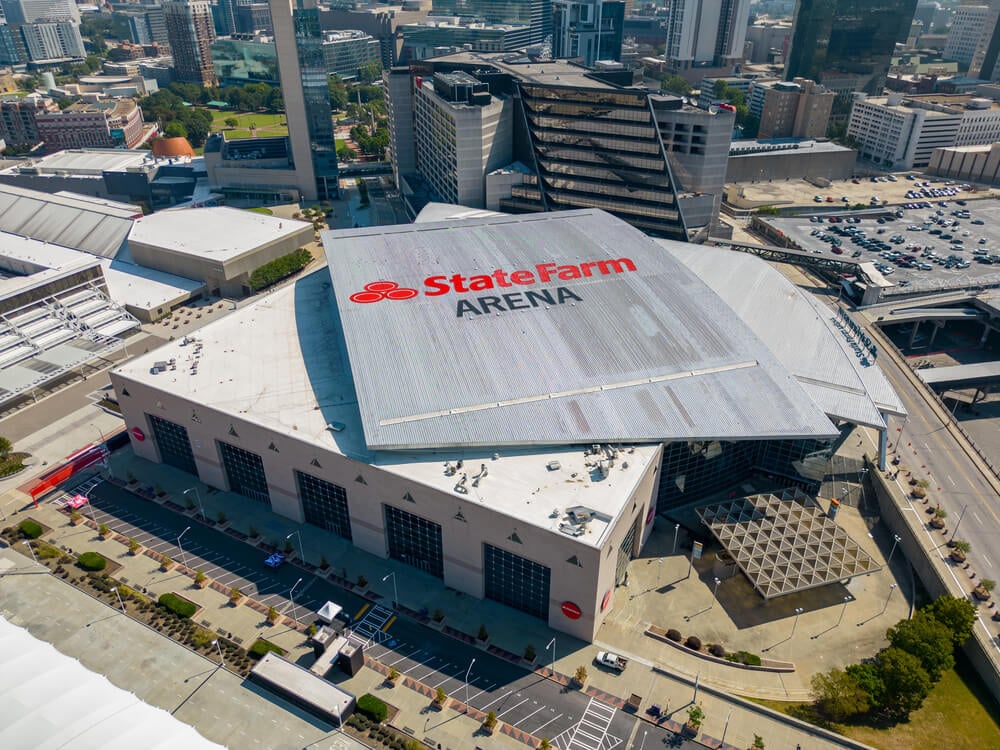
Atlanta’s Terminal Station, a grand early twentieth-century railway terminal, was demolished in 1972 after declining rail passenger use left the building underutilized, replaced eventually by a federal office building lacking the original terminal’s architectural ambition. The demolition occurred during a period when many American cities were actively removing large rail terminals no longer suited to declining passenger rail volumes.
Atlanta preservation advocates frequently cite the loss when discussing the city’s historically thin protections for significant architecture.
Minneapolis’s Metropolitan Building Was an Early and Influential Preservation Loss
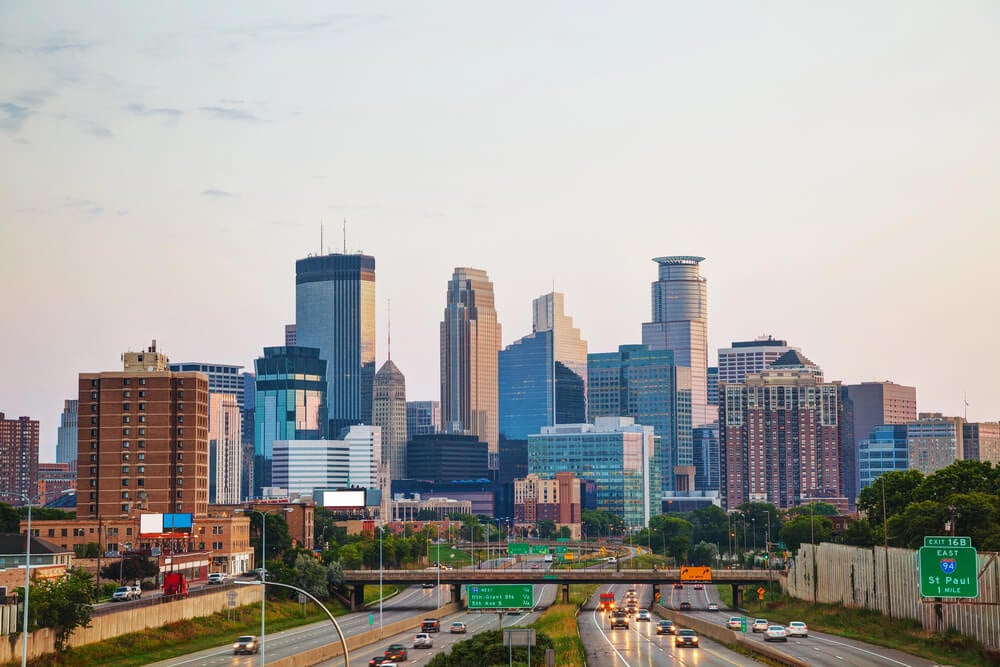
The Metropolitan Building in Minneapolis, an ornate 1890 office building featuring an elaborate interior light court, was demolished in 1961 despite significant preservation efforts, becoming one of the most frequently cited losses in early American architectural preservation history. Its demolition is credited with directly influencing the strengthening of preservation advocacy and policy across Minnesota in subsequent decades.
Photographs of its interior court remain widely circulated as an example of what standard urban renewal thinking was willing to sacrifice.
Buffalo’s Original Larkin Administration Building Was an Early Frank Lloyd Wright Loss
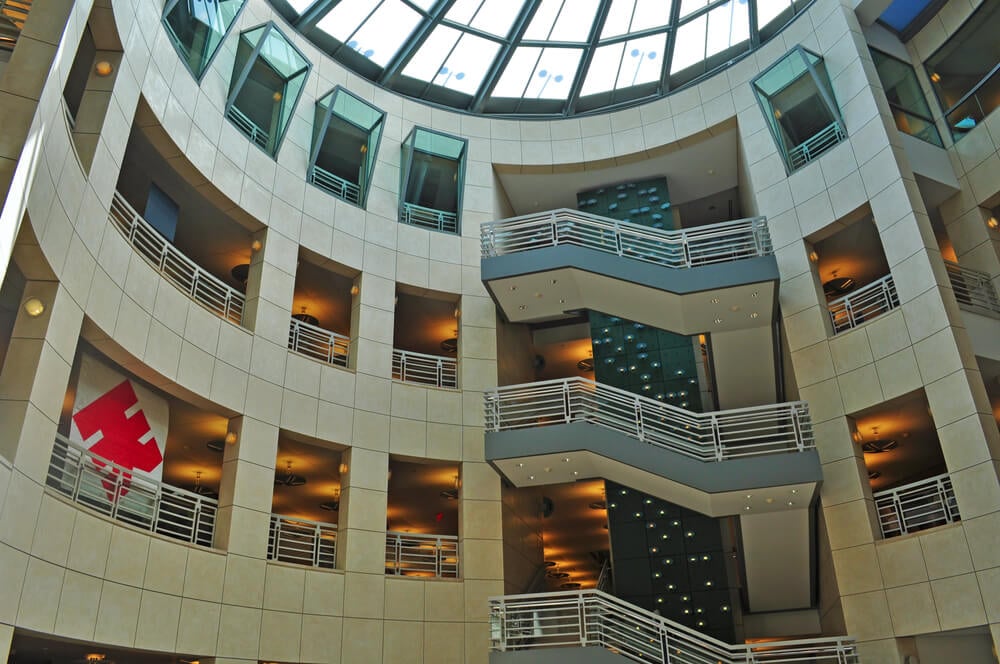
The Larkin Administration Building in Buffalo, an innovative early Frank Lloyd Wright commercial design completed in 1906, was demolished in 1950 after the surrounding company’s business declined, despite the building’s significant architectural innovations, including some of the earliest known uses of air conditioning and built-in furniture in an office setting. Its loss is frequently cited among architectural historians as one of the most significant demolitions of a major Wright building.
The site remains a point of reference in broader discussions of underappreciated early modernist architecture.
New York’s Original Madison Square Garden Fell to Repeated Redevelopment Cycles
New York’s first (or original) Madison Square Garden, a Stanford White-designed building notable for its rooftop garden theater, was demolished in 1925 as the venue relocated to a new location, part of a recurring pattern in which the Madison Square Garden name and venue moved and rebuilt multiple times across the twentieth century. The building’s demolition followed the earlier scandal of White’s murder inside the rooftop theater by a jealous husband.
Each subsequent Garden relocation has continued the pattern of demolishing the previous structure entirely rather than preserving it for alternative use.
Newark’s Original Prudential Building Annex Was Lost to Corporate Expansion

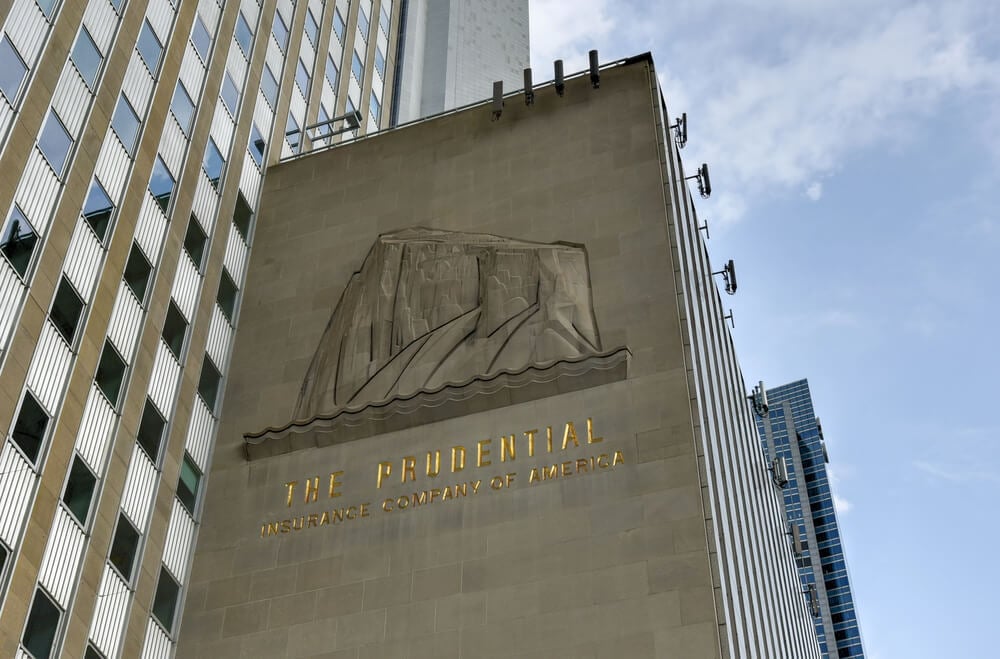
Portions of Newark’s historic downtown commercial architecture, including significant nineteenth-century office buildings surrounding the Prudential company’s original headquarters, were demolished during multiple waves of corporate expansion and later urban renewal throughout the twentieth century. The city’s broader downtown architectural character shifted substantially as a result of these cumulative losses.
Newark preservation advocates have since worked to protect the remaining historic structures from similar fates.
Toronto’s Original Union Station Concourse Faced Partial Demolition Threats Before Preservation Efforts Succeeded
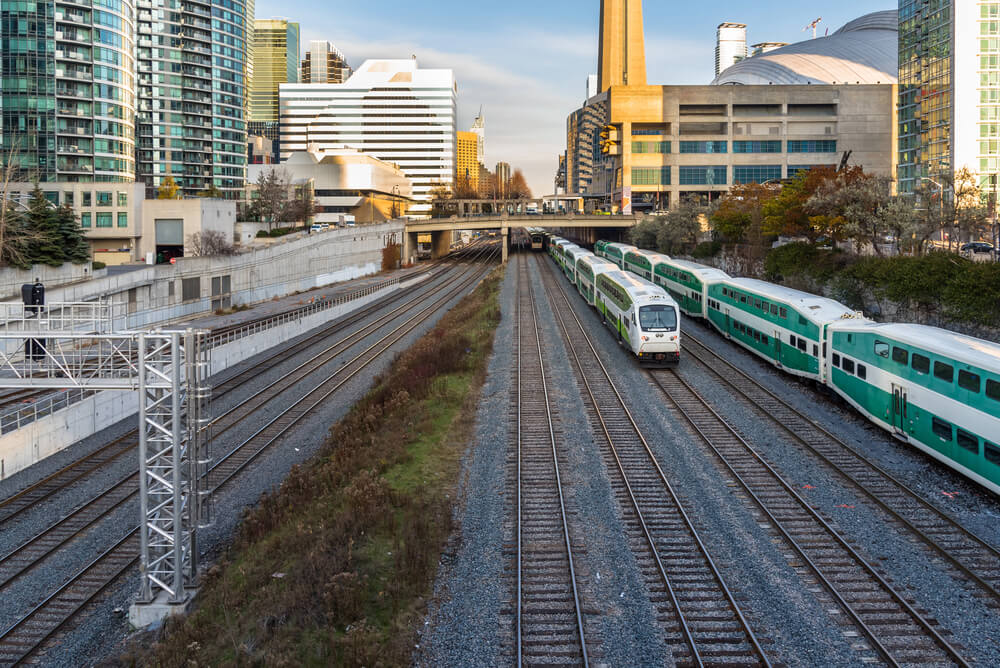
While Toronto’s Union Station headhouse ultimately survived through sustained preservation advocacy, significant portions of its original train shed infrastructure faced demolition pressure throughout the twentieth century as rail travel patterns shifted. Preservation campaigns in the 1970s specifically credited public pressure with saving the remaining historic structure from a fate similar to New York’s original Penn Station.
The narrowly avoided full demolition is frequently cited in Canadian preservation circles as a formative case study.
Seattle’s Original King Street Station Interior Was Concealed Rather Than Demolished, Then Later Restored
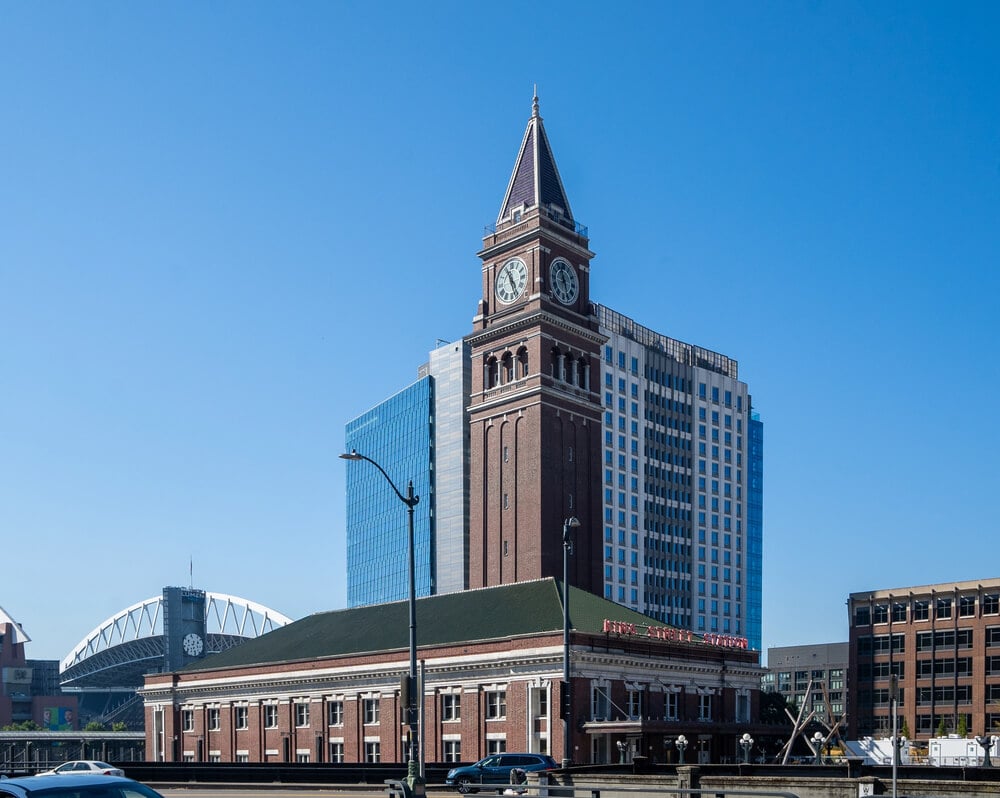
Seattle’s King Street Station avoided outright demolition but had its ornate original interior ceiling concealed behind a dropped modern ceiling installed in the 1960s, effectively hiding the historic architecture rather than removing it entirely. The original decorative ceiling was only rediscovered and restored during a major renovation completed in 2013.
The decades of concealment illustrate how preservation losses sometimes took the form of burial rather than outright destruction.
Washington, D.C.’s Original Willard Hotel Annex Buildings Fell to Downtown Redevelopment
Portions of the architecturally significant buildings surrounding Washington, D.C.’s historic Willard Hotel were demolished during multiple waves of downtown redevelopment throughout the twentieth century, even as the main hotel building itself was eventually preserved and restored following a period of vacancy and threatened demolition. The surrounding block’s original architectural cohesion was permanently altered by the losses.
The Willard’s own narrow survival is frequently cited alongside the broader losses as an example of how close the surviving landmark came to a similar fate.
Kansas City’s Original Coates House Hotel Annex Was Lost to Fire and Later Demolition
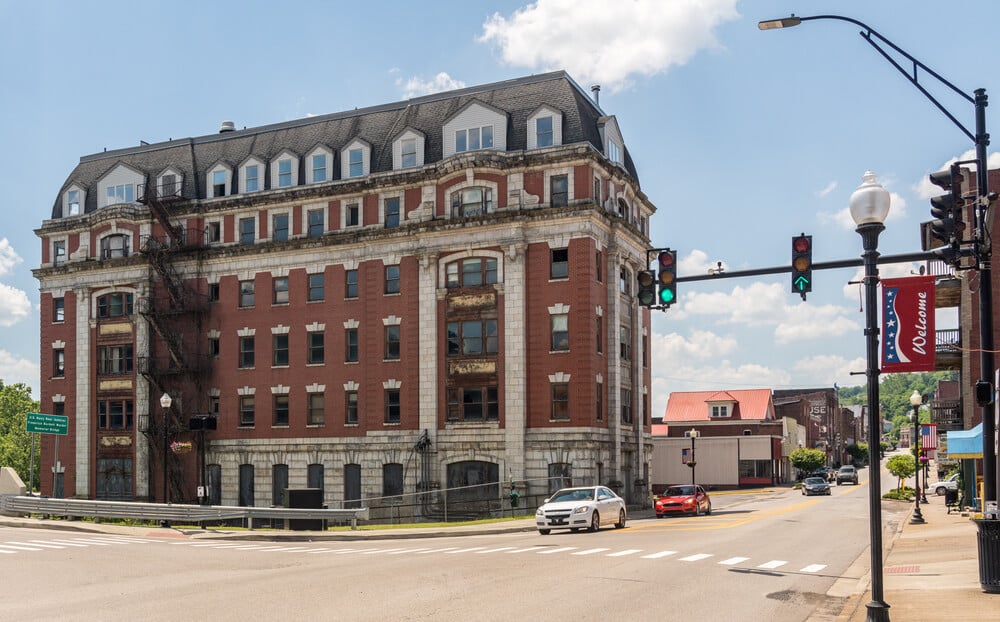
Portions of Kansas City’s historic Coates House Hotel complex were lost to a significant fire in the 1970s, with the damaged sections later demolished rather than restored, reducing what had once been one of the city’s most prominent nineteenth-century hospitality landmarks. The surviving portion of the building was eventually converted to alternative use following extensive renovation.
The partial loss remains a frequently referenced example in Kansas City preservation advocacy discussions.
Chicago’s Garrick Theater Building Was Demolished Over a Parking Garage
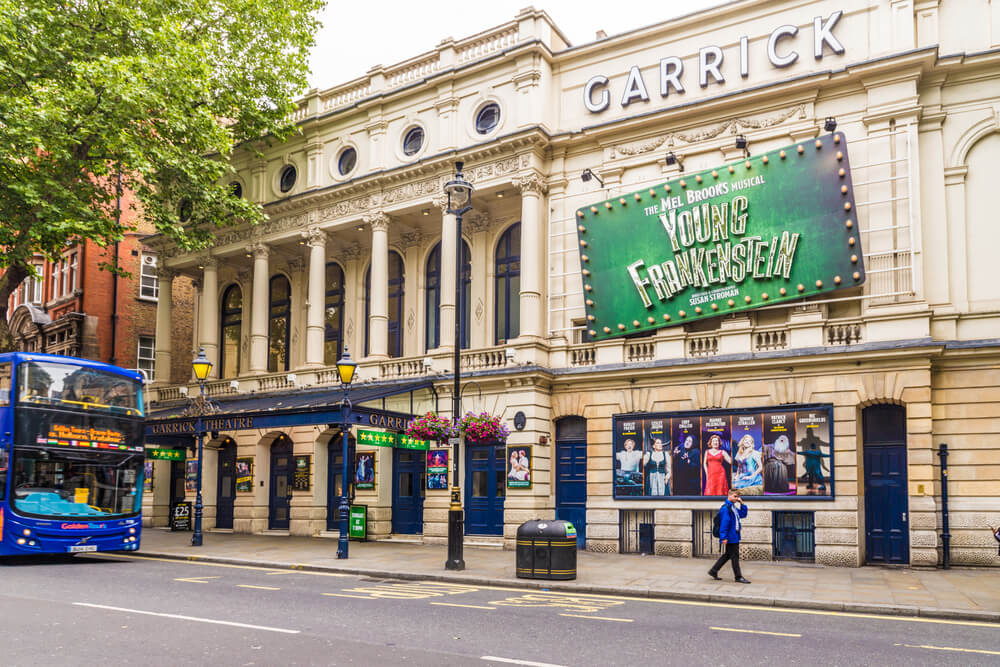
The Garrick Theater Building, designed by Louis Sullivan and Dankmar Adler and completed in 1892, was demolished in 1961 to make way for a parking garage, despite a preservation campaign that included prominent architects and the Chicago chapter of the American Institute of Architects publicly opposing the decision. The building’s ornate terra cotta facade and auditorium were considered among Sullivan’s most significant surviving commercial designs at the time of its loss.
The demolition is frequently cited alongside New York’s Penn Station as one of the defining losses that helped galvanize the modern American preservation movement.
What Demolition Never Really Solves
Every demolition on this list was approved by someone convinced they were clearing the way for something better, more modern, or more profitable. Cities rarely tear down a building while believing they will regret it, which is exactly why so many of these decisions look worse with each passing decade.
The buildings that survive the debate over their own usefulness tend to become the ones a city is proudest of generations later. The ones that lose that debate simply disappear, taking with them whatever texture and memory they had accumulated, and leaving behind parking lots or office towers that no one photographs out of admiration.
More from Go2Tutors!

- The Romanov Crown Jewels and Their Tragic Fate
- 13 Historical Mysteries That Science Still Can’t Solve
- Famous Hoaxes That Fooled the World for Years
- 15 Child Stars with Tragic Adult Lives
- 16 Famous Jewelry Pieces in History
Like Go2Tutors’s content? Follow us on MSN.