25 TV Shows Families Watched Together Before Streaming
Before a household could split into separate rooms with separate screens, a family’s evening often revolved around a single television set and whatever was airing on one of a handful of channels at a fixed hour. Missing an episode meant actually missing it, not queuing it up later, which gave weekly appointment viewing a shared weight that on-demand television rarely replicates.
The shows below were staples of that era, the kind of programs parents and children alike would gather around the same set to watch, often because there was simply nothing else on and nowhere else to be.
The Wonderful World of Disney

Walt Disney’s anthology series aired on Sunday evenings for decades starting in 1954, rotating between animated shorts, nature documentaries, and original live-action films under a single umbrella title that changed names several times over its long run. Its consistent Sunday night slot made it a fixture families could plan around, often as the final wind-down before the school week began.
The series continued in various forms for close to four decades, one of the longest-running programs in American television history.
Little House on the Prairie

NBC aired Little House on the Prairie from 1974 to 1983, adapting Laura Ingalls Wilder’s pioneer-era novels into a weekly drama centered on a farming family in nineteenth-century Minnesota. The show became a Monday night staple for families across the country throughout its nine-season run, praised for handling difficult topics within a format still accessible to younger viewers.
It remained in heavy syndication for decades after its original run ended, extending its family-viewing legacy well past 1983.
The Cosby Show

NBC aired The Cosby Show from 1984 to 1992, following an upper-middle-class Black family in Brooklyn and becoming the highest-rated program on American television for several consecutive seasons during its run. Thursday nights built entire evening viewing schedules around its timeslot at the height of its popularity.
The show’s legacy has been complicated by its star’s later criminal conviction, but its original run remains a well-documented example of appointment family television at its most dominant.
Family Ties

NBC aired Family Ties from 1982 to 1989, centering on a pair of former 1960s counterculture parents raising politically conservative children, a generational role-reversal premise that resonated with families watching together across a real cultural divide. It became a top-rated Thursday night staple for much of its run.
The show helped launch its young lead actor to broader stardom and remained a heavily syndicated rerun staple for years afterward.
The Waltons

CBS aired The Waltons from 1972 to 1981, following an extended family living through the Great Depression and World War II in rural Virginia, narrated by the eldest son reflecting on his childhood. Its Thursday night timeslot became a consistent gathering point for families over its nine-season run.
The show is frequently cited as an example of wholesome, multigenerational family programming from an era when networks actively competed for that specific audience.
Full House

ABC aired Full House from 1987 to 1995, following a widowed father raising three daughters with the help of his brother-in-law and best friend, part of the network’s Friday night lineup deliberately branded around family-friendly programming. The show became a defining piece of that block’s identity and remained popular enough in syndication that a sequel series launched decades later on a streaming platform.
Its original run is still commonly cited as a touchstone example of the format.
Growing Pains
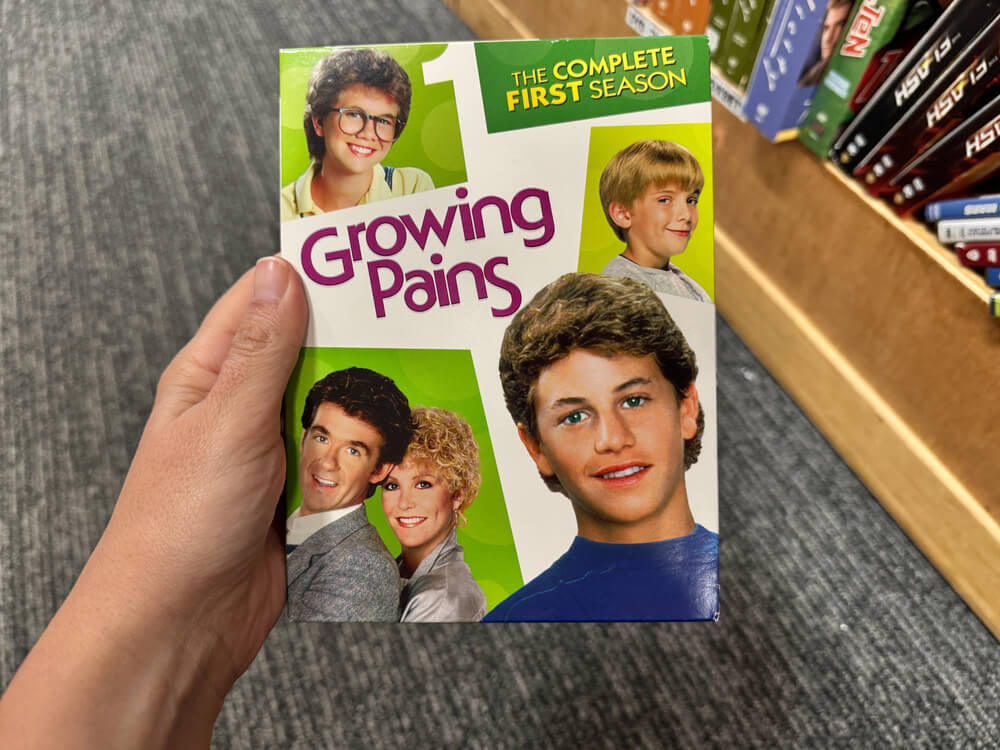
ABC aired Growing Pains from 1985 to 1992, following a family in which the father worked from home as a psychiatrist while the mother returned to a journalism career, part of the same Tuesday night family-comedy strategy that defined much of the network’s programming that decade. It remained a consistent ratings performer throughout its seven-season run.
The show launched several young cast members to further stardom and stayed in heavy syndication rotation for years after ending.
Home Improvement

ABC aired Home Improvement from 1991 to 1999, following a television handyman host whose on-air confidence rarely matched his actual competence at home, and it became one of the most-watched sitcoms of the 1990s. Its Tuesday night timeslot anchored an entire evening of programming for many families throughout the decade.
The show ranked among the top few programs on American television for several consecutive seasons during its run.
Bonanza
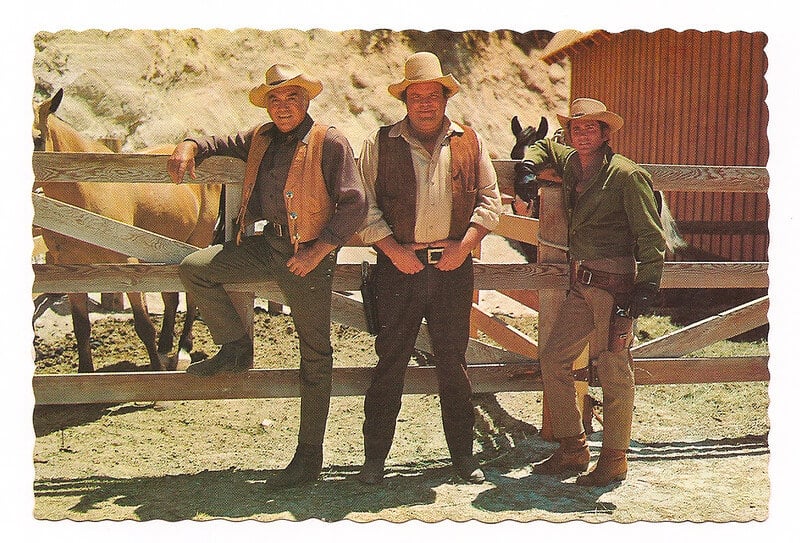
NBC aired Bonanza from 1959 to 1973, a Western following a rancher and his three sons in Nevada Territory that became one of the first regularly scheduled series broadcast in color, a technical detail that made it a showcase program for families who had recently purchased color television sets. Its Sunday night timeslot made it a weekly fixture for well over a decade.
It remains one of the longest-running Western series in American television history.
The Brady Bunch
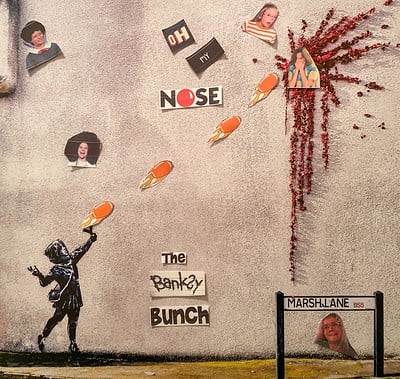
ABC aired The Brady Bunch from 1969 to 1974, following a blended family of two previously widowed parents raising six children together, a format that reflected a growing number of real blended American households at the time. Its original run was relatively modest in the ratings, but decades of syndication turned it into one of the most recognized family sitcoms in television history.
Reunion specials, spinoffs, and reboots have continued to appear for decades after the original series ended.
Happy Days

ABC aired Happy Days from 1974 to 1984, a nostalgic look back at 1950s and early 1960s teenage life that became one of the top-rated shows on television for several seasons during its run. Its Tuesday night timeslot anchored family viewing for much of its decade-long run.
The show’s popularity spawned multiple spinoffs and left a lasting mark on television slang through its most famous supporting character.
Highway to Heaven

NBC aired Highway to Heaven from 1984 to 1989, following an angel on probation who helps people in need while paired with a retired police officer, a gentle, faith-inflected drama that built a loyal family audience during its Wednesday night timeslot. It never reached the ratings heights of some of its network competitors but maintained a steady, devoted viewership throughout its five-season run.
It remains a frequently cited example of explicitly values-driven family programming from the era.
The Facts of Life
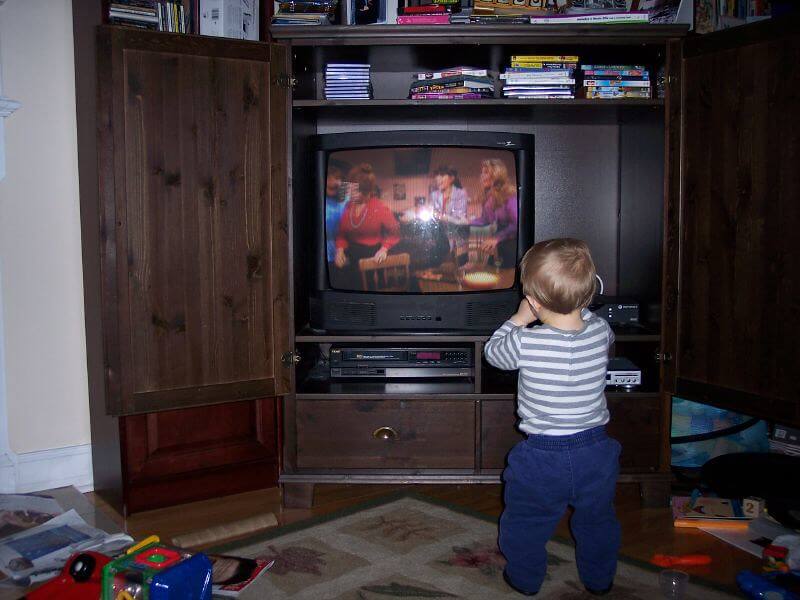
NBC aired The Facts of Life from 1979 to 1988, following a group of girls at a boarding school under the guidance of a former Diff’rent Strokes housekeeper character, part of the network’s Saturday night comedy lineup for most of the 1980s. Its long run and consistent timeslot made it a dependable weekly gathering point for families throughout the decade.
The series remained a fixture of NBC’s Saturday programming for nine consecutive seasons.
Family Matters

ABC and later CBS aired Family Matters from 1989 to 1998, following a middle-class Chicago family whose eccentric next-door neighbor became a breakout character popular enough to reshape the show’s focus during its run. It anchored Friday night family programming for most of the 1990s.
The series ran for nine seasons, a long enough run to become a defining piece of its era’s family sitcom lineup.
Step by Step

ABC and later CBS aired Step by Step from 1991 to 1998, following a blended family formed when two single parents with children from previous marriages got married, part of the same Friday night family-comedy block that included Family Matters. It remained a solid ratings performer for most of its seven-season run.
The show’s timeslot pairing with other family sitcoms made it part of a deliberately curated evening of shared viewing for many households.
Boy Meets World

ABC aired Boy Meets World from 1993 to 2000, following a boy from middle school through college alongside his teacher, best friend, and eventual wife, part of the network’s long-running family-programming block. Its consistent Friday night slot made it a weekly fixture for much of the 1990s.
The show spawned a sequel series decades later, reflecting the lasting attachment many original viewers carried into adulthood.
7th Heaven

The WB aired 7th Heaven from 1996 to 2007, following a minister and his large family in a suburban California town, and it became the network’s highest-rated series for much of its run, later moving to the CW when the networks merged. Its Monday night timeslot anchored family viewing for over a decade.
It remains one of the longest-running family dramas in American television history, spanning eleven seasons.
Diff’rent Strokes
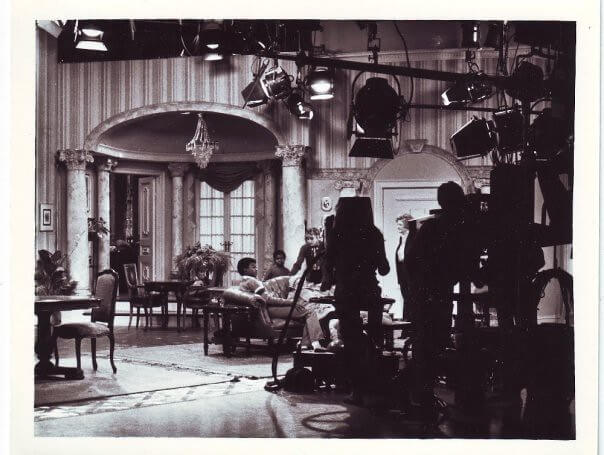
NBC and later ABC aired Diff’rent Strokes from 1978 to 1986, following a wealthy white businessman who adopts two young Black brothers from Harlem after their mother’s death, a premise that let the show address issues of race and class within a sitcom format. It aired as part of Saturday and later other family-oriented lineups throughout its run.
The show remains a frequently referenced example of 1980s sitcoms directly tackling social issues within otherwise lighthearted episodes.
Silver Spoons

NBC aired Silver Spoons from 1982 to 1987, following a wealthy, immature father reconnecting with the son he barely knew after the boy’s mother sends him to live at his father’s mansion. It aired as part of NBC’s Saturday morning and early evening family lineup for most of its run.
The show is remembered partly for its child star’s later career and partly as a straightforward example of the era’s father-son reconciliation sitcom format.
ALF

NBC aired ALF from 1986 to 1990, following a wisecracking alien puppet who crash-lands in a suburban family’s garage and must hide from the government while living in their house. Its Monday night timeslot made it a consistent family draw for four seasons.
The character became a significant merchandising presence beyond the show itself, appearing on everything from lunchboxes to breakfast cereal.
Punky Brewster

NBC aired Punky Brewster from 1984 to 1988, following a young girl abandoned by her mother and raised by an elderly foster father after being found alone in a shopping mall, a premise that balanced its lighter comedic tone with genuinely difficult subject matter. It aired as part of NBC’s Saturday family lineup for most of its run.
A sequel series launched decades later on a streaming platform, drawing on the same nostalgic attachment many other 1980s family shows have generated.
Mr. Belvedere
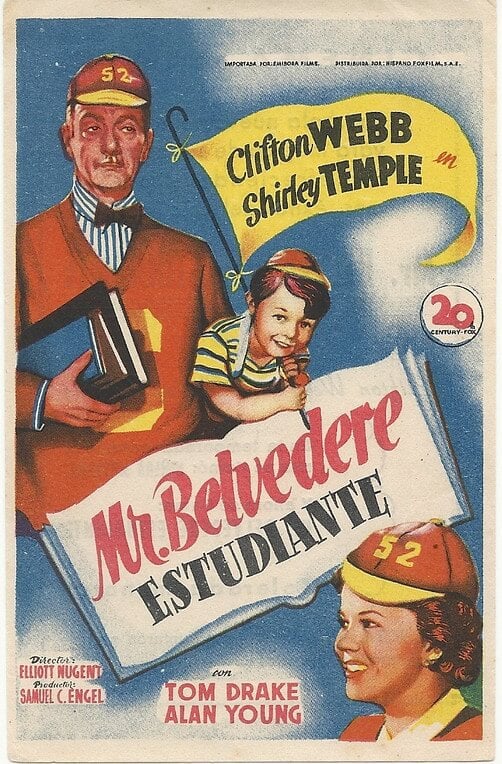
ABC aired Mr. Belvedere from 1985 to 1990, following a British butler who takes a position with an American suburban family, blending fish-out-of-water comedy with more grounded family drama than its premise might suggest. It aired as part of ABC’s Friday night family comedy block for most of its run.
The show is remembered for occasionally tackling serious topics within episodes that otherwise leaned on lighter household comedy.
Perfect Strangers

ABC aired Perfect Strangers from 1986 to 1993, following an American cousin and his immigrant relative from a fictional Mediterranean country navigating life together in a Chicago apartment. It aired as part of ABC’s Friday family comedy lineup alongside several other shows on this list, part of a deliberately built evening of shared programming.
The show’s odd-couple format made it a consistent ratings performer for most of its seven-season run.
America’s Funniest Home Videos

ABC launched America’s Funniest Home Videos in 1990, built around viewer-submitted video clips of mishaps and pratfalls, and it became a Sunday evening staple that required no ongoing storyline knowledge, making it easy for entire families to watch together regardless of age. Its simple, clip-based format made it one of the more durable shows in American television, still airing new episodes decades after its debut.
It remains one of the longest-running primetime entertainment shows in the country.
Wheel of Fortune
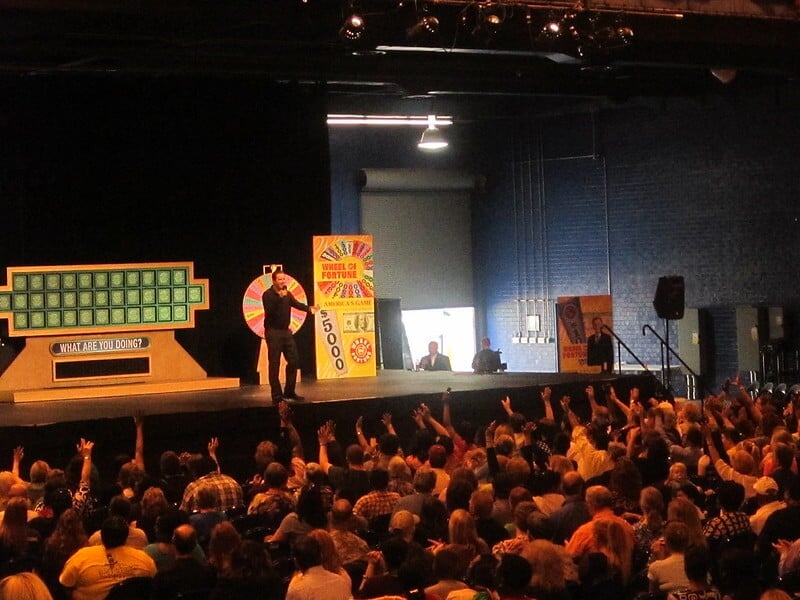
Wheel of Fortune debuted in its familiar syndicated evening format in 1983, a word-guessing game show that families could play along with from the couch without needing any prior episode knowledge, making it one of the most accessible shared-viewing formats on television. Its early evening timeslot in most markets made it a natural lead-in to dinner or homework time for decades.
It remains one of the highest-rated syndicated programs in American television history.
Appointment Viewing, Remembered

What united these shows was never just their content, but their scheduling. A fixed timeslot, a single household television, and the simple fact that missing an episode meant waiting a full week to find out what happened next, all of it created a shared ritual that had less to do with any individual show’s quality and more to do with the shape of the technology surrounding it.
Streaming solved the real inconvenience of appointment television, the missed episodes and the inflexible schedules, but it also dissolved the specific kind of togetherness that came from an entire family being in the same room at the same time because there was, genuinely, nothing else to do. That trade-off rarely gets mentioned in conversations about how much better television has gotten, even though it is the part of the old system many people still remember most fondly.
More from Go2Tutors!

- The Romanov Crown Jewels and Their Tragic Fate
- 13 Historical Mysteries That Science Still Can’t Solve
- Famous Hoaxes That Fooled the World for Years
- 15 Child Stars with Tragic Adult Lives
- 16 Famous Jewelry Pieces in History
Like Go2Tutors’s content? Follow us on MSN.