Presidents Who Fought on the Front Lines
The office of president comes with the title “Commander in Chief,” but not every person who has held that position actually knows what it’s like to face enemy fire. Throughout American history, however, many future presidents earned their stripes in battle long before they ever set foot in the White House. These men understood the weight of sending soldiers into harm’s way because they had been there themselves.
Here are the stories of presidents who traded their rifles for the Oval Office, bringing real combat experience to the nation’s highest position.
George Washington led troops while serving as president

Washington remains the only sitting president to personally lead troops into battle when he commanded forces during the Whiskey Rebellion in 1794. Before becoming president, he spent years fighting in the French and Indian War and later led the Continental Army through the Revolutionary War.
George Washington arrived at Cumberland in October 1794 as President and as leader of the troops in order to put down the citizens’ revolt known as the Whiskey Rebellion. It was the first and only time that a sitting President has led troops into battle.
His combat experience helped him understand both the cost of war and the importance of strong military leadership. Washington’s military background gave him credibility with soldiers and citizens alike during the early, uncertain years of the new republic.
James Monroe survived being shot at the Battle of Trenton

Monroe served as a lieutenant in the Continental Army and nearly lost his life during the famous Christmas crossing of the Delaware River. At the Battle of Trenton, he was shot in the shoulder and came close to dying from his wounds.
The future president spent several months recovering before returning to active duty under General Washington. Monroe’s combat experience taught him about sacrifice and helped shape his later foreign policy decisions as president.
His military service also gave him a deep respect for soldiers that influenced how he handled military affairs during his presidency.
Like Go2Tutors’s content? Follow us on MSN.
Andrew Jackson earned his reputation as a fierce warrior
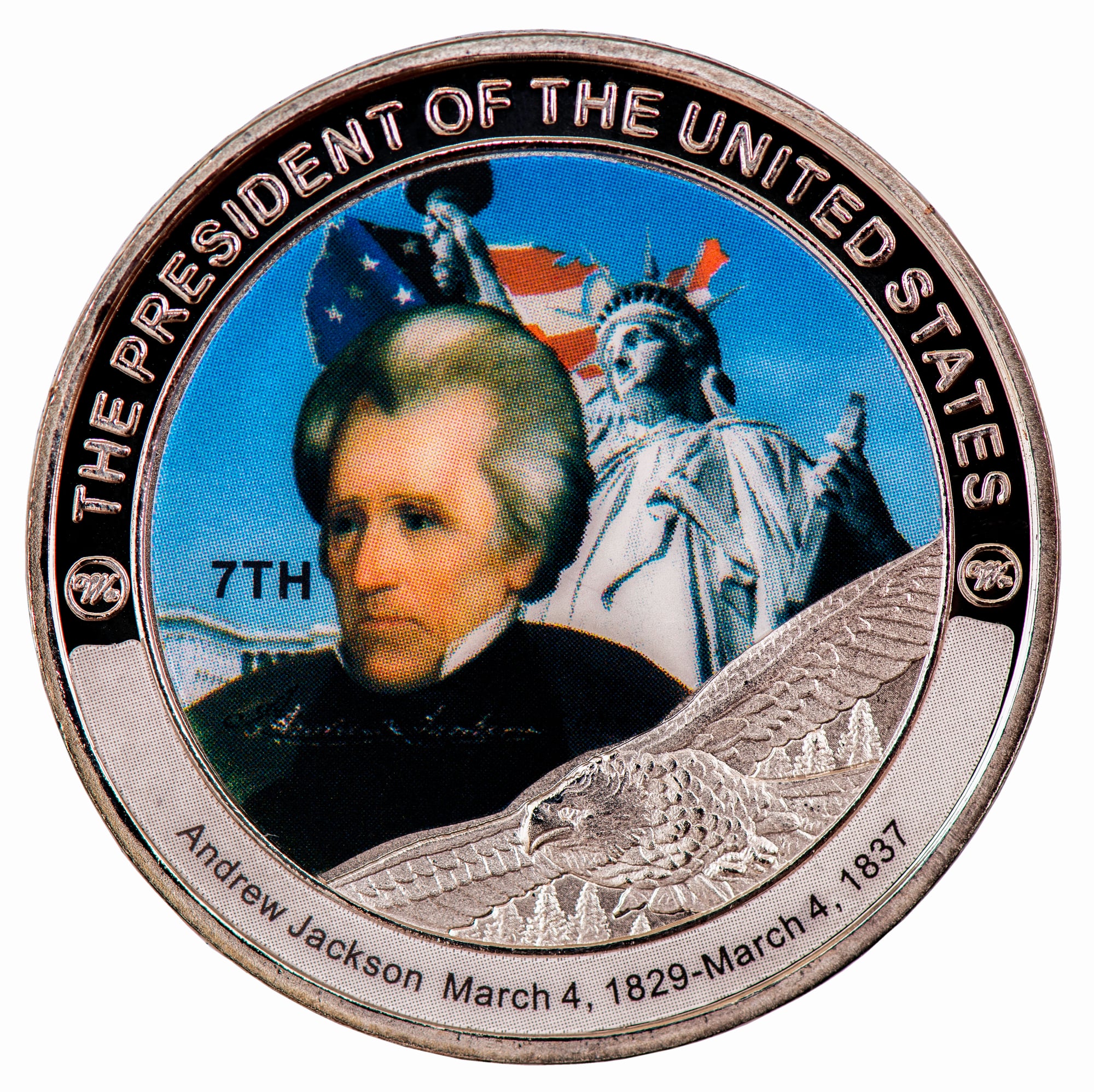
Old Hickory became famous for his military leadership during the War of 1812, especially at the Battle of New Orleans where American forces defeated a much larger British army. Jackson had also fought in various frontier conflicts and duels throughout his life, gaining a reputation as someone who never backed down from a fight.
His combat experience made him incredibly popular with common soldiers and frontier settlers who saw him as one of their own. Jackson’s military background helped him win the presidency, though his aggressive nature sometimes caused problems in politics.
The general-turned-president brought a no-nonsense approach to governing that reflected his battlefield experiences.
William Henry Harrison defeated Tecumseh at Tippecanoe

Harrison built his political career on his military victories against Native American forces in the Northwest Territory. His most famous battle was at Tippecanoe in 1811, where he led American troops against a confederation led by Tecumseh’s brother.
The victory made Harrison a national hero and earned him the nickname “Old Tippecanoe.” He later served in the War of 1812, continuing to build his reputation as an effective military commander.
Harrison’s campaign slogan “Tippecanoe and Tyler Too” reminded voters of his combat leadership, helping him win the presidency in 1840.
John Tyler served during the War of 1812

Tyler enlisted in the Virginia militia during the War of 1812, though he saw limited combat action compared to some other future presidents. He served as a captain in his local militia unit and helped defend Virginia against British attacks.
Tyler’s military service was brief but gave him an understanding of military organization and the challenges of wartime leadership. His experience with the militia system influenced his later political views about states’ rights and federal power.
Though not as extensive as other presidents’ military careers, Tyler’s service connected him to the common experience of many Americans during the war.
Like Go2Tutors’s content? Follow us on MSN.
Zachary Taylor became a national hero in the Mexican War

Taylor spent most of his adult life as a professional soldier, earning the nickname “Old Rough and Ready” for his willingness to share hardships with his troops. He fought in the War of 1812, various frontier conflicts, and became famous during the Mexican-American War for victories at battles like Buena Vista.
Taylor’s down-to-earth leadership style made him popular with common soldiers who respected his courage under fire. His military success, especially against larger Mexican forces, made him a natural choice for the Whig Party’s presidential nomination.
Taylor brought a practical, no-nonsense approach to politics that reflected his years of military command.
Franklin Pierce served as a brigadier general in Mexico

Pierce enlisted as a private during the Mexican-American War but quickly rose to the rank of brigadier general due to his political connections and organizational skills. He saw combat in several battles, including Contreras and Churubusco, where he proved himself under fire.
Pierce was injured when his horse fell during one battle, but he returned to duty despite his injuries. His military service was relatively brief but gave him credibility as a leader who had faced danger alongside his men.
The experience of leading troops in combat influenced Pierce’s later decisions as president, particularly regarding military appointments and strategy.
Abraham Lincoln served briefly during the Black Hawk War

Lincoln’s military experience was limited to a few months during the Black Hawk War in 1832, where he served as a captain in the Illinois militia. Though he saw no combat, the future president learned valuable lessons about leadership and working with diverse groups of men.
Lincoln later joked about his military service, saying his only battles were against mosquitoes rather than enemy soldiers. Despite his limited combat experience, his time in the militia gave him insights into military organization that proved valuable during the Civil War.
Lincoln’s brief service connected him to the common experience of frontier Americans who served in local militia units.
Like Go2Tutors’s content? Follow us on MSN.
Ulysses S. Grant won the Civil War as commanding general

Grant graduated from West Point and served in the Mexican-American War before becoming the Union’s most successful general during the Civil War. At the Battle of Monterey, Grant distinguished himself by volunteering to carry a dispatch through dangerous territory, showing the courage that would mark his entire military career.
His aggressive tactics and willingness to accept heavy casualties to win decisive victories helped end the Civil War. Grant’s combat experience as both a junior officer and commanding general gave him unique insights into military strategy and the costs of war.
His military reputation helped him win the presidency, though he struggled more with political leadership than military command.
Rutherford B. Hayes was wounded multiple times in the Civil War

Hayes served as a major and later colonel in the Union Army, participating in several major battles throughout the Civil War. He was wounded four times during his service, including at the Battle of South Mountain where he continued fighting despite being shot.
Hayes had four horses shot out from under him during various battles, showing how often he was in the thick of combat. His bravery under fire earned him promotion to brevet major general before the war’s end.
Hayes brought a deep understanding of military sacrifice to his presidency, having personally experienced the cost of preserving the Union.
James Garfield fought at Chickamauga and other major battles

Garfield served as a colonel and later brigadier general during the Civil War, participating in some of the conflict’s bloodiest battles. He commanded troops at Chickamauga, one of the war’s most brutal engagements, where his leadership helped prevent a complete Union disaster.
Garfield also served at Shiloh and other major battles, gaining a reputation as a competent field commander. His military experience included both combat leadership and staff work, giving him insights into different aspects of warfare.
Garfield’s service record helped him build a political career based on his proven courage and leadership under pressure.
Like Go2Tutors’s content? Follow us on MSN.
Benjamin Harrison commanded troops during Sherman’s Atlanta Campaign

Harrison served as a colonel in the 70th Indiana Infantry Regiment during some of the Civil War’s most intense fighting. He led his regiment during Sherman’s Atlanta Campaign, participating in battles like Resaca, New Hope Church, and the siege of Atlanta itself.
Harrison’s troops respected him for sharing their dangers and hardships rather than staying safely behind the lines. His combat leadership earned him promotion to brigadier general by the war’s end.
Harrison’s military experience gave him credibility with veterans and helped him understand the challenges of military command when he later served as president.
William McKinley served four years in the Civil War

McKinley enlisted as a private in the 23rd Ohio Infantry Regiment and rose to the rank of major through his courage and leadership in battle. He served under Rutherford B. Hayes and participated in several major engagements, including the Battle of Antietam.
McKinley’s bravery at Antietam, where he brought food and coffee to troops under fire, became legendary among his fellow soldiers. His four years of service gave him deep respect for the common soldier and an understanding of military logistics.
McKinley’s combat experience influenced his decisions as president, particularly during the Spanish-American War when he had to balance military strategy with political considerations.
Theodore Roosevelt charged up San Juan Hill

Roosevelt resigned his position as Assistant Secretary of the Navy to organize and lead the Rough Riders cavalry regiment during the Spanish-American War. He personally led the famous charge up San Juan Hill in Cuba, earning him national fame and the Medal of Honor many years later.
Roosevelt’s willingness to leave a comfortable government job to fight on the front lines impressed Americans who saw him as a man of action rather than just words. His combat leadership in Cuba became central to his political identity and helped propel him to the vice presidency and later the White House.
Roosevelt brought an aggressive, hands-on approach to the presidency that reflected his military experience and personal courage.
Like Go2Tutors’s content? Follow us on MSN.
Harry S. Truman commanded an artillery battery in World War I
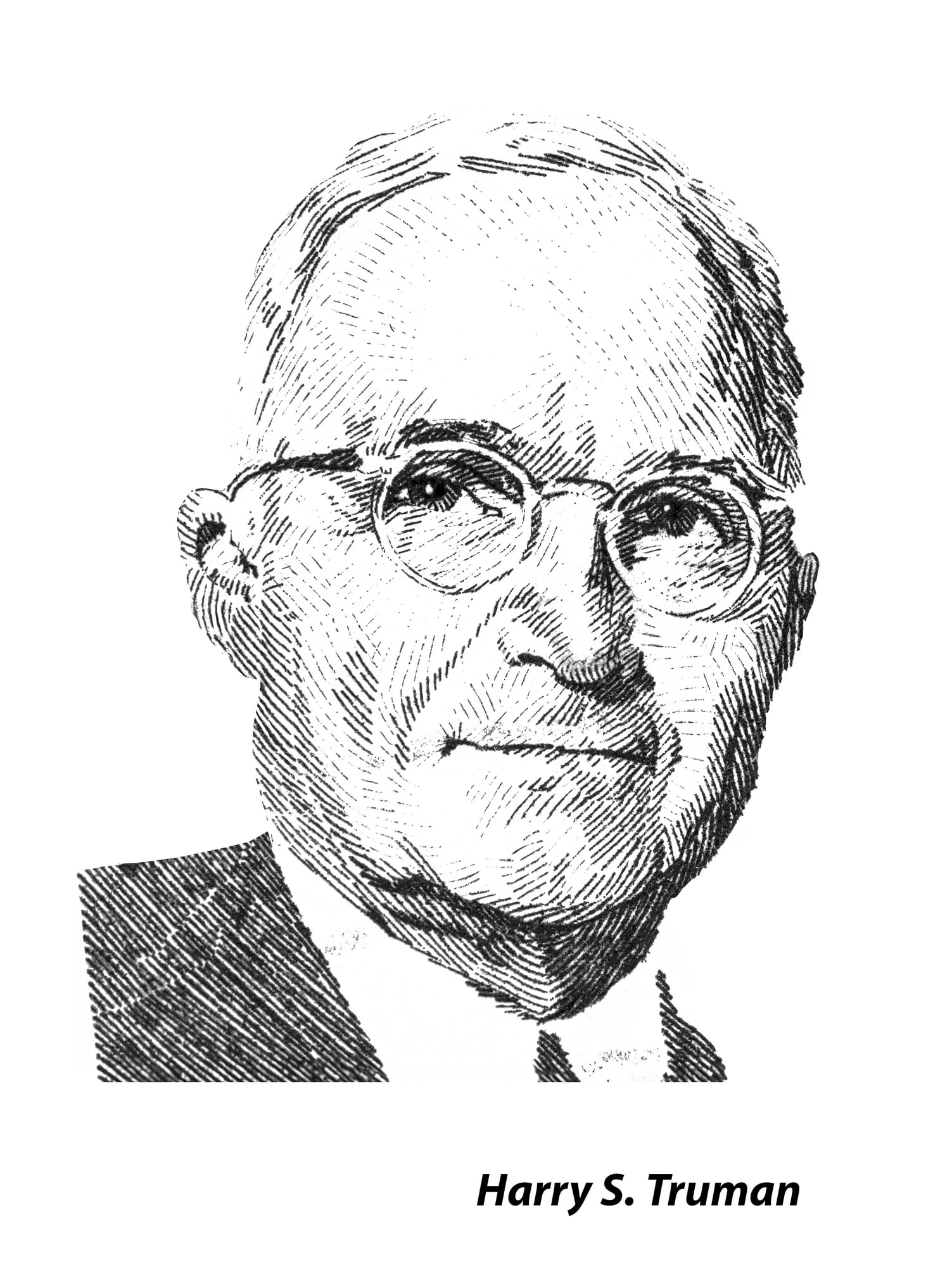
Truman served as a captain commanding Battery D, 129th Field Artillery during World War I, leading his unit through some of the war’s major offensives. His battery saw action in the Saint-Mihiel and Meuse-Argonne campaigns, where Truman proved himself as a capable combat leader.
The future president earned the respect of his men by sharing their dangers and maintaining discipline under fire. Truman’s combat experience gave him a realistic understanding of what soldiers endure and the weight of sending men into battle.
When he became president and had to make decisions about World War II and Korea, Truman drew on his personal knowledge of what war meant for the men who fought it.
From battlefields to the ballot box
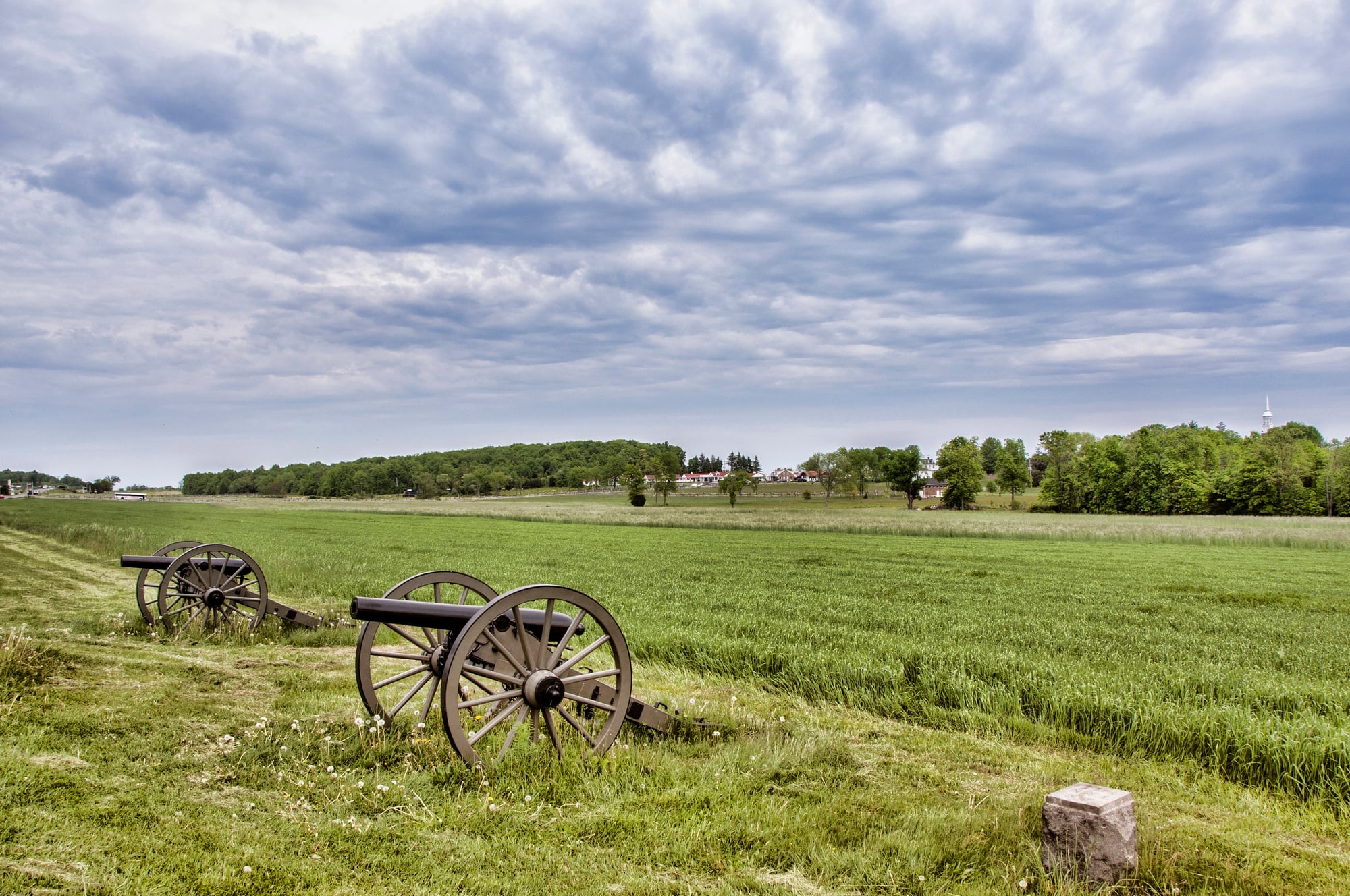
These commander-in-chief stories show how military service shaped many of our nation’s leaders
long before they reached the White House. Of the 46 U.S. presidents in American history, 31 of them have served in the military in some capacity, but the ones who actually faced enemy fire brought something special to the presidency.
Their combat experience gave them credibility when making tough military decisions and helped them understand the true cost of war. As of December 2018, George H. W. Bush was the most recent president to have served in combat (as an aircraft carrier-based bomber pilot in World War II), marking the end of an era when combat veterans regularly occupied the Oval Office.
These battle-tested presidents remind us that leadership often comes from those who have proven themselves when everything is on the line.
More from Go2Tutors!

- 16 Historical Figures Who Were Nothing Like You Think
- 12 Things Sold in the 80s That Are Now Illegal
- 15 VHS Tapes That Could Be Worth Thousands
- 17 Historical “What Ifs” That Would Have Changed Everything
- 18 TV Shows That Vanished Without a Finale
Like Go2Tutors’s content? Follow us on MSN.