25 Vintage Watches in Drawers That Repair Shops Value Highly
A watch that stopped running decades ago and got tucked into a drawer usually looks worthless to the person who inherited it. But movement quality doesn’t disappear just because a mainspring wound down for the last time in 1975.
Repair shops and specialist dealers see genuine value in certain names precisely because the mechanics inside were built to be serviced and revived, not replaced. Here’s what’s worth bringing in before it gets sold for scrap gold weight.
Rolex Oyster Perpetual from the 1950s
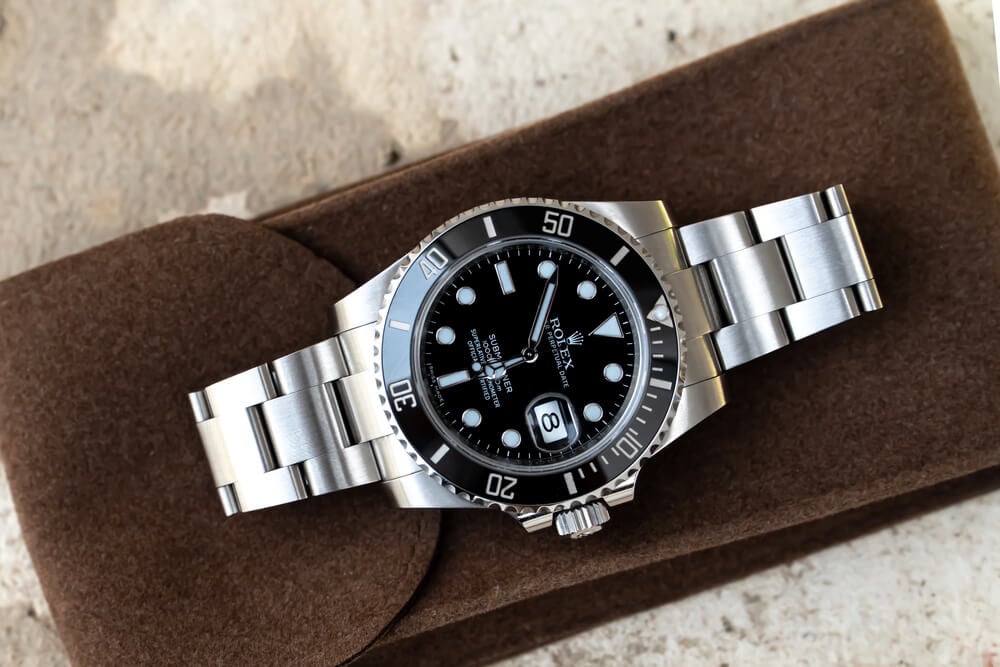
Rolex’s Oyster Perpetual line established the waterproof case and automatic winding mechanism that became standard across the entire watch industry. Even a non-running example with a worn dial and scratched crystal retains substantial value based on the case and movement alone.
Repair shops specifically look for the original crown and case back, since replacement parts affect authenticity and resale value significantly.
Omega Seamaster from the 1960s
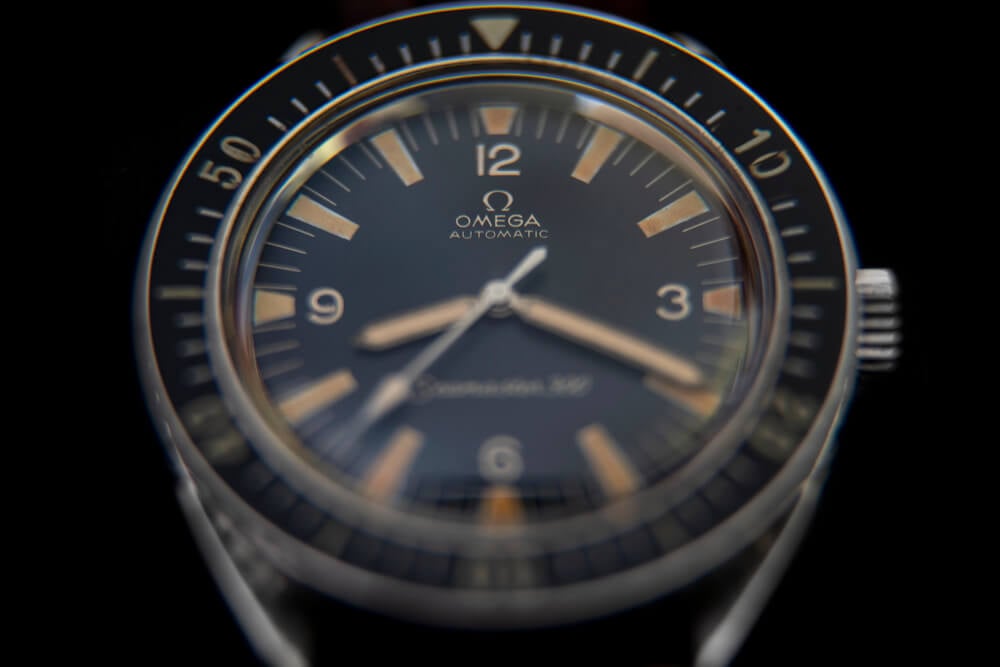
Omega’s Seamaster line built a reputation for reliability that made it a favorite among divers and military personnel throughout the mid-twentieth century. Specific dial variations and case shapes from this decade are tracked closely by collectors familiar with the model’s long production history.
A working example in original condition, without a replaced dial or hands, holds meaningfully more value than one that’s been modified.
Hamilton Electric from the Late 1950s
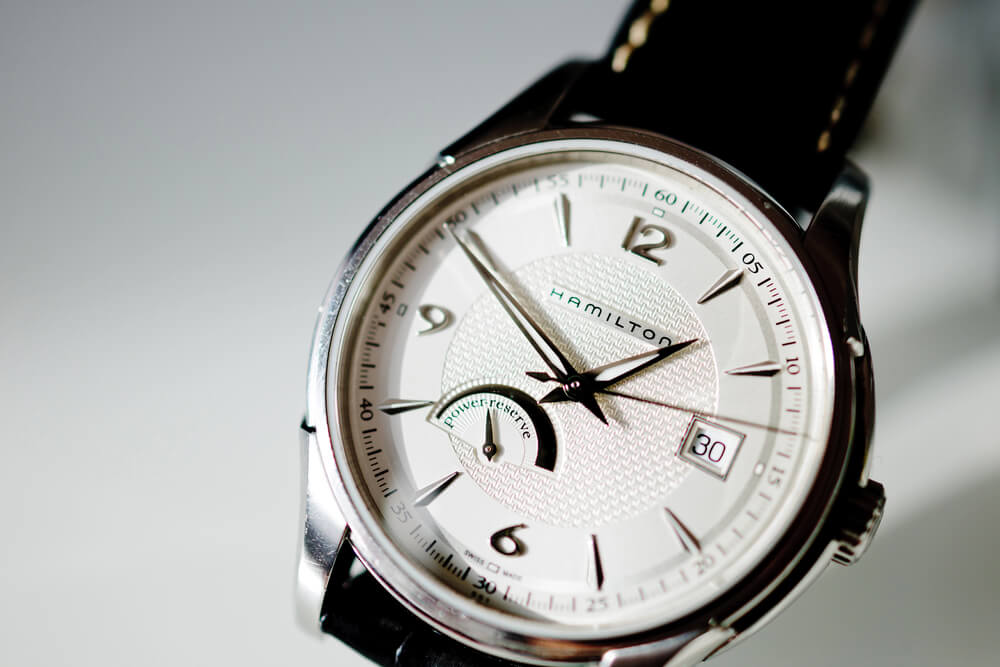
Hamilton introduced the first electric watch movement in 1957, a genuine engineering milestone that predated quartz technology by well over a decade. These movements were notoriously difficult to service correctly, which means a functioning example today has usually passed through the hands of a specialist repairer at some point.
Collectors interested specifically in watch technology history seek these out regardless of the brand’s more modest name recognition compared to Swiss luxury makers.
Longines Flagship from the 1950s and 1960s
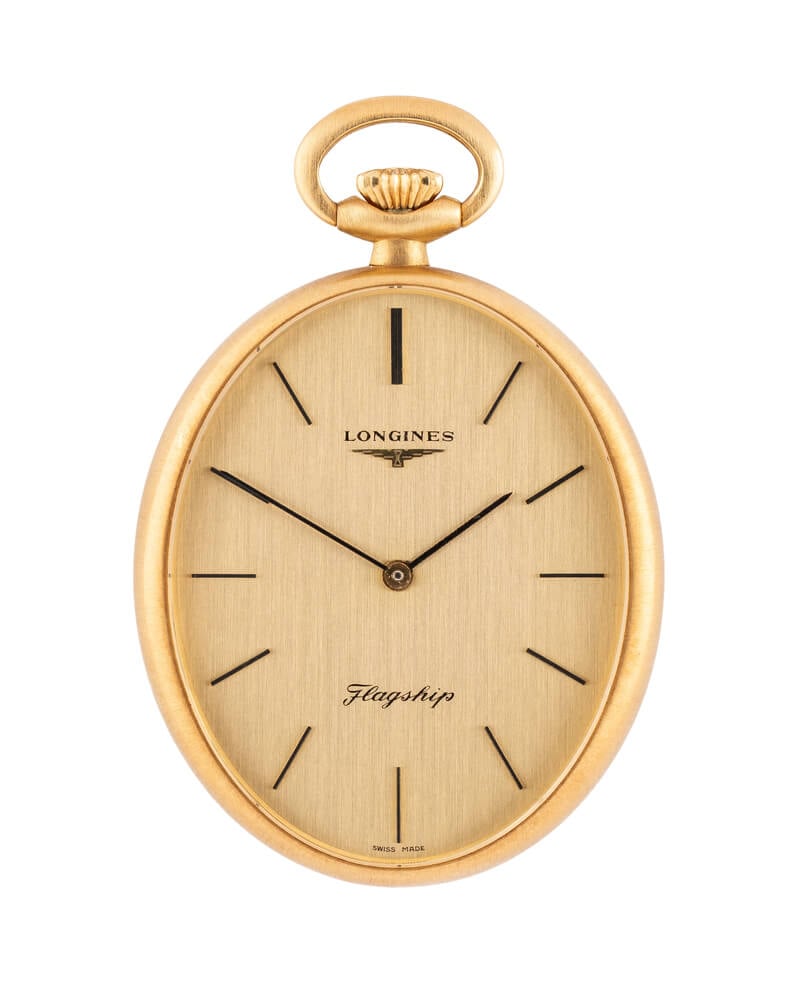
Longines built a reputation for precision timekeeping that extended back well before this particular model line launched. The Flagship series combined that reputation with an accessible price point compared to more expensive Swiss competitors of the same era.
A clean example with its original dial markings intact draws steady interest from collectors who prioritize movement quality over brand prestige.
Bulova Accutron from the 1960s
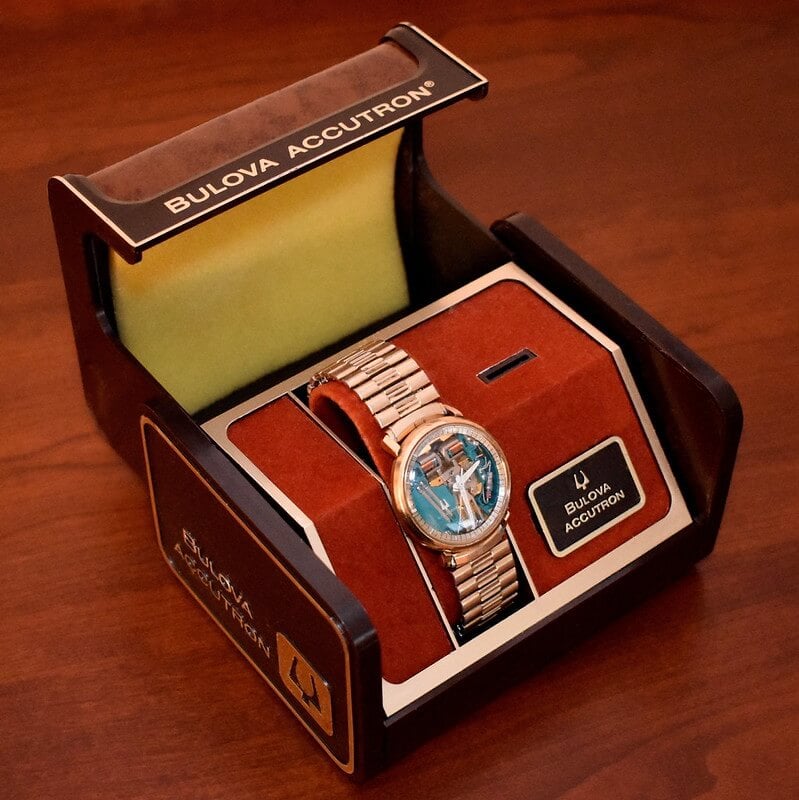
Bulova’s Accutron used a tuning fork movement that hummed audibly rather than ticked, an innovation distinct enough that the technology found its way into aerospace applications during the same era. The distinctive movement makes these watches easy to identify even without opening the case back.
Working examples, along with clearly non-working ones that retain original parts, both draw attention from specialists interested in mechanical watch history.
Elgin Pocket Watches from the Early 1900s
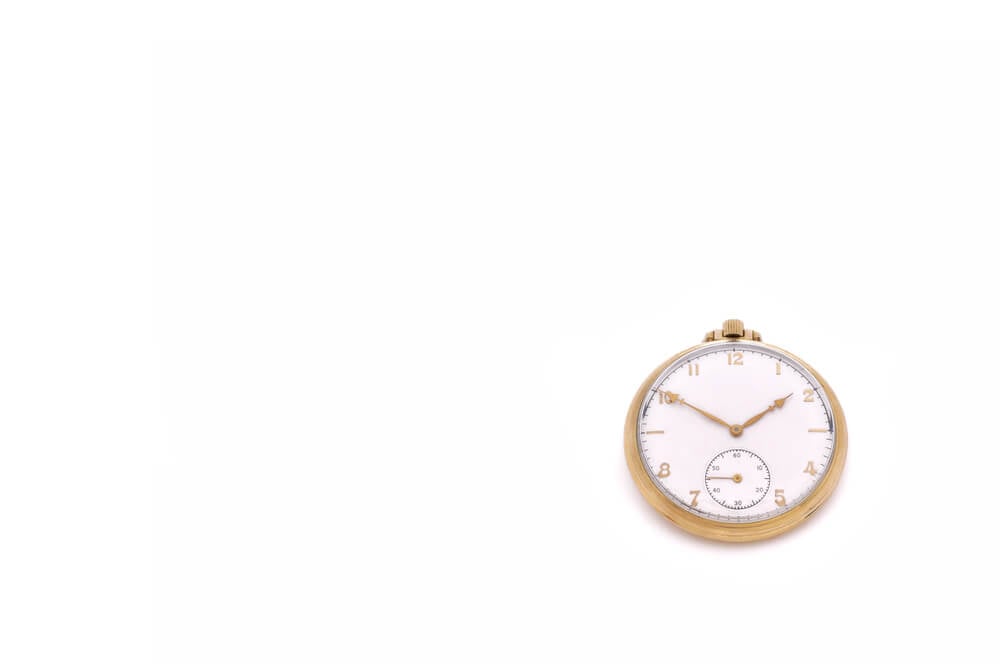
Elgin National Watch Company operated for over a century, producing enormous numbers of pocket watches that varied considerably in quality and finishing across different grades. Higher-grade railroad-approved models, built to strict accuracy standards for use by train conductors, carry meaningfully more value than the company’s basic consumer models.
A family heirloom pocket watch is worth having a specialist check the movement grade before assuming its value based on age alone.
Waltham Pocket Watches from the Late 1800s
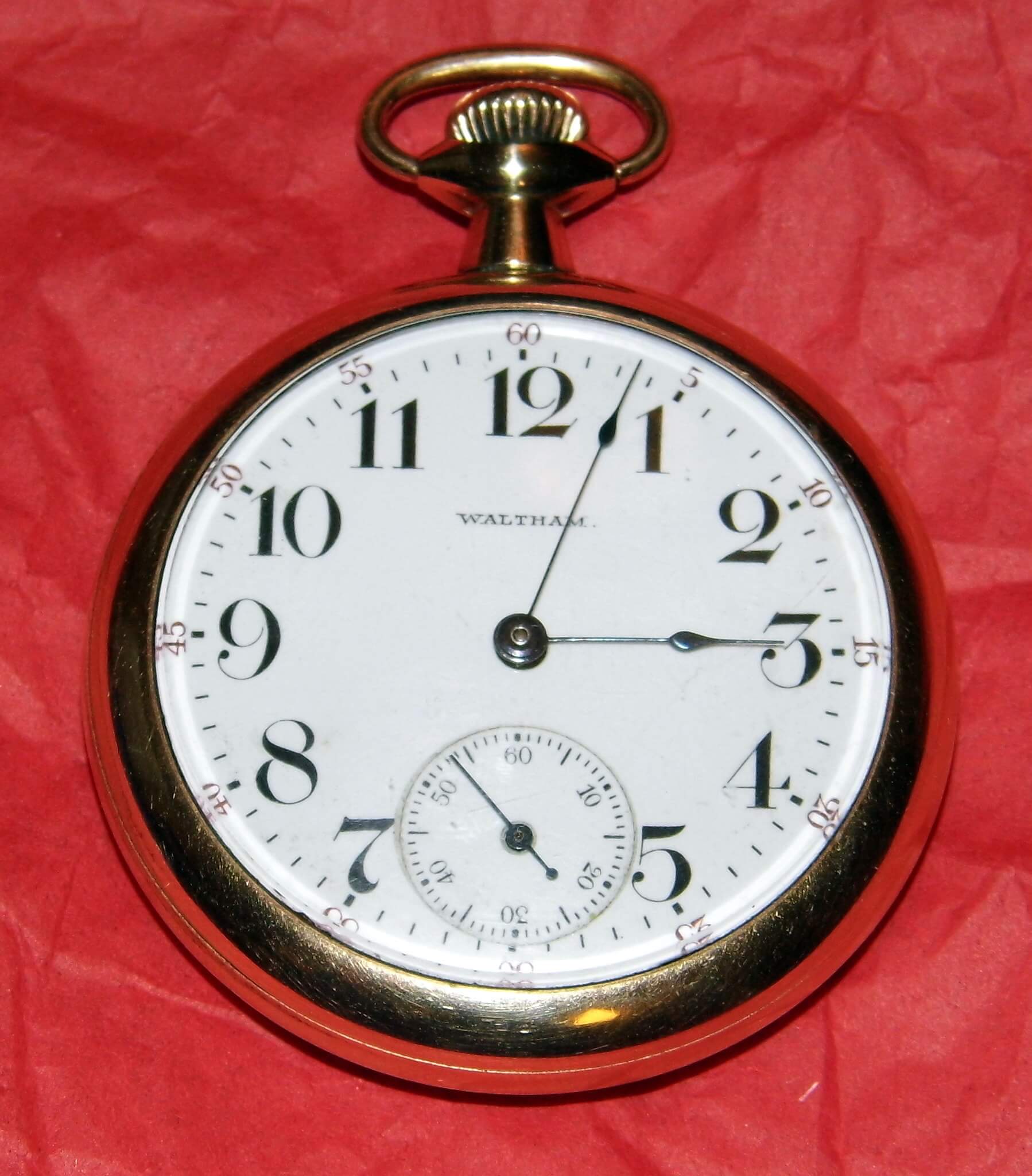
The Waltham Watch Company, based in Massachusetts, was among the first manufacturers to mass-produce interchangeable watch parts using factory methods rather than individual craftsmanship. That manufacturing history makes certain Waltham grades genuinely significant to collectors interested in American industrial history specifically.
Case material matters considerably here, since a solid gold case adds real value beyond the movement itself.
Seiko 5 Automatic from the 1960s and 1970s
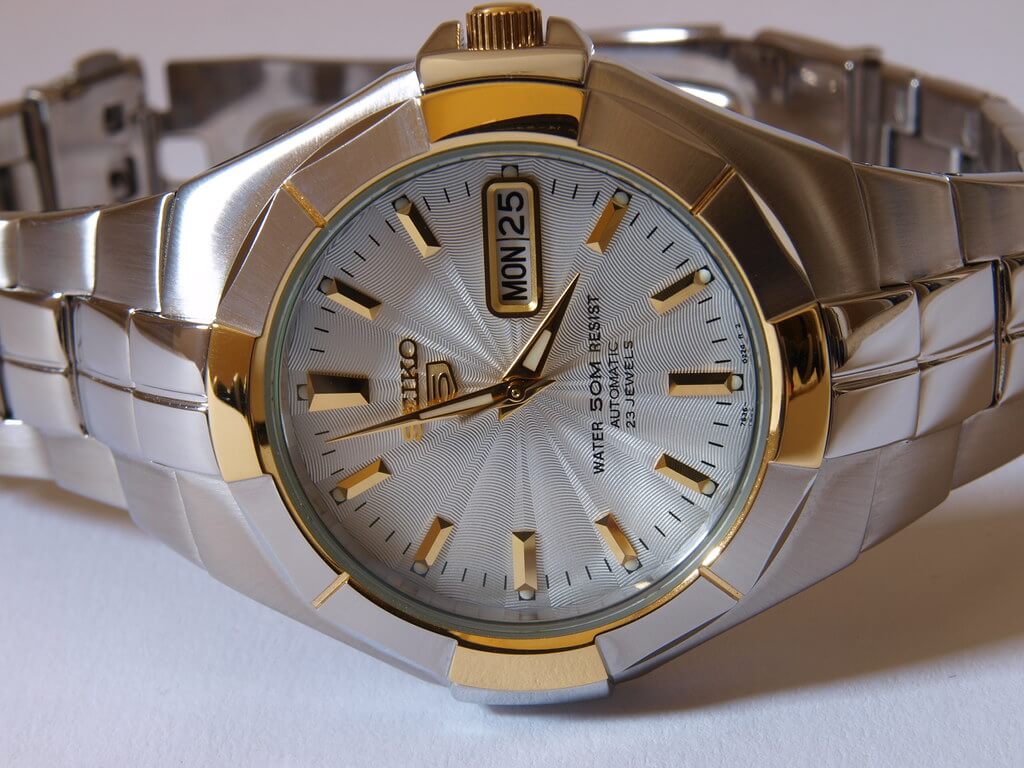
Seiko’s affordable automatic line built a reputation for reliability that made it popular among military personnel and everyday wearers across several decades of production. Specific early dial variations and case styles are tracked by a growing community of collectors who appreciate the brand’s engineering despite its modest original price point.
A working example in clean condition sells reliably even without the brand recognition of more expensive Swiss names.
Tissot Visodate from the 1950s and 1960s
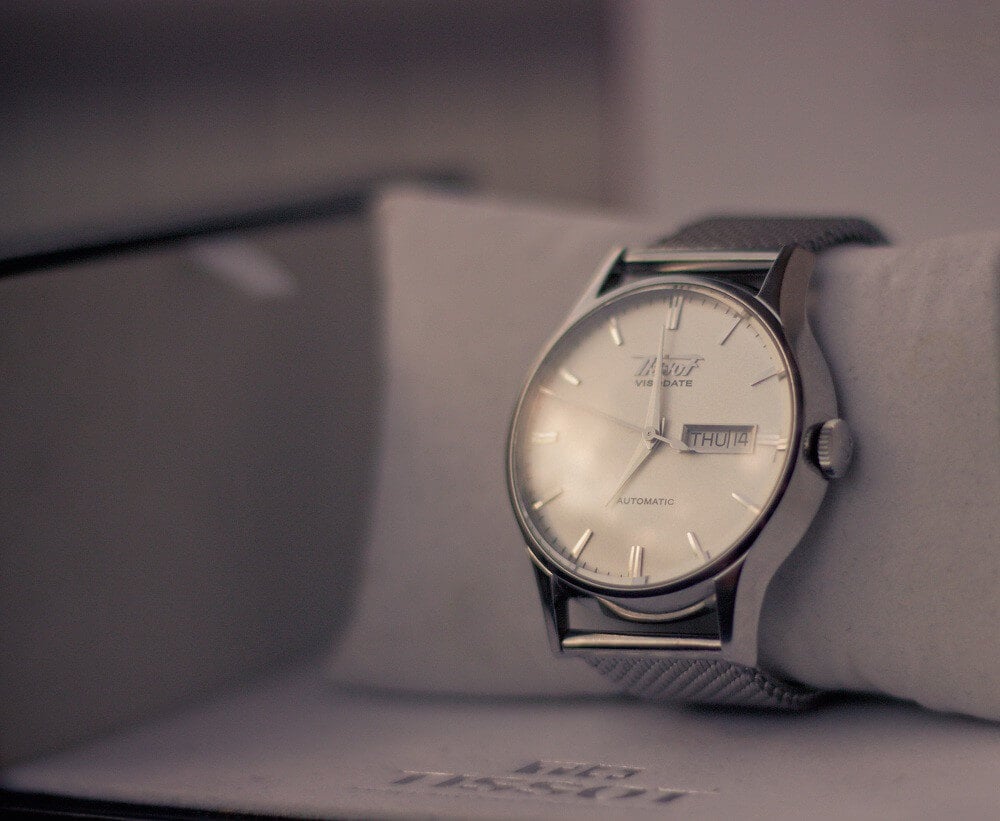
Tissot’s Visodate line combined a day and date display in a single model, a genuinely useful complication for an everyday watch at a moderate price point. Clean examples with their original dial finish intact are increasingly sought after as interest in mid-century watch design has grown among younger collectors.
Repair shops note that Tissot movements from this era are generally straightforward to service, which keeps demand for working examples steady.
Zenith Captain from the 1960s
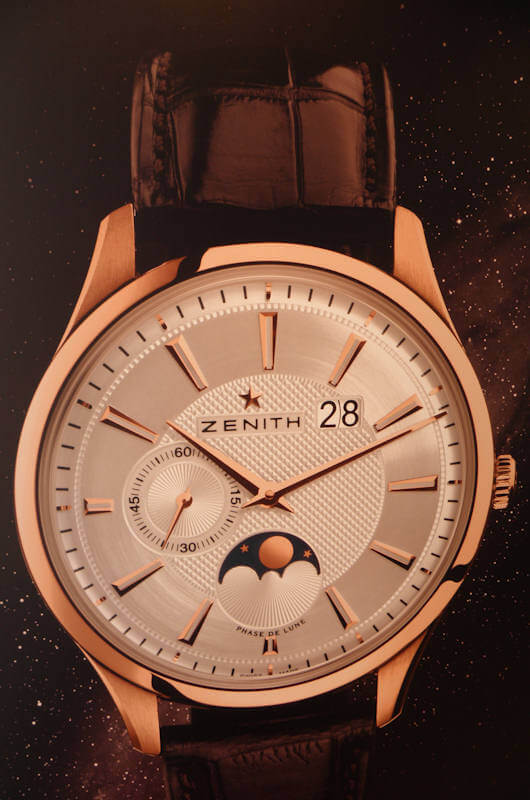
Zenith built a strong reputation for movement precision that eventually led to the development of the high-frequency El Primero movement later in the decade. Captain-branded models from before that development represent an earlier, still well-regarded chapter of the brand’s history.
Specialists familiar with Zenith specifically check case references to identify which movement generation a given example houses.
Gruen Curvex from the 1930s and 1940s
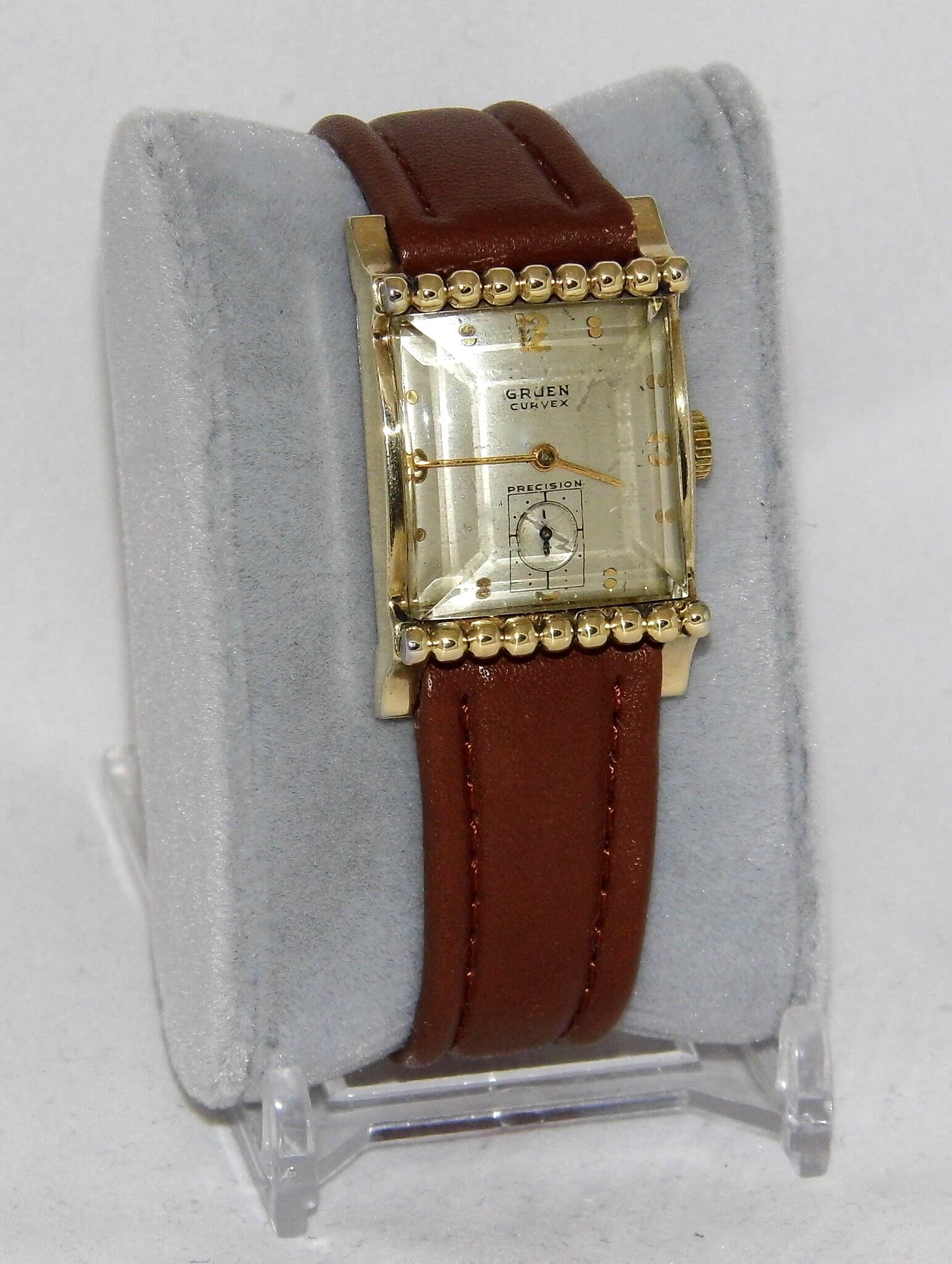
Gruen’s Curvex case design curved to follow the shape of a wrist, a distinctive look that set it apart from the rectangular cases common among competitors at the time. The company’s Ohio-based operations and Swiss movement sourcing made it a notable example of transatlantic watch manufacturing during this period.
A clean Curvex case with an unpolished, original finish holds distinctly more value than one that’s been heavily buffed over the decades.
Timex Marlin from the 1960s
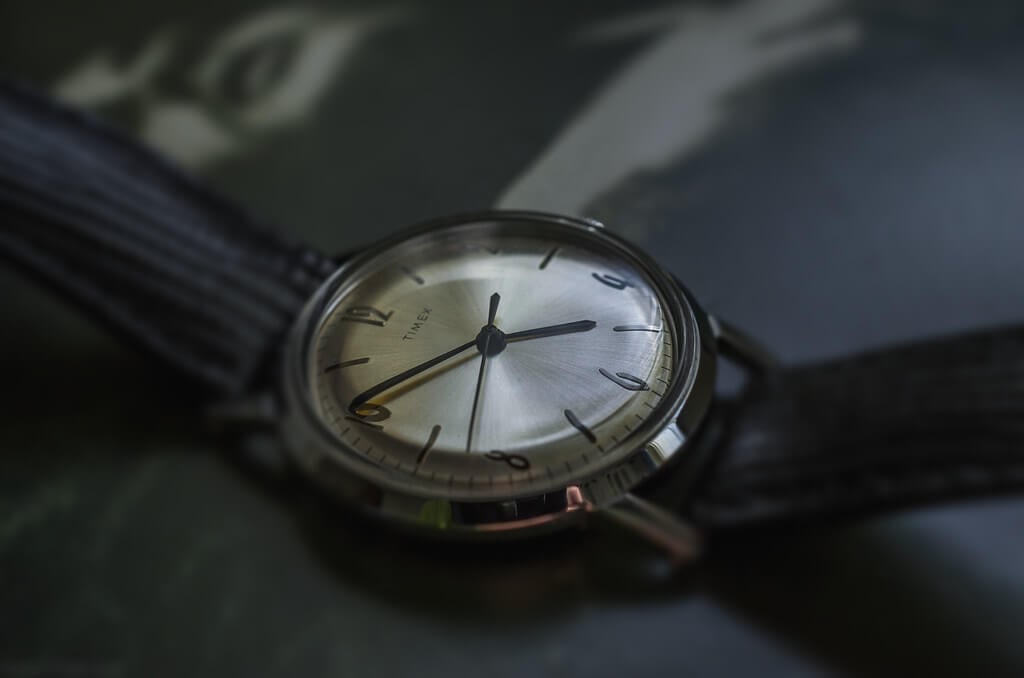
Timex built its reputation on affordable, reliable watches sold through drugstores and department stores rather than specialist jewelers, a distribution model that made the brand genuinely ubiquitous. Despite that everyday accessibility, certain models like the Marlin have developed a dedicated following among collectors interested in mid-century American design at an approachable price point.
A working example with its original strap or bracelet intact is a small but genuine find.
Movado from the 1950s
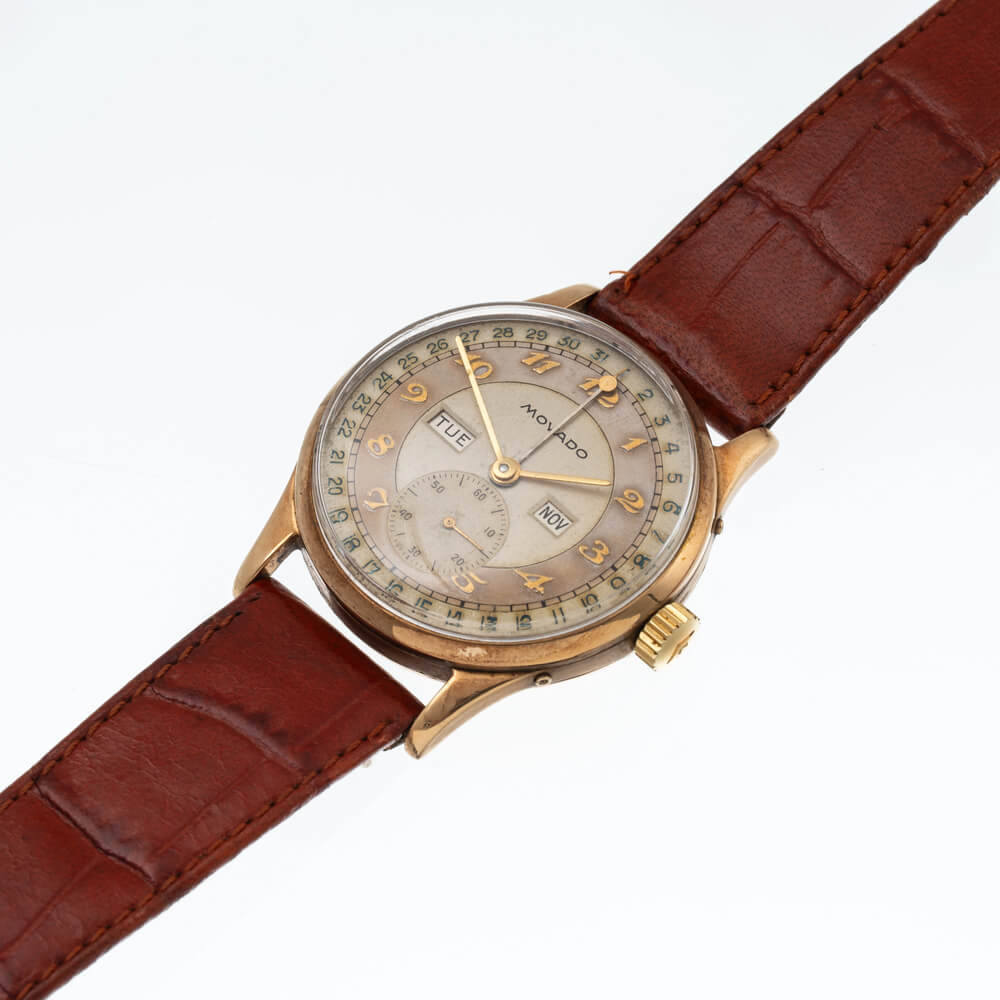
Movado’s minimalist dial designs from this decade, particularly examples using the company’s distinctive museum-style dial with a single dot marking twelve o’clock, remain instantly recognizable decades later. That design became genuinely influential across the broader watch industry well beyond Movado’s own catalog.
A clean example with the original dial, rather than a later refinished one, carries meaningfully more value to specialists.
Benrus Sky Chief from the 1940s and 1950s
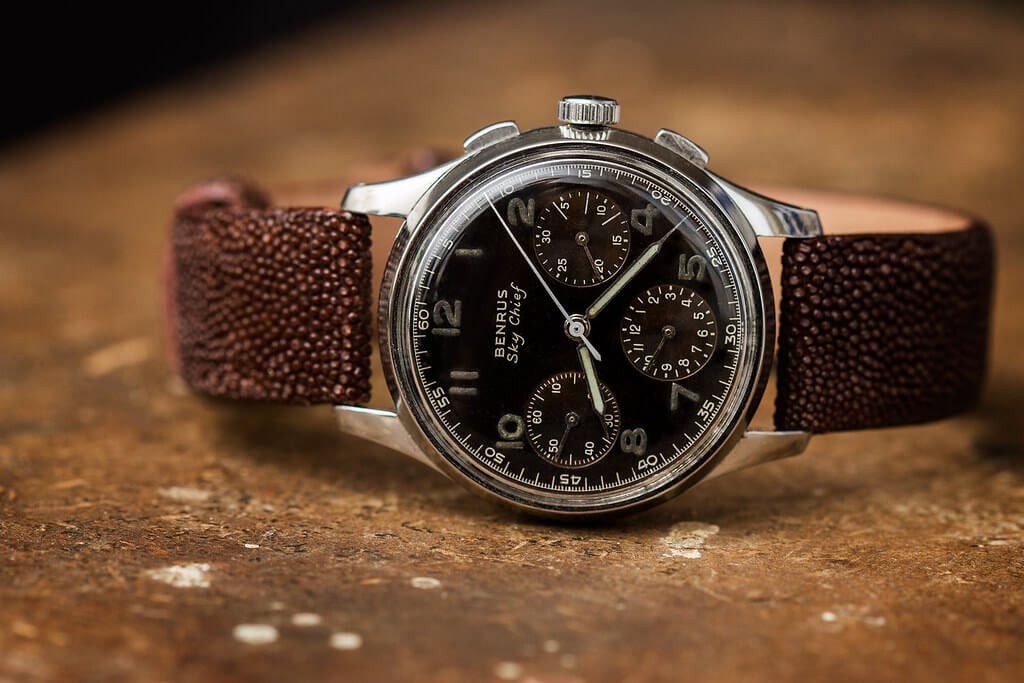
Benrus produced military-style watches during this period that found favor with pilots and other technically minded buyers who wanted robust, legible timepieces. The brand’s overall reputation has faded considerably compared to its mid-century prominence, which paradoxically makes clean surviving examples a genuine value find for collectors familiar with the name.
Case condition matters significantly, since these watches saw hard practical use originally.
Wittnauer from the 1950s and 1960s
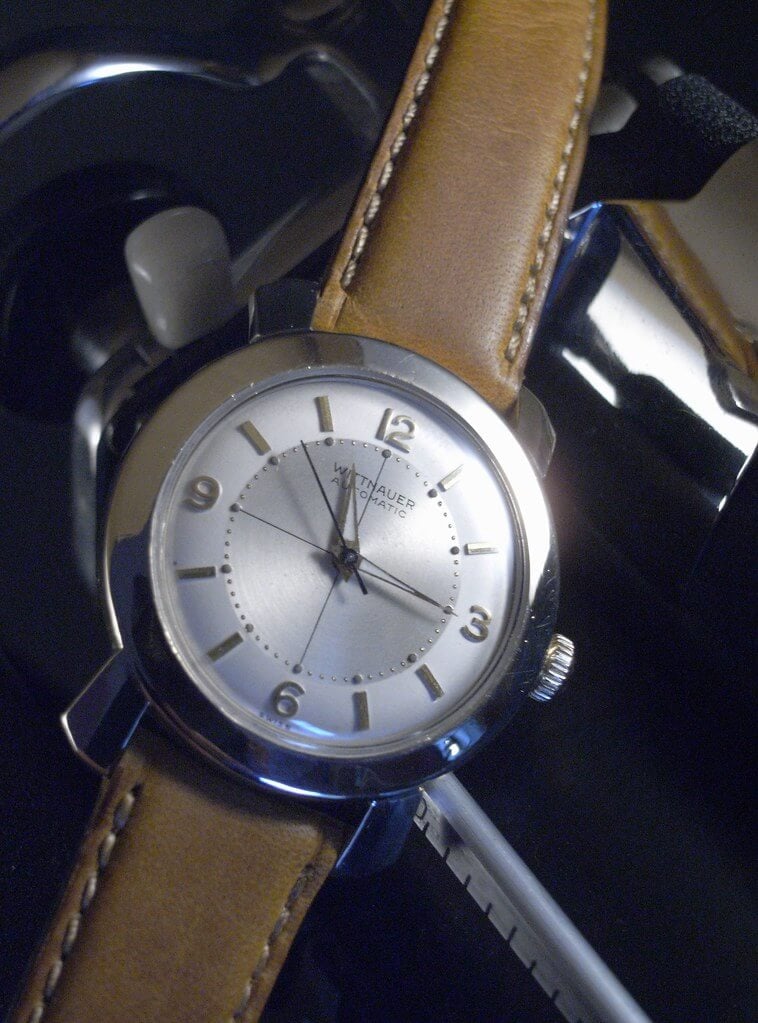
Wittnauer operated with close ties to Longines for much of its history, sharing movement technology and design sensibilities while maintaining a distinct brand identity at a somewhat lower price point. That connection means certain Wittnauer models offer movement quality comparable to more expensive contemporaries.
Specialists specifically look for examples with their original crown and case back intact.
Bulova Accutron Spaceview from the Late 1960s
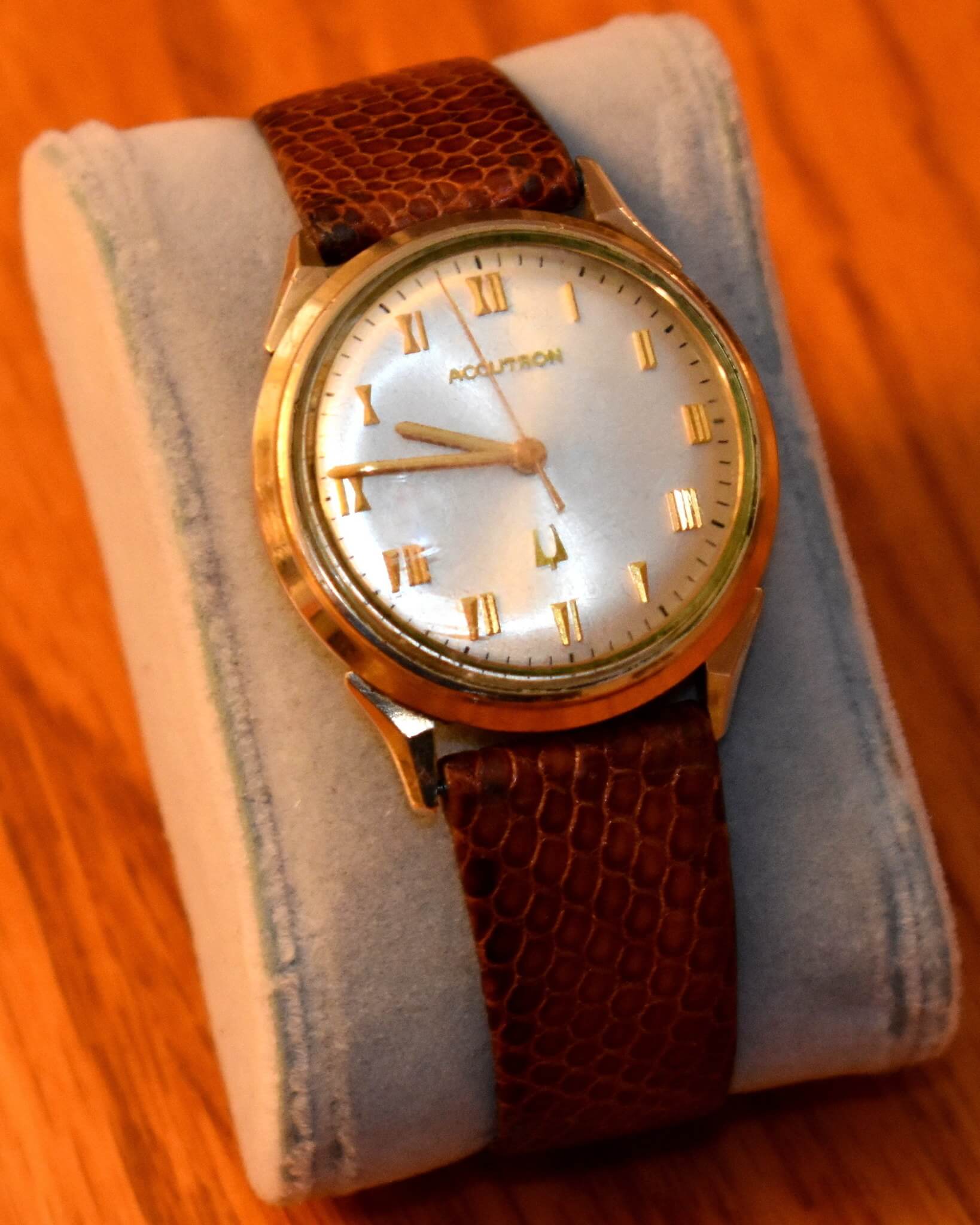
A variant of the standard Accutron line, the Spaceview model exposed the tuning fork movement directly through the dial rather than hiding it behind a traditional face. That transparent design has made it particularly popular among collectors interested in mechanical watch aesthetics as much as function.
Genuine examples with an unaltered dial configuration carry a distinct premium over later reproductions built from parts.
Omega Constellation from the 1950s and 1960s
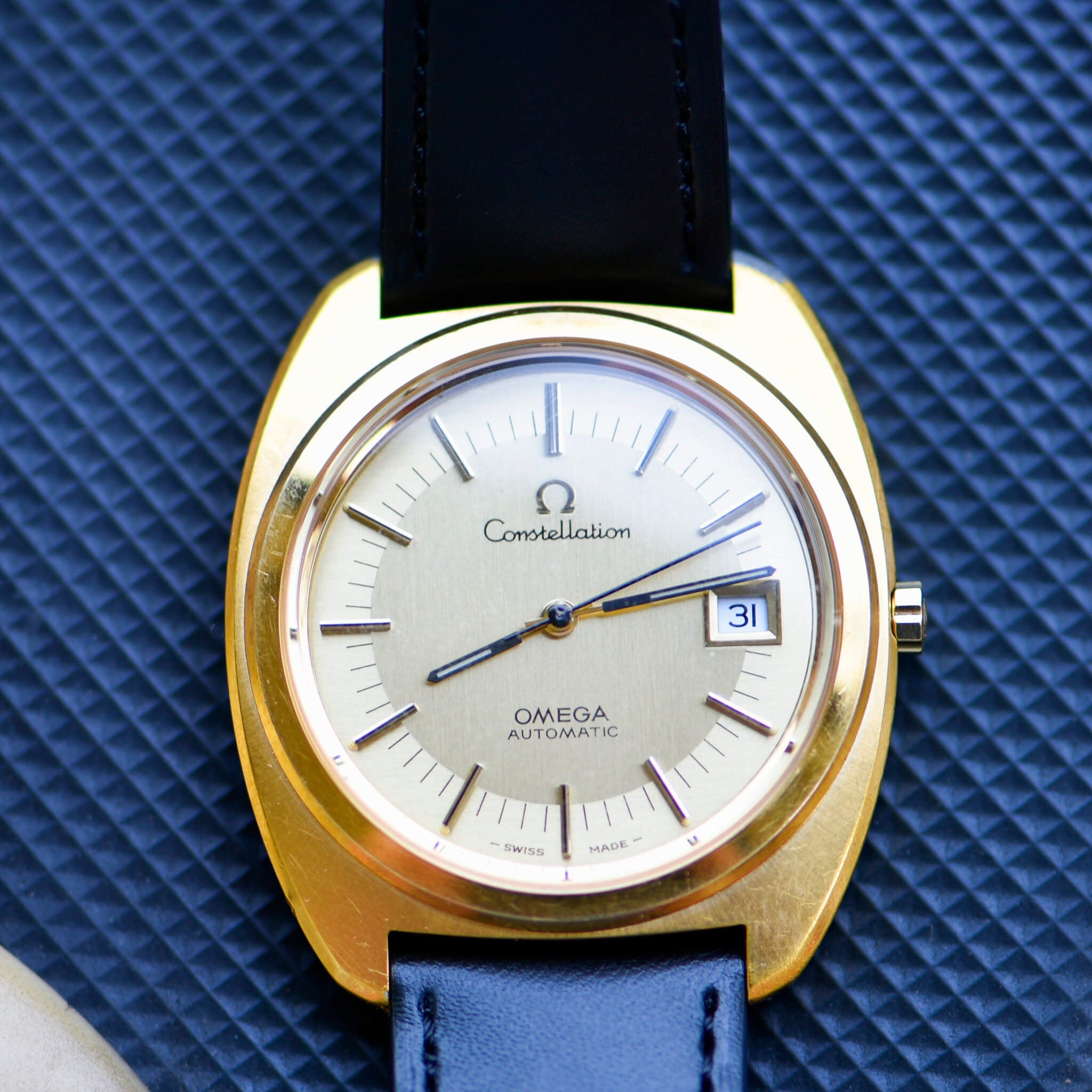
Omega marketed the Constellation as a precision chronometer line, and many examples from this era carry official rate certification documenting their accuracy at the time of manufacture. That certification history adds genuine documented value beyond the watch’s mechanical condition alone.
Specific pie-pan dial variations from certain production years are tracked closely by Omega specialists.
Girard-Perregaux from the 1960s
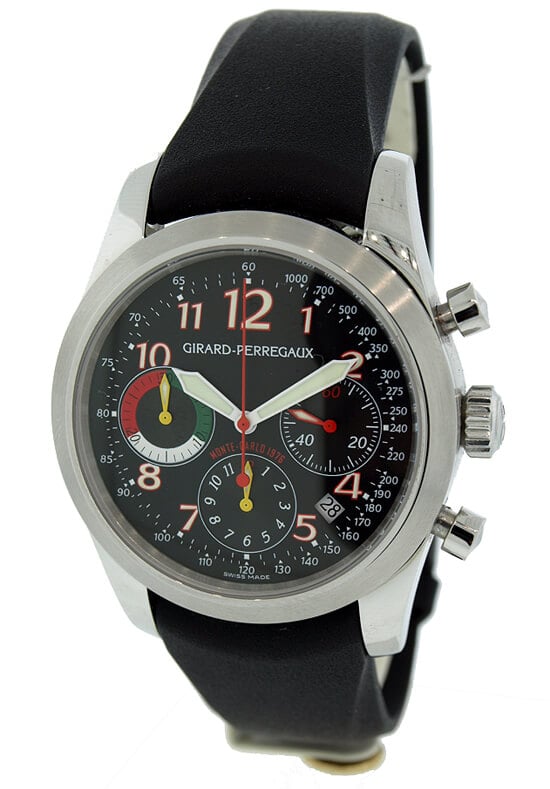
Girard-Perregaux built a reputation for high-frequency movement engineering during this decade that positioned the brand among the more technically respected Swiss manufacturers of the period. Its relatively lower name recognition today compared to some competitors means clean examples sometimes sell for less than their movement quality would justify.
Specialists familiar with the brand’s history specifically seek out examples from this technically significant production period.
Longines Conquest from the 1950s and 1960s
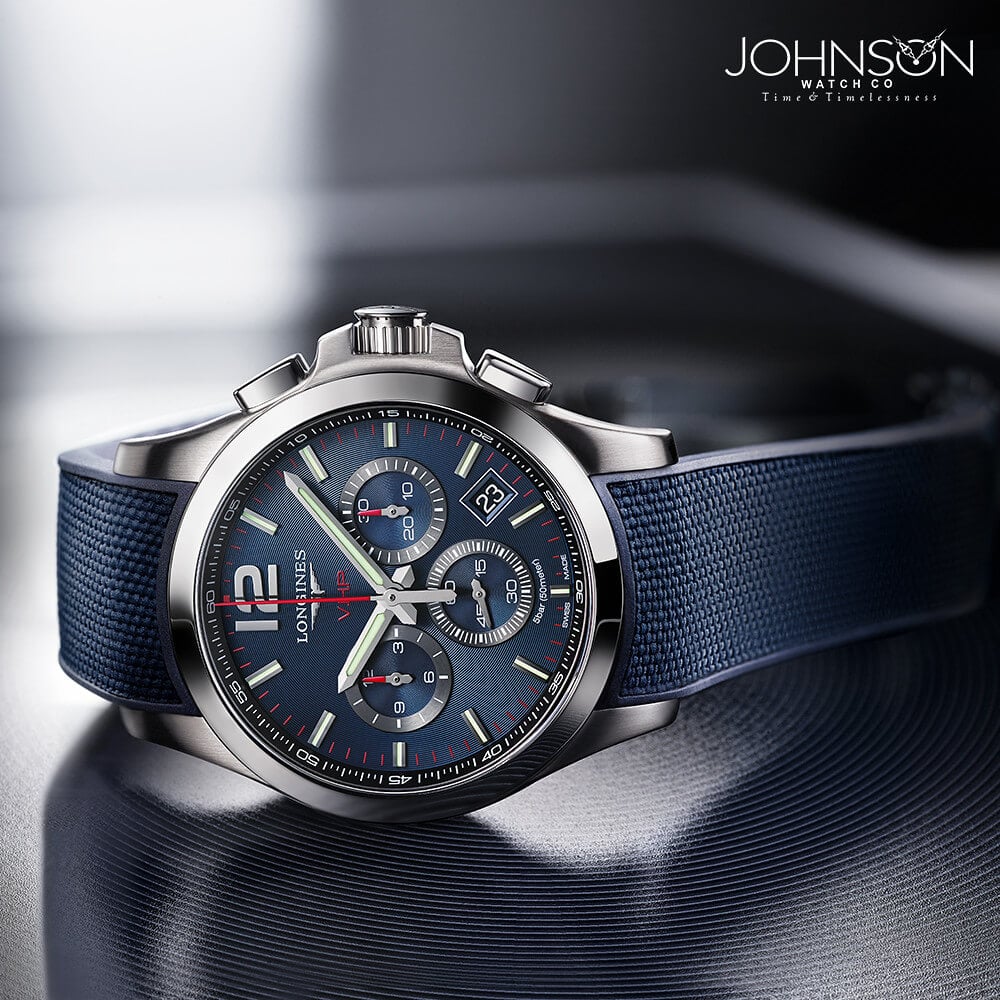
Longines developed the Conquest line specifically around a movement engineered for exceptional accuracy, building on the brand’s broader reputation for precision timekeeping. Its combination of solid movement quality and comparatively accessible historical pricing has made it a favorite entry point for collectors newer to vintage Swiss watches.
A working example with its original dial finish intact remains a dependable value find.
Elgin DuraPower from the 1950s
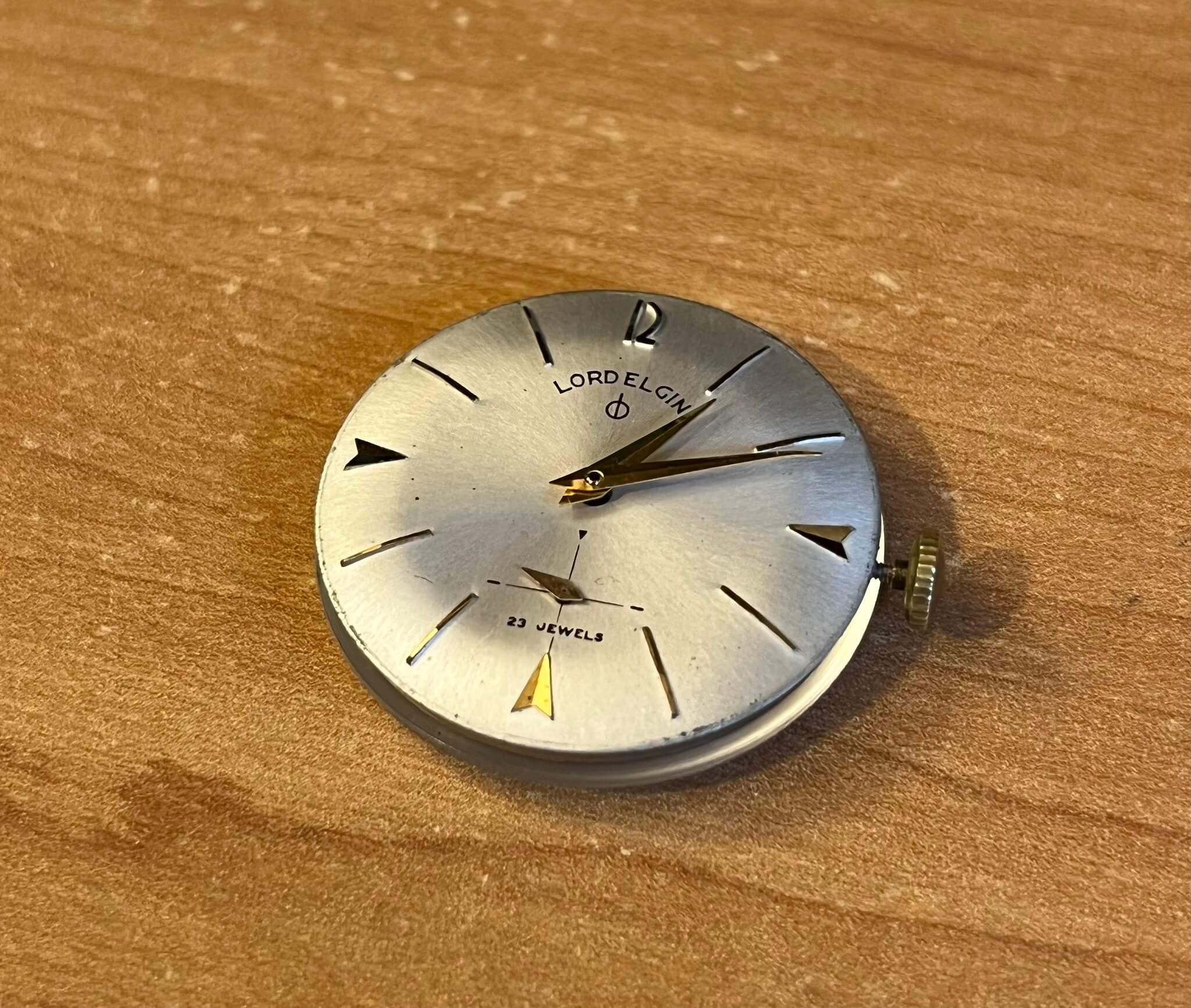
This model line used a self-winding automatic movement that represented Elgin’s attempt to compete directly with the automatic watches gaining popularity across the broader industry at the time. Because Elgin’s American manufacturing history differs from the more commonly collected Swiss brands, specialists interested specifically in domestic watchmaking history seek these out.
A functioning example is a genuinely interesting piece of American industrial history beyond its resale value alone.
Hamilton Ventura from the Late 1950s
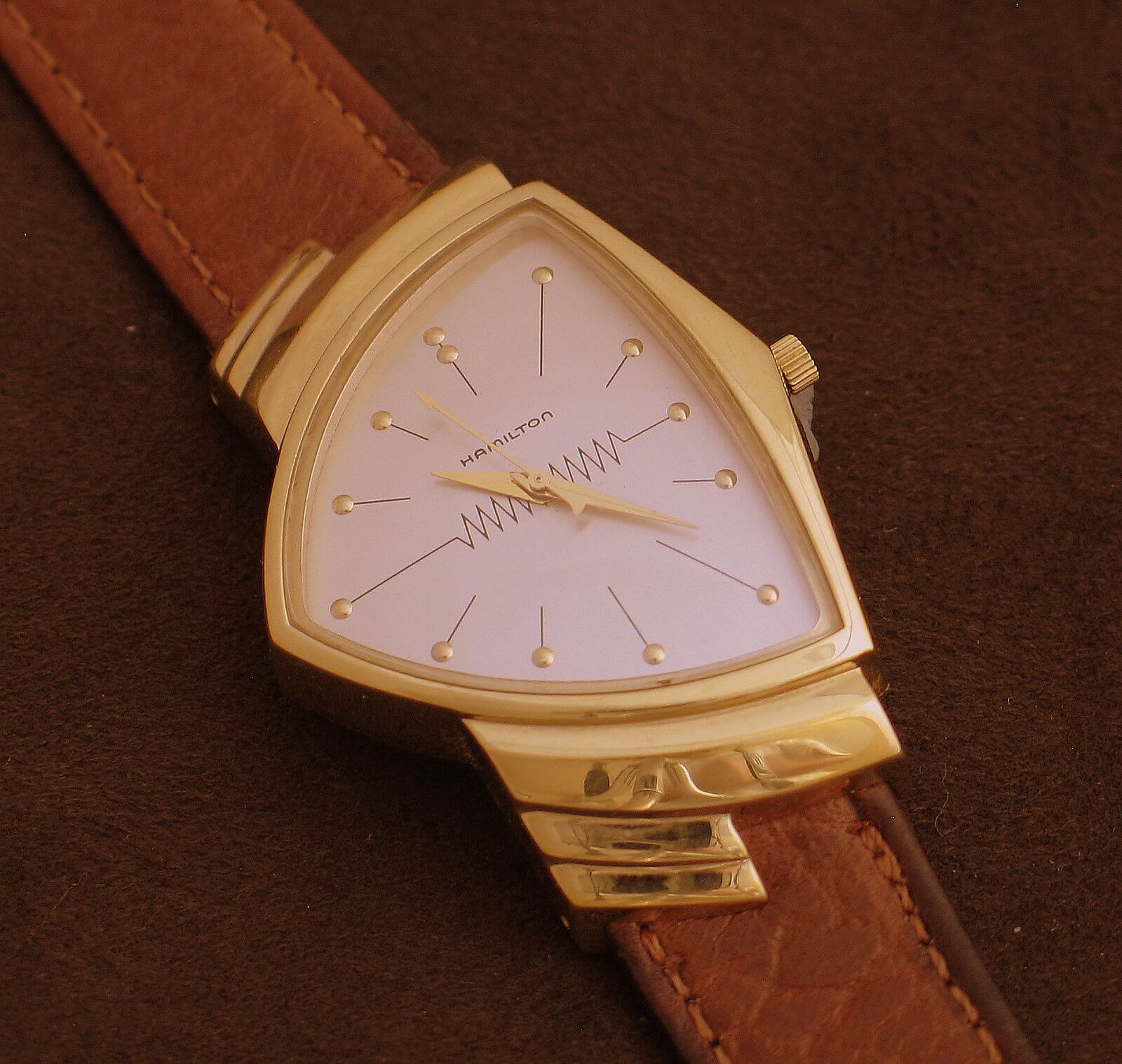
Hamilton’s Ventura introduced a strikingly angular, asymmetrical case design that broke sharply from traditional round and rectangular watch shapes of the era. That distinctive design has kept the model recognizable and desirable among collectors focused specifically on mid-century industrial design.
Genuine examples from the original production run carry a significant premium over the many later reissues that borrowed the same case shape.
Rado Golden Horse from the 1950s
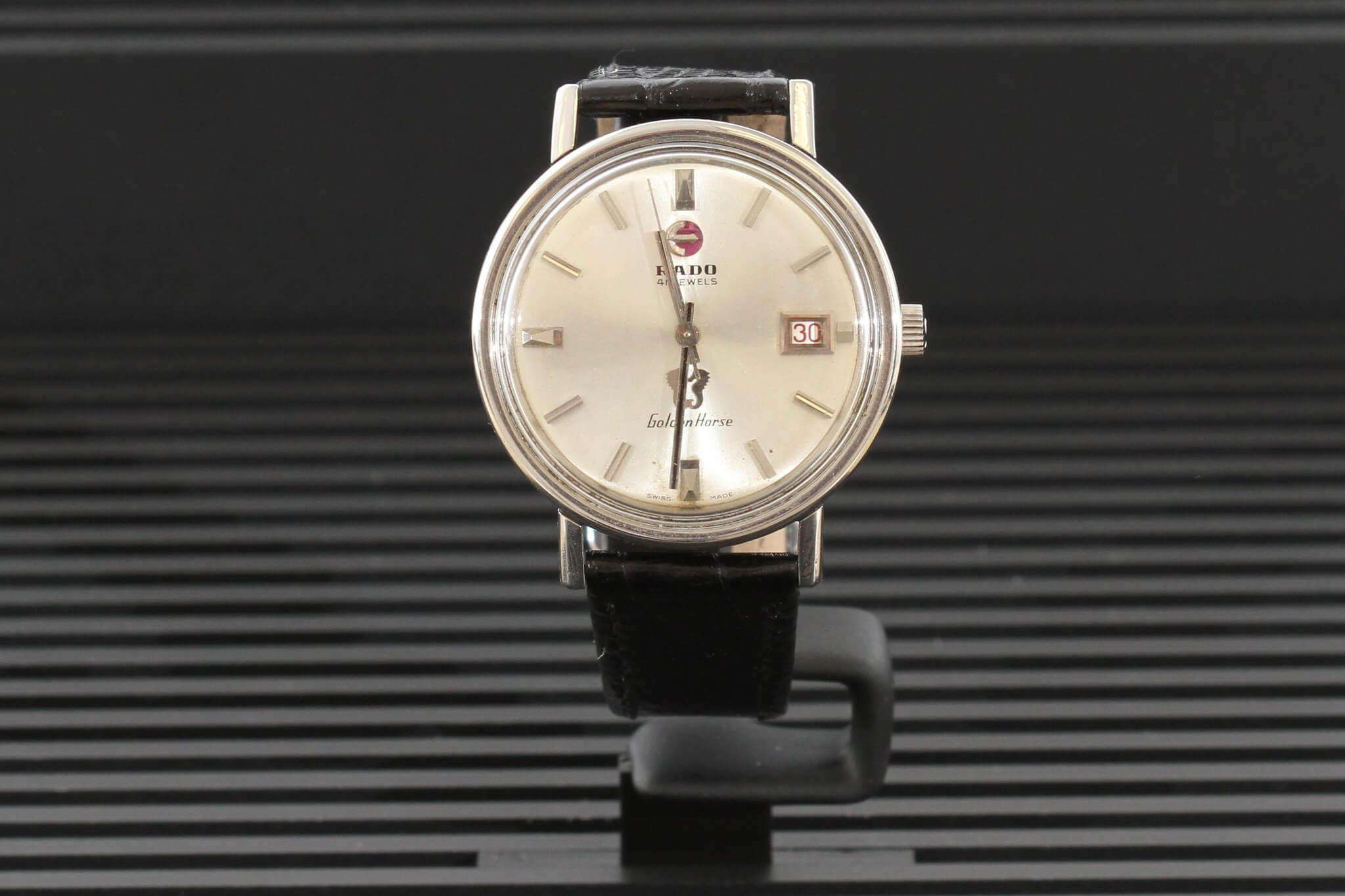
Rado built an early reputation on scratch-resistant case materials, a genuinely novel engineering focus compared to competitors more concerned with movement complications. The Golden Horse model specifically became one of the brand’s most recognized designs from this formative period.
Clean examples with their original case finish intact remain relatively underappreciated compared to their engineering significance.
Jaeger-LeCoultre from the 1950s and 1960s
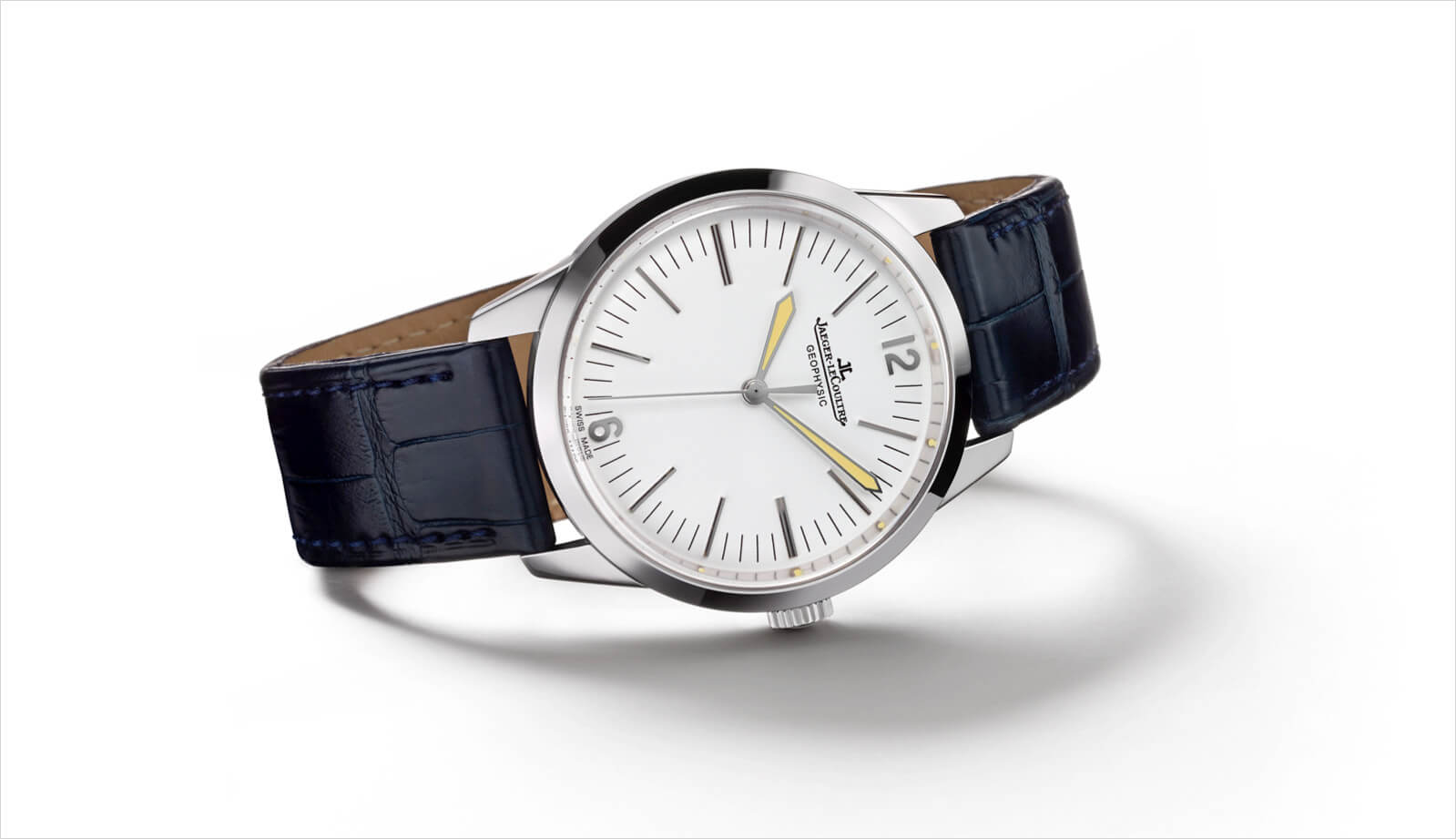
Jaeger-LeCoultre built movements not only for its own branded watches but also supplied movements to other prestigious manufacturers during this period, giving the brand outsized influence relative to its consumer name recognition. That manufacturing significance makes certain models genuinely important to specialists focused on movement engineering history.
A clean, unaltered example holds real value even when the specific model isn’t widely recognized outside collector circles.
Universal Genève from the 1950s and 1960s
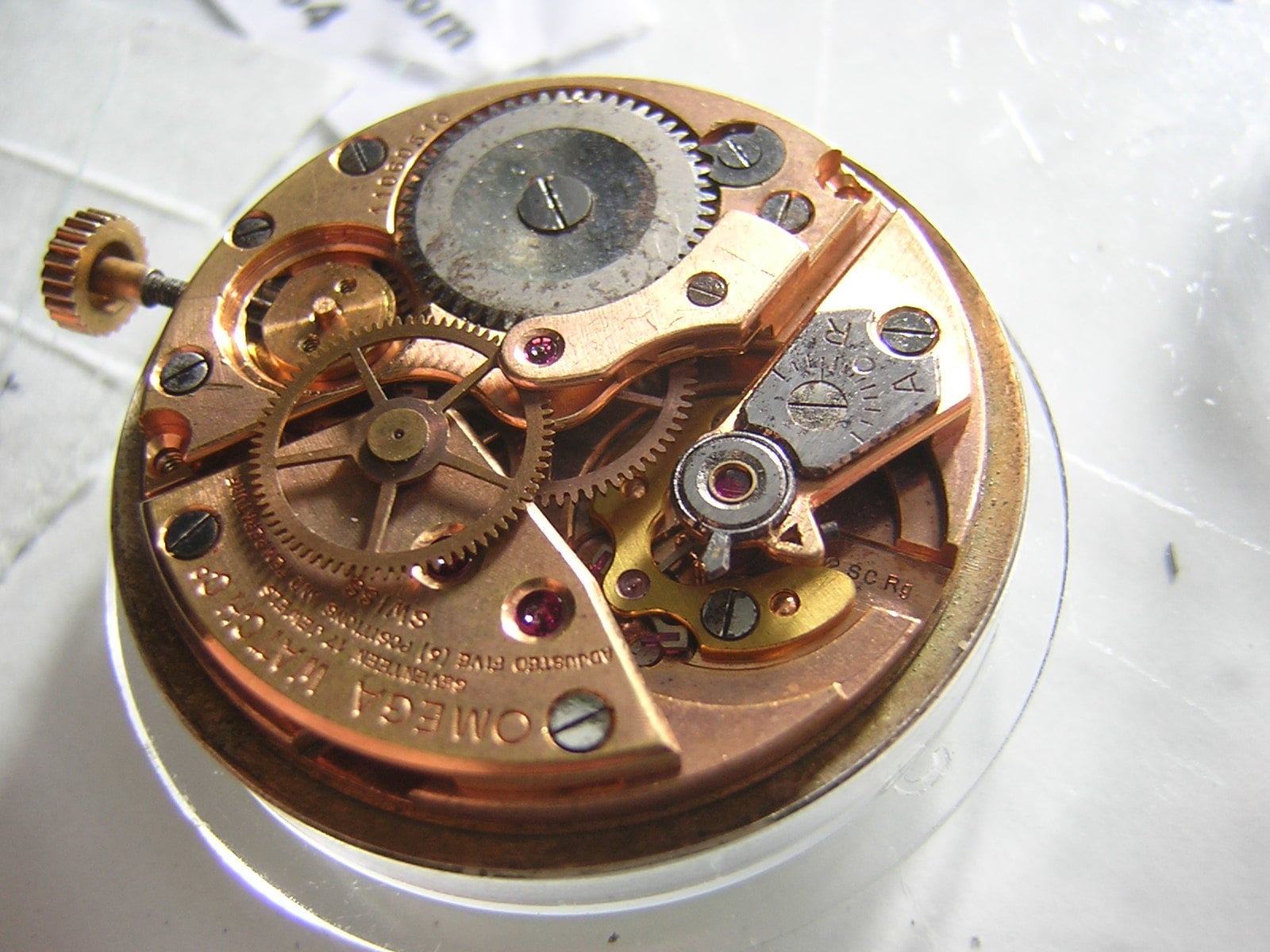
Universal Genève produced technically respected movements throughout this period while maintaining a lower public profile than some of its Swiss contemporaries. That relative obscurity today means clean examples occasionally sell below what specialists consider their genuine movement quality warrants.
Collectors familiar with the brand actively seek out examples precisely because broader market recognition hasn’t caught up with the engineering.
IWC Pilot Watches from the 1940s and 1950s
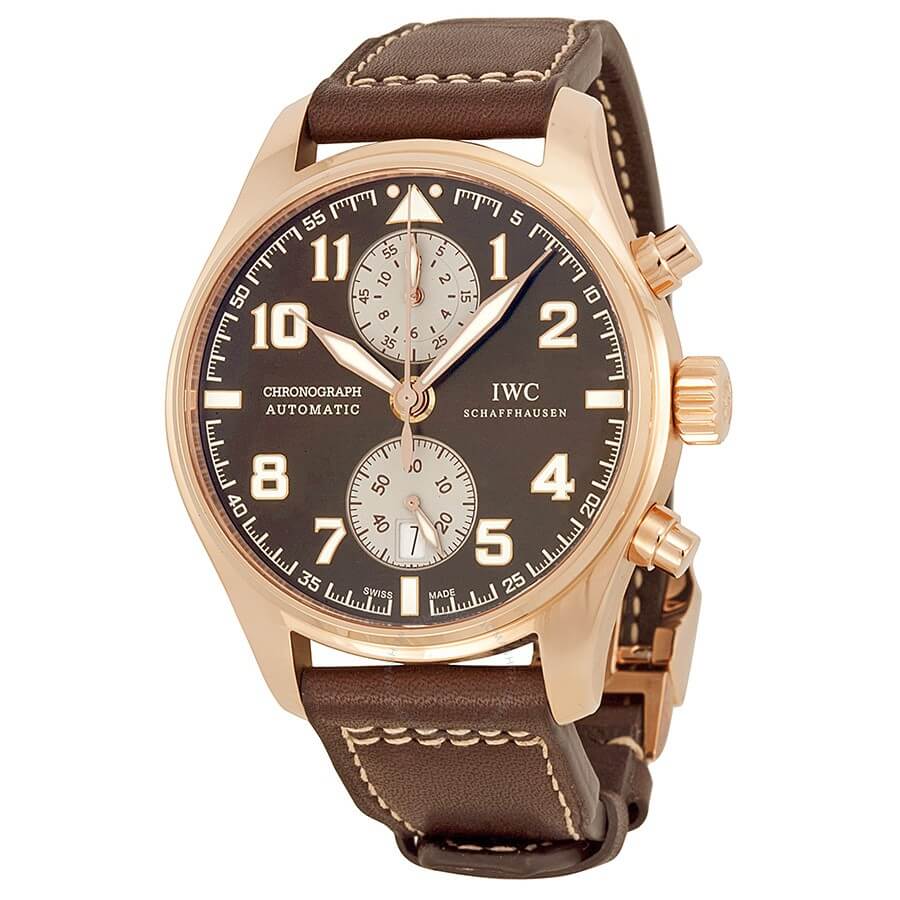
International Watch Company built a strong reputation for legible, robust pilot watches during this period, designed originally for practical aviation use rather than fashion. Military-issued examples with proper documented provenance carry a significant premium over civilian versions of similar design.
Specialists check case backs and movement serial numbers closely to confirm a watch’s specific military or civilian production history.
Drawer Watches and the Movements That Waited
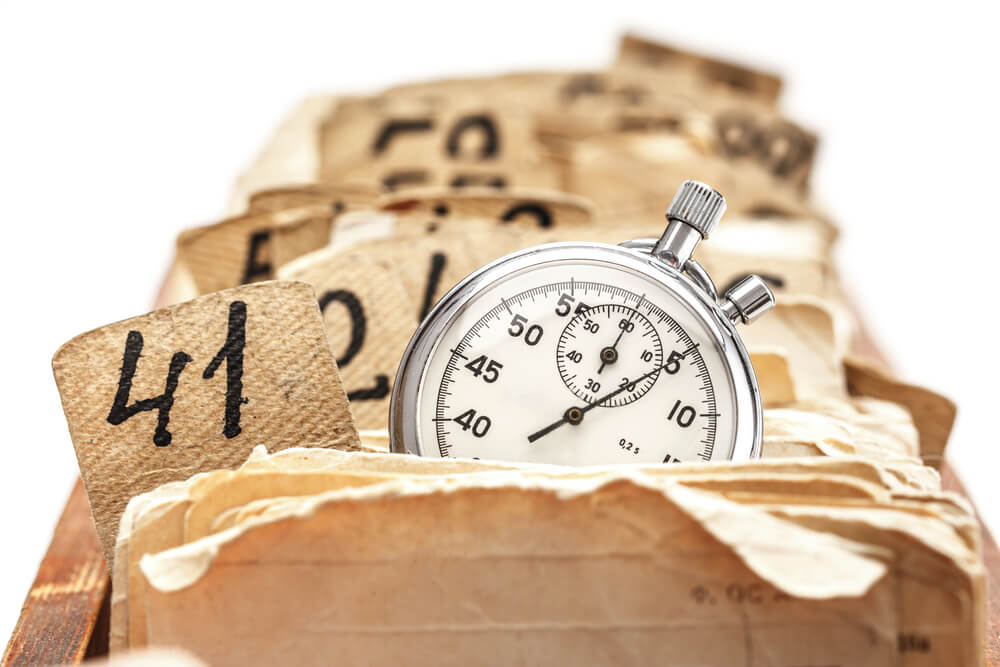
A stopped watch looks like it stopped meaning anything the moment the mainspring ran down for good. It sat in a drawer through moves, through years nobody thought to open the case back, through a slow accumulation of dust that made the whole thing look like clutter rather than mechanism.
Nobody was thinking about resale value while winding it for the last time.
That’s exactly why a repair shop’s opinion matters more than a first glance. A movement built with genuine precision doesn’t stop being valuable just because it stopped ticking, and the watch that looks like scrap to an untrained eye is sometimes exactly the piece a specialist has been hoping someone would finally bring in.
More from Go2Tutors!

- The Romanov Crown Jewels and Their Tragic Fate
- 13 Historical Mysteries That Science Still Can’t Solve
- Famous Hoaxes That Fooled the World for Years
- 15 Child Stars with Tragic Adult Lives
- 16 Famous Jewelry Pieces in History
Like Go2Tutors’s content? Follow us on MSN.