18 Historical Rescues That Went Unreported for Years
Some acts of rescue were suppressed by the governments that came after them. Others were simply too quiet to notice, buried in a scrapbook or a classified file until someone happened to look. In every case here, the people saved knew who had saved them.
It was the rest of the world that took years, sometimes generations, to find out.
Nicholas Winton and the Czech Kindertransport
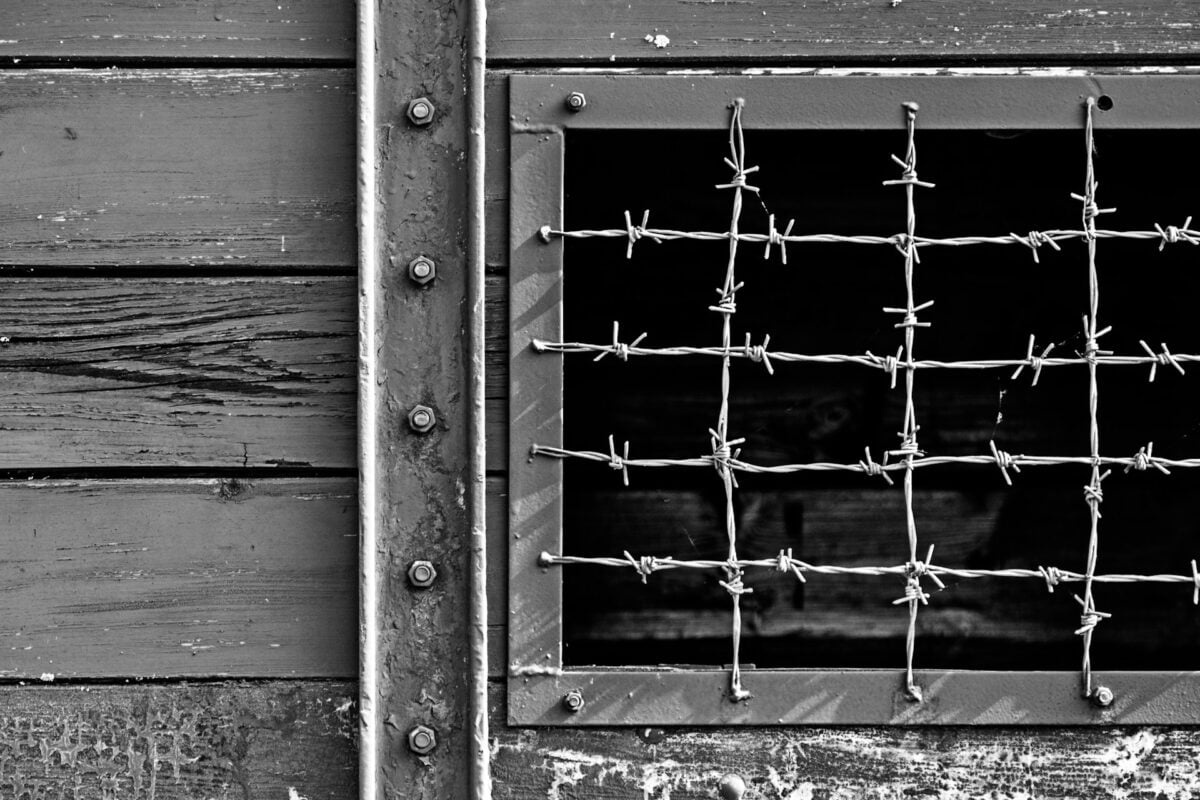
British stockbroker Nicholas Winton organized the rescue of 669 mostly Jewish children from Czechoslovakia in 1939, arranging trains, foster families, and paperwork almost entirely on his own initiative. He never spoke publicly about it, and the story remained unknown for nearly fifty years until his wife found a scrapbook of names and photographs in their attic in 1988, leading to a televised reunion with some of the children he had saved.
Witold Pilecki’s Infiltration of Auschwitz
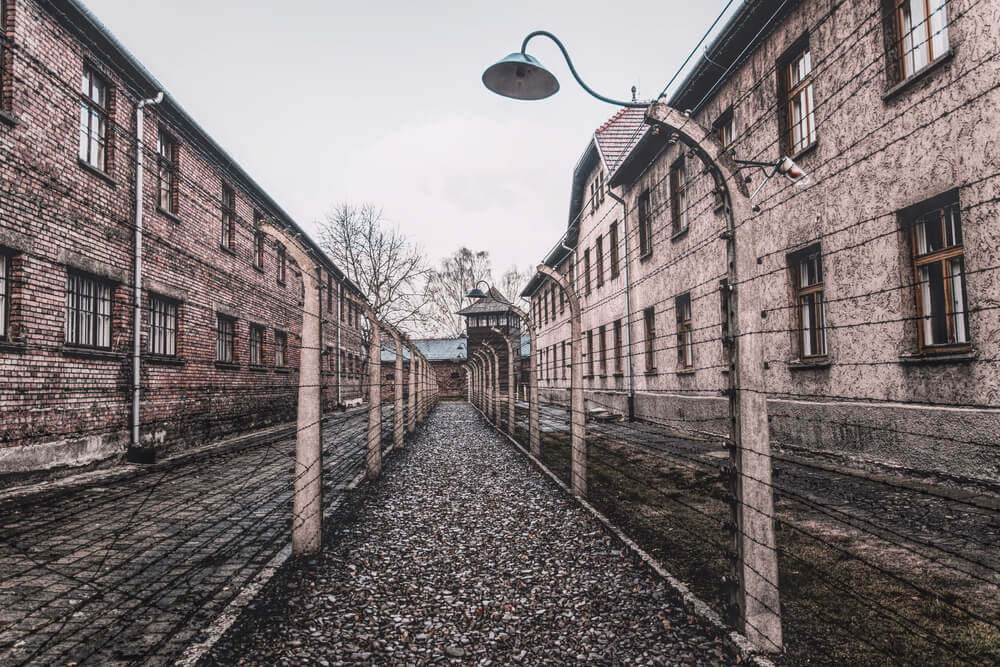
Polish resistance officer Witold Pilecki deliberately got himself arrested and sent to Auschwitz in 1940 specifically to gather intelligence and organize resistance among prisoners, later escaping and delivering one of the earliest detailed Allied reports on the camp’s atrocities. Poland’s postwar communist government executed Pilecki in 1948 and suppressed his story for decades, and it did not become widely known until after the fall of communism in 1989.
Chiune Sugihara’s Visas in Lithuania
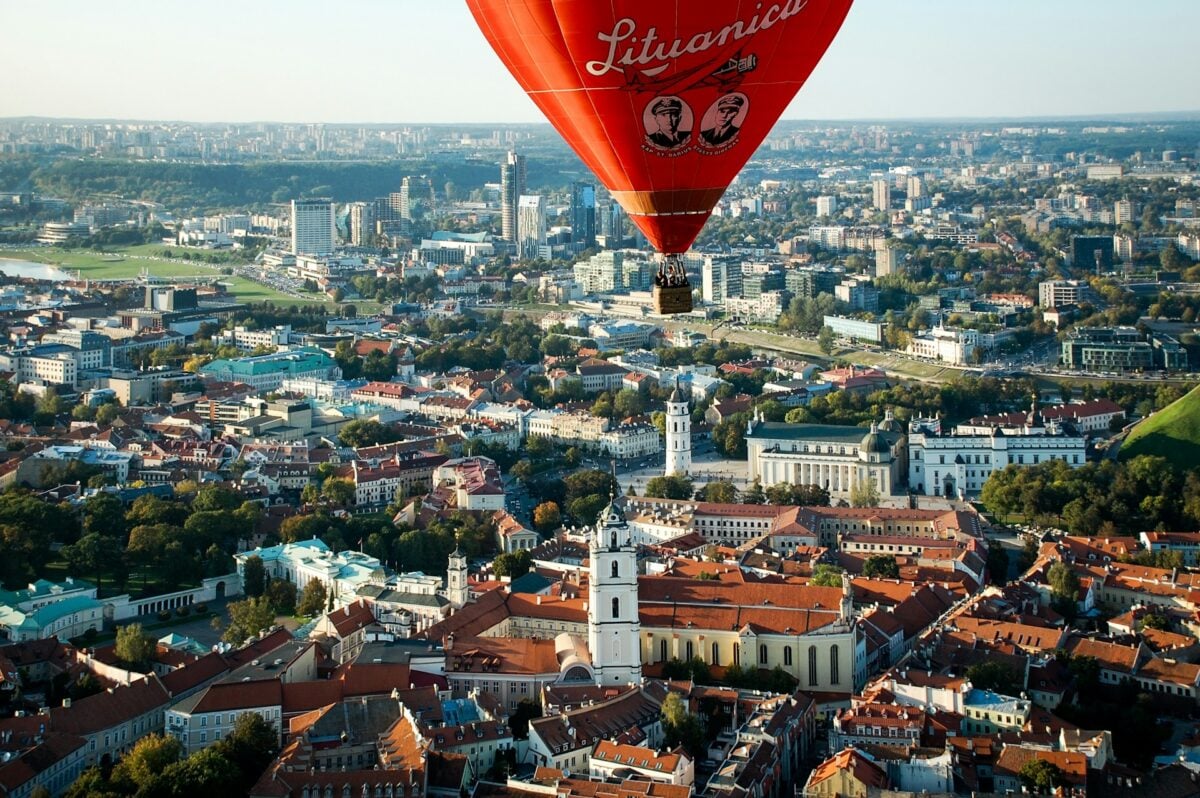
Japanese diplomat Chiune Sugihara issued thousands of transit visas to Jewish refugees fleeing Lithuania in 1940, defying direct orders from his own government and reportedly continuing to write visas by hand even as his train departed the country. He was quietly dismissed from the diplomatic service after the war, and his actions remained largely unrecognized until Israel honored him decades later in 1985.
Aristides de Sousa Mendes’s Refugee Visas
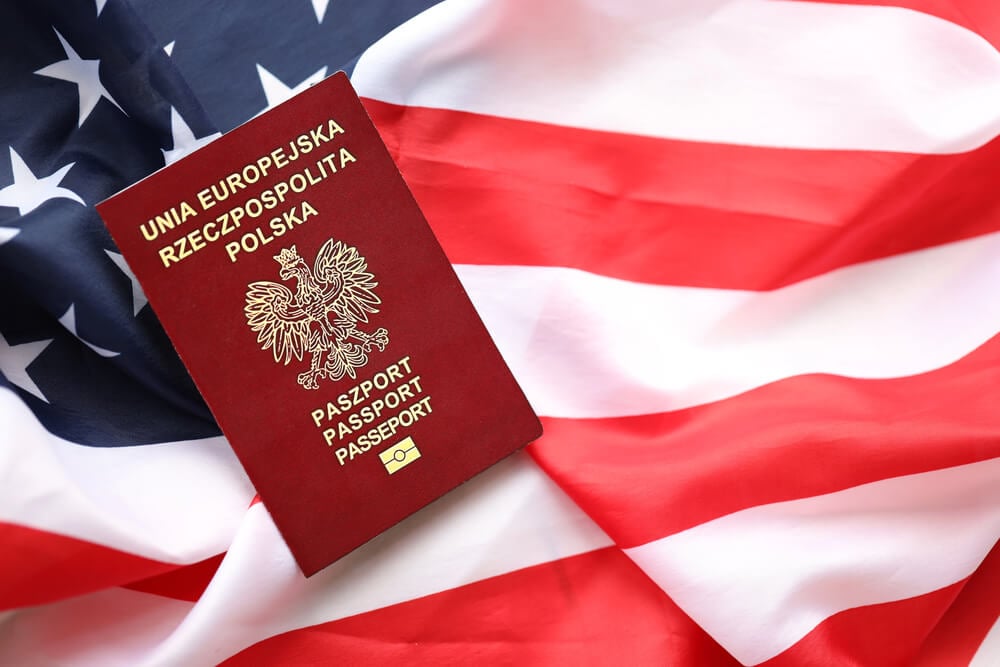
Portuguese diplomat Aristides de Sousa Mendes issued visas to tens of thousands of refugees fleeing France in 1940 in direct defiance of orders from Portugal’s authoritarian government, an act that cost him his career and left his family in poverty. Portugal did not formally rehabilitate his reputation until 1988, nearly three decades after his death.
Paul Grüninger’s Border Crossings
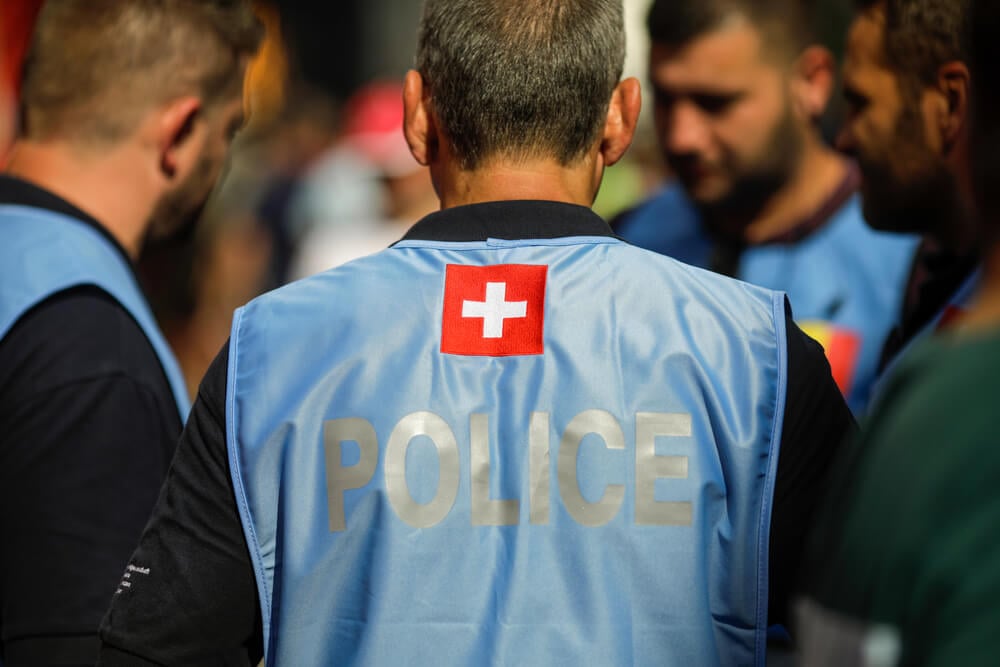
Swiss police captain Paul Grüninger allowed thousands of Jewish refugees to cross into Switzerland in the late 1930s by falsifying their entry documents, in violation of Swiss immigration policy. He was fired and prosecuted for the falsifications, and Switzerland did not formally clear his name until 1995, nearly two decades after his death.
Varian Fry’s Marseille Rescue Network

American journalist Varian Fry ran a clandestine network in Vichy France that helped smuggle roughly 2,000 refugees, including numerous prominent artists and intellectuals, out of the country in 1940 and 1941. He received little recognition in the United States during his lifetime, and Israel did not name him among the Righteous Among the Nations until 1994, decades after his death.
Frank Foley’s Passport Office
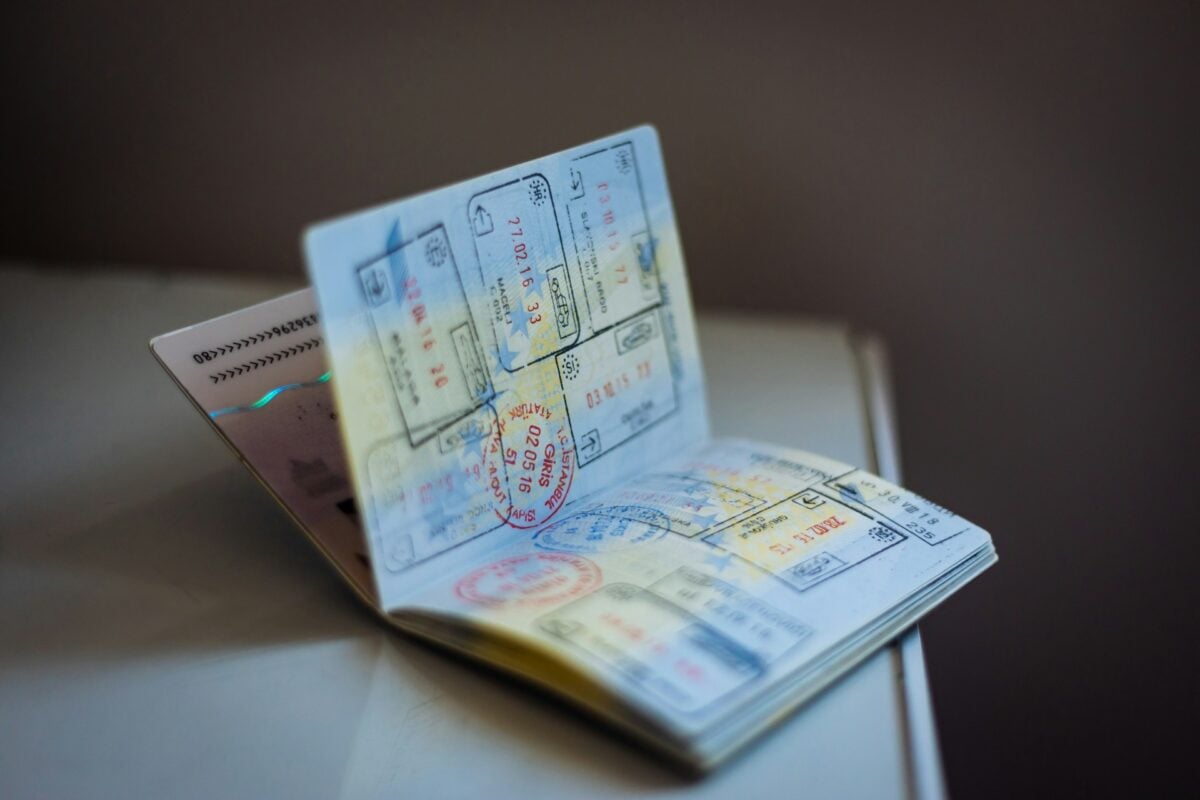
British intelligence officer Frank Foley, operating under diplomatic cover in Berlin, used his position to issue passports and visas that helped thousands of Jews escape Germany in the 1930s, reportedly sometimes traveling into internment camps personally to extract people. Bound by official secrecy, his actions were not publicly documented until decades after his death in 1958.
Jan Karski’s Warnings to the Allies
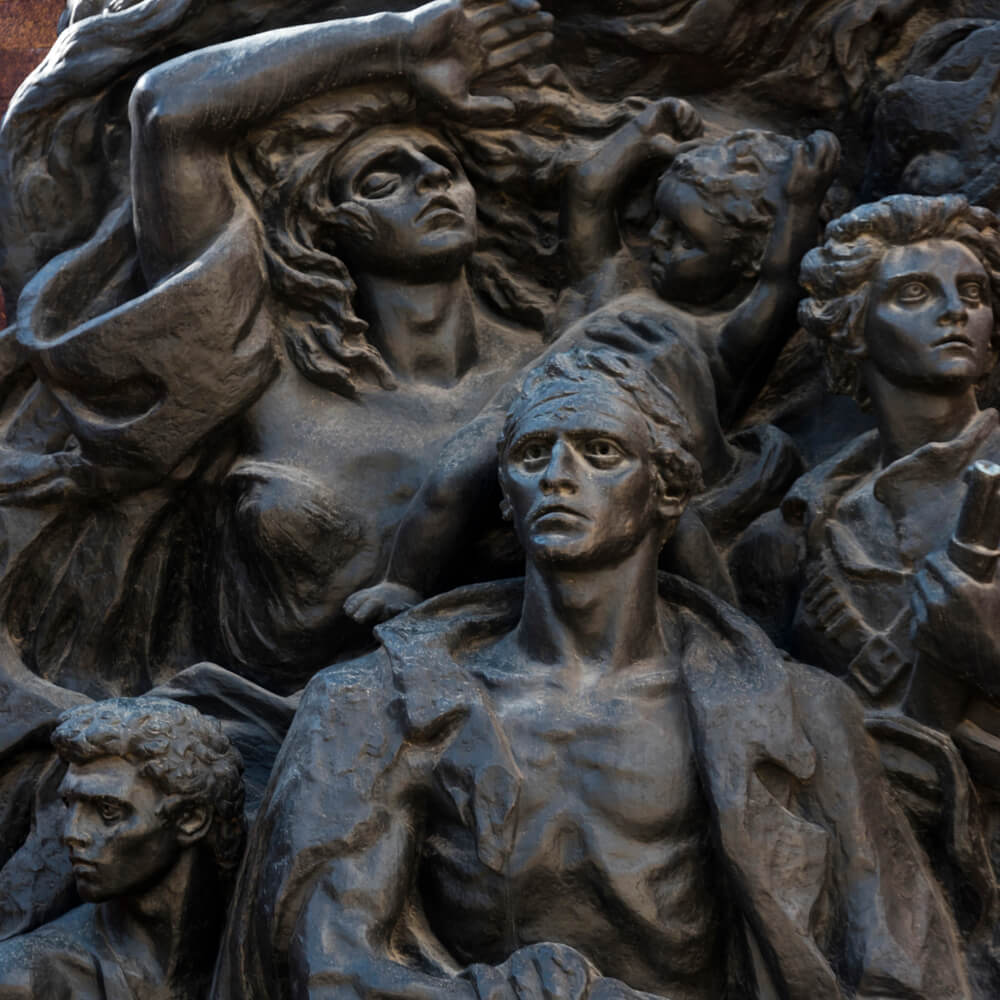
Polish resistance courier Jan Karski smuggled himself into the Warsaw Ghetto and a Nazi transit camp in 1942 to gather firsthand evidence of the Holocaust, then personally briefed British and American officials, including President Franklin Roosevelt. His detailed reports were largely disbelieved or dismissed at the time, and it took decades for his warnings to be widely recognized as accurate and largely ignored.
The Żabiński Family’s Warsaw Zoo
Zookeepers Antonina and Jan Żabiński hid roughly 300 Jewish refugees in empty animal enclosures and tunnels beneath the Warsaw Zoo during the German occupation, disguising the operation behind their public role as zoo administrators. The story remained relatively obscure outside Poland for over sixty years until a 2007 book and later a film brought it wider attention.
The Bielski Partisans
Brothers Tuvia, Zus, and Asael Bielski led a Jewish partisan unit in the forests of Belarus that grew to shelter and protect over 1,200 people, one of the largest armed rescues of Jews by Jews during the Holocaust. Their story remained largely unknown outside survivor communities for decades until a 2008 film brought international attention to it.
Hugh Thompson Jr. and the My Lai Massacre
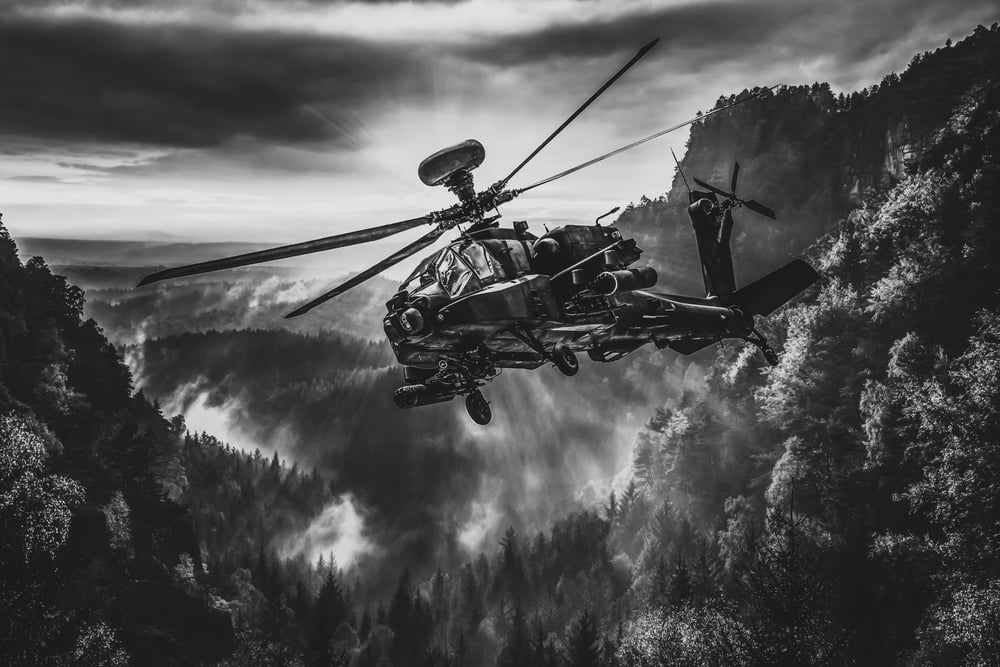
U.S. Army helicopter pilot Hugh Thompson landed his aircraft between American troops and fleeing Vietnamese civilians during the 1968 My Lai Massacre, ordering his crew to fire on fellow soldiers if they continued the killing, and personally evacuated wounded civilians. Thompson faced hostility and was largely ignored by the military for decades, and he was not formally recognized with the Soldier’s Medal until 1998, thirty years after the events.
Roddie Edmonds’s POW Camp Standoff
American soldier Master Sergeant Roddie Edmonds, held as a prisoner of war in Germany in 1945, refused a Nazi officer’s demand to identify Jewish soldiers among his fellow prisoners, ordering all 1,000 American POWs under his command to step forward instead. His act of defiance remained essentially unknown outside his own family until his son discovered wartime diary entries decades later, leading Israel to recognize him as Righteous Among the Nations only in 2015, seventy years after the war ended.
Jane Haining’s Refusal to Abandon Her Students

Scottish missionary Jane Haining, running a girls’ school in Budapest, refused repeated instructions to leave Hungary as Nazi Germany’s influence grew, staying to protect her Jewish students until she was arrested and later died at Auschwitz in 1944. Her story remained little known outside Scotland and Hungary for decades before receiving wider international recognition.
Corrie ten Boom’s Hidden Room

Dutch watchmaker Corrie ten Boom and her family built a secret hiding space behind a false wall in their home in Haarlem, sheltering Jewish refugees until they were betrayed and arrested by German authorities in 1944. Her account did not reach a wide international audience until she published a memoir in 1971, nearly three decades after the events.
The Villagers of Le Chambon-sur-Lignon
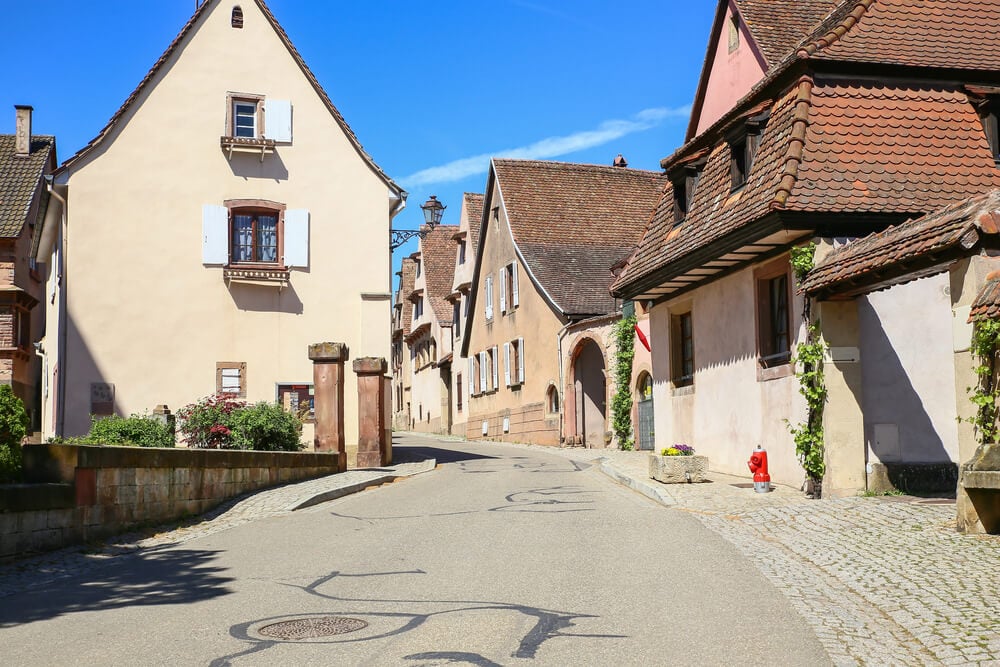
Residents of this small French Protestant village collectively sheltered an estimated 3,000 to 5,000 Jewish refugees throughout the German occupation, coordinating false papers and hiding places across the community with minimal outside help. The scale of the village’s rescue effort did not become widely documented and internationally recognized until decades after the war.
The Rescue Effort in Nieuwlande, Netherlands
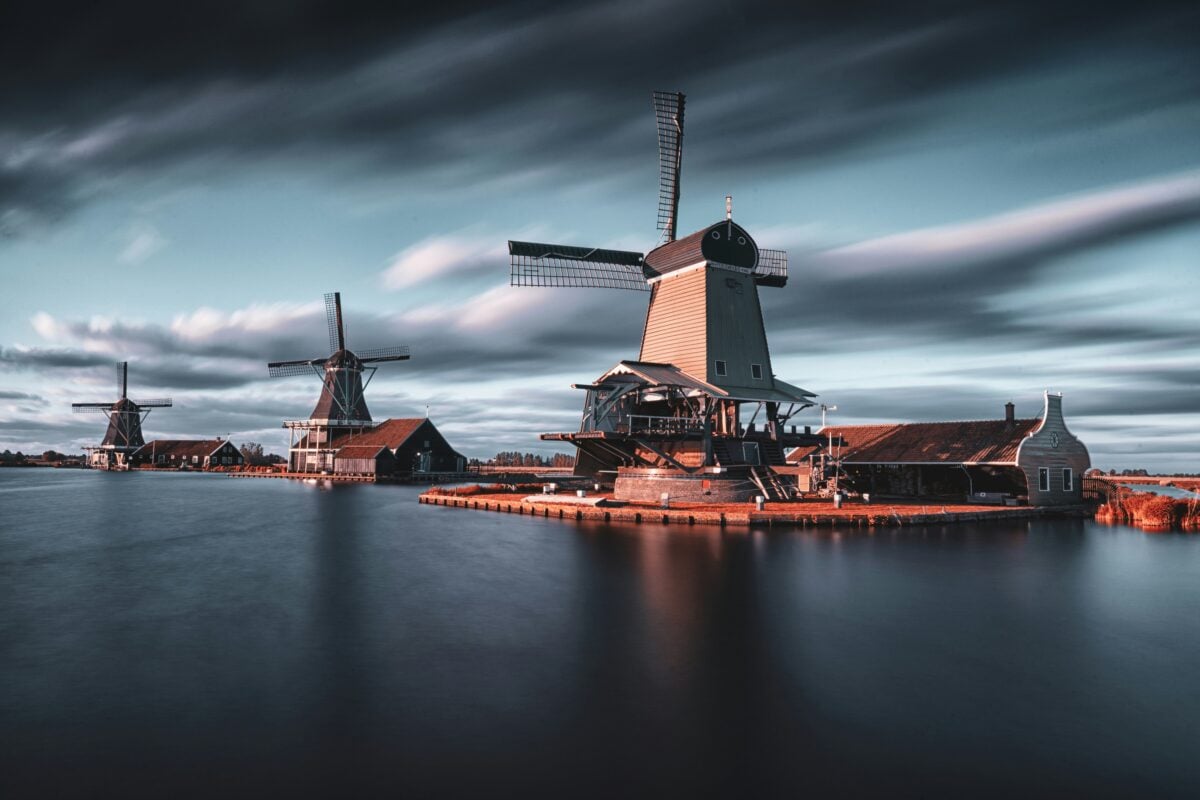
Villagers in the small Dutch community of Nieuwlande organized a coordinated effort to hide Jewish refugees in nearly every household in the village during the German occupation, an operation involving the near-total participation of the local population. The scale of the collective rescue was not widely documented until decades later, when Israel recognized the entire village collectively as Righteous Among the Nations.
Irena Sendler’s Smuggled Children
Polish social worker Irena Sendler smuggled an estimated 2,500 Jewish children out of the Warsaw Ghetto between 1942 and 1943, hiding their identities in jars buried in a garden so their birth names could later be restored. Poland’s postwar communist government suppressed recognition of her actions for decades, and she remained largely unknown internationally until a group of American students researched and publicized her story in the late 1990s, over fifty years later.
Oskar Schindler’s Factory Workers

German industrialist Oskar Schindler protected roughly 1,200 Jewish factory workers from deportation to extermination camps by employing them in his enamelware and munitions factories, spending his personal fortune on bribes to keep them classified as essential labor. Schindler died in relative obscurity in 1974, and his story did not reach a global audience until a 1982 book and a 1993 film brought it international recognition, nearly five decades after the war.
What Recognition Delayed Reveals

The gap between an act of rescue and its recognition is rarely accidental. Communist governments suppressed stories that credited resistance to a discredited prewar order. Diplomats who disobeyed orders were often punished by their own countries rather than praised, leaving no official record to draw from.
And plenty of these rescuers simply never talked about what they had done, treating it as an ordinary response to an extraordinary situation rather than something worth a headline. What connects nearly everyone on this list is that the recognition, when it finally came, arrived too late for most of them to see it. Grüninger, Sousa Mendes, Pilecki, Foley, and Schindler were all dead before their names meant anything to the wider world. The people they saved remembered. It was history that took its time catching up.
More from Go2Tutors!

- The Romanov Crown Jewels and Their Tragic Fate
- 13 Historical Mysteries That Science Still Can’t Solve
- Famous Hoaxes That Fooled the World for Years
- 15 Child Stars with Tragic Adult Lives
- 16 Famous Jewelry Pieces in History
Like Go2Tutors’s content? Follow us on MSN.