31 Old Books on Thrift Shelves Worth Real Money
Most books on a thrift store shelf are worth exactly what the price sticker says, a dollar or two for something that will get read once and donated again. But a small number of titles hide real value behind an ordinary-looking spine, and the difference usually comes down to a specific printing, a signature, or a detail on the copyright page that most browsers never think to check.
Values below vary enormously with condition and completeness, particularly whether the original dust jacket survives, so treat these as an opening point for further research rather than a guaranteed appraisal.
First Editions of “The Great Gatsby”
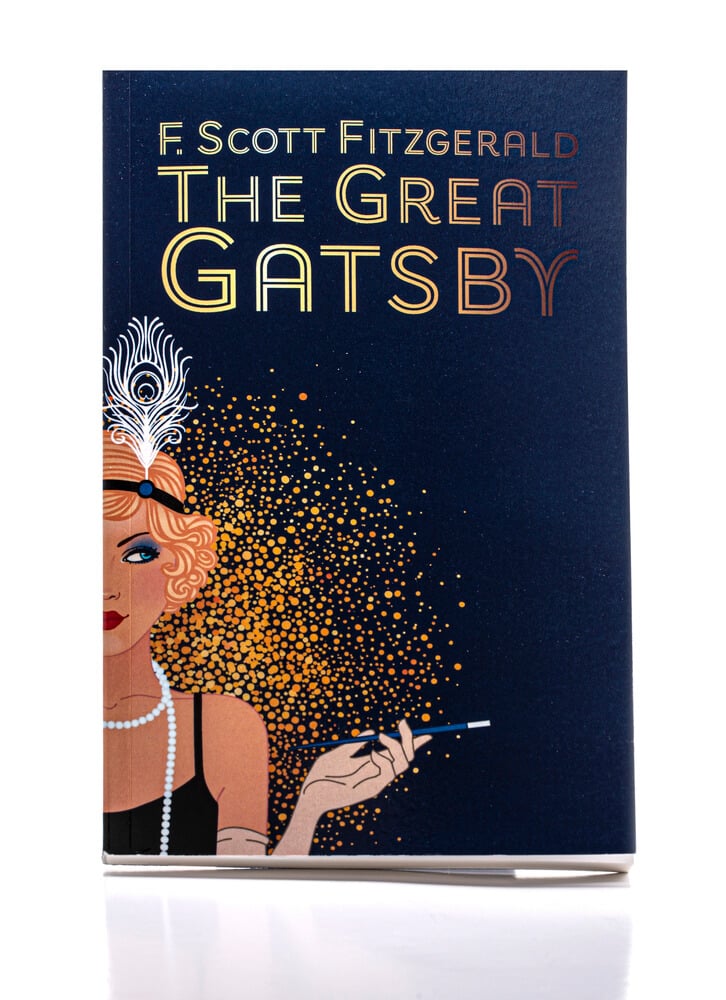
F. Scott Fitzgerald’s 1925 novel is one of the most consistently valuable American first editions, with true first-printing copies in strong condition commanding prices into the thousands of dollars. A book-club reprint or later paperback edition is worth only a fraction of that, so confirming the printing on the copyright page matters enormously with this particular title.
First Editions of “The Catcher in the Rye”
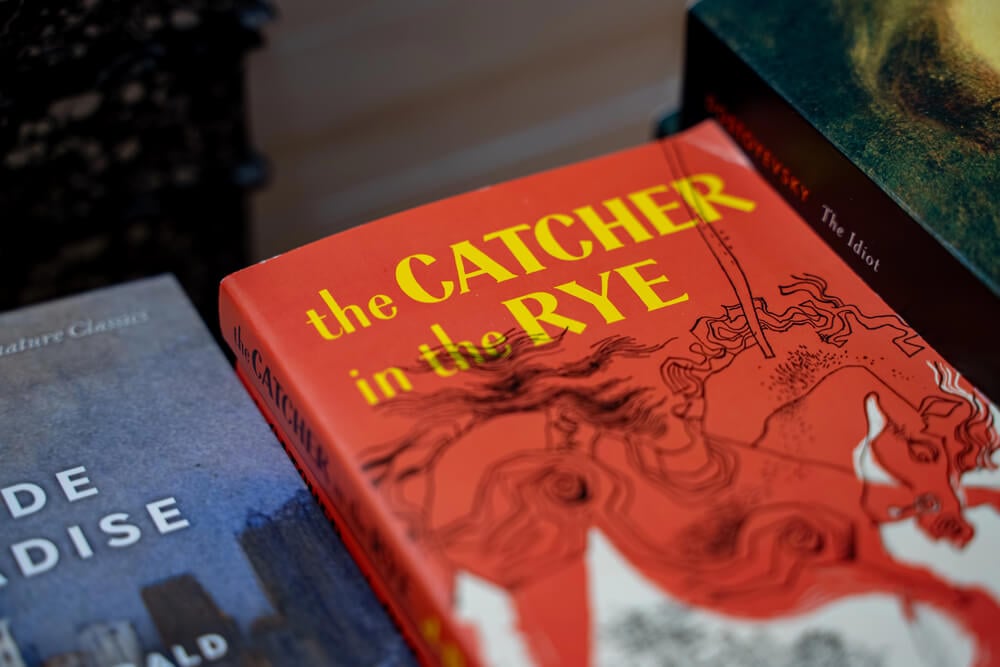
J.D. Salinger’s 1951 novel remains one of the most collected twentieth-century first editions, with genuine first printings in good condition drawing strong prices from collectors decades after publication. Book-club editions of this title are especially common in thrift shops, and distinguishing them from a true first requires checking the specific publisher information on the copyright page.
Signed Harry Potter Books
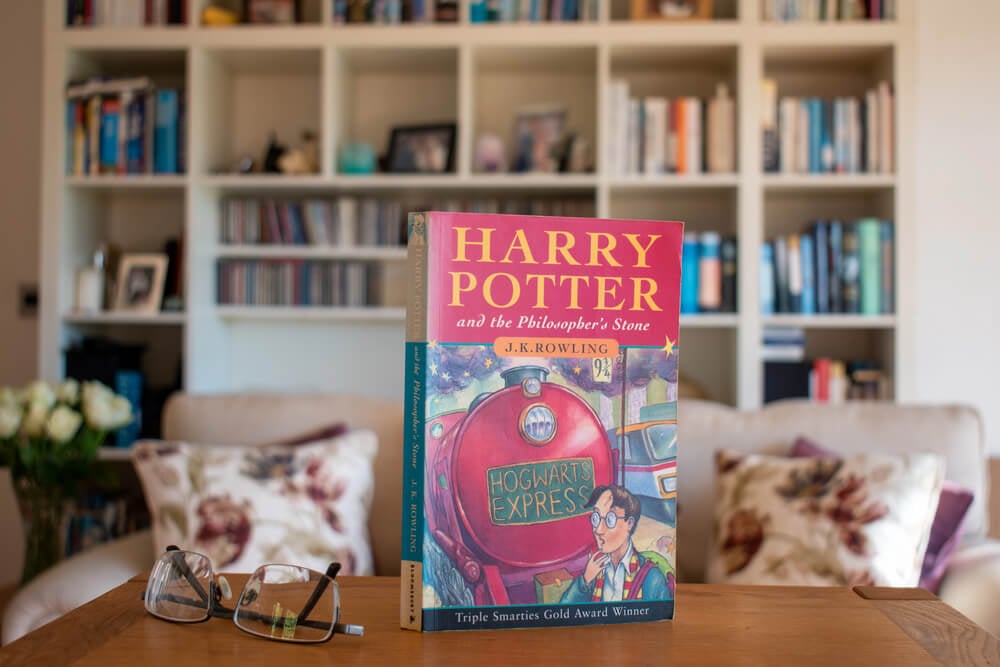
Any copy of a Harry Potter novel bearing J.K. Rowling’s genuine signature carries significant value, condition dependent, and even a later printing can be worth several hundred dollars or more if the signature is authentic. True first editions of the first book in the series, published in the UK before the series became a global phenomenon, are worth considerably more.
“Charlie and the Chocolate Factory” First Edition
Roald Dahl’s 1964 novel, published by Knopf, can bring in real money if the copy matches the correct first printing and retains its original dust jacket in strong condition. Later printings and book-club editions are common finds and worth far less, making the copyright page the deciding factor for this title.
Illustrated “The Hobbit” Special Editions
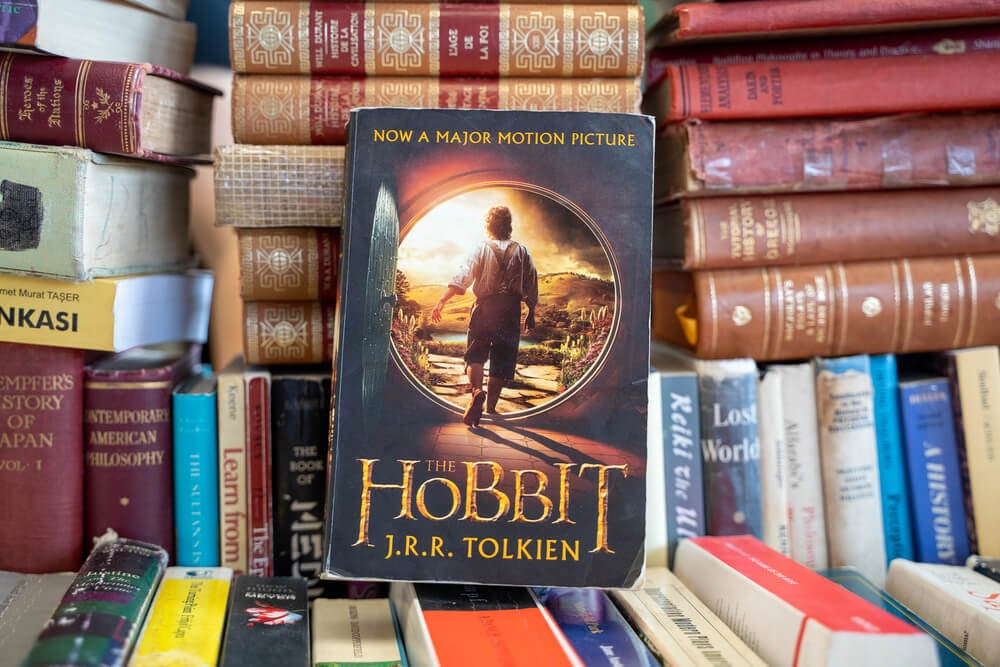
While a true first edition of J.R.R. Tolkien’s 1937 novel is extremely unlikely to surface in a thrift store, specific illustrated editions, including a 1977 deluxe printing, carry collector value well beyond an ordinary paperback copy. The distinctive illustrations, rather than the text itself, are what collectors are paying for with this particular edition.
Collector Editions of “Alice’s Adventures in Wonderland”
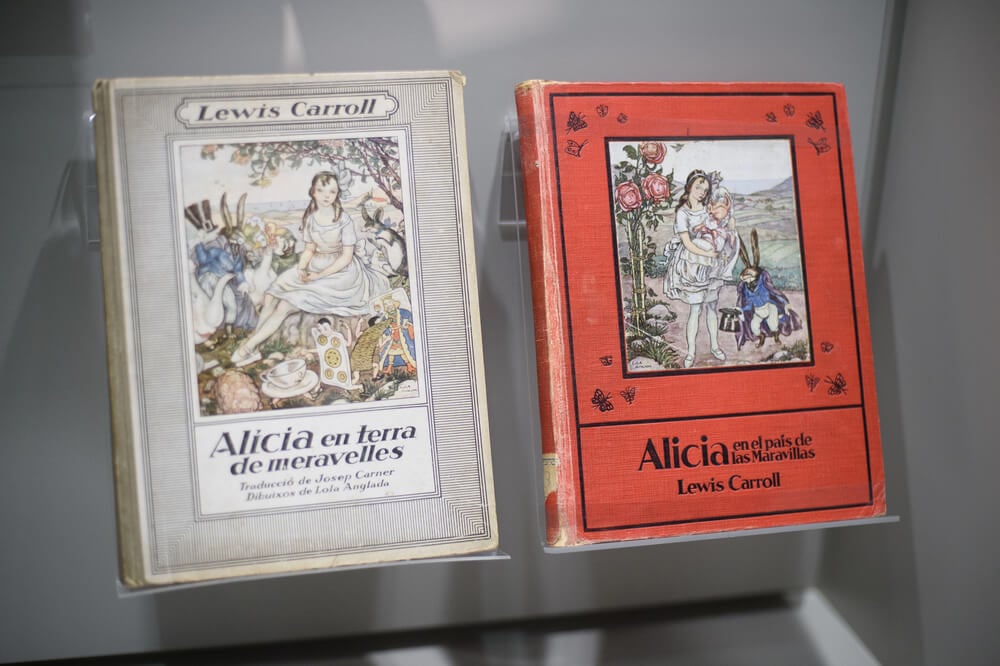
Original nineteenth-century editions of Lewis Carroll’s novel are effectively never found in ordinary thrift shops, but specific later collector’s editions with notable illustration work can still carry meaningful value. Recognizing which printing is which requires checking the publisher and edition details rather than assuming age alone determines worth.
Edgar Allan Poe Compilations
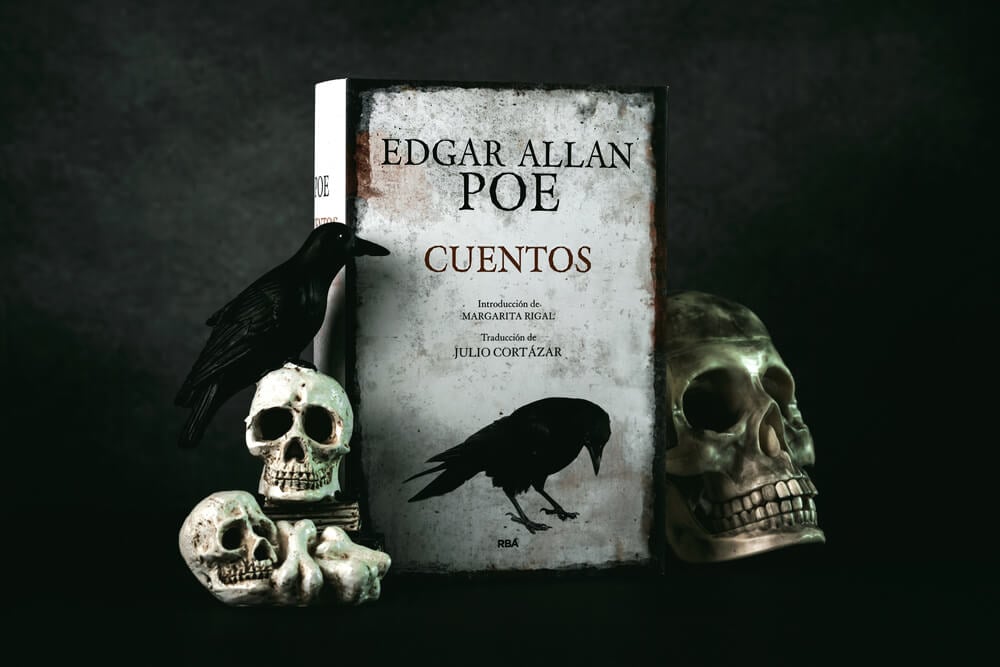
Certain lesser-known compilation editions of Poe’s work, rather than his most famous individual poems, have developed real collector interest, with specific 1930s printings of compiled tales drawing solid prices from buyers who specialize in early twentieth-century reprints. These titles are easy to overlook precisely because they lack the fame of Poe’s most anthologized pieces.
Early Jane Austen Reprints
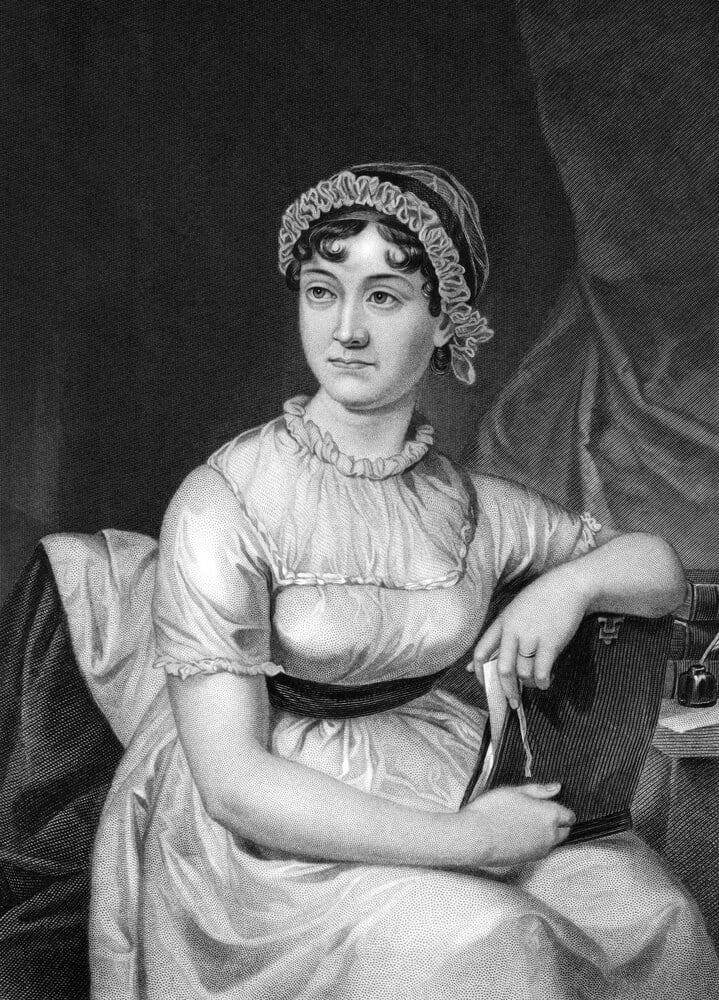
True first editions of Jane Austen’s novels are exceptionally rare, but specific later reprint editions from the 1930s have developed their own collector following, particularly copies in strong condition with original bindings intact. These reprints occasionally surface in thrift shops precisely because their age can make them look far less valuable than they actually are.
Nancy Drew Original Text Printings

Early Nancy Drew mysteries were originally published with twenty-five chapters and specific illustrations before later editions cut the books down to twenty chapters and removed the artwork entirely. Collectors specifically seek out the original longer text editions, making chapter count a faster way to identify a valuable copy than checking a copyright date alone.
First Editions of “The Grapes of Wrath”

John Steinbeck’s 1939 novel remains a consistently strong performer among Depression-era American first editions, with true firsts in solid condition commanding prices well into the thousands of dollars. As with most collectible fiction from this era, a book-club edition looks similar at a glance but carries only a fraction of the value.
Stephen King’s Early Horror Novels
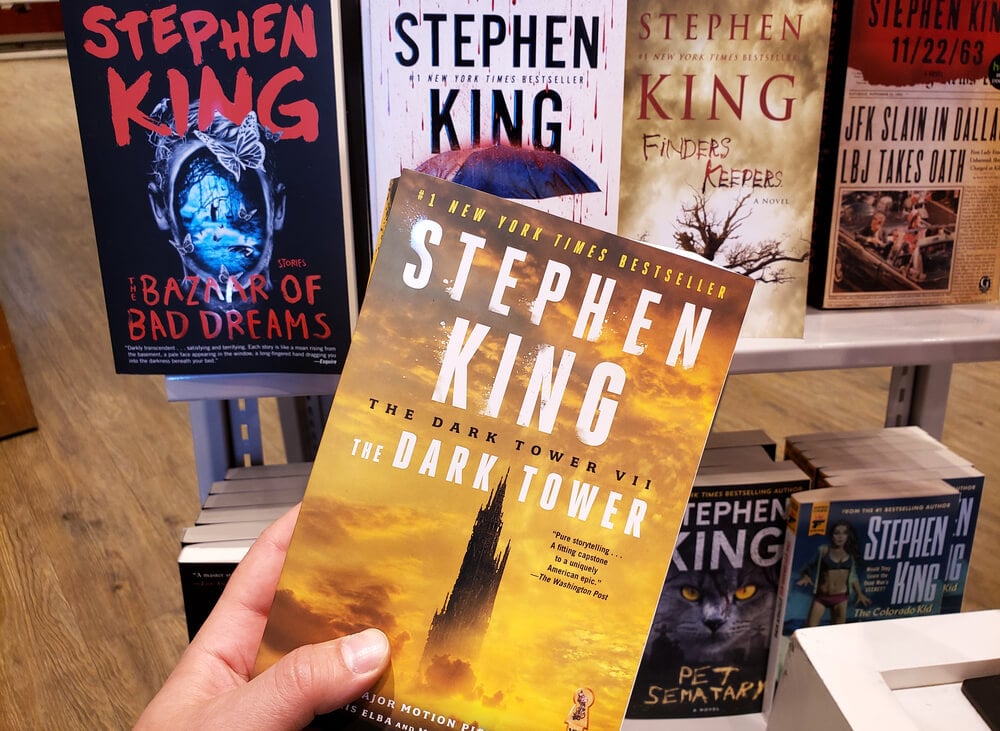
First editions of Stephen King’s 1970s and 1980s novels, including his earliest horror titles, have developed a steady collector market, particularly copies with intact original dust jackets. Book-club editions of these titles are extremely common in thrift shops and resemble true firsts closely enough that checking the number line on the copyright page is essential.
Julia Child’s Early Cookbooks

Early editions of Julia Child’s cookbooks appeal to collectors well beyond home cooks, with certain printings drawing meaningful prices from buyers interested in the history of American culinary publishing. Condition matters heavily here, since cookbooks are more likely than most books to show heavy use.
Vintage Betty Crocker Cookbooks

Classic Betty Crocker cookbook editions, particularly earlier printings with their original illustrated covers, have built a steady following among collectors interested in mid-century American domestic life. Later reprints are far more common and worth considerably less, making the specific printing year worth checking before assuming a copy is valuable.
Church and Community Cookbooks
Small-run cookbooks published by churches, schools, or local community groups occasionally attract real collector interest, particularly when they document regional recipes and local history unavailable anywhere else in print. Their value comes almost entirely from scarcity rather than fame, since most were printed in small numbers and never widely distributed.
True First Editions With a Correct Number Line

Publishers since the mid-twentieth century have typically printed a number line on the copyright page, and a first edition should show that line beginning with the number one. Learning to check this single detail, rather than relying on a book’s age or apparent condition, is the fastest way to separate a valuable first printing from a later reprint of the same title.
Author-Signed Modern Fiction
A book club edition or later printing that would otherwise be worth very little can become genuinely valuable if it carries an authentic author’s signature, particularly for authors with an active, dedicated collector base. The signature itself, rather than the underlying edition, is what drives the value in these specific cases.
Diaries and Personal Journals
Handwritten diaries or personal journals with a documented connection to a notable figure occasionally surface at estate sales and thrift shops, and can carry substantial value well beyond what an ordinary published book would command. These are rare finds specifically because most valuable examples stay within a family or a private collection rather than reaching a donation bin.
Early Twentieth-Century Children’s Illustrated Books
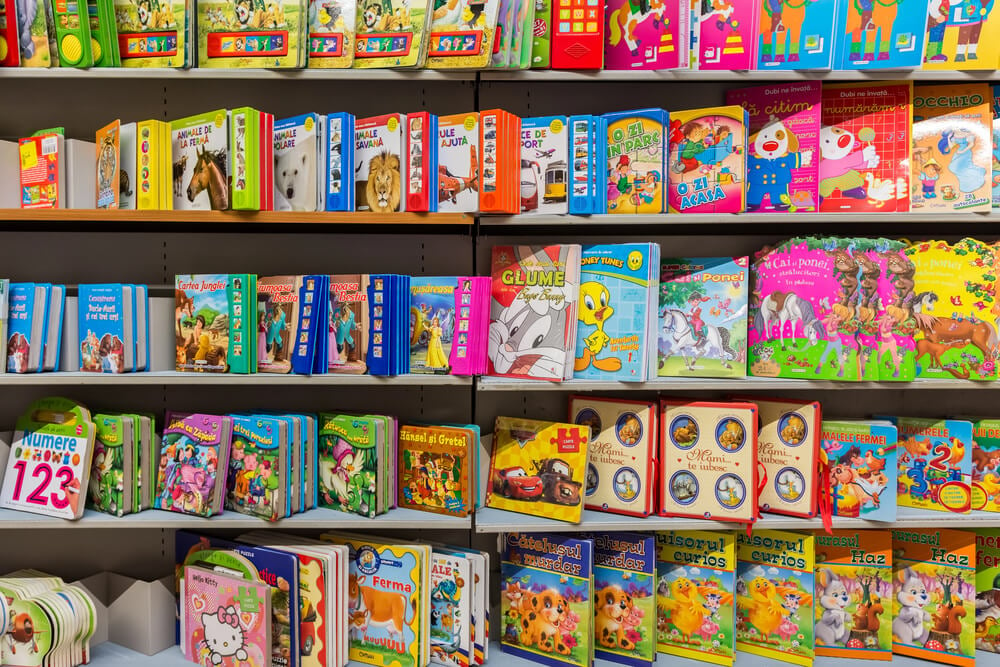
Illustrated children’s books from the early twentieth century, particularly those with notable illustrators rather than well-known authors, have developed a dedicated collector market separate from the broader vintage book trade. Condition is especially important with this category, since children’s books were rarely handled gently.
First Editions With Known Printing Errors

Certain first editions became more valuable specifically because of an error caught and corrected in later printings, whether a misprint, a mislabeled page, or an inconsistency the publisher fixed before a second run. Collectors specifically hunt for these flawed first printings, making an apparent mistake a value indicator rather than a defect.
Limited and Numbered Print Runs

Books published in a deliberately limited, numbered print run carry built-in scarcity that ordinary trade editions never have, with each individual copy’s number sometimes affecting its specific value within the run. These editions occasionally end up in donation bins from estate cleanouts where the original owner’s collecting intent was not passed along.
Early Science Fiction With Original Cover Art
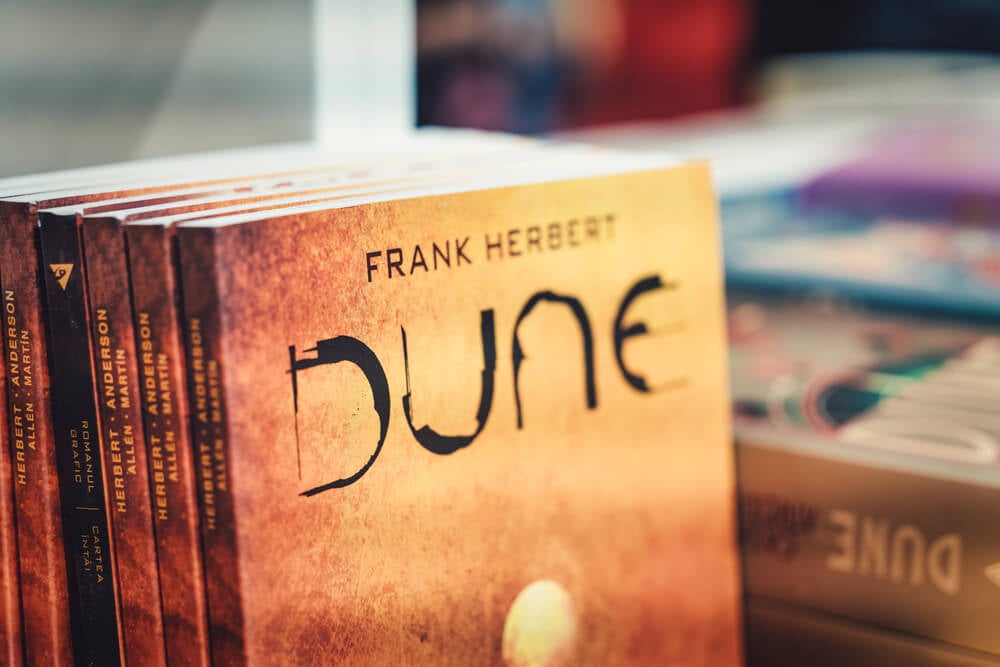
Science fiction titles from the mid-twentieth century, particularly those with distinctive original cover illustrations and an intact dust jacket, have built a strong collector market separate from the broader vintage paperback trade. The cover art itself is frequently as much a factor in value as the text inside.
Biographies of Major Historical Figures
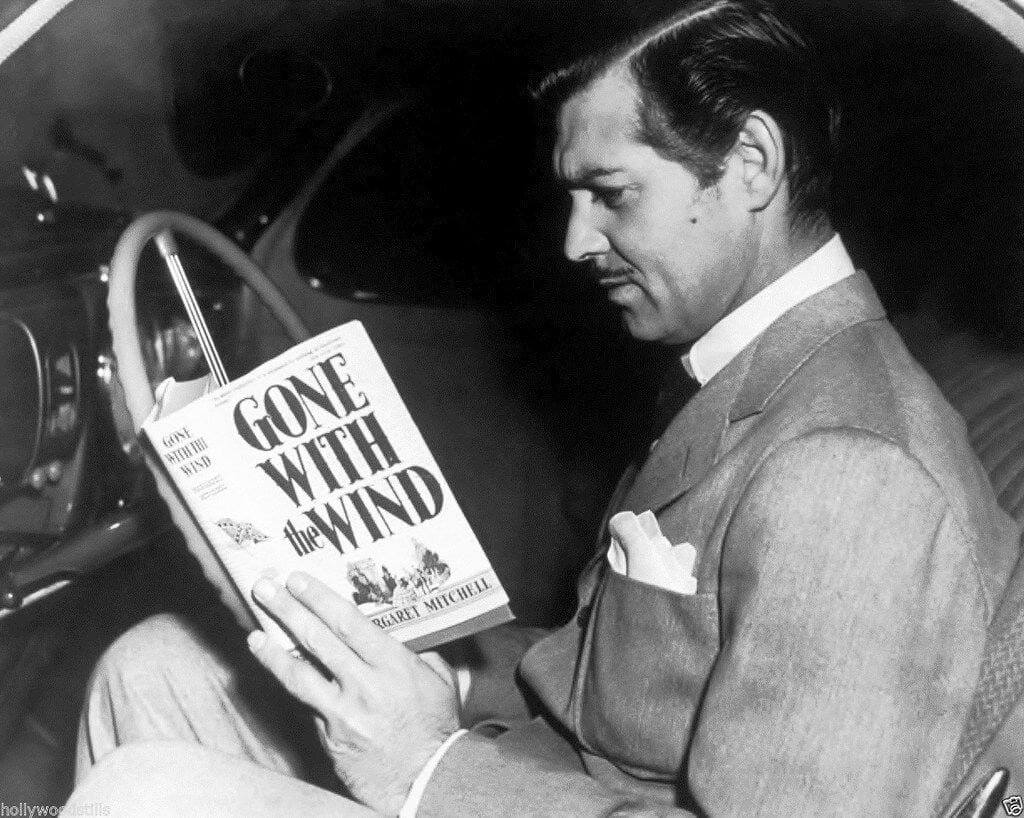
Early biographies of major historical and political figures, particularly first editions published close to the subject’s lifetime, can carry real value among collectors focused on a specific era or individual. Signed copies of these biographies, whether signed by the author or in rare cases by the subject, command considerably more.
Wartime and Military History First Editions
First editions documenting major historical conflicts, particularly memoirs and firsthand accounts published shortly after the events they describe, have developed a steady collector base among military history specialists. These titles often look unremarkable on a shelf, which is part of why they get overlooked at donation prices.
Art Books With Signed Illustrations

Coffee-table art books signed by the featured artist, rather than simply reproducing the artist’s work, carry meaningfully more value than an unsigned copy of the same edition. High-quality illustration reproduction alone can also add value even without a signature, particularly for out-of-print art publications.
Regional and Local History Books
Books documenting the history of a specific small town, county, or regional community were often printed in limited runs and never reprinted, making surviving copies genuinely scarce even though they rarely look valuable at a glance. Local historical societies and genealogy researchers actively seek these titles out, sometimes paying well above what a thrift shop price tag suggests.
Presentation Copies
A presentation copy, inscribed by the author to a specific named recipient rather than simply signed, can carry additional value when the recipient has some documented connection to the author or the book’s subject matter. These copies are easy to misidentify as simply a used, previously owned book rather than a meaningfully inscribed one.
Advance Reading Copies

Advance reading copies, printed and distributed to reviewers and booksellers before a book’s official release, sometimes differ meaningfully from the final published text and carry collector value specifically because of that difference. These copies are usually marked clearly as uncorrected proofs, a detail worth checking on any unusually plain-looking paperback.
First Editions of Award-Winning Debut Novels

A first edition of an author’s debut novel can become significantly more valuable retroactively once that author goes on to win a major literary award or achieve lasting critical recognition. These early printings were often produced in smaller runs than a later, more established author’s work, making surviving first-edition copies scarcer than the author’s later, better-known books.
Dust Jacket Price-Clipped Copies

A first edition missing its original price on the dust jacket, evidence it was likely given as a gift, is typically worth less than a copy with the price intact, a detail that surprises many casual sellers who assume a clipped price simply reflects a discount. Recognizing this distinction can prevent overvaluing a copy that looks complete but is technically missing an original feature.
Vintage Travel Guides With Period Maps

Older travel guides featuring detailed period maps and illustrations have developed a niche collector market among those interested in historical geography and regional development, independent of any practical travel use. Their value comes largely from the maps and photographs rather than the text describing hotels and routes that no longer exist.
Poetry Chapbooks From Small Presses
Poetry chapbooks published in small numbers by independent presses, particularly early work from poets who later achieved wider recognition, can carry real collector value despite their modest, pamphlet-like appearance. Their scarcity, rather than production quality, is almost always the reason a specific chapbook is worth seeking out.
Reading the Copyright Page
Every entry on this list comes down to the same basic instinct: look past the cover and check the details that actually determine value, the printing number, the edition statement, the presence or absence of a signature. None of it requires expertise so much as patience, since most valuable finds look identical to their worthless counterparts until someone actually checks.
That is exactly why thrift shelves remain worth searching in the first place. Staff pricing books by general condition and apparent age have no reason to catch a first-printing number line or an inscribed presentation copy, which means the gap between a book’s price tag and its real value is still there for anyone willing to look closely enough to find it.
More from Go2Tutors!

- The Romanov Crown Jewels and Their Tragic Fate
- 13 Historical Mysteries That Science Still Can’t Solve
- Famous Hoaxes That Fooled the World for Years
- 15 Child Stars with Tragic Adult Lives
- 16 Famous Jewelry Pieces in History
Like Go2Tutors’s content? Follow us on MSN.