15 Ancient Rituals That Were Bizarre
Innumerable customs and rituals were created by ancient societies to honor their gods, make sense of the world, and commemorate significant life events. Even though many of these customs had significant cultural functions, they frequently included aspects that would seem incredibly odd or unnerving to modern people.
These ancient customs, which ranged from complex death ceremonies that involved dancing with corpses to fertility rituals that necessitated public displays, highlight how different our ancestors’ worldview was from our own. This list of fifteen ancient rituals demonstrates the amazing, if frequently strange, extent to which early civilizations took their social and spiritual practices.
Maya Bloodletting Ceremonies
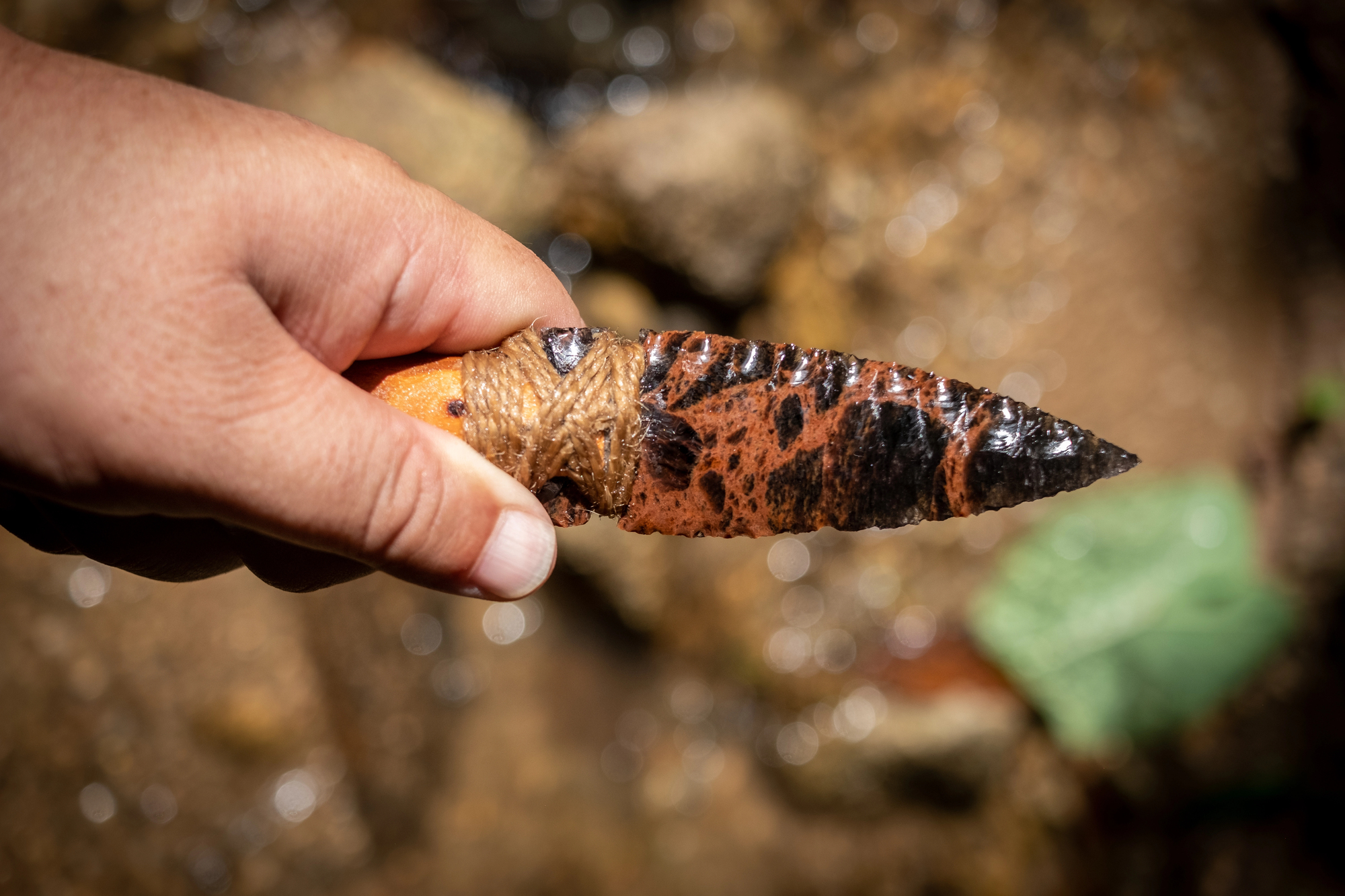
The intricate bloodletting rites that the ancient Maya carried out were essential to their religious views on reality, knowledge, and life. Priests and nobility would use thorns, stingray spines, or obsidian blades to pierce their tongues and earlobes, which are even more delicate areas of their bodies.
After that, blood was gathered on bark paper and offered to the gods by burning it, though it was thought that the smoke conveyed messages to the divine world.
Roman Gladiatorial Munera
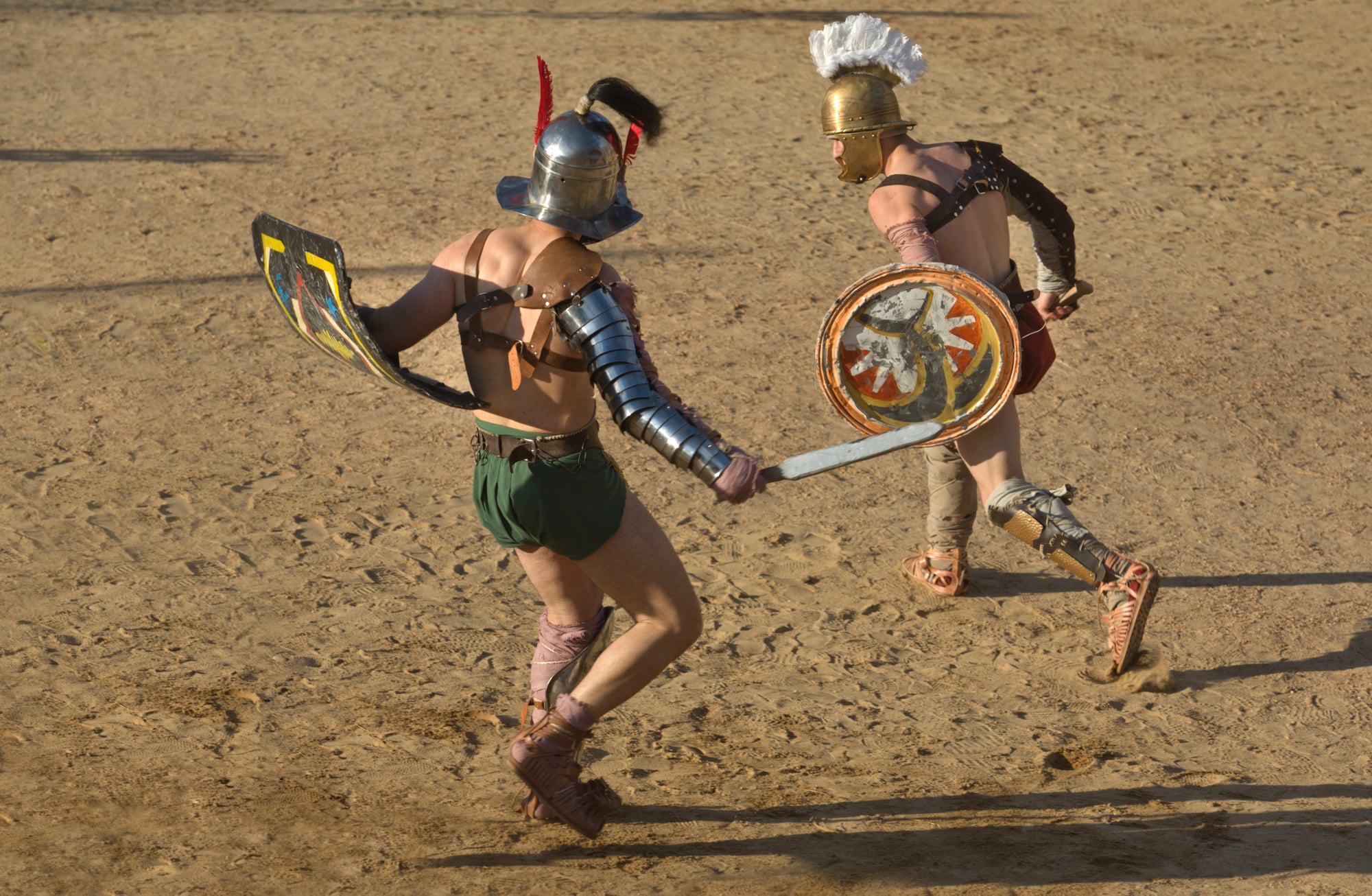
What started as funeral rites honoring deceased nobles evolved into massive public spectacles where condemned criminals and prisoners of war fought to the death. These events weren’t just entertainment; they were considered sacred obligations to honor the dead and appease restless spirits.
Romans believed that spilled blood would nourish the souls of the departed — ensuring their peaceful transition to the afterlife.
Egyptian Mummification Rituals
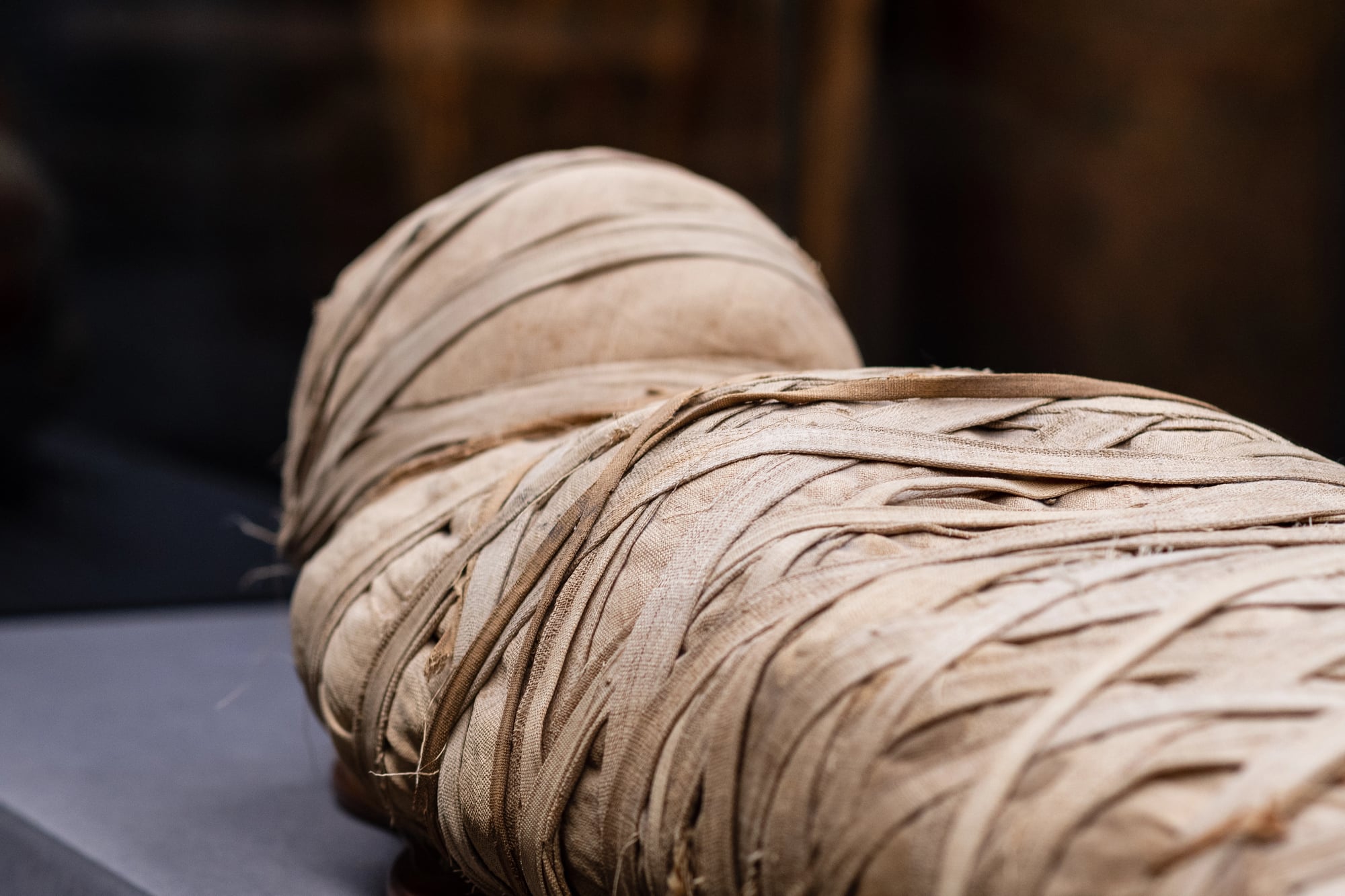
The ancient Egyptians developed an incredibly complex 70-day process for preparing bodies for the afterlife that involved removing all internal organs except the heart. The brain was extracted through the nose using long metal hooks, while other organs were preserved separately in canopic jars.
Bodies were then dried with natron salt, wrapped in hundreds of yards of linen — and entombed with everything the deceased might need in the next world.
Greek Pharmakos Scapegoat Ceremony
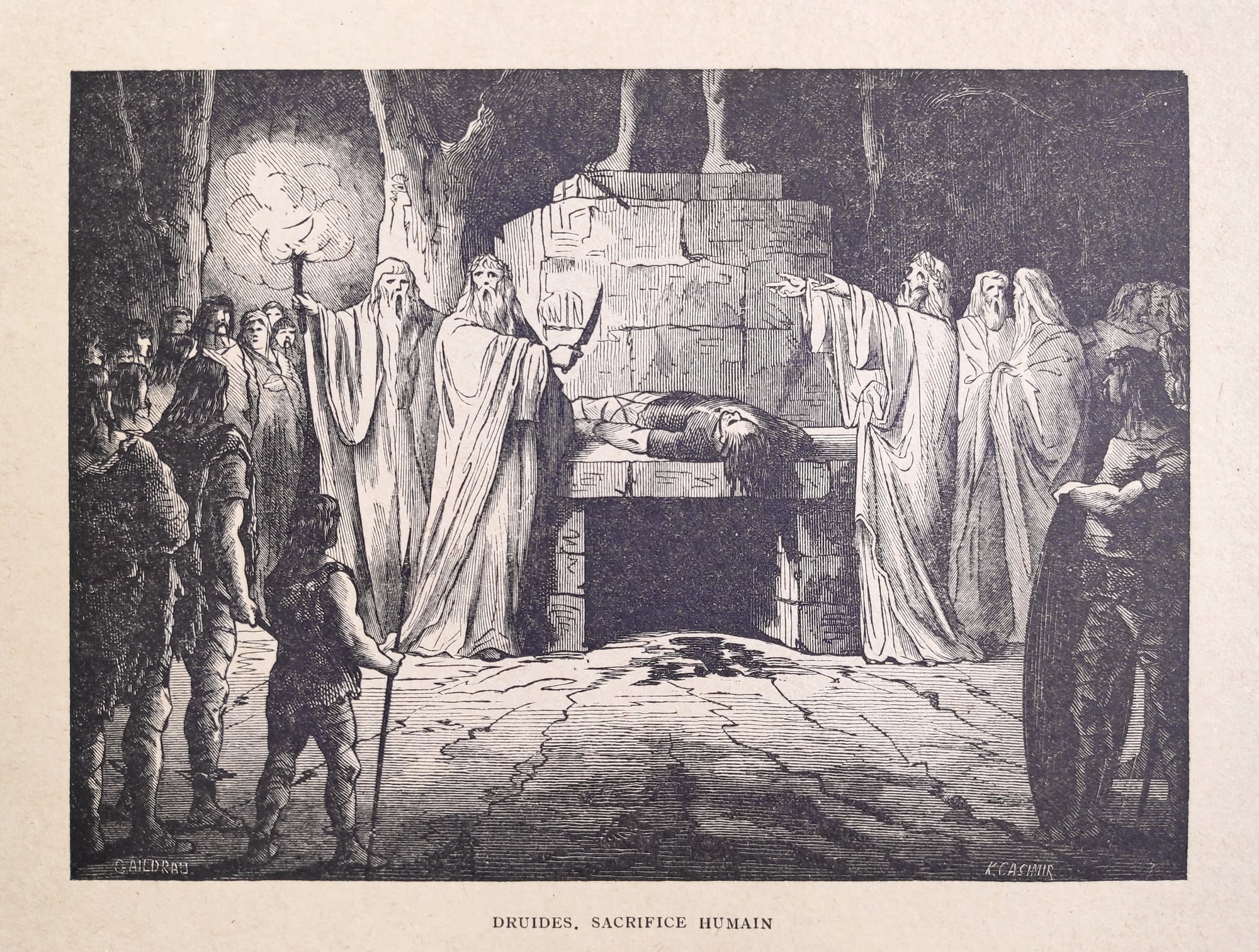
Ancient Greece practiced a purification ritual called Pharmakos that involved the expulsion and sometimes execution of a human scapegoat. During times of crisis, plague, or natural disasters, communities would select an individual — often someone already marginalized — to bear the collective guilt and misfortunes of the city.
This person would be driven out or killed, supposedly taking all the community’s problems with them.
Aztec Heart Extraction Rituals

The Aztecs practiced ritual heart extraction on temple altars as part of their religious ceremonies. Priests would use obsidian knives to cut open the chest cavity — removing the still-beating heart — which was then offered to the sun god to ensure the continuation of the cosmic cycle.
The ritual would end with further mutilation of the body, usually through dismemberment or burning.
Celtic Druid Human Offerings
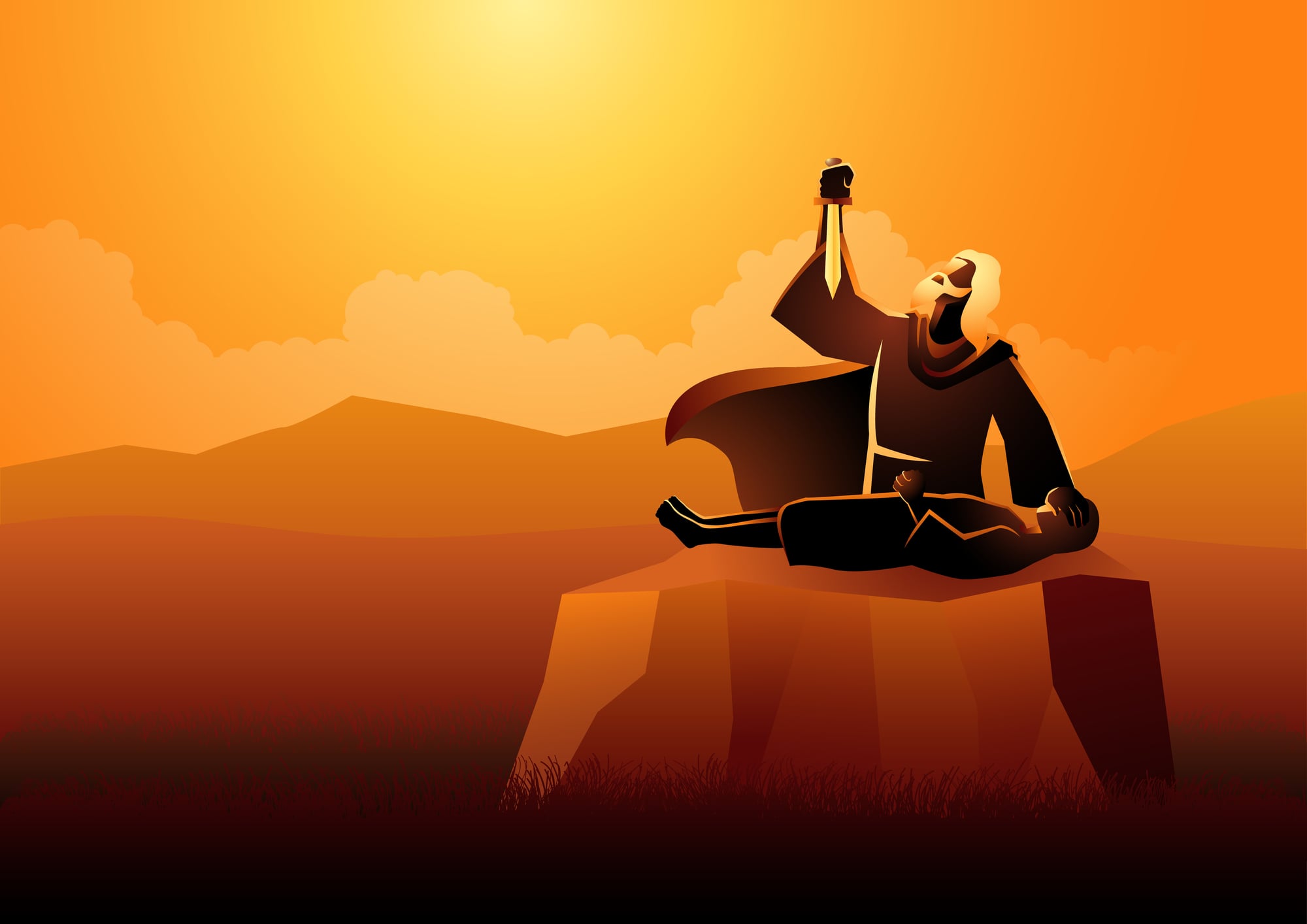
Ancient Celtic druids performed rituals in sacred groves where they’d make human offerings to their gods, particularly during important seasonal transitions. Archaeological evidence from bog bodies shows that victims were often subjected to what researchers call ‘triple death’ — being strangled, stabbed, and drowned simultaneously.
These elaborate methods were believed to ensure the sacrifice reached multiple divine realms.
Sati Immolation Practice
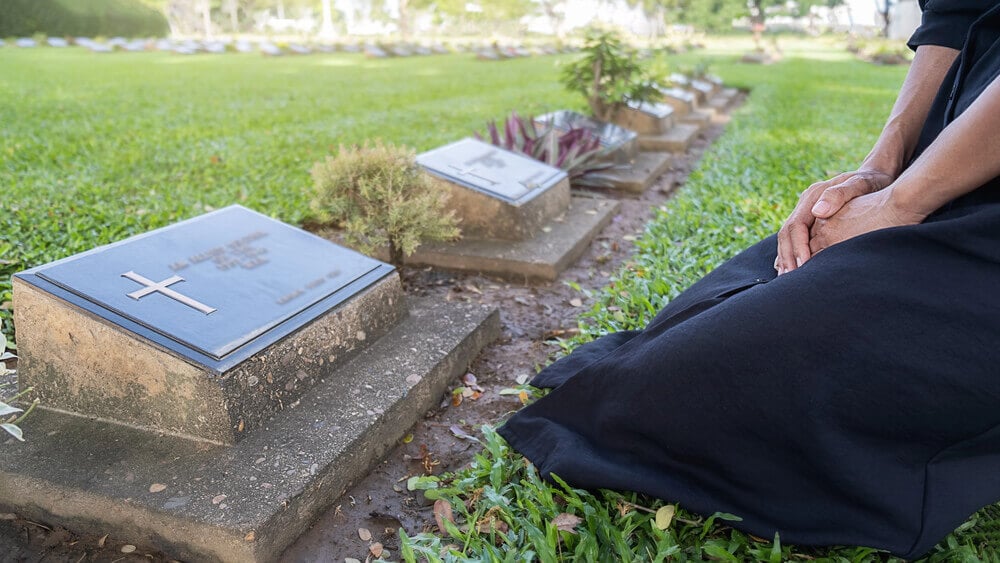
In ancient India, some regions practiced sati, where widows would throw themselves onto their deceased husband’s funeral pyre to be burned alive. This wasn’t always voluntary — social pressure often forced women into this practice.
The ritual was believed to purify the woman and ensure her reunion with her husband in the afterlife, while also bringing honor to both families involved.
Sky Burial Exposure Rites
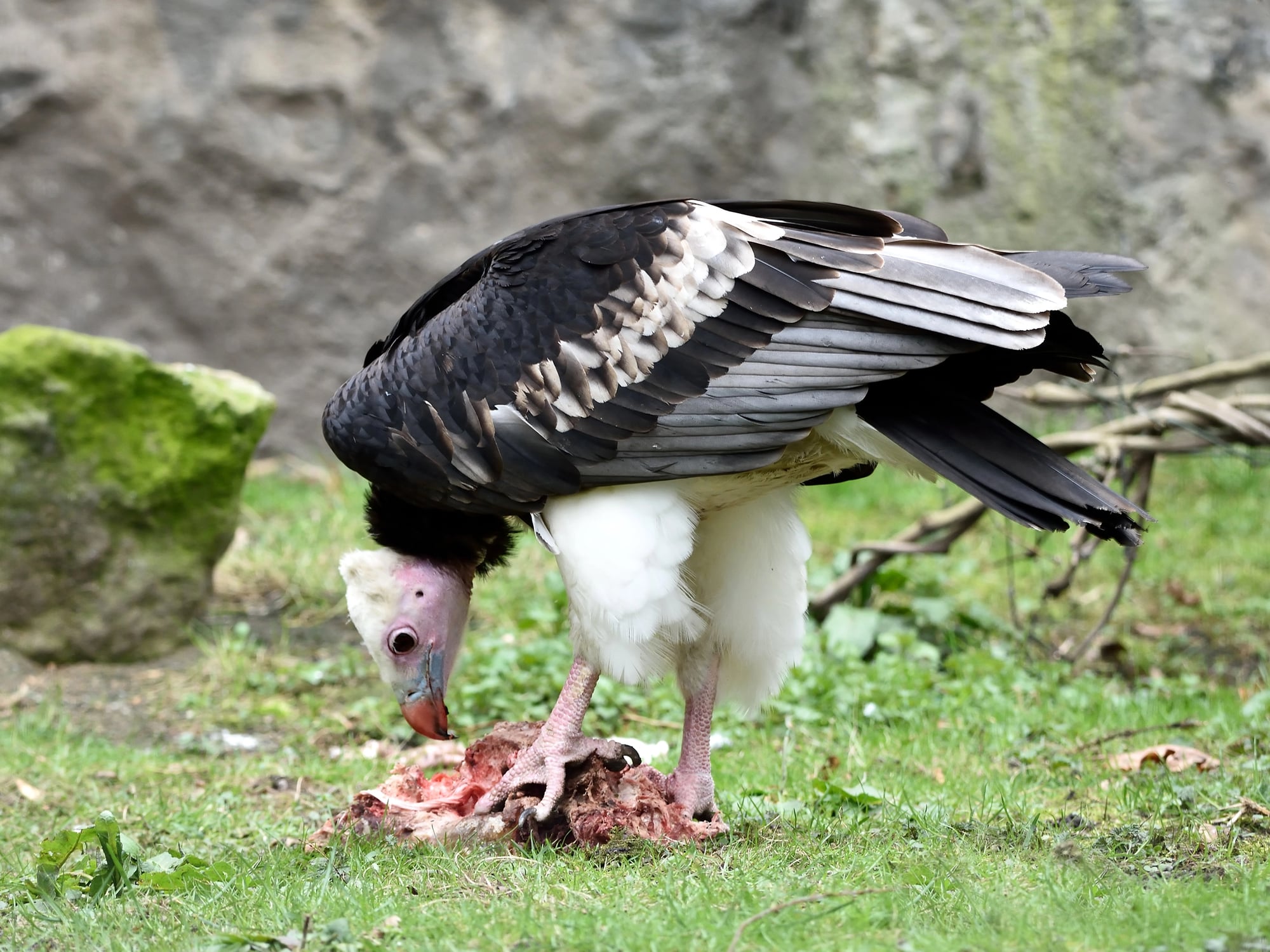
Tibetan Buddhists developed sky burials where corpses were placed on mountaintops to be consumed by vultures and other scavenging birds. Bodies would be dismembered and mixed with barley flour — making them more appealing to the birds.
This practice reflected their belief that the body was merely a vessel, and that feeding wildlife was a final act of compassion and generosity.
Spartan Agoge Training Rituals
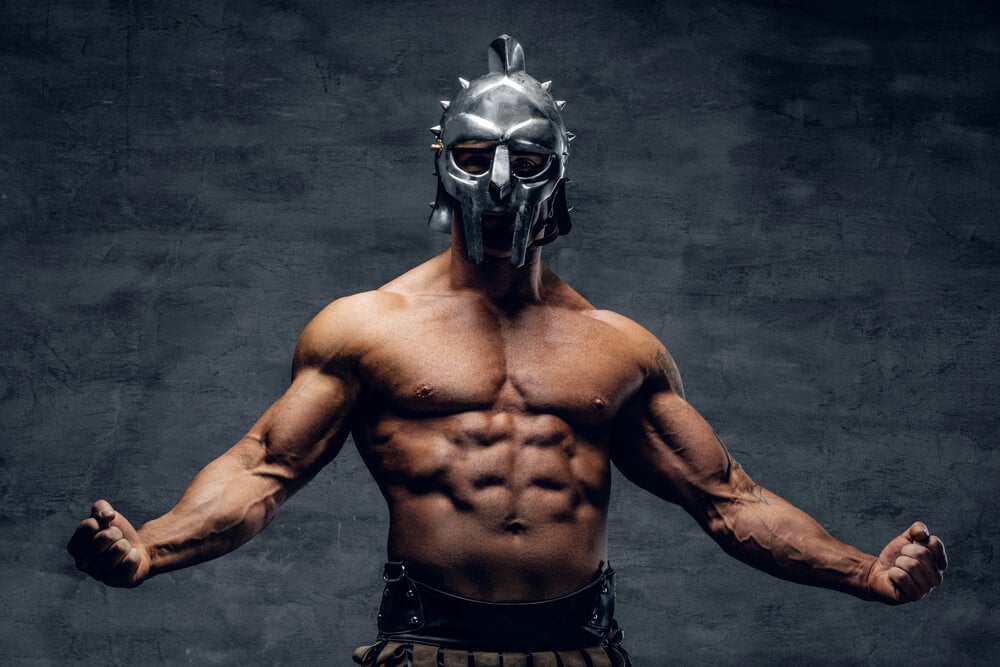
Young Spartan boys underwent the agoge, a brutal military training program that included ritualistic elements designed to forge warriors. One ceremony required boys to steal cheese from an altar while being whipped — the goal being to test their pain tolerance and stealth abilities.
Boys who cried out or showed weakness were considered failures. They faced social disgrace.
Viking Blood Eagle Execution
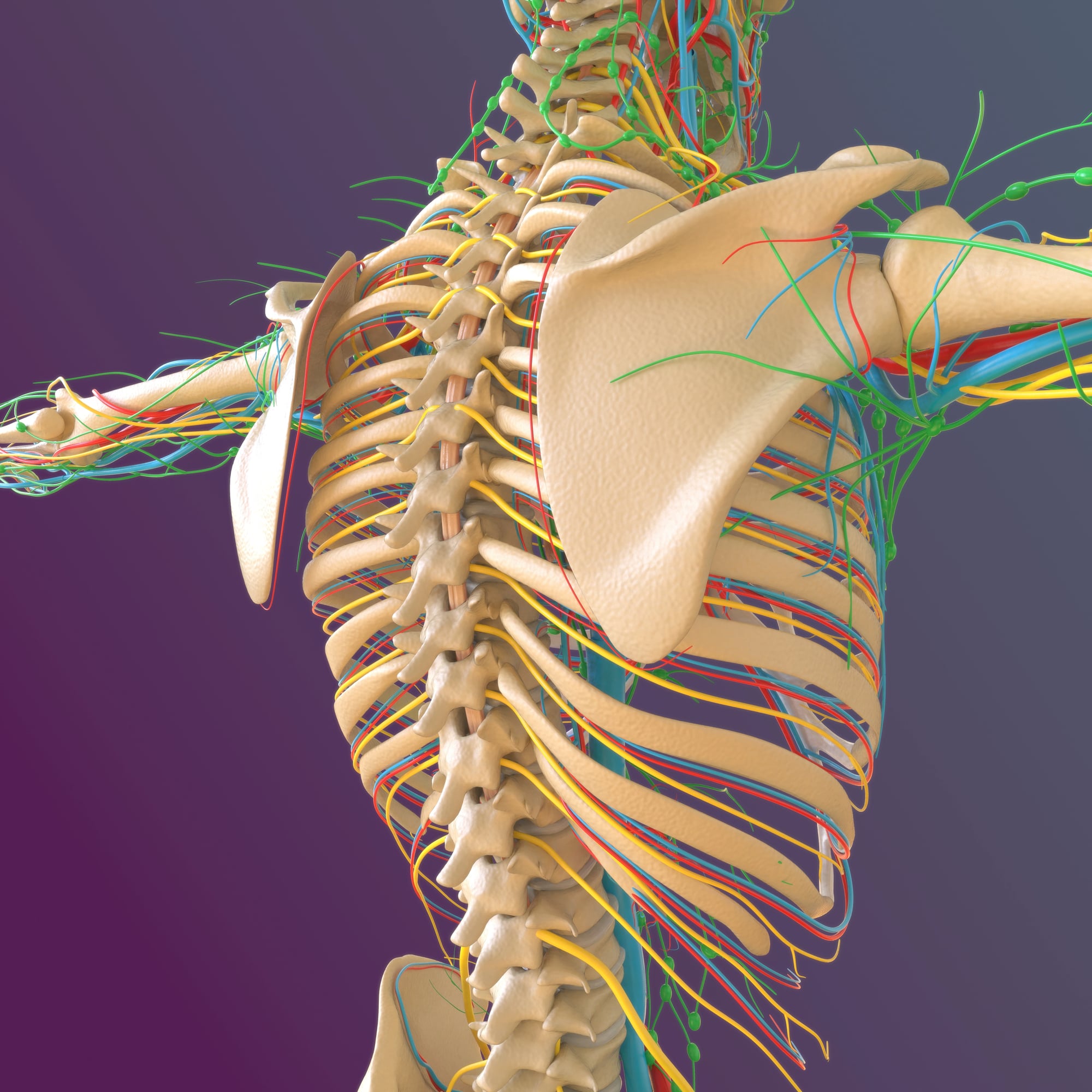
The Vikings practiced a particularly gruesome execution method called the blood eagle, reserved for the most hated enemies and traitors. The victim’s ribs would be cut away from the spine — pulled apart to resemble wings — while the lungs were extracted and arranged on the back.
This torturous death was believed to send a powerful message to enemies while honoring Odin, the god of war.
Roman Vestal Virgin Burial
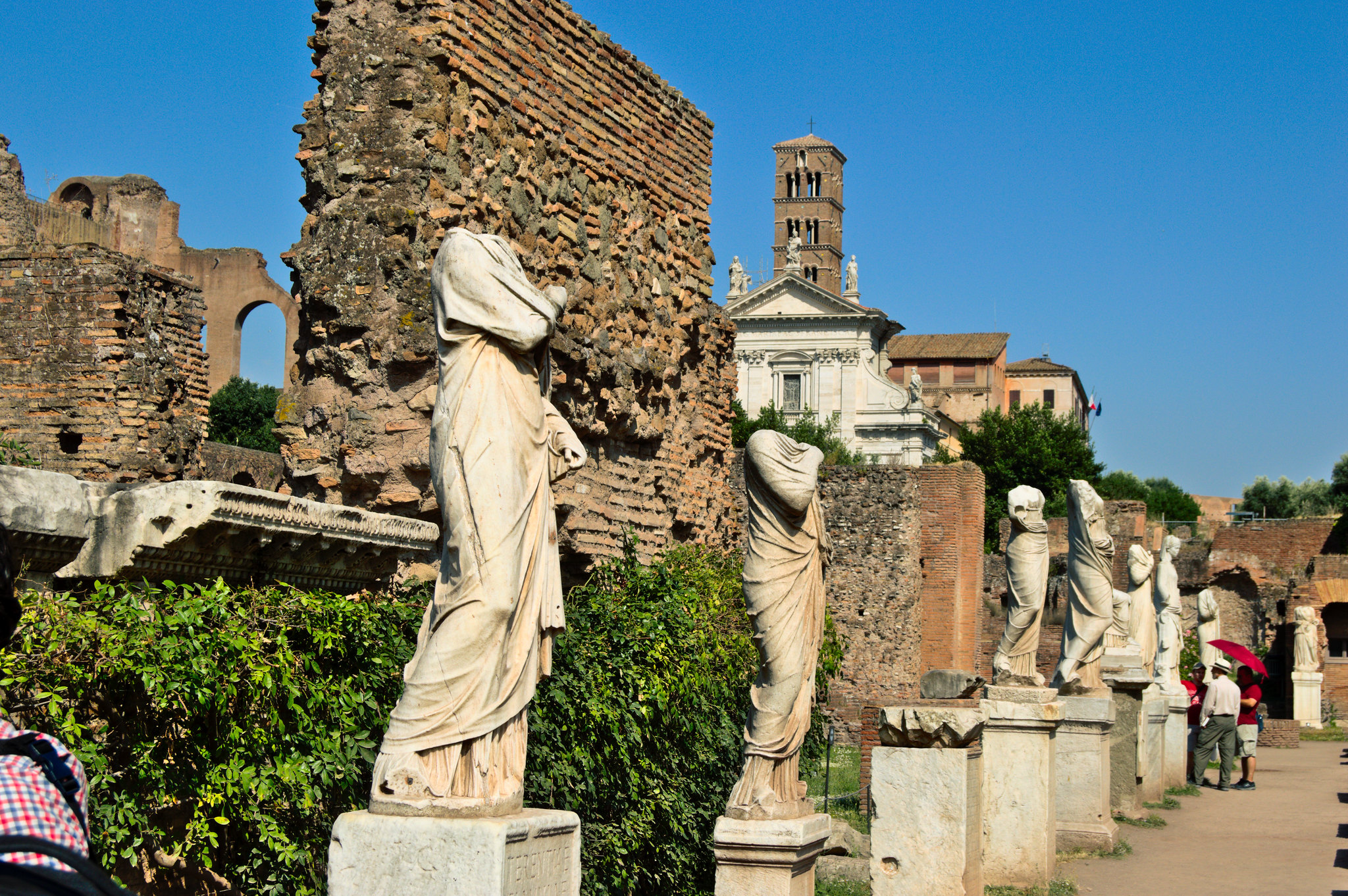
When Vestal Virgins — the priestesses responsible for maintaining Rome’s sacred flame — broke their vows of chastity, they faced a unique punishment. Rather than being executed directly, they were buried alive in underground chambers with a small amount of food and water.
This allowed Romans to maintain the fiction that they weren’t directly killing the priestess, as technically she’d die from starvation rather than execution.
Moche Ritual Combat Deaths
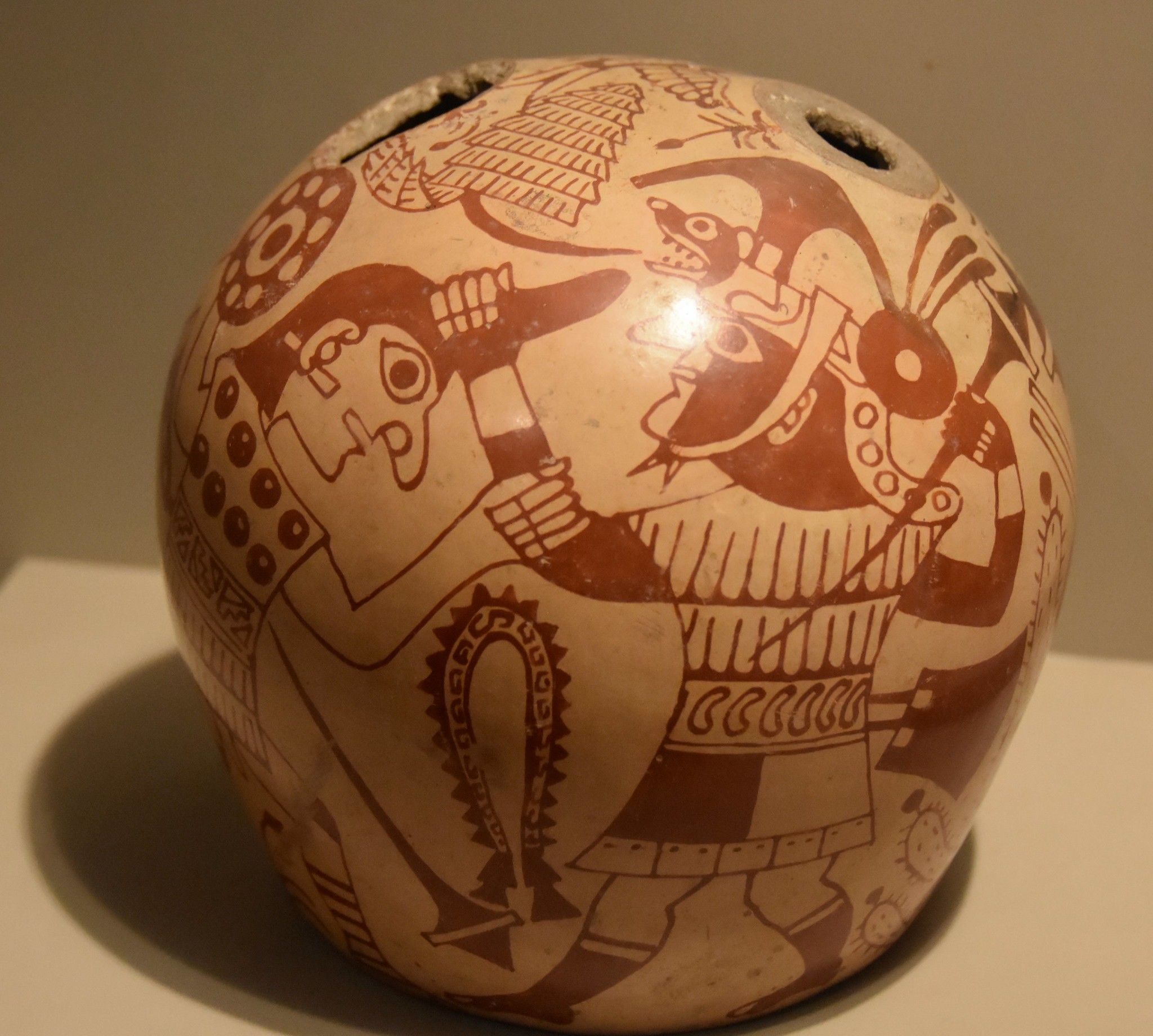
The Moche civilization of ancient Peru held elaborate ritual combats where warriors fought until one was defeated but not killed. The loser would then be ritually executed in a ceremony that involved drinking their blood while displaying their dismembered body parts.
These ceremonies were depicted extensively in Moche pottery and murals, showing their central importance to the culture.
Scythian Scalping Ceremonies
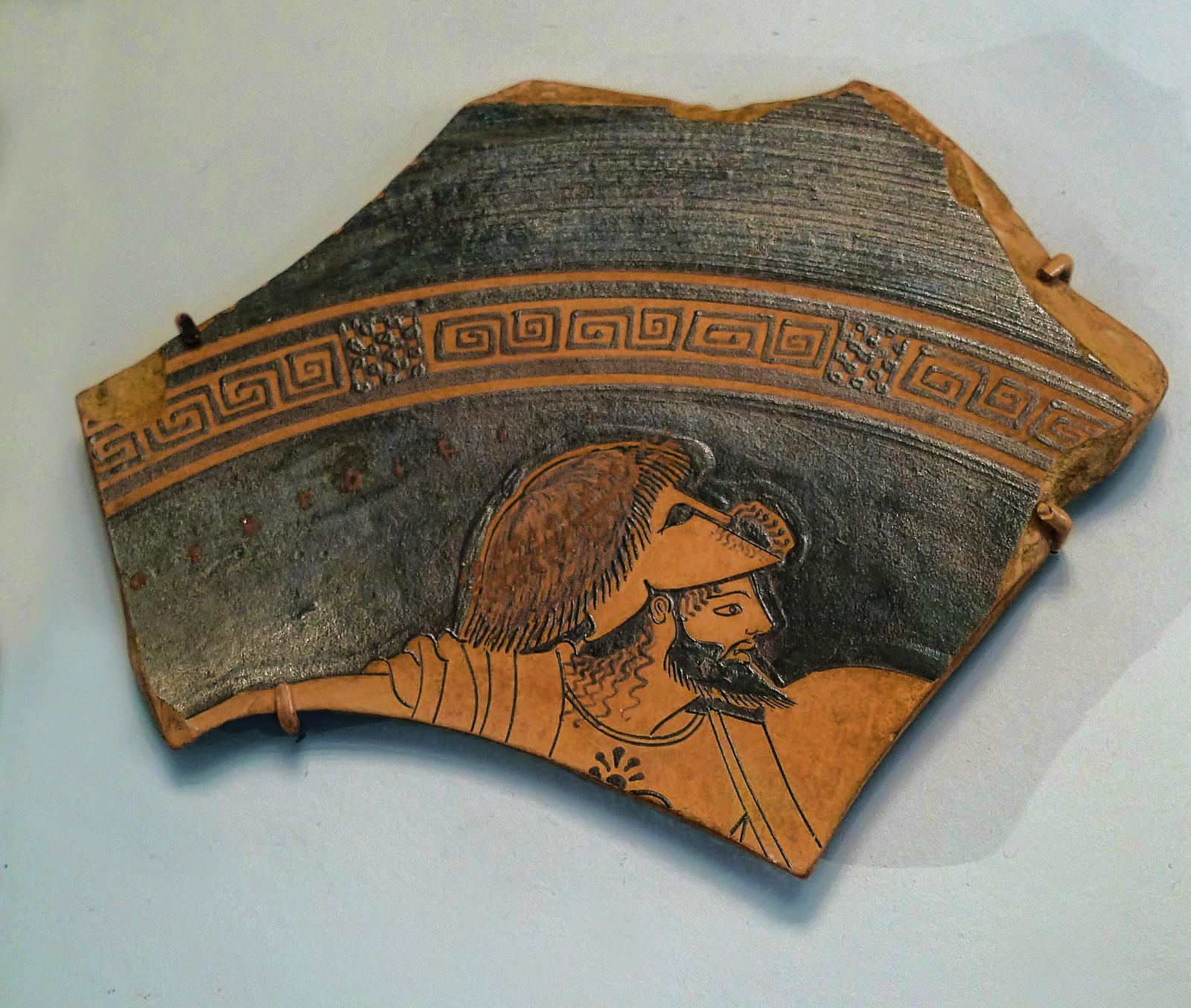
The scalping of adversaries was a religious and military custom among the nomadic Scythians of the Eurasian steppes. To make drinking cups or ornaments, warriors would tan the entire scalp, including the hair.
These scalps were thought to hold the spiritual strength of the vanquished adversary and were used as awards to show off a warrior’s skill.
Japanese Seppuku Preparation Rituals
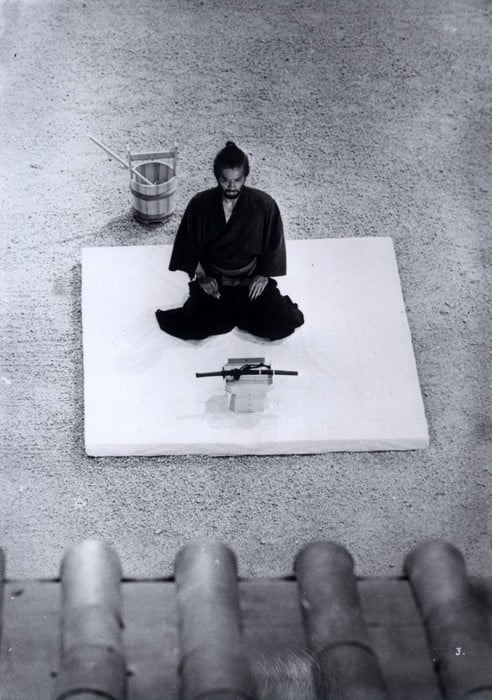
Seppuku, or ritual disembowelment, was the subject of complex ceremonial practices developed by ancient Japanese warriors. The procedure included writing death poems, choosing suitable attire, performing certain purification rites, and designating a second to decapitate the participant at the height of their suffering.
To guarantee that the warrior’s honor endured even in death, every detail was meticulously prescribed.
Minoan Bull-Leaping Ceremonies
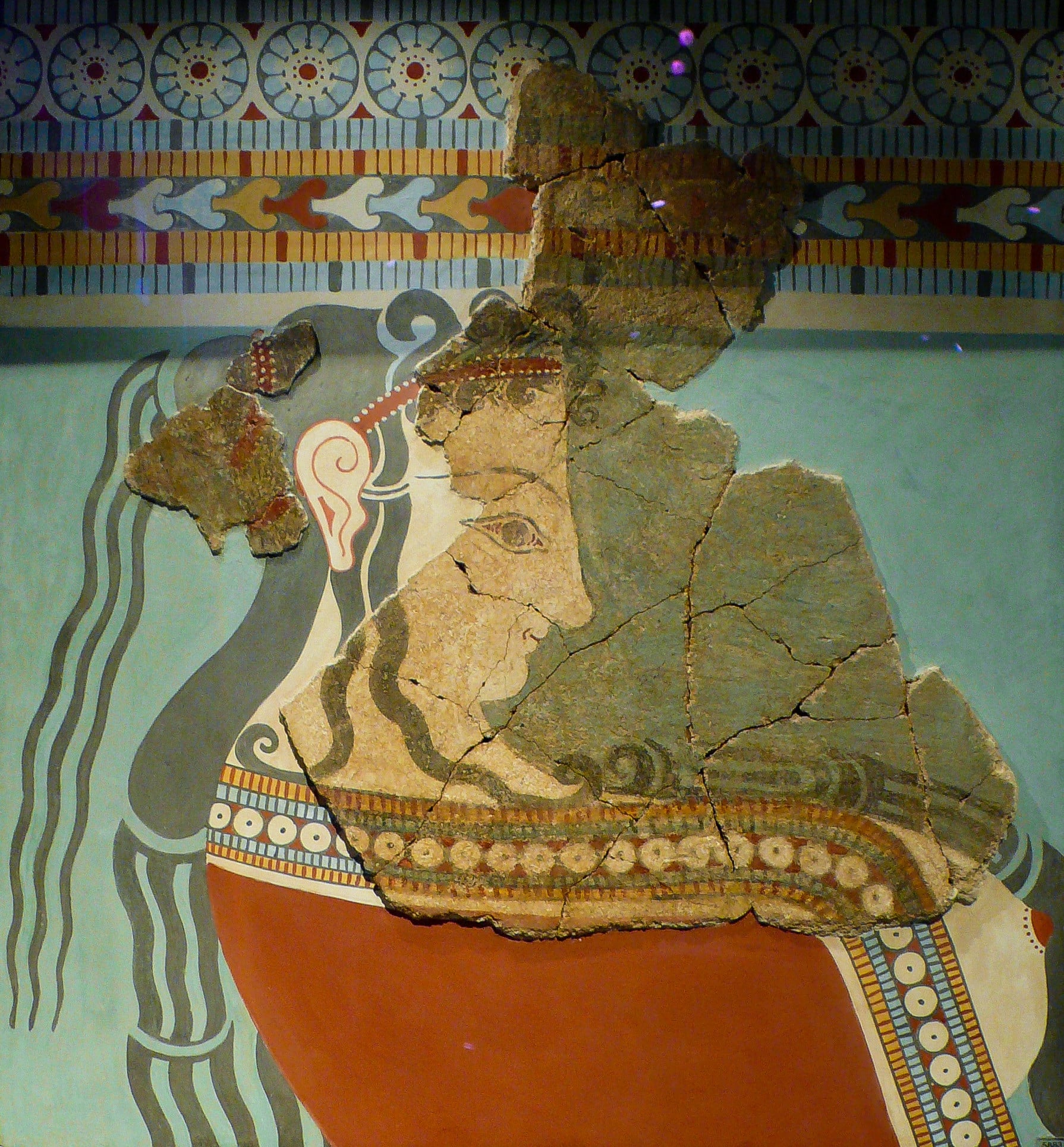
Bull-leaping was a risky custom among the ancient Minoans of Crete, in which young athletes would seize a charging bull by the horns, leap over its back, and then land behind it. They worshipped the bull as a sacred animal, so this was more than just a sport; it was a religious ceremony.
Participation was an act of religious devotion and bravery because of the extreme danger involved, which implies that injuries and deaths were likely common.
Ancient Wisdom in Modern Times
Human societies have always struggled with life’s most important issues, such as death, meaning, honor, and the connection between the material and spiritual realms, as these strange ancient rituals serve as a reminder. Our ancestors made sincere attempts to establish structure, purpose, and connection in their lives, despite the fact that these customs may seem startling or unfathomable to us now.
We can better appreciate the evolution of human civilization and acknowledge that some basic human needs have not changed over the ages when we comprehend these rituals.
More from Go2Tutors!

- The Romanov Crown Jewels and Their Tragic Fate
- 13 Historical Mysteries That Science Still Can’t Solve
- Famous Hoaxes That Fooled the World for Years
- 15 Child Stars with Tragic Adult Lives
- 16 Famous Jewelry Pieces in History
Like Go2Tutors’s content? Follow us on MSN.



