30 Department Store Features Shoppers Miss
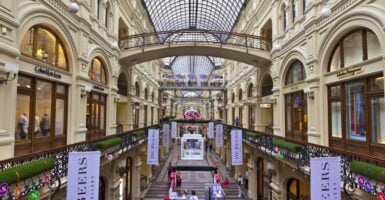
A trip to a downtown department store used to be an event, not an errand. Entire families dressed for it, planned an afternoon around it, and treated the building itself as a destination with its own rhythm of bells, announcements, and seasonal rituals.
Most of that infrastructure disappeared along with the stores themselves, replaced by big-box efficiency and, later, a phone screen. The features below were once standard parts of the shopping experience, and their absence says as much about how retail changed as any closure ever could.
Elevator Operators Calling Out Floors
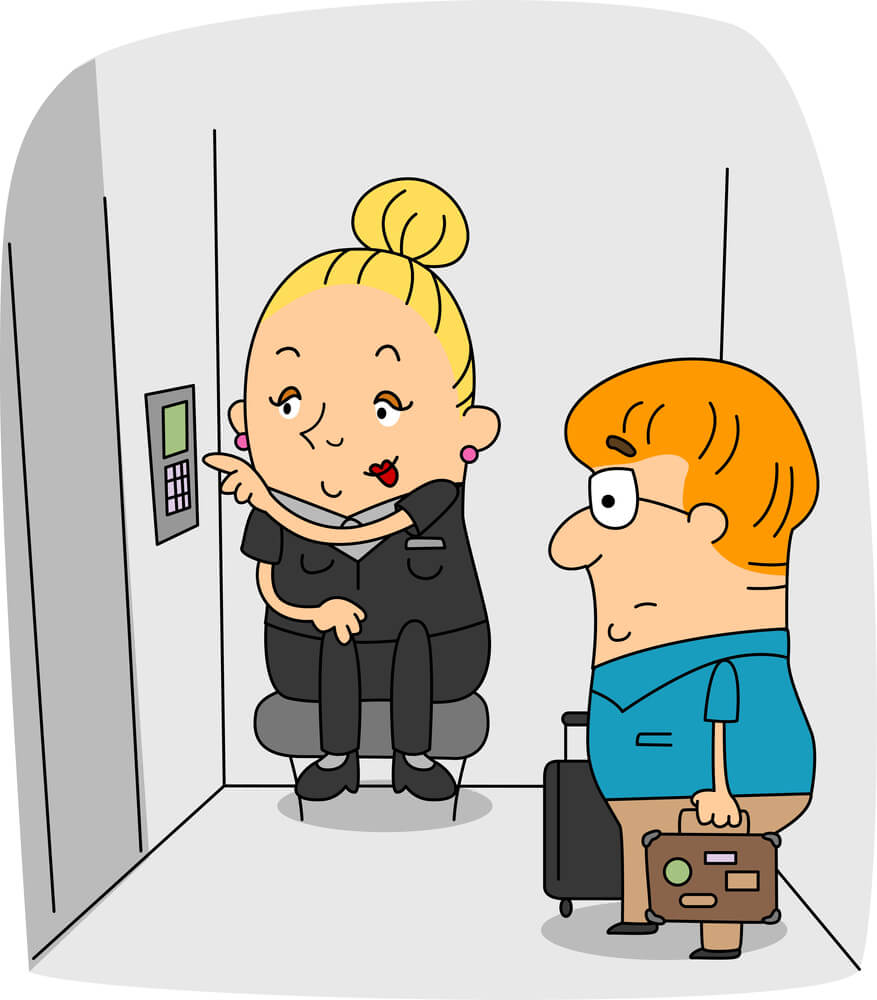
Uniformed elevator operators memorized entire store directories and announced each floor’s departments aloud as the doors opened, turning a routine ride into a small performance. Regular shoppers came to recognize individual operators by voice, and losing the job to automatic elevators in the mid-twentieth century also erased one of the store’s few points of genuinely personal contact.
Fluoroscope Shoe-Fitting Machines
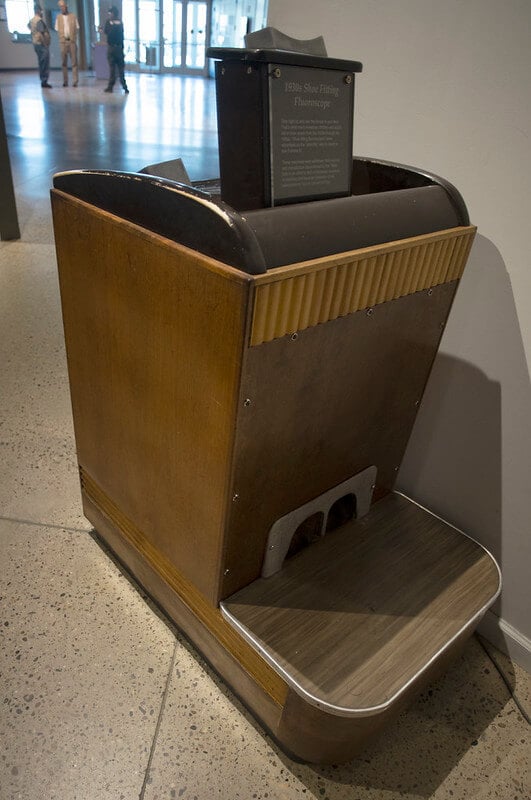
Many shoe departments installed fluoroscopes, X-ray devices that let a child wiggle their toes inside a new pair of shoes while parents and salespeople viewed the bones through a viewing screen to check the fit. The machines were popular novelties through the 1930s and 1940s before growing awareness of radiation exposure led most stores to remove them by the 1950s.
Few shoppers who used them as children ever learned how much radiation those few seconds of entertainment actually delivered.
In-Store Tea Rooms
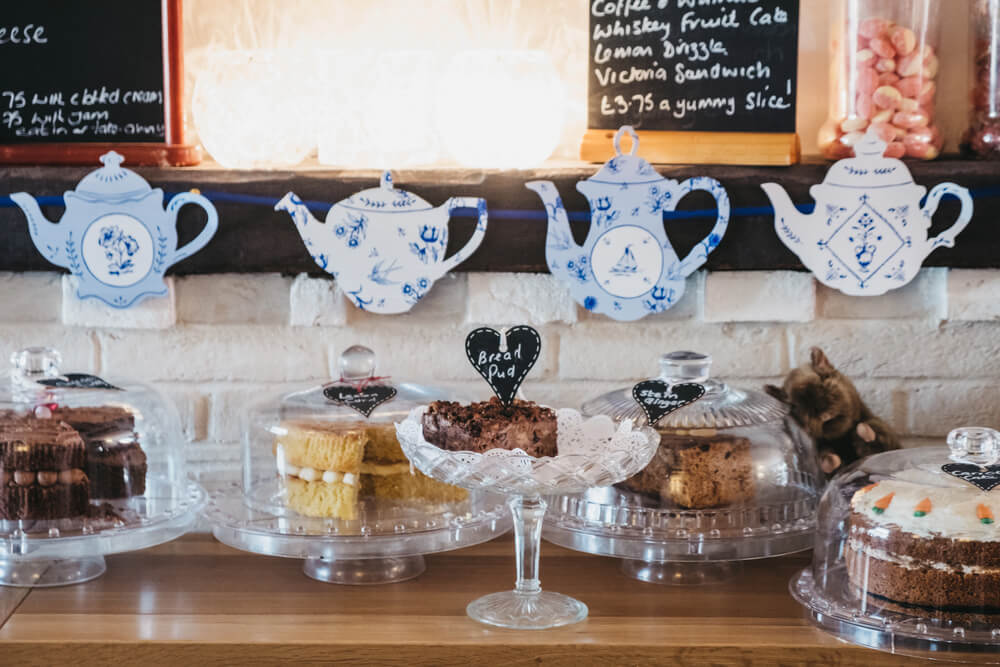
Flagship department stores routinely operated full restaurants or tea rooms on an upper floor, often with a dedicated design theme, a printed menu, and a following of regulars who timed their shopping trips around lunch service. These rooms functioned as social hubs as much as places to eat, and their closure often marked the beginning of a store’s broader decline.
Layaway Counters
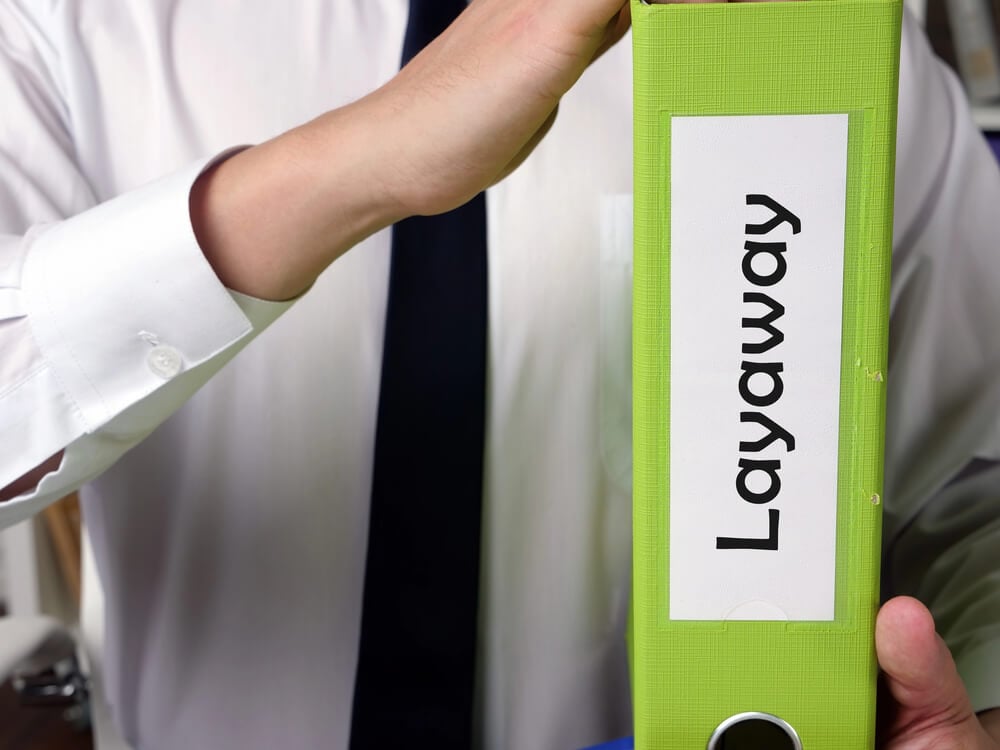
Before store credit became common, layaway counters let a shopper reserve big-ticket items with a small deposit and pay them off over weeks or months before taking the item home. The system rewarded patience over instant gratification, and its near-disappearance from mainstream retail reflects how thoroughly financing and credit cards replaced saving toward a purchase.
Pneumatic Tube Payment Systems
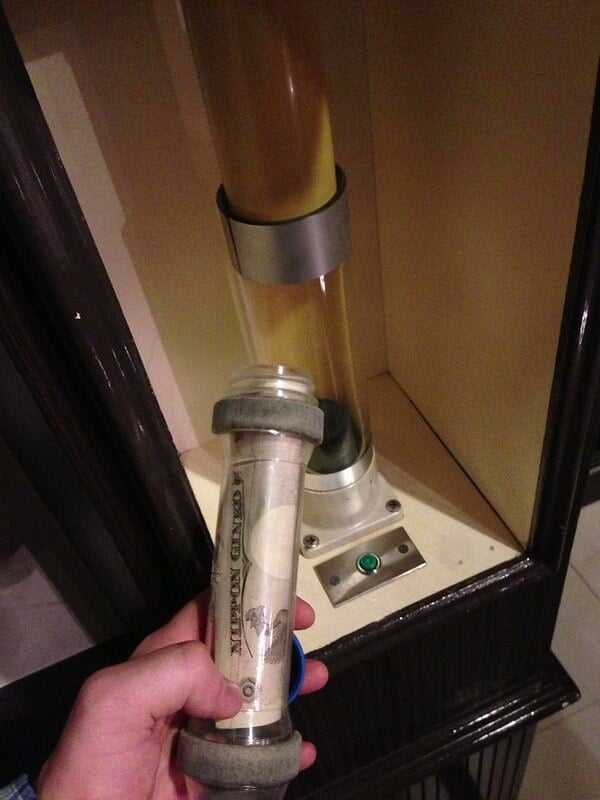
Older department stores moved cash and receipts between sales floors and a central cashier’s office using pneumatic tubes, with canisters whooshing overhead through the ceiling on a network shoppers could hear even if they never saw it. The system let a single cashier’s office handle transactions from an entire floor, and the sound of the tubes firing became one of a department store’s most distinctive background noises.
Personal Shoppers
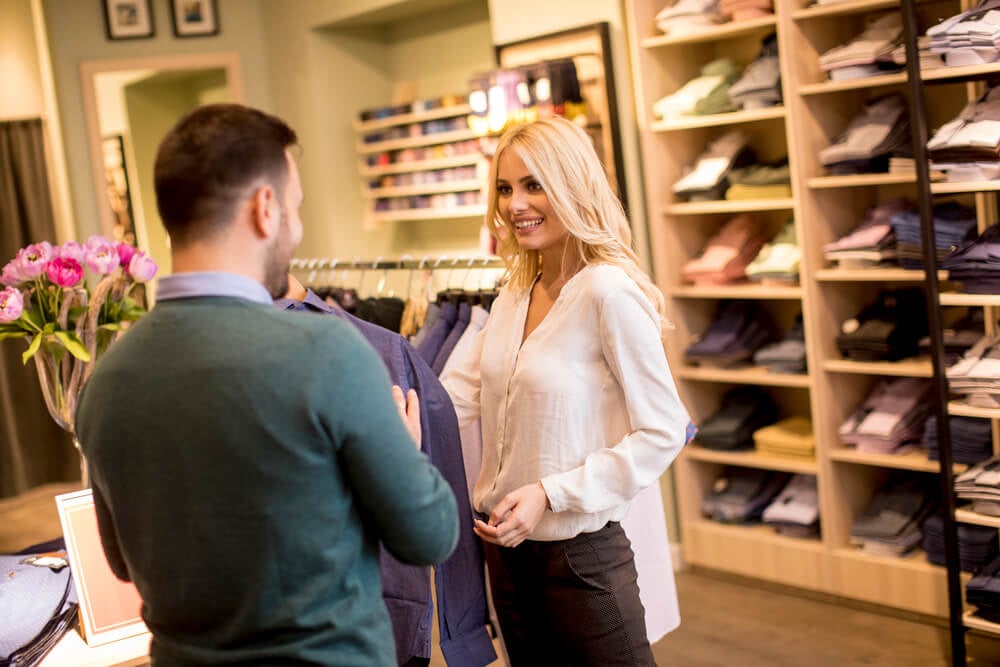
Higher-end department stores employed personal shoppers who got to know a regular customer’s size, taste, and budget well enough to pull selections before the customer ever arrived. The service treated shopping as a relationship rather than a transaction, a model that largely priced itself out of mainstream retail as stores cut staff to compete on cost.
Bridal Registries
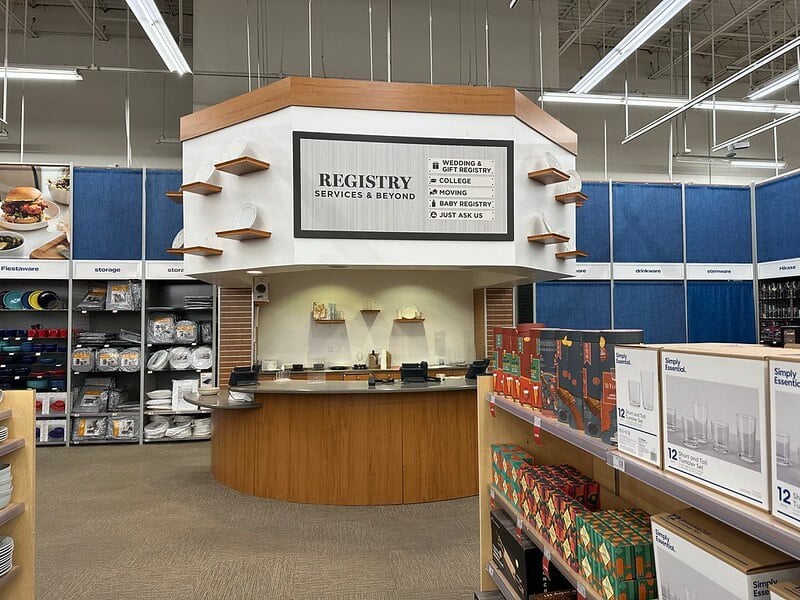
Department stores built entire departments around bridal registries, with dedicated consultants who walked couples through china patterns, silverware sets, and linens before printing a formal list for guests to shop from in person. The in-store version of the registry, complete with a physical binder at a dedicated desk, has largely given way to online lists that skip the store visit entirely.
In-House Tailoring Departments

A full-service department store typically kept tailors on staff who could alter a suit or hem a dress the same day a customer bought it, sometimes while the customer waited nearby. That immediacy is largely gone from mainstream retail, with alterations now handled by separate businesses that require a second trip most shoppers no longer bother making.
Complimentary Gift Wrapping Counters

Department stores commonly staffed dedicated gift-wrapping counters where a purchase, regardless of size, could be wrapped for free in the store’s signature paper and ribbon before a customer left the building. The counters became especially busy around holidays, with lines forming specifically for the wrapping rather than for a register.
Store Santa Photo Sets
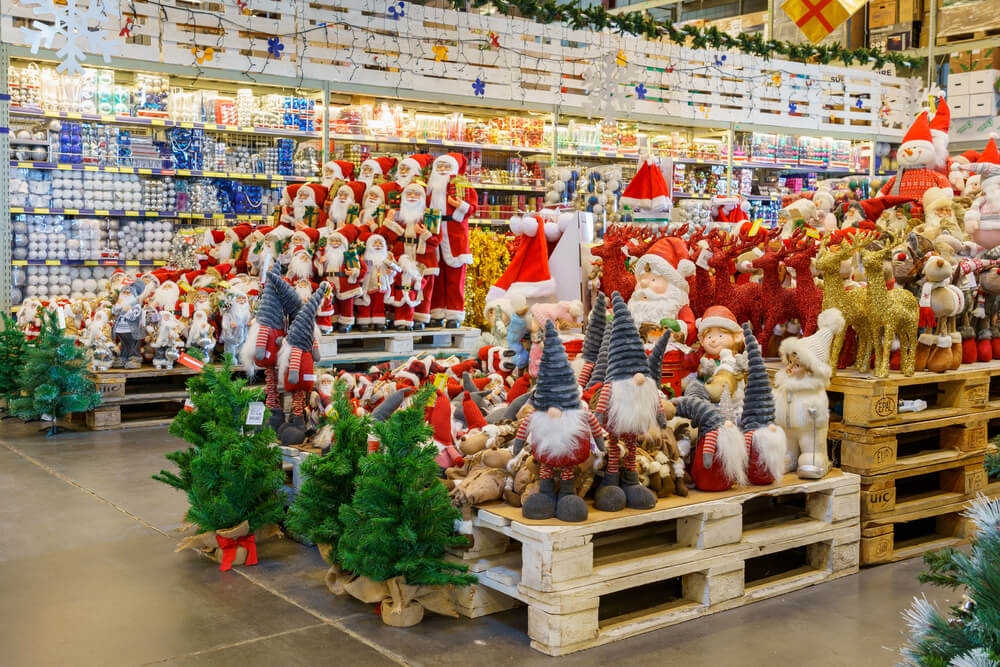
Elaborate seasonal Santa displays, often with a rotating cast of professional photographers and a themed set redesigned every year, turned a holiday photo into a genuine production rather than a quick snapshot. Many stores built entire marketing campaigns around their particular Santa setup, competing with rival stores over whose display drew the longer line.
In-Store Beauty Salons
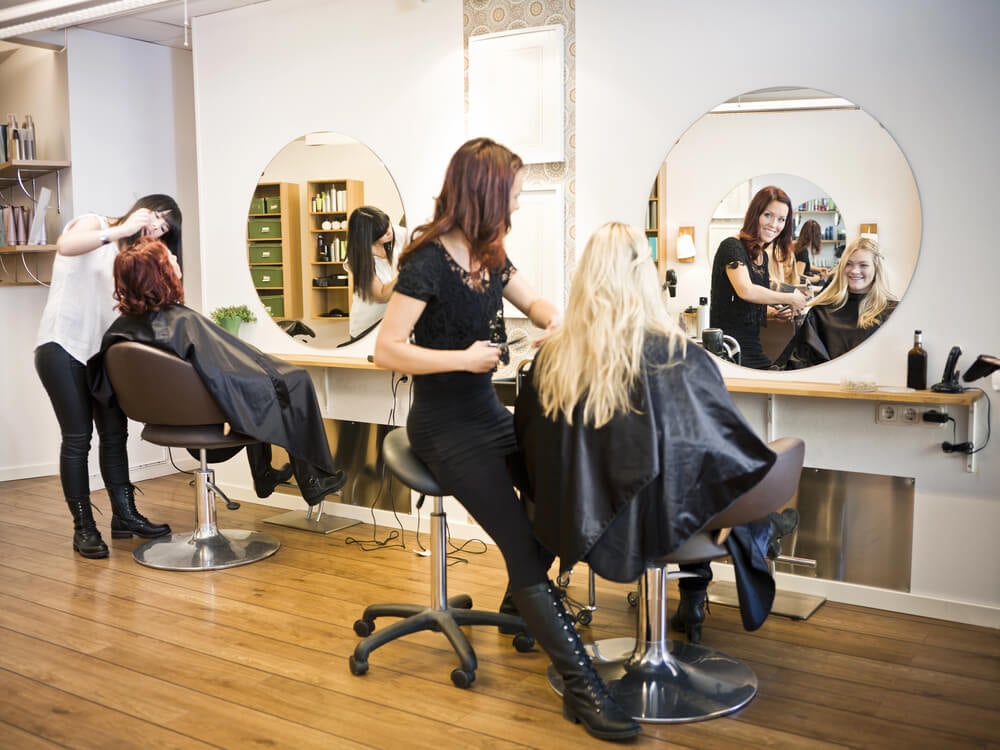
Full-service beauty salons operated inside many department stores, letting a shopper get a haircut or a manicure during the same trip used to buy clothes or housewares. The salons functioned as another reason to spend an entire afternoon in one building, a convenience largely lost once stores shrank their footprints and cut services unrelated to core retail.
Charge Plates
Before universal credit cards, individual department stores issued their own metal charge plates that a cashier would imprint onto a receipt to record a purchase against a customer’s account. Carrying a store’s charge plate was a small status marker in its own right, tied specifically to loyalty toward one retailer rather than to a bank.
Lunch Counters
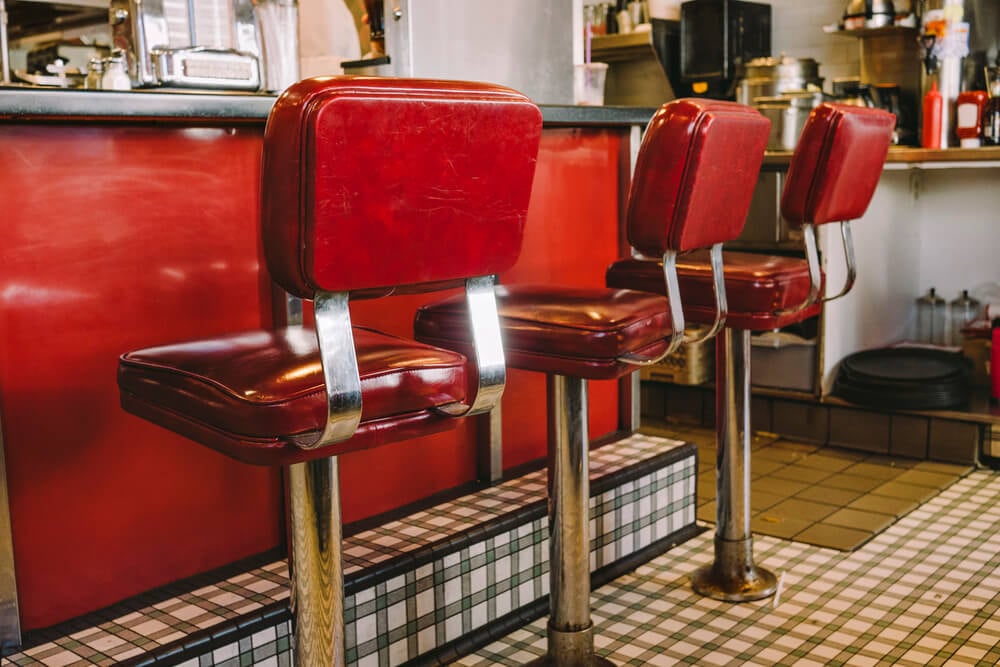
Separate from the formal tea room, many department stores also ran a simpler lunch counter with stools and a short, affordable menu aimed at shoppers who wanted a quick meal without leaving the building. These counters were often where a store’s youngest and oldest customers ended up seated side by side, something increasingly rare in retail spaces built around efficiency.
Escalator Attendants
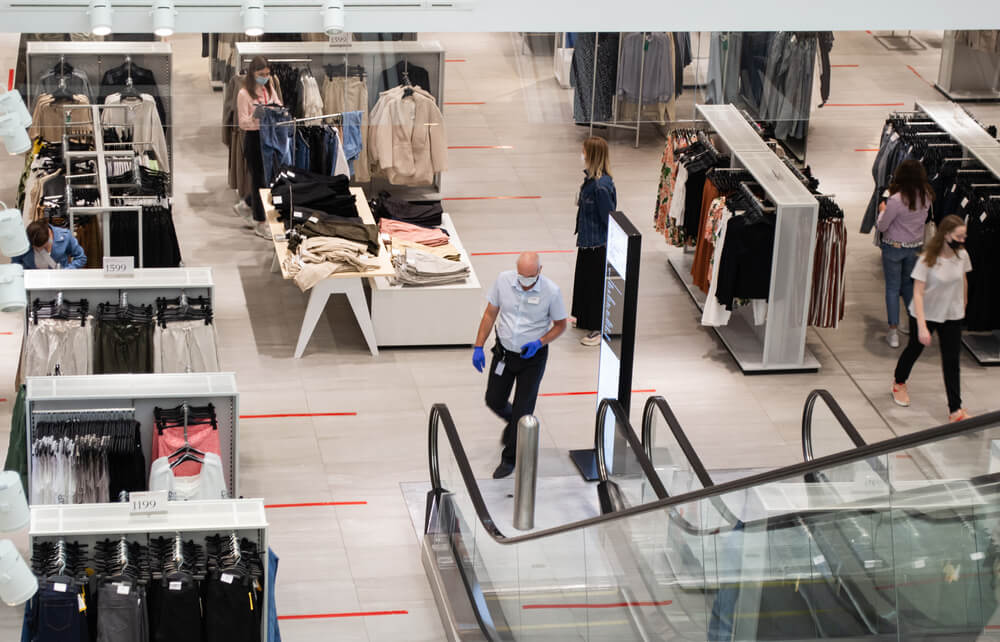
Some larger stores stationed attendants near escalators to assist elderly shoppers, parents with strollers, or anyone hesitant about stepping onto a moving staircase, a job that seems almost quaint given how automatic escalator use eventually became. The role quietly disappeared as escalators became commonplace enough that stores assumed shoppers no longer needed guidance.
Store-Wide Paging Systems

Department stores used public address systems constantly, paging lost children, calling specific staff to specific counters, and occasionally announcing storewide sales in real time over speakers that reached every floor. The paging system gave a store an audible identity, and its disappearance in favor of silent digital notifications has made modern retail spaces noticeably quieter.
Coat Check Rooms
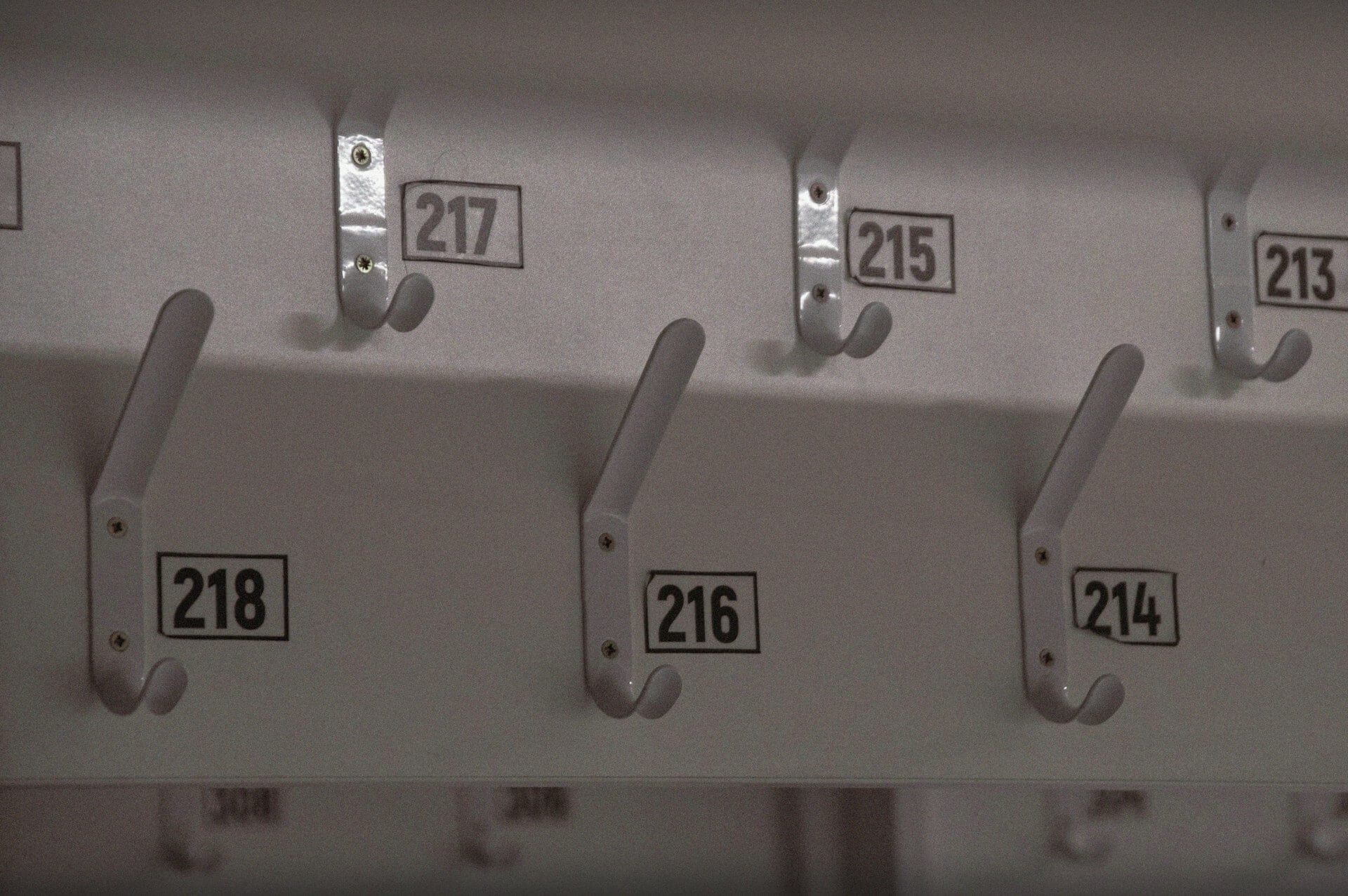
Larger downtown stores offered coat check service near the entrance, letting shoppers hand off heavy winter coats before browsing rather than carrying them from department to department. The service assumed shoppers would spend enough time in the building to make checking a coat worthwhile, an assumption that no longer holds for most retail visits.
In-Store Post Office Branches
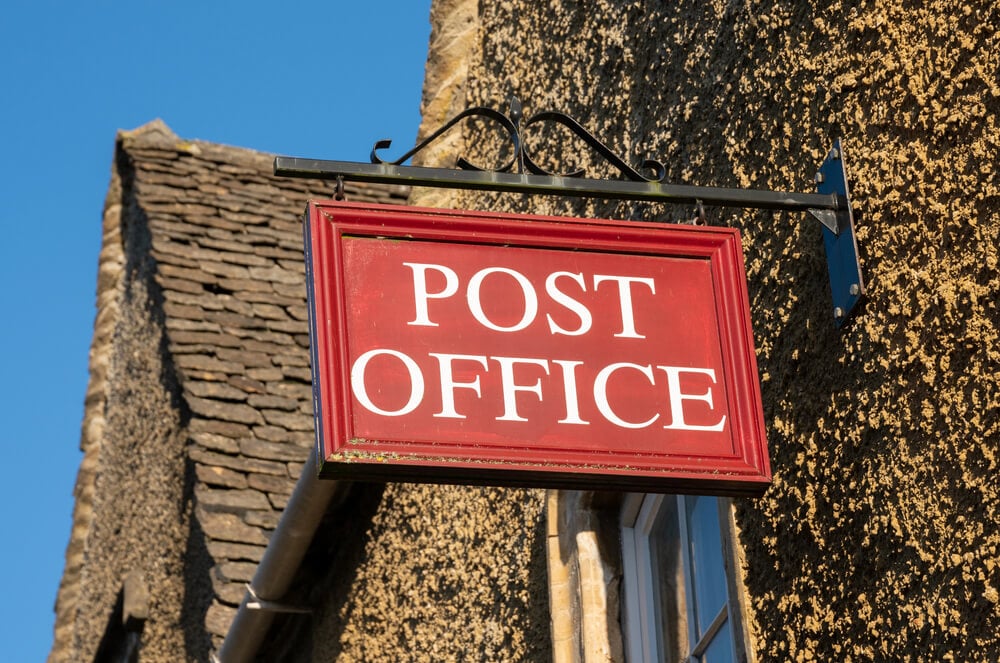
A handful of major flagship stores operated small post office branches or postal counters inside the building, letting shoppers mail packages without a separate errand. The convenience made sense when a single department store trip was treated as a full day’s worth of business rather than a quick stop.
Book Departments With Reading Nooks
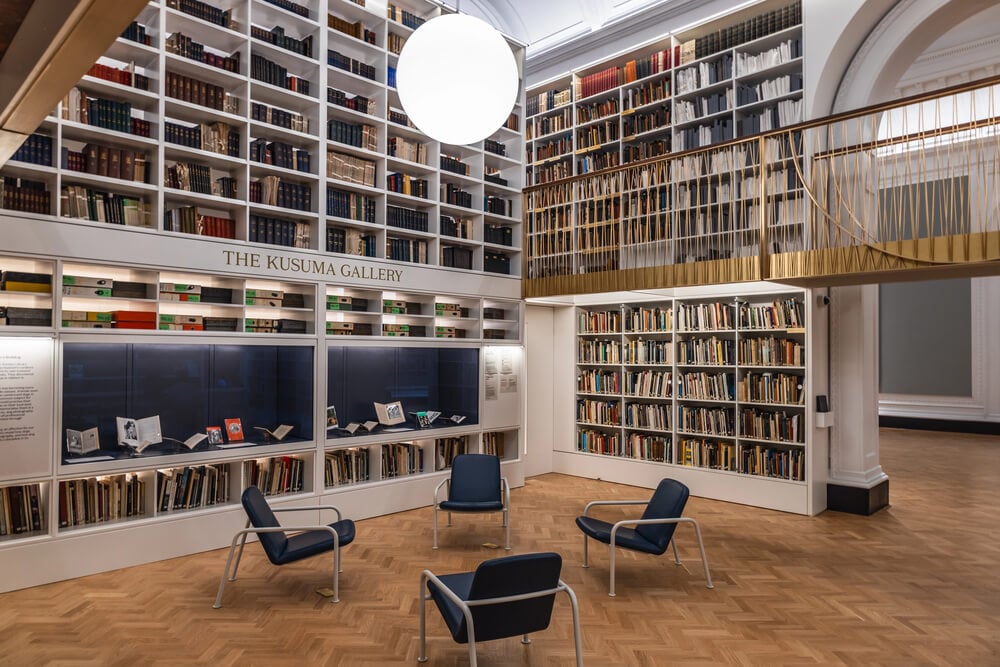
Full book departments inside department stores often included small seating areas where a customer could sit and sample a few chapters before deciding on a purchase, treating browsing as a legitimate activity rather than a prelude to buying. Dedicated bookstores and later online retailers absorbed most of that browsing behavior, leaving general department stores with little reason to maintain the space.
Record Listening Booths
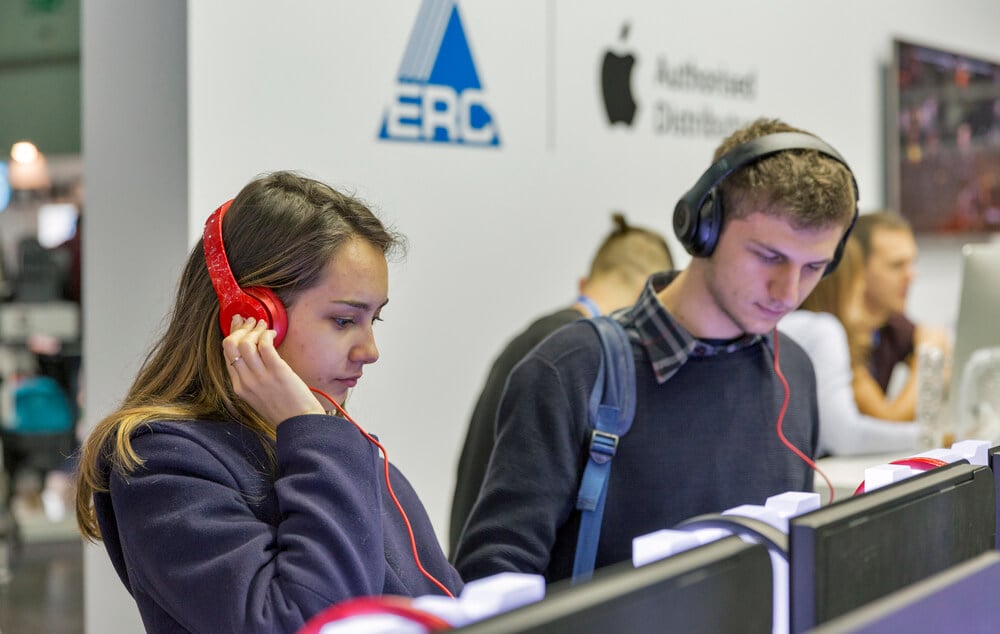
Music departments installed private listening booths where a customer could request a record be played over headphones before committing to buy it, a practice that made sense when a bad purchase meant an unreturnable album. The booths disappeared as recorded music moved through cassette, CD, and eventually streaming, each format shift removing another reason to listen before buying.
In-Store Banking Counters
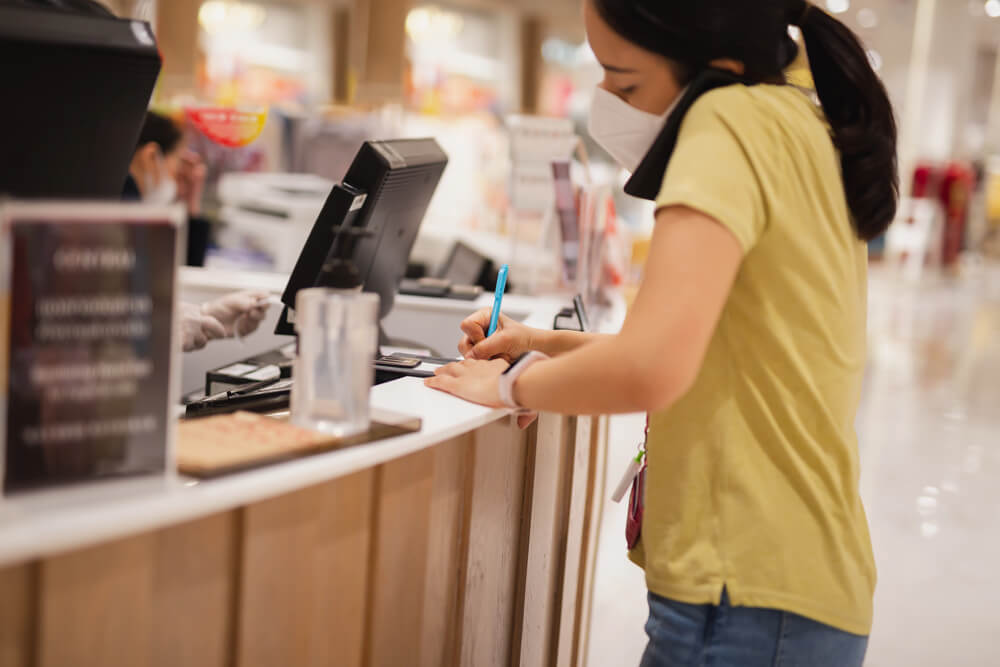
Some department stores hosted a branch bank counter directly on the sales floor, letting shoppers deposit a paycheck or open an account during the same trip used to buy clothing. The arrangement blurred the line between retail and finance in a way regulators and business models eventually moved away from entirely.
Bulk Candy Counters
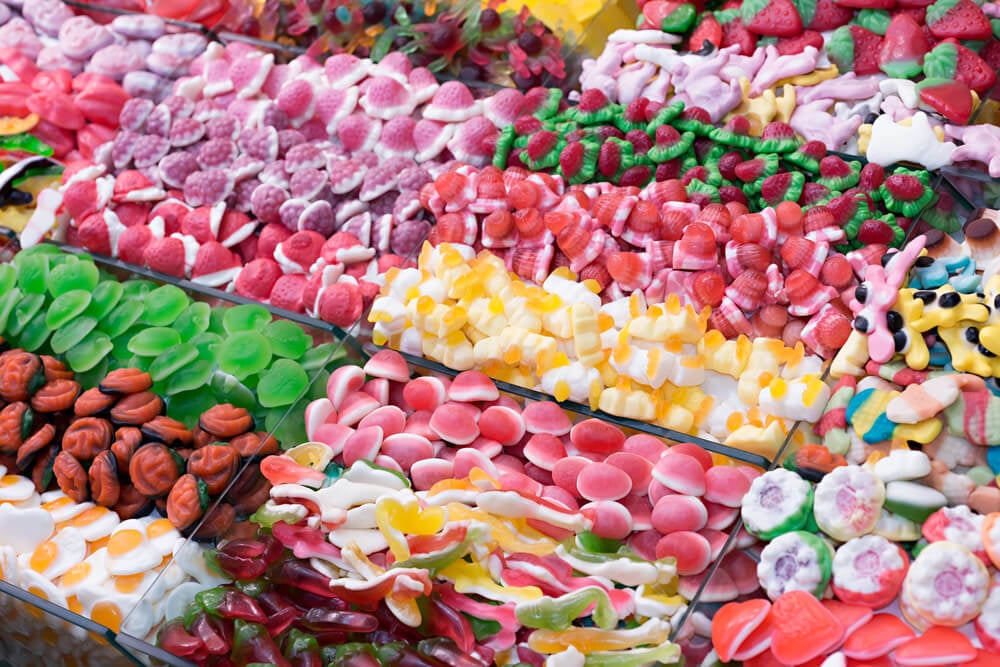
Department stores commonly ran candy counters where sweets were scooped by weight from open bins rather than sold in pre-packaged bags, letting a customer build a custom mix on the spot. The scooped-candy format survives mostly in specialty shops now, having largely disappeared from general retail as packaged snacks took over.
Toy Department Demonstrations
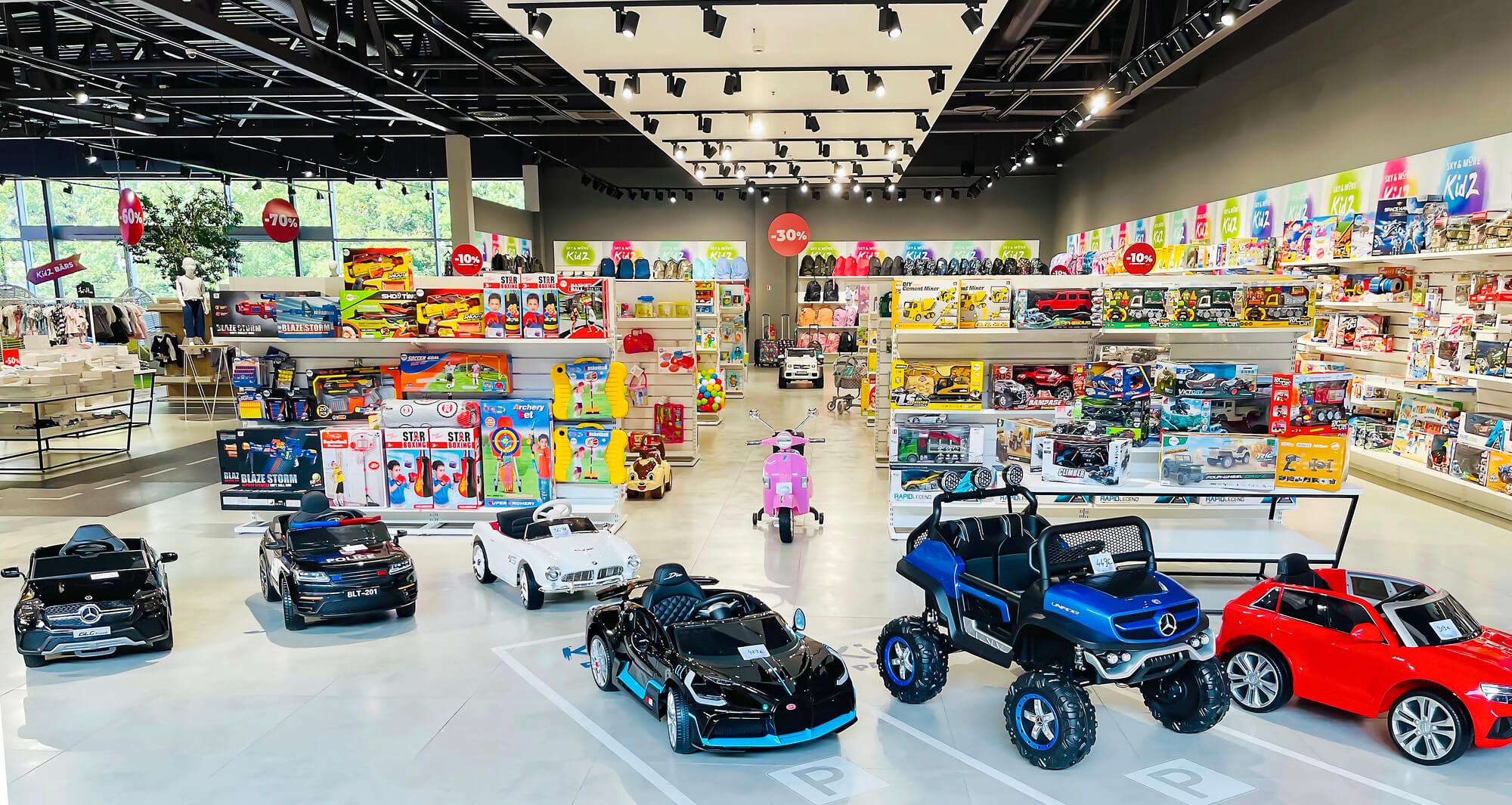
Toy departments employed staff specifically to demonstrate new toys on the floor, running electric trains or working the latest gadget so children could watch it in motion before asking a parent to buy it. The demonstration model gave toy shopping a theatrical quality that catalog photos and online video never fully replicated.
Complimentary Parking Validation
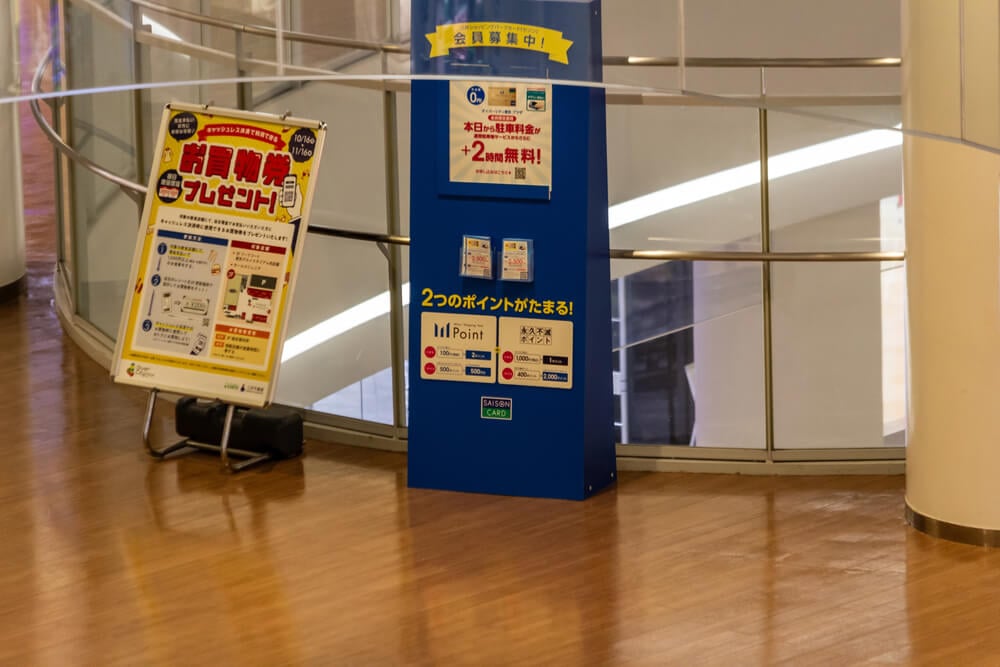
Downtown department stores partnered with nearby parking garages to offer free or discounted validation with a purchase, a system built around the assumption that shoppers were driving downtown specifically for that store. As downtown shopping districts lost ground to suburban malls with their own free parking lots, the validation system became unnecessary and mostly vanished.
Live Holiday Music Performances
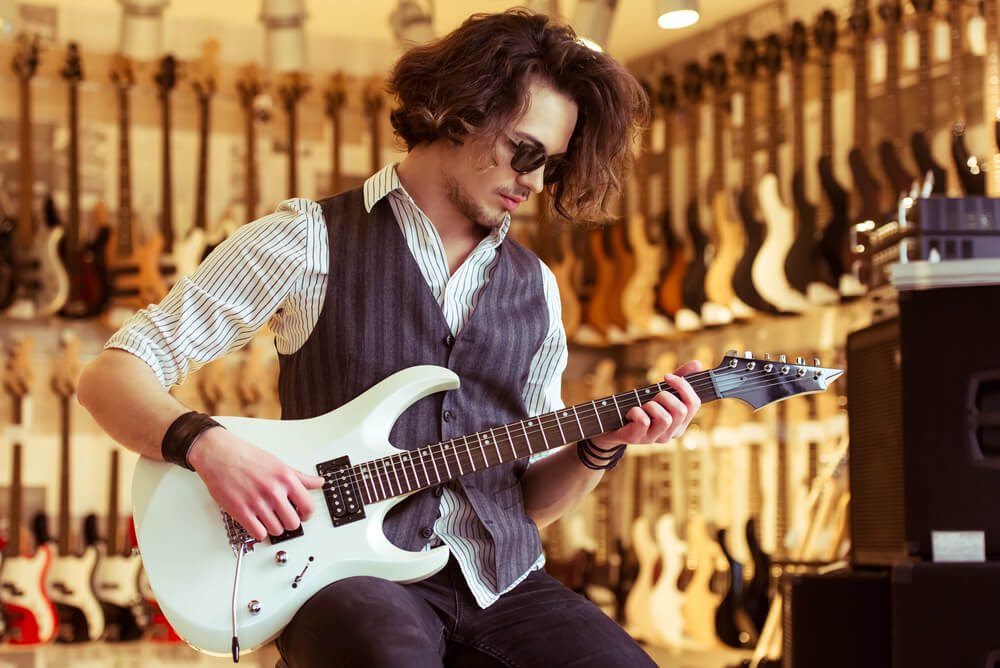
Flagship stores often hired organists or small ensembles to perform live holiday music on the sales floor throughout the season, giving the store an atmosphere closer to a public hall than a retail space. The practice required both a budget and a physical space that modern store layouts rarely accommodate anymore.
Seasonal Window Display Artistry
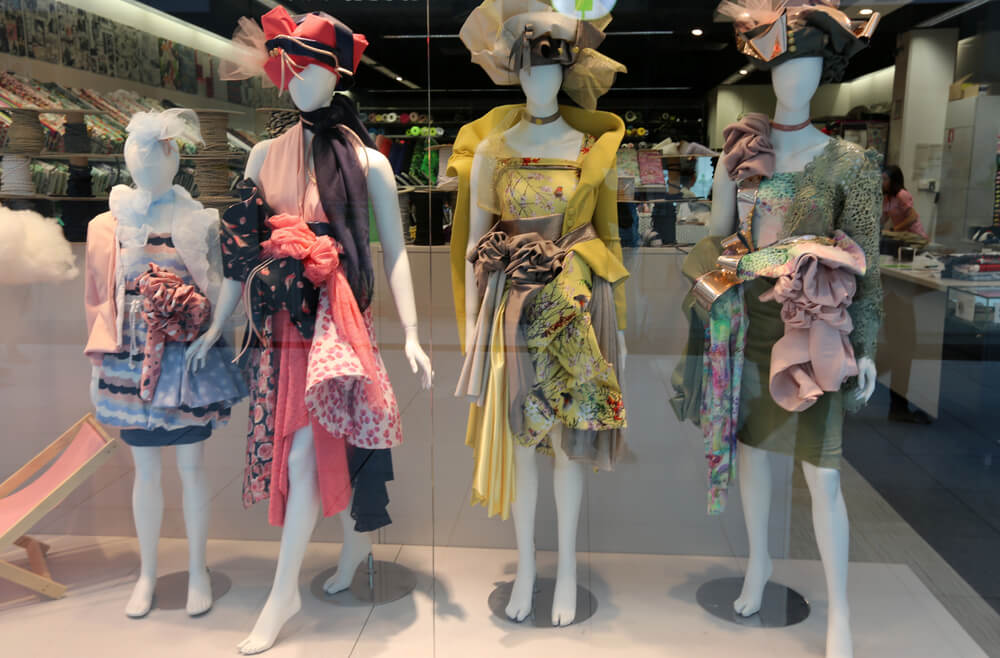
Department stores employed dedicated display artists who redesigned street-facing windows for every season and holiday, building elaborate scenes that drew crowds who came specifically to see the windows rather than to shop. A handful of flagship stores still maintain this tradition at holiday time, but the year-round rotation of display artistry that once existed at ordinary regional stores has almost entirely disappeared.
Back-to-School Fashion Shows
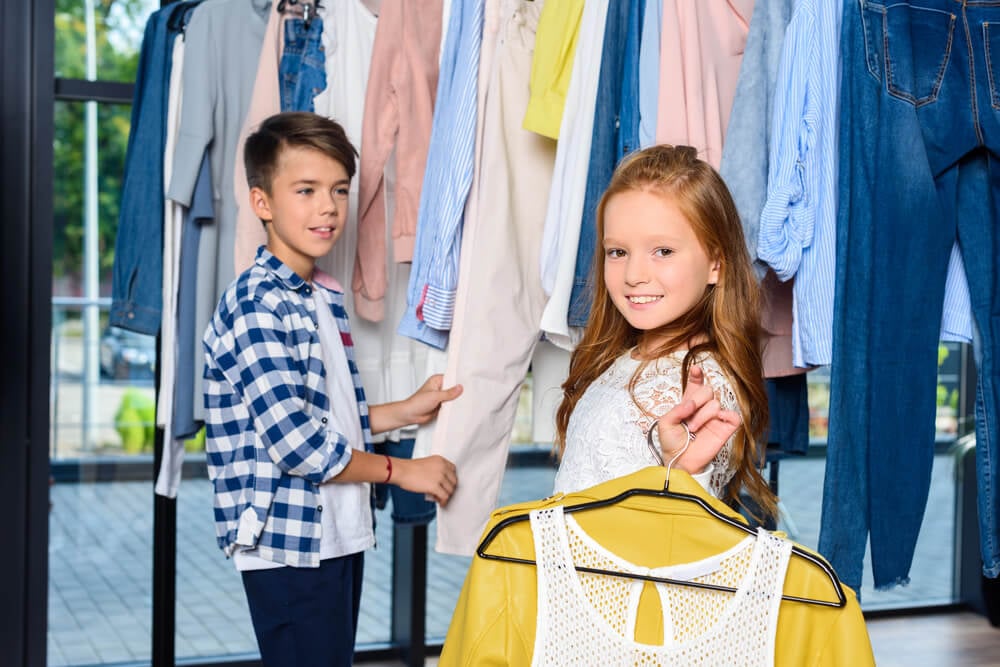
Some department stores staged in-house fashion shows featuring actual customers’ children modeling the season’s new clothing lineup, turning a routine seasonal sale into a community event with an audience of parents. The format required a level of community engagement that most retailers no longer invest in building.
Will-Call Pickup Counters
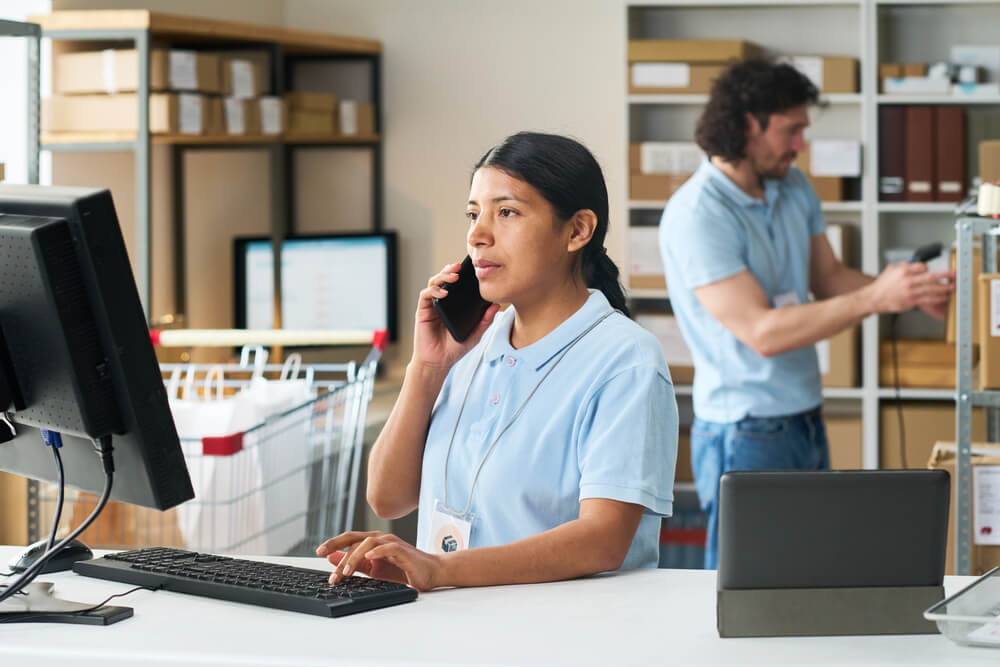
Large stores maintained dedicated will-call counters where a customer could pay for an item on one floor and pick up the actual merchandise from a separate counter near the loading area, a system built for stores too large to have every product on the sales floor. The counters disappeared as stores shrank their footprints and moved bulkier inventory into warehouses shoppers never see.
In-Store Phone Directories
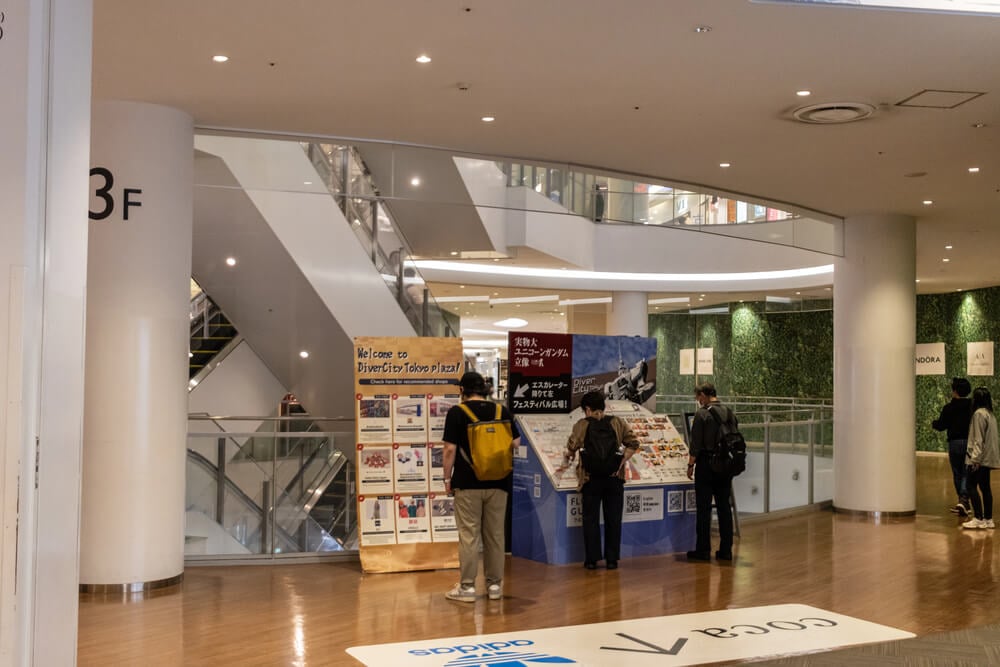
Before mobile phones, department stores installed banks of phone booths along with printed store directories near the entrance, treating the building almost like a small municipal building with its own infrastructure for visitors. The fixtures vanished for the same reason phone booths disappeared everywhere else, but they lasted noticeably longer inside department stores than on street corners.
Home Delivery Trucks
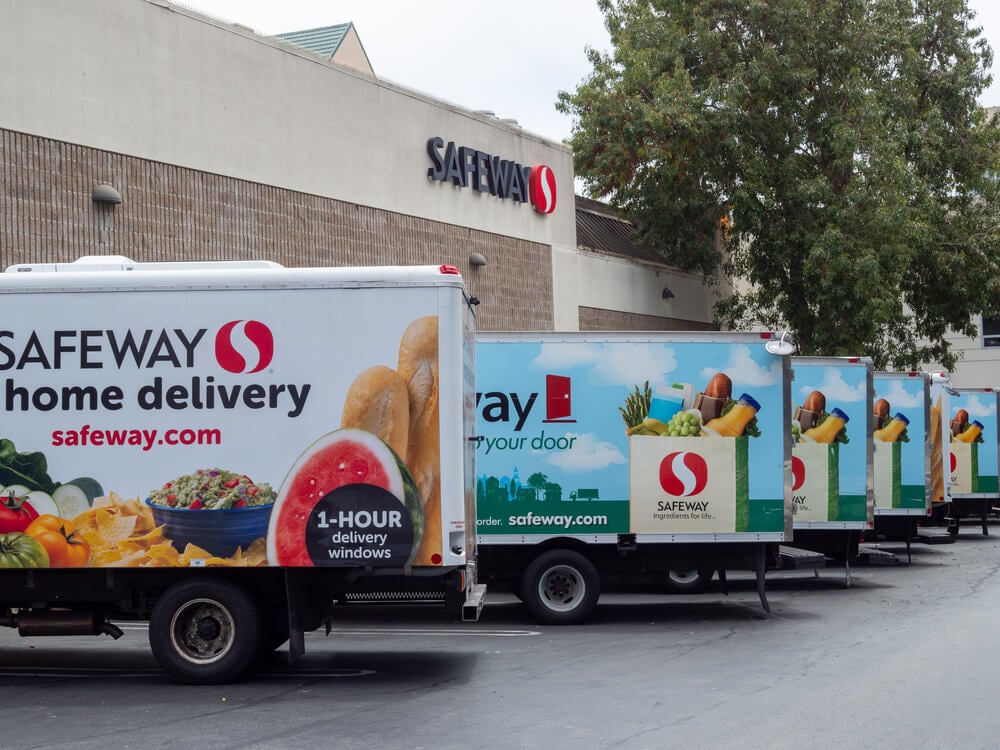
Many department stores operated their own branded delivery trucks, sending large furniture or bulk purchases directly to a customer’s home rather than expecting the customer to haul it out themselves. The service predated modern shipping logistics by decades and required a level of local infrastructure that only a handful of major retailers still maintain today.
Staffed Information Desks
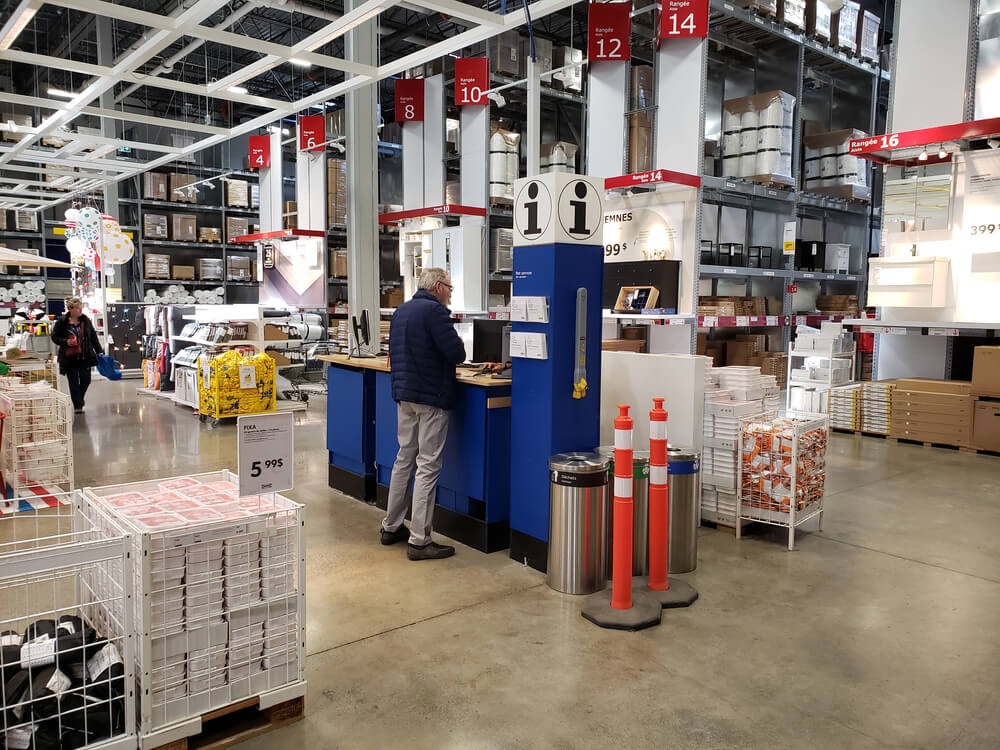
Central information desks were staffed by employees who genuinely knew every department’s exact location, current promotions, and stock situation well enough to answer detailed questions without checking a screen. That depth of institutional knowledge has largely been replaced by directory kiosks and store apps, tools that answer simple questions but rarely match what an experienced employee once knew by heart.
The Store as a Destination
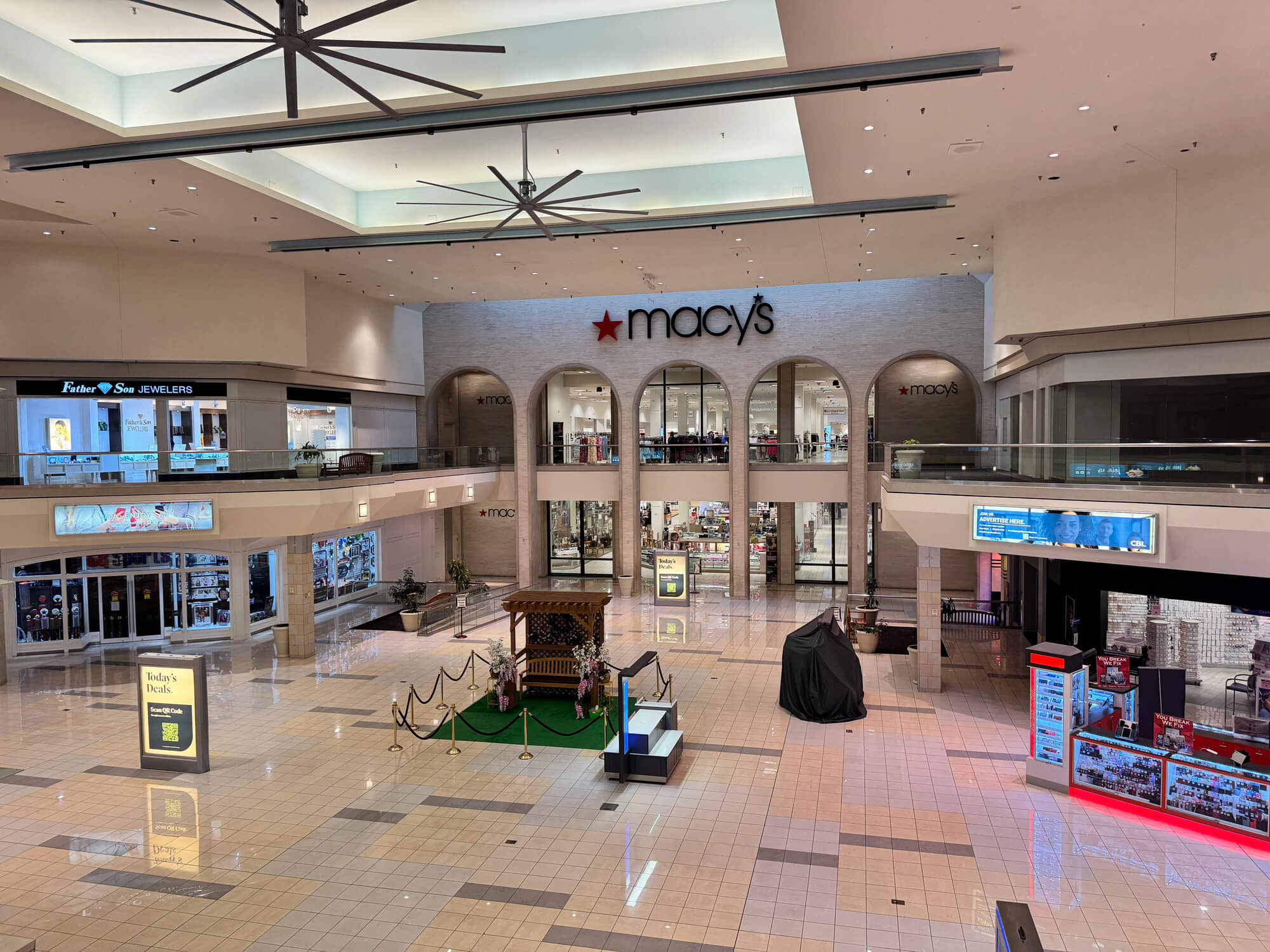
What these features share is a shared assumption that no longer holds: that a shopping trip was worth an entire afternoon, and that a store’s job was to make that afternoon worth spending. Tea rooms, listening booths, and live music were not efficient.
They were investments in a customer’s time, made by retailers who believed loyalty was built through experience rather than price alone.
Modern retail solved for speed and lost the destination in the process. The department stores that still exist have kept the merchandise and quietly dropped nearly everything that once made a visit feel like an occasion, which is precisely why so many shoppers remember these features fondly without being able to say exactly when they disappeared.
More from Go2Tutors!

- The Romanov Crown Jewels and Their Tragic Fate
- 13 Historical Mysteries That Science Still Can’t Solve
- Famous Hoaxes That Fooled the World for Years
- 15 Child Stars with Tragic Adult Lives
- 16 Famous Jewelry Pieces in History
Like Go2Tutors’s content? Follow us on MSN.