33 Attic Items From the Sixties Collectors Still Chase
The 1960s produced an enormous volume of household goods, toys, and design pieces, most of which were treated as ordinary rather than special at the time. Decades later, a specific slice of that output has become genuinely desirable, driven by nostalgia among people who grew up with these objects and by design enthusiasts discovering them for the first time. Here’s what’s worth pulling down from the rafters before an estate sale prices it by the box.
Original G.I. Joe Action Figures from 1964
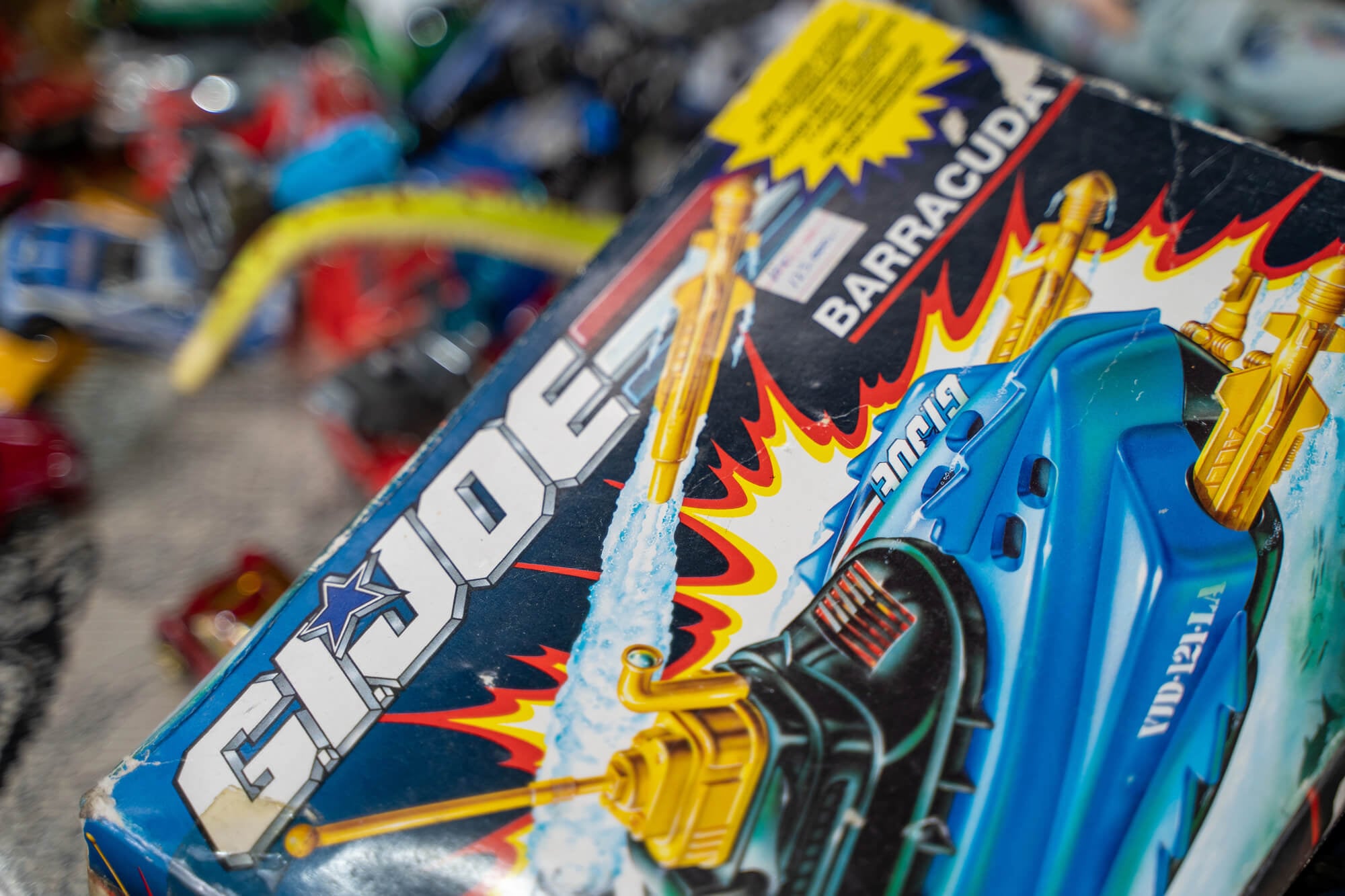
Hasbro’s original twelve-inch G.I. Joe predated the term “action figure,” which the company coined specifically to sell a doll-like toy to boys without using that word. Early examples with intact painted hair, rather than the later molded versions, and original accessories carry significant premiums. Because these figures got played with hard, complete examples with all original gear are considerably scarcer than the sales numbers might suggest.
Barbie Dolls from the Early 1960s

Mattel’s early Barbie dolls from this decade, particularly examples with the bubble-cut hairstyle or original ponytail design, are tracked closely by specialists who distinguish between production years based on subtle facial and body mold changes. Original outfits, sold separately and often lost over the decades, add considerably to a doll’s value when they’ve survived together. Condition of the vinyl matters enormously, since sun exposure and heat cause visible discoloration over time.
Danish Modern Teak Furniture
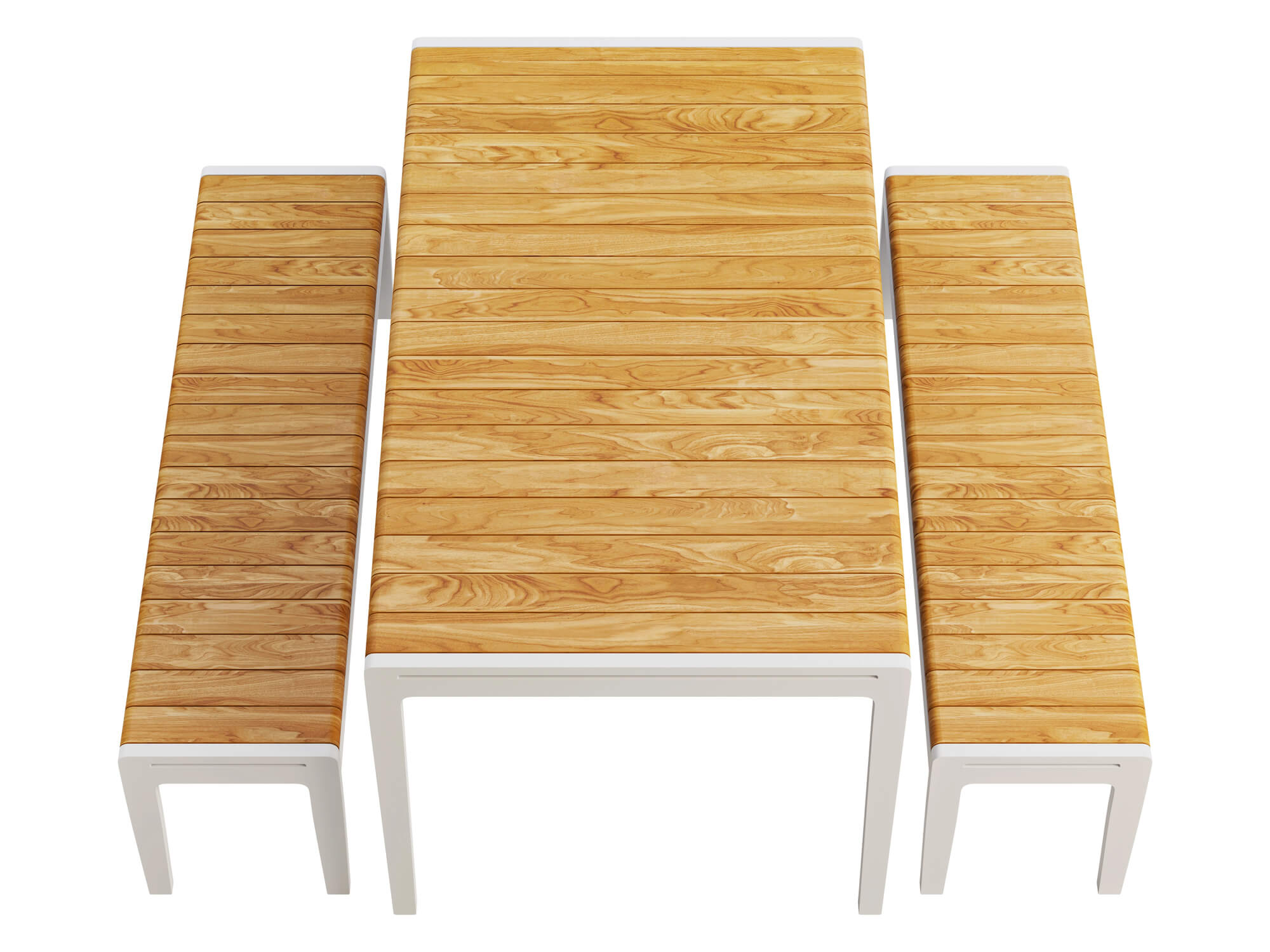
Scandinavian furniture designers exported a wave of teak furniture to American households throughout the 1960s, favoring clean lines and visible joinery over the heavier styles that had dominated previous decades. Pieces by recognized designers carry significantly more value than unmarked furniture of similar style, so checking for a maker’s stamp underneath drawers or on frame joints matters. The material itself has aged well structurally, which keeps genuinely old pieces functional rather than purely decorative.
Lava Lamps from Lava Corporation
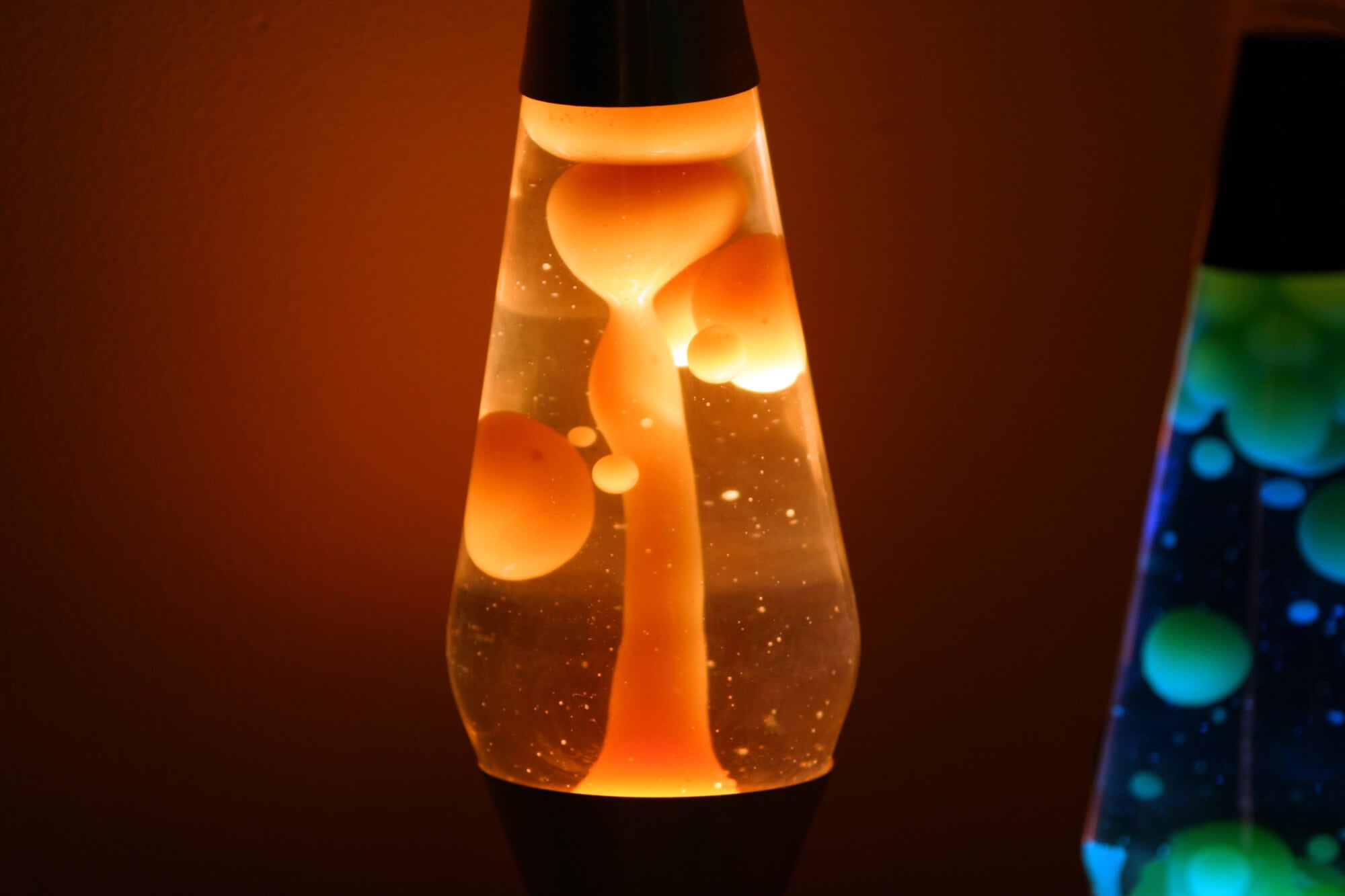
Edward Craven Walker’s wax-and-liquid motion lamp launched in the early 1960s and became a defining image of the decade’s design sensibility almost immediately. Original examples with period-correct bases and unfaded glass are distinguished from later reissues by specific manufacturing details underneath the base. A working original lamp, rather than a later reproduction using the same general design, holds meaningfully more value to specialists.
Vinyl Records with Original Pressings
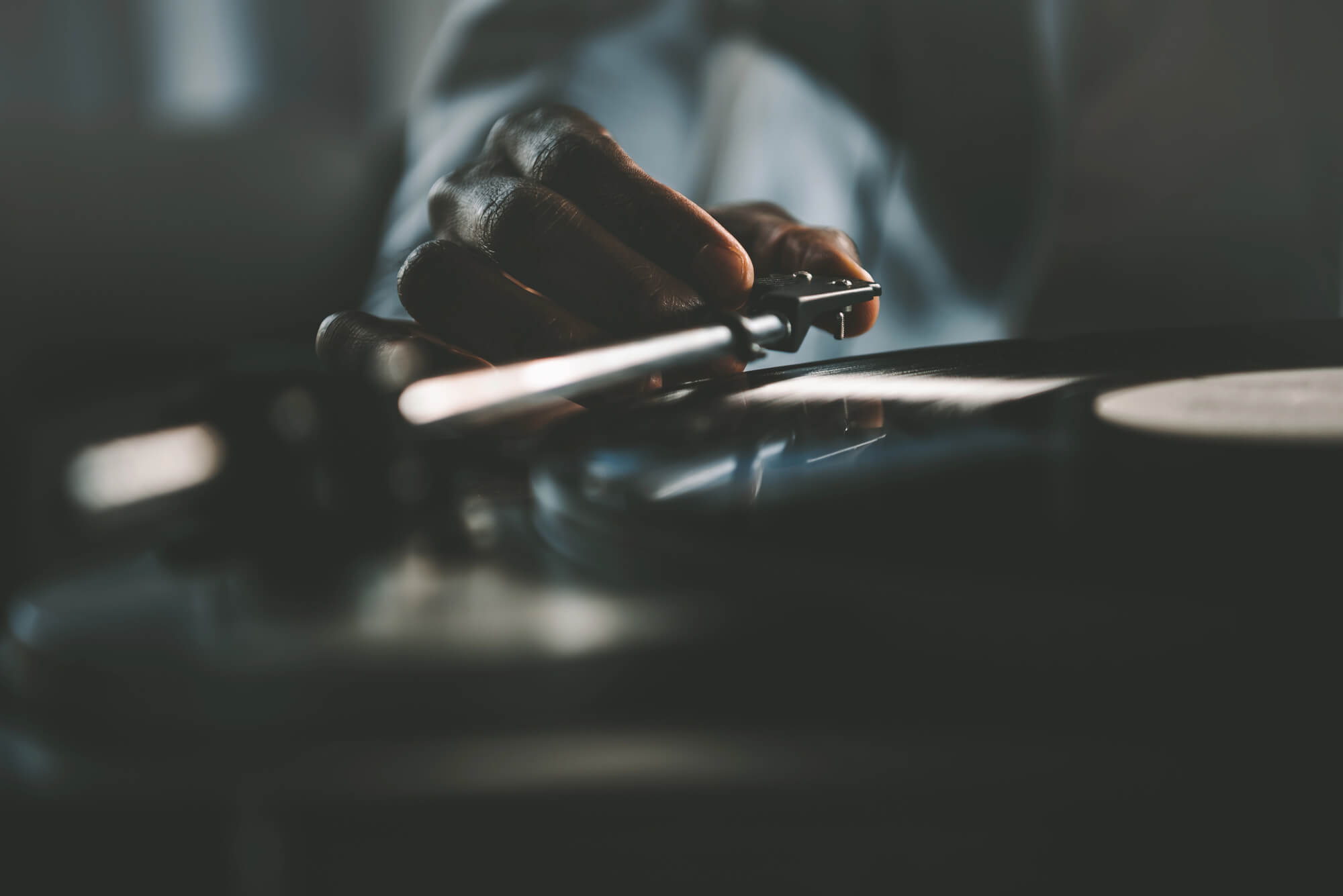
Records pressed during the 1960s, particularly mono pressings that predate a later shift to stereo as the industry standard, carry specific value tied to their original manufacturing run rather than later reissues. Specific matrix numbers etched into the vinyl near the label help identify a true first pressing versus a later repress using the same cover art. Sleeve condition matters as much as the vinyl itself, since a worn or split cover significantly reduces overall value.
Kodak Instamatic Cameras
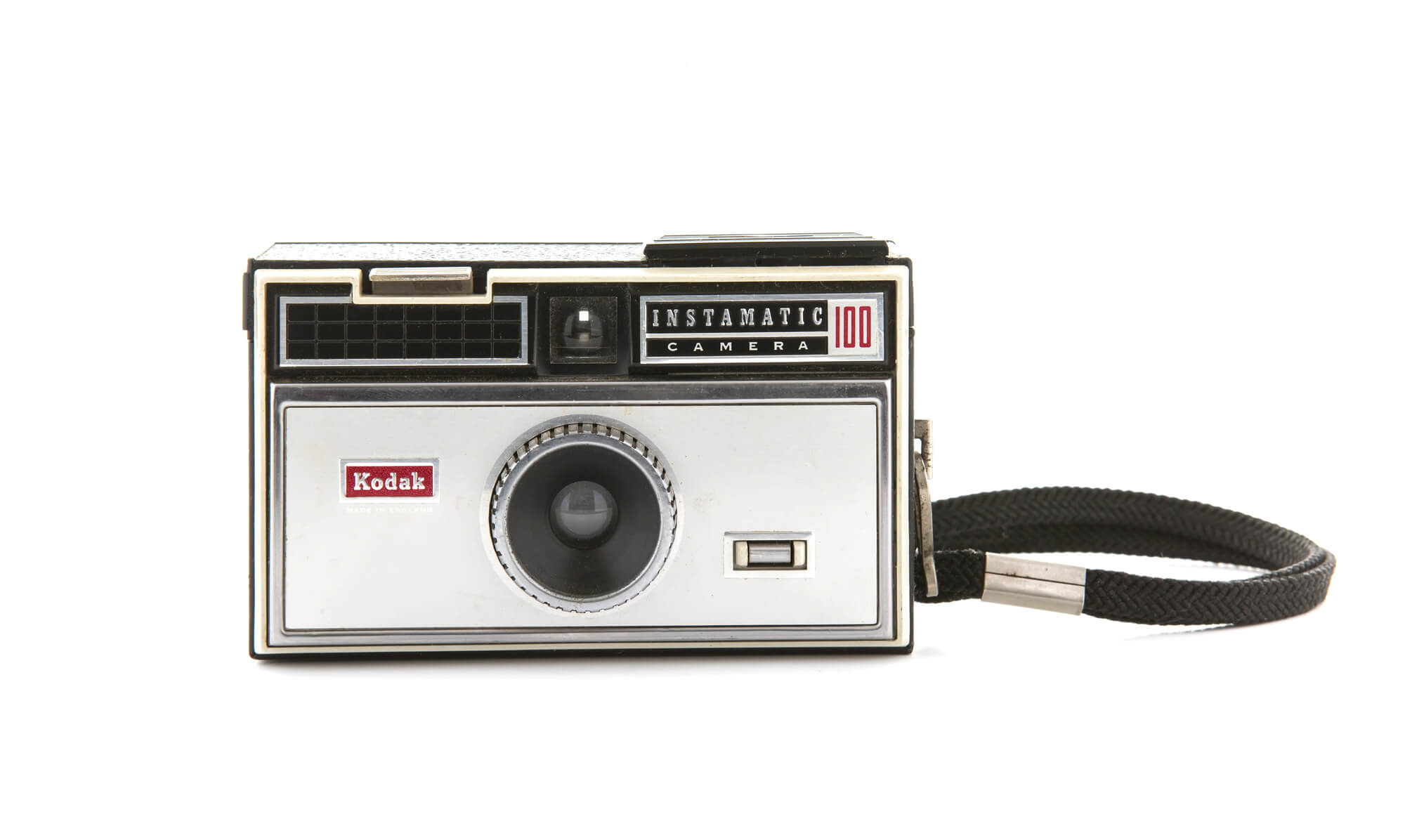
Kodak’s Instamatic line, launched in 1963, simplified film loading dramatically compared to previous consumer cameras, contributing to its enormous original sales success. While the base models remain common and hold modest value, certain higher-end variants within the line are more actively sought by camera collectors. A working example with its original case and strap intact appeals to both collectors and film photography enthusiasts looking for a functional vintage camera.
Fisher-Price Pull Toys
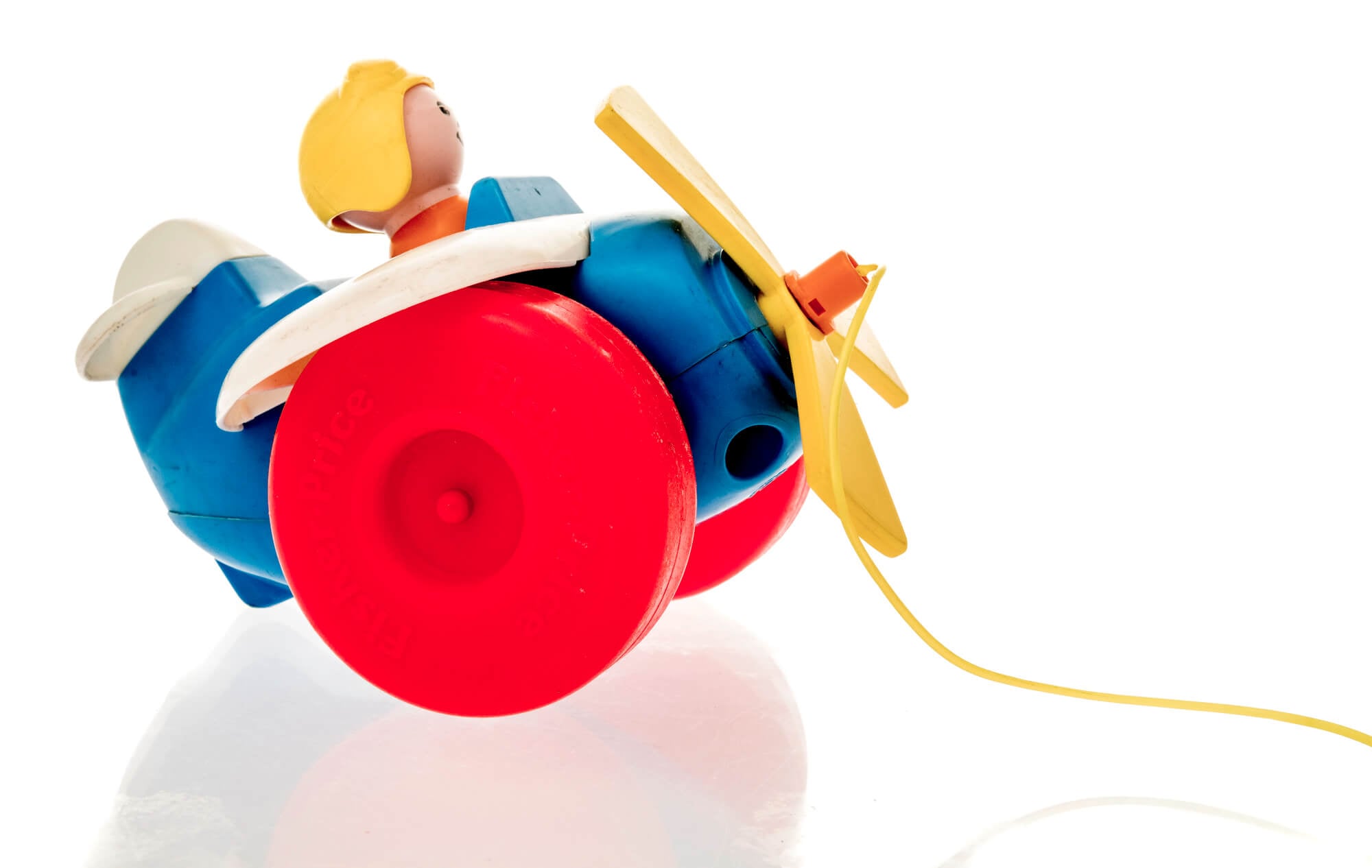
Fisher-Price produced a range of wooden and lithographed metal pull toys throughout the 1960s that have become recognizable examples of mid-century toy design. Toys with strong original paint and intact moving parts carry considerably more value than examples with heavy wear or missing pieces. Specific character designs from this era are tracked individually by collectors who specialize in vintage children’s toys.
Space Race Memorabilia
The decade’s intense public interest in space exploration generated a wide range of promotional items, from model rocket kits to commemorative pins tied to specific NASA missions. Material connected to specific, well-documented missions carries more value than generic space-themed items without a clear historical tie. Authenticity matters considerably here, since reproductions of period space memorabilia are common enough that provenance affects price significantly.
Slot Car Racing Sets
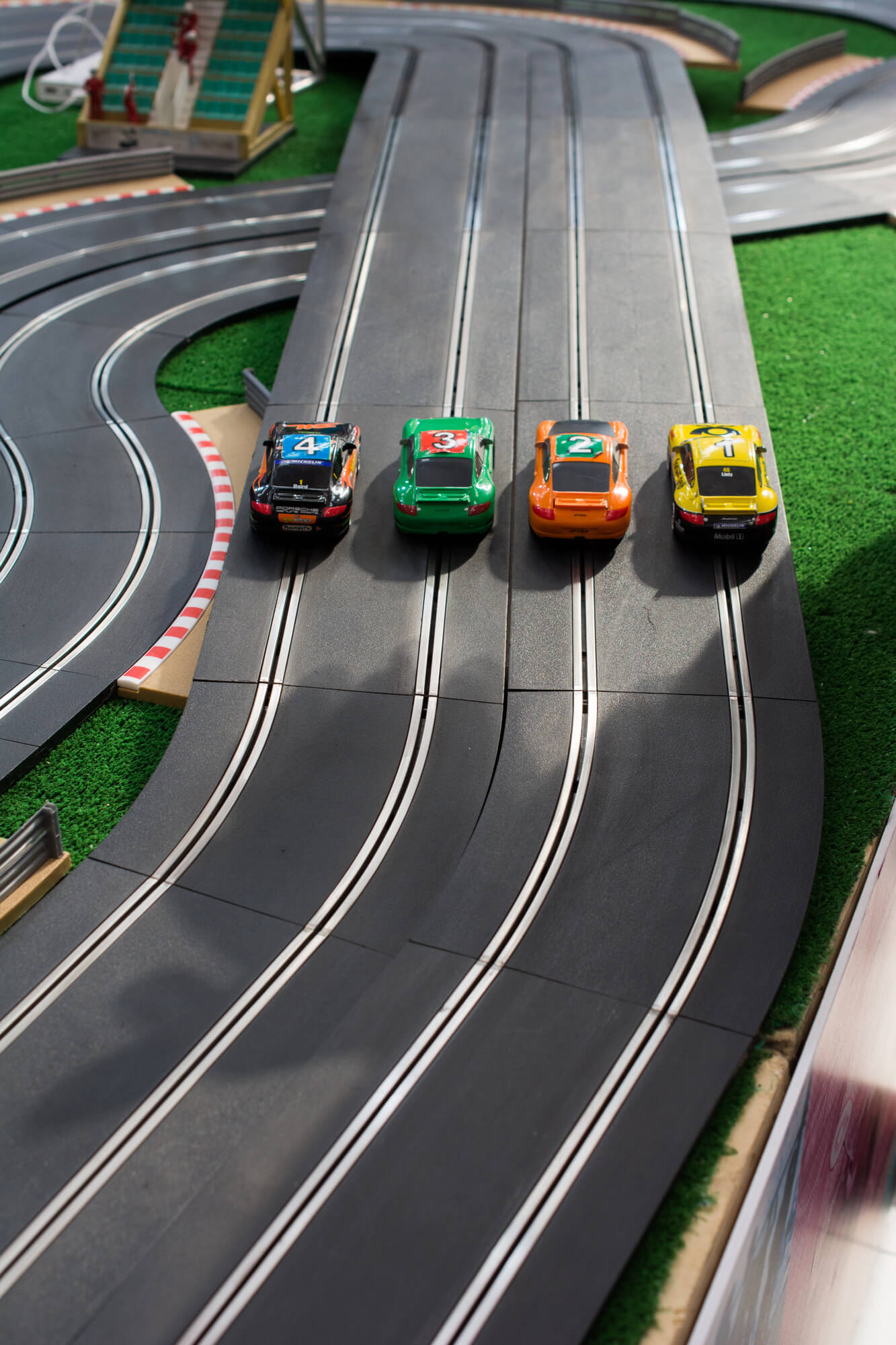
Home slot car racing became a genuinely popular hobby during this decade, with manufacturers producing increasingly elaborate track sets and detailed model cars. Complete sets with original packaging and all original cars are considerably harder to find than individual loose cars, since tracks and accessories were easily lost or damaged over decades of storage. Specific manufacturers and car models within the hobby carry distinct collector followings.
View-Master Reels and Viewers
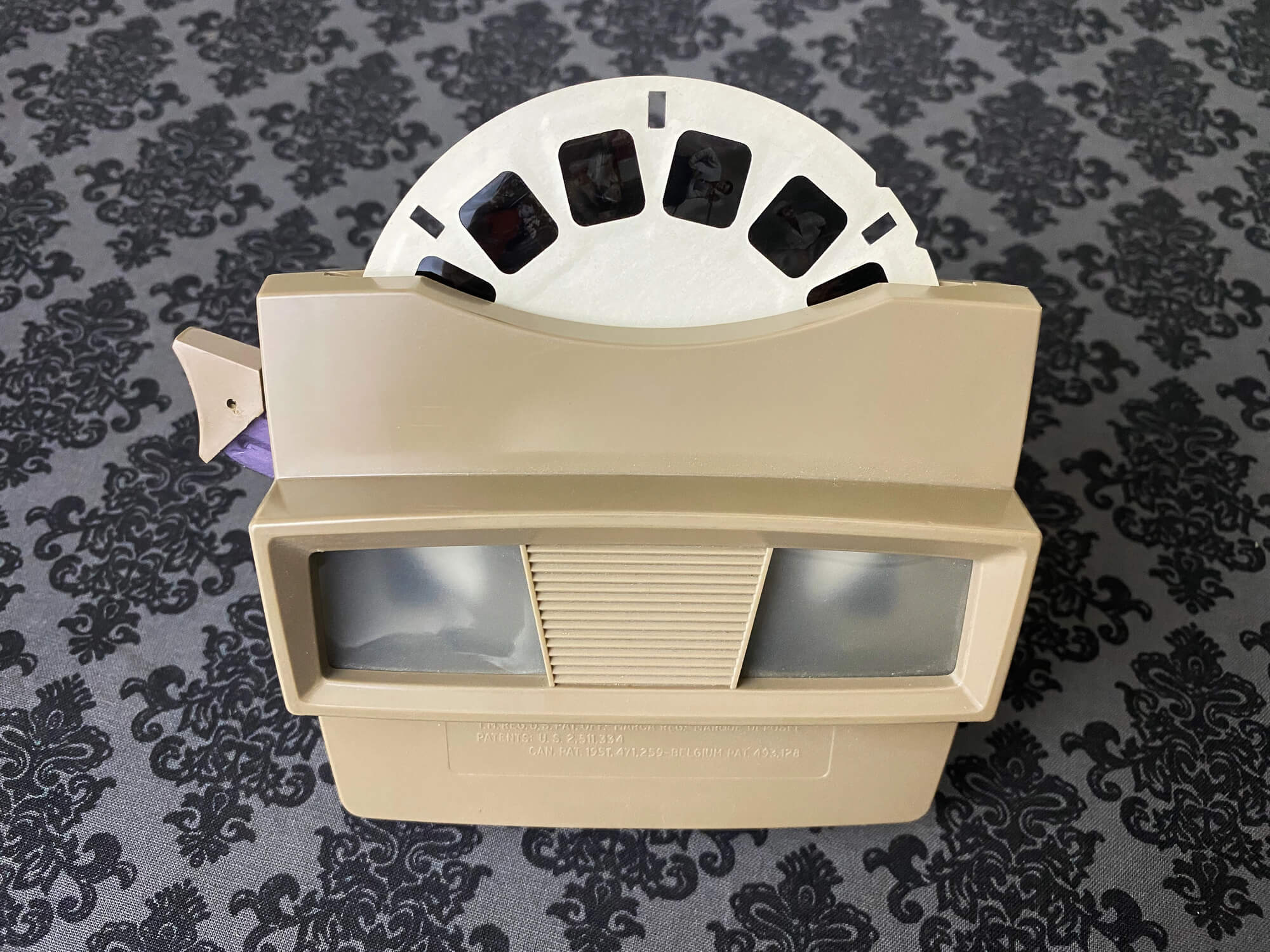
Sawyer’s stereoscopic View-Master system remained popular throughout the decade, producing reel sets covering everything from travel destinations to licensed cartoon characters. Complete boxed sets with the reel booklet intact hold more value than loose reels found separately. Character-licensed sets tied to popular television shows of the era are particularly sought after by collectors focused on that specific crossover appeal.
Mid-Century Modern Ceramic Lamps
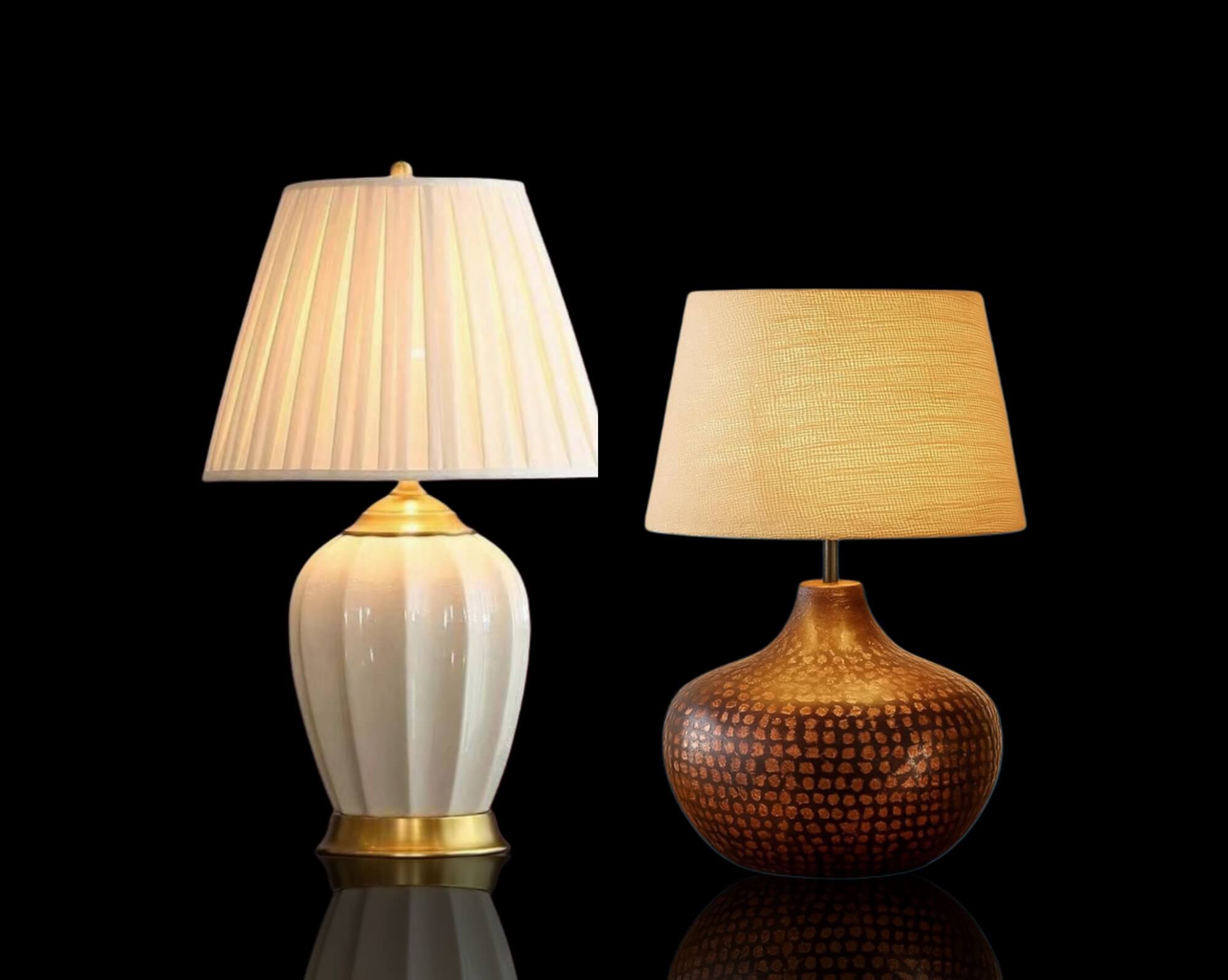
Studio potters and larger manufacturers alike produced ceramic table lamps throughout the decade in shapes and glazes distinctly associated with the era’s broader design aesthetic. Signed examples from recognized studio potters carry considerably more value than unmarked mass-produced versions of similar style. A working lamp with its original shade, though shades were frequently replaced over the decades, is a more complete and valuable find.
Trolls Dolls by Thomas Dam

Thomas Dam’s original troll doll design from Denmark became a genuine fad in the United States during the mid-1960s, spawning numerous competing versions from other manufacturers. Original Dam-branded examples, identifiable by specific markings on the doll’s back or foot, carry more value than the many unlicensed copies produced during the same period. Hair condition affects value significantly, since the synthetic fiber used degrades and tangles over time.
Pyrex Mixing Bowls in Discontinued Patterns
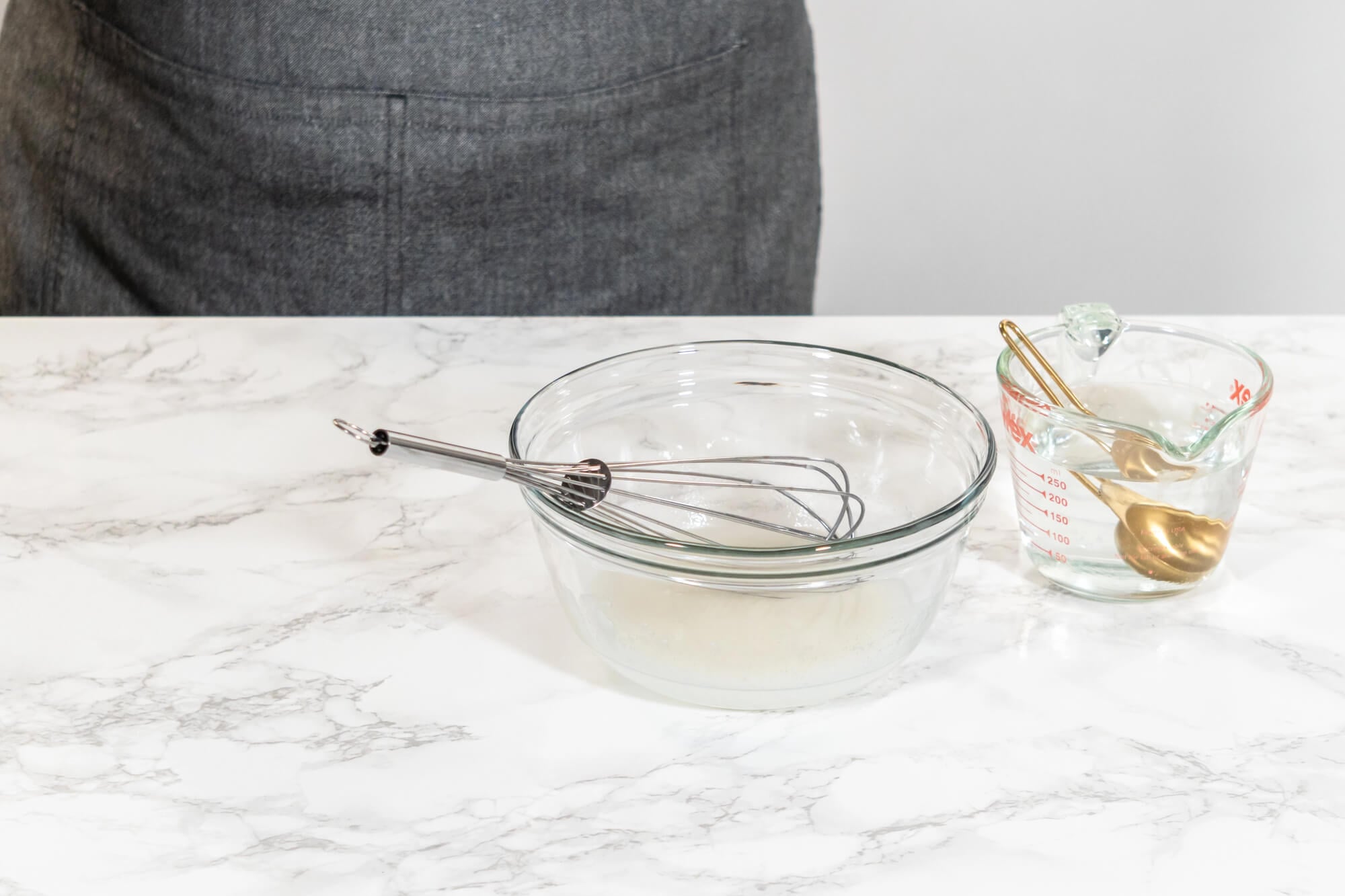
Corning’s Pyrex line released numerous decorative patterns throughout the decade that were later discontinued and are no longer in production. Certain rarer patterns, produced for shorter runs or through limited regional distribution, carry considerably more value than the more common patterns still occasionally found at estate sales. Condition of the printed pattern itself matters greatly, since dishwasher use over the decades wore away the surface design on many surviving examples.
Mod-Era Clothing and Accessories

Fashion from this decade, particularly pieces reflecting the mod movement’s bold geometric patterns and bright colors, has developed a dedicated following among vintage clothing collectors and costume specialists. Designer-labeled pieces carry significantly more value than unlabeled garments of similar style and era. Condition and completeness of accessories, like original buttons or belts, affects overall value considerably.
Beatles Memorabilia
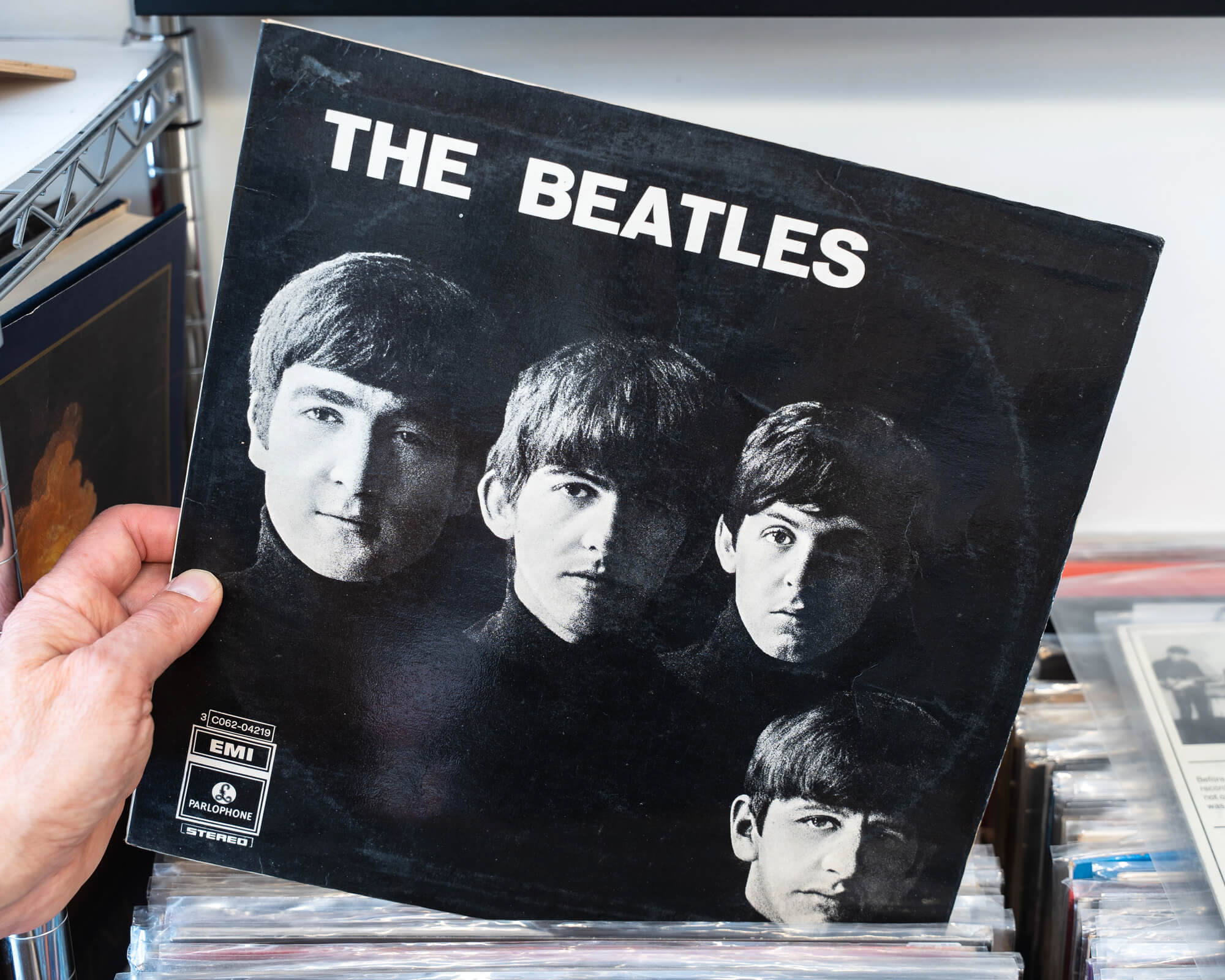
The band’s commercial peak during this decade generated an enormous volume of licensed merchandise, from lunch boxes to model kits to concert programs. Items with clear documentation tying them to a specific tour or release date carry more value than generic, undated merchandise using the band’s likeness. Condition matters enormously for paper-based items specifically, since folding, tearing, and sun fading are common after decades of storage.
Sunbeam Mixmaster Stand Mixers
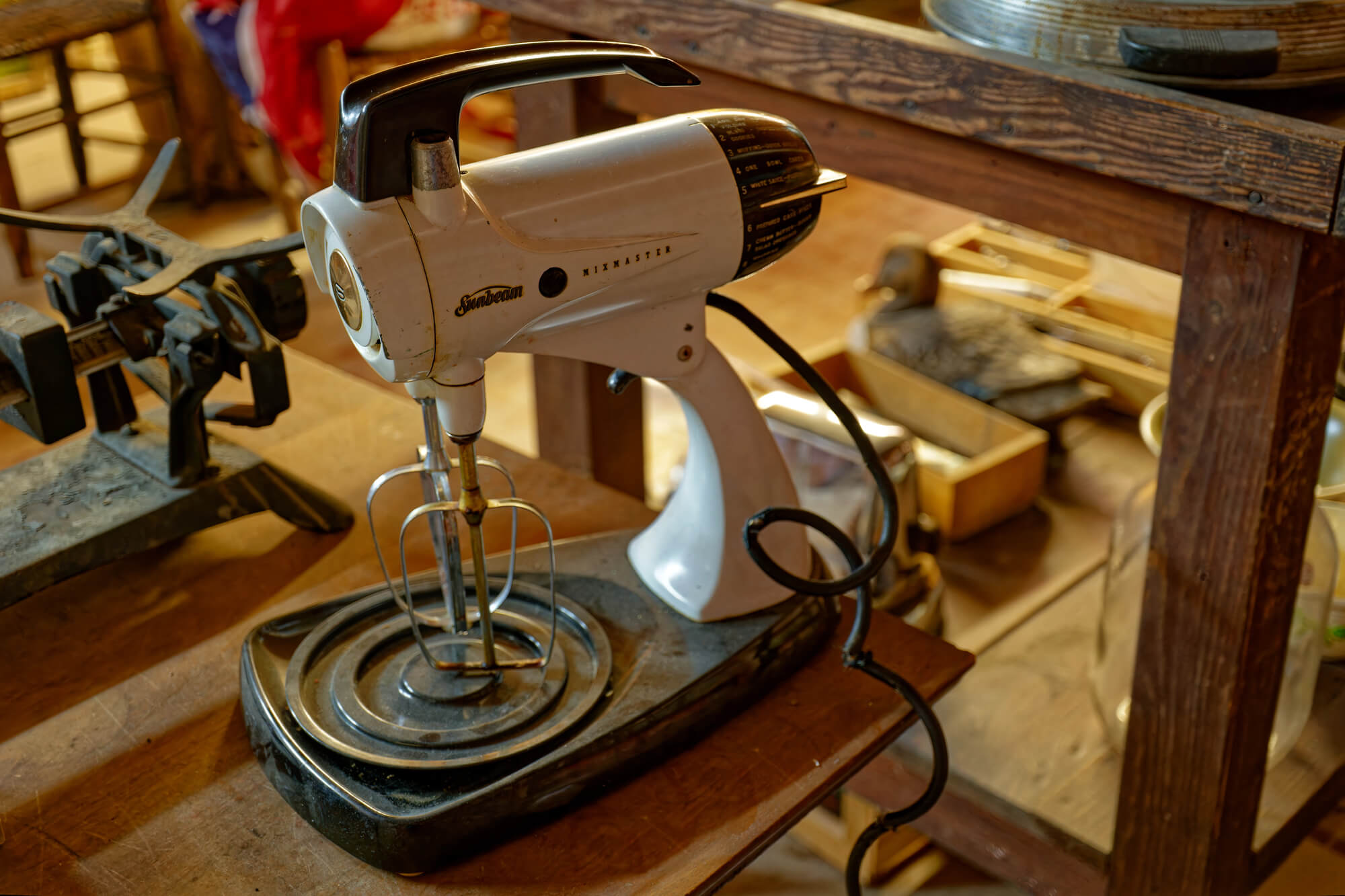
Sunbeam’s stand mixer line from this decade combined functional design with the era’s characteristic curved, streamlined aesthetic. Working examples with their original bowls and beaters intact appeal both to vintage kitchenware collectors and to people looking for a genuinely functional vintage appliance. Specific color variations produced for shorter periods carry a premium over the more common white and chrome versions.
Wall Clocks by George Nelson

George Nelson’s clock designs for the Howard Miller Clock Company, featuring bold geometric shapes and bright colored elements, became some of the most recognized examples of mid-century American design. Original examples are distinguished from later authorized reissues through specific manufacturing details on the movement and back plate. A working original commands a significant premium over the reissues that remain in production today.
Character Lunch Boxes

Metal lunch boxes featuring licensed television and movie characters became a defining category of children’s collectibles from this decade, produced by manufacturers competing for exclusive licensing deals. Condition of the printed metal surface matters enormously, since dents, rust, and fading were common after years of actual school use. A box paired with its matching original thermos, rather than either piece alone, carries meaningfully more value.
Underground Comix

Independent, self-published comics from the latter half of the decade circulated outside mainstream distribution channels, often through head shops and mail order rather than newsstands. Because print runs were small and the material wasn’t treated as collectible at the time, surviving copies in strong condition are genuinely scarce. Specialists in alternative comics history treat original printings from this specific underground scene as historically significant beyond their resale value alone.
Op Art Posters and Prints

Artists working in the optical art style produced posters and prints throughout the decade that used geometric patterns to create the illusion of movement or depth. Signed and numbered prints from recognized artists carry considerably more value than unsigned mass-produced posters using similar visual techniques. Paper condition matters greatly, since these prints were often displayed in direct sunlight, which caused fading over the following decades.
Chatty Cathy and Talking Dolls

Mattel’s Chatty Cathy, introduced at the start of the decade, used an internal pull-string mechanism to play recorded phrases, a genuinely novel feature for a mass-produced toy at the time. Working examples with a functioning voice mechanism carry considerably more value than dolls where the internal mechanism has failed. Specific hair color and outfit combinations from different production years are tracked individually by doll specialists.
Formica Dinette Sets
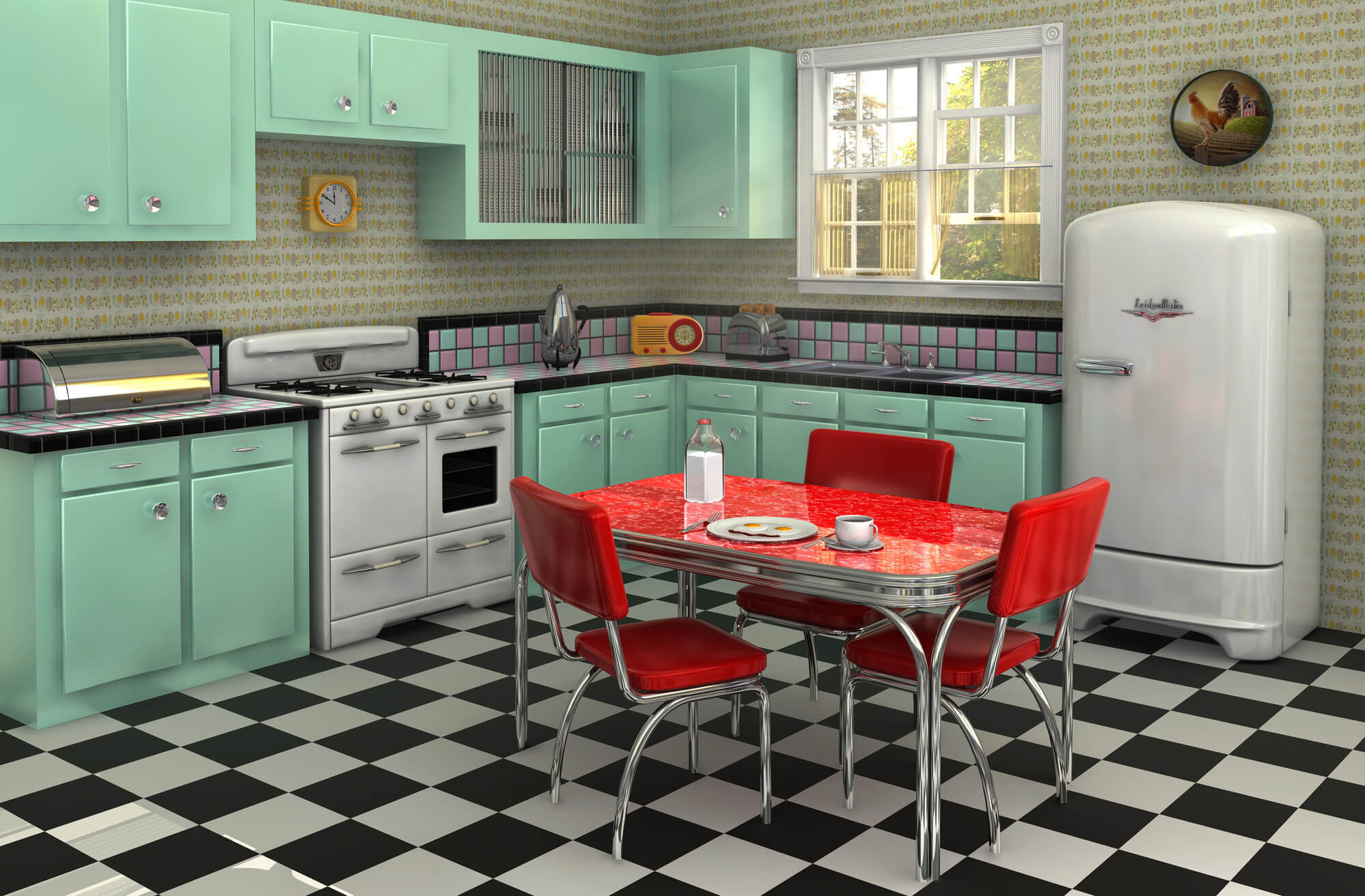
Formica-topped tables and matching chairs, often featuring boomerang or starburst patterns characteristic of the era’s design language, remain popular among collectors furnishing period-accurate mid-century interiors. Original vinyl upholstery in good condition, rather than later reupholstered chairs, carries a distinct premium. Sets that include all matching original chairs, rather than a table alone, are considerably harder to find complete.
Super 8 Home Movie Cameras
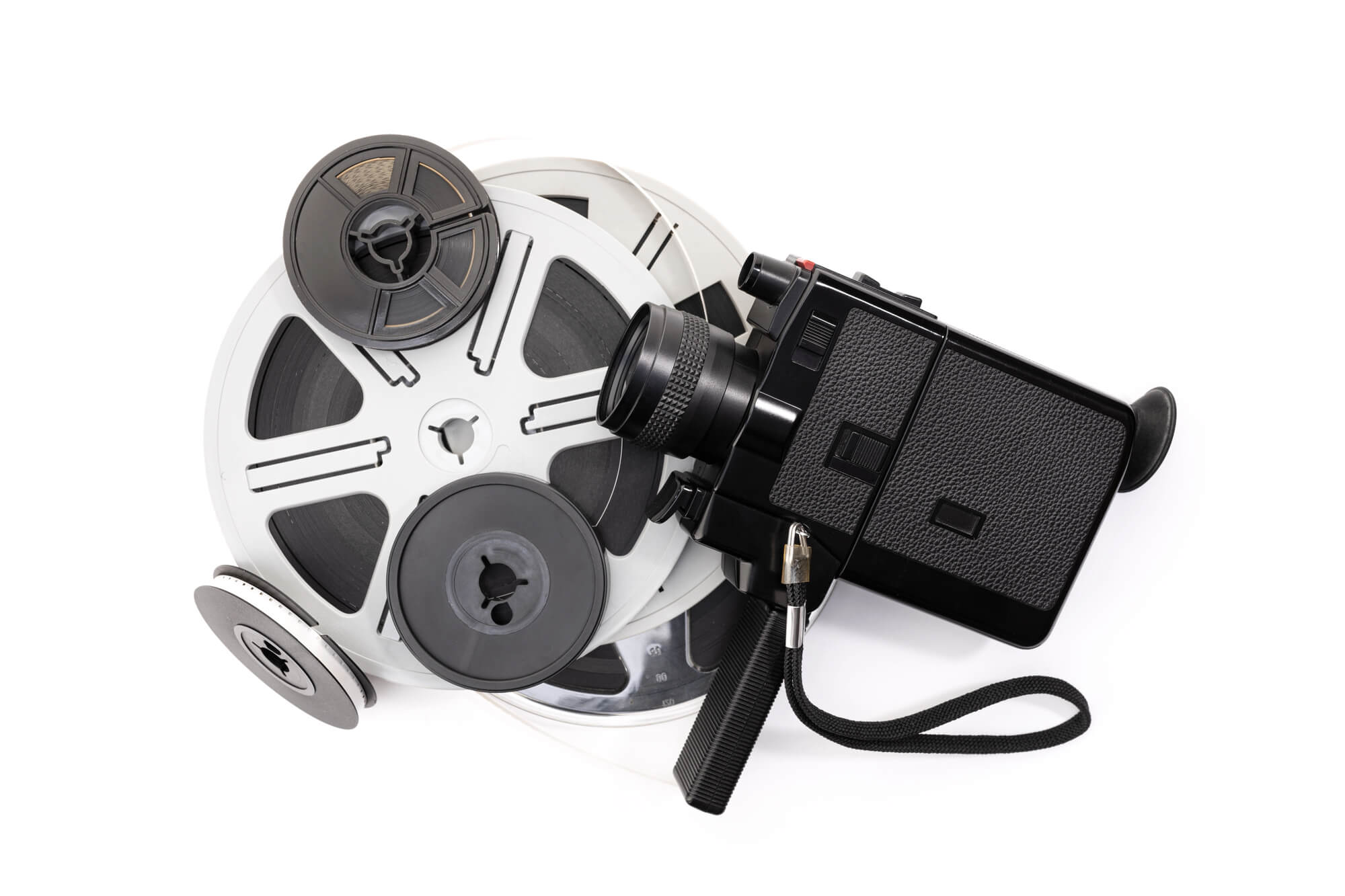
Kodak’s Super 8 film format, introduced in 1965, simplified home movie recording considerably compared to earlier formats and became genuinely popular for documenting family life throughout the following years. Working examples appeal both to camera collectors and to a growing community of hobbyists still shooting on film today. Original film reels found alongside a camera, if properly preserved, sometimes add unexpected historical value of their own.
Sea Monkey Kits

Harold von Braunhut’s brine shrimp novelty kit, marketed with a cartoonish illustrated family that bore no resemblance to the actual organisms, became a mail-order phenomenon throughout the decade. Sealed, unused kits with original packaging and instructions carry meaningfully more value than opened examples. The marketing materials themselves, including the original comic book advertisements, are collected separately by specialists interested in the era’s mail-order culture.
Weather Vanes and Metal Yard Ornaments

Decorative metal weather vanes and yard ornaments produced during this decade reflect a broader mid-century interest in functional outdoor decor. Examples with original weathering and patina, rather than pieces that have been repainted or heavily restored, generally carry more value to folk art specialists. Copper examples specifically develop a distinctive greenish patina over decades that collectors consider desirable rather than a flaw.
Transistor Radios
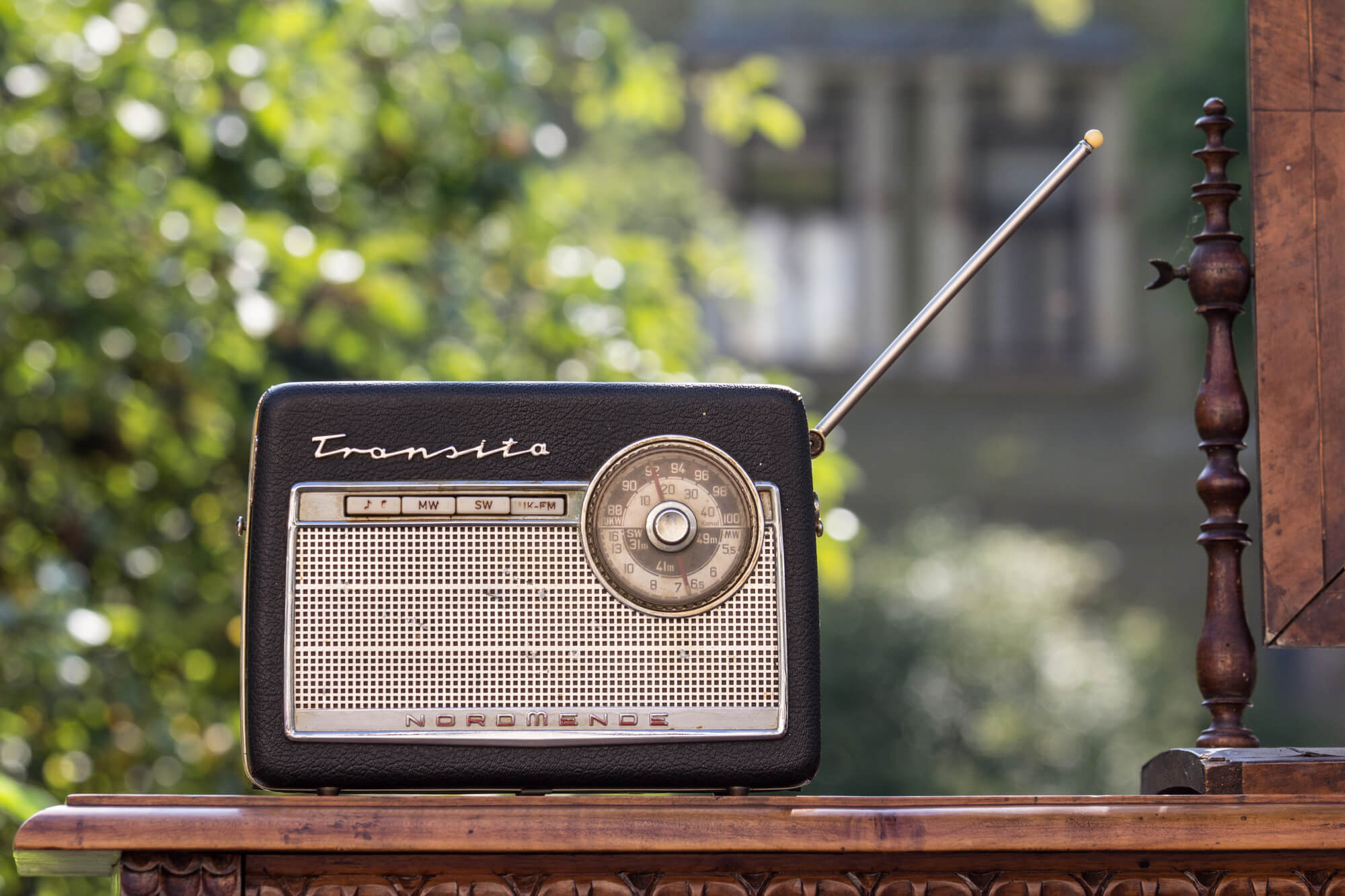
Compact transistor radios became genuinely affordable and portable during this decade, marking a significant shift away from the large tube-based radios that had dominated previous decades. Specific color variations and case materials from certain manufacturers carry premiums over the more common designs. A working example with its original leather or vinyl carrying case intact is considerably more complete and valuable than the radio alone.
Wedgwood and English Bone China Sets
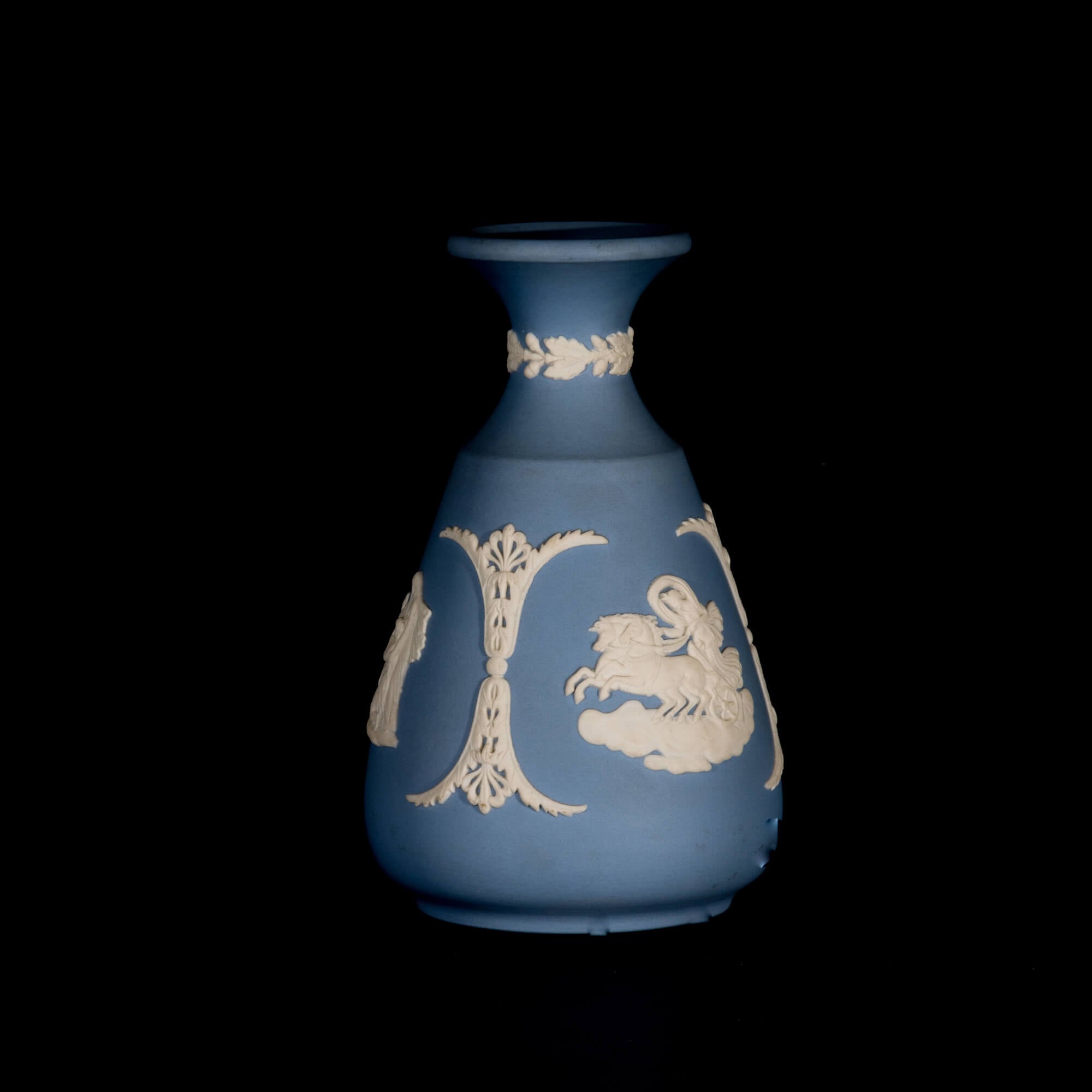
English china manufacturers continued producing formal dinnerware sets throughout the decade that remain sought after by collectors interested in traditional tableware. Complete sets, including serving pieces that were frequently separated from place settings over the decades, carry considerably more value than partial sets. Specific discontinued patterns are tracked closely by specialists who help households reassemble broken sets.
Political Campaign Buttons

Campaign buttons from the decade’s various presidential and local elections remain popular among a dedicated community of political memorabilia collectors. Buttons connected to shorter-lived or ultimately unsuccessful campaigns are sometimes rarer, and therefore more valuable, than buttons from candidates who won. Condition of the printed surface and the metal pin backing both affect value, since decades of storage often caused rust or fading.
Wooden Roller Skates and Early Skateboards

Skateboarding emerged as a distinct activity during this decade, evolving directly out of roller skate design as manufacturers adapted the wheeled trucks to a flat wooden deck. Early examples with period-correct clay wheels, rather than the later polyurethane wheels that replaced them, are specifically sought after by skateboarding history collectors. Because these were treated as disposable sporting goods at the time, surviving examples in strong condition are considerably scarcer than their original sales numbers would suggest.
Enamel Cookware in Bright Colors
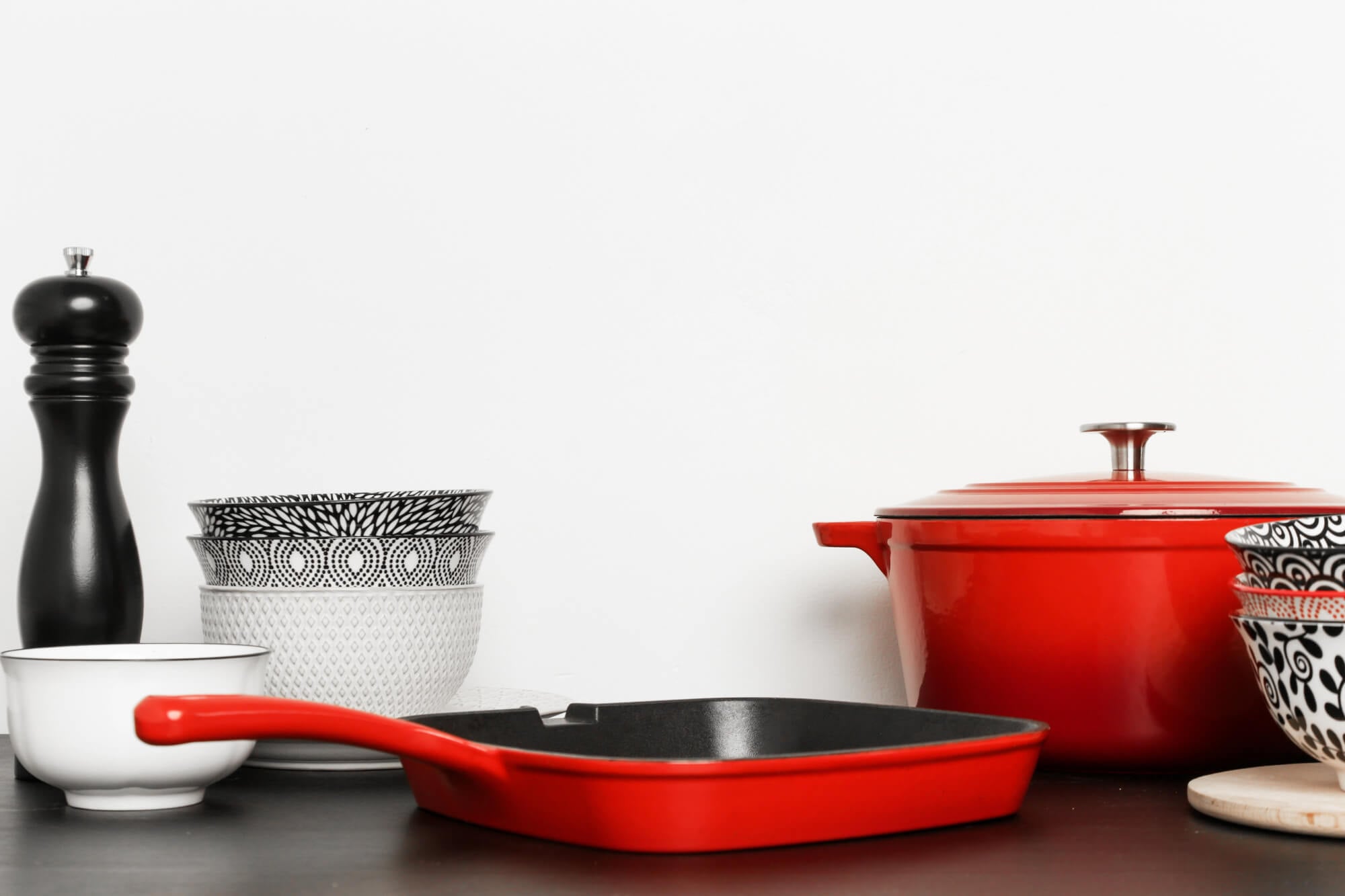
Enameled cast iron and steel cookware in bold colors became popular throughout the decade as kitchen design shifted toward brighter, more expressive palettes. Pieces from recognized European manufacturers carry considerably more value than unmarked or domestic alternatives of similar style. Enamel condition matters greatly, since chips and cracks significantly affect both function and resale value.
Board Games with Complete Original Pieces
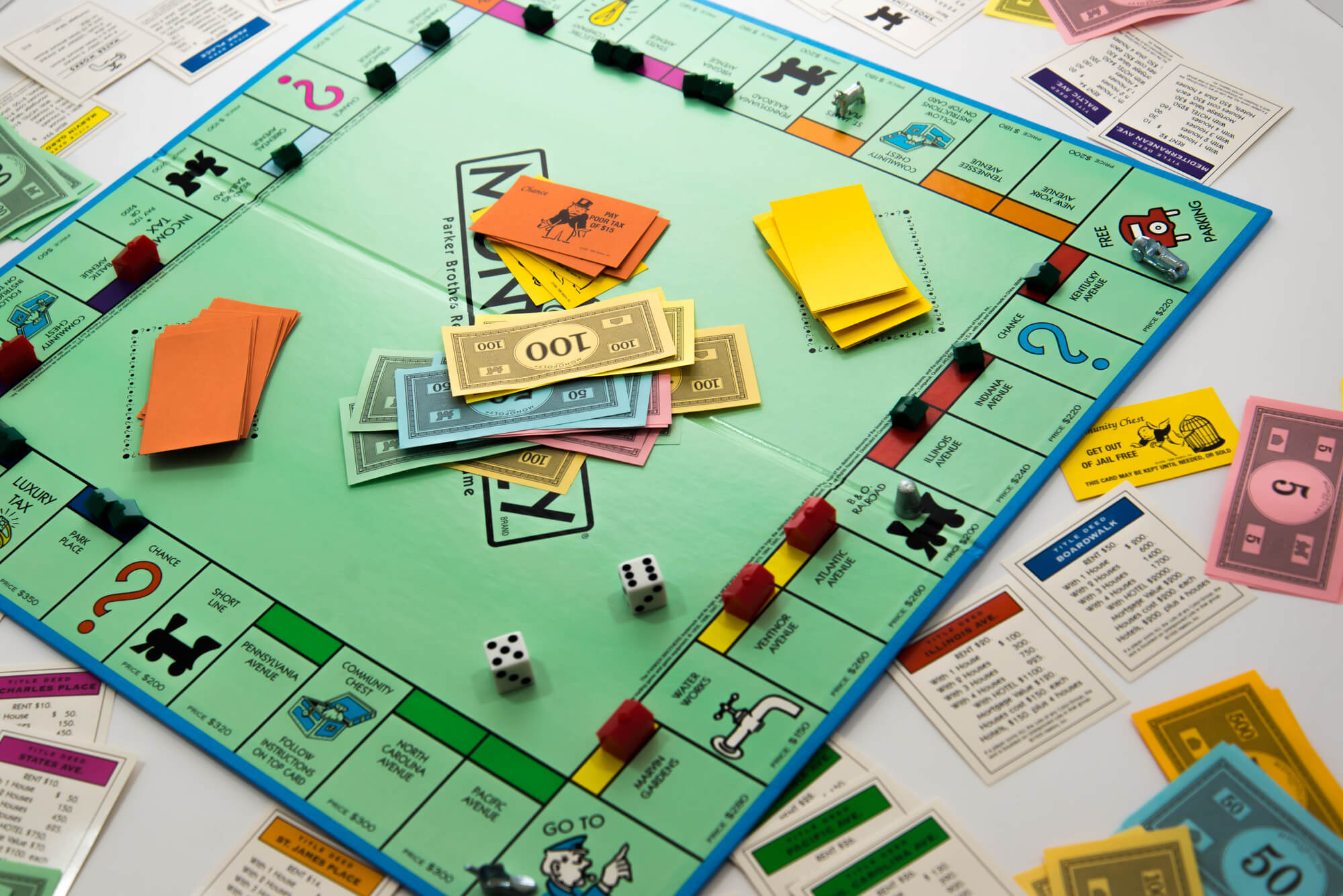
Board games from this decade frequently used detailed molded plastic pieces and elaborate box art that has aged into a recognizable design style of its own. Games missing pieces are worth considerably less than complete sets, which makes verifying every included component important before assuming a game’s full value. Specific licensed games tied to television shows of the era carry additional premiums tied to that crossover appeal.
Costume Jewelry by Recognized Designers
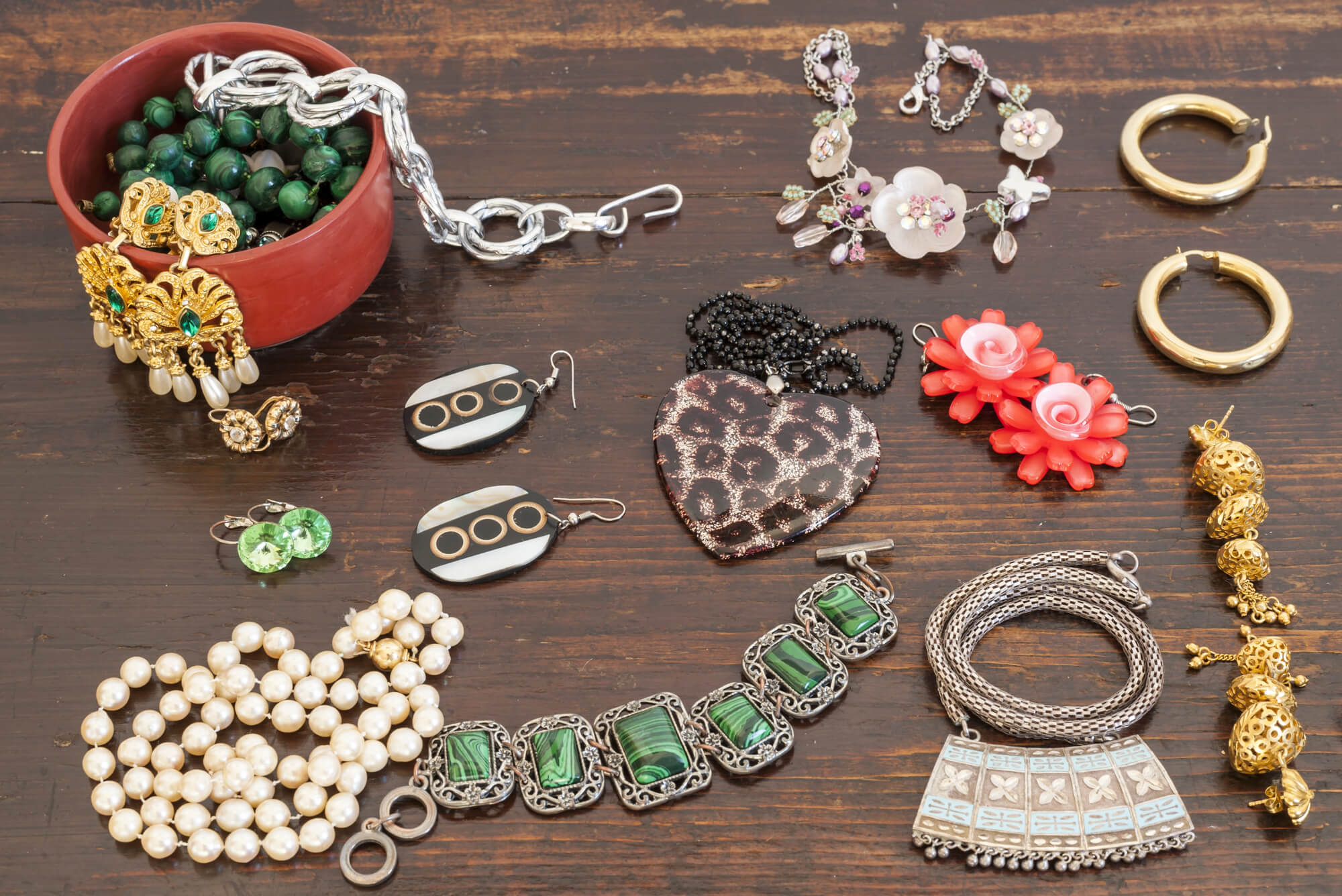
Costume jewelry from this decade, produced by both major fashion houses and smaller specialized manufacturers, is increasingly valued separately from fine jewelry made with precious materials. Signed pieces from recognized designers carry considerably more value than unsigned pieces of similar style and construction quality. Condition of the plating and any glass or rhinestone elements affects value significantly, since decades of storage often caused visible deterioration.
Rotary Telephones in Original Colors
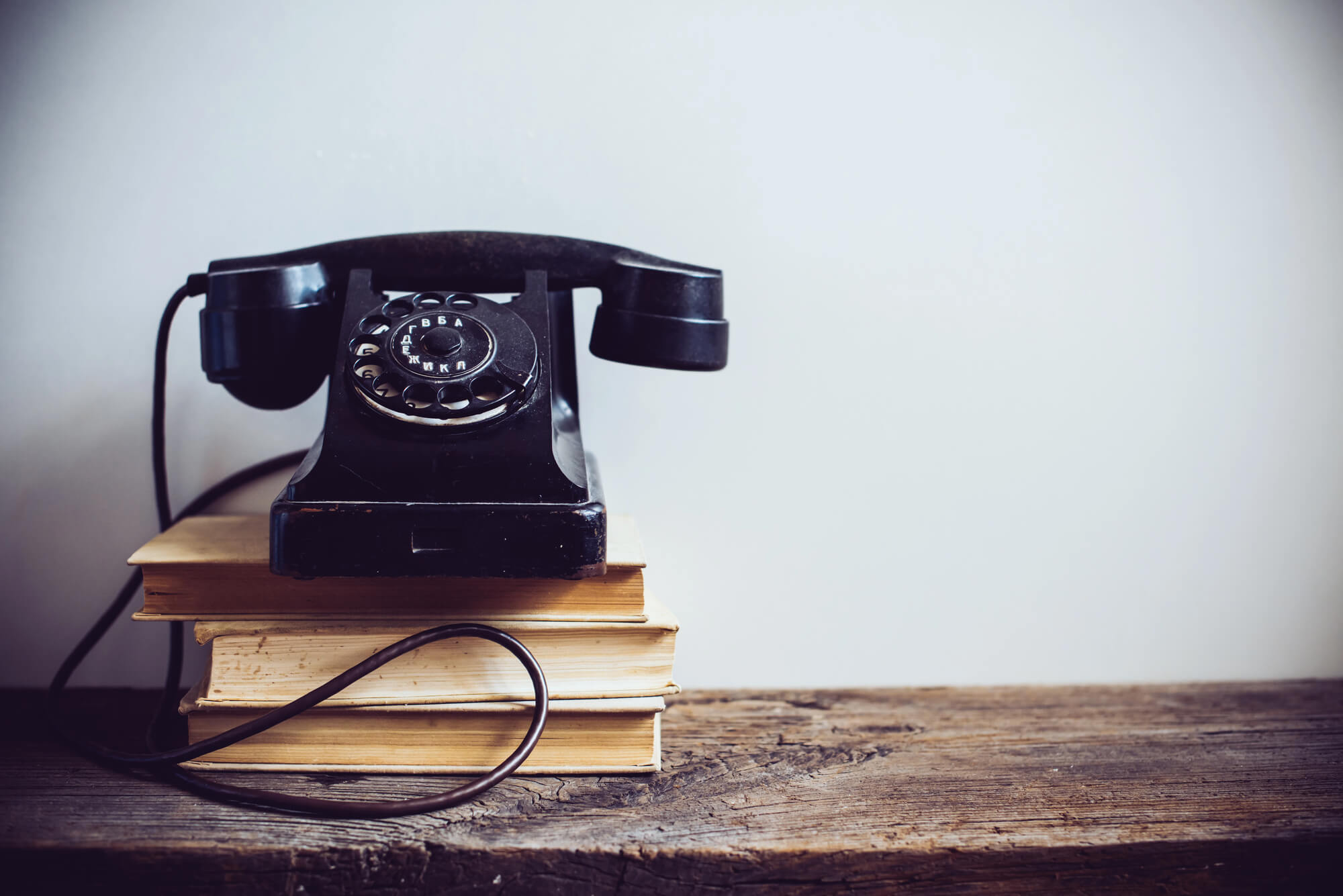
Bell System telephones from this decade, produced in a range of colors beyond the standard black, remain popular among collectors furnishing period-accurate interiors or simply appreciating the design. Working examples that have been adapted for modern phone lines appeal to a wider buyer pool than purely decorative pieces. Specific colors produced in smaller original numbers carry a premium over the more commonly found examples.
What the Attic Kept by Accident

Nothing up there was saved on purpose. A doll got outgrown, a lamp went out of style, a set of dishes got replaced by something newer, and all of it ended up boxed away rather than thrown out simply because nobody got around to it. The attic became an accidental archive of a decade nobody was trying to preserve.
That accident is exactly what makes these objects worth something now. Design and nostalgia moved on, then circled back decades later, and what survived did so purely because someone never quite finished the job of clearing it out.
More from Go2Tutors!

- The Romanov Crown Jewels and Their Tragic Fate
- 13 Historical Mysteries That Science Still Can’t Solve
- Famous Hoaxes That Fooled the World for Years
- 15 Child Stars with Tragic Adult Lives
- 16 Famous Jewelry Pieces in History
Like Go2Tutors’s content? Follow us on MSN.



