29 Ice Cream Truck Treats That Disappeared Without Anyone Noticing
The sound of an ice cream truck — that particular tinny, looping melody broadcast from a speaker mounted somewhere near the roof — had a physiological effect on children that no other vehicle could replicate. It bypassed reason entirely.
You were moving toward the curb before your brain had consciously registered what was happening. And what waited at that little sliding window was a very specific menu, one that existed nowhere else, that felt more like a secret inventory than a product line.
Plenty of those treats are gone now. Some were quietly discontinued after years on the truck.
Others vanished when the companies that made them were absorbed or restructured. A few disappeared so gradually that no one can pinpoint the last summer they were sold.
Here are 29 of them — some still mourned, some barely remembered.
The Good Humor Bar (Original)
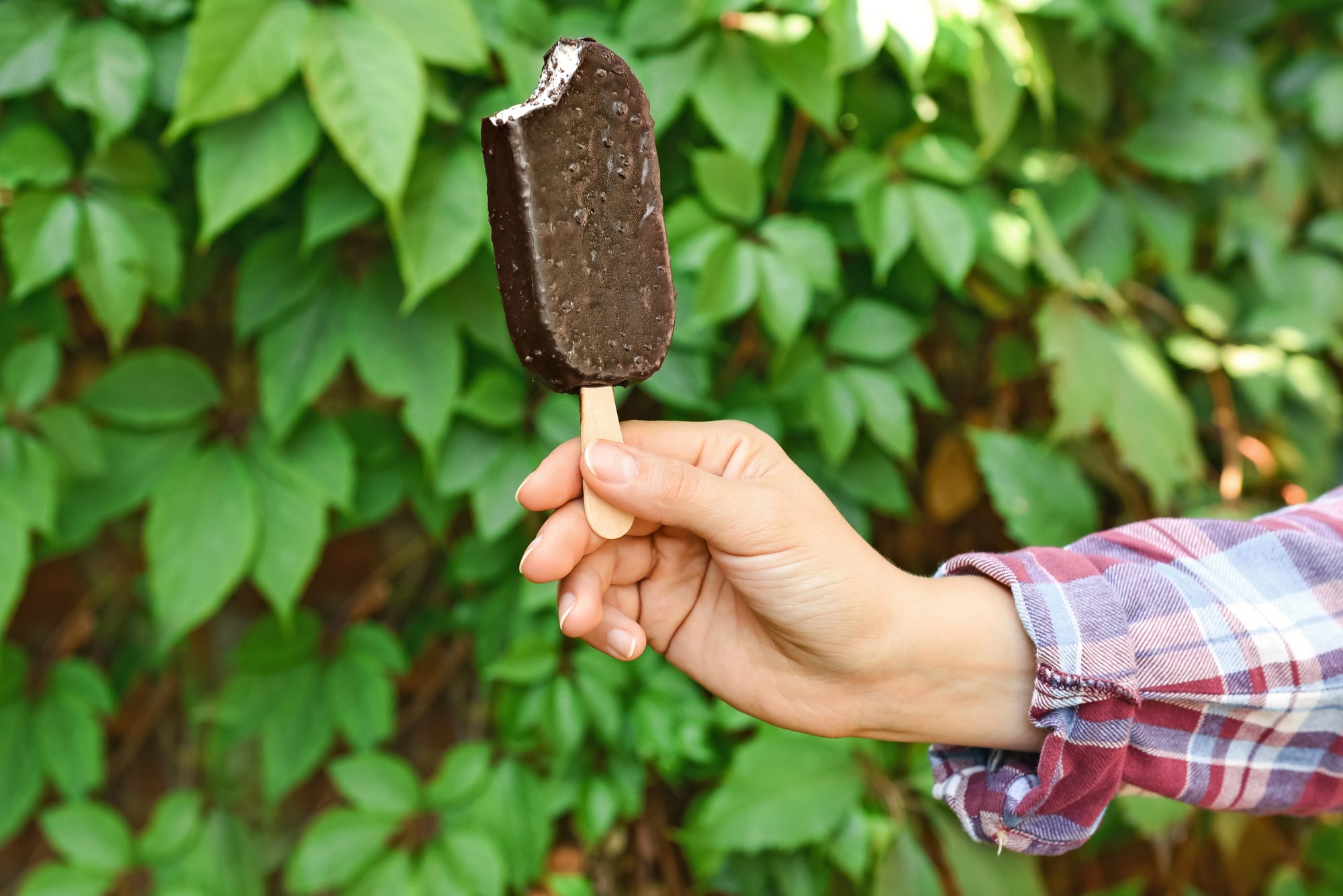
The whole ice cream truck tradition began with Harry Burt of Youngstown, Ohio, who in the early 1920s invented a chocolate-covered ice cream bar on a stick and sent white-uniformed drivers out in refrigerated trucks to sell them. Burt received an official patent in 1923.
The bar itself — vanilla ice cream, thick chocolate coating, wooden stick — was designed to be mess-free and portable, which made it revolutionary. What you buy today under the Good Humor name is a different product sold in a different era by a corporation that purchased the brand in 1961.
The Dreamsicle
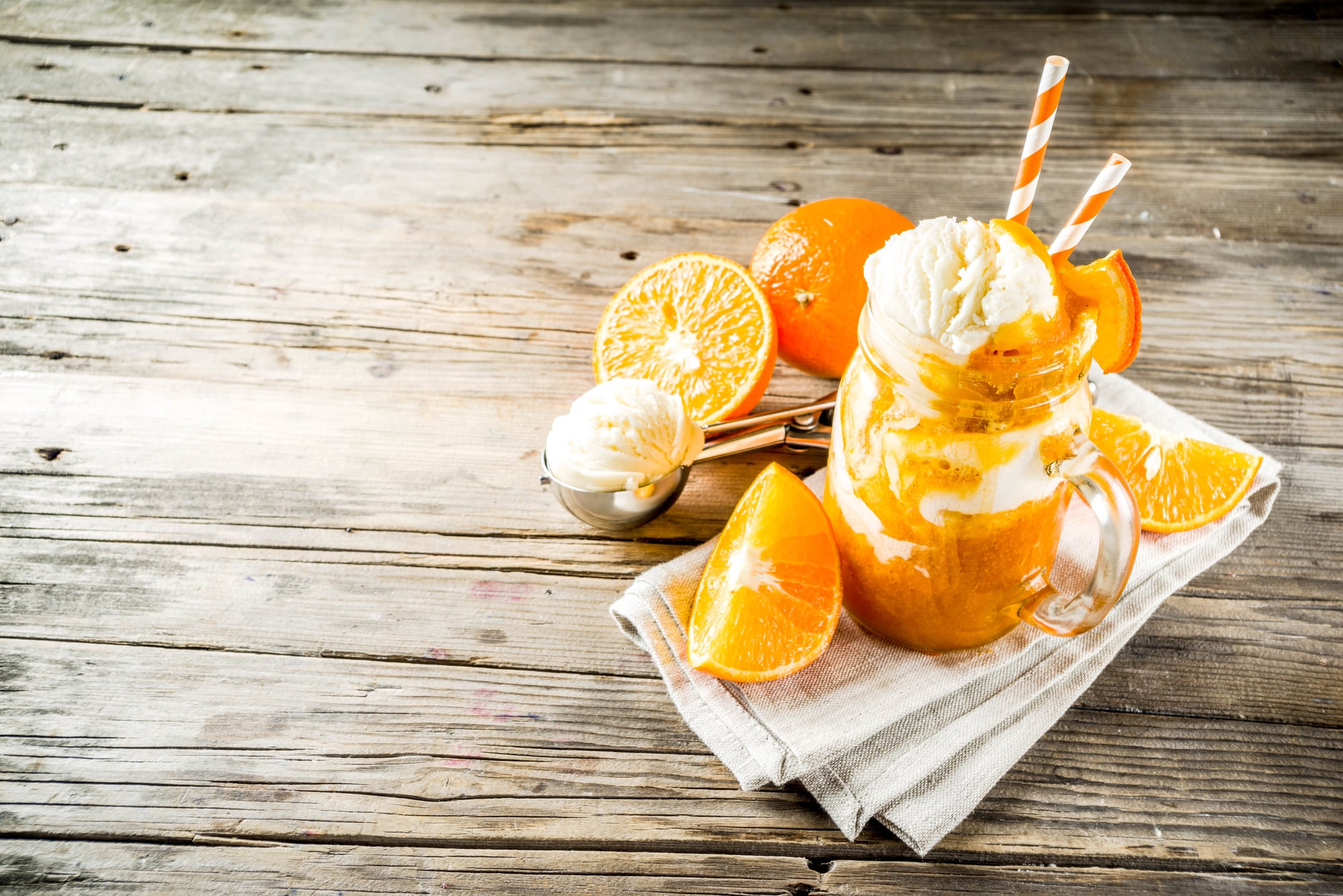
The Dreamsicle was technically distinct from the Creamsicle, though few people made the distinction at the curb. The Creamsicle used real ice cream at its center while the Dreamsicle used ice milk, giving the latter a slightly lighter, less rich texture.
Both featured an orange sherbet exterior over a vanilla core. The Dreamsicle trademark is now owned by a hair dye company — Tish & Snooky’s Manic Panic of New York City — making it possibly the only discontinued ice cream brand to live on exclusively as a pastel orange hair color.
The Toasted Almond Bar
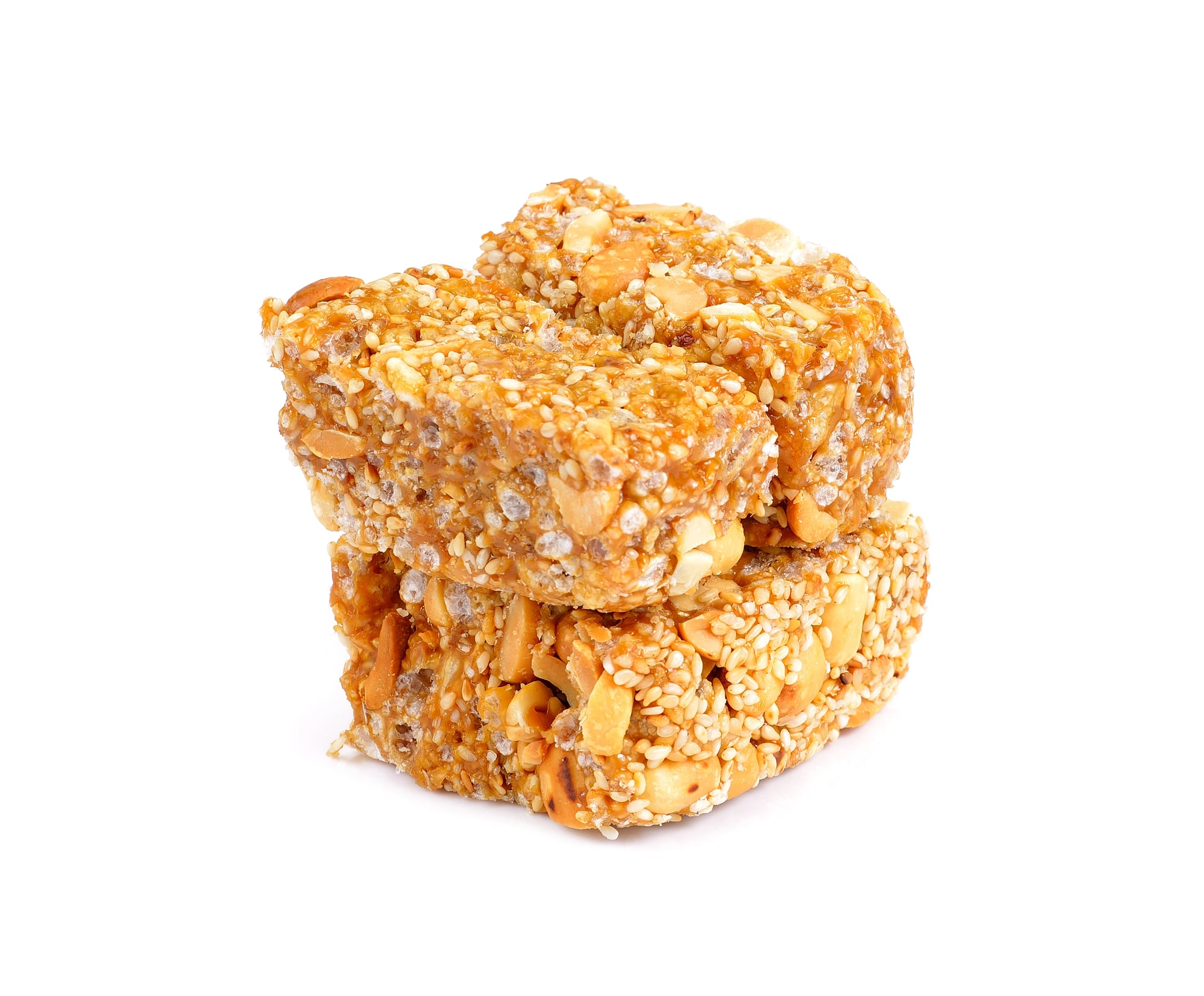
Good Humor’s Toasted Almond Bar dated to the 1960s and occupied a specific niche: it was the ice cream truck treat that adults were not embarrassed to order. An almond-flavored cake core, encased in vanilla ice cream, coated in almond-flavored crunchy crumbs — not too sweet, with a genuine complexity that set it apart from anything else on the menu.
Good Humor discontinued it in 2022 after more than six decades of production. A petition to bring it back collected thousands of signatures and changed nothing.
Jell-O Pudding Pops
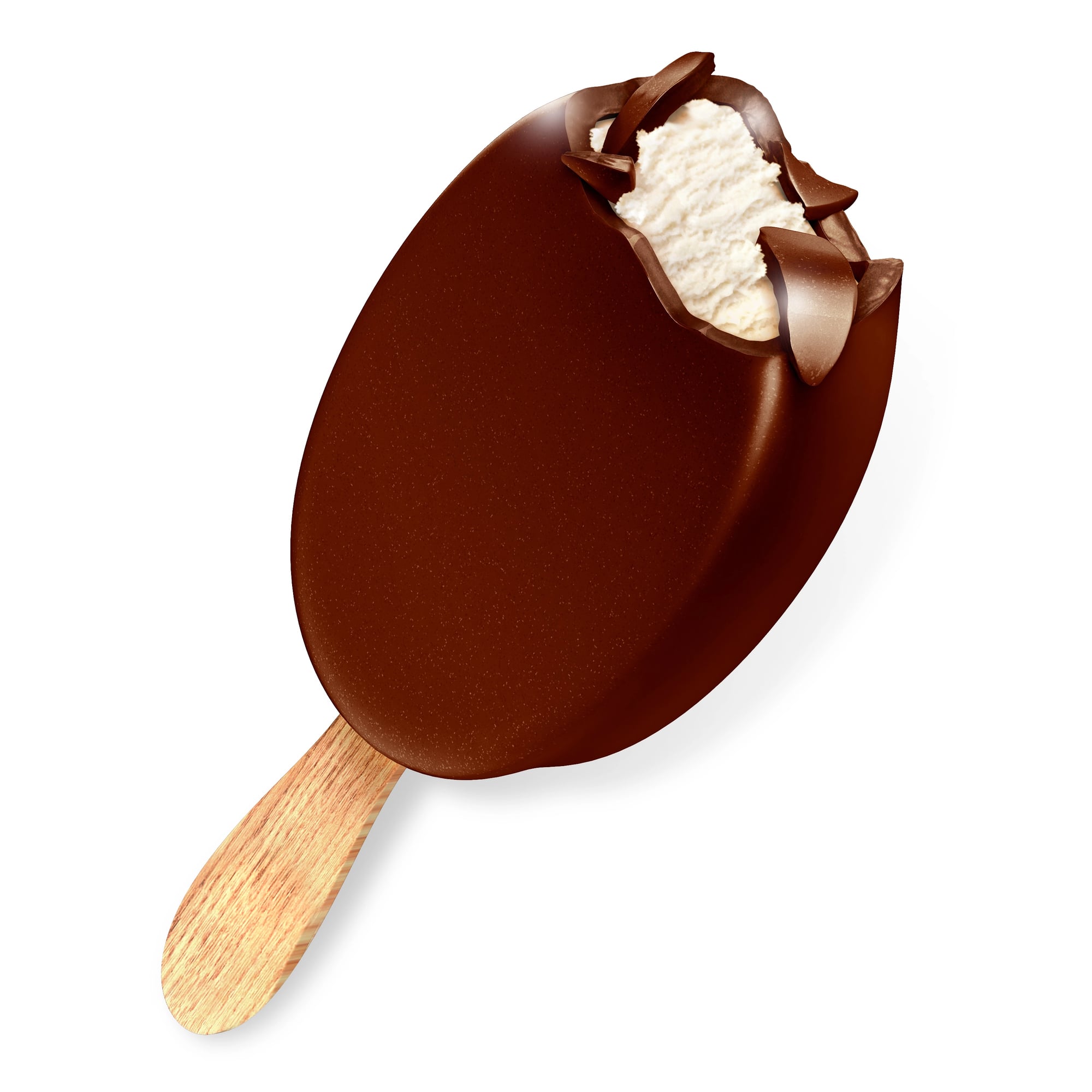
Jell-O Pudding Pops were creamy frozen pudding on a stick, available in chocolate, vanilla, and chocolate-vanilla swirl, and they achieved a cultural moment in the 1980s through television advertisements. The pops were discontinued by Kraft in the early 2000s after declining sales.
They were simple enough that home cooks began making them in ice cube trays, which suggests the product’s main appeal was convenience rather than any ingredient unavailable at a grocery store.
The Choco Taco
Alan Drazen conceived the Choco Taco in 1983 as an ice cream product that could be eaten without dripping — a waffle cone shell shaped like a taco, filled with vanilla and fudge swirl ice cream, dipped in chocolate, and topped with peanuts. Klondike acquired it and sold it for nearly four decades, including through a period when Taco Bell served them in its restaurants.
When Klondike discontinued the Choco Taco in July 2022, citing an unprecedented surge in demand for other products, the internet responded with a level of collective grief that surprised even its most devoted fans.
The Chipwich
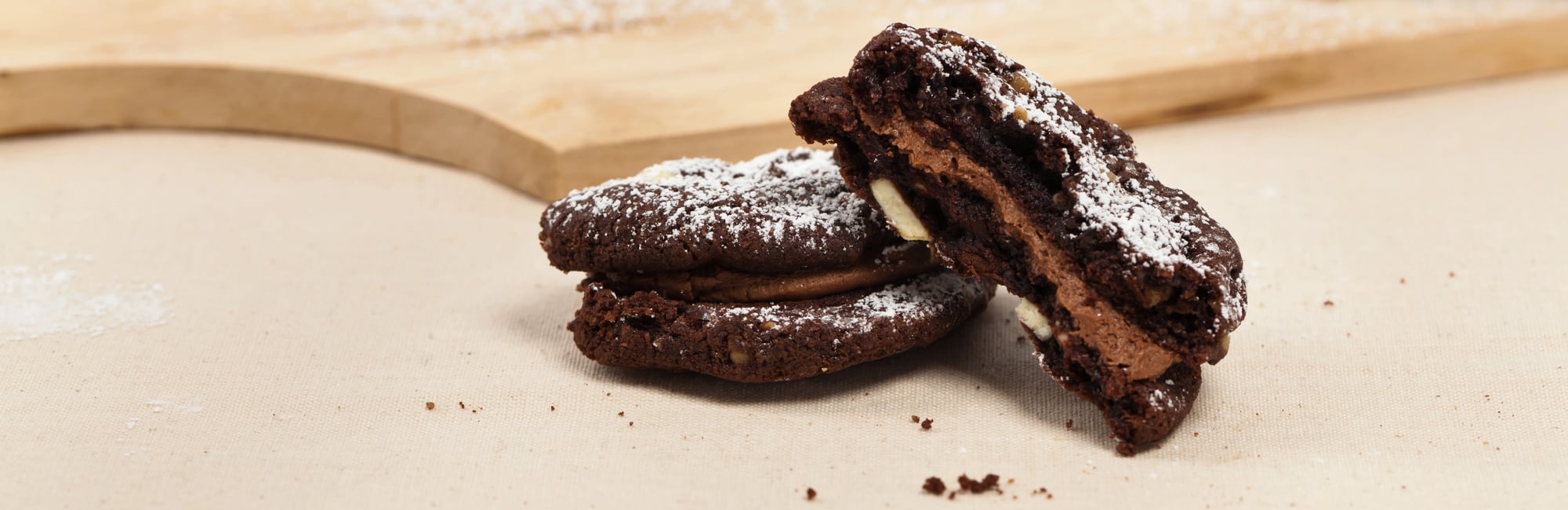
The Chipwich arrived in 1981, created by Richard LaMotta, and distinguished itself by surrounding a thick disc of vanilla ice cream with two chocolate chip cookies and rolling the exposed edges in yet more chocolate chips. The outer ring of chips was the detail that made it exceptional — a crunchy, textural border that prevented the inevitable melt-drip from reaching your wrist.
It was sold initially only through street vendors in New York City, then expanded nationally, then quietly faded. A revival version returned to some markets in 2018, though few ice cream trucks carry it.
The Bomb Pop
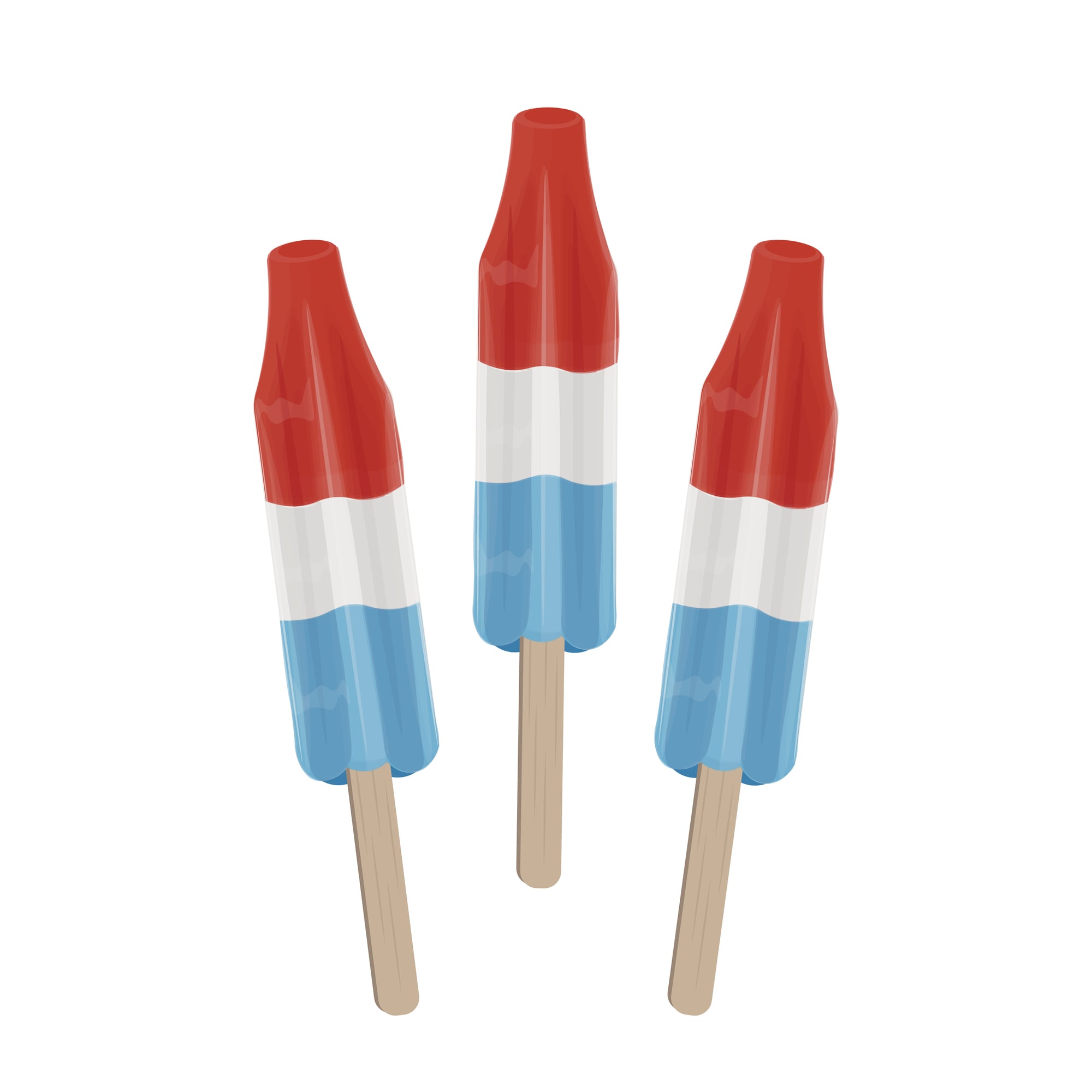
The Bomb Pop was invented in 1955 by Merritt Foods in Kansas City and came in three flavors pressed into a single rocket-shaped bar: cherry at the top, lime in the middle, and blue raspberry at the base. When Merritt Foods ceased operations in 1991, Wells acquired the manufacturing rights.
The Bomb Pop technically still exists, but the recipe and flavor profile have shifted enough that people who grew up with the original regard it as a different product.
The Push-Up
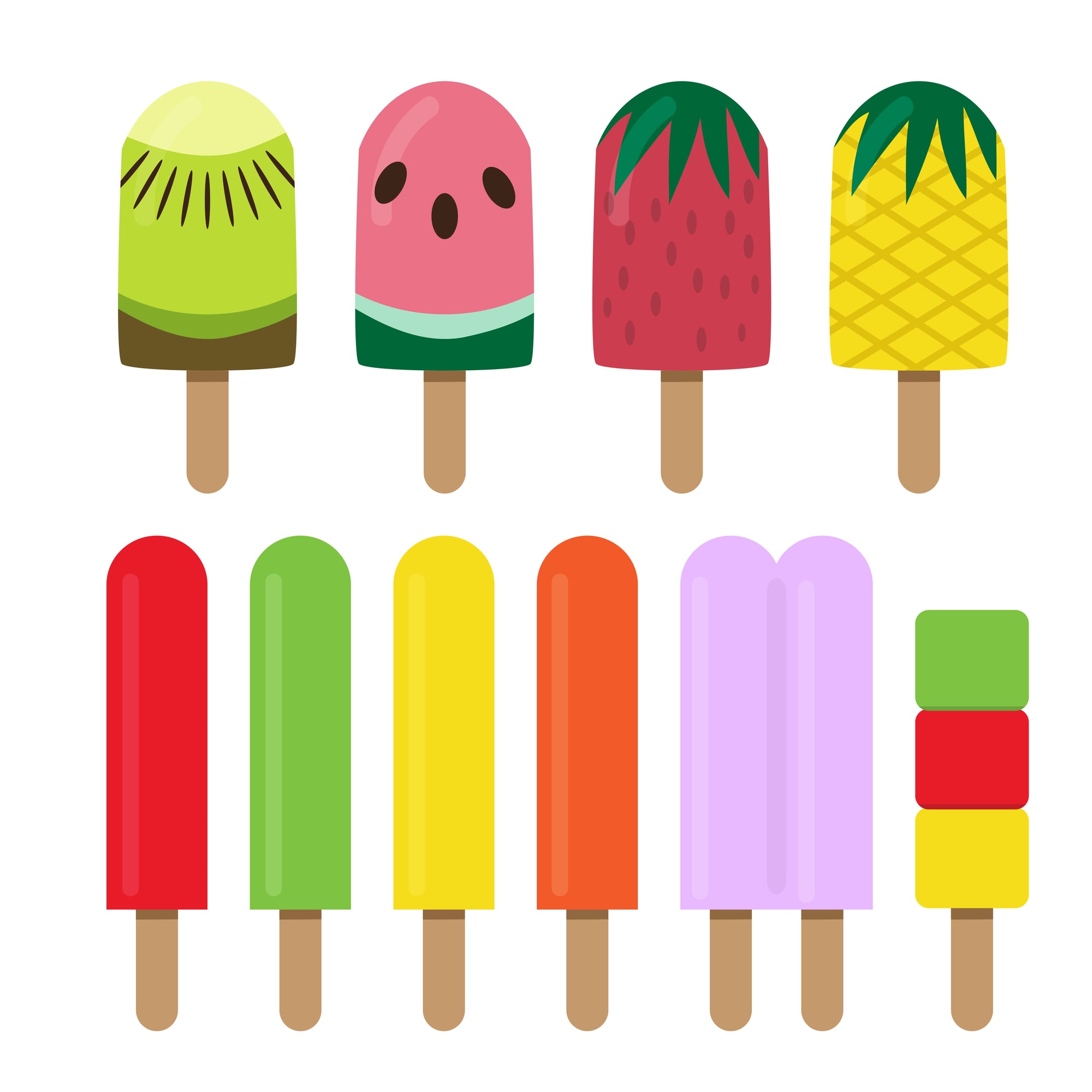
The Push-Up was introduced in the 1950s and consisted of sherbet pushed up through a cardboard tube by a plastic stick mechanism. Orange was the original and defining flavor.
The act of eating one required active participation: you pushed the stick upward with your palm, the sherbet rose, you licked it down, you pushed again. It was slightly awkward in the best possible way.
The Screwball
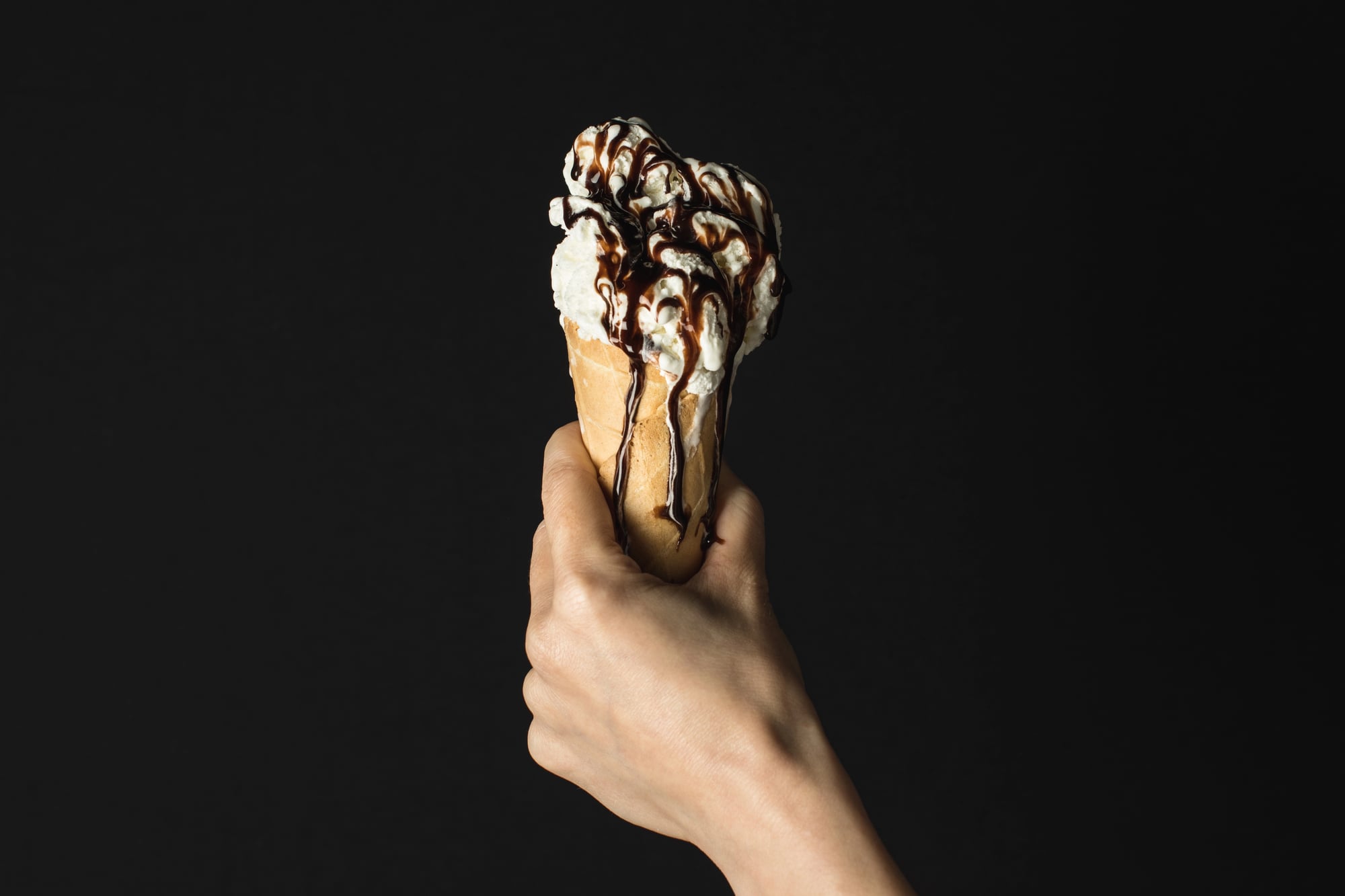
The Screwball launched in the 1970s as a cone-shaped plastic cup of cherry-flavored shaved ice with a gumball frozen at the very bottom. The gumball was the hook — a reward for finishing the ice, discovered only at the last possible moment.
It later came in blue raspberry, and a Two-Orb version offered two gumballs instead of one. The gumball was often rock-hard from the freezing, which was technically a flaw but somehow added to the experience.
The WWF Ice Cream Bar
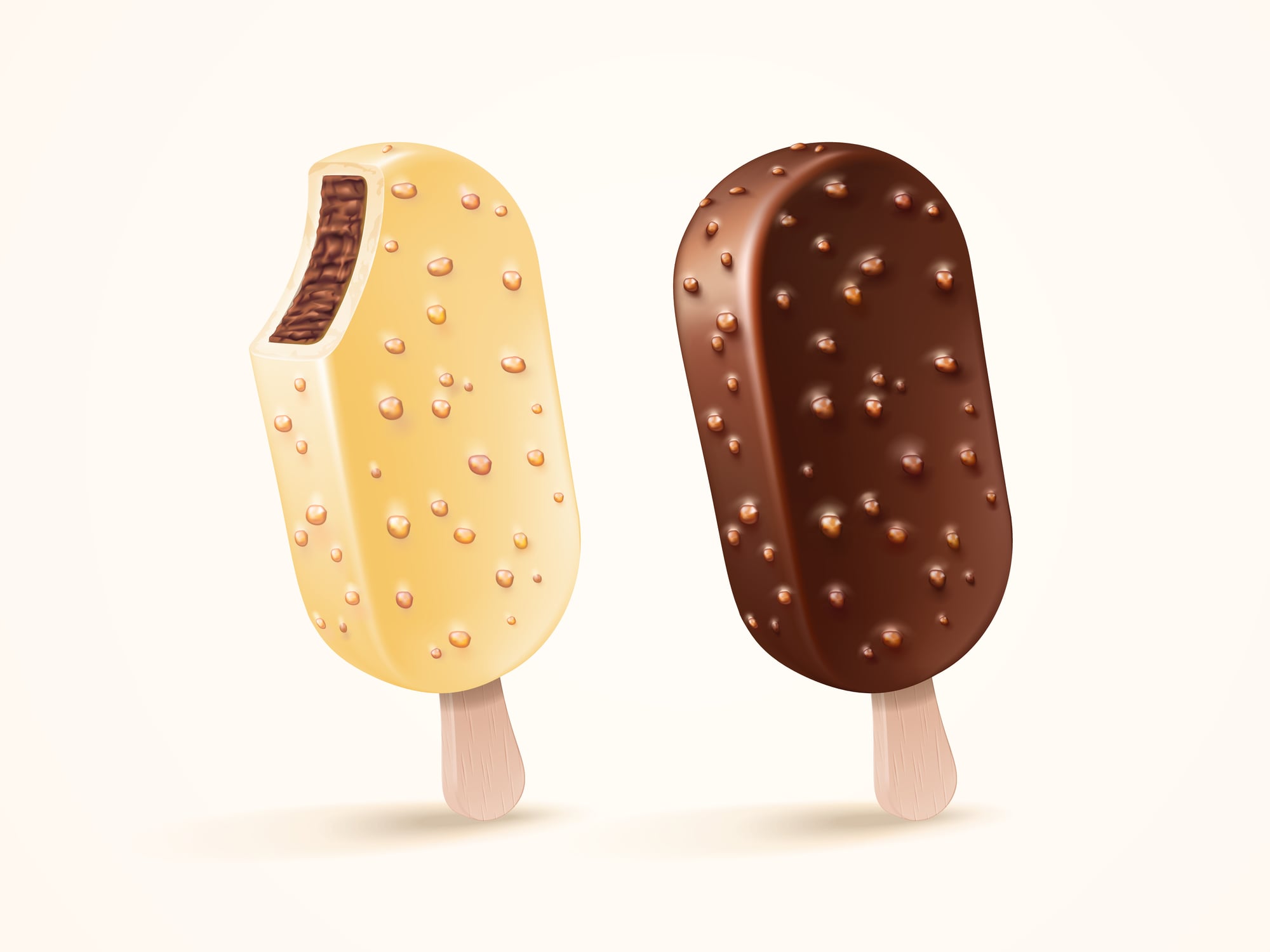
Good Humor began producing World Wrestling Federation ice cream bars in 1987, featuring vanilla ice cream sandwiched between two chocolate cookie wafers printed with wrestling superstars’ faces. Production ended in 2009 when the licensing agreement between Good Humor and the WWE expired.
A limited special-edition series ran later, but the original bars from ice cream trucks have not returned.
Chocolate Malt Cups
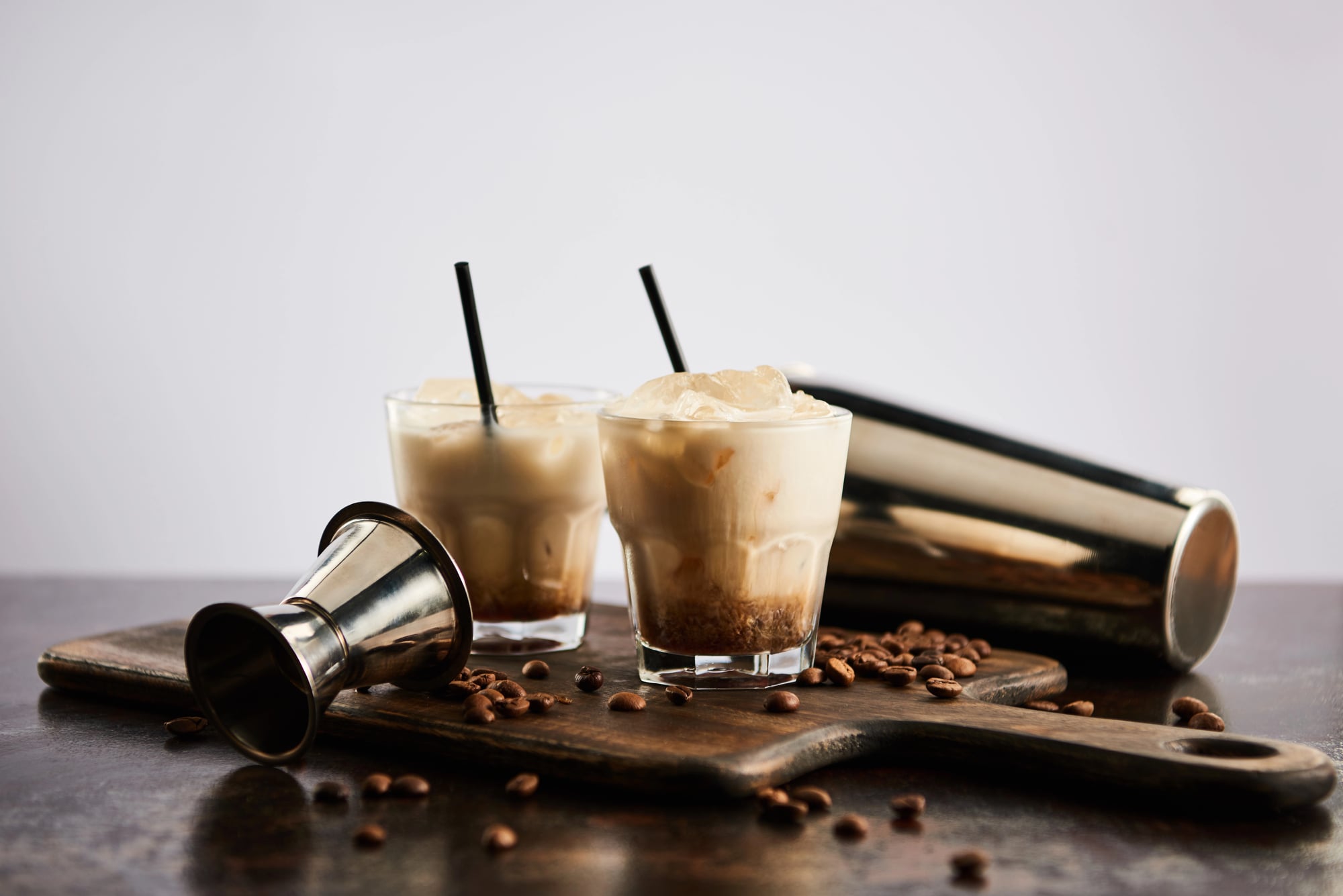
Chocolate malt cups drew their lineage from the malted milkshakes of 1940s soda fountains, where malted milk powder — originally invented as a nutritional supplement — was beaten into chocolate milk to create a thicker, toastier drink than a standard milkshake. The frozen cup version captured that same caramel-adjacent depth in a format you could buy from a truck window.
They faded gradually through the 1980s and ’90s as smoother, creamier frozen novelties edged them off the menu.
The Giant King Cone
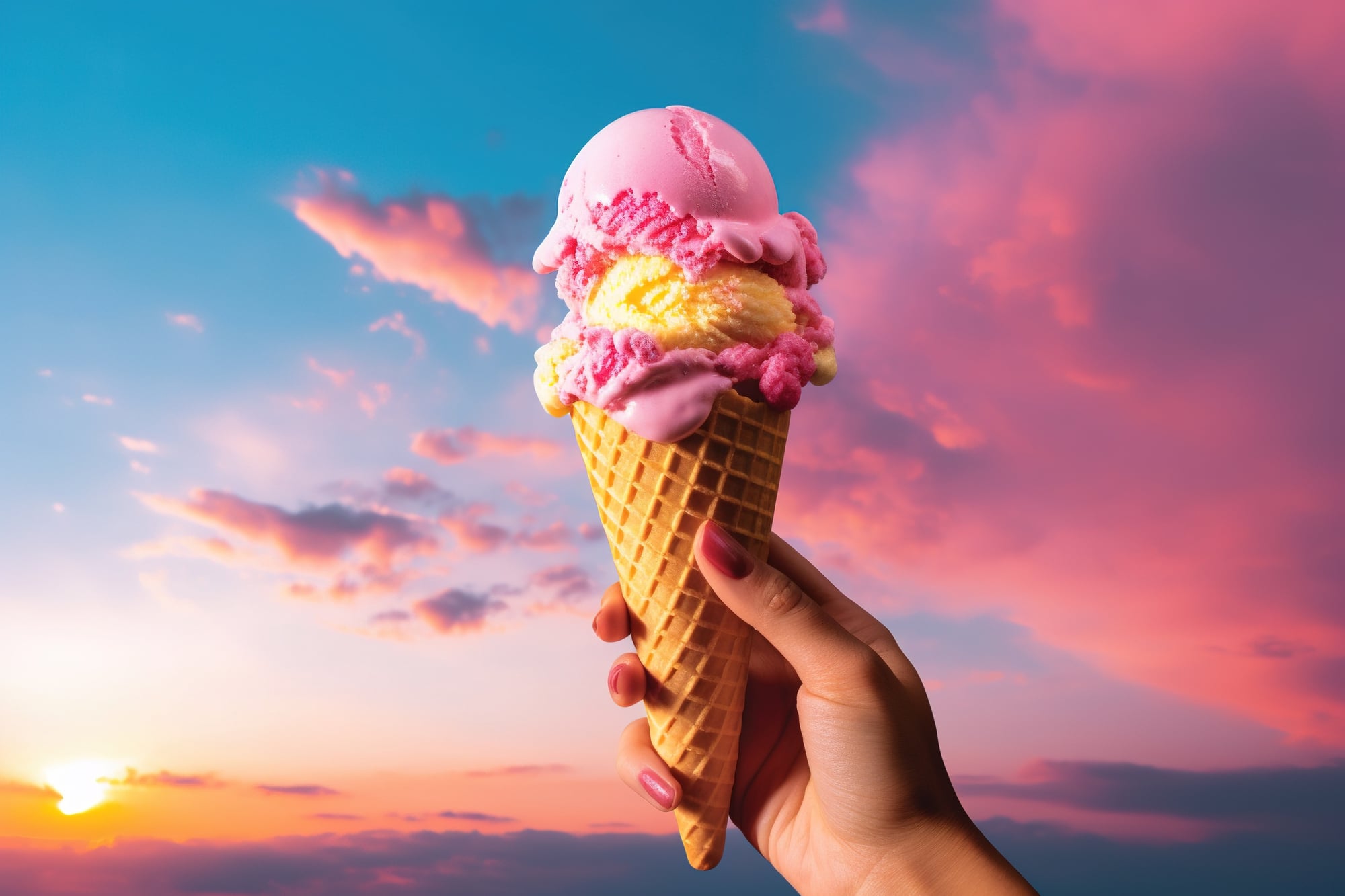
Good Humor’s Giant King Cone dated to at least 1960 and was essentially the truck version of a premium soft-serve cone — a waffle cone filled with vanilla ice cream, dipped in chocolate, and finished with a chocolate cap. The specific combination of waffle texture, thick chocolate, and cold vanilla was something the Giant King Cone got exactly right and that no direct successor has quite replicated.
The Fudgsicle (Full-Size)
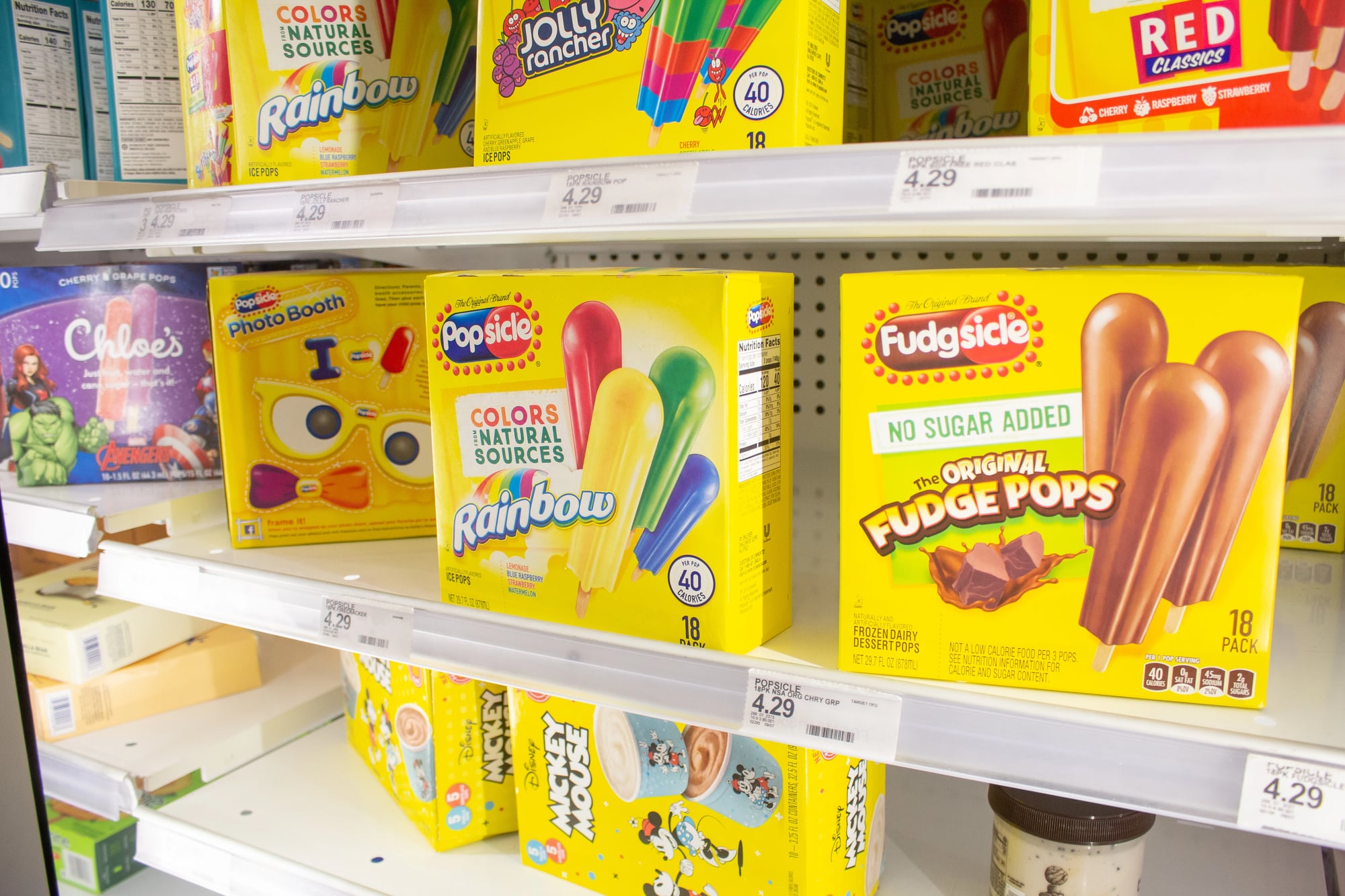
The Fudgsicle was originally called the Fudgicle, and what made the original version distinctive was its size — a full-sized rectangular bar of dense frozen chocolate that held its shape long enough for a child to drag out interesting shapes with each bite before it melted. The modern version, sold as Fudge Pops in a stubby bullet shape, is a nutritionally modified product aimed at an adult market.
The Candy Center Crunch Bar
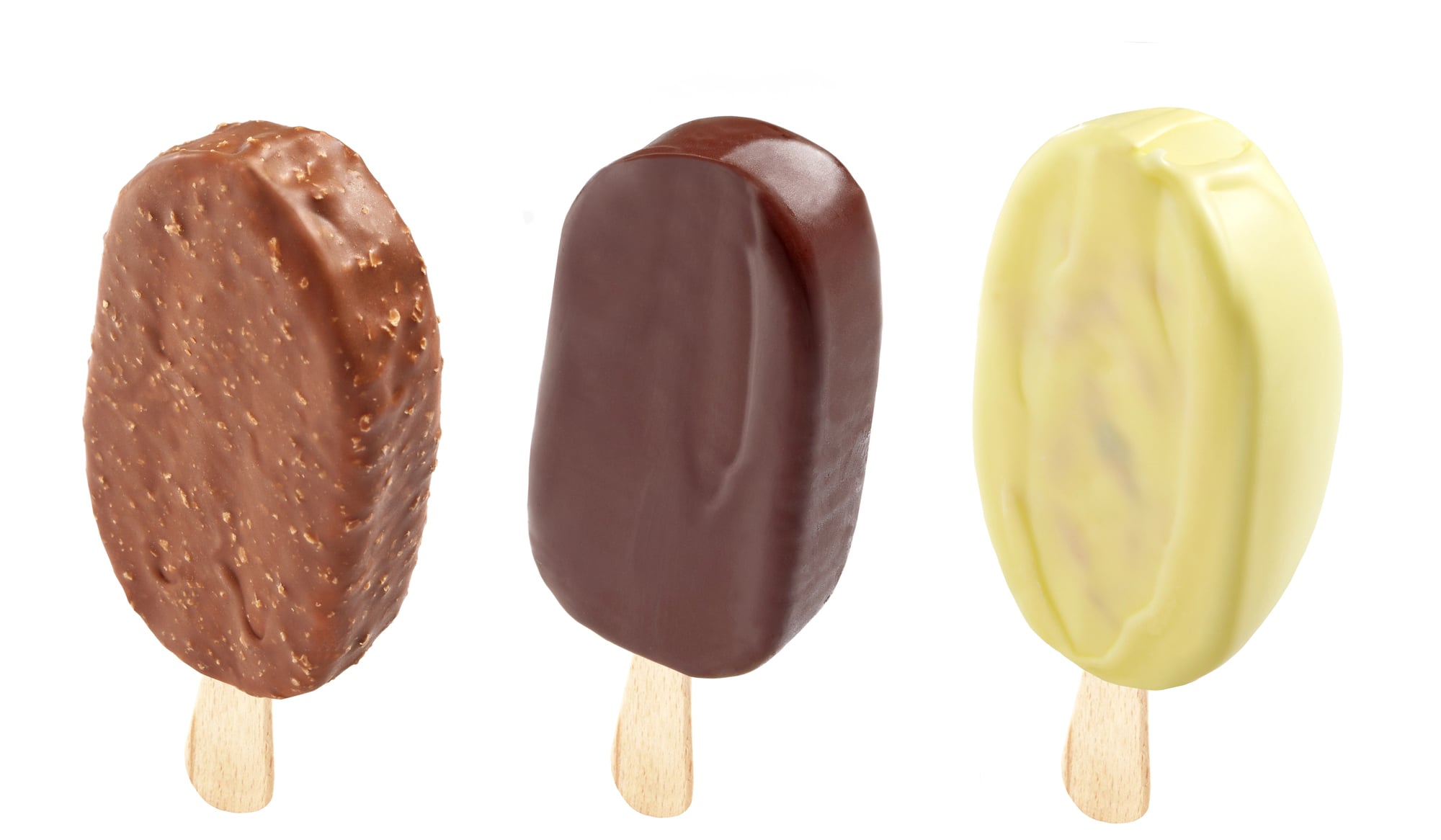
Good Humor’s Candy Center Crunch Bar featured vanilla ice cream with a chewy candy center encased in a chocolate coating — three distinct textures in a single bar: hard chocolate shell, cold smooth ice cream, then the unexpected resistance of the candy core. The contrast was the point.
Production ended at some point in the 2000s, and no equivalent product has replaced it on truck menus.
Rainbow Snow Cones
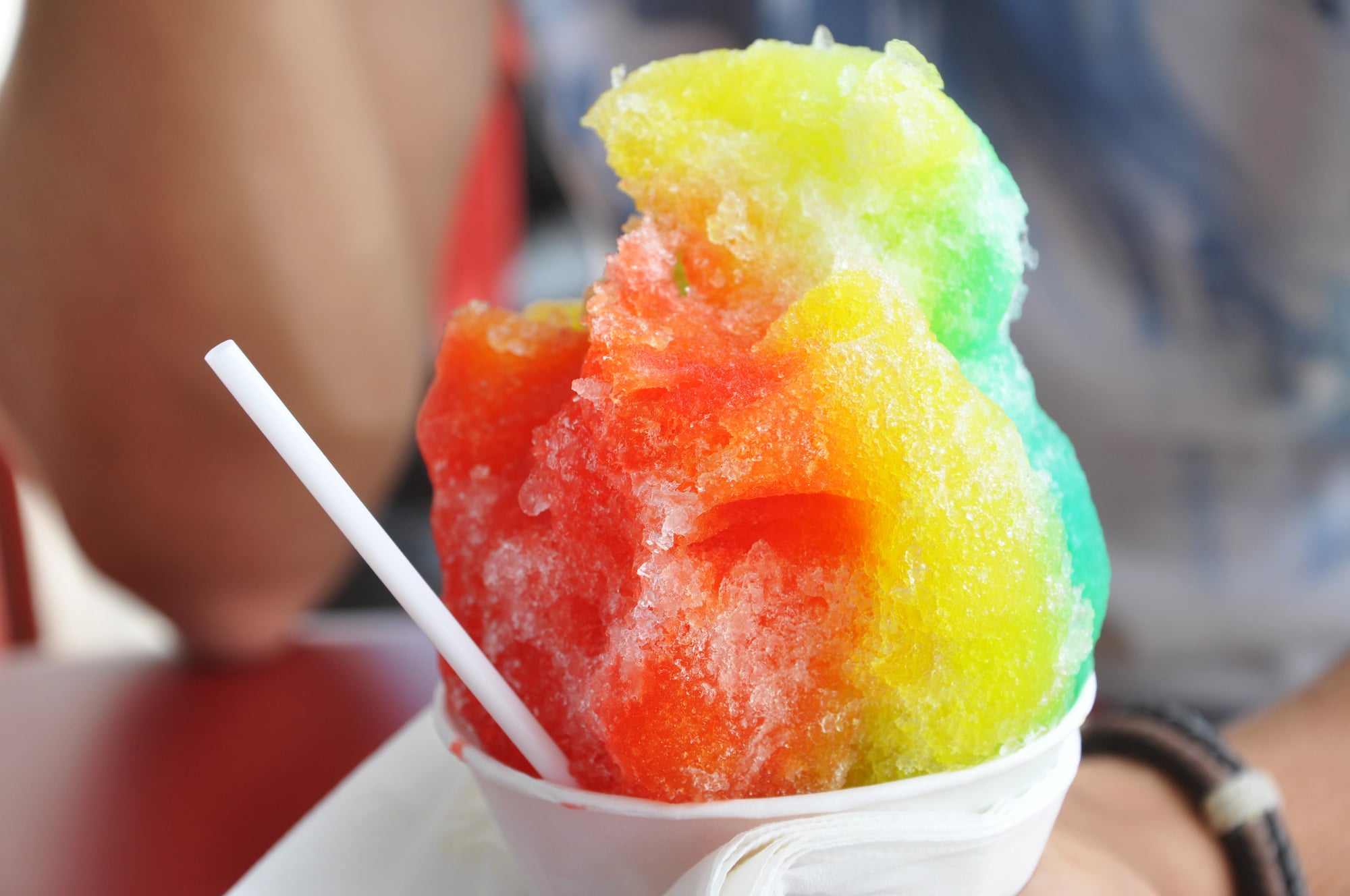
The paper cone of crushed ice drenched in syrup was one of the oldest street food formats on the ice cream truck, and the rainbow version — three colors striped in red, blue, and green — was its most theatrical expression. Snow cones still exist, but the specific paper cone construction sold from trucks has largely been replaced by foam cups.
The Jell-O Swirl Fudgsicle
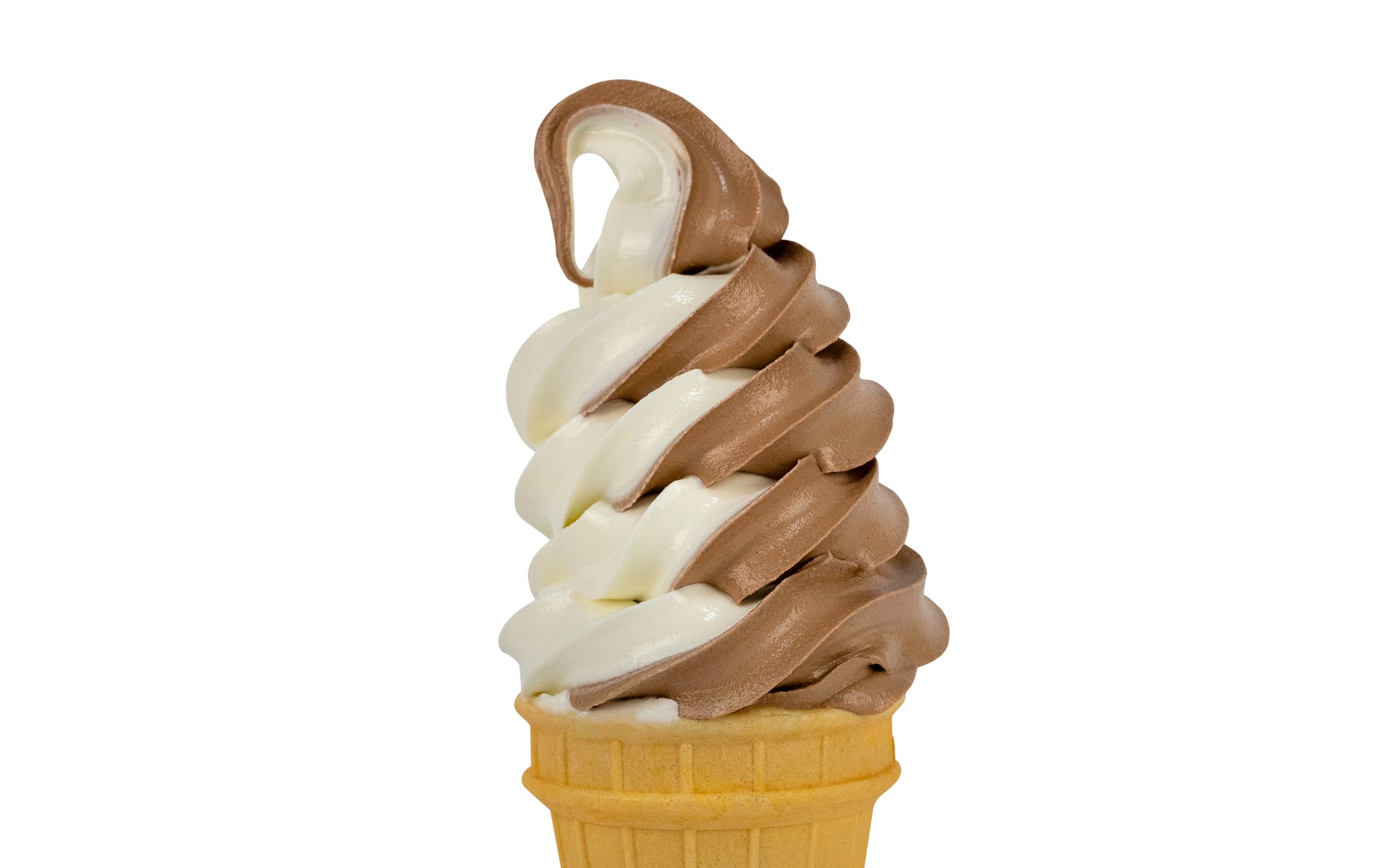
This variation on the standard Fudgsicle incorporated a chocolate-vanilla swirl rather than solid chocolate, giving the bar a visual pattern and a slightly less intense flavor. It was less common than the original and produced only for a limited window, discontinued more than a decade ago.
The Strawberry Shortcake Bar (Original Formula)
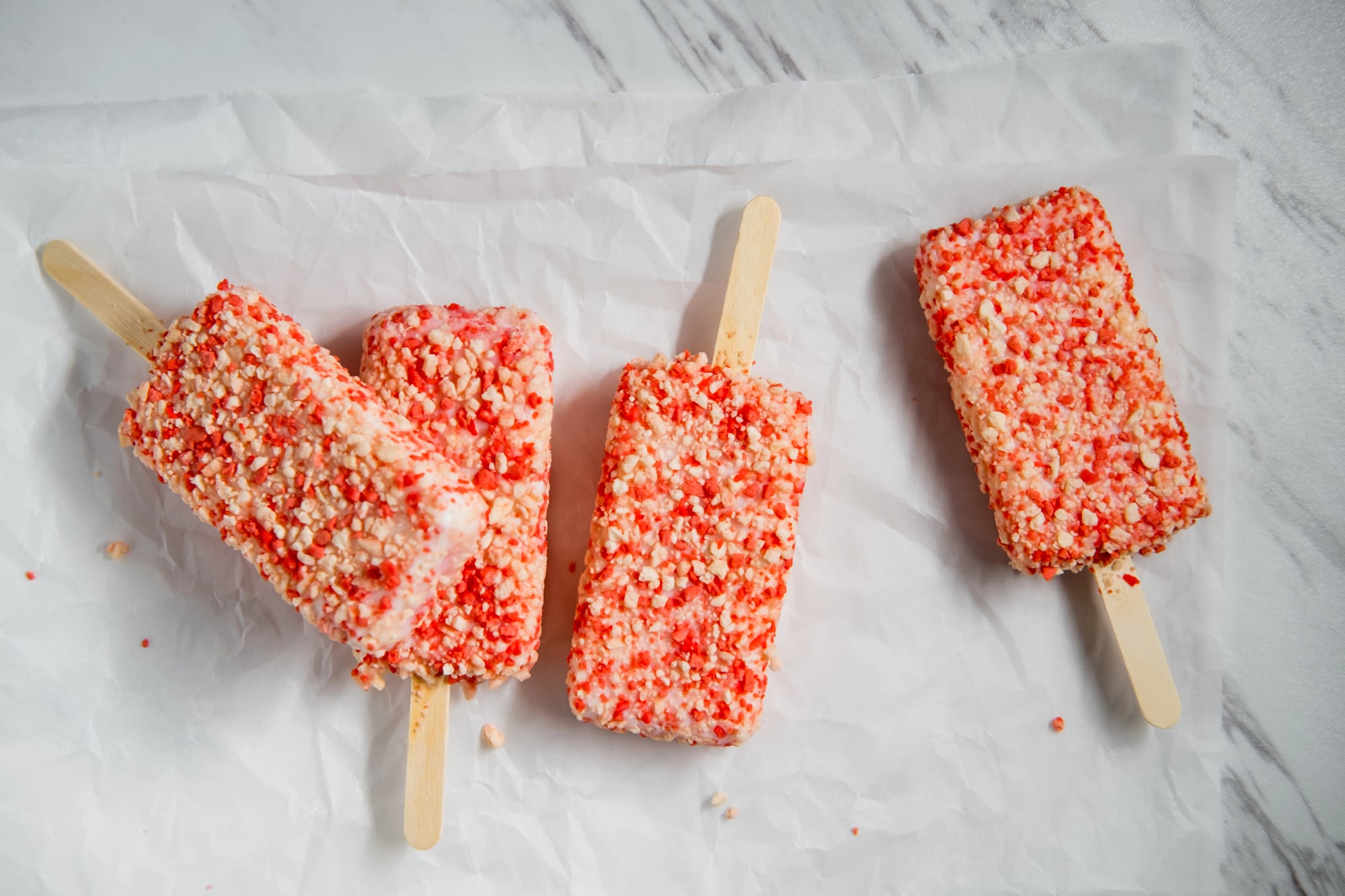
The Strawberry Shortcake Bar technically still exists, but longtime fans of the original Good Humor version have noted significant changes: a brighter red color, more intense artificial strawberry flavor, and a coating that some describe as tasting faintly of coconut. The original bar had a strawberry cake center, a vanilla ice cream layer, and a strawberry-flavored cake crumb exterior that was pink rather than red and tasted of actual fruit rather than an approximation of it.
The Chocolate Éclair Bar
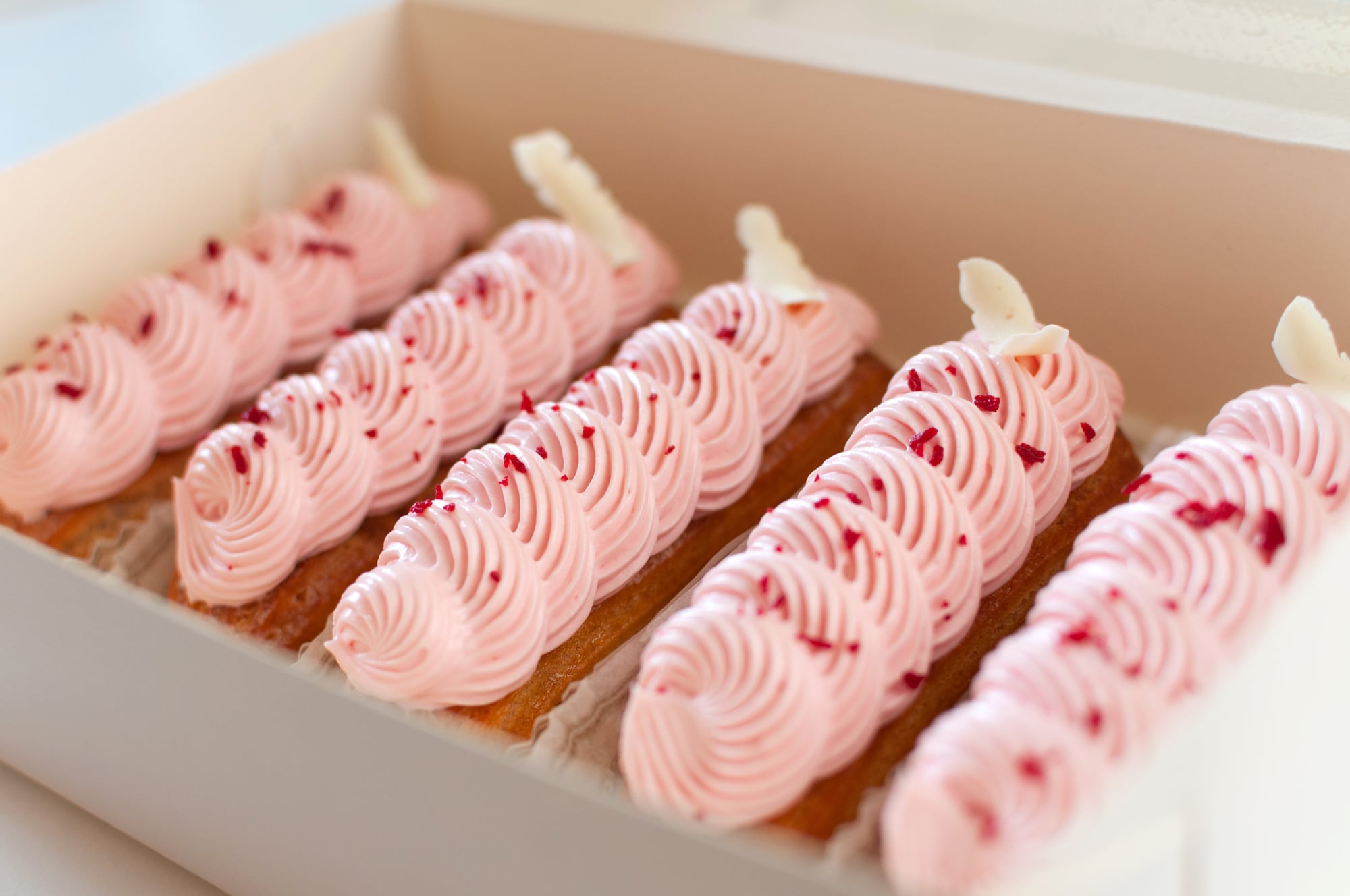
The Chocolate Éclair Bar remains technically available, but the version sold from Good Humor trucks in the 1970s and ’80s — a vanilla ice cream core covered in a chocolate-fudge layer and finished with chocolate cake crumbs — had a density and crumb texture that has shifted over decades of reformulation. It was the most sophisticated option on the truck for children who wanted to feel adult about their frozen novelty selection.
The Orange Creamsicle (Classic Formula)
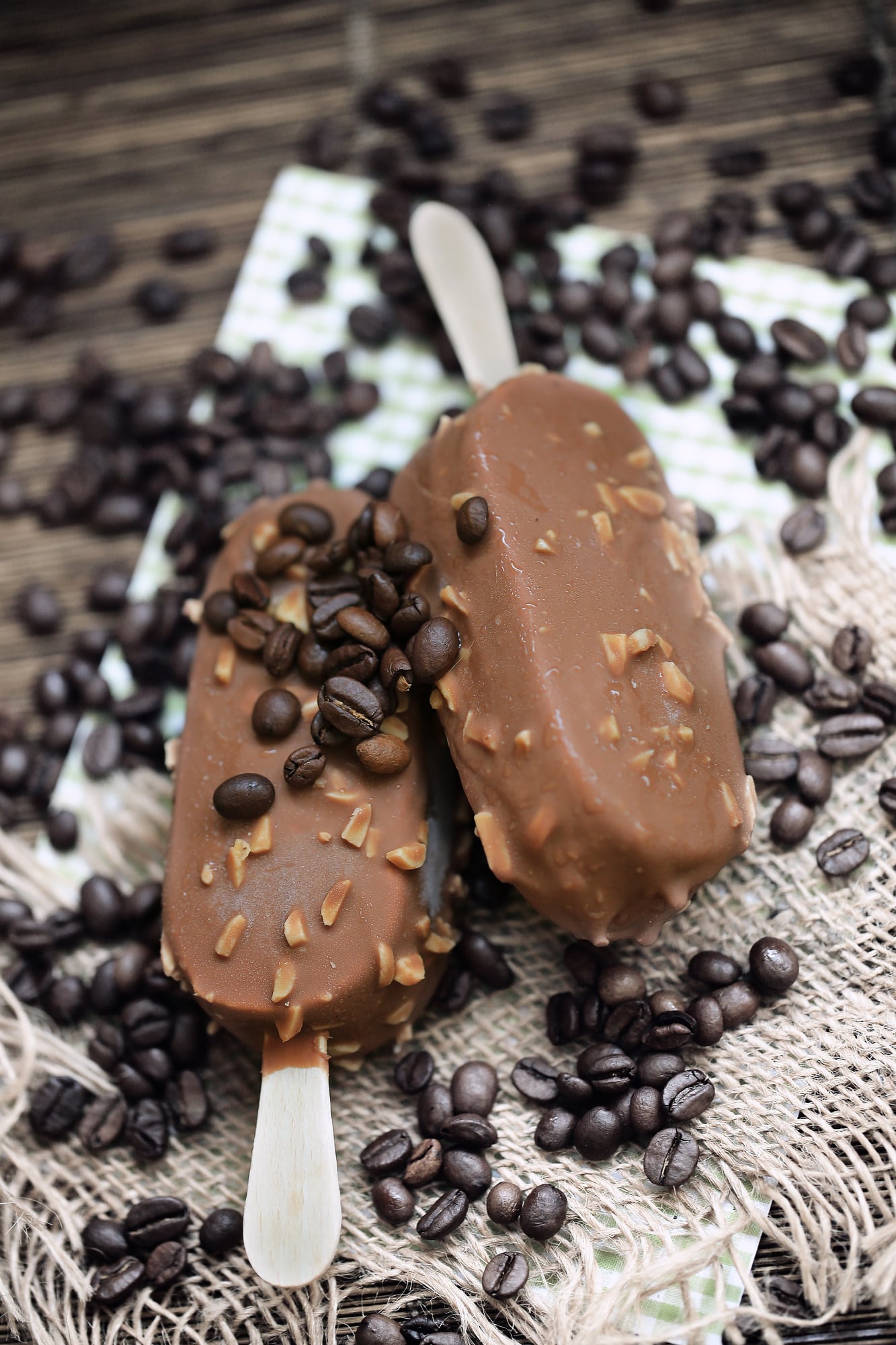
The original Creamsicle, created when Frank Epperson sold his Epsicle concept to the Joe Lowe Company in 1937, had a specific texture ratio: substantial orange sherbet exterior, thick vanilla ice cream core, the whole thing yielding evenly to a bite. The current version uses different formulations that longtime fans describe as less creamy at the center and thinner in the sherbet coating.
The Super Mario Bar
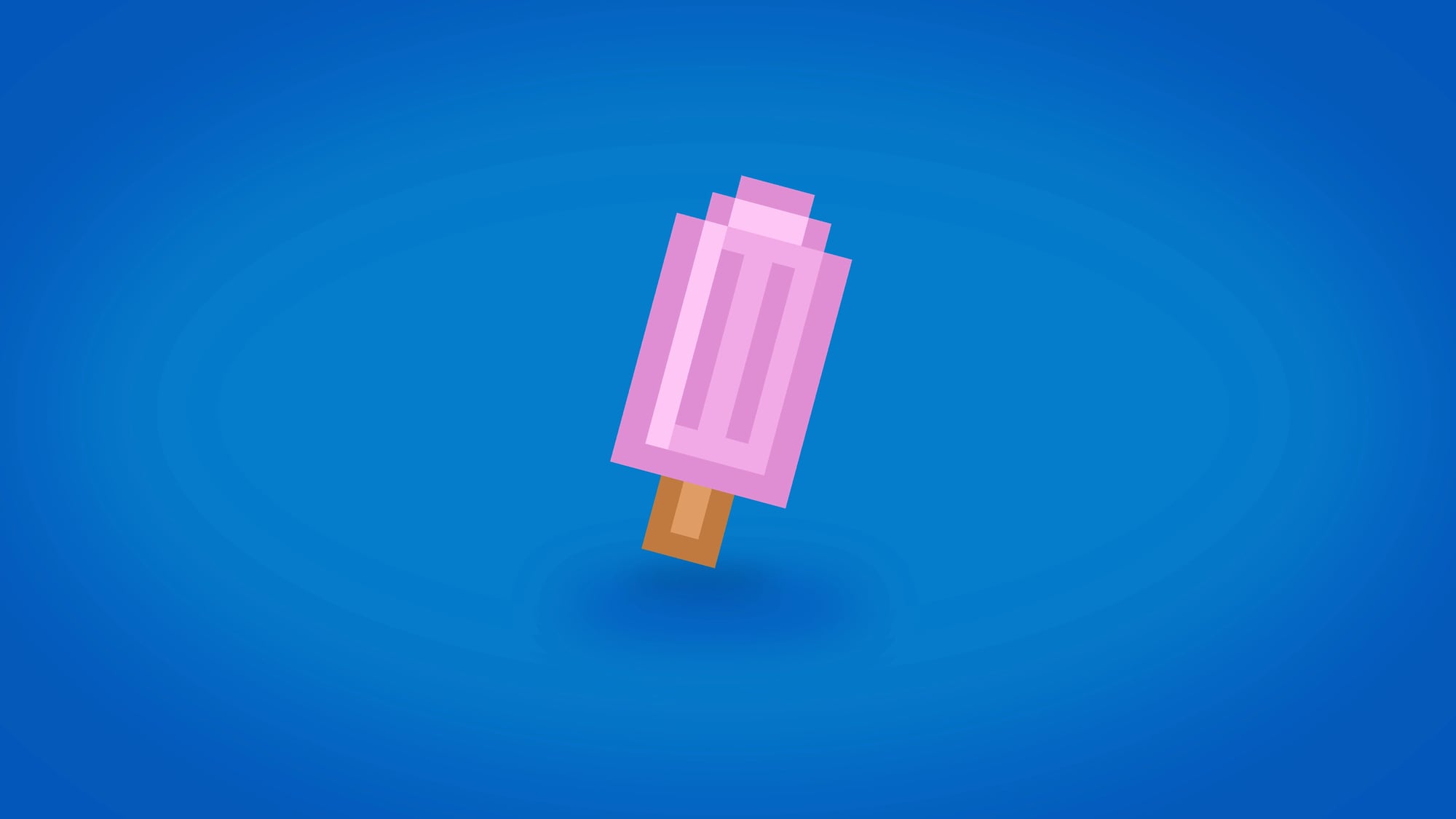
Gold Bond Ice Cream produced a Super Mario Bar in the 1980s and ’90s that was molded into the shape of the character and cherry-flavored. The Mario bar’s face never quite matched the packaging art, which was true of all character bars and somehow made them more appealing rather than less.
Gold Bond was absorbed into Wells Blue Bunny, and the Super Mario Bar quietly disappeared along with a dozen other character-shaped novelties.
The Mickey Mouse Bar (Original)
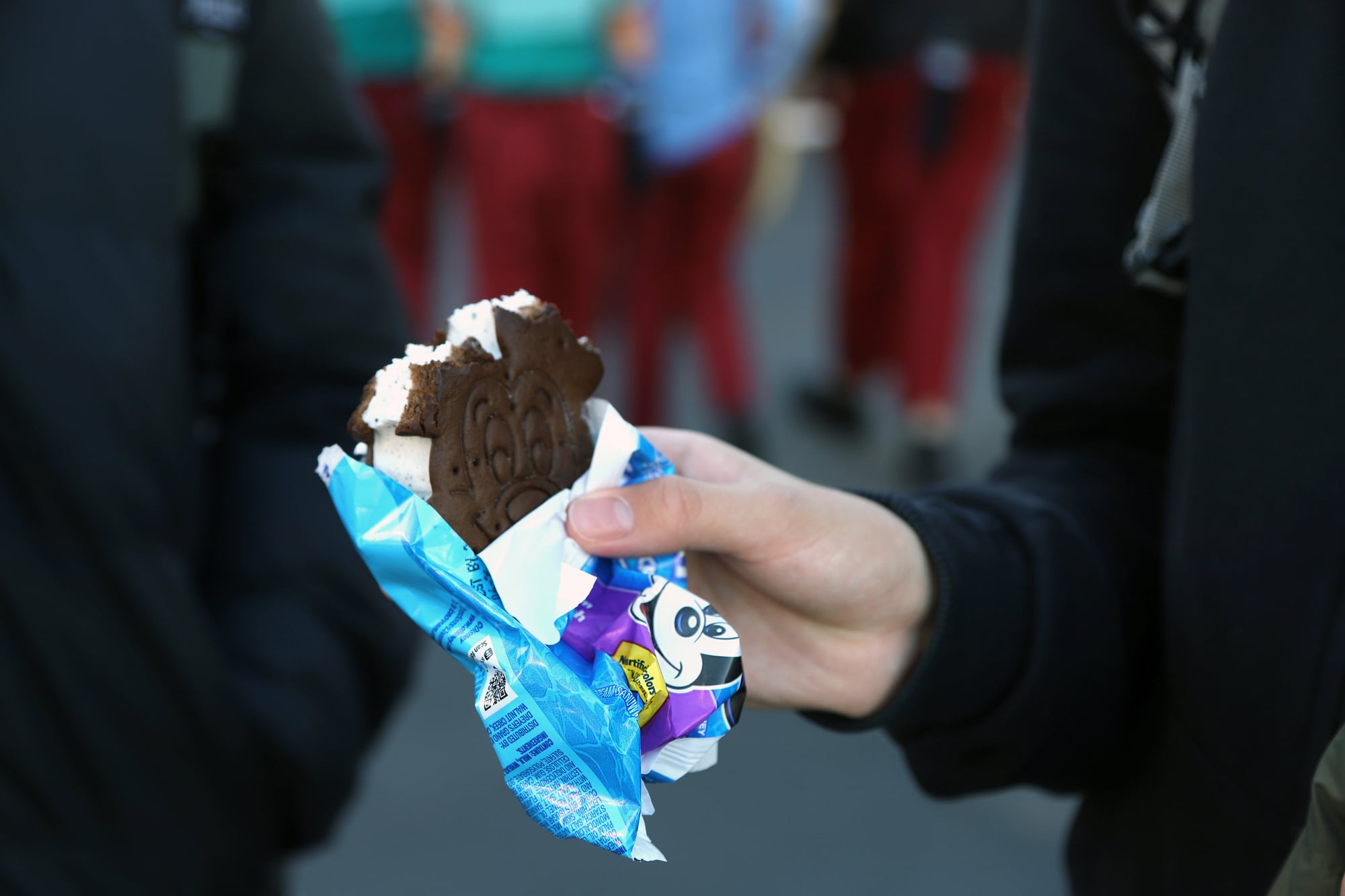
The original Mickey Mouse Bar featured a detailed character design in vanilla ice cream with a thick chocolate coating, sold both from ice cream trucks and at Disney theme parks. Newer versions with thinner chocolate shells and simplified character shapes have replaced the original formulation.
The specific thickness of the chocolate coating on the early version — substantial enough that you could hear it crack — was the detail most frequently mentioned by people who remember eating one as a child.
Character Face Pops (Generic)
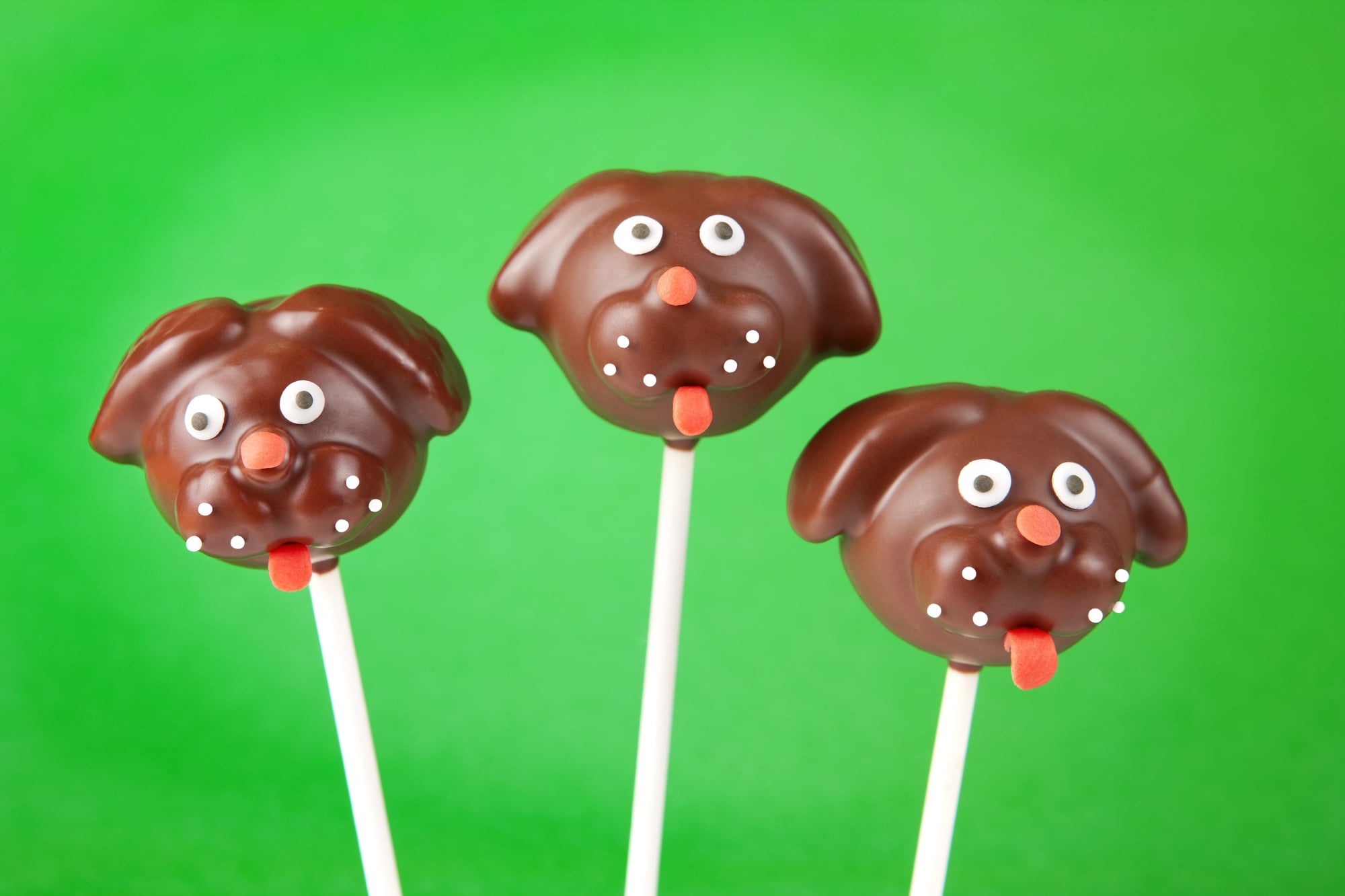
The category of character-face ice pops — Teenage Mutant Ninja Turtles, Hello Kitty, SpongeBob — defined ice cream truck culture from the late 1980s through the early 2000s. Each bar was molded into the character’s face with gumball eyes frozen in place.
They never looked like the picture. Unwrapping one and discovering just how far from accurate the mold had turned out was a reliable small disappointment that was also somehow part of the experience.
The Flintstones Push-Up
The Flintstones Push-Up was a licensed variant of the original Push-Up tube format, featuring fruit sherbet in flavors corresponding to Flintstones characters. The Flintstones Push-Up disappeared when the licensing arrangement did, leaving the standard orange Push-Up as the default.
The Two-Orb Screwball
The Two-Orb Screwball was a more ambitious version of the standard Screwball, containing two gumballs at the bottom of the cone-shaped cup rather than one. Whether the second gumball added proportionally to the experience or merely doubled the jaw effort required was a question debated with the urgency only children in a sugar-fueled state can manage.
The Bubble Play
The Bubble Play was a predecessor to the Screwball concept — a frozen pop with a gumball attached directly to the stick. The gumball would frequently detach during unwrapping, which was frustrating enough that the Screwball’s cup-and-bottom-gumball format was created specifically to solve it.
The Bubble Play disappeared having served primarily as proof that the gumball-as-finale concept needed a better delivery mechanism.
The Orange Dream Bar
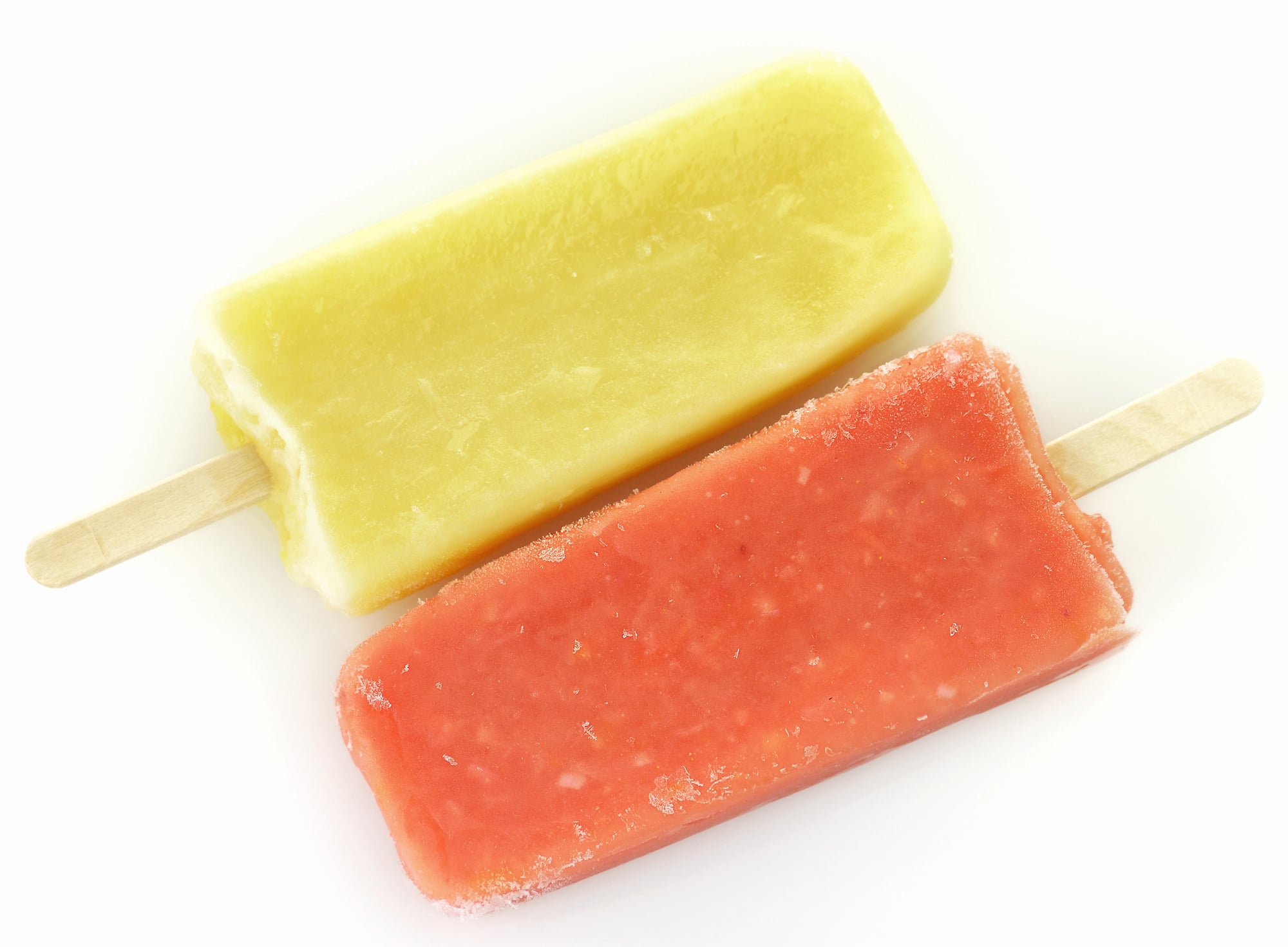
The Orange Dream Bar was a variant on the Creamsicle format — orange sherbet and vanilla ice cream — presented as a rectangular bar rather than a pop on a stick. It appeared on some regional ice cream truck menus in the 1970s and ’80s and has since been absorbed into the general Creamsicle category, losing its separate identity in the process.
Mounds Ice Cream Bar
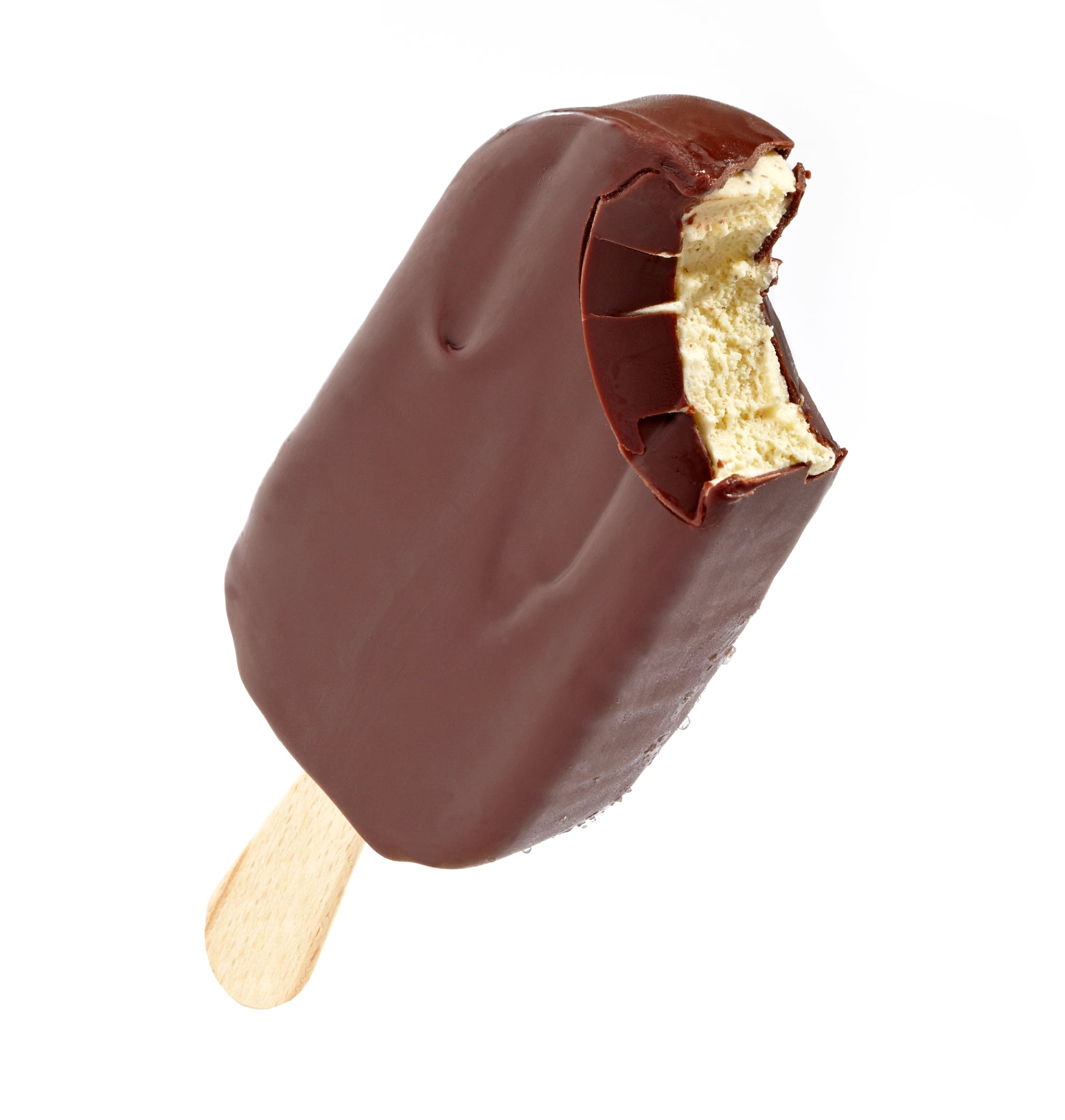
The Mounds Ice Cream Bar was a brief novelty — reportedly sold between roughly 2012 and 2015 — that attempted to translate the Mounds candy bar’s coconut-and-chocolate combination into a frozen format. The coconut-chocolate coating was divisive enough that the product failed to establish a lasting market.
It lasted long enough for a small number of people to remember it fondly, which is the specific measure of obscurity the category requires.
The Klondike Mint Chocolate Chip Bar
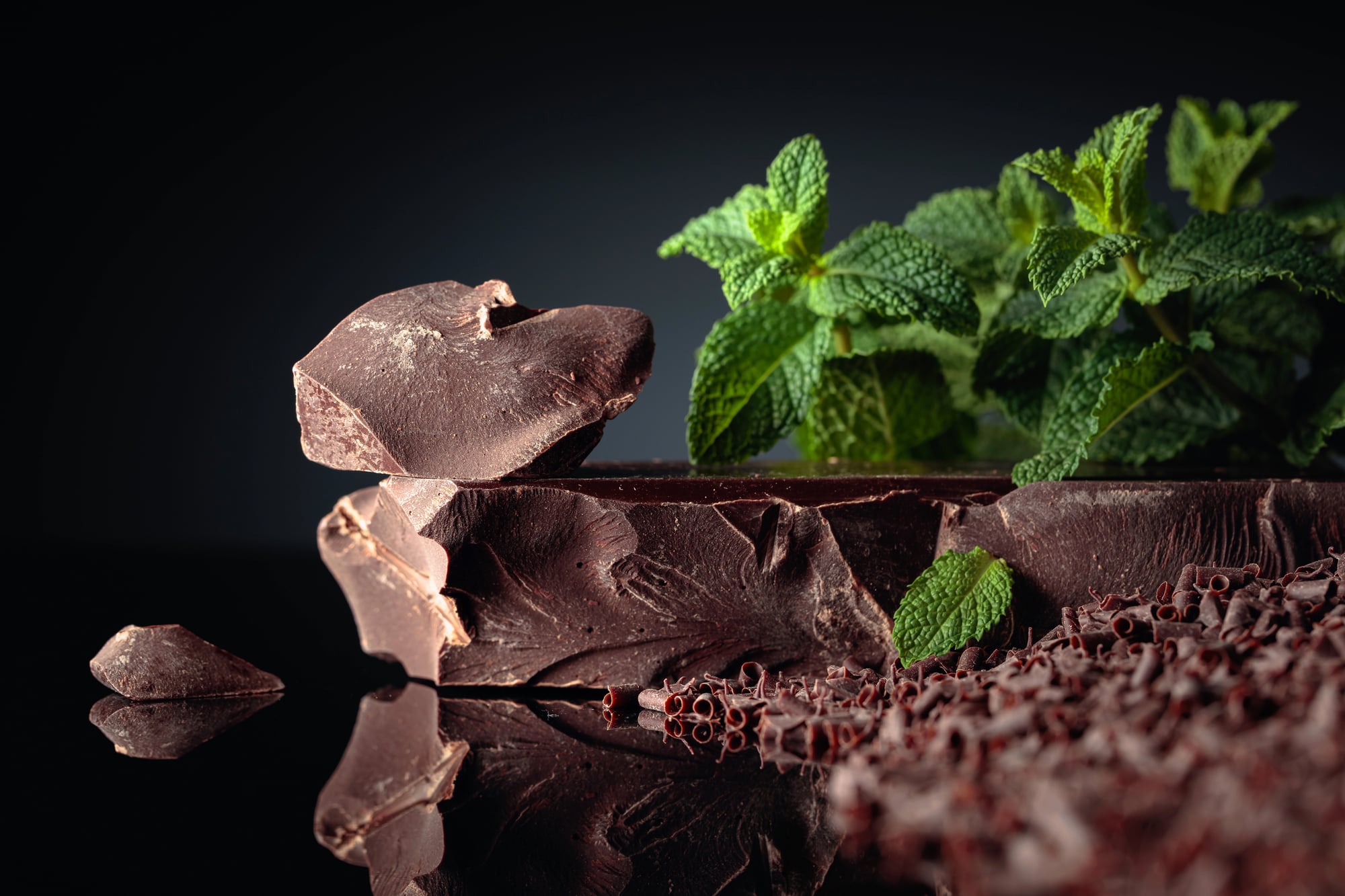
Klondike’s mint chocolate chip variant had a loyal following among people for whom mint chocolate chip was the only flavor that mattered in any frozen dessert context. It was discontinued quietly, without announcement, and Klondike customers confirmed its absence on social media before the company formally acknowledged it.
The Good Humor Chocolate Chip Cookie Sandwich
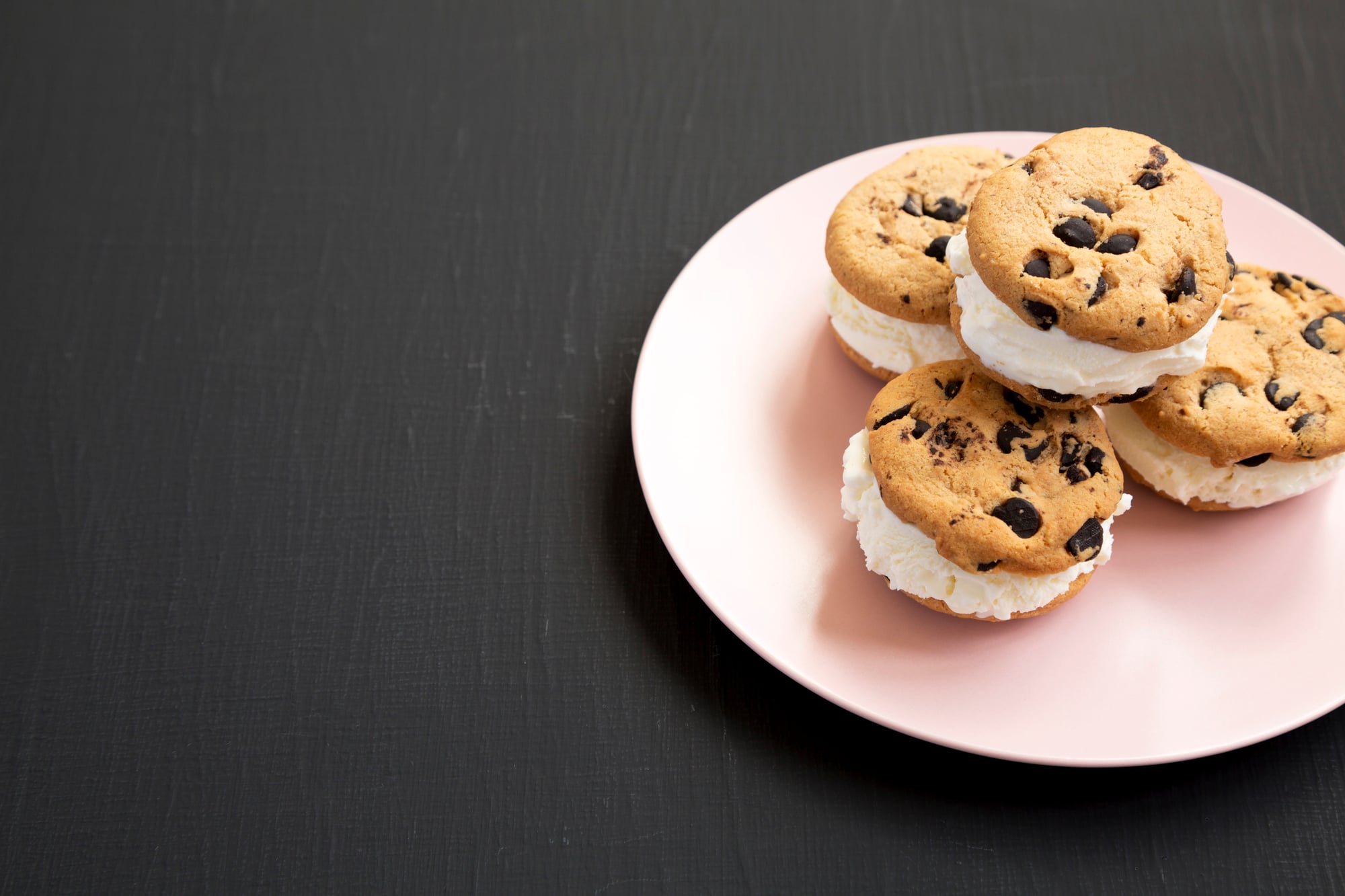
Good Humor produced its own take on the ice cream cookie sandwich and sold it steadily through the 1990s and early 2000s before it disappeared into the general reformulation that has quietly altered or eliminated most of Good Humor’s older novelty line. A version is sometimes still found in stores, but the truck version from the peak years of the ice cream sandwich craze is gone.
When the Truck Didn’t Come Back
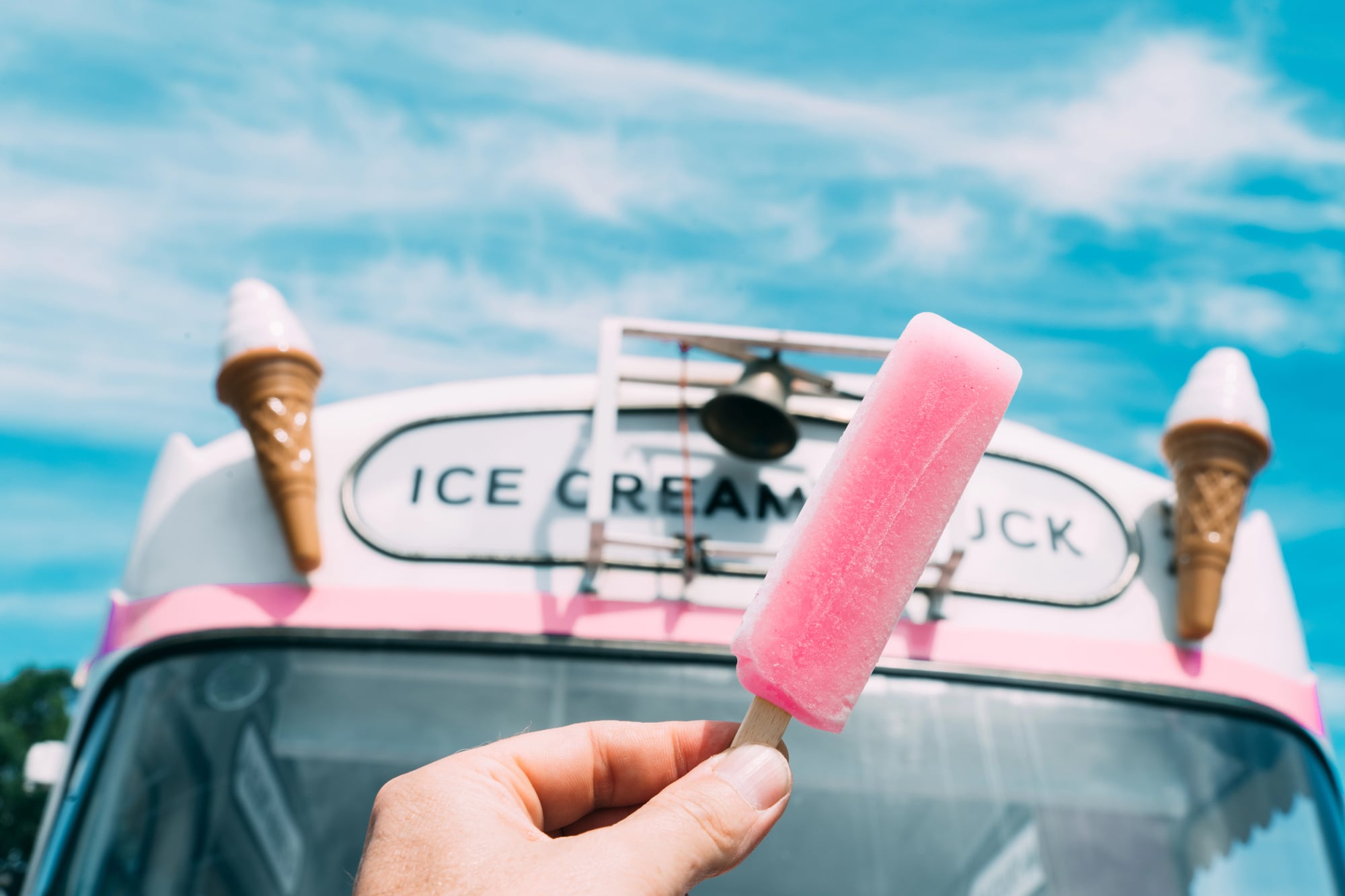
Ice cream truck treats occupied a category of desire that has no modern equivalent — they were not available in stores, not visible outside the brief summer window, and dependent on a vehicle that might or might not come down your street on a given afternoon. That scarcity was structural rather than deliberate, but it made every transaction feel slightly lucky.
You got what was on the truck, on that particular day, with whatever change you’d managed to find. The disappearance of most of these treats is less a story about bad products and more a story about consolidation — a handful of large companies gradually absorbed the smaller ones, standardized the menus, and discontinued anything that didn’t clear a threshold of national demand.
What got lost in that process was the regional, the weird, the seasonal, and the specific: exactly the things that made the ice cream truck worth running toward.
More from Go2Tutors!

- The Romanov Crown Jewels and Their Tragic Fate
- 13 Historical Mysteries That Science Still Can’t Solve
- Famous Hoaxes That Fooled the World for Years
- 15 Child Stars with Tragic Adult Lives
- 16 Famous Jewelry Pieces in History
Like Go2Tutors’s content? Follow us on MSN.