Owl Symbolism Across Cultures from Ancient Greece to Modern Pop Culture
Owls occupy a unique position in human cultural imagination, simultaneously representing wisdom and death, protection and danger across civilizations. This contradiction stems from the bird’s nocturnal nature—what is invisible and mysterious becomes a canvas for fear and projection.
Tracing owl symbolism through history reveals how the same creature can embody opposite meanings depending on religious context, geographic location, and historical circumstance.
Ancient Greece: Athena’s Sacred Companion
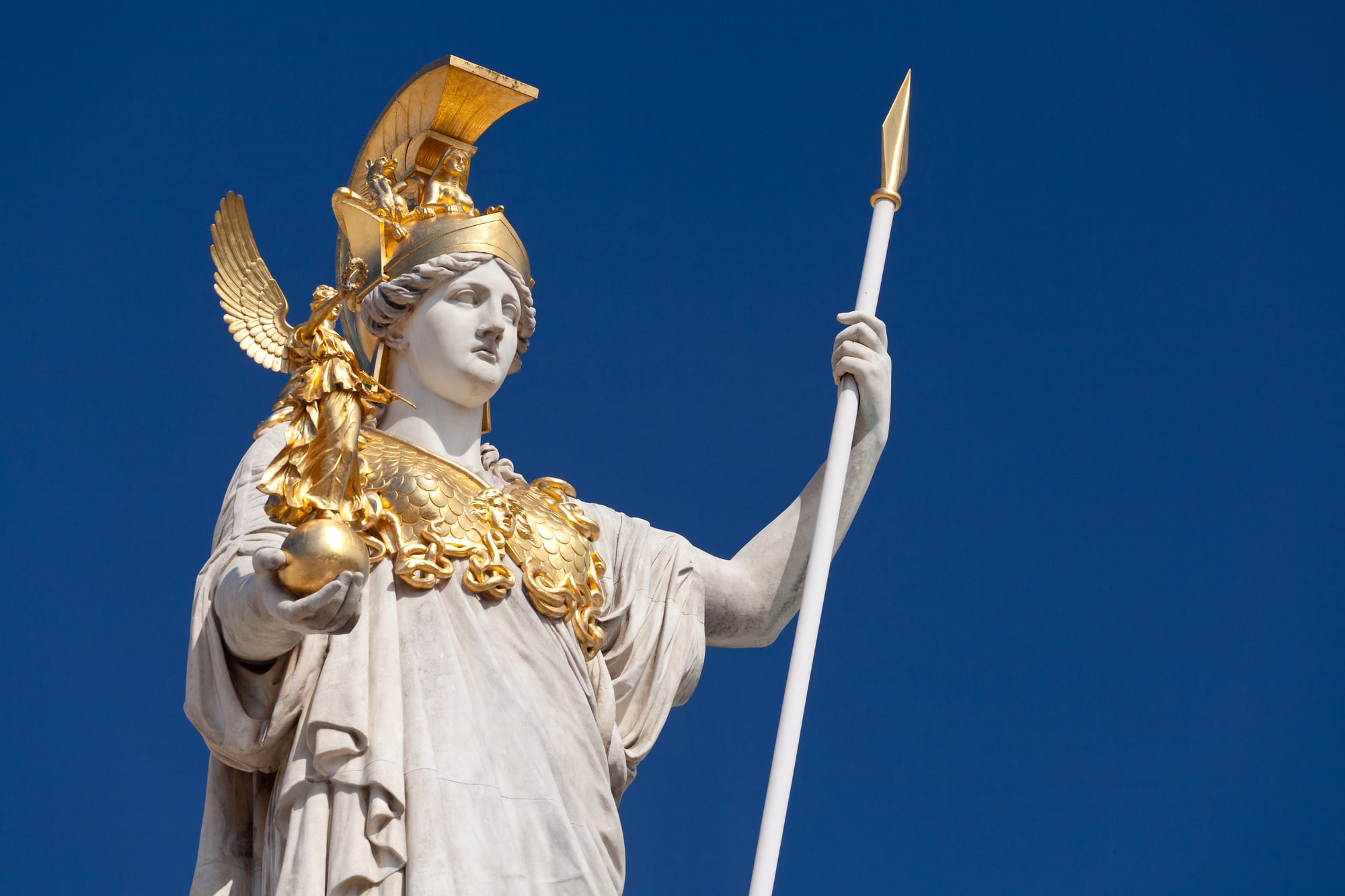
In ancient Greece, owls symbolized wisdom and divine protection under the patronage of Athena, the goddess of wisdom and warfare. Athenian coins featured the owl, and Athenians believed the bird possessed special sight into human affairs.
The phrase “to carry owls to Athens” became a proverb meaning to perform a pointless act, since Athena’s owls were already abundant there. Theophrastus recorded that Athenians would greet owls with respectful phrases, treating them as sacred messengers of the divine.
Roman Pragmatism: Omens of Disaster
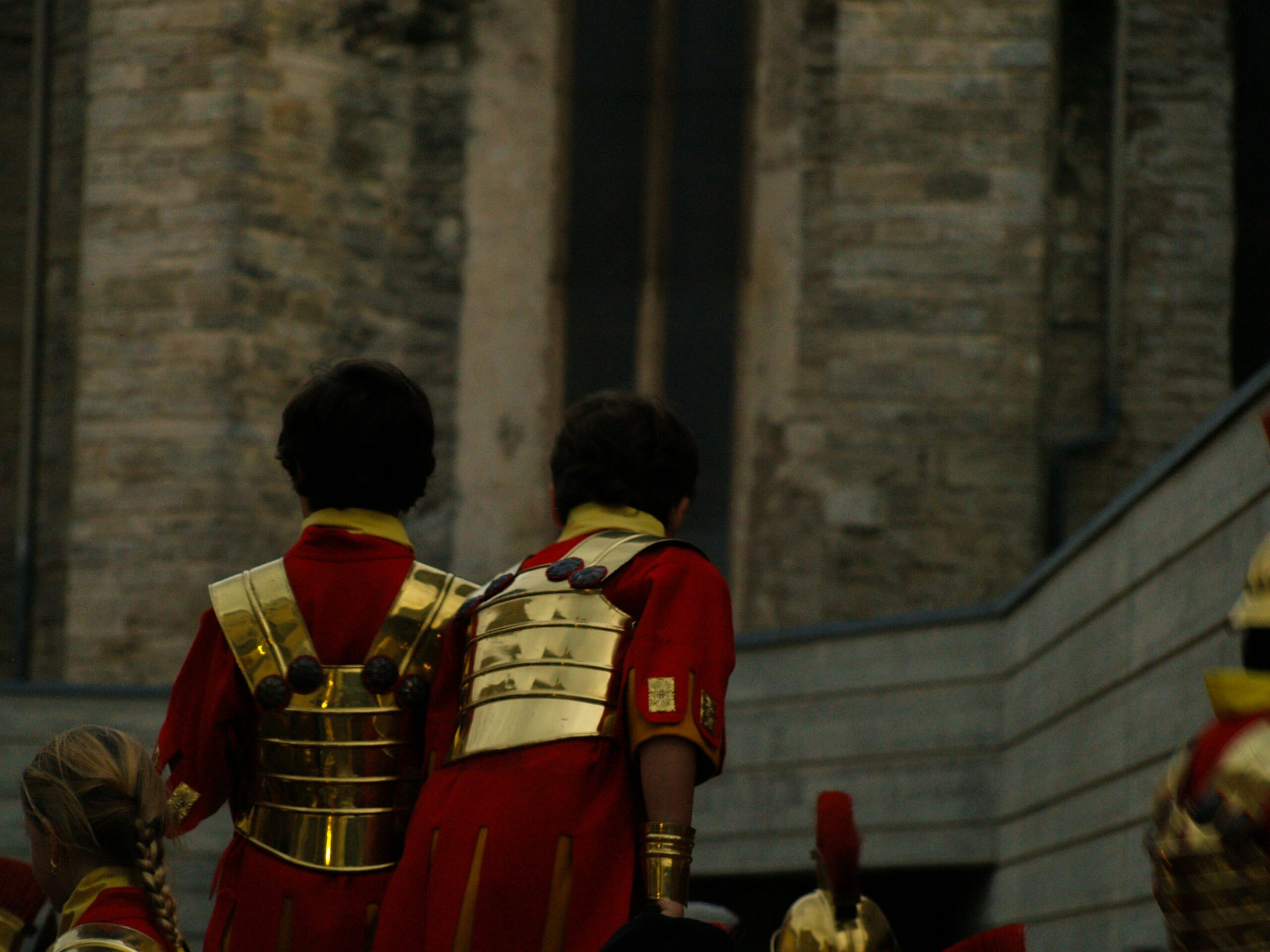
While Greek culture revered owls, Roman tradition viewed them with suspicion as harbingers of doom. Pliny the Elder called the owl “a monster of the night” and “a direful omen,” documenting superstitions about owl calls predicting death.
Roman commanders reportedly consulted owl behavior before battles, interpreting their cries as indications of military outcomes. This pragmatic negative interpretation reflected Roman military culture’s concern with strategic advantages rather than abstract wisdom.
Medieval Europe: Witches and Darkness
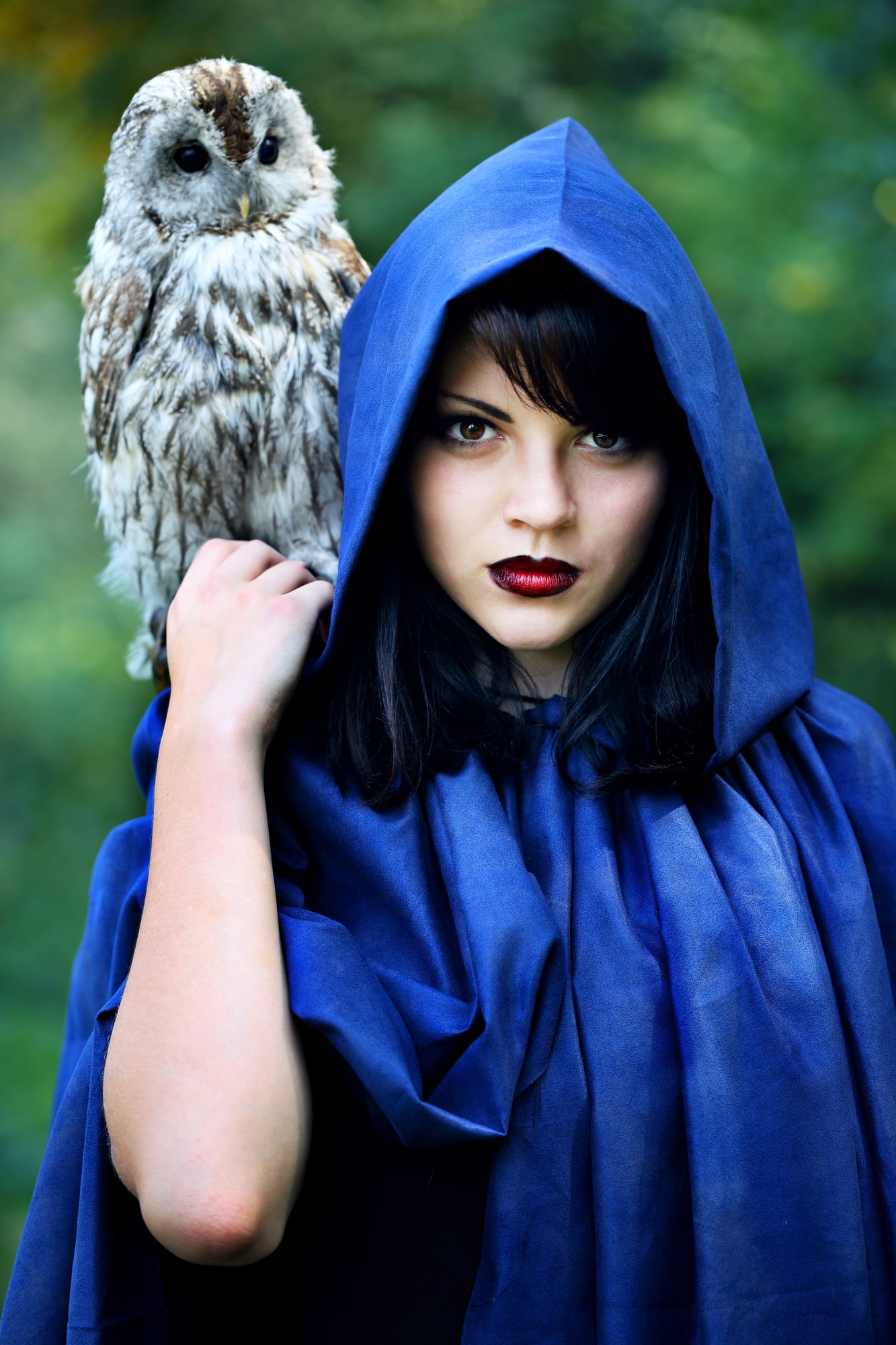
By medieval times, Christian Europe had transformed owls into symbols of witchcraft and evil, associating their nocturnal nature with devil worship. Medieval bestiary illustrations depicted owls as demonic creatures, and prominent writers like Shakespeare incorporated owl imagery to foreshadow death and tragedy.
Barn owls earned particular notoriety in England, where they were called “screech owls” and their calls were interpreted as death omens, creating a cultural environment where owls faced systematic persecution.
Hindu Tradition: Duality and Misfortune

In Hindu culture, owls occupy contradictory symbolic positions—the goddess Lakshmi uses owls as her vehicle, yet the bird remains associated with death and the god of death himself. The nocturnal hooting of owls is interpreted as forewarning of tragedy in Hindu tradition, with construction projects reportedly delayed when owls nest nearby due to perceived inauspiciousness.
This duality mirrors the bird’s actual characteristics: fierce hunters capable of silent flight contrasted with dependence on darkness.
Chinese Imperial Symbolism: Bad Omen Status
In dynasties ruling China from the seventh to the tenth century, particularly during the Tang Dynasty, owls were considered unlucky birds deserving of elimination. Chinese tradition held that owls ate their mothers—a serious transgression against family honor—making them symbols of filial impiety and betrayal.
This negative symbolism persisted despite owls’ ecological benefits, demonstrating how cultural narratives can override practical observation.
Japanese Folk Belief: Good Fortune
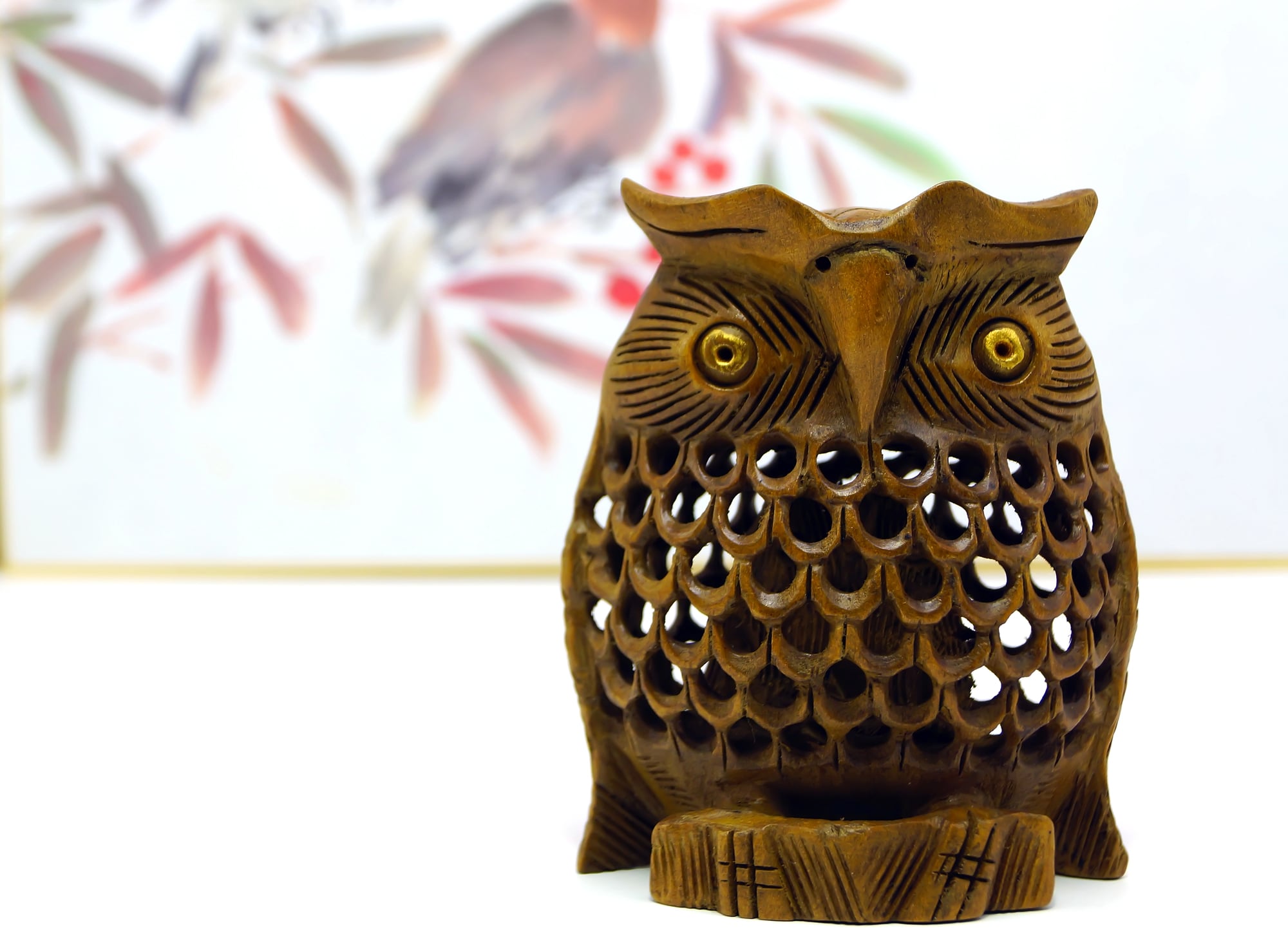
Japanese culture reversed negative associations, viewing owls as symbols of good luck, wisdom, and protection. The Japanese word for owl, “fukurō,” incorporates the word for luck (fuku), creating a linguistic superstition that elevated the bird’s status.
Owl charms appear prominently in Japanese art, jewelry, and home decoration, with people carrying owl amulets for protection and fortune. This positive interpretation reflects Shinto and Buddhist influences on Japanese culture.
Indigenous North American Beliefs: Varied Interpretation
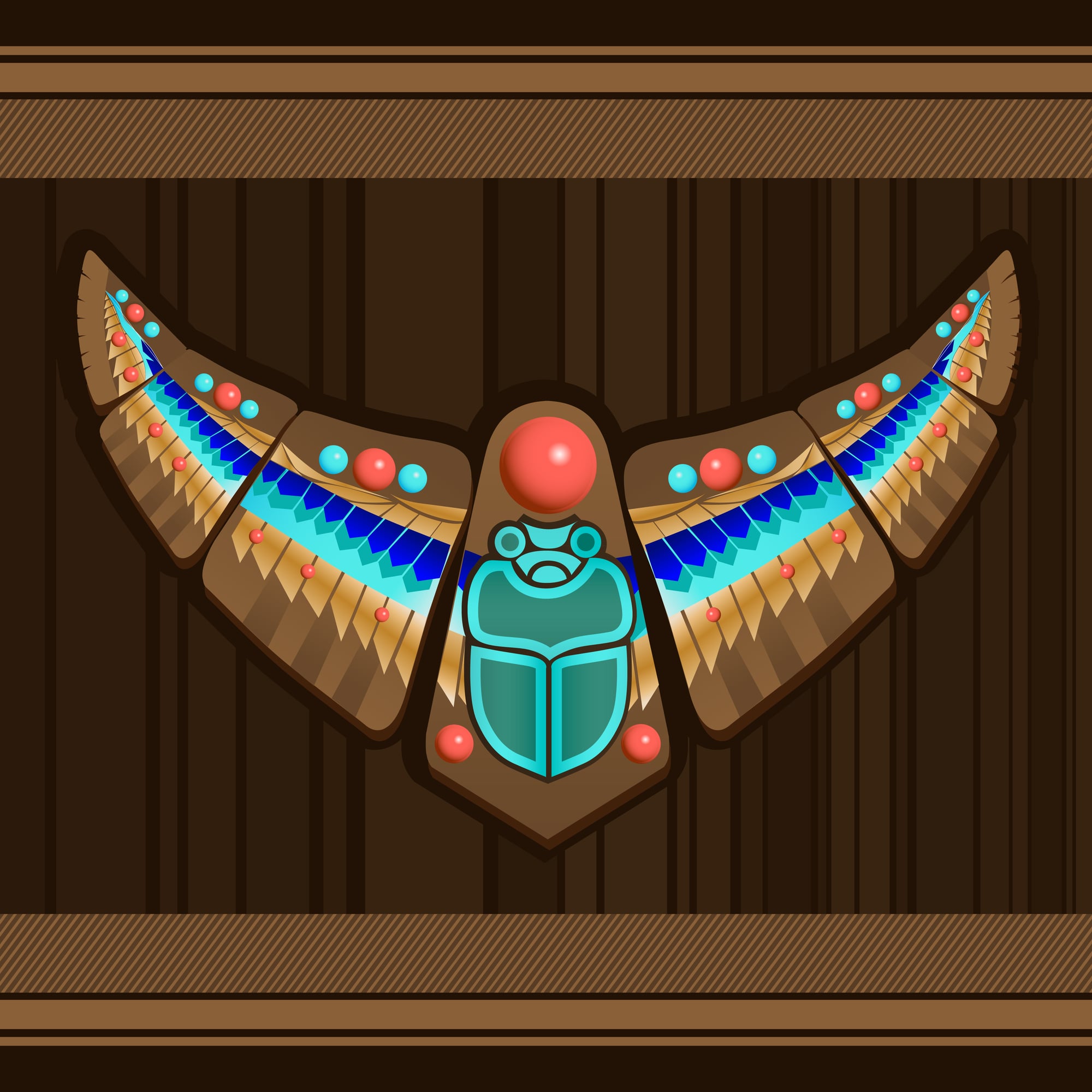
Native American traditions demonstrate tremendous diversity in owl symbolism across tribal nations. Some tribes view owls as spiritual guides and teachers, while others consider them death omens or shapeshifters.
The Apache interpret dreaming of owls as a sign of approaching death, while other tribes employ owls as protective symbols. This variation reflects geographic differences and distinct spiritual traditions, with owls’ behavior as silent nocturnal hunters supporting multiple interpretations.
Islamic Culture: Contemplation and Solitude
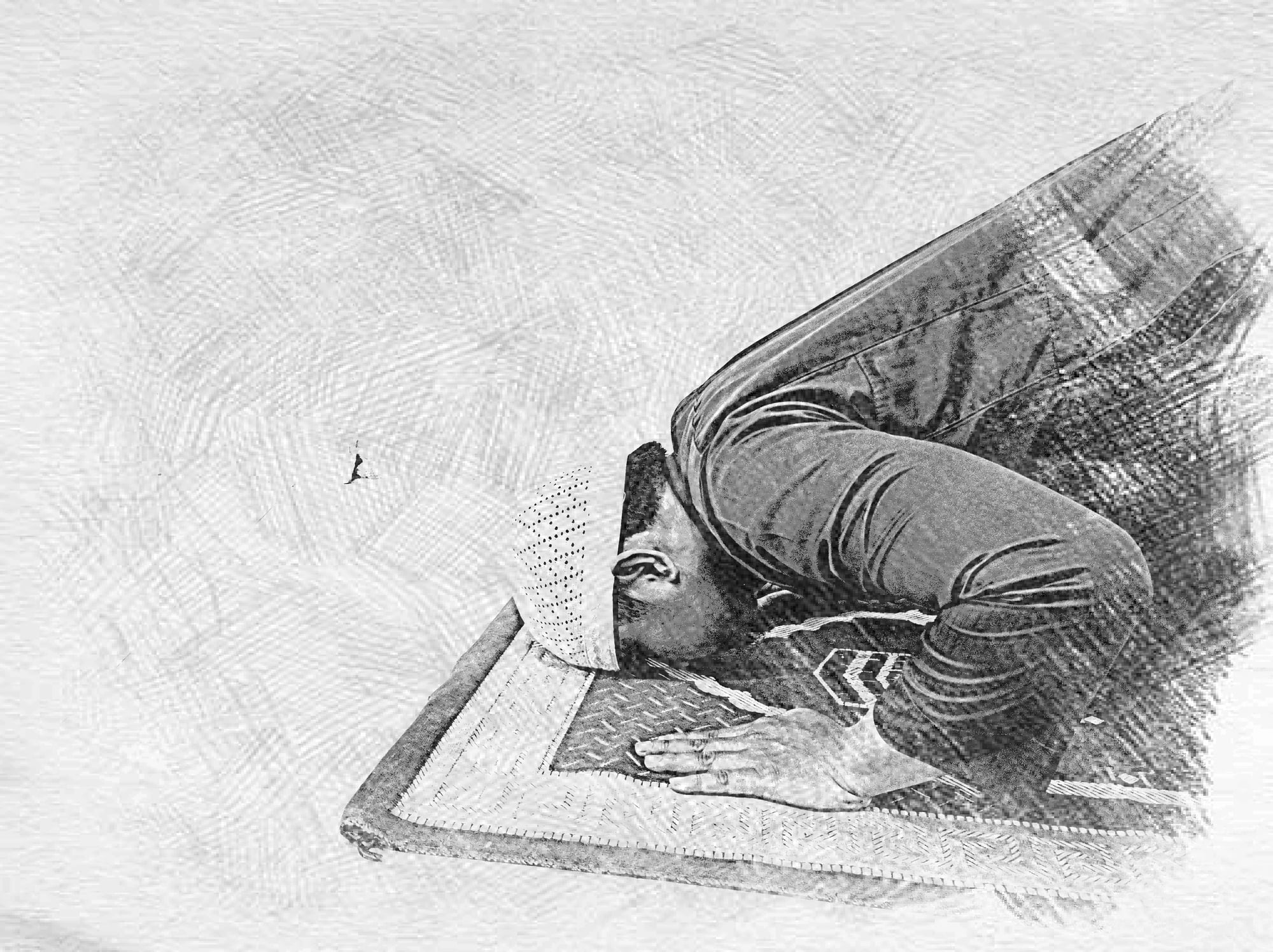
Islamic tradition portrays owls as symbols of contemplation, seeking knowledge, and solitary wisdom-seeking. Sufi poets employed owl imagery to represent the path of spiritual enlightenment requiring separation from worldly distractions.
The owl’s ability to see in darkness metaphorically represents spiritual insight illuminating the dark path of ignorance. This interpretation aligns owls with philosophical tradition more than with witchcraft or death.
Victorian Literature: Romantic Gothic Icons

Victorian authors embraced owls as gothic, mysterious symbols, with the bird appearing frequently in Romantic poetry and Gothic literature. Edgar Allan Poe incorporated owls into his work as symbols of supernatural knowledge and approaching doom, establishing owls as fixtures in gothic American literature.
This literary tradition influenced broader cultural perceptions, making owls associated with mystery, the unknown, and liminal spaces between life and death.
Harry Potter: Beloved Educational Companions
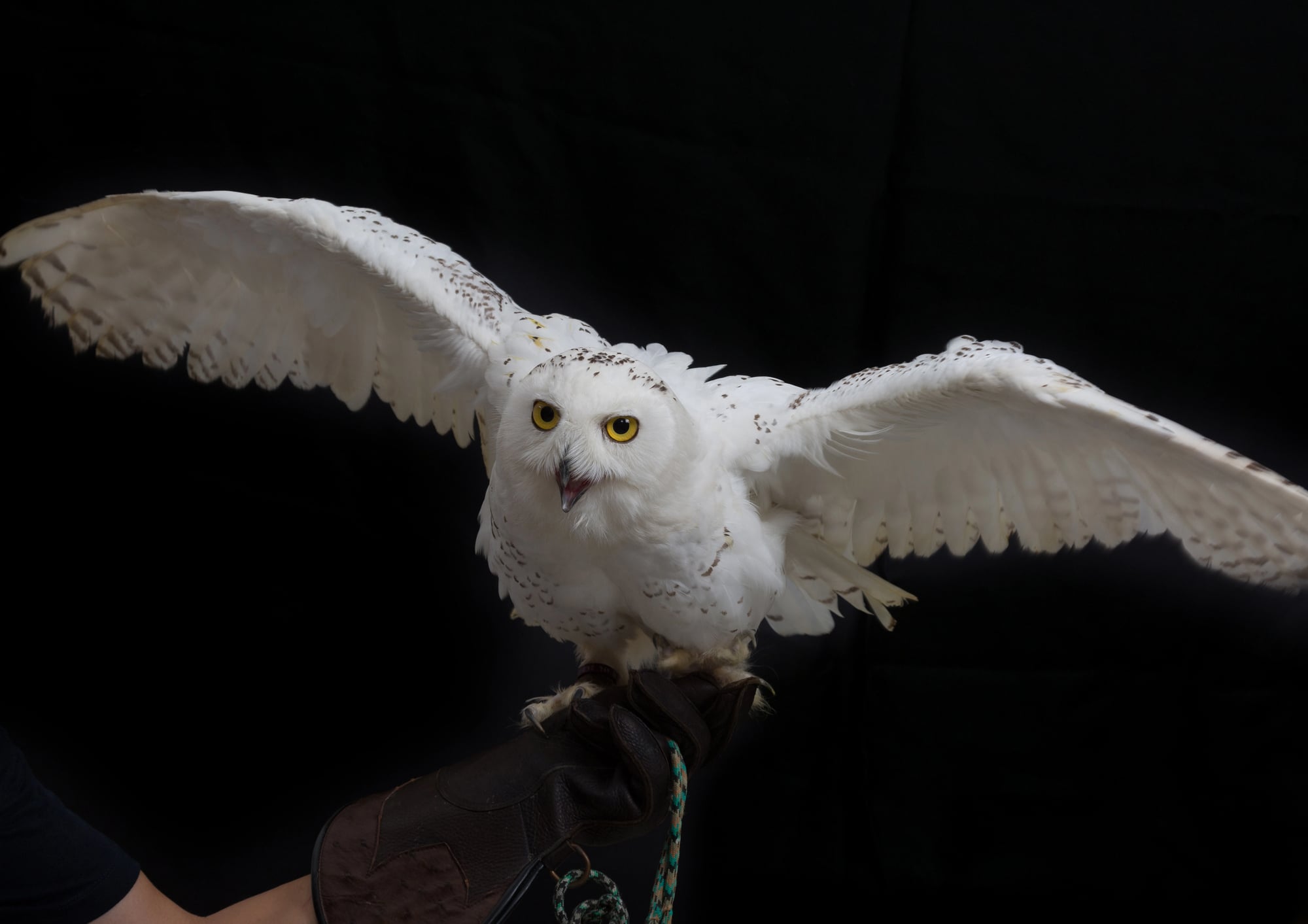
J.K. Rowling’s decision to feature owls as mail carriers in the Harry Potter series recontextualized owls as wise, helpful creatures in modern popular culture. Hedwig, Harry’s snowy owl, became one of the most beloved characters in the series, cementing owls’ role as intelligent, loyal companions in contemporary fantasy.
This massively influential cultural product introduced millions of children to positive owl symbolism, reversing decades of gothic associations.
Winnie-the-Pooh: Comic Relief and Eccentricity

A.A. Milne’s character Owl in Winnie-the-Pooh represents education and literacy through an eccentric, somewhat bombastic personality. Unlike the wise owls of classical tradition or gothic literature, Pooh’s Owl is endearing precisely because of his pretensions and foibles.
This interpretation humanizes owls while maintaining their association with intelligence, presenting wisdom as a flawed characteristic belonging to imperfect creatures.
Native American Wisdom: Spirit Animals
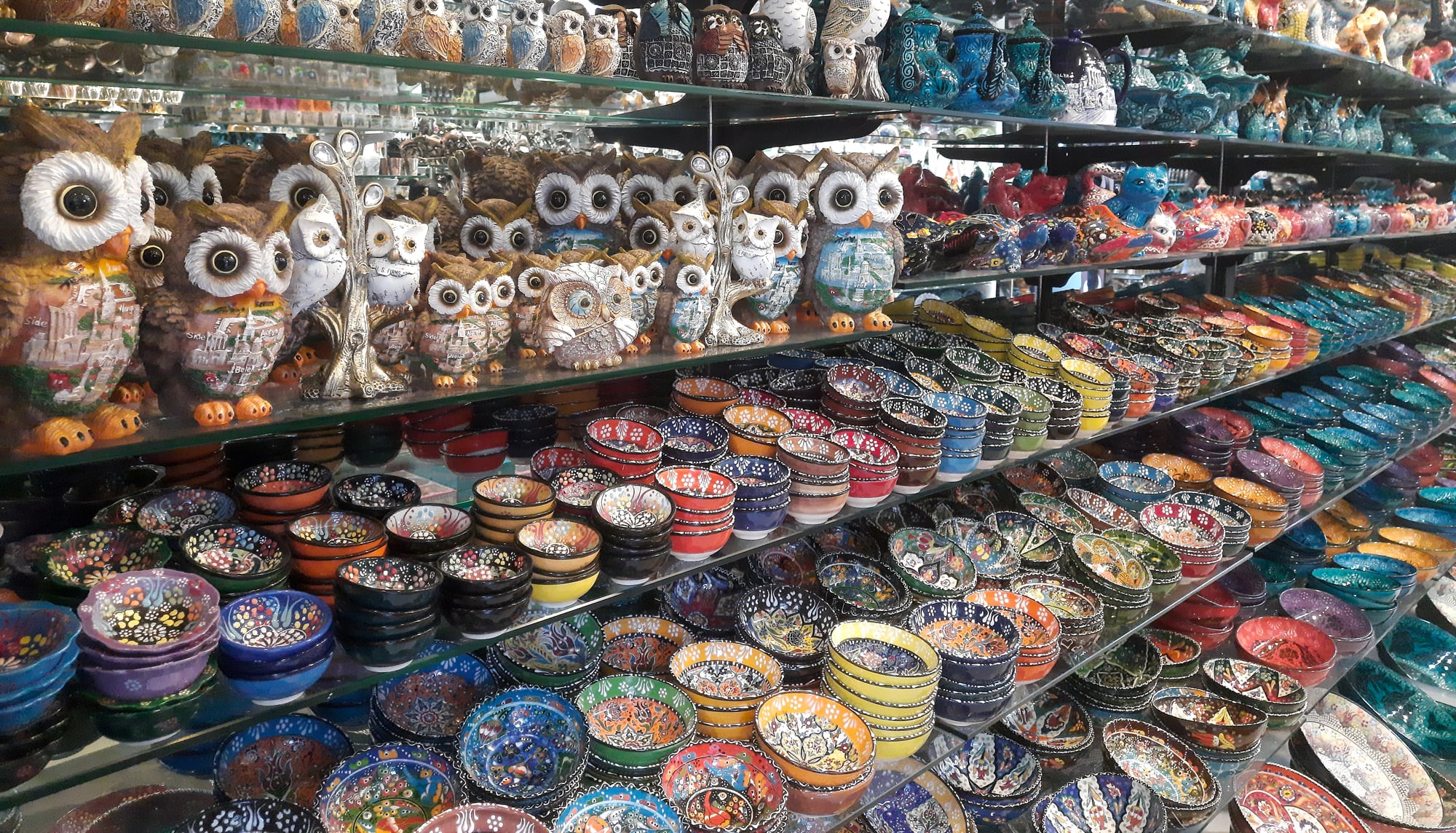
Certain Native American traditions feature owls as spirit animals representing intuition, observation, and the ability to see what others miss. Shamanic practices employ owl imagery for nocturnal vision work and spiritual navigation through darkness.
The owl’s forward-facing eyes and ability to scan environments without moving its body make it symbolically appropriate for representing heightened awareness and spiritual sight.
Islamic Poetry: Melancholic Wisdom

Medieval Islamic poets frequently featured owls in verses celebrating wisdom gained through solitude and loss. The owl’s mournful calls resonated with poetic traditions emphasizing loneliness and contemplation as paths to deeper understanding.
This literary tradition influenced broader Islamic intellectual culture, positioning owls as symbols of the scholar’s isolated pursuit of knowledge.
Egyptian Symbolism: Death Transition

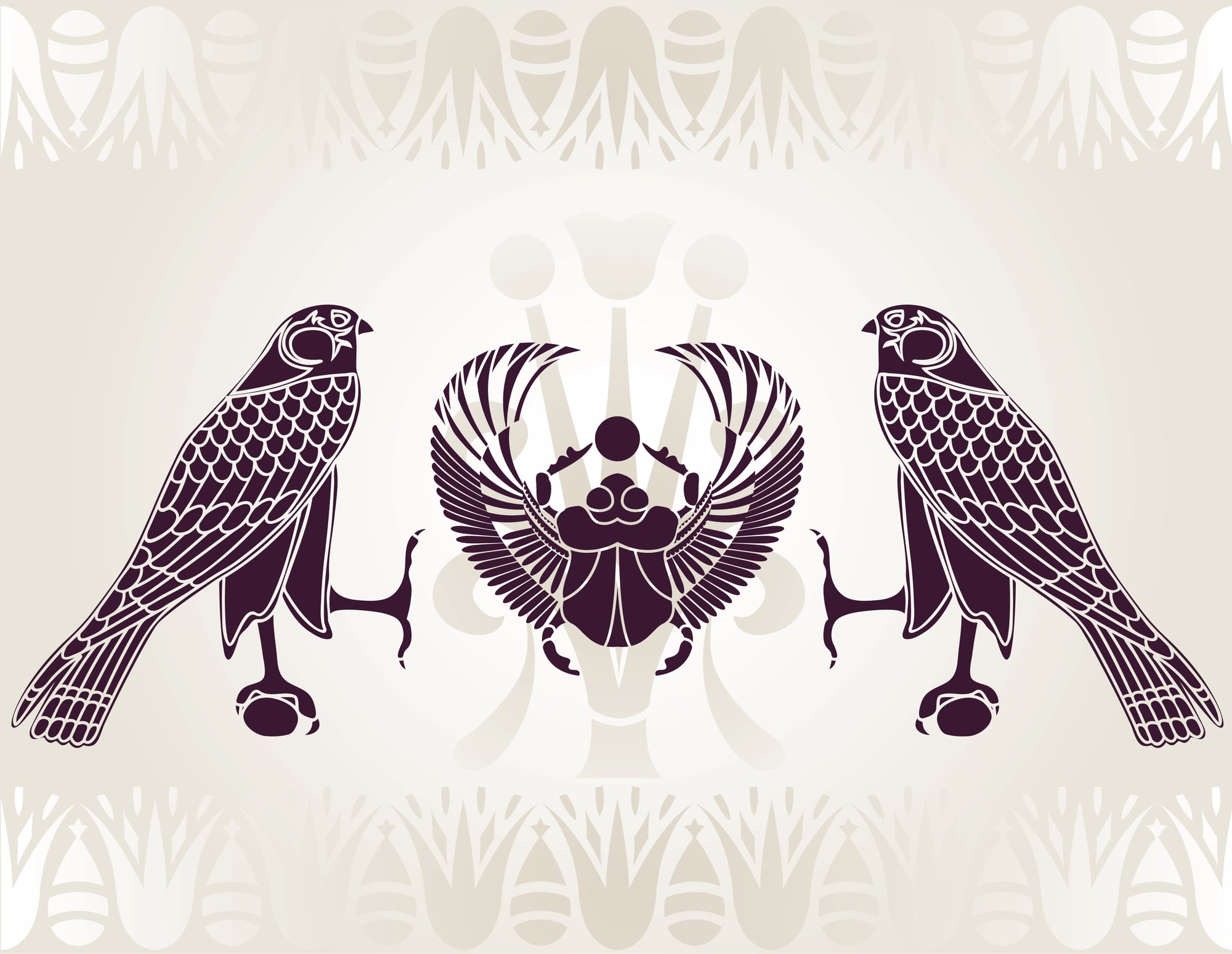
Ancient Egyptian tradition, while less prominent than Greek or Roman interpretations, featured owls as symbols of funerary practices and the transition from life to death. Owl amulets appeared in burial contexts, suggesting Egyptians viewed these birds as protective guides through the afterlife rather than simple omens of death.
This nuance reflects Egyptian culture’s sophisticated relationship with death and the afterlife.
Mexican and Central American Traditions: Death Omens
In Mexico and Central American folklore, black owls carry particularly strong death omens, with hearing an owl’s call near one’s home considered a sign of imminent tragedy. These traditions reflect pre-Columbian Aztec beliefs, where owls were associated with the underworld and Mictlantecuhtli, the god of death.
Modern Mexico maintains these traditions, with owl sightings often prompting protective rituals.
Scandinavian Mythology: Wisdom Companions
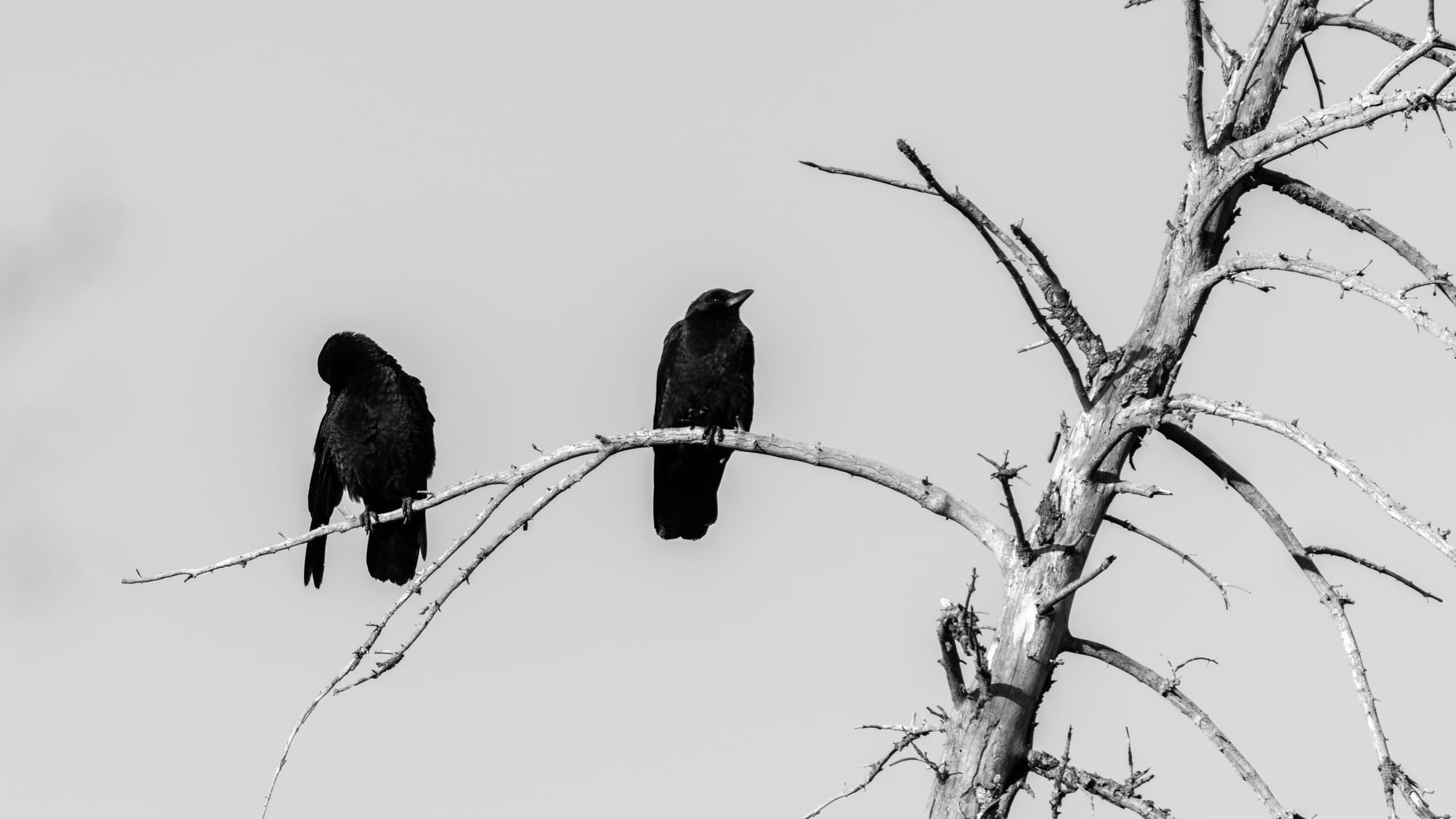
Norse mythology positioned ravens as companions to Odin, the all-father god associated with wisdom, knowledge, and mystical insight. These ravens—Huginn and Muninn—served as Odin’s spies, gathering information from across the nine worlds.
Unlike Christian European traditions that demonized owls, Norse culture integrated them into philosophical and spiritual frameworks valuing their perceived abilities.
Enlightenment Philosophy: Reason’s Symbol

During the European Enlightenment, owls became symbols of reason, philosophy, and scientific inquiry, reversing medieval demonization. Philosophers adopted owl imagery to represent clear sight through darkness of ignorance.
This intellectual reclamation positioned owls alongside celebrated figures like Athena, restoring the bird’s status as a symbol of human advancement and rational thought.
Freemasonry: Secret Knowledge
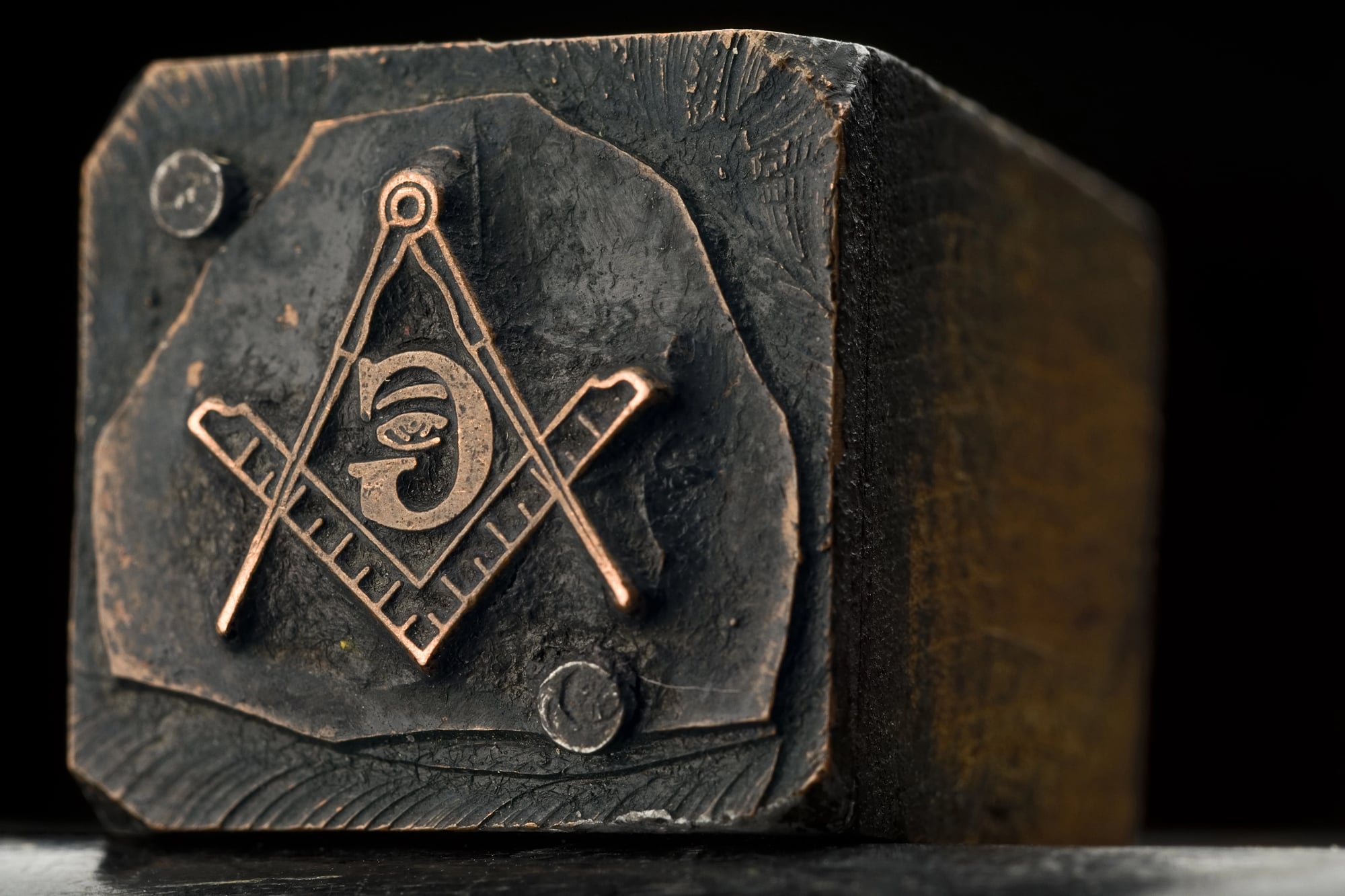
Masonic traditions employed owl symbolism to represent hidden wisdom and the illumination sought through spiritual advancement. The owl’s ability to navigate darkness paralleled masonic metaphors for enlightenment as achieving vision in spiritual darkness.
This association persists in masonic imagery and symbolism, though it remains relatively obscure to non-initiates.
Modern Environmental Conservation: Ecological Guardians

Contemporary environmentalism has repositioned owls as symbols of ecological health and forest conservation. The northern spotted owl became a flagship species for Pacific Northwest old-growth forest protection, elevating owls’ cultural status as indicators of healthy ecosystems.
This scientific perspective complements cultural symbolism, presenting owls as creatures worthy of protection for both ecological and cultural reasons.
Corporate and Institutional Symbolism: Trusted Knowledge
Universities, libraries, and knowledge-based institutions frequently incorporate owl imagery into logos and official symbols, drawing on classical associations with wisdom and Athena. This institutional adoption reinforces owl symbolism in educated, progressive circles as representing knowledge, learning, and intellectual achievement.
The owl has become a near-universal symbol for academic institutions worldwide.
Disney Animation: Bumbling Wisdom
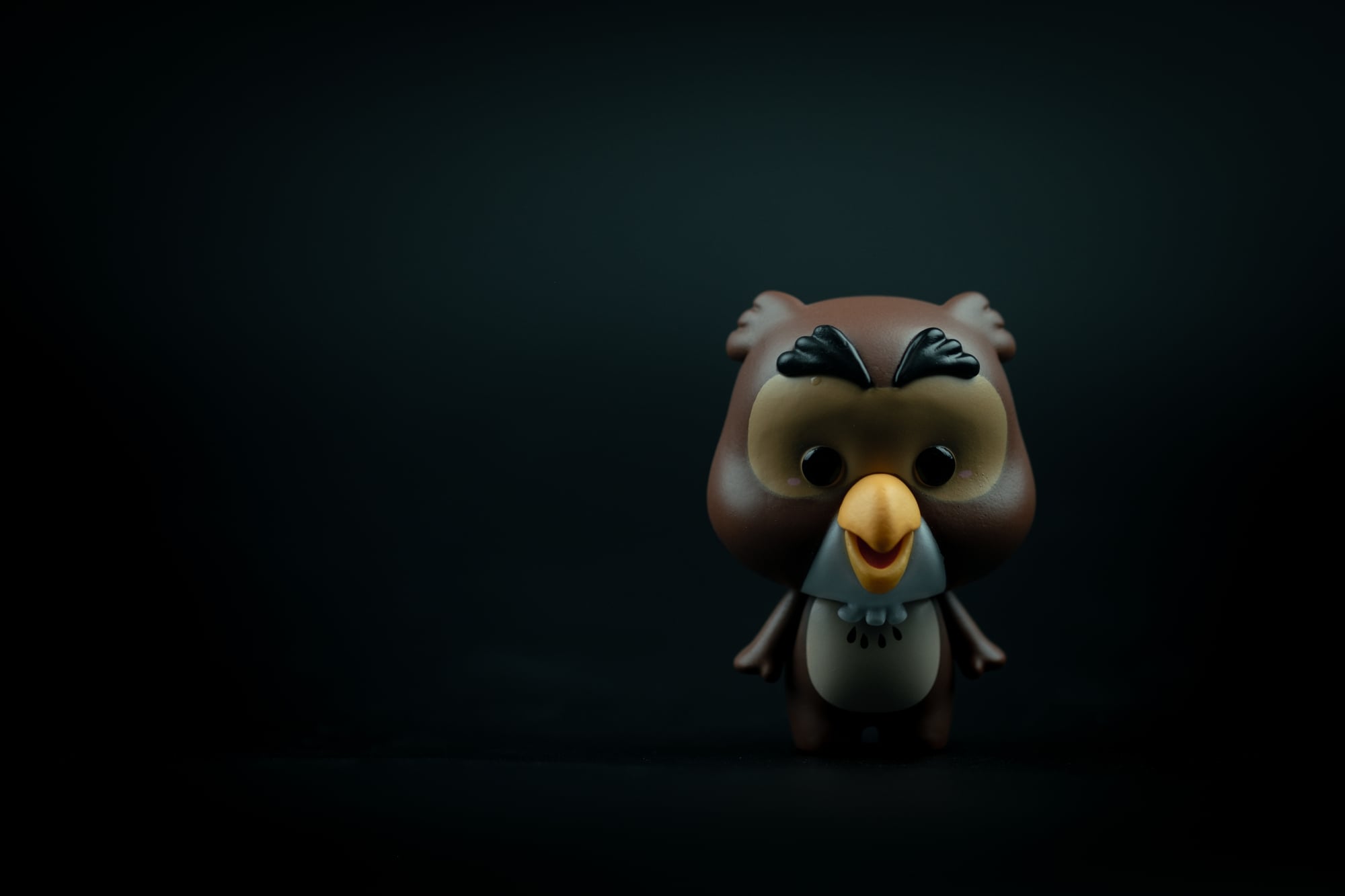
Disney animated films have presented owls as somewhat bumbling, comic characters possessing knowledge but lacking practical sense. This characterization softens the owl’s more mystical or threatening associations, making wisdom seem accessible and imperfect.
The Owl character in The Jungle Book exemplifies this gentle interpretation—knowledgeable but struggling with real-world application.
Graphic Novels and Comics: Mythic Protectors
Superhero and graphic novel traditions have employed owls as both villains and heroes, with characters like Nightwing using owl symbolism for nocturnal protection. The contrast between owl villains and owl heroes demonstrates how pop culture recycles symbolism across different moral contexts.
These characters maintain associations with night vision, keen observation, and silent strike capabilities rooted in the bird’s actual behavior.
Occult and New Age Movements: Esoteric Knowledge
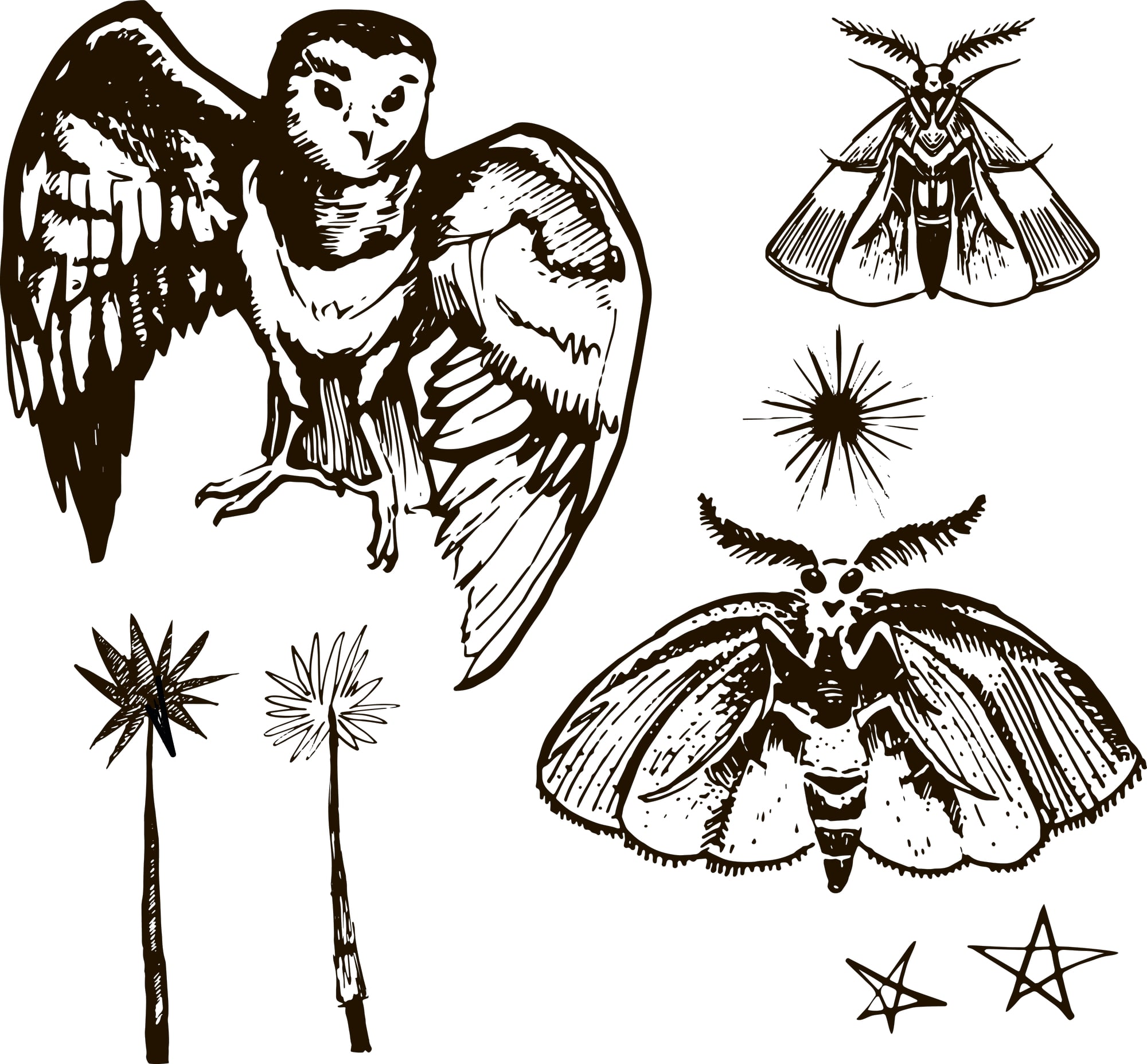
New Age and occult traditions position owls as keepers of esoteric knowledge and spiritual mysteries. Owl imagery appears in tarot, astrology, and various contemporary spiritual practices as symbols of hidden wisdom and intuitive knowing.
These modern interpretations often consciously draw on classical traditions while adding psychological and spiritual dimensions unique to contemporary practice.
Modern Children’s Literature: Trusted Guides

Contemporary children’s authors position owls as trusted guides and mentors, from Owl in A.A. Milne’s works to the advice-giving owls appearing in modern picture books. This positioning reflects cultural recognition that children associate owls with wisdom and trustworthiness, making them appropriate characters for educational narratives.
The shift from frightening omens to beloved teachers represents owl symbolism’s complete cultural rehabilitation in Western contexts.
The Paradox of Owl Symbolism
The owl’s dual status across cultures—simultaneously representing wisdom and death, protection and danger—reflects the fundamental human response to the unknown and nocturnal. What cannot be easily seen becomes a projection screen for contradictory beliefs.
From ancient Greece to modern pop culture, owls remain powerful cultural symbols precisely because their nature—mysterious, intelligent, and active when humans sleep—makes them metaphorically rich for expressing human anxieties and aspirations regarding knowledge, safety, and the unseen.
More from Go2Tutors!

- The Romanov Crown Jewels and Their Tragic Fate
- 13 Historical Mysteries That Science Still Can’t Solve
- Famous Hoaxes That Fooled the World for Years
- 15 Child Stars with Tragic Adult Lives
- 16 Famous Jewelry Pieces in History
Like Go2Tutors’s content? Follow us on MSN



