29 Gadgets Invented Because of Science Fiction
Engineers read novels and watch television just like everyone else, and more than a few of them have admitted, on the record, that a specific book or show pushed them toward a specific invention. These are not vague thematic echoes; in each case, someone credited fiction directly with shaping something that now exists.
The Flip Phone
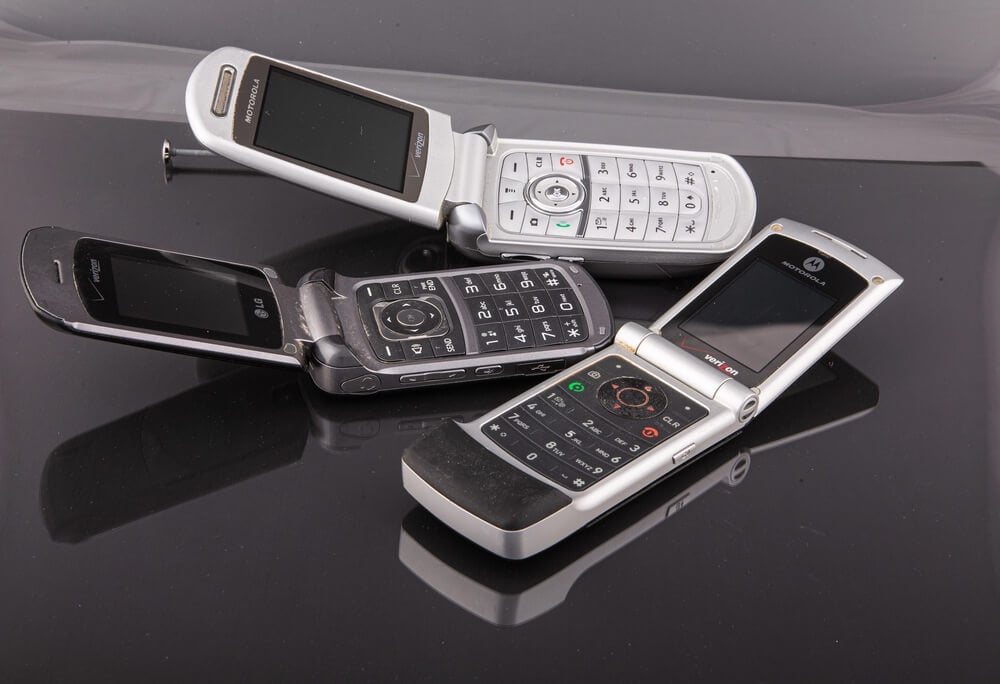
Motorola engineer Martin Cooper has repeatedly said that the flip-open communicators used by the crew of the original Star Trek series directly shaped his vision for a handheld mobile phone. Cooper made the first public handheld cellular call in 1973, and the resemblance between early flip phones and the show’s communicator design is close enough that the connection is now a standard piece of tech history.
The Tablet Computer
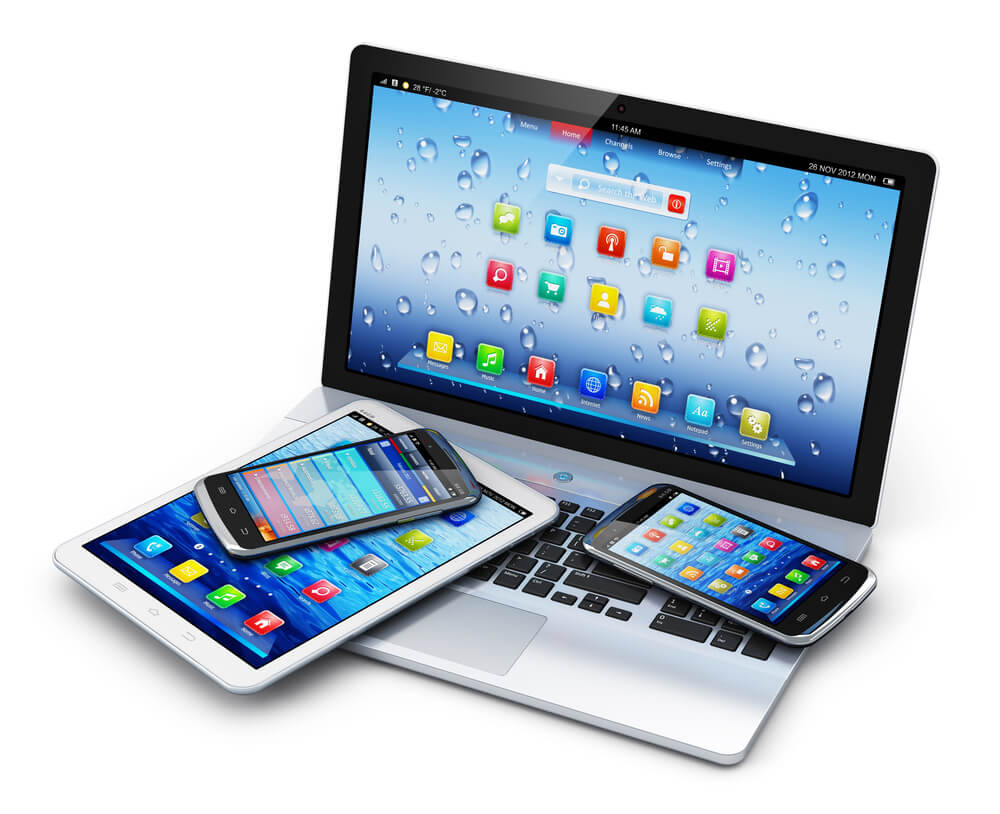
Flat, screen-based handheld devices used for reading and data display appeared in both Stanley Kubrick’s 2001: A Space Odyssey and the original Star Trek series decades before Apple released the first iPad. Engineers working on early tablet concepts have pointed to both depictions as proof that the idea of a slate-like personal computer was already culturally familiar long before the hardware existed to build one.
Voice-Activated Assistants
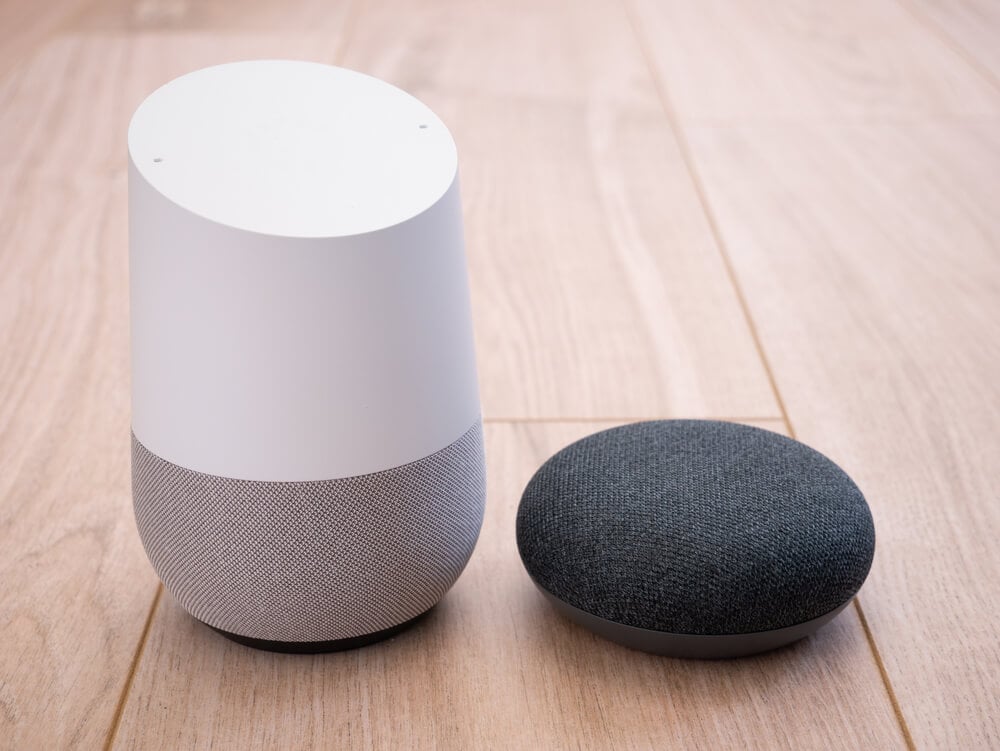
The talking, listening onboard computers featured in both Star Trek and Stanley Kubrick’s HAL 9000 gave audiences an early template for a computer that could be spoken to directly instead of operated through buttons or a keyboard. Modern voice assistants built into phones and smart speakers follow the same basic interaction model these fictional computers introduced decades earlier.
Video Calling

Fritz Lang’s 1927 film Metropolis featured an early on-screen video telephone call, and The Jetsons later popularized the same idea for a mid-century television audience. Both works imagined face-to-face remote conversation long before the internet infrastructure needed to support real-time video calling actually existed.
Self-Driving Cars
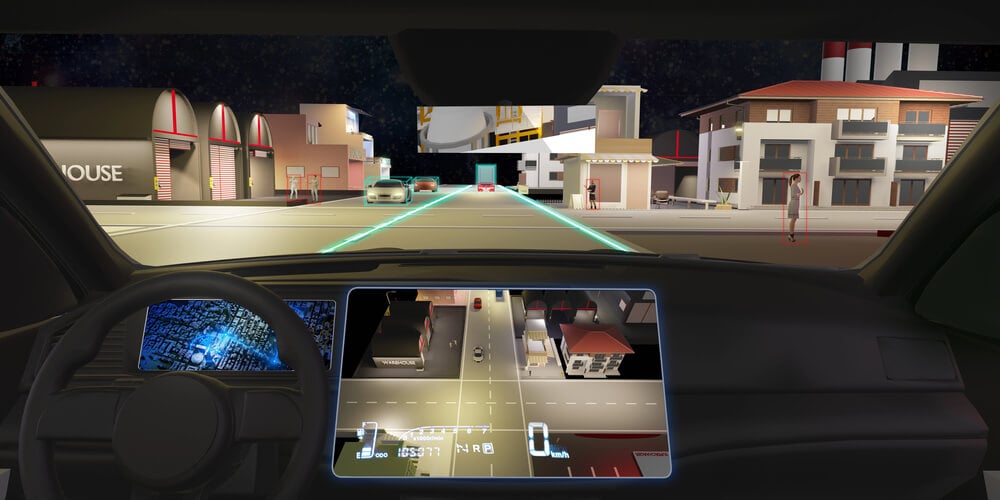
KITT, the autonomous, artificially intelligent car from Knight Rider, and the self-driving taxis depicted in Total Recall gave audiences a clear picture of a car capable of navigating without direct human control. Engineers working on autonomous vehicle technology have cited both as early cultural reference points for a concept that took decades of sensor and software development to approach in reality.
Real-Time Translation Apps
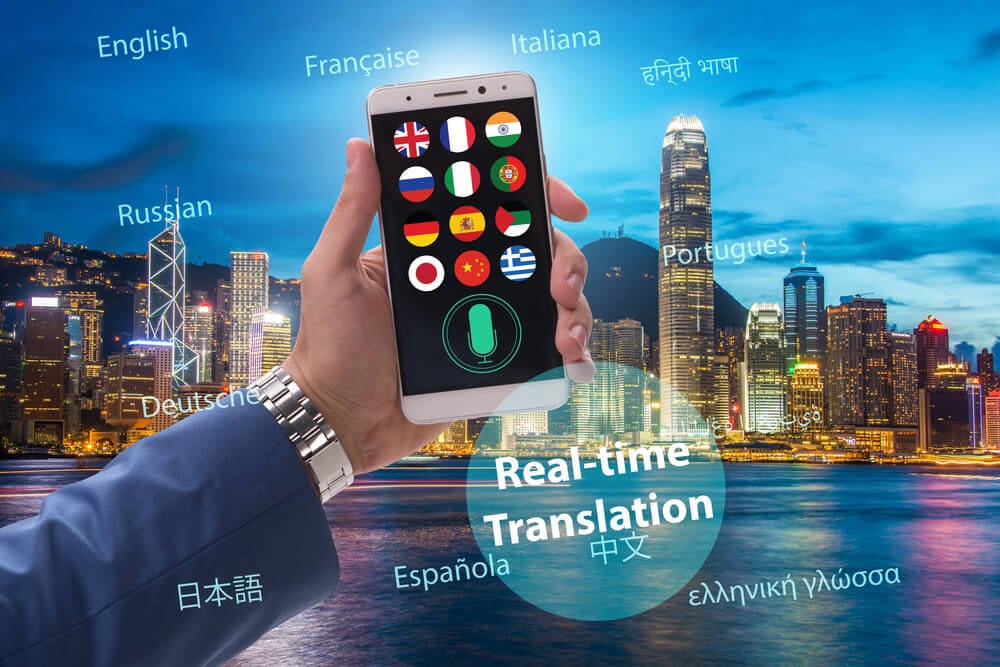
Star Trek’s universal translator let characters converse with alien species without any language barrier, instantly converting speech in real time. Modern translation apps and earpiece translators perform a simplified version of the same function, and developers in the field have pointed to the show’s device as an early conceptual model.
Wireless Earbuds
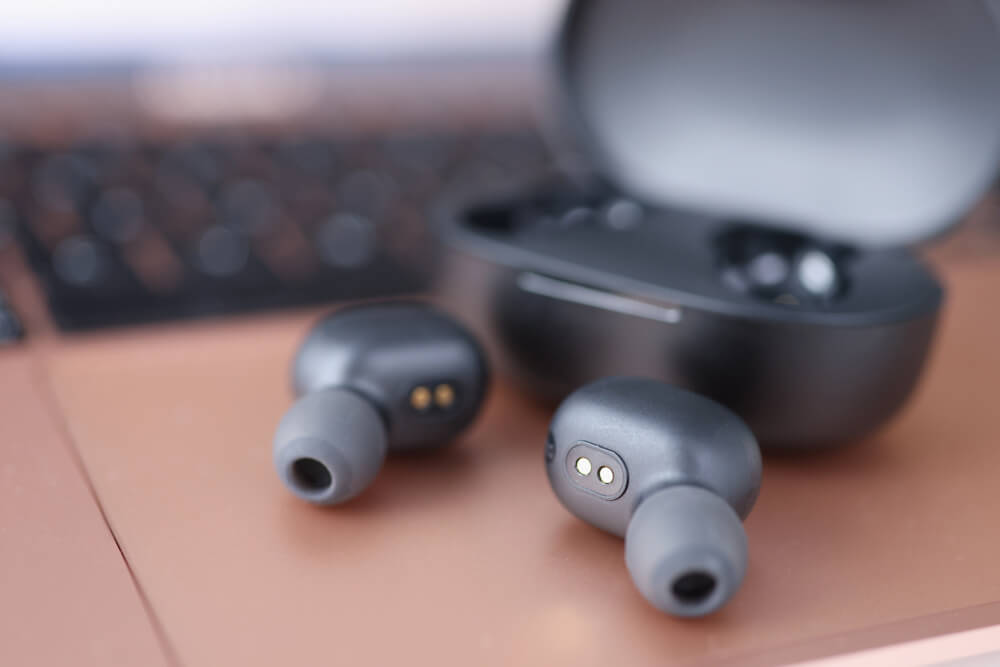
Ray Bradbury’s 1953 novel Fahrenheit 451 described tiny in-ear radios called “seashells” that let characters listen to audio constantly and privately. Wireless earbuds now fill nearly the same role Bradbury imagined, delivering constant personal audio through a device small enough to disappear into the ear.
The Modern Submarine
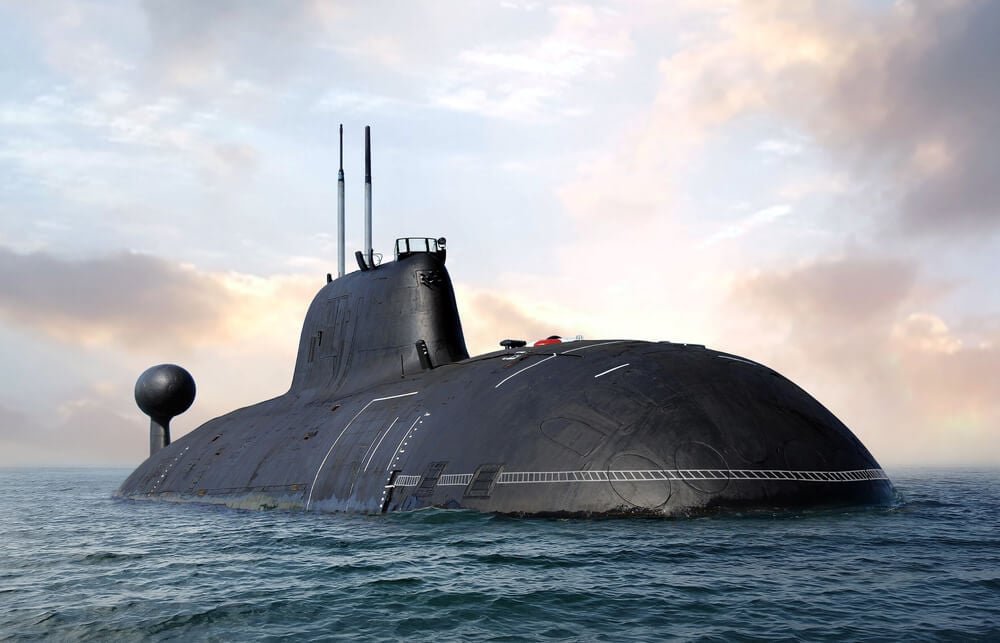
Jules Verne’s 1870 novel Twenty Thousand Leagues Under the Sea, and its fictional vessel the Nautilus, directly inspired American inventor Simon Lake to pursue submarine design as a career. Lake later built some of the earliest functional submarines in the United States, crediting Verne’s novel as the reason he pursued underwater engineering in the first place.
The World Wide Web

Arthur C. Clarke’s 1961 short story “Dial F for Frankenstein” imagined a global telephone network that grew complex enough to become sentient. A young Tim Berners-Lee read the story after finding it in a magazine and later cited it as part of what pushed him toward building the interconnected system that became the World Wide Web.
Geostationary Communications Satellites
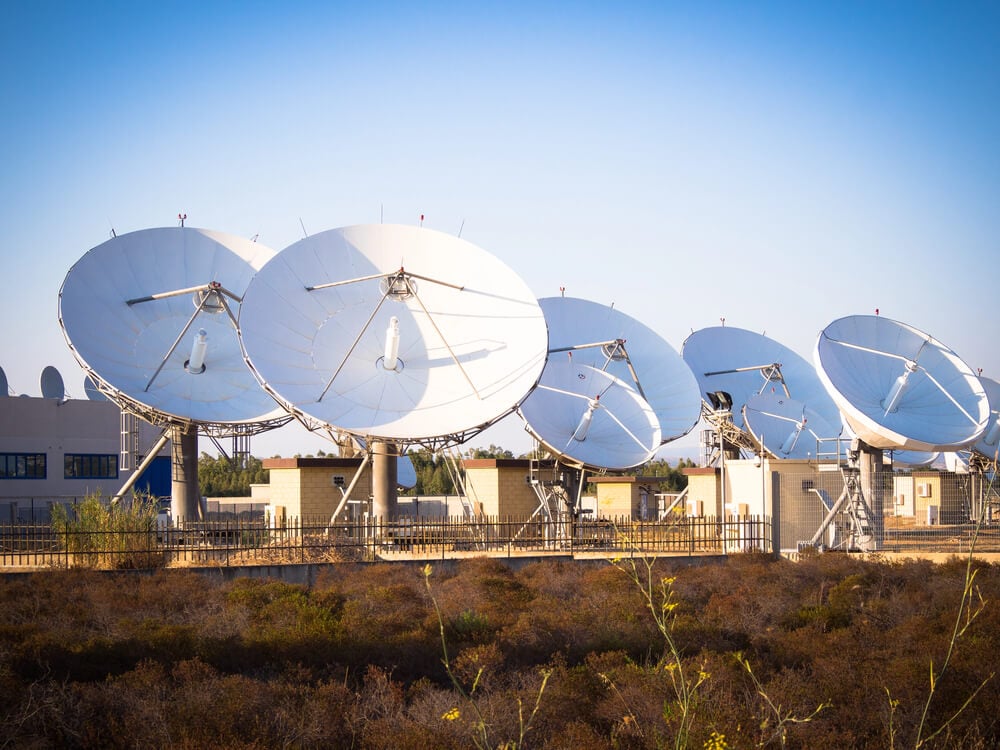
In a 1945 technical paper, Arthur C. Clarke proposed placing satellites in a fixed orbit above the equator so they would remain positioned over the same spot on Earth, enabling global communication relays. The concept became the foundation of the modern satellite communications industry, and the geostationary orbit is still sometimes referred to informally as the Clarke Orbit in his honor.
Liquid-Fueled Rockets
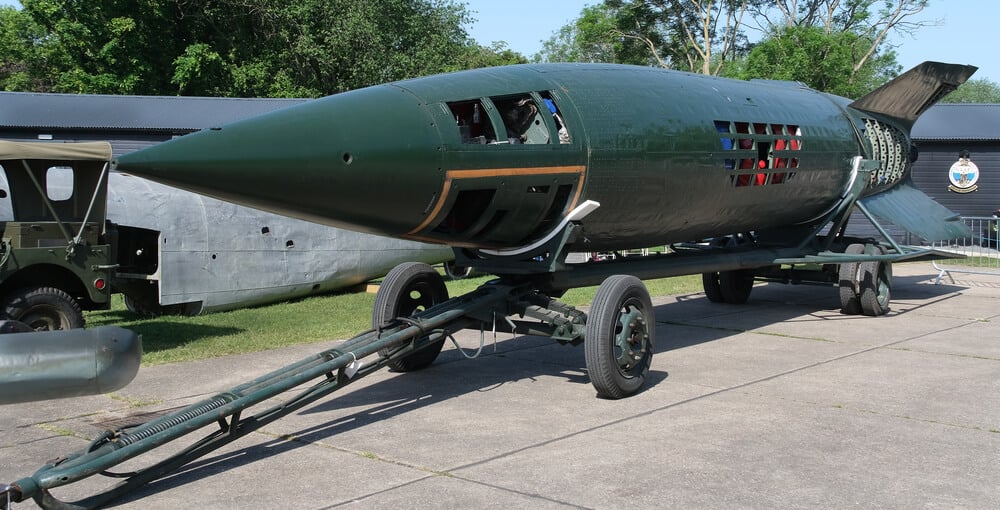
American physicist Robert Goddard, often called the father of modern rocketry, credited H.G. Wells’s The War of the Worlds and Jules Verne’s novels with sparking his lifelong fascination with spaceflight as a young man. Goddard went on to launch the world’s first liquid-fueled rocket in 1926, laying groundwork that later space programs built directly upon.
The Waterbed
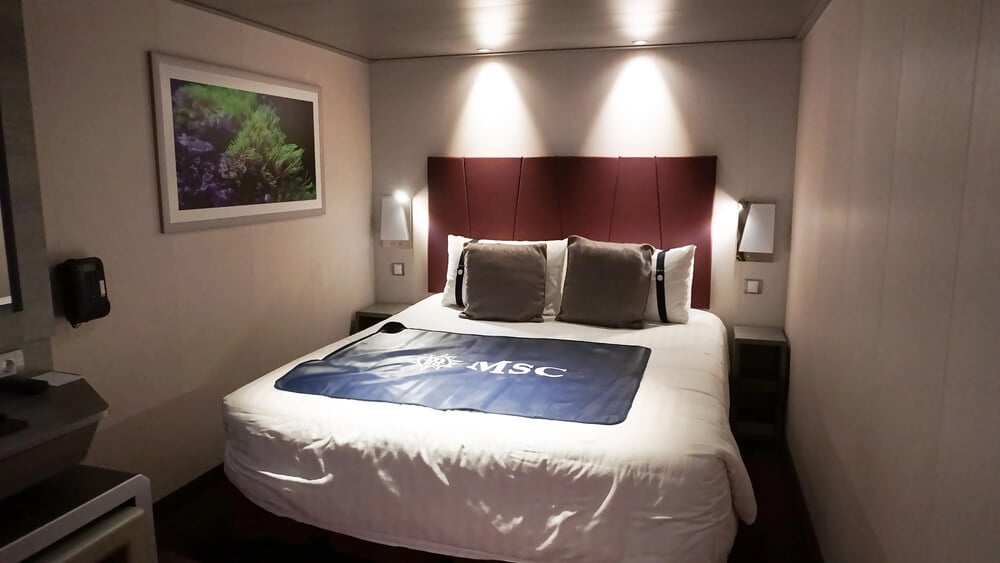
Science fiction author Robert Heinlein described detailed, functional waterbeds in his novels years before the product reached the consumer market, including passages in Stranger in a Strange Land and other works from the 1940s and 1960s. Inventor Charles Hall later developed the modern waterbed design and received patent protection for his innovations in the late 1960s and early 1970s.
Cashless Payment Systems

Edward Bellamy’s 1888 novel Looking Backward imagined a future society that had abandoned cash entirely in favor of a card-based credit system issued to every citizen. The concept predates the modern credit card by more than sixty years and is regularly cited by historians of banking technology as an early conceptual blueprint for cashless payment.
The Taser
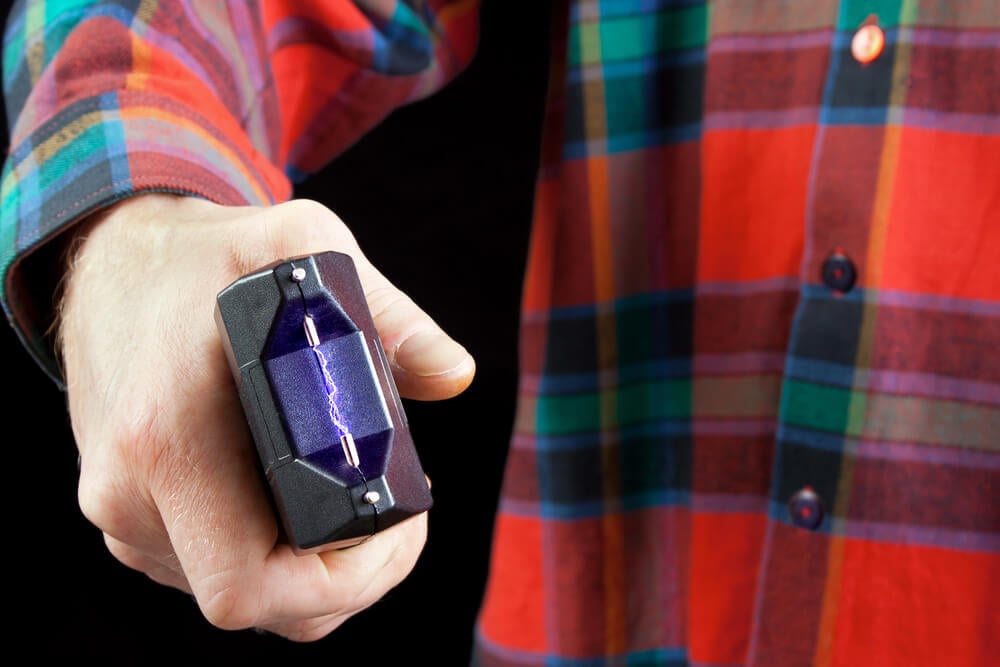
The stun gun now widely used by police forces takes its name directly from the Tom Swift Electric Rifle, a fictional weapon from a series of early 20th-century boys’ adventure novels. Inventor Jack Cover, who developed the device in the 1970s, was a childhood fan of the novels and built the acronym TASER directly from the title of the fictional weapon.
Holographic Displays
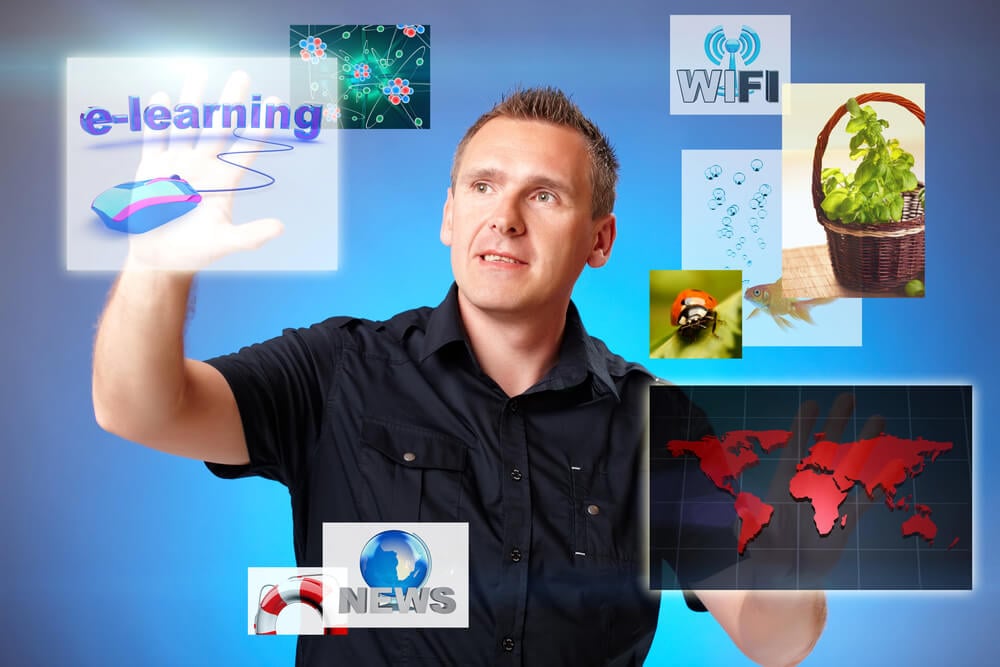
Princess Leia’s flickering, three-dimensional holographic message in the original 1977 Star Wars film gave audiences a vivid picture of communication without a screen. Modern holographic and light-field display technology, still an active area of research, is frequently discussed by engineers in direct reference to that specific scene.
Robotic Vacuum Cleaners
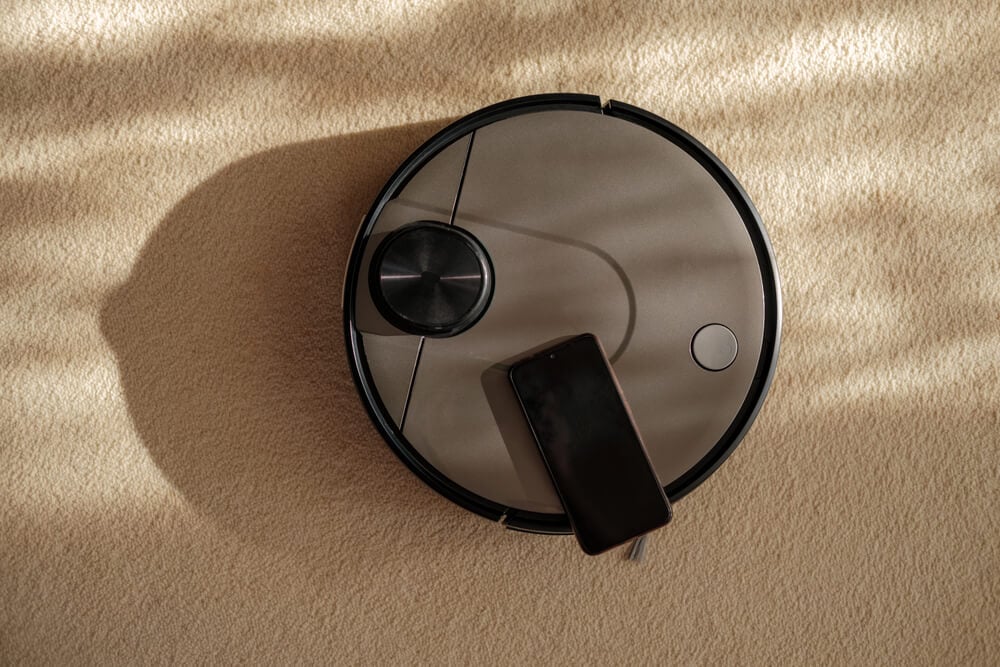
Rosie, the robot housekeeper from The Jetsons, handled cleaning duties around the home without any need for supervision, decades before a real product attempted the same job. Robotic vacuum cleaners that navigate a home and clean autonomously became a mainstream consumer product starting in the early 2000s, fulfilling a much narrower slice of Rosie’s original job description.
Augmented Reality Interfaces
The gesture-controlled, transparent data displays used by police investigators in the 2002 film Minority Report gave audiences a specific, influential vision of digital information overlaid onto physical space. Technology companies developing augmented reality headsets and gesture-control systems have directly referenced the film’s interface design during product development.
Smartwatches
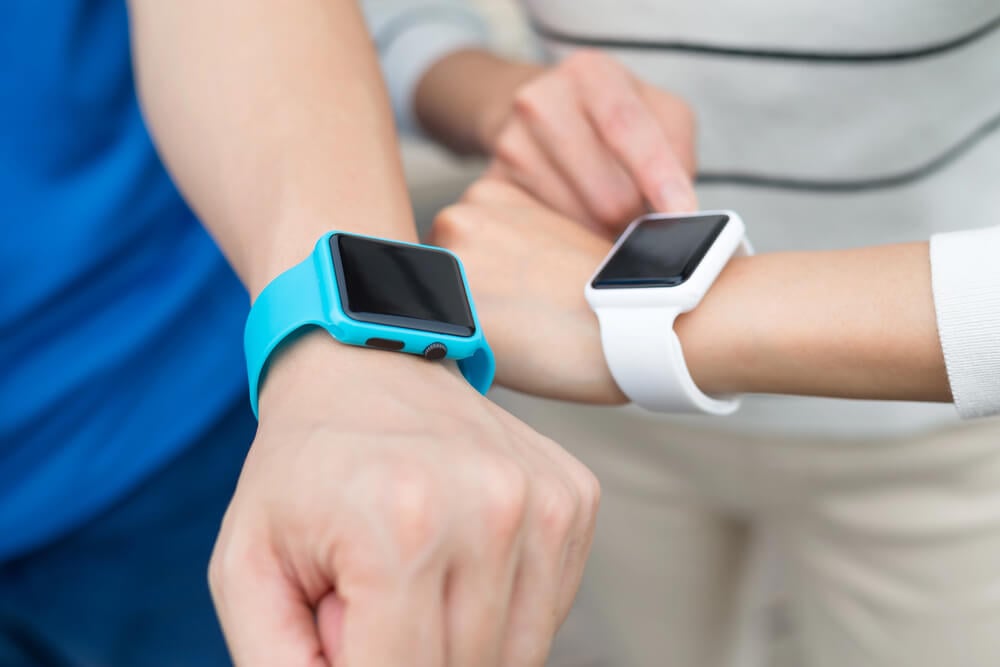
The two-way wrist radio worn by the comic strip detective Tracy, introduced in 1946, let him communicate hands-free from his wrist decades before wearable technology existed. Modern smartwatches, which combine communication, messaging, and computing into a wrist-worn device, are still commonly compared directly to that fictional gadget.
3D Printers
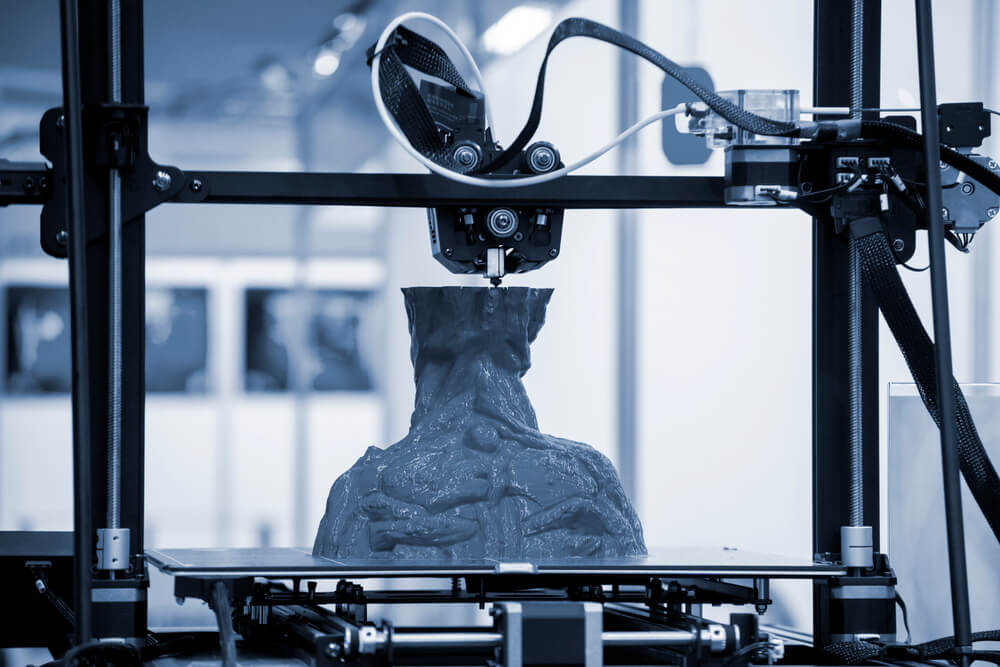
Star Trek’s replicators could assemble food, tools, and small objects on demand from raw matter, a concept that had no real-world equivalent when the show first aired. While no device manufactures matter the way a replicator does, 3D printers let users produce custom physical objects on demand from a digital file, echoing the same basic promise of manufacturing without a factory.
Virtual Reality Headsets
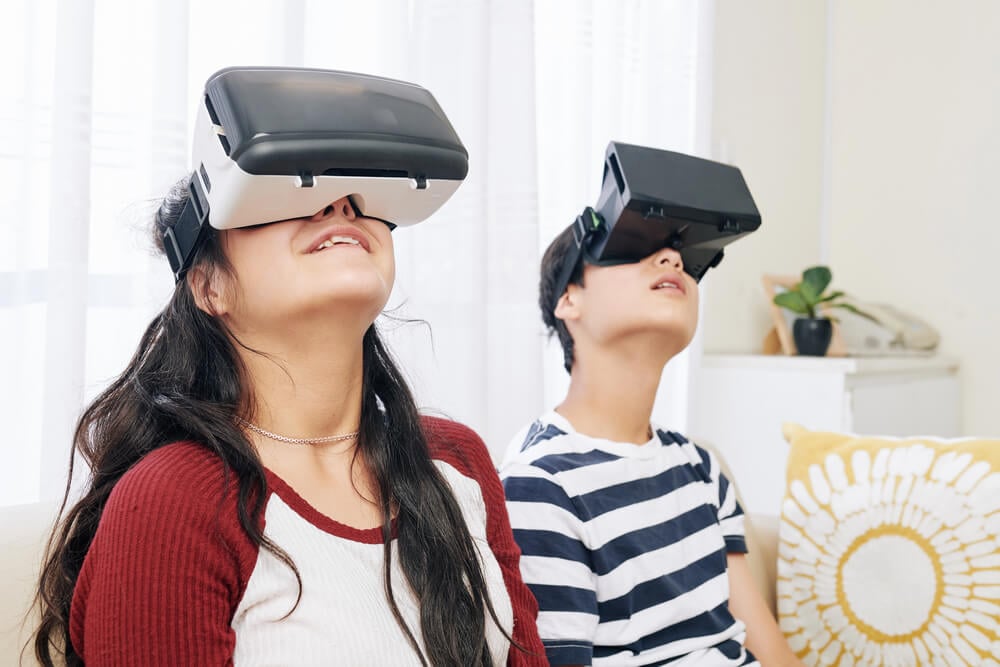
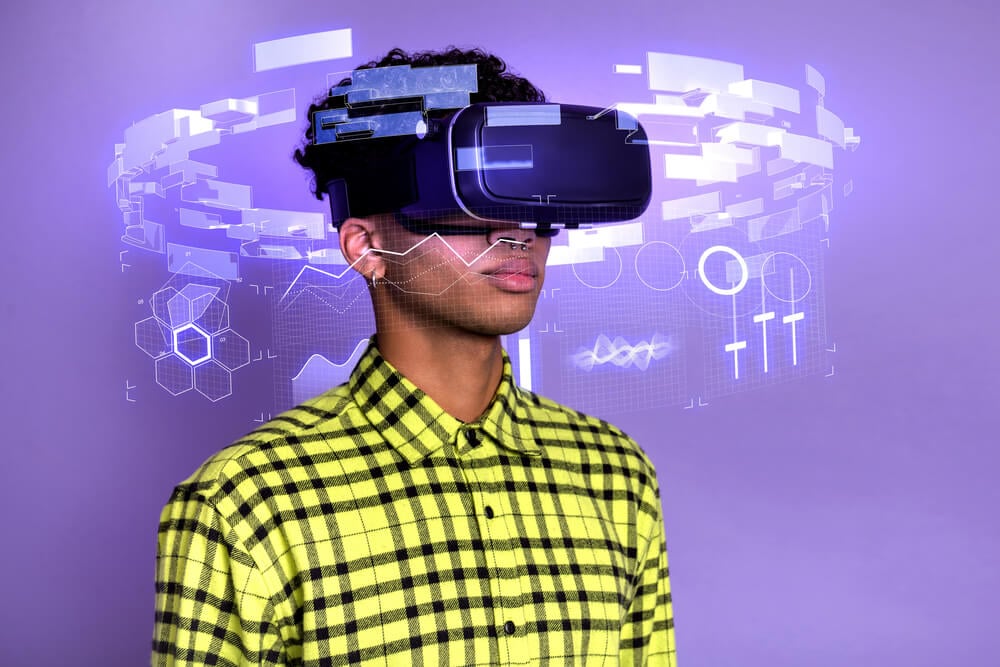
Star Trek: The Next Generation’s holodeck generated fully immersive, interactive environments, while William Gibson’s 1984 novel Neuromancer separately popularized the term “cyberspace” to describe a fully immersive digital world. Modern VR headset developers have cited both as foundational cultural reference points shaping what an immersive digital experience should feel like.
Bionic Prosthetic Limbs
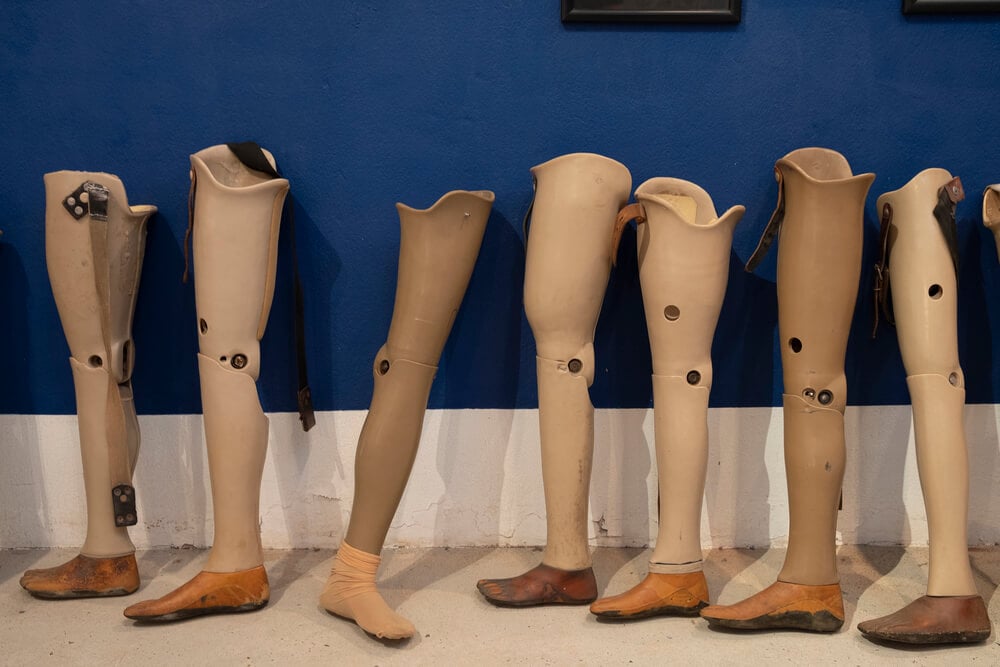
The Six Million Dollar Man, which debuted in 1974, depicted astronaut Steve Austin receiving bionic limbs that restored and enhanced his physical abilities after a near-fatal crash. Modern prosthetics researchers, developing limbs with motorized joints and increasingly direct neural interfaces, have pointed to the show as a formative cultural touchstone that shaped public expectations for what prosthetic technology could eventually achieve.
Handheld Medical Scanners
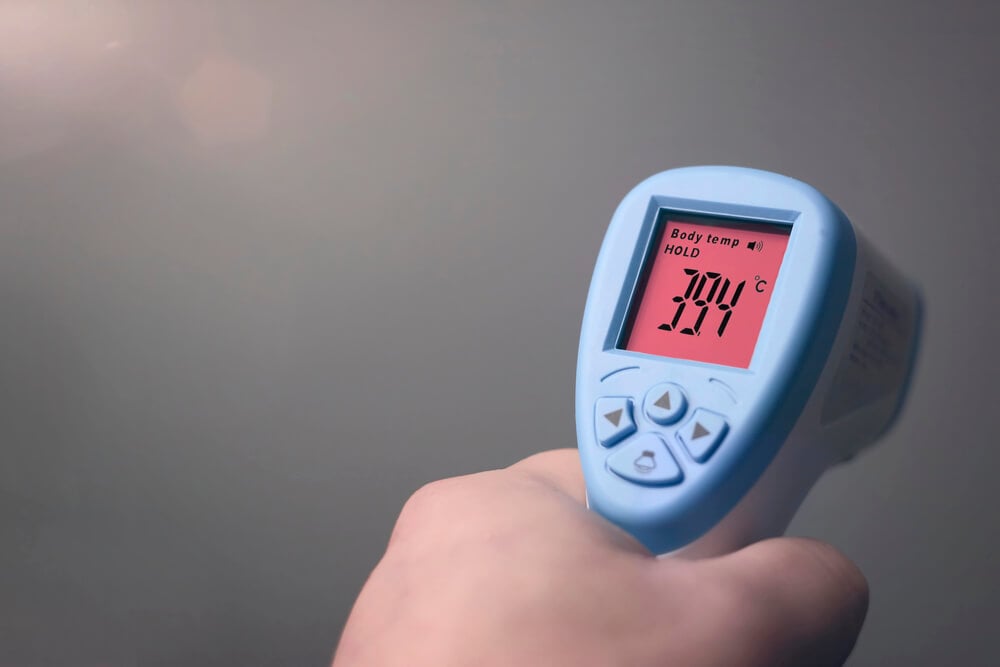
Dr. McCoy’s tricorder in Star Trek diagnosed patients instantly with a handheld scan, without any physical contact required. The concept directly inspired the Qualcomm Tricorder XPRIZE, a real engineering competition that challenged teams to build a functioning handheld device capable of diagnosing a range of medical conditions.
Space Elevator Research
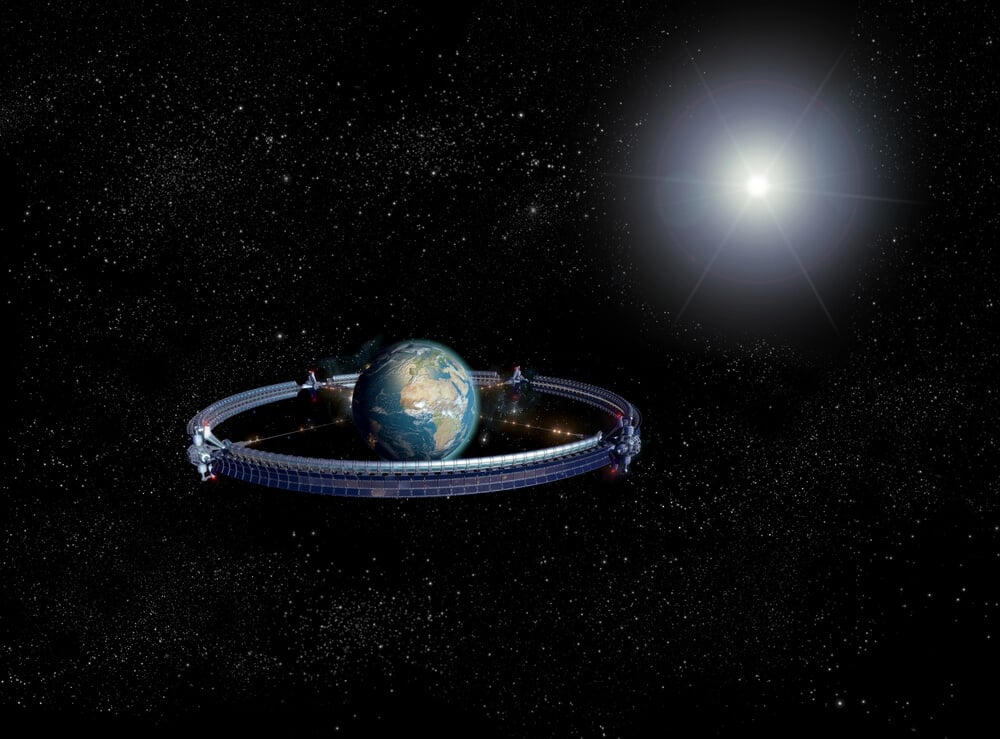
Arthur C. Clarke’s 1979 novel The Fountains of Paradise popularized the concept of a cable-based elevator running from Earth’s surface into orbit, offering an alternative to rocket-based launches. The idea remains a serious, if distant, subject of aerospace engineering research, and papers on the topic still commonly cite Clarke’s novel as the concept’s most influential popular treatment.
Military Powered Exoskeletons

Robert Heinlein’s 1959 novel Starship Troopers described soldiers wearing powered armor suits that amplified their strength and provided built-in weapons and communication systems. Modern military and industrial exoskeleton research programs, designed to reduce strain and increase carrying capacity for soldiers and workers, are frequently discussed by engineers in direct reference to Heinlein’s original suits.
Reusable Orbital Rockets
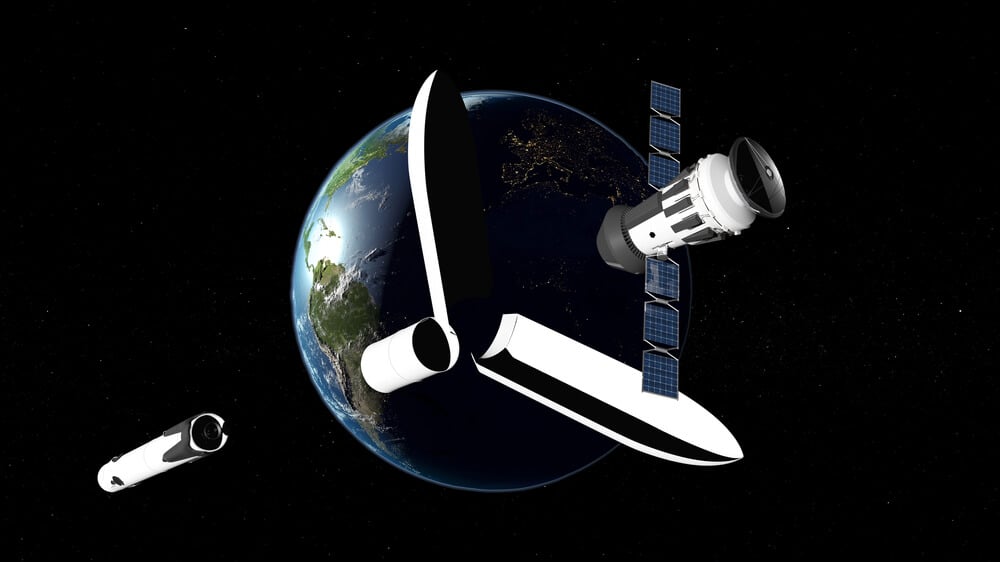
SpaceX founder Elon Musk has spoken publicly about science fiction’s influence on his interest in spaceflight, and the company’s push toward reusable rocket boosters echoes a long-standing science fiction assumption that spacecraft, like airplanes, should be able to fly more than once. Reusable boosters that land themselves after launch, once purely a fictional convenience, became an operational reality in the 2010s.
Commercial Spaceflight Companies
Jeff Bezos has cited Star Trek as a formative influence on his lifelong interest in space, later founding Blue Origin to pursue commercial spaceflight. The rise of privately funded spaceflight companies over the past two decades represents one of the more direct lines from mid-century television fandom to real aerospace investment.
Automatic Sliding Doors
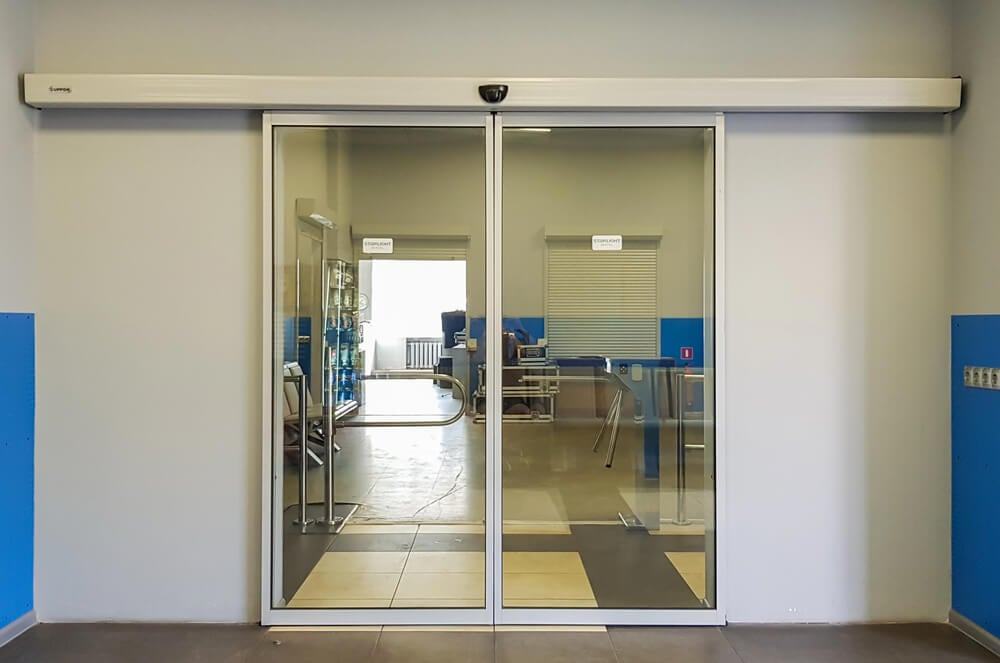
The doors aboard the Enterprise in the original Star Trek series slid open automatically as characters approached, a production detail originally created because stagehands pulled them open by hand just off camera. Automatic sliding doors became commonplace in airports, hospitals, and retail stores within a few decades of the show’s debut, and the show is still regularly cited as the reason the technology feels so culturally familiar.
Personal Jetpacks

Pulp science fiction heroes like Buck Rogers, dating back to the 1920s, were commonly depicted using individual rocket-powered flight packs to move through the air. Experimental jetpack technology has existed in limited, expensive forms for decades, and modern developers still frequently invoke Buck Rogers by name when describing the appeal of personal flight.
Biometric Security Scanners
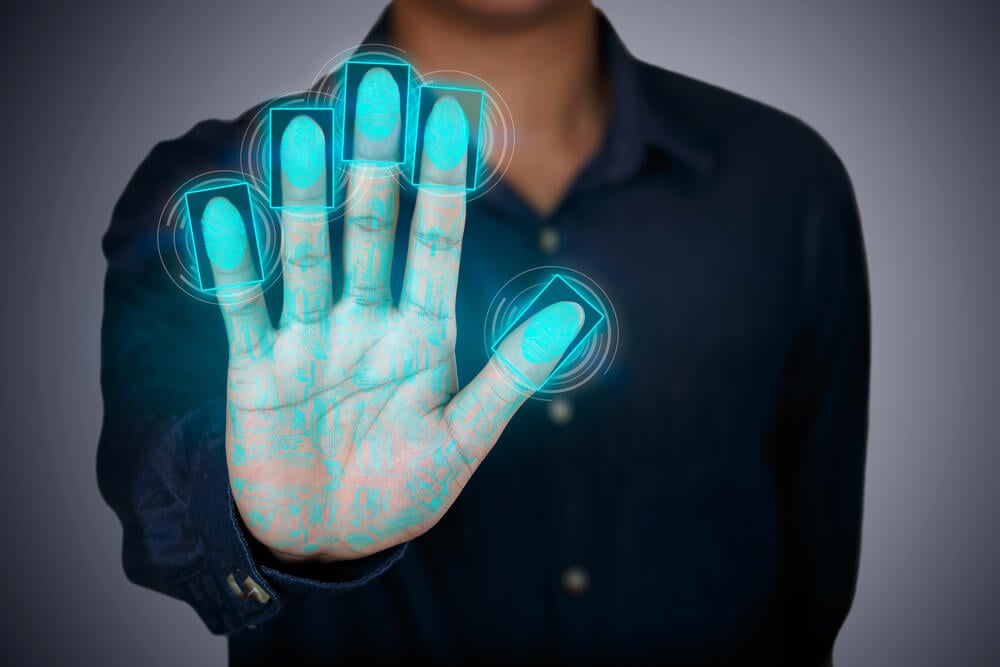
Spy-fiction gadgets, particularly the fingerprint and retina scanners featured throughout decades of the James Bond film franchise, gave audiences an early picture of identity verification through unique physical traits rather than a key or password. Fingerprint and facial recognition scanners are now standard security features on consumer smartphones, a direct descendant of a device once considered a piece of exaggerated spy fantasy.
Where Fiction Actually Did the Engineering
What separates this list from a simple coincidence is the paper trail. Cooper, Berners-Lee, Goddard, Musk, and Bezos did not stumble onto their inventions by accident and later notice a similarity to something they had read; they have each said, in interviews or public writing, that a specific book or show shaped the direction of their work.
That is a meaningfully different claim than saying a show “predicted” the future. The pattern that emerges is less about prophecy and more about permission.
Fiction gave engineers a vivid enough picture of an impossible object that building a real version stopped feeling like a fantasy and started feeling like a to-do list. The technology still had to be invented the hard way, one failed prototype at a time, but the target was already drawn.
More from Go2Tutors!

- The Romanov Crown Jewels and Their Tragic Fate
- 13 Historical Mysteries That Science Still Can’t Solve
- Famous Hoaxes That Fooled the World for Years
- 15 Child Stars with Tragic Adult Lives
- 16 Famous Jewelry Pieces in History
Like Go2Tutors’s content? Follow us on MSN.