15 Most Challenging Dives Attempted
Human boundaries are pushed to unprecedented depths, temperatures, and circumstances in the field of extreme diving. The ultimate in risk and bravery, these underwater expeditions are frequently conducted by people looking to set records or discover uncharted underwater territories.
While some divers welcome these difficulties in the interest of scientific advancement, others seek the pure rush of adrenaline that comes from taking on the most dangerous underwater settings found in nature. This list of 15 of the riskiest dives ever performed demonstrates the amazing strength of our waters as well as the amazing human spirit.
The Blue Hole, Dahab
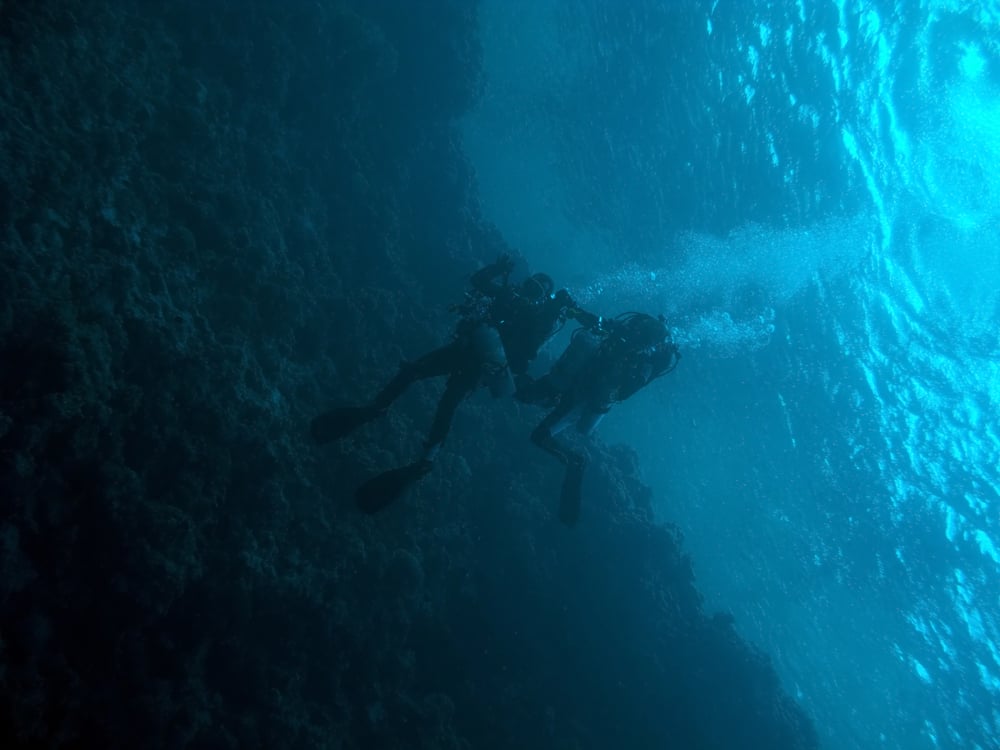
This infamous site in the Red Sea has claimed so many lives that it’s earned the nickname ‘Diver’s Cemetery.’ The natural sinkhole features a deceptive tunnel at 180 feet that tempts divers to pass through, despite the extreme depth being well beyond recreational limits.
The disorienting structure combined with nitrogen narcosis has resulted in numerous fatalities when divers become confused and descend rather than ascend when running low on air.
Challenger Deep, Mariana Trench
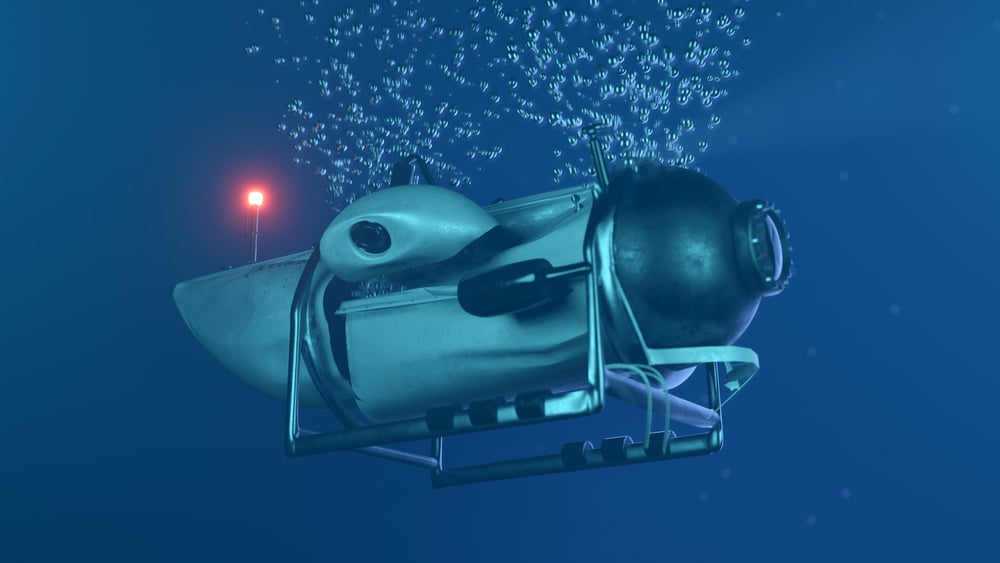
At nearly 36,000 feet below sea level, this represents the deepest known point on Earth. Only specialized submersibles can withstand the crushing pressure of over 1,000 atmospheres, equivalent to having 50 jumbo jets stacked on top of you.
The 2012 solo dive by filmmaker James Cameron in the Deepsea Challenger marked one of the most dangerous solo missions ever attempted, with any technical failure potentially resulting in instant death.
Like Go2Tutors’s content? Follow us on MSN.
The Shaft Sinkhole, Mount Gambier
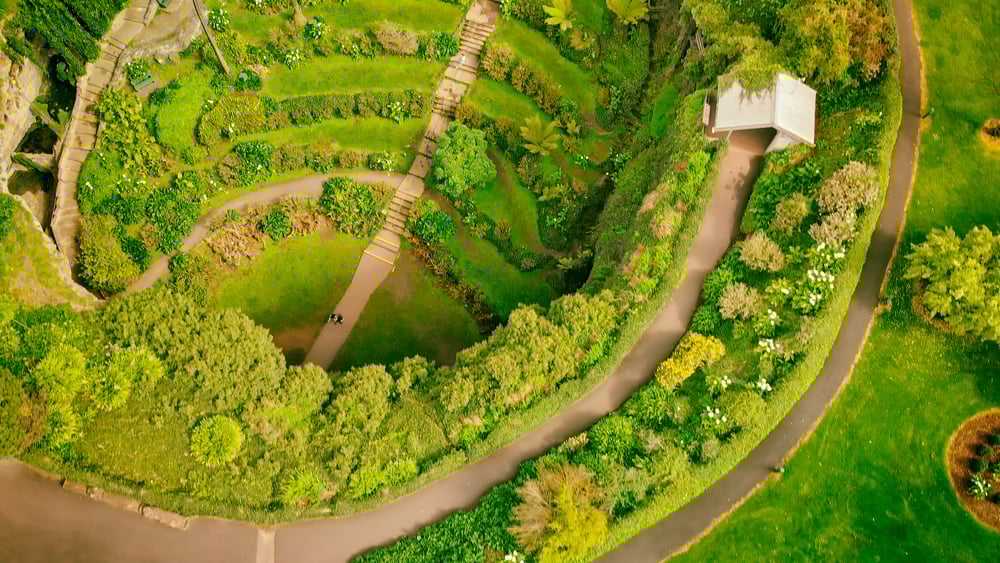
This Australian dive site features a narrow, vertical limestone shaft that descends over 120 feet into darkness. Divers must navigate through an extremely confined space with no direct access to the surface, creating a psychologically intense environment.
The combination of tight spaces, potential silt-outs that reduce visibility to zero, and the complex exit route has claimed several experienced divers’ lives.
Bushmansgat Cave, South Africa
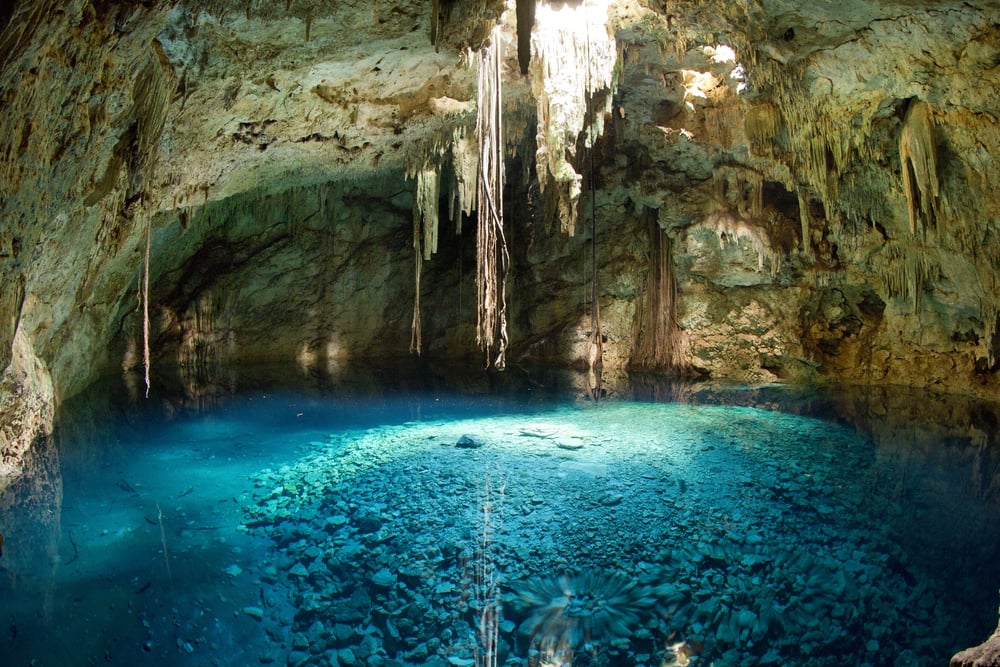
This freshwater cave holds the record for one of the deepest free dives ever attempted. In 2005, diver Dave Shaw tragically died while attempting to recover the body of a previous victim at a depth of 890 feet.
The extreme depth causes severe high-pressure nervous syndrome, tremors, and disorientation, while the lengthy decompression requirements leave divers vulnerable for extended periods.
Under-Ice Diving at the Poles

These dives offer only one entry and exit point through a small hole in thick ice covering freezing waters. Divers face the constant threat of the exit hole shifting position or freezing over, while water temperatures can cause rapid hypothermia and equipment failure.
The harsh conditions are further complicated by the possibility of encounters with predators like leopard seals in an environment where rapid ascent is impossible.
Like Go2Tutors’s content? Follow us on MSN.
Eagle’s Nest, Florida
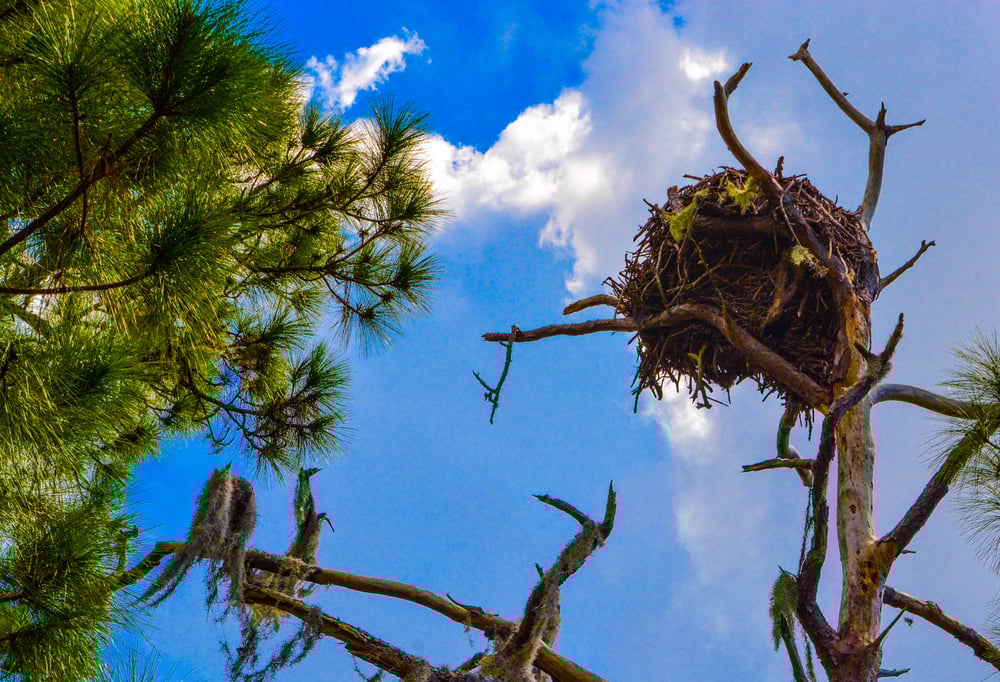
This treacherous underwater cave system starts with a narrow 70-foot vertical shaft opening into vast chambers at 300 feet depth. The extreme depth requires technical mixed-gas diving with complex decompression schedules, while the maze-like passages have confounded even experienced cave divers.
Multiple warning signs at the entrance explicitly state that ‘this dive site has killed experienced divers’ – yet enthusiasts continue to test their skills against its challenges.
Yucatán Cenotes, Mexico
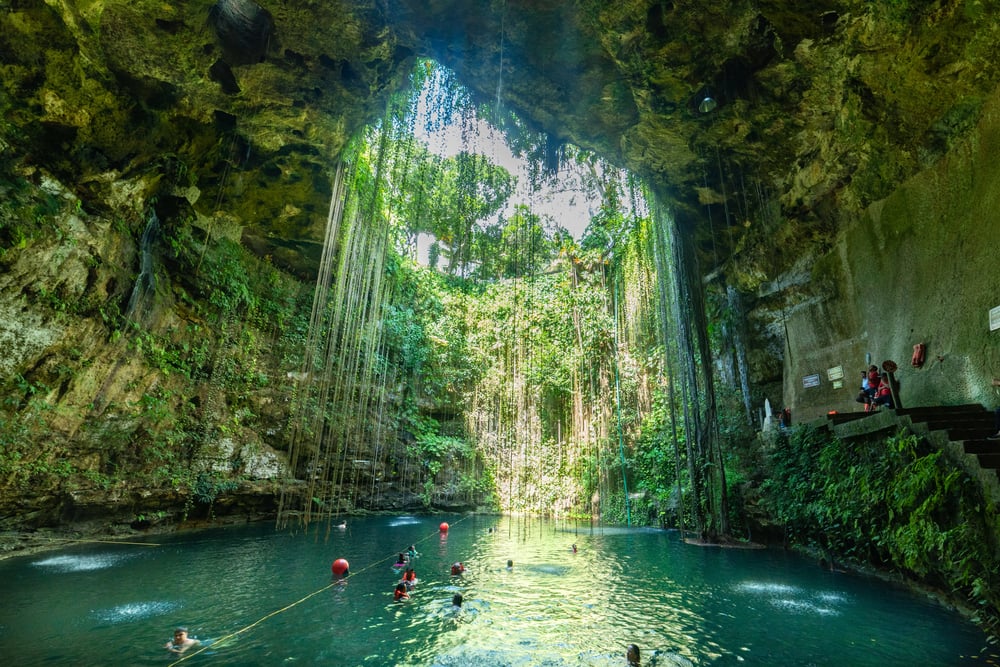
These stunning limestone sinkholes connect to the world’s largest underwater cave system with over 350 miles of mapped passages. Divers face extreme navigation challenges including false exits, haloclines that distort vision, and complex three-dimensional mazes.
The mixing of fresh and salt water creates visual distortions that have confused even professional cave divers, resulting in fatal wrong turns.
The Devil’s Cave System, Florida
This extensive underwater labyrinth features strong currents, tight restrictions, and silty conditions that reduce visibility to zero with the slightest kick. Divers must follow guidelines to mark their exit path while managing multiple tanks and specialized equipment through narrow passages.
The psychological pressure of being thousands of feet from the entrance with limited gas supplies has overwhelmed many experienced cave divers.
Like Go2Tutors’s content? Follow us on MSN.
Samaesan Hole, Thailand
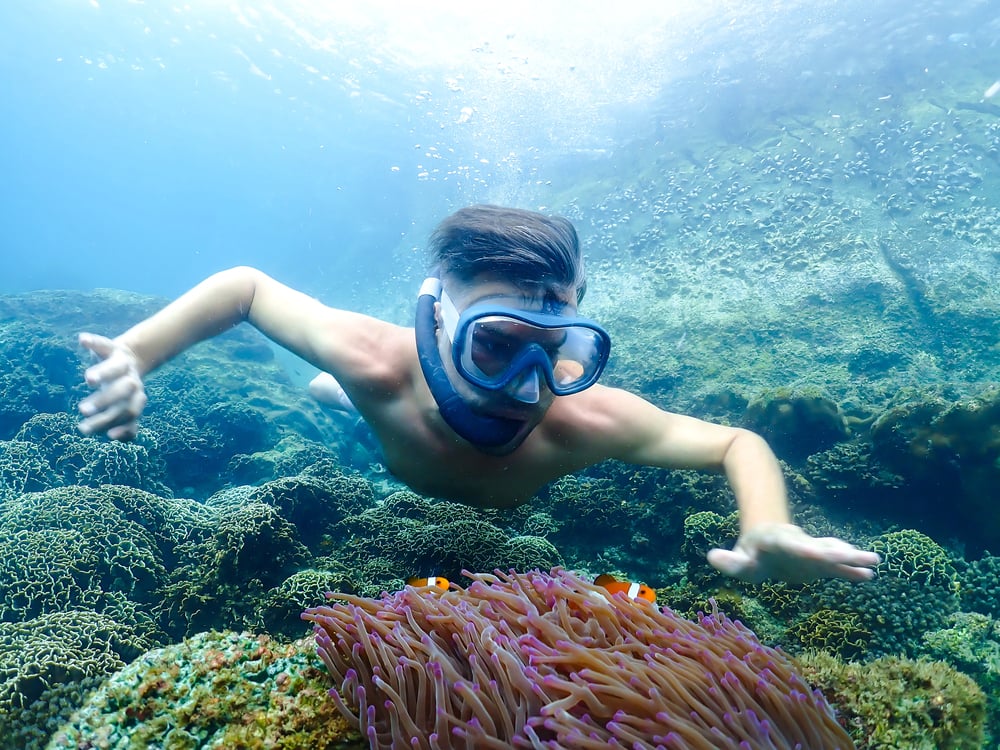
This 280-foot deep sinkhole combines nearly zero visibility with hazardous currents and unexploded military ordnance. The site was used as a military dumping ground, leaving divers to navigate past potentially unstable explosives in murky waters.
The combination of technical depth, unpredictable conditions, and dangerous debris makes this perhaps Thailand’s most challenging dive.
Great Blue Hole, Belize
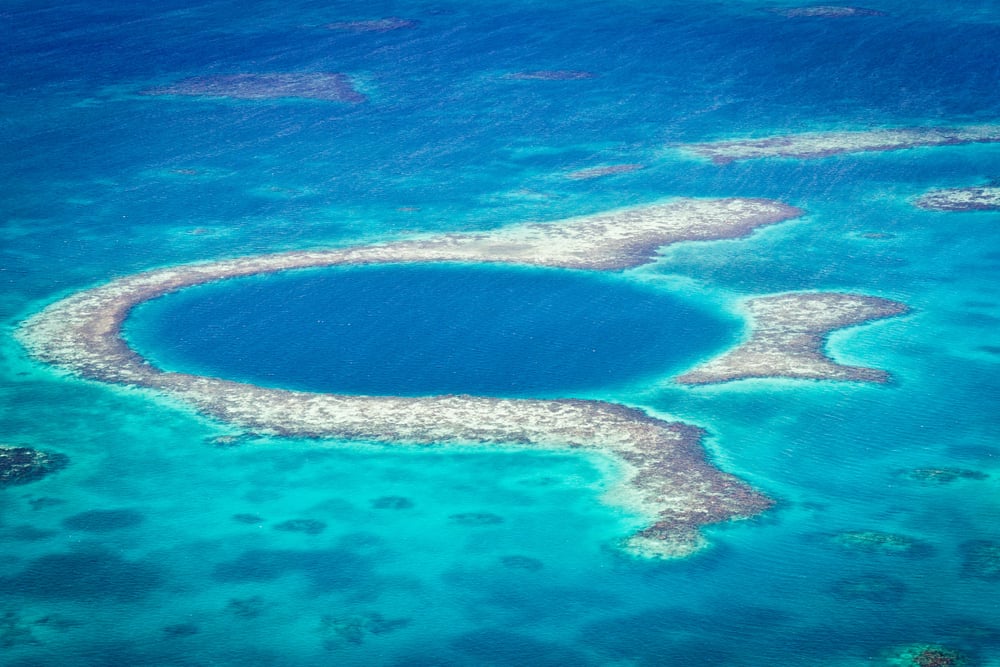
This perfectly circular marine sinkhole descends 407 feet into darkness, featuring unusual stalactite formations from its time as a dry cave thousands of years ago. Beyond recreational depths, divers encounter hydrogen sulfide layers that create eerie, disorienting conditions and can become toxic at high concentrations.
The remote location also means emergency assistance is hours away if decompression sickness or other emergencies occur.
Tuna Factory Cave, Malta
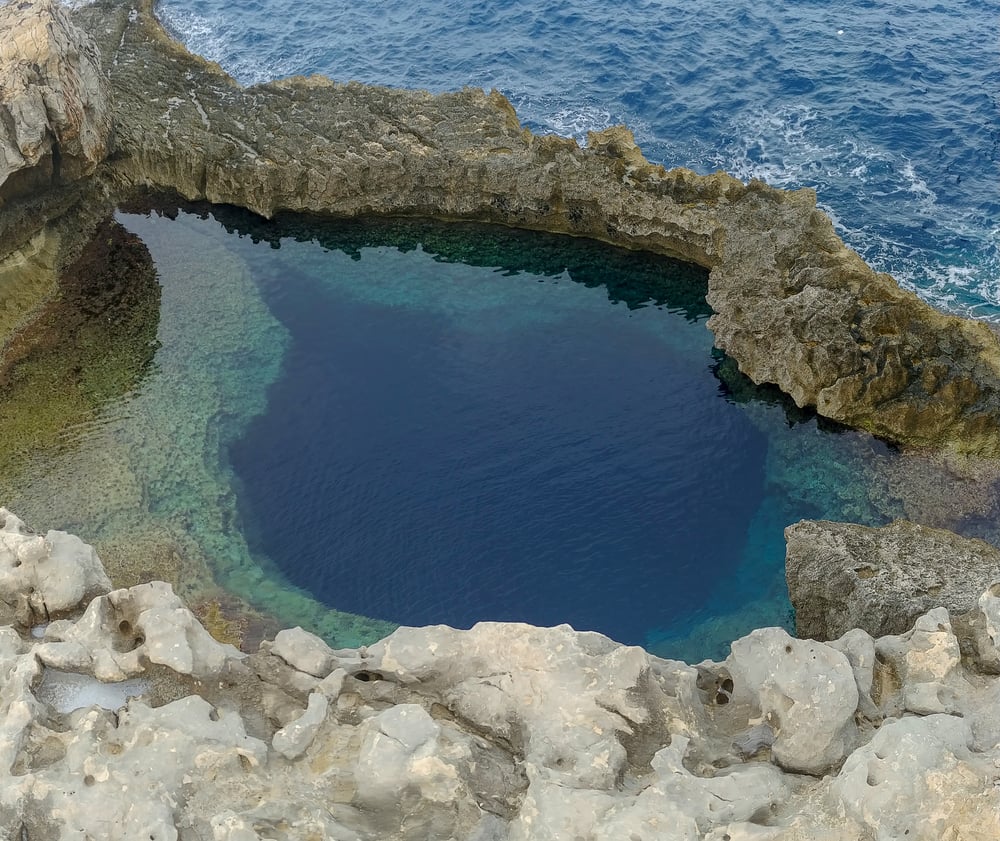
This Mediterranean dive site begins with a tight entrance at 60 feet depth, leading to a complex cave system with poor visibility. The narrow passages require divers to remove equipment to squeeze through in complete darkness, relying solely on guide lines to find their way back.
The technical challenges have claimed multiple lives, with several bodies never recovered from its deepest sections.
Like Go2Tutors’s content? Follow us on MSN.
Jacob’s Well, Texas
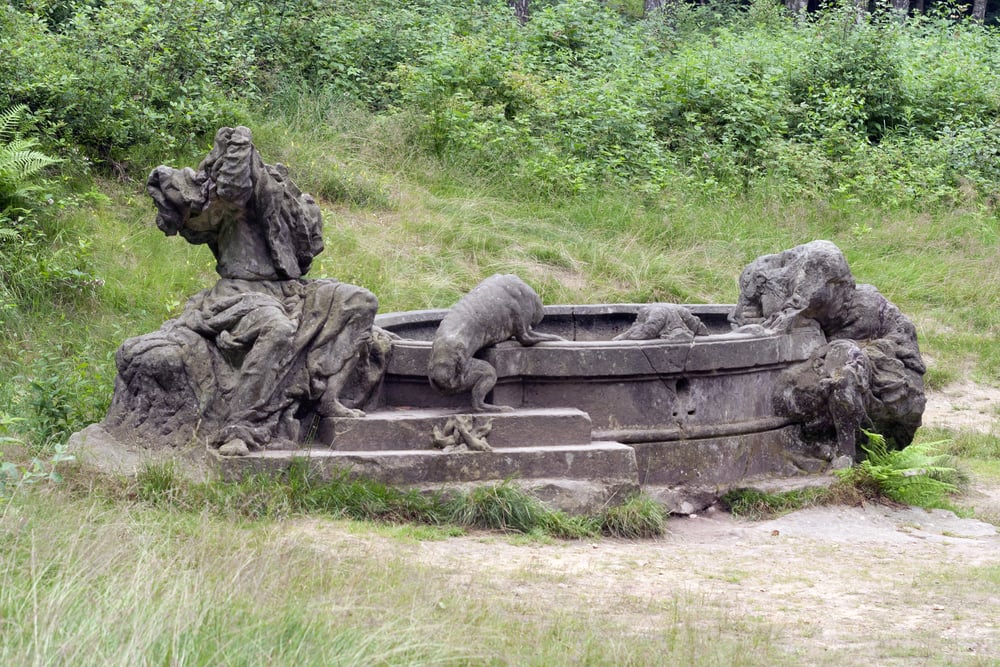
This seemingly innocent-looking artesian spring hides a network of underwater chambers that narrow dramatically with depth. The tight restrictions in the third and fourth chambers have trapped several divers who became disoriented or stuck while attempting to explore deeper sections.
Strong water flow, silty conditions, and confusing passages have earned this site the reputation as one of America’s most dangerous diving spots.
Zacatón Sinkhole, Mexico
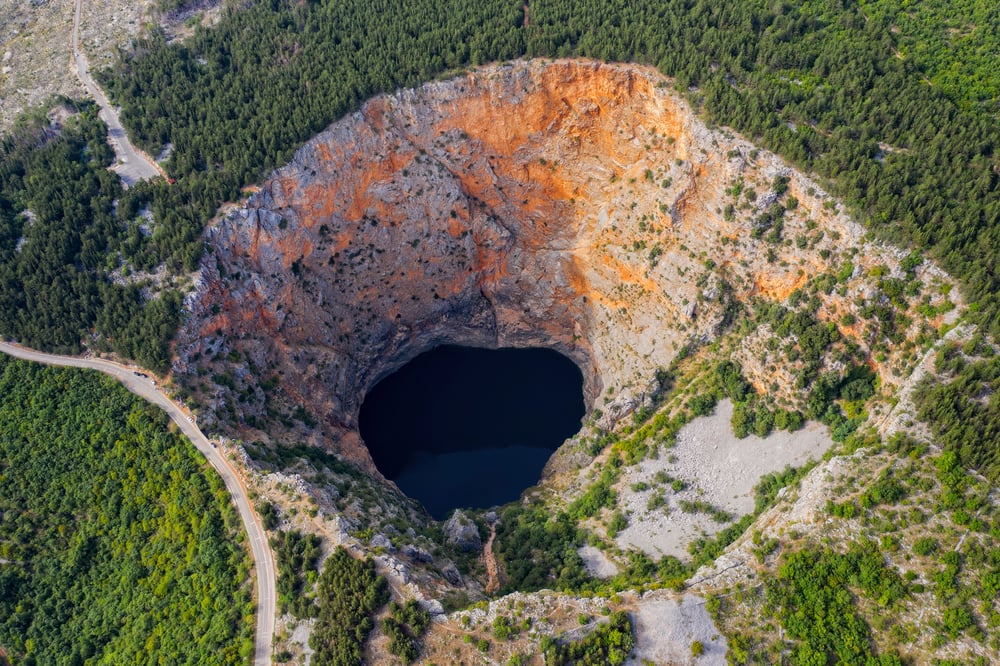
At over 1,000 feet deep, this water-filled limestone shaft ranks among the world’s deepest. The extreme depth combined with unusual water chemistry creates challenging conditions even for technical divers with rebreathers and mixed gases.
The site is so dangerous that robotic exploration has replaced human attempts to reach its greatest depths after claiming lives during earlier expeditions.
Orda Cave, Russia
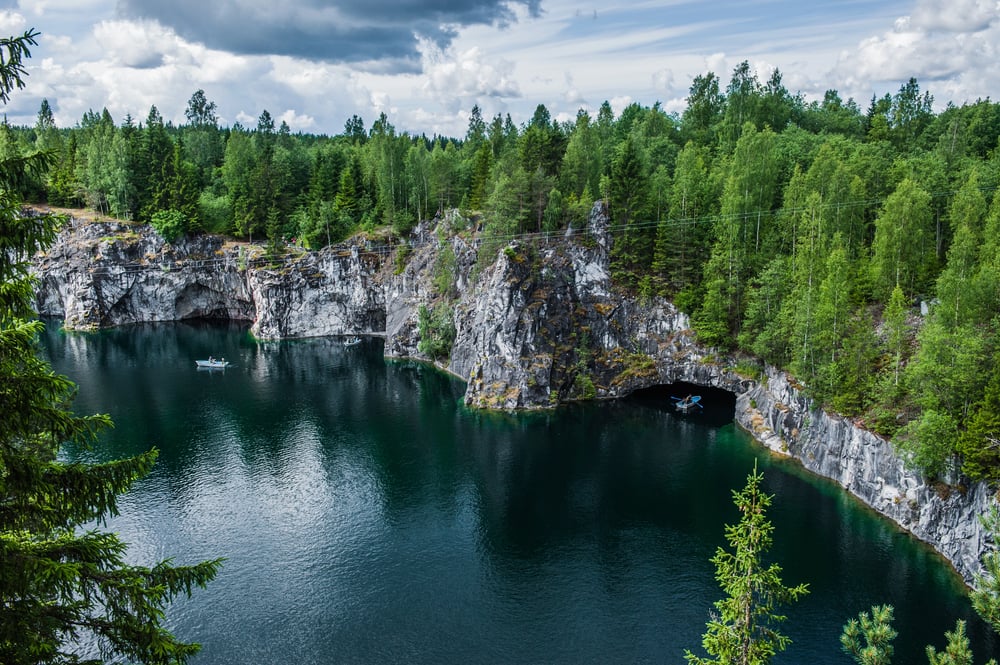
The world’s longest gypsum cave requires diving in water temperatures barely above freezing under a solid rock ceiling. The crystal-clear yet frigid waters cause rapid heat loss while the fragile gypsum walls can collapse without warning.
Equipment failures in this remote location would leave divers trapped beneath thousands of feet of solid rock with no alternative exit routes.
Like Go2Tutors’s content? Follow us on MSN.
USS Spiegel Grove, Florida Keys
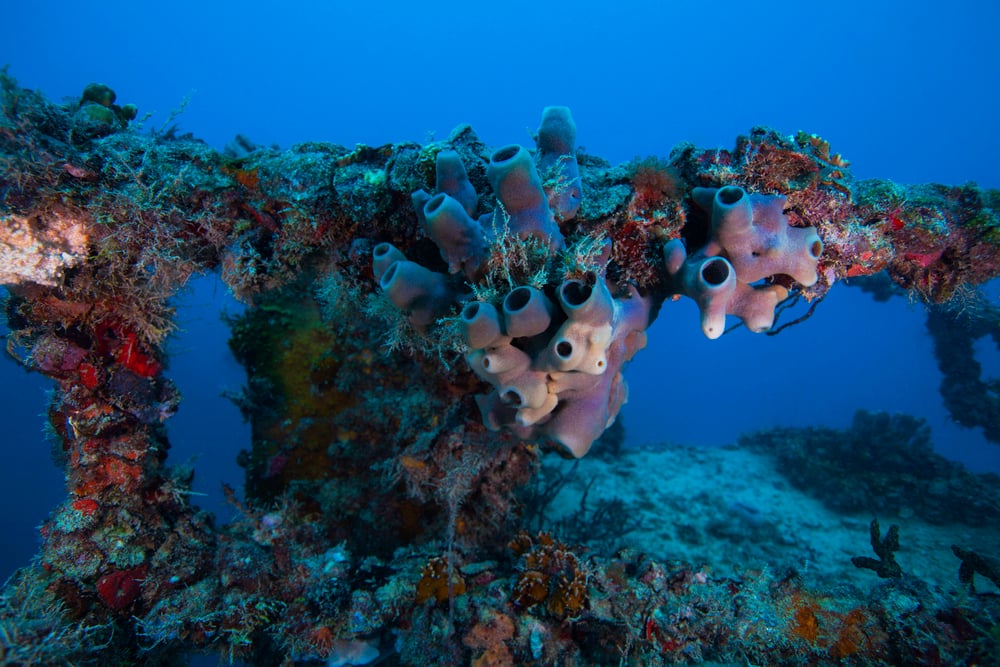
This intentionally sunk 510-foot naval ship created one of the world’s largest artificial reefs, but its massive size and intricate interior create serious hazards. Divers can become disoriented inside the vessel’s complex passageways where silt disturbance immediately reduces visibility to zero.
The depth and currents around the wreck have resulted in numerous close calls and several fatalities since its sinking in 2002.
The Final Plunge
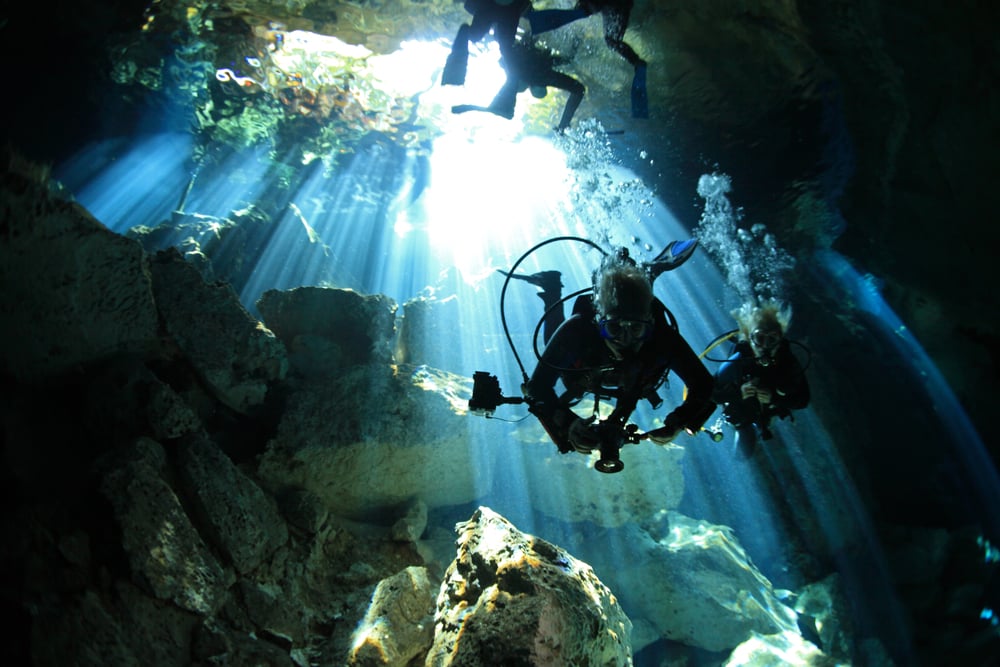
These incredible dives are the pinnacle of human underwater exploration, where careful preparation and snap judgments frequently determine the difference between catastrophe and survival. Even though each site has a history of fatalities and well-documented dangers, it nonetheless draws the world’s top divers.
The pursuit of these underwater challenges reveals something fundamental about human nature—our constant desire to push boundaries, explore the unknown, and test the limits of both technology and human endurance in our planet’s most unforgiving environments.
More from Go2Tutors!

- 18 Unexpectedly Valuable Collectibles You Might Have Lying Around
- 15 Things Every Teenager in the ’70s Did That Teens Today Wouldn’t Understand
- 15 Strange Things People Have Tried to Ban (And Failed)
- 15 Inventions That Were Immediately Banned After Being Created
- 20 Actors Who Were Almost Cast in Iconic Roles
Like Go2Tutors’s content? Follow us on MSN.