30 Watches Found in Drawers Worth More Than Expected
A surprising number of genuinely valuable watches spend decades sitting unworn in a drawer, mistaken for costume jewelry or simply forgotten after a battery died. Pricing for any individual watch depends heavily on condition, originality of parts, and documentation, so the ranges collectors discuss are always starting points rather than guarantees.
Rolex Submariner
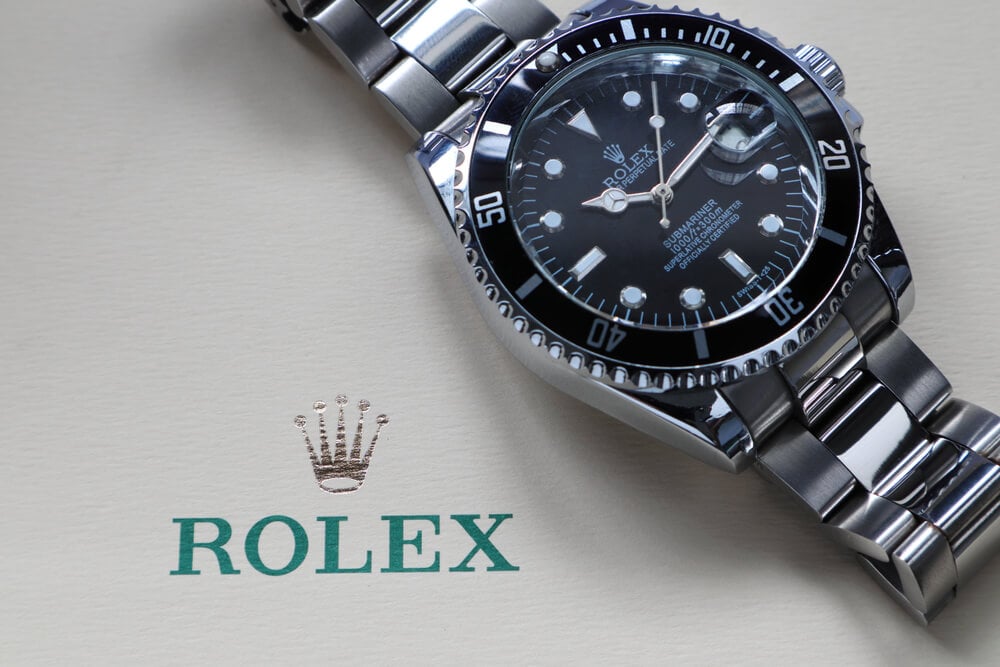
Rolex’s dive watch, introduced in the 1950s, remains one of the most consistently valuable vintage watches on the resale market, with older models fetching a substantial premium over their modern equivalents. Condition of the original bezel and dial matters enormously, since replaced parts can cut a Submariner’s value significantly compared to an all-original example.
Rolex Daytona
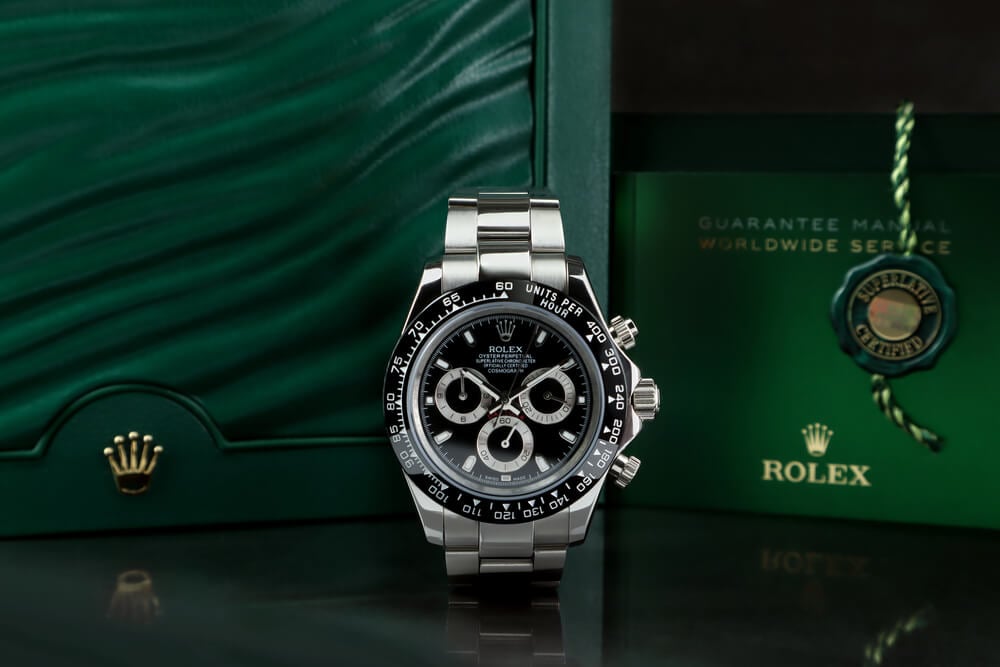
The Daytona chronograph became legendary among collectors after actor Paul Newman was frequently photographed wearing a specific dial variant, which collectors now refer to by his name. A Paul Newman-dial Daytona that had belonged to the actor himself sold for $17.75 million at auction in 2017, and even ordinary examples of the variant command dramatically more than a standard Daytona.
Omega Speedmaster Professional
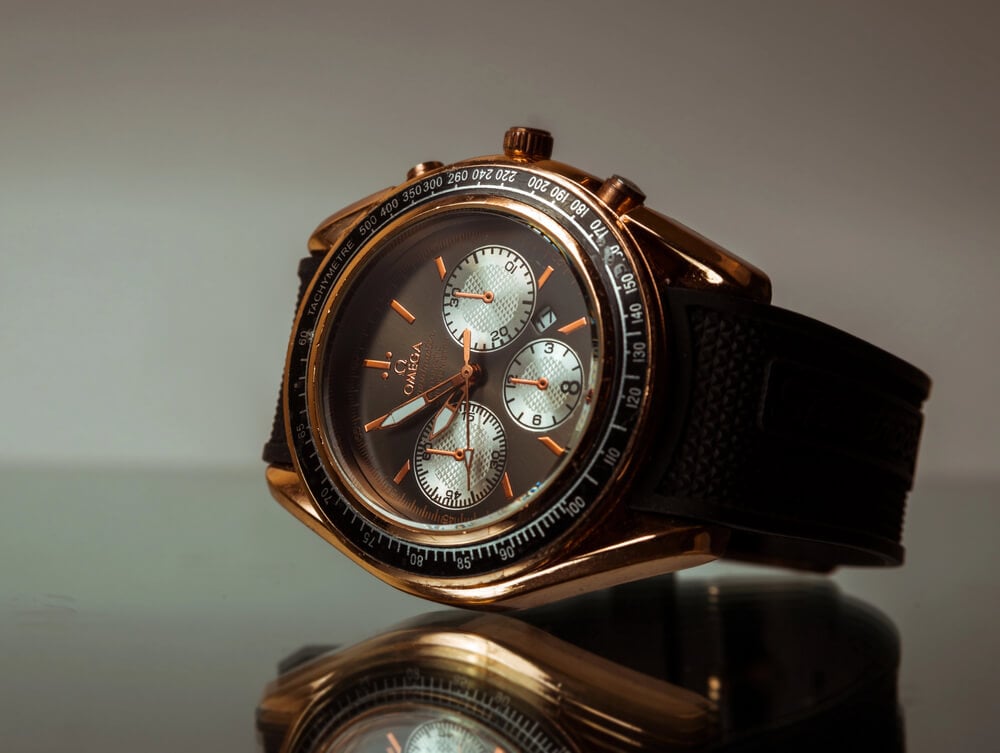
Known widely as the Moonwatch after NASA selected it for the Apollo missions, the Speedmaster Professional was reportedly worn during the 1969 Apollo 11 moon landing, giving it a documented place in space history. Pre-Moon models made before NASA’s selection are especially prized by collectors and can reach well into five figures depending on condition.
Patek Philippe
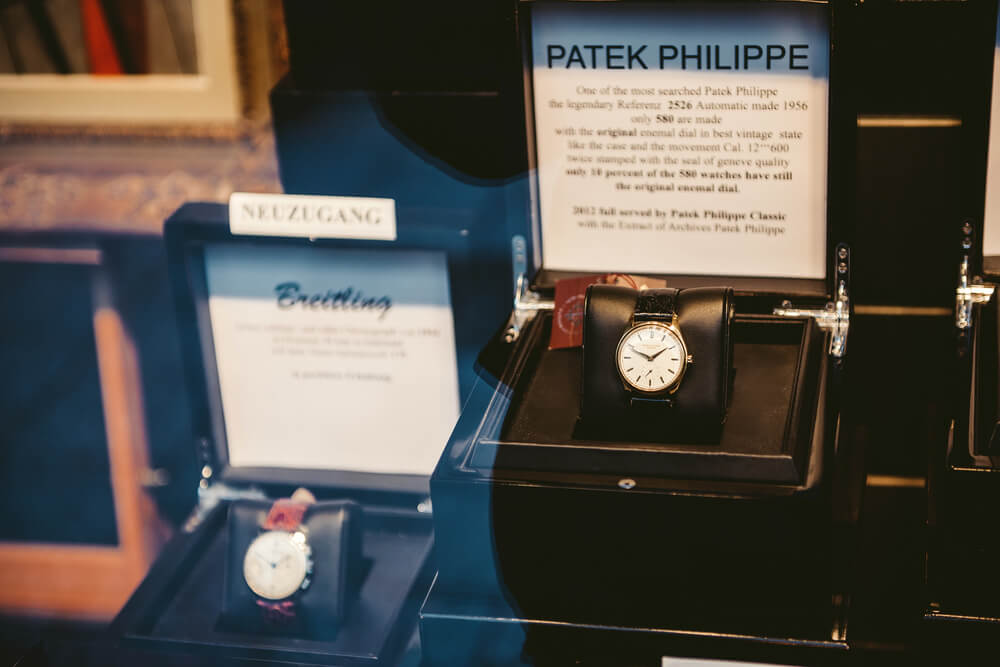
Patek Philippe watches occupy the top tier of the vintage watch market, with the company having produced fewer than one million watches total since its founding in 1839. Even relatively modest vintage Patek models tend to hold significant value simply due to the brand’s extreme production limits and reputation for craftsmanship.
Tudor Submariner
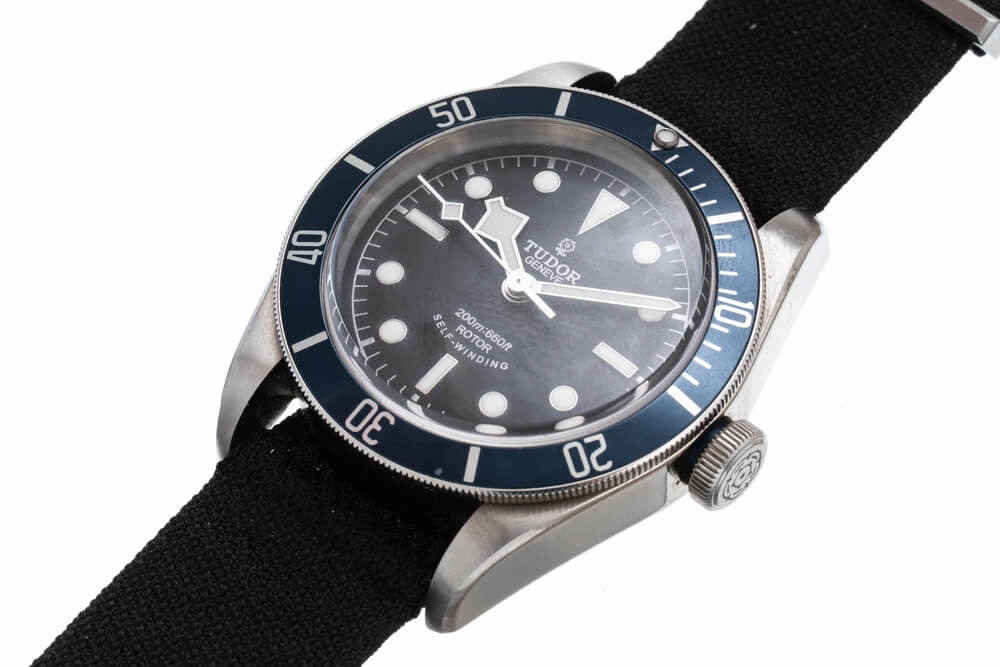
Originally created as a more affordable sibling to the Rolex Submariner, vintage Tudor Submariners have become serious collectibles in their own right, particularly examples issued to military divers such as the French Marine Nationale. Military-issued examples with documented service history and original dial markings can sell for considerably more than civilian versions.
Panerai Radiomir and Luminor
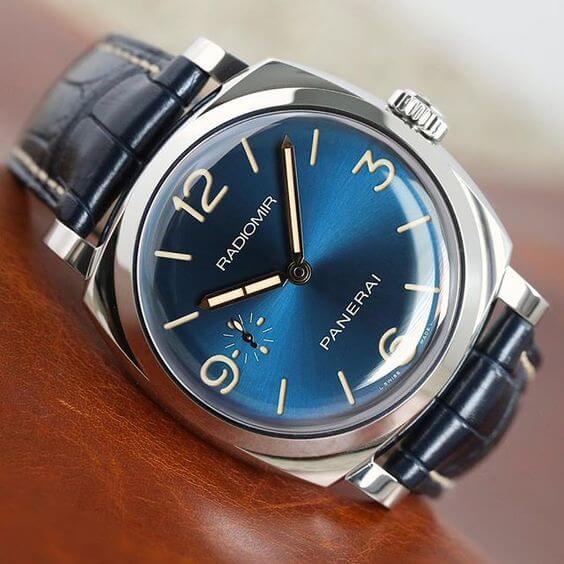
Originally developed for Italian Navy divers before becoming a commercial watch brand, vintage Panerai Radiomir and Luminor models now regularly reach six-figure sums at auction. Their oversized cases and military origin story make them a distinct category from most other vintage dive watches.
Longines
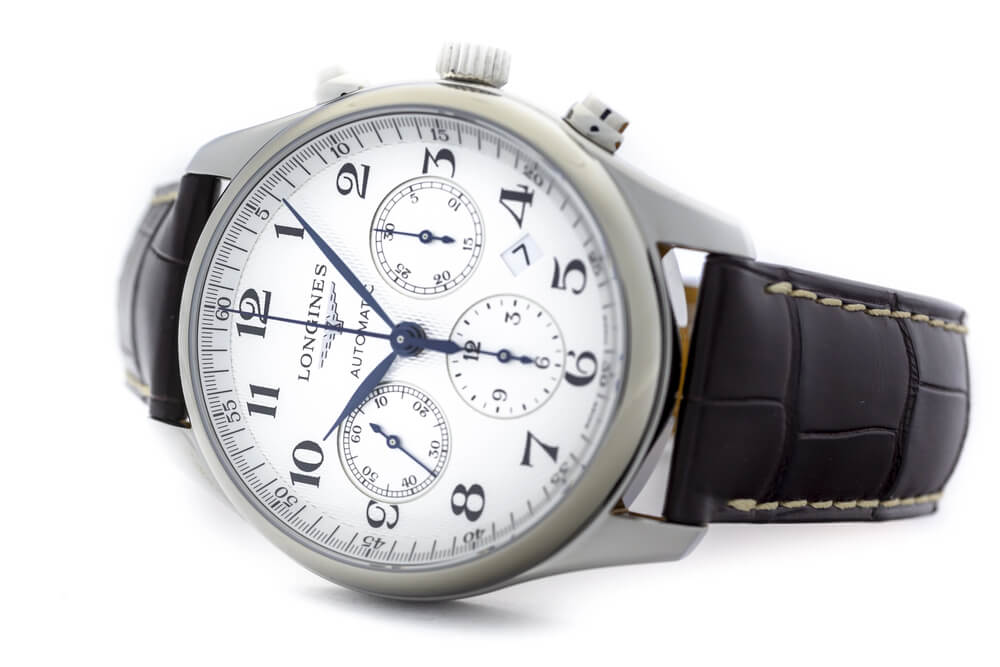
Longines built a reputation through the 20th century for reliable, well-engineered movements at a more accessible price point than brands like Patek Philippe, making it a favorite among collectors seeking genuine vintage quality without the highest-tier price tag. Chronograph models from the mid-20th century in particular have seen steady value increases as collector interest in the brand has grown.
Zenith
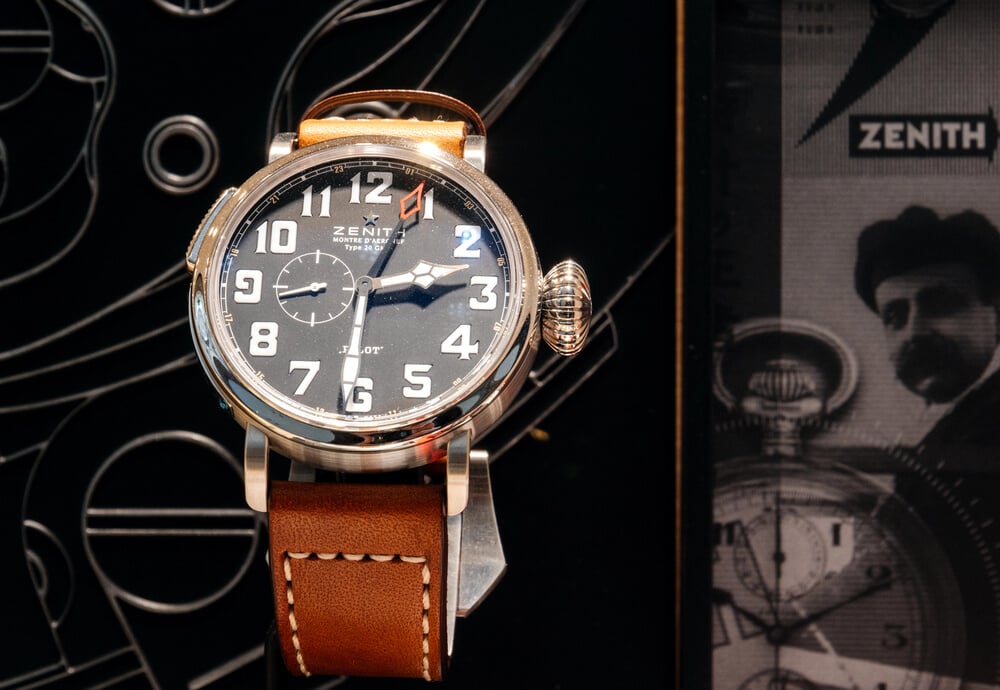
Best known among collectors for its El Primero movement, one of the first automatic chronograph movements ever produced, Zenith watches from the 1960s and 1970s draw serious interest from mechanical watch enthusiasts. Well-preserved examples with the original El Primero movement intact and unmodified are particularly sought after.
Heuer Chronographs
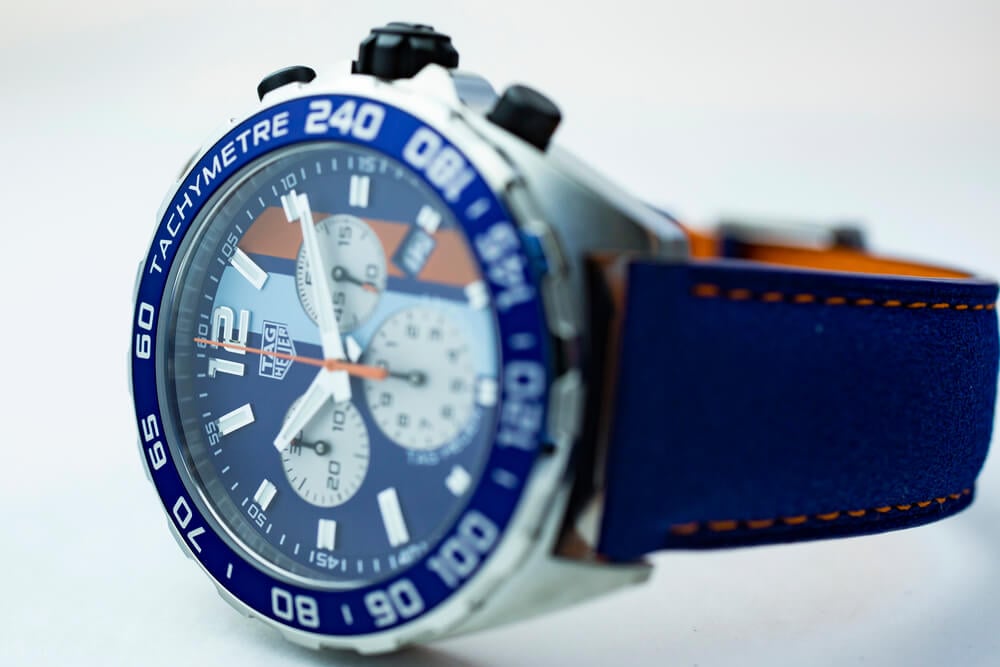
Before merging with the Swiss company TAG in the 1980s, Heuer produced a run of chronographs, including the Carrera and Monaco models, that have since become icons of vintage motorsport-associated watch collecting. Original examples with unpolished cases and intact original dials draw the strongest interest from serious collectors.
Jaeger-LeCoultre Reverso
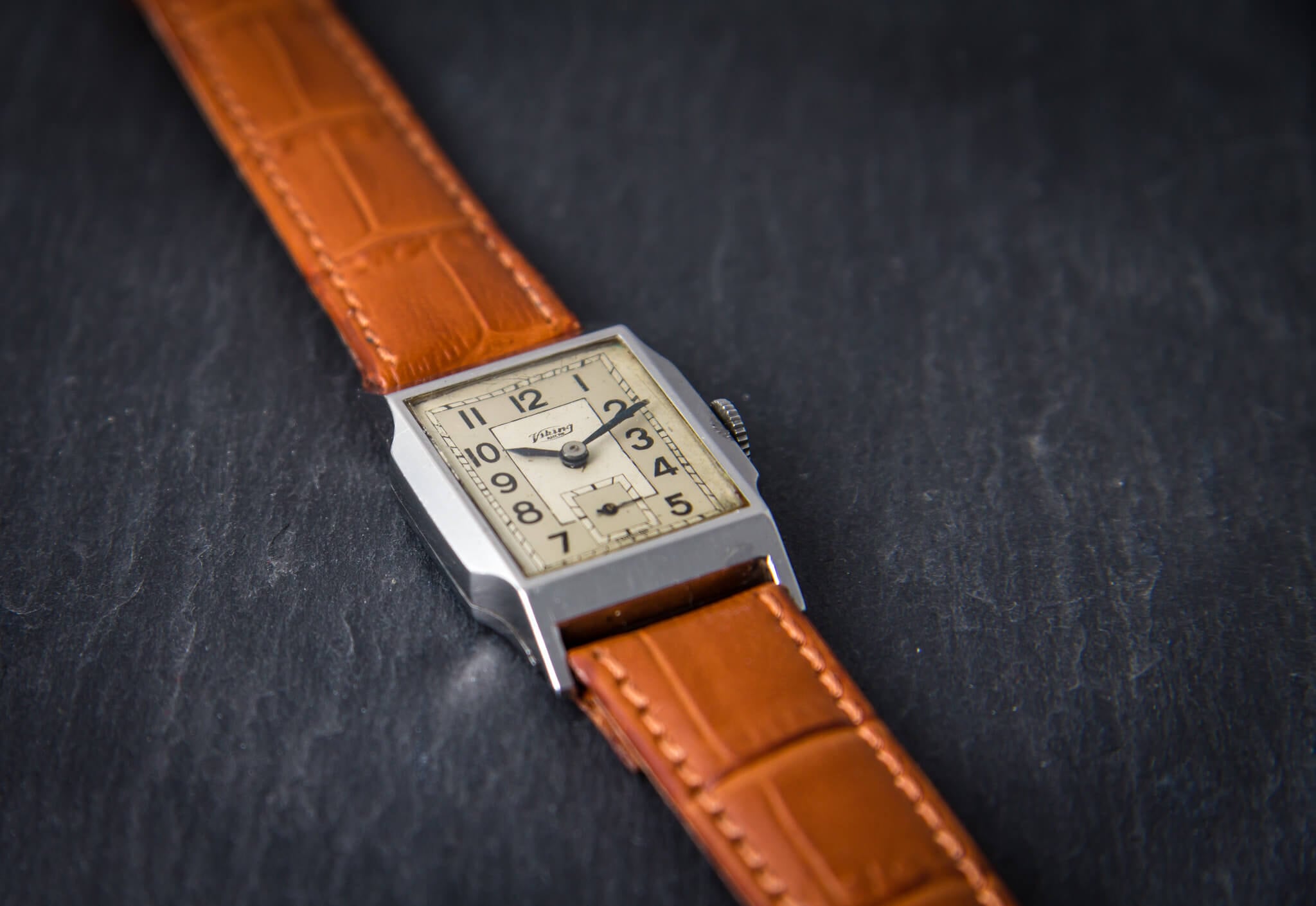
The Reverso’s distinctive swiveling case, originally designed in the 1930s to protect the watch face during polo matches, remains one of the most recognizable designs in vintage watch collecting. Early examples with original dials and cases in good structural condition are particularly valued given the swivel mechanism’s tendency to wear over decades of use.
Breitling Navitimer
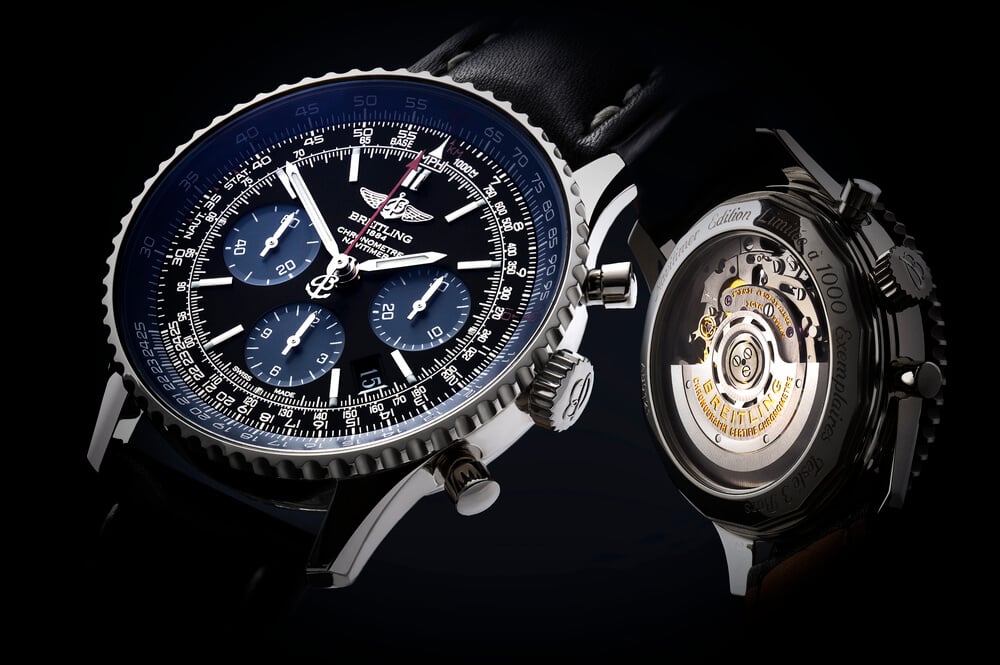
Built around a circular slide rule bezel designed for pilots to perform flight calculations, the Navitimer has remained in production since the 1950s while earlier examples have become genuine vintage collectibles. Models retaining their original bezel markings and dial condition sell for meaningfully more than examples with a replaced or heavily worn bezel.
Cartier Tank
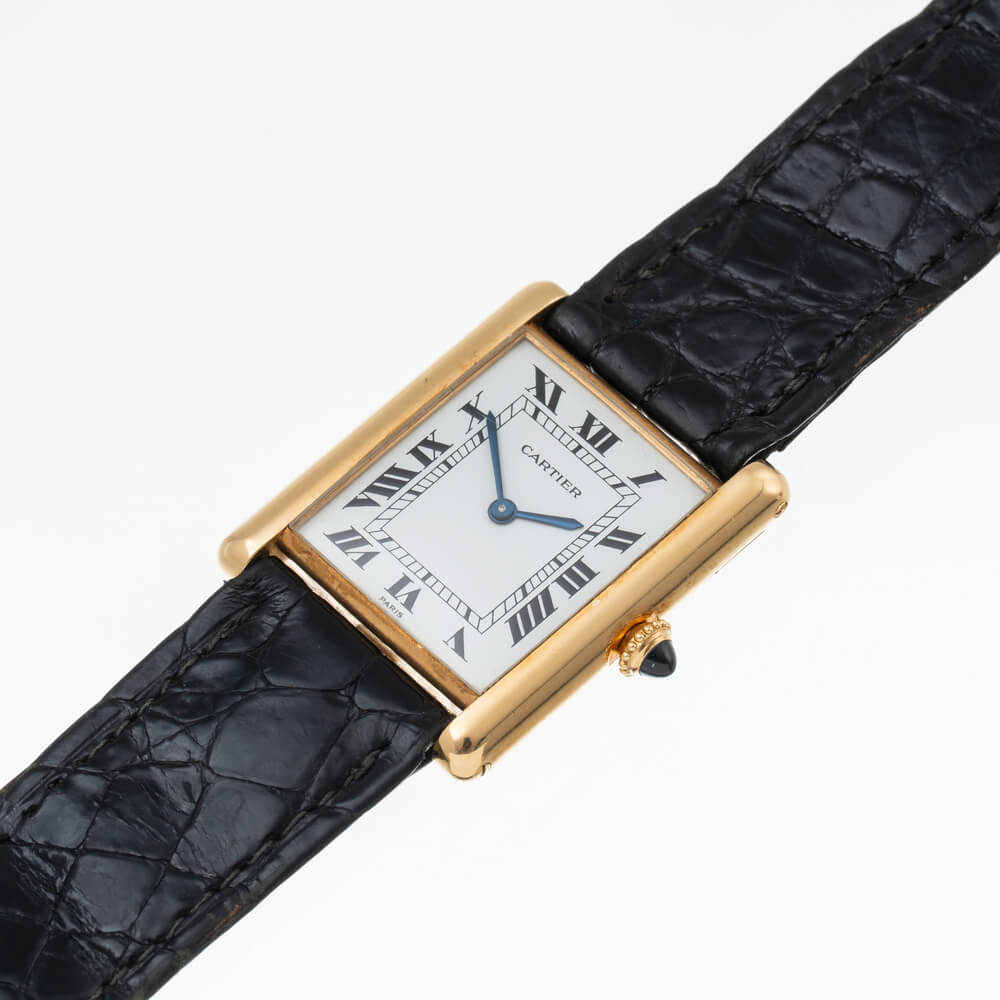
Introduced in 1917 and inspired by the shape of military tanks viewed from above, the Cartier Tank has remained a design touchstone in watchmaking for over a century. Vintage examples from the mid-20th century, particularly those in solid gold with original dials, continue to hold strong value among collectors focused on design history as much as mechanical rarity.
Universal Geneve
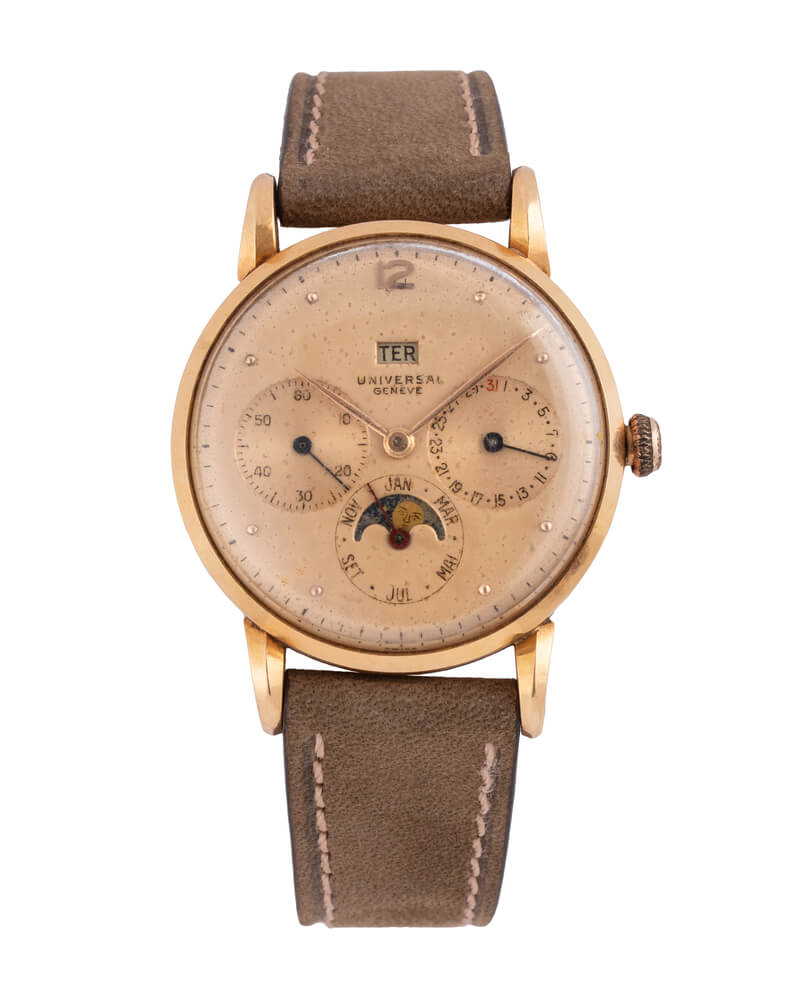
A once-major Swiss manufacturer that has since faded from mainstream recognition, Universal Geneve produced chronographs and complicated movements throughout the mid-20th century that specialist collectors now consider seriously undervalued compared to better-known competing brands. Its relative obscurity outside dedicated collecting circles means well-preserved examples can be found for less than comparable Rolex or Omega models of the same era.
Hamilton Railroad Watches
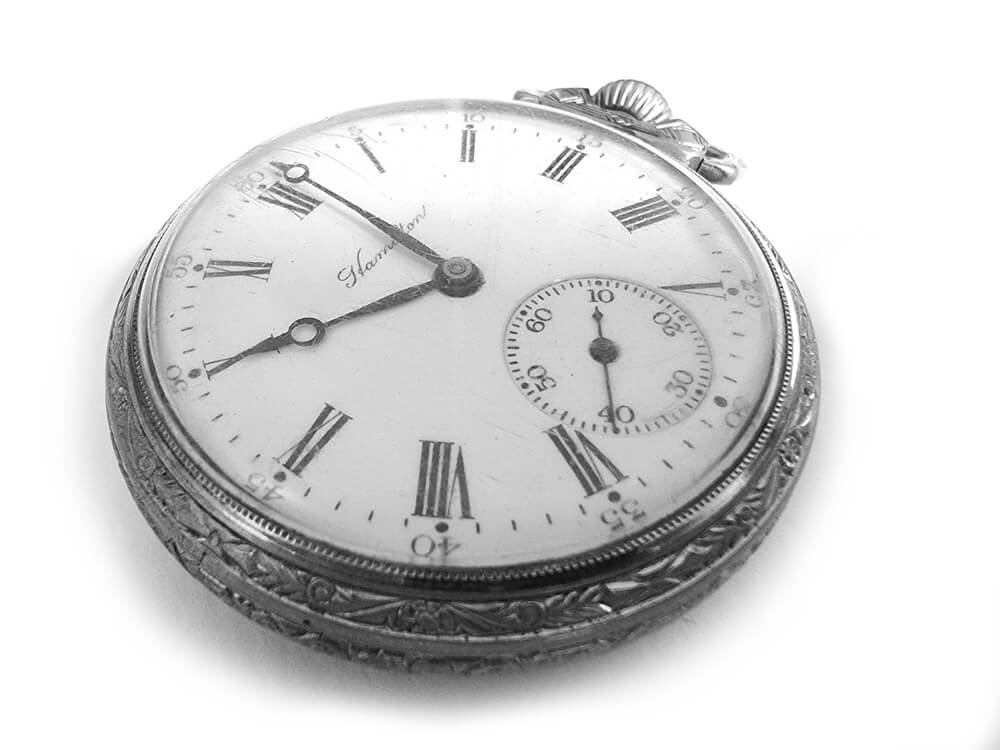
Hamilton built its early reputation on producing precision pocket watches certified for railroad use, when strict accuracy standards were required to prevent train scheduling accidents. Later Hamilton wristwatches, including the futuristic electric Ventura model from the late 1950s, are collected separately from the railroad-grade pocket watches for their design significance rather than railroad history.
Bulova Accutron
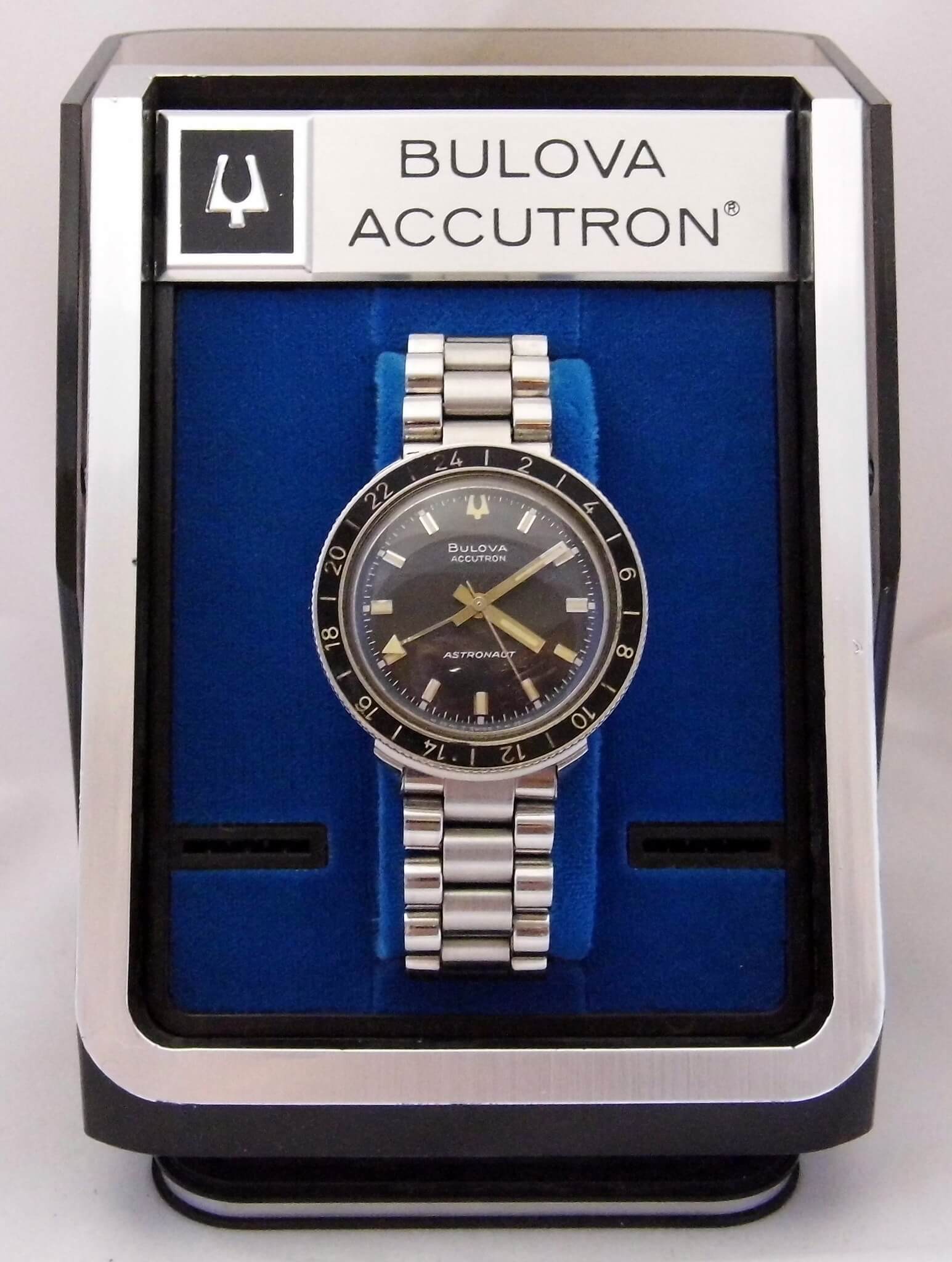
Introduced in 1960, the Accutron used a tuning-fork movement that hummed rather than ticked, making it one of the most technically distinctive watches of the mid-20th century before quartz movements became standard. Working examples with the original tuning-fork movement intact appeal specifically to collectors interested in unusual, transitional watchmaking technology.
Vacheron Constantin
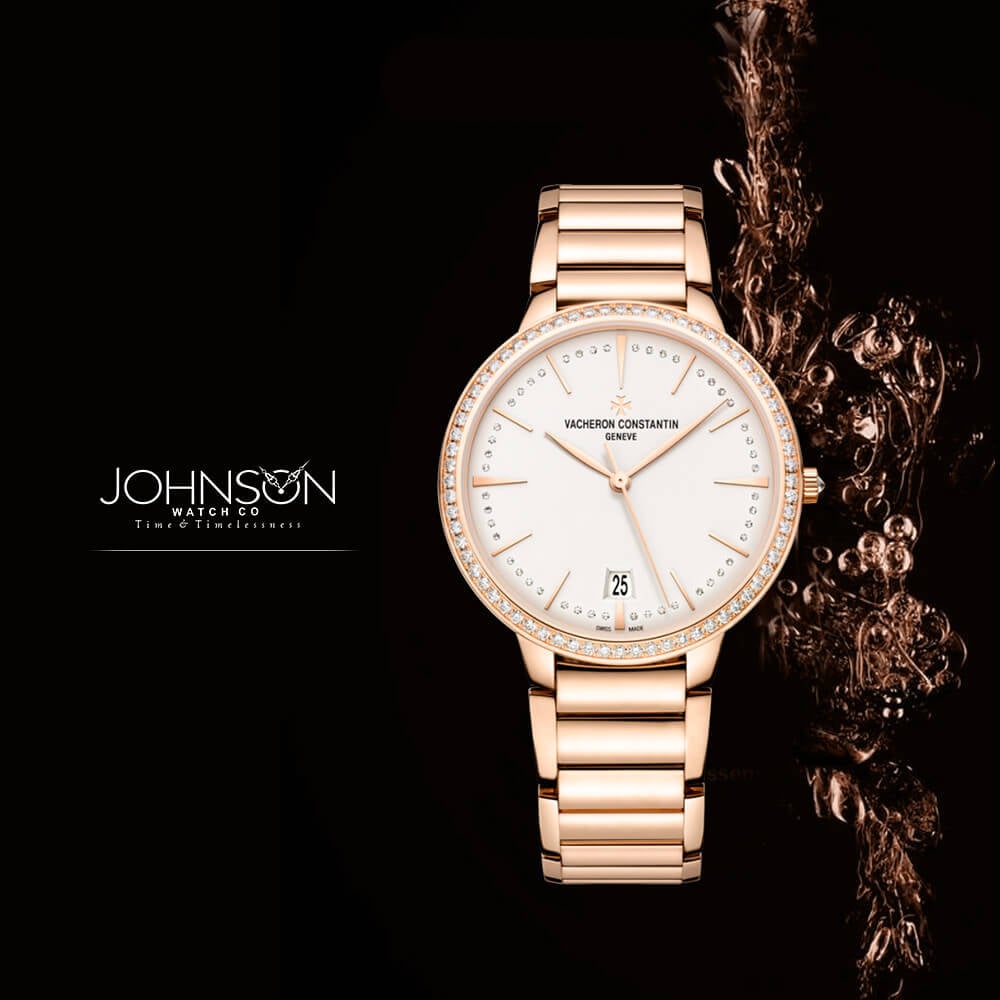
One of the oldest continuously operating watch manufacturers in the world, Vacheron Constantin occupies a similar top tier to Patek Philippe among serious collectors, though with somewhat less mainstream name recognition. Vintage examples, particularly dress watches from the mid-20th century, can carry substantial value that is easy to underestimate without brand familiarity.
Audemars Piguet Royal Oak
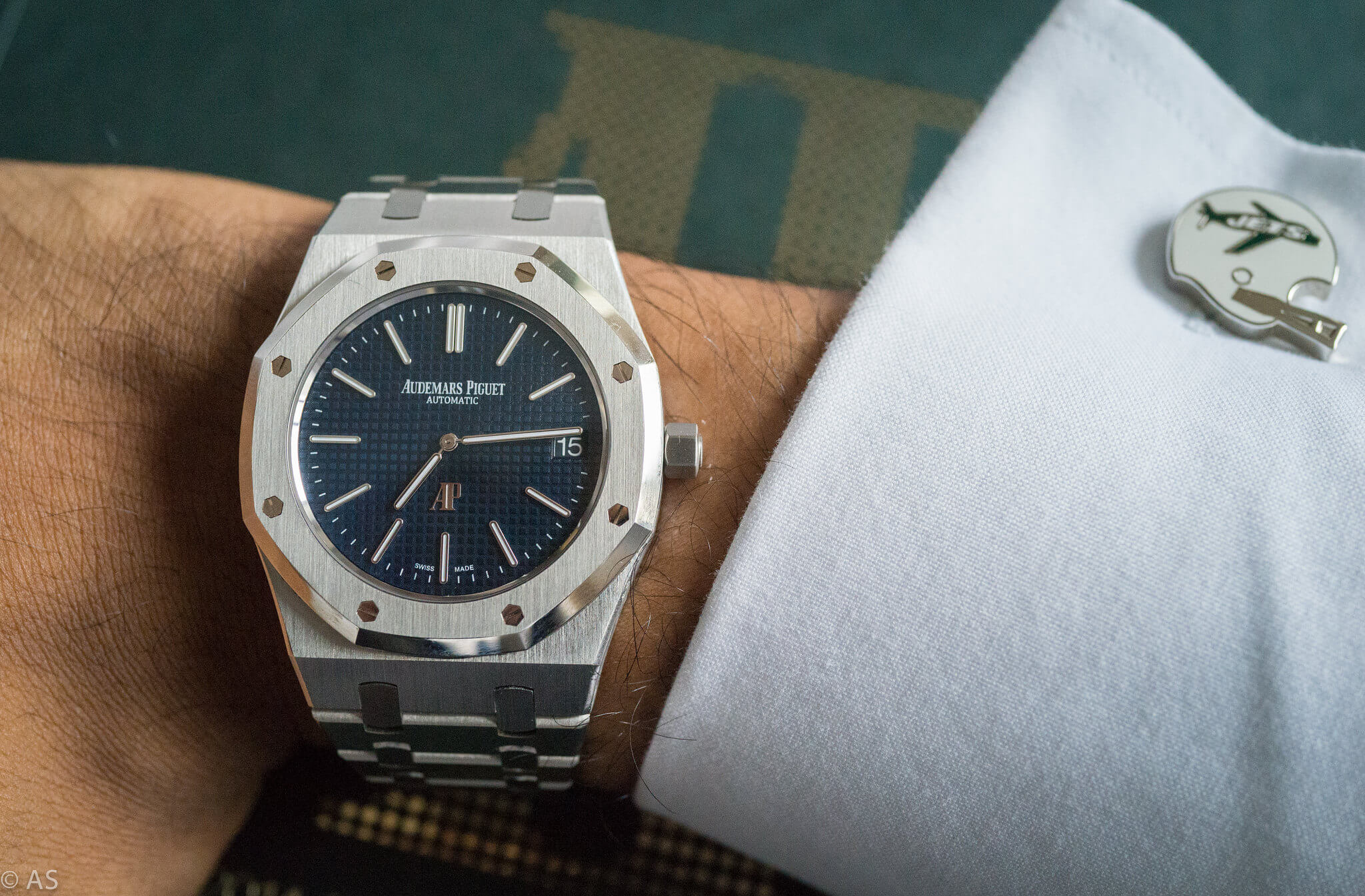
Introduced in 1972 as one of the first luxury sports watches made from steel rather than gold, the Royal Oak’s distinctive octagonal bezel and integrated bracelet design set a template other luxury sports watches later followed. Early examples from the first several years of production are particularly prized by collectors tracking the model’s design evolution.
Elgin Railroad Pocket Watches
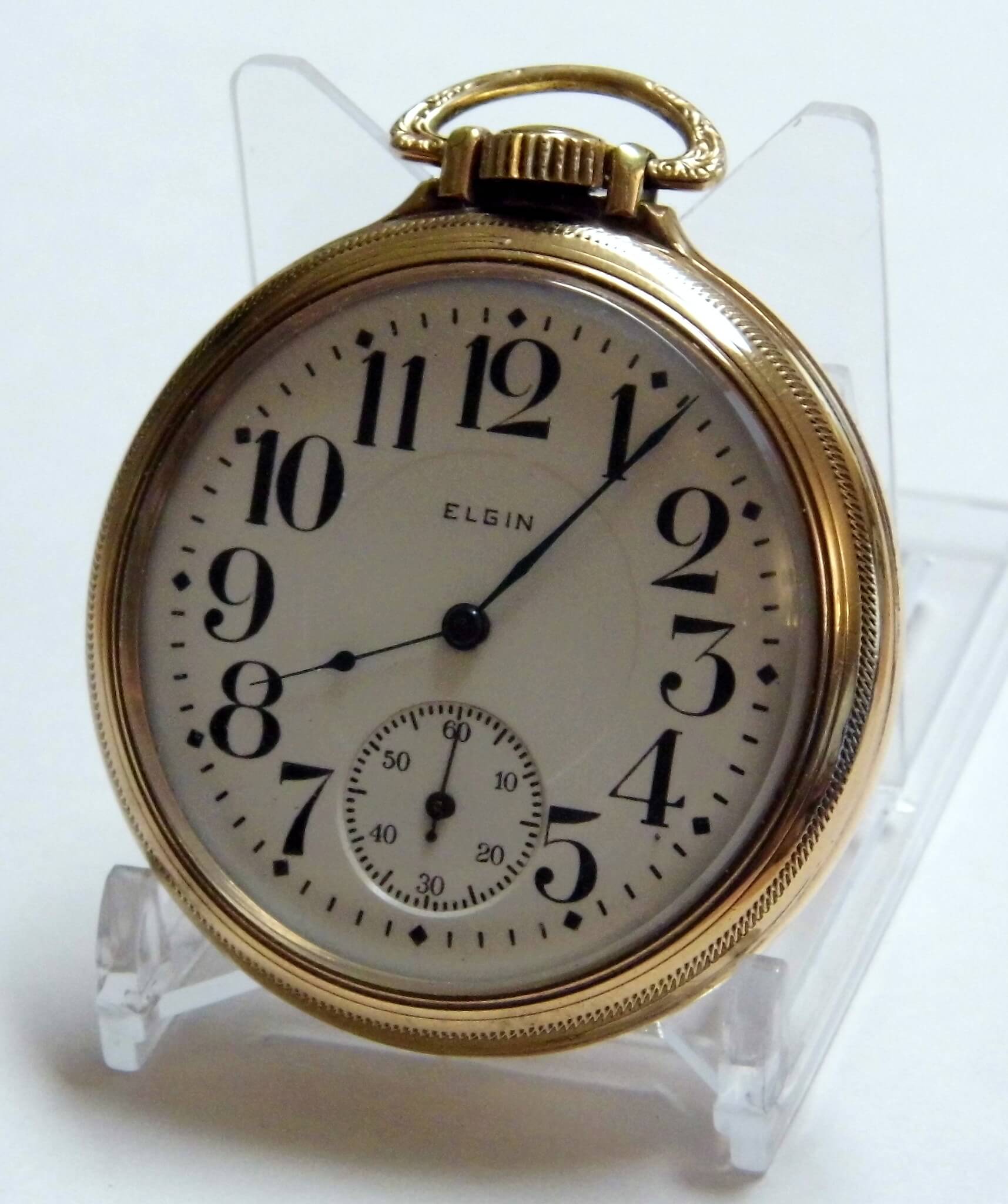
The Elgin National Watch Company produced railroad-grade pocket watches certified to strict accuracy standards through the late 19th and early 20th centuries, before the company shifted focus and eventually closed. Railroad-grade examples with documented accuracy certification and original cases can be worth considerably more than Elgin’s more common everyday pocket watch models.
Waltham Pocket Watches
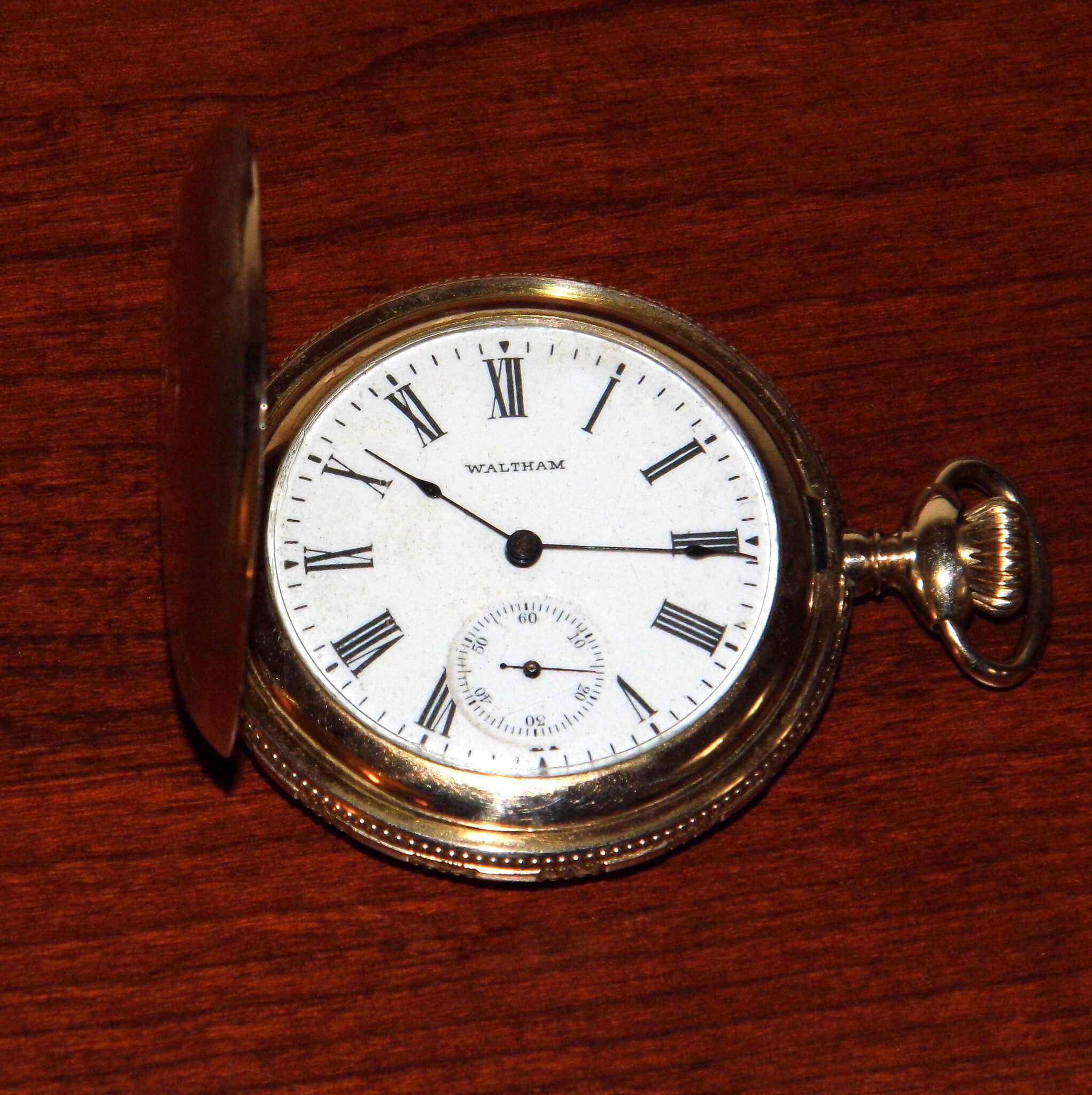
Among the earliest American companies to mass-produce watches using interchangeable machine-made parts, Waltham played a foundational role in the American watch industry before facing financial struggles in the 20th century. Early, well-preserved examples with original movements are collected as much for their industrial history as for their timekeeping.
Gruen Watches
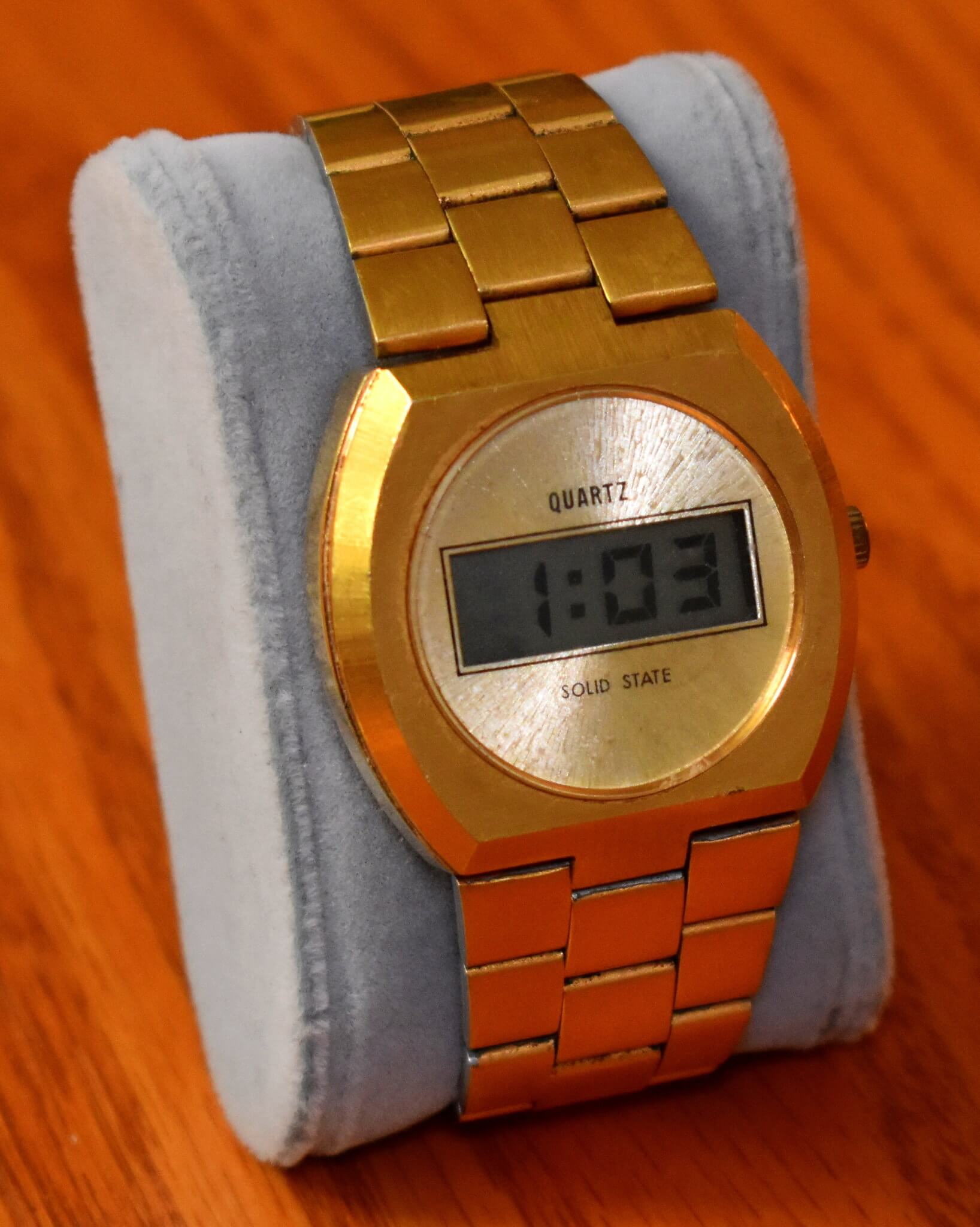
Once a major American watch brand known for the distinctive curved-movement “Curvex” line designed to fit closely against the wrist, Gruen has since faded from public recognition despite genuine collector interest in its mid-century designs. Curvex models in original condition are the most actively sought examples from the brand.
Movado
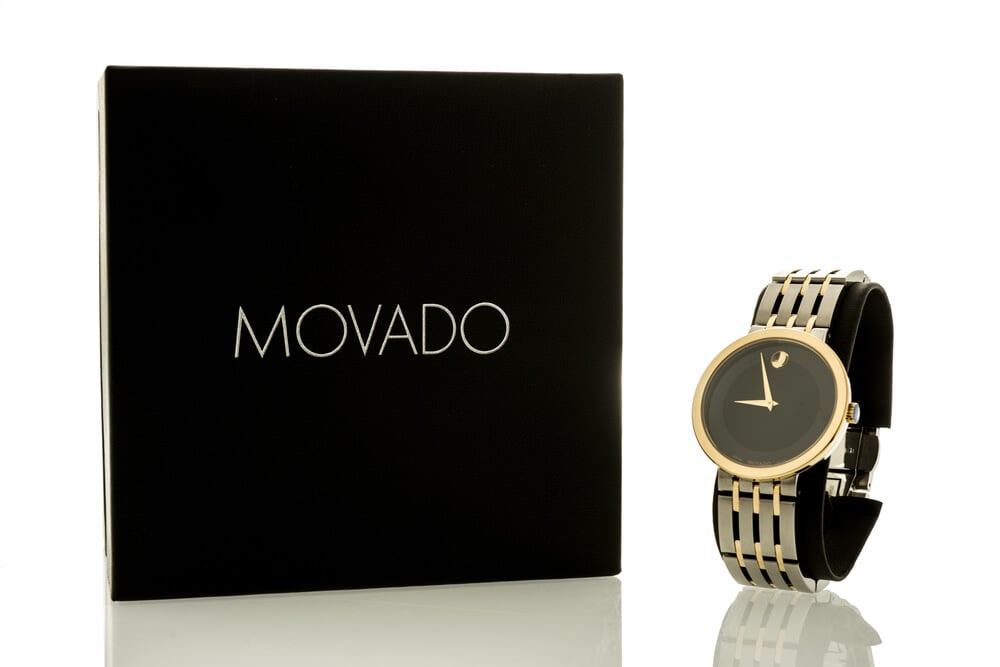
Best known today for the minimalist Museum Watch design featuring a single dot at twelve o’clock, Movado also produced more traditional chronographs and complicated movements earlier in the 20th century that draw separate collector interest. Vintage examples predating the company’s shift toward mass-market design tend to carry more genuine collector value.
Vintage Seiko Divers
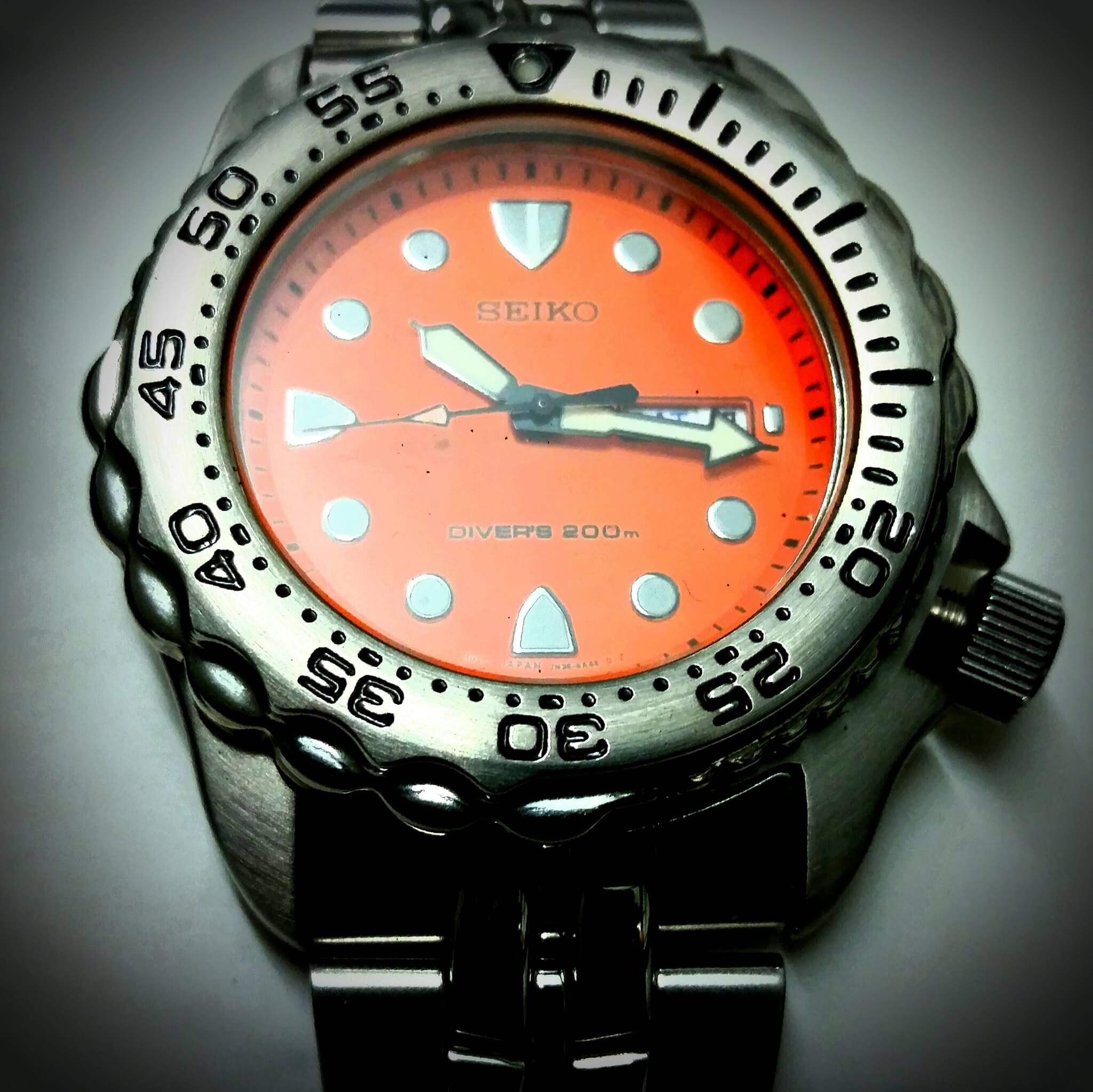
Japanese-made Seiko dive watches from the 1960s and 1970s, including the early 62MAS model and the automatic chronograph references from the following decade, have built a dedicated international collector following distinct from the Swiss watch market. Their relative affordability compared to Swiss equivalents of similar vintage has made them an active entry point for newer watch collectors.
Timex Marlin
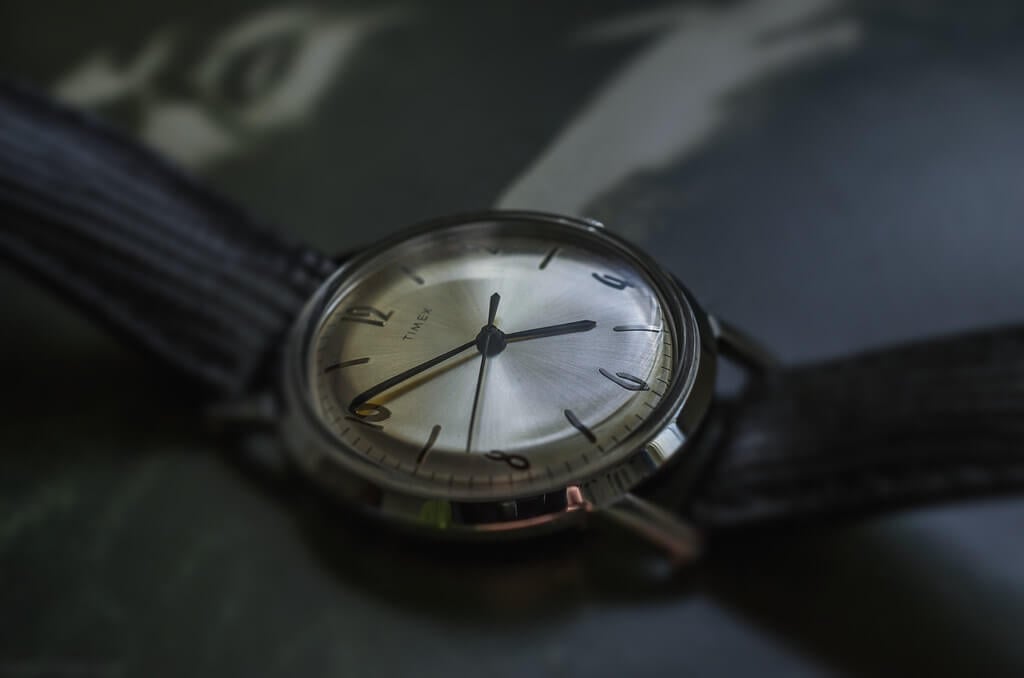
Timex is rarely associated with serious watch collecting, but the original Marlin model from the mid-20th century has drawn renewed interest as an accessible entry point into vintage mechanical watches. Well-preserved originals in good running condition can surprise owners who assumed a Timex would carry no resale value at all.
Illinois Watch Company Railroad Watches
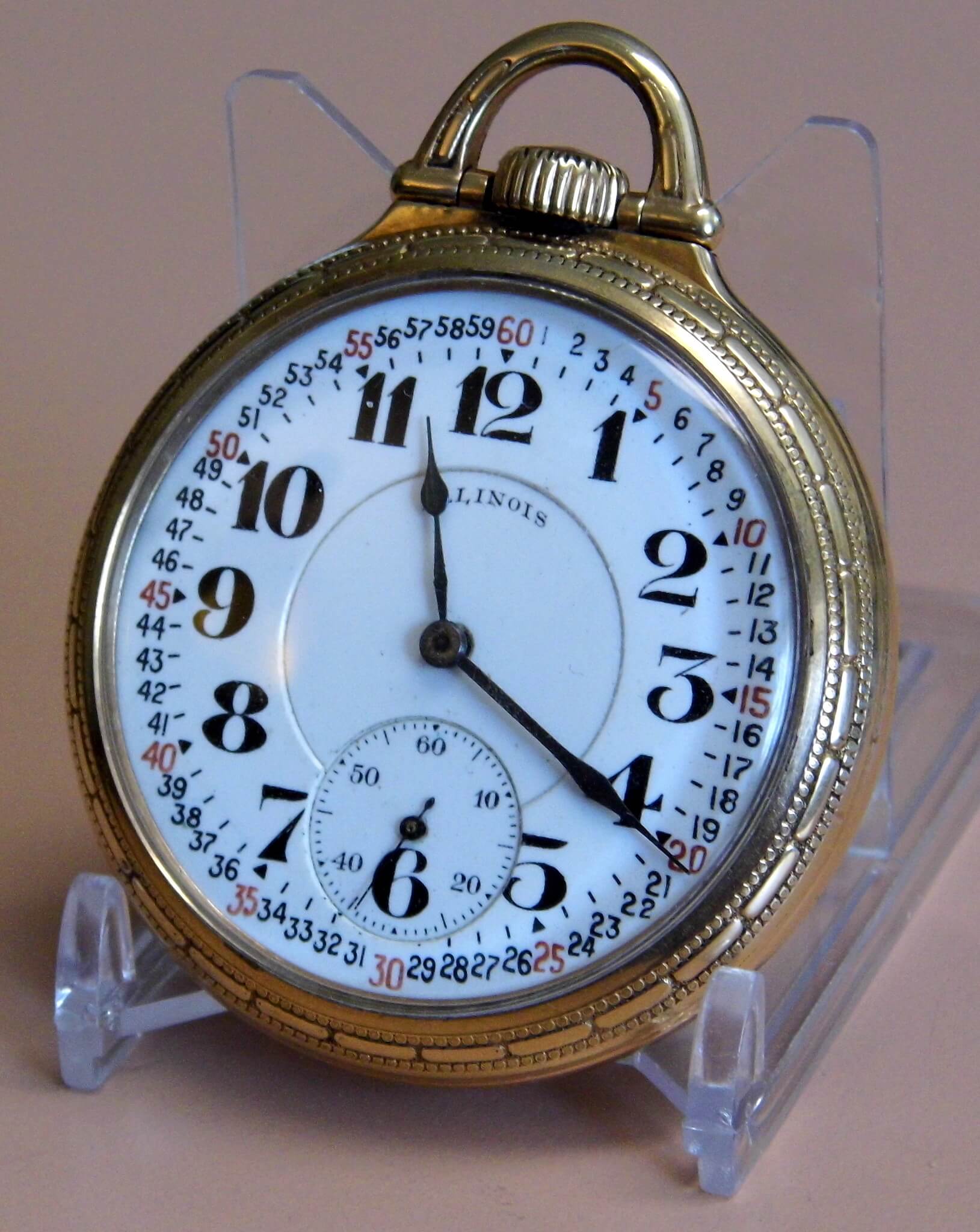
The Illinois Watch Company built its reputation on precision railroad-grade pocket watches in the late 19th and early 20th centuries, competing directly with Hamilton and Elgin for the lucrative railroad certification market. Documented examples with intact railroad-grade markings and their original cases are collected as much for their role in railroad safety history as for craftsmanship.
Ingersoll Mickey Mouse Watches
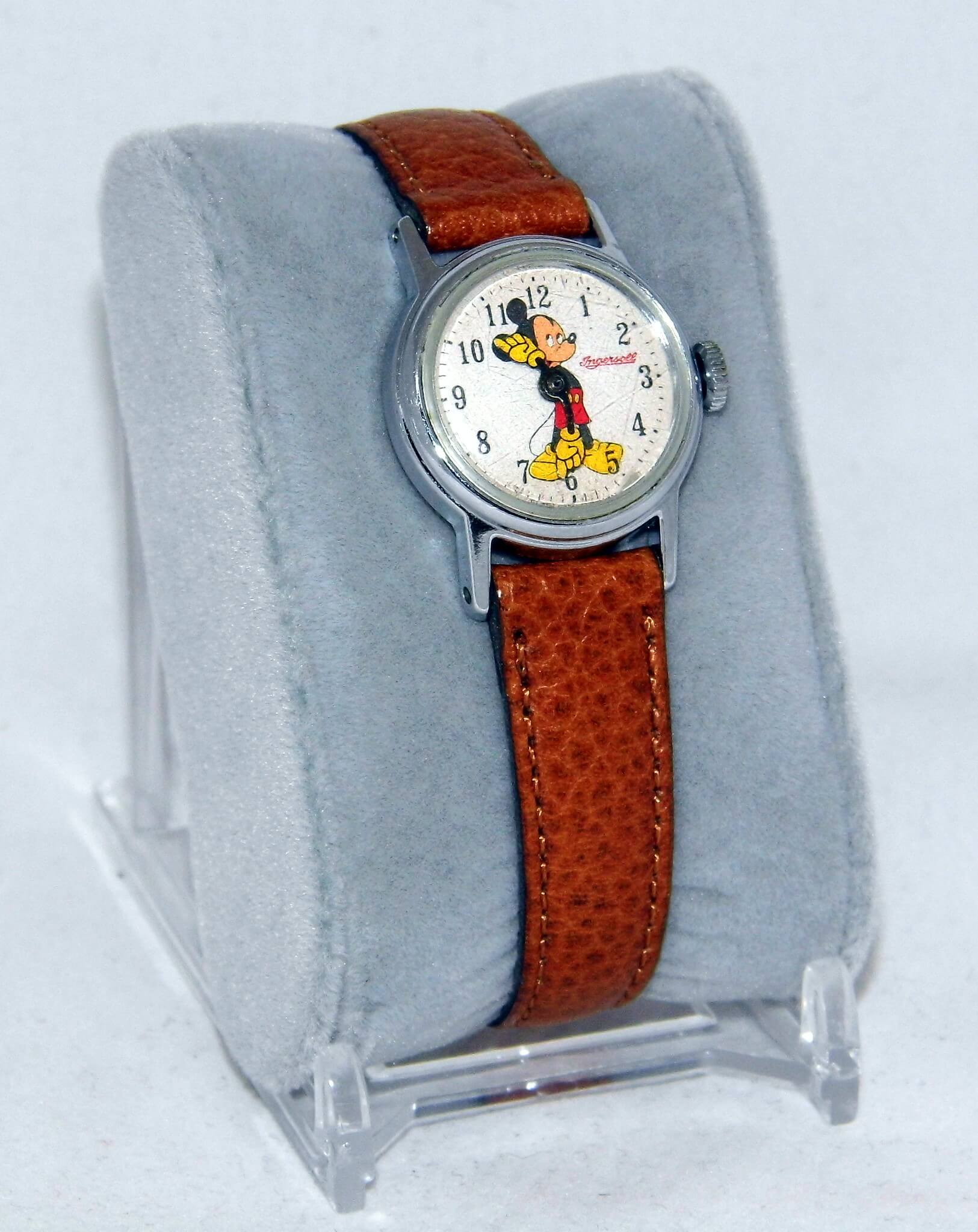
Ingersoll’s original licensed Mickey Mouse wristwatch, released in 1933, became one of the best-selling watches of its era and helped establish the modern practice of licensed character merchandise. Well-preserved original examples from the 1930s are considered a genuine milestone piece by collectors focused on both watch and Disney memorabilia history.
Pulsar LED Digital Watches
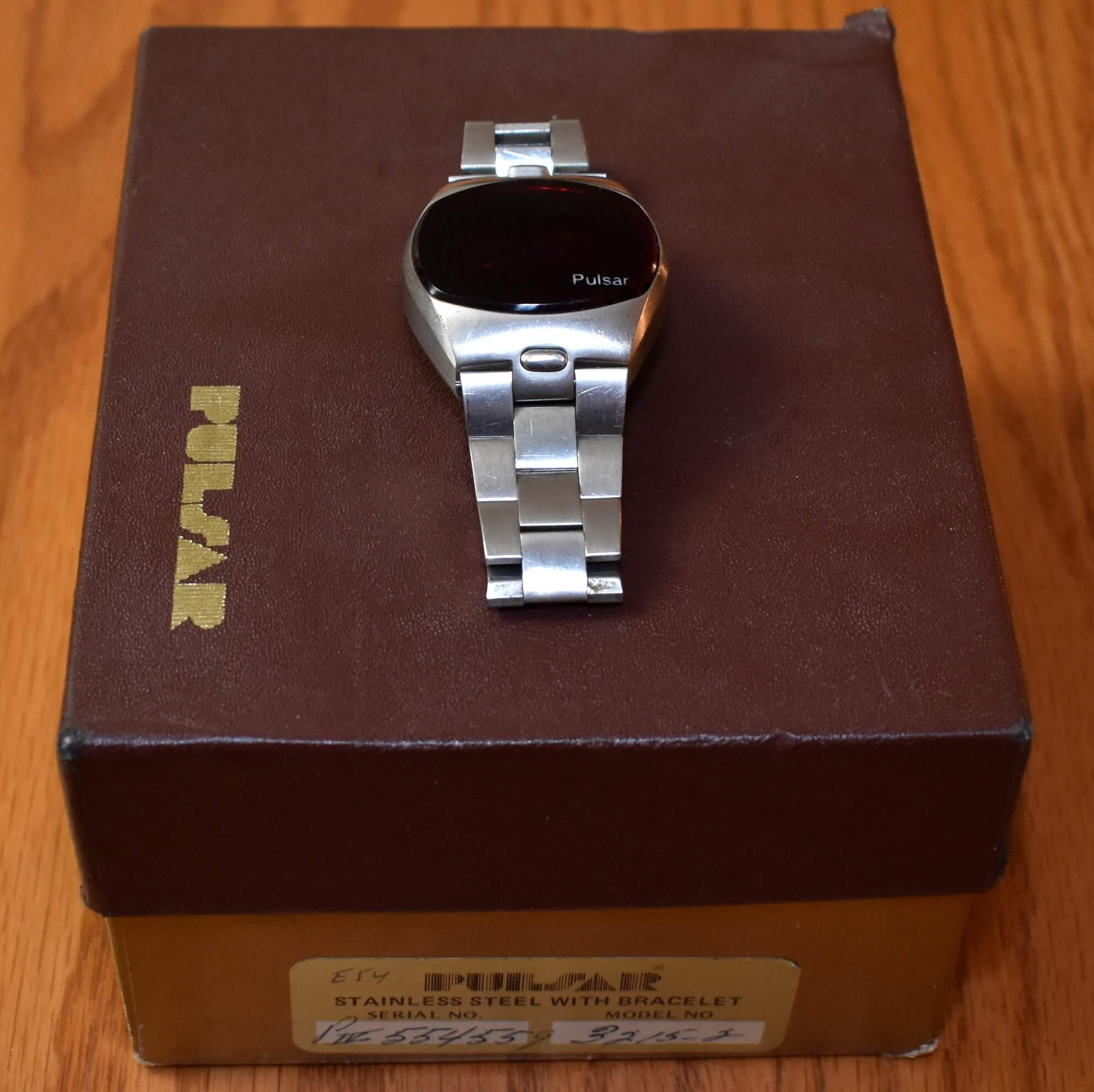
Released in 1972, the Pulsar was the first commercially available digital watch, using red LED lights to display the time at the press of a button rather than traditional hands. Early examples, particularly solid gold versions sold at a steep original price, are collected today as a milestone in the transition from mechanical to digital timekeeping.
Early Casio G-Shock Models
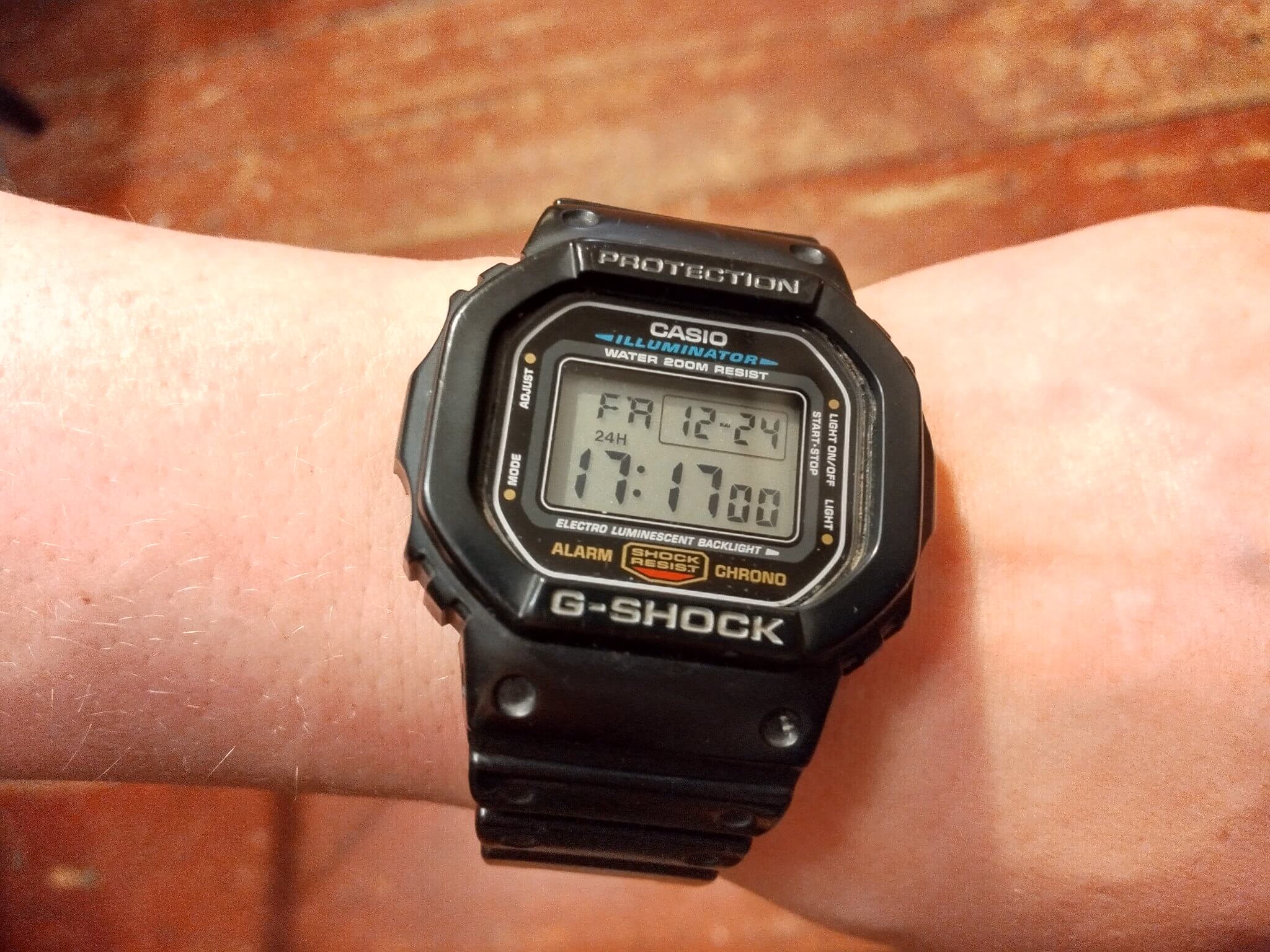
Introduced in 1983 and designed to survive drops, shocks, and water exposure that would destroy a conventional watch, the earliest G-Shock models have become genuine collectibles among a growing community of digital watch enthusiasts. Original examples from the line’s first several years, especially in undamaged condition, draw significantly more interest than later mass-produced versions.
IWC Pilot Watches
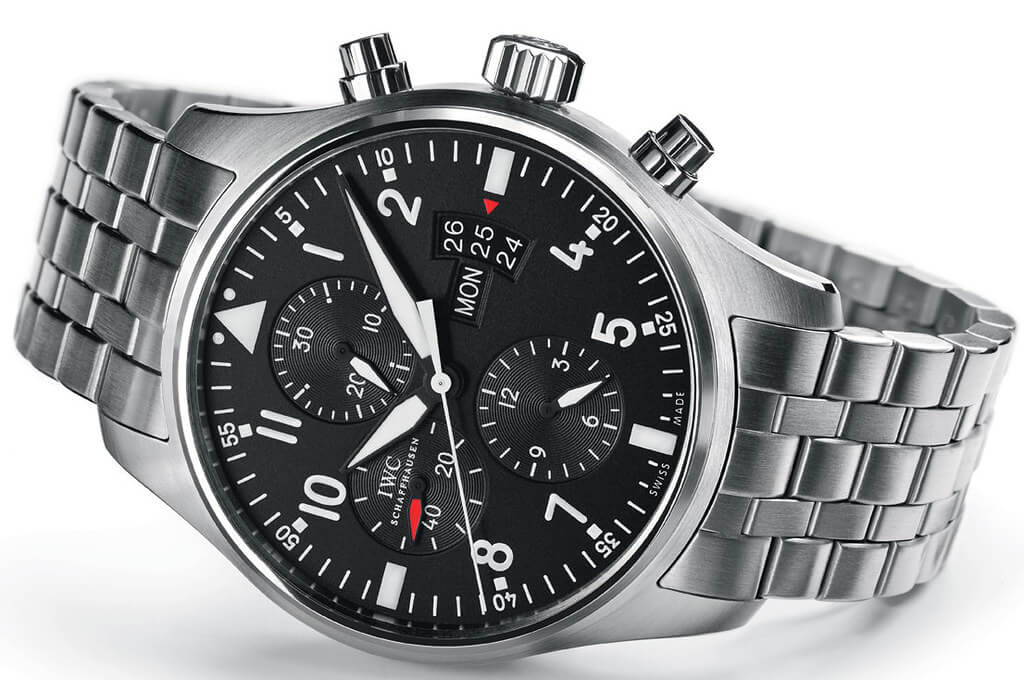
International Watch Company’s Mark series of pilot watches, developed for military aviation use starting in the mid-20th century, remain a benchmark within tool-watch collecting circles. Military-issued examples with documented service markings typically carry more value than civilian versions of the same reference.
Girard-Perregaux
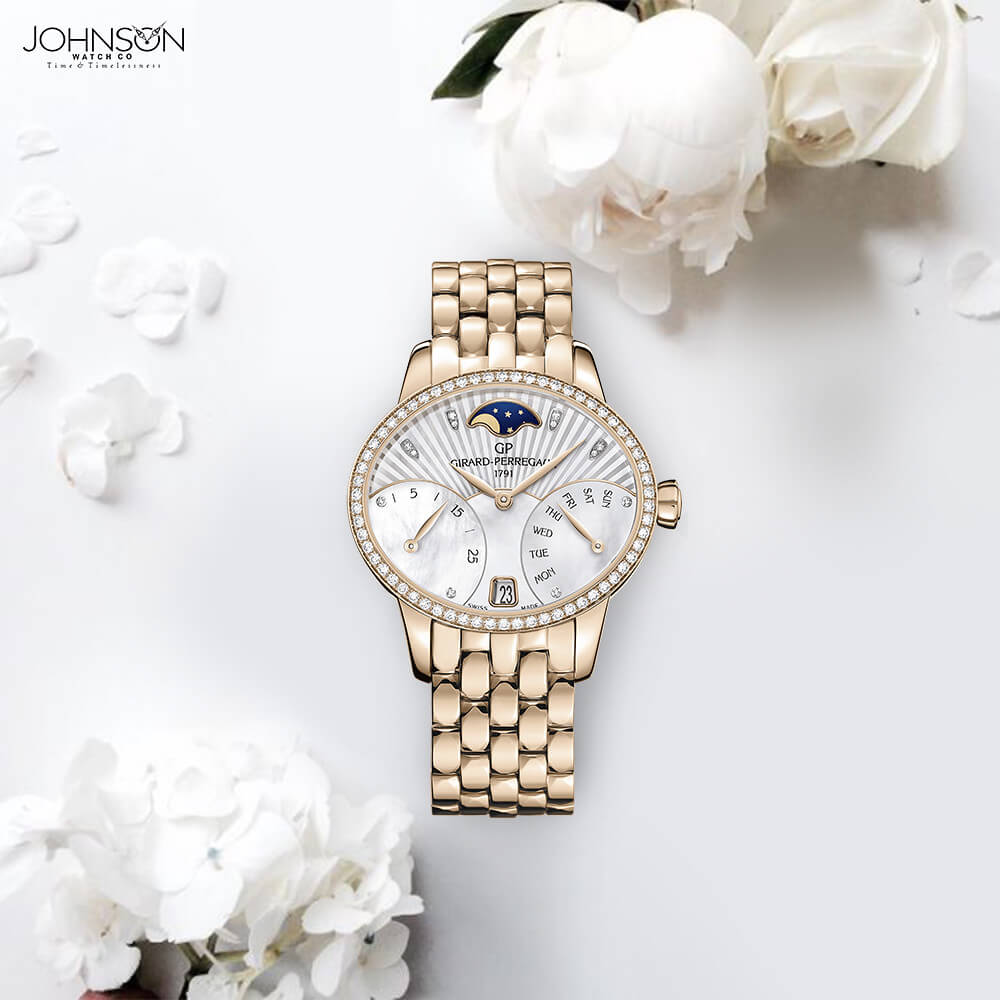
A historically significant but frequently overlooked Swiss manufacturer, Girard-Perregaux produced technically sophisticated movements throughout the 20th century that specialist collectors consider underpriced relative to comparable output from better-known rivals. Its lower public profile means genuinely rare examples can still surface at prices well below what similar rarity would command from a more famous name.
WWII British Military Issue Watches
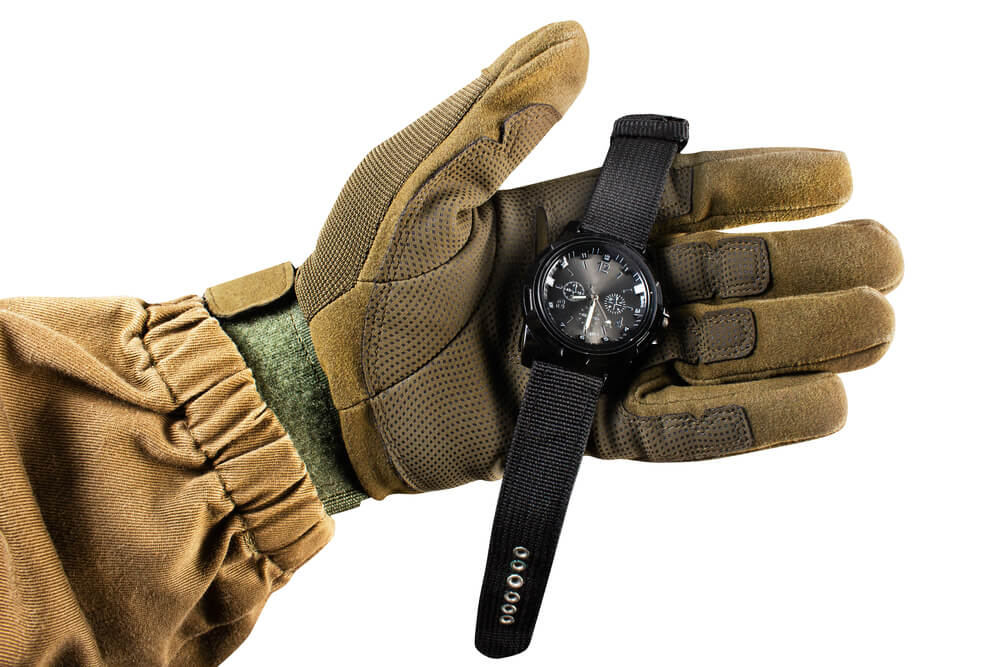
A group of British military-issued watches produced by twelve different manufacturers during the Second World War, later nicknamed the “Dirty Dozen” by collectors, were built to strict military specifications for accuracy and legibility. Documented examples with intact military markings and traceable issue history are actively pursued by military watch collectors regardless of whether the manufacturer is otherwise well known today.
What a Drawer Can Hide
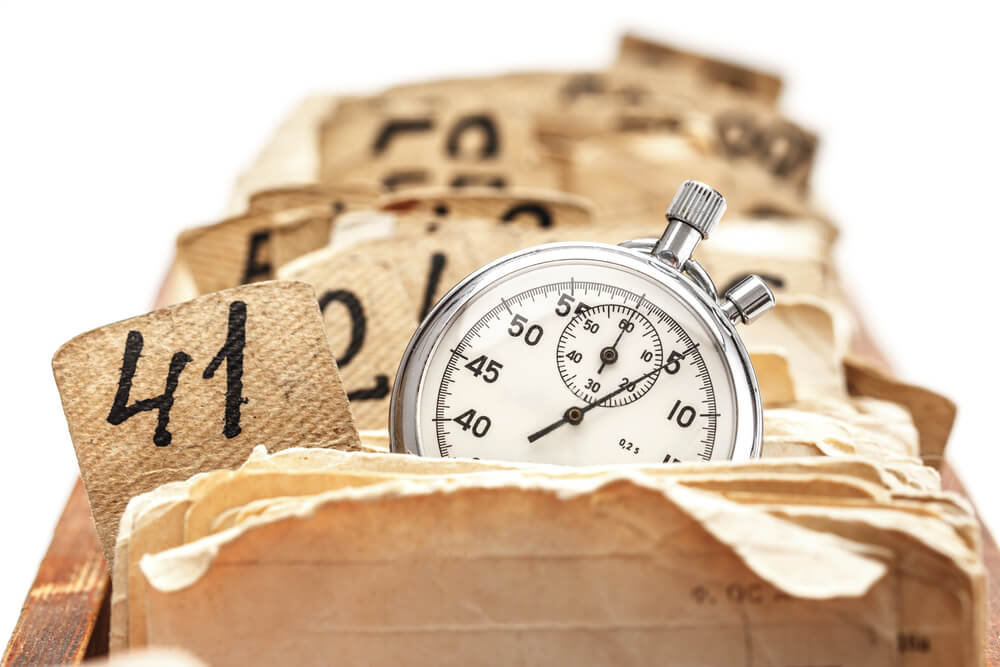
The common thread across almost every watch on this list is that value rarely announces itself. A scratched crystal, a dead battery, or a plain steel case can make a genuinely significant watch look like nothing more than an old timepiece nobody bothered to fix, especially to someone unfamiliar with which names and reference numbers actually matter to collectors.
That gap between appearance and value is exactly why so many of these pieces surface in estate sales, inherited jewelry boxes, and forgotten drawers rather than watch shops. Nobody sets out to lose track of something worth thousands of dollars; they simply stop wearing a watch once it stops working, without ever finding out what it was actually worth.
More from Go2Tutors!

- The Romanov Crown Jewels and Their Tragic Fate
- 13 Historical Mysteries That Science Still Can’t Solve
- Famous Hoaxes That Fooled the World for Years
- 15 Child Stars with Tragic Adult Lives
- 16 Famous Jewelry Pieces in History
Like Go2Tutors’s content? Follow us on MSN.