Historical Figures Whose Legacies Have Been Most Misunderstood
History has a way of flattening complex people into simple stories. The messy contradictions that made these figures human get smoothed away, leaving behind either saints or villains.
The truth usually sits somewhere far more interesting—in the gray spaces between what people needed them to be and who they actually were. Sometimes the misunderstanding serves a purpose, making heroes out of flawed humans or demons out of complicated leaders.
Other times, it just reflects how hard it is to see clearly across centuries of cultural change and political revision.
Christopher Columbus
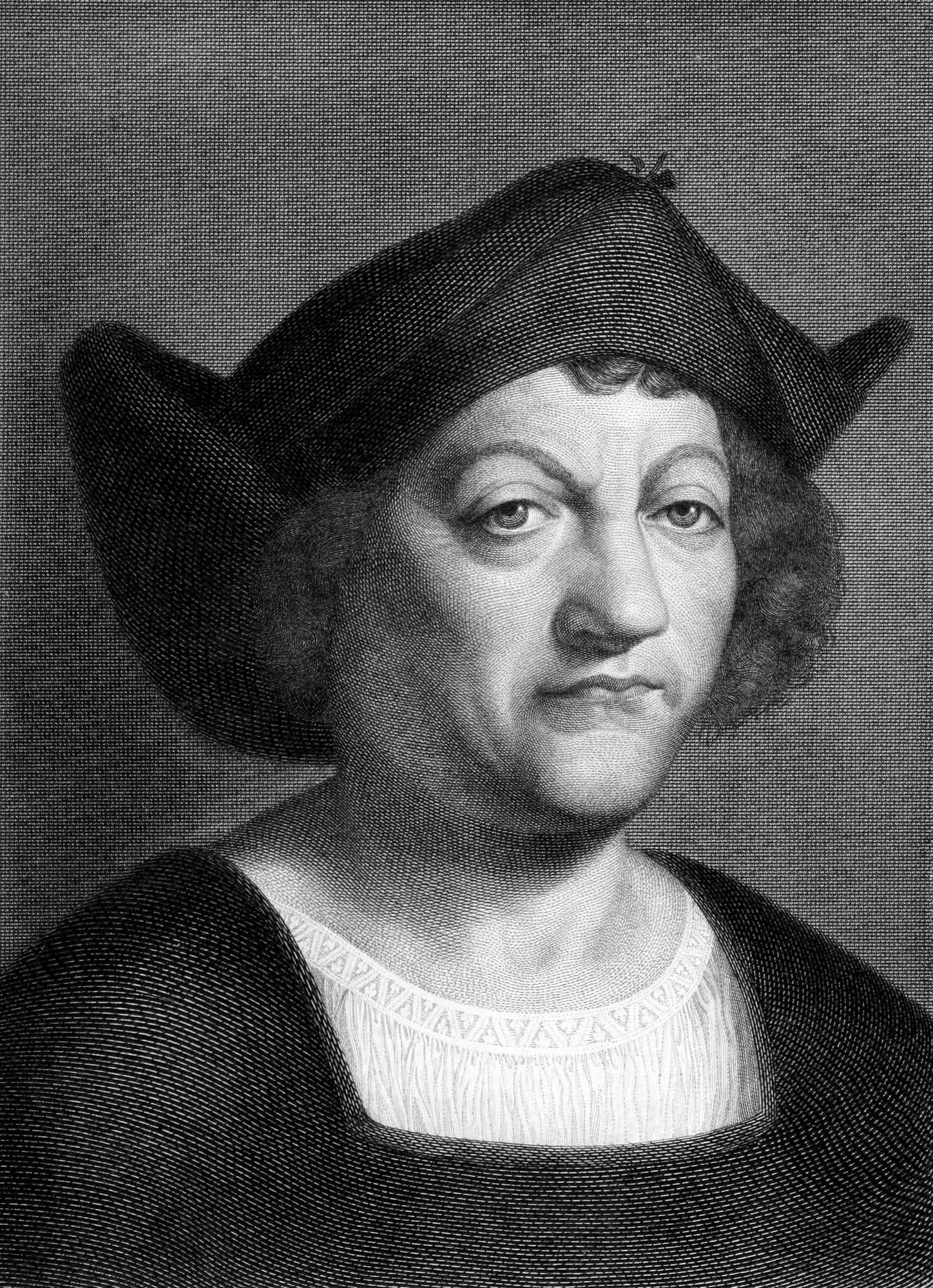
Columbus gets painted as either a brave explorer or a genocidal monster. Neither version captures reality.
He was a middling navigator who got lucky with wind patterns. His math was wrong, his maps were worse, and he died convinced he’d found Asia.
The heroic explorer narrative ignores his administrative failures and treatment of indigenous people. The pure villain story ignores that he operated within the brutal norms of his time.
What made Columbus significant wasn’t his character—it was his timing.
Marie Antoinette
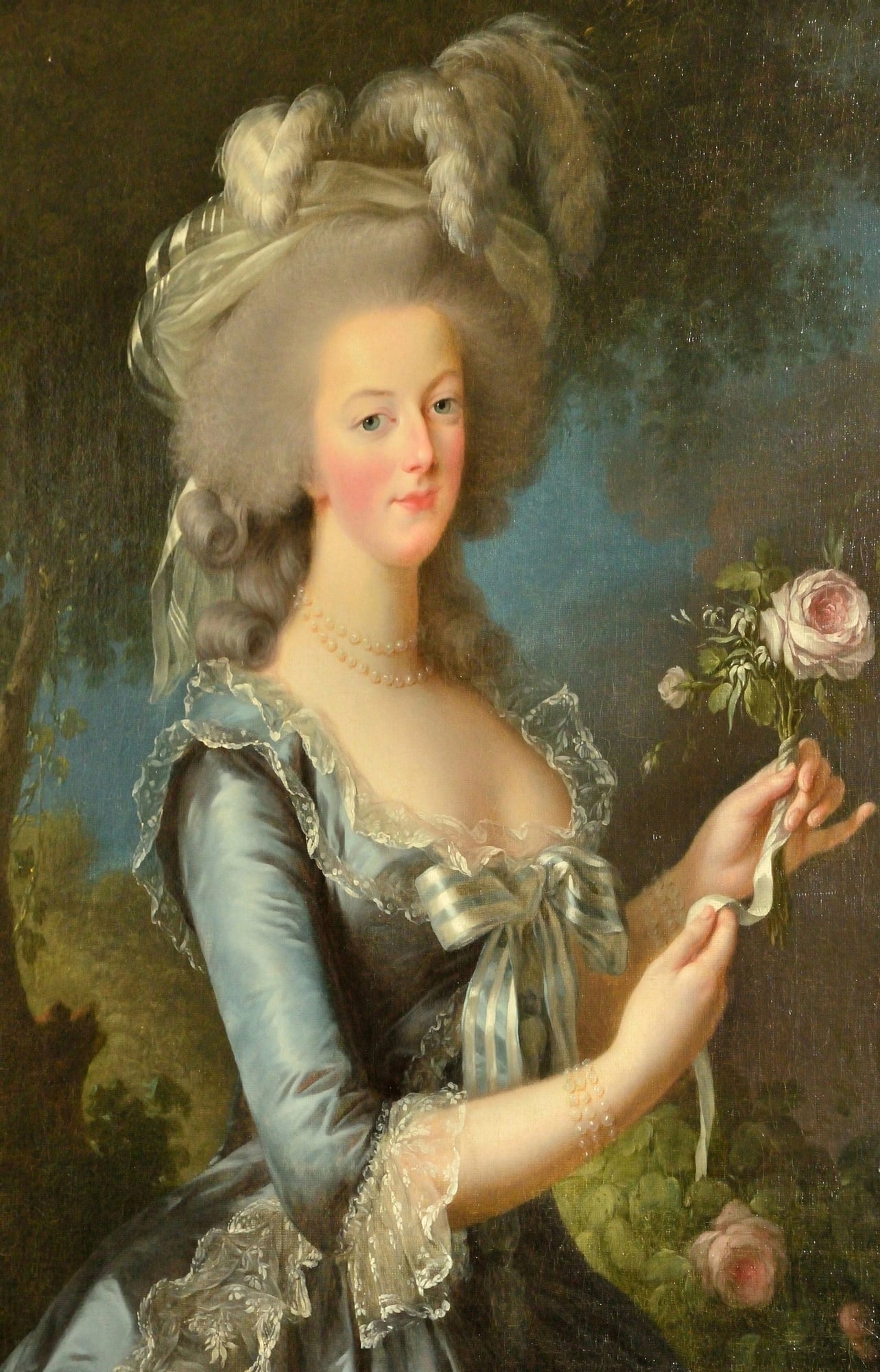
The phrase “Let them eat cake” defined Marie Antoinette for centuries, but she never said it (historians trace it to Jean-Jacques Rousseau’s writings from her childhood). This misattribution reveals something more interesting than the truth: how easily a foreign queen became the perfect scapegoat for France’s economic collapse.
Marie Antoinette was undoubtedly out of touch—her pastoral fantasy village at Versailles, where she played at being a shepherdess while real peasants starved, makes that clear enough—but the extravagance that bankrupted France started long before she arrived. And the political crisis that sparked the revolution? She had almost nothing to do with it, which didn’t matter to the crowds who needed someone to blame.
So the Austrian princess, already unpopular for her foreign birth and her inability to produce an heir quickly enough, became the embodiment of royal excess. But here’s what the “Let them eat cake” story misses: Marie Antoinette actually championed several charitable causes and, according to court records, often advocated for reduced spending on court ceremonies (advice that was largely ignored by her husband’s advisors, who understood the political necessity of royal spectacle better than she did).
The irony is that the woman history remembers as the ultimate symbol of callous aristocracy was often more aware of public suffering than many of her French-born contemporaries.
Her real crime was being a convenient target when the monarchy needed a face for its failures.
Napoleon Bonaparte
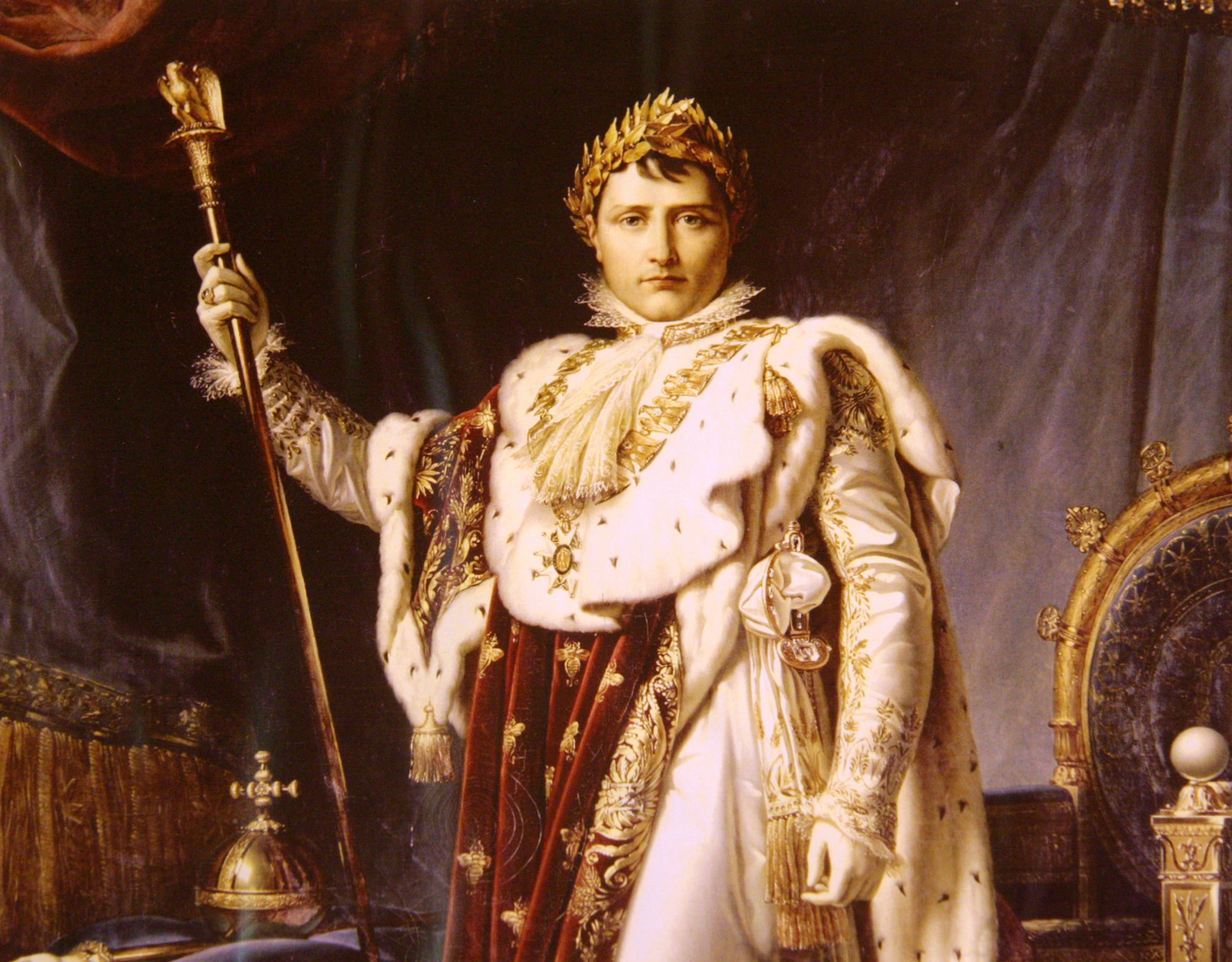
Napoleon wasn’t short. At 5’7″, he was average height for his time—the “short” myth came from differences between French and English measurements, plus British propaganda that needed to diminish him somehow.
This matters because the Napoleon complex idea has shaped how people think about ambition and power for two centuries. The real Napoleon was complicated enough without the height fiction.
He was simultaneously a democratic reformer who created merit-based advancement and a dictator who crowned himself Emperor. His legal code influenced legal systems worldwide while his wars killed millions.
He promoted religious tolerance and educational reform while establishing a police state.
The height obsession distracts from the actual contradictions that made him historically significant.
Vincent Van Gogh
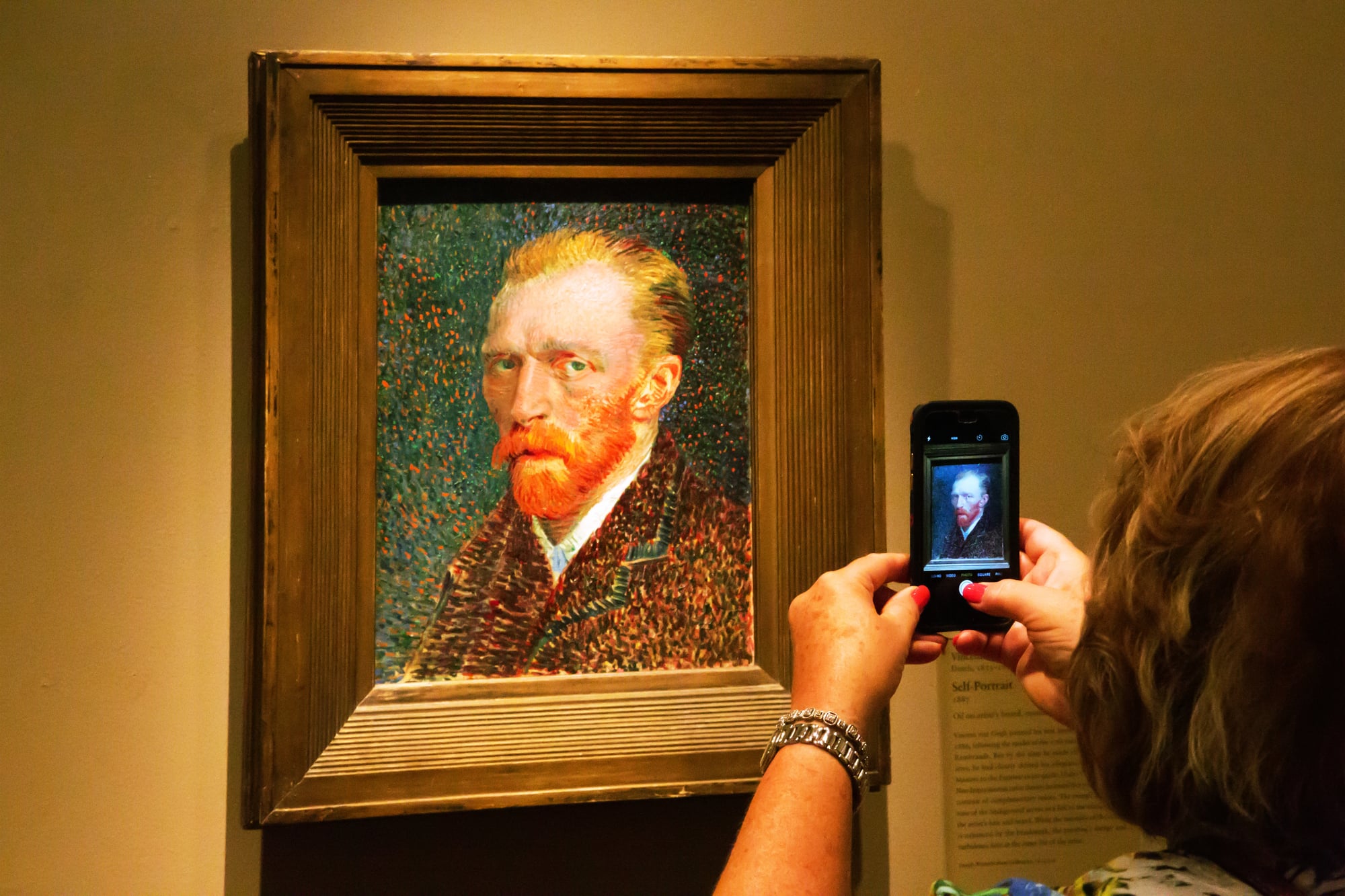
Van Gogh’s madness has been romanticized into something beautiful, which completely misses what his mental illness actually cost him. The tortured artist narrative makes his suffering sound productive—as if the pain was worth it for the art it created.
This is nonsense that would have horrified van Gogh himself. His letters to his brother Theo are filled not with poetic descriptions of creative anguish, but with desperate pleas for help, detailed accounts of physical symptoms, and practical concerns about money for food and paint (he often had to choose between the two, and usually chose paint).
The episodes that hospitalized him weren’t romantic creative frenzies—they were terrifying breaks from reality that left him unable to work for weeks at a time, which tortured him more than anything else. And the ear-cutting incident, always described as some kind of passionate artistic gesture, was likely the result of a psychotic break triggered by exhaustion, poor nutrition, and alcohol abuse.
Van Gogh sold exactly one painting during his lifetime, not because the world wasn’t ready for his genius, but because his illness made it nearly impossible for him to maintain the social connections necessary for any kind of career. So when people talk about the beautiful madness of van Gogh, they’re essentially celebrating the very thing that made his life miserable and cut it short at 37.
The real tragedy isn’t that he was misunderstood—it’s that he understood exactly how good his work was and couldn’t make anyone else see it.
The man who created “Starry Night” died believing himself a failure.
Machiavelli

“Machiavellian” became synonymous with ruthless political manipulation, but Niccolò Machiavelli wrote “The Prince” as a job application.
After the Medici family returned to power in Florence, Machiavelli—a republican who’d served the previous government—found himself unemployed and under suspicion. “The Prince” was his attempt to prove his usefulness to the new regime by analyzing how power actually works, not how it should work.
The book reads like a consultant’s report because that’s essentially what it was.
The advice sounds cynical because Machiavelli was describing the political reality of Renaissance Italy, where city-states constantly betrayed each other and foreign armies regularly invaded. In that context, his recommendations were practical survival strategies, not moral philosophy.
The real Machiavelli preferred republics to monarchies and believed in civic virtue—positions that disappear when people only know him through “the ends justify the means.”
Cleopatra
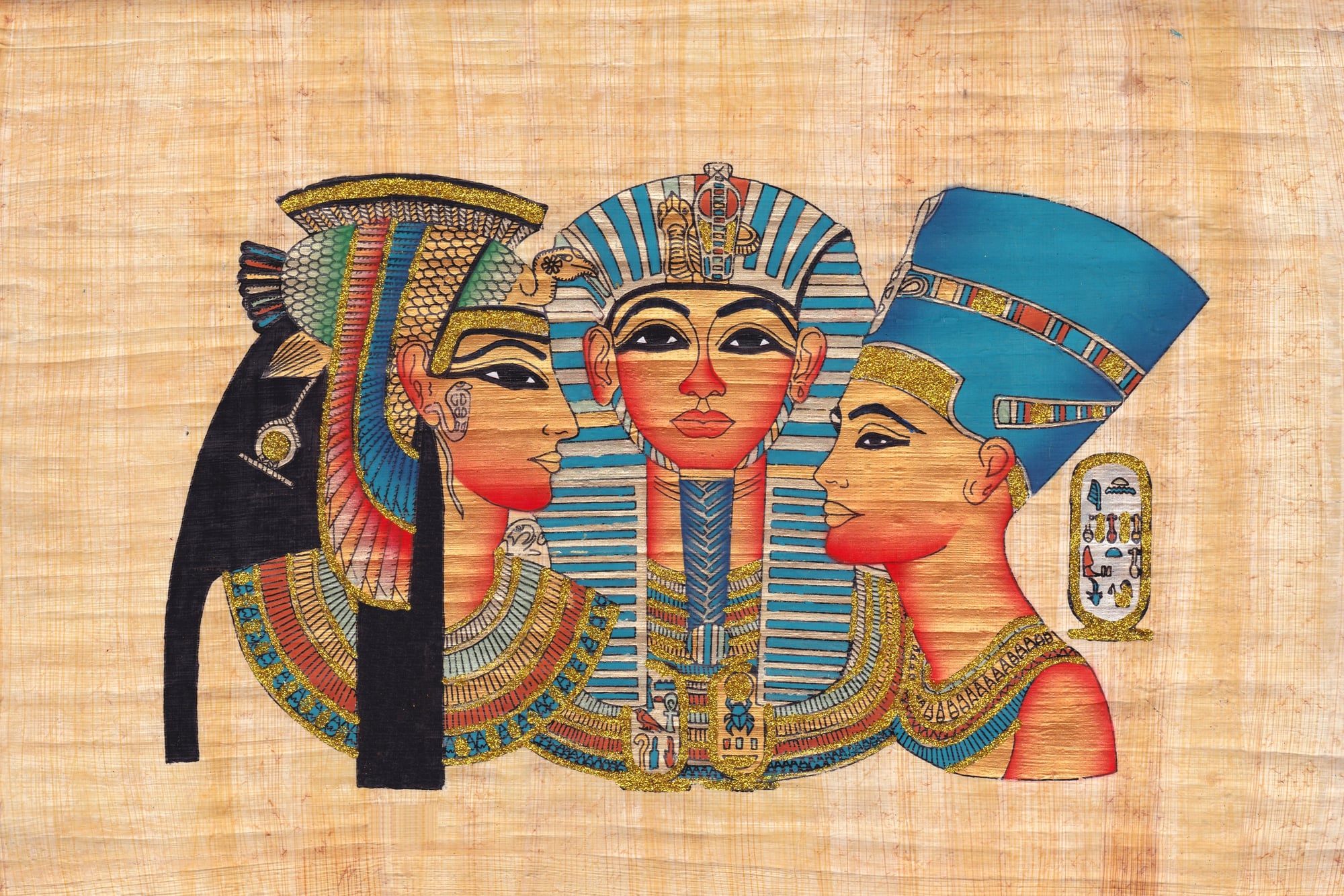
Cleopatra wasn’t Egyptian and she wasn’t particularly beautiful. She was Greek—a descendant of Alexander the Great’s general Ptolemy—and Roman sources suggest her appeal was intellectual rather than physical.
The seductress image came from Roman propaganda designed to justify the civil wars that brought down the Republic. Making Antony’s alliance with Egypt about uncontrollable lust was more palatable than admitting he’d made a rational political calculation that happened to fail.
Cleopatra spoke nine languages, was educated in mathematics and philosophy, and ran Egypt’s complex economy for nearly two decades.
The real story—a brilliant Hellenistic ruler navigating the collapse of the Roman Republic—gets lost when she’s reduced to a femme fatale who destroyed great men with her beauty.
Thomas Edison
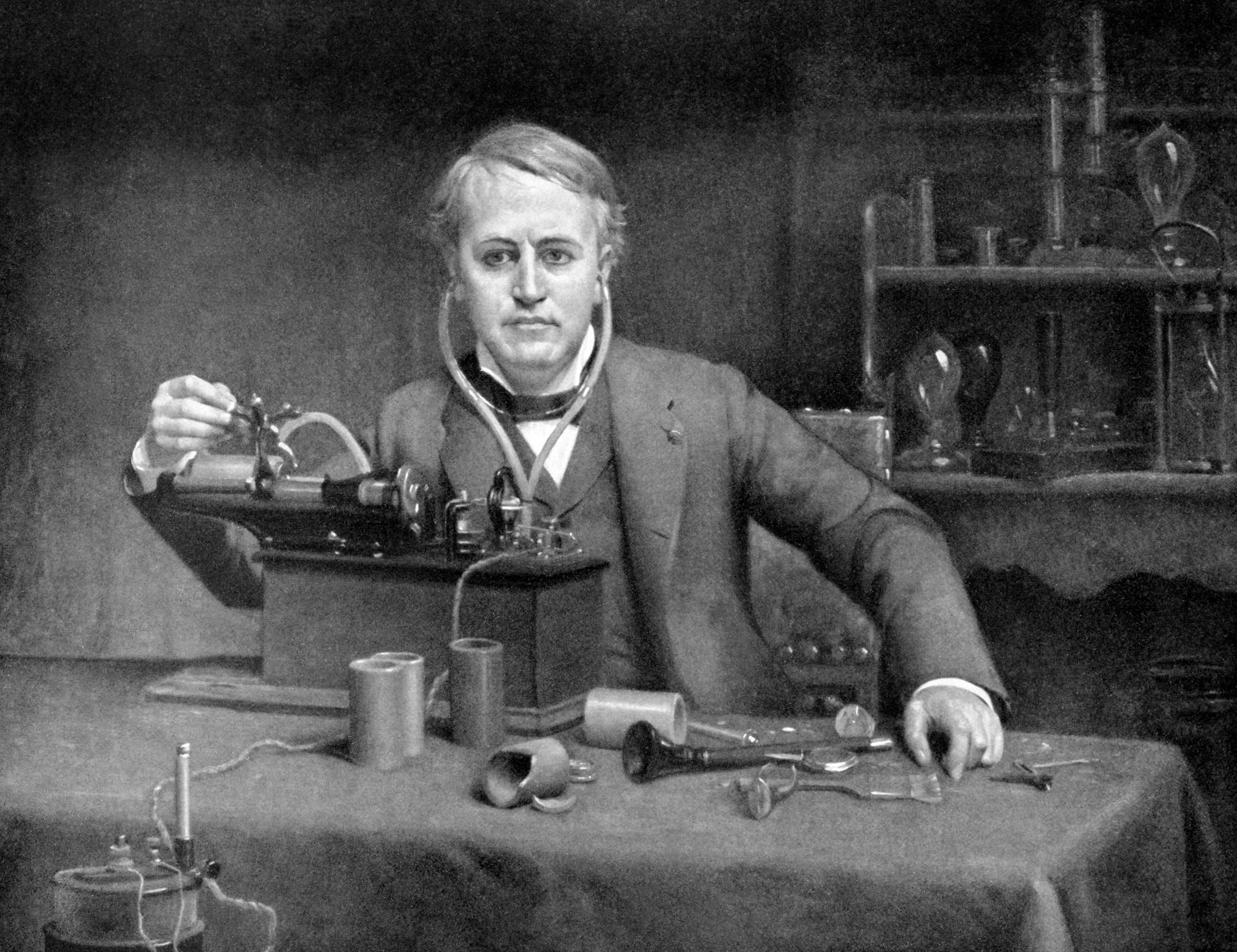
The wizard of Menlo Park didn’t actually invent most of the things credited to him, and this might be the most honest thing about his legacy. Edison understood something that pure inventors often miss: innovation means nothing without implementation.
His real genius lay in creating the first industrial research laboratory, where teams of skilled technicians could take existing ideas and make them commercially viable (the light bulb, for instance, had been around in various forms for decades before Edison’s team developed a version that could burn for more than a few minutes and be mass-produced affordably).
And the famous rivalry with Nikola Tesla, often portrayed as a battle between a practical businessman and a visionary scientist, misses how complementary their skills actually were—Edison excelled at making things work in the real world, while Tesla was brilliant at imagining what might be possible. But Edison’s reputation suffered when people discovered he wasn’t the lone genius inventor of popular mythology.
So now he’s often dismissed as just a businessman who stole credit from his employees, which ignores his genuine contributions to how technological development actually happens. The truth is messier: Edison was a skilled inventor who was even better at organizing other skilled inventors, and who understood that getting new technology into people’s hands mattered as much as creating it in the first place.
And the “1% inspiration, 99% perspiration” quote that’s always attributed to him? He probably did say that, and it reveals more about his actual approach to innovation than any of the mythology that followed.
The man who said genius was mostly hard work has been misunderstood by people who prefer their geniuses to be magical.
Pocahontas
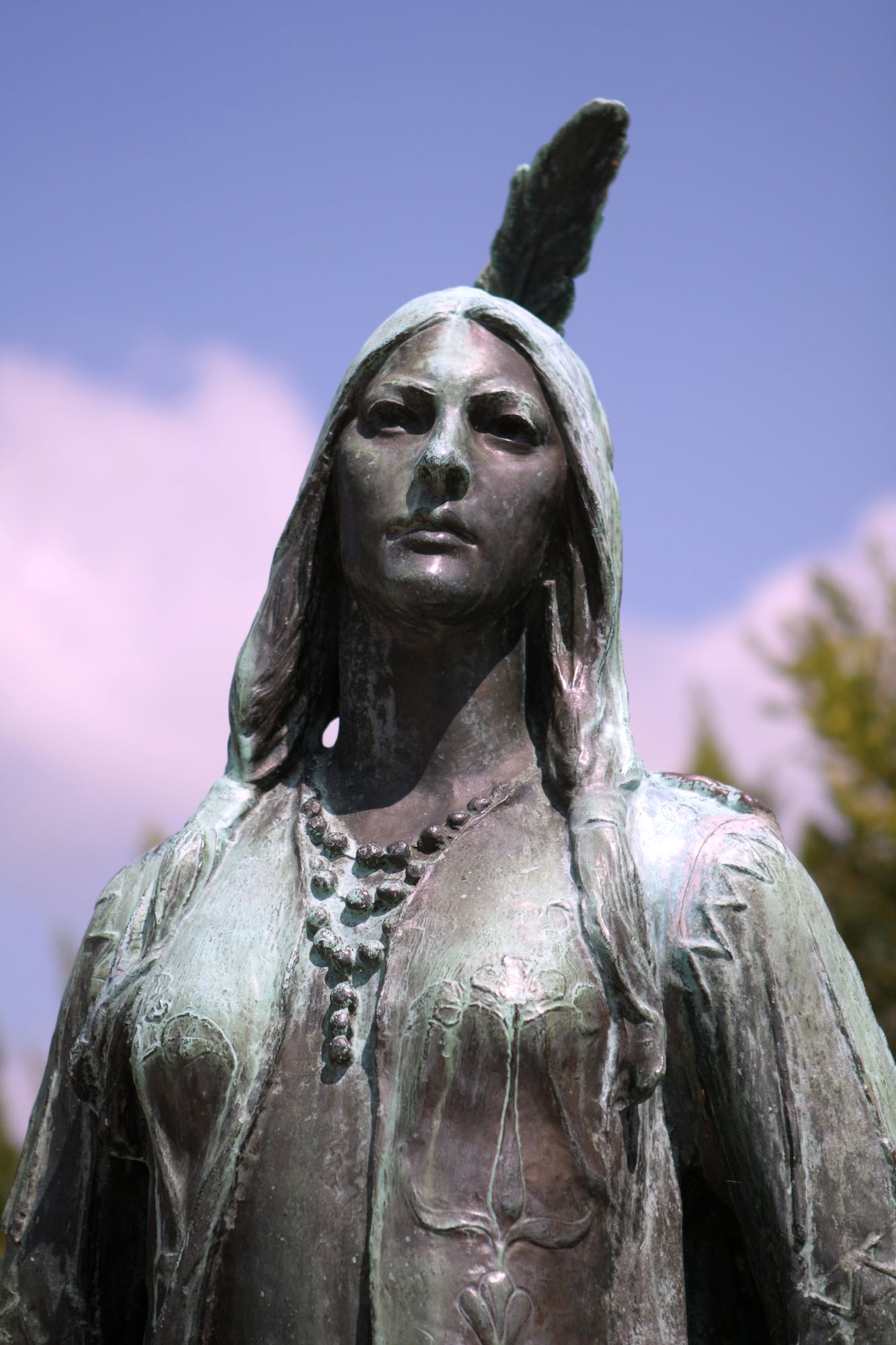
Disney turned Pocahontas into a love story, but the real Pocahontas was around ten years old when John Smith arrived in Virginia. She couldn’t have been his romantic interest—she was a child.
The actual story involves a young girl caught between two cultures during a period of violent colonial expansion. She was kidnapped by English colonists at age ten or eleven, converted to Christianity, married an Englishman named John Rolfe at around age seventeen or eighteen, and died in England at twenty-one, probably from disease.
The rescue of John Smith, if it happened at all, was likely a ritual adoption ceremony that Smith misunderstood.
The romantic myth erases both the reality of colonial violence and the experience of a young indigenous woman who became a political pawn. It’s easier to tell love stories than to examine what European colonization actually meant for native populations.
Robin Hood

Robin Hood probably wasn’t a person at all, which makes the arguments about his politics particularly pointless. The earliest ballads don’t mention stealing from the rich to give to the poor—that element appeared later, as different generations retrofitted the legend to match their own ideas about social justice.
The medieval Robin was more of a trickster figure who outwitted authority for the fun of it. The charitable outlaw emerged during periods when people needed stories about economic redistribution.
The loyal monarchist who opposed bad King John but supported good King Richard came from eras that needed to distinguish between legitimate and illegitimate authority.
Each version reveals more about the people telling the story than about any historical outlaw. Robin Hood works precisely because he can be reinvented whenever society needs a different kind of hero.
Benedict Arnold
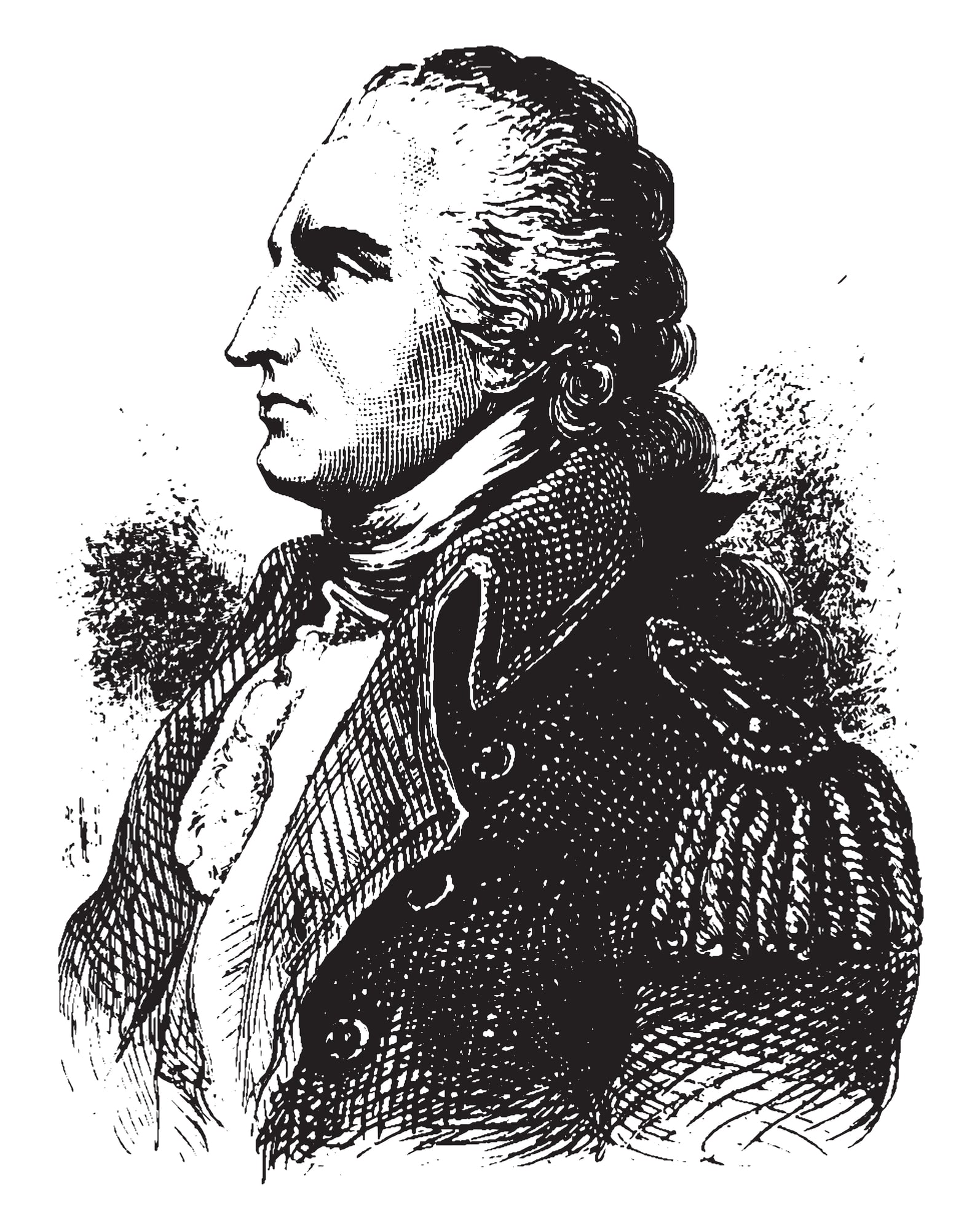
Arnold’s name became synonymous with treason, but his betrayal grew out of legitimate grievances that other Continental Army officers shared. He’d been passed over for promotion despite military successes, investigated for minor financial irregularities while politically connected officers escaped scrutiny, and left financially ruined by advancing his own money for military expenses that Congress was slow to reimburse.
What made Arnold different wasn’t the depth of his resentment—it was his decision to act on it. Other officers grumbled and stayed loyal, or resigned and went home.
Arnold chose to sell West Point to the British, turning himself from a decorated war hero into the ultimate American villain.
The treason was inexcusable, but understanding his motives reveals how precarious loyalty was during a revolution that demanded everything from its supporters while offering very little in return.
Mata Hari

Mata Hari was executed as a German spy during World War I, but the French government never produced convincing evidence of her guilt. She was more likely a scapegoat—an exotic dancer with German connections who made a convenient target when France needed someone to blame for military failures.
Born Margaretha Geertruida Zelle in the Netherlands, she reinvented herself as an Indonesian temple dancer (despite never having been to Indonesia) and became a celebrated performer in Paris. When the war turned against France, her lifestyle and lovers made her an easy target for accusations of espionage.
The case against her was built on circumstantial evidence and the testimony of German officers who may have been trying to save their own lives. But the myth of the seductive spy has proved more durable than the questions about her actual guilt.
Al Capone
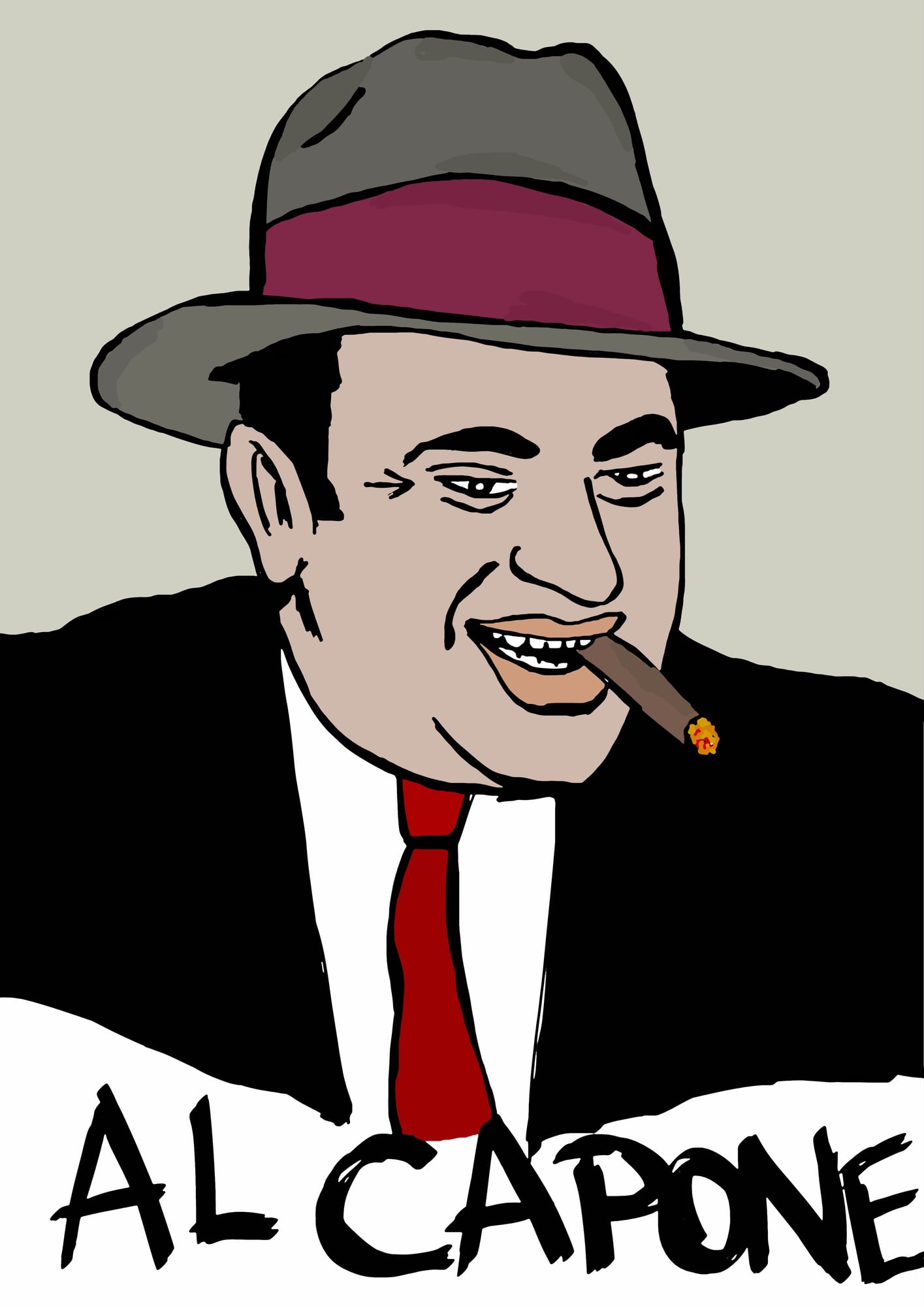
Capone gets remembered as the ultimate gangster, but he was also weirdly concerned with public relations. He opened soup kitchens during the Depression, made sure his illegal activities were reported as victimless crimes, and cultivated an image as a businessman who happened to work in prohibited goods.
This wasn’t entirely cynical—Capone seemed to genuinely believe he was providing services people wanted. He famously said he was just giving people what they demanded: alcohol during Prohibition.
The violence was business, not personal, and he was often frustrated when media coverage focused on the murders rather than his charitable contributions. The tax evasion conviction that finally brought him down reveals something characteristic: Capone was sophisticated enough to run a complex criminal organization but careless enough to leave obvious evidence of unreported income.
He was simultaneously more and less competent than his reputation suggests.
Looking Beyond The Myths
These misunderstandings persist because they serve purposes that accuracy doesn’t. Simple stories are easier to remember than complex truths.
Clear villains and heroes are more satisfying than flawed human beings making difficult choices in impossible circumstances. But something valuable gets lost when historical figures become symbols rather than people—the chance to understand how regular humans navigate extraordinary situations, and how the same forces that shaped their choices continue to shape ours.
More from Go2Tutors!

- The Romanov Crown Jewels and Their Tragic Fate
- 13 Historical Mysteries That Science Still Can’t Solve
- Famous Hoaxes That Fooled the World for Years
- 15 Child Stars with Tragic Adult Lives
- 16 Famous Jewelry Pieces in History
Like Go2Tutors’s content? Follow us on MSN.