27 Football Rules That No Longer Exist
Football has rewritten itself so many times that a fan pulled straight out of the 1950s would barely recognize the sport on a modern Sunday. Some rules vanished for safety, some for pace, and a few because a single controversial call embarrassed the league into action.
What follows is a walk through the rulebook’s graveyard, back to the seasons when the goal posts sat on the goal line and a quarterback’s helmet had no idea what a radio was.
The Flying Wedge

In football’s earliest years, offenses lined up in a mass formation called the flying wedge, where blockers locked arms and rammed forward as a single armored unit around the runner. The formation caused so many serious injuries and deaths in the early 1900s that Walter Camp and other rules-makers banned mass momentum plays outright, a reform credited with helping the sport survive a push by President Theodore Roosevelt to abolish it entirely.
Goal Posts on the Goal Line

For decades, goal posts stood directly on the goal line rather than at the back of the end zone, which meant kickers and receivers regularly collided with the uprights mid-play. The NFL moved the posts to the back of the end zone in 1974 to cut down on injuries and, as a side effect, made field goals meaningfully harder.
The Original Point Values
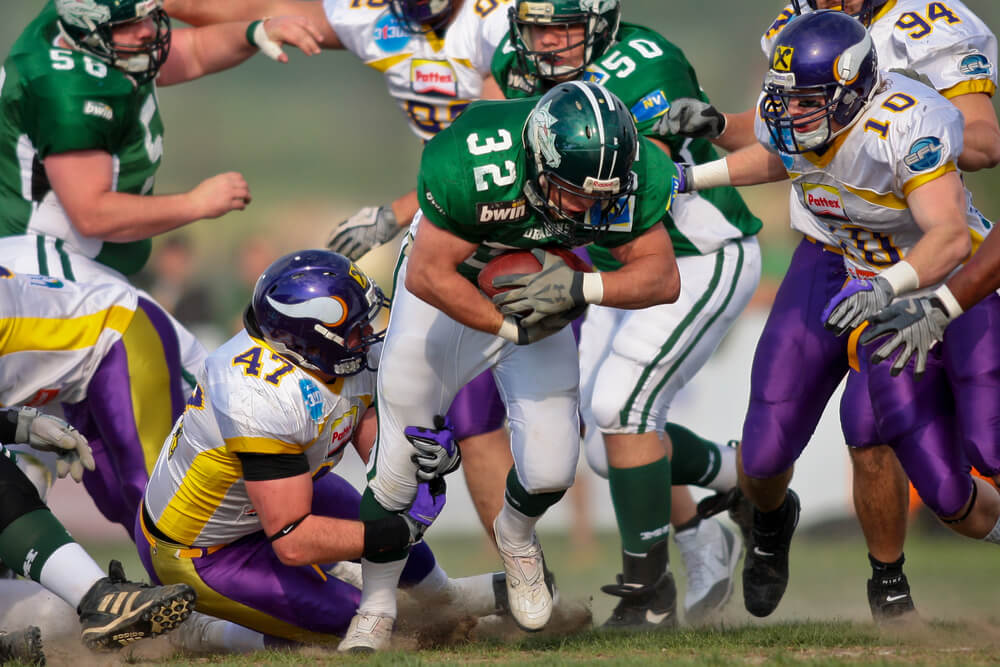
Touchdowns were not always worth six points. Early rulebooks valued a touchdown at four points, then five, before the NFL settled on six in 1912; field goals similarly drifted from five points down to three, and a safety once counted for only one point before being raised to two.
The scoring system fans take for granted today took roughly two decades to stabilize.
Unlimited Contact With Receivers
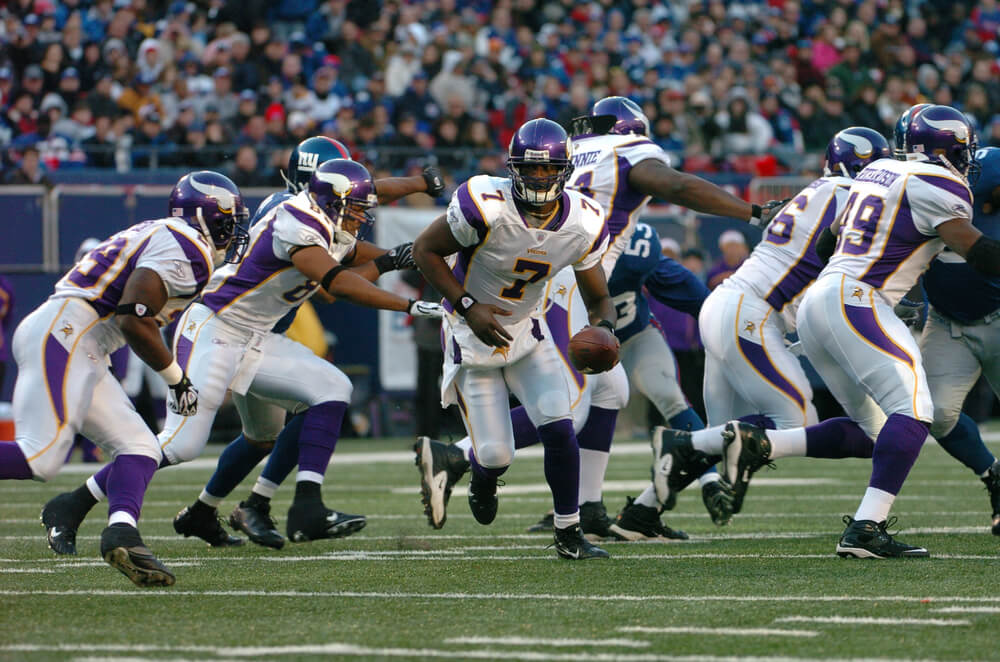
Before 1978, defensive backs could chuck, grab, and reroute a receiver anywhere on the field for the entire length of his route. The rule change that year, still known informally as the Mel Blount Rule after the physical Steelers cornerback who inspired it, limited contact to the first five yards past the line of scrimmage and opened up the modern passing game.
The Tuck Rule
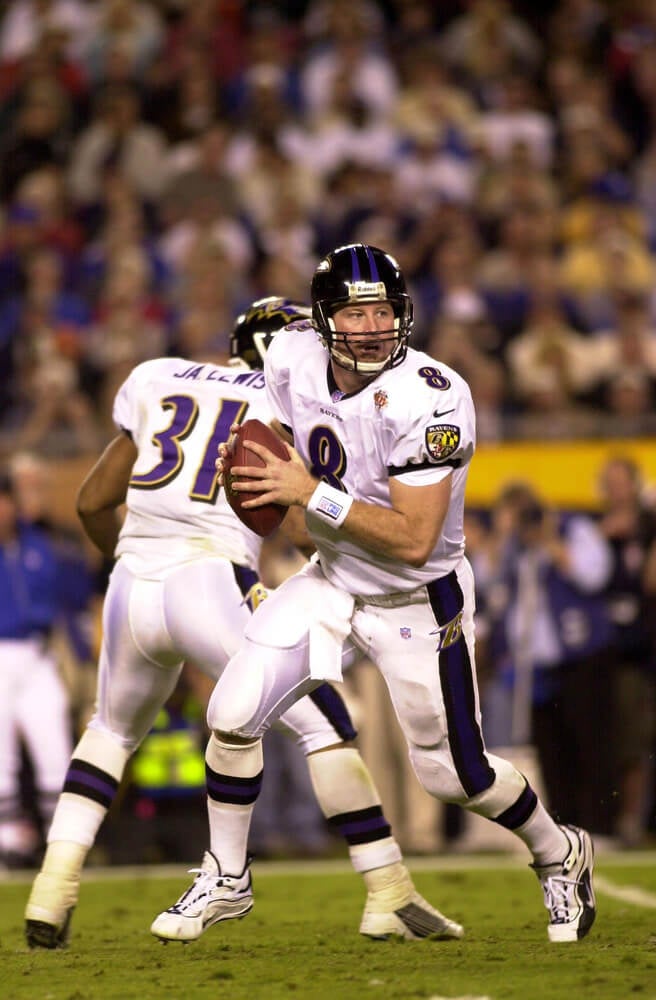
For over a decade, a quarterback fumbling while bringing his throwing arm forward and then tucking it back toward his body was ruled an incomplete pass rather than a live fumble. The rule became infamous after a 2001 playoff game between the Patriots and Raiders, when an apparent Tom Brady fumble was overturned under it, and the NFL finally scrapped the rule in 2013.
The In-the-Grasp Rule
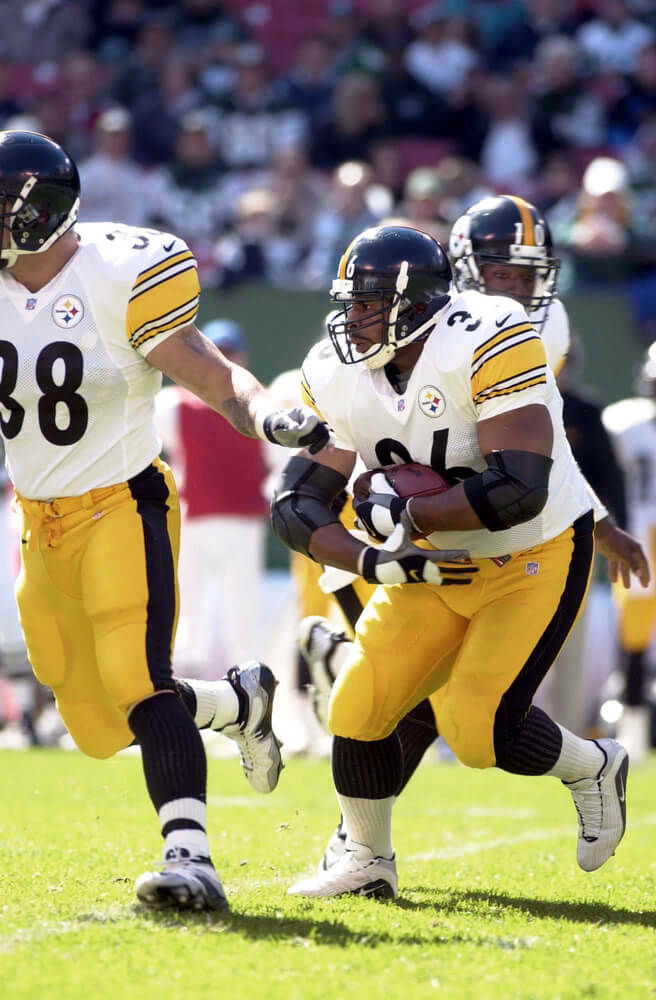
Officials once had the authority to blow the play dead and rule a quarterback down the instant a defender got both hands on him, even before he hit the ground, to prevent unnecessary hits on a passer already beaten. The rule produced so many inconsistent and frustrating whistles that the league quietly phased it out, and today a quarterback must actually be taken to the ground.
Leaping Over the Line on Kicks
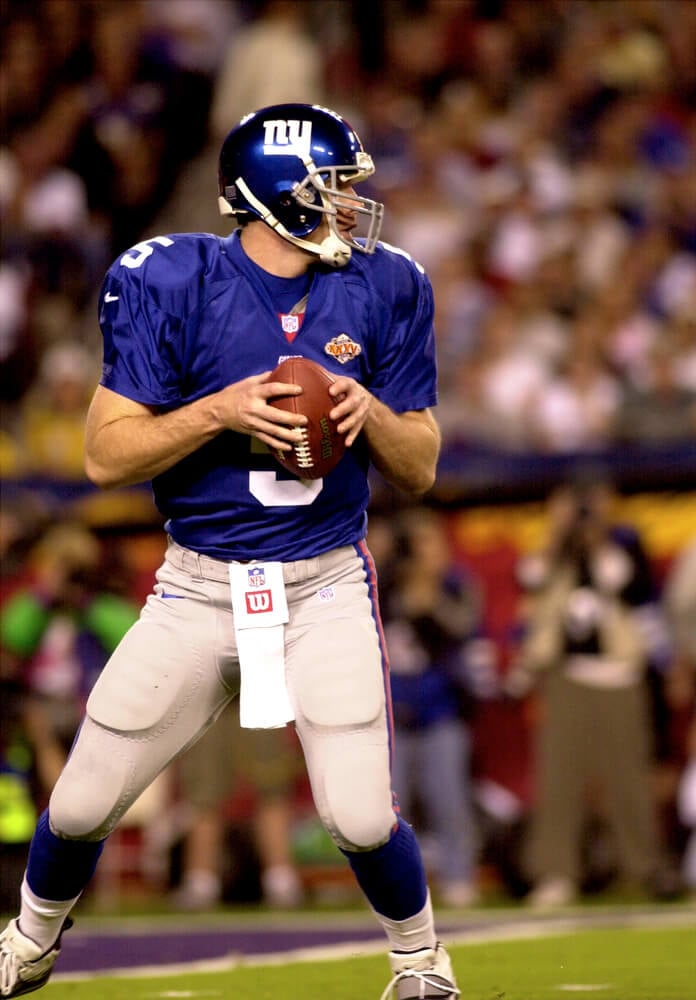
Defenses used to be allowed to have a player leap over the offensive line in an attempt to block a field goal or punt, a spectacular but dangerous play that could end with a leaping defender landing on players below him. The NFL banned the tactic in 2017 for safety reasons, ending one of football’s most acrobatic plays.
The Peel-Back Block
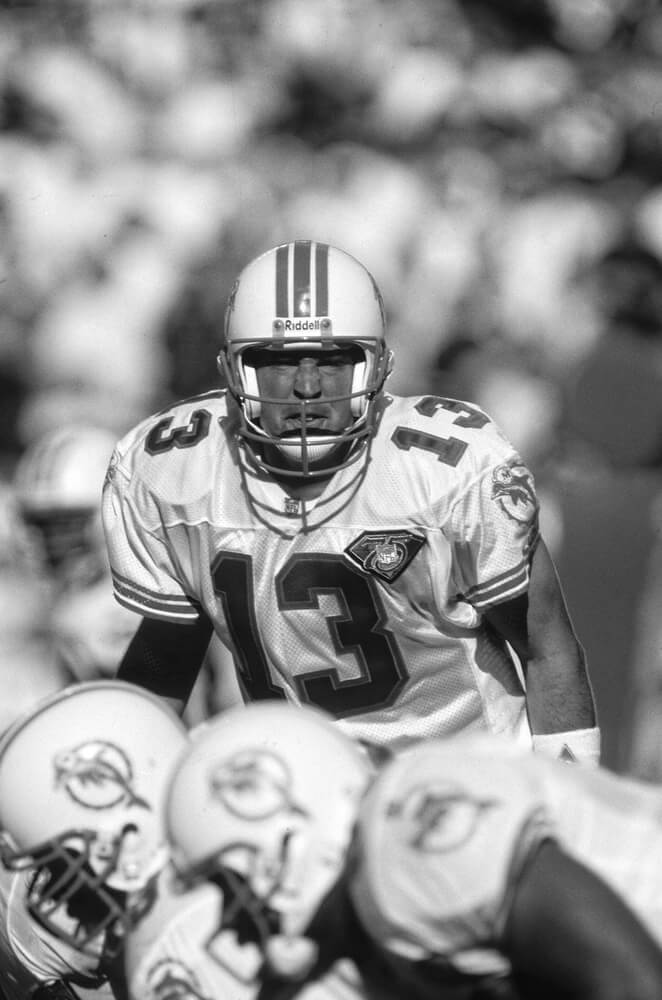
Blockers were once permitted to throw a low, blindside block on a defender who had already run past the point of attack, catching him unprepared and often at knee level. The NFL banned these so-called peel-back blocks in the 1990s after they produced a string of severe leg injuries.
The Chop Block, in Its Original Form
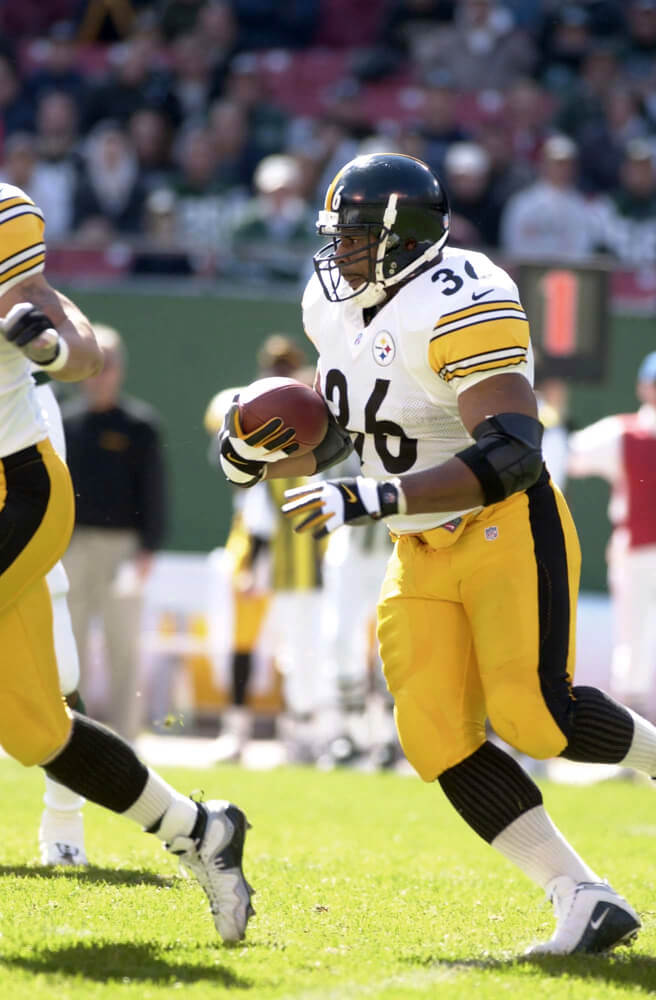
For years, two offensive blockers could legally attack a single defender simultaneously at different levels, one high and one low, a combination that put enormous strain on knees and ankles. The league steadily restricted the technique from 1979 onward before banning it almost entirely in 2016.
Spearing and Crown-of-the-Helmet Hits
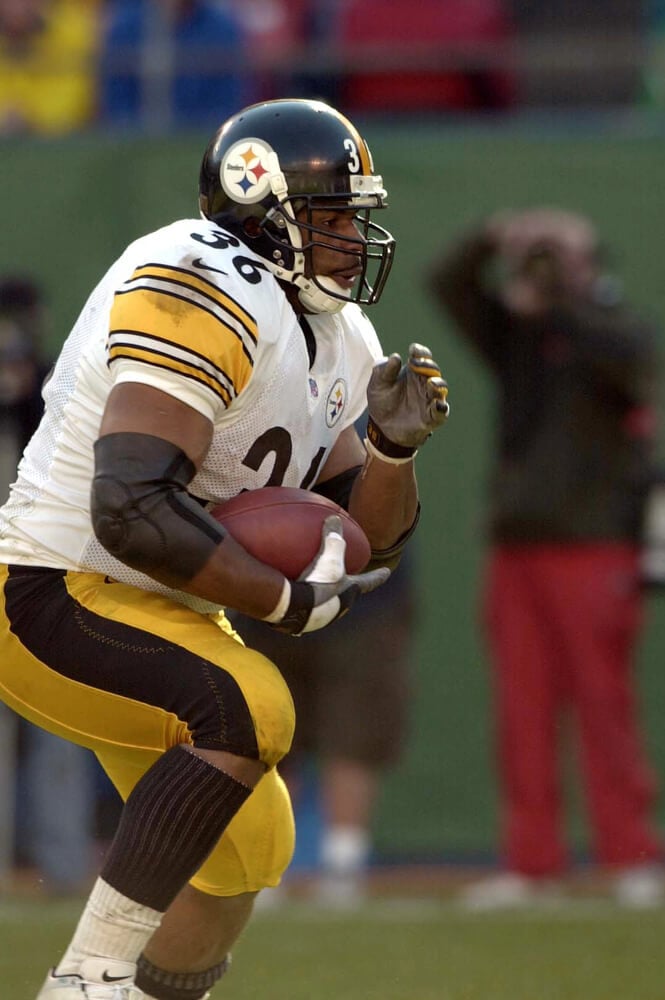
Orb carriers were once free to lower their heads and lead with the crown of the helmet to punish tacklers outside the tackle box, a move players were even coached to use. The NFL outlawed initiating contact with the top of the helmet in 2013, one of several rules aimed at reducing head and neck injuries.
The Horse-Collar Tackle
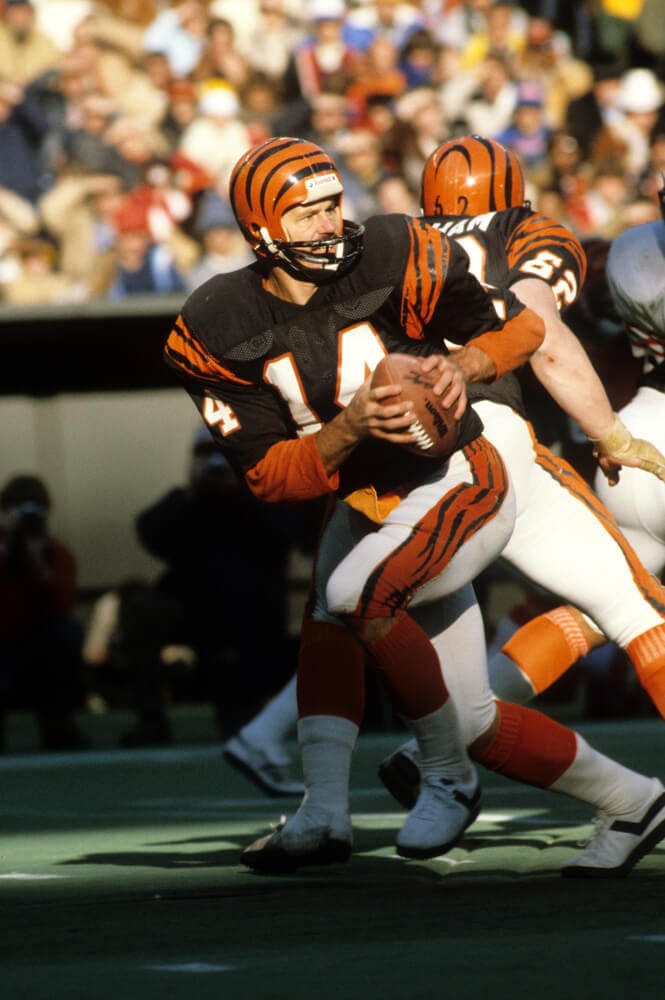
Grabbing the inside back collar of a runner’s shoulder pads or jersey and yanking him straight down was once a routine tackling technique. After the move caused several serious leg injuries, most notably to Terrell Owens, the NFL banned the horse-collar tackle in 2005.
The Kickoff Wedge
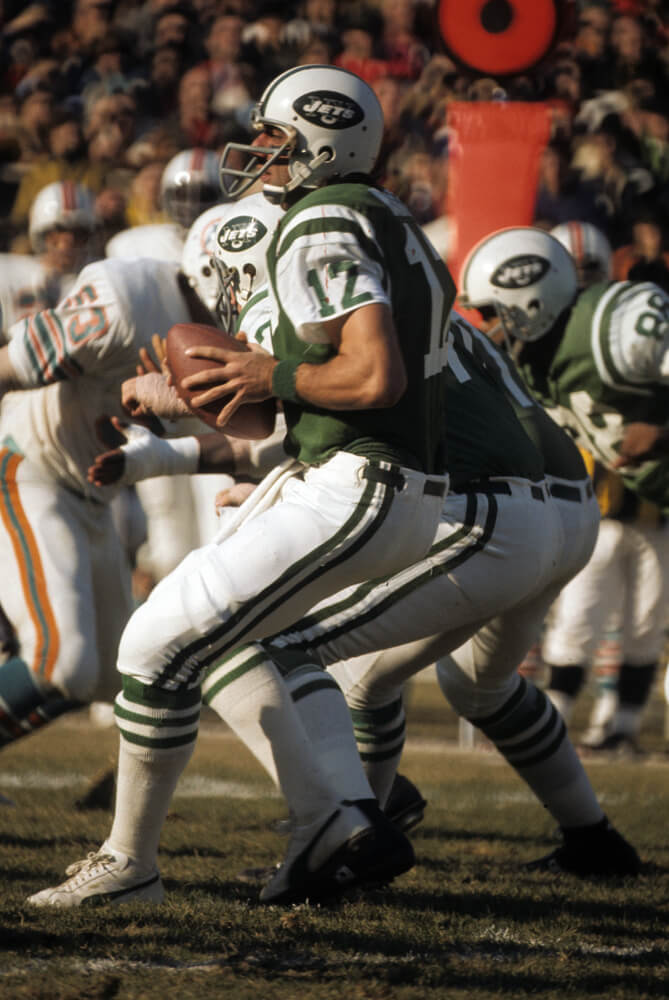
Return teams once lined up three or more blockers shoulder to shoulder to form a human wedge in front of the returner, creating some of the most violent high-speed collisions in the sport. The NFL limited wedge blocks to two players in 2009 and later eliminated them altogether as part of broader kickoff safety reforms.
The Full-Speed Running Start Kickoff
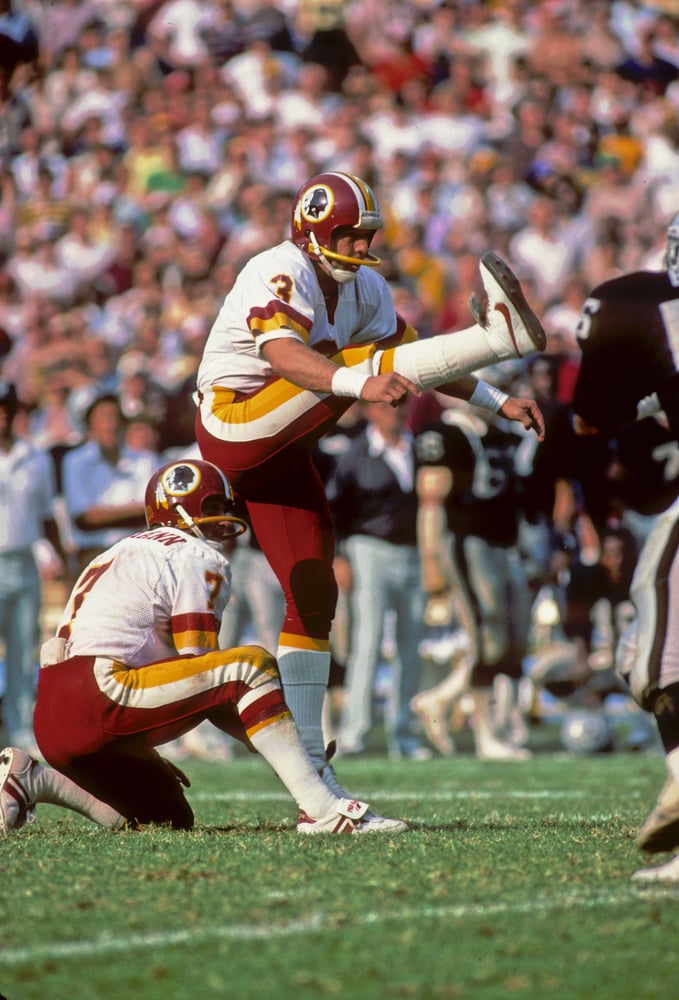
For nearly a century, kickoffs began with players sprinting from a running start at full speed toward the opposing return team, producing the highest-injury-rate play in football. In 2024, the NFL adopted a “dynamic kickoff” format that lines players up much closer together and largely eliminates the long, high-speed collision runs.
Helmet Radios for Coaches Only, or Not at All
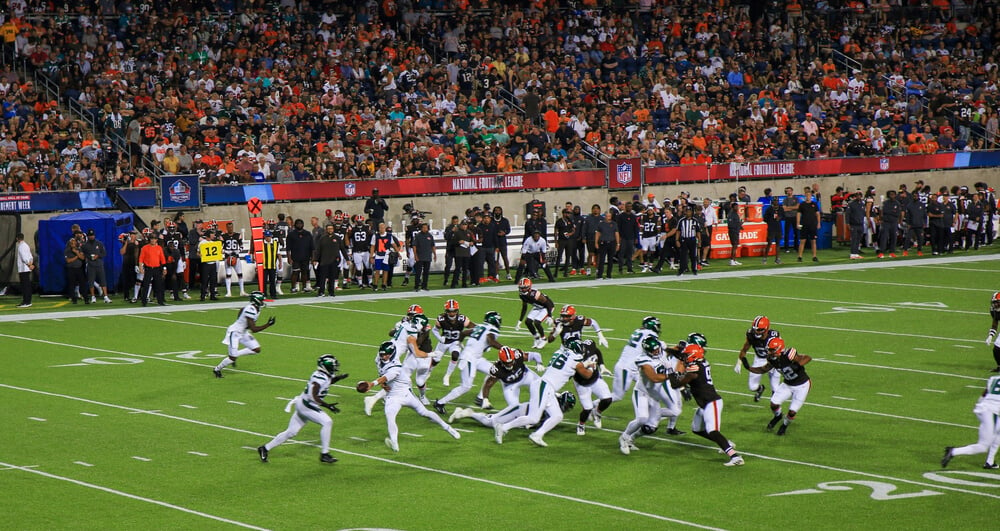
Cleveland Browns coach Paul Brown pioneered a radio transmitter inside his quarterback’s helmet in the mid-1950s, only for Commissioner Bert Bell to ban the technology almost immediately over competitive fairness concerns. The ban held for nearly forty years until the NFL finally allowed one-way coach-to-quarterback helmet radio in 1994.
Sideline-to-Defense Radio Silence
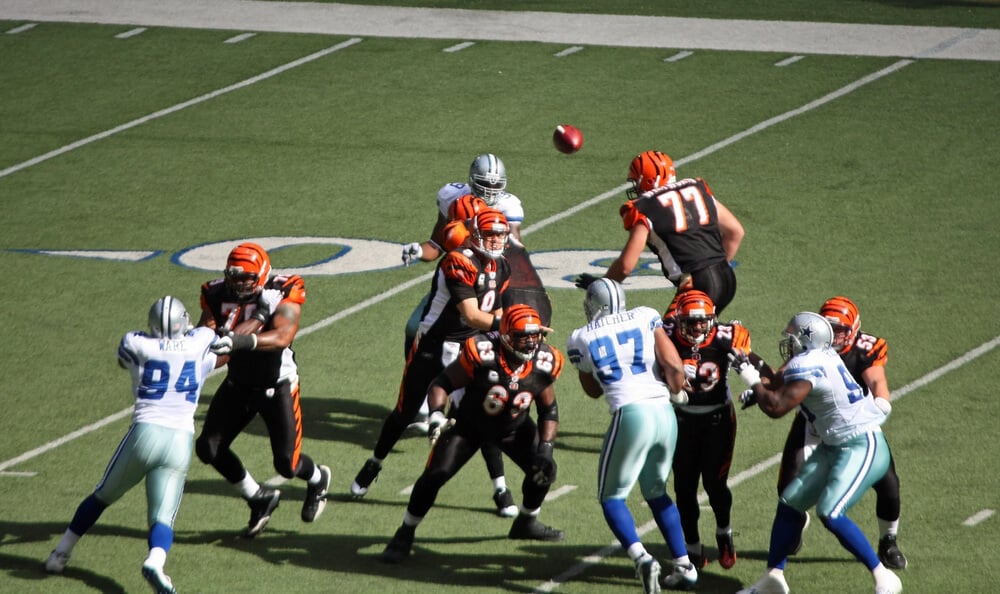
Even after quarterbacks got radio helmets in 1994, defensive players had no equivalent, leaving defensive coordinators to relay calls the old-fashioned way through hand signals and substitutions. The NFL extended helmet radio technology to one defensive player per team in 2008.
The Original Instant Replay System
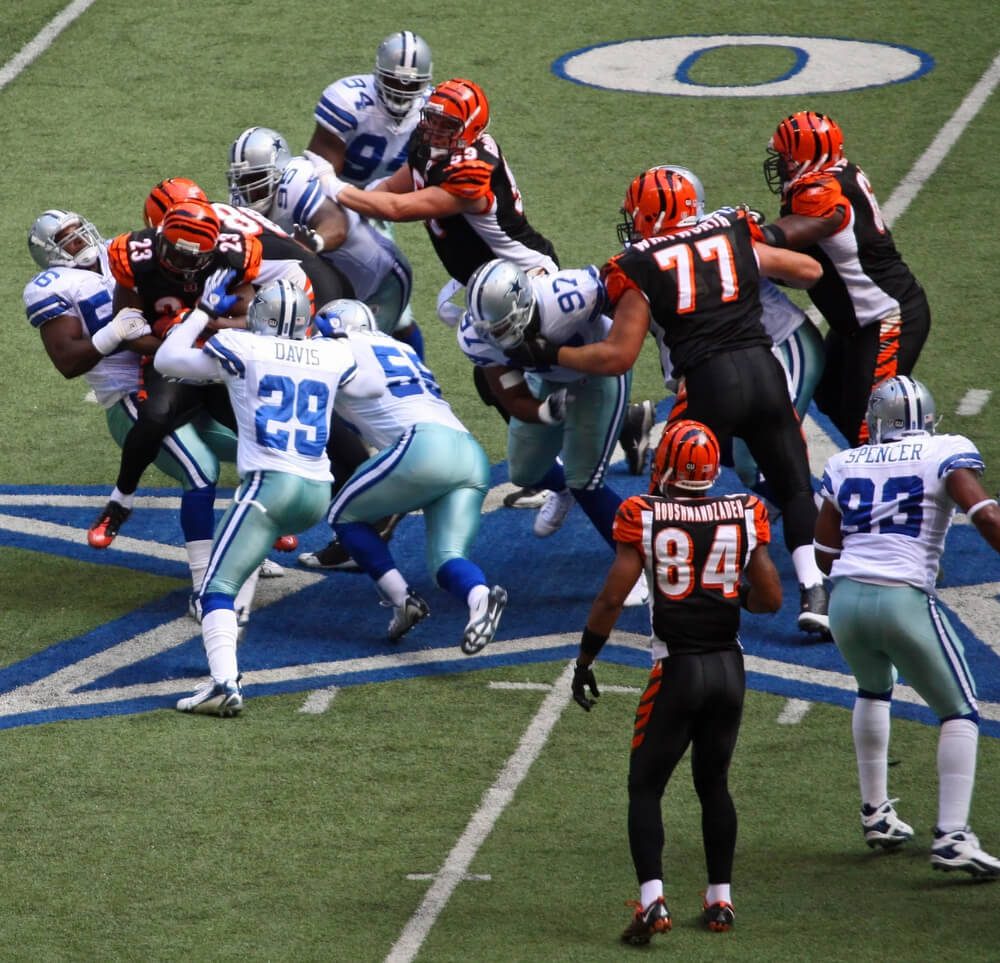
The NFL first experimented with instant replay from 1986 to 1991, using a system where an official in the booth reviewed grainy broadcast monitors and could stop the game unprompted. Delays were long, rulings were inconsistent, and owners voted to scrap the system after the 1991 season, not returning to replay in any form until 1999.
Chain Gangs Measuring First Downs
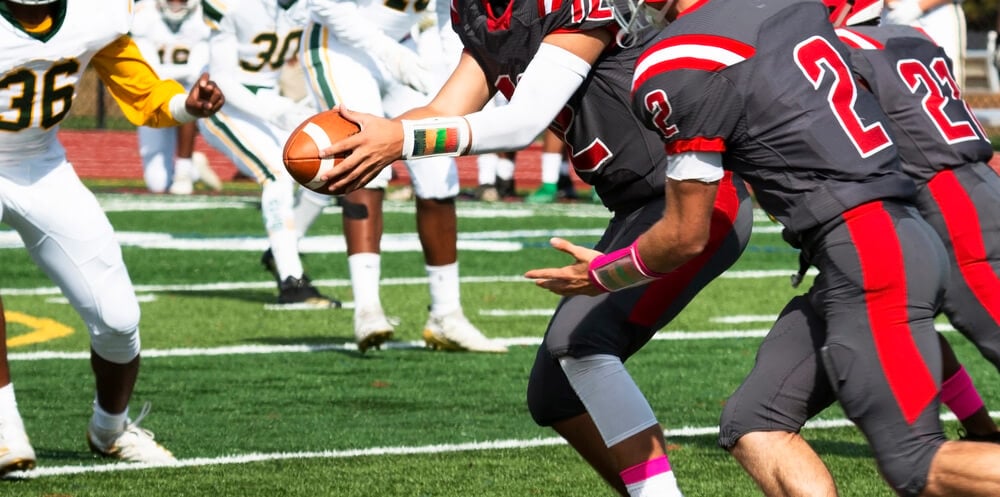
For the entirety of football history, a first-down measurement meant two officials jogging onto the field with a physical chain stretched between two poles. Starting in the mid-2020s, the NFL began replacing the chain crew with camera-based optical tracking for faster, more precise measurements.
The Standalone Third Quarterback Exception
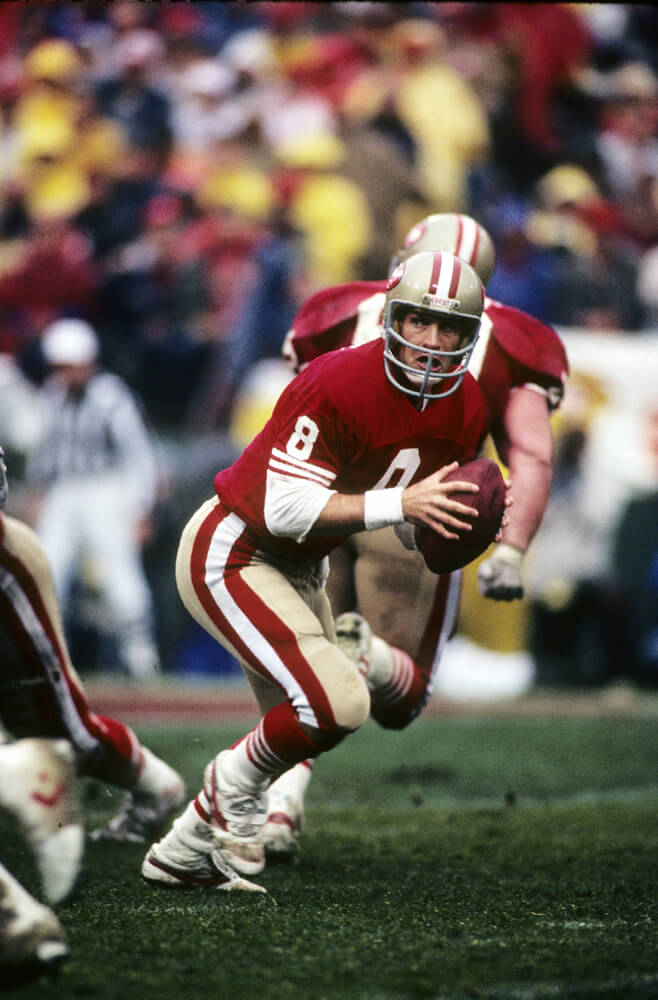
From 1991 onward, teams could dress an emergency third quarterback who did not count against the normal active roster limit, so long as he only entered the game if both other quarterbacks were hurt. The NFL abolished the exception in 2011 after expanding rosters made it redundant, though it created a new, differently structured emergency-quarterback rule in 2023 after a rash of injuries.
The Multiple-Incompletion Penalty
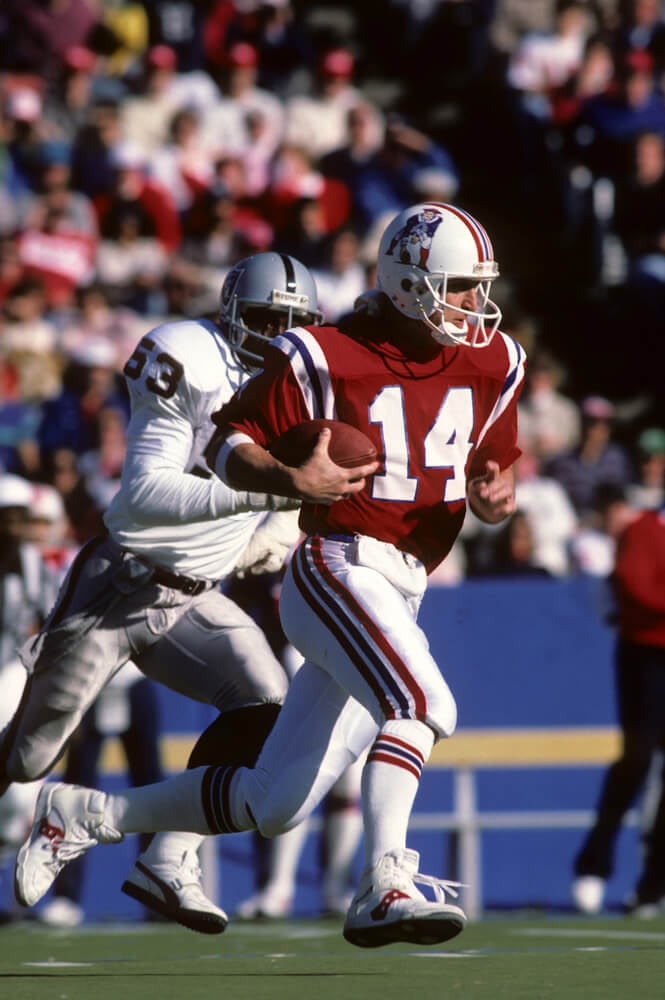
Deep in football’s early rulebook, a team could be flagged for a loss of down or yardage simply for throwing multiple incomplete passes in the same possession, a holdover from an era when the forward pass was viewed with suspicion. As the passing game grew central to the sport, the penalty for incompletions alone was phased out entirely.
The “Process of the Catch” Ground Rule
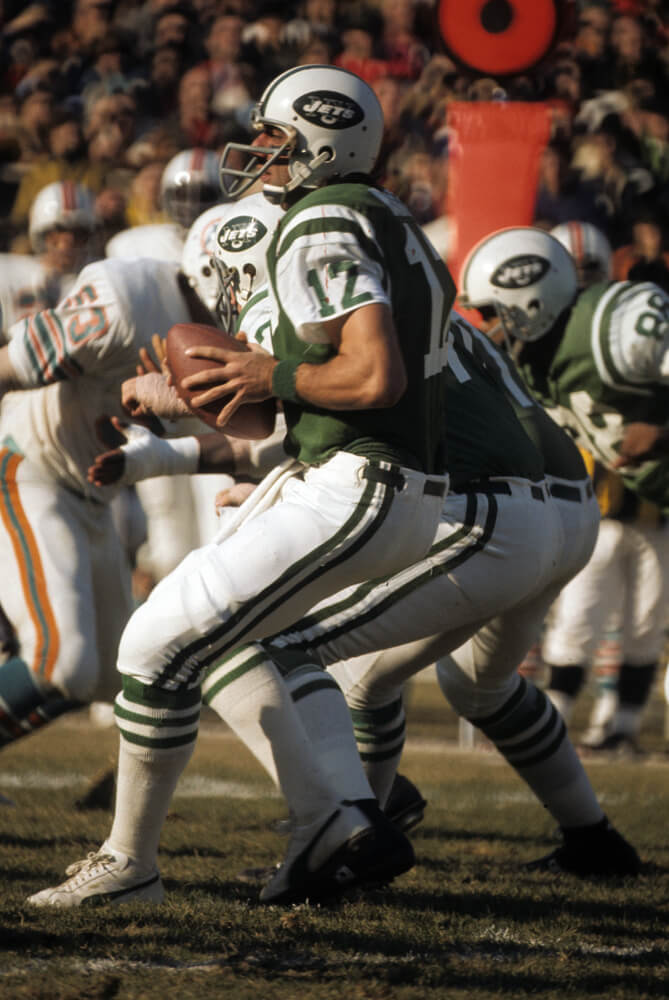
For years, a receiver who caught a pass, took multiple steps, and began to fall was required to maintain control all the way to the ground or have the pass ruled incomplete, a standard that overturned several apparent touchdowns to booth review. Nicknamed the “Calvin Johnson Rule” after a controversial 2010 no-catch call, the standard was rewritten in 2018 to require only that a receiver perform a football move after gaining control.
Removing the Helmet on the Field
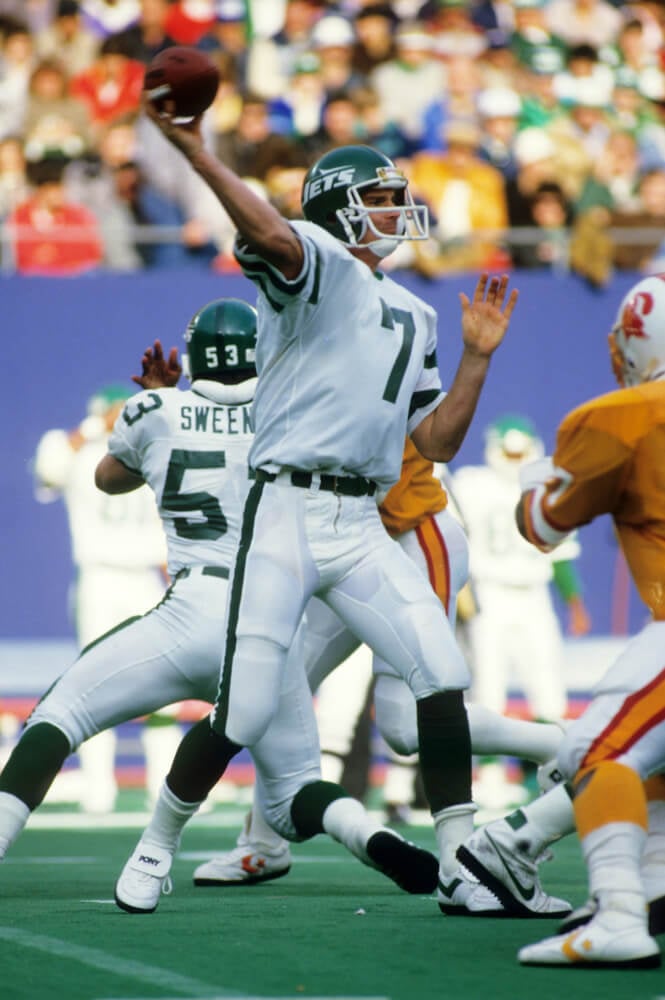
Players once could, and often did, pull off their helmets on the sideline or even on the field between plays to cool off or celebrate. The NFL made removing a helmet on the playing field a 15-yard unsportsmanlike conduct penalty in the late 1990s, part of a broader taunting crackdown.
Tinted Visors Without Restriction
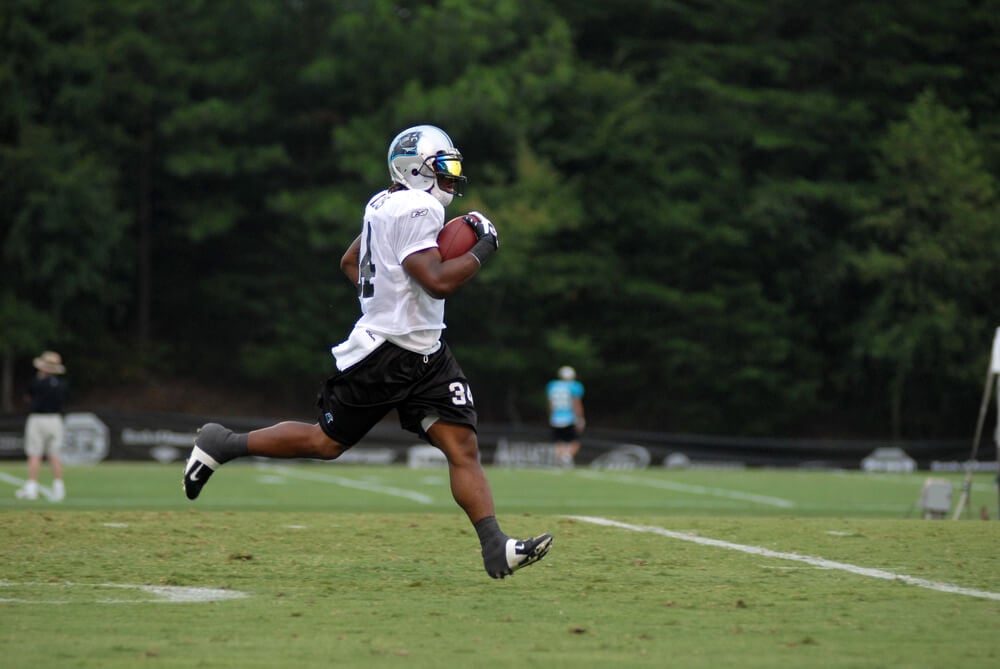
Players used to be able to wear any tint of visor they wanted on their facemask, including mirrored or fully darkened shields that made it impossible for officials to see their eyes. The NFL banned tinted visors except for players with a documented medical need, requiring team doctors to file paperwork for any exception.
The Twelve-Men Grace Period
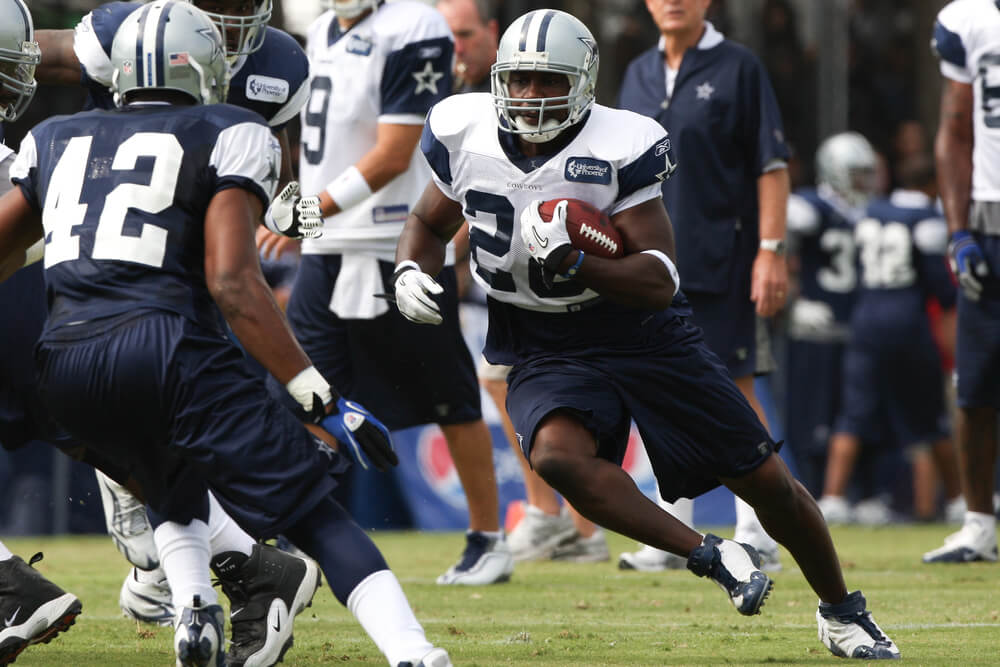
Defenses that briefly had twelve players in the huddle used to get a pass if the extra man peeled off toward the sideline before the snap. The NFL closed that loophole, making a twelfth player on the field a penalty the moment it is detected, whether or not he leaves in time.
Unlimited Overtime Sudden Death
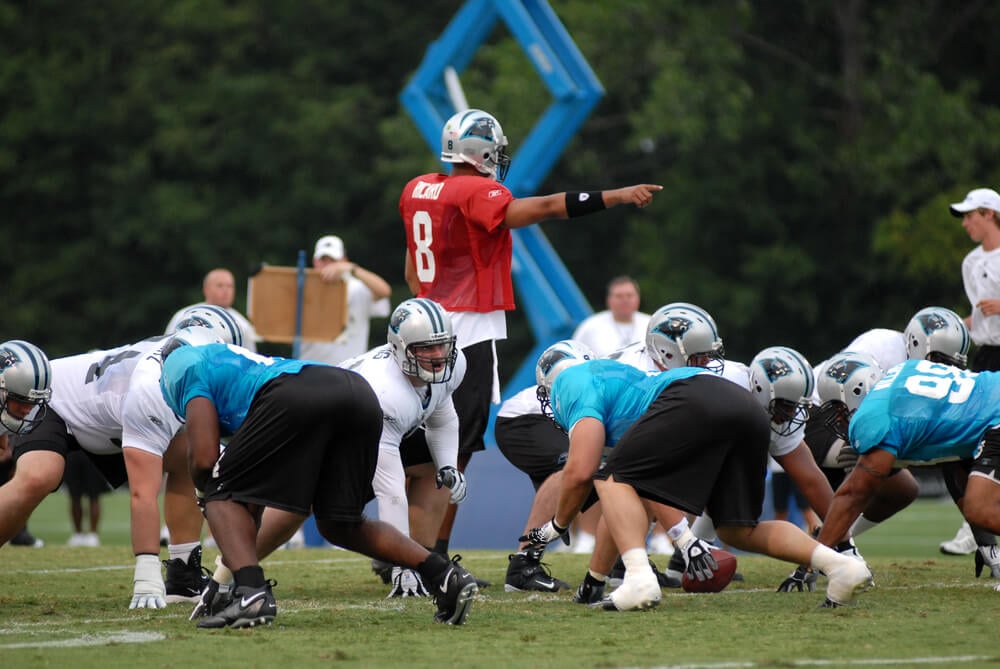
Under the league’s original sudden-death overtime format, the first team to score in any fashion, including a game-opening field goal, won the game outright, leaving the opposing offense without so much as a chance to answer. The NFL modified the format in 2010 so that a game-opening field goal no longer instantly ends the contest, then extended the same guaranteed-possession principle to the postseason in 2022.
The Wide-Open Blindside Block
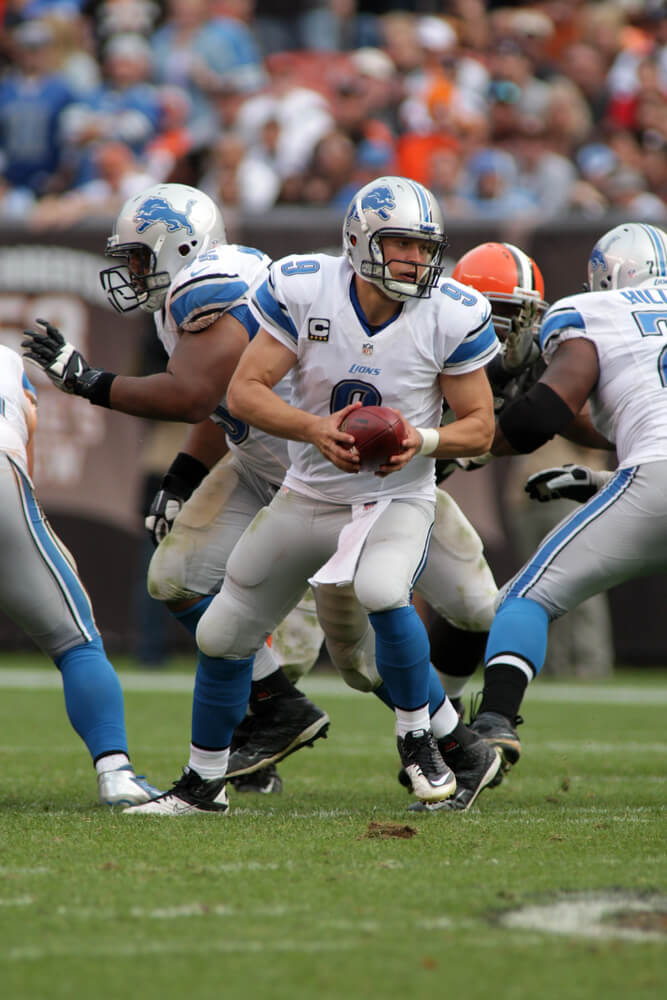
Blockers moving back toward their own end line were once allowed to throw a full-speed block into an unsuspecting defender approaching from the side, a legal but frequently devastating hit. The NFL banned blindside blocks in 2016, adding the defender on the receiving end to the league’s list of protected “defenseless players.”
The Swivel Hip-Drop Tackle
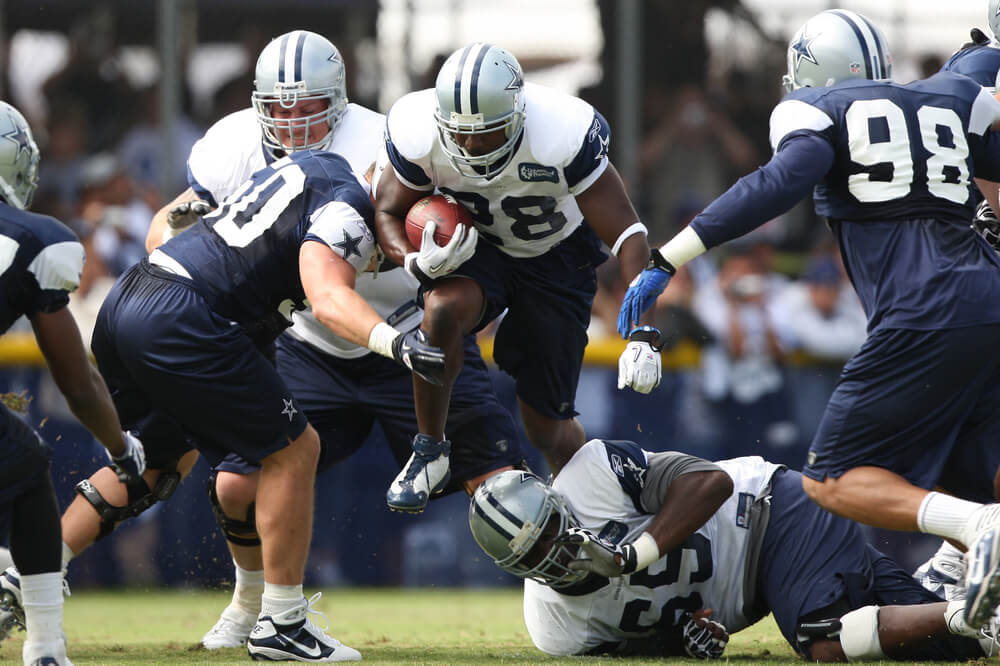
A tackling technique where a defender wraps up a runner with both arms, then swivels his hips and drops his own weight to trap the runner’s legs beneath him, produced an outsized share of lower-leg injuries relative to how often it was used. The NFL banned the swivel hip-drop tackle in 2024, one of the newest entries in the rulebook’s long history of banned techniques.
The Long Kickoff Return Setup
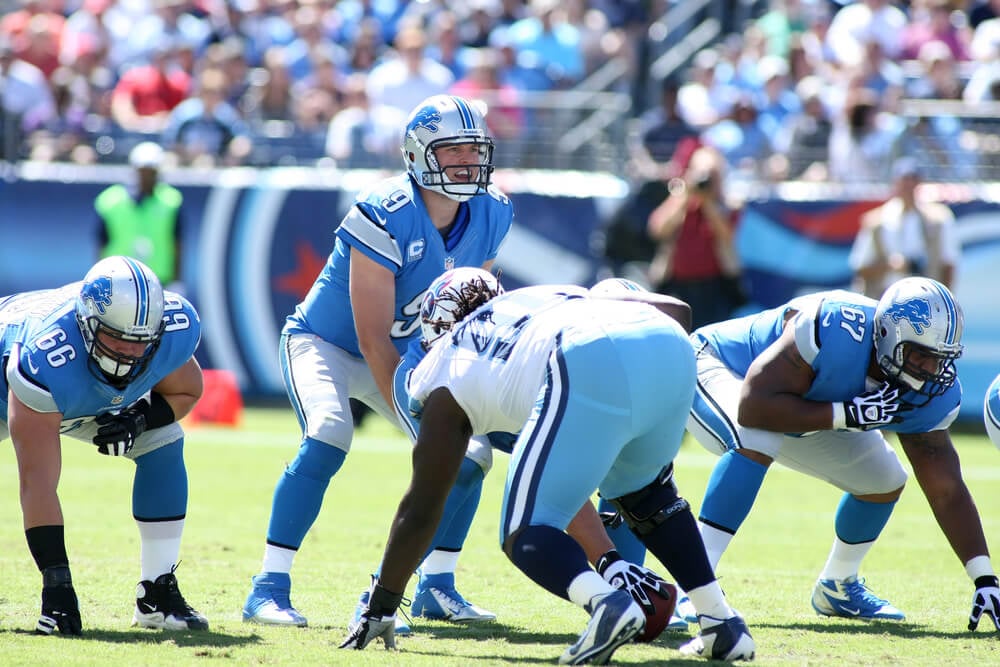
Kicking teams once could line up as far as fifteen or twenty yards behind their own restraining line, giving coverage units a running head start that made returners a target for full-speed hits. As part of the same 2023 and 2024 kickoff overhaul, the NFL now requires all kicking team players other than the kicker to line up no more than five yards behind the restraining line.
The Rulebook Nobody Misses
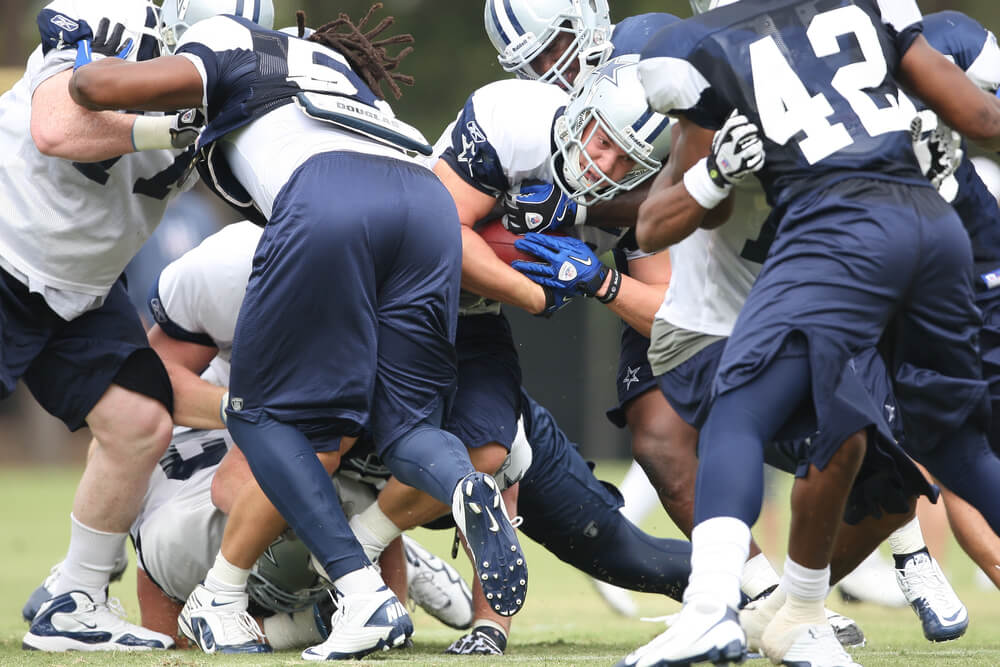
Every one of these rules existed because, at some point, it made the game more exciting, more fair, or simply more survivable for the era it was written in. Looking back at them is less a lesson in nostalgia than a reminder that football has always been a work in progress, one committee vote at a time.
The sport people watch this weekend is not the sport their grandparents watched, and it will not be the sport their grandchildren watch either. Somewhere in a conference room right now, next year’s discarded rule is probably already being drafted.
More from Go2Tutors!

- The Romanov Crown Jewels and Their Tragic Fate
- 13 Historical Mysteries That Science Still Can’t Solve
- Famous Hoaxes That Fooled the World for Years
- 15 Child Stars with Tragic Adult Lives
- 16 Famous Jewelry Pieces in History
Like Go2Tutors’s content? Follow us on MSN.