17 Sacred Sites That Were Astronomical Observatories
Ancient civilizations didn’t just build temples and monuments for worship—they created sophisticated astronomical instruments disguised as sacred architecture. These remarkable structures served dual purposes, functioning as both spiritual centers and precise observatories that tracked celestial movements with stunning accuracy.
From the rolling hills of England to the deserts of Peru, our ancestors embedded their deepest religious beliefs with their most advanced scientific knowledge. Here is a list of 17 sacred sites that doubled as astronomical observatories, revealing how ancient peoples connected the heavens to their earthly rituals.
Stonehenge
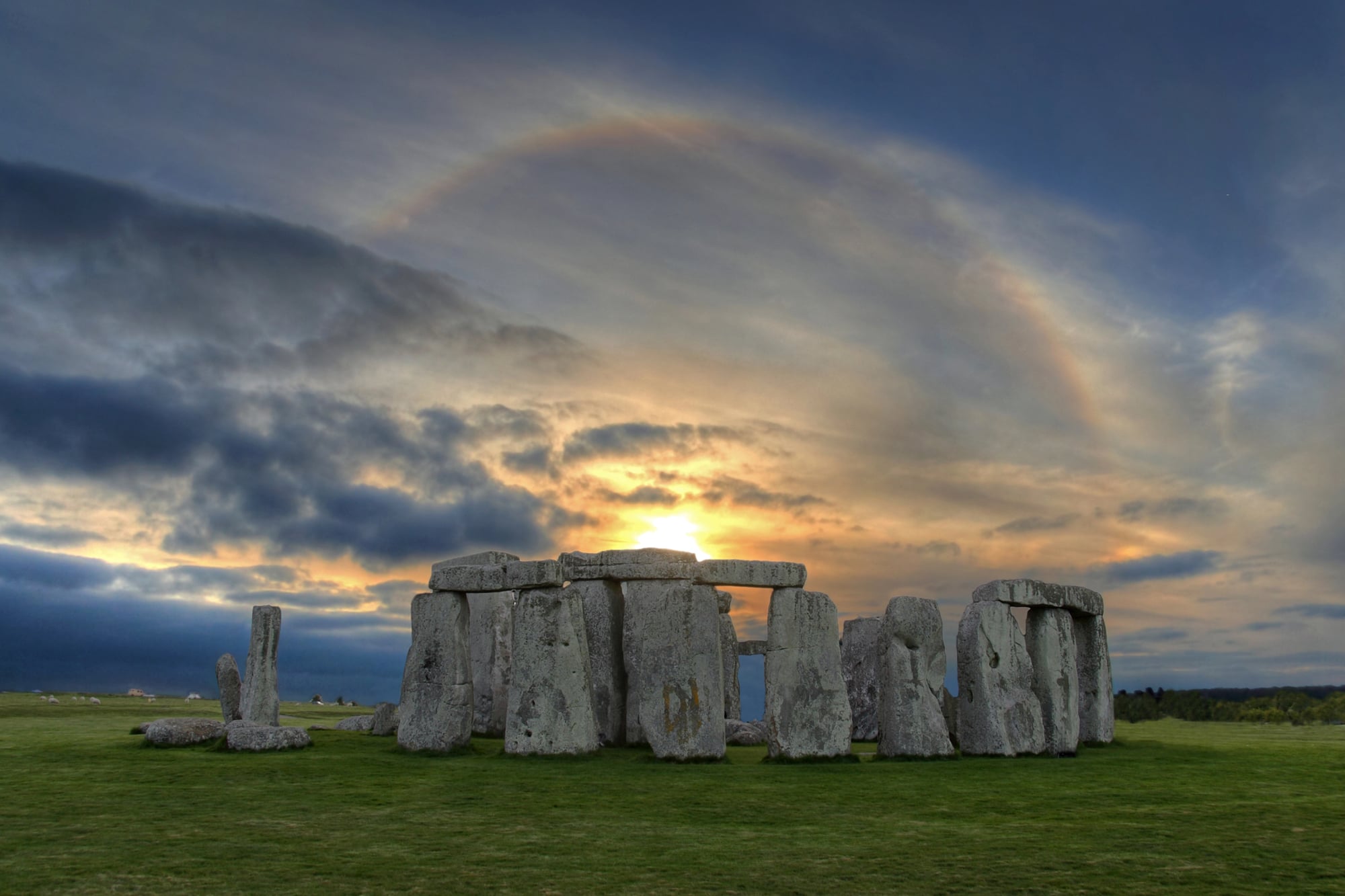
This iconic circle of standing stones in England represents one of humanity’s earliest attempts to create a permanent calendar in stone. The massive trilithons align perfectly with the summer and winter solstices, while smaller stones track lunar cycles with remarkable precision.
Archaeological evidence suggests that Stonehenge’s builders understood complex astronomical patterns thousands of years before modern telescopes existed.
Newgrange
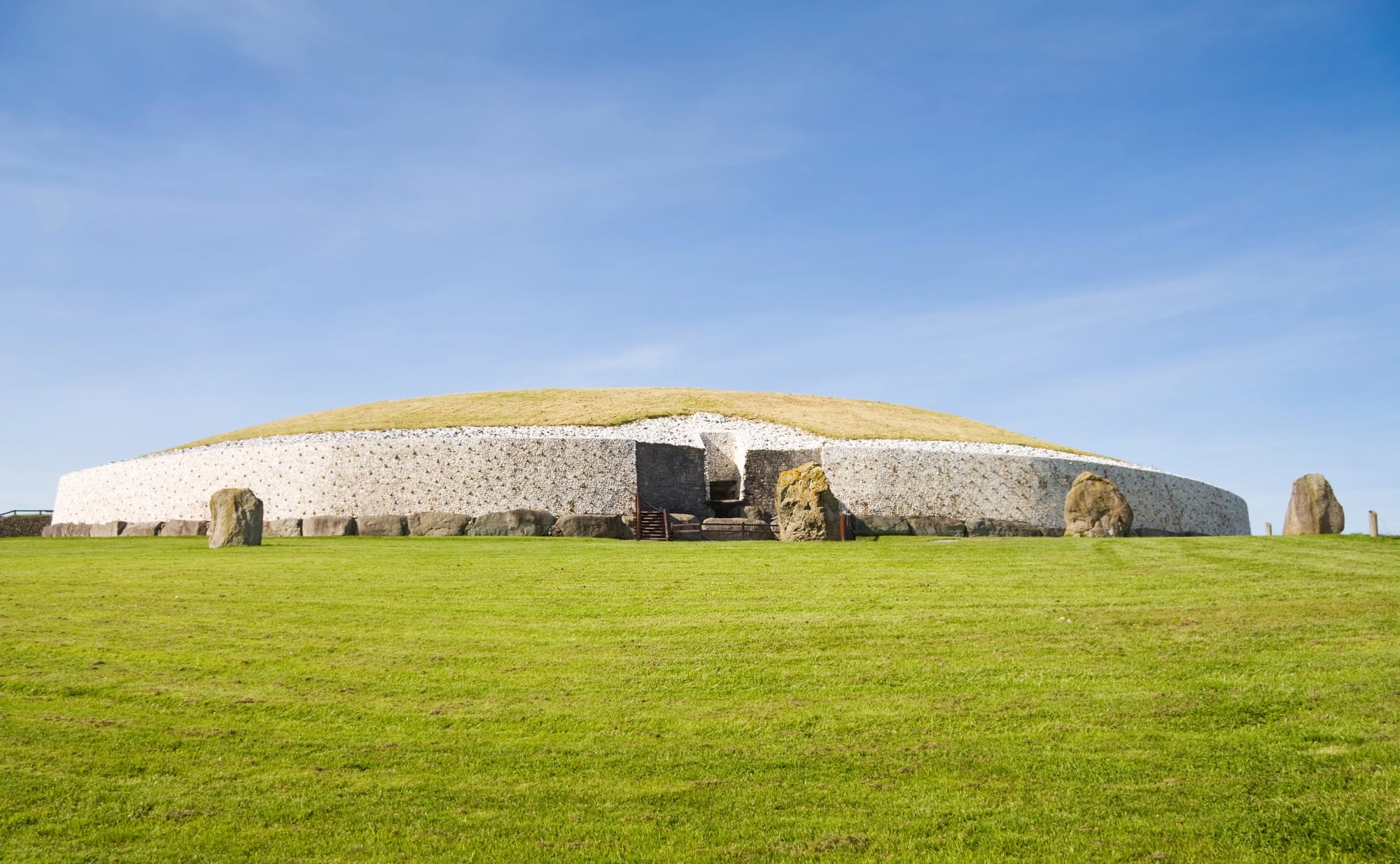
Ireland’s ancient passage tomb predates both Stonehenge and the Egyptian pyramids, yet its astronomical precision rivals any modern observatory. Every winter solstice, sunlight penetrates the tomb’s narrow entrance and illuminates the inner chamber for exactly 17 minutes.
This 5,000-year-old light show demonstrates that Neolithic peoples possessed sophisticated knowledge of Earth’s orbital mechanics.
Chichen Itza
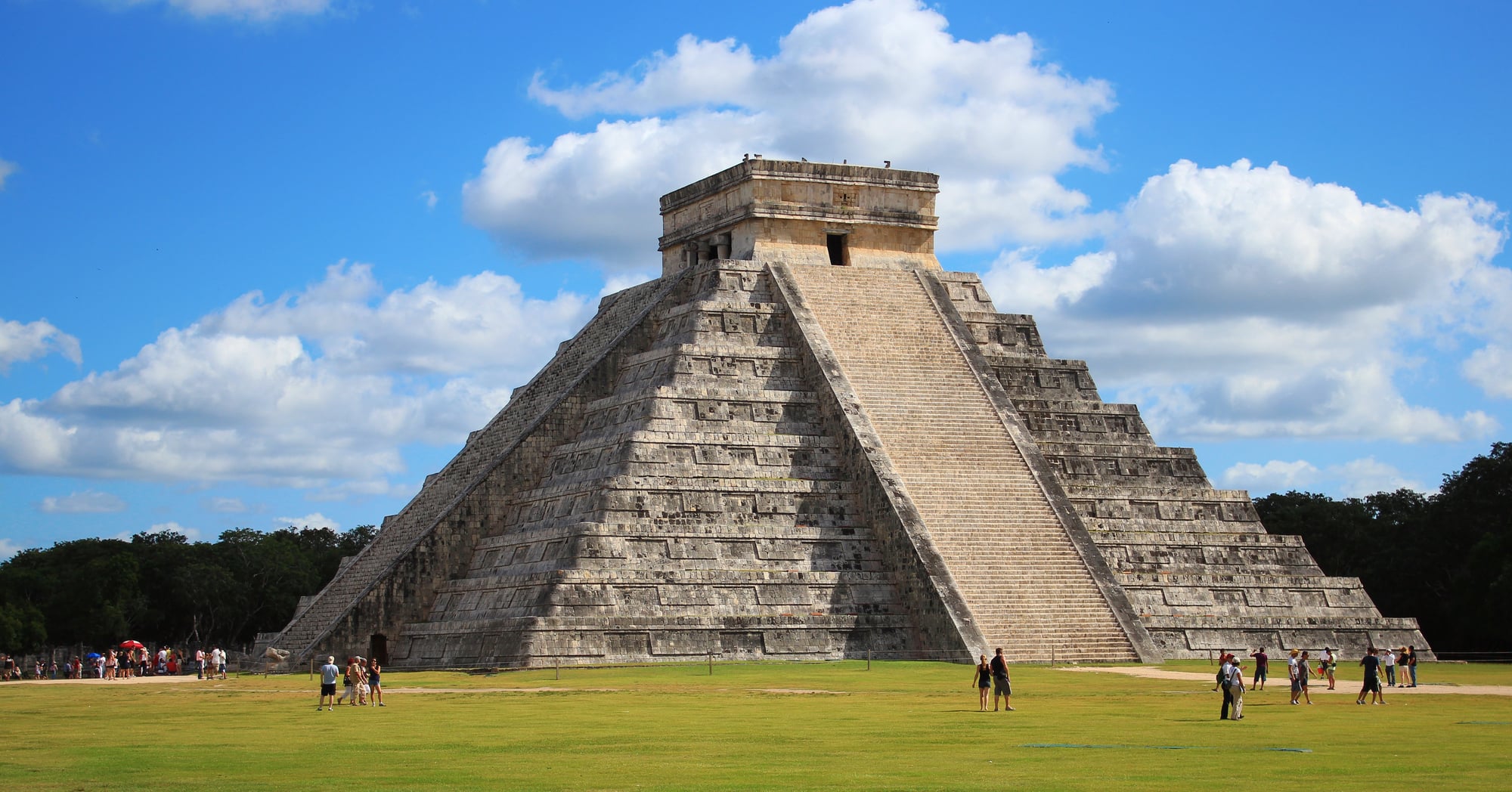
The Maya transformed their religious center into a massive astronomical computer using nothing but stone and mathematical genius. The main pyramid casts serpent-like shadows during equinoxes, while the circular observatory called El Caracol tracks Venus with an accuracy that amazes modern astronomers.
Every architectural detail serves both ceremonial and scientific purposes, creating a temple that’s also a textbook written in limestone.
Like Go2Tutors’s content? Follow us on MSN.
Machu Picchu
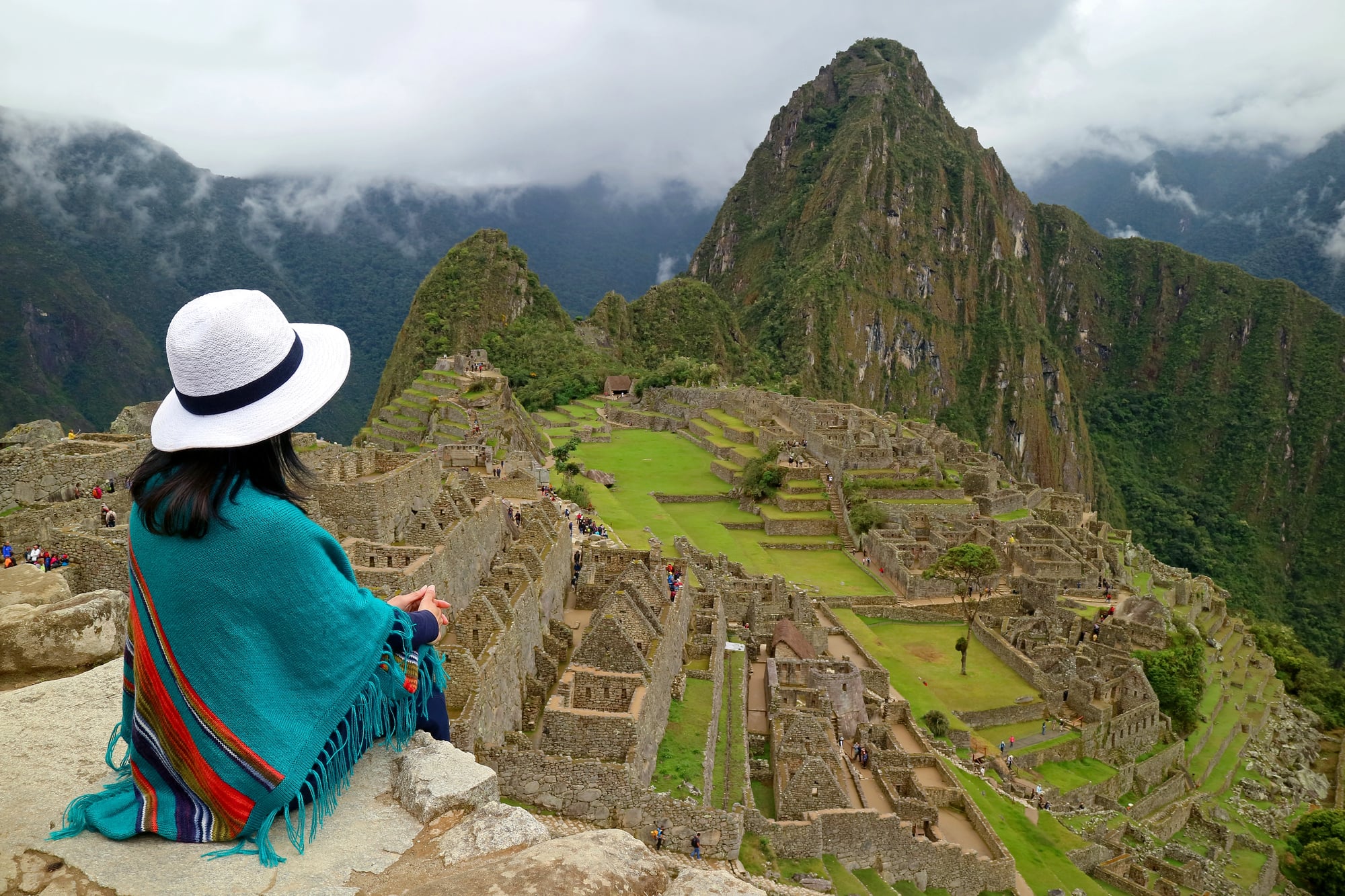
High in the Andes, the Inca built their mountain citadel to capture and measure celestial events with breathtaking precision. The Intihuatana stone functions as a three-dimensional sundial that tracks the sun’s annual journey across the sky.
Windows and doorways throughout the complex frame specific stars and constellations, turning the entire city into an enormous astronomical instrument.
Angkor Wat

Cambodia’s temple complex mirrors the cosmos in its very architecture, with towers representing mountain peaks and moats symbolizing cosmic oceans. The central spire aligns with the constellation Draco during the spring equinox, while the temple’s orientation matches the precession of equinoxes over centuries.
Angkor Wat proves that Khmer architects understood celestial mechanics on both daily and millennial scales.
Abu Simbel
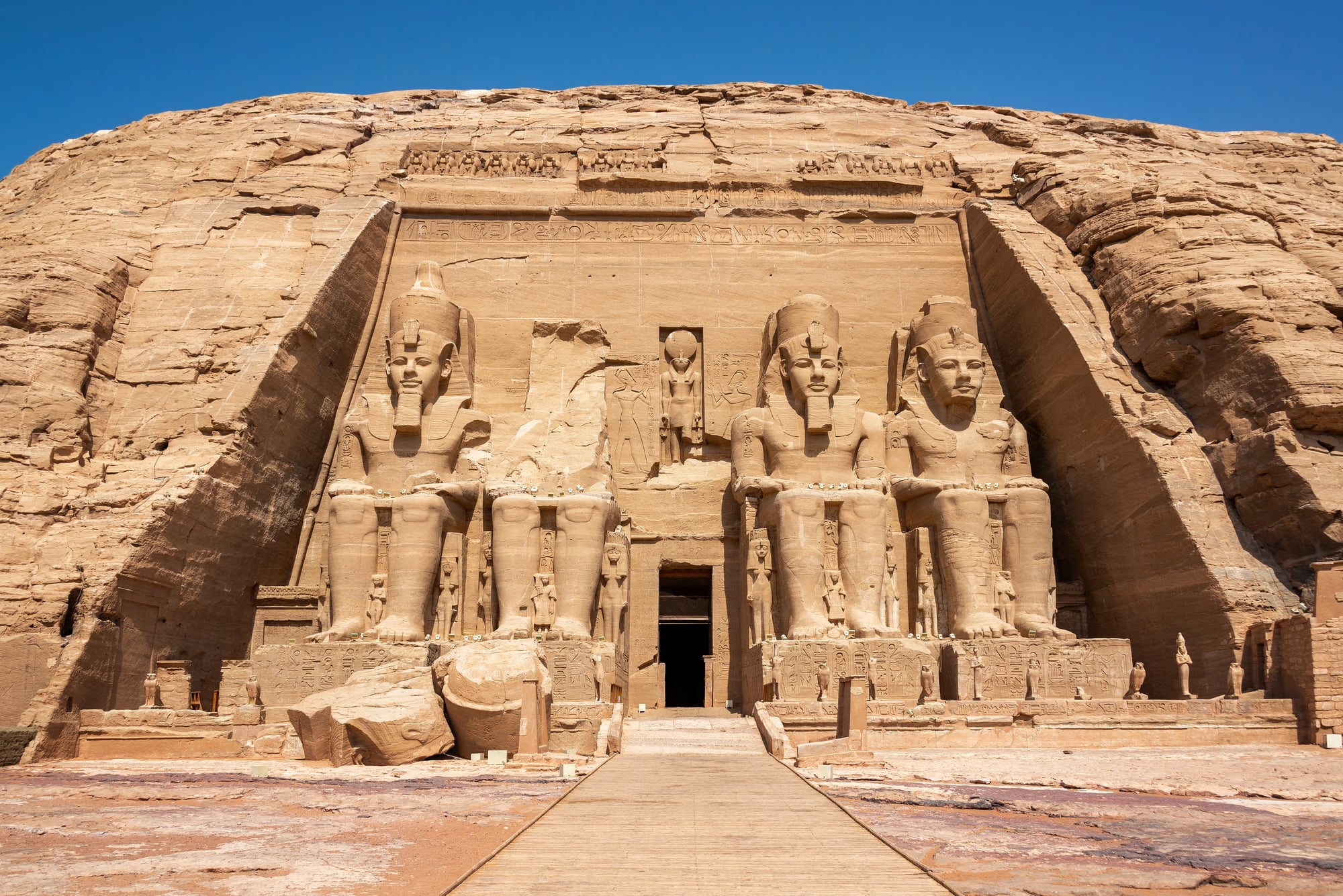
Ramesses II didn’t just build these Egyptian temples to display his power—he engineered them as precision instruments for tracking the sun’s movement. Twice each year, sunlight penetrates the temple’s depths to illuminate statues of the pharaoh and two gods, leaving a fourth statue in darkness.
This solar phenomenon occurs on dates that likely correspond to Ramesses II’s birthday and coronation, blending personal glory with astronomical accuracy.
Like Go2Tutors’s content? Follow us on MSN.
Goseck Circle
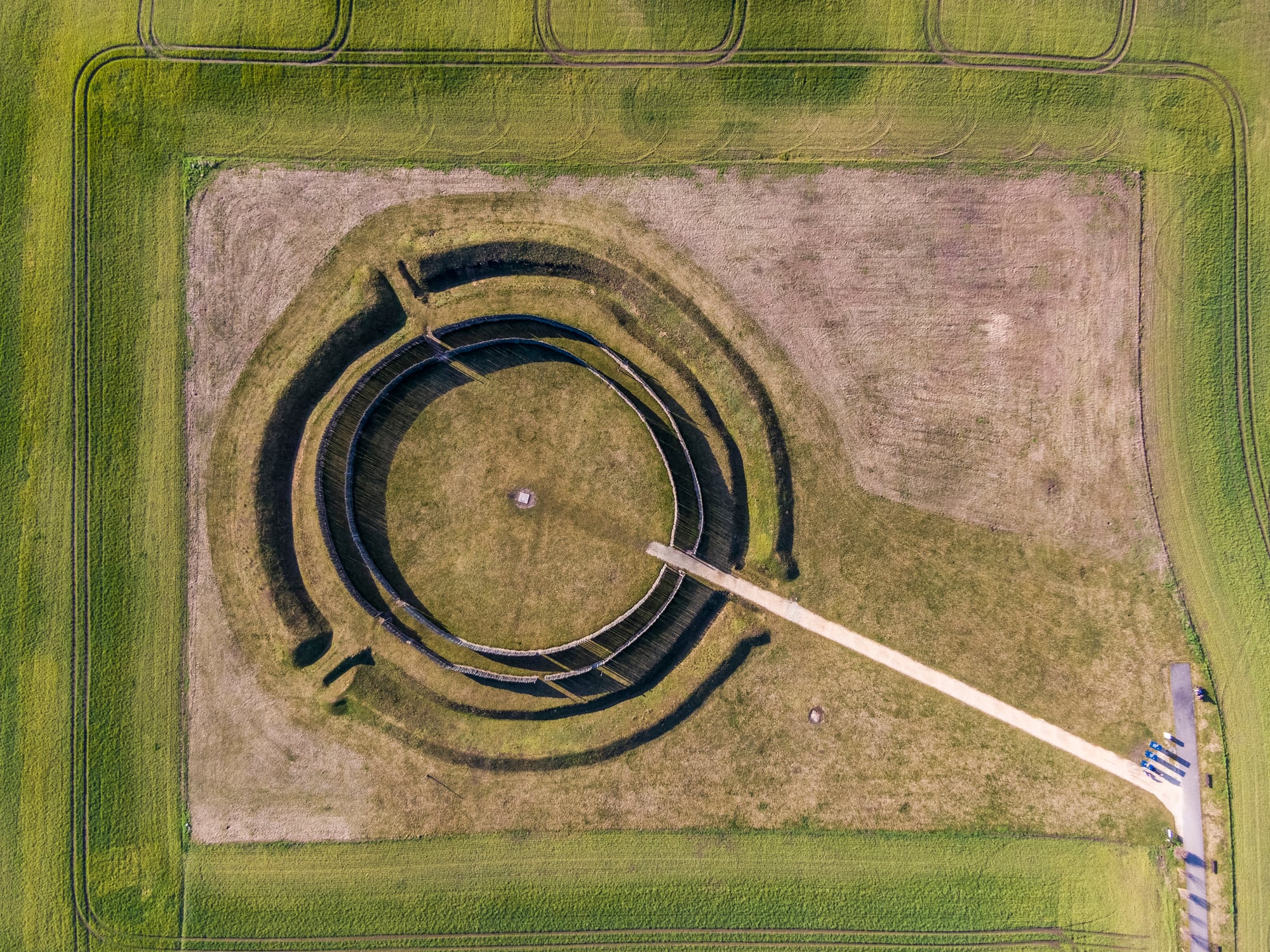
Germany’s wooden circle represents Europe’s oldest known solar observatory, predating Stonehenge by several centuries. The structure’s three gates align with sunrise and sunset on the winter solstice, creating a primitive but effective calendar system.
Archaeological evidence suggests that Neolithic farmers used this wooden Stonehenge to determine optimal planting and harvesting times.
Nabta Playa
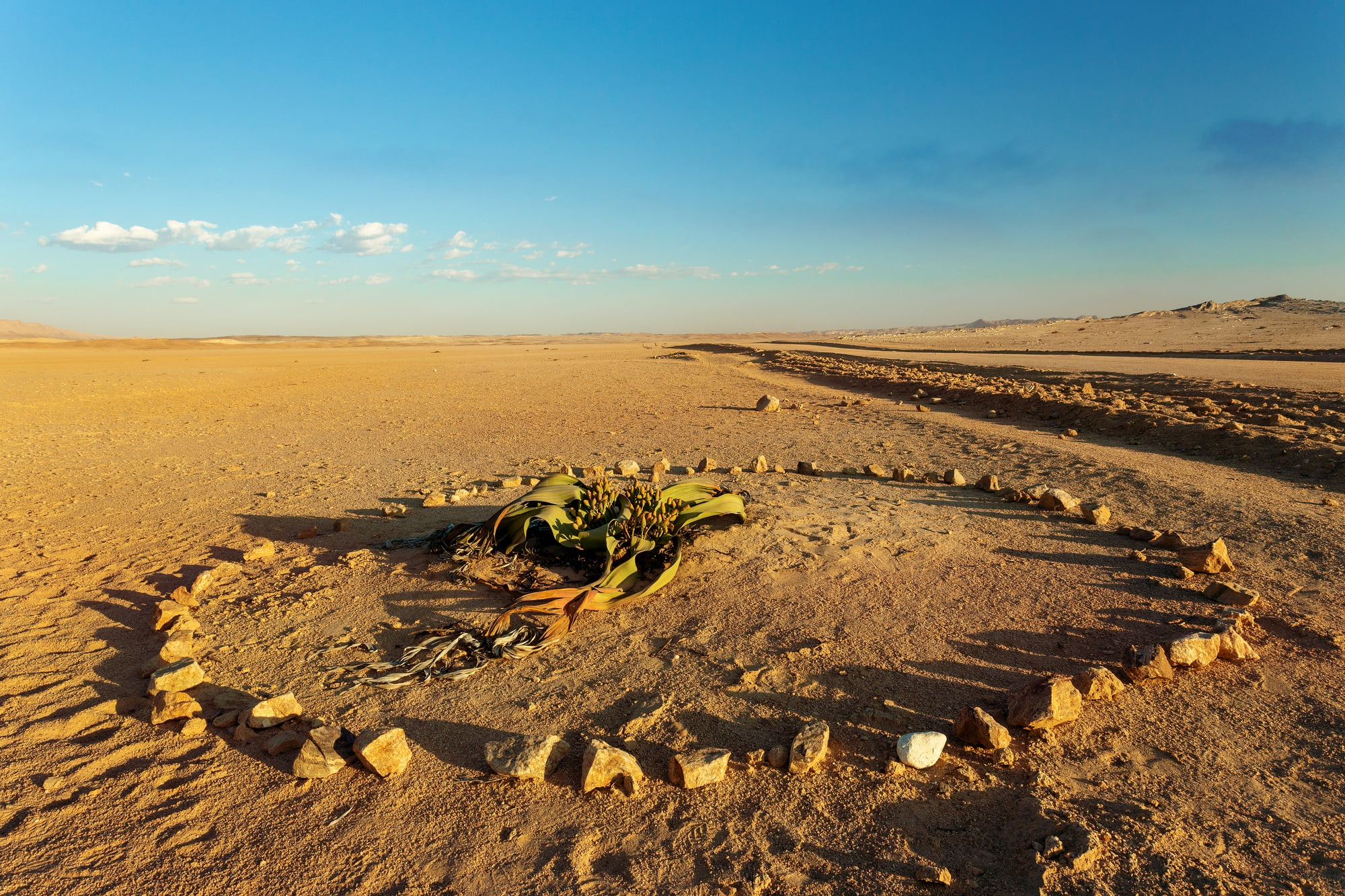
In Egypt’s Sahara Desert, nomadic peoples created Africa’s oldest astronomical site using simple stone circles and upright slabs. These ancient astronomers tracked the summer solstice and mapped the positions of bright stars like Sirius and the Belt of Orion.
The site’s calendar stones helped desert dwellers navigate both geography and seasonal changes during their migrations.
Mnajdra
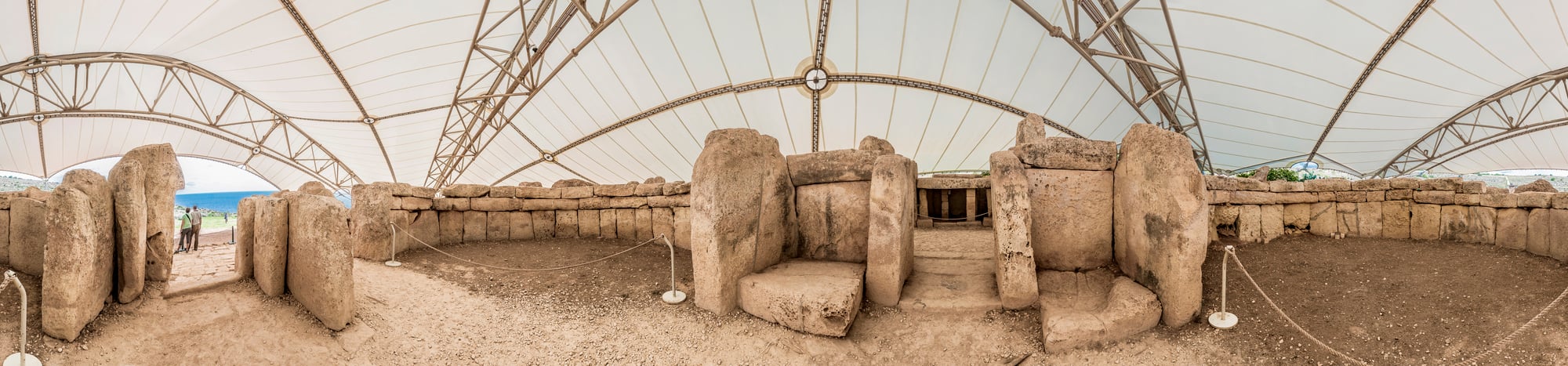
Malta’s megalithic temple complex demonstrates that island peoples developed astronomical knowledge independently of mainland civilizations. The temple’s facade aligns with the equinoxes, while interior chambers track the summer and winter solstices through carefully positioned doorways.
During celestial events, sunlight creates dramatic patterns on the temple’s decorated stones, suggesting that ancient rituals synchronized with astronomical phenomena.
Like Go2Tutors’s content? Follow us on MSN.
Cahokia
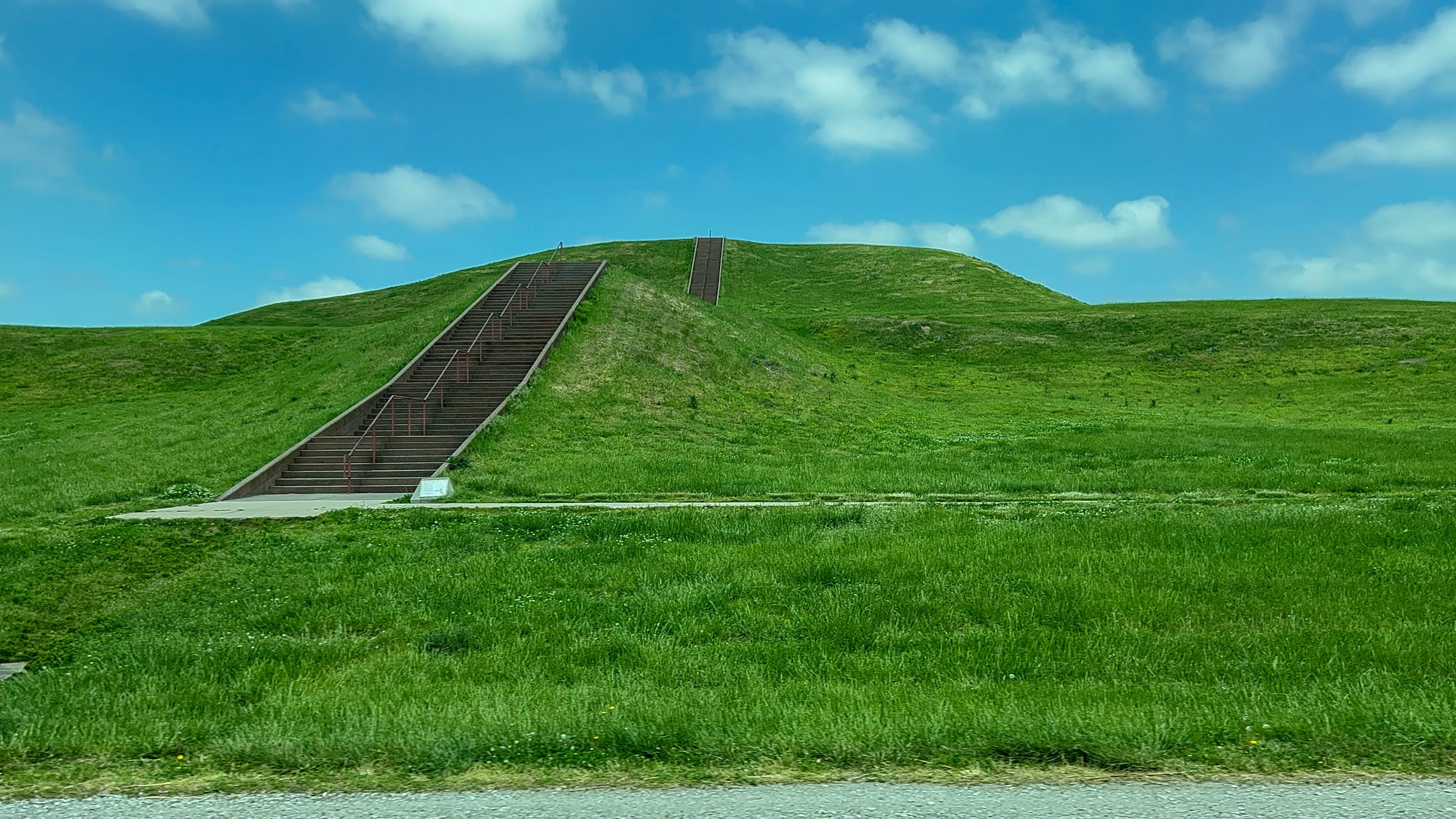
North America’s largest pre-Columbian city featured a wooden circle that archaeologists call ‘America’s Woodhenge.’ This Mississippi Valley observatory tracked solstices and equinoxes, helping the Cahokian people coordinate their agricultural and ceremonial calendars.
The site’s builders reconstructed their wooden observatory multiple times, refining its accuracy over generations.
Chankillo
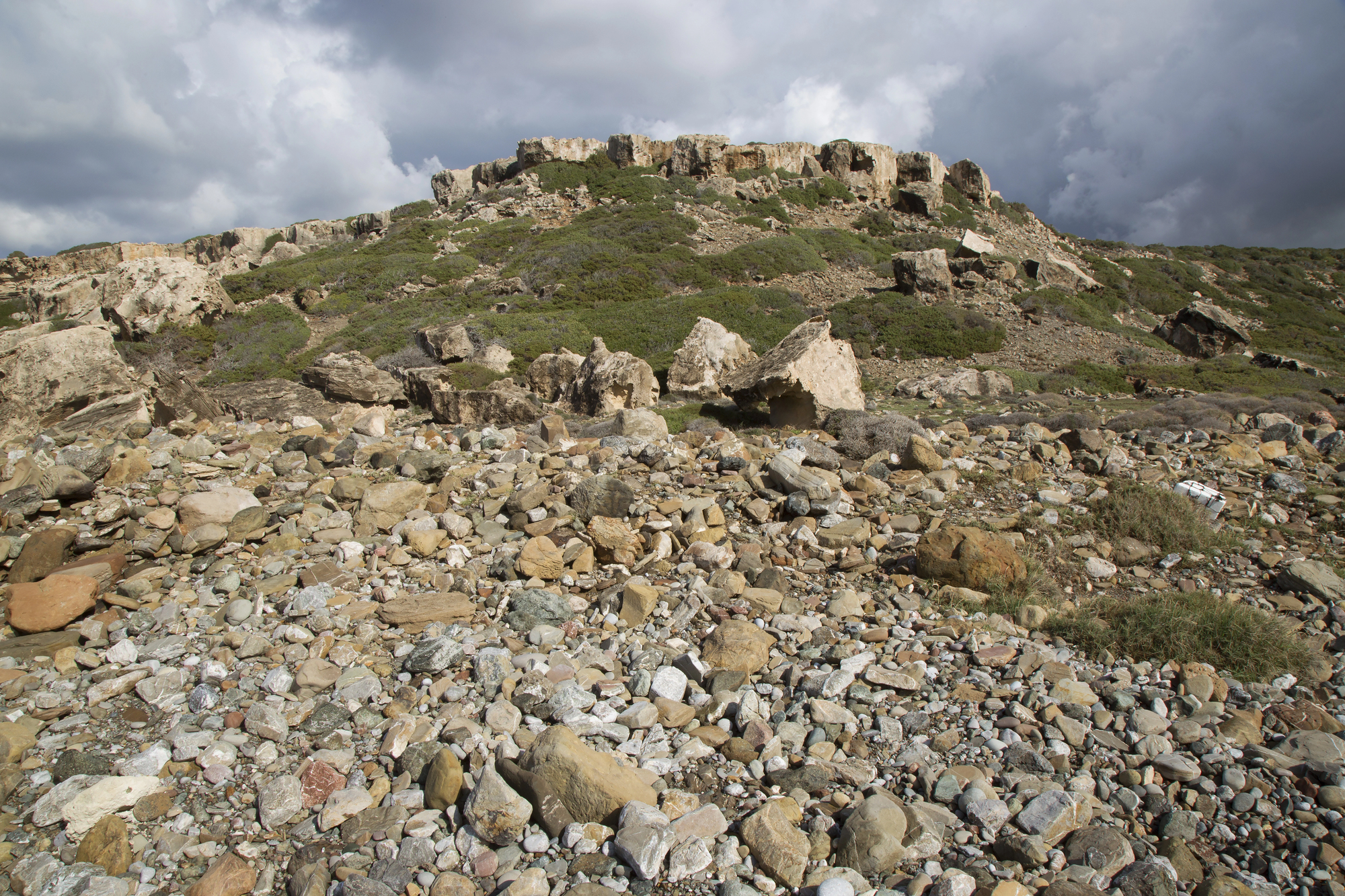
Peru’s 2,300-year-old fortress contains the world’s oldest known solar observatory in the Americas. Thirteen stone towers along a ridge create an ancient calendar that tracks the sun’s position throughout the year with remarkable accuracy.
Observers standing at specific viewing points could determine the date within two or three days, making Chankillo more precise than many modern calendars.
Armenian Zorats Karer
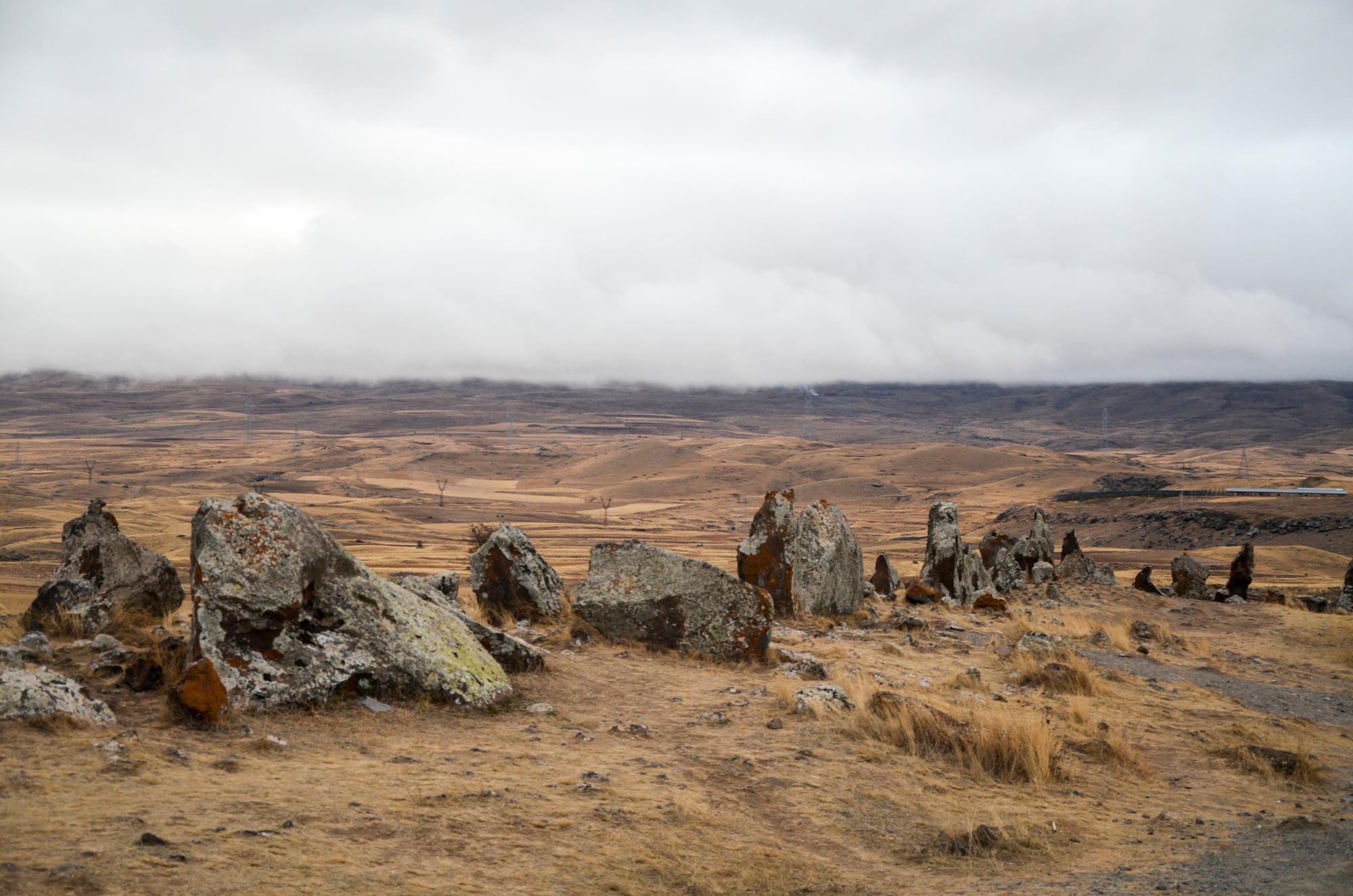
Often called Armenia’s Stonehenge, this Bronze Age site features hundreds of standing stones with precisely drilled gaps that frame specific stars and constellations. The monument’s builders created viewing tubes through solid rock, allowing them to track celestial objects with telescopic precision thousands of years before actual telescopes were invented.
Some stones align with the bright star Sirius, while others track the summer solstice sunrise.
Like Go2Tutors’s content? Follow us on MSN.
Kokino
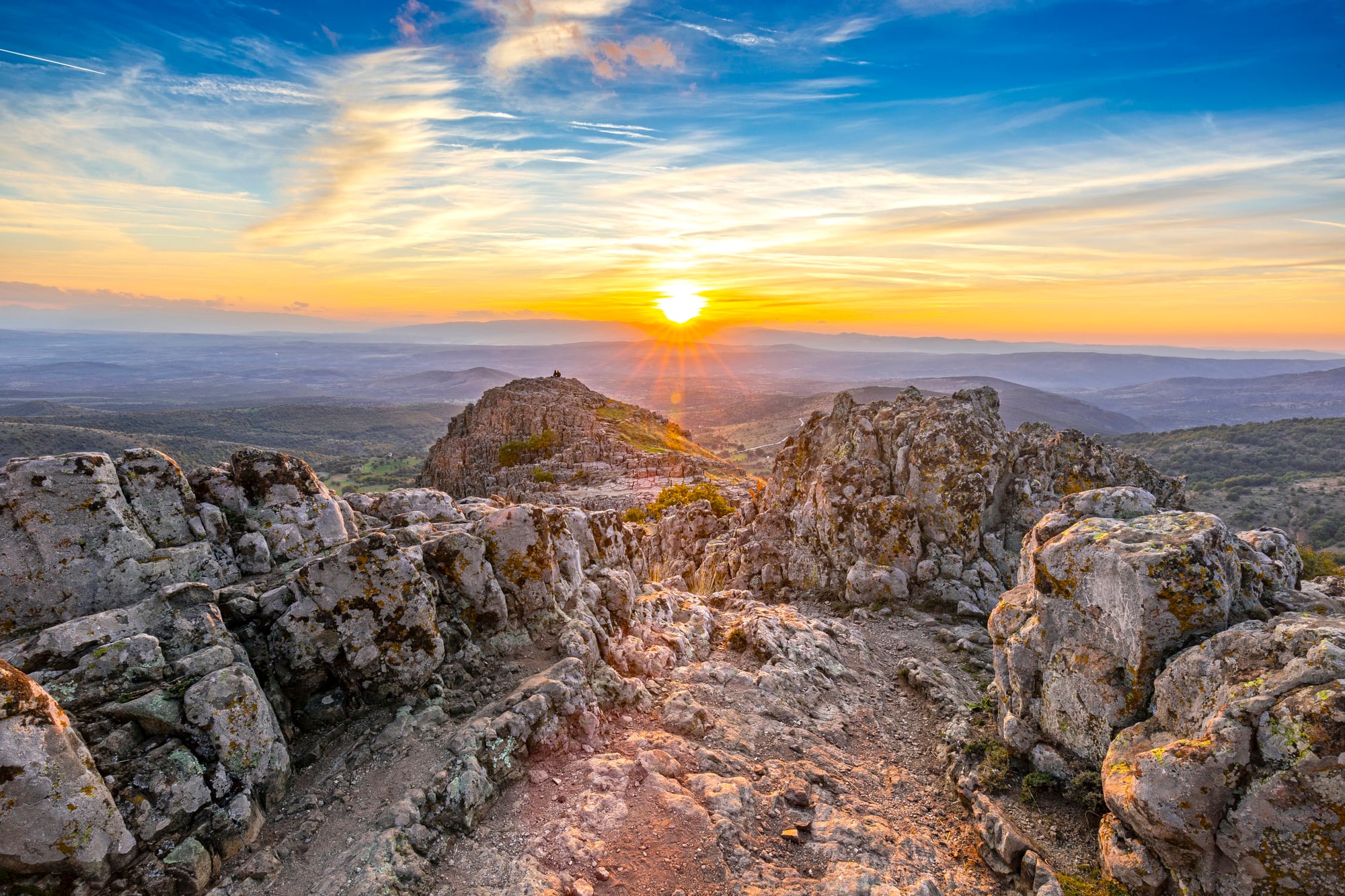
Macedonia’s Bronze Age observatory uses natural rock formations enhanced with artificial markers to create a comprehensive astronomical calendar. The site tracks both solar and lunar cycles, with different observation points providing views of solstices, equinoxes, and important lunar phases.
Kokino’s builders carved symbols and markers directly into the bedrock, creating a permanent record of their astronomical observations.
Externsteine
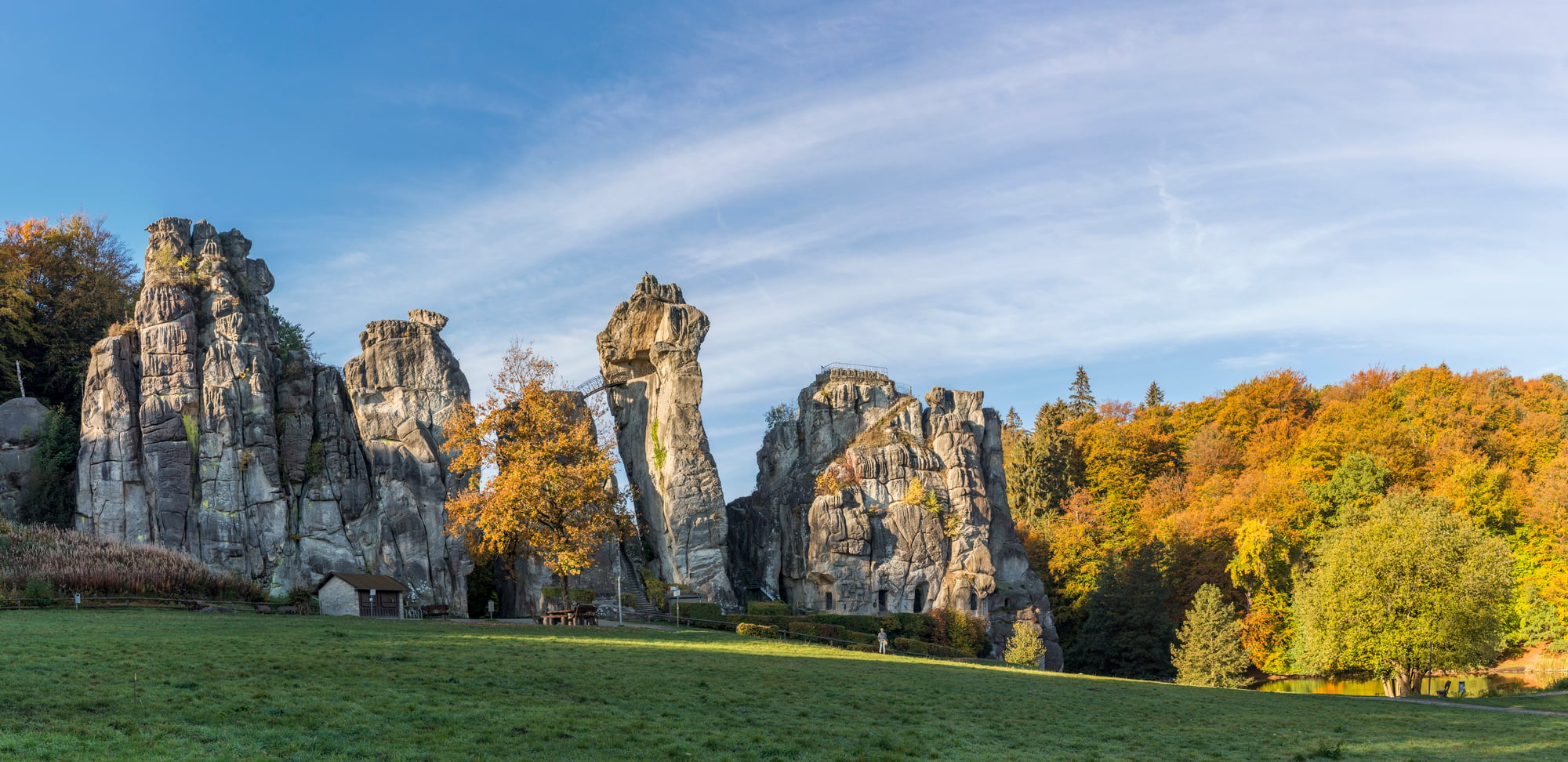
Germany’s towering sandstone pillars contain a medieval chapel with a perfectly circular window that frames the moon during its northernmost rising every 18.6 years. This lunar standstill occurs when the moon reaches its maximum northern position in the sky, an event that ancient astronomers tracked with religious significance.
The site blends Christian architecture with much older astronomical traditions.
Rujm el-Hiri
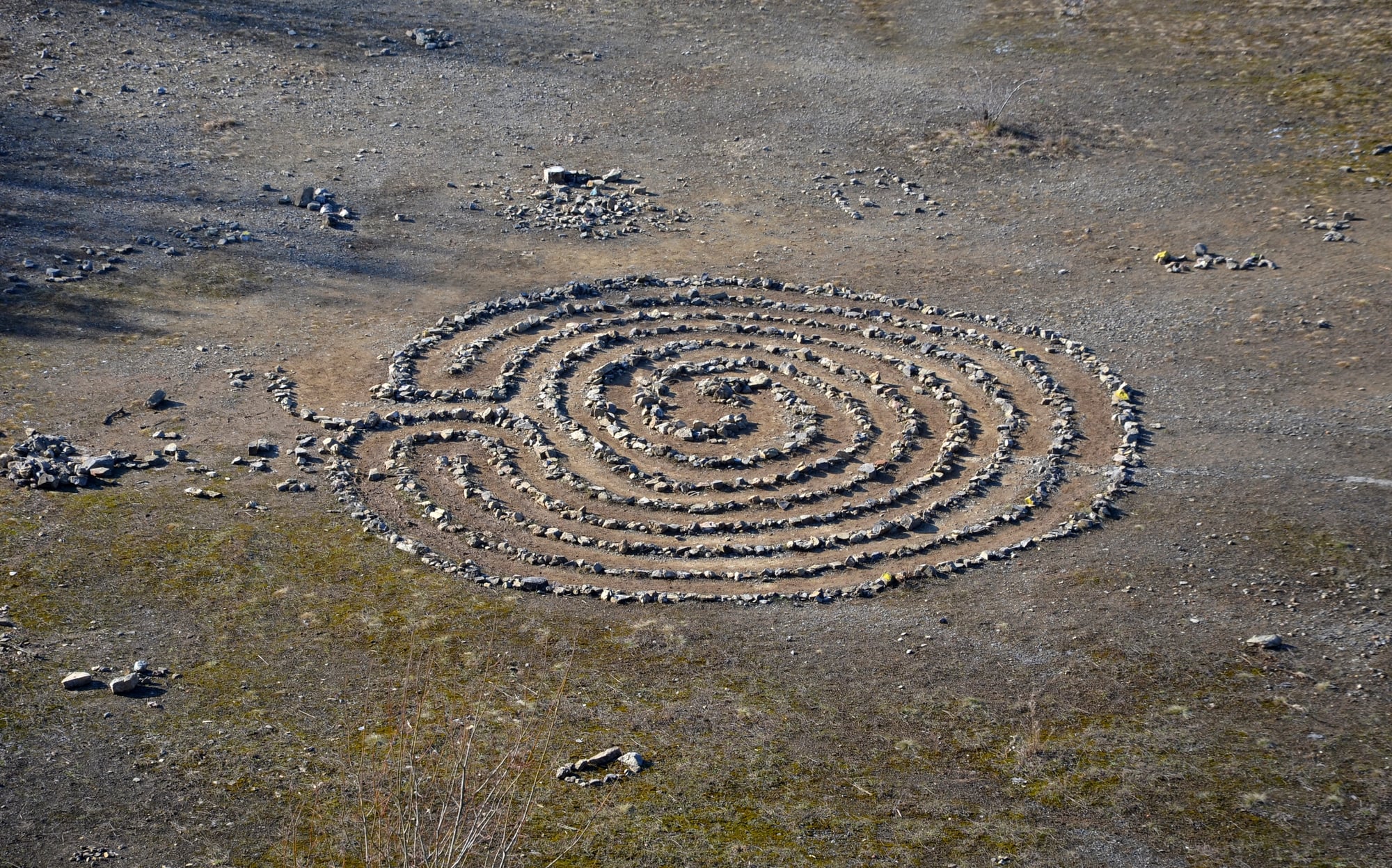
Israel’s ancient stone circle, also known as Gilgal Refaim, consists of concentric rings with gaps that align with sunrise on the summer solstice. This Bronze Age monument demonstrates that Middle Eastern peoples possessed sophisticated astronomical knowledge alongside their biblical contemporaries.
The site’s remote location suggests that astronomical observation held special significance for the region’s ancient inhabitants.
Like Go2Tutors’s content? Follow us on MSN.
Monte d’Accoddi
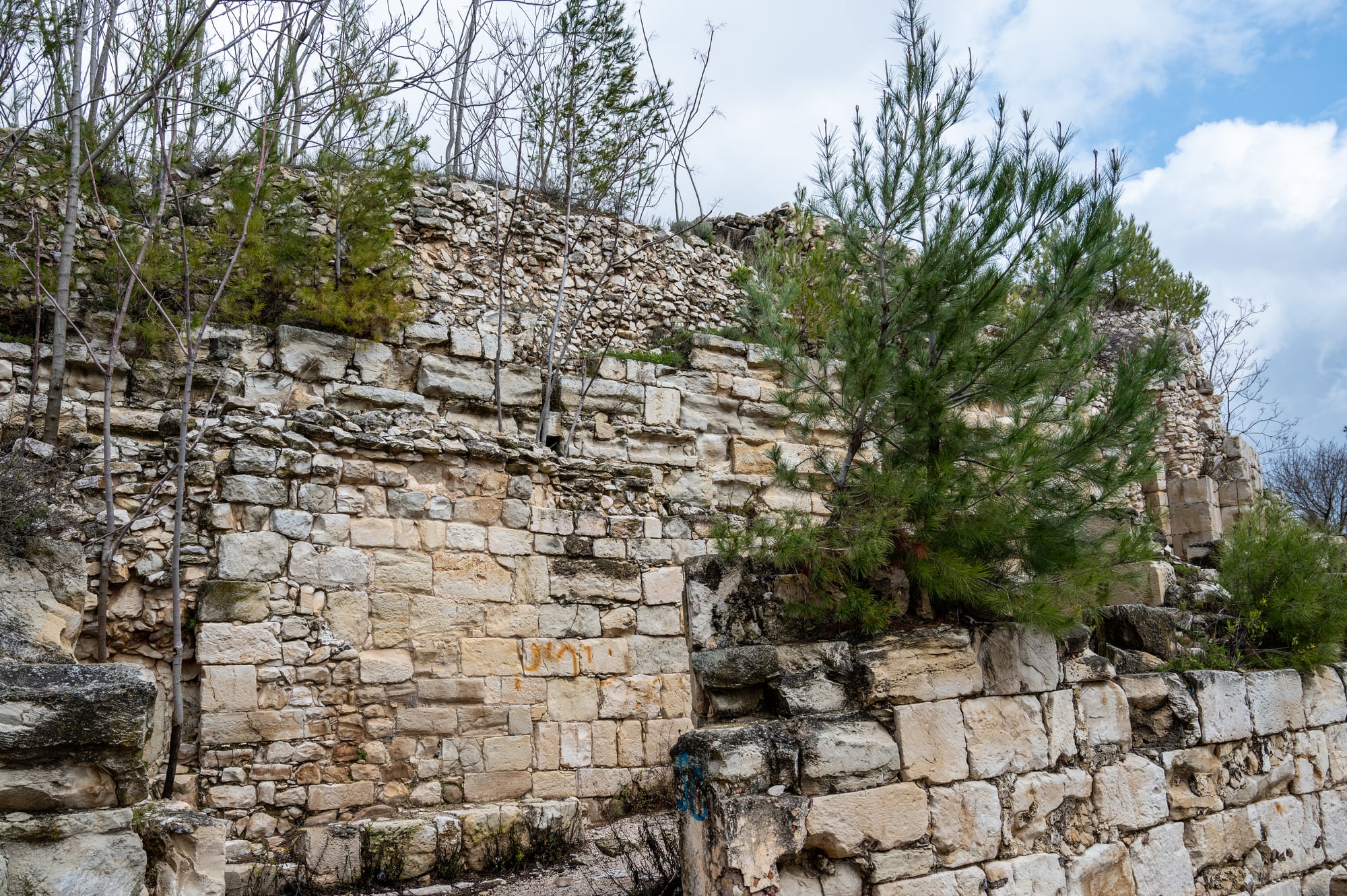
Sardinia’s unique ziggurat represents the western Mediterranean’s answer to Mesopotamian astronomical architecture. The stepped pyramid’s orientation aligns with cardinal directions, while surrounding structures track solstices and equinoxes.
Monte d’Accoddi shows how island cultures adapted continental astronomical traditions to their local needs and geographic conditions.
Warren Field
Scotland’s ancient timber posts create what archaeologists believe is the world’s oldest lunar calendar, predating similar structures by thousands of years. Mesolithic hunters arranged wooden markers to track lunar months and seasonal changes, helping them coordinate migrations and hunting activities.
The site demonstrates that even nomadic peoples recognized the importance of astronomical timekeeping for survival.
Bridging Ancient Wisdom and Modern Understanding
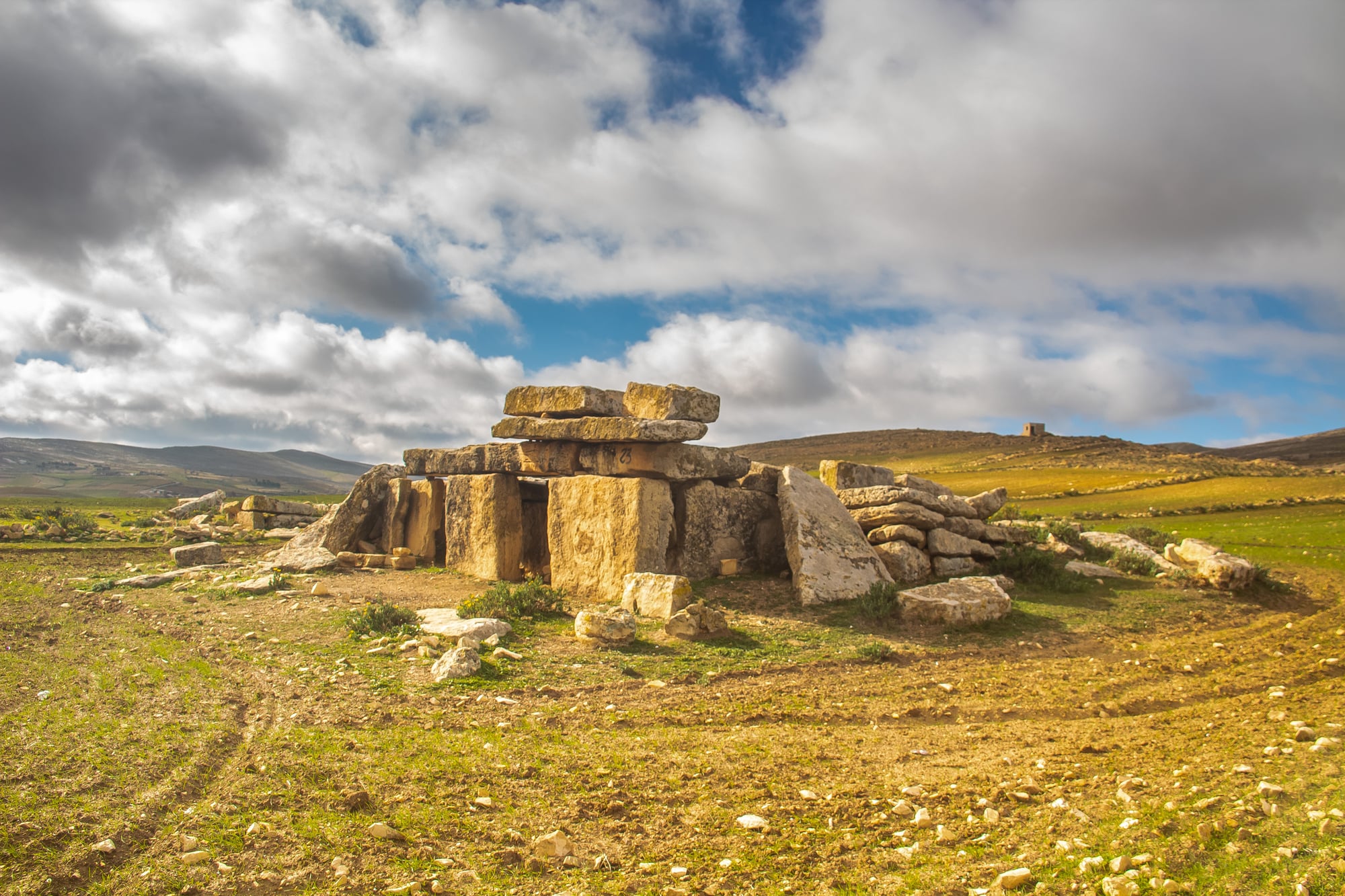
These 17 sites reveal a fundamental truth about human civilization: our ancestors never separated science from spirituality, instead weaving both into the fabric of their sacred architecture. Today’s distinction between religious and scientific thinking would have seemed foreign to ancient builders who saw celestial patterns as divine messages requiring precise measurement.
Their stone and timber observatories continue teaching us that curiosity about the cosmos represents one of humanity’s most enduring characteristics, connecting us across millennia through our shared wonder at the night sky.
More from Go2Tutors!

- 18 Unexpectedly Valuable Collectibles You Might Have Lying Around
- 20 Little-Known Historical Battles That Had Huge Consequences
- 20 Historical Artifacts That Scientists Can’t Explain
- 15 Inventions That Were Immediately Banned After Being Created
- 20 Actors Who Were Almost Cast in Iconic Roles
Like Go2Tutors’s content? Follow us on MSN.