16 Toys That Ruled Living Room Floors and Disappeared
Every generation has a handful of toys that seemed permanent, the ones scattered across the carpet every single afternoon until, almost without anyone noticing, they simply stopped being made. Some were pulled for safety reasons, others just lost the battle for shelf space to whatever came next.
Looking back at them now is a reminder that toy fame is rarely permanent, no matter how loudly a commercial once promised otherwise.
Clackers
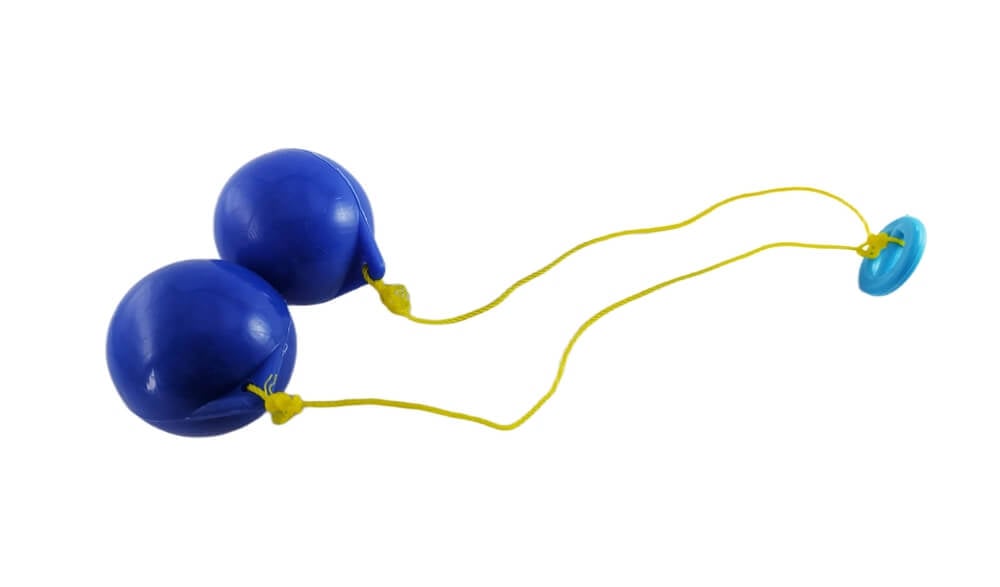
Two hard acrylic spheres dangled from a string that kids would swing up and down to smash together in a satisfying, rhythmic clack, and for a brief stretch in the early 1970s they were everywhere. The spheres occasionally shattered on impact, sending sharp plastic shards flying, and schools began banning them well before manufacturers quietly discontinued the original hard-plastic version.
Lawn Darts

Marketed as a backyard lawn game for the whole family, Jarts were essentially large, metal-tipped darts that players lobbed high into the air toward a target ring on the ground. After the U.S. Consumer Product Safety Commission linked the toy to several deaths and thousands of injuries, it banned the sale of lawn darts in the United States in 1988.
Snacktime Cabbage Patch Kids
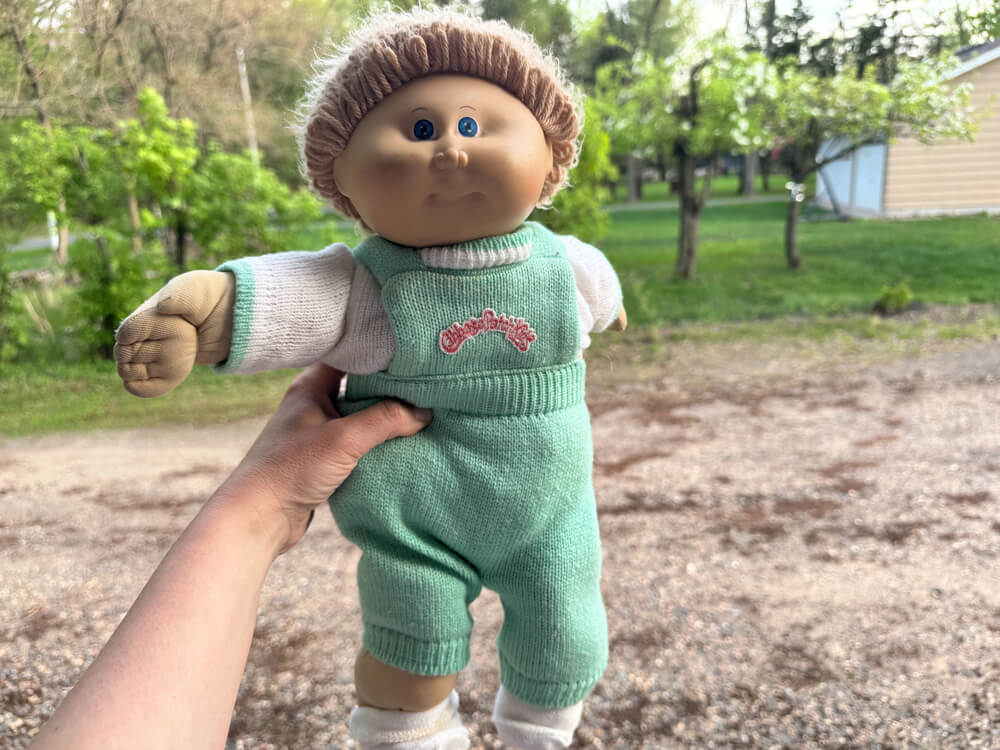
This 1996 version of the classic doll had a battery-powered motorized mouth that would “eat” small plastic snacks fed to it by a child. The mechanism could not distinguish between plastic food and real hair or fingers, and after multiple injury reports, Mattel recalled and discontinued the doll within months of its release.
Sky Dancers

These winged dolls launched into the air with a spring-loaded pull-string, spinning and fluttering across the living room before drifting back down. After the hard plastic wings caused a string of facial injuries and even eye damage during launches, the toy was recalled in 2000 and never returned to shelves in its original form.
Aqua Dots
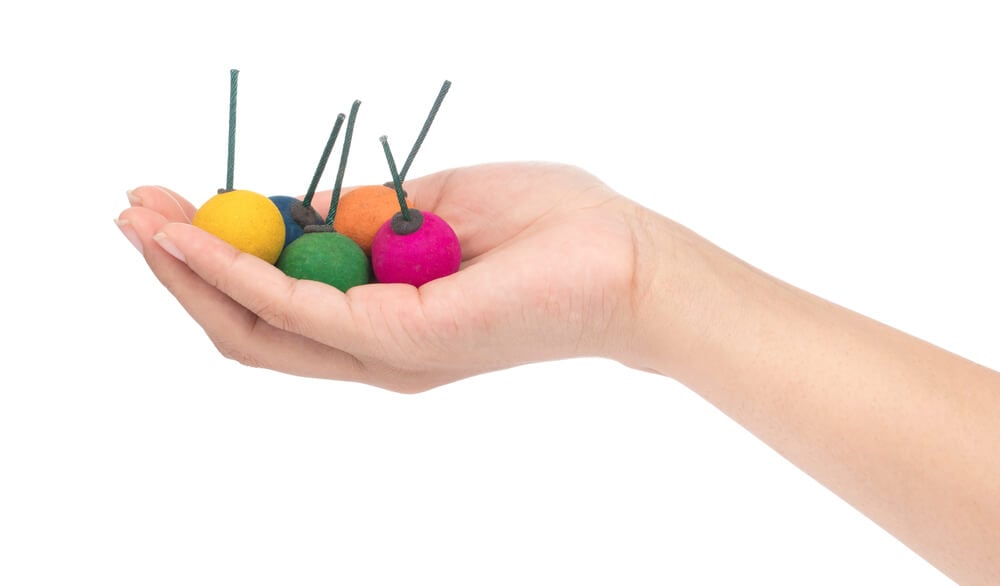
Marketed as a craft toy where kids arranged small colored beads and fused them together with a spray of water, Aqua Dots were a hit until it was discovered the coating on the beads could metabolize into a dangerous sedative chemical if swallowed. The toy was recalled worldwide in 2007 and discontinued under that name, later returning under different branding with a reformulated coating.
Original Teddy Ruxpin

This animatronic bear used a built-in cassette player to move its mouth and eyes in sync with a story, giving 1980s kids the eerie sensation of a stuffed animal that could actually talk. Production of the original cassette-driven version wound down by the early 1990s as the technology aged, and while newer digital versions have appeared since, the original mechanical bear never returned to shelves.
GoBots
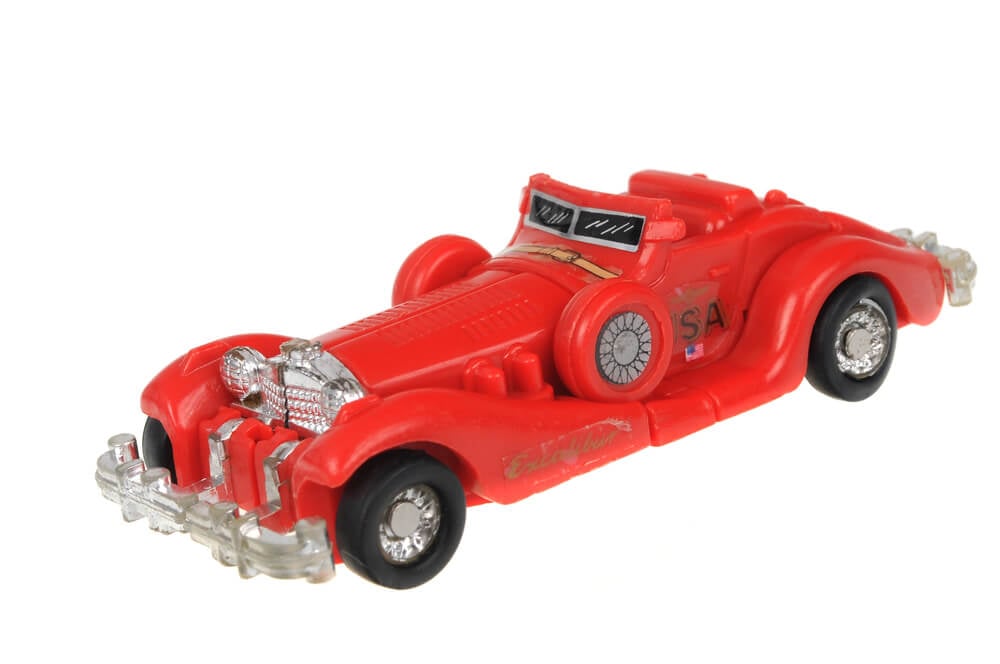
Hasbro’s transforming robot toy line briefly rivaled Transformers in the mid-1980s, complete with its own cartoon series, before losing the toy aisle battle to its bigger competitor. Hasbro discontinued the GoBots line and eventually folded its characters into Transformers lore as an alternate timeline rather than continuing it as a separate brand.
Construx
Fisher-Price’s building system used snap-together beams and cubical connectors to create large, sturdy structures that could stand up to far rougher play than standard building blocks. The line was discontinued in 1988, briefly revived by Mattel in the late 1990s, and discontinued again shortly after.
Nerfuls
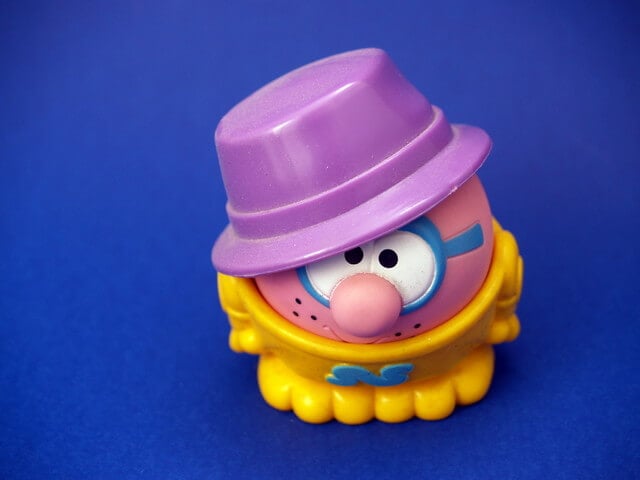
These squishy, sphere-headed figures from Parker Brothers came apart into three interchangeable pieces, letting kids mix and match heads, bodies, and accessories across the entire line. The toys faded from shelves by the late 1980s and have never been meaningfully reissued.
Lego Fabuland
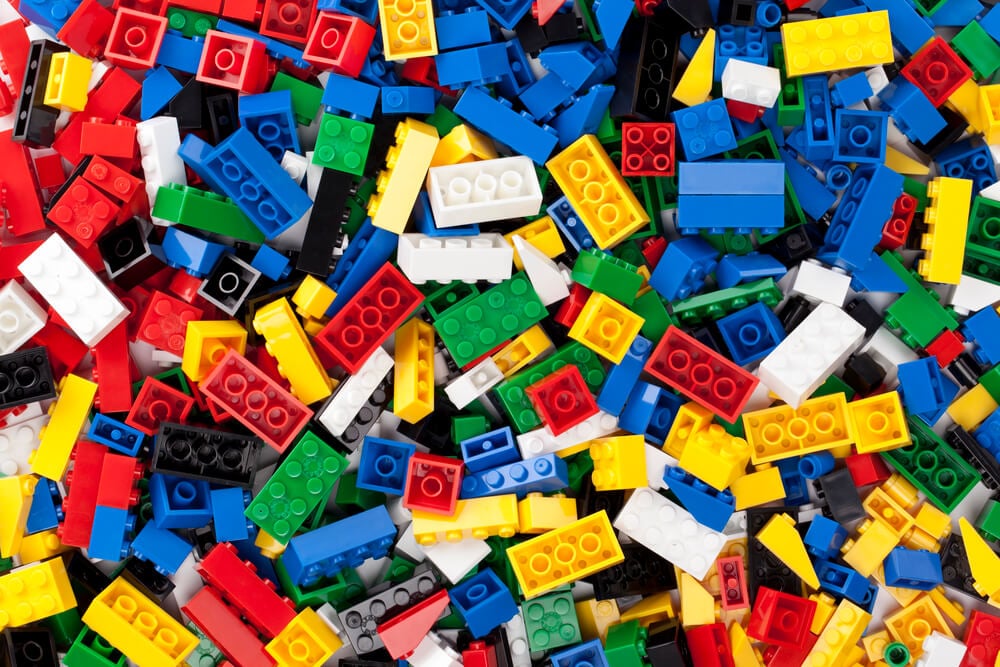
Designed as a bridge between Duplo and standard Lego bricks, Fabuland used larger, simplified pieces built around a cast of animal characters aimed at younger children. Lego discontinued the theme in 1989 after a decade on shelves, and unopened Fabuland sets are now sought after by collectors filling gaps in childhood memories.
Mego Action Jackson
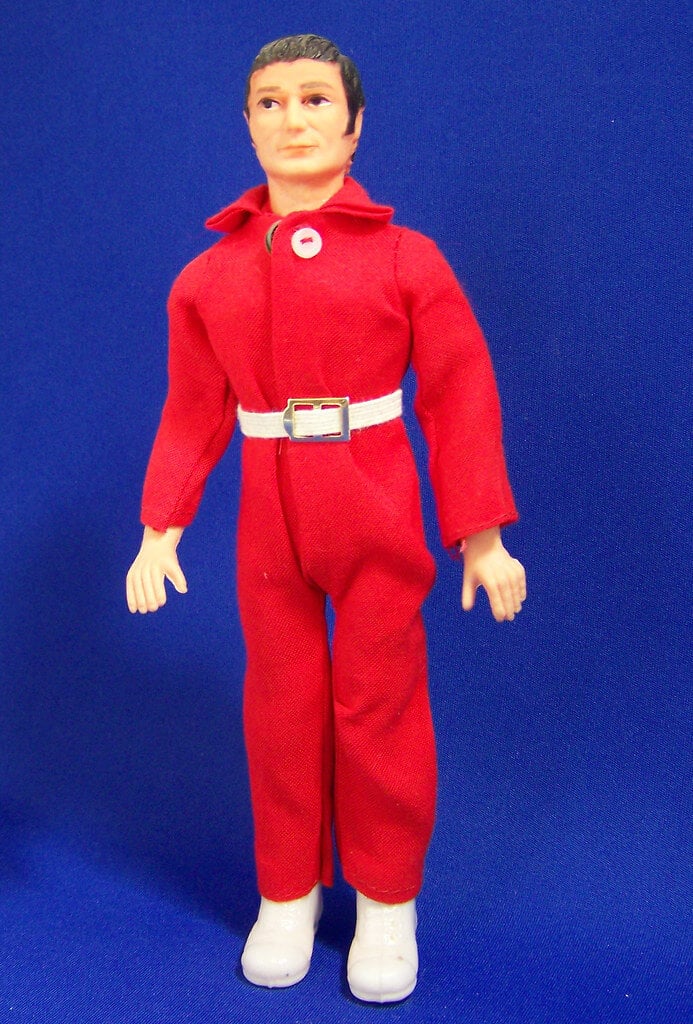
Mego’s first action figure line featured an eight-inch adventure hero with interchangeable outfits and accessories, and it briefly outsold every competitor on the market after its 1971 launch. Sales collapsed within a few years as Hasbro’s G.I. Joe line pulled kids away, and Mego discontinued Action Jackson in 1974.
Micro Machines
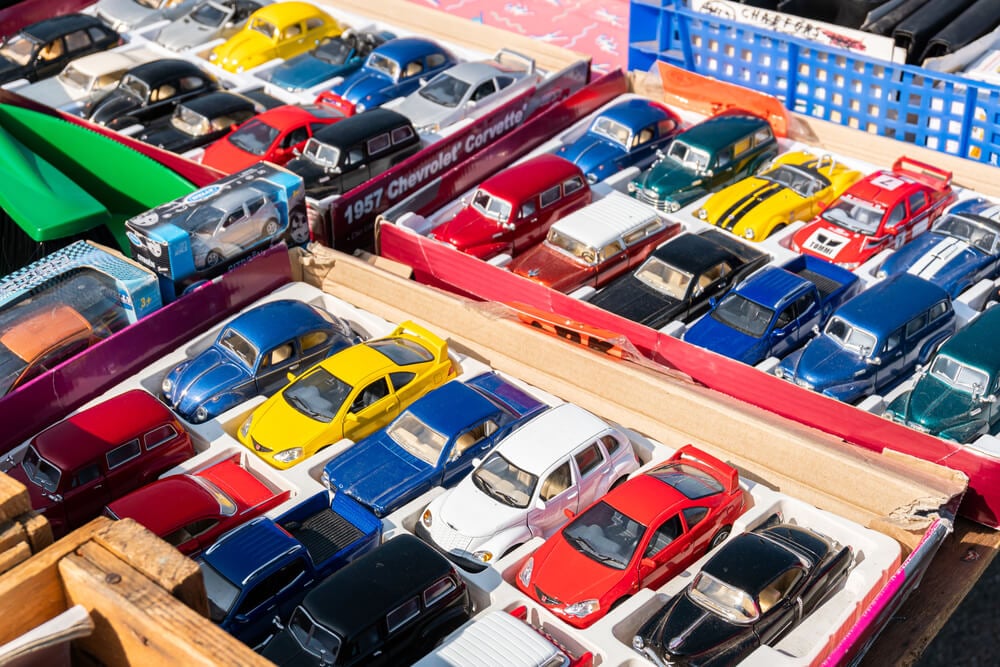
These tiny, highly detailed die-cast vehicles let kids collect entire fleets of cars, trucks, and playsets that fit in a single hand, and their television commercials were famous for a rapid-fire announcer who became a pop culture reference in his own right. The core toy line faded through the 2000s as larger, more elaborate die-cast brands took over shelf space, and Micro Machines has only resurfaced in small, sporadic waves since.
Big Wheel
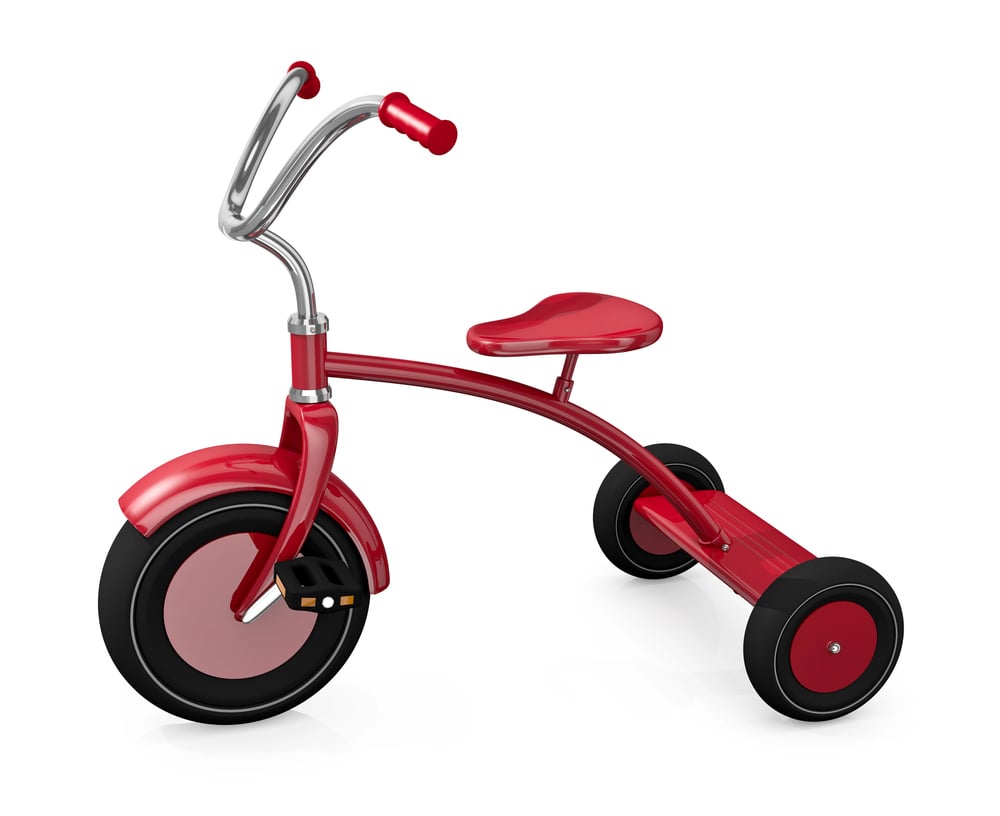
This low-slung plastic tricycle, with its oversized front wheel and reclined seating position, let kids get low, fast, and loud on driveways across the country through the 1970s and 1980s. Marx, the original manufacturer, went out of business, and while other companies have made similarly styled riding toys since, the original Big Wheel brand largely disappeared from mainstream shelves.
Suzy Homemaker Appliances
This line of miniature, partially functional kitchen appliances, including a working oven and mixer, let kids “cook” real small-batch treats using low-heat elements. The line faded from shelves by the late 1970s as safety standards tightened around toys with actual heating elements, and no direct modern equivalent has replaced it.
Vac-U-Form
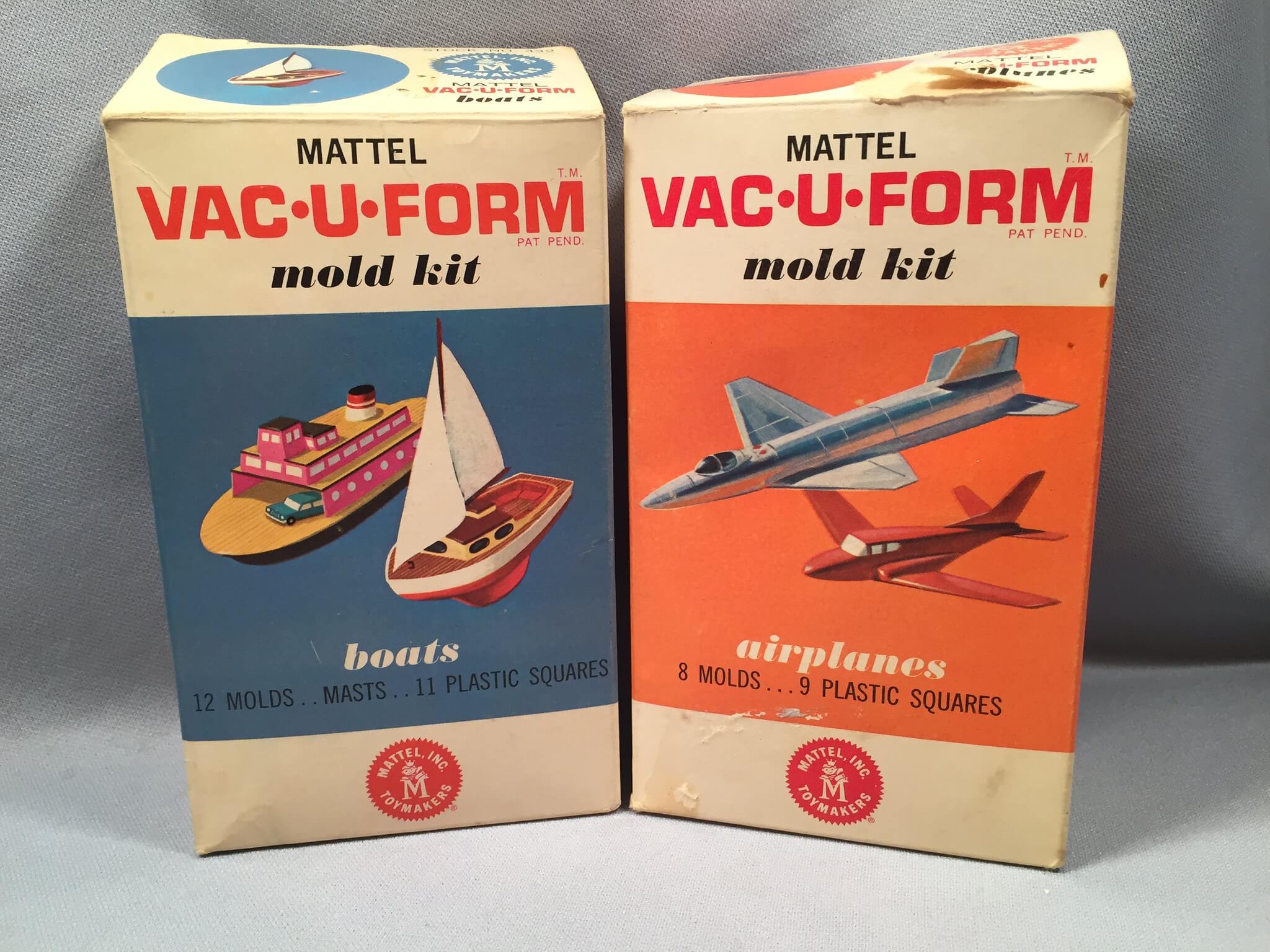
This hobby toy let kids heat sheets of plastic over a small element and vacuum-mold them into shapes using included molds, essentially a miniature version of an industrial plastic-forming machine. Concerns about the heating element’s safety around children led to its discontinuation, and later toy lines avoided replicating anything close to its design.
Mr. Machine
This large, walking wind-up robot had a clear plastic body that showed off its internal gears as it marched across the floor, accompanied by a distinctive whistling tune from its television commercials. The original version was discontinued after its initial 1960s run, and though it has been briefly reissued more than once since, it has never again been a mainstream toy aisle fixture.
Where the Toy Box Goes
Very few toys are pulled from shelves because kids stopped loving them. Most disappear because a company decided the manufacturing cost no longer made sense, or because a safety regulator decided the fun was not worth the risk.
What survives instead is muscle memory: the exact sound of a Big Wheel’s plastic wheels on concrete, or the specific whir of a Teddy Ruxpin cassette clicking into place. The toys are gone. The sound they made in someone’s living room usually is not.
More from Go2Tutors!

- The Romanov Crown Jewels and Their Tragic Fate
- 13 Historical Mysteries That Science Still Can’t Solve
- Famous Hoaxes That Fooled the World for Years
- 15 Child Stars with Tragic Adult Lives
- 16 Famous Jewelry Pieces in History
Like Go2Tutors’s content? Follow us on MSN.