24 School Supplies Nobody Uses Anymore
The back-to-school shopping list has transformed completely in the span of a generation. What once filled a backpack with the essential tools of learning—carbon paper, mechanical pencils with microscopic lead refills, spiral-bound notebooks, ditto sheets—has been replaced by digital devices and cloud-based learning.
Some supplies disappeared because technology made them obsolete. Others vanished quietly as teaching methods evolved. A few were abandoned for safety or practical reasons nobody anticipated until they became standard.
Walking through a modern school with supplies from the 1990s would feel like carrying weapons from a different era. The supplies on this list represent the analog tools of learning—some ingenious, most frustrating, all of them now entirely absent from any functioning school.
Ditto Machines
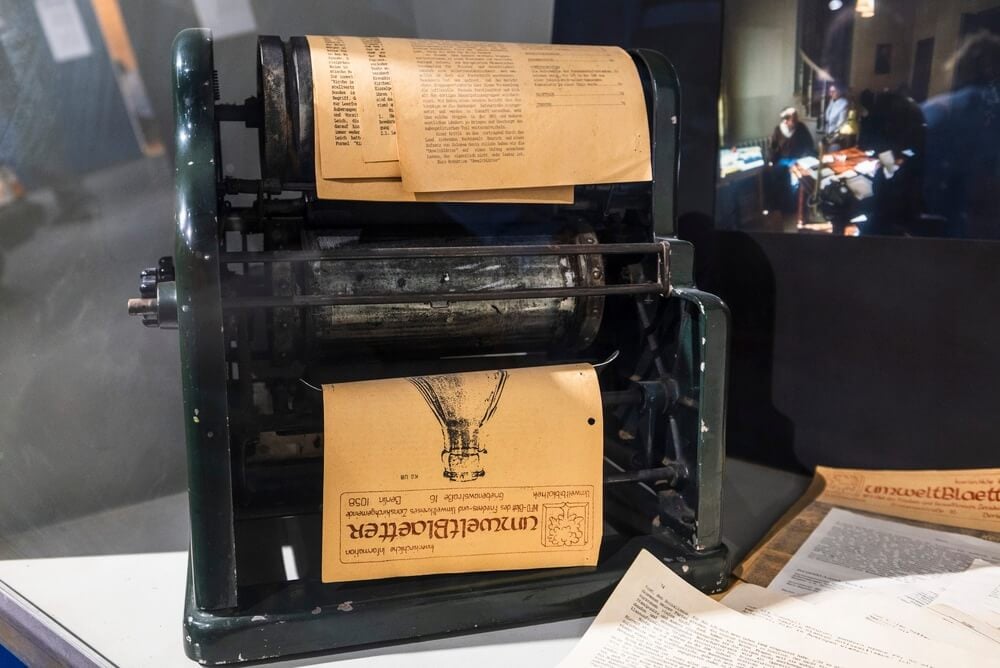
Also called spirit duplicators, these temperamental machines created purple-inked worksheets using a stencil process. The distinctive chemical smell of fresh ditto sheets became a sensory memory for generations of students.
Teachers wrestled with these machines before class, often arriving with purple-stained hands after successfully running off copies. When photocopiers became widespread, ditto machines disappeared entirely, though nothing else has ever produced quite the same smell or the same engagement with a slightly damp worksheet.
Carbon Copy Paper
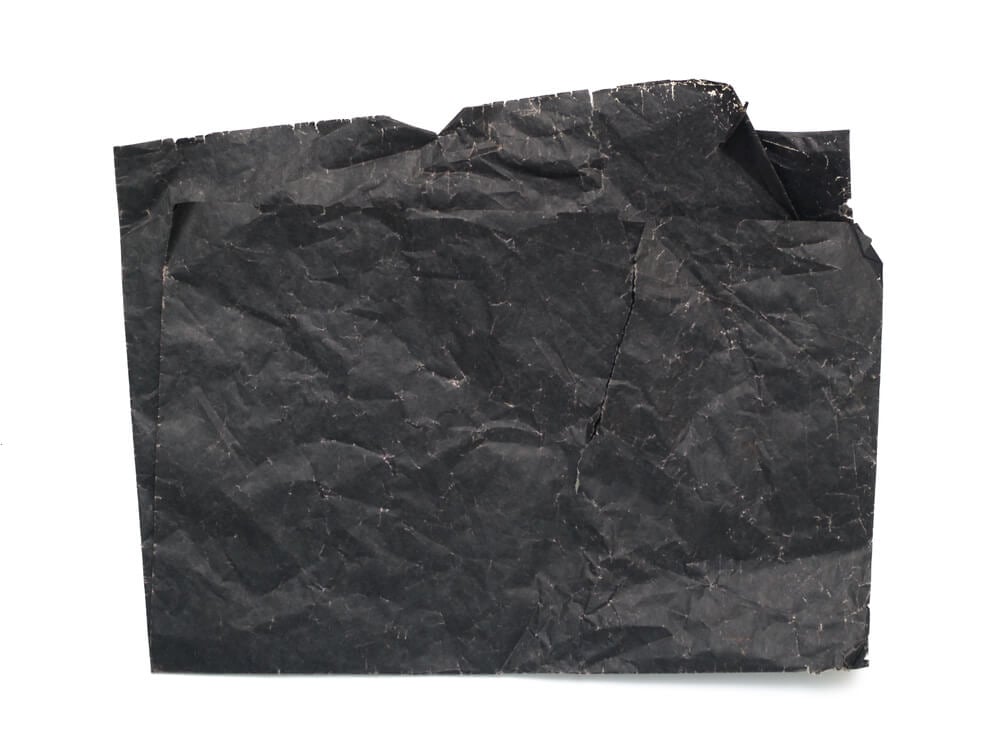
Teachers used carbon copy paper to create duplicates of assignments and worksheets before photocopiers existed. The inky blue or black sheets transferred text and handwriting from one page to another through pressure.
Using them guaranteed smudged fingers and imperfect copies, but it was efficient at the time. The technology became completely obsolete once xerography became affordable.
Pencil Boxes
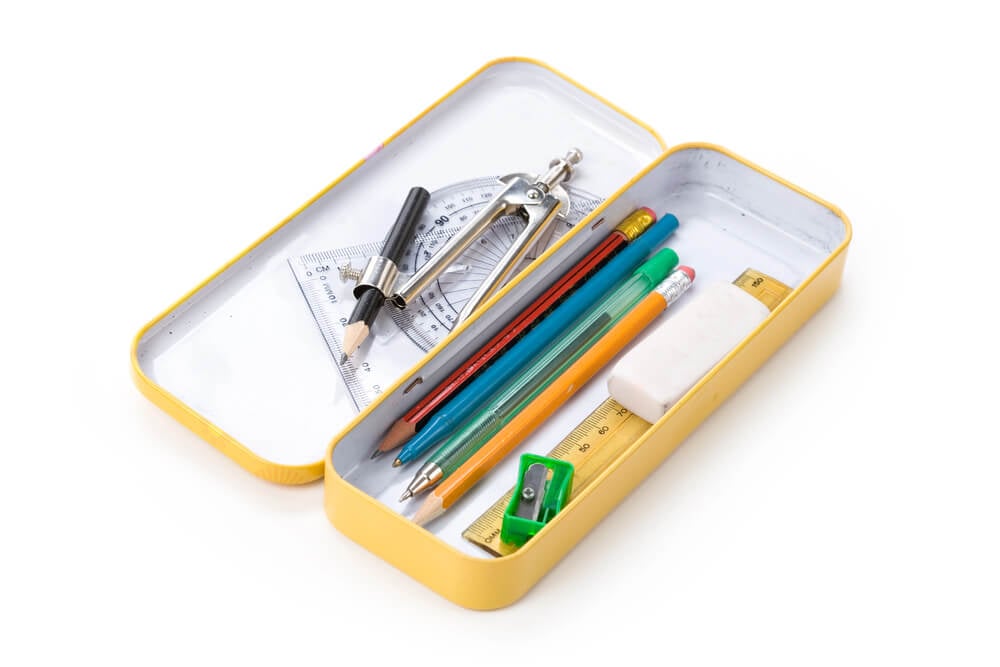
Iconic hard plastic cases with compartments meant to organize pencils, erasers, and sharpeners, these boxes were fixtures of every student’s desk in the 1980s and 1990s. The flip-top lids snapped off after weeks of being opened fifty times a day.
The compartments were never the right size for anything needed inside them. By mid-year, the hinges broke and the interior became a jumbled mess. Backpack organization and loose supplies have replaced these unwieldy organizers entirely.
Mechanical Pencils With Lead Refills
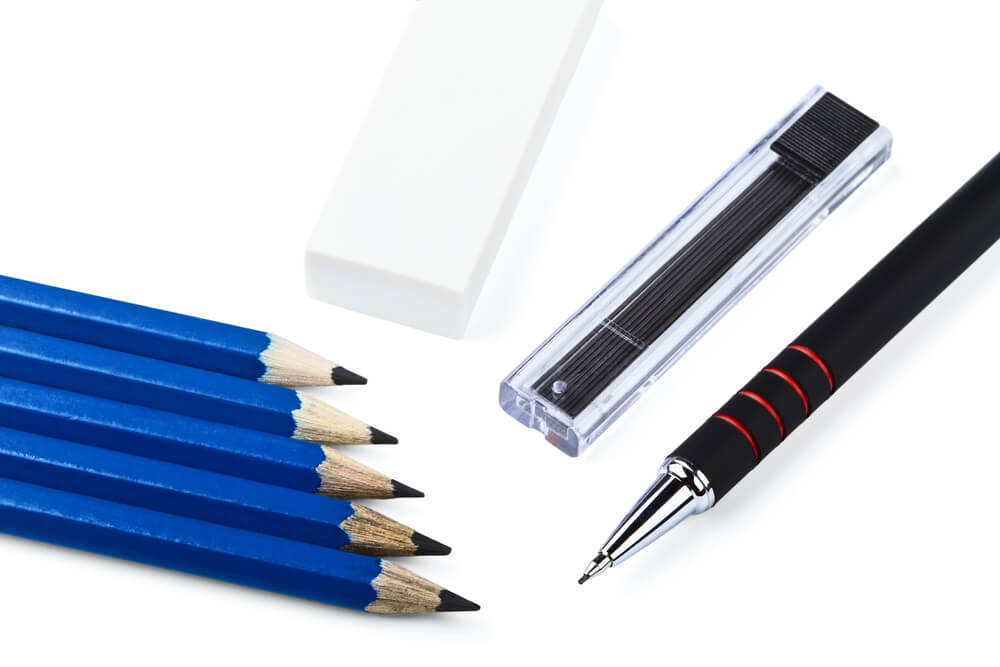
These pencils promised to eliminate pencil sharpeners but introduced a world of problems. The tiny container of lead refills was nearly impossible to open without spilling microscopic graphite sticks across desks and floors.
Pushing the button repeatedly resulted in lead extending and breaking immediately. Erasers wore down to metal within days and then scraped rounds in paper.
Yet students persisted, feeling sophisticated compared to classmates using traditional yellow pencils. Digital devices have made them nearly extinct.
Overhead Projectors
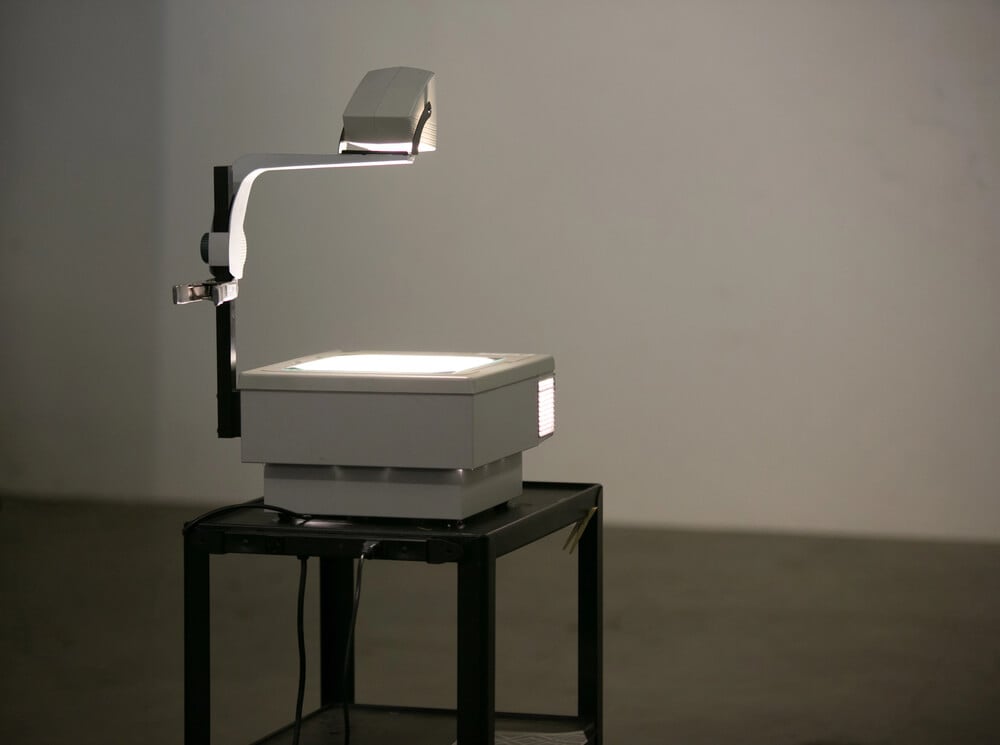
Teachers projected transparency sheets onto screens using these machines, transforming handwritten notes into classroom instruction. Educators created lesson plans or brought photographs from vacations to share with entire classes.
The learning experience depended on keeping the light bulb functioning and avoiding the tangle of cords. Digital projectors and interactive whiteboards have made these completely obsolete.
Slide Rules
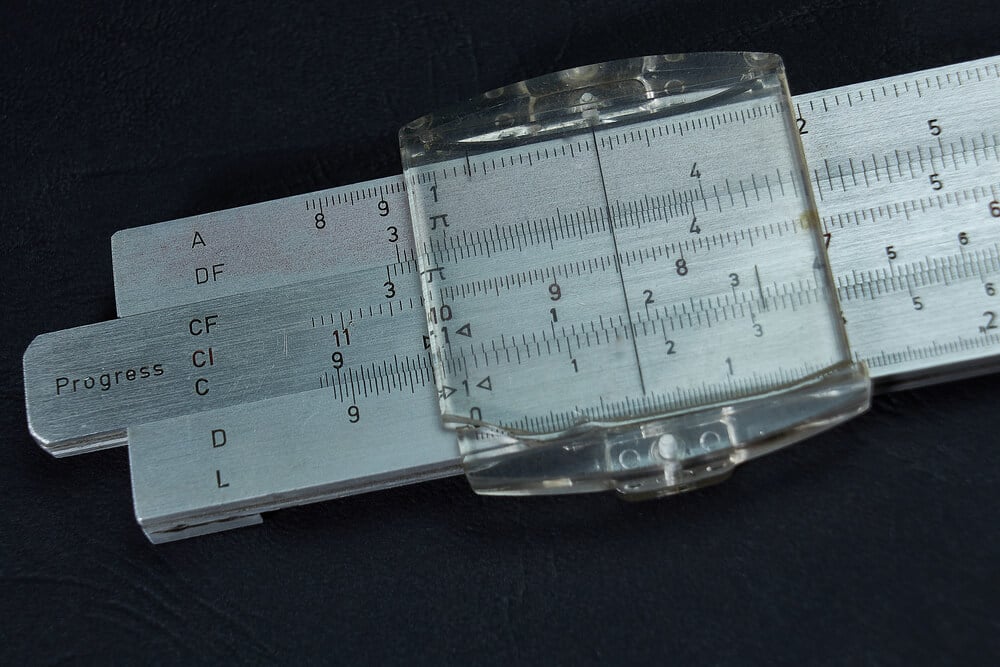
Before calculators became standard, slide rules allowed students to multiply and divide numbers quickly. More sophisticated models performed square roots and complex trigonometric functions.
They never ran out of batteries and required no digital interface. Yet calculators made them irrelevant almost overnight, and they’ve been extinct in schools for decades.
Cursive Writing Charts
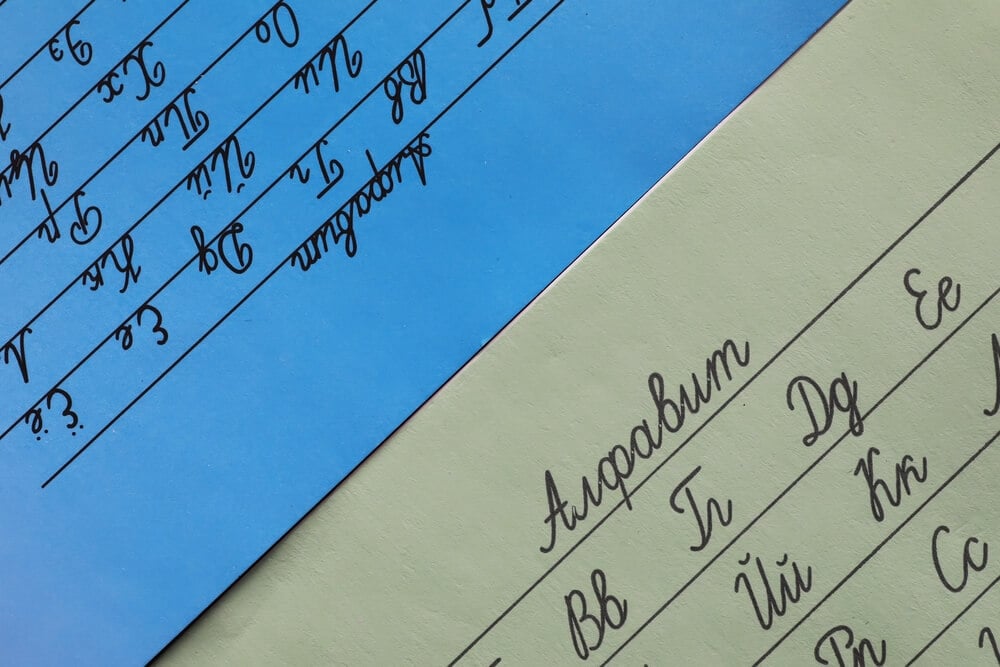
Large classroom wall charts guided students through looping letters and precise cursive swirls. Teachers emphasized daily handwriting practice to develop elegant script. Typing has replaced cursive, and many schools no longer teach it as part of standard curricula.
The charts disappeared as the writing form they represented became optional and then optional even then.
Scented Markers
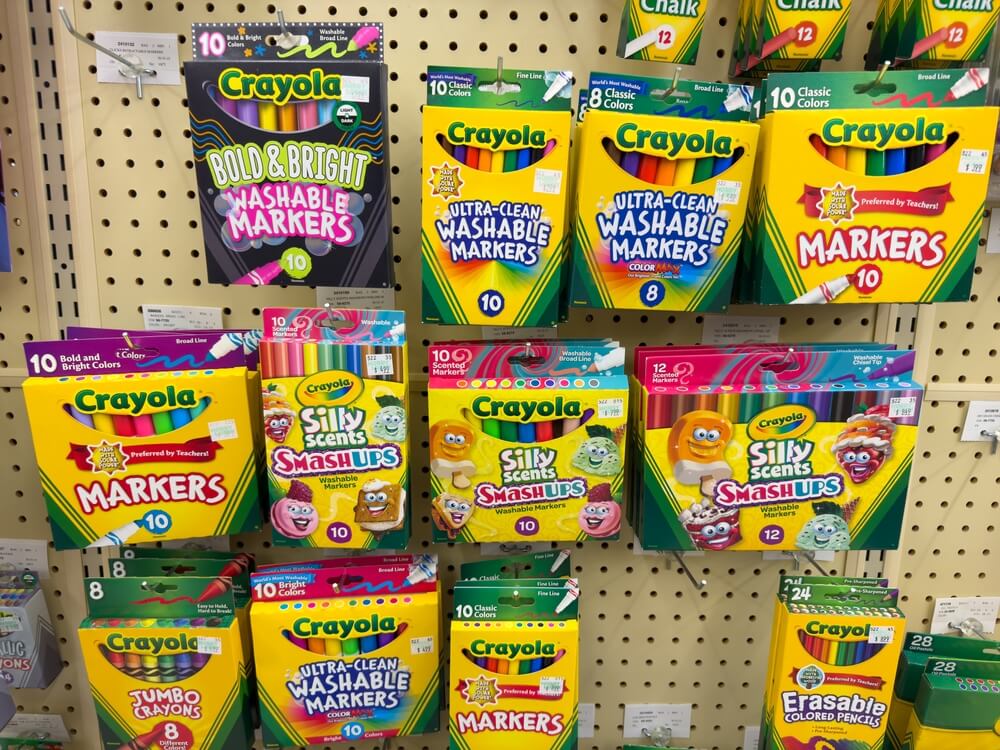
Markers that smelled like cherry, grape, mint, and other flavors added sensory engagement to coloring projects and posters. Students loved sniffing their creations, though some markers spent more time on noses than paper.
Safety concerns and questions about misuse led schools to gradually eliminate them from supply lists.
Hand-Crank Pencil Sharpeners
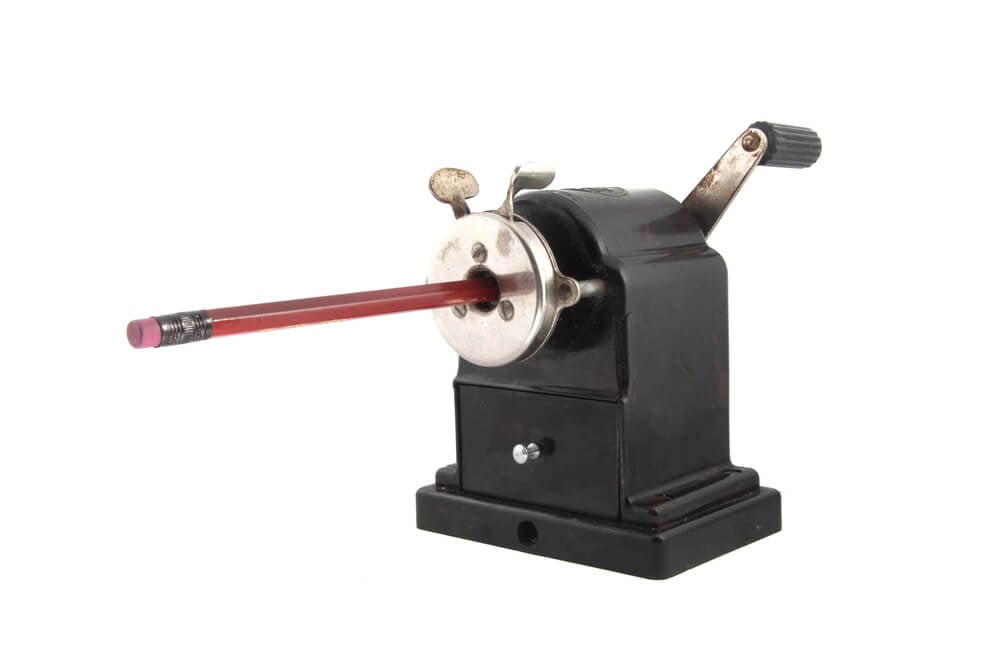
Mounted on classroom walls, these metal devices with manual cranks were essential infrastructure. Students lined up to sharpen pencils, often leaving trails of wood shavings on the floor.
The rhythmic grinding sound became part of the school day. Electric sharpeners and mechanical pencils have made these wall-mounted relics completely unnecessary.
Manual Card Catalogs
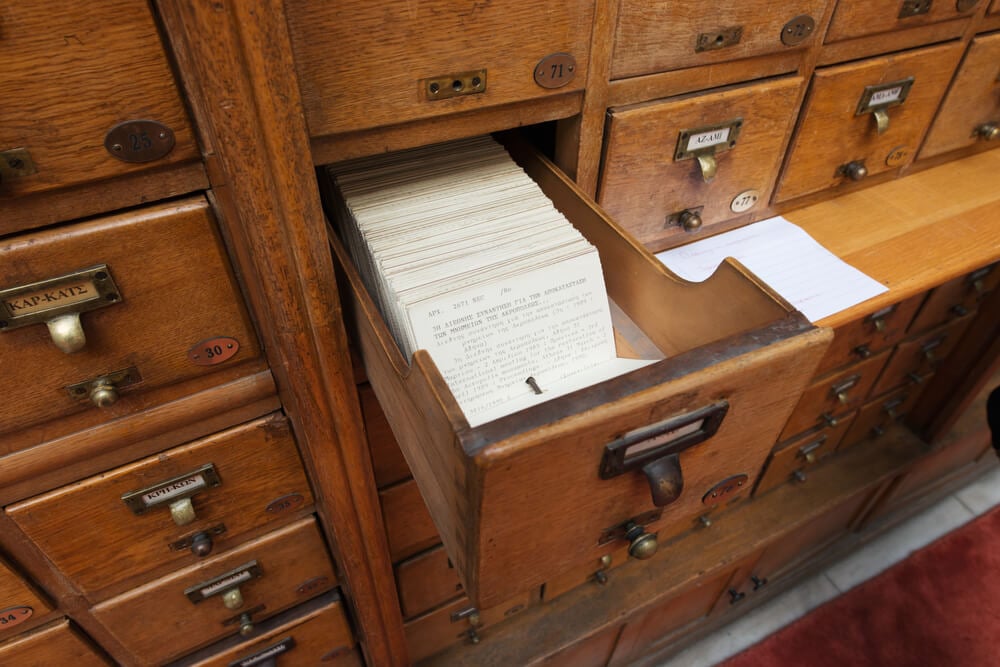
Library card catalogs—drawers of cards organized alphabetically by author, title, and subject—were the gateway to all knowledge before computers. Students had to learn how to navigate these systems, understanding cross-references and subject headings.
Computer databases made them instantly obsolete, and few modern students have ever seen a physical card catalog.
Mimeographs
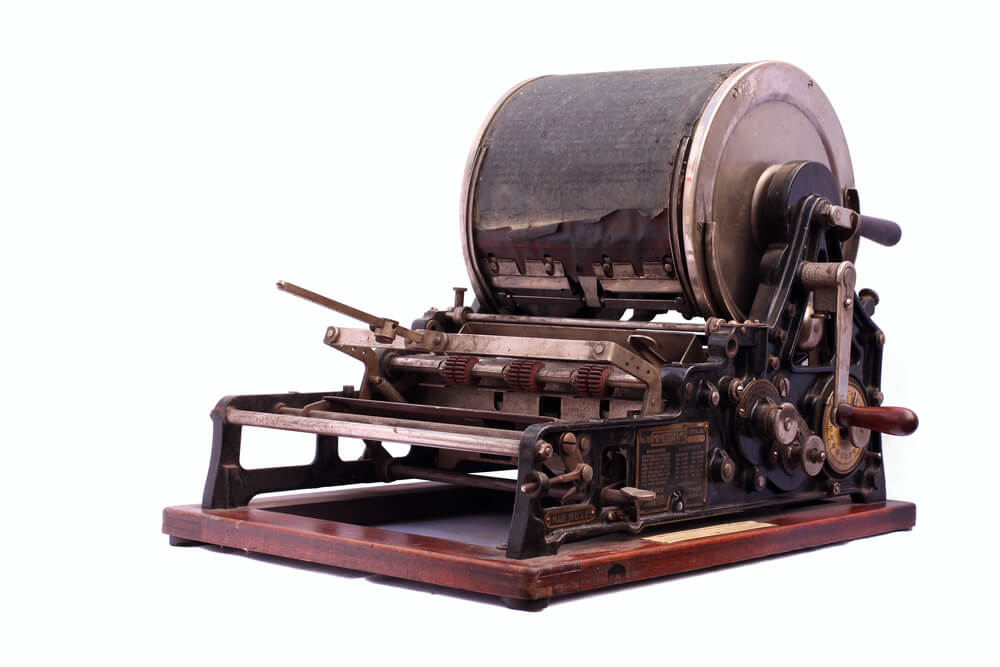
An earlier version of the ditto machine, mimeographs produced copies using an oiled stencil and a roller. Teachers had to laboriously prepare stencils by typing or writing through a special onion-skin paper.
The smell was different from dittos but equally distinctive. Both technologies disappeared as photocopiers became affordable.
Wooden Rulers
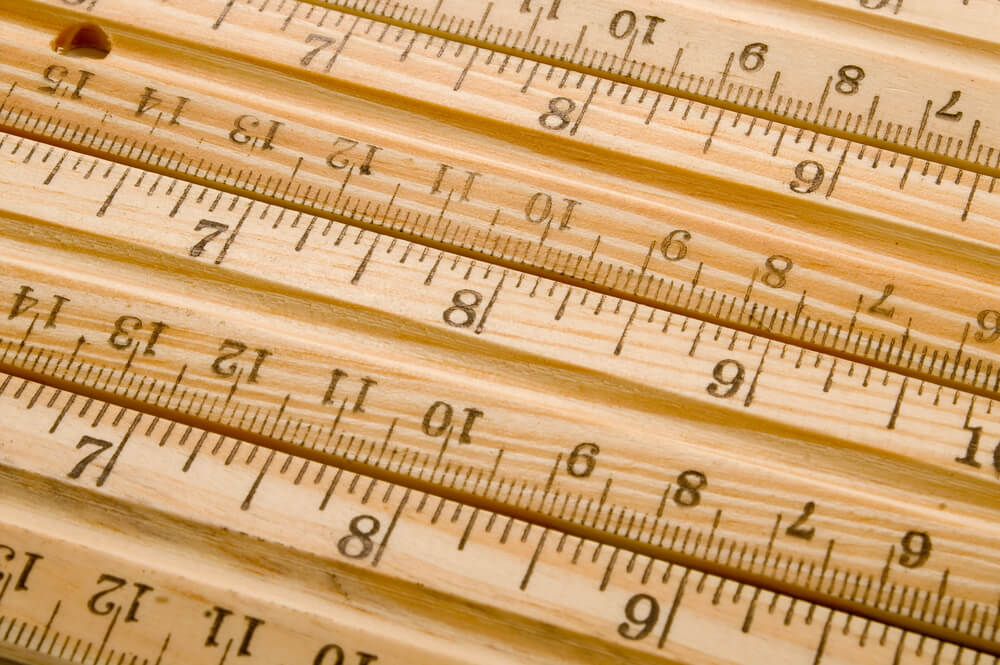
Standard twelve-inch wooden rulers served as measuring tools and straightedges. They warped when wet, broke easily, and had no practical advantage over plastic versions except tradition.
While rulers still exist, wooden ones have completely disappeared from school supplies.
Assignment Books

Students carried paper assignment books to write down homework and due dates. Teachers would assign pages and chapters by writing in their books.
Digital calendars and online learning management systems have completely eliminated the need for students to carry paper assignment books.
Transparency Sheets

These clear plastic sheets were used with overhead projectors to create class presentations. Teachers would write on them with markers or have them pre-printed by educational companies.
The technology worked until it didn’t—transparency sheets often jammed in projectors or became distorted by heat. Digital presentations have made them entirely unnecessary.
Fountain Pens
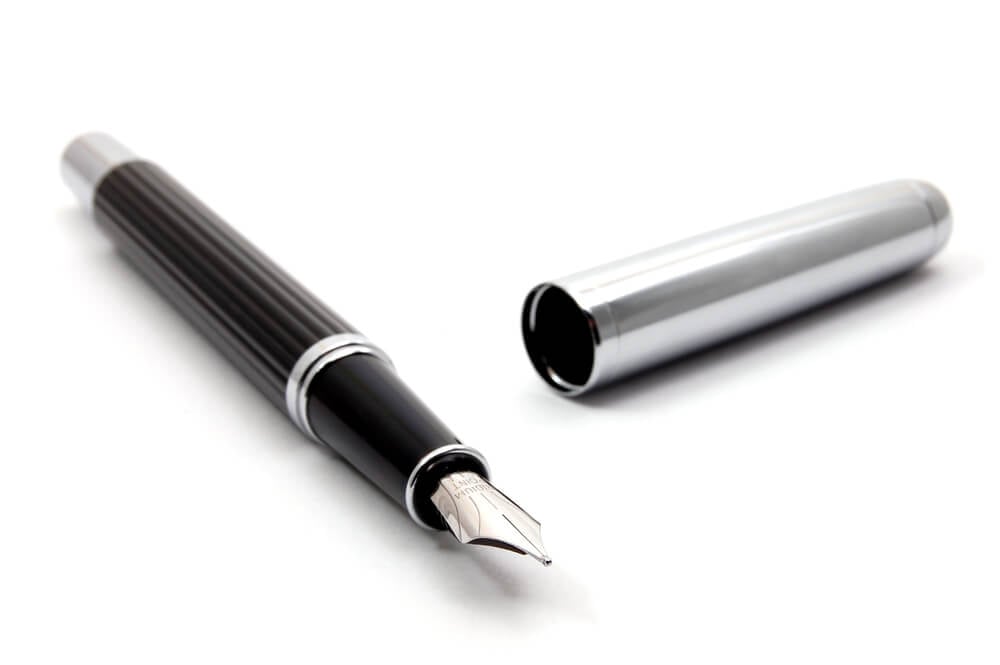
Used primarily for penmanship instruction and formal writing, fountain pens required maintenance and special ink. They leaked in backpacks, needed regular cleaning, and were impractical for students whose hands were still learning control.
Ballpoint pens and then digital writing have eliminated them from schools entirely.
Typewriters
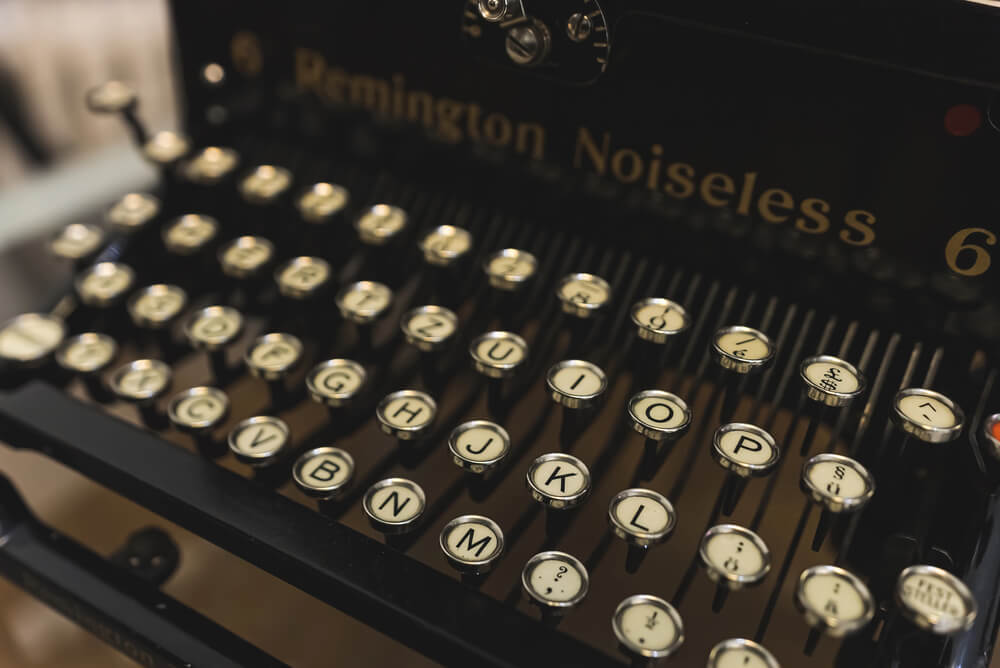
Students learned typing on mechanical or electric typewriters in dedicated typing classes. The machines were loud, required physical paper insertion, and could only produce text.
Computers have made them obsolete so completely that many modern students have never actually used a typewriter.
Erasable Ink Pens
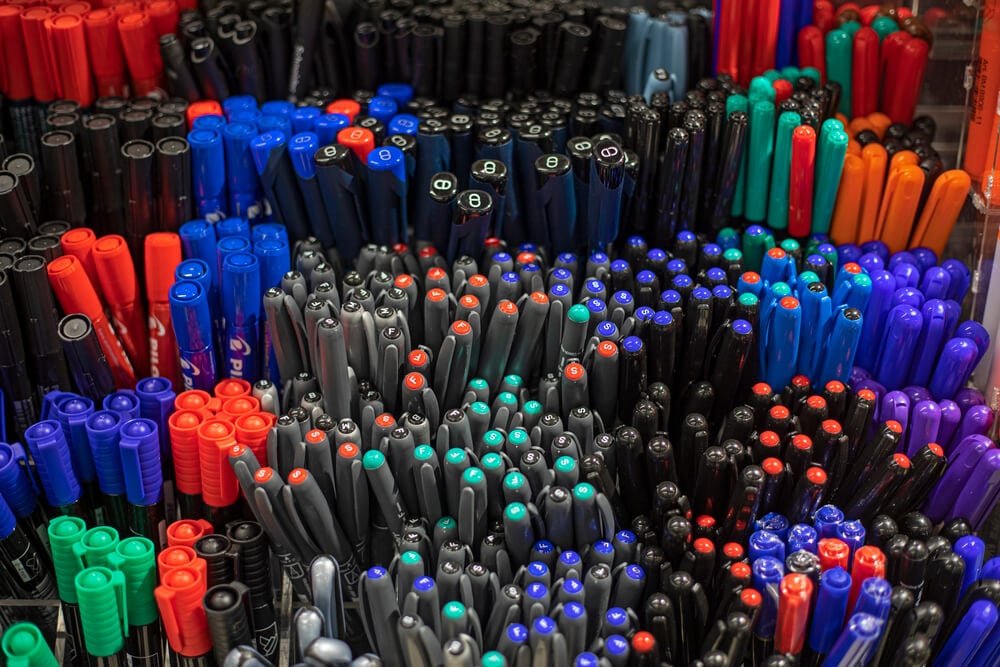
These pens promised the ability to erase mistakes, but the erasers wore quickly and often smudged rather than erase. The technology never worked quite right and has been replaced entirely by correction tools and digital documents.
Pink Pearl Erasers
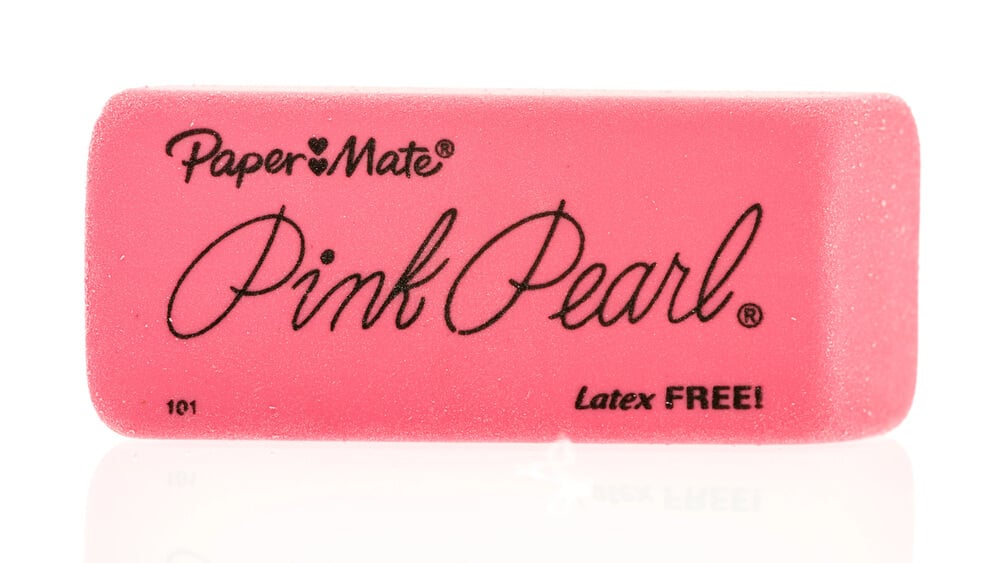
These large iconic erasers were a staple of every pencil box. They were effective but inconsistent—sometimes erasing cleanly, sometimes tearing paper.
Modern erasers work better, but this specific iconic tool has disappeared from everyday student use.
Index Cards
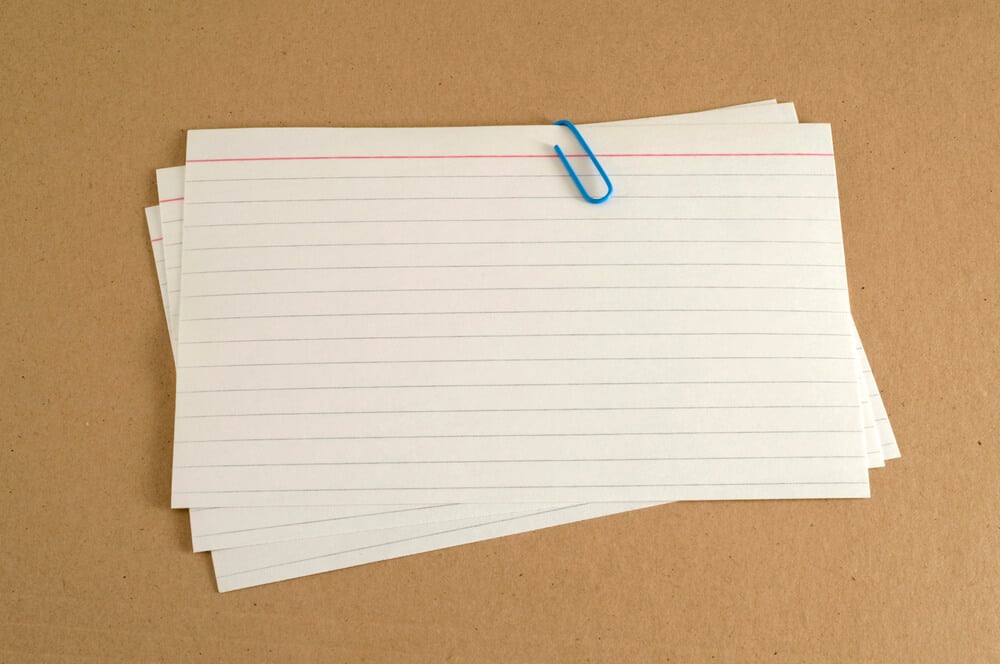
Used for studying, note-taking, and creating bibliography references, index cards were essential organizational tools. Students created flashcards by hand and filed them in index card boxes.
Digital flashcard apps have completely replaced this analog study method.
Wooden Desks With Pencil Grooves

Individual student desks featured a groove along the top edge designed to hold a pencil. These utilitarian desks were boring, covered in graffiti, and generally had chewing gum stuck underneath.
Modern classrooms use various table arrangements and standing desks rather than individual fixed desks.
Paper Planners
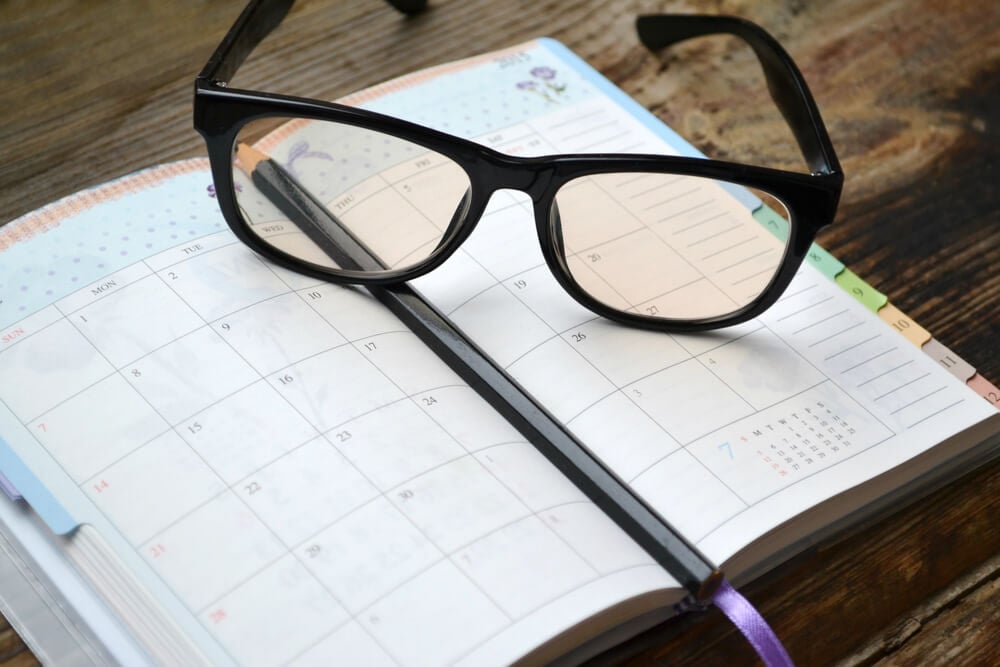
Students received thick paper planners at the beginning of each school year to organize their schedules. Teachers would write assignments and notes directly in them.
Digital calendars and phone-based schedule apps have entirely replaced paper planners for academic organization.
Correction Tape
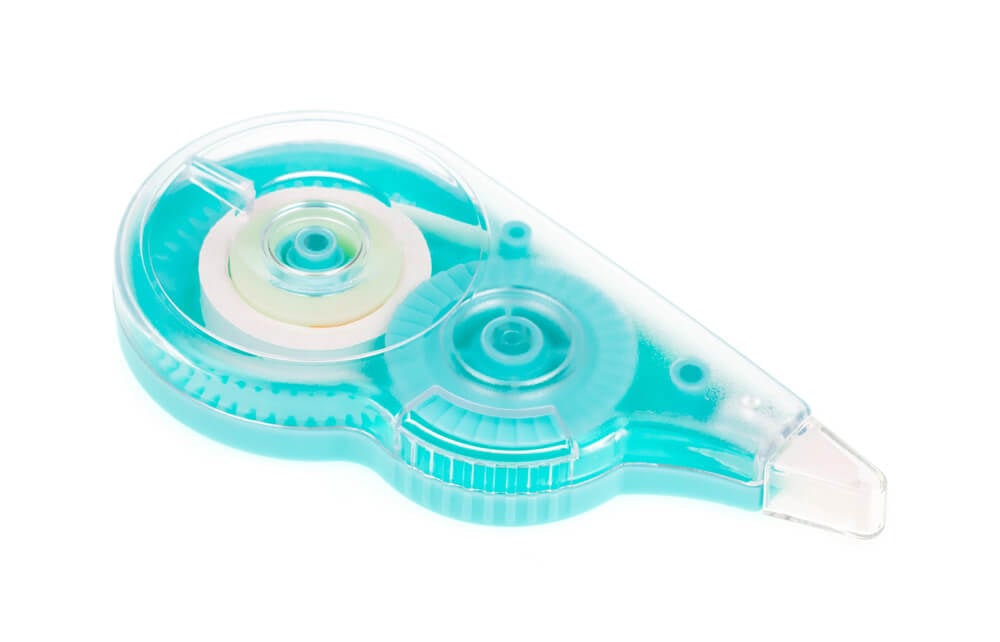
Before white-out liquid became popular, students used correction tape—a narrow tape applied over mistakes to cover them. The tape often peeled off, leaving residue.
Correction fluid and then digital editing have made correction tape obsolete for most students.
Inkwells
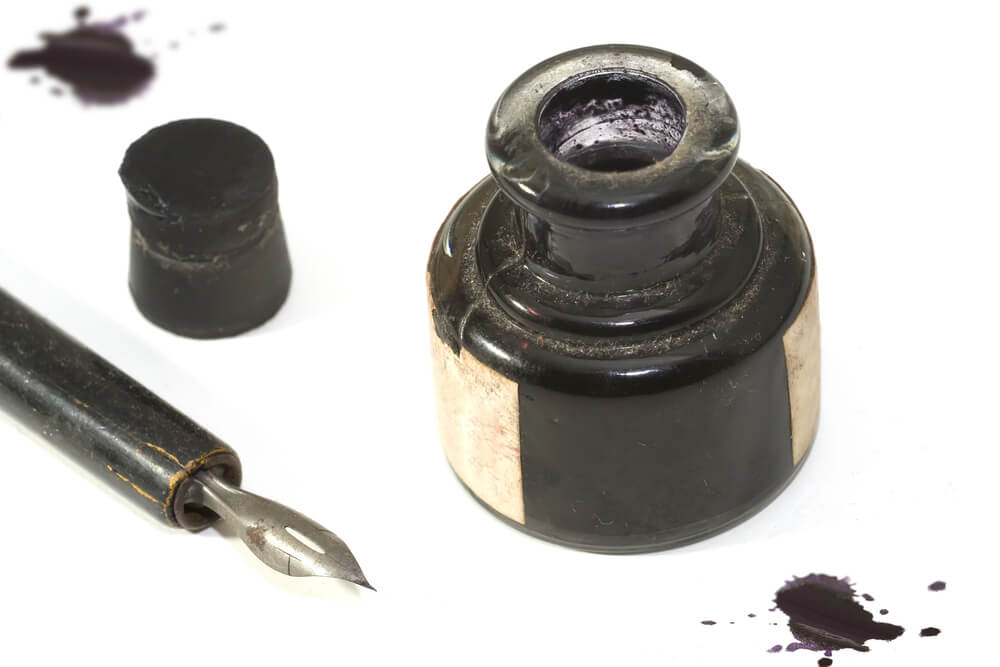
In early twentieth-century classrooms, desks featured inkwells filled with bottled ink. Students dipped pen nibs into these wells, resulting in frequent spills and stained clothing.
The shift to ballpoint pens and eventually digital writing eliminated the need for inkwells entirely.
Paste In Bottles
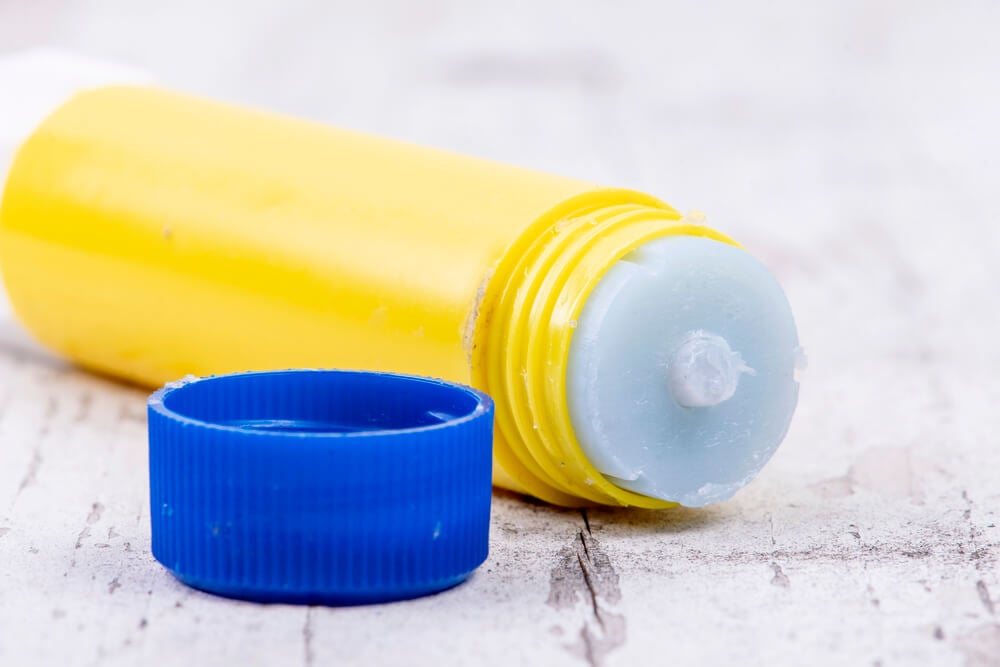
Mucilage paste in bottles with a rubber dropper applicator was the primary adhesive for construction projects and poster making. The bottles would dry out, the rubber droppersould crack, and the paste had a distinctive smell.
Stick glue and then digital design tools have completely replaced this adhesive.
The Transition From Analog to Digital
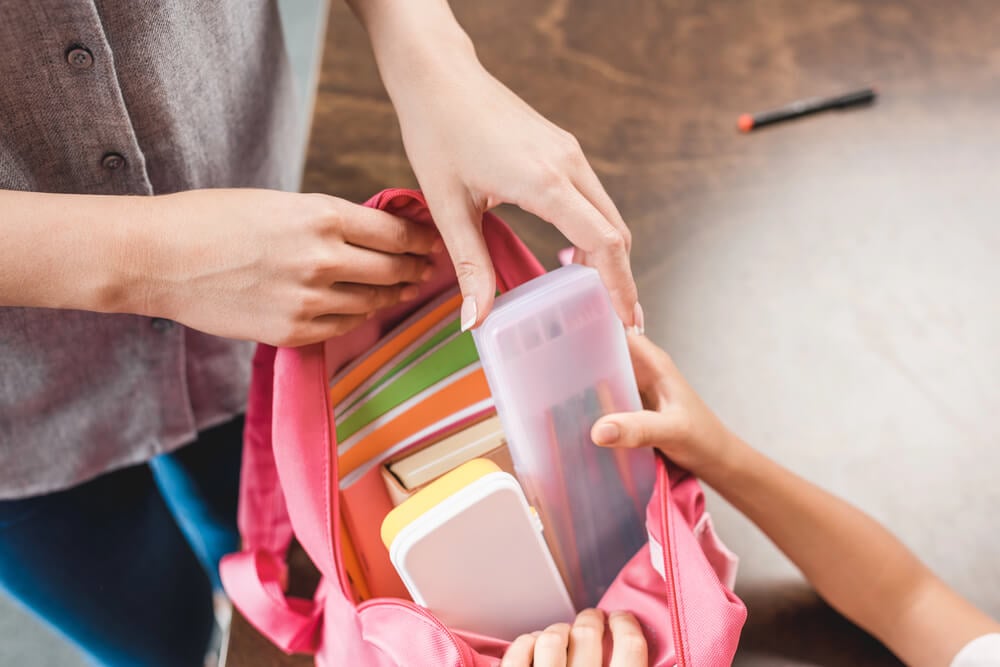
These supplies represent a complete transformation of what learning looks like. Every item on this list served a function for which technology has provided a better alternative.
Students no longer need to spend class time sharpening pencils, copying assignments by hand, or shuffling through card catalogs. The learning process has become faster and more efficient.
Yet something intangible has been lost—the tactile engagement with physical learning tools, the specific sensory memories attached to purple dittos and wooden rulers, the slowness of information gathering that forced deeper thought. Modern students will never know the satisfaction of hand-cranking a pencil sharpener or the multi-sensory experience of a fresh mimeographed worksheet.
For better and worse, the transformation is complete.
More from Go2Tutors!

- 16 Historical Figures Who Were Nothing Like You Think
- 12 Things Sold in the 80s That Are Now Illegal
- 15 VHS Tapes That Could Be Worth Thousands
- 17 Historical “What Ifs” That Would Have Changed Everything
- 18 TV Shows That Vanished Without a Finale
Like Go2Tutors’s content? Follow us on MSN.



