22 Cars Families Drove for Years That Are Rare Sights Now
For most of the twentieth century, a handful of American sedans and wagons quietly dominated suburban driveways, carrying entire families through decades of road trips, school drop-offs, and grocery runs. Many of those models, and in some cases entire brands, have since vanished from production, and the surviving examples are increasingly rare on the road.
Spotting one now, especially a wagon with real wood-grain paneling, tends to stop people in a parking lot the way a genuinely old car should.
Ford Country Squire
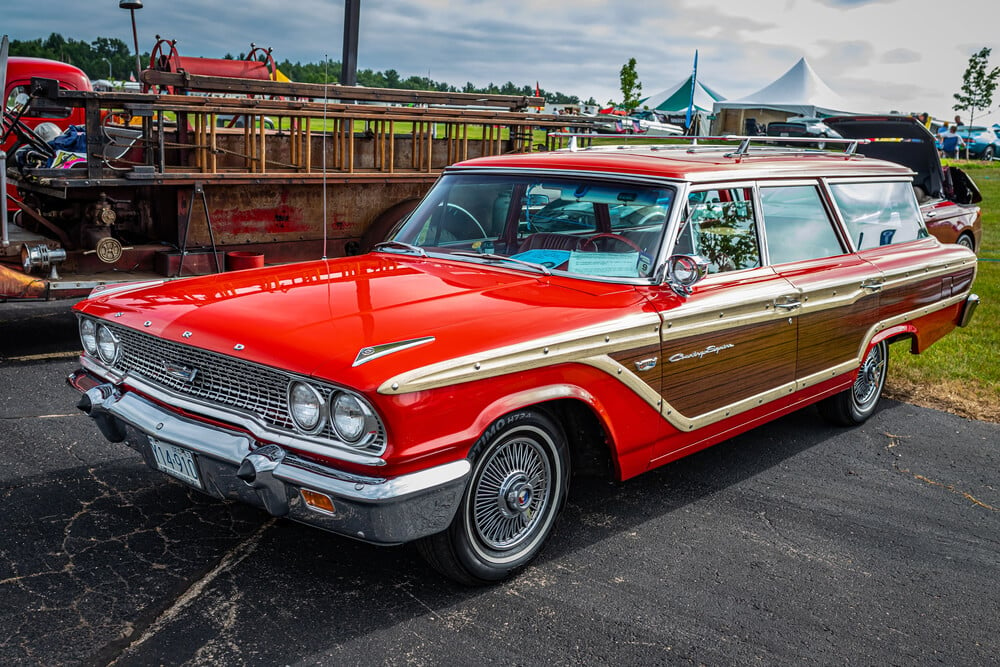
With its unmistakable wood-grain side paneling, the Country Squire was Ford’s flagship full-size wagon for nearly four decades, hauling families and cargo through the 1950s all the way to its discontinuation in 1991. Its size and styling made it a defining image of the American road trip, and clean surviving examples are now prized by collectors specifically for that wood-paneled look.
Mercury Colony Park
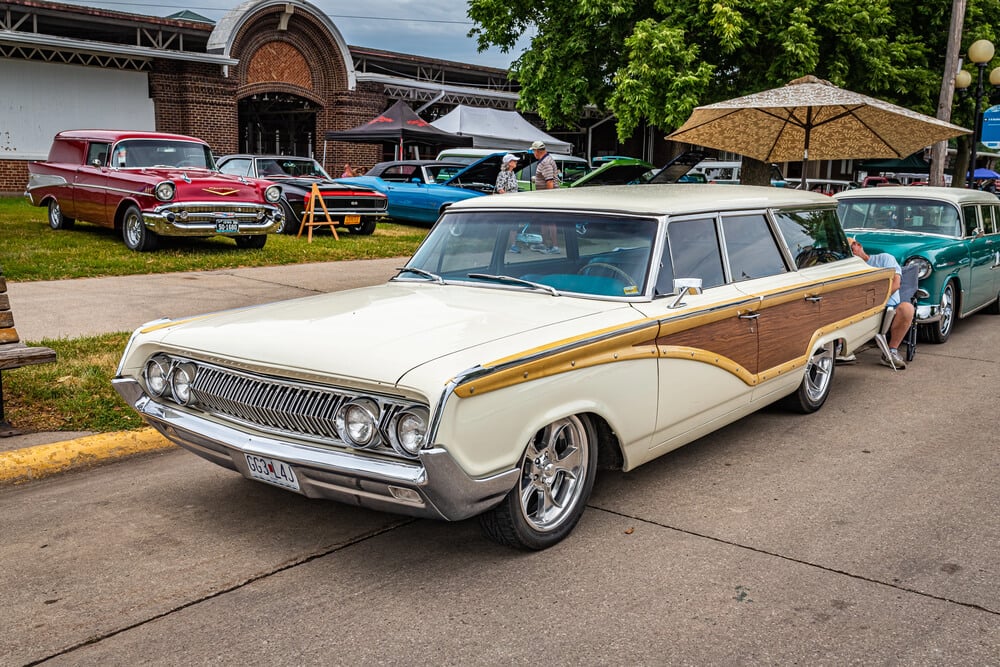
Built as a slightly more upscale sibling to the Country Squire, the Colony Park offered hidden headlights and additional interior features while sharing the same wood-grain identity. Mercury discontinued the Colony Park in 1991 alongside its Ford counterpart, and the entire Mercury brand itself was shut down by Ford in 2011.
Chevrolet Caprice Classic Wagon
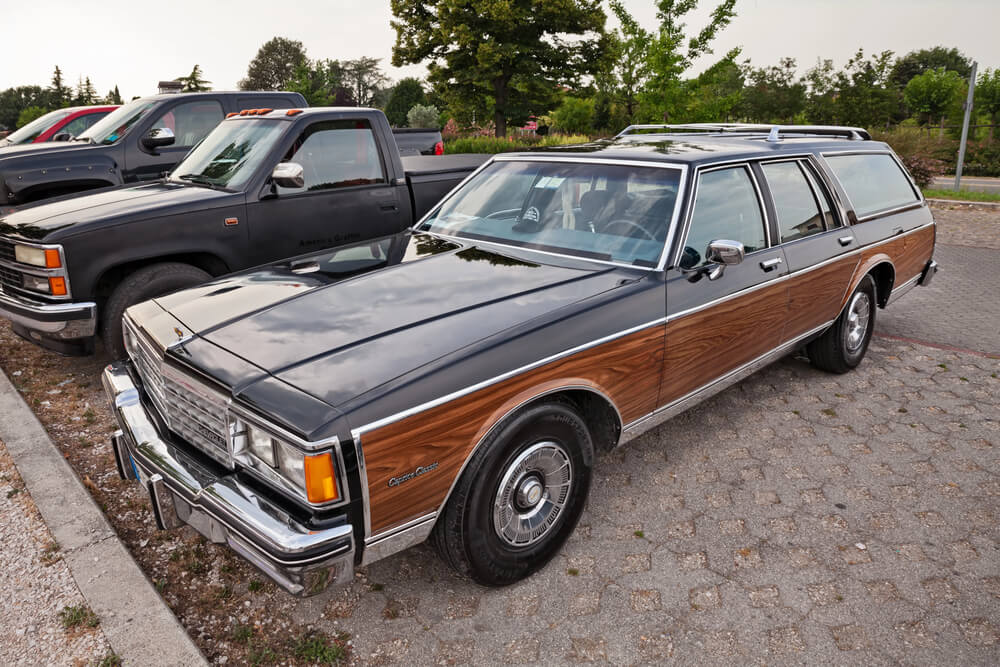
A fixture of suburban driveways through the 1970s and 1980s, the Caprice Classic wagon offered rear-facing third-row seating that let kids watch the road disappear behind them on long drives. Chevrolet discontinued the wagon body style in the early 1990s as the minivan and SUV increasingly took over the family-hauler role.
Plymouth Voyager

One of the original minivans that helped kill off the traditional station wagon, the Voyager became a fixture of 1980s and 1990s family life almost overnight after its 1983 launch. Plymouth as a brand was discontinued by Chrysler in 2001, taking the Voyager nameplate with it, though a version of the vehicle survived for a time under other Chrysler brands.
Oldsmobile Cutlass Supreme
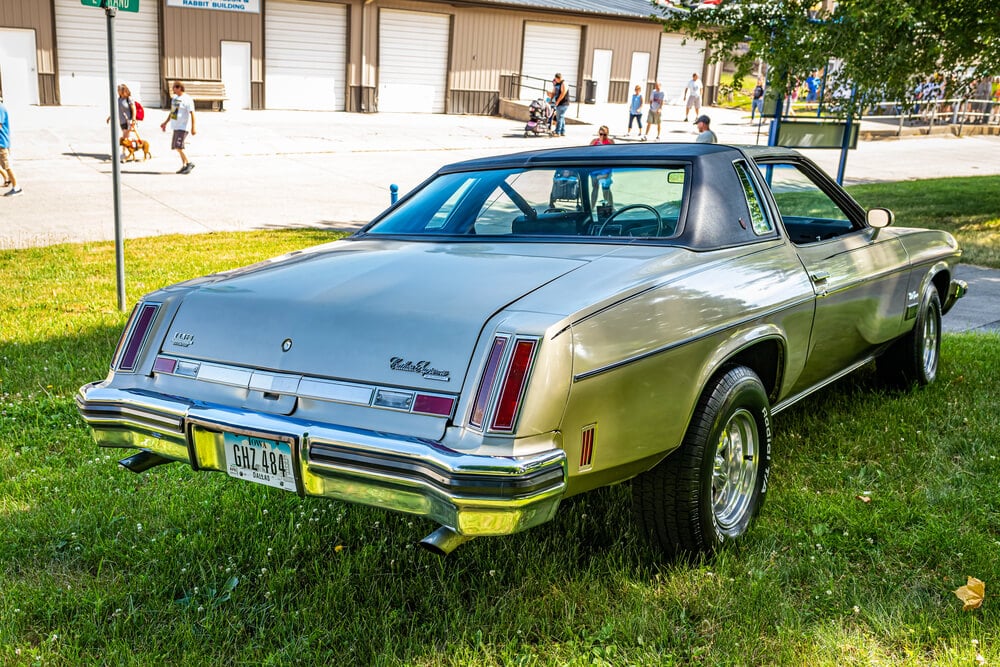
For several years running in the 1970s, the Cutlass Supreme was the best-selling car in the entire United States, a genuine family staple across income levels. Oldsmobile discontinued the Cutlass Supreme in the late 1990s, and the entire Oldsmobile brand was shut down by General Motors in 2004 after more than a century in business.
Buick Century
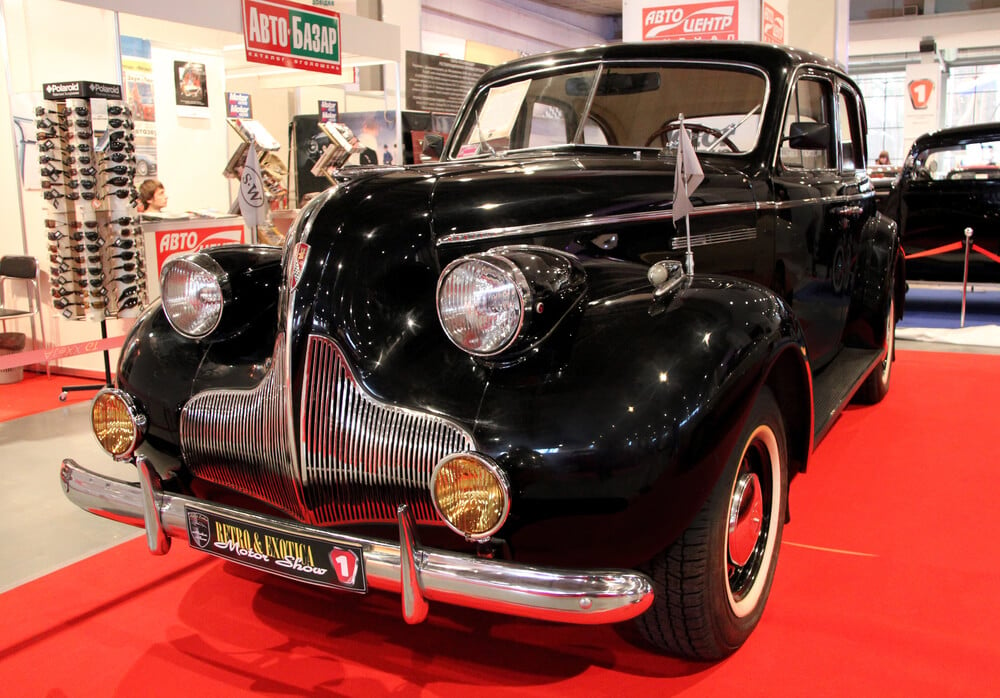
A mainstay of Buick’s lineup for decades, the Century was known for its soft ride and roomy interior, making it a common choice for families who wanted comfort over sportiness. Buick discontinued the Century nameplate in 2005 as the brand shifted its lineup toward newer model names.
Pontiac Bonneville
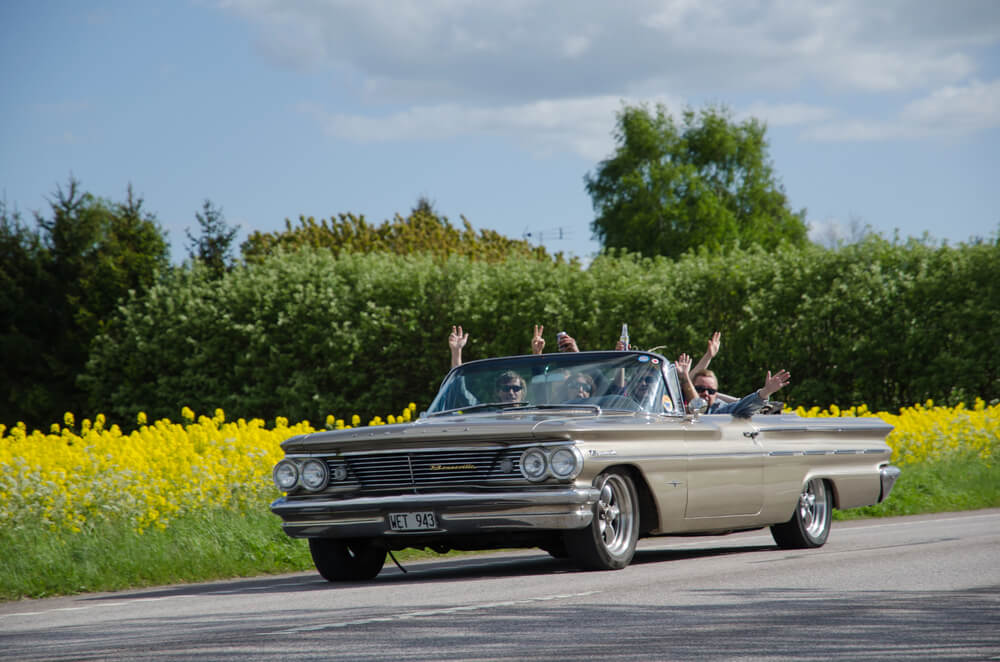
Pontiac’s full-size flagship sedan carried families through decades of production, prized for its size and relatively affordable V8 power. Pontiac discontinued the Bonneville in 2005, and General Motors shut down the entire Pontiac brand in 2010 following the company’s bankruptcy restructuring.
AMC Eagle
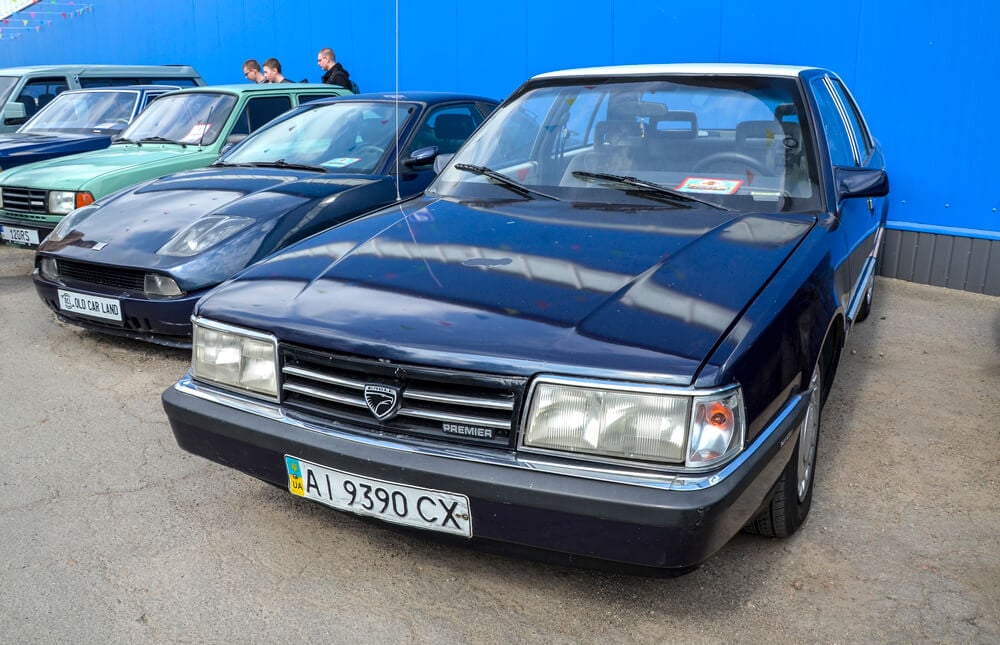
Often credited as a forerunner of the modern crossover, the Eagle combined a station wagon body with four-wheel drive at a time when that combination was highly unusual for a family car. American Motors Corporation discontinued the Eagle in 1988, and AMC itself was absorbed into Chrysler the following year.
Volvo 240
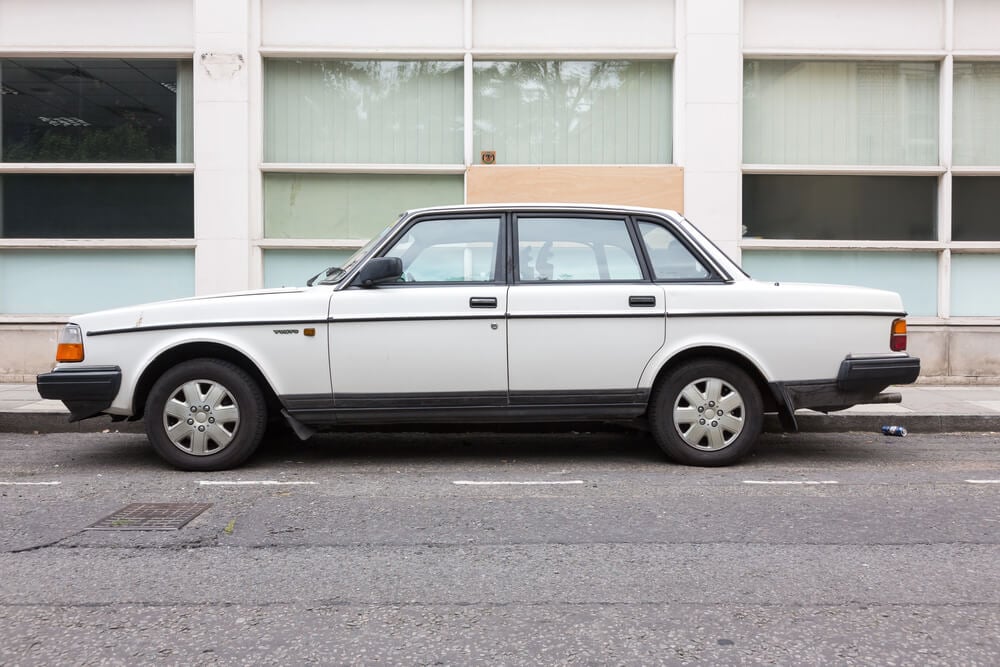
Known above nearly everything else for its boxy safety reputation, the Volvo 240 became the default choice for cautious parents throughout the 1970s and 1980s. Volvo discontinued the 240 in 1993 after a remarkably long production run, and clean surviving examples have developed a genuine cult following among collectors.
Chevrolet Chevette
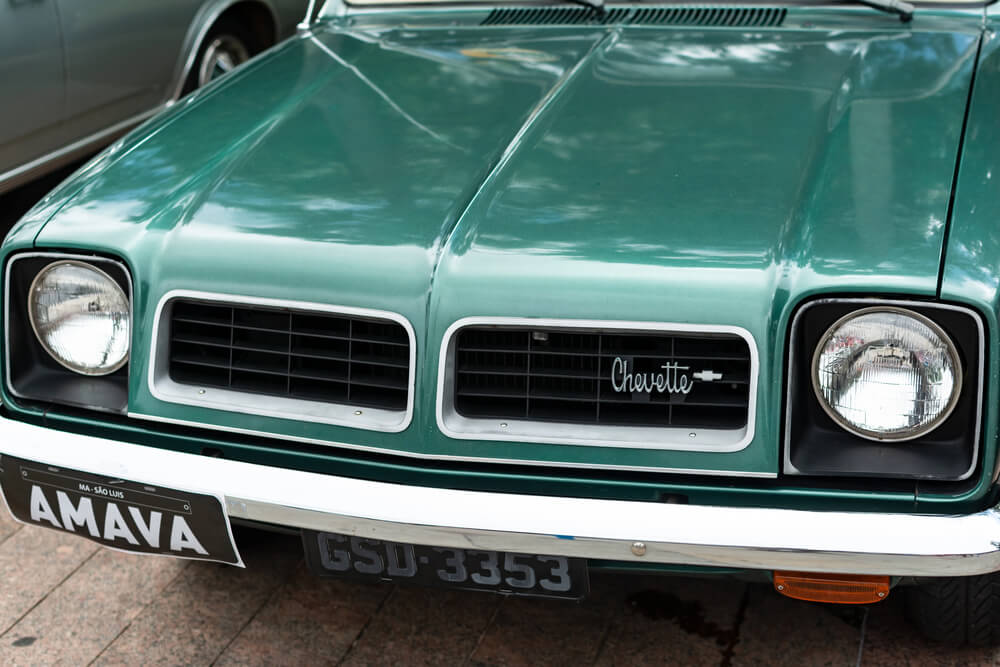
A compact, no-frills economy car built during the fuel-crisis years of the late 1970s, the Chevette became a common first car and second family vehicle thanks to its low price and simplicity. Chevrolet discontinued the Chevette in 1987 as the company shifted toward newer small-car platforms.
Dodge Aries K-Car
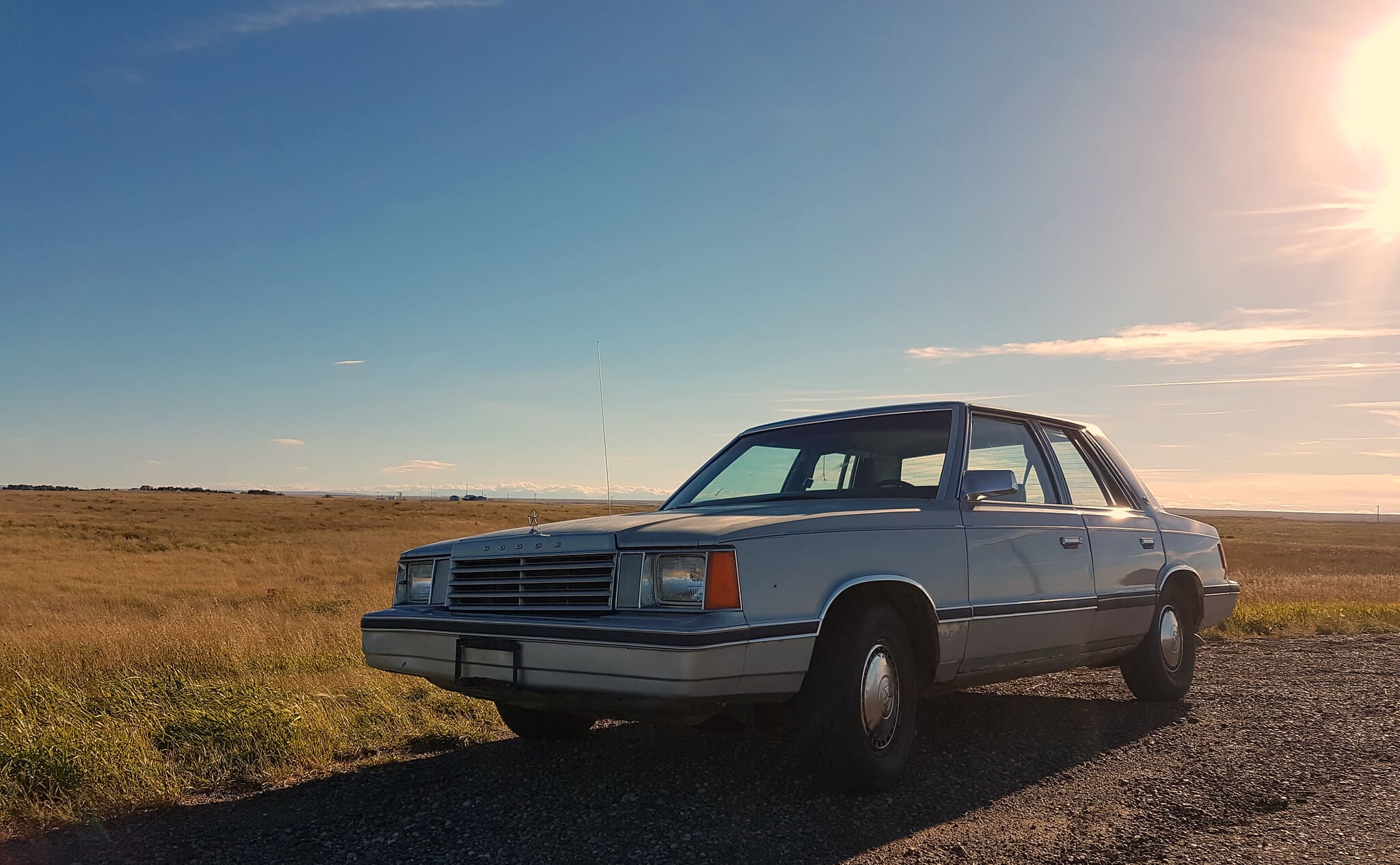
Chrysler’s K-car platform, of which the Dodge Aries was the best-known example, is widely credited with helping save the company from bankruptcy in the early 1980s through its cheap, boxy, efficient design. Dodge discontinued the Aries in 1989, though the K-car platform underneath it lived on in several other Chrysler models for years afterward.
Plymouth Reliant
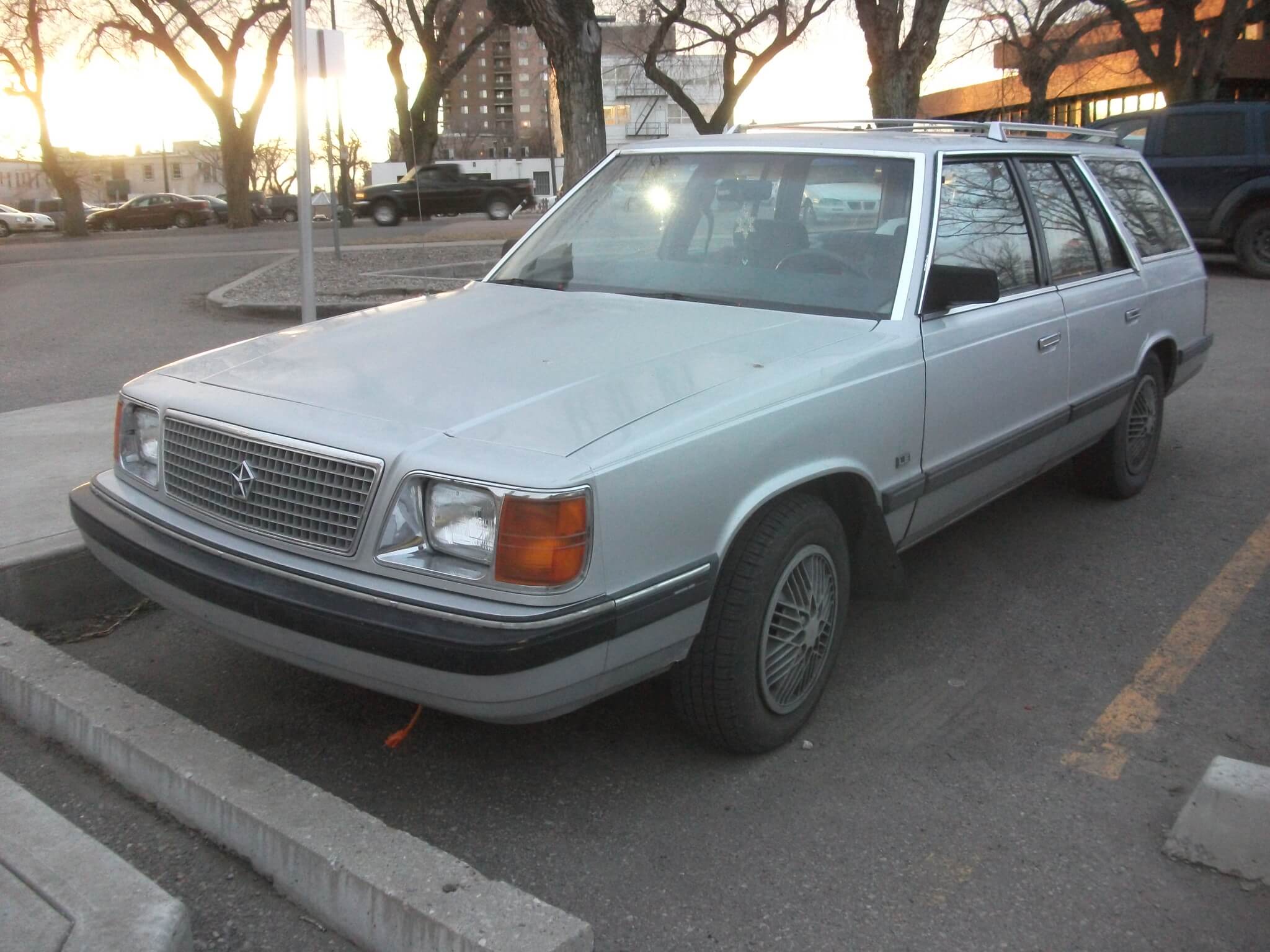
The Aries’s near-identical Plymouth sibling shared the same K-car platform and became just as common in family driveways through the 1980s. It was discontinued alongside the Aries in 1989, and the Plymouth brand itself disappeared entirely in 2001.
Oldsmobile 88
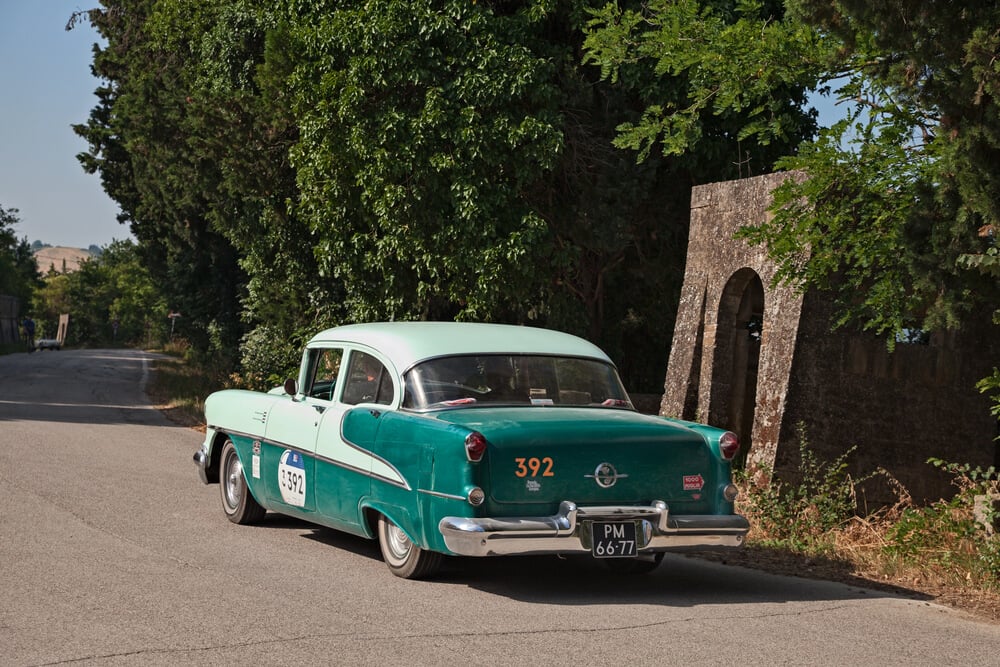
A full-size Oldsmobile sedan produced for an extraordinarily long run of nearly six decades, the 88 was a common choice for families who wanted a comfortable, roomy American sedan without stepping up to a Cadillac. Oldsmobile discontinued the 88 in 1999, five years before the brand itself was shut down.
Ford Crown Victoria
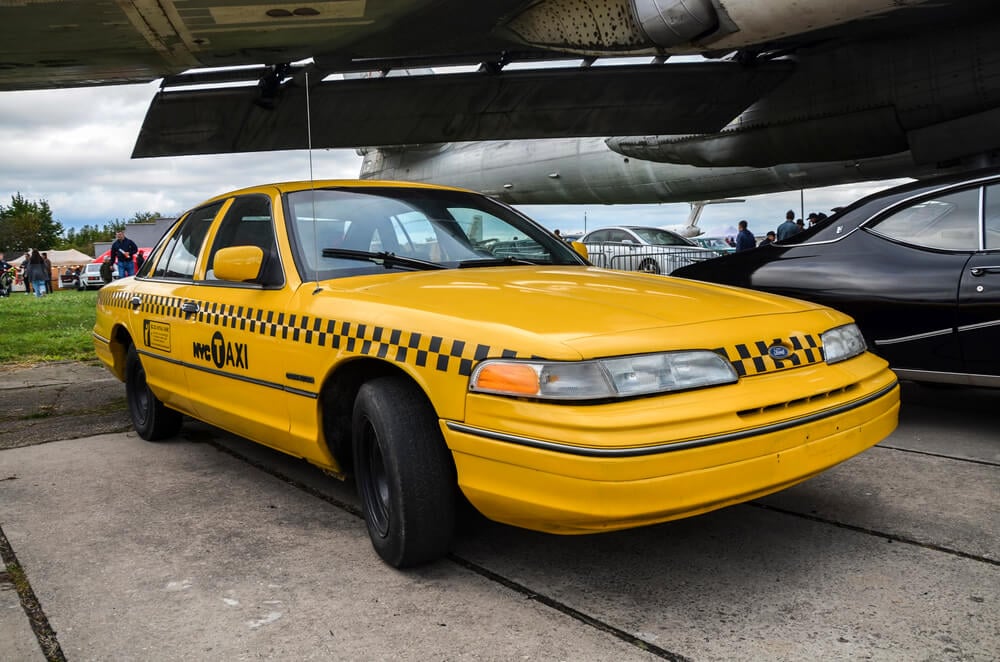
Best known today for its long service as a police cruiser and taxi, the Crown Victoria was originally a genuine family sedan, offering a spacious body-on-frame design well into the 2000s after most competitors had switched to smaller unibody platforms. Ford discontinued the Crown Victoria for civilian sale in the mid-2000s and ended all production in 2011.
Buick Roadmaster Wagon
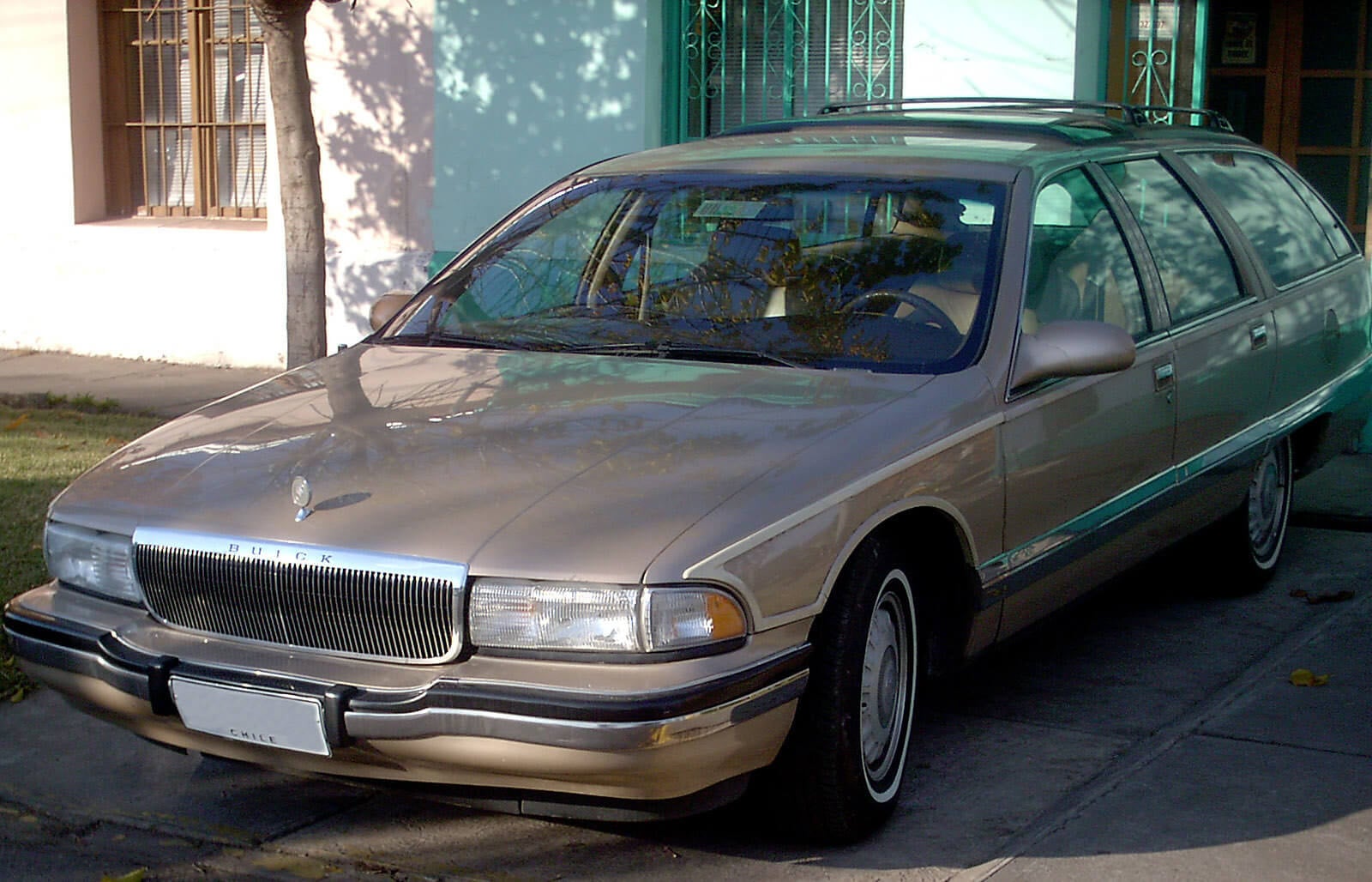
One of the last true full-size American wagons, the Roadmaster was built on the same body-on-frame platform as the Chevrolet Caprice and offered a genuinely massive cargo area for large families. Buick discontinued the Roadmaster in 1996, marking the effective end of the traditional full-size American wagon era.
Dodge Grand Caravan
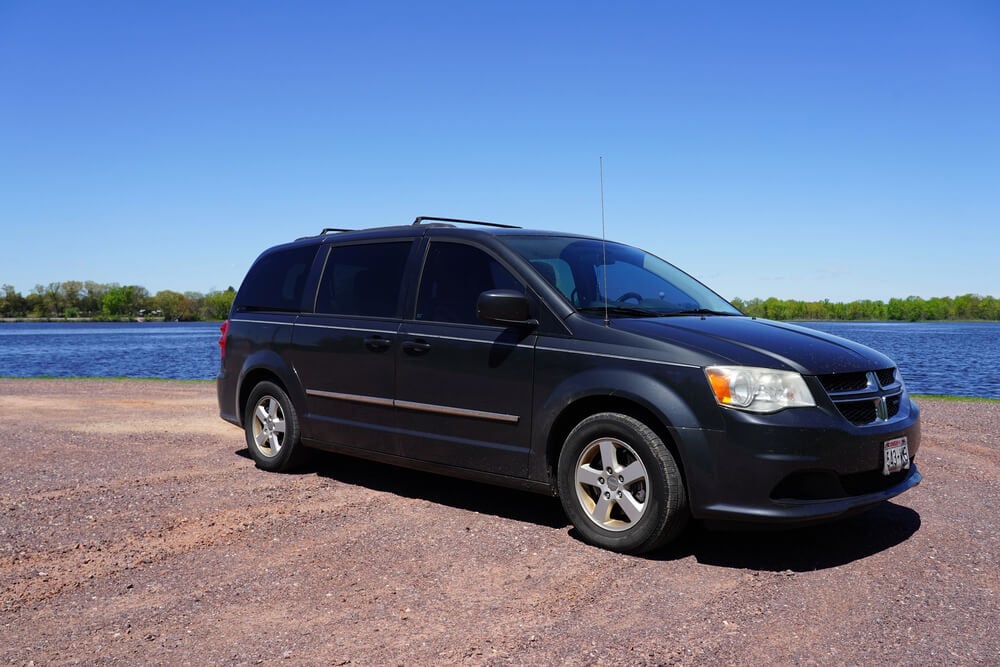
An extension of Chrysler’s original minivan breakthrough, the Grand Caravan became one of the best-selling family vehicles in America for well over three decades. Dodge ended production of the Grand Caravan in 2020, though the Chrysler-branded version of the same vehicle continued for a time under a different nameplate.
Ford Taurus
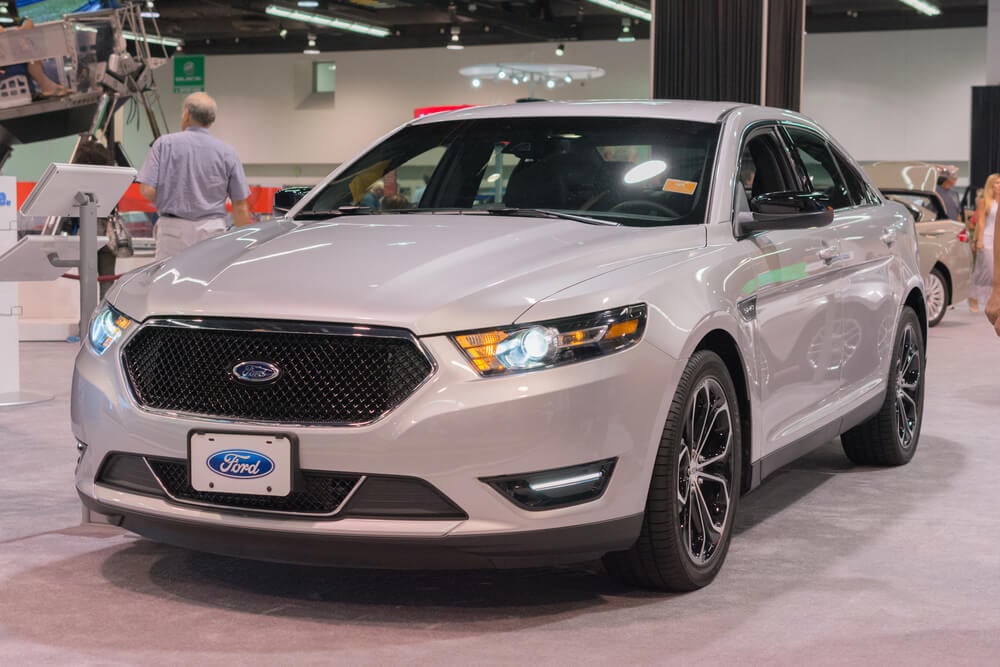
Once the best-selling car in America and widely credited with reviving Ford’s sedan lineup in the mid-1980s, the Taurus became one of the most common family sedans on the road for over two decades. Ford discontinued the Taurus in 2019 as the company shifted its U.S. lineup almost entirely toward SUVs and trucks.
Saturn Vue and the Entire Saturn Brand
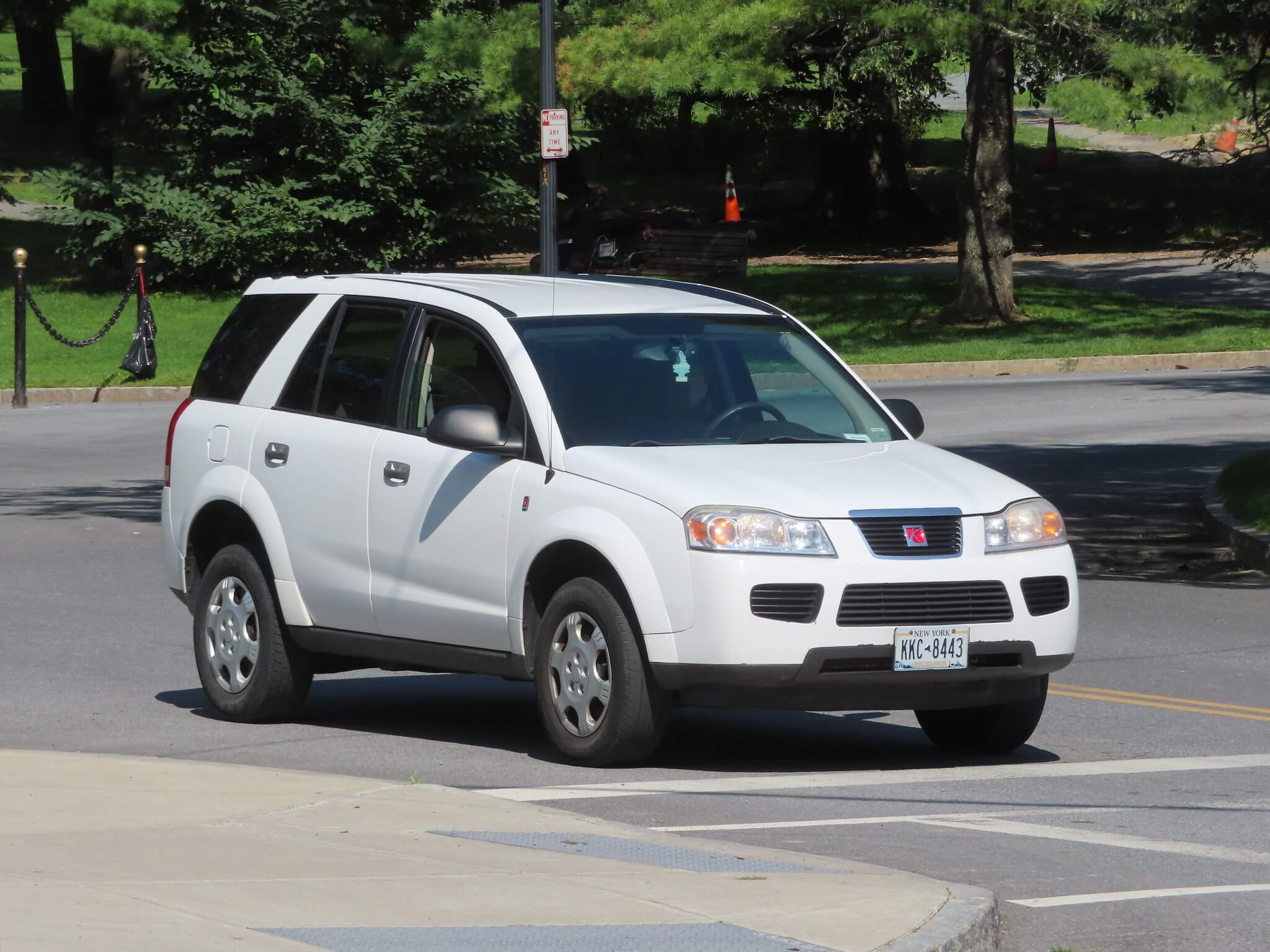
Saturn launched in 1990 as General Motors’ attempt at a friendlier, no-haggle car-buying experience, and its models like the Vue became familiar family vehicles through the 2000s. General Motors discontinued the entire Saturn brand in 2010 as part of its bankruptcy restructuring, ending two decades of production.
Chrysler LeBaron
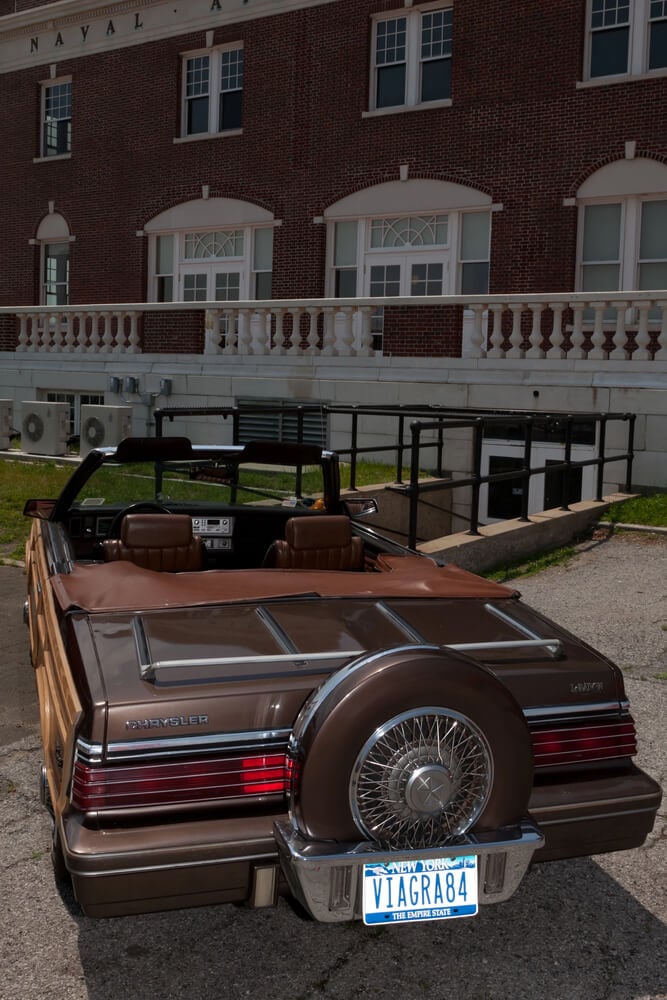
A common family sedan and convertible through the 1980s and early 1990s, the LeBaron was one of Chrysler’s best-selling nameplates of its era. It was discontinued in 1995 as Chrysler consolidated its lineup around newer model names.
Chevrolet Astro Van

A boxier, more truck-like alternative to the sliding-door minivans of the 1990s, the Astro was popular with larger families and small businesses that needed genuine cargo capacity. Chevrolet discontinued the Astro in 2005 after a production run of roughly two decades.
Ford Aerostar
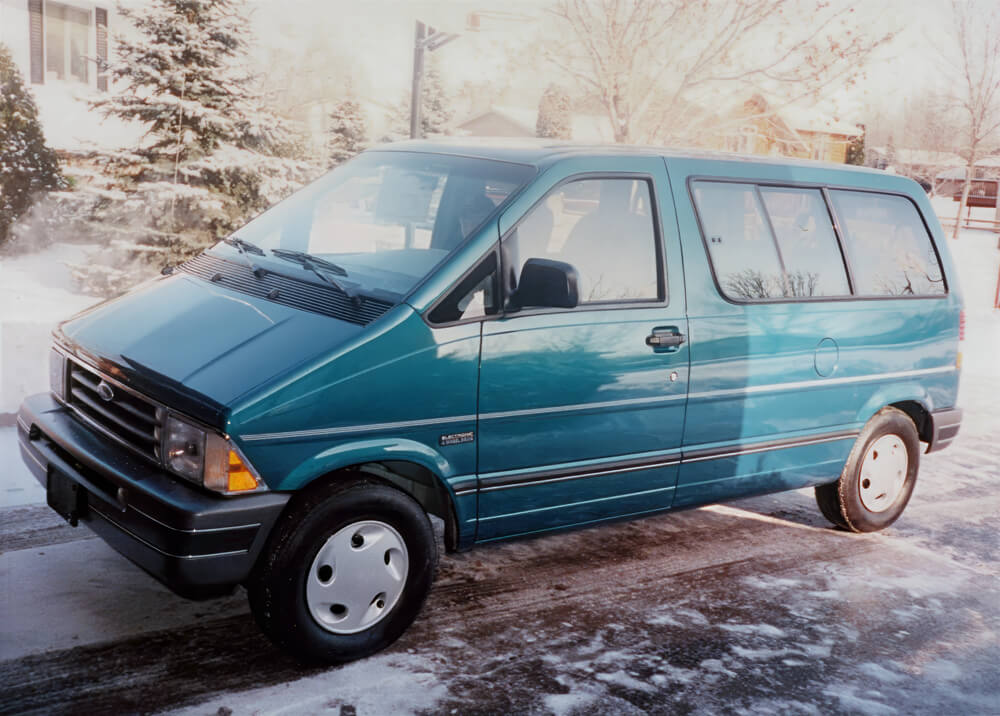
Ford’s first entry into the minivan market, the Aerostar used a more truck-based design than its rivals, giving it a distinctive boxy shape on family-friendly driveways through the late 1980s and early 1990s. Ford discontinued the Aerostar in 1997 in favor of the more car-like Windstar.
Dodge Dart
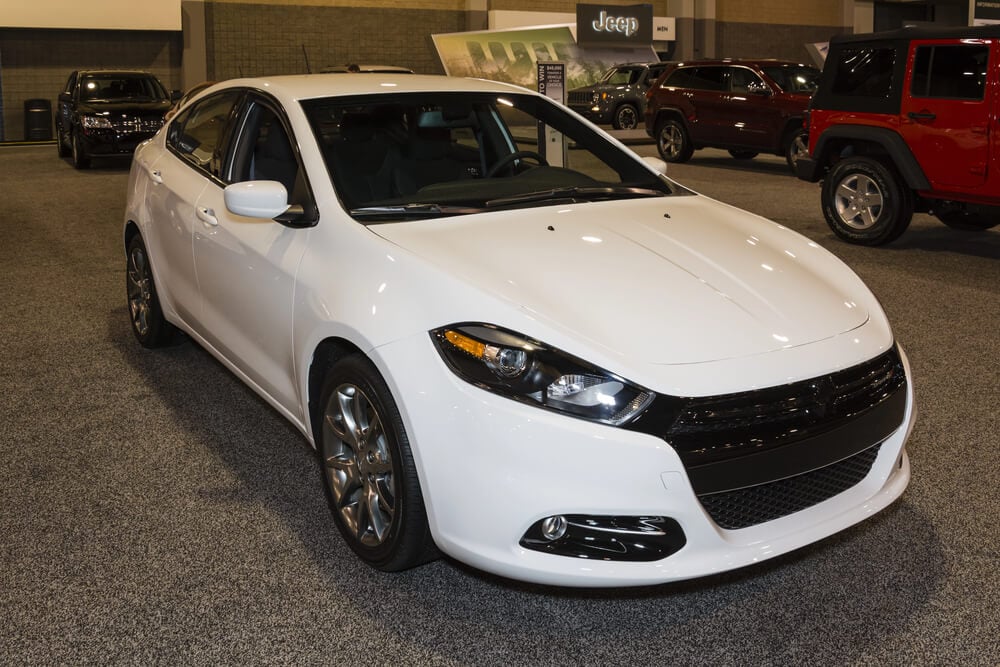
Revived in 2013 after decades away, the modern Dart briefly returned Dodge to the compact family sedan market before slow sales led the company to discontinue it again in 2016. The nameplate’s two separate disappearances, once in the 1970s and again in the 2010s, make it a rare case of a family car vanishing not once but twice.
The Driveways That Emptied Out
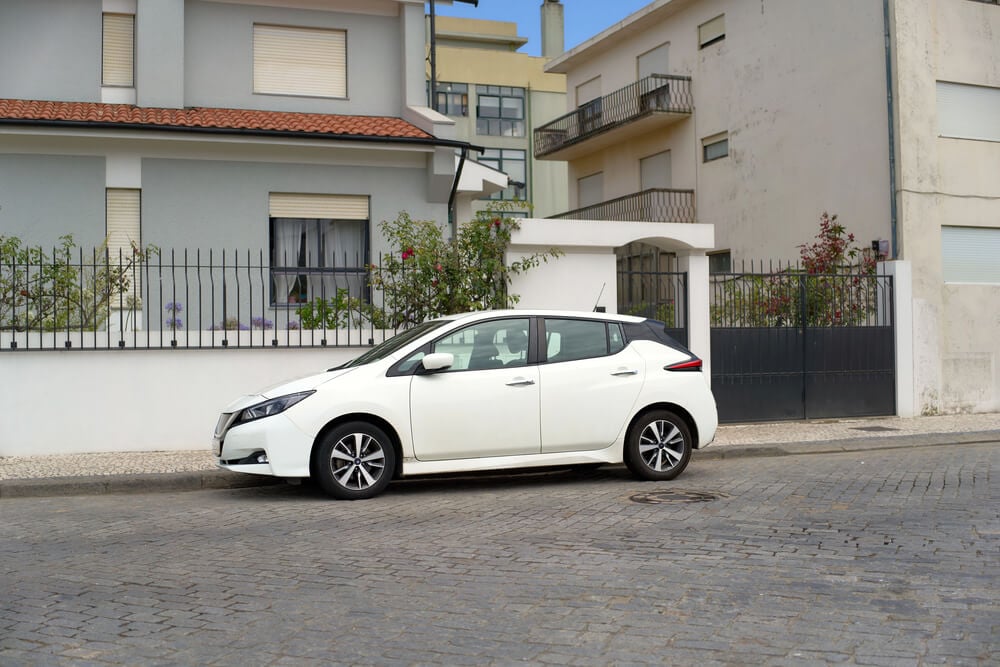
None of these vehicles disappeared because families stopped needing to move around. They disappeared because the shape of the American family car itself changed, first from wagon to minivan, then from minivan to SUV, leaving each earlier generation of vehicle stranded in its own era.
A surprising number of these cars are still out there somewhere, kept running by an owner who refuses to let the last one in the neighborhood go to a scrapyard. Seeing one on the road now feels less like spotting a car and more like spotting a specific, half-remembered decade.
More from Go2Tutors!

- The Romanov Crown Jewels and Their Tragic Fate
- 13 Historical Mysteries That Science Still Can’t Solve
- Famous Hoaxes That Fooled the World for Years
- 15 Child Stars with Tragic Adult Lives
- 16 Famous Jewelry Pieces in History
Like Go2Tutors’s content? Follow us on MSN.