25 Beauty Icons From the 50s People Still Copy
The 1950s produced a small group of faces so specific and so widely photographed that their individual features became shorthand for entire styles: a brow shape, a lip color, a way of setting hair. Seven decades on, tutorials still promise to recreate looks that trace directly back to this era.
Marilyn Monroe
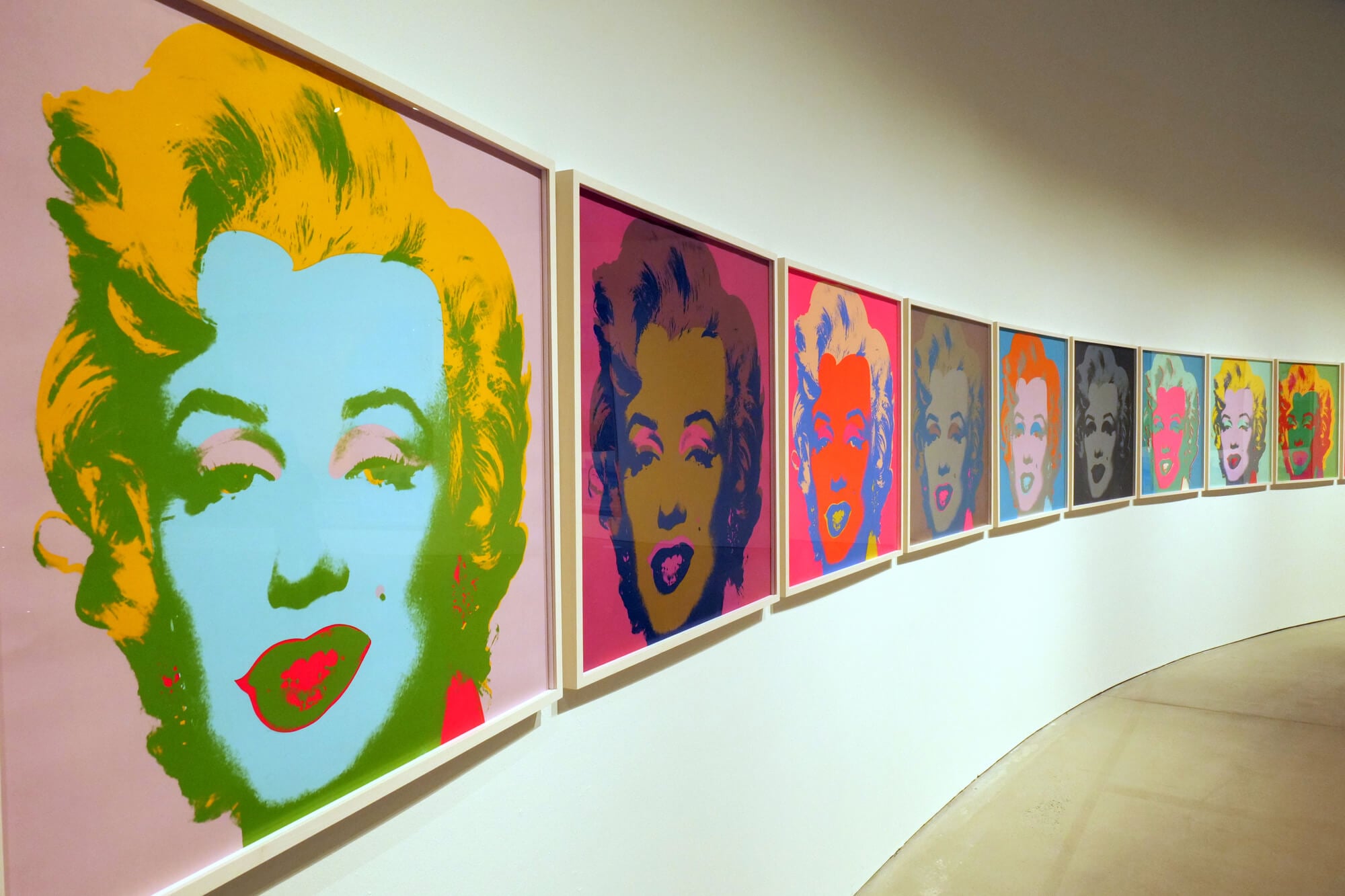
Monroe’s platinum-blonde curls, drawn-on beauty mark, and matte red lip remain one of the most referenced beauty combinations in modern makeup tutorials. Her look relied on heavy but precisely placed contouring, a technique her makeup artists used to sharpen her features specifically for black-and-white and early color film.
The combination of softness and structure in her makeup is still cited as a template for classic Hollywood glamour.
Audrey Hepburn
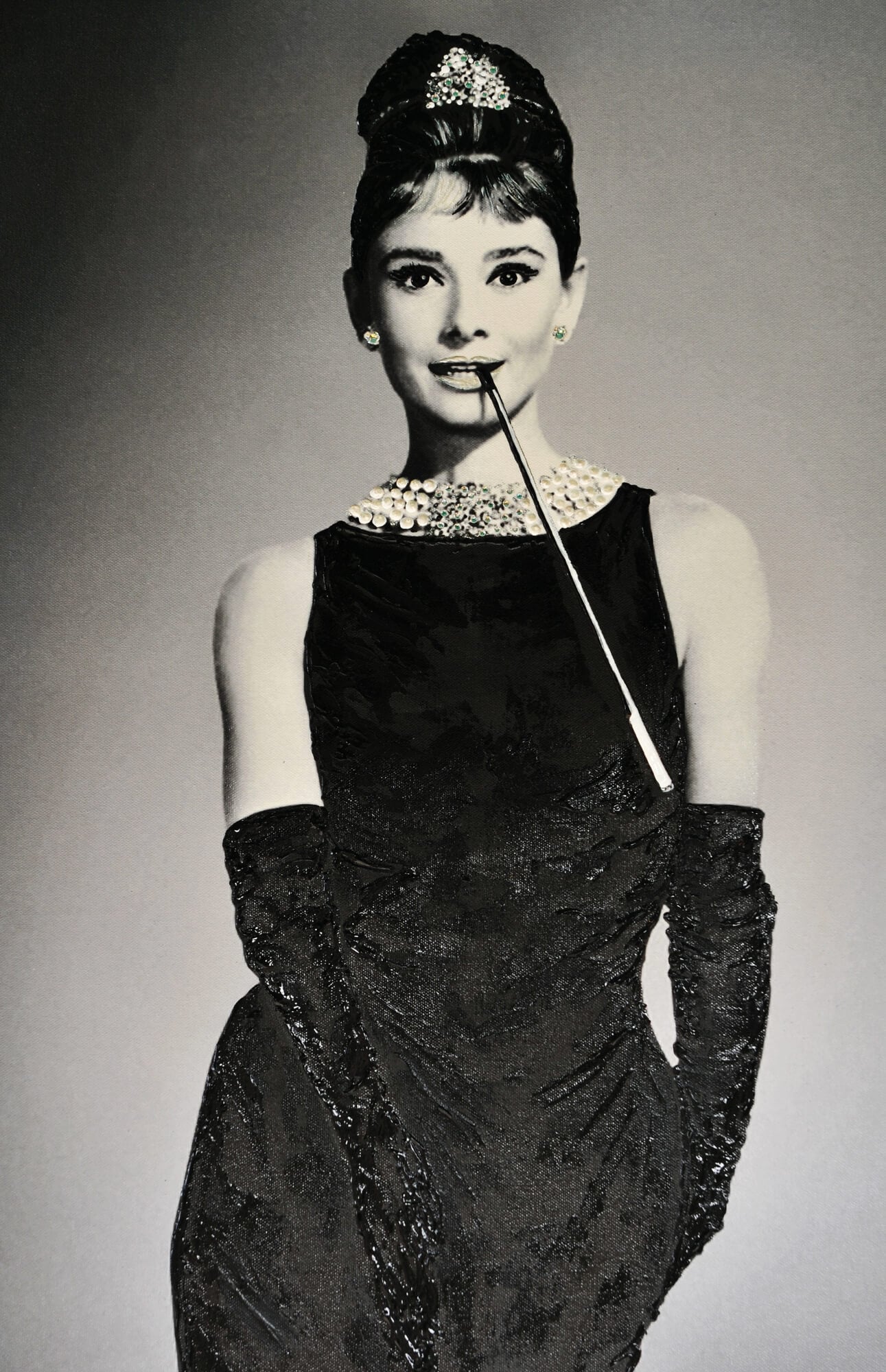
Hepburn’s thick, defined eyebrows and graphic winged eyeliner, paired with a fuller face shape than the era’s more curve-focused stars, offered a distinctly different model of 1950s glamour. Her look in Breakfast at Tiffany’s, styled with a simple updo and minimal color beyond the eyes and brows, remains one of the most recreated red-carpet references decades later.
Modern brow-focused beauty trends frequently cite Hepburn as an early example of strong, natural brows as a defining feature.
Elizabeth Taylor
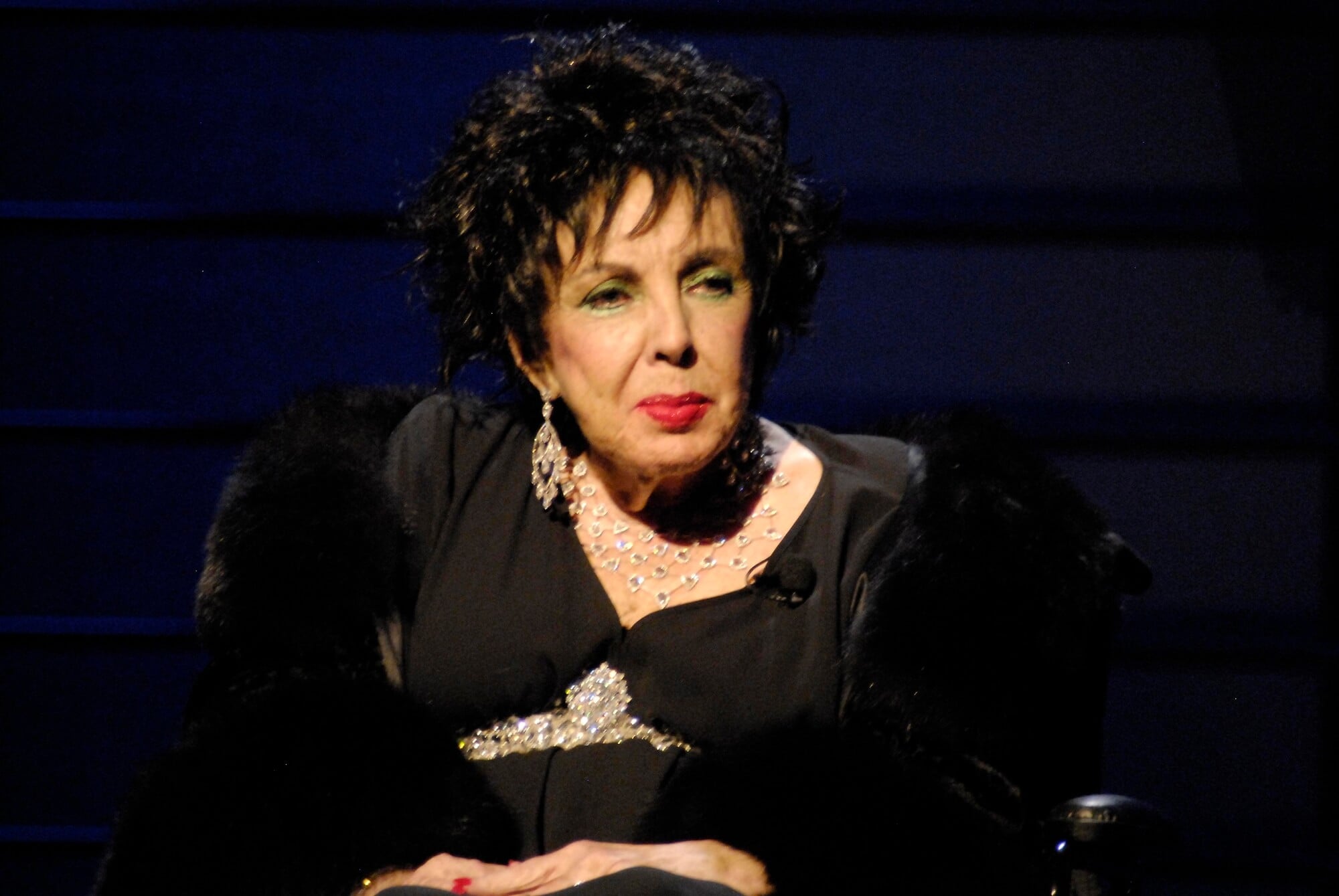
Taylor’s violet-tinted eyes were often emphasized with layered liner and soft smudged shadow rather than the harder graphic liner favored by some of her contemporaries. Her dark hair and pale skin were framed with a rounder, softer brow than Hepburn’s more angular shape.
Her overall look is frequently referenced in tutorials focused on dramatic, old-Hollywood eye makeup.
Grace Kelly
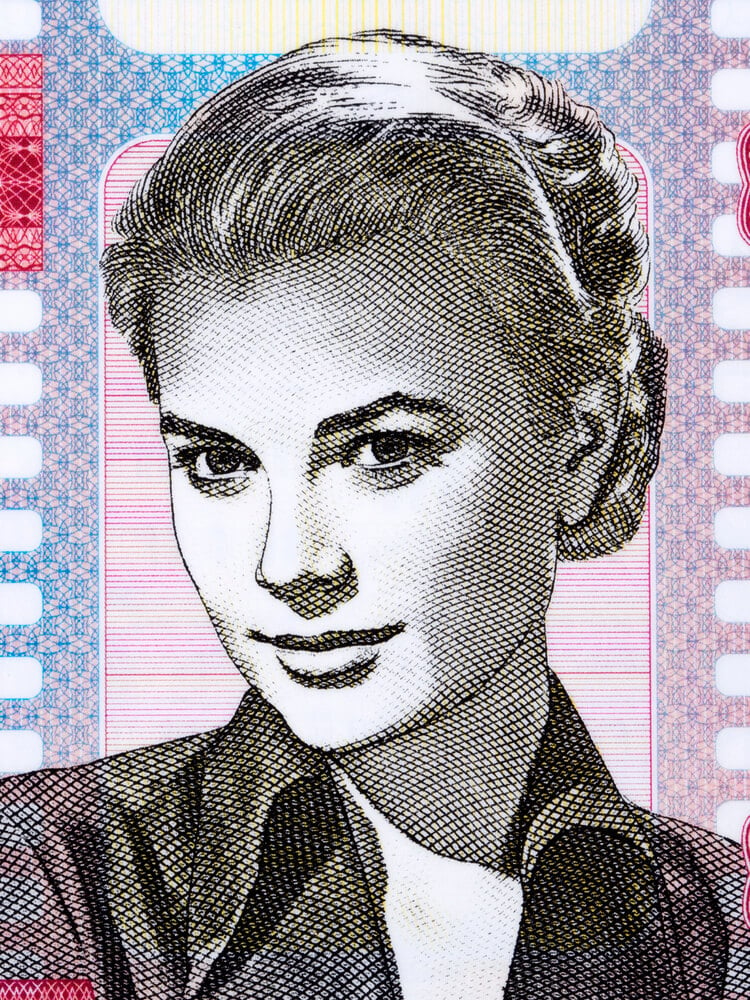
Kelly’s understated, minimal makeup and soft waved blonde hair became a template for a more restrained kind of glamour than some of her contemporaries pursued. Her preference for a barely-there base with emphasis on groomed brows and a soft pink lip is often cited as an early example of the “no-makeup makeup” approach that remains popular today.
Her later role as Princess of Monaco further cemented her association with polished, understated elegance.
Sophia Loren
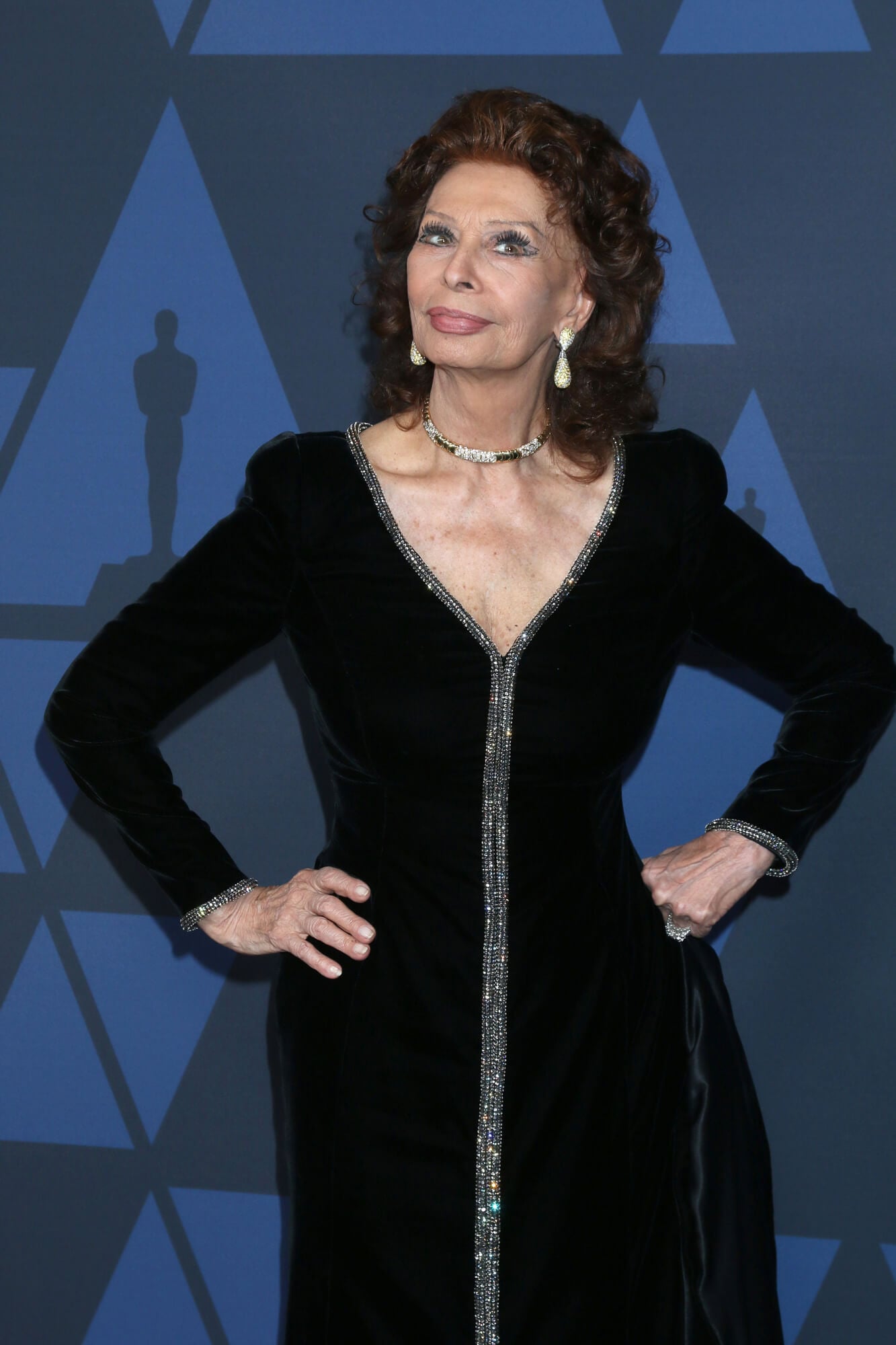
Loren’s heavily lined, upturned cat eyes and fuller brows became one of the defining looks of Italian cinema in the 1950s. Her makeup artists reportedly extended her liner well past the natural eye shape to create a more dramatic, elongated effect suited to her features.
The exaggerated cat-eye technique associated with her remains a frequent reference point in tutorials focused on dramatic eyeliner application.
Brigitte Bardot
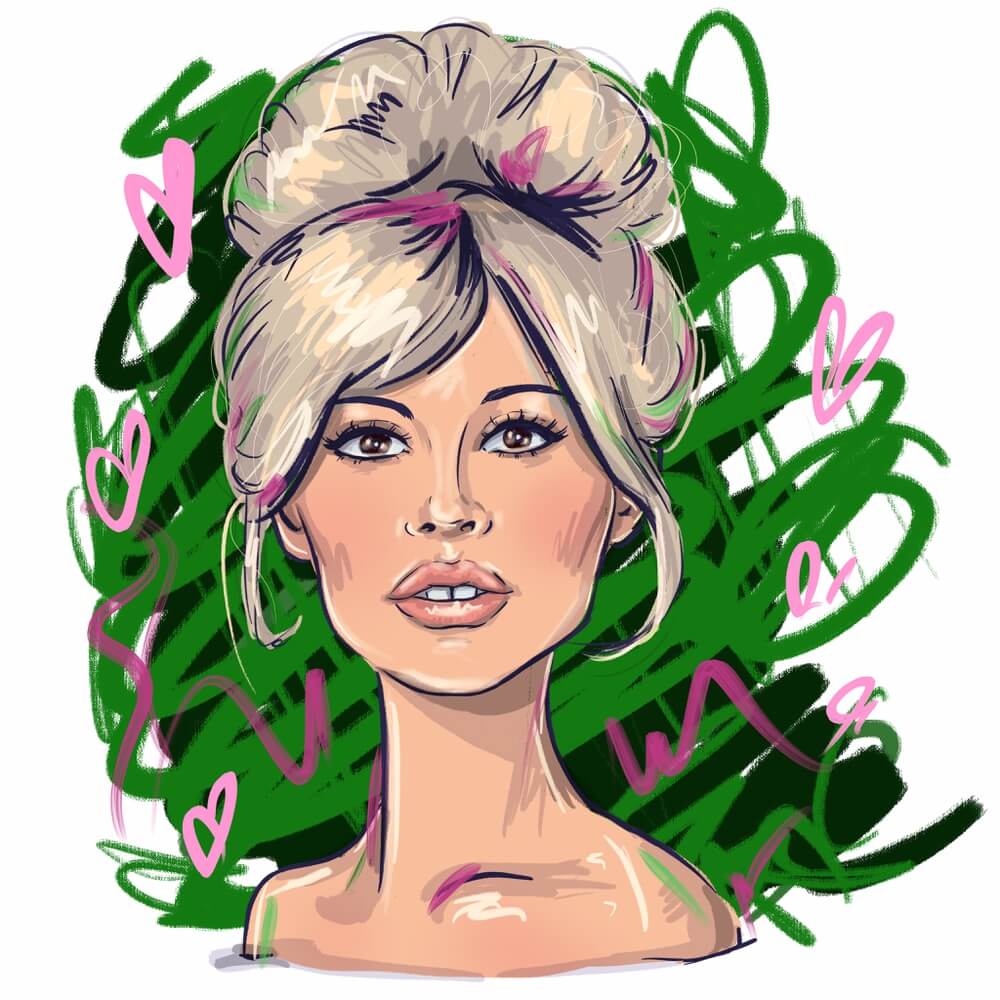
Bardot’s tousled, voluminous updo, later popularized as the “Bardot bun,” combined loose face-framing pieces with a heavily backcombed crown for deliberate texture rather than sleek precision. Paired with heavy black eyeliner and a pale lip, the look was a departure from the more polished styles of some of her American counterparts.
The bun style that bears her name remains a frequently requested reference in modern hairstyling.
Rita Hayworth
Hayworth’s deep red waves, set with pin curls into a soft, glossy pattern, defined much of her on-screen image into the 1950s. Her look relied heavily on precise pin-curl setting technique, a skill that required significant time and expertise to execute well.
Her hairstyling remains a common reference for classic Hollywood wave tutorials today.
Ava Gardner
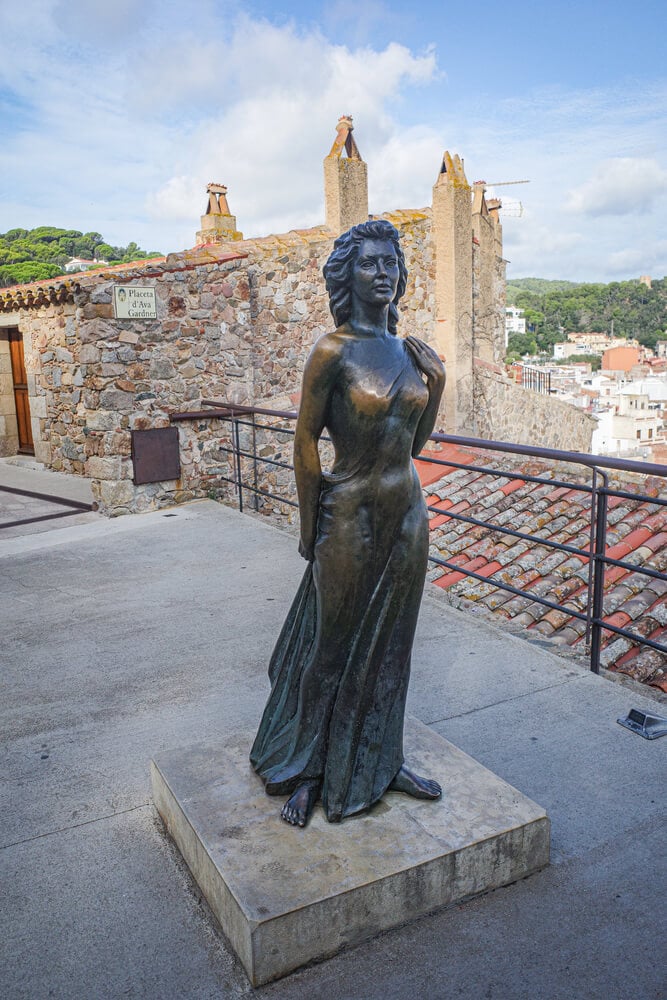
Gardner’s look combined naturally arched brows with a fuller, more defined lip than some of her contemporaries, often finished with a deep red shade. Her hairstyling favored soft waves close to the head rather than the more elaborate updos worn by other stars of the period.
Her overall aesthetic is frequently cited in discussions of understated but confident 1950s glamour.
Doris Day
Day’s softer, girl-next-door aesthetic, built around a rounder brow, natural pink lip, and shorter, bouncier hairstyle, offered a more approachable counterpoint to the era’s more overtly glamorous stars. Her look is often referenced in discussions of how 1950s beauty standards included a distinctly wholesome category alongside the more dramatic starlet image.
Her hairstyle in particular influenced a wave of shorter, more practical cuts among everyday women of the period.
Lauren Bacall
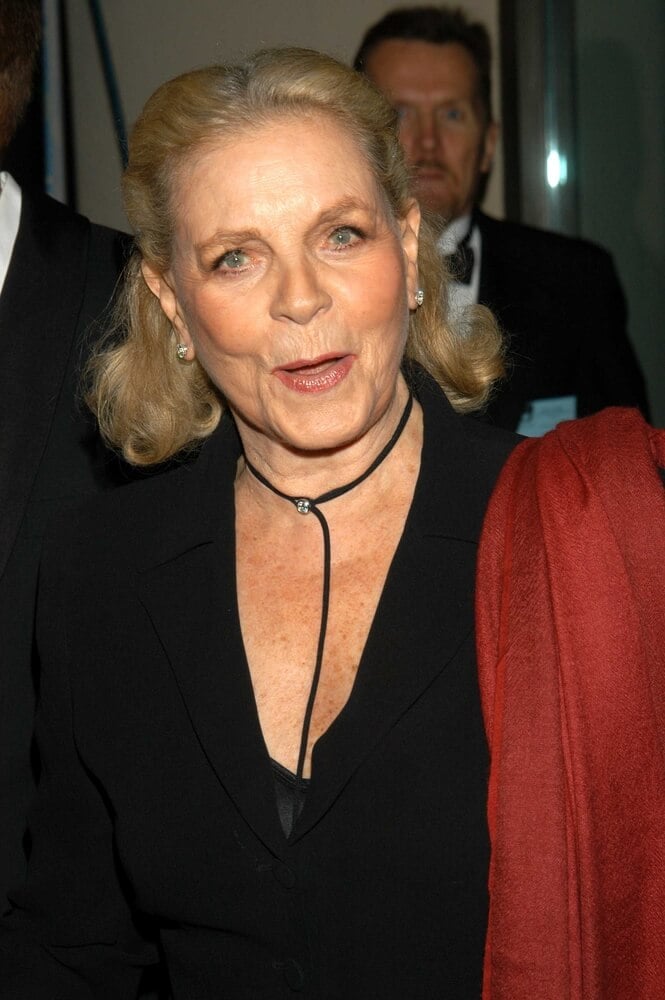
Bacall’s low, sultry brow position and side-swept waves became closely associated with what critics at the time nicknamed “The Look,” a slightly lowered chin and upward gaze she reportedly developed to control nervousness during early film shoots. The combination of minimal but precise makeup with that specific posture remains referenced in modeling and photography instruction today.
Her styling is frequently cited alongside Hepburn’s as a more understated alternative to peak glamour looks of the decade.
Jayne Mansfield
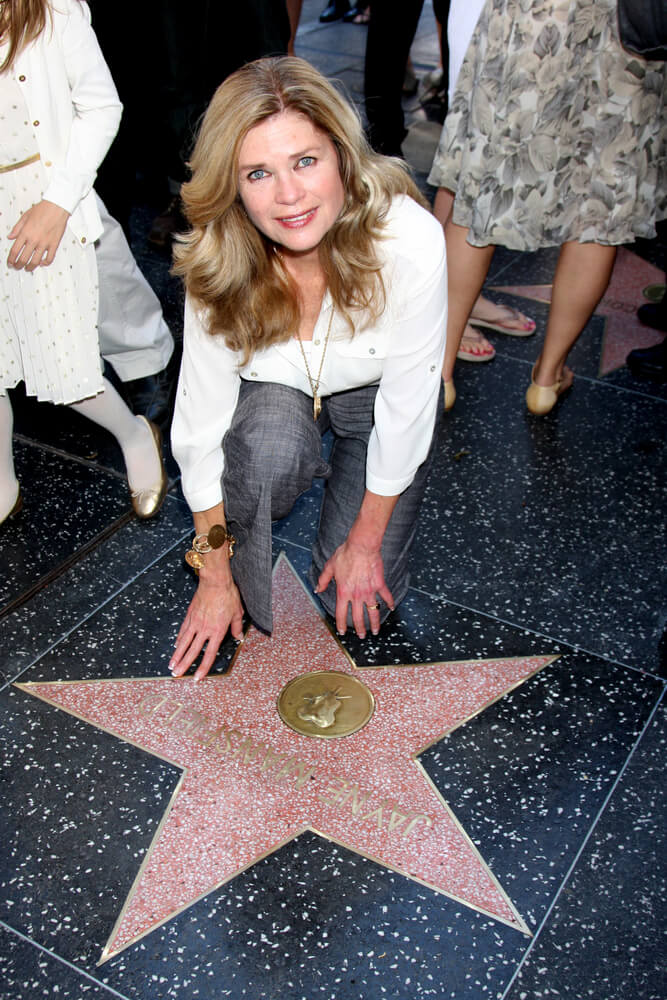
Mansfield’s platinum curls and heavily lined eyes leaned into an exaggerated version of the era’s blonde bombshell image, often styled with more visible makeup application than some of her contemporaries. Her look is frequently referenced in discussions of camp and maximalist 1950s glamour.
Costume and beauty historians often cite her styling as a more theatrical counterpoint to Monroe’s softer version of a similar archetype.
Kim Novak
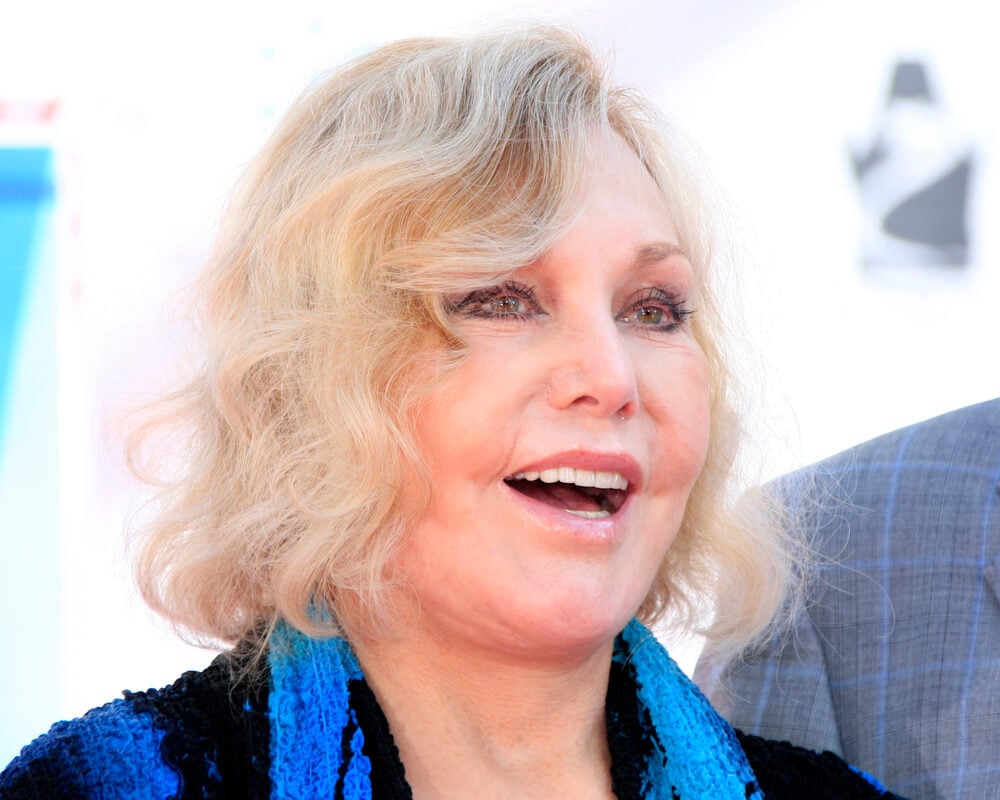
Novak’s cool platinum-blonde hair and softly smudged eye makeup, often paired with muted rather than bright lip colors, gave her a more restrained look than many blonde stars of the period. Her styling in Vertigo, with its precise, sculptural updo, remains a frequently cited reference in film and fashion retrospectives.
The subdued color palette associated with her look continues to influence modern “cool-toned” beauty trends.
Natalie Wood
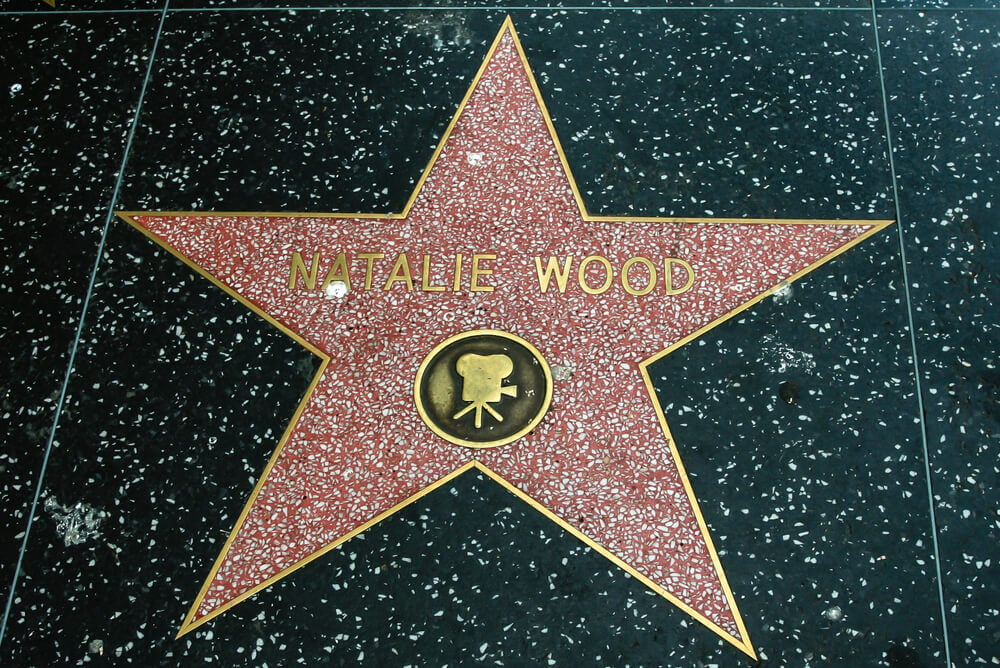
Wood’s dark, glossy hair and softly rounded brows offered a more youthful counterpoint to some of the more overtly glamorous stars of the period. Her makeup tended toward a softer, more naturalistic eye with emphasis placed on a defined but not overly dramatic lash line.
Her look is often cited in discussions of how 1950s beauty standards accommodated a range of ages and personas within the same decade.
Debbie Reynolds
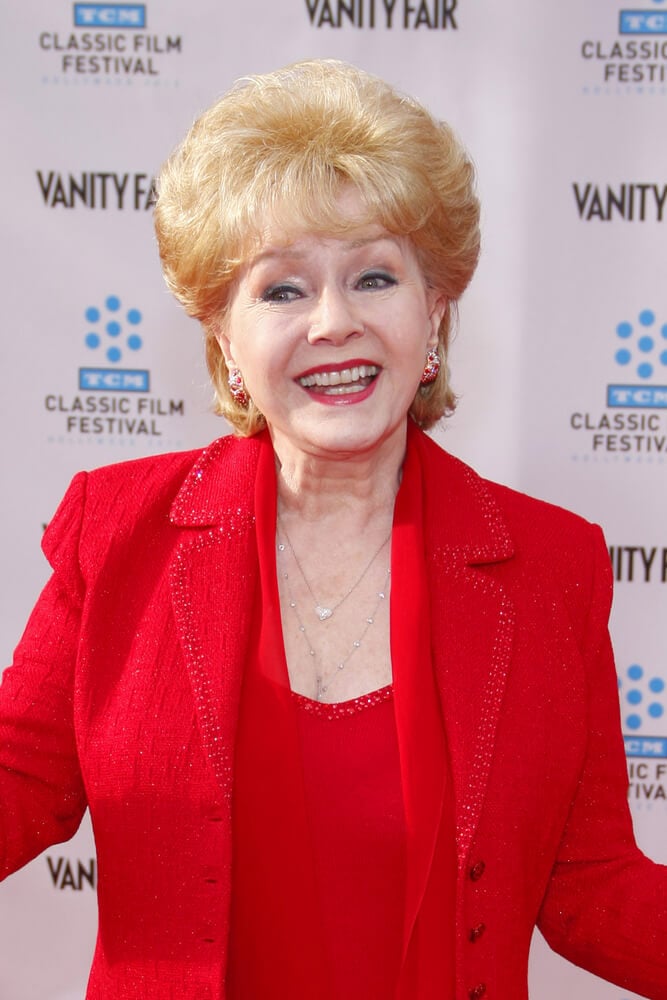
Reynolds’s bright, energetic look, built around a fuller smile-focused makeup approach and neatly set curls, reflected the more wholesome, all-American image she cultivated in films like Singin’ in the Rain. Her styling favored a brighter, less smoky eye than many of her contemporaries.
Her overall aesthetic is often referenced as representative of mainstream, family-friendly 1950s glamour.
Lena Horne
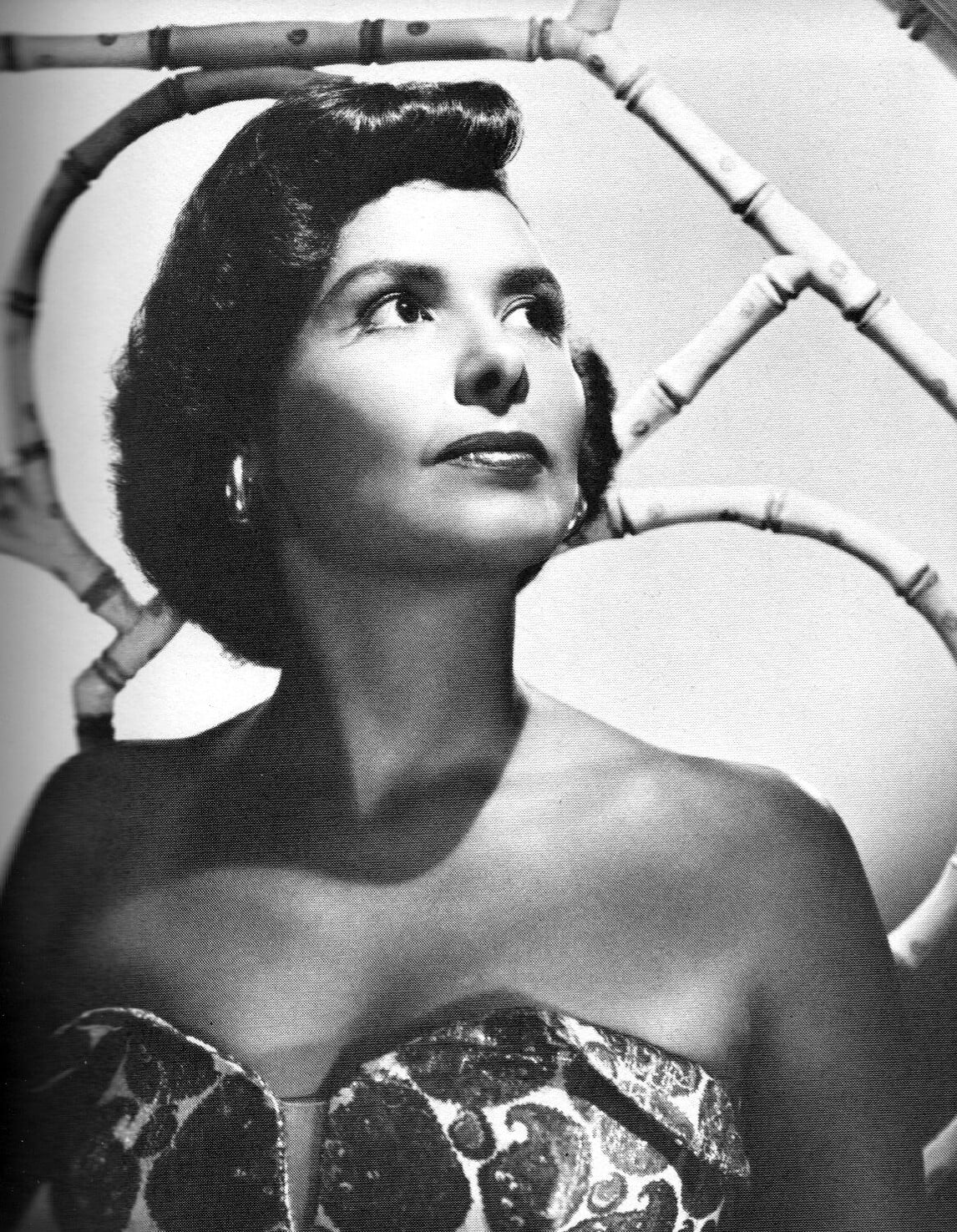
Horne’s polished, precisely groomed look, including sculpted brows and a defined red lip, was developed within an industry that offered far fewer opportunities and far less visibility to Black performers during the period. Her styling nonetheless became influential within and beyond the entertainment industry of the time.
Beauty historians frequently cite her as an important reference point for classic glamour looks on darker skin tones, an area underserved by the era’s mainstream beauty coverage.
Dorothy Dandridge
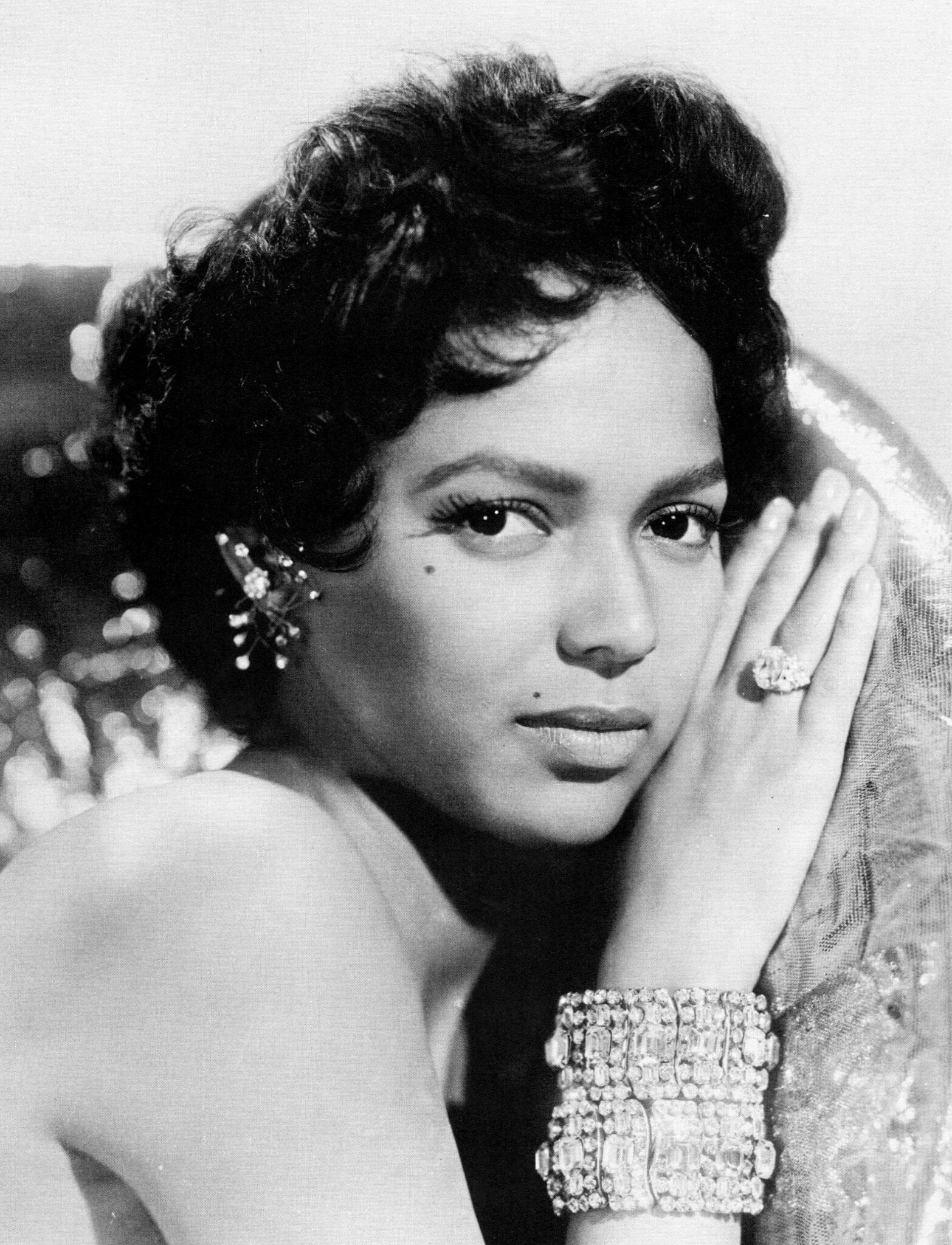
Dandridge’s soft, glowing makeup and precisely curled hair made her one of the most photographed stars of the decade despite facing significant industry barriers as a Black actress in 1950s Hollywood. Her look combined understated eye makeup with a strong, defined lip, a balance still referenced in modern glamour tutorials.
She remains frequently cited in discussions of both classic beauty technique and the era’s limited opportunities for performers of color.
Marlene Dietrich
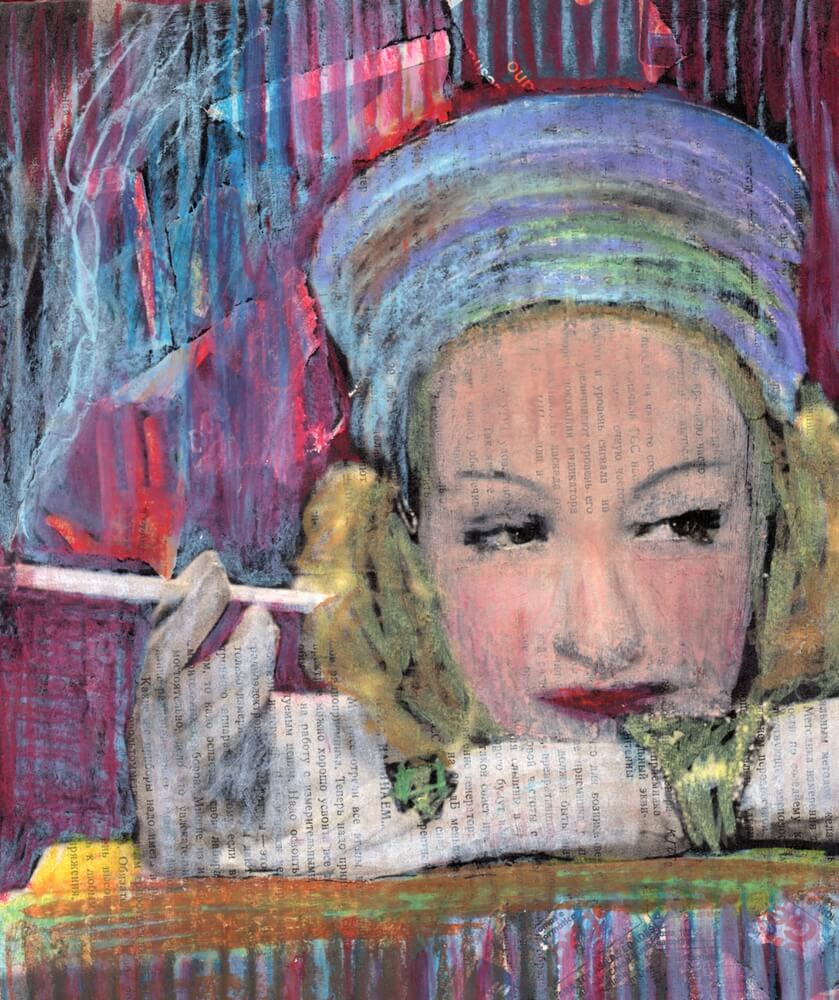
Dietrich’s severely sculpted cheekbones, achieved through some of the earliest widely documented film contouring techniques, and her sharply arched, thin brows carried into the 1950s from her earlier film career. Her makeup artists were known for using shading techniques originally developed for stage lighting, adapted specifically for the camera.
Her contouring approach is frequently cited as a direct predecessor to techniques still used in modern makeup application.
Jane Russell
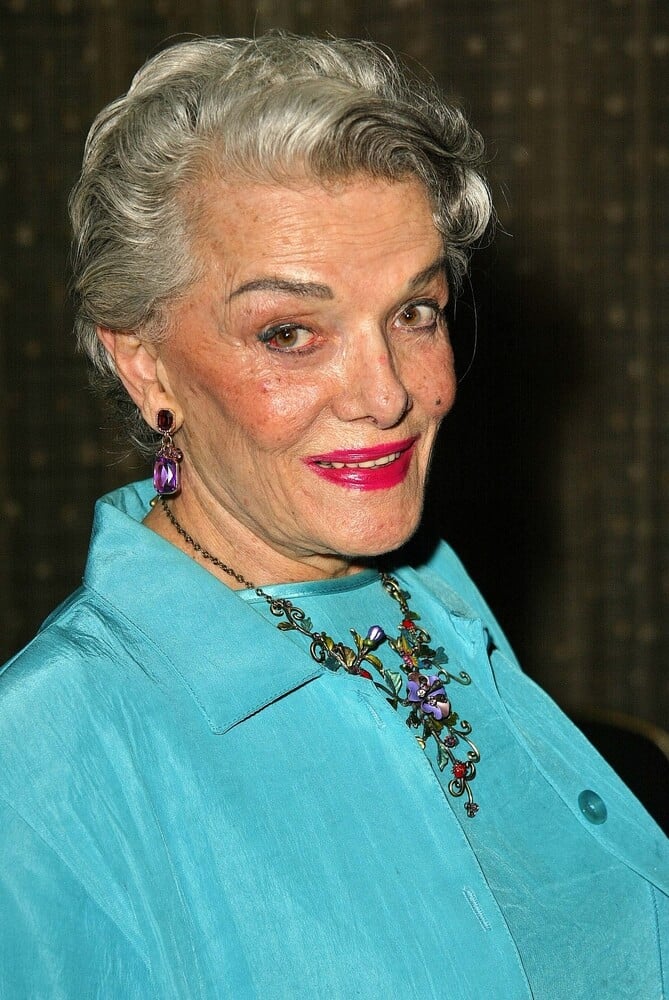
Russell’s fuller brows and deep-set, heavily lined eyes gave her a more sultry look than some softer contemporaries of the period. Her hairstyling favored loose, voluminous waves rather than tightly set curls.
Her overall aesthetic is often grouped with Mansfield and Monroe as part of the era’s more overtly glamorous blonde and brunette bombshell archetype.
Vivien Leigh
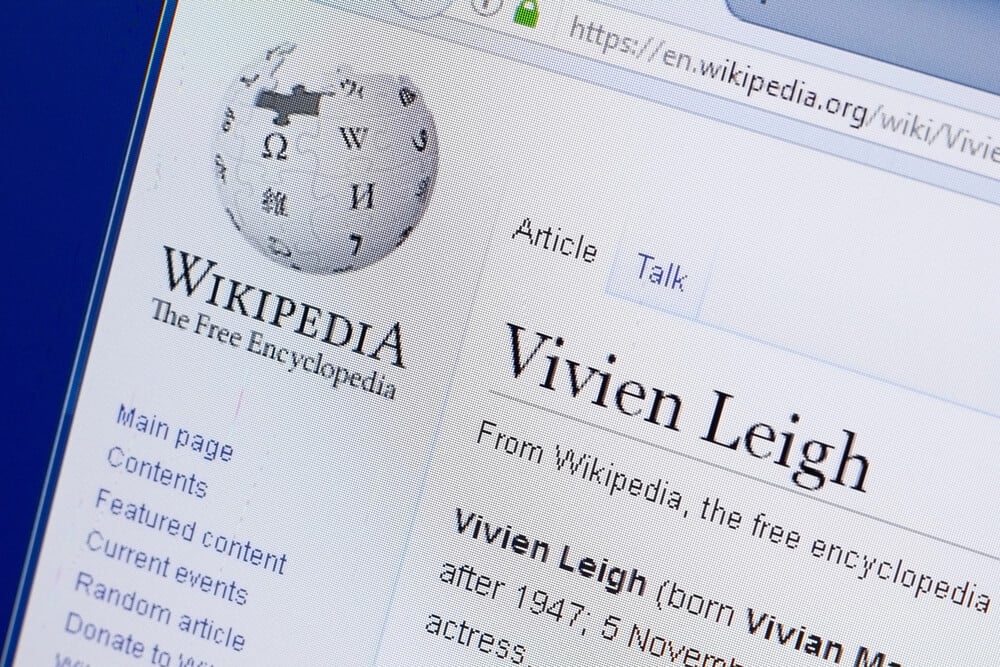
Leigh’s precisely groomed brows and classically shaped red lip, carried over from her earlier film work, remained influential through the 1950s. Her makeup emphasized symmetry and restraint over dramatic effect, a contrast to some of the more theatrical looks favored elsewhere in the decade.
Her styling is frequently referenced in period costume and beauty retrospectives focused on classical film glamour.
Ingrid Bergman

— Photo by sharafmaksumov
Bergman’s minimal, naturalistic makeup approach, favoring softly groomed brows and a muted lip over heavy contouring, distinguished her from more theatrically styled contemporaries. Her look is often cited as an early example of a more relaxed, natural aesthetic within an industry generally favoring heavier glamour.
Modern discussions of understated Hollywood beauty frequently reference her styling choices.
Veronica Lake
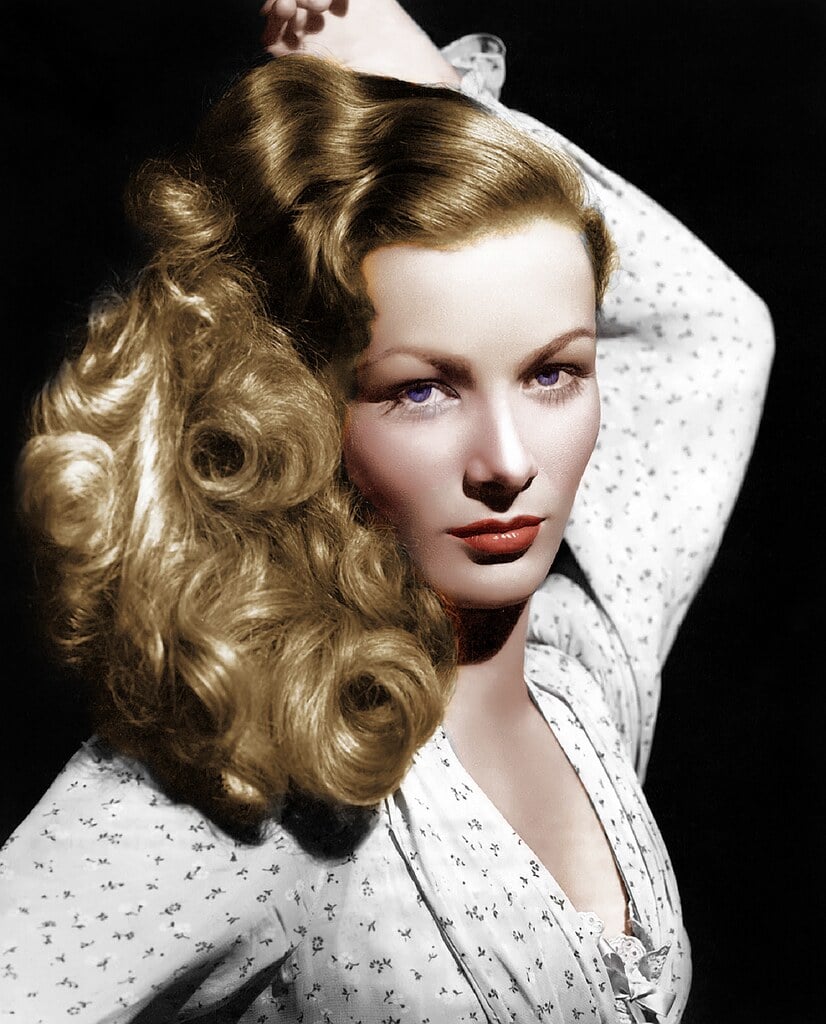
Lake’s signature side-swept wave falling over one eye, developed earlier in the 1940s, remained a widely imitated style into the 1950s despite wartime authorities once asking her to change it over workplace safety concerns for women working in factories. The peek-a-boo wave required precise setting to achieve its exact drape over the face.
It remains one of the most specifically named and widely recreated hairstyles from the era.
Betty Grable
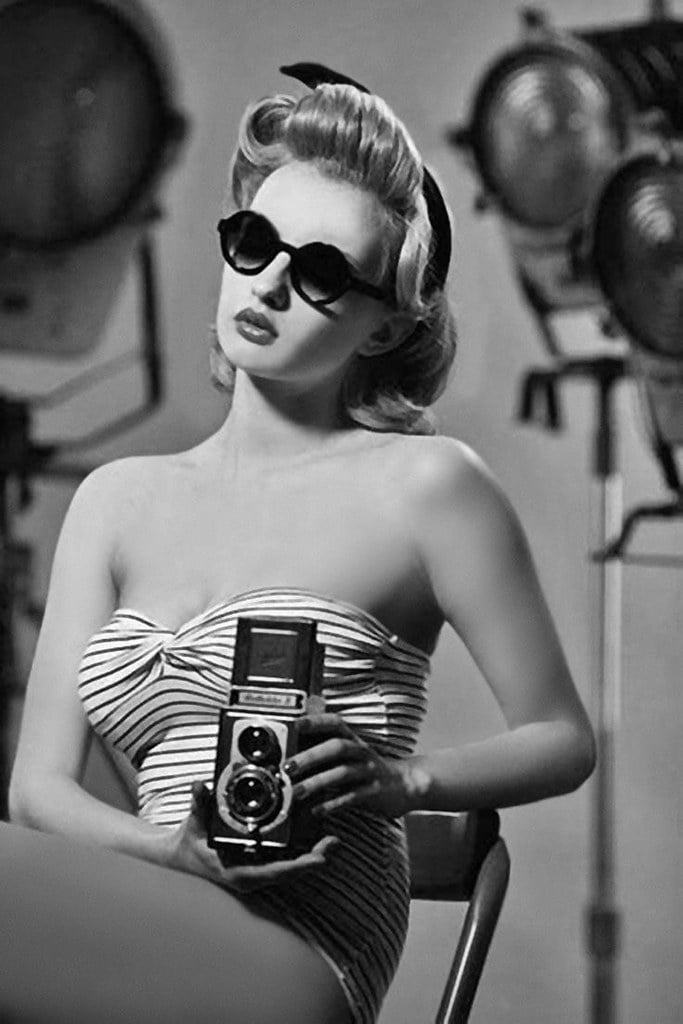
Grable’s soft, rolled curls and bright, symmetrical smile-focused makeup carried her pin-up image from the 1940s into continued popularity in the following decade. Her styling favored a brighter, more optimistic palette than some of the more sultry looks associated with other stars.
Her hairstyling technique remains referenced in tutorials focused on classic victory-roll and pin-curl styles.
Eartha Kitt
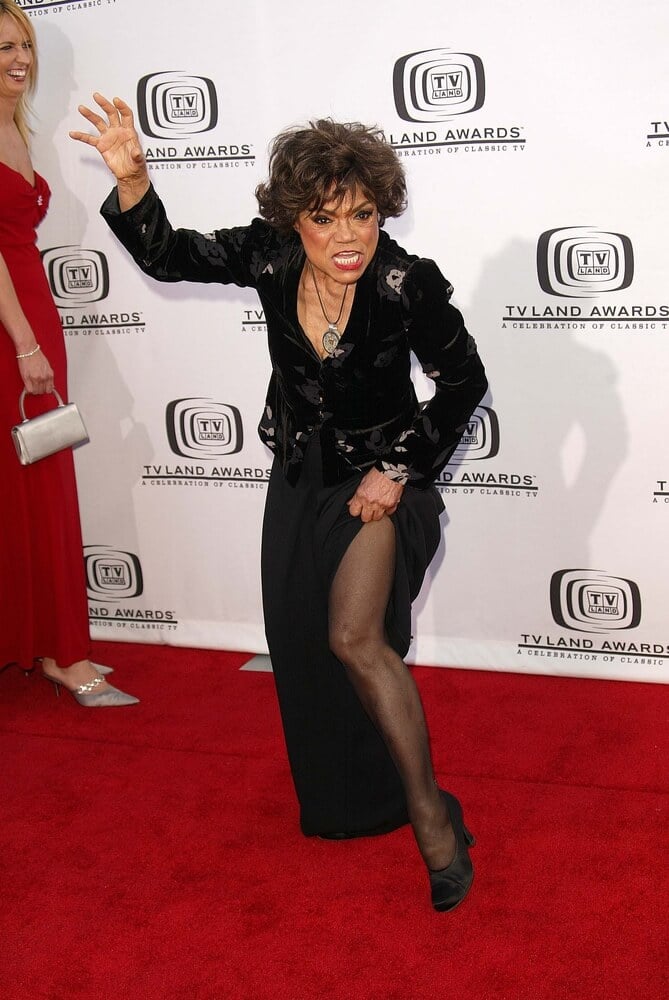
Kitt’s precisely defined cat-eye liner and sculpted brows became part of a broader performance persona built around confidence and control. Her look combined theatrical stage makeup techniques with the more restrained standards of mainstream film and television of the period.
She remains frequently cited as an influential and underrecognized figure in 1950s beauty history.
Diana Dors
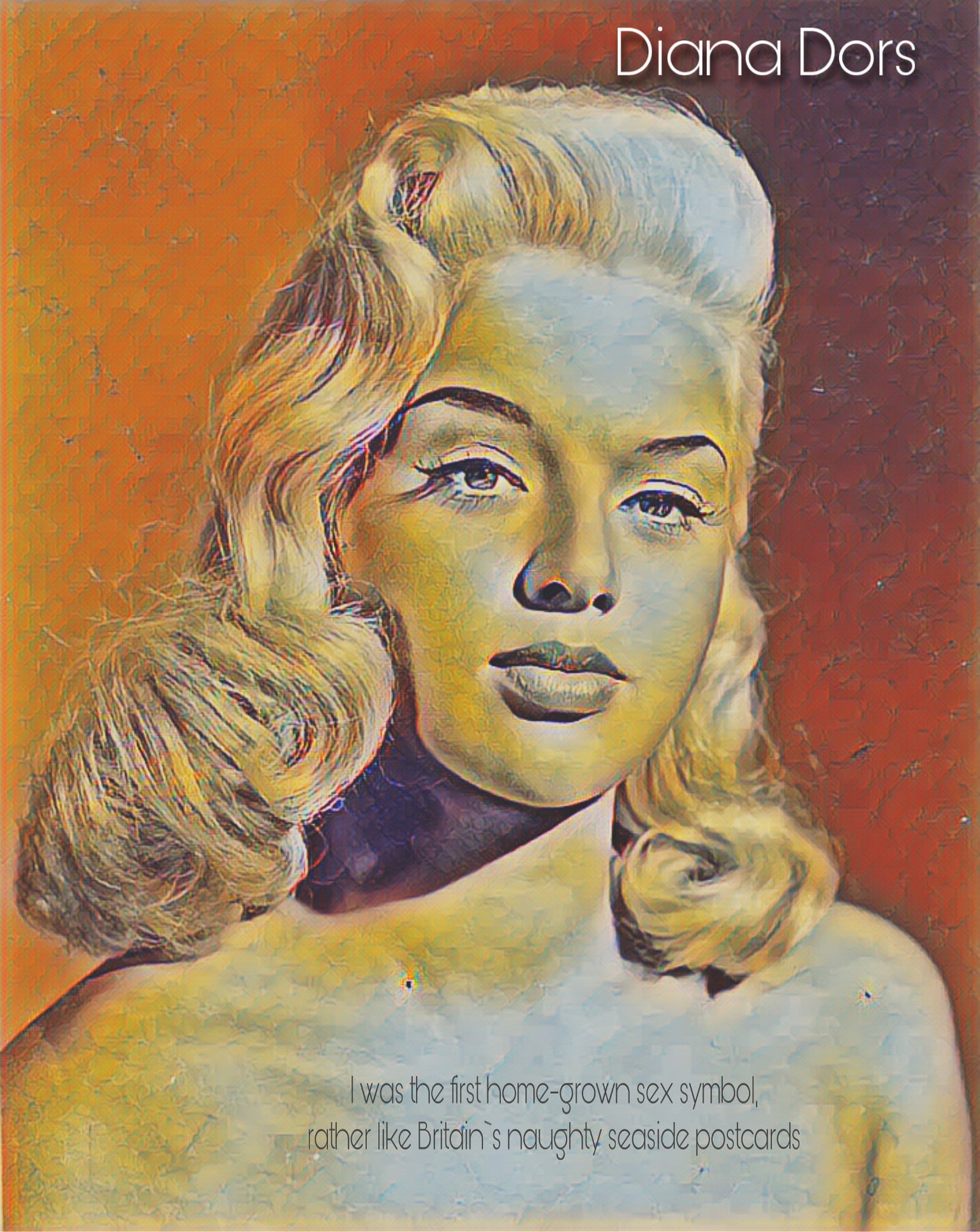
Often described in the British press of the period as a domestic answer to Hollywood’s blonde stars, Dors combined platinum hair with heavily lined eyes and a bold lip in a style closely related to Mansfield’s more theatrical looks. Her styling helped popularize a similar glamour archetype within the British film industry specifically.
She remains a frequently referenced figure in retrospectives on the era’s international beauty standards.
Anita Ekberg
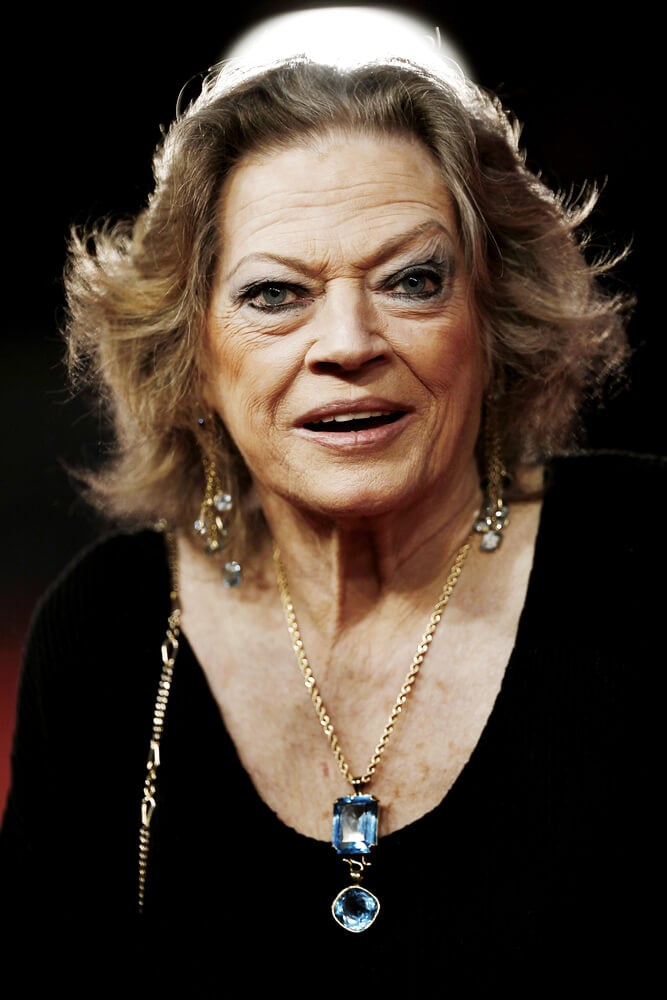
Ekberg’s voluminous platinum waves and strongly defined brows became closely associated with Scandinavian glamour within Hollywood and later Italian cinema. Her styling favored dramatic volume over the tighter curls some contemporaries preferred.
Her look in La Dolce Vita, filmed at the very end of the decade, remains one of the most referenced images from late-1950s European film.
A Decade of Faces That Refused to Fade
What ties these twenty-five together is not a single shared look but a shared level of specificity. Each one is remembered for a particular detail, a brow shape, a wave pattern, a shade of red, precise enough that a modern makeup tutorial can still promise to recreate it exactly rather than approximate it.
That precision is part of why the decade keeps resurfacing in fashion cycles that have otherwise moved on completely. A trend can go out of style, but a specific, well-documented technique attached to a specific, well-photographed face stays available for anyone willing to look it up.
More from Go2Tutors!

- The Romanov Crown Jewels and Their Tragic Fate
- 13 Historical Mysteries That Science Still Can’t Solve
- Famous Hoaxes That Fooled the World for Years
- 15 Child Stars with Tragic Adult Lives
- 16 Famous Jewelry Pieces in History
Like Go2Tutors’s content? Follow us on MSN.