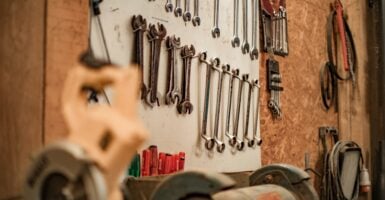
27 Tools in Grandparents’ Garages Worth Real Money
Old hand tools tend to get treated as junk: rusty, unpowered, and seemingly replaced by anything cordless. But vintage tools from certain American and European makers are experiencing strong collector demand, driven by woodworkers who prize the steel quality and machining precision of pre-1960s manufacturing.
Maker’s marks stamped into metal or cast into housings are usually the key to identifying value, along with original finishes that haven’t been aggressively cleaned or repainted.
Stanley Bailey Hand Planes
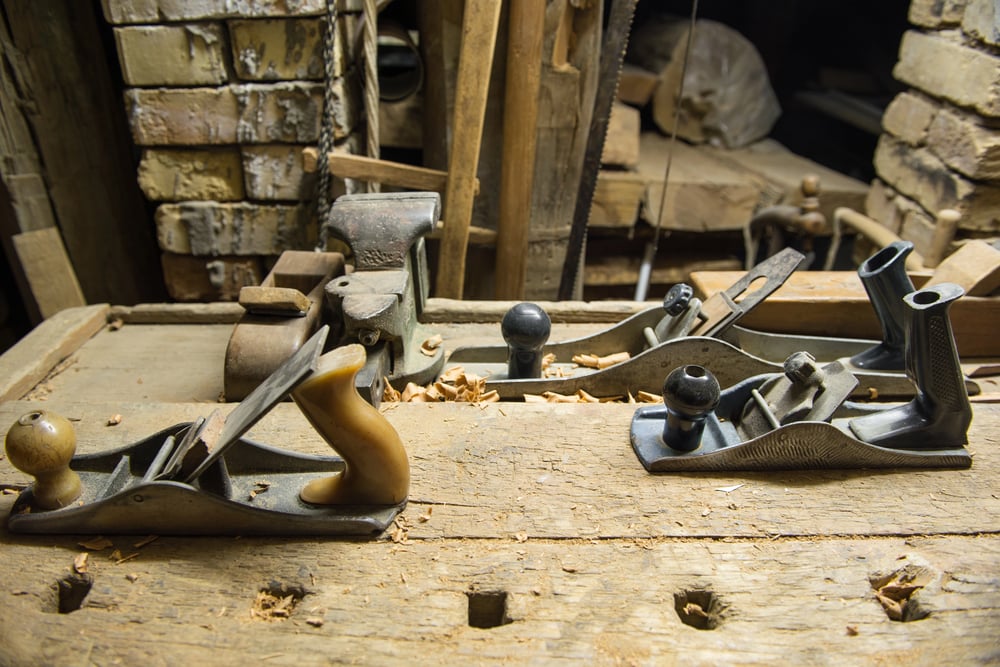
Stanley’s Bailey line of bench planes, particularly pre-World War II models with their original japanning finish intact, are prized by furniture makers for their flat soles and reliable mechanics, with rare sizes and early type variations commanding premium prices.
Disston Handsaws
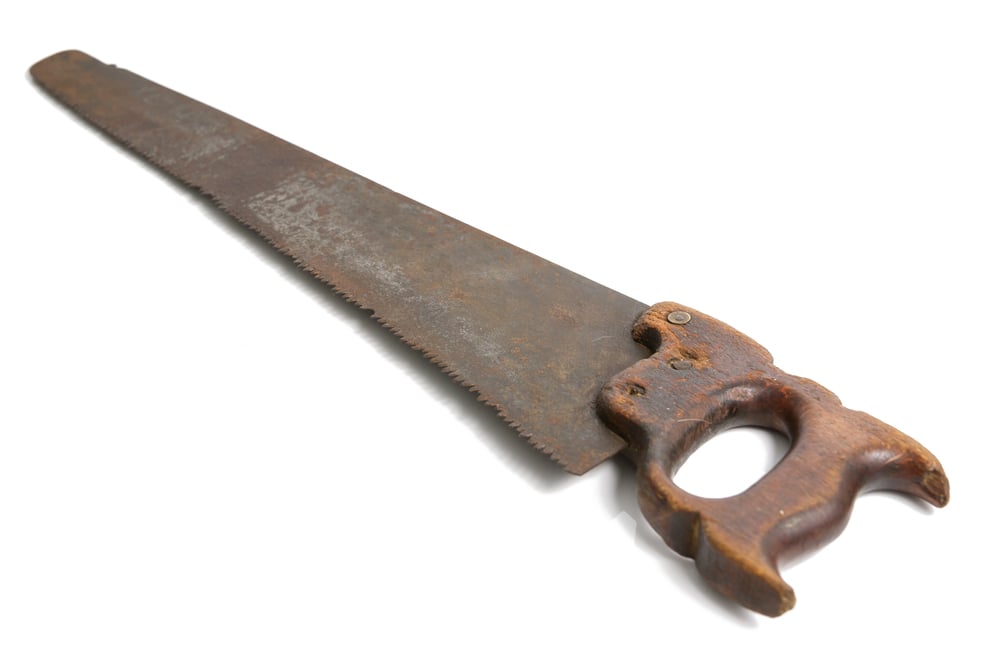
Henry Disston and Sons produced some of the finest handsaws in American history, and pre-1930s examples with intact medallions and etched blades are actively collected by hand-tool woodworkers who restore and use them.
Stanley No. 45 Combination Plane
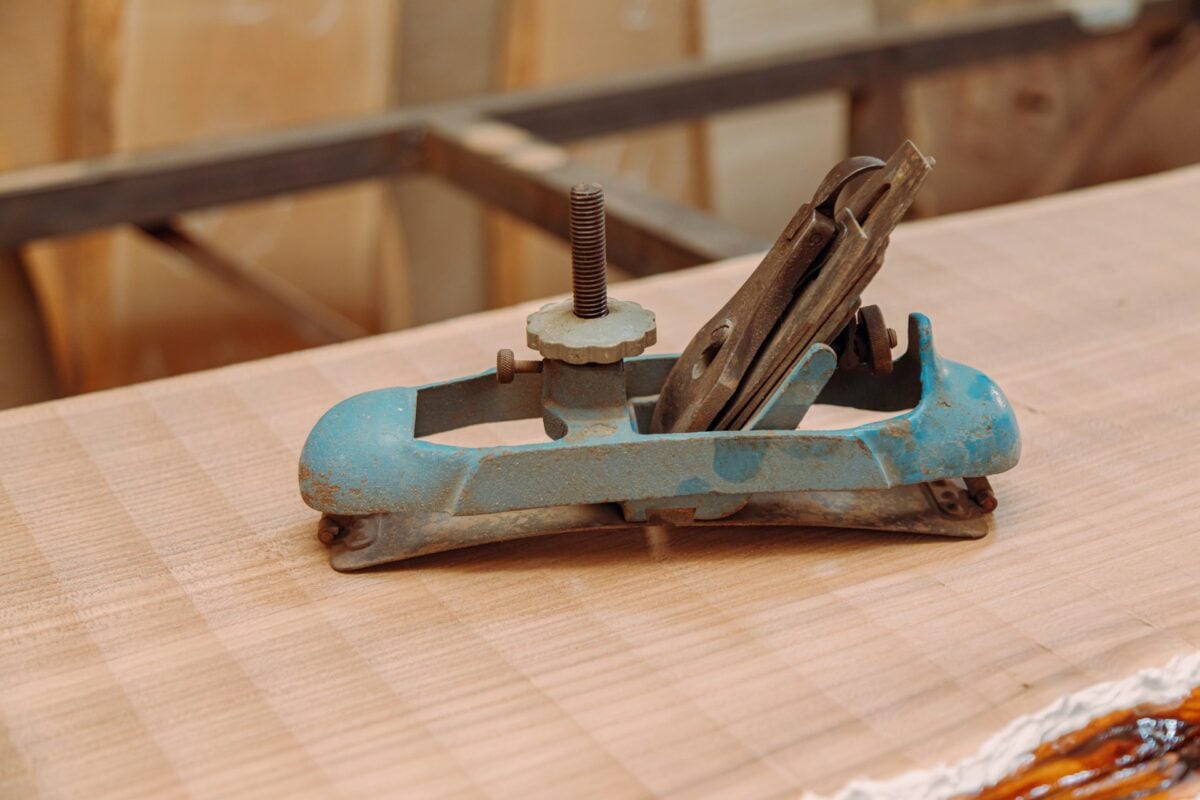
A complex plane capable of cutting dozens of molding profiles, the No. 45 is prized by collectors for its intricate mechanism, with complete sets including all original cutters commanding significantly more than incomplete examples.
Millers Falls Hand Drills
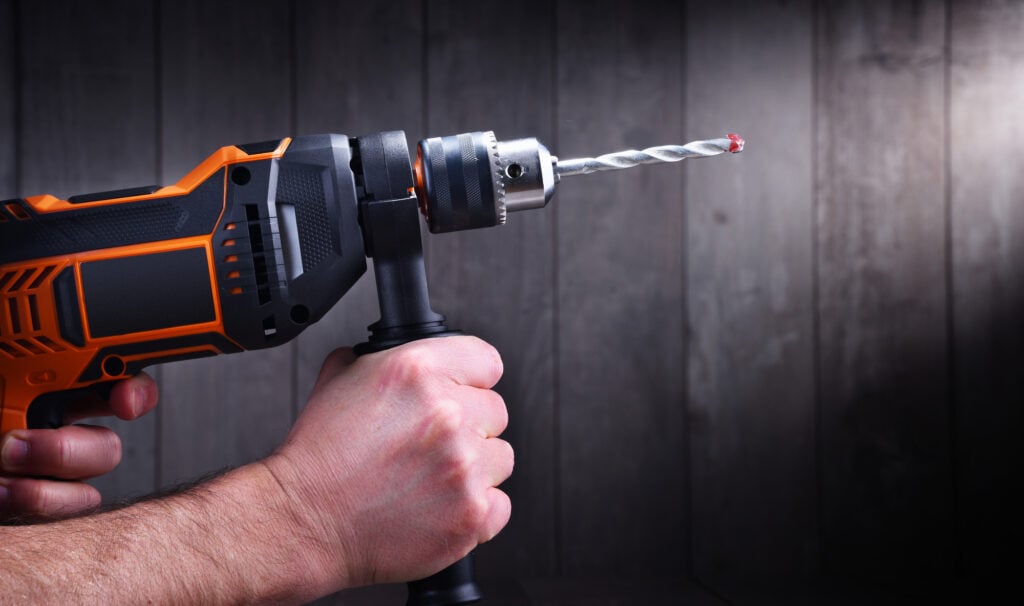
Millers Falls eggbeater-style hand drills from the early to mid-20th century are valued for their smooth gearing and durability, with certain models featuring rare wood handle finishes drawing collector premiums.
Starrett Precision Measuring Tools
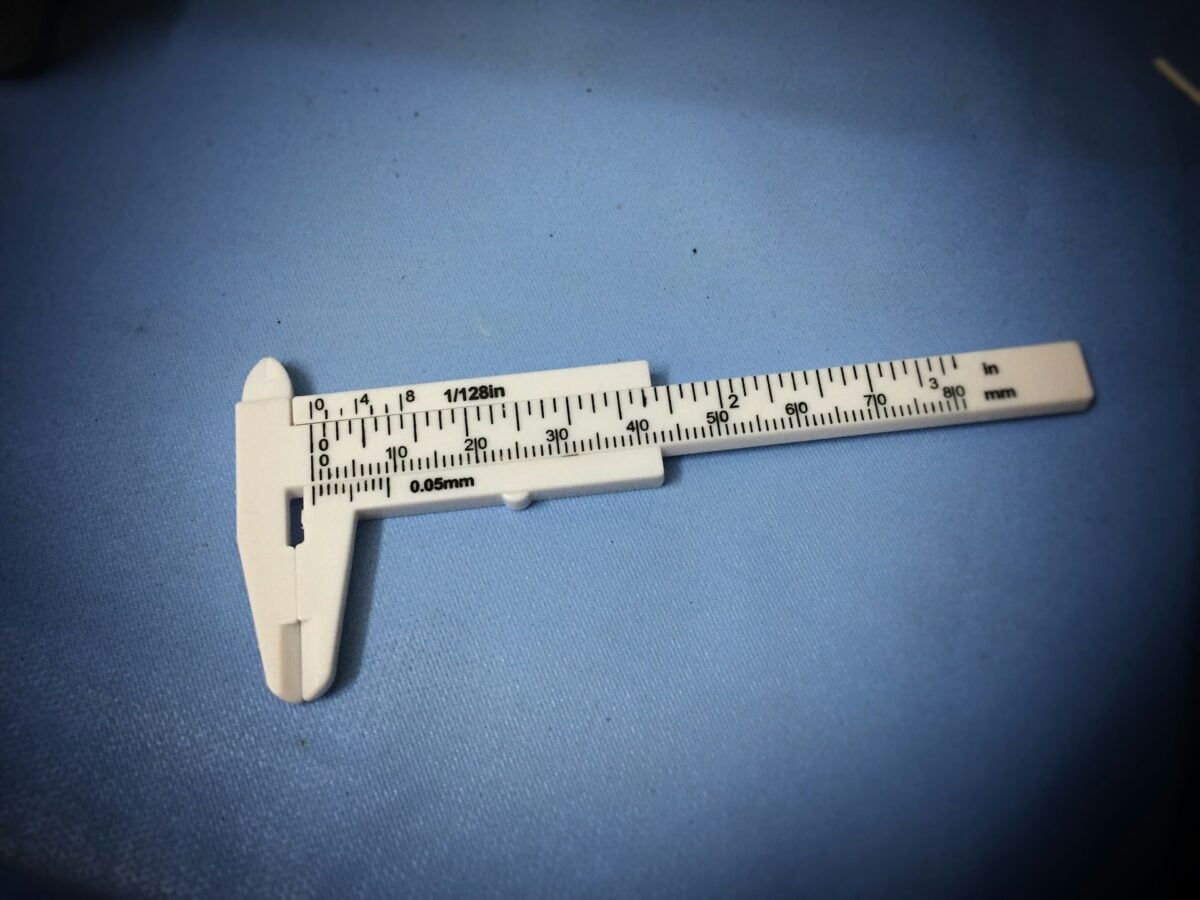
L.S. Starrett Company’s machinist tools, particularly combination squares and calipers from the early-to-mid 20th century, are collected both for use and display, valued for their enduring precision and quality manufacturing.
Early Craftsman Hand-Forged Wrenches
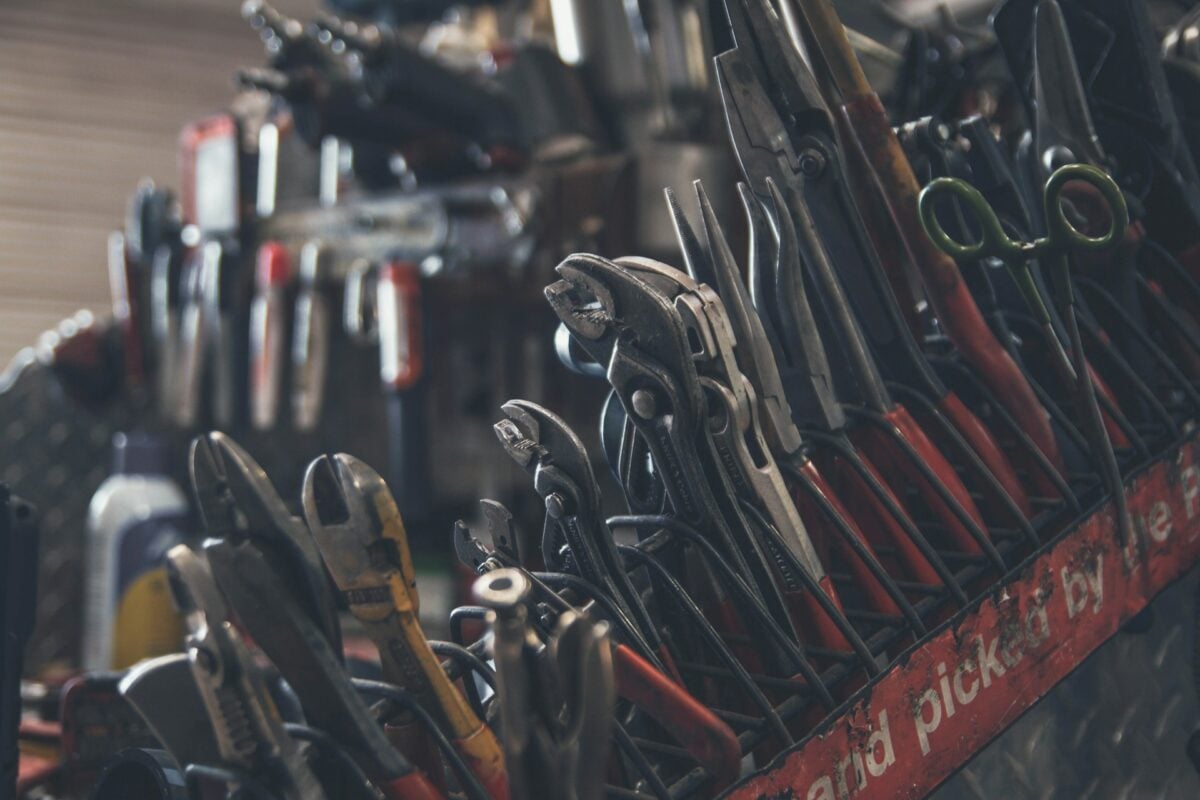
Early Sears Craftsman wrenches, particularly those made before the brand shifted to overseas manufacturing, are sought by collectors for their forged steel construction and vintage logo stamps.
Yankee Push Drills
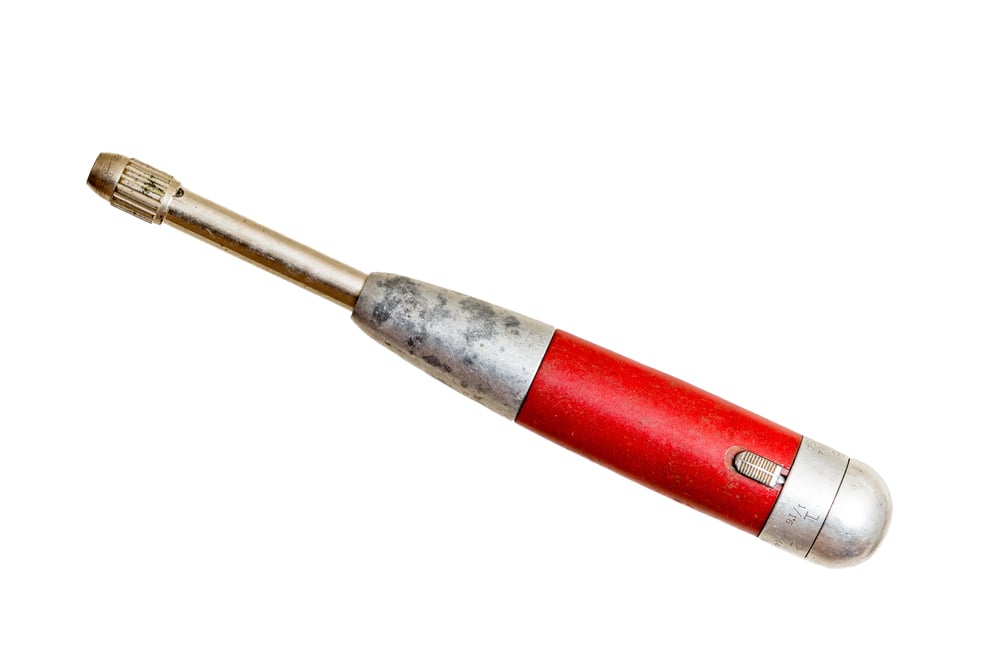
North Brothers Manufacturing’s spiral-mechanism push drills, marketed under the Yankee name, are popular among collectors and working woodworkers alike for their clever mechanical design.
Vintage Brace and Bit Sets
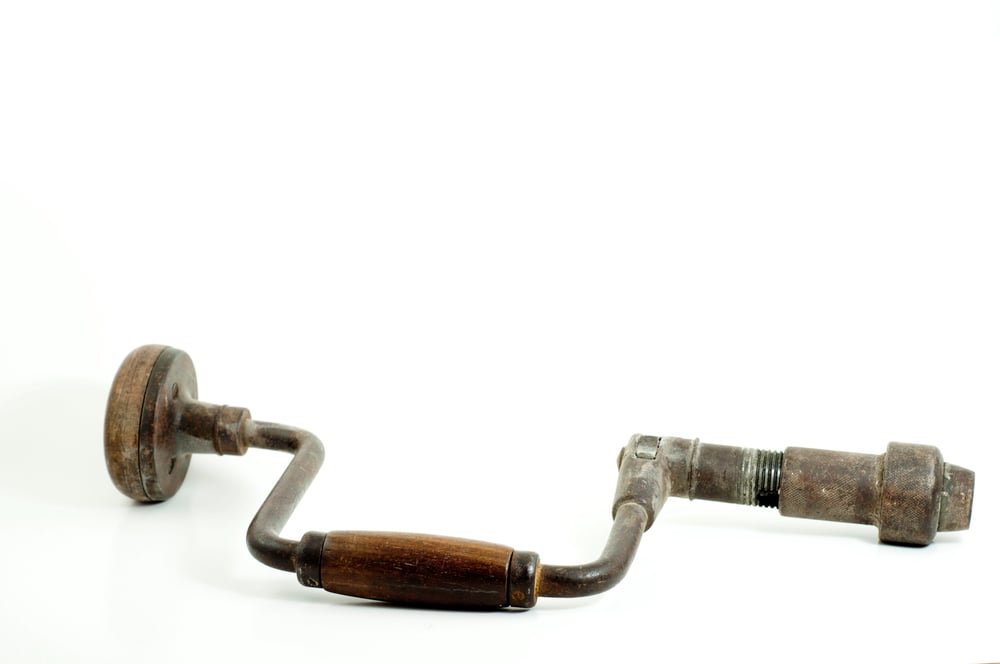
Antique bit braces from makers like Millers Falls and Stanley, especially complete sets with an original wooden case and full bit selection, are valued significantly above individual pieces sold separately.
Warren Axe and Tool Company Axes
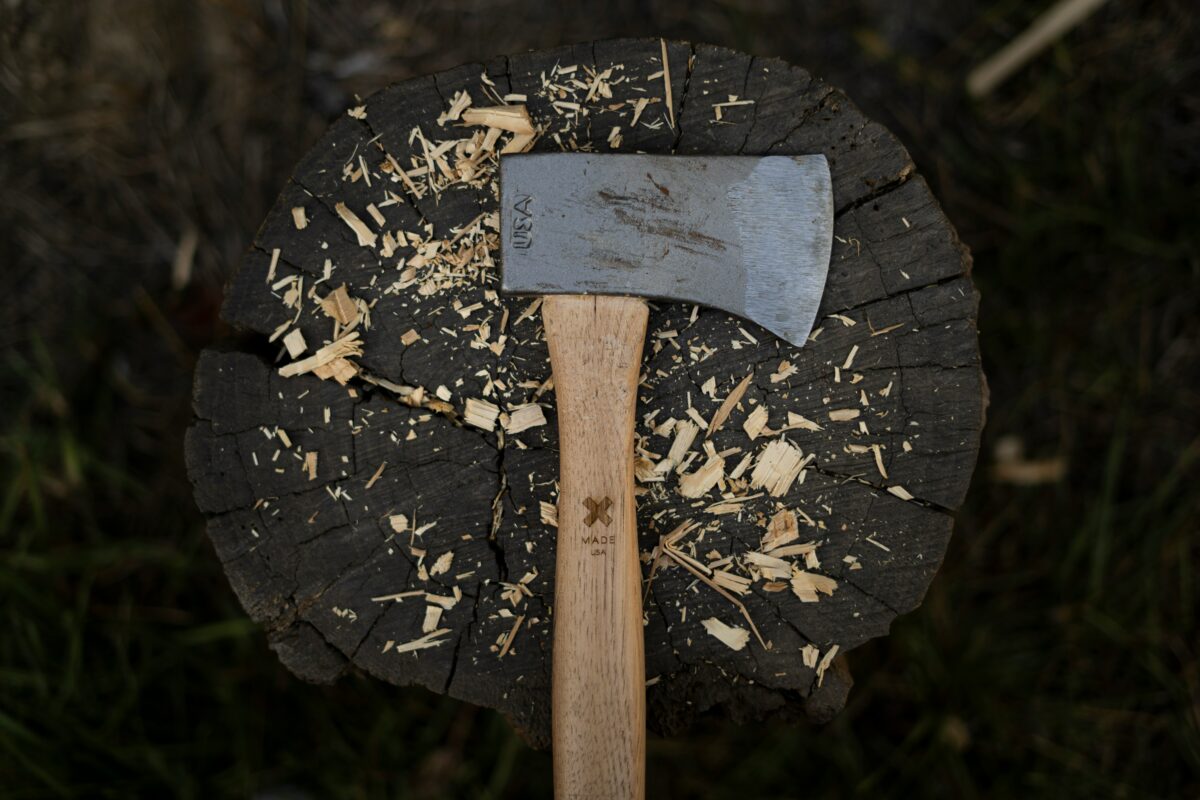
Vintage axes bearing the Warren Axe and Tool Company mark are collected by both tool enthusiasts and outdoor enthusiasts, with pre-1950s examples in good condition commanding solid prices.
Buck Brothers Chisels
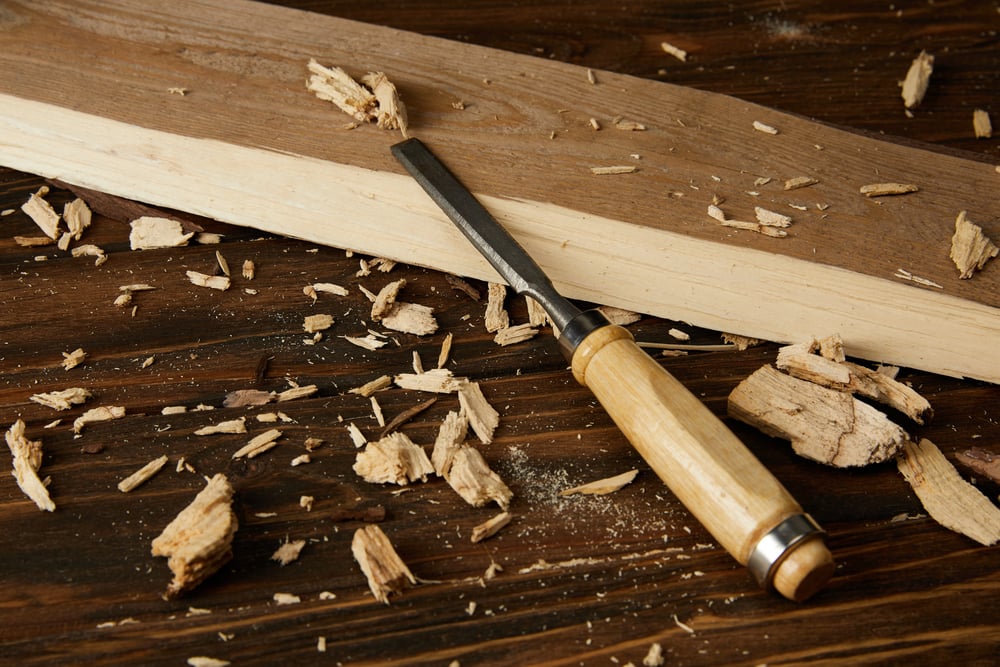
Buck Brothers chisels from the early-to-mid 20th century are respected among furniture restorers for their steel quality, with complete boxed sets fetching considerably more than loose individual chisels.
Stanley No. 55 Universal Plane
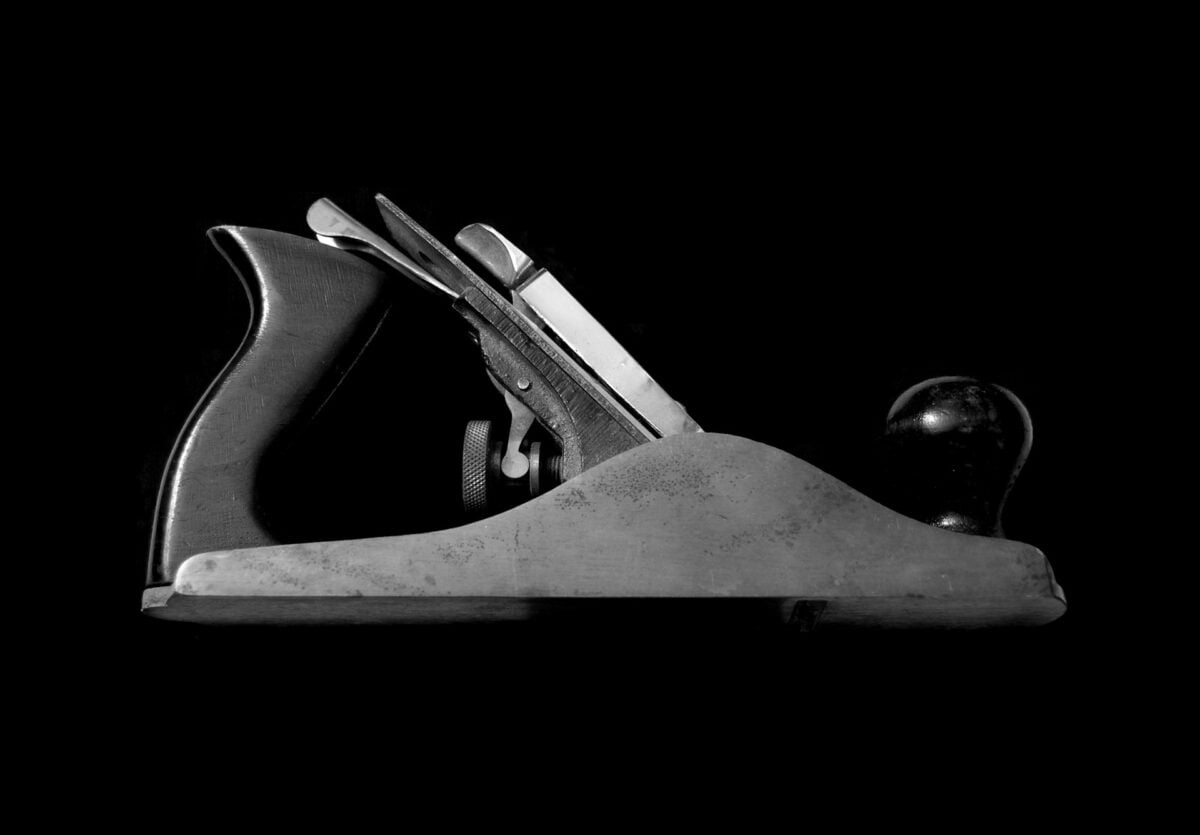
Considered the most versatile plane Stanley ever produced, the No. 55 could cut an enormous range of molding profiles, and complete sets in their original wooden box are among the most valuable planes in the Stanley lineup.
Vintage Locking Pliers
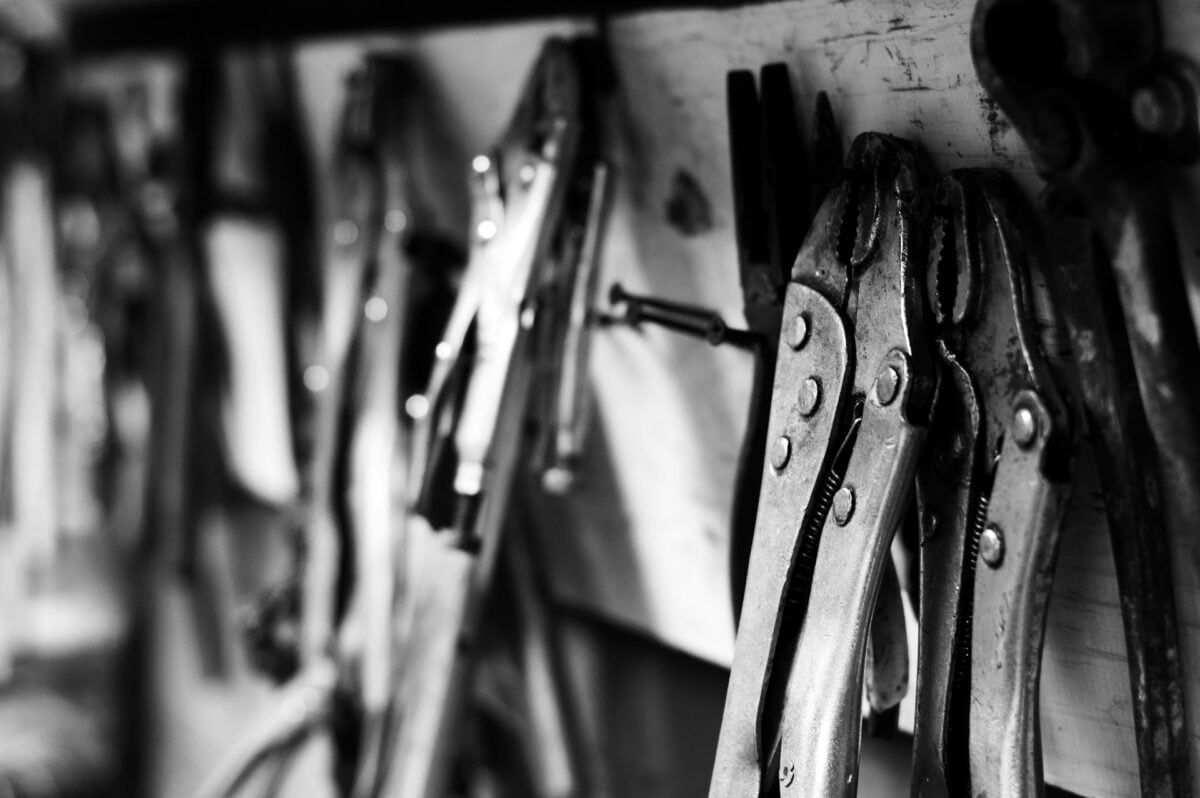
Early Petersen Manufacturing locking pliers, particularly examples from before the company’s later ownership changes, are collected for their original steel formulation and are still functional as working tools.
Keen Kutter Hand Tools
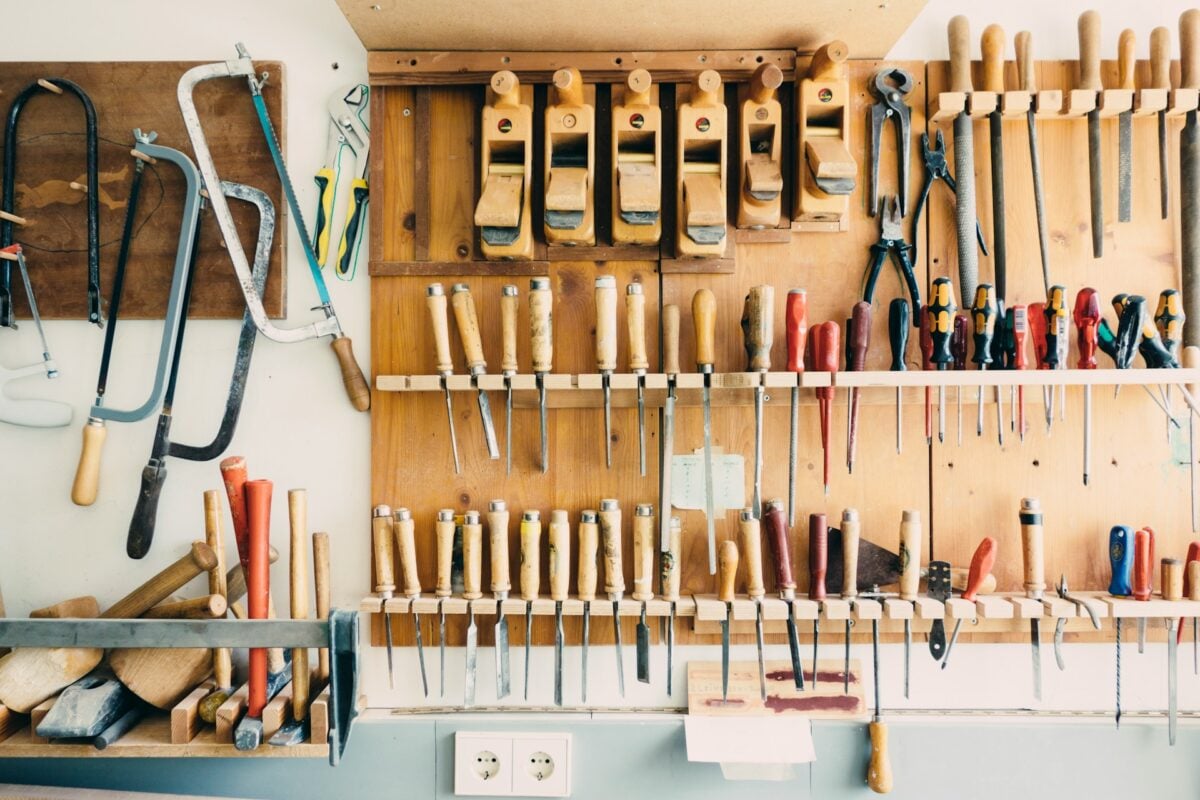
The Keen Kutter brand, associated with the E.C. Simmons Hardware Company, produced a wide range of tools in the early 20th century, and examples bearing the distinctive logo are collected as much for branding history as function.
Union Manufacturing Company Braces
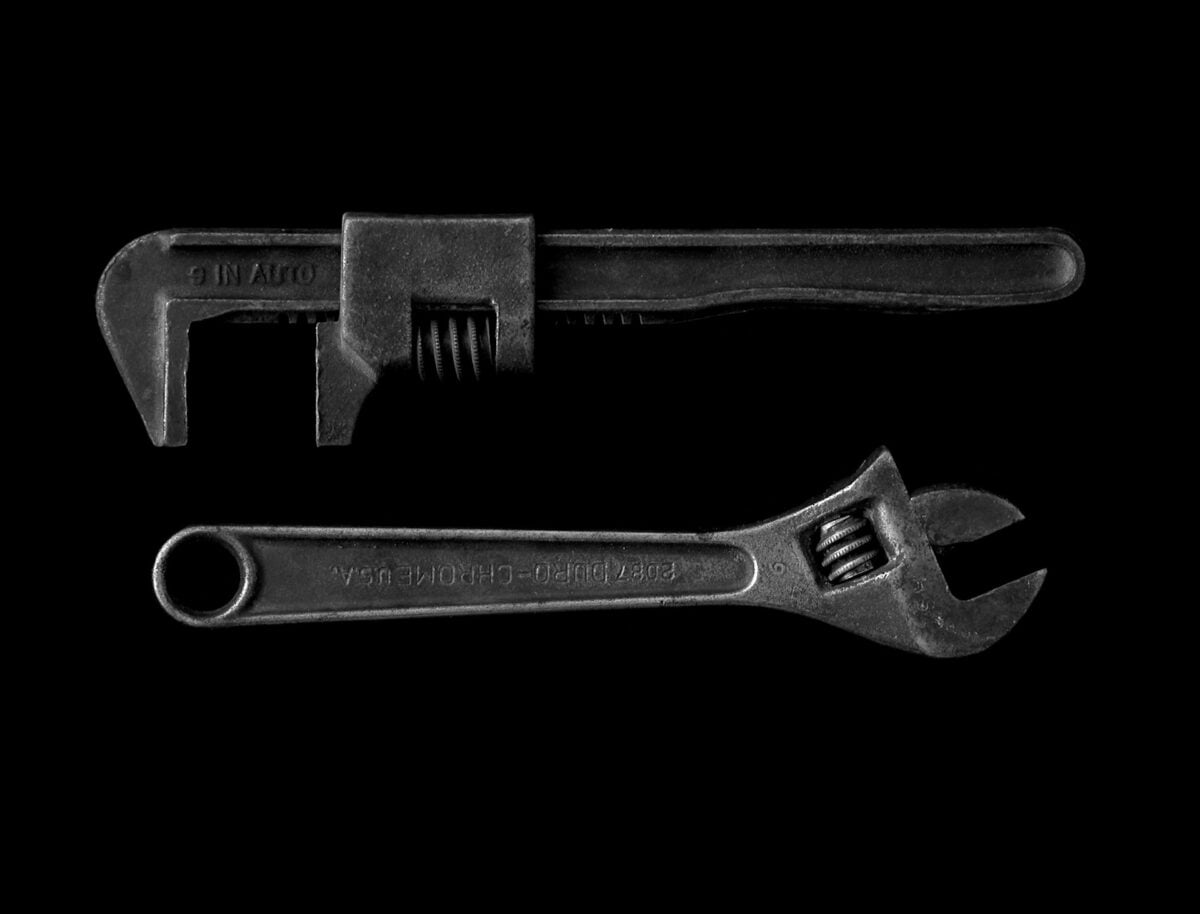
Pre-1900 braces from Union Manufacturing represent some of the earliest American-made examples of the tool, and surviving pieces in working condition are sought by tool historians.
Bridge City Tool Works Precision Instruments
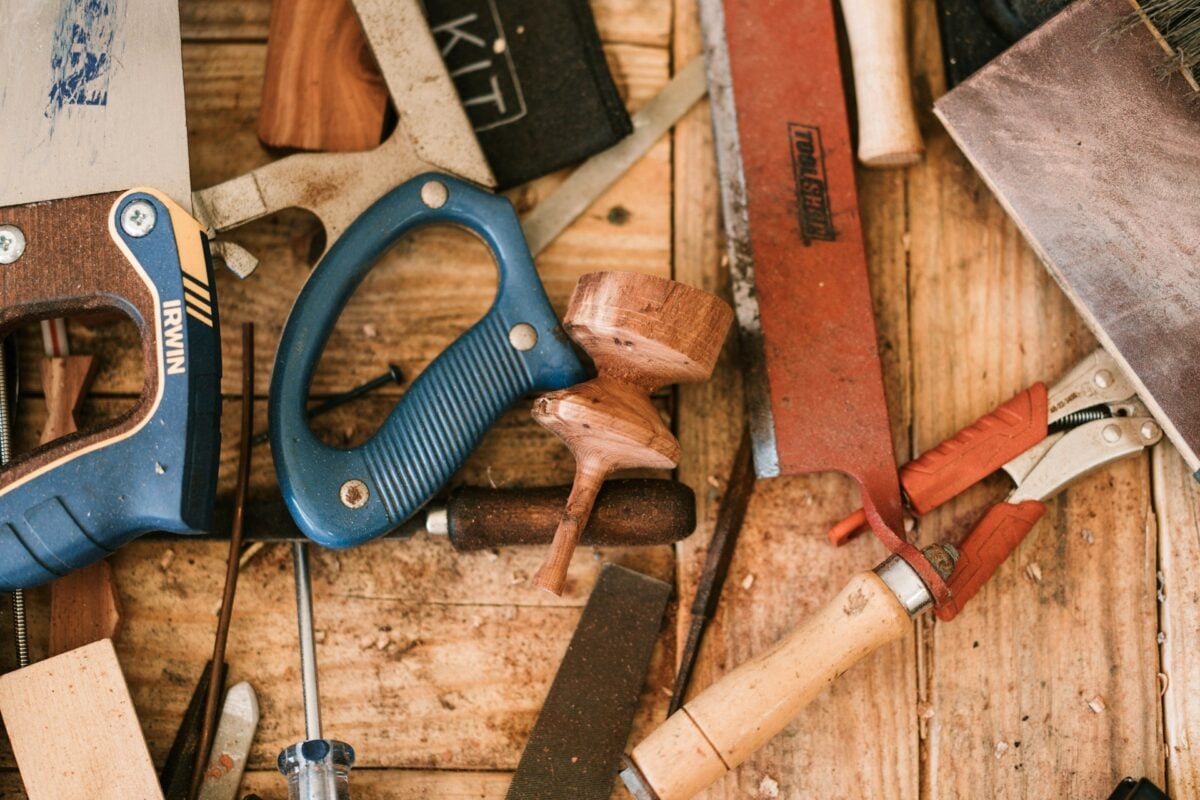
A more modern maker, Bridge City produced limited-run precision woodworking tools starting in the 1980s that were expensive when new and have retained strong resale value due to their small production numbers and craftsmanship.
Vintage Coachmaker’s Planes
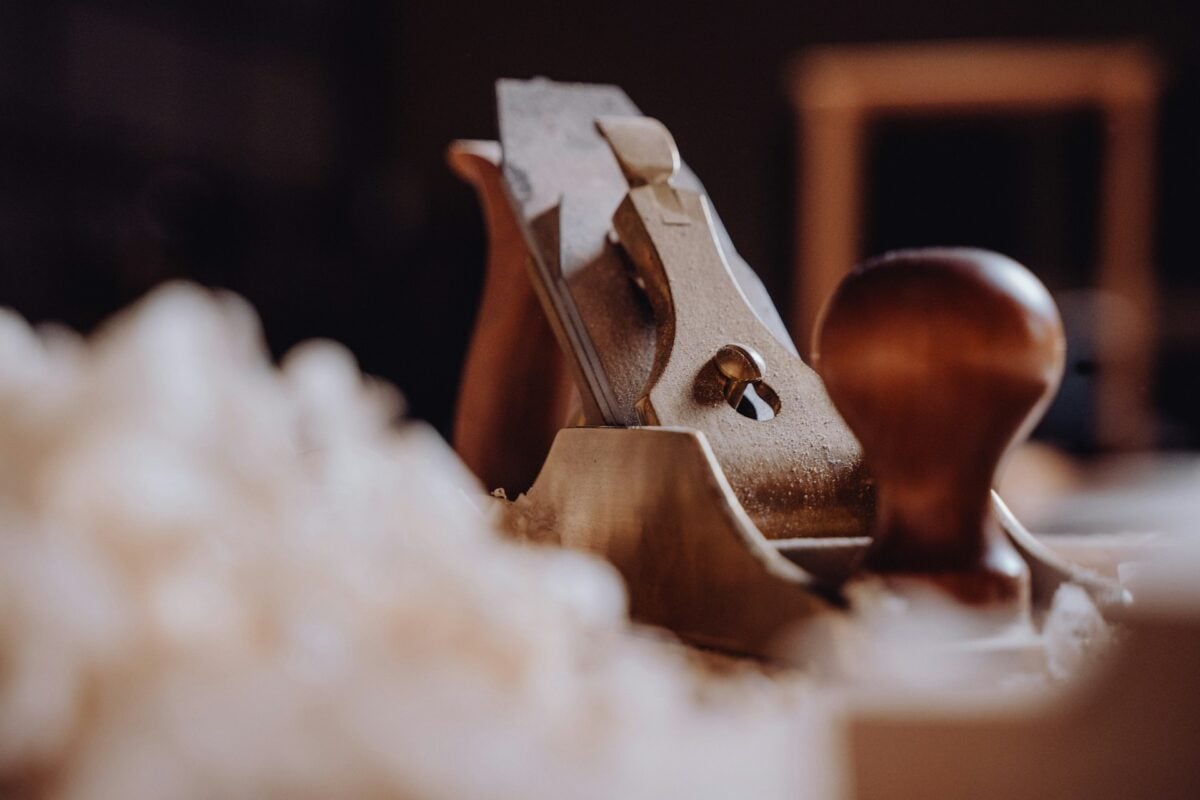
Specialized wooden planes designed for coach and wagon building, largely obsolete since the early 20th century, are collected by tool historians for their unusual profiles and specific historical use.
Stanley No. 4 Smoothing Plane
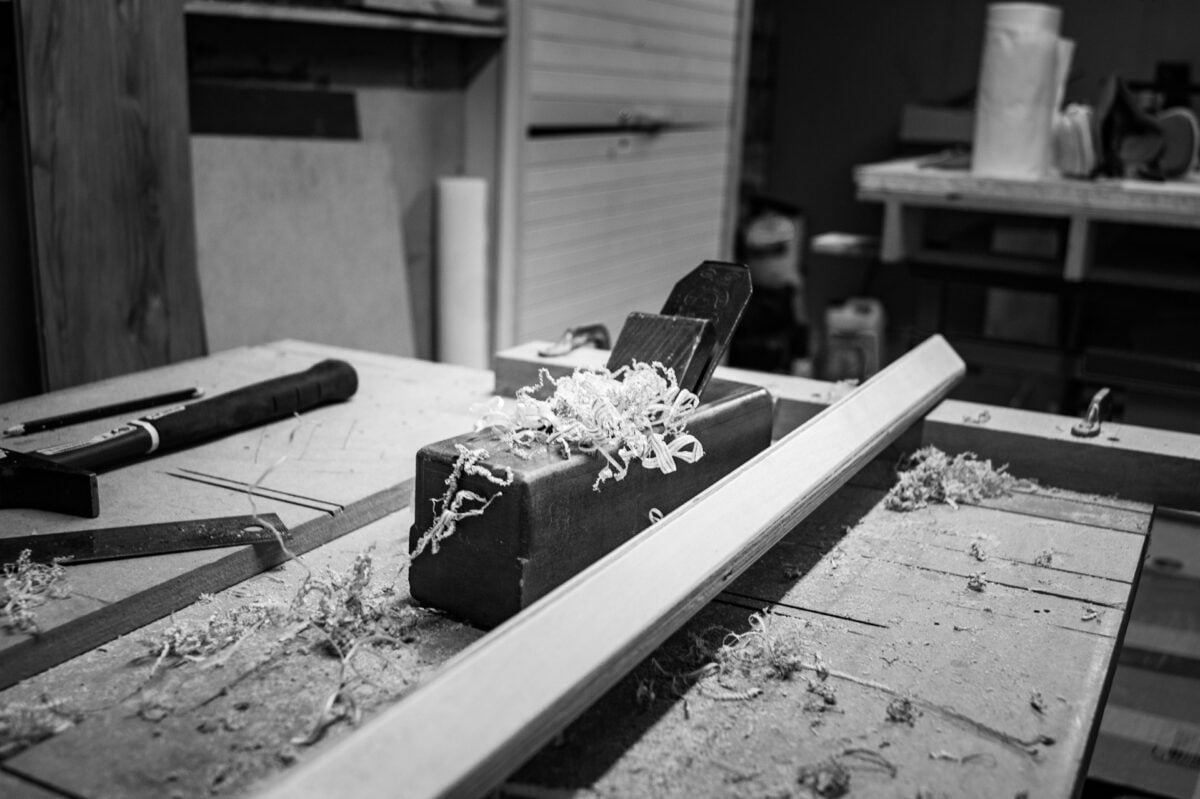
The most common bench plane Stanley produced, the No. 4 remains valuable in its earliest type variations, with collectors tracking specific casting and hardware changes across decades of production.
Disston No. 12 Backsaw
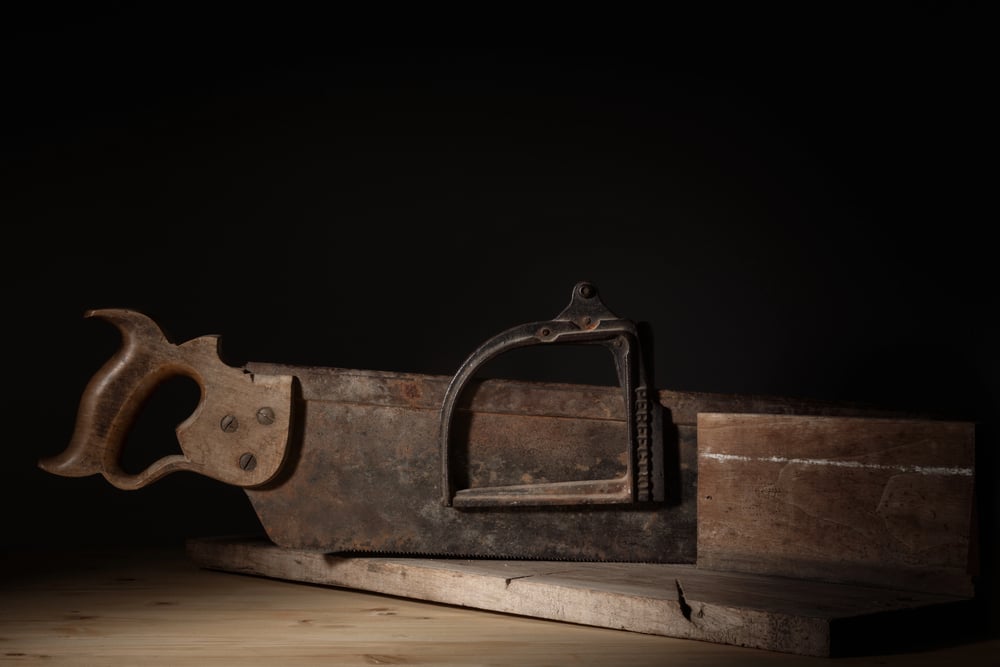
A finely made brass-backed saw used for precise joinery, the Disston No. 12 is prized by hand-tool woodworkers for its balance and cutting accuracy, with clean examples commanding solid collector prices.
Vintage Wood-Bodied Levels

Brass-bound wooden levels from various early manufacturers are collected as much for their craftsmanship as their function, particularly examples with intact glass vials and minimal warping.
E.C. Atkins Handsaws
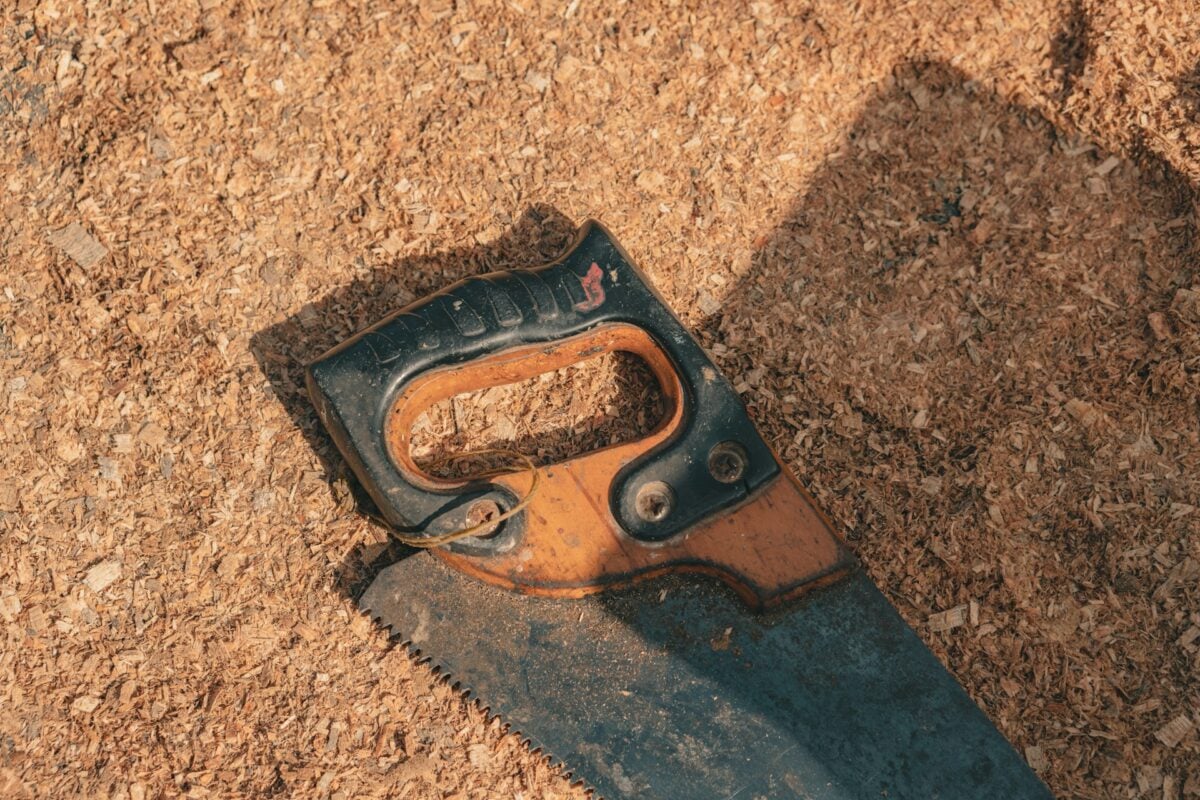
A major competitor to Disston in the early 20th century, Atkins produced quality handsaws that are collected today, particularly examples with distinctive etched medallions.
Stanley No. 604 Bedrock Plane
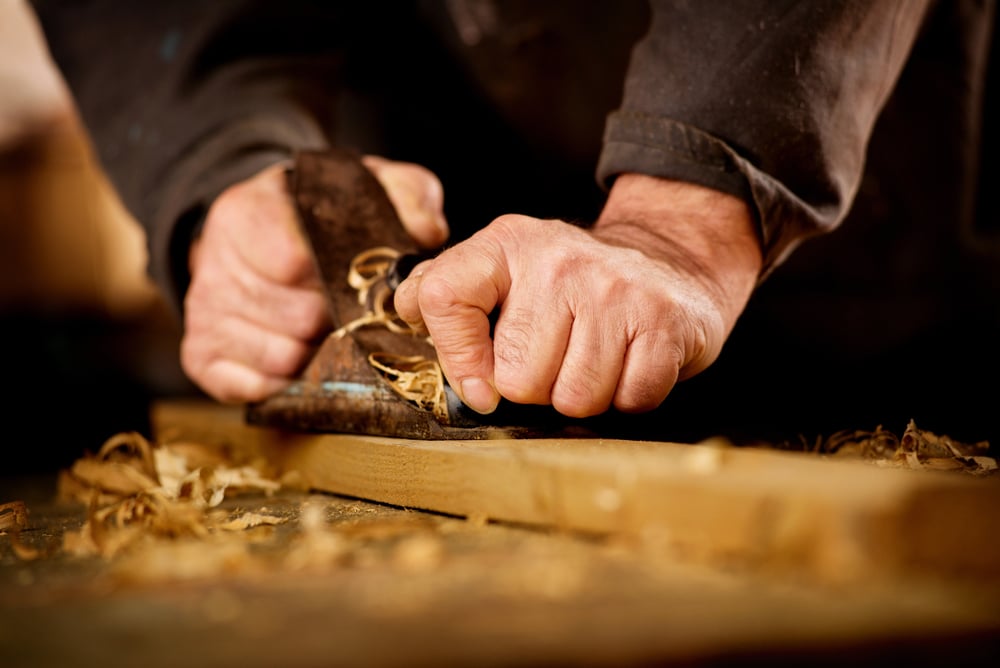
Part of Stanley’s premium Bedrock line, the No. 604 featured improved bed design over standard Bailey planes and commands notably higher prices among serious plane collectors.
Vintage Marples Chisels
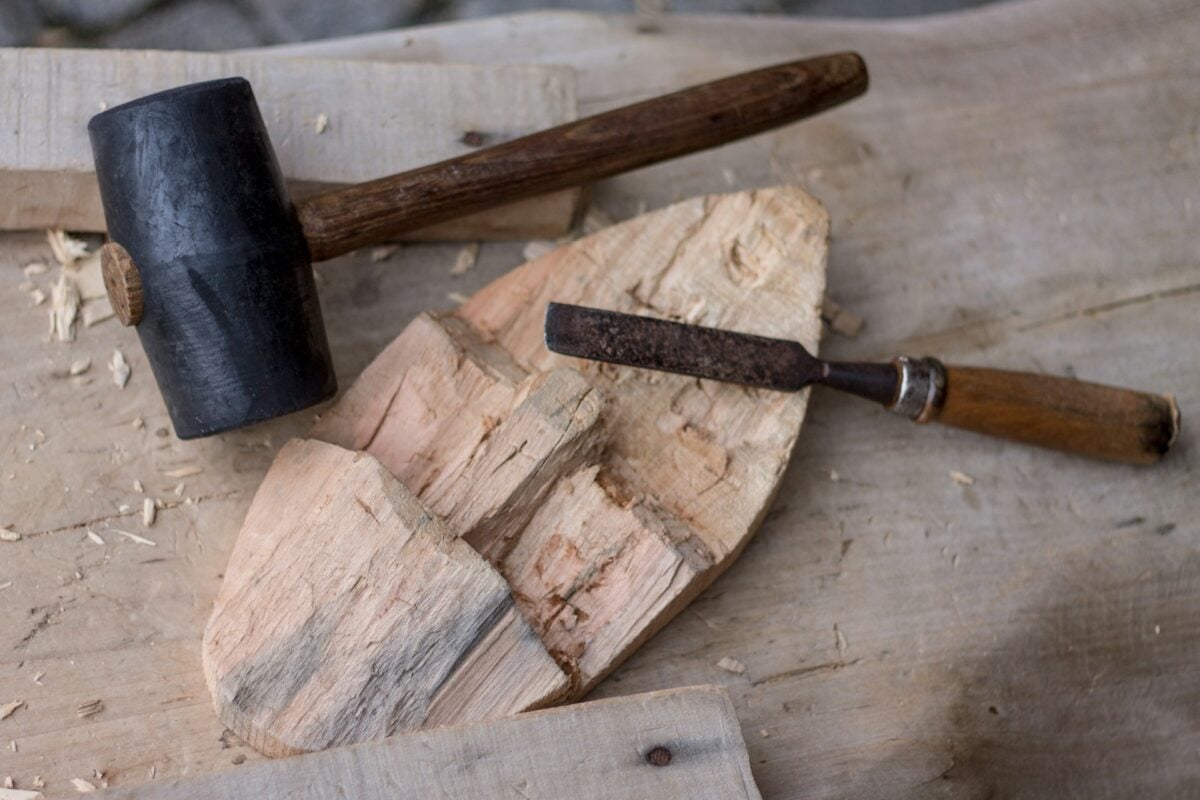
The British firm William Marples produced highly regarded chisels through the 20th century, and older examples with boxwood or rosewood handles are prized by collectors and users alike.
Simonds Saw and Steel Company Tools
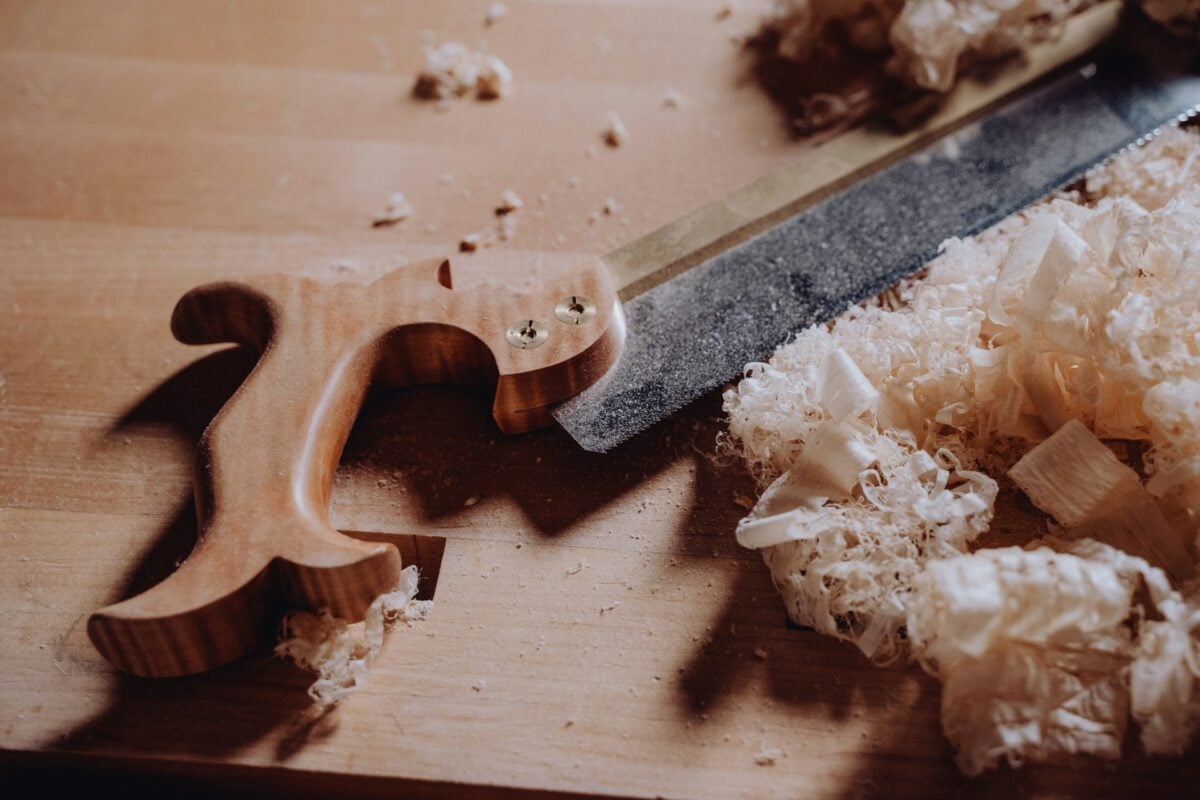
A respected American saw manufacturer, Simonds produced handsaws and other cutting tools valued today for their steel quality, particularly pre-war examples.
Antique Cooper’s Tools
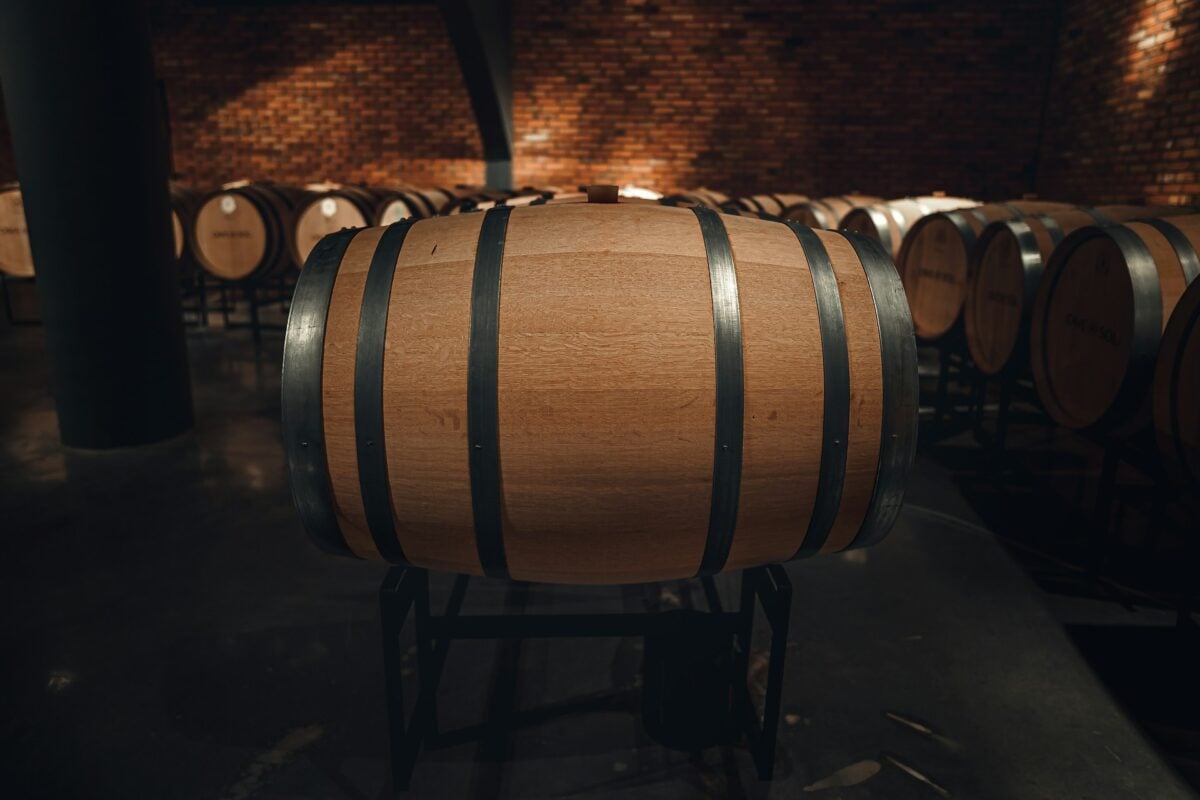
Specialized tools used in barrel-making, including croze planes and howels, represent a niche but dedicated collecting category tied to the near-vanished trade of coopering.
Vintage Blacksmith’s Post Vises
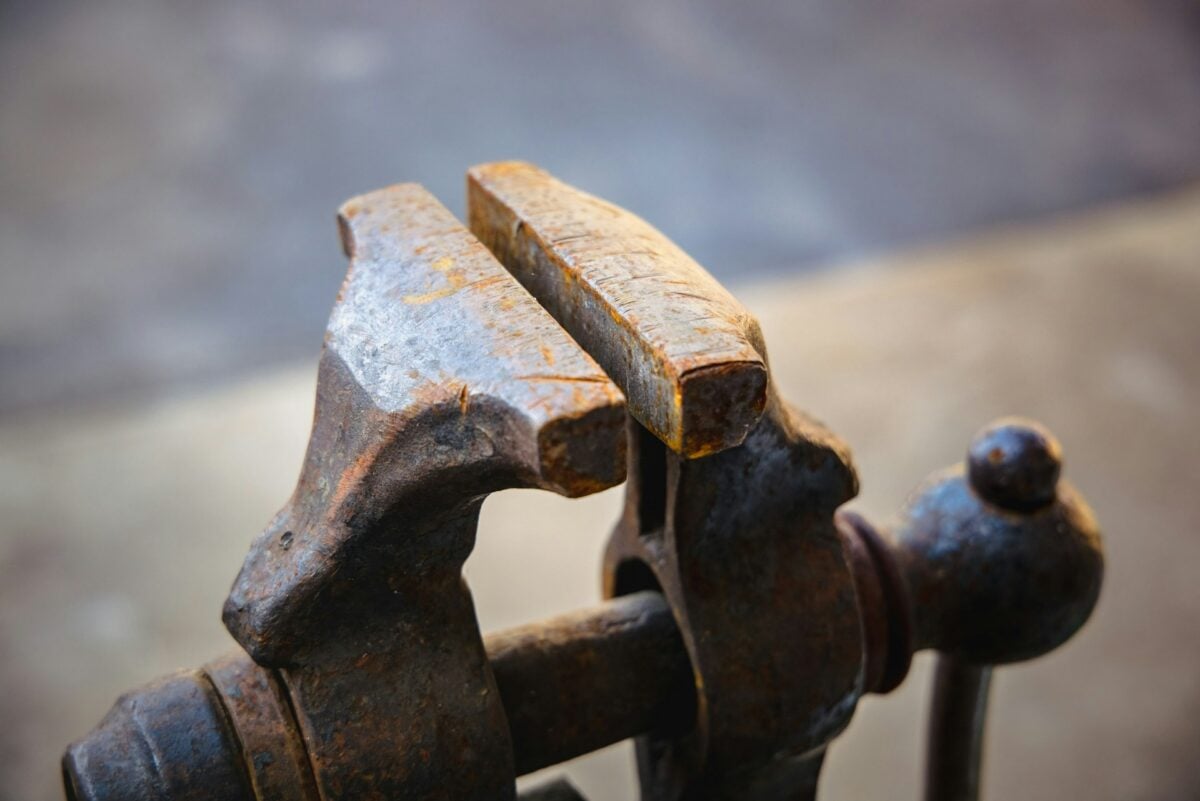
Heavy leg vises used in blacksmithing, particularly examples from established American forges, are collected both by working blacksmiths and by those drawn to industrial antiques.
Millers Falls No. 2 Hand Drill
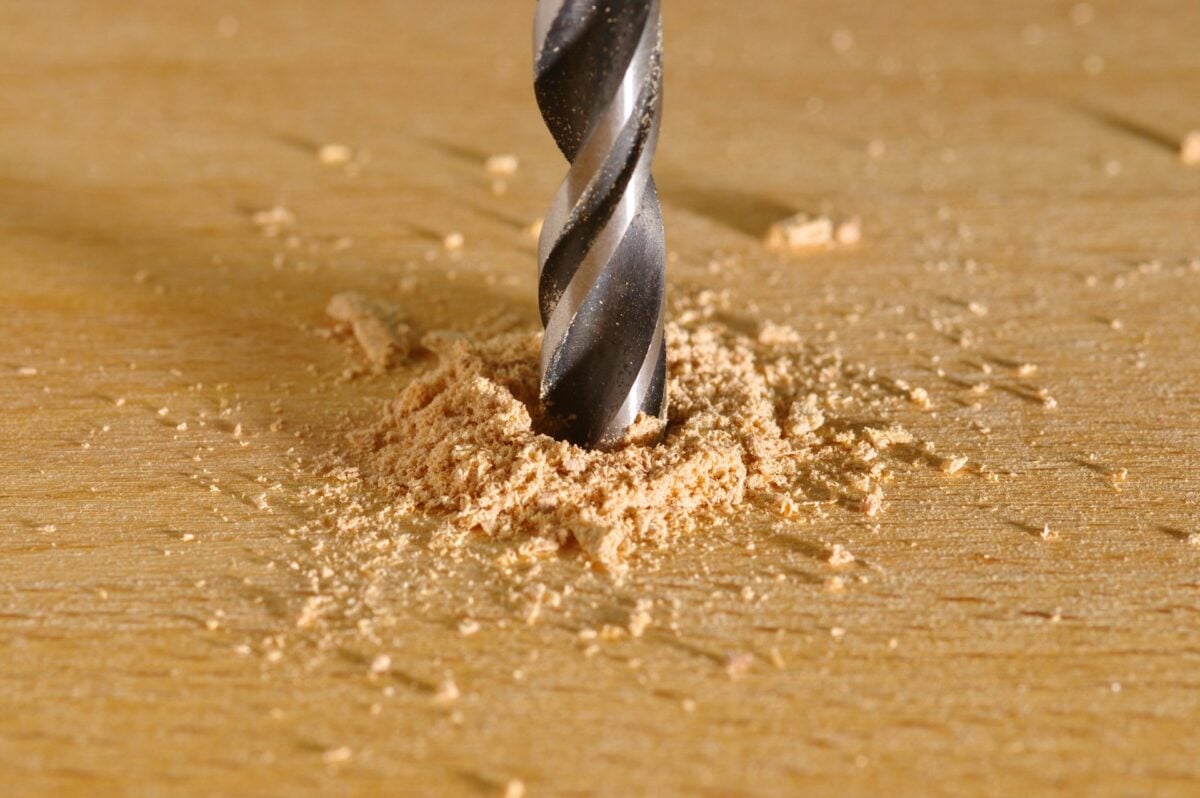
A smaller companion to the larger Millers Falls drills, the No. 2 is prized in particular for its compact size and smooth operation, making it popular among collectors who actually use their tools.
Stanley No. 71 Router Plane
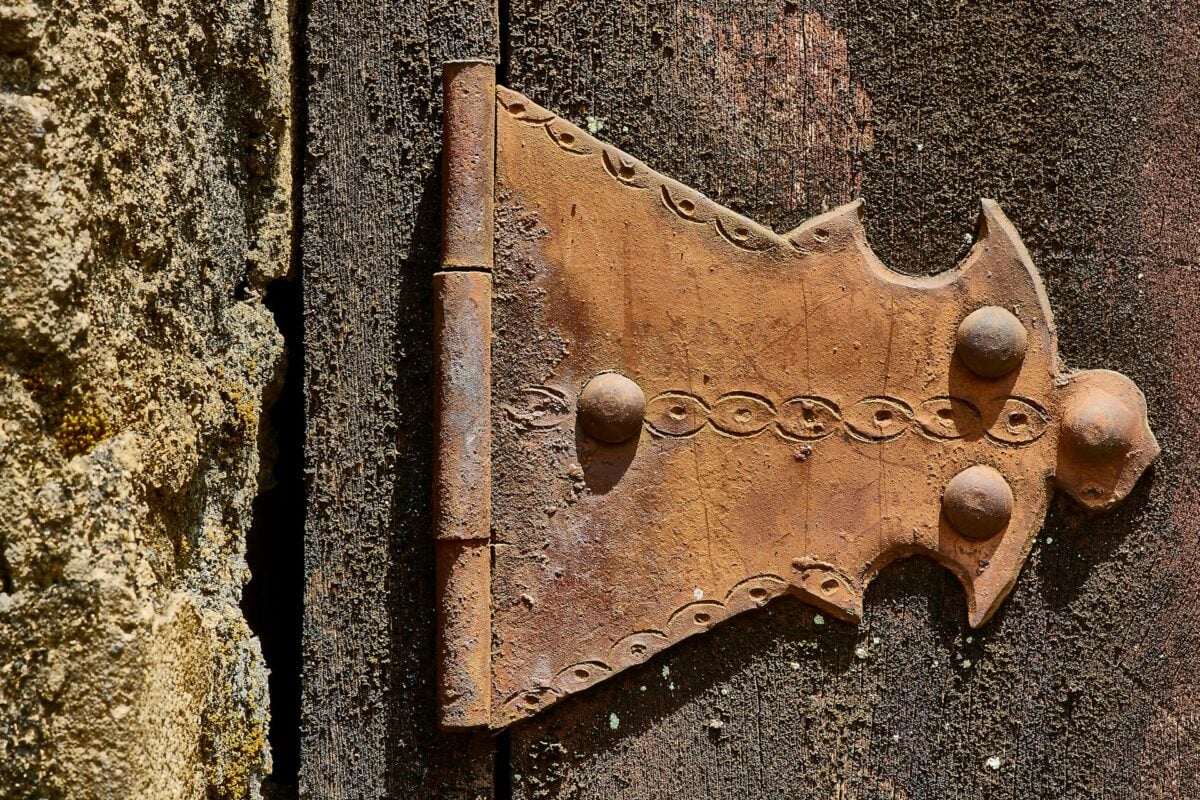
Used for cleaning out recesses like hinge mortises, the No. 71 router plane remains genuinely useful to furniture makers today, keeping demand and prices consistently strong among vintage Stanley tools.
The Weight of a Well-Made Thing
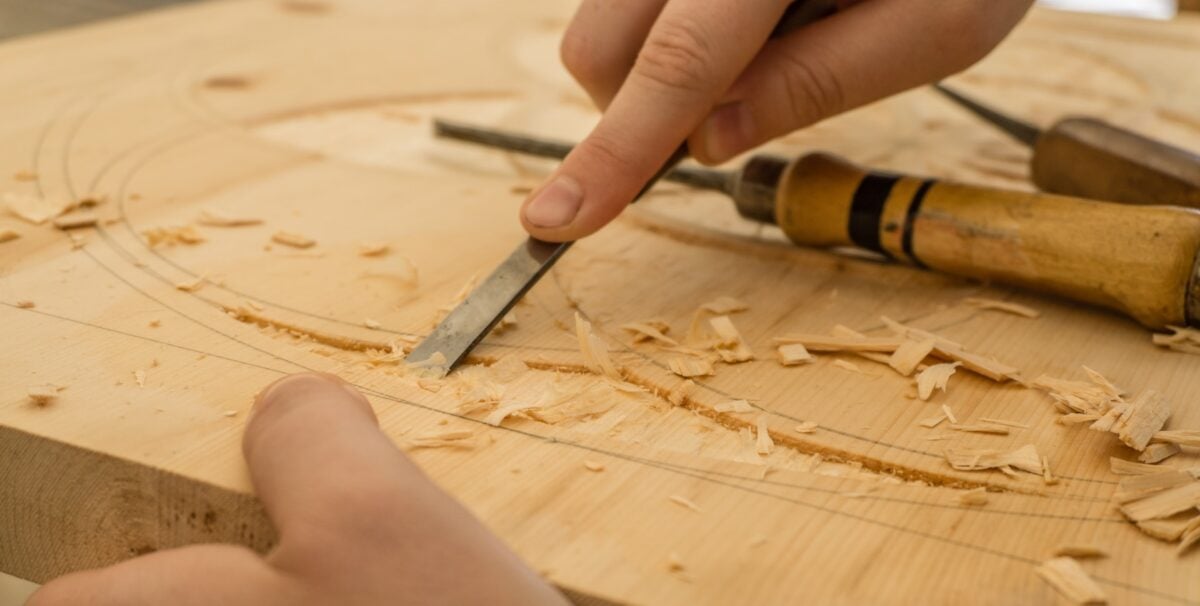
There is a particular kind of satisfaction in an object built to be sharpened, repaired, and passed down rather than discarded when it dulls. That philosophy, largely abandoned by modern manufacturing, is exactly what collectors are paying for when they seek out a forged wrench or a hand-planed sole.
The garage was never really storing junk. It was storing a version of craftsmanship that doesn’t get made the same way anymore, waiting for someone to notice the difference between old and merely worn out.
More from Go2Tutors!

- The Romanov Crown Jewels and Their Tragic Fate
- 13 Historical Mysteries That Science Still Can’t Solve
- Famous Hoaxes That Fooled the World for Years
- 15 Child Stars with Tragic Adult Lives
- 16 Famous Jewelry Pieces in History
Like Go2Tutors’s content? Follow us on MSN.