Ocean Creatures Few Have Ever Seen
The ocean covers more than 70 percent of Earth’s surface, yet we’ve explored less of it than we have the surface of the moon.
Down in the deepest, darkest parts of the sea, where sunlight never reaches and the pressure could crush most unreinforced submersibles, creatures exist that seem pulled straight from science fiction.
These animals have evolved bizarre adaptations to survive in one of the harshest environments on the planet, developing features so strange they’re hard to believe.
Most of these deep-sea dwellers live their entire lives without ever encountering a human.
Scientists catch rare glimpses through specialized cameras and remotely operated vehicles, but many species remain mysteries despite decades of research.
Some glow in the dark to attract prey, others have transparent heads or teeth too large for their mouths.
Here’s a list of 15 ocean creatures that few people have ever laid eyes on.
Barreleye Fish
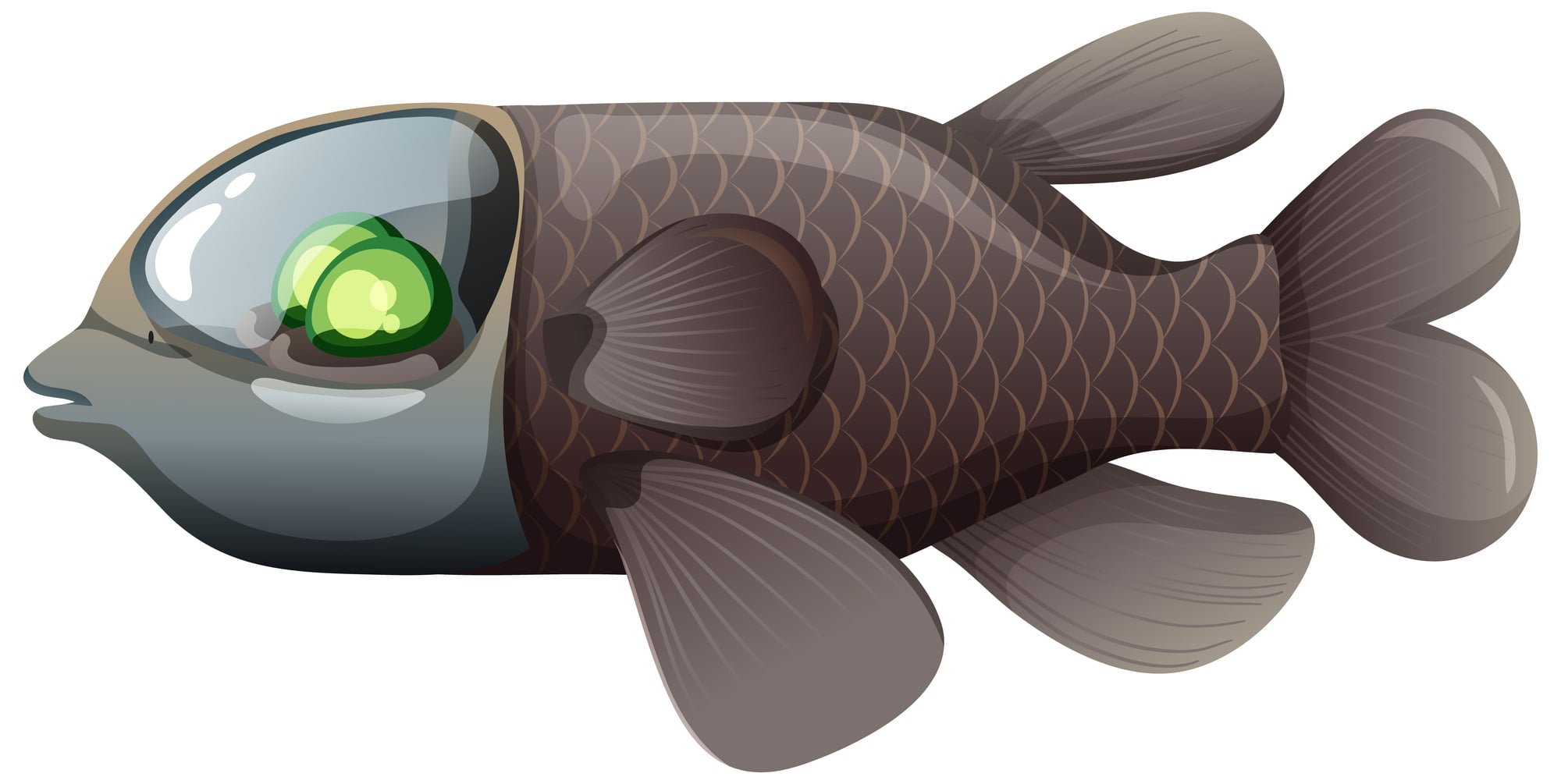
Picture a fish with a completely transparent head filled with fluid, and you’ve got the barreleye.
This deep-sea creature lives mainly in the North Pacific Ocean at depths of 600 to 800 meters, roughly 2,000 to 2,600 feet below the surface.
Its transparent dome protects tubular eyes that can rotate upward to scan for prey silhouetted against the faint light from above, then swivel forward when the fish needs to eat.
Scientists first described this fish in 1939, but the Monterey Bay Aquarium Research Institute didn’t capture video of a living specimen with its transparent shield intact until 2004, because the delicate structure usually collapses when brought to the surface.
Giant Phantom Jelly
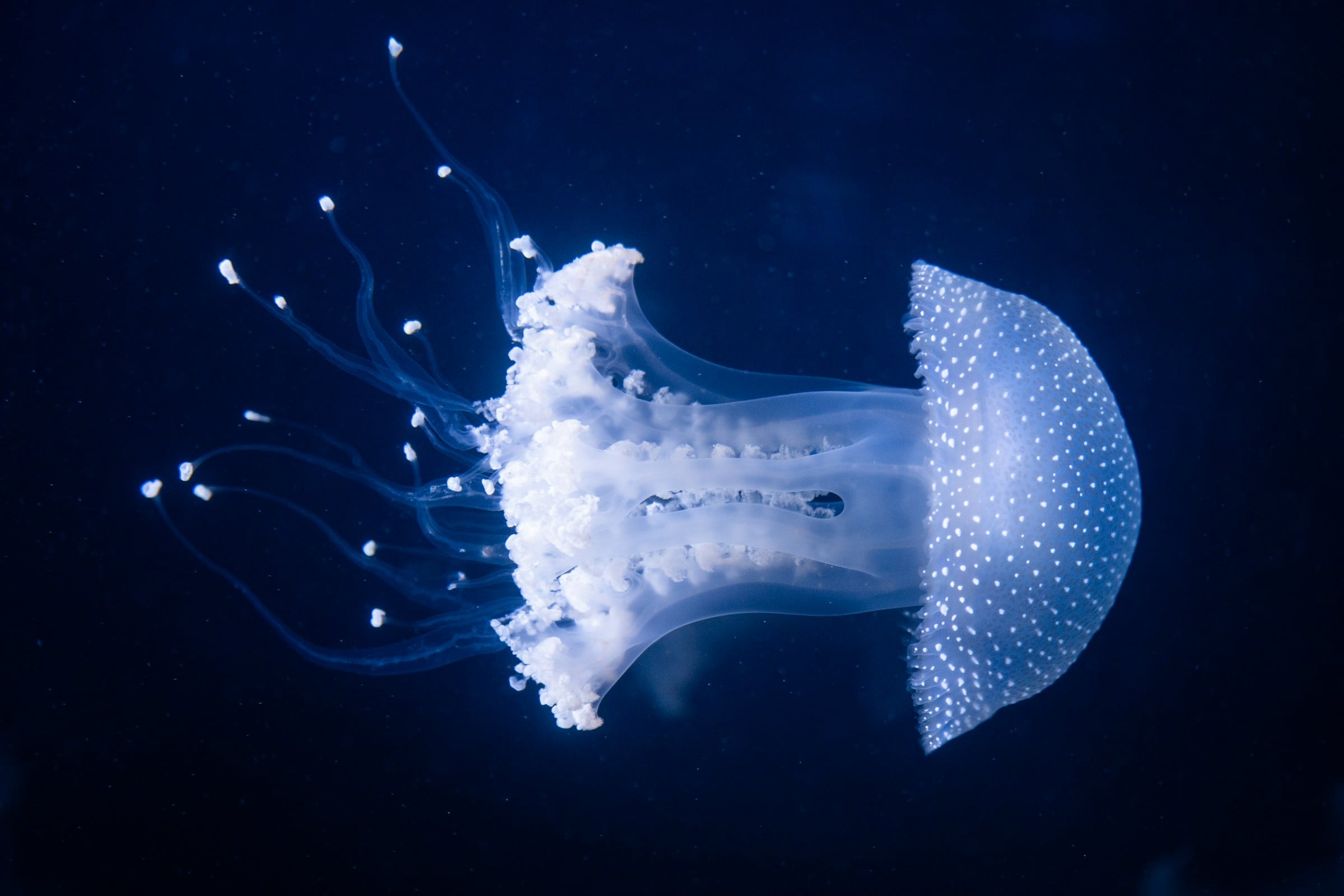
The giant phantom jelly can reach a total length of up to 33 feet when you include its long ribbon-like mouth arms that trail behind it.
This species was first described in 1910, but fewer than 130 confirmed observations have been documented worldwide since then.
The jelly uses its trailing arms to catch prey and propels itself through the pitch-black depths with periodic pulses from its faintly glowing bell.
Scientists believe it inhabits all major oceans except the Arctic, making it a truly global deep-sea dweller despite being so rarely encountered.
Like Go2Tutors’s content? Follow us on MSN.
Dumbo Octopus
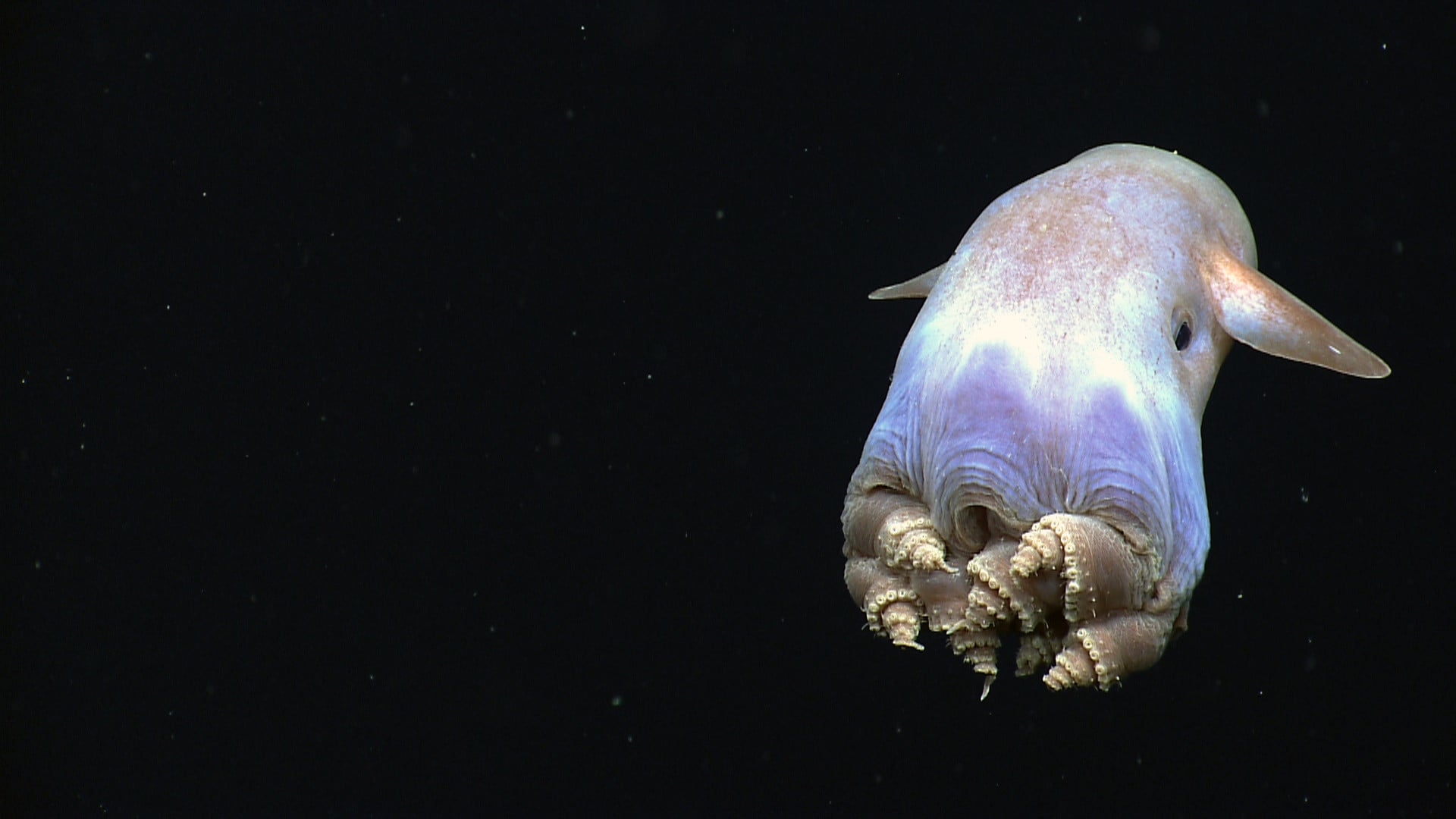
The deepest-living octopuses known to science, dumbo octopuses get their name from the ear-like fins on top of their heads that look just like Disney’s famous elephant.
These adorable creatures can live at depths down to approximately 7,000 meters, or around 22,900 feet below the surface, where temperatures are near freezing and the pressure is crushing.
They only grow to about 8 inches tall and use those distinctive fins to propel themselves through the water.
Female dumbos have evolved a clever reproductive strategy—they carry eggs at different developmental stages so they can fertilize the mature ones immediately if they happen to encounter a male in the vast darkness.
Goblin Shark
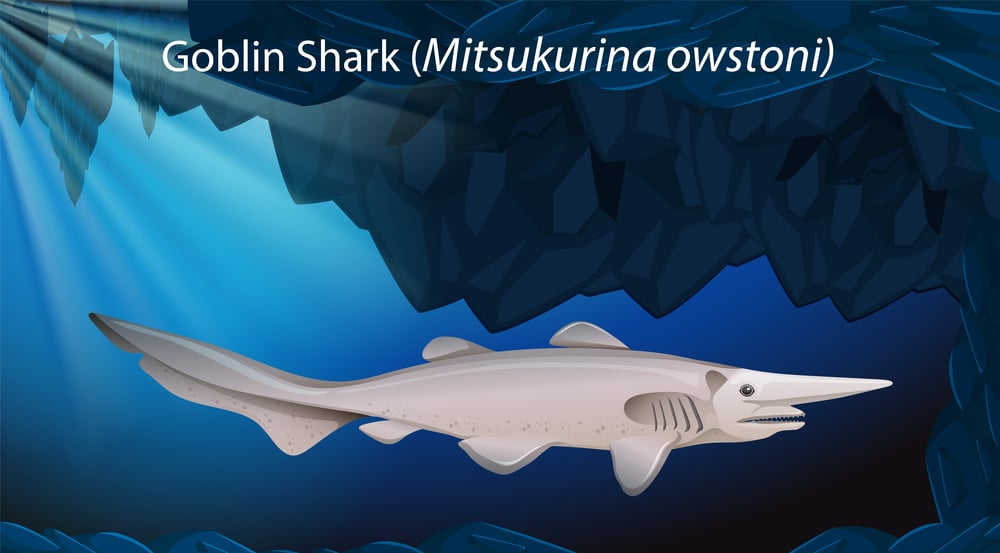
Often called a living fossil, the goblin shark belongs to a family that’s remained virtually unchanged for 125 million years.
This rare deep-sea predator has a long, blade-like snout extending above its mouth and pinkish skin that gives it an otherworldly appearance.
Found in the Atlantic, Indian, and Pacific Oceans at depths mainly between 330 and 4,300 feet, the shark can thrust its jaws forward to snag prey.
It uses special sensing organs called ampullae of Lorenzini to detect electric fields in the dark water.
Deep-sea debris has been found in some stomach samples, suggesting these ancient predators occasionally ingest human waste material that has sunk to the ocean floor.
Vampire Squid
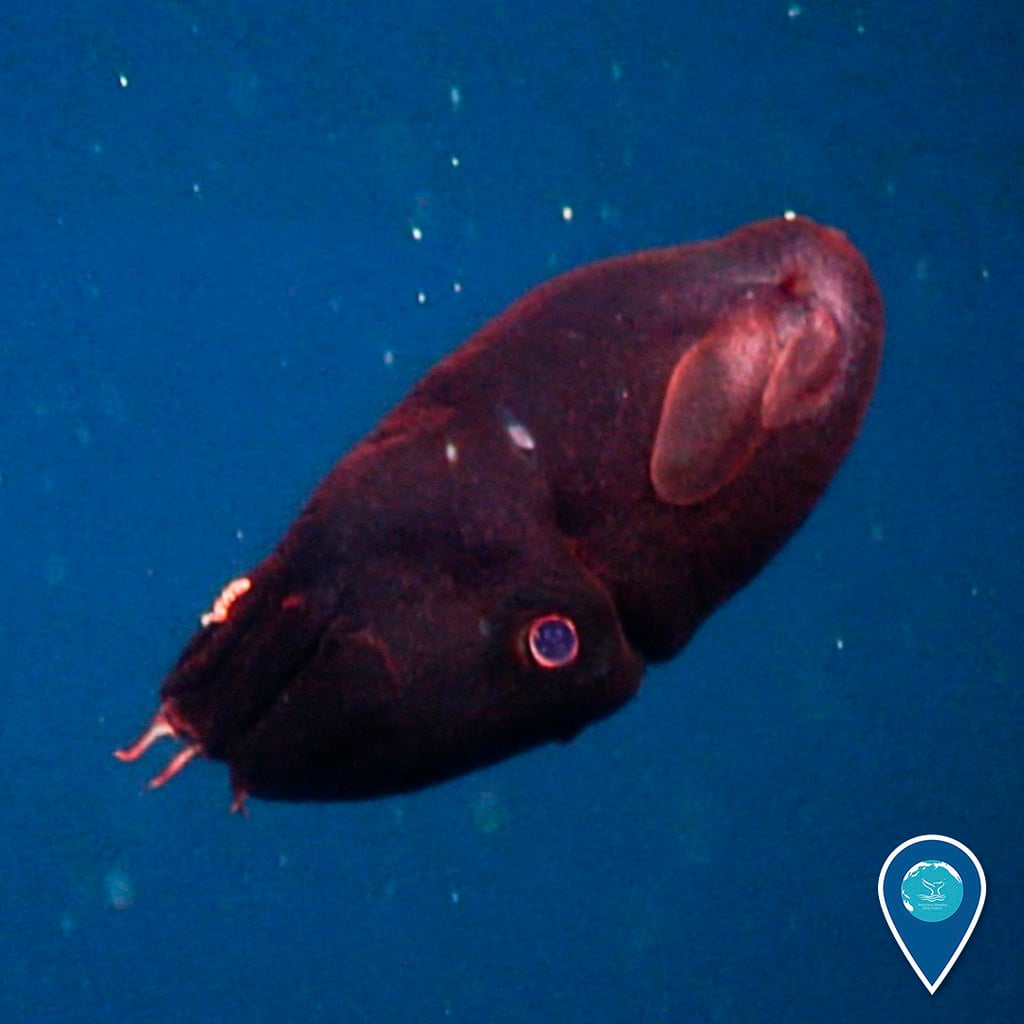
Despite its terrifying scientific name that translates to ‘vampire squid from hell,’ this creature is actually quite harmless.
It’s neither a true squid nor an octopus but occupies its own unique classification.
The vampire squid lives at depths of 600 to 3,000 feet in oxygen-minimum zones and gets its spooky name from its blood-red to black coloration and the cape-like webbing that connects its arms.
Instead of drinking blood, it feeds on marine snow—floating debris like dead plankton and fecal matter that drifts down from above.
When threatened, it can squirt mucus filled with luminous particles, surrounding itself in a glowing cloud to confuse predators.
Like Go2Tutors’s content? Follow us on MSN.
Fangtooth Fish
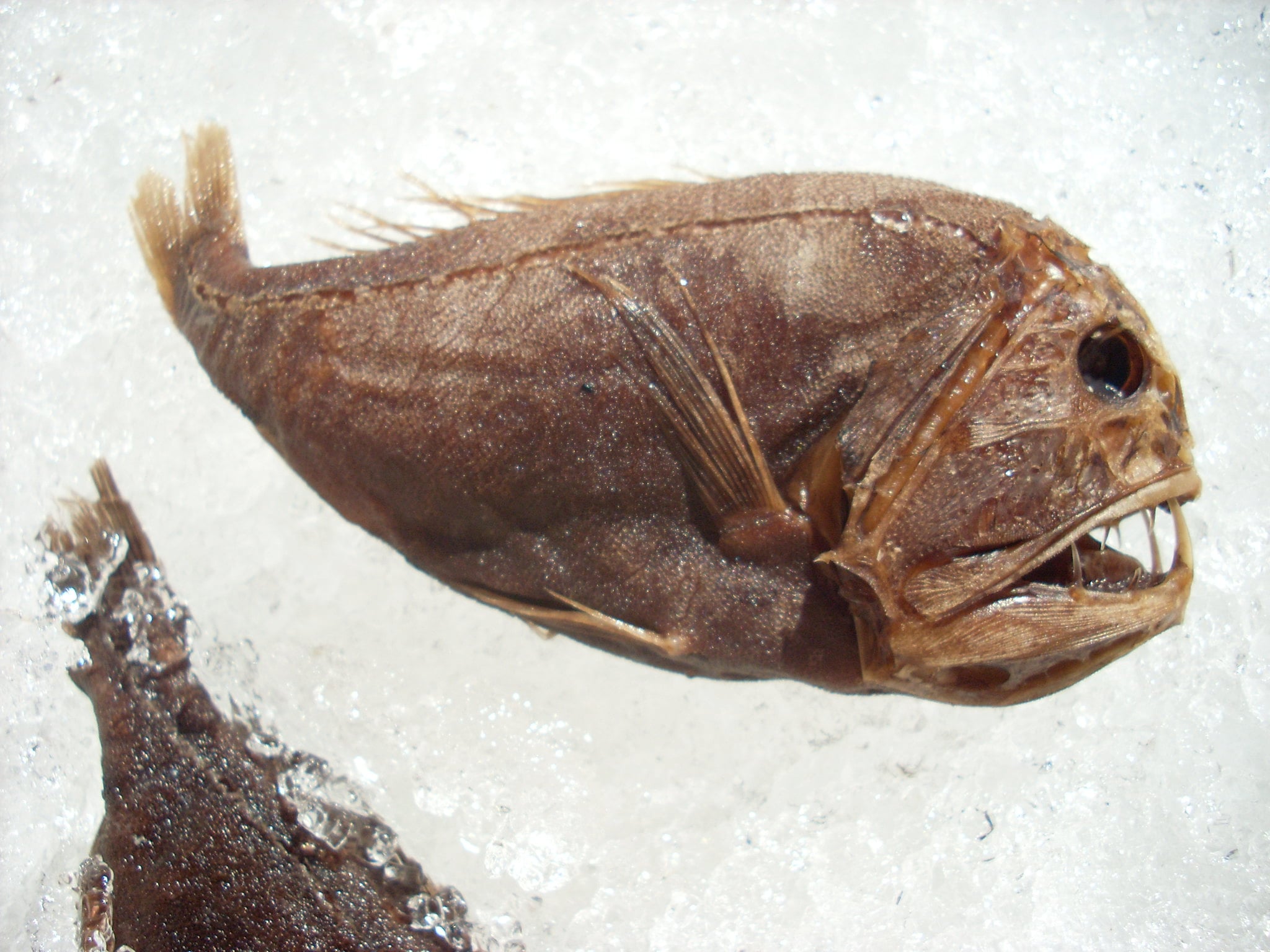
The fangtooth has teeth so large they don’t even fit inside its mouth, earning it a spot among the ocean’s most nightmare-inducing residents.
Relative to body size, this seven-inch fish has the largest teeth of any sea creature.
It typically lives in the mesopelagic and bathypelagic zones at depths between 660 and 6,500 feet, roughly 200 to 2,000 meters below the surface.
Scientists rarely see fangtooth fish alive, so much about their behavior remains a mystery.
They hunt by opening their mouths and sucking in like underwater vacuums, eating basically anything that fits.
Anglerfish
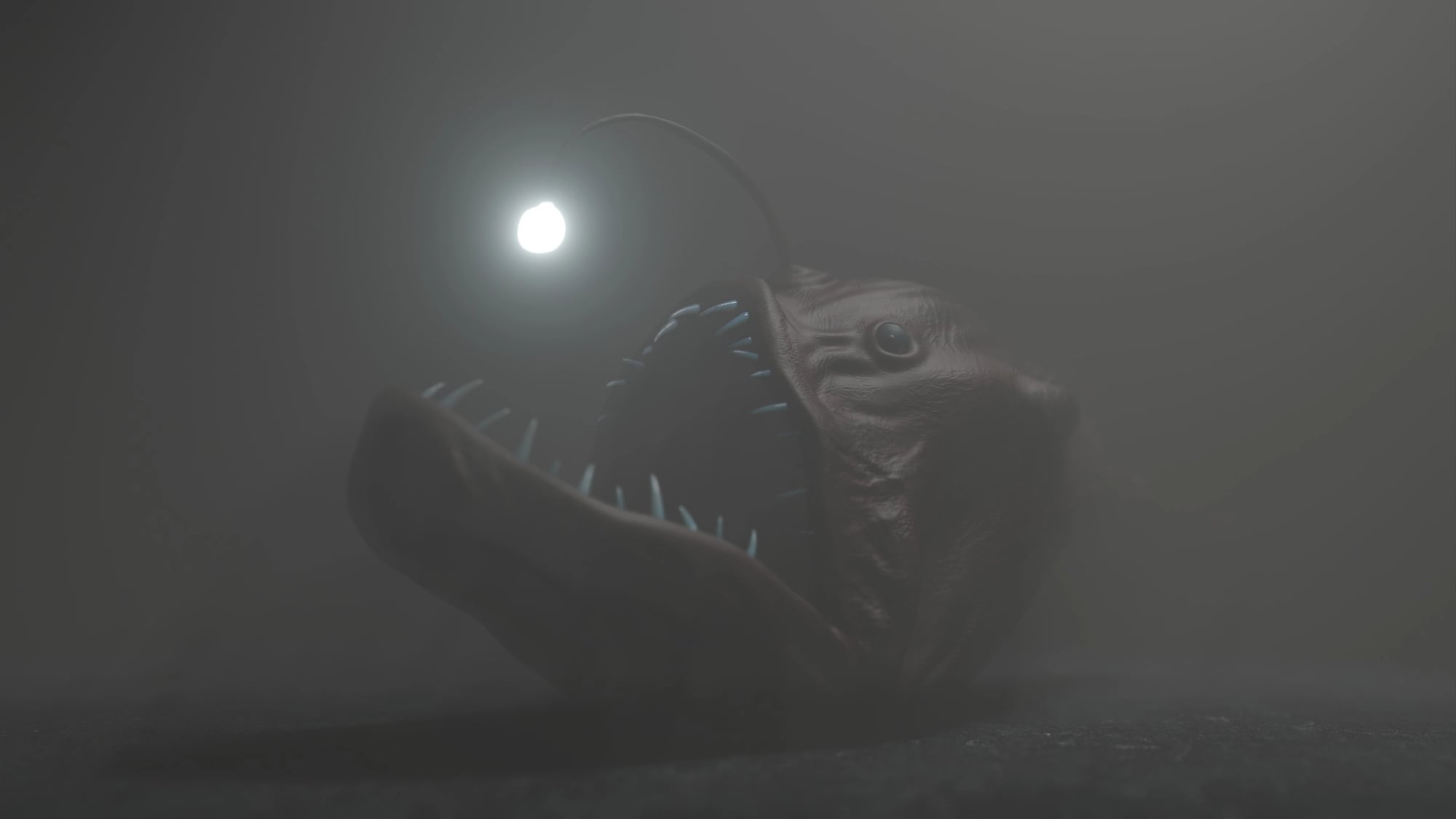
Deep-sea anglerfish females sport one of the most recognizable features in the ocean—a bioluminescent lure dangling from their foreheads like a fishing rod.
Tiny bacteria living in the lure produce the glow, which attracts prey in the darkness.
These fish have massive mouths and expandable stomachs that let them swallow prey twice their size, making the most of rare feeding opportunities.
Males have an even stranger fate in this parasitic mating system—they’re ten times smaller than females and survive by biting into a female’s body and fusing with her permanently, losing their eyes and internal organs except their testes.
Up to eight males have been recorded fused to a single female anglerfish.
Blobfish
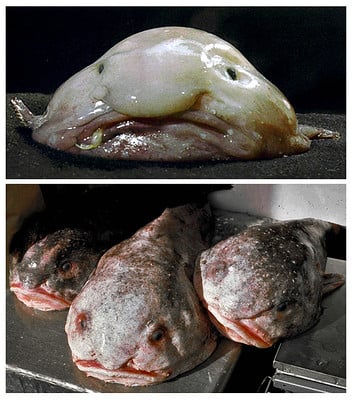
The blobfish earned its reputation as one of the world’s ugliest animals through a 2013 Ugly Animal Preservation Society poll, but that’s not entirely fair.
At depths of 2,000 to 3,900 feet where it lives off the coasts of Australia and New Zealand, the blobfish looks relatively normal because its gelatinous, low-density body is perfectly adapted to extreme pressure.
The fish doesn’t have a swim bladder and instead relies on tissue that’s slightly less dense than water to float above the seafloor.
When brought to the surface, however, the lack of pressure causes its body to expand and collapse into the saggy, blob-like mess that earned it fame.
In its natural habitat, it’s just a fish trying to survive.
Like Go2Tutors’s content? Follow us on MSN.
Gulper Eel
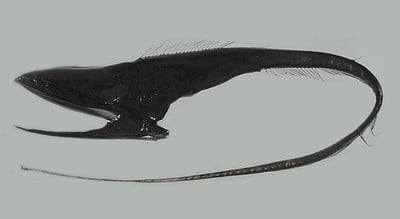
The gulper eel looks like someone attached a tiny body to an enormous mouth.
Its massive jaws can unhinge and expand to swallow prey larger than itself, with an elastic stomach that stretches to accommodate the meal.
The eel’s long, whip-like tail ends in a light-producing organ that glows pink or red in the darkness.
Living at typical depths between 3,000 and 9,000 feet, these eels demonstrate how deep-sea creatures have evolved to maximize every feeding opportunity in an environment where meals are few and far between.
Giant Isopod
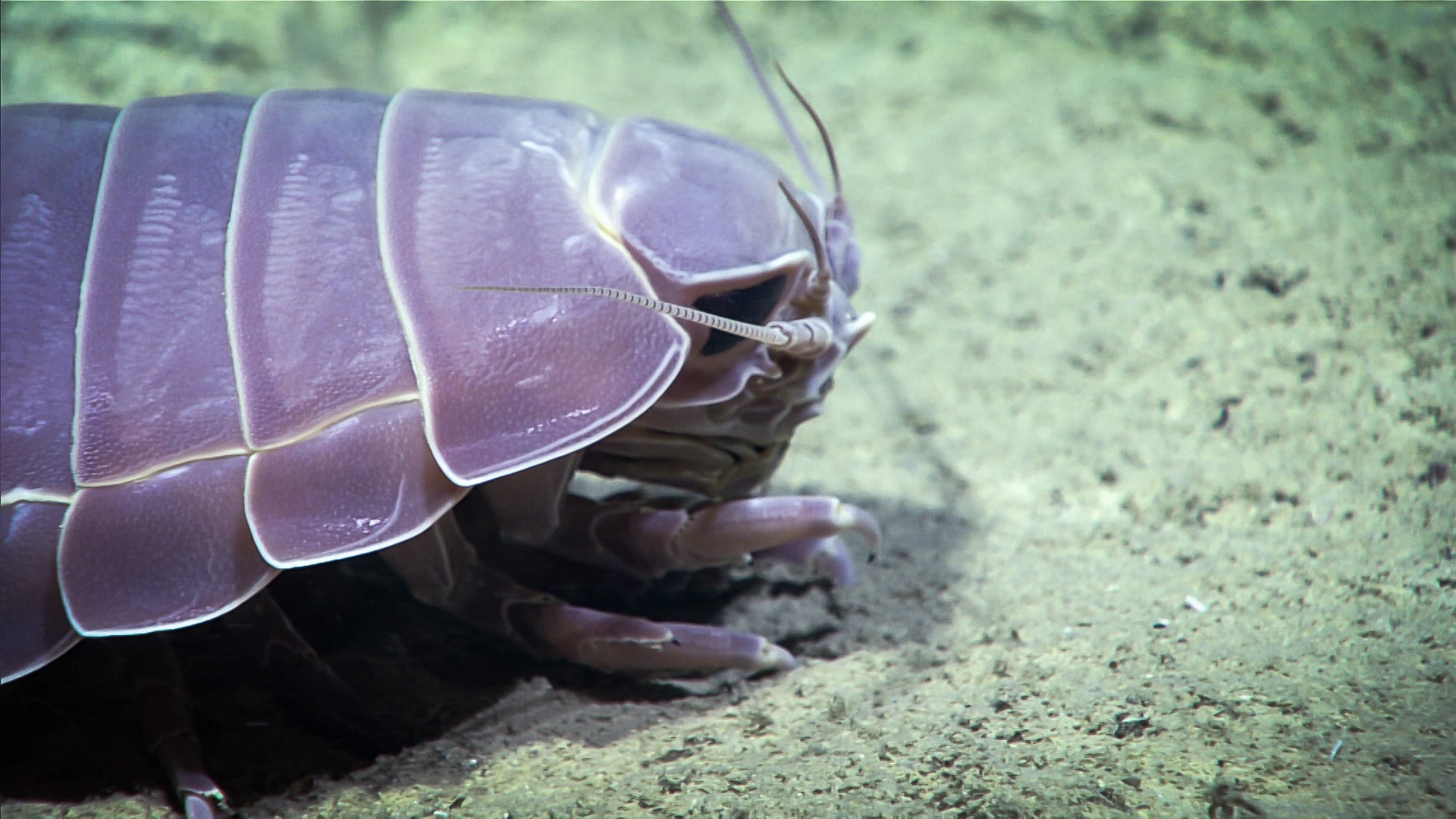
Imagine a pill bug the size of a small dog, and you’ve got the giant isopod.
This creature is a prime example of deep-sea gigantism, where animals grow much larger than their shallow-water relatives.
Giant isopods can reach lengths over 20 inches and live at depths between 560 and 7,020 feet.
They’re primarily scavengers, crawling along the seafloor eating bits of dead fish, crustaceans, and sea sponges.
Their role as ocean janitors makes them crucial for nutrient recycling in deep-sea ecosystems, though most people will never see one outside of research footage.
Yeti Crab
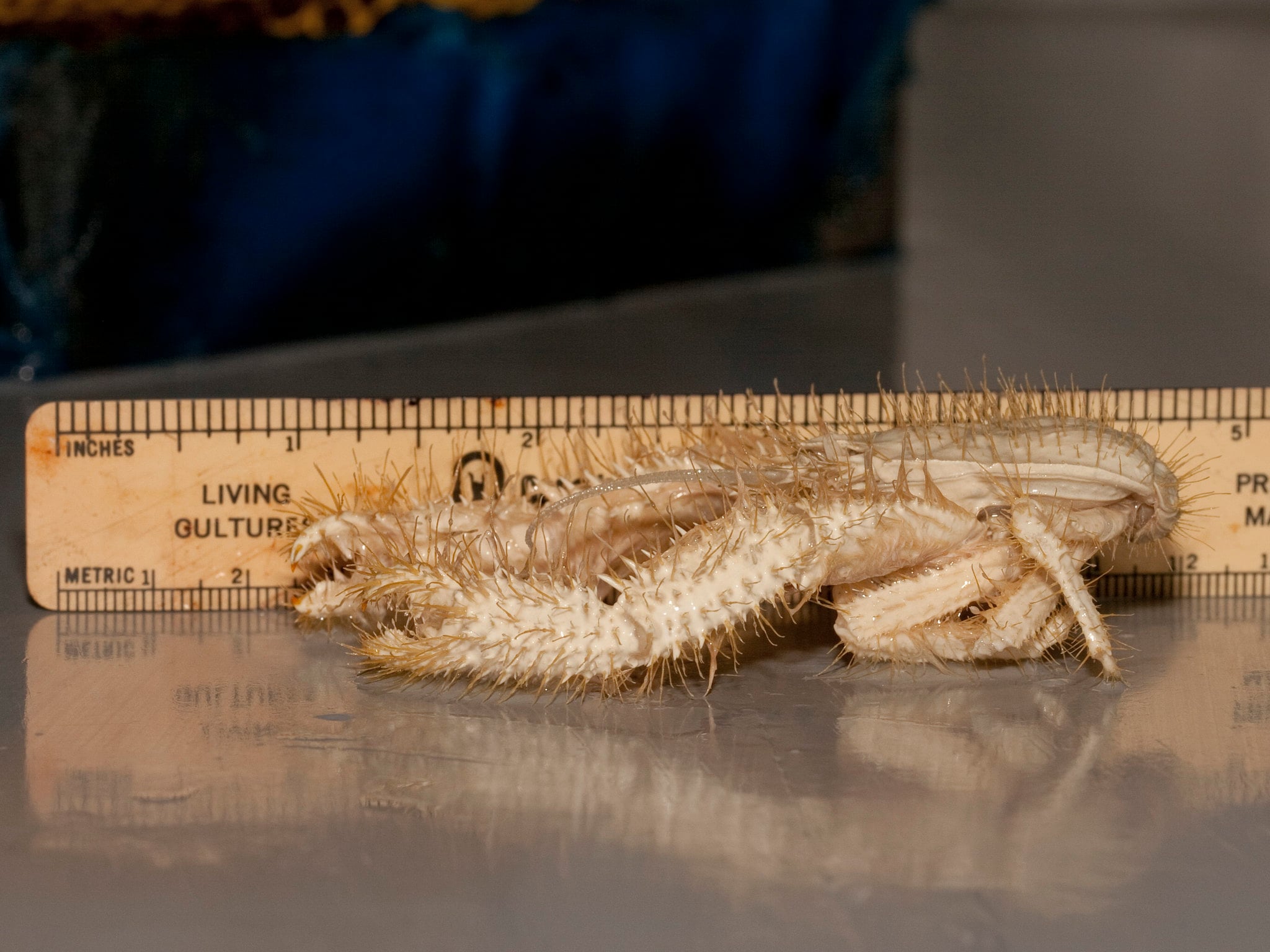
Discovered in 2005 south of Easter Island at a depth of 2,200 meters, yeti crabs live in one of the most extreme environments on Earth—deep-sea hydrothermal vents where boiling water spews from the seafloor.
These crabs have hairy-looking legs covered in filaments that may host bacteria, possibly helping them detoxify poisonous minerals in the vent water or providing a food source.
The vents sit at points where tectonic plates split apart and hot lava rises, creating pockets of blisteringly hot water surrounded by freezing ocean.
Later-discovered species like Kiwa puravida and Kiwa tyleri have been found near hydrothermal vents and cold seeps, showing these creatures thrive in this narrow zone between fire and ice.
Like Go2Tutors’s content? Follow us on MSN.
Hoodwinker Sunfish
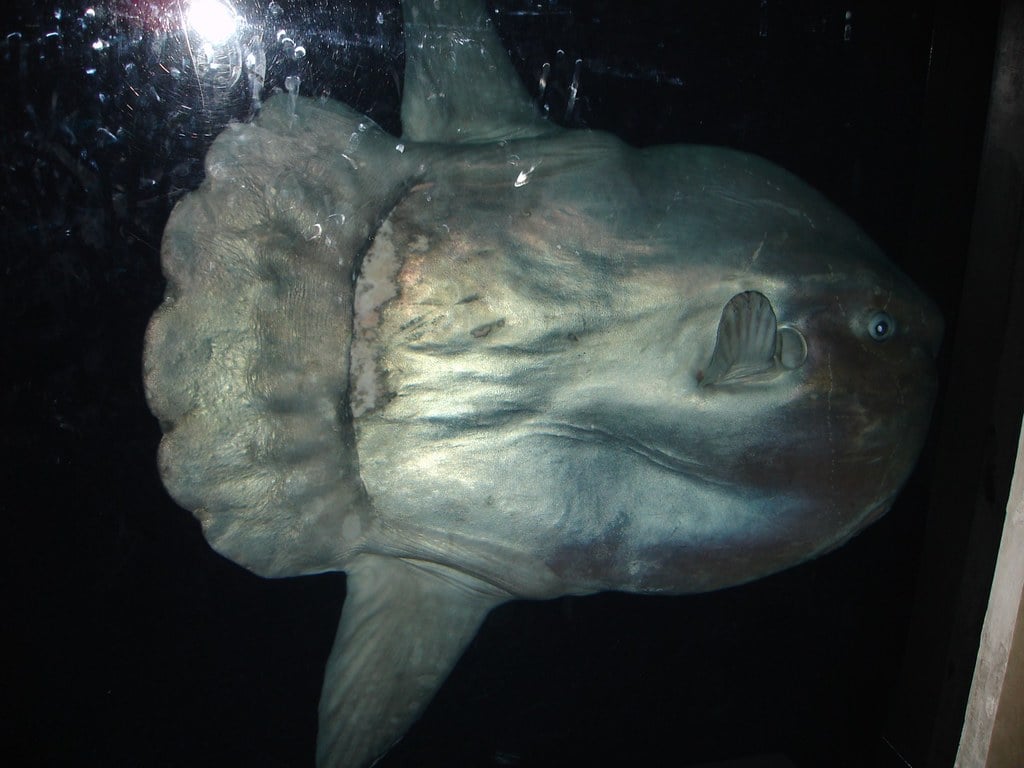
This massive fish wasn’t even recognized as a separate species until researcher Marianne Nyegaard officially described it in 2017, after it spent years hiding in plain sight among its relatives.
The hoodwinker sunfish can weigh up to 2,000 pounds and has been spotted everywhere from New Zealand to Alaska, though scientists initially mistook it for the more common ocean sunfish.
Nyegaard spent years studying sunfish and finally confirmed this was a distinct species, saying she feels like they’re constantly hoodwinking her.
When a seven-foot specimen washed up on an Oregon beach in 2024, DNA analysis by the Hatfield Marine Science Center confirmed it was indeed the elusive hoodwinker.
Whalefish
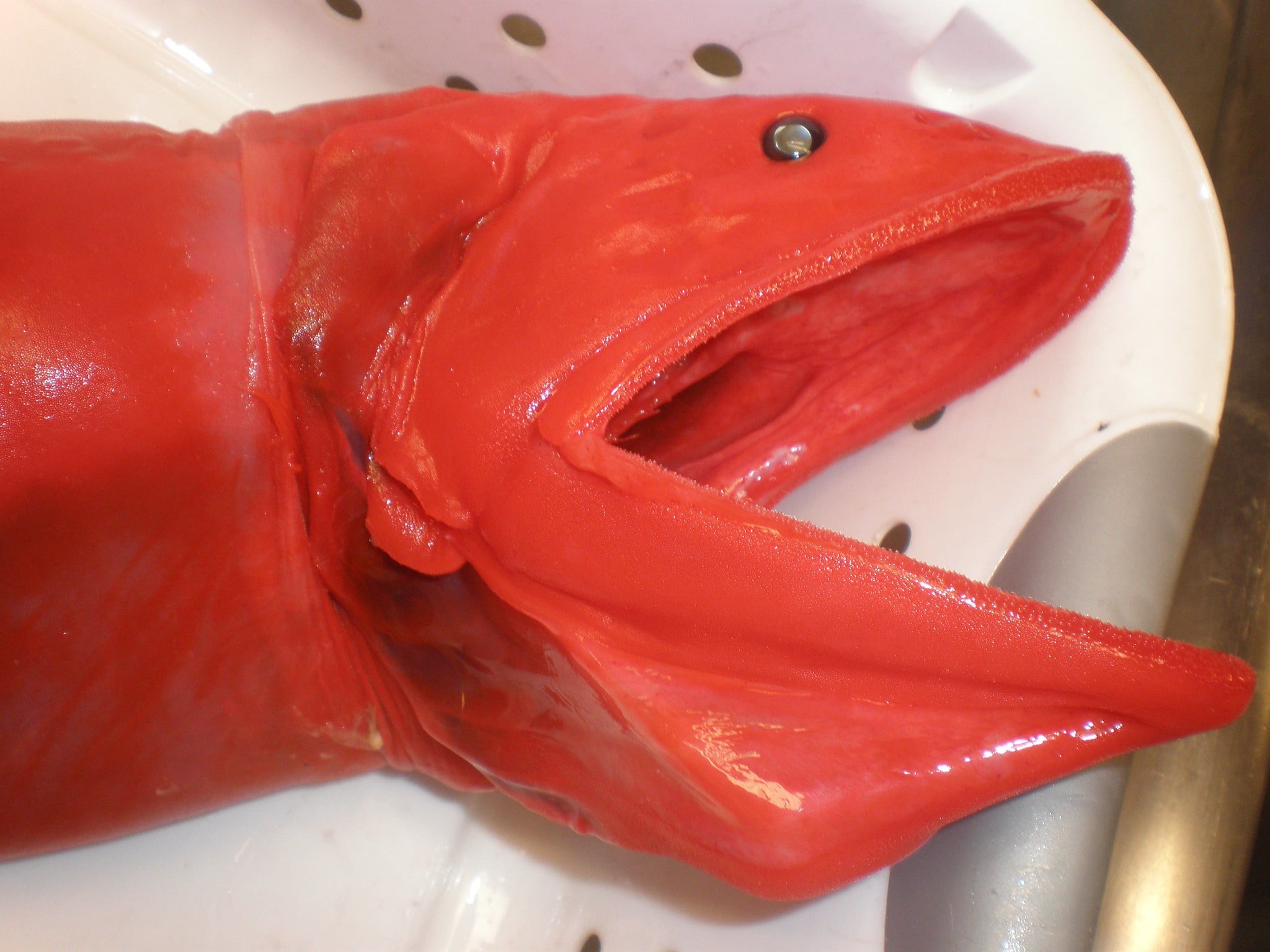
The bizarre lifecycle of whalefish stumped scientists for years because juveniles, males, and females look so drastically different that researchers thought they were three separate species.
The transformation from juvenile to mature female is considered one of the most extreme among vertebrates, involving the larval form Mirapinna, male forms related to other deep-sea fish, and the female Cetomimus.
Whalefish don’t have scales or prominent fins, and they open their mouths to feed in deep waters between 2,000 and 13,000 feet. Because they’re so rarely seen alive, many mysteries remain about these remarkable fish.
Giant Sea Spider
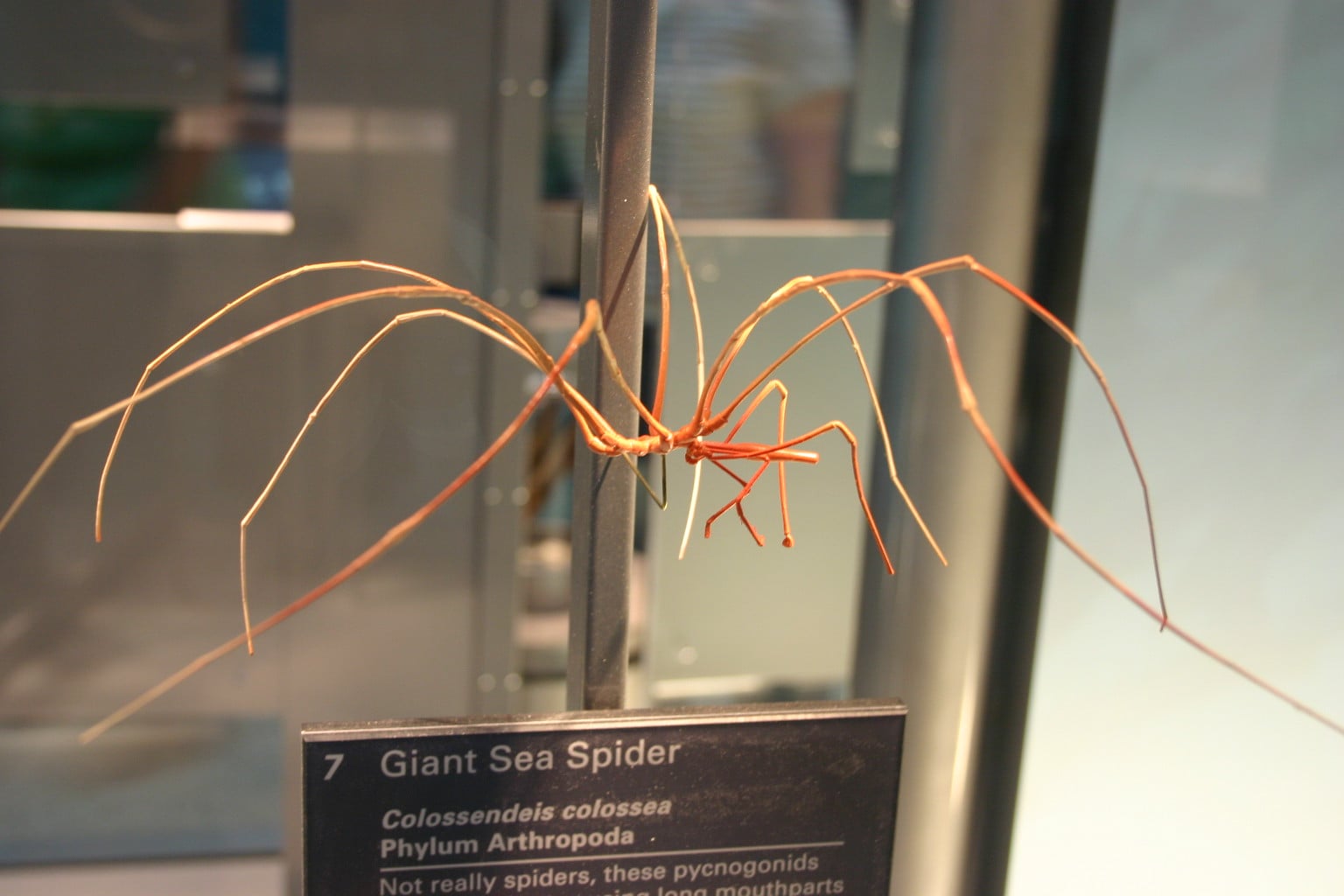
Like a daddy longlegs crossed with a nightmare, giant sea spiders have long, delicate legs extending from smaller bodies.
These creatures aren’t insects or arachnids but belong to an ancient marine arthropod lineage called Pycnogonida.
Giant forms found in Antarctic waters can reach leg spans up to 2.5 feet, or 75 centimeters.
They use their leg-like appendages to crawl along the seafloor hunting for food, looking more like walking sticks than spiders as they navigate the deep-sea landscape.
Like Go2Tutors’s content? Follow us on MSN.
Oarfish
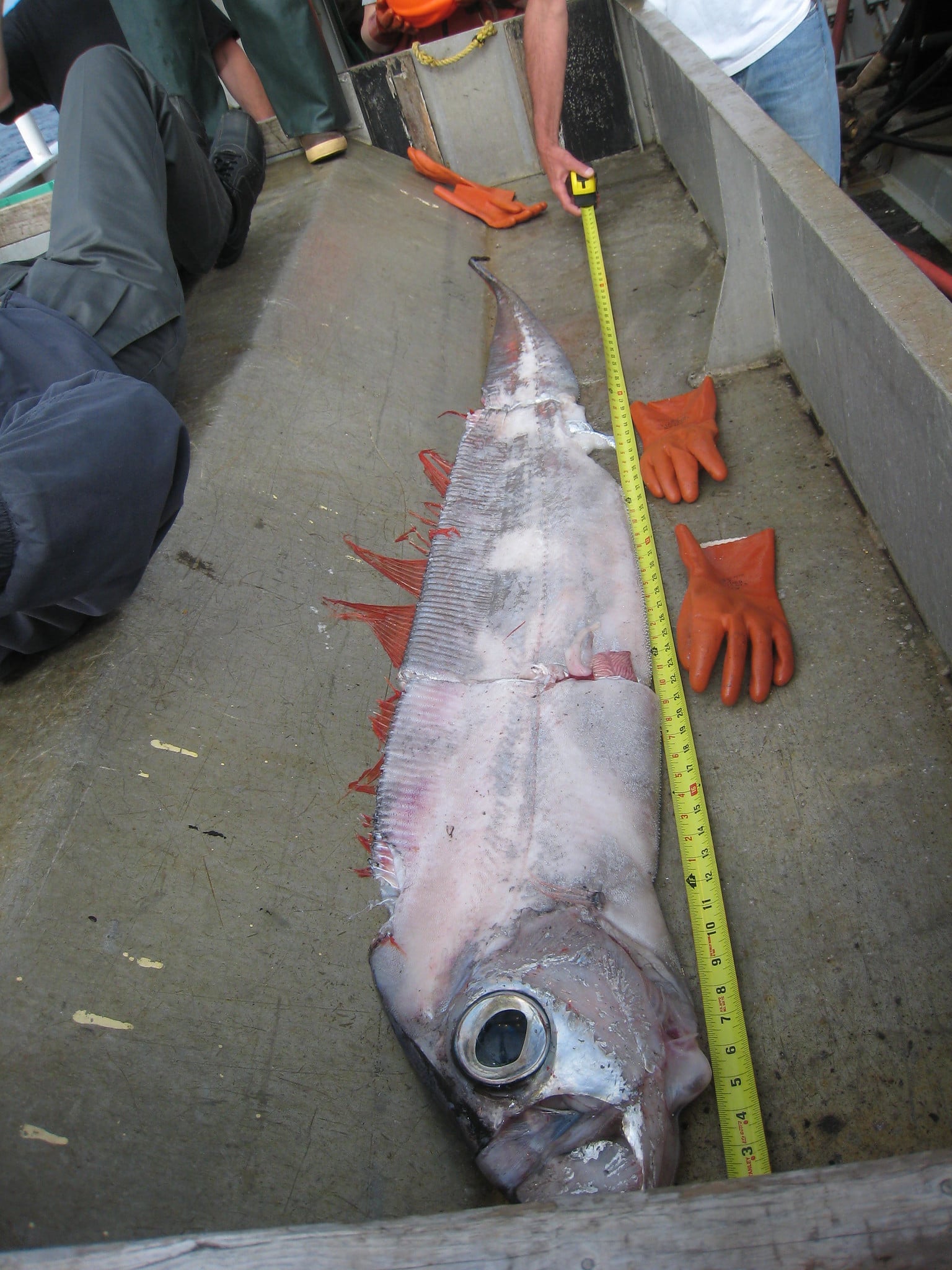
The oarfish is the longest known bony fish, with confirmed specimens measuring between 26 and 36 feet long, making it look like a sea serpent from ancient myths.
Its long, flattened, ribbon-like body undulates through the water in an almost hypnotic way.
Oarfish typically live at depths between 200 and 3,300 feet and are rarely seen by humans, though they occasionally wash ashore after storms.
These appearances likely contributed to historical sea monster legends, as their enormous size and strange shape don’t resemble any common fish.
Life in the Abyss
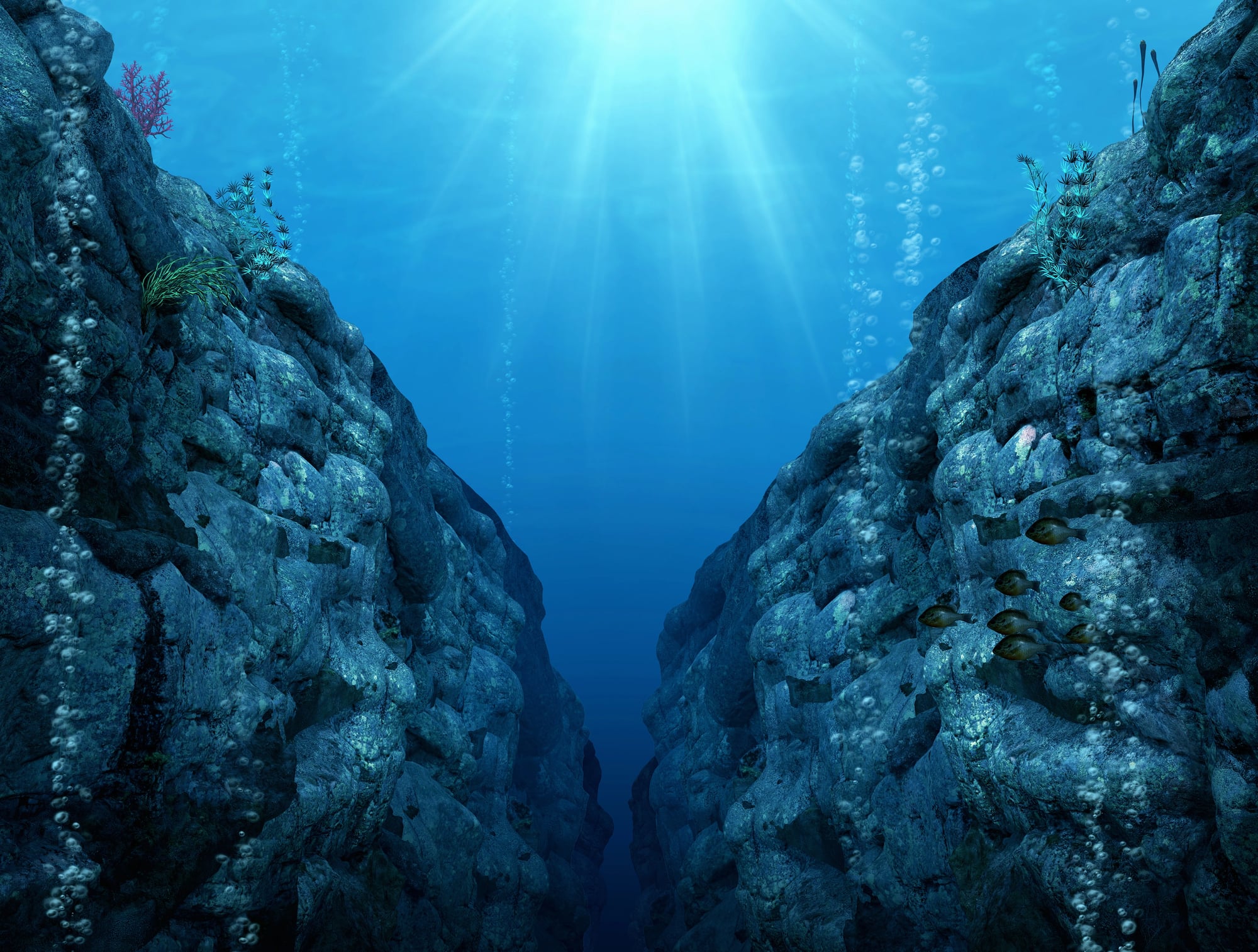
These creatures prove that life finds a way even in the most extreme conditions imaginable.
The deep ocean remains one of the least explored environments on Earth, with new species discovered regularly as technology improves.
Every strange adaptation—from transparent heads to detachable glowing gills—serves a purpose in the endless darkness where finding food or a mate can mean the difference between survival and extinction.
An estimated 70 to 80 percent of deep-sea organisms are bioluminescent, showing just how crucial the ability to produce light is in this alien world.
As scientists continue exploring the depths, who knows what other bizarre creatures are waiting to be discovered in the abyss.
More from Go2Tutors!

- 16 Historical Figures Who Were Nothing Like You Think
- 12 Things Sold in the 80s That Are Now Illegal
- 15 VHS Tapes That Could Be Worth Thousands
- 17 Historical “What Ifs” That Would Have Changed Everything
- 18 TV Shows That Vanished Without a Finale
Like Go2Tutors’s content? Follow us on MSN.