17 Social Platforms That Died With Millennials
Remember when logging onto the computer meant hearing that familiar dial-up screech? Social media was this exciting new frontier where you could customize your profile with glittery backgrounds and auto-playing music.
Those were the days when millennials were coming of age, experimenting with digital identity, and forming the first generation to truly grow up online. The internet moves fast, though. What seemed permanent back then has mostly vanished into digital dust.
Here’s a list of 17 social platforms that millennials loved, lived on, and ultimately left behind as they grew up and moved on.
Friendster
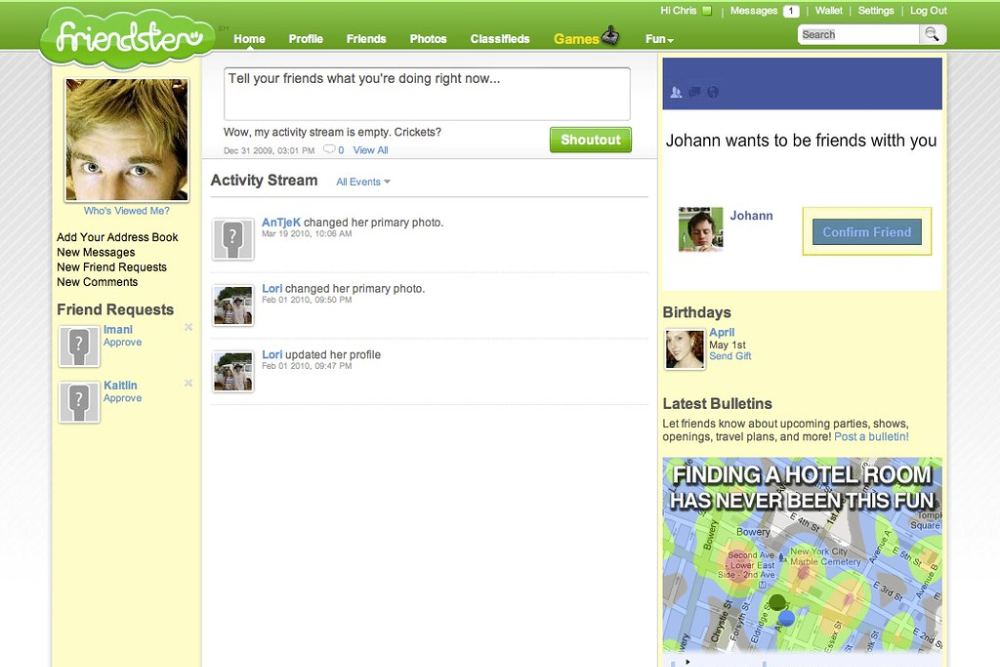
Before Facebook dominated our feeds, Friendster was the original social networking pioneer that launched in 2002. This platform introduced the concept of connecting with friends online and viewing their networks — essentially creating the blueprint that later platforms would perfect.
Technical problems plagued the service, yet despite having over 100 million users at its peak, faster and more reliable competitors led to its decline in Western markets by the late 2000s.
MySpace

MySpace reigned as the undisputed king of social media for millennials in the mid-2000s. It offered something no platform had before: complete creative control over your profile.
Users could customize everything with HTML and CSS — creating digital shrines complete with background music, glittery graphics, and carefully curated ‘Top 8’ friends lists. The platform became a cultural phenomenon, especially for musicians and bands, though it lost its crown when Facebook offered a cleaner experience that parents and professionals felt comfortable joining.
Vine
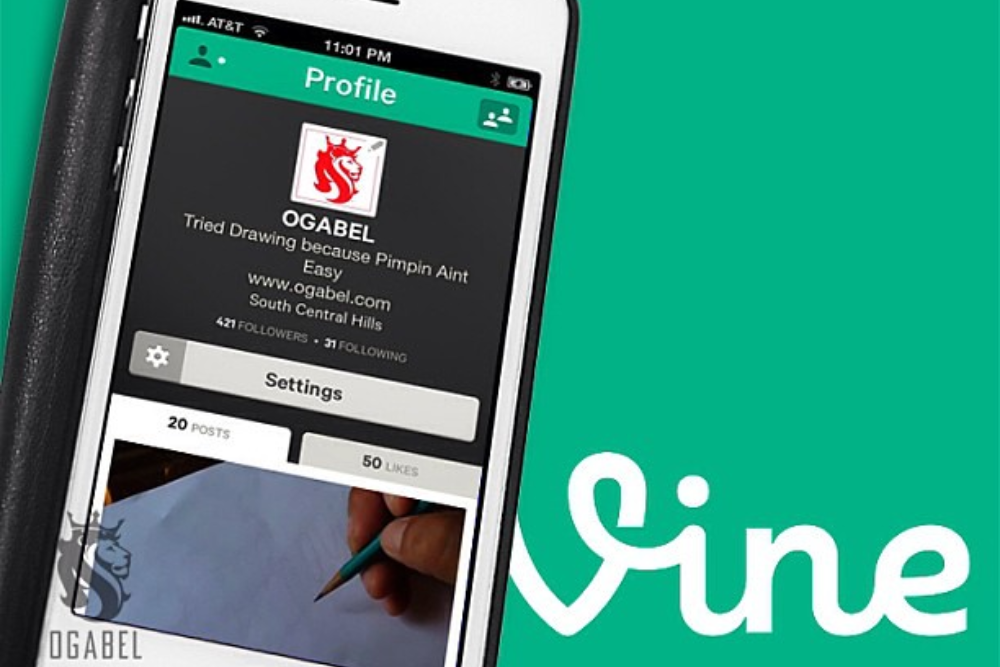
In just six short years, Vine managed to revolutionize how we consumed content. The six-second video format made stars out of ordinary people while spawning countless memes and catchphrases that still echo through internet culture today.
Twitter shut down Vine in 2017 — unable to monetize the platform effectively — but its influence lives on in TikTok’s short-form video dominance.
Google+
Google’s ambitious attempt to challenge Facebook launched in 2011 with high hopes and heavy promotion. It never gained the traction the tech giant expected, though.
Despite innovative features like Circles for organizing contacts and Hangouts for video chatting, the platform felt forced and empty compared to thriving communities users already had elsewhere. Google officially shut down the consumer version in 2019 following a series of data breaches and consistently low user engagement.
Tumblr
Tumblr carved out a unique space as the artsy, alternative cousin of mainstream social media. Users could share everything from photography and poetry to fandoms and niche interests — making it a cultural hub for creative expression, LGBTQ+ communities, and subcultures that didn’t quite fit elsewhere.
While Tumblr still exists, its influence waned significantly after Yahoo’s acquisition and subsequent content policy changes drove away much of its core user base.
Foursquare
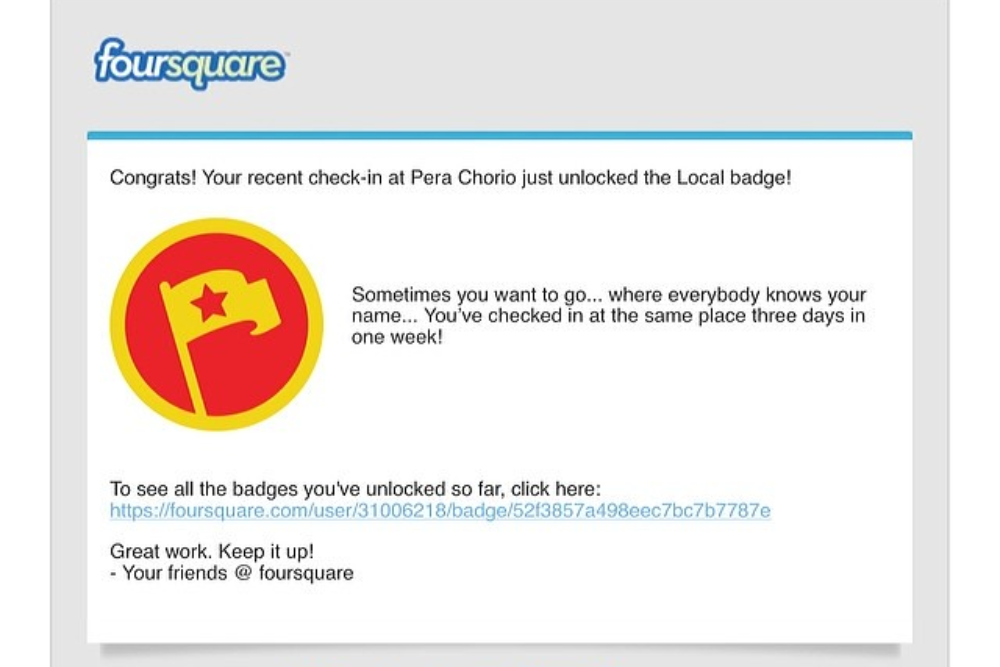
The location-based social network turned everyday activities into a game. Users could ‘check in’ at restaurants, shops, and venues to earn badges while competing for ‘mayor’ status at their favorite spots — perfectly capturing the early smartphone era’s excitement about sharing real-world activities online.
The platform pivoted away from social features in 2014 to focus on location data and business analytics, ending its run as a consumer social network.
Orkut
Google’s first major social networking attempt found massive success in Brazil and India while remaining relatively unknown in the United States. Named after its Turkish creator Orkut Büyükkökten, the platform featured communities, testimonials, and a unique ‘crush’ feature — letting users secretly indicate interest in friends.
Google shut down Orkut in 2014 as it shifted focus to Google+, which ironically also failed to gain lasting traction.
Bebo
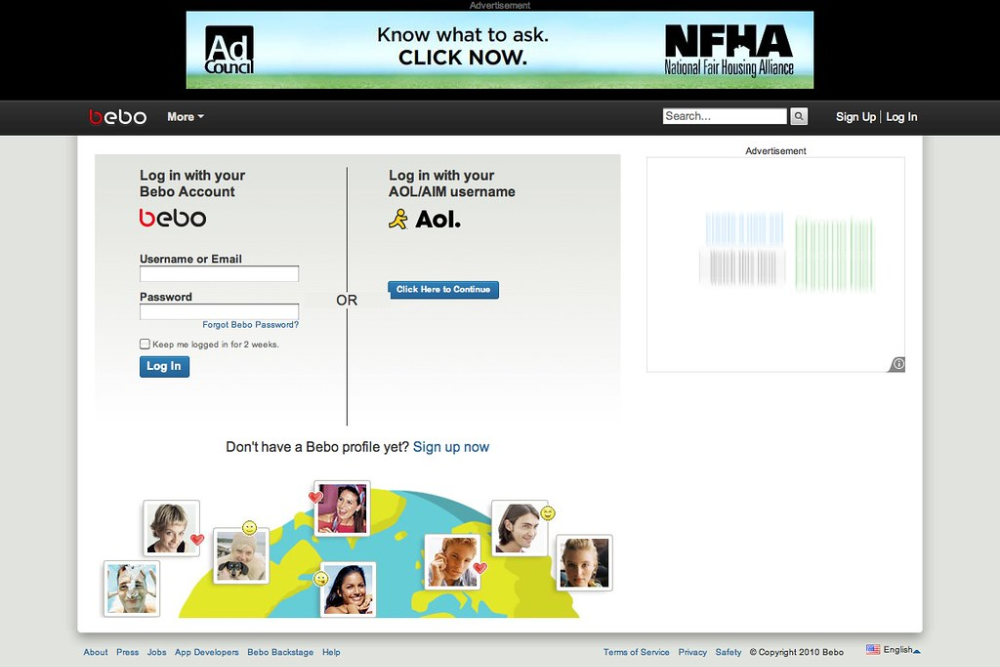
This British social network gained popularity as a more playful alternative to the serious tone of early Facebook. It featured customizable profiles, games, and a strong focus on multimedia sharing — becoming particularly popular among teenagers in the UK, Ireland, and New Zealand.
Bebo offered features like ‘Luv’ hearts and elaborate profile skins, yet struggled to compete as Facebook expanded globally. The platform eventually sold for a fraction of its peak valuation before shutting down its original service in 2013.
Hi5
Popular primarily in Latin America, Asia, and parts of Europe, Hi5 focused on meeting new people rather than connecting with existing friends. This made it an early predecessor to modern dating apps — featuring games, virtual gifts, and flirtation features that set it apart from more friendship-focused networks.
Despite having over 80 million users at its height, Hi5 couldn’t compete with Facebook’s global expansion and eventually transformed into a social gaming platform.
Xanga

Xanga blended blogging with social networking, creating a space where millennials could pour their hearts out in lengthy posts. Friends connected through comments and subscriptions — making the platform particularly popular among Asian-American communities.
It became known for dramatic, diary-style posts that captured the emotional intensity of teenage and young adult life, though after struggling financially, Xanga attempted several comebacks but never regained its original momentum before finally shutting down in 2013.
Picasa
While technically a photo management service, Picasa’s social features made it a gathering place for photo enthusiasts who wanted more than just basic sharing capabilities. Google’s platform offered powerful editing tools, face recognition, and the ability to create web albums that friends could comment on and contribute to.
Google discontinued Picasa in 2016, migrating its features to Google Photos, which lacks the community-driven aspects that made the original special.
Multiply
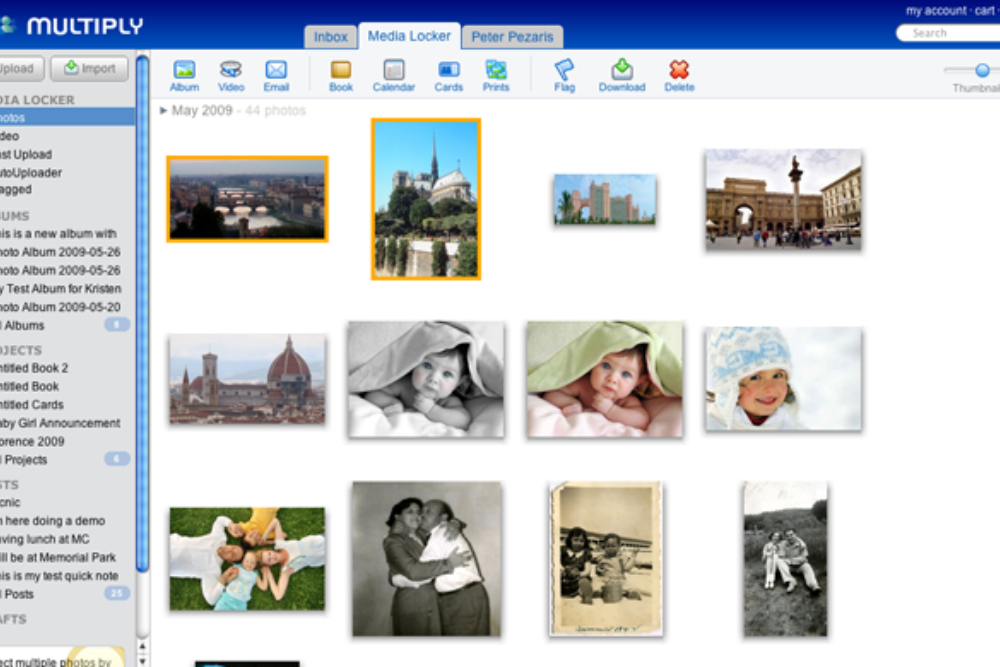
This Filipino-dominated platform combined social networking with e-commerce, allowing users to share content while also buying and selling products within their networks. Multiply was ahead of its time in many ways, integrating social commerce features that wouldn’t become mainstream until years later.
The platform shut down its social networking features in 2013 to focus solely on e-commerce before closing entirely in 2015.
Classmates.com
Long before Facebook made finding old friends effortless, Classmates.com built an empire around reunion nostalgia. The service helped people reconnect with former schoolmates and colleagues, capitalizing on the universal desire to see what happened to people from your past.
It charged fees for premium features like sending messages, but as free alternatives like Facebook made these connections easier and more natural, Classmates.com lost its unique value proposition and faded into irrelevance.
Path

Positioned as the ‘personal network’ for your closest friends and family, Path deliberately limited users to 150 connections to encourage more intimate sharing. The app featured beautiful design and unique features like sleep and mood tracking, creating a more personal alternative to the increasingly public nature of other social networks.
Despite critical acclaim and a devoted user base, Path couldn’t achieve the scale necessary for long-term sustainability and shut down in 2018.
Ello
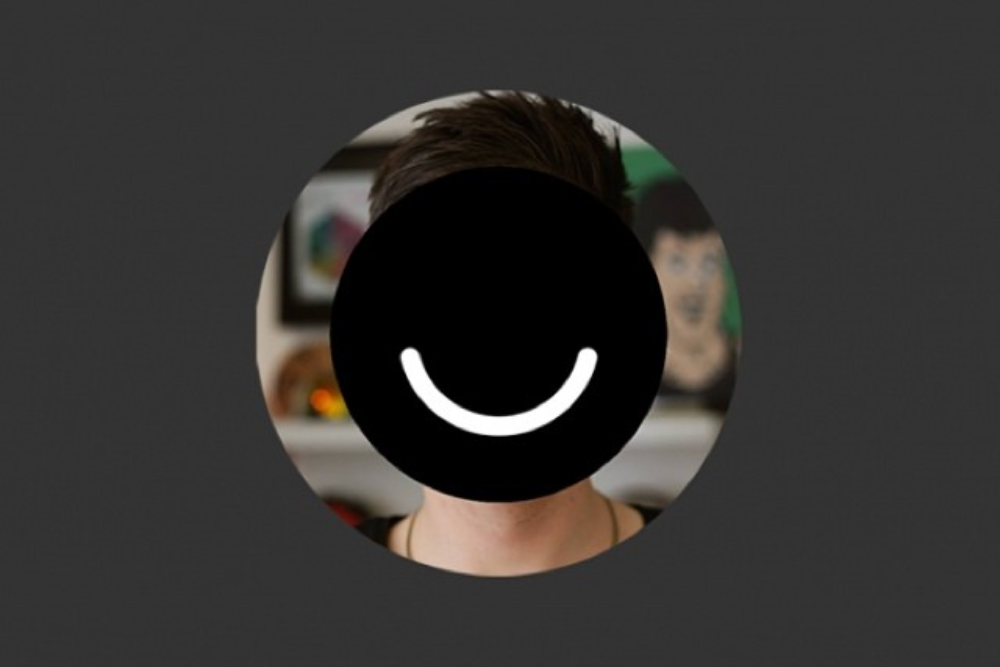
Launched as the ‘anti-Facebook’ with no ads, no data mining, and a manifesto against the commodification of social media, Ello attracted users frustrated with mainstream platforms’ privacy practices. The minimalist, black-and-white design appealed to artists and designers who appreciated its clean aesthetic and commitment to user rights.
However, Ello’s noble principles couldn’t overcome the network effects of established platforms, and it pivoted to become a niche creative community rather than a general social network.
Peach

Created by the founder of Vine, Peach offered a unique approach to social sharing through ‘magic words’ that triggered different types of posts, from weather updates to song lyrics to drawings. The app’s quirky, experimental interface attracted tech enthusiasts and creative types looking for something different from standard social media formats.
Despite generating initial buzz and critical praise, Peach never gained mainstream adoption and remains a curiosity in social media history.
Diaspora

Born from frustration with Facebook’s privacy practices, Diaspora promised a decentralized social network where users controlled their own data through independent servers called ‘pods.’ The open-source project raised significant funding through crowdsourcing and attracted privacy-conscious users seeking alternatives to corporate-controlled platforms.
While Diaspora still exists in limited form, it never achieved the user-friendly experience necessary to compete with mainstream social networks, remaining largely confined to tech-savvy early adopters.
When Digital Nostalgia Meets Reality

Not only did these platforms vanish, but they also carried a bit of millennial culture with them. Each one represented a different experiment in how people might connect online, from the skill of creating the ideal song for a MySpace profile to the stress of holding onto Foursquare mayorships.
The tech industry learned a lot from their mistakes about monetization, user experience, and the erratic nature of online celebrity. The social media landscape of today may appear more polished and permanent, but it’s important to keep in mind that even the industry titans of today were once tenacious startups.
Platforms that now appear unstoppable may be part of tomorrow’s digital graveyard. The important thing to remember is that these platforms were stepping stones in humanity’s continuous experiment with digital connection, not failures.
More from Go2Tutors!

- The Romanov Crown Jewels and Their Tragic Fate
- 13 Historical Mysteries That Science Still Can’t Solve
- Famous Hoaxes That Fooled the World for Years
- 15 Child Stars with Tragic Adult Lives
- 16 Famous Jewelry Pieces in History
Like Go2Tutors’s content? Follow us on MSN.